





Pizza the Action: Hong Kong Artists Critique ‘Hegemonic’ Venice Model

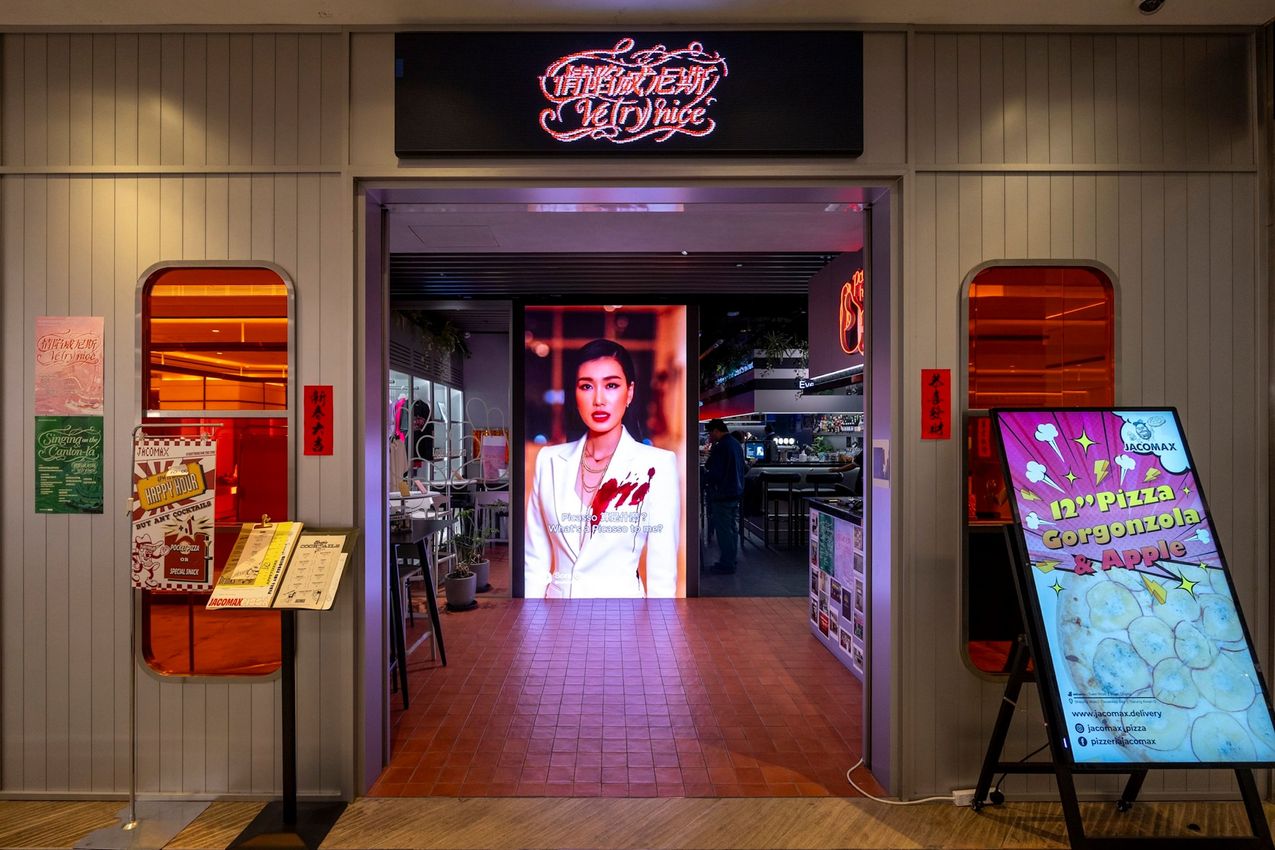

This weekend, just ahead of Hong Kong Art Week, 15 local artists will transform a Kowloon pizzeria into an unlikely response to the region’s fraught relationship with its presence at the Venice Biennale.
Ve(ry)nice, staged at Jacomax from 21–29 March, emerges amid ongoing debates around Hong Kong’s Venice pavilion—this year overseen by a government-run institution for the first time—and controversies surrounding its curatorial direction, funding structures and institutional remit.
The project will combine hospitality, improvisation and meme culture to offer a pointed commentary on what organisers have called the “hegemonic machine” of the Venice Bienniale.
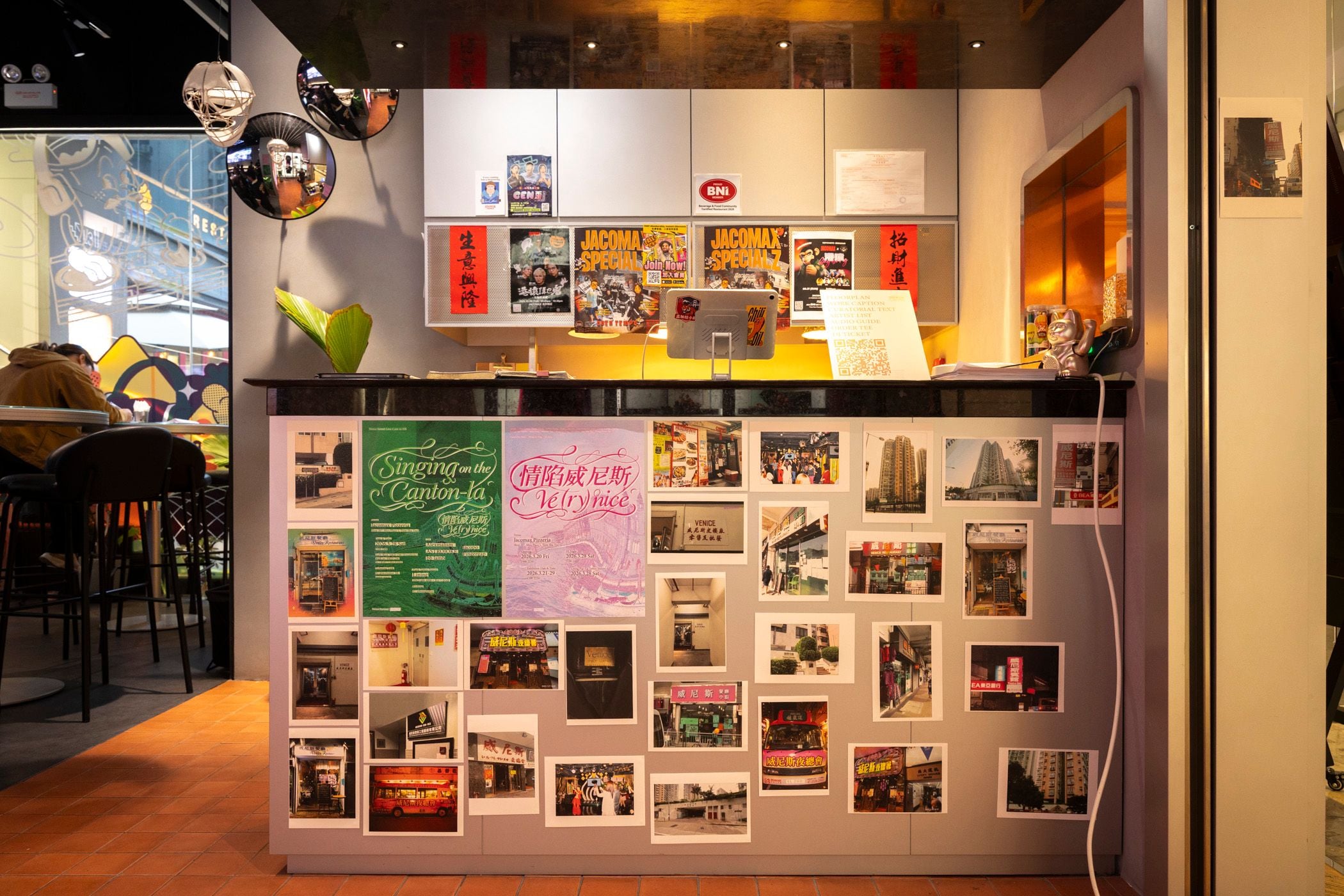
A statement announcing the pop-up show read: “The biennial, as a monumental international exhibition, exerts a powerful pull on those who govern, those who make, those who mediate, and those who follow art.
“…Ve(ry)nice aims to carry forward the momentum of artist-initiated curating into Hong Kong Art Week 2026, staging a pop up exhibition in collaboration with an experimental venue so that contemporary art can become more grounded and situational.”
The project’s co-curator, Wong Ka Ying, told Ocula that Ve(ry)nice is run entirely on enthusiasm and initiative—by artists already showing elsewhere during the region’s art week at fairs, and in institutions and independent spaces.
“Those [spaces] are for career rituals,” she said. “But this one is a reminder that making art in Hong Kong doesn’t always have to be serious or career-driven.”
The show, Wong continued, will take a “dual approach”. It will engage the public with issues surrounding the biennale using playful puns and social media aesthetics, while blurring the line between critical discourse and playful engagement.
Hong Kong has participated in the Venice Biennale’s collateral events since 2001, with M+ Museum overseeing the pavilion from 2013 and helping to propel artists including Lee Kit and Trevor Yeung on to the international stage.
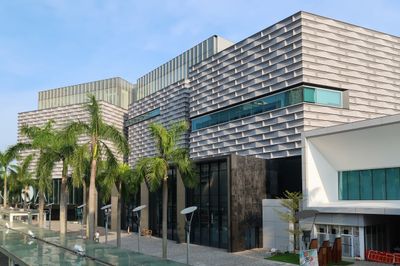
This trajectory shifted last year, when Hong Kong’s Arts Development Council transferred responsibility for the pavilion to the Hong Kong Museum of Art.
Proposed changes—pivoting from solo to group exhibitions, from commissions to open calls dictated by the notion of “good Hong Kong art”, and dispensing with a dedicated curator—prompted concerns over whether the pavilion would sustain ambitious, internationally legible practices.
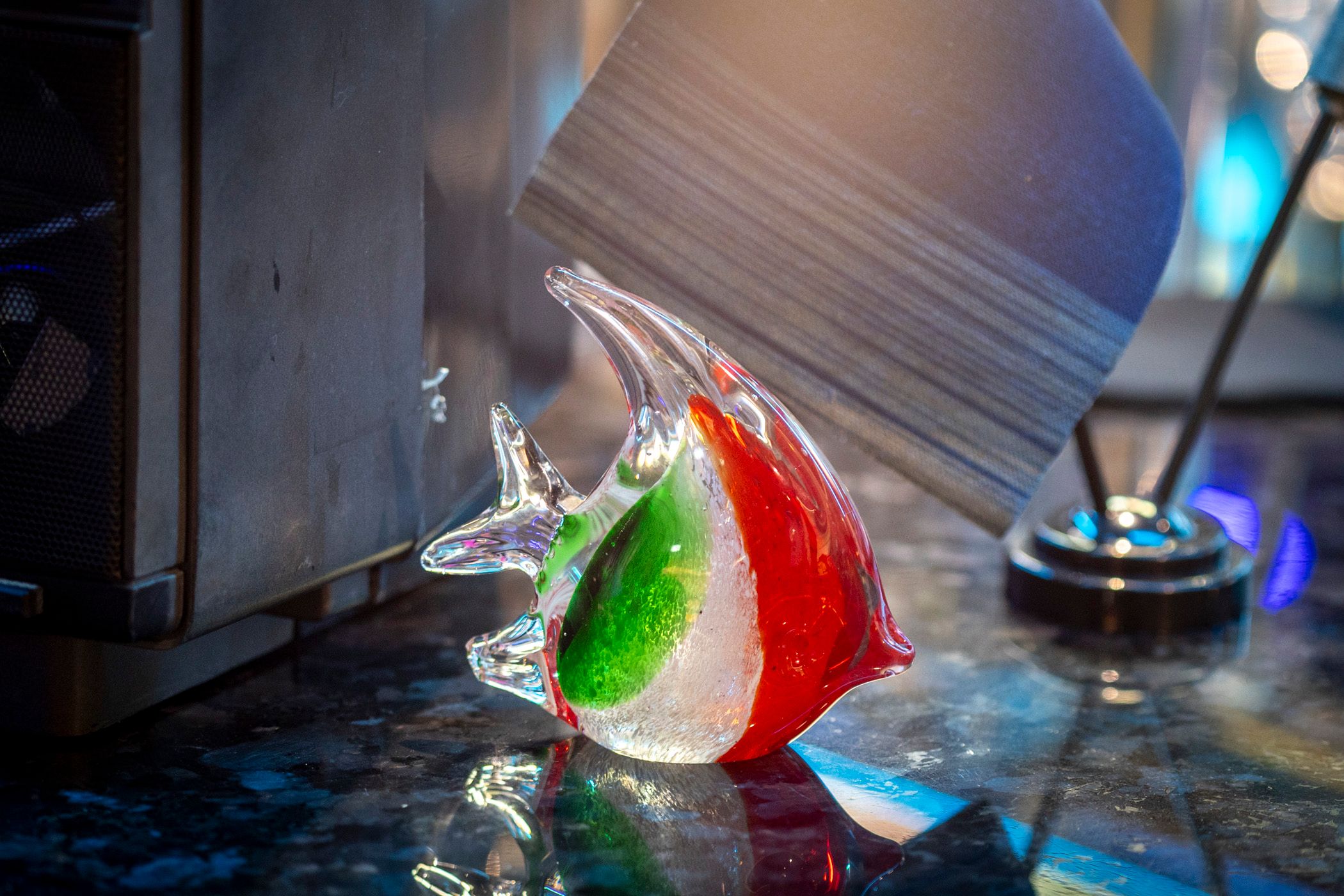
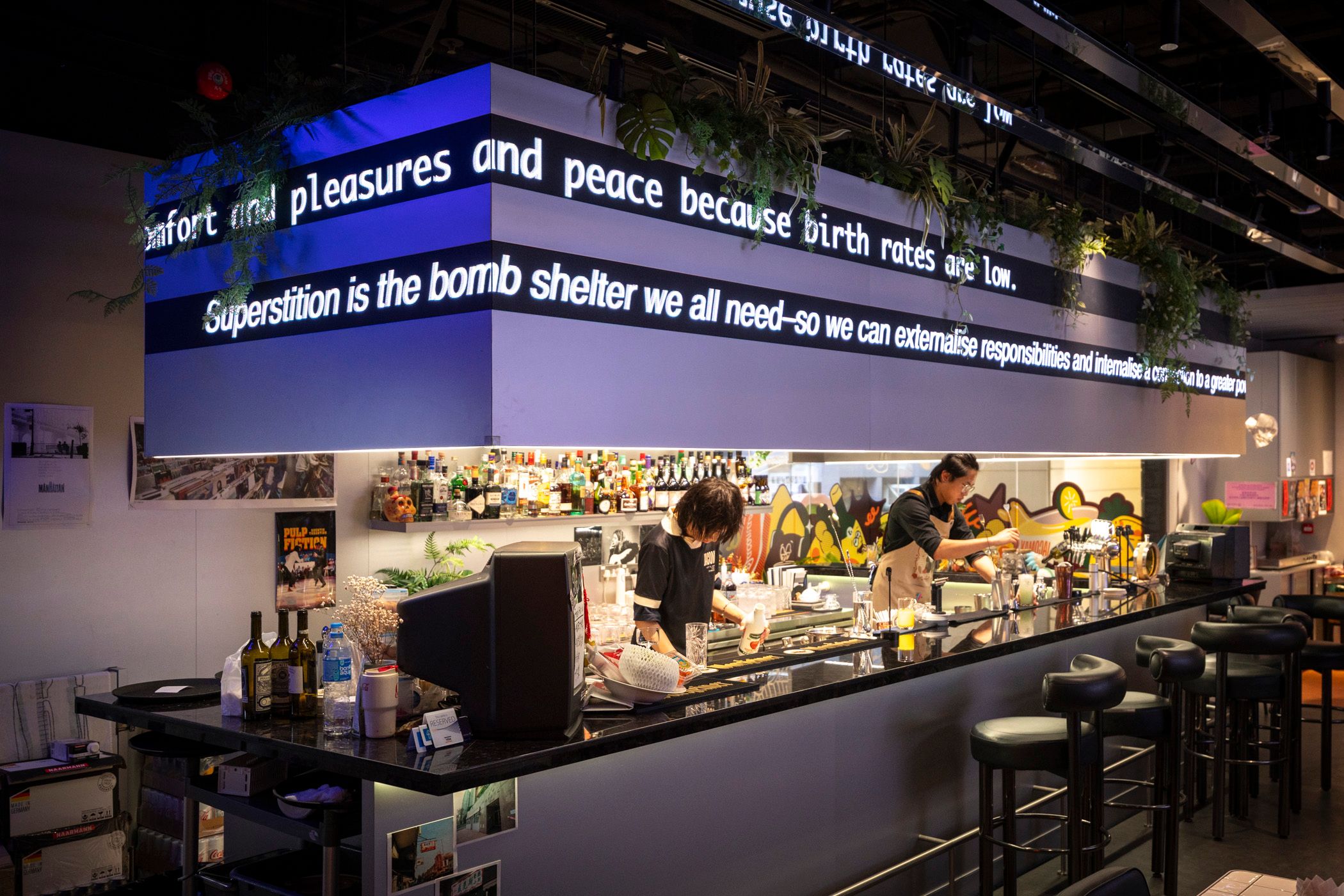
At the outset of Ve(ry)nice many artists were “bewildered” by the abrupt changes to the open-call system, Wong told Ocula, and this confusion quickly sparked the conversations that helped to shape the project.
For these artists, and Wong’s fellow curators Mak2 and Wu Jiaru, these developments also exposed the broader logics underpinning global biennials.
In the project’s statement, they described the Venice exhibition as at risk of “becoming a mechanism through which cultural power accumulates and concentrates without adequate counterbalance”.
The statement continued: “[The biennale] operates as a hegemonic machine of cultural homogenisation, and as an institutional apparatus that organises images and discourse into spectacle.
“Viewers are ultimately anesthetised by polished visual display, commercial promotion, entertainment consumption, and the imperatives of city branding.”
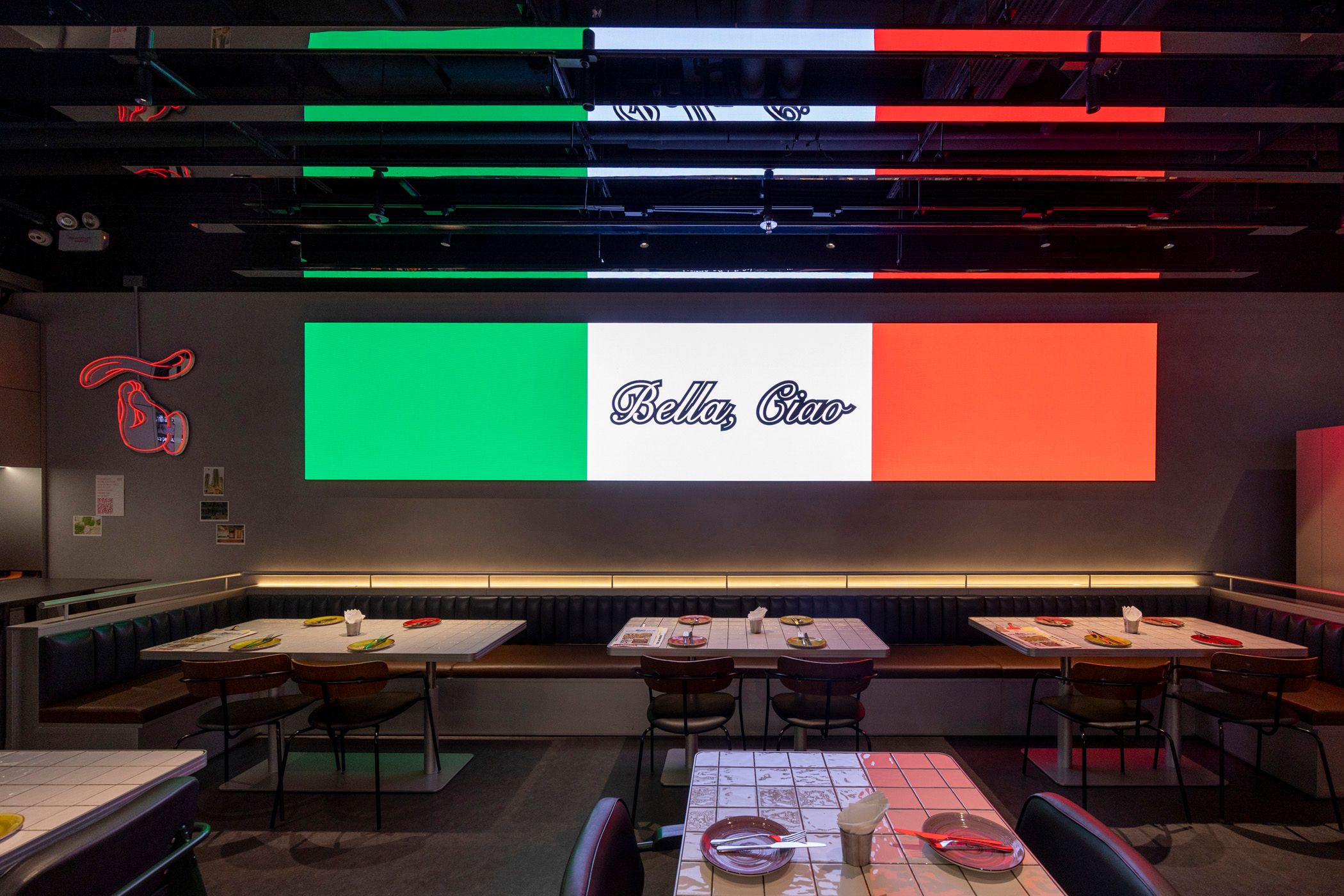
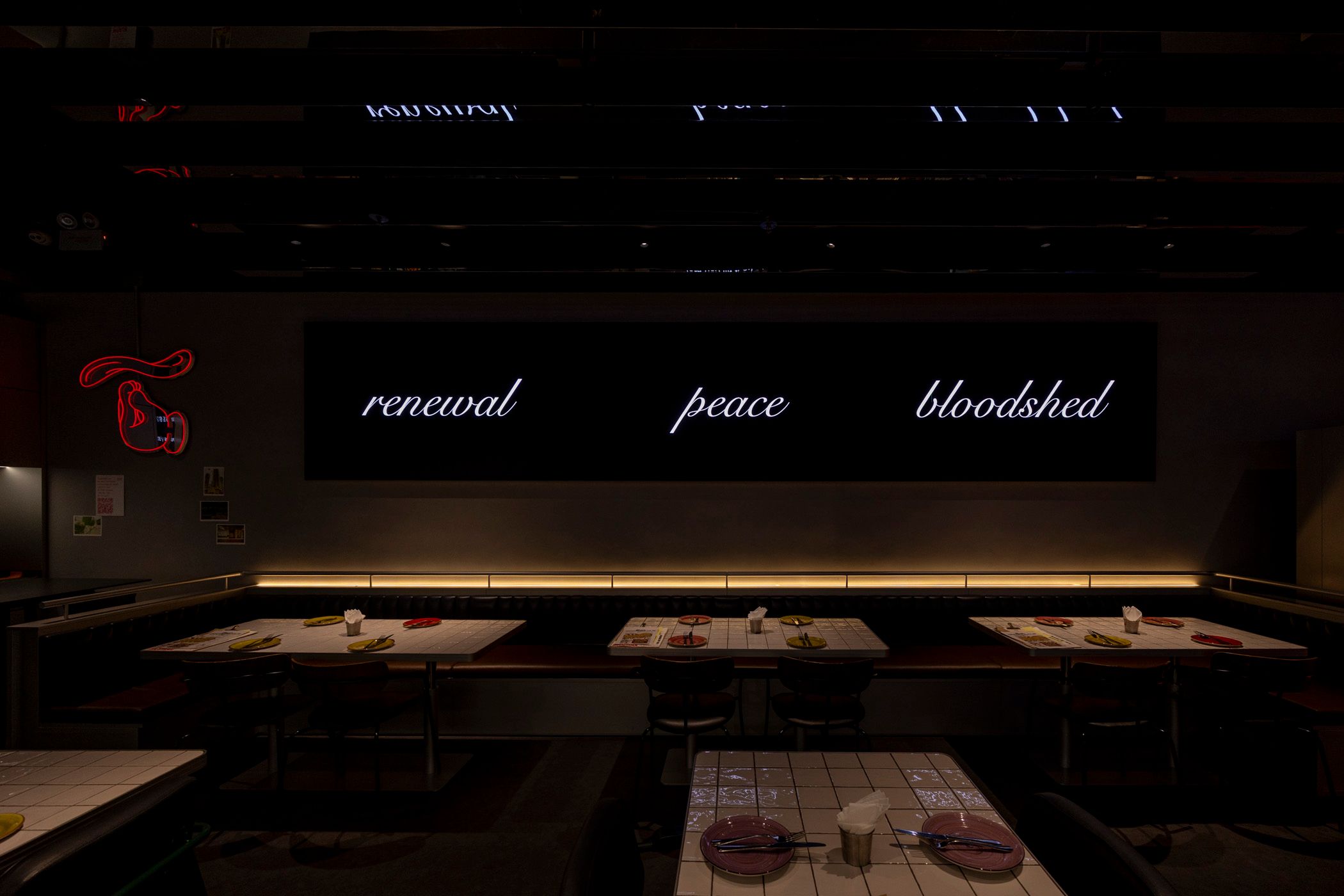
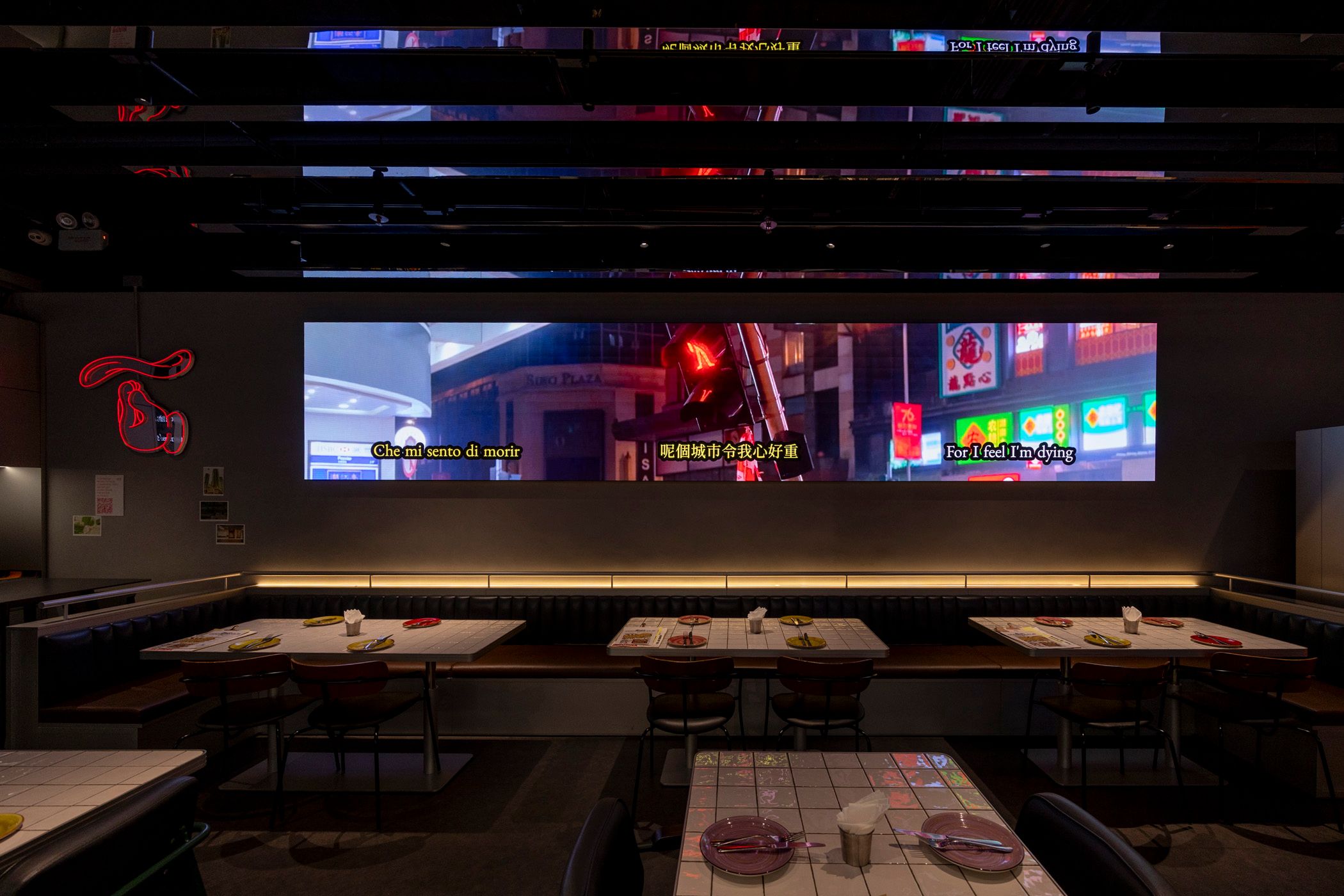
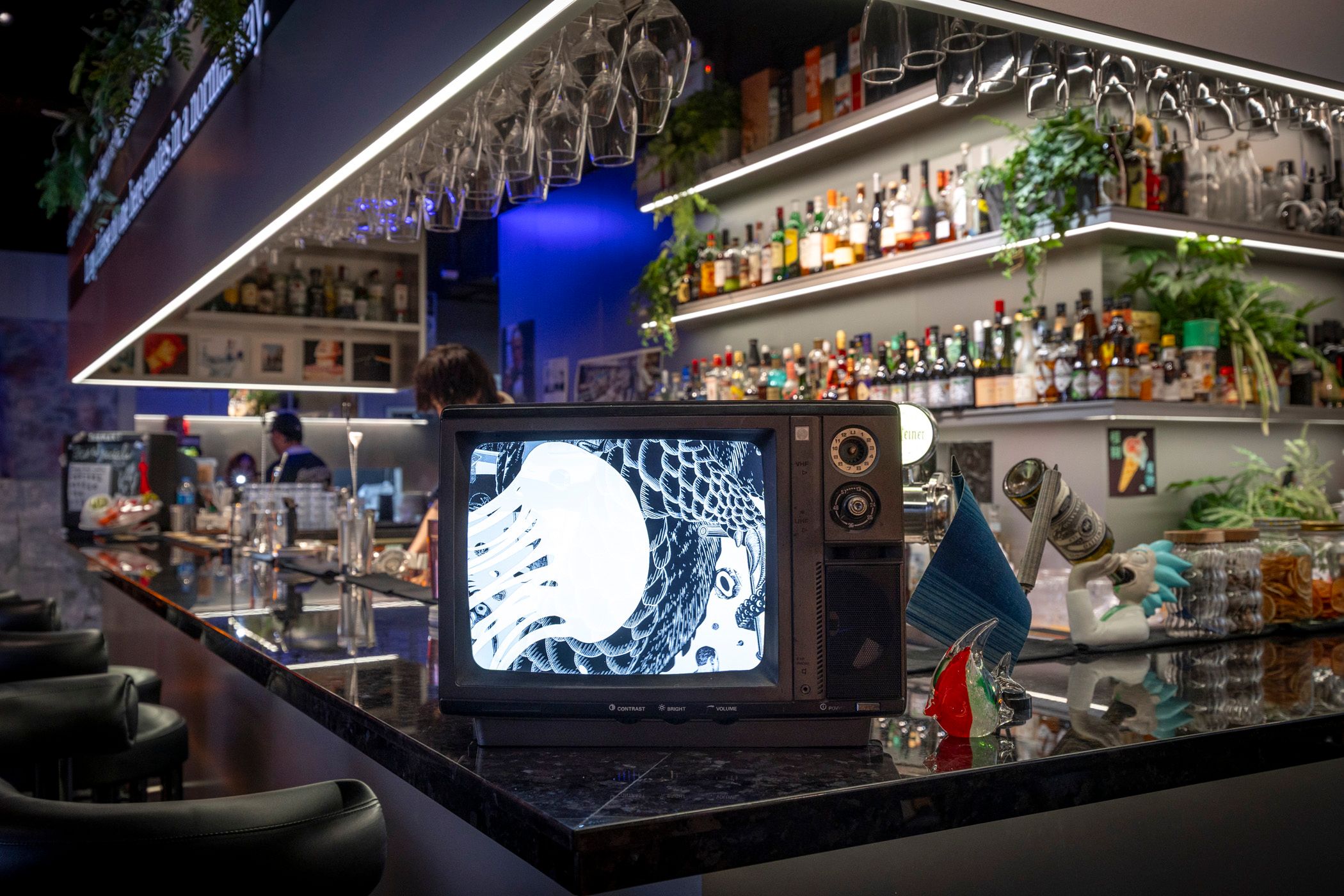
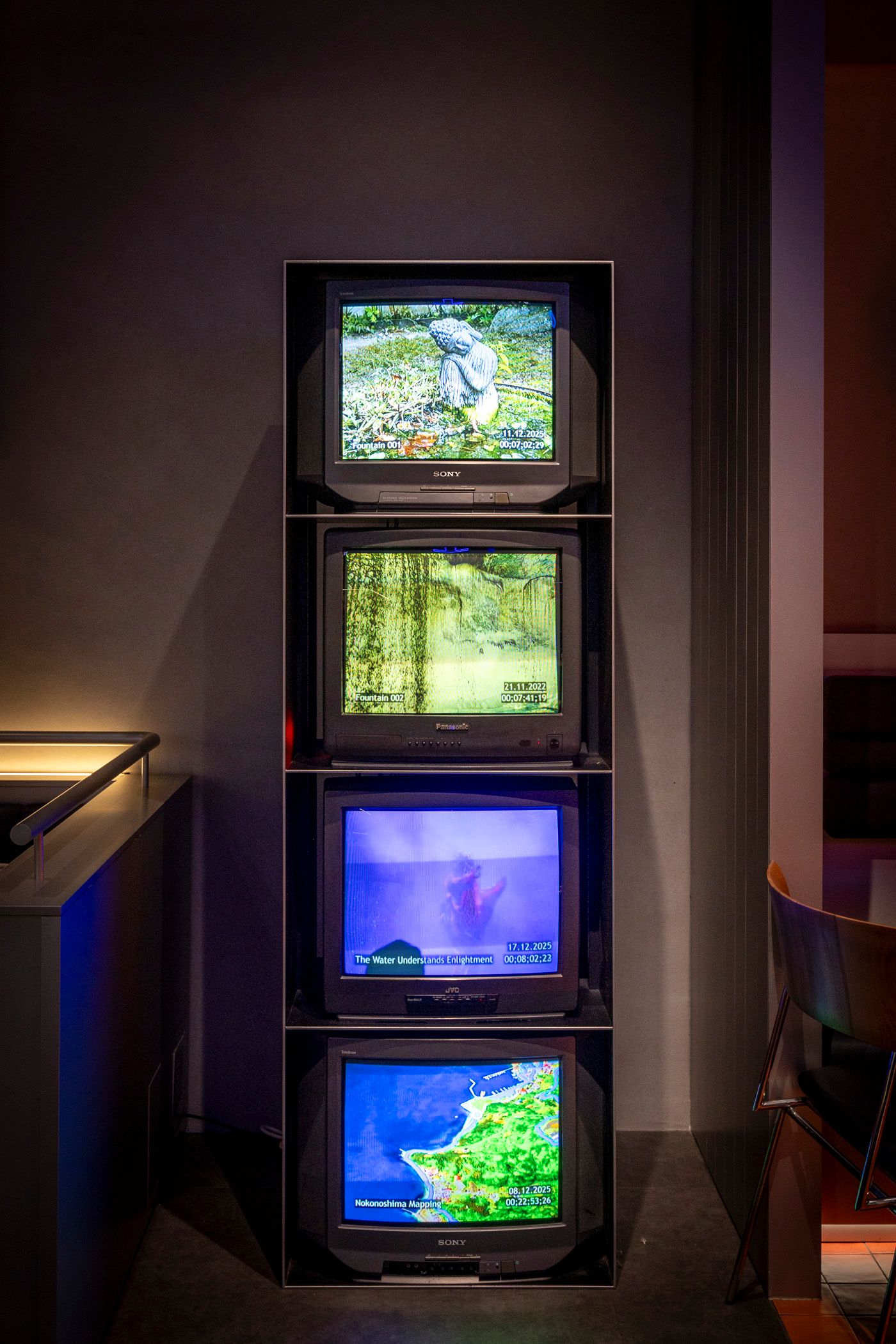
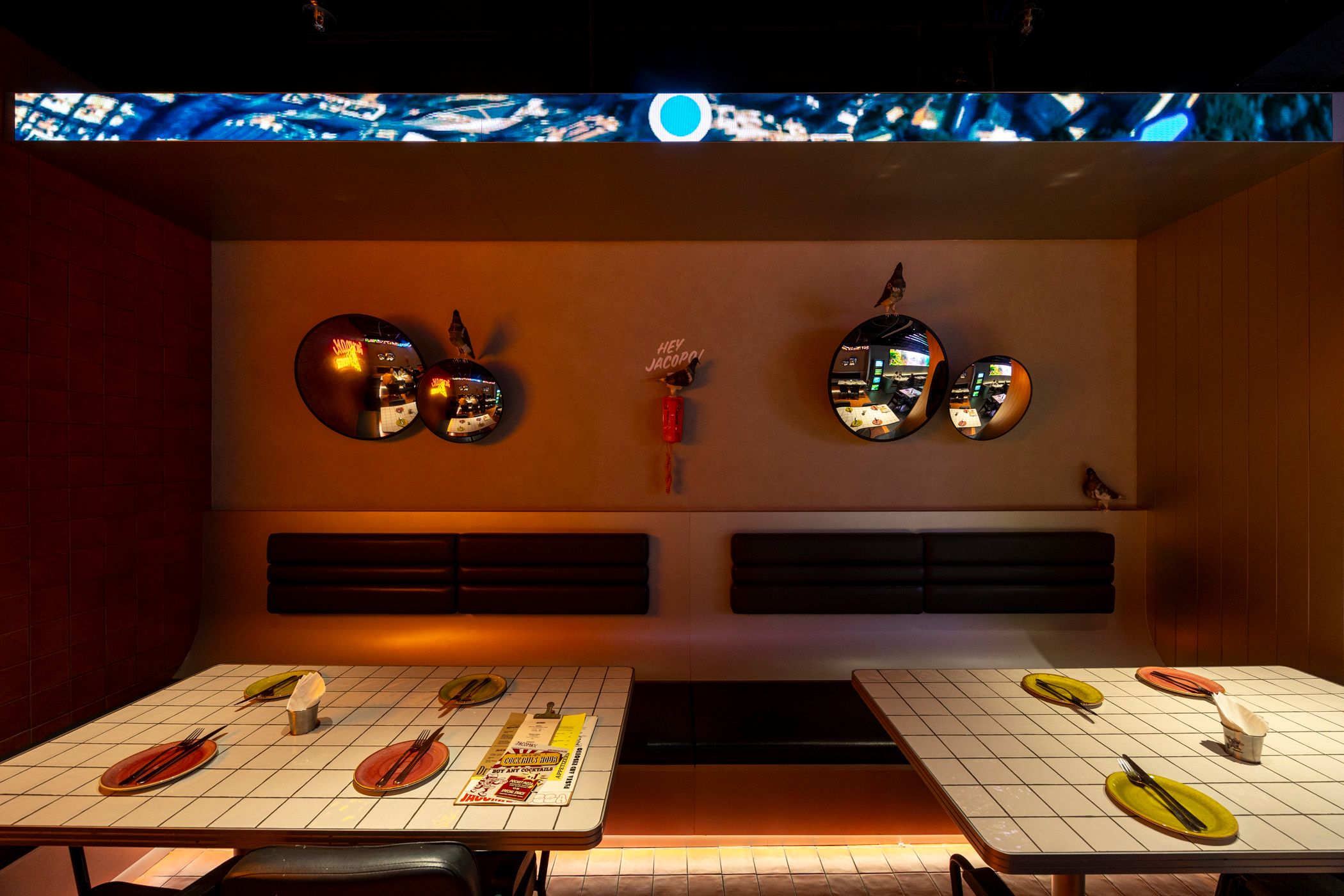
Installed within the pizzeria’s nightclub-like, screen-saturated interior, Ve(ry)nice will push back against these visuals by bringing together moving image, installation, print and AI-generated works that probe “Venice” as a circulating signifier.
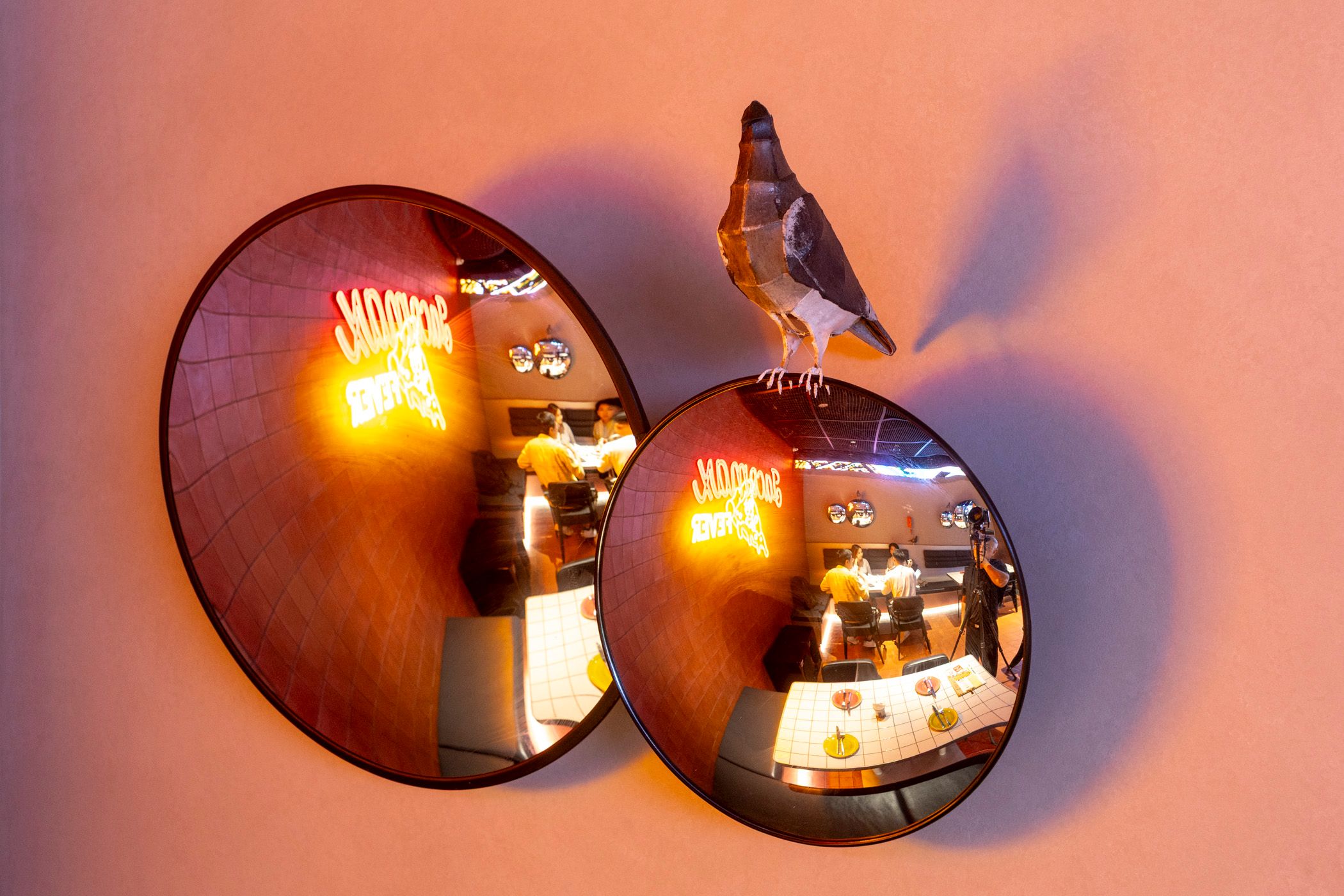
Ariel Lau’s ultra-wide panoramas will re-imagine the Tai O riverside landscape dotted with vaporettos, while Mimmy Tjia’s bamboo pigeons will present one of Venice’s most notorious urban inhabitants as a playful “pizza hunter”, folding a tourist cliché into a site-specific joke.
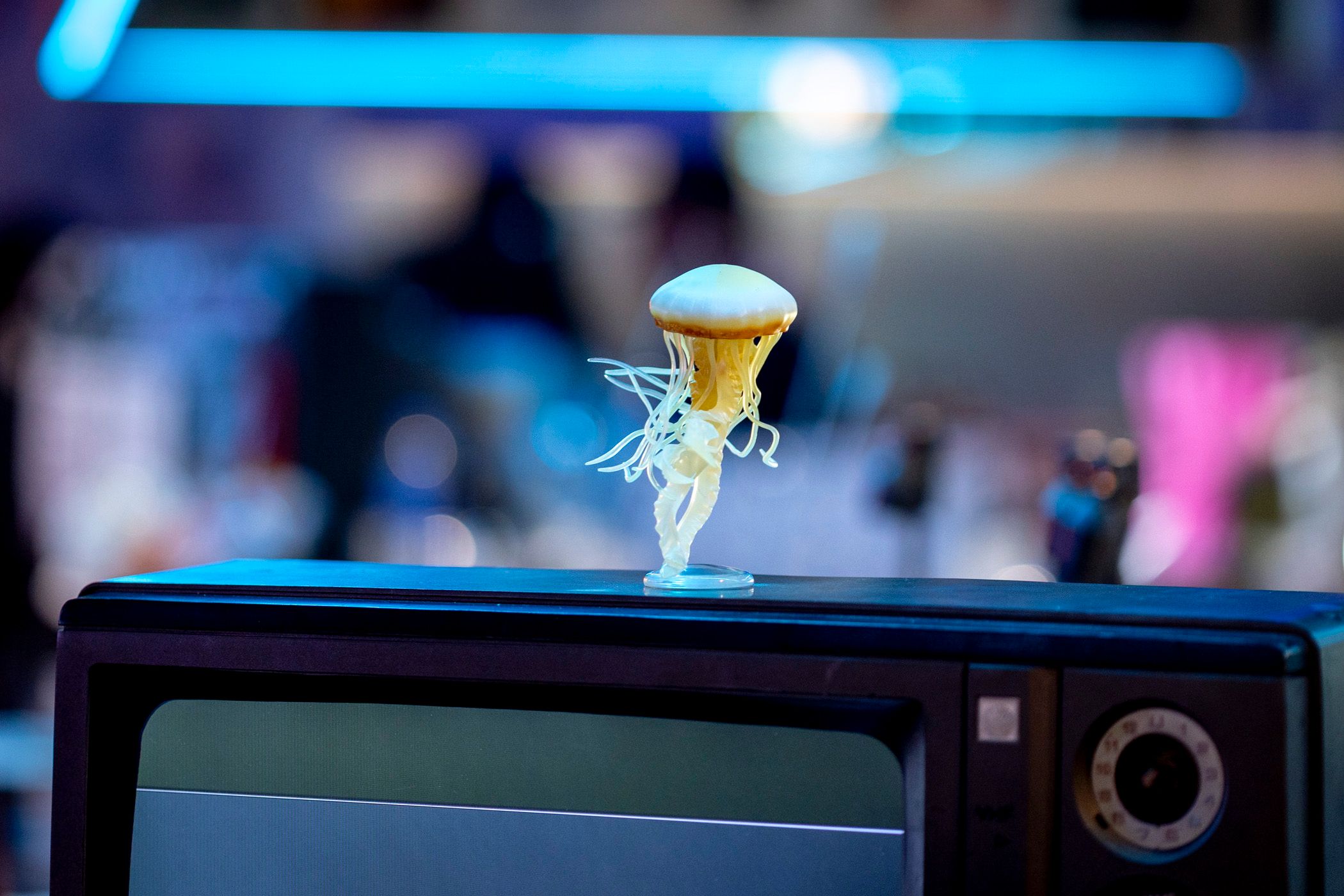
The programme will also spill into social formats—a temporary tattoo station by Lining, whose jellyfish-themed designs nod to Venice’s once-notorious aquatic inhabitants—collapsing distinctions between exhibition, event and hangout.





A respected voice in contemporary art discourse.
Focusing on ambitious storytelling and insightful art-world commentary. Ocula Magazine publishes in-depth interviews, critical essays and timely analysis on the artists, exhibitions and ideas driving the global art world.
Learn more about Ocula Magazine
Showcasing the best of the art world.
Ocula partners with galleries from around the world to highlight their artists, artworks and exhibitions. Gallery membership is by application and invitation, with each member vetted by an independent panel.
Learn more about Ocula Membership
Specialises in the sale of major artworks.
Led by a team with deep ties to the world’s leading auction houses, galleries and collectors. Ocula’s advisory team offers bespoke services to high-net-worth clients from around the world who are looking to acquire the best of contemporary and modern art.
Learn more about our team and services