





Melbourne’s Potter Museum Reopens with a Look Down a Long History
The University of Melbourne gallery is back after a years‑long renovation with an aim of starting the long journey to be more ‘accessible and welcoming’. Save to My Ocula
After seven years with closed doors, the most prominent of the University of Melbourne’s public art institutions is returning with a refurbished site and an exhibition spotlighting the immense time span covered by traditions of art in Australia.
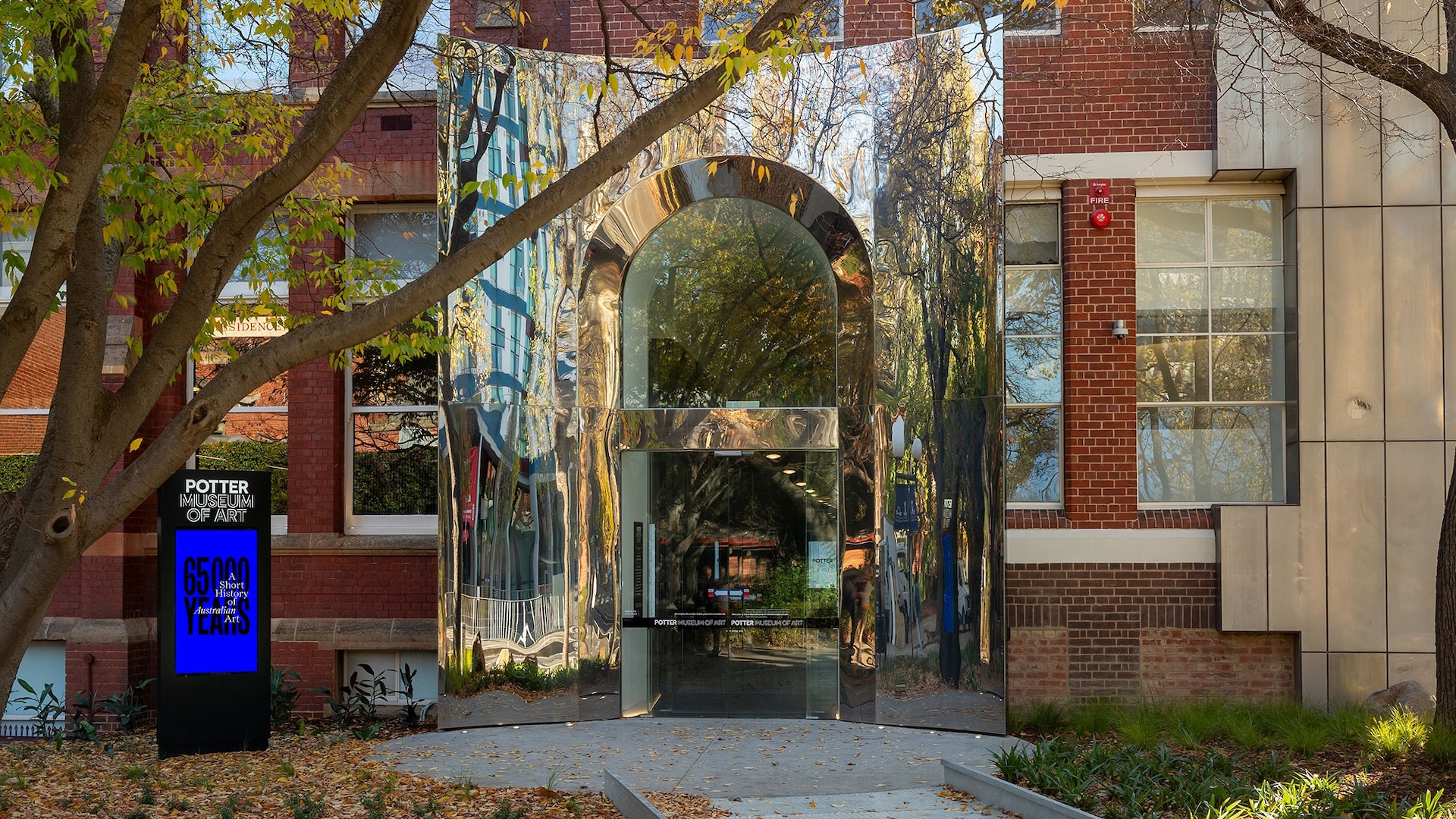
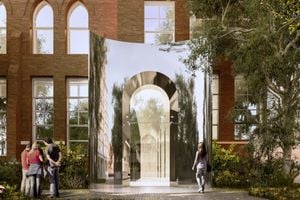
The Potter Museum of Art—affectionately known as ‘The Potter’—is reopening after the largest redevelopment in its more than 50-year history with a new campus-side entrance, revamped galleries, and new spaces for teaching and learning. It’s all part of a strategy to be more ‘accessible and welcoming’, according to museum director Charlotte Day.
As one of the custodians of the university’s 18,000-strong art and artefact collection, the Parkville-based museum has scope for ambitious exhibitions addressing far-reaching time frames—and that’s just the case with its inaugural re-opening exhibition 65,000 Years: A Short History of Australian Art.
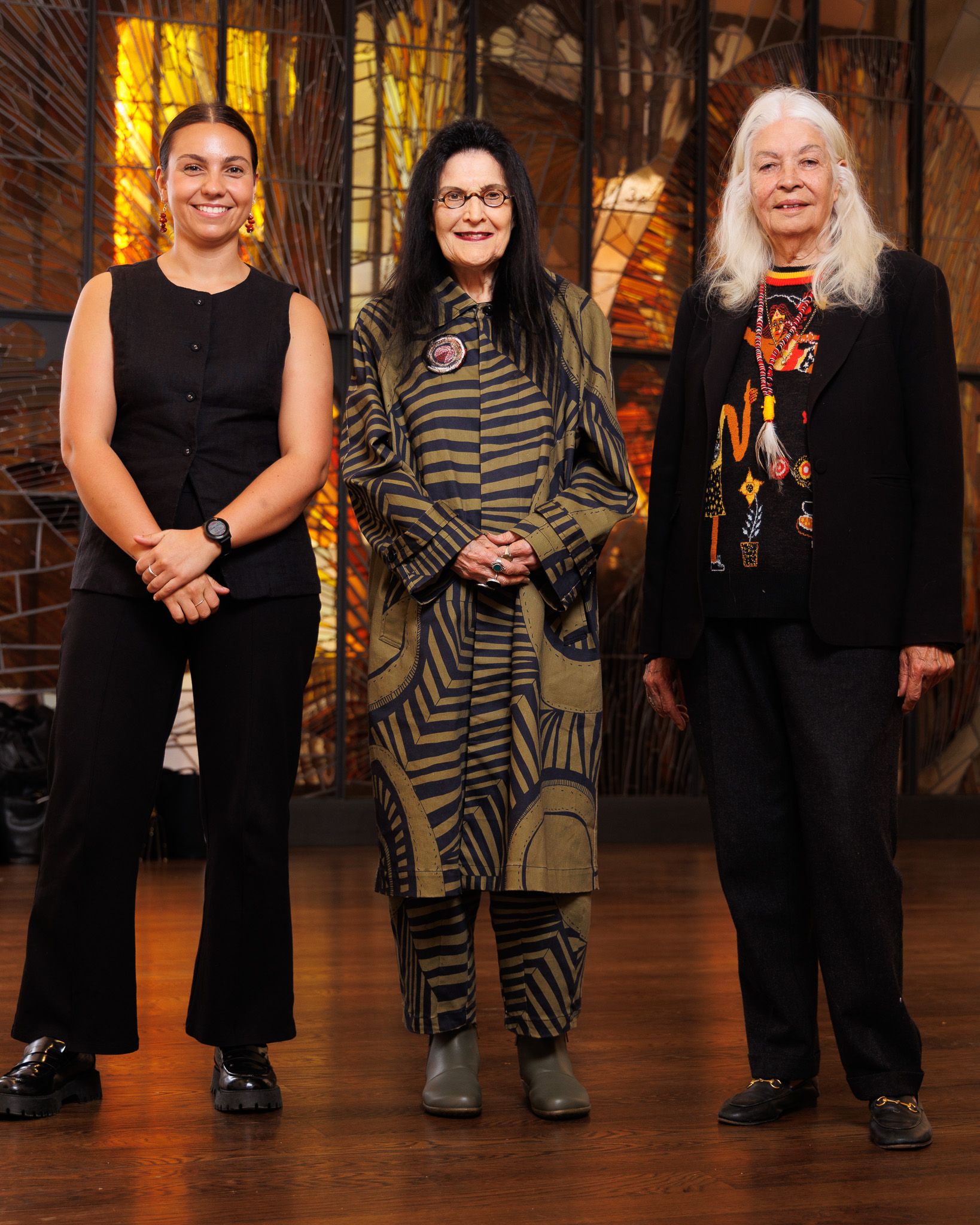
Author and curator Marcia Langton calls the ‘ironic’ title a reference to the ‘belated and often reluctant recognition of Aboriginal and Torres Strait Islander art traditions as art’.
The exhibition demonstrates how Australia’s first peoples ‘continued to depict their world and their philosophies and cosmologies with great determination… even in the midst of Australian wars’, as well as continuing them in the modern day, Langton told Ocula.
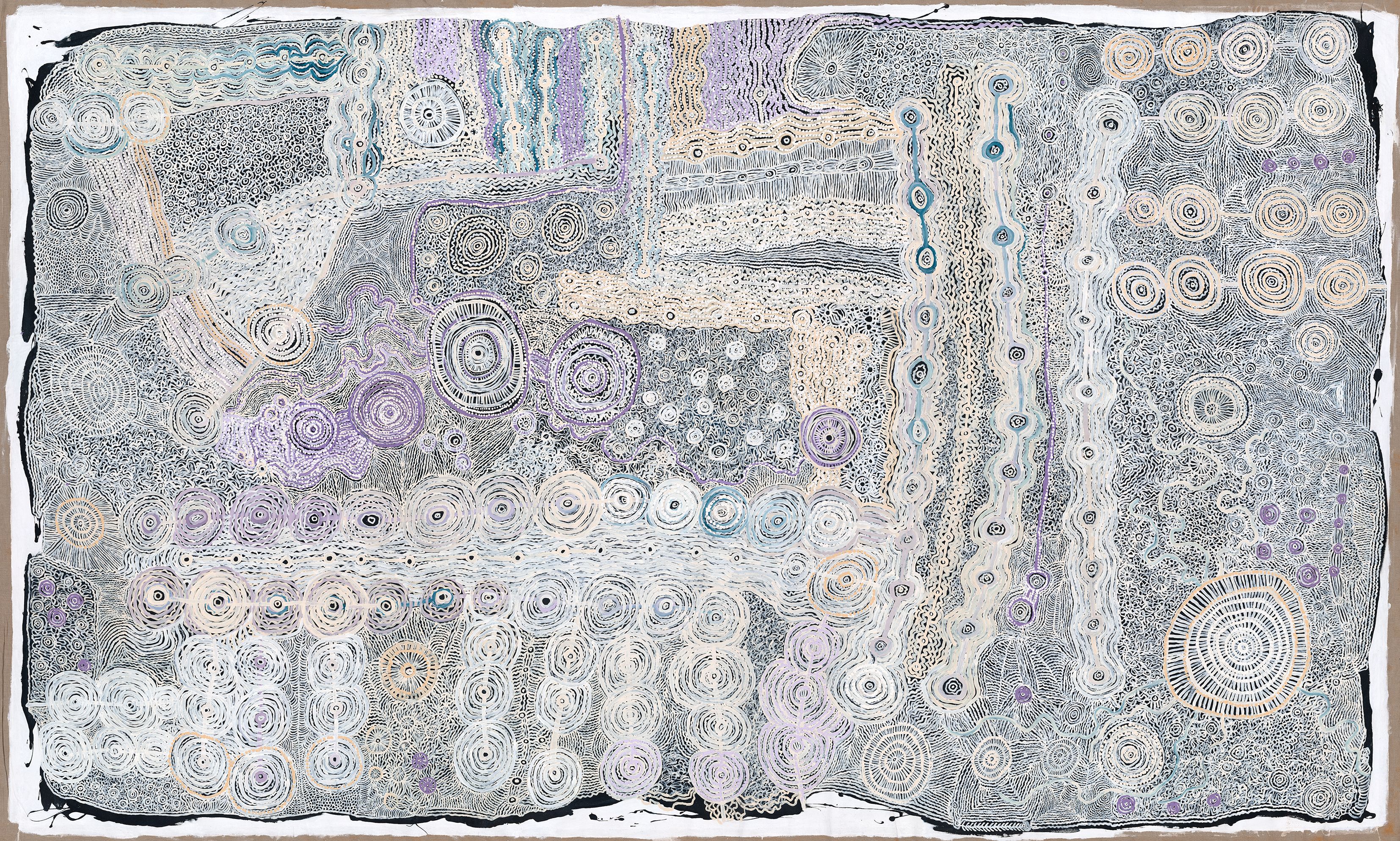
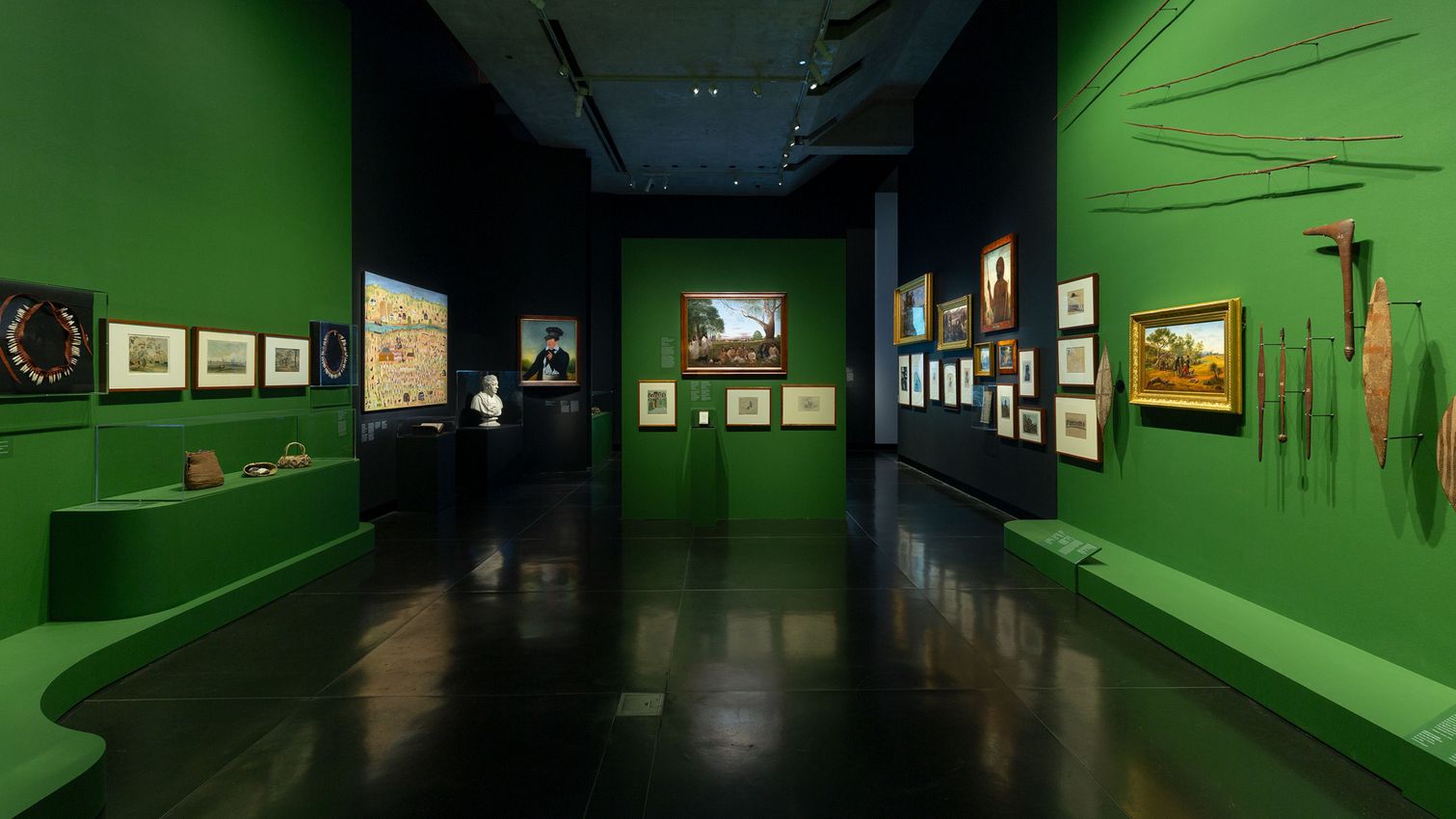
The culmination of over ten years of research by Langton, alongside curatorial team Judith Ryan and Shanysa McConville, the survey tells the story of 65,000 years of continuous culture through over 400 works of art, including 194 loans from over 78 public institutions and private lenders and six newly commissioned works.
It’s research that also served as the catalyst for an expansive, university-wide truth-telling exercise. ‘I have to tell the truth about [the university’s] history,’ Langton said, while also stressing the exhibition encompasses many ‘beautiful things’ and ‘joyful works’, including a cultural astronomy room.
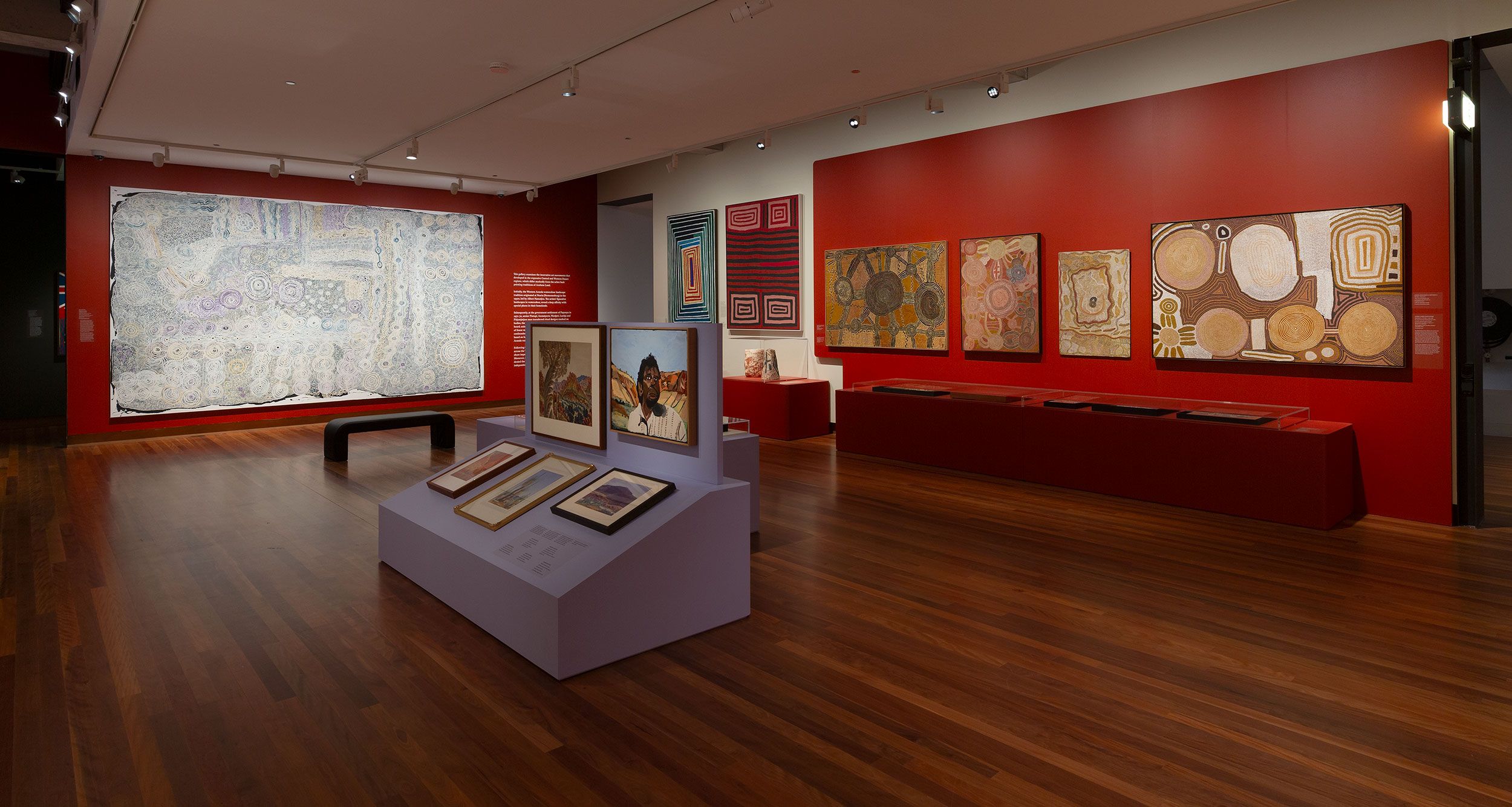
The exhibition unfolds over 11 distinct rooms, each centred around either a specific timeframe, such as ‘First Encounters and Responses’, or geographic locations, as in ‘Art of Arnhem Land’ or ‘Art of the Kimberley’.
Artwork highlights include Trawlwoolway artist Julie Gough’s The Missing (2024), an installation featuring two plaster reproduction busts of Nununi leaders Wurati and Trukanini, originally modelled by English artist Benjamin Law in Nipaluna (Hobart) in 1834 to 1835, of which multiples now exist in institutions around the world. Gough’s work features the University of Melbourne’s reproductions, still in their storage crates, staring back at nine monitors playing footage of identical reproductions shot by Gough in institutions across Australia, the U.K., and Europe. It’s a ‘response to the unknowable numbers of these Ancestral representations cast across the globe, and by extension refers to all Ancestors and their cultural makings taken and dispersed globally by colonists,’ Gough said.
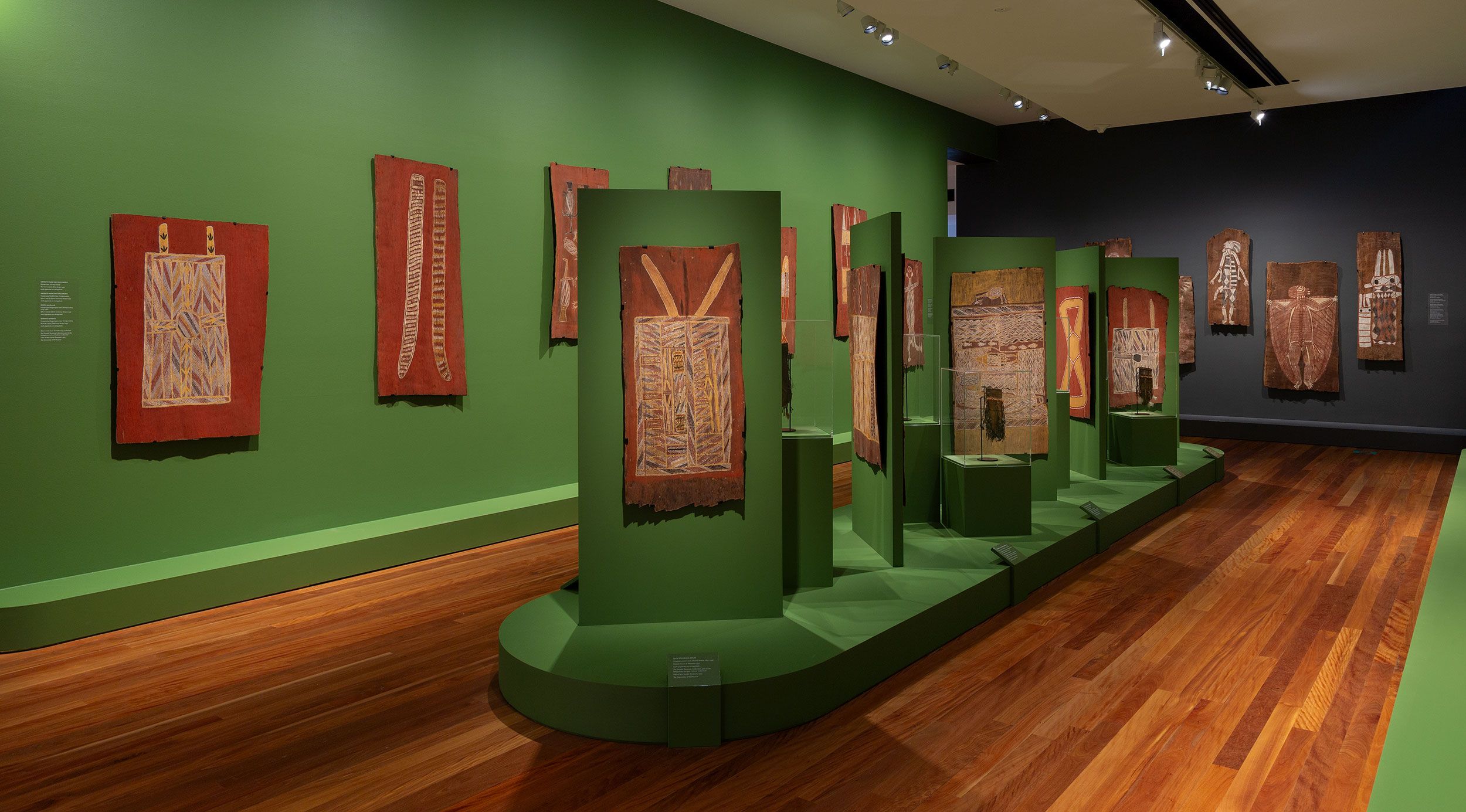
Meanwhile, the ‘Art of Arnhem Land’ section features a number of rare historical bark paintings from West Arnhem Land commissioned by Baldwin Spencer, a former University of Melbourne professor of biology. They’re not just some of the finest examples of Yolnu bark paintings globally, but were produced ‘during the middle of the [frontier] wars in Arnhem Land in 1912’, Langton said. After Spencer retired, another university academic, Donald Thompson, commissioned bark painting and bathi (baskets) from many of the same clan groups.
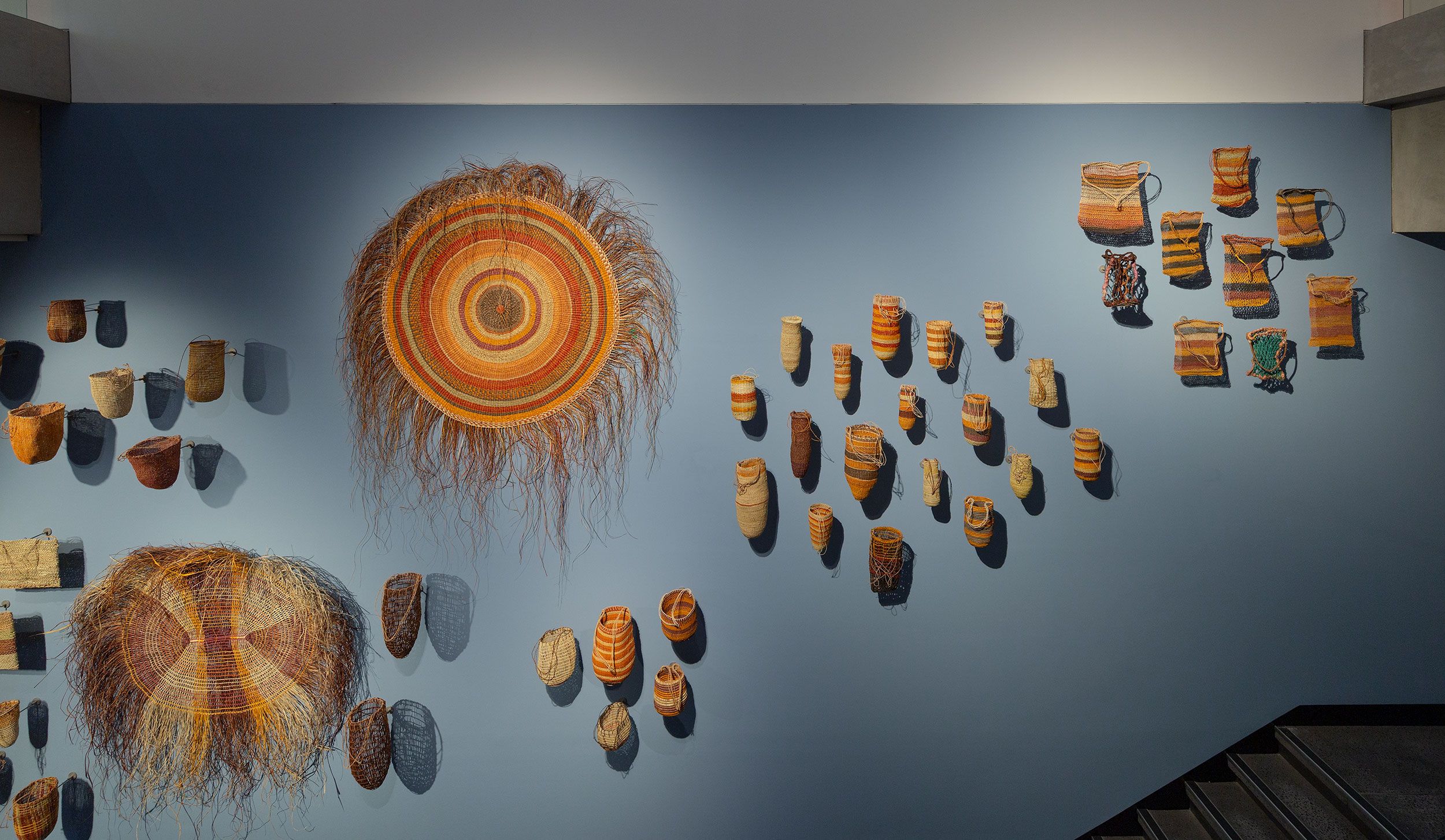
‘A lot of this hasn’t been seen before,’ explained associate curator and Eastern Arrernte woman Shanysa McConville. With much of the Thompson collection on long-term loan to Museums Victoria for many decades, McConville oversaw community consultation to correctly identify artists and clan groups.
‘A lot of them weren’t attributed, but [the] community obviously know who made them,’ she said. For McConville, it has been a ‘real privilege’ to see the community engage for the first time with art ‘from their homeland, from their ancestors, from their kin’.
Behind glass doors in one of the new teaching studios—signposted with a content warning—is a section titled ‘Scientific Racism’, which confronts the university’s storied role as the centre of Australian eugenics research. Here, archival eugenics research publications appear alongside Wiradjuri artist Brook Andrew’s Vox: Beyond Tasmania (2013), a large glass vitrine housing archival records and a glass skull in front of which an oversized 19th-century megaphone protrudes into the space. It’s a direct response to the British-born Richard Berry, a leading proponent of eugenics and professor of anatomy at the University of Melbourne from 1905 to 1925.
Faculty staff were complicit in ‘grave robbing and paying grave robbers’, said Langton. ‘It’s a blight on our history but by telling the truth, we bring it out into the open and discourage the eugenics pseudoscience and expose it for the sham that it is.’
Day said the exhibition is no ‘one-off’.
‘We will continue to foreground Indigenous art, knowledge, and perspectives and work on ways to make our culturally significant collections accessible, first to communities of origin but also where appropriate to wider publics.’ —[O]
65,000 Years: A Short History of Australian Art is on view at the Potter Museum of Art in Melbourne from 30 May to 22 November 2025.
Main image: Exhibition view: 65,000 Years: A Short History of Australian Art, Potter Museum of Art, University of Melbourne (30 May–22 November 2025). Courtesy Potter Museum of Art. Photo: Christian Capurro.



A respected voice in contemporary art discourse.
Focusing on ambitious storytelling and insightful art-world commentary. Ocula Magazine publishes in-depth interviews, critical essays and timely analysis on the artists, exhibitions and ideas driving the global art world.
Learn more about Ocula Magazine
Showcasing the best of the art world.
Ocula partners with galleries from around the world to highlight their artists, artworks and exhibitions. Gallery membership is by application and invitation, with each member vetted by an independent panel.
Learn more about Ocula Membership
Specialises in the sale of major artworks.
Led by a team with deep ties to the world’s leading auction houses, galleries and collectors. Ocula’s advisory team offers bespoke services to high-net-worth clients from around the world who are looking to acquire the best of contemporary and modern art.
Learn more about our team and services