The art world in focus
Subscribe to our newsletter for news and insights on artists, galleries and exhibitions.

Benjamin Senior Godines, Triptych, 1679. The painting offers a Jewish interpretation of the vanitas tradition: a European genre of moral symbolism. Courtesy of Londo
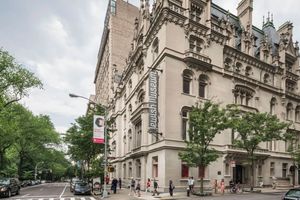
Following almost three years without a permanent home, Jewish Museum London has announced plans to open an interim public exhibition space in the capital later this week.
The modest venue, titled Two Rooms by Jewish Museum London, is a stepping stone towards a more secure future for the institution and its collection, which includes around 35,000 artworks and objects related to Jewish social history. While not a permanent solution for the institution, the relaunch does come at an important time for Jewish communities both across the UK and further afield.
“The museum’s mission is to tell the stories, to educate, to inform, to spark conversation or debate, but we can tell those stories in a way that nobody else really has the history, the collection or the ability to do,” Charles Ross, the museum’s newly appointed chief executive, told Ocula. “Education and having those conversations has surely got to be one of the most important tools in combating antisemitism, and so we play a role in that.”
Ross left a career in the commercial art world, most recently as managing director of Singapore’s Art SG, to join the museum. He arrived amid an ongoing surge in antisemitism across the UK, particularly in areas of London with large Jewish populations, and at a time of rising fear for many within the community.
“I was offered the job formally before the terrible attacks in Manchester, before Bondi, or before anything else had happened,” he explained. “But it was still pretty bad. It’s been pretty bad for a number of years, and I just thought, never has there been, probably, a more important moment for a Jewish museum.”
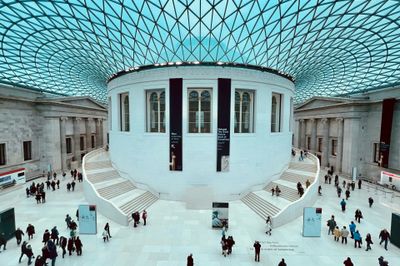
Conversations around the recording and sharing of Jewish histories recently made headlines after the British Museum postponed an event on ancient Israel and Judah, citing fears around planned protests. Arguments surrounding the event have illustrated the importance of having a “dedicated space, a dedicated institution where these stories are told”, Ross said.
He continued: “It’s easier for the Jewish Museum to get on with those stories, because whereas the British Museum has got many, many people it’s got to keep happy, a dedicated Jewish museum can tell these stories without perhaps some of the complexities, and some of the challenges.”
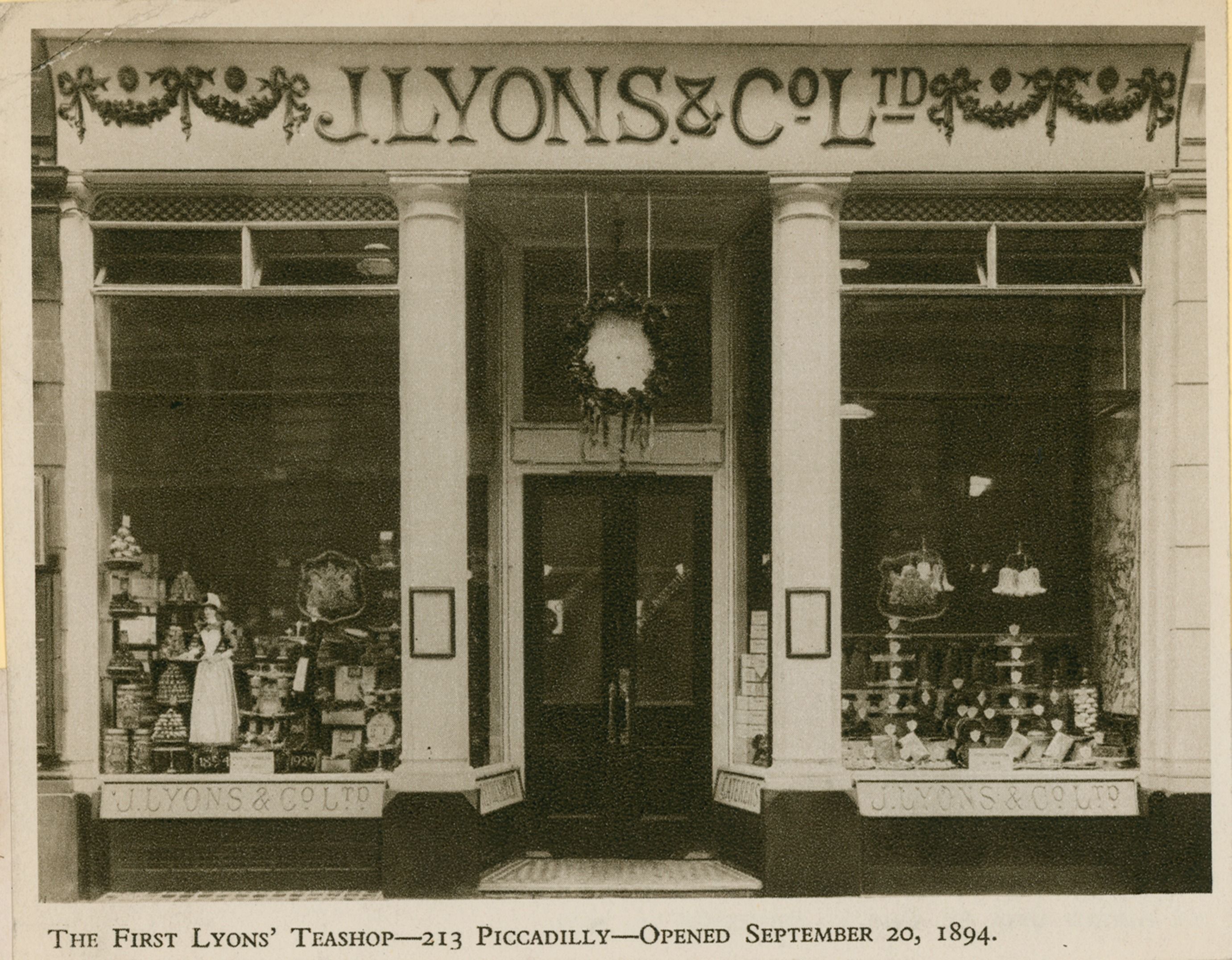
Two Rooms will open on 17 June at the JW3 building in north London with a pair of exhibitions: Legacy: The Story of the Jewish Family who Founded J Lyons and Fed Britain and Tree of Life: Stories from Jewish Museum London’s Collection. Both will focus on the histories of Jewish communities in Britain and on the contributions they have made to British life.
A future show, still in the development phase, will explore the contribution of British graphic designer Abram Games to the Festival of Britain, marking its 75th anniversary. The illustrator, who was named the Official War Poster Artist during the Second World War, is remembered for creating, in poster form, what would become a social record for the nation.
“They’re really important stories, but they’re not widely known,” Ross said. “From food to banking, from DNA to entertainers and politics, we’ve been part of society, we’ve been getting on, doing things, building things, creating things.”
The museum closed its previous location in north London in July 2023, citing rising costs and other financial challenges. While without a permanent space, the institution continued to lend objects from its collection and engage with young people through education outreach programmes. Now, however, there are hopes for a lasting home by 2030.
“Obviously it hasn’t been the easiest few years for the museum, but it’s quite a nice position to be in now, to be able to just have a go and see what people are interested in and see what resonates with them. That’s really where we are; we see this as a testing ground,” Ross said. “Ultimately, our mission is to be an outward-looking museum.”
A respected voice in contemporary art discourse.
Focusing on ambitious storytelling and insightful art-world commentary. Ocula Magazine publishes in-depth interviews, critical essays and timely analysis on the artists, exhibitions and ideas driving the global art world.
Learn more about Ocula Magazine
Showcasing the best of the art world.
Ocula partners with galleries from around the world to highlight their artists, artworks and exhibitions. Gallery membership is by application and invitation, with each member vetted by an independent panel.
Learn more about Ocula Membership
Specialises in the sale of major artworks.
Led by a team with deep ties to the world’s leading auction houses, galleries and collectors. Ocula’s advisory team offers bespoke services to high-net-worth clients from around the world who are looking to acquire the best of contemporary and modern art.
Learn more about our team and services