





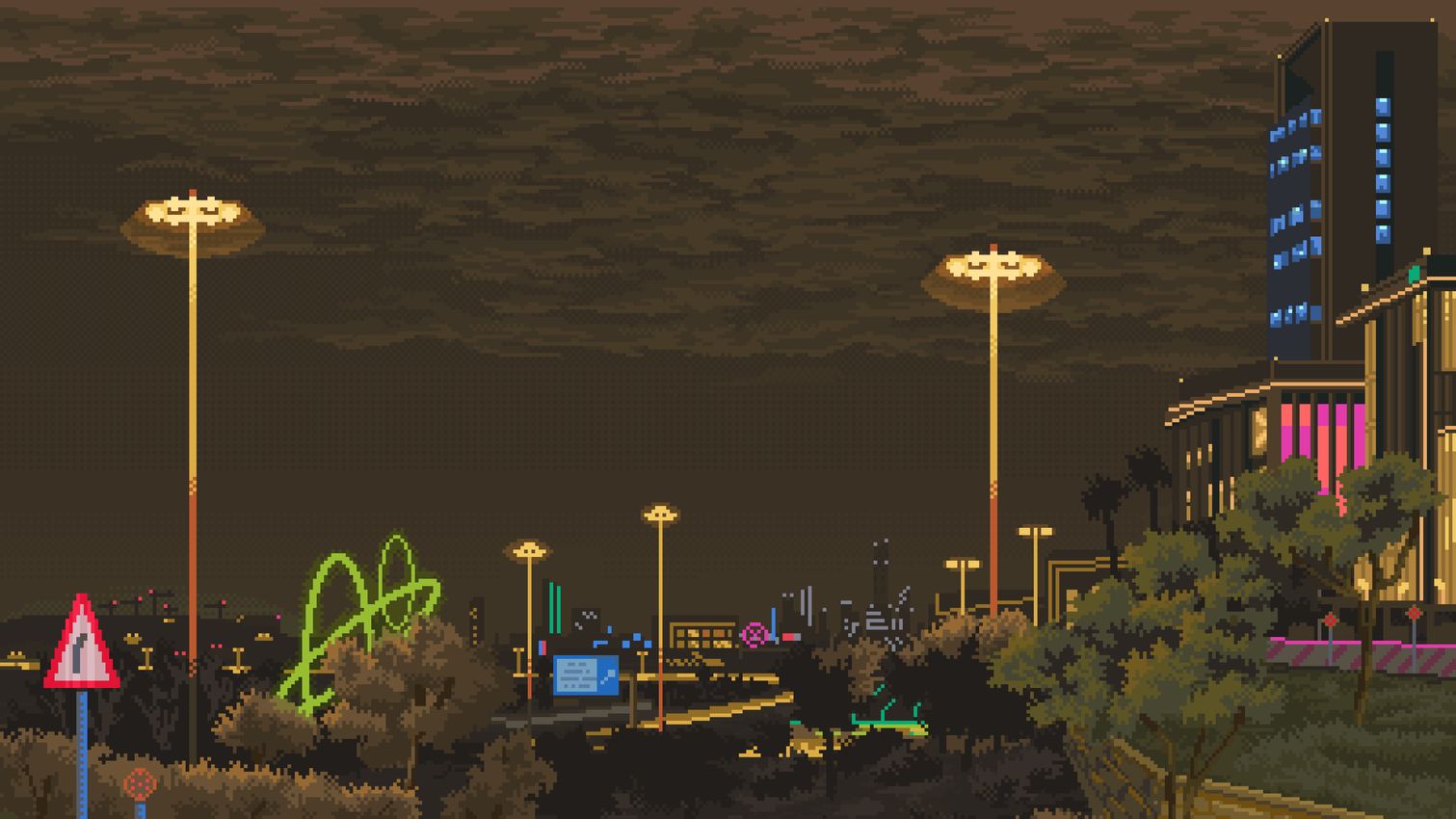
Pierre Sigg Explores a World on the Cusp of Digital Reinvention
Swiss patron and investor Pierre Sigg will show the world how the digital can ‘emancipate’ artists in the upcoming Art Monte‑Carlo after a first presentation in Basel last month. He spoke with Ocula about his interest in the medium and investing in future generations. Save to My Ocula
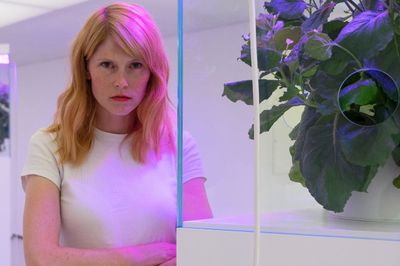
The Saudi Arabia-based collector, investor, and economist Pierre Sigg will bring his vision of a digital art world to the Côte d’Azur this month, where he will spotlight artists working in media the art world has yet to fully accept.
Sigg, a former modern art collector, has invited seven artists to build toward a ‘world on the cusp of reinvention’ at Art Monte-Carlo in Monaco from 7 to 9 July 2025, including alumni from his foundation like VR artist Ben Elliot and technonaturalist artist Léa Collet, biotech researcher Dana-Fiona Armour, who won last year’s €10,000 Sigg Art Prize, and robotics artist Sougwen Chung.
In line with the Sigg Art Foundation’s mission of bridging art and computation, they will bring works ranging from cast glass to generative prints, optical illusions, and living plants—all in response to technological and personal transformations in today’s world.
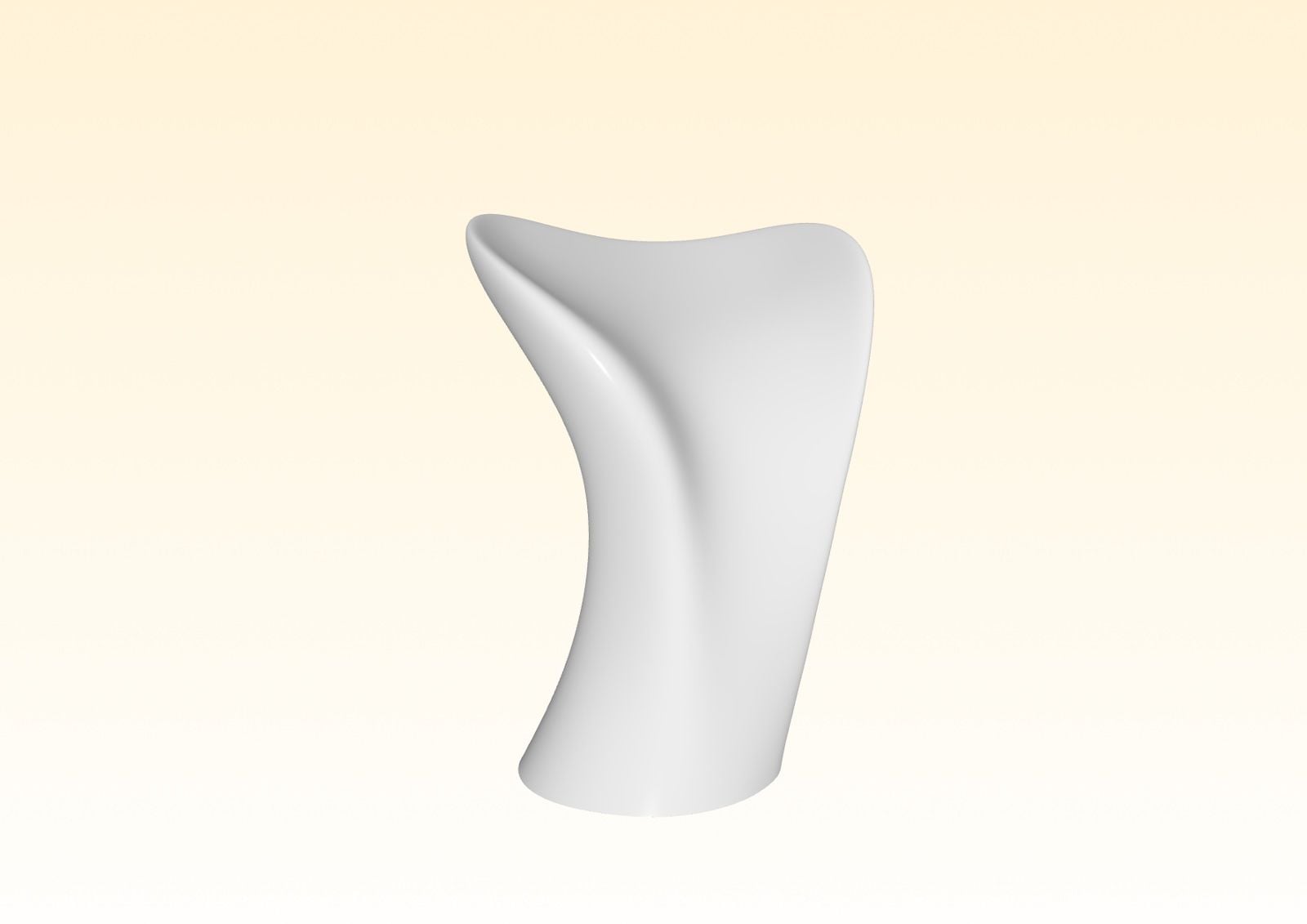
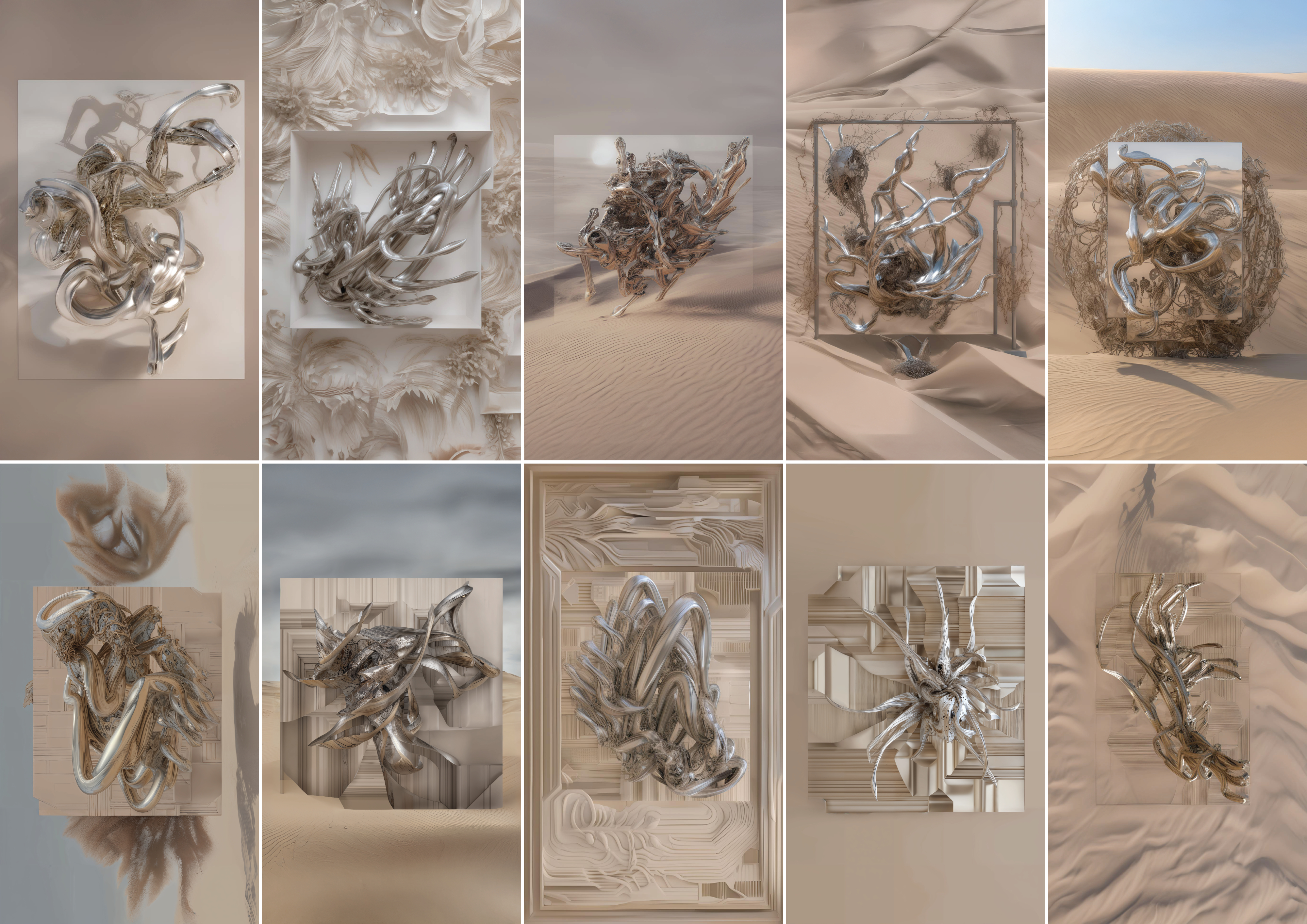
Despite holdings in concrete industries like real estate, hospitality, and tech, Sigg’s Foundation has a particular focus on the digital.
Sigg told Ocula his interest in digital art comes from the accessibility it brings—allowing artists to travel to different sites and removing the need for expensive studio space. For Sigg, it is a scalable and tangible medium that can ‘emancipate’ artists.
The Foundation has incubated artists working in fields like biotechnology and robotics since 2020, and promises ‘long-term commitment’ to alumni of its residency.
The programme began at Sigg’s estate in Southern France and has since expanded to Riyadh and Greece, boasting alumni like Louisa Gagliardi, Monira Al Qadiri, and Ahmed Mater.
Many go on to contribute monuments, or site-specific work, to their host cities, including at events like Desert X AlUla. Sigg described these months-long stays serving not only for research, but include commissions realised with land owners that must respect local history.
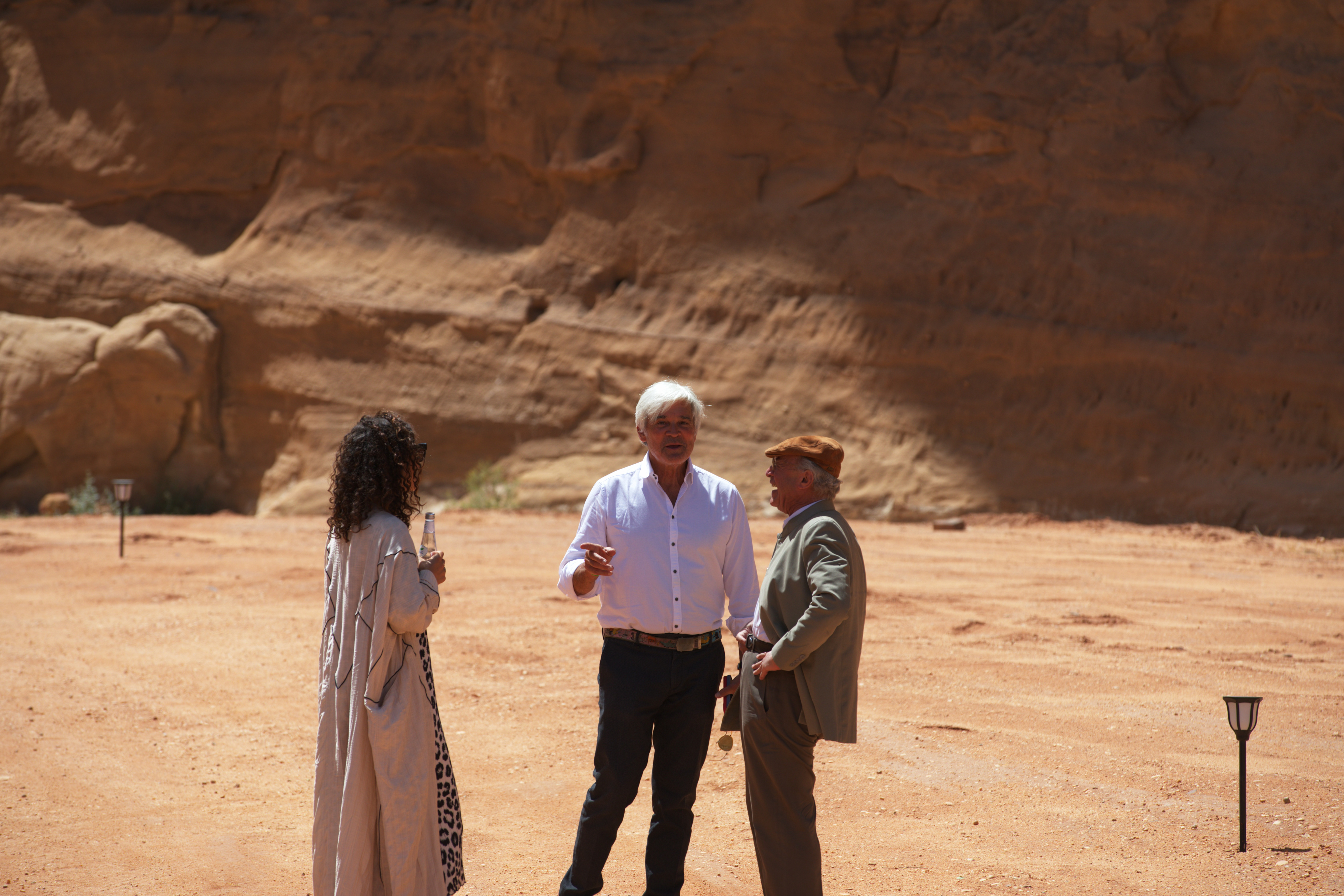
‘It’s a way to trigger projects which are embedded in Saudi Arabia’s historical future,’ he said, citing the five-metre-tall steel egg by Japanese artist Shiko Miyaki that is set to be installed on a former lake site north of Riyadh dusted with century-old ostrich eggshells as one such symbol of growth.
Unlike Qatar, which is set to host Art Basel’s fifth fair next year, Saudi Arabia has not invested in its art market but the culture sector more broadly, leaving fissures for foundations like Sigg’s to fill. While departing from the more traditional tastes of government-funded art, his project does share Saudi Vision 2030’s aim to transfigure the country and signal a shift away from its conservative past.
‘They call me Pierre of Arabia,’ Sigg joked, noting that while his chosen country has gained visibility as a cultural hub in recent years, its blue-chip market and collector base remains limited, with 70 percent of the local population aged 30 or under.
Sotheby’s inaugural sale in the kingdom in February achieved $17 million (USD)—however, only one contemporary artwork achieved above one million, while Refik Anadol’s AI-data painting sold at $900,000, paid for in cryptocurrency which Sotheby’s accepted for the first time.
Digital art is not just a screen, Sigg reminds collectors. It is embedded in the creative process.
Asked about his own interest in patronage, Sigg explains it as an investment in future generations: ‘When you finish a collection, what else? The past may be worth more, but you must buy the present to leave a legacy. Buy your generation.’ —[O]
Main image: Khaled Makhshoush, Midnight Rain (2025) (detail). Pixel art. Courtesy the artist and Sigg Art Foundation.



A respected voice in contemporary art discourse.
Focusing on ambitious storytelling and insightful art-world commentary. Ocula Magazine publishes in-depth interviews, critical essays and timely analysis on the artists, exhibitions and ideas driving the global art world.
Learn more about Ocula Magazine
Showcasing the best of the art world.
Ocula partners with galleries from around the world to highlight their artists, artworks and exhibitions. Gallery membership is by application and invitation, with each member vetted by an independent panel.
Learn more about Ocula Membership
Specialises in the sale of major artworks.
Led by a team with deep ties to the world’s leading auction houses, galleries and collectors. Ocula’s advisory team offers bespoke services to high-net-worth clients from around the world who are looking to acquire the best of contemporary and modern art.
Learn more about our team and services