





Zoe Grey Wins Australia’s Richest Landscape Art Prize
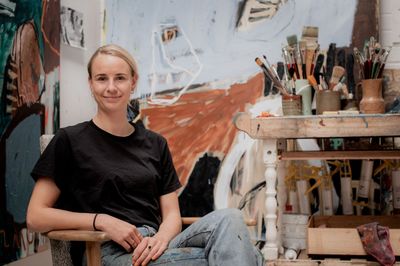
Zoe Grey. Photo: Rosie Hastie.

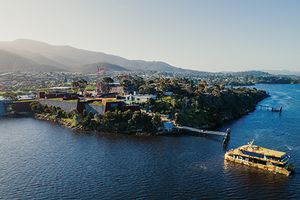
Thirty-five vastly different representations of the Australian landscape hang across two large rooms at Hadley’s Orient Hotel in Hobart. Each one is a finalist in the 2024 Hadley’s Art Prize. Although the works differ wildly in their execution—with artistic mediums including photography, paintings on canvas, digital prints on metal, and printmaking—it’s the Australian landscape in all its varied forms that successfully holds the exhibition together.
Established in 2017 with the intention to ‘contribute to Tasmania’s thriving arts and culture scene’ and to restore art to the walls of Hobart’s oldest hotel through an acquisitive art prize.
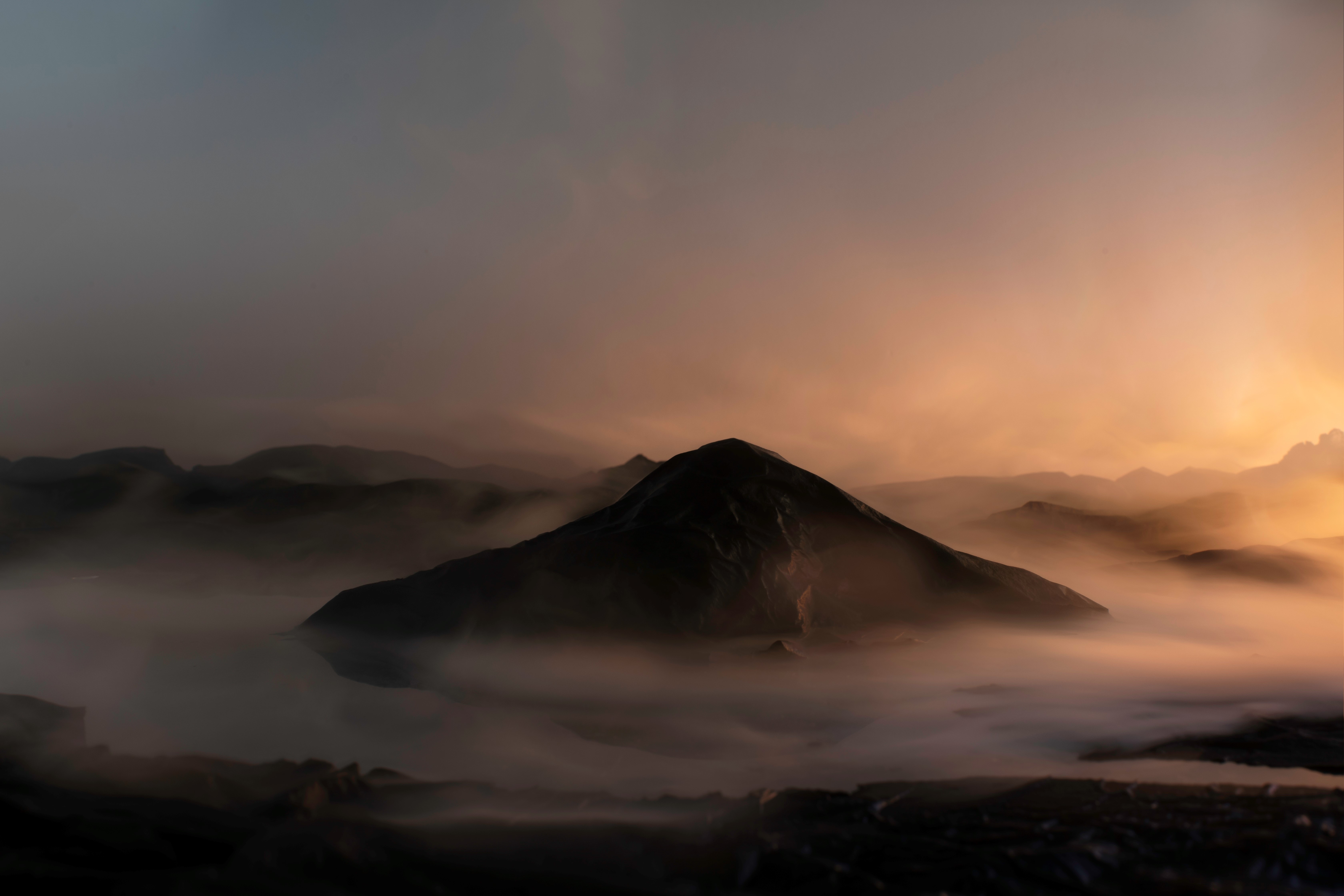
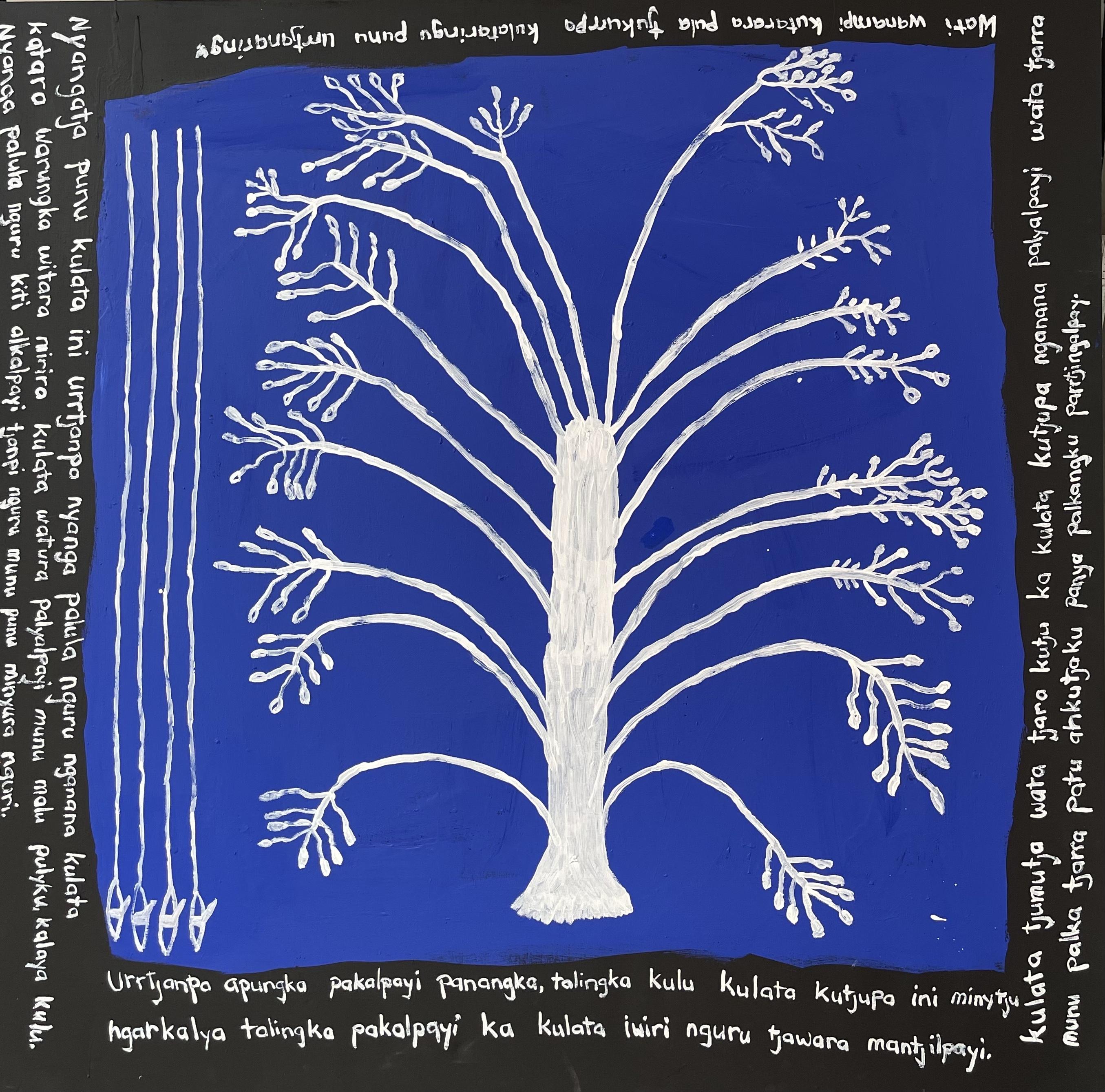
Since its inception, the Hadley’s Art Prize has given away over half a million dollars in prize money, often transforming the lives of past winners, such as Kunmanara (Peter) Mungkuri, an artist from Iwantja Aboriginal community located over 1,100 kilometres north of Adelaide. After winning in 2017, Mungkuri purchased a car so he could run spear-making workshops and visit other communities in one of the most sparsely populated regions in the world.
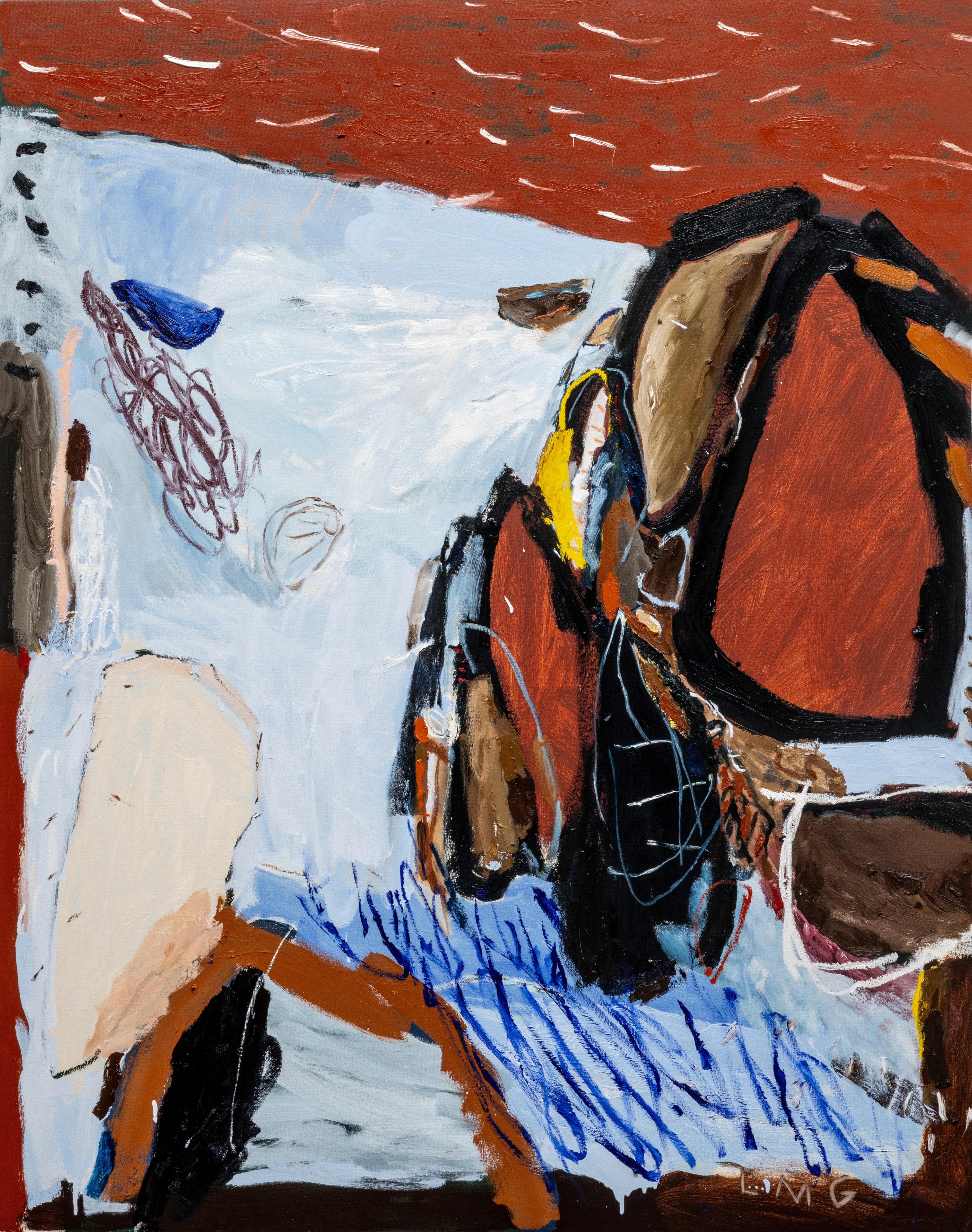
This year’s finalists come from almost every corner of Australia, and include past entrants such as Ray Arnold, Amanda Johnson, Megan Walch, and Kieran Karritpul, along with first time contenders such as Conrad Tipungwuti from the Tiwi Islands in Northern Territory. In 2024, the acquisitive award attracted a record number of Tasmanian artists for the first time, including this year’s winner, 28-year-old Hobart-based painter Zoe Grey whose painting The Shape of Rock (2024) took out both the top prize and the $1,000 Packing Room Prize.
According to the judges, choosing a winner was devastatingly difficult.
Ultimately art prizes are ‘subjective’, said Tasmanian-based artist Neil Hammond, who won the prize in 2018. To make the cut, each finalist’s work needed to demonstrate a mastery of creativity, technical skill as well as convey a high degree of concept or story.
‘Well, they’ve all got that,’ said Haddon, ‘so then it’s the [artist’s] story that comes into play’.
In the end, it was Grey’s connection to Marrawah, a small coastal community on Tasmania’s North West Coast, that swayed the judges.
‘The form on the right,’ said Grey, describing her winning painting ‘is a recollection of the mountain that I grew up and looked at every day called Preminghana.’
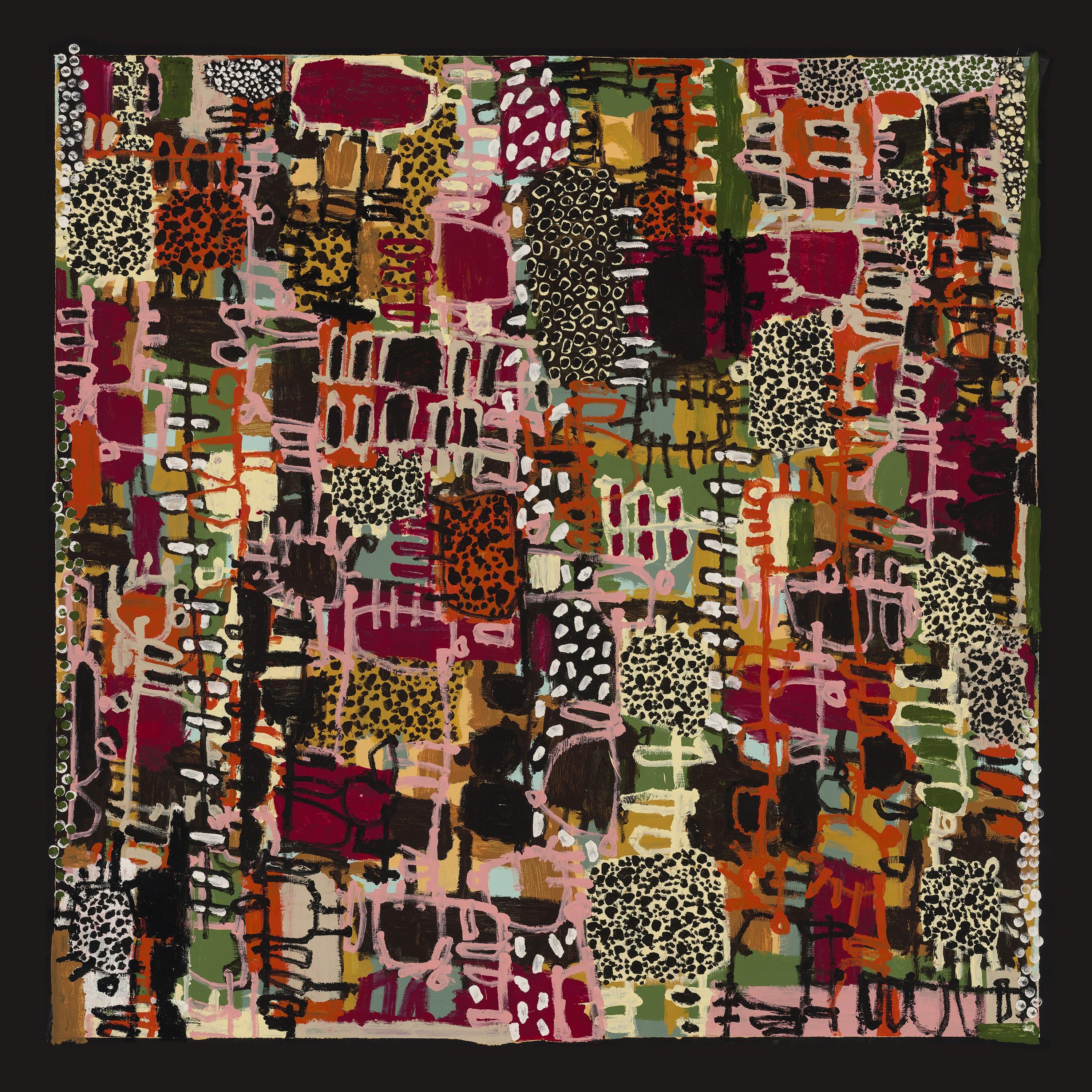
One of around 28 paintings in the exhibition, Grey’s work stands out for its confident use of paint combined with the artist’s abstract inclinations.
Over time, my work has become ‘less about depicting a place and more about these complex feelings that we move through in relationship to place,’ she said.
For Grey that place is always Marrawah, with which she says her identity is tied up.
That connection even persisted when Grey took on an artist residency in Svalbard, northern Norway, in 2023. Although she produced a new body of work based on the residency, according to Grey, the work ‘ended up being about my connection to home’.
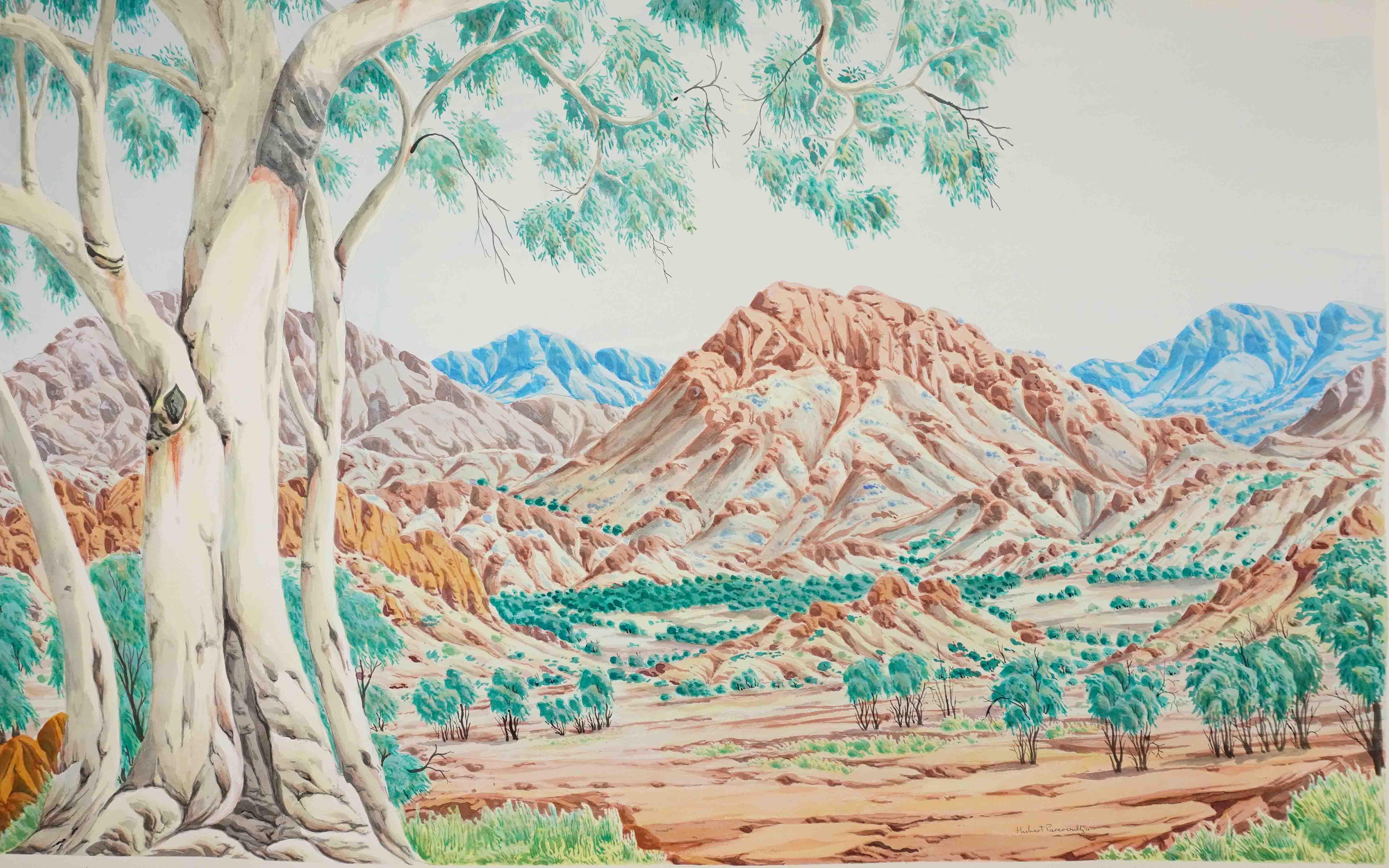
While many other entrants have tended towards realism, often rendered with fine and with delicate precision, Grey’s The Shape of Rock is unrestrained, bold, and expressive. In the foreground, thick black lines define Preminghana’s unique rocky form, set against a ground of earthy tones and fields of blue representing the sea. On the surface of the painting, thin expressive lines add emphasis to areas, suggesting highlights, gusts of wind or movement.
‘It’s as much about feeling as it is about this subject matter,’ she said.
It’s only fitting that Tasmania is home to Australia’s largest prize for landscape art. Over 1.5 million hectares of the natural environment, roughly one fifth of the state, has been on the World Heritage register since 1982, but it’s perhaps less well-known that it’s the state’s artist that helped it get there. Throughout the 1970s and ‘80s, the work of pioneering landscape photographers Peter Dombrovskis and his mentor Oleagas Truchanas, helped bring global attention to Tasmania’s unique natural beauty. For Grey, who grew up in a relatively remote part of the state, the Tasmanian landscape simply ‘invites more human engagement’.
After a sold out exhibition at Hobart’s Despard Gallery in July and an upcoming showing with James Makin Gallery as part of Sydney Contemporary in September, Grey had planned to take a mini break from the studio for a couple of weeks. But while winning this year’s prize may have upended her plans, the prize money has also made the possibility of living and working as an artist in Marrawah much more of a reality.
‘I’m looking to move back permanently within a year,’ said Grey.
An exhibition of the finalists of the Hadley’s Art Prize is on at Hadley’s Orient Hotel in Hobart until 25 August 2024. —[O]
Main image: Zoe Grey. Photo: Rosie Hastie.
A respected voice in contemporary art discourse.
Focusing on ambitious storytelling and insightful art-world commentary. Ocula Magazine publishes in-depth interviews, critical essays and timely analysis on the artists, exhibitions and ideas driving the global art world.
Learn more about Ocula Magazine
Showcasing the best of the art world.
Ocula partners with galleries from around the world to highlight their artists, artworks and exhibitions. Gallery membership is by application and invitation, with each member vetted by an independent panel.
Learn more about Ocula Membership
Specialises in the sale of major artworks.
Led by a team with deep ties to the world’s leading auction houses, galleries and collectors. Ocula’s advisory team offers bespoke services to high-net-worth clients from around the world who are looking to acquire the best of contemporary and modern art.
Learn more about our team and services