






Chiu Chen-Hung: ‘I’m Drawn to Art That Can Heal’
Living through the aftermath of the 2024 earthquake in Hualien, Chiu Chen‑Hung collected concrete, wood and other debris, which he has remodelled into evocative sculptures for a new solo show in Taipei. Save to My Ocula
At the epicentre of an island that trembles with frequent earthquakes, what shape does sculpture take? Collecting the remnants left by Taiwan’s 2024 magnitude‑7.4 earthquake, Hualien-based artist Chiu Chen‑Hung transforms these fragments into sculptural monuments in his first solo show since the disaster, Softness Remains, this spring at TKG+ in Taipei.
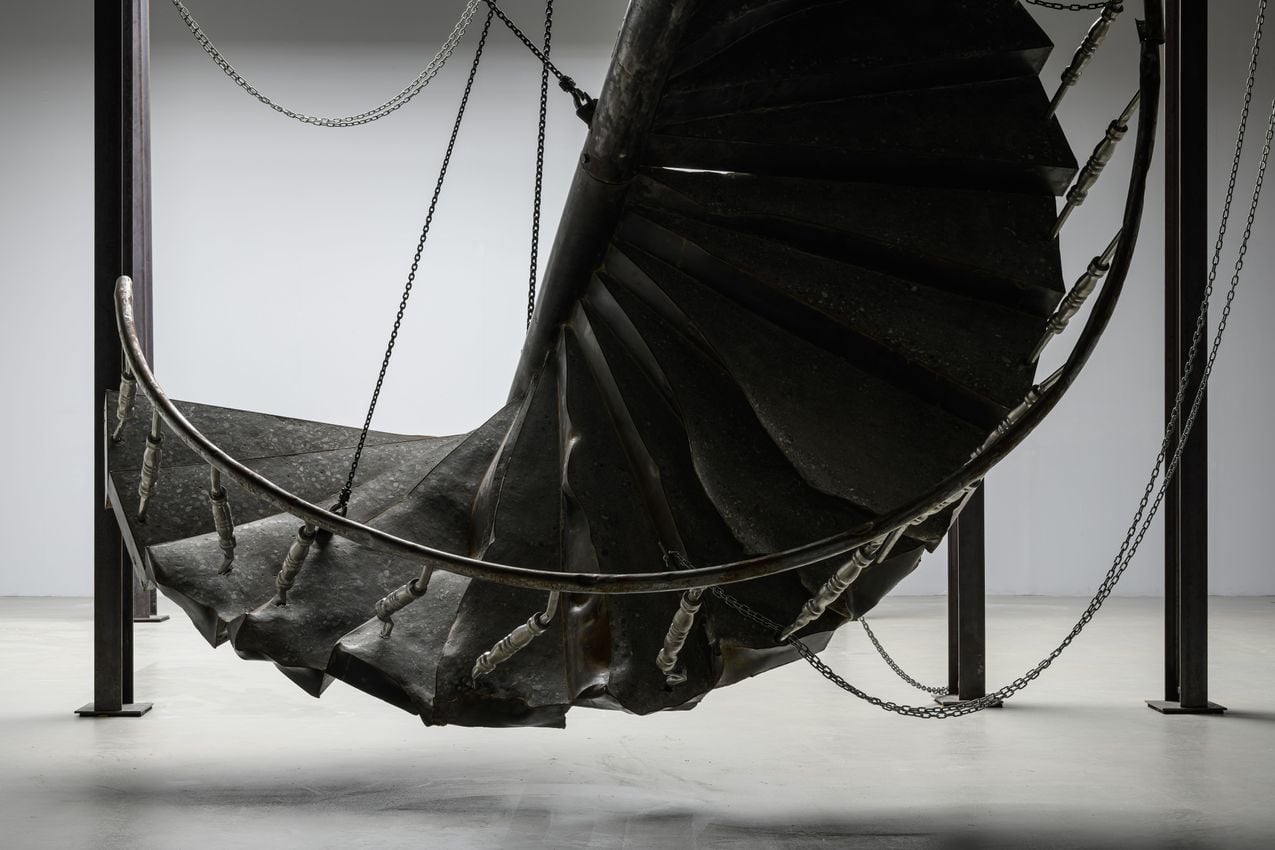
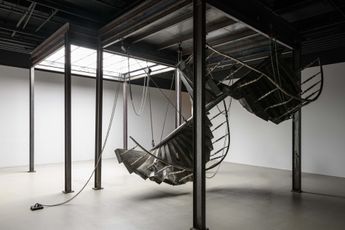
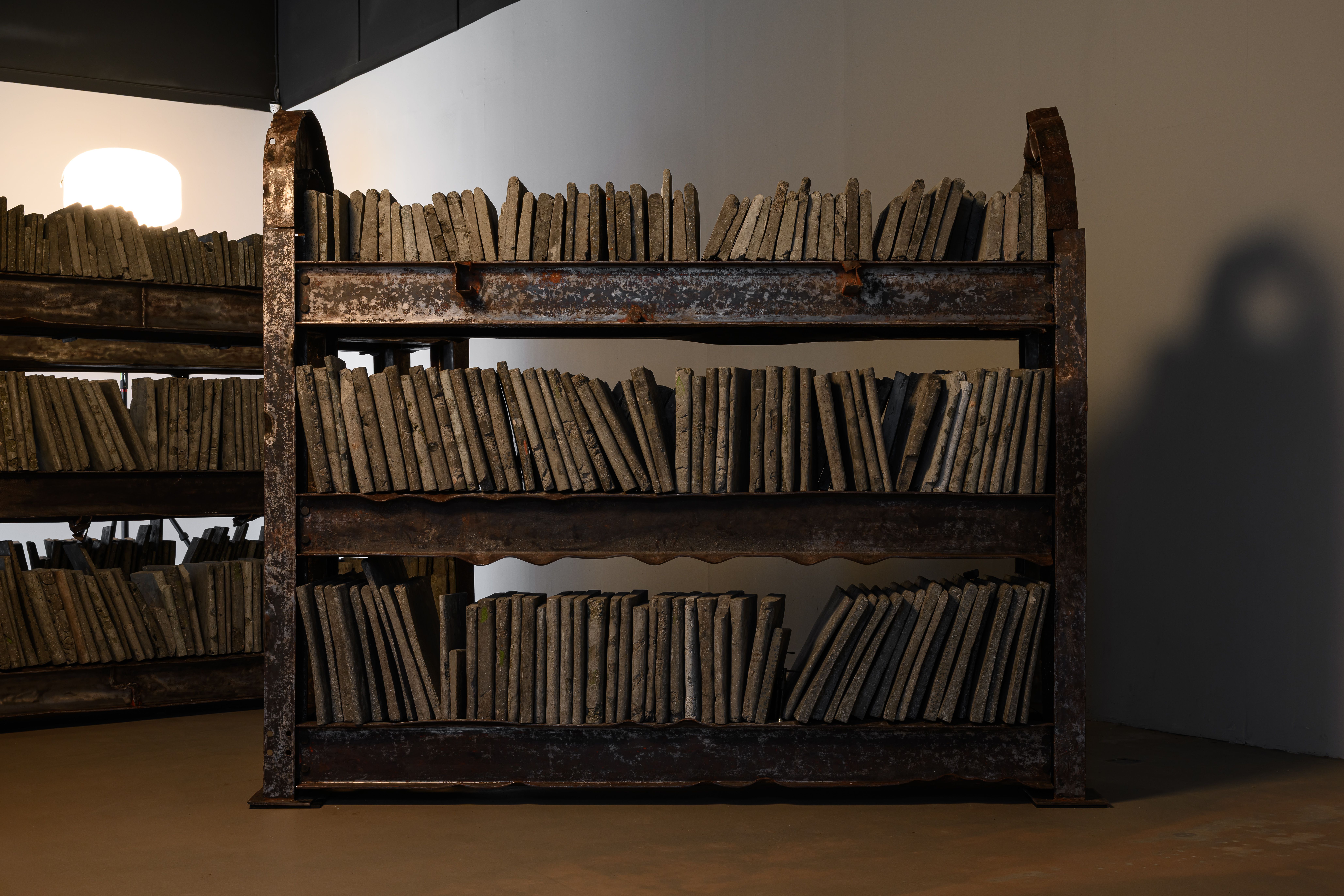
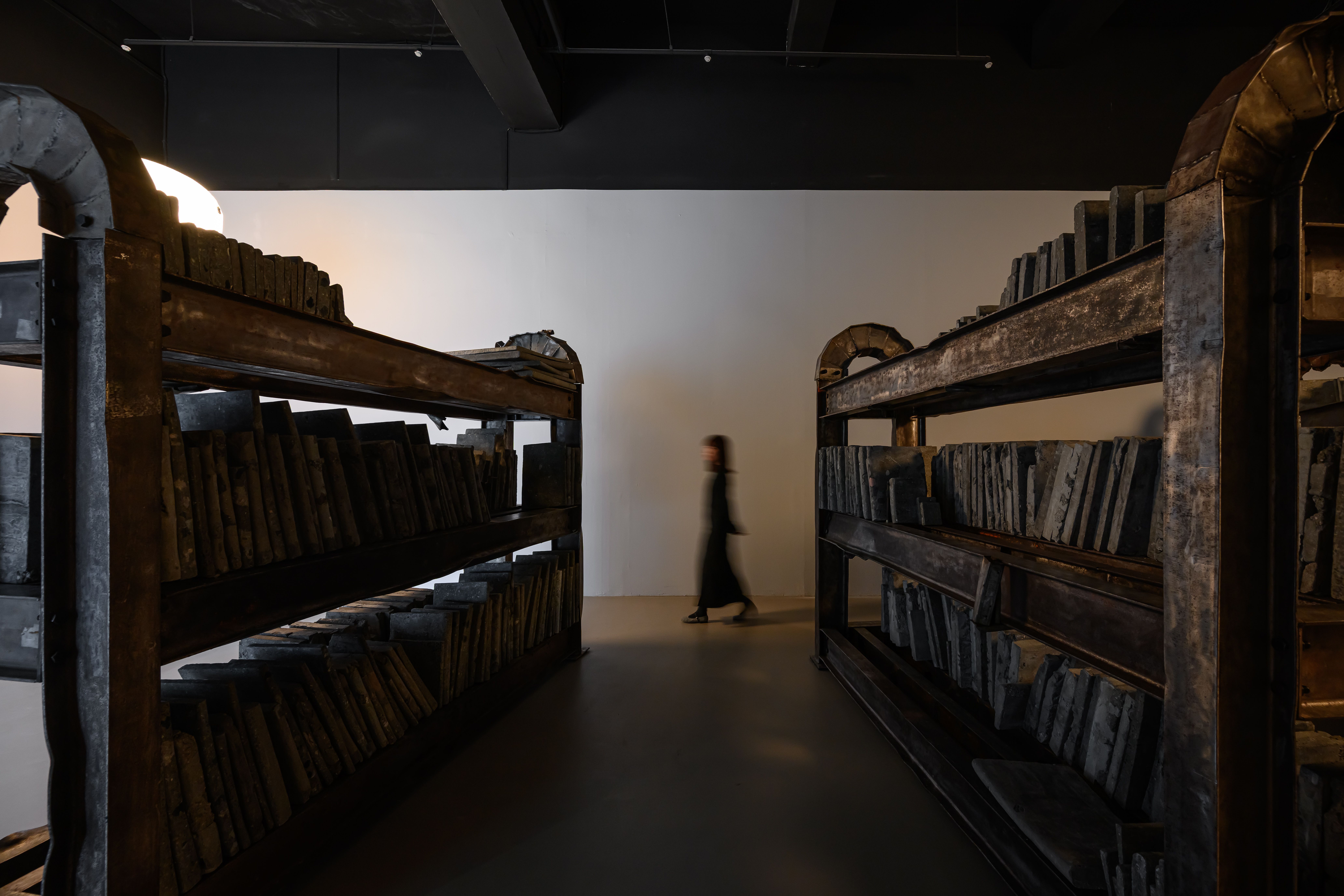
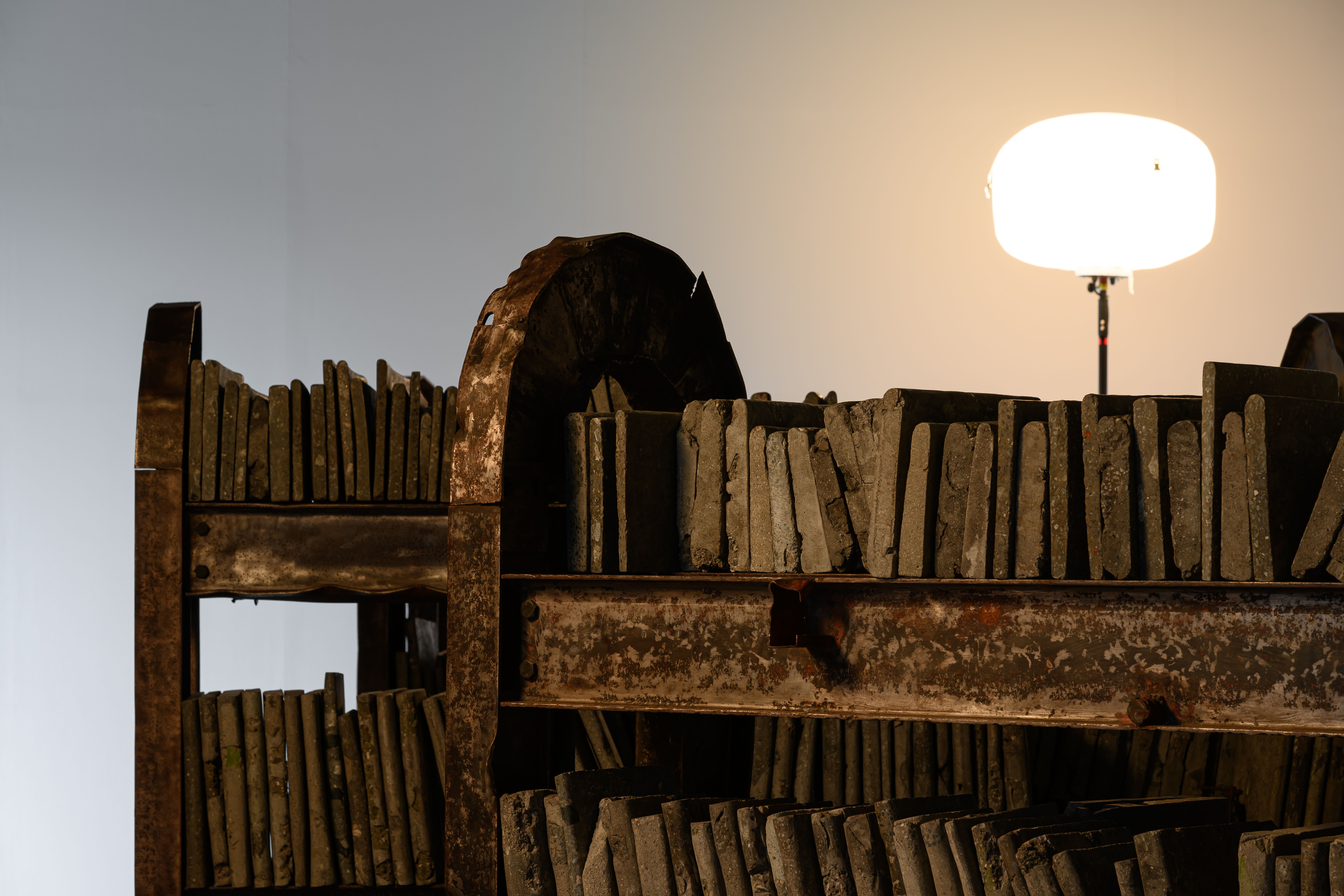
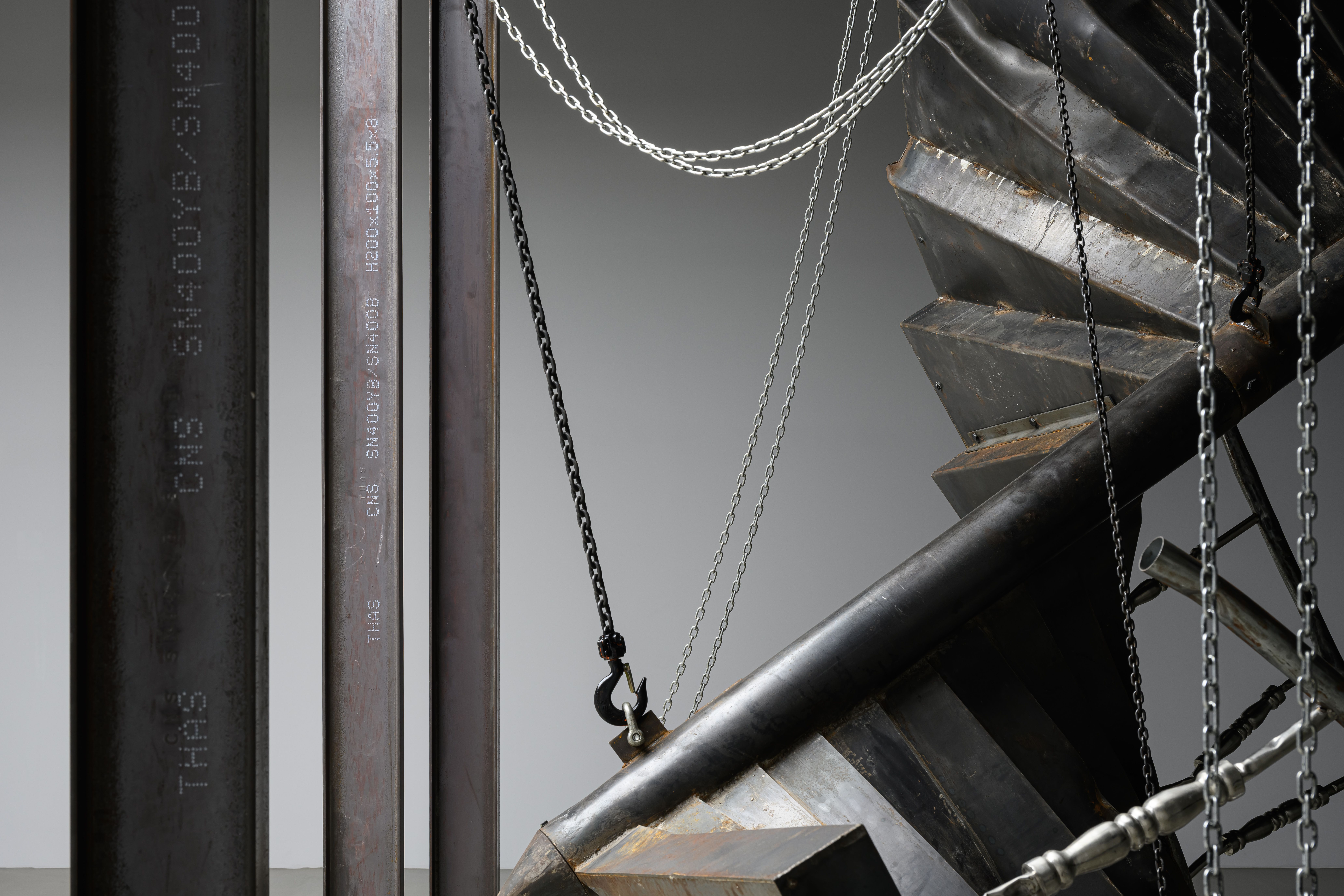
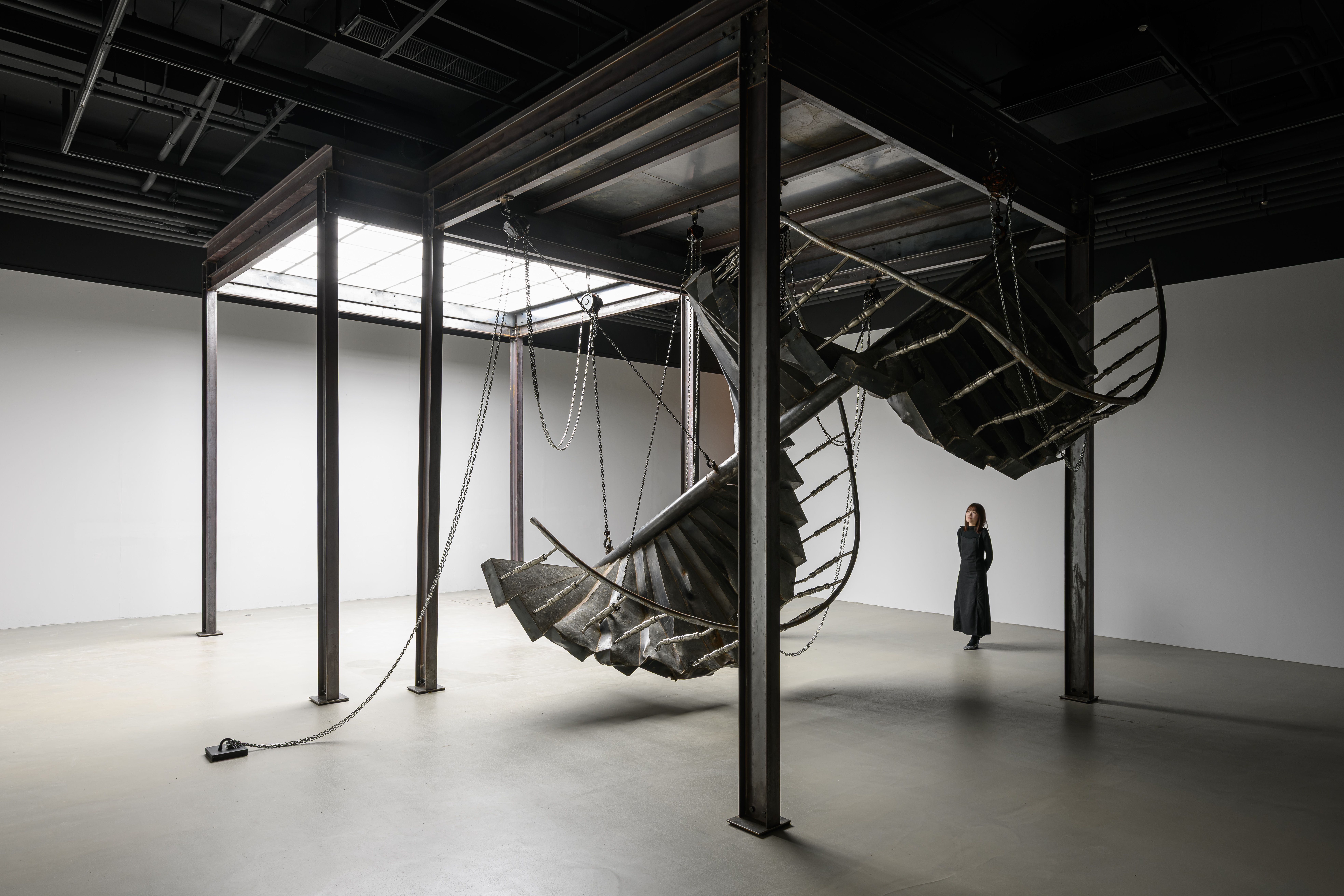
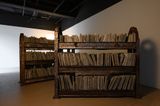
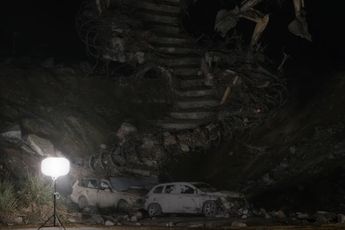
I was born and grew up in the same city, which makes the way Chiu’s depiction of how debris itself acts as open wounds, constantly displayed across the streets, hauntingly familiar. The artist’s task, then, is not simply to document these scars but to transform them. The lofty gallery basement is filled with larger-than-life works: Unbalanced Spiral (2026), a monolithic helical staircase, its metal beams still bearing the traces of bending and yielding like paper, suspended with a seemingly weightless grace; and Night and the Soul (2025), where fragments of rubble have been cast into stone-bound volumes, forming a library of the shattered city.
I sat with Chiu in the gallery as he adjusted the illumination of the scene, including a pair of freestanding inflatable lighting balloons typically used at rescue sites. Their provisional, makeshift presence casts a stark light across the weighty materials, subtly complicating the mood of the room. Our conversation traced two years of living through the earthquake’s aftermath—its shifts in perception and time, and the ways memory, care and catastrophe weave into his practice.
ZC: Hualien has long been called a hermit’s city, secluded from Taiwan’s bustle and inspiring artists like Yeh Shih‑chiang, who first settled in Taiwan in 1949. What keeps you working in your hometown—are you a hermit, too?
CC-H: That hermit image is probably more fantasy than fact, though I do enjoy being rooted here. My studio in Hualien is located in one of Taiwan’s last mainland refugee settlements. It feels at once rural—fields all around, farmers sometimes reap the benefits of the electricity I supply, and I get the occasional gift of vegetables—yet the city centre is just five minutes away.
I’ve also scattered my workshop and storage across a few vacant houses in the village, each with tiny rooms for materials or finished works. In exchange for pocket-friendly rent, I help keep the houses standing. It’s a quiet, informal arrangement that somehow works—like a small village co-op run by one slightly obsessive artist.
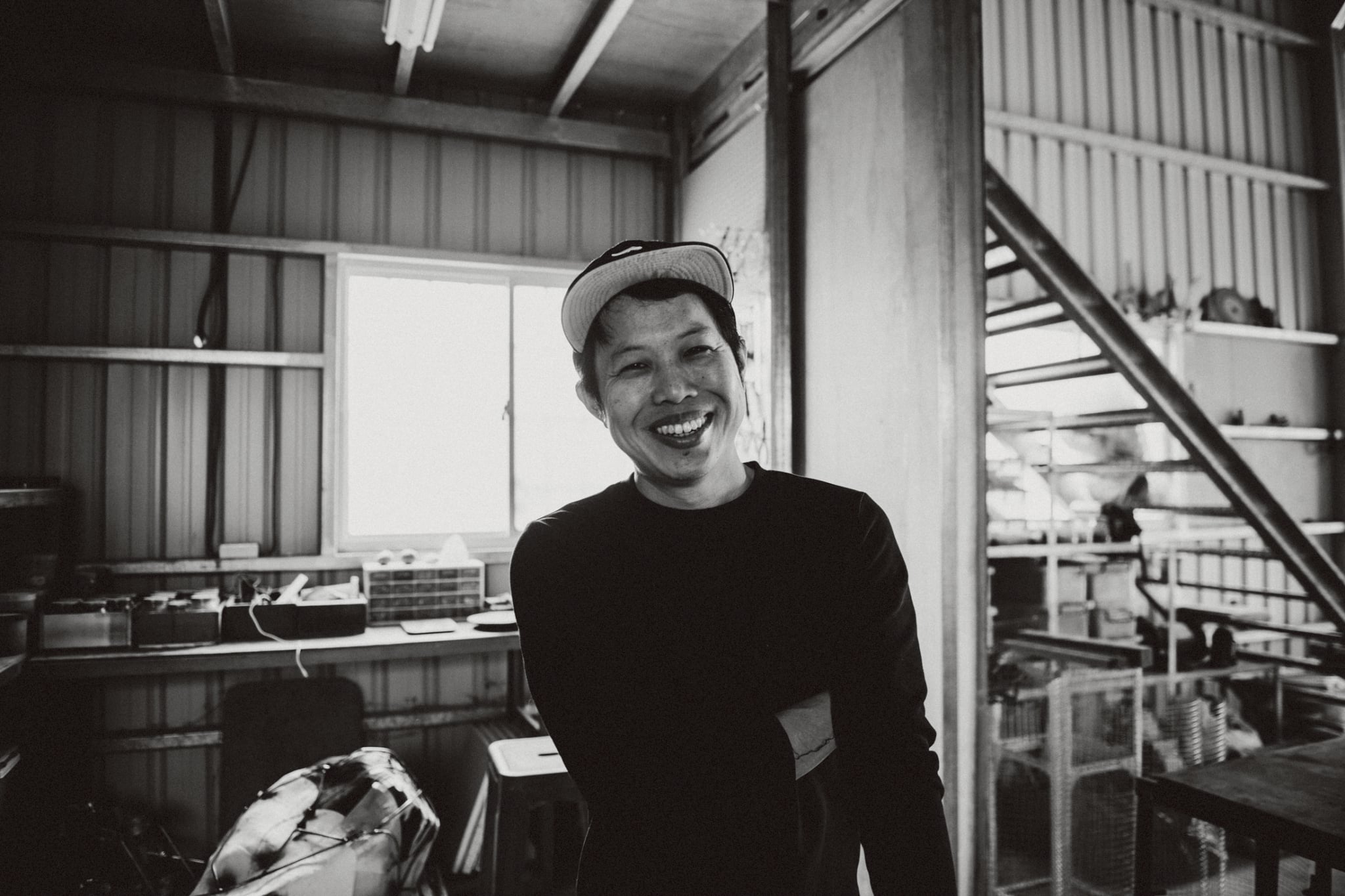
“In exchange for pocket-friendly rent, I help keep the houses standing”
ZC: How has your way of seeing the city changed after the earthquake?
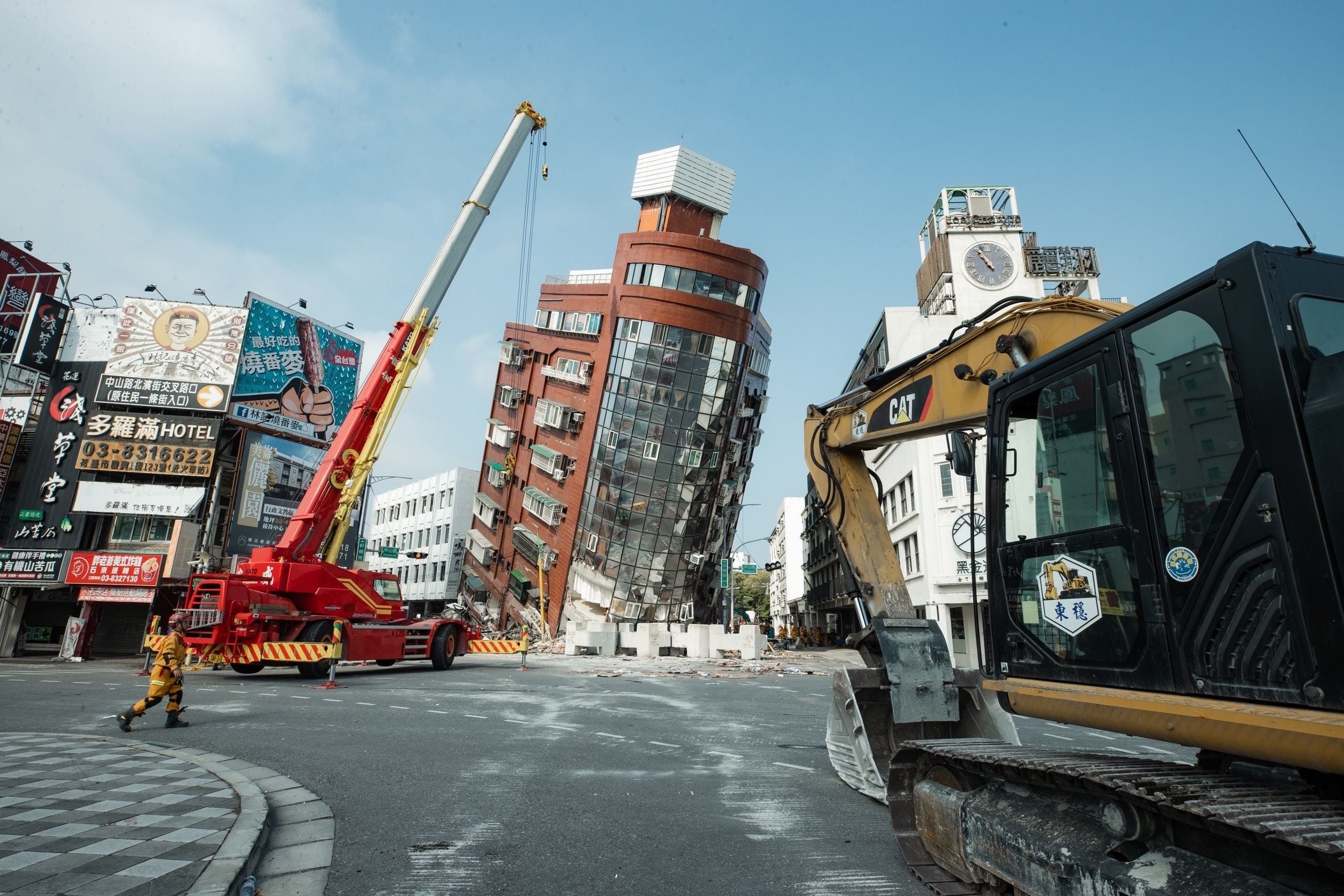
CC-H: The 2024 earthquake changed everything in our quiet east-coast city. For six months, aftershocks kept rocking us, leaving a constant sense of drift. The disaster was part of daily life: the tower beside my usual market tilted sharply among the ruins, so I had to stare at it while queueing to pay, and commuting past the cliff meant navigating vanished hillsides and debris-strewn roads for work—a surreal, almost dreamlike sight. I also dreamed far more during that time.
Back then, the stray cats I usually care for would hide, taking longer to find, and I became responsible for checking on relatives’ homes. My teaching role required frequent trips to Taipei, but the cliffside route was closed for months, and detours stretching the round trip to over 20 hours became part of [my] routine. Only when some semblance of stability returned could I begin to process the constant, bodily sensation of tremor.

ZC: What role did the earthquake play in shaping these works?
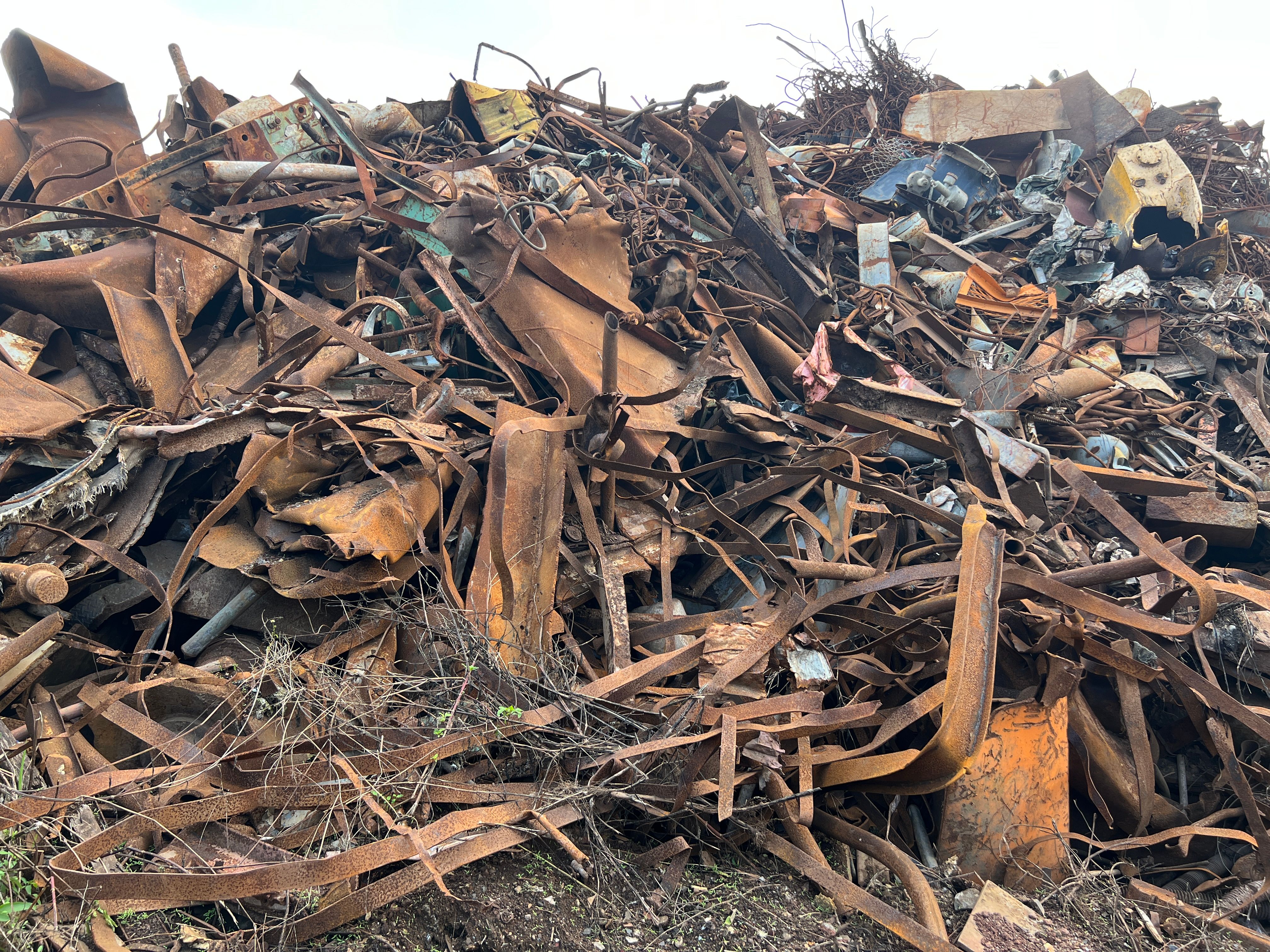
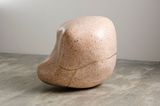
CC-H: For this exhibition, the two major works evoke familiar objects—a staircase, a bookshelf—while fundamentally seeking a form capable of infinite extension. I wandered through recycling yards piled with fragments from demolished houses—concrete, wood, bricks—and each piece made me imagine the houses they came from, or which forest had yielded the timber. At first, the work sought to recollect the time shattered by the earthquake. Gradually, I reassembled armrests and beams into staircases, and shards of marble and concrete into “stone books”—an archive of that fractured time. The idea was that 10, 20, a hundred of these pieces would accumulate into a library.
“I dreamed far more during that time”
ZC: Do you prefer works that haunt you, or those that comfort you?
CC-H: I’m drawn to art that can heal. When the tilted Uranus tower [left leaning at a 25-degree angle by the 2024 Hualien earthquake, after having sustained initial damage in the 2018 earthquake] had its teardown repeatedly paused so rescue teams could save five cats, some chickens and a hamster, it stuck with me. I wanted to carry that same sense of care into my own work.
ZC: Which book changed the way you think about art?
CC-H: I would say Jorge Luis Borges’s poem La Luna (1964), in which he sees the moon as a mirror that every generation gazes upon, with those gazes accumulating over time. I’d take it as a reflective fatalism. We talk about living with trouble as if it’s a concept, but inhabiting it is something else entirely. Reflecting on the earthquake, I felt that Borgesian sense of fatalism. The earthquake did shatter many states of being and disrupted time itself, yet I want to gather and reassemble those fragmented moments.
“We talk about living with trouble as if it’s a concept, but inhabiting it is something else entirely”
ZC: Which work exploring catastrophe has left a lasting impression on you?
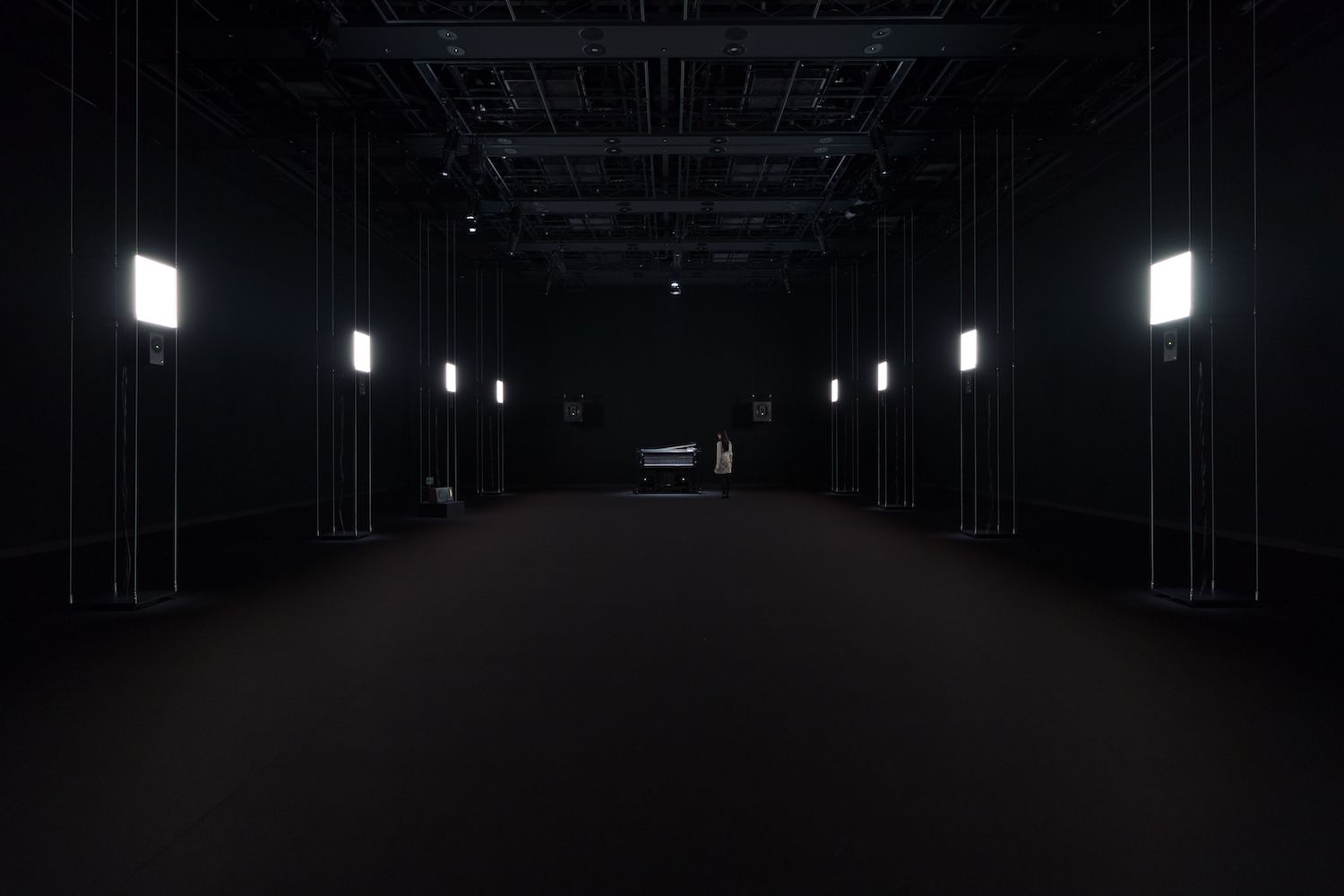
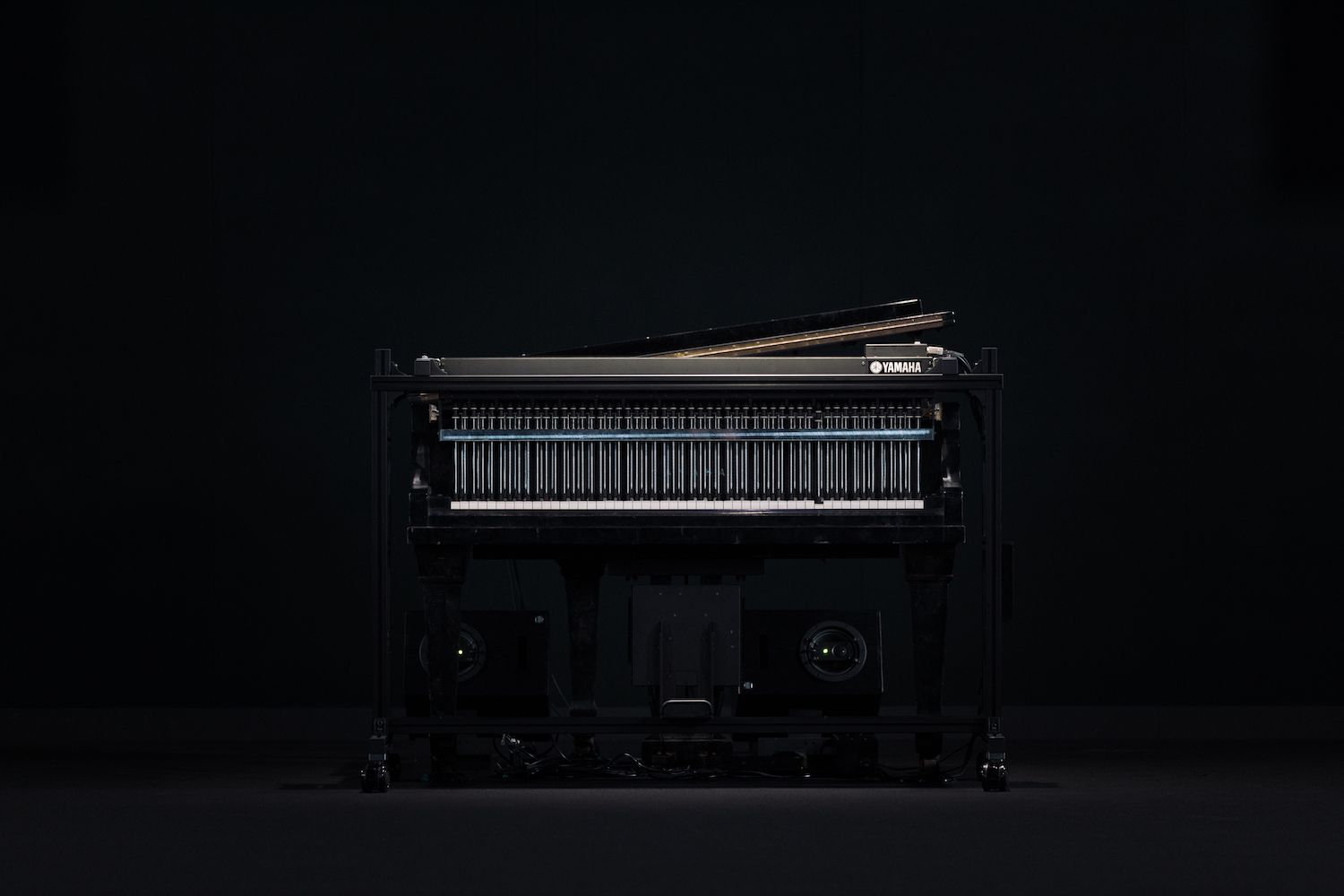
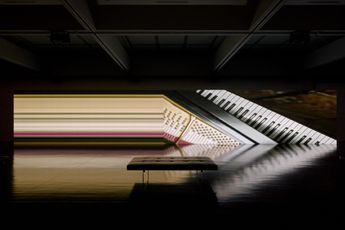
CC-H: The piece that left the deepest impression on me is artist and musician Ryuichi Sakamoto and Shiro Takatani’s art installation on the 2011 Tohoku earthquake, Is Your Time (2017). At its heart is a piano that survived the subsequent tsunami, its notes detuned. Yet they treat it as an instrument “tuned” by nature. It plays notes generated from global earthquake data, layered with ambient sound and imagery. I found this both shocking and profoundly moving. —[O]
Palette Cleanser is a weekly interview series with the artists you need to watch, as selected by our editors.
Main image: Chiu Chen-Hung, Unbalanced Spiral (2026). Courtesy the artist and TKG+ 4. Photo: Anpis Wang.









A respected voice in contemporary art discourse.
Focusing on ambitious storytelling and insightful art-world commentary. Ocula Magazine publishes in-depth interviews, critical essays and timely analysis on the artists, exhibitions and ideas driving the global art world.
Learn more about Ocula Magazine
Showcasing the best of the art world.
Ocula partners with galleries from around the world to highlight their artists, artworks and exhibitions. Gallery membership is by application and invitation, with each member vetted by an independent panel.
Learn more about Ocula Membership
Specialises in the sale of major artworks.
Led by a team with deep ties to the world’s leading auction houses, galleries and collectors. Ocula’s advisory team offers bespoke services to high-net-worth clients from around the world who are looking to acquire the best of contemporary and modern art.
Learn more about our team and services