





One Year After the Fires, LA’s Art World Continues to Rebuild
How should LA’s art community memorialise the devastating 2025 fires, and how can artists recover? Save to My OculaBrittany Fanning recalls waking to a red, smoke-filled sky, with no power or phone service. The artist left her 100-year-old home and joined others taking shelter in Palm Springs as the fire raged through their neighbourhood, each waiting to learn if their residences had been spared. In the end, Fanning did not lose her home but has since relocated to New York. The experience has altered her sense of permanence. ‘I’ve moved a lot and I was finally starting to settle in and collect artwork and books,’ Fanning says. ‘The day of the fire, none of those items made it into my bag.’ Now, she has started again.
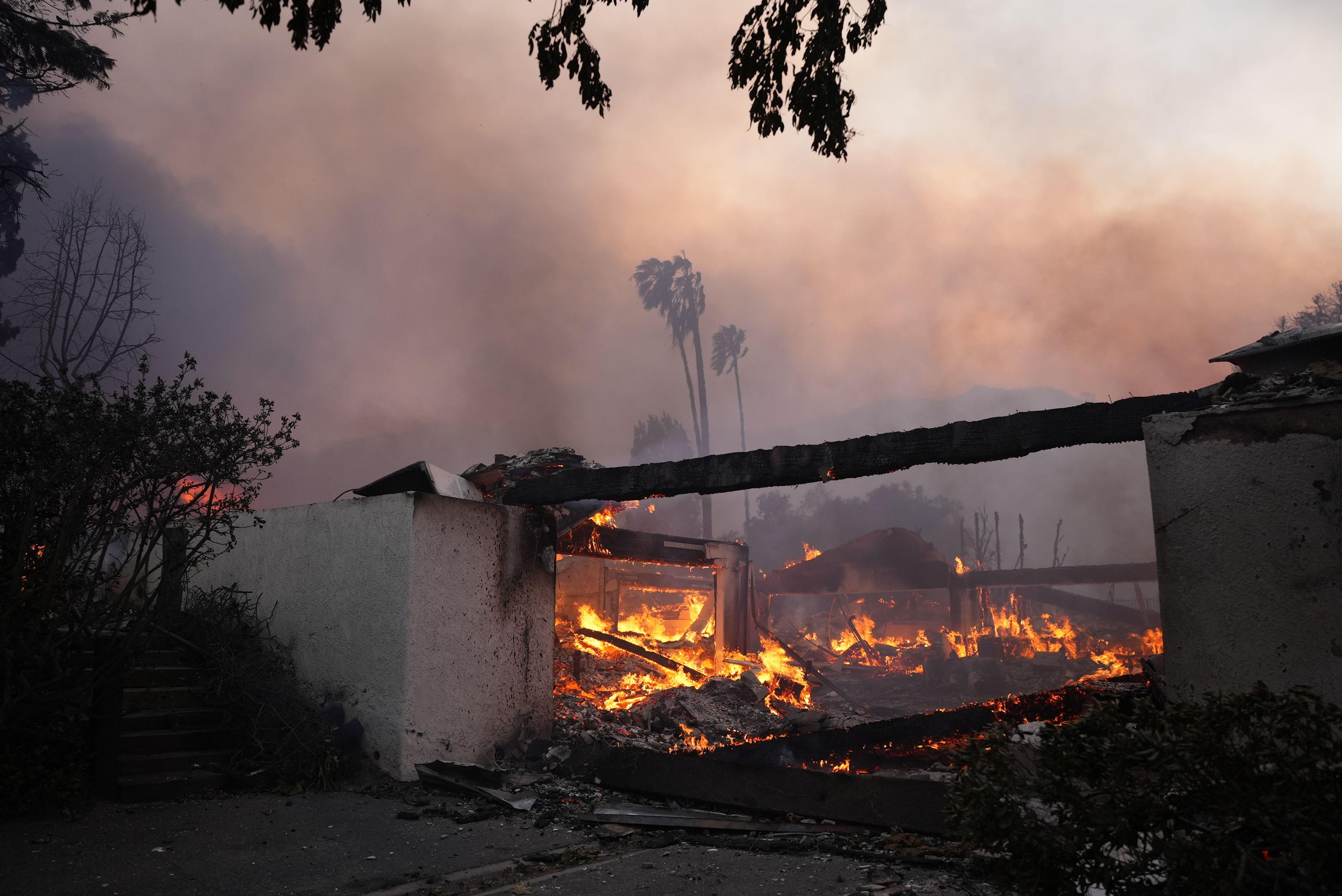
In January 2025, the Palisades Fire and the Eaton Fire engulfed entire neighbourhoods in Los Angeles, California, resulting in 31 deaths and the destruction of more than 16,000 structures. In the aftermath, thousands of residents were displaced, and hundreds of members of the city’s art community were among those deeply affected, with many facing the compounded loss of studios, artwork and archives.
At the time of the disaster, questions quickly arose about whether the art world should proceed as usual, particularly with major events such as Felix Art Fair and Frieze LA due to take place less than a month after the fires were finally brought under control. News that dealer Ron Rivlin had lost more than 200 artworks, including approximately 30 pieces by Andy Warhol, began to make headlines, as did landscape damage sustained by The Getty Center. Both art fairs ultimately went ahead as scheduled, with many citing the negative economic impact to the city and those in the local art scene if they were to be cancelled. One year later, the most urgent questions are not about high-profile moments, but about what rebuilding has looked like for artists and small arts organisations.
“Rebuilding unfolded unevenly, shaped by available resources and the limits of what can truly be replaced”
In the weeks following the fires, the scale of loss prompted rapid mobilisation across LA’s cultural community. One initiative to emerge was Grief and Hope, a mutual aid fund founded by Kathryn Andrews, who lost her home in the fire, alongside fellow cultural workers Andrea Bowers, Olivia Gauthier, Ariel Pittman and Julia V. Hendrickson, all of whom were also impacted by the disaster. The founder’s experiences helped them to shape Grief and Hope’s formation.
The fund was established in direct response to these personal and community losses, aiming to provide rapid support to those in culture sector impacted by the fires. The volunteer-run organisation has since raised $1.74 million and distributed funds to nearly 300 artists and art workers across the city.
Hendrickson describes Grief and Hope’s role as both practical and limited. ‘I’m proud of the fact that we connected fire survivors with both temporary and long-term places to live, and places to make artwork again,’ she says. ‘We supported the replacement of essential items for both personal life and a life of making art. We facilitated connections to artist residencies, built relationships that led to exhibitions and artwork sales, and advised those looking for work and navigating a changed job market.’
Across Los Angeles, galleries and art institutions also began to help, turning their spaces into drop-off locations, providing basic supplies, storage and short-term support. However, as emergency response gave way to longer-term recovery, rebuilding unfolded unevenly—shaped by available resources and the limits of what can truly be replaced.
At VIELMETTER LOS ANGELES in the city’s downtown neighbourhood, the fires reshaped relationships between the gallery, its artists, and the city in ways that remain unresolved. Four artists and employees connected to the gallery lost homes and three were displaced. Founder Susanne Vielmetter says the trauma still lingers and will affect their lives for years to come. ‘These fires were unprecedented insofar that they literally wiped out two entire cities within the city,’ she explains. ‘People did not just lose their homes; they lost their entire neighbourhood, community and sense of place.’
“We had to cut back on support when our artists needed it the most”
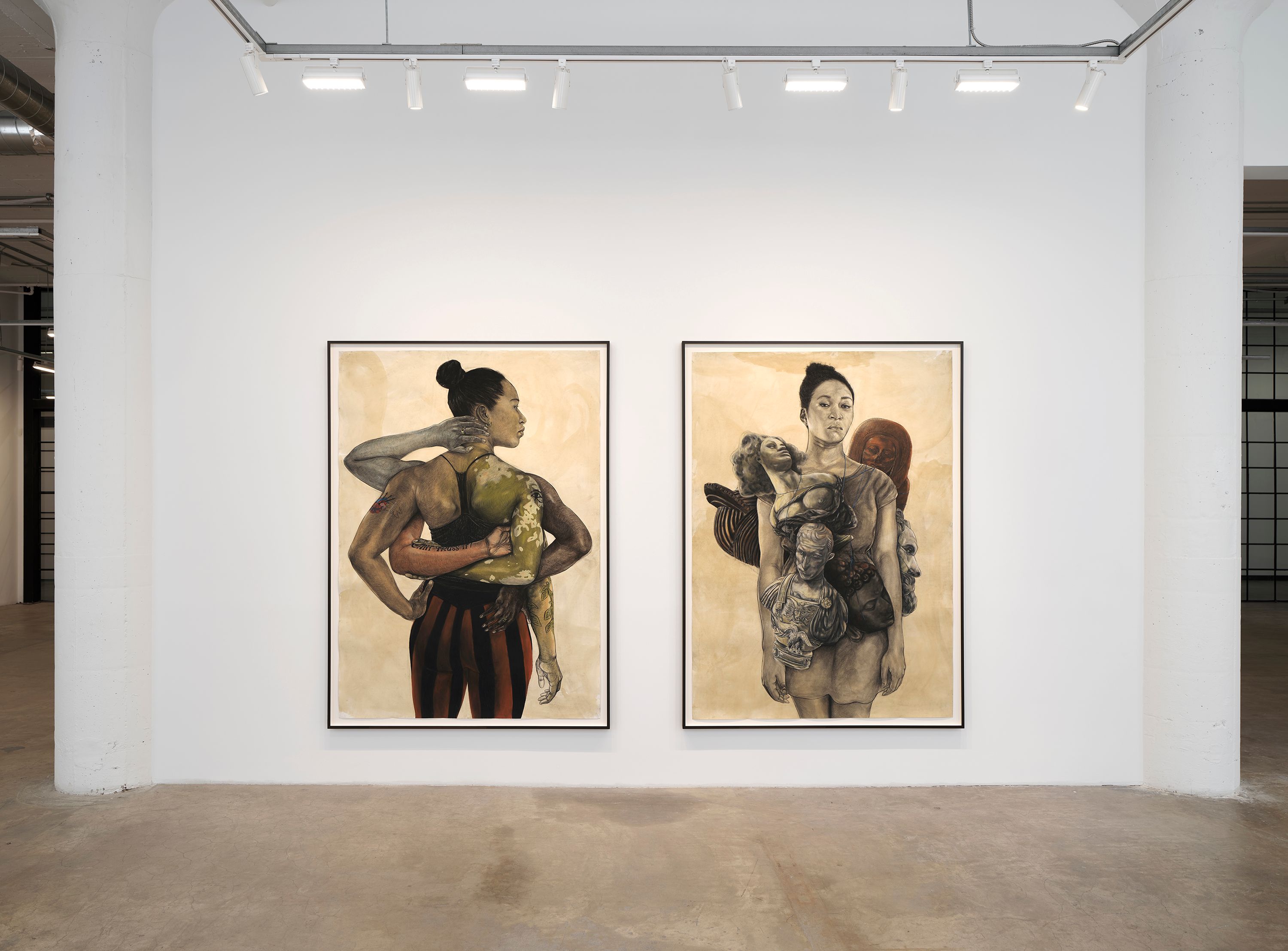
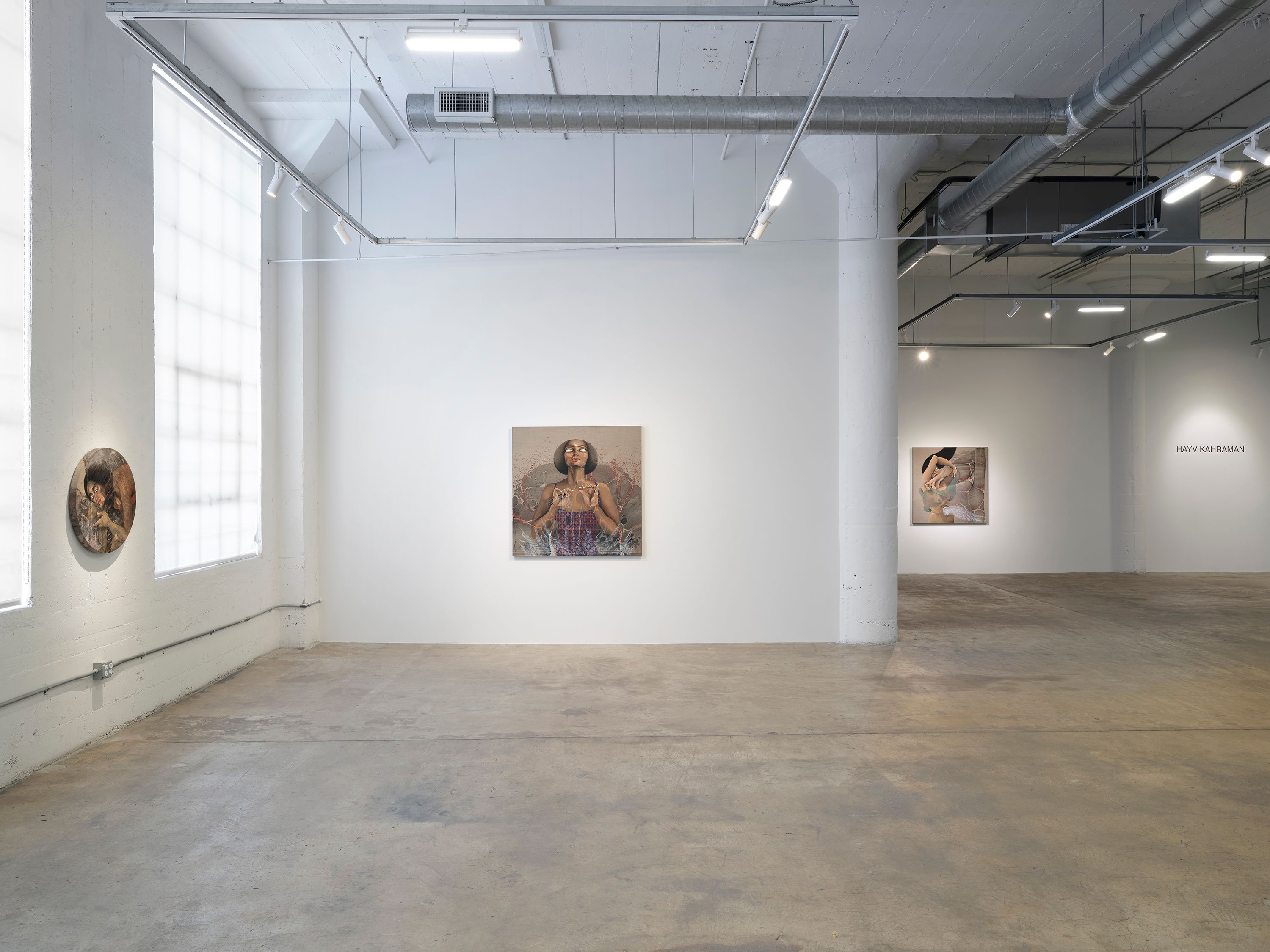
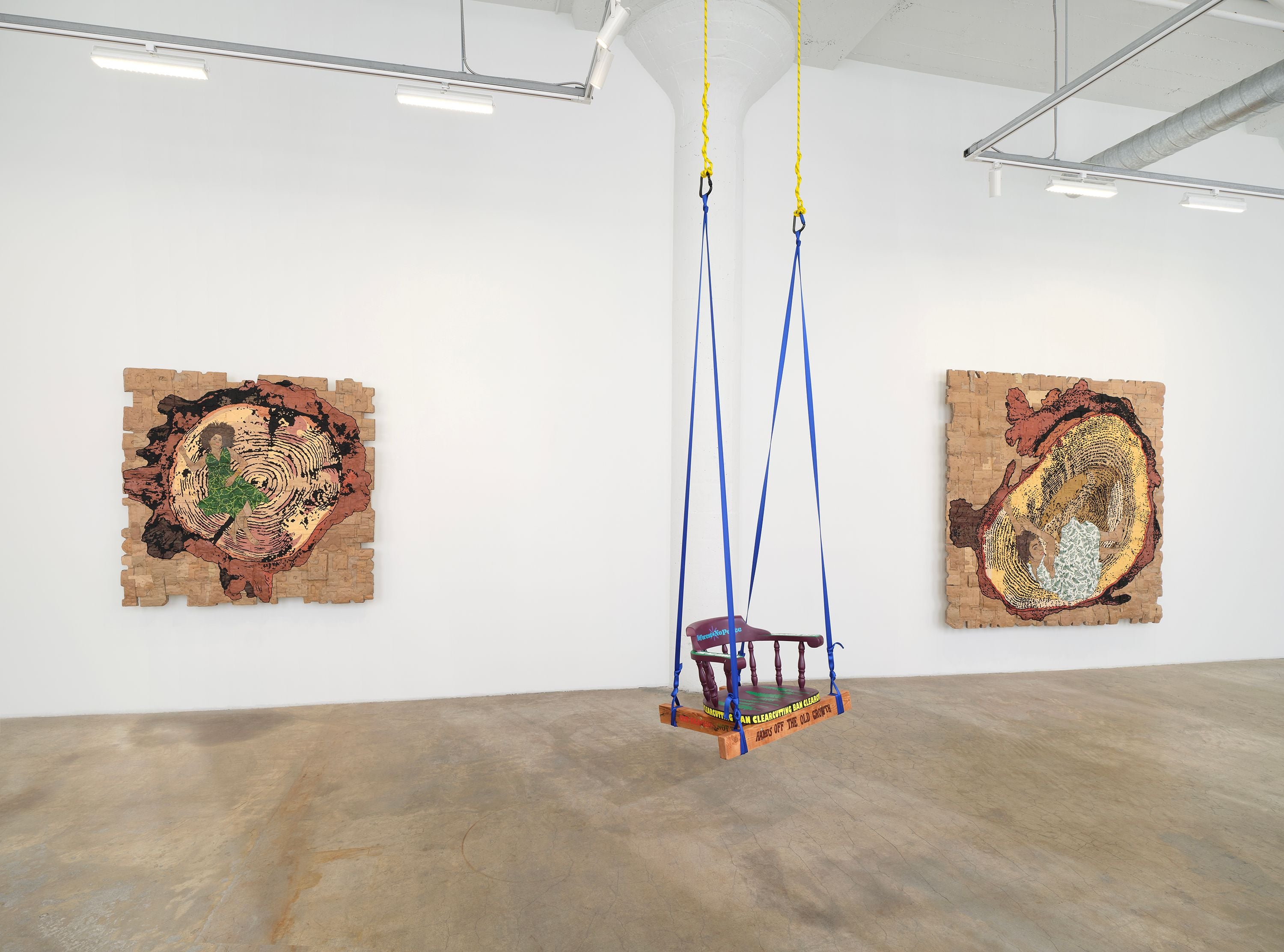
Vielmetter describes Los Angeles as ‘a strong and coherent art scene’ that ‘sprung into action in ways that were unprecedented’. However, while there was an immediate outpouring of support, she notes that many artists are now navigating a quieter phase of recovery as attention fades, compounded by a softening art market. ‘We had to cut back on support when our artists needed it the most,’ she admits.
The fires also forced the art world to confront its underlying precarity and particularly around insurance. Beyond the immediate loss of homes, studios, and collections, the disaster raised urgent questions about what can realistically be protected and who bears that cost.
In 2025, The Art Newspaper asked directly whether art would remain insurable. While successful claims were made throughout last year by artists and galleries on art destroyed in the fires, insurers have increasingly demanded proof of evacuation plans and other steps taken to protect these works, seemingly even in the face of hugely unpredictable circumstances, while insurance premiums have increased exponentially. Market-wide insured loss estimates from the California fires range between $25 billion and $45 billion, with the Palisades Fire accounting for an estimated $20–$25 billion and the Eaton Fire an additional $8–$10 billion. In the aftermath, the significant changes to California’s insurance landscape have rippled into the art world, affecting artists, galleries and institutions alike.
The Frederick R. Weisman Art Foundation, located in the Holmby Hills neighbourhood, was forced to evacuate during the height of the fires. While the works in its collection were ultimately spared, the foundation implemented new measures including updated sprinkler systems and revised security protocols. ‘As a longtime Los Angeles resident of 21 years, I had never witnessed anything like the intensity of the 2025 fires,’ recalls Lena Carannante, a curatorial assistant at the foundation.
As the newest member of the team, Carannante was directly involved in deinstalling, packing and wrapping works as shifting wind patterns created urgency—she says there was no room for error. ‘We were responsible for protecting objects and paintings that had been cared for by staff and valued by thousands of visitors over decades,’ she says. ‘We felt a huge responsibility not only to the present moment, but to the future as well.’
Carannante was also acutely aware of how uneven evacuation capacity was across the city. While the foundation benefited from preparation and staffing, this was not the case for all. ‘I had friends with smaller private studios in Malibu and closer to Hollywood that faced far greater challenges, often struggling to secure evacuation teams as resources were spread thin,’ she remembers.

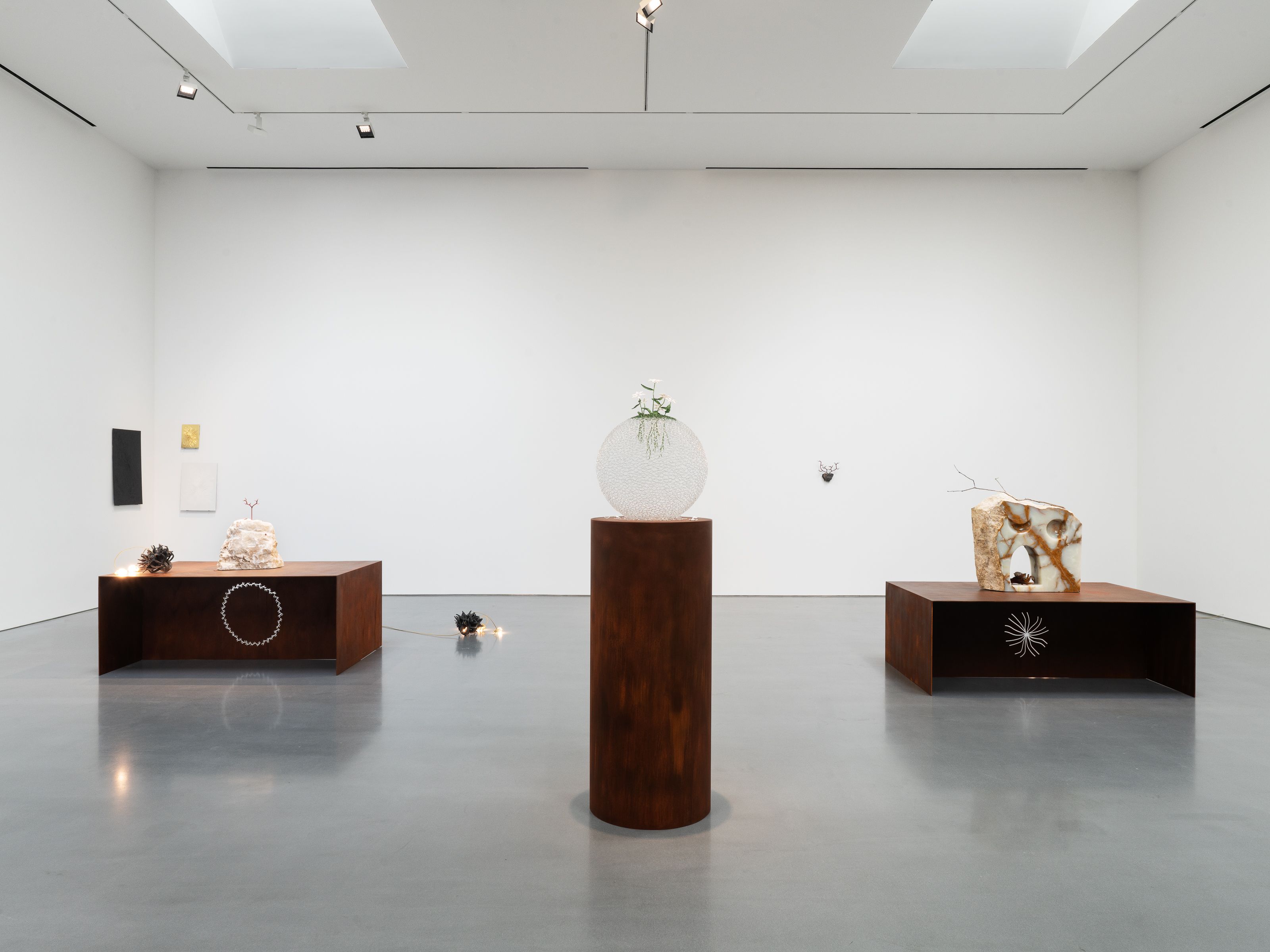
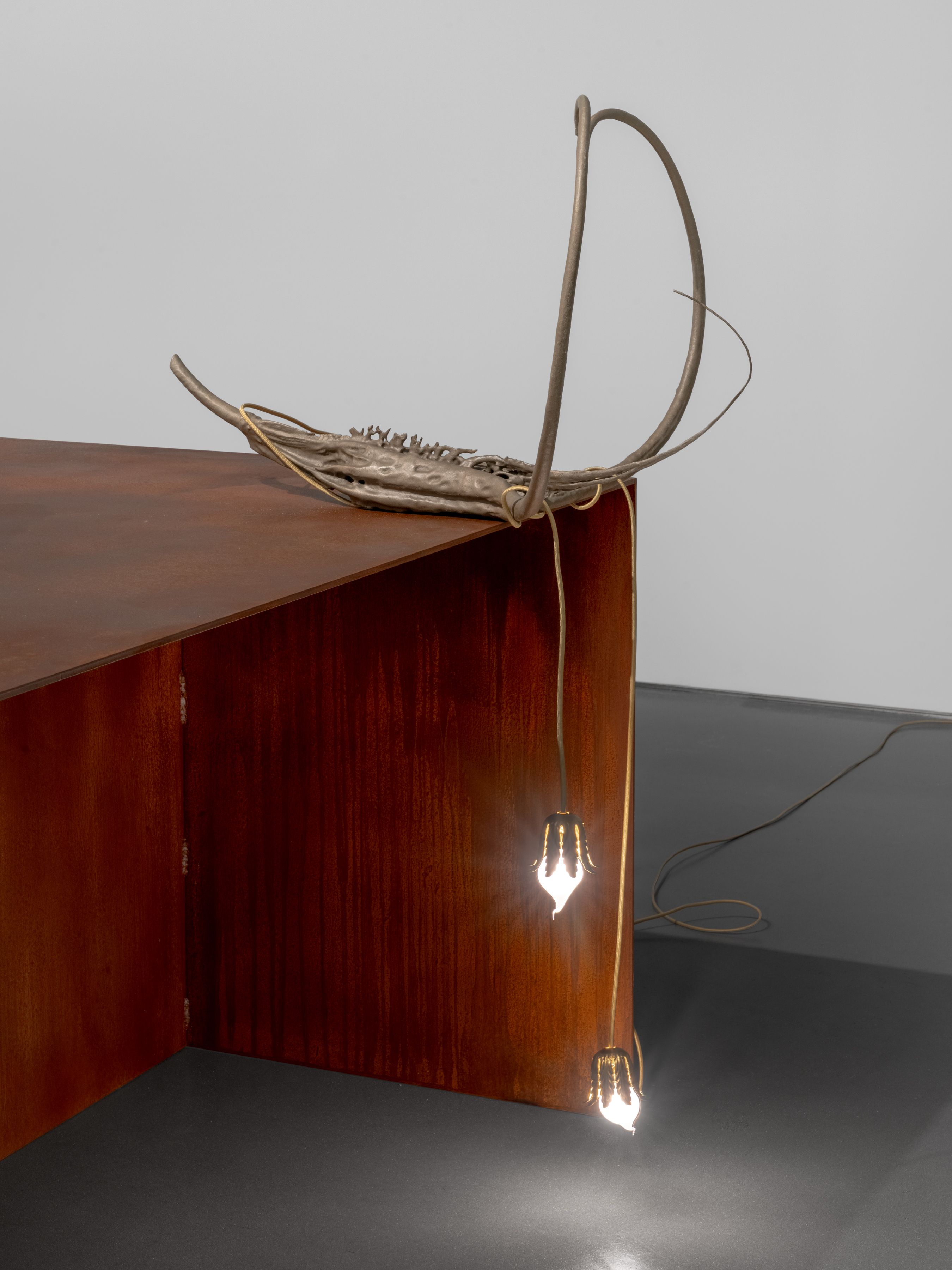
One year on, the question of how to memorialise the fires, to ensure these losses are not forgotten, looms large. When the Whitney Museum of Art announced the 56 artists for the 2026 Whitney Biennial, a survey of American contemporary art scheduled to open on 8 March, the museum also chose to award one of those Biennial artists, LA-based sculptor Kelly Akashi, $150,000 in fabrication costs to create a monument to victims of the Los Angeles wildfires. Akashi will recreate her chimney—the only part of her home in the Altadena neighbourhood left after the fires—with glass bricks and mortar.
This commission continues a body of work begun by Akashi following the losses she experienced at the time, including a show at Lisson Gallery one month after the fires in which she exhibited bronze sculptures that had been taken from the ashes of her former studio, twisted and marked by the fire. ‘They say, “You can’t be a glassblower if you can’t deal with heat and loss,” and I’d say I’m being tested right now on both of those,’ she said in an interview with Vanity Fair at the time.
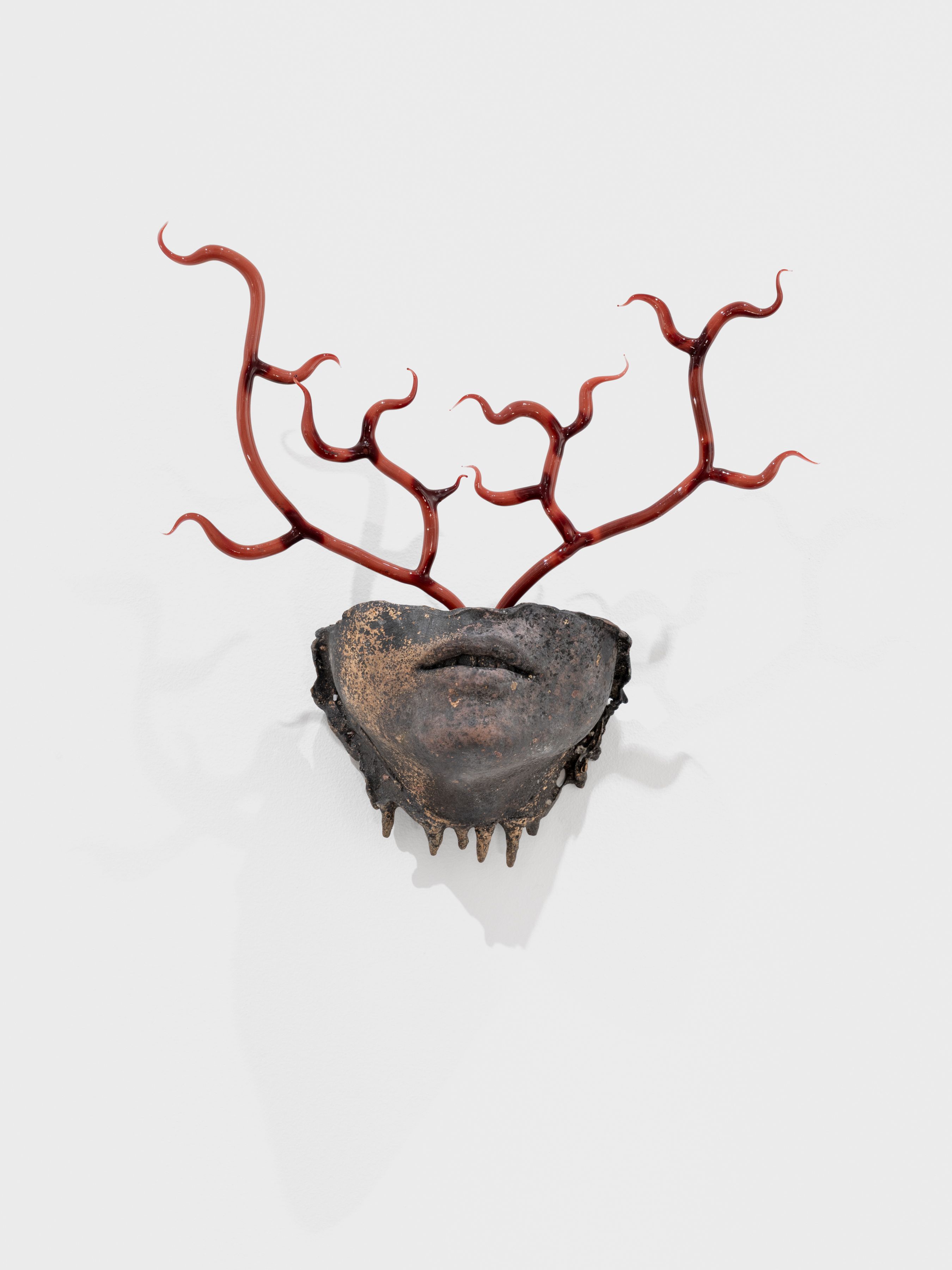
Akashi is not alone in feeling compelled to introduce physical embodiments of the fire into her practice. Whitney Bedford, who was forced to evacuate her home for several months after the fire tore through her neighbourhood, now incorporates burnt flora into her sunset paintings. Though the artist and her family have since returned, the instability has reshaped her sense of home.
‘Just when you think you have thought of everything, you find more ash,’ Bedford says. ‘Even the sand in the kids’ sandbox had to be changed.’ This rush to restore normalcy can, she explains, even eclipse the trauma itself, leading to lingering feelings not of relief, but of rupture. ‘So many of our neighbours and so many of my and my daughter’s friends moved away overnight,’ she says. ‘Our everyday routines and sense of normalcy disappeared. Our community fell apart and has been trying to get back together since.’
“Just when you think you have thought of everything, you find more ash”
As the Los Angeles art world continues to work towards this same recovery, attention has shifted from immediate response to longer-term questions about sustainability and preparedness. While organisations like Grief and Hope have helped to build an infrastructure for connection and short-term support, for co-founder Hendrickson, recovery does not end with distribution. Continued fundraising relies on sustained media attention, which has waned following the initial coverage during and in the immediate aftermath of the fires.
‘Over the course of a year we will have distributed about $6,500 in unrestricted funds each to nearly 300 artists and arts workers,’ Hendrickson says. ‘That amount barely scratches the surface when you’ve lost your home, your entire artistic output, all of your possessions, or your place of work. All kinds of other infrastructures are still needed long-term for anyone who lives through a natural disaster.’ —[O]
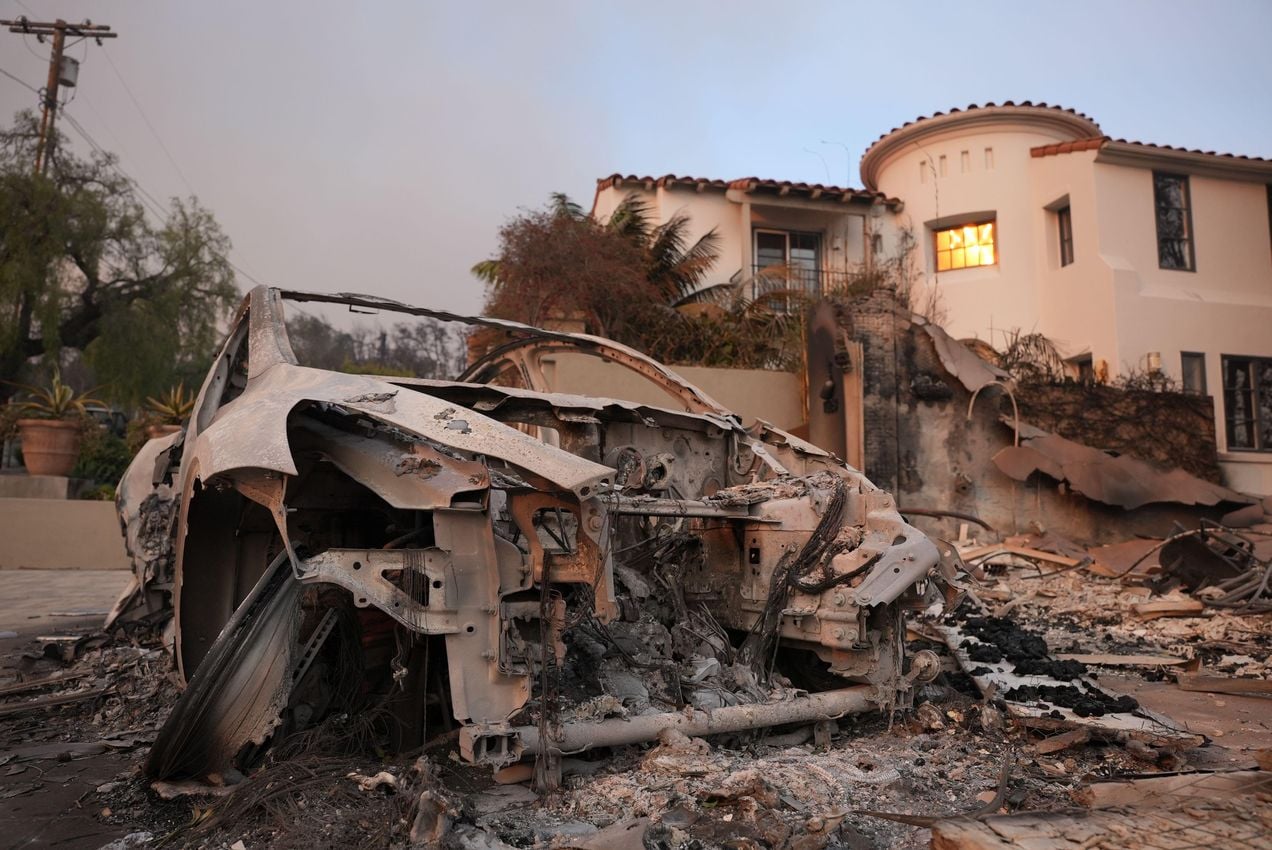
Main image: Car destroyed in the Palisades fire (2025). Photo: Grant Smith/Alamy





A respected voice in contemporary art discourse.
Focusing on ambitious storytelling and insightful art-world commentary. Ocula Magazine publishes in-depth interviews, critical essays and timely analysis on the artists, exhibitions and ideas driving the global art world.
Learn more about Ocula Magazine
Showcasing the best of the art world.
Ocula partners with galleries from around the world to highlight their artists, artworks and exhibitions. Gallery membership is by application and invitation, with each member vetted by an independent panel.
Learn more about Ocula Membership
Specialises in the sale of major artworks.
Led by a team with deep ties to the world’s leading auction houses, galleries and collectors. Ocula’s advisory team offers bespoke services to high-net-worth clients from around the world who are looking to acquire the best of contemporary and modern art.
Learn more about our team and services