






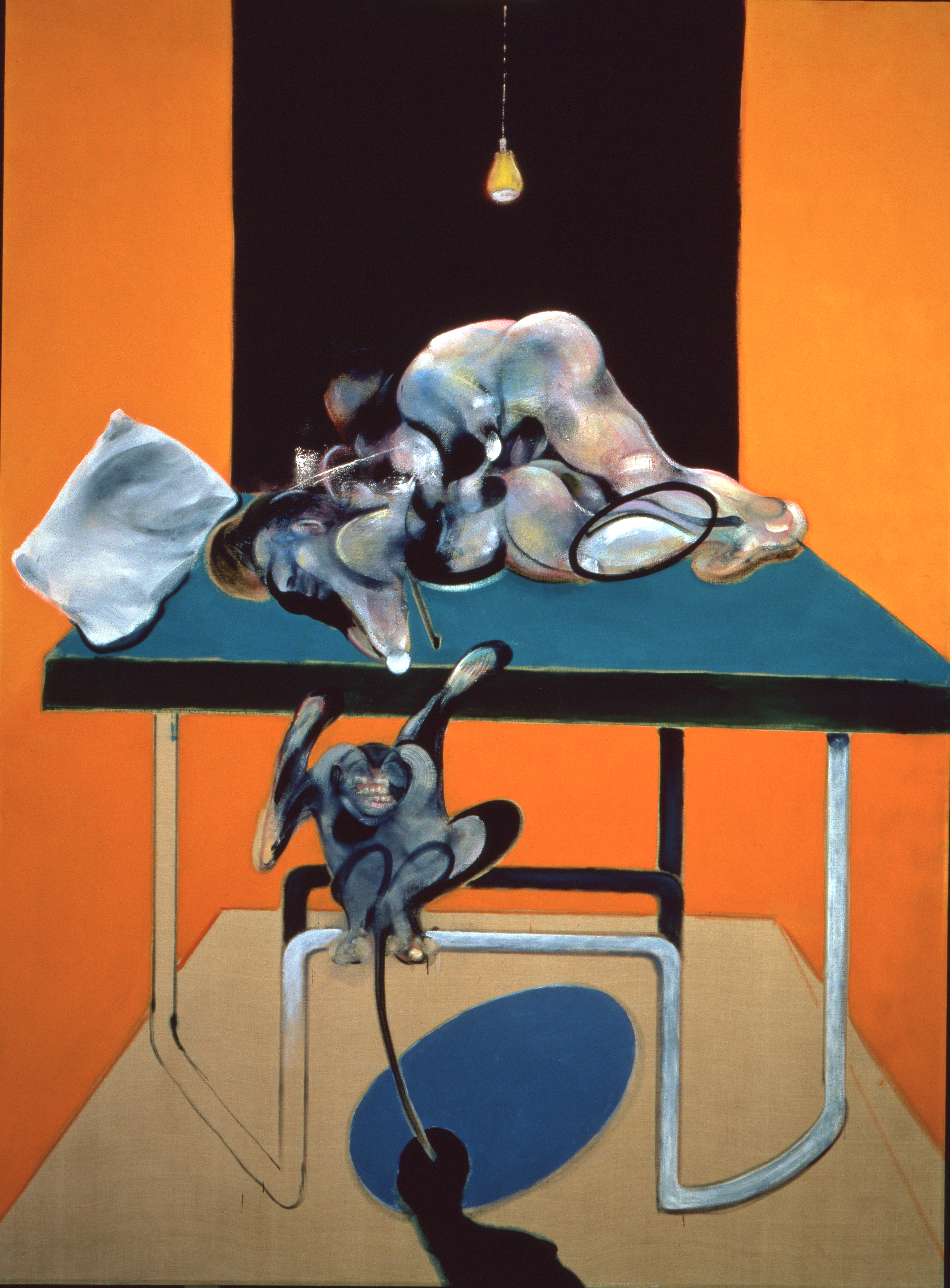
Francis Bacon, Two Figures with a Monkey (1973). Oil on canvas. 198 x 147.5 cm. © The Estate of Francis Bacon. All rights reserved. AUTVIS, Brasil / DACS/Artimage, London 2024.
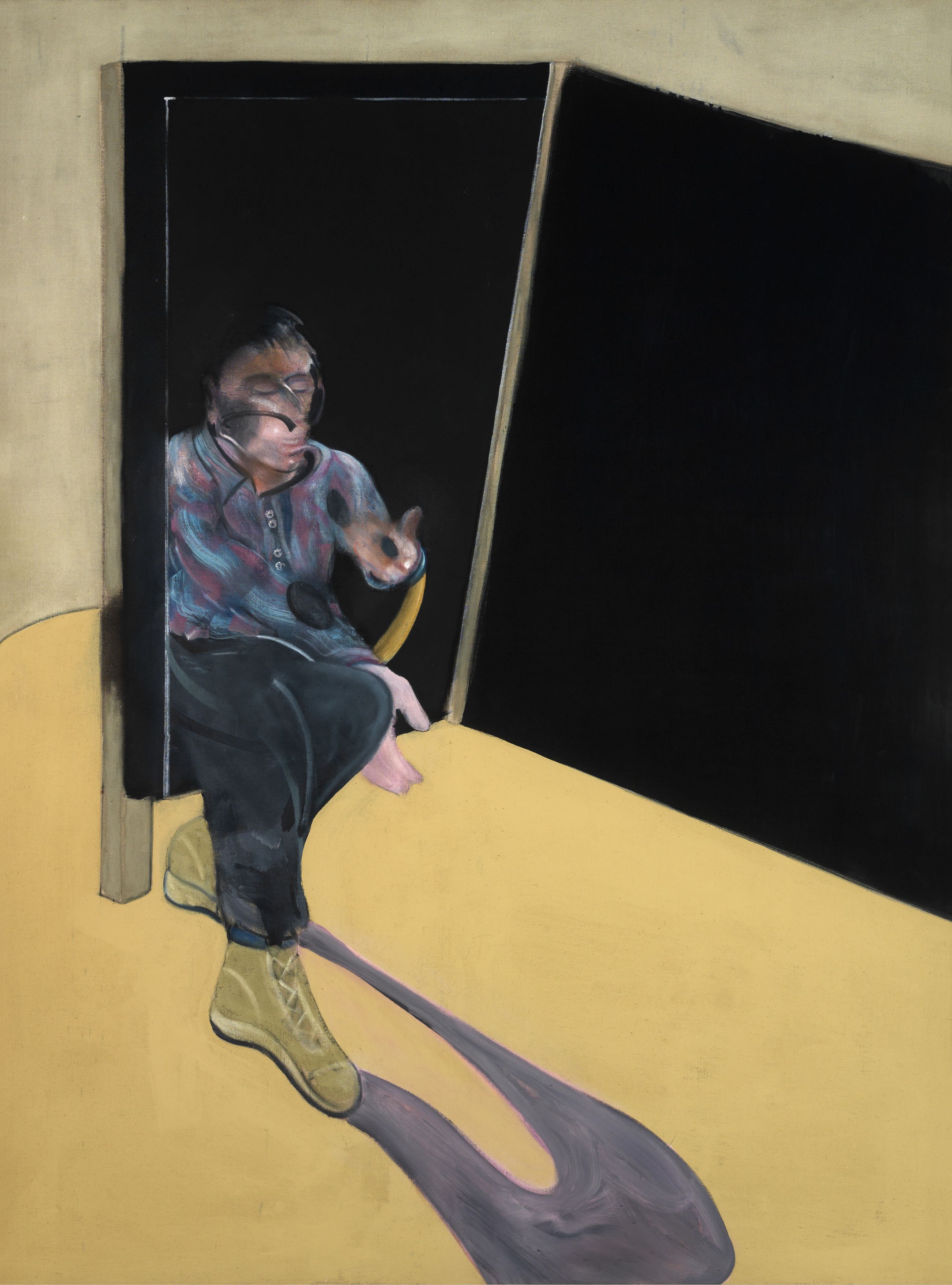
Francis Bacon, Study for Self-portrait (1981). Oil on canvas. 198 x 147.5 cm. © The Estate of Francis Bacon. All rights reserved. AUTVIS, Brasil / DACS/Artimage, London 2024. Photo: Prudence Cuming Associates Ltd.
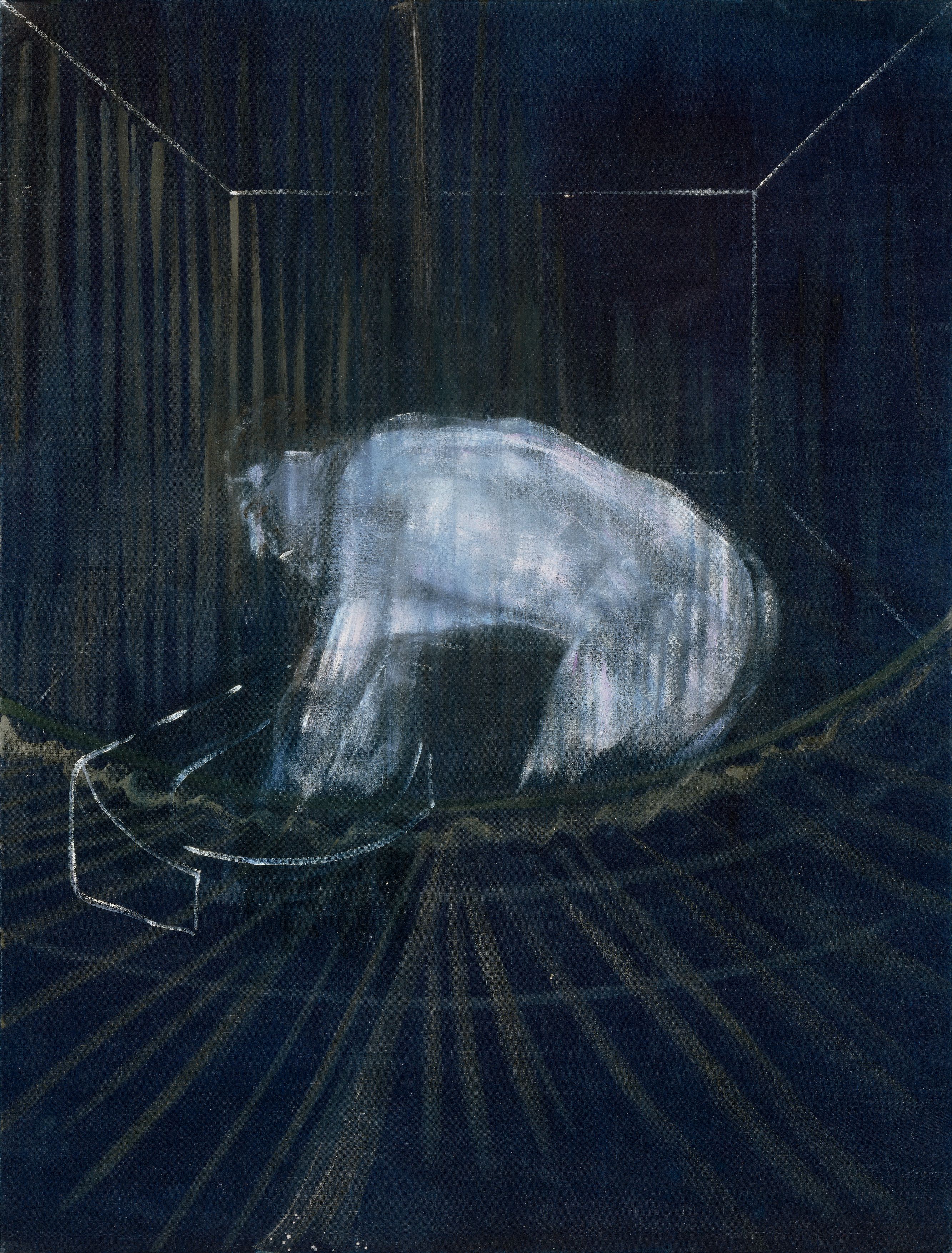
Francis Bacon, Man at a Washbasin (c.1954). Oil on canvas. 170.8 x 135 cm. © The Estate of Francis Bacon. All rights reserved. AUTVIS, Brasil / DACS/Artimage, London 2024. Photo: Prudence Cuming Associates Ltd.
Coinciding with the 20th edition of Brazil’s premiere art fair, SP–Arte (3–7 April 2024) is the first solo exhibition devoted to the work of the formidable Francis Bacon in Brazil, on view at Museu de Arte de São Paulo (MASP).
Francis Bacon: The Beauty of Meat (22 March–28 July 2024) presents 23 paintings produced from 1947 through to 1988, focused primarily on his queer identity and lifestyle.
Bacon was open about his sexuality well before same-sex sexual acts were legalised in 1967. For over six decades, the painter portrayed friends from London’s bohemian and cultural life, anonymous figures he met in bars, and his lovers, notably Peter Lacy and George Dyer, with whom he maintained intense and often turbulent relationships.
One such early example—on view at MASP—is Man at a Washbasin (c.1954) from Bacon’s great ‘blue’ period of the mid-1950s. The work pictures a nude male figure, thought to be based on Peter Lacy, Bacon’s lover at the time, leaning over a basin.
Mark Stevens, author of Francis Bacon: Revelations published in 2021, has said of their relationship that ‘it was the most important relationship in each man’s life.’
It is Bacon’s unique ability to bring vigour to carnality through painting that the São Paulo show aims to bring to the fore. The enigmatic dark figure in Man at a Washbasin remains faceless, shuttered behind glinting white rays, providing a harrowing, tortured image of a man whom Bacon loved, yet endured a famously mercurial connection with.
An example of Bacon’s later work in São Paulo is Two Figures with a Monkey (1973). Featuring Bacon and his lover George Dyer in an embrace, foregrounded by a monkey jumping off the table, the painting seeks to confront the bestiality of the human form.
‘This key notion in Bacon’s art, that man is an animal, was explored in numerous paintings throughout the 1950s in which humans and monkeys are depicted as interchangeable if not almost indistinguishable: both imprisoned in dark cages with their mouths opened in screams,’ explains art historian Michael Peppiatt who met Bacon in Soho’s French House in 1963.
Museu de Arte de São Paulo’s artistic director Adriano Pedrosa curated the show ahead of arguably his biggest appointment yet as the curator of the 60th Venice Biennale (20 April–24 November 2024).
Pedrosa is not only the first Latin American curator to oversee the event, but its first curator from the Southern Hemisphere.
Main image: Francis Bacon, Two Figures with a Monkey (1973). Oil on canvas. 198 x 147.5 cm. © The Estate of Francis Bacon. All rights reserved. AUTVIS, Brasil / DACS/Artimage, London 2024.



A respected voice in contemporary art discourse.
Focusing on ambitious storytelling and insightful art-world commentary. Ocula Magazine publishes in-depth interviews, critical essays and timely analysis on the artists, exhibitions and ideas driving the global art world.
Learn more about Ocula Magazine
Showcasing the best of the art world.
Ocula partners with galleries from around the world to highlight their artists, artworks and exhibitions. Gallery membership is by application and invitation, with each member vetted by an independent panel.
Learn more about Ocula Membership
Specialises in the sale of major artworks.
Led by a team with deep ties to the world’s leading auction houses, galleries and collectors. Ocula’s advisory team offers bespoke services to high-net-worth clients from around the world who are looking to acquire the best of contemporary and modern art.
Learn more about our team and services