The art world in focus
Subscribe to our newsletter for news and insights on artists, galleries and exhibitions.


There is currently little brotherly love to be found in the city of Philadelphia. After a short-lived name change and concurrent rebrand in October 2025—followed by an almost immediate reversion to its previous name, announced in early February 2026—controversy has engulfed The Philadelphia Museum of Art. Not since 1998, when UK family favourite sweet Opal Fruits were rebranded as Starburst, has so much public ire been directed at such a change.
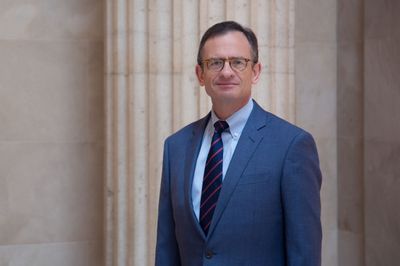
This recent case became more complicated last November with the sacking of the museum’s director, Sasha Suda. She had spearheaded the renaming and rebranding of the institution amid conflicting rumours of financial misappropriation and board interference, before being quickly replaced by Daniel Weiss. A legal case is now under way between the museum and its former leader, and just today reports of fresh senior leadership resignations emerged—but it is the renaming that continues to capture the attention of the media and the public.
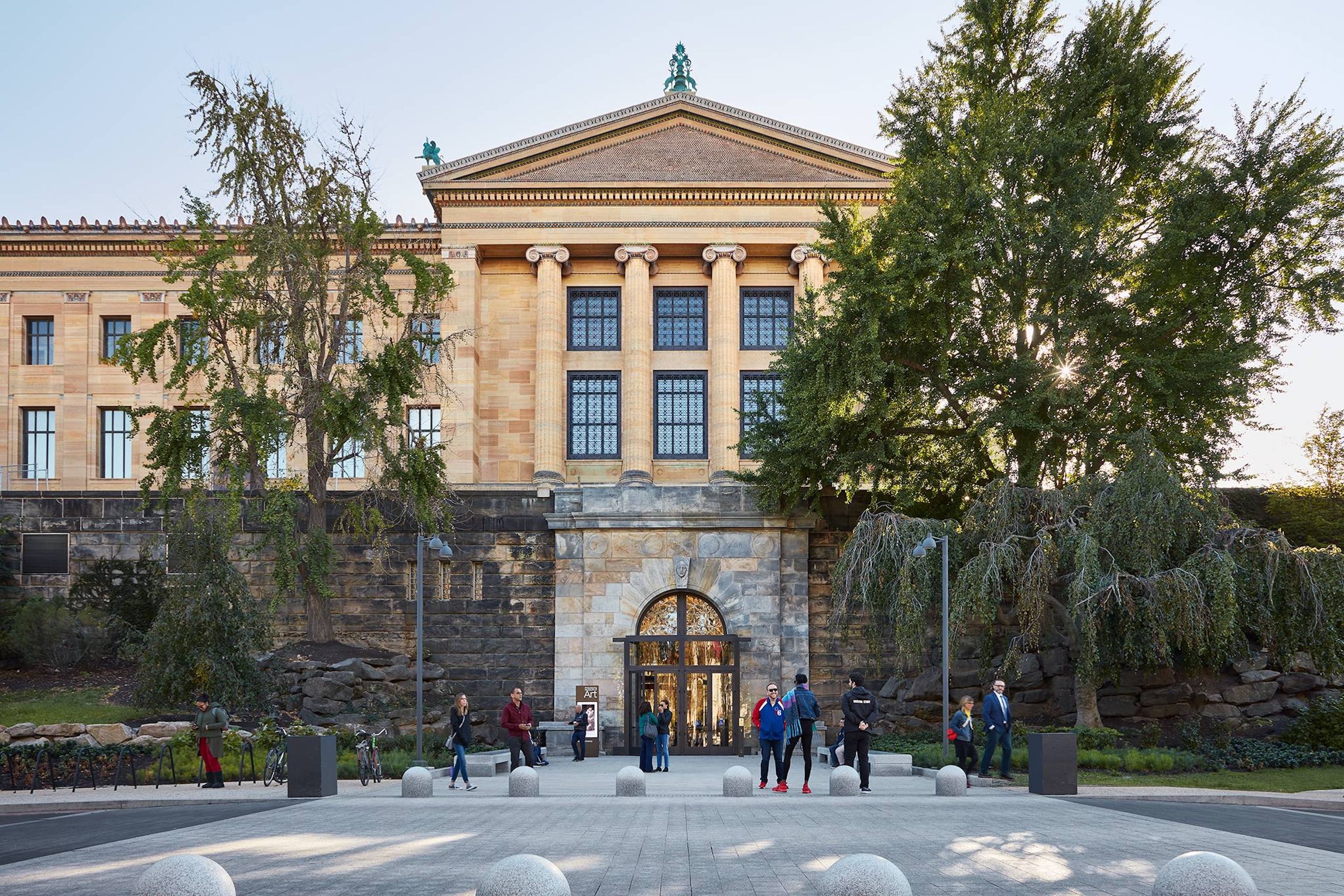
At first glance, it was a minor change. The Philadelphia Museum of Art became the Philadelphia Art Museum, and the acronym PMA became PhAM. However, various board members, donors and members supposedly objected to the new name and, on the internet, teenage memelords decided that the museum’s new acronym should be PhArt. Surely, regardless of how one views this particular rebrand, it is common sense to avoid anything that could be reduced to such an unfortunate nickname.
In one sense, it is curious that PhAM failed to land with many museumgoers, given that locals had long referred to the institution colloquially as ‘The Art Museum’. There are, after all, many examples of institutional names functioning as verbal desire lines—those ad hoc pathways that people make between two points, regardless of the official route. This can be as much a matter of convenience as it is one of familiarity.
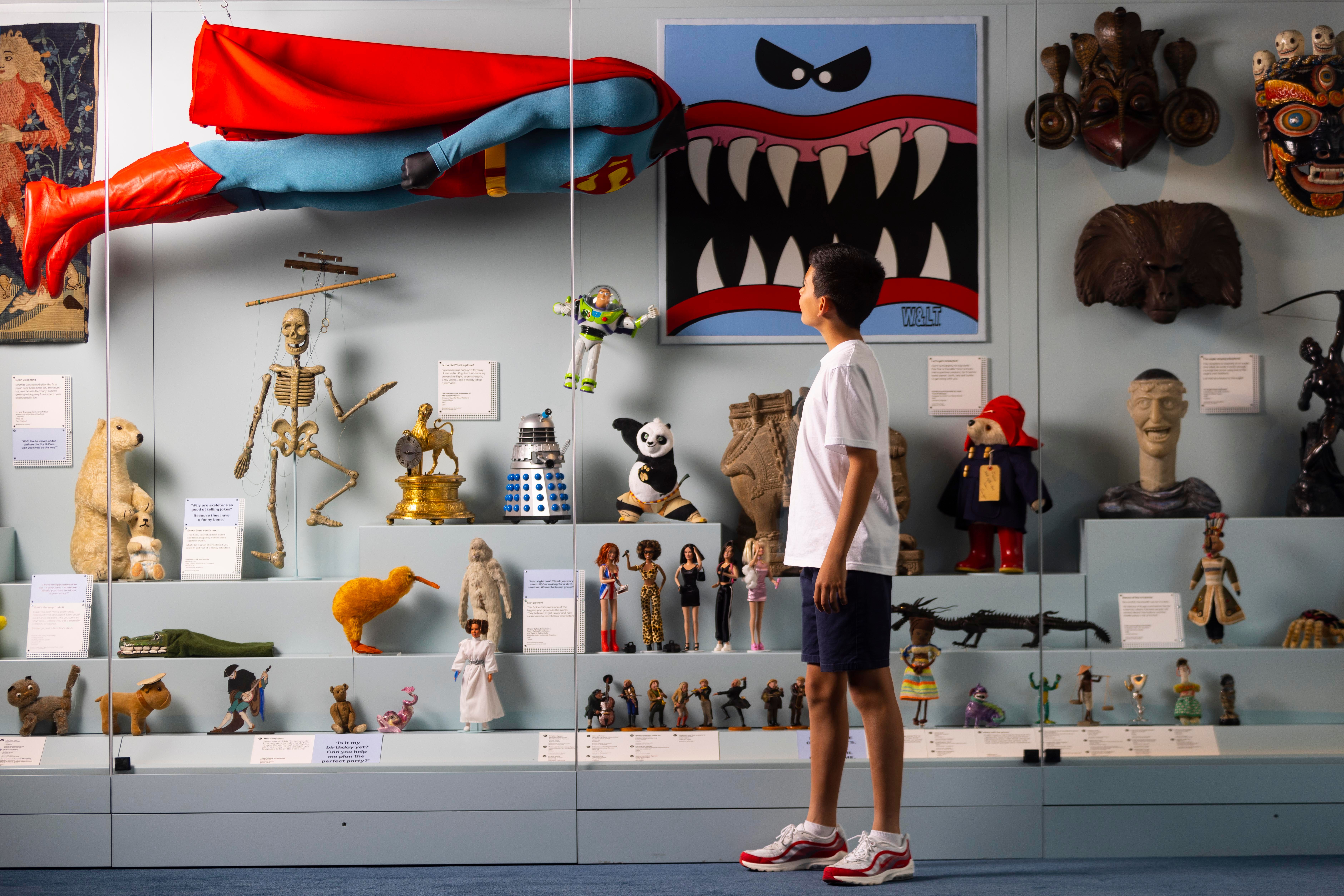
I myself am guilty of ignoring the very successful rebrand of the Young V&A, which for many decades had been the Museum of Childhood, in favour of calling it ‘the children’s museum’, because the latter is intelligible to my five-year-old and we visit frequently. I must also confess that in our house, the Natural History Museum is ‘the dinosaur museum’ because, again, five-year-old. At the opposite end of Exhibition Road, the Young V&A’s parent institution is almost universally referred to as ‘the V&A’, both internally and externally, because who has the time to enunciate all 11 syllables of ‘the Victoria and Albert Museum’?
Perhaps the apparent simplicity of PhAM was a contributing factor in its downfall. An enormous amount of time, work and money goes into an institutional renaming—there are focus groups to organise, brand consultants and graphic designers to pay, PR to generate and new physical signage and stationery to produce. It is a complex and expensive undertaking, and so when the result is something that feels like a minor tweak, it is perhaps unsurprising that some observers feel they have not received the bang for their proverbial buck.
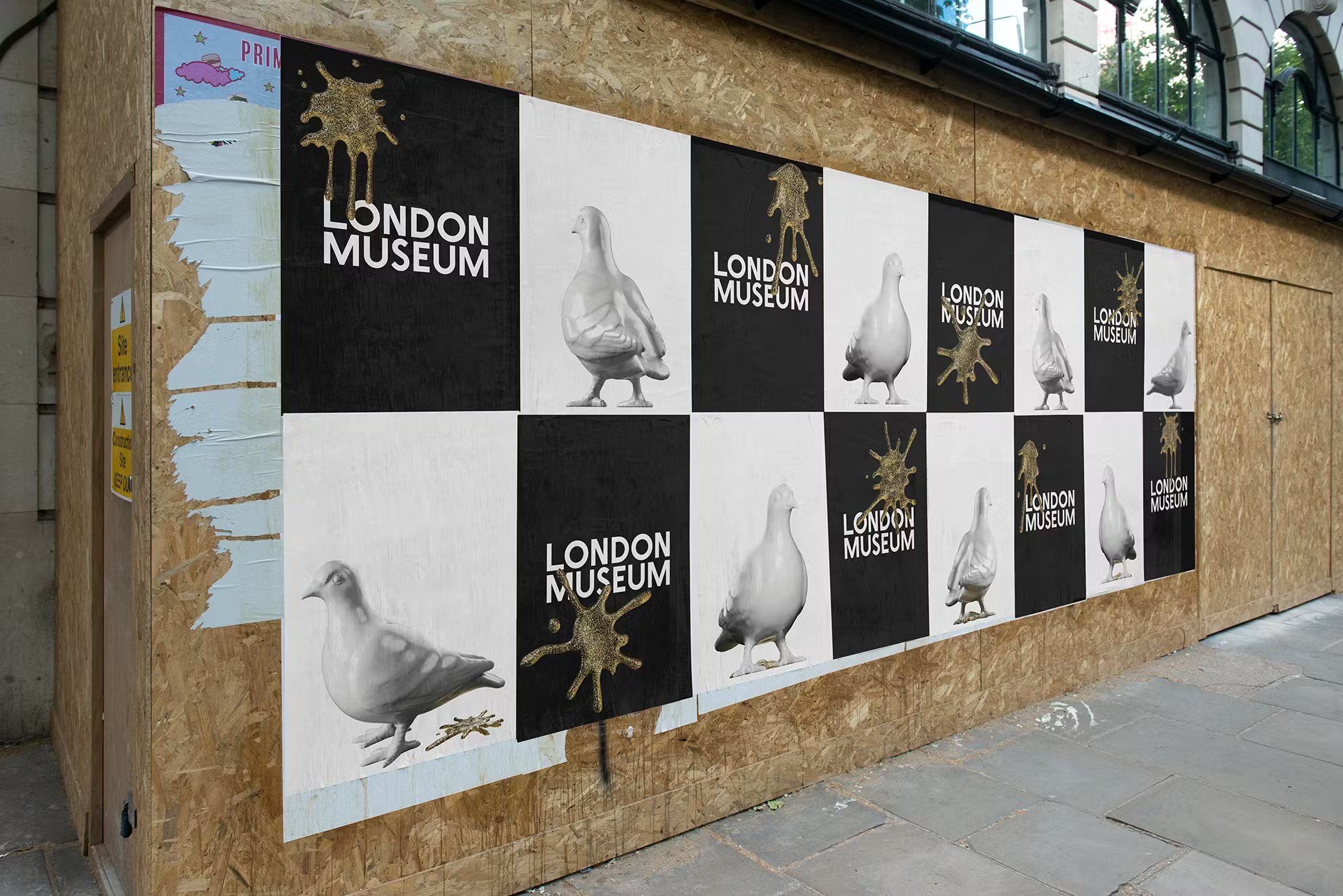
Similar criticisms were levelled at the London Museum—née the Museum of London—when its new name and identity was unveiled in June 2024. I should declare an interest here, since I worked for that same institution between 2017–2022, and the name ‘the Museum of London’ is embedded in my brain as a result. Despite this, I am neither excited nor enraged by the renaming, and am actually rather partial to the overall rebrand. This includes the divisive pigeon-and-splat logo, because it just feels right: irreverent, memorable and recognisably London-oriented.
The timing of the rename and rebrand (by Uncommon Creative Studio) also makes sense. Later this year, The London Museum is due to move from its current home in a 1970s building on London Wall into a repurposed space at Smithfield Market, marking a new chapter in its history. There is a logic to the act that was perhaps lacking at The Philadelphia Museum of Art—as we must once again call it.
There are of course other good reasons to rename museums, not least when their original identities evoke or reproduce social and cultural injustices. London’s former Geffrye Museum, so named for the 17th-century tobacco merchant and slave trader Sir Robert Geffrye, took advantage of a period of closure and refurbishment in 2019 to announce that it would reopen as the Museum of the Home. Not only did such a change refuse to continue honouring the memory of one who profited from human suffering, but it also better captured the museum’s remit of exploring the history of domestic space and home life.
Similarly, in 2020, the former San Diego Museum of Man became the Museum of Us. This shift away from implicit gender hierarchy recognised that the museum’s anthropological collections reflect the breadth of human experiences and identities.
I suspect that many such museum-renaming exercises attract judgement from people who dislike change as a matter of principle, as well as those who see any gesture towards inclusivity and accessibility as ‘woke nonsense’. I do have some sympathy for the former group. When our collective understanding of museums’ purpose still revolves around ideas of legacy and guardianship, any change can feel like a betrayal of that supposed mission.
However, I have none at all for the latter, who are welcome to rant into the wind. The enormous amount of irate hot air expelled by certain conservative commentators on such topics reminds me of something… a PhArt, perhaps?


A respected voice in contemporary art discourse.
Focusing on ambitious storytelling and insightful art-world commentary. Ocula Magazine publishes in-depth interviews, critical essays and timely analysis on the artists, exhibitions and ideas driving the global art world.
Learn more about Ocula Magazine
Showcasing the best of the art world.
Ocula partners with galleries from around the world to highlight their artists, artworks and exhibitions. Gallery membership is by application and invitation, with each member vetted by an independent panel.
Learn more about Ocula Membership
Specialises in the sale of major artworks.
Led by a team with deep ties to the world’s leading auction houses, galleries and collectors. Ocula’s advisory team offers bespoke services to high-net-worth clients from around the world who are looking to acquire the best of contemporary and modern art.
Learn more about our team and services