





What Art History Can Reveal About the ‘Backrooms’ Aesthetic
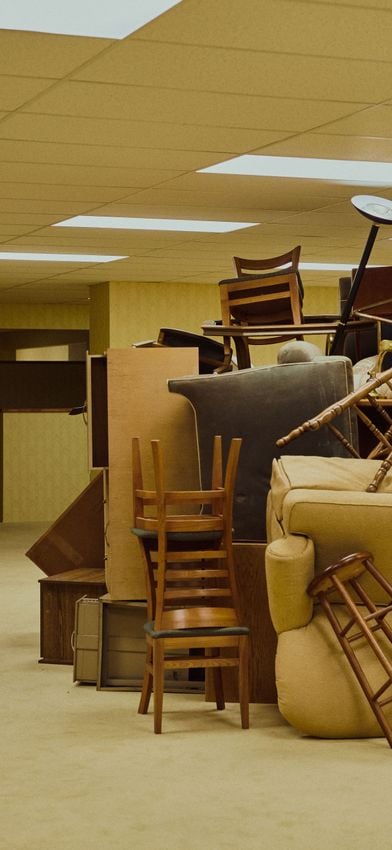
The furniture‑strewn, labyrinthine corridors of box office hit Backrooms evoke a strange nostalgia in which uneasy familiarity triggers memory, a phenomenon the art world has long explored. Save to My OculaBackrooms, A24’s new hit release, draws on several motifs from the digital world. In the film, Clark, a failed architect, discovers a Piranesian-style labyrinth beneath, or parallel to, his ailing discount furniture store, “Ottoman Empire”. He is sucked into a Matrix-like underworld, triggering a slow descent into psychosis—to pass into the parallel world, Clark appears to “noclip”, a phenomenon in gaming where software glitches, and avatars merge with solid surfaces.
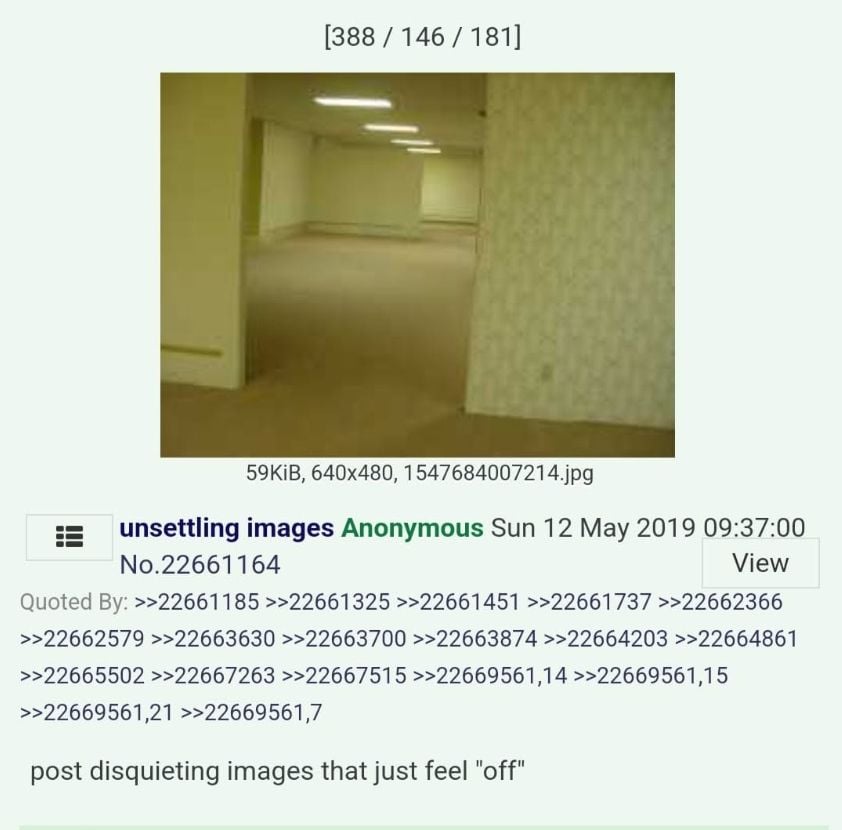
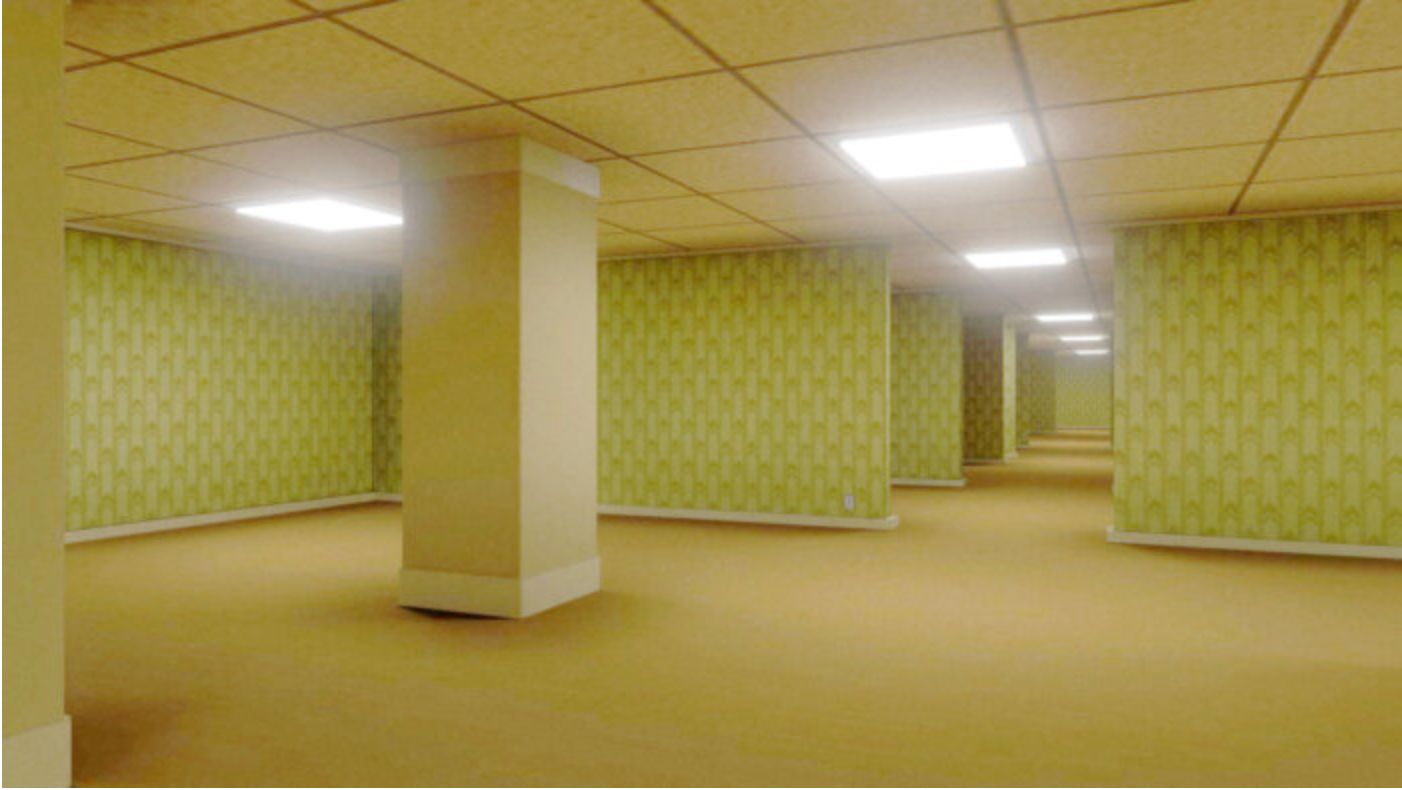
The film itself is an adaptation of a multi-part horror fiction video series created for YouTube by a filmmaker called Kane Parsons. Titled The Backrooms (Found Footage), the series featured Blender-generated footage of scientists exploring a complex of cavernous, empty rooms and was inspired by a singular image, a disquieting real-estate photo of the empty backroom of a utility store in Ohio, posted to a 4chan forum in 2019. Parsons was tapped to direct the film, and it has been a huge hit, taking $221 million USD worldwide at the box office during its first 10 days from a mostly-Gen Z audience.
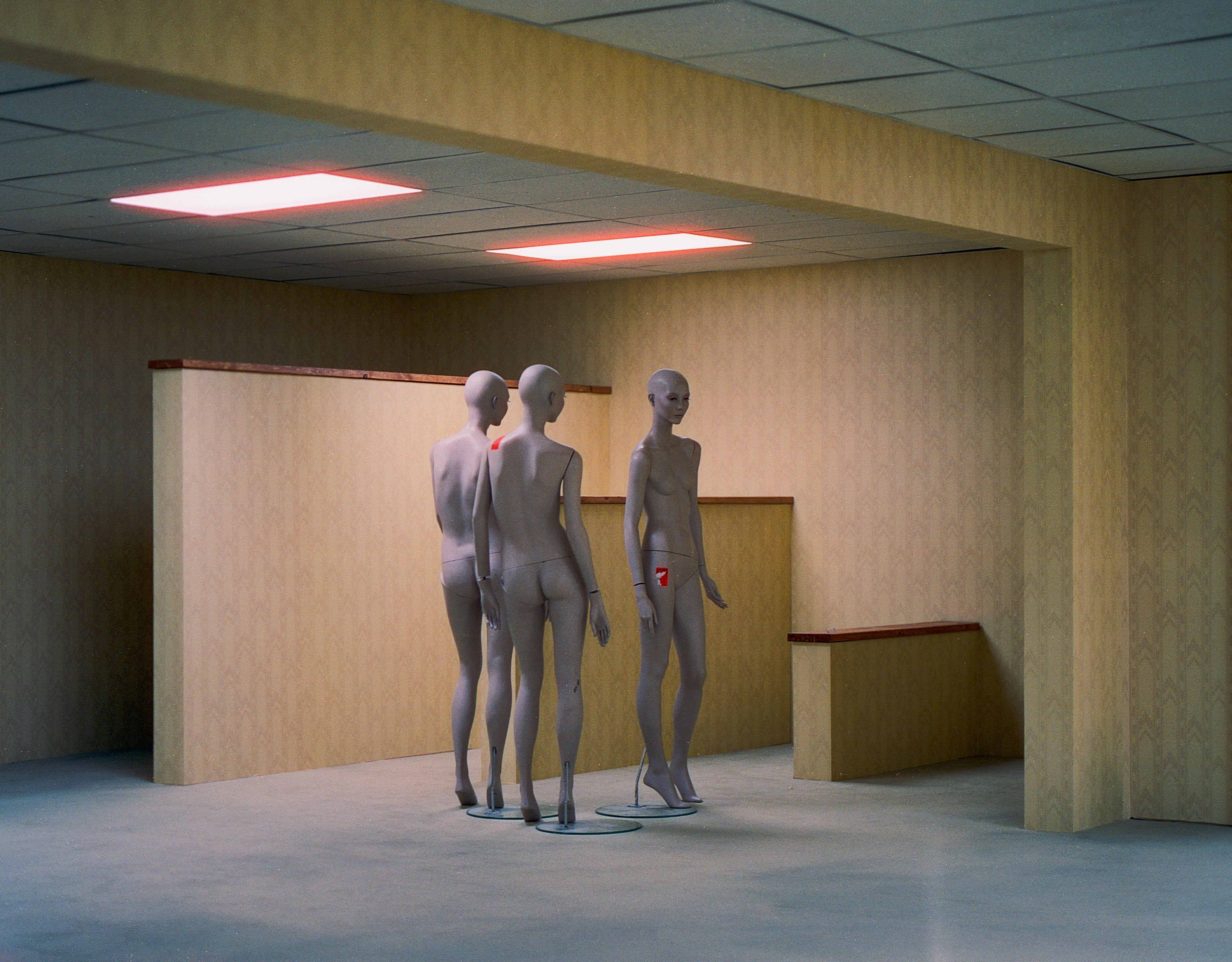
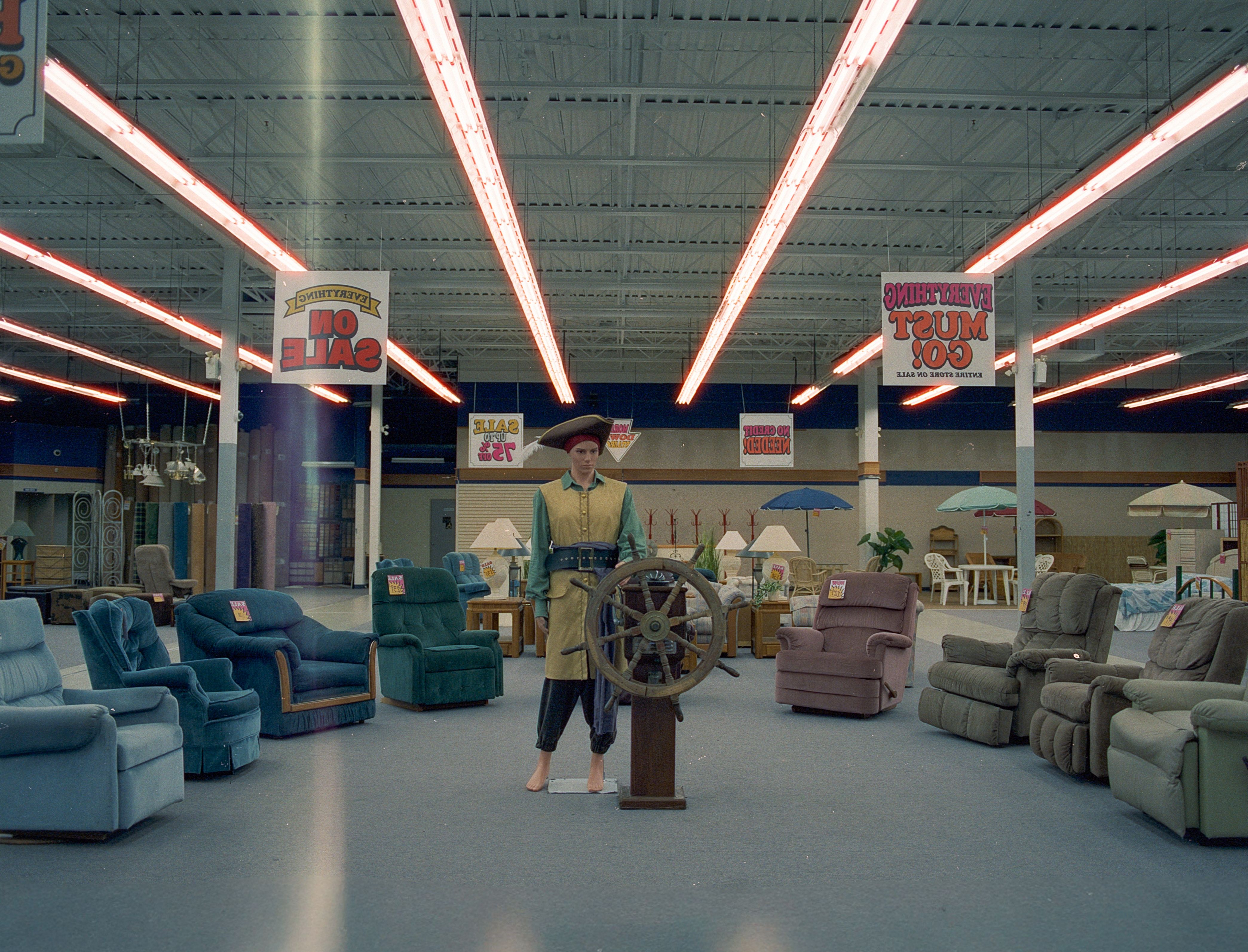
That utility-store picture, and now the film, have prompted an aesthetic obsession with what has variously been called “Institutional Gothic”, “Liminalism” and “prestige slop”. Cavernous, empty halls that bear the hallmarks of generic public architecture, abandoned offices, malls and public swimming pools all share certain traits. They are devoid of human life, or, when it is present, it is abject, in the form of a playground ride, a mannequin: something joyful now relegated to a solitary existence. The aesthetic also prioritises dated furniture and fittings, usually dating to the era in which millennials and Gen-Zs were children.
“It is an aesthetic that has variously been called ‘Institutional Gothic’, ‘Liminalism’ and ‘prestige slop’”
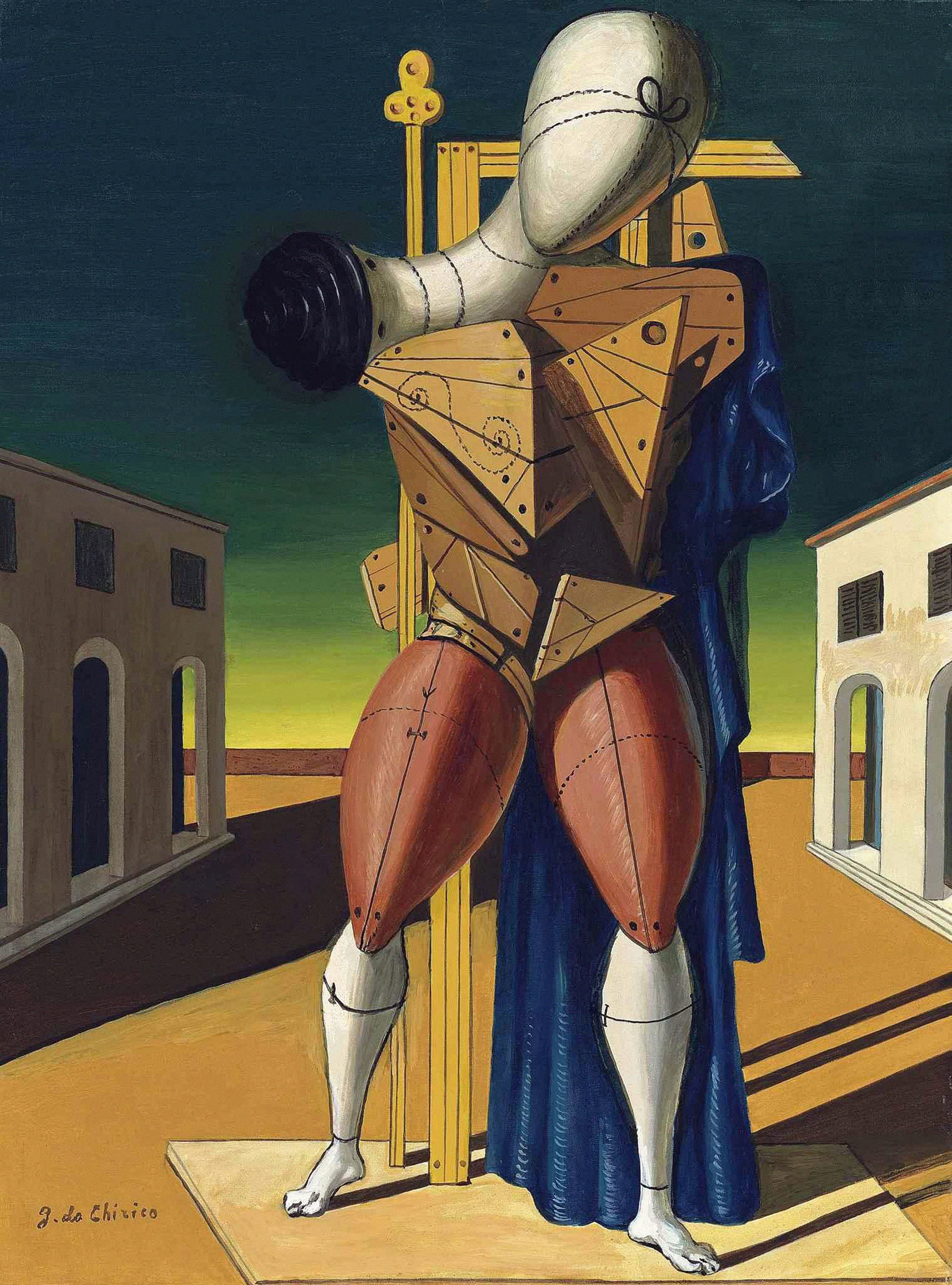
We might think of this aesthetic as a post-internet phenomenon, reflective of the fears of an internet-based generation: the immaterial, of homogenisation. But Backrooms’ built environment employs an uneasiness that artists have long found creatively generative. The obsession with uncanniness of not just empty spaces, but spaces once populated and now abandoned, coincided with a search for understanding of the existential, and the “unheilmich”, the uncanny. In the 20th century, artists began to explore the idea that space (both civic and private) could be imbued with its own psychology. Greek-Italian artist Giorgio de Chirico’s metaphysical, warped cityscapes, inspired in part by Sigmund Freud’s writing, are an early example. In Backrooms, Parsons invents his own spectral form, reminiscent of de Chirico’s statuesque characters, in Pirate Clark (played by Robert Bobroczkyi), a humanoid based on the furniture store’s pirate mascot who traverses the yellow-wallpapered backrooms.
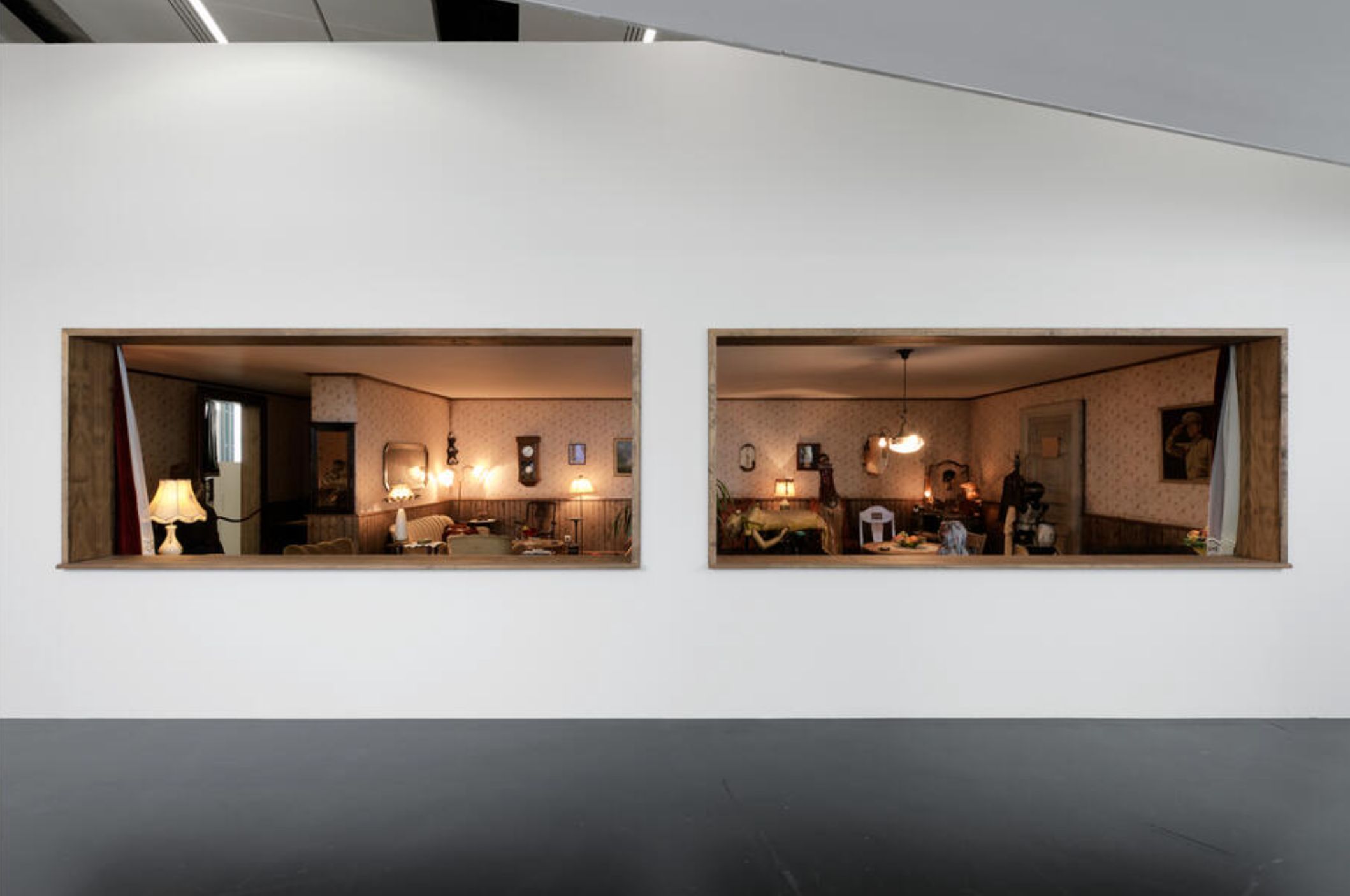
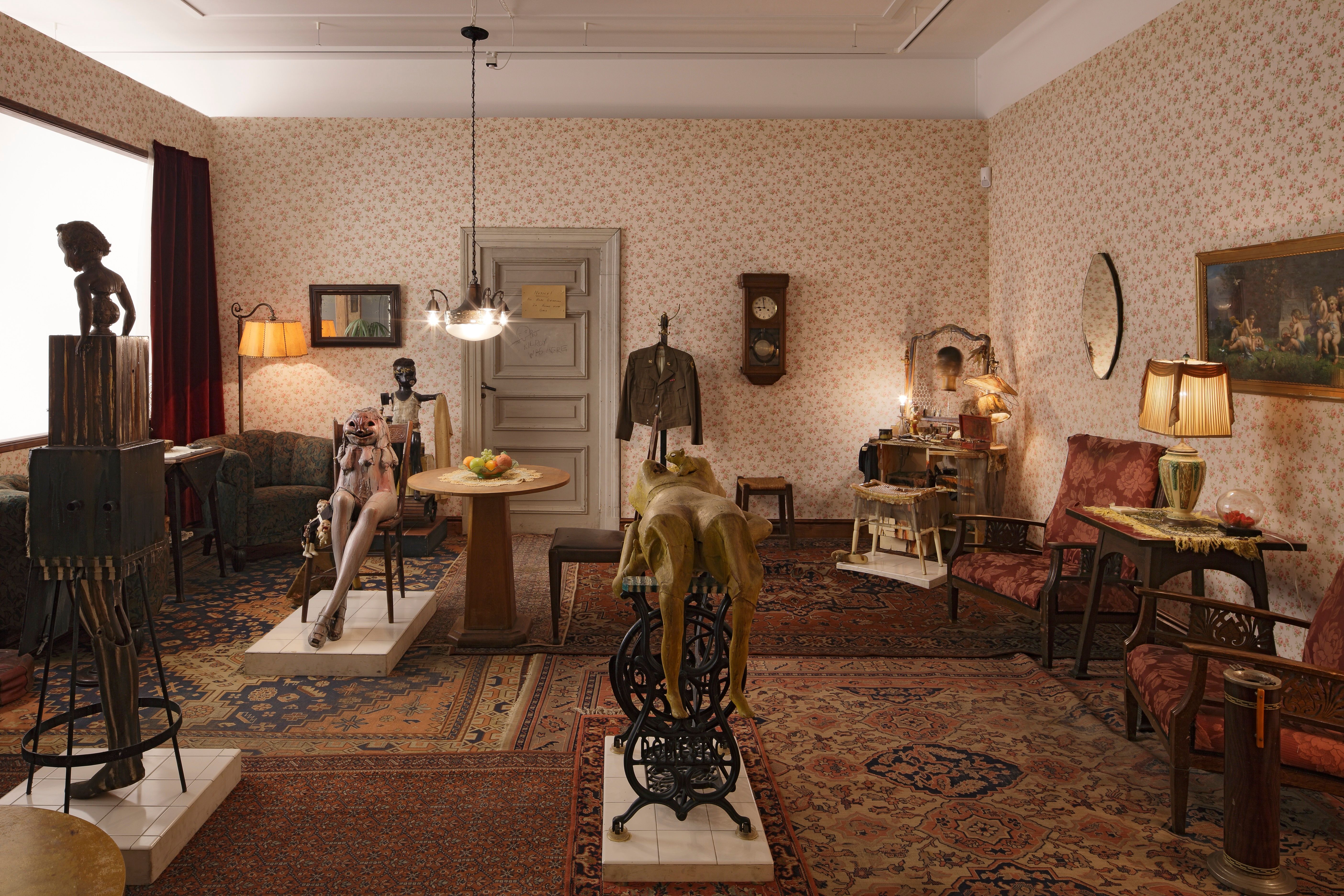
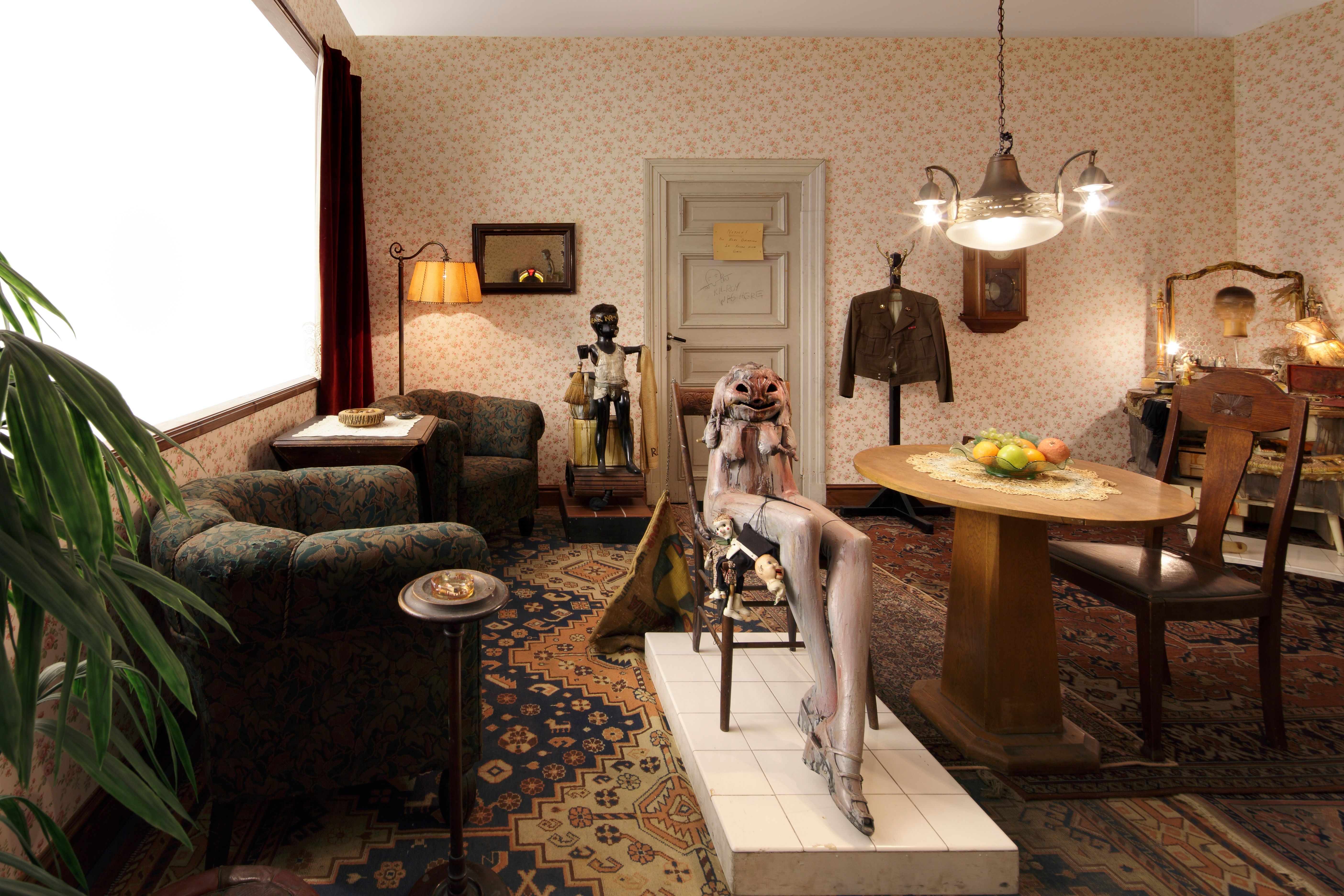
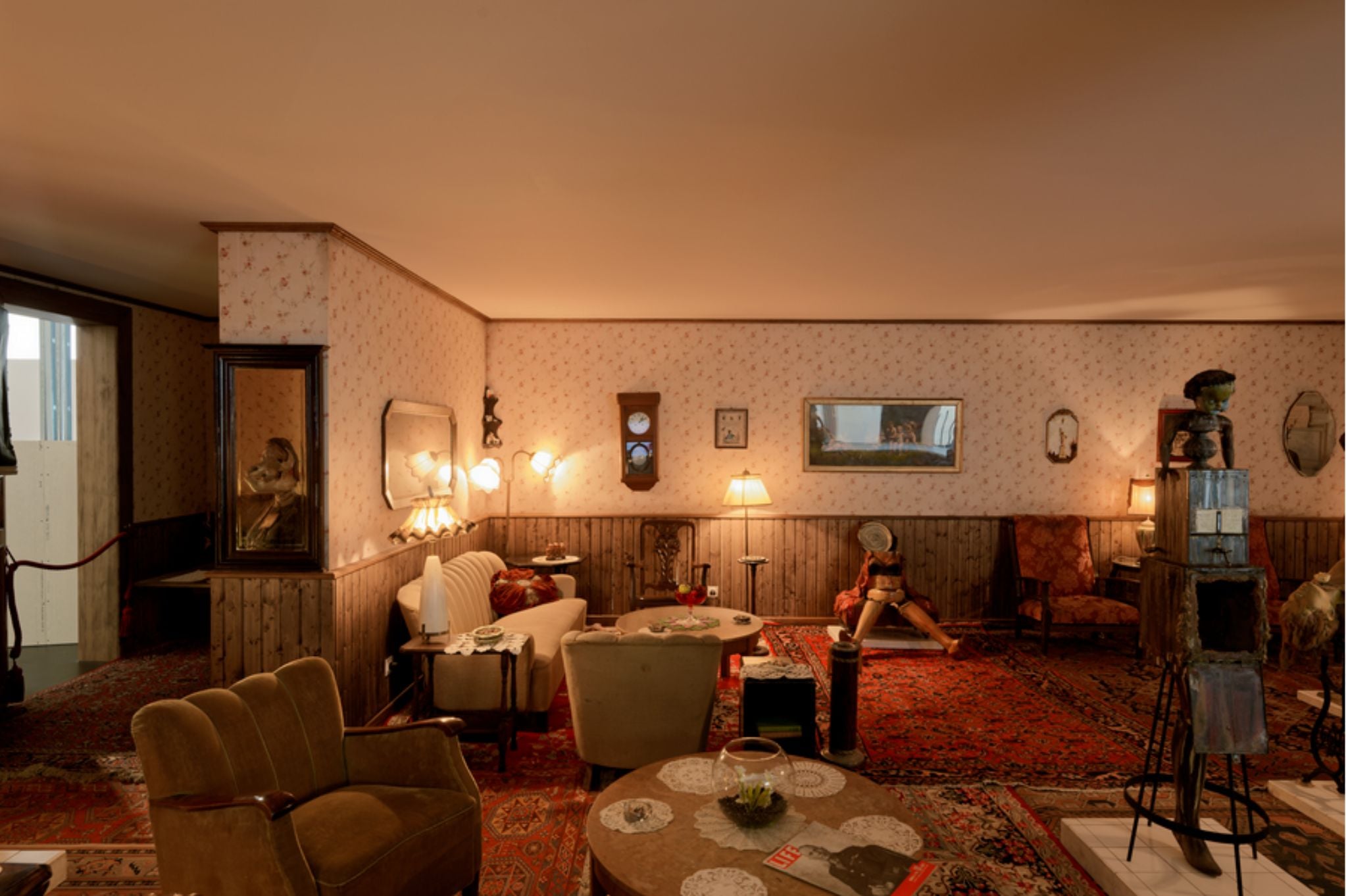
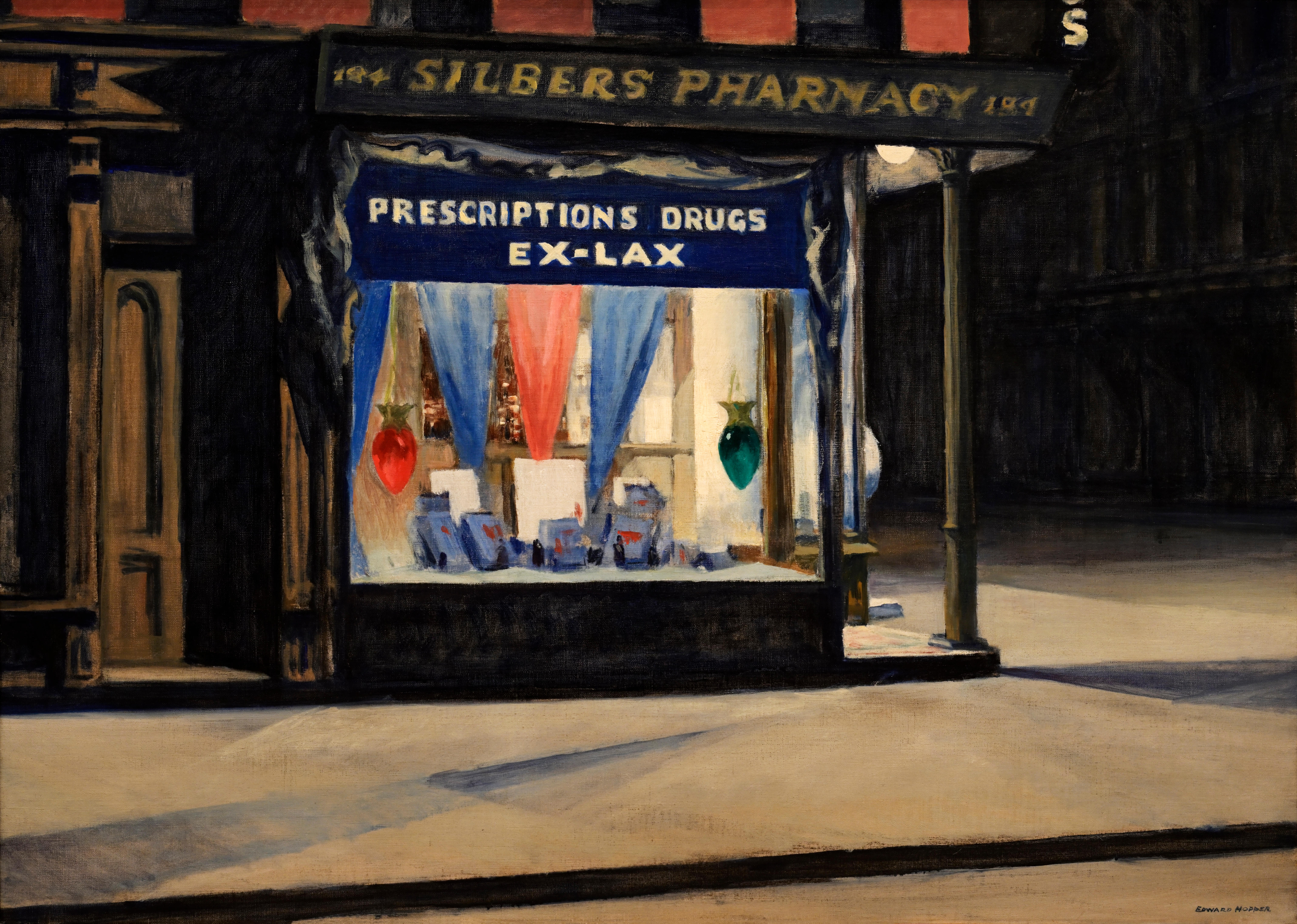
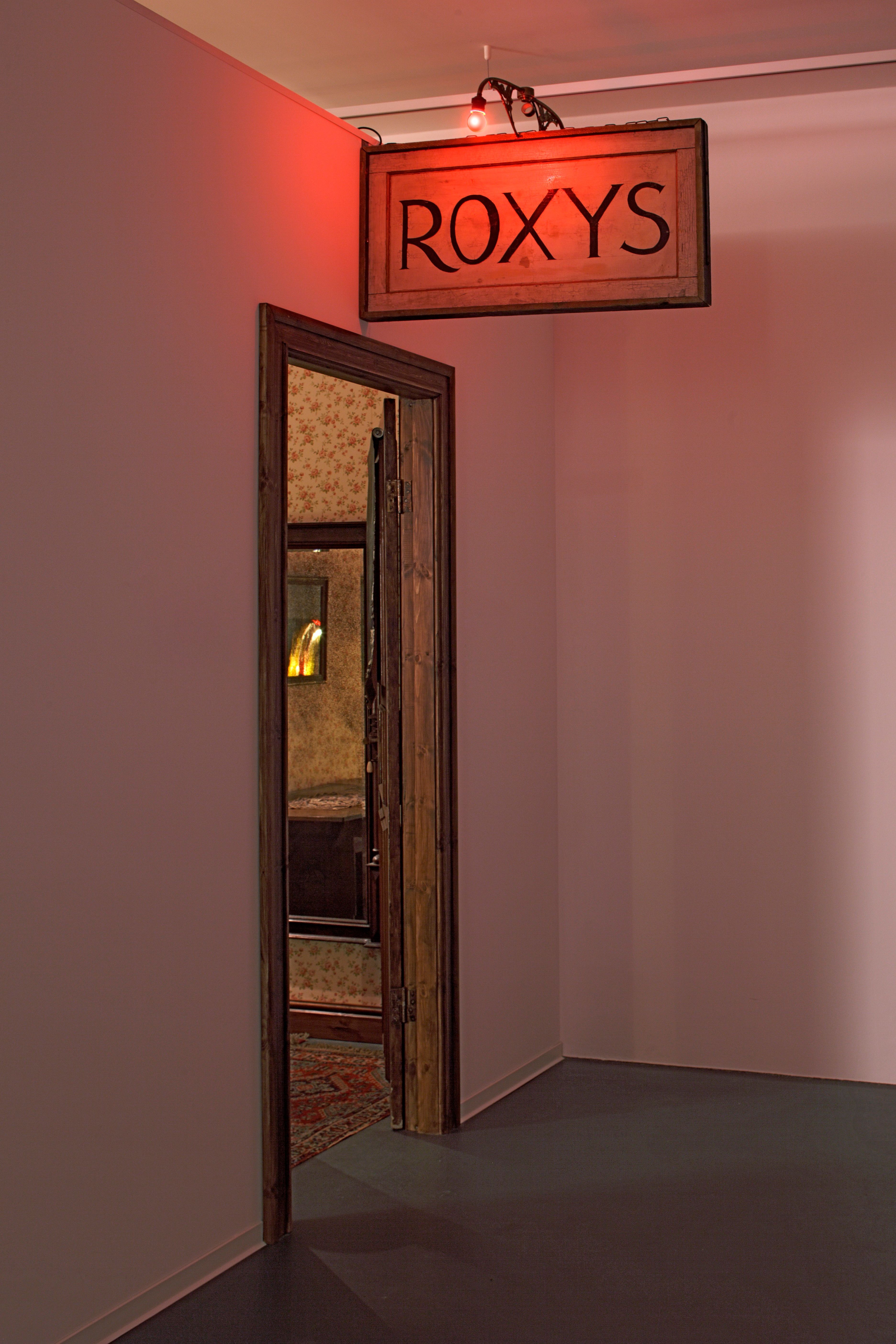
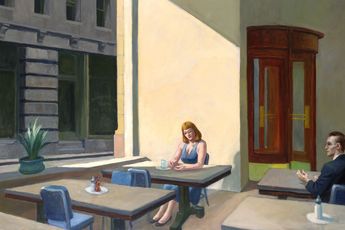
In Los Angeles in 1962, artist Ed Kienholz shocked the art world with Roxy’s (1960–1961), in which he recreated a Nevada brothel he frequented in his youth in near-perfect period detail. While Edward Hopper had painted eerie pastiches of the architecture of the 1890s, Kienholz immersed the viewer within those spaces. The brothel is populated by figures such as “The Madame”, replete with ragged clothing, and a boar’s head. Kienholz lifted scrap materials from around him and borrowed from set design (lighting, mannequins), colliding personal memory with the disturbing image of a space that feels “off”. Kienholz was interested in embalming the past and using it to confront the viewer.
“We might think of this as a post-internet phenomenon. But Backrooms employs an uneasiness that artists have long found creatively generative”
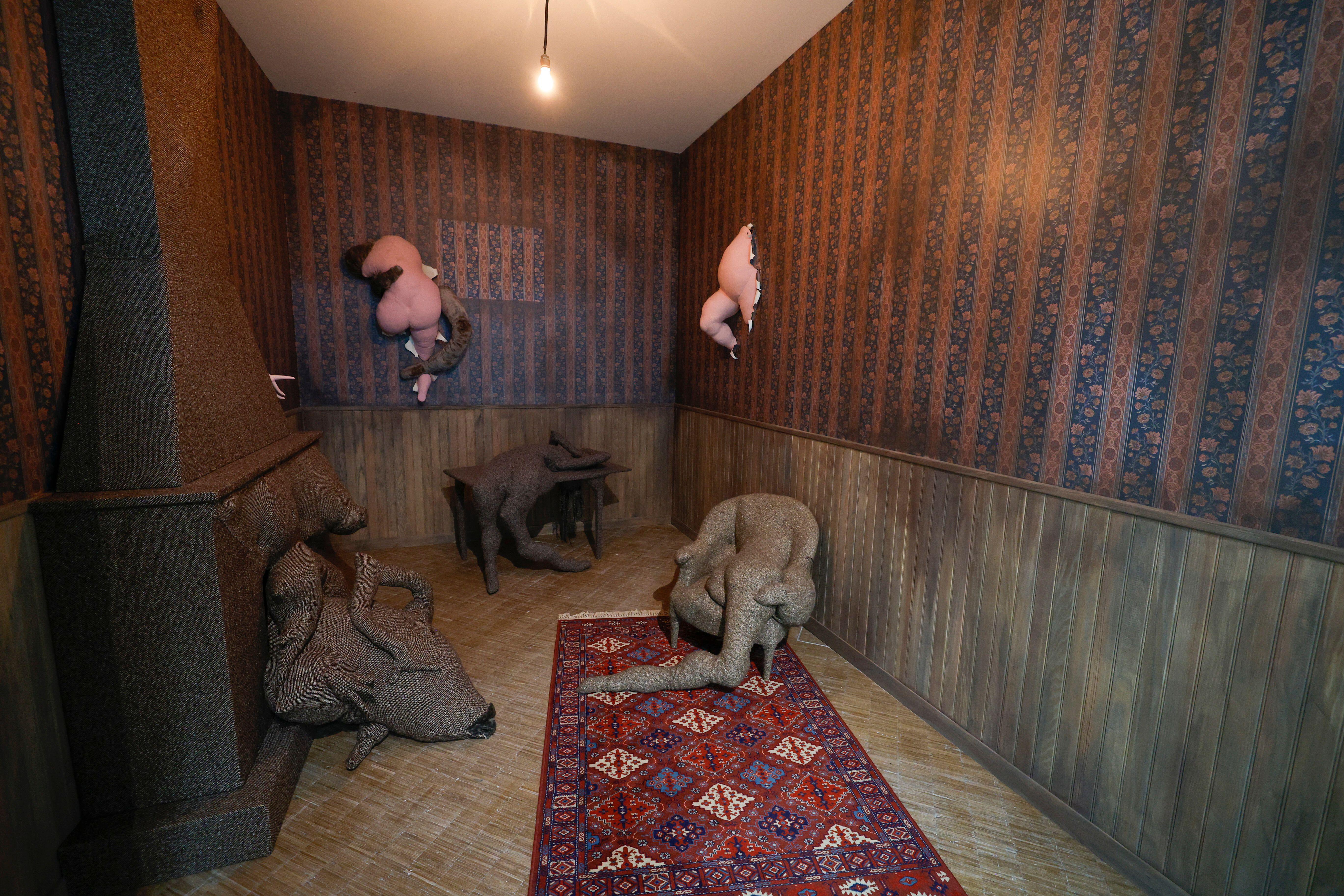
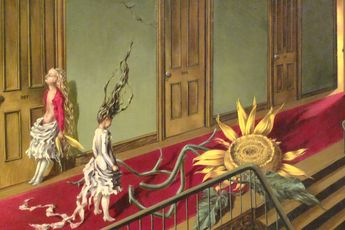
Dorothea Tanning’s Hôtel du Pavot, Chambre 202 (1970–1973) reconstructs a hotel room in which figures partially dissolve into the wallpaper. The surrealist language of Tanning’s work finds an echo in the filmic depiction of “noclipping” into the backroom space. These horrific figures are physical manifestations of psychosexual inquiry, with which Tanning had engaged alongside the Surrealist movement and the trauma of transition from childhood to adulthood. This room, like Roxy’s, is artificial. Here, a corridor of infinite doors with distorted scale conveys a childhood memory. Tanning has stated that she wanted to create a feeling of “odd banality”.
Both works operate through the same mechanism as Backrooms: they construct spaces that invoke memory, often through a kind of domestic banality, and then refuse the comforts nostalgia can offer. In Backrooms, characters are presented with scenes from their subconscious, and when they attempt to find an exit, they are met with mutating, pointless doorways. As French philosopher Gaston Bachelard wrote: “It is because our memories of former dwelling-places are relived as day-dreams, that, These dwelling-places of the past remain in us for all the time.”
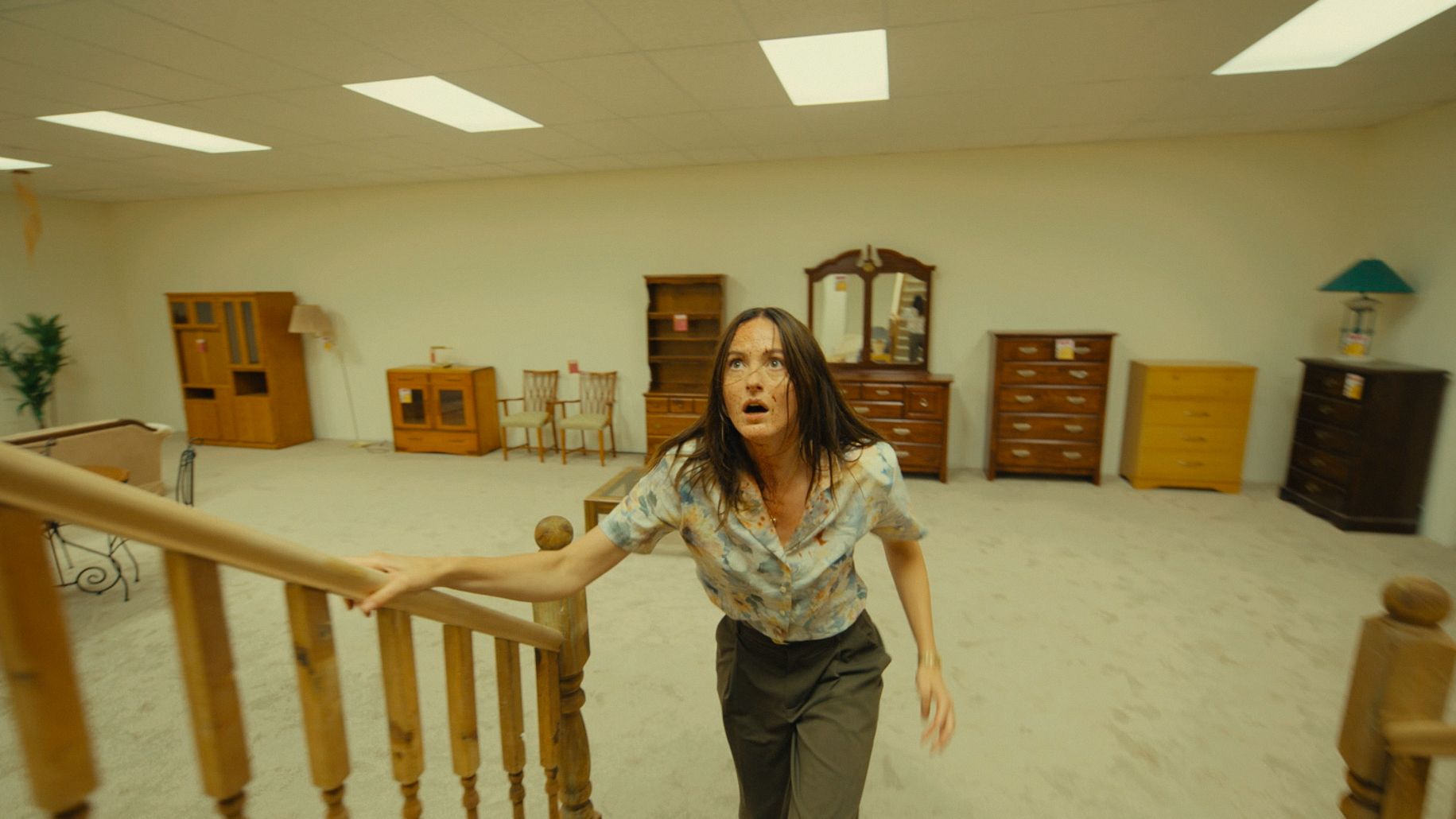
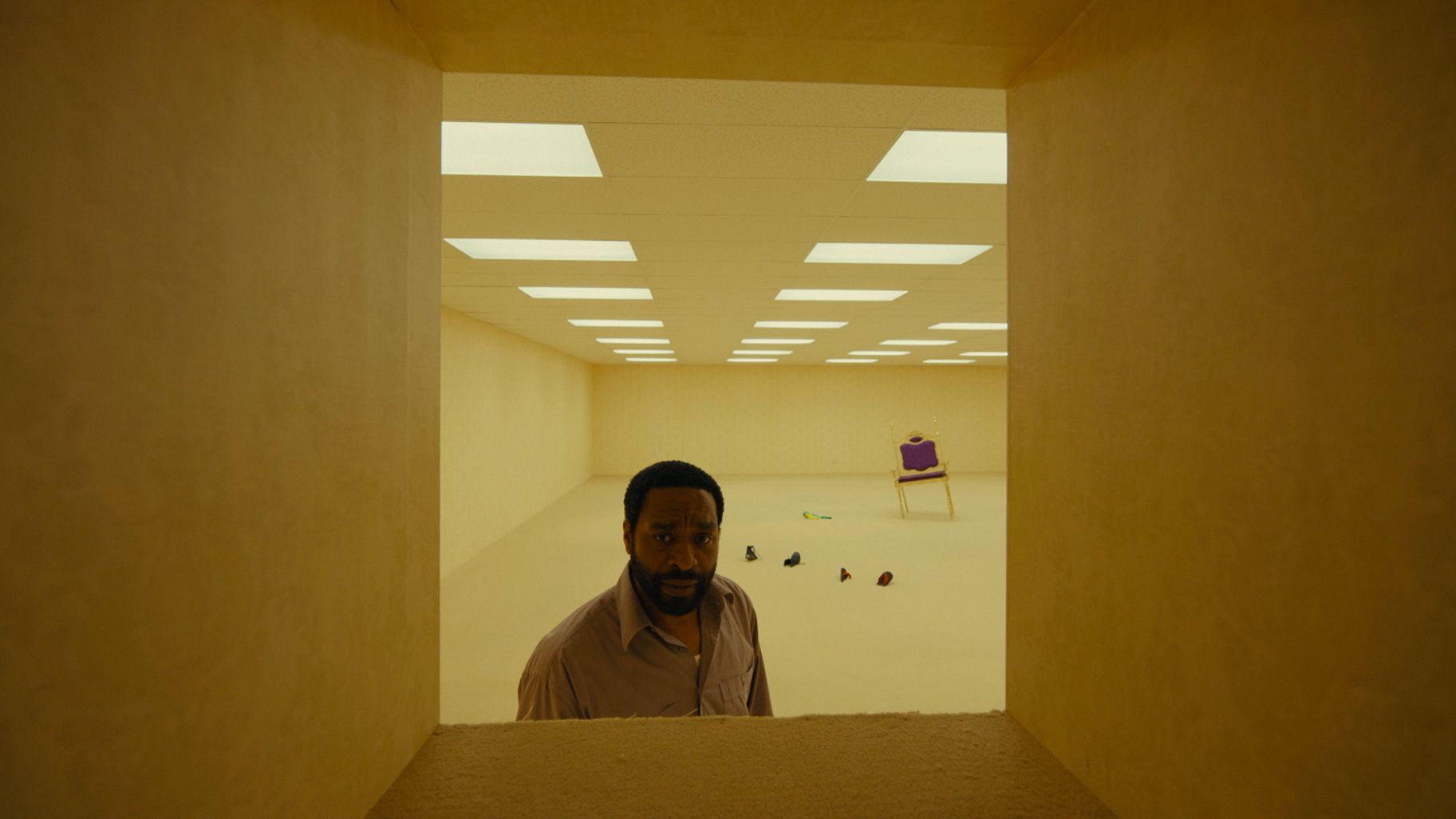
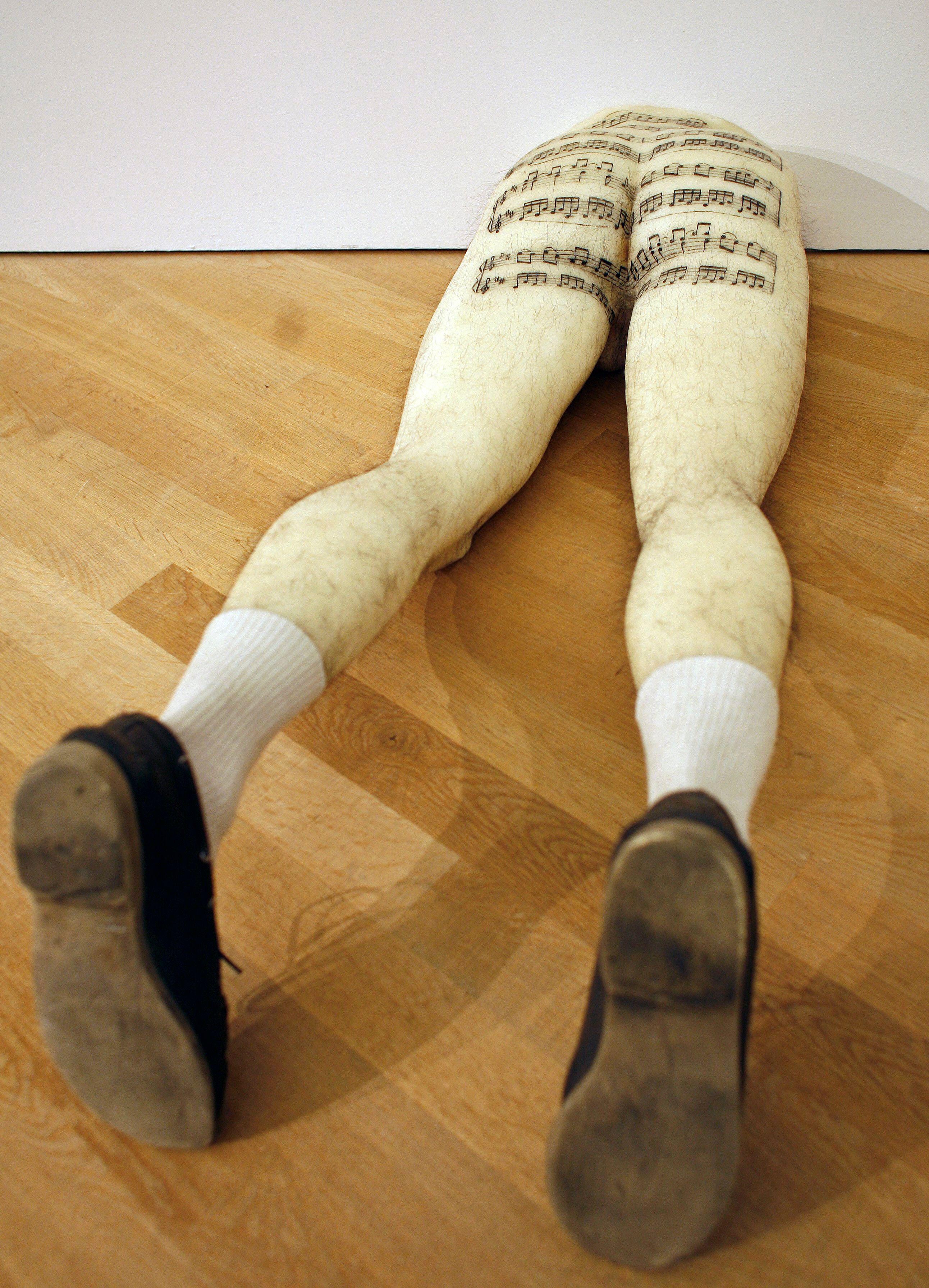
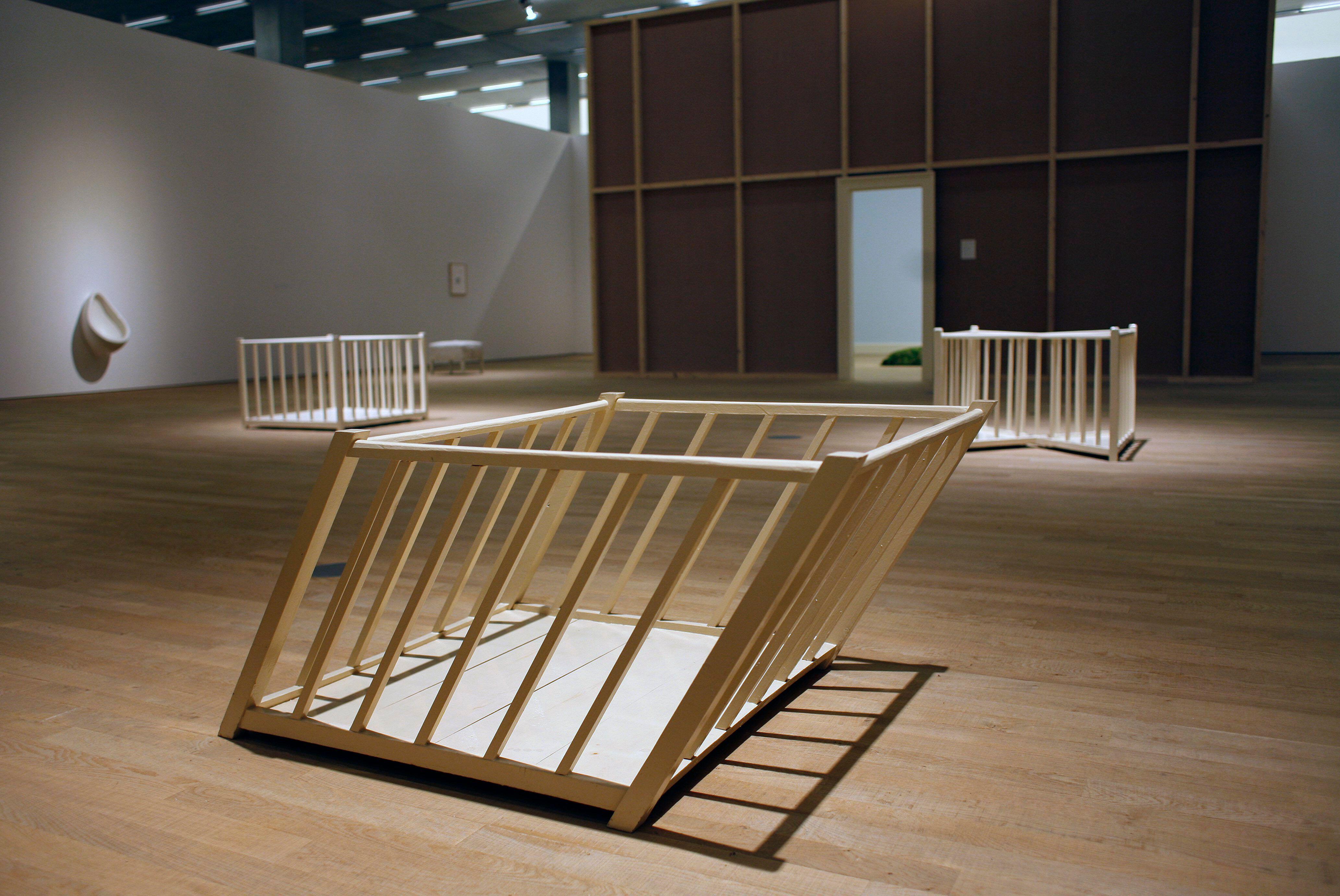
In postmodern sculptor Robert Gober’s 2014 retrospective, The Heart Is Not a Metaphor, he deployed the domestic: sinks, doors, baby cots appeared half-sunk into the floor, or doubled, glitching so their structure was mutated. Gober’s emphasis was on recreating the feeling of a showroom, where modest objects are placed within vast environments. He showed human body parts, made from beeswax and plastic, as emerging from walls and disembodied, as in Untitled Leg (1989–1990). Gober conjured the world of his working-class Connecticut upbringing as a place he could not escape. It is something Parsons evokes by showing us a room containing nothing but faded tropical wallpaper: a poor mirror of escapism.
“They construct spaces that invoke memory, often through a kind of domestic banality, and then refuse the comforts nostalgia can offer”
Gober’s distorted baby cots and doors seem to be directly referenced in Backrooms, where our first clue as to the unease of the labyrinth occurs when Clark attempts to prise apart two chairs, only to find their backs are fused together. The furniture from Clark’s warehouse forms the set pieces for the backrooms; Gober’s first full-size plaster sink took its dimensions directly from one in his family’s basement. Towards the climax of the film, Clark reaches into the body of a “still life”, a figure his mind has projected into space, stating “You know the best thing about them? You can eat them” and places a portion of Styrofoam flesh on to the plate in front of his therapist. It feels like a nod to Gober’s disembodied feet and legs, whose soft material, like those of Tanning’s amorphous monsters, look like they could be torn apart like furniture.
Pirate Clark appears as the material “villain” of the film, but the real spectre is the Backrooms itself: infinite, empty space which, like the internet, is suddenly found to be full of memories and personal information. Facebook albums, search history, Amazon purchases and porn searches have been stored, all along. The space harvests our personal information as a means through which to coerce us into staying in the labyrinth. Clark, at the end of the film, accepts his place in this no-space; it is the only habitat in which his psychosis is accepted. In this, the latest visualisation of the liminal, something artists of previous generations laid the groundwork for, the villain is our own information, turned against us. —[O]
Main image: Chiwetel Ejiofor as Clark in Backrooms (2026). Credit: Asterios Moutsokapas. Courtesy of A24.












A respected voice in contemporary art discourse.
Focusing on ambitious storytelling and insightful art-world commentary. Ocula Magazine publishes in-depth interviews, critical essays and timely analysis on the artists, exhibitions and ideas driving the global art world.
Learn more about Ocula Magazine
Showcasing the best of the art world.
Ocula partners with galleries from around the world to highlight their artists, artworks and exhibitions. Gallery membership is by application and invitation, with each member vetted by an independent panel.
Learn more about Ocula Membership
Specialises in the sale of major artworks.
Led by a team with deep ties to the world’s leading auction houses, galleries and collectors. Ocula’s advisory team offers bespoke services to high-net-worth clients from around the world who are looking to acquire the best of contemporary and modern art.
Learn more about our team and services