





The Problem with Cinematic Liberalism
The year in film: Where One Battle After Another uses a spectacle of ‘political’ action and violence to mythologise the liberal culture industry, Caught by the Tides holds a mirror up to reality. Save to My OculaTwo films stand out to me in 2025: Paul Thomas Anderson’s One Battle After Another and Jia Zhangke’s Caught by the Tides. Both try to cover the passage of time through acts of epic cinematic imagination that I appreciate for the sheer scale of their directors’ ambitions. But ideologically, these films could not be more different from one another in terms of their relationship to recent history—though both represent a real breakdown in the liberal imagination as a hegemonic force in the world.
In his novel Vineland (1990), upon which One Battle After Another is based, Thomas Pynchon casually throws out the ideas of ‘tubal feeding’ and ‘tubal addiction’ to describe our relationship with the ubiquitous blandishments of 24-hour cable television. He takes seriously the spectacle of politics and law enforcement in the age of mechanical reproducibility: if DEA and FBI agents are mainlining television shows and their lobotomising earworms, Pynchon’s 68er revolutionaries are, in contrast, naively obsessed with film, trying to record every image and action shot produced by their CIA-infiltrated activities.

Despite the novel’s baroque historicisation of the 1960s and 70s, Pynchon manages to write an ode to the 1930s Hollywood trade unions and their Okie, Appalachian roots. Frenesi Gates, who becomes Perfidia Beverly Hills in Anderson’s film (played by Teyana Taylor) descends from a rough and ready clan of would-be Wobblies (of Chicago labour union Industrial Workers of the World) and Hollywood troublemakers (her grandparents were union organisers, and her scriptwriter mother and lighting expert father were blacklisted). Their raucous family reunion emerges as the site of generational reconciliation.
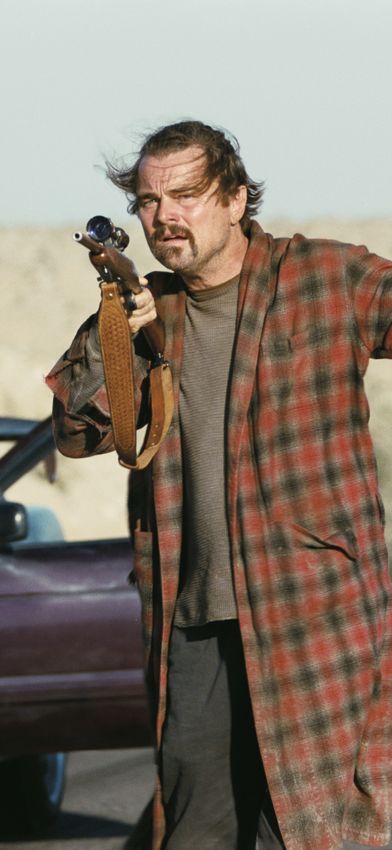
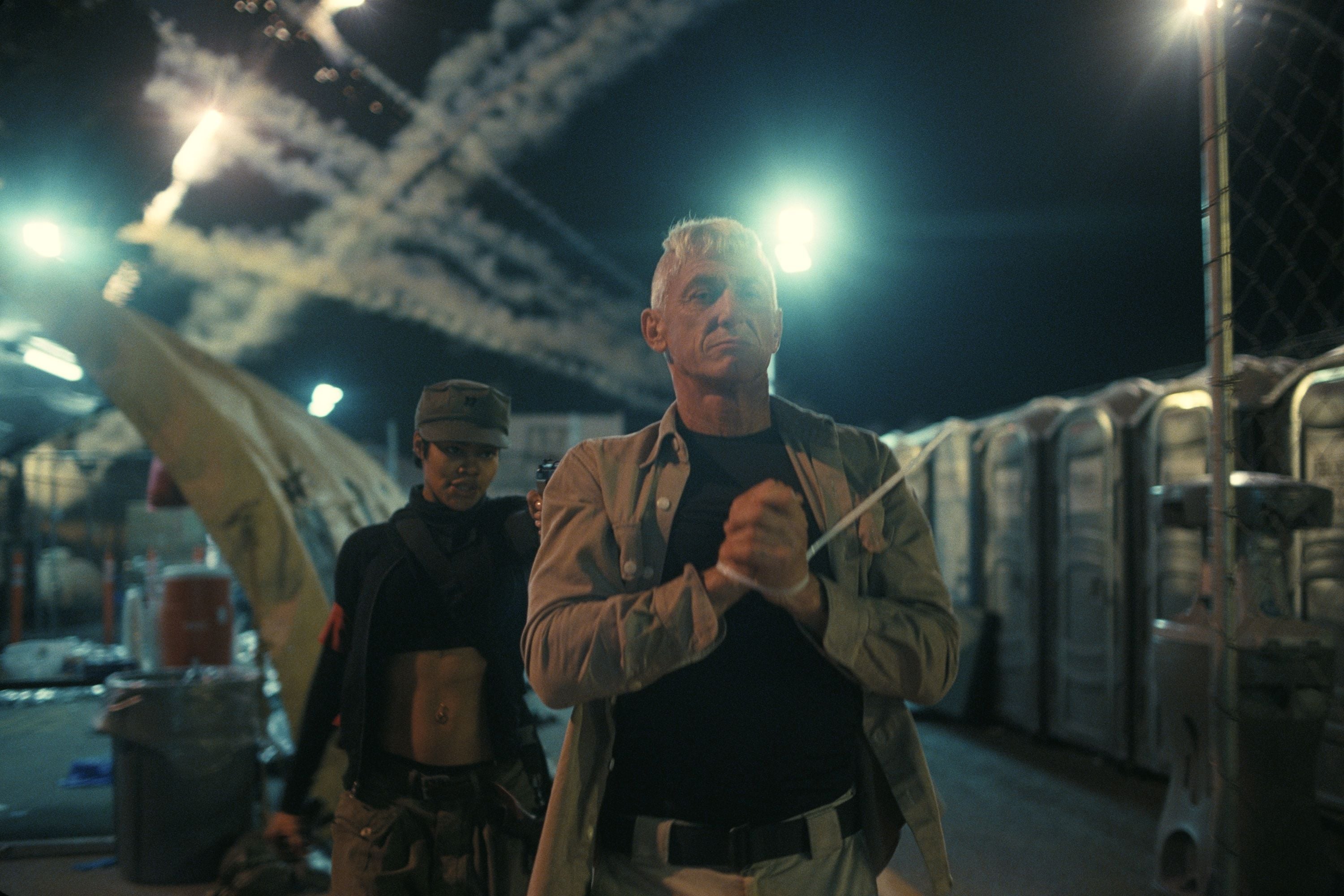
But where Pynchon takes down the liberal culture industry, laying waste to its dreams of revolutionary activity, Paul Thomas Anderson succeeds in bewitching the audiences of 2025 with an epic re-mythologisation of culture industry ‘activism’, one that places the liberal fantasies of its own heroism at the core of the spectacle. The opening scene of the film shows Bob (a puffy Leonardo DiCaprio) helping Perfidia and the French 75, a Black Panther-like guerilla group, to liberate interned immigrants at the Otay Mesa detention facility on the San Diego/Mexico border. The film gives its liberal viewers satisfaction after satisfaction: look how we are taking down Trump-era policies by watching a movie and cheering on a nine-months-pregnant Perfidia machine-gunning down her adversaries, belly first.


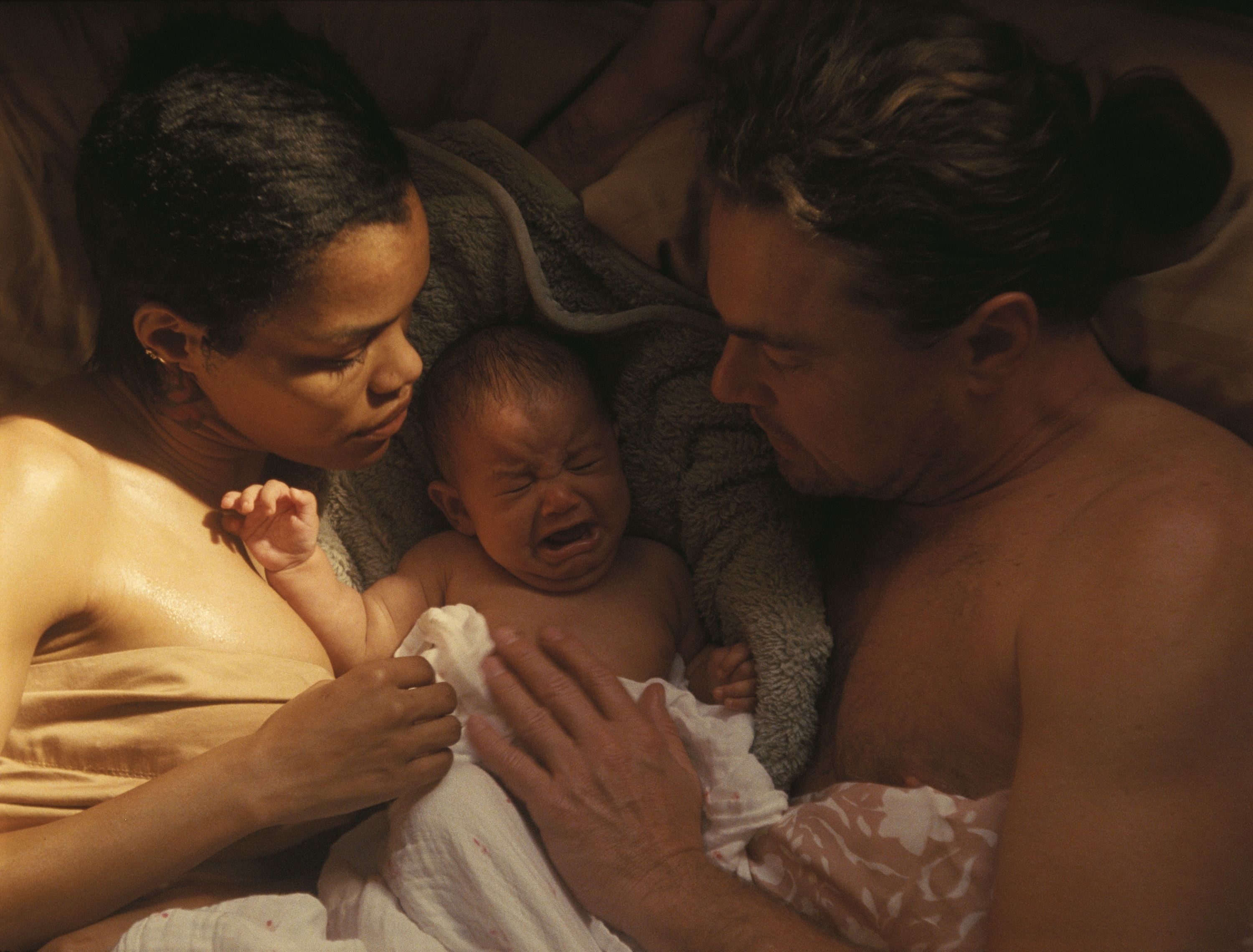
Vineland covers the years 1968–1980: a time when anti-Vietnam War revolutionary spirit degenerates into reaction. Frenesi might have once thought that her camera was a weapon, but her postpartum depression and man-in-uniform kink set her up for personal and political betrayals that are forgiven because they are not forgotten by the end of the novel. Anderson conflates the Obama administration with Pynchon’s revolutionary 1960s: Perfidia’s graceful daughter Willa, proven by an instant DNA test to be the daughter of the priapic antagonist Colonel Steven Lockjaw (played Sean Penn), is the living refutation of the reactionary times of Trump 2.0—when, yes, to Hollywood’s finest minds, the most effective and terrifying enemies of progress are white supremacist conspiracists who cannot tolerate miscegenation.
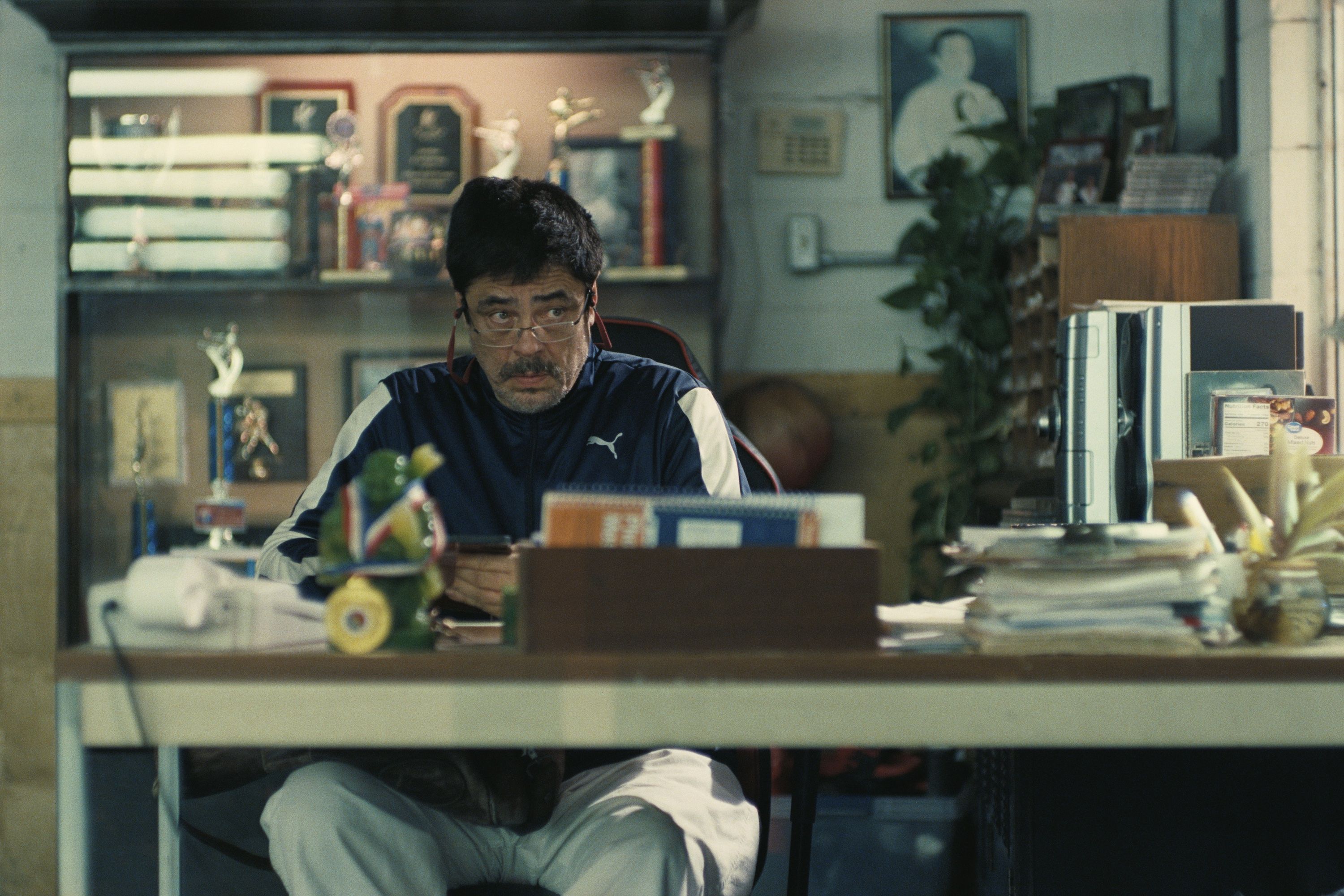
By the end of the film, Willa—abandoned by Perfidia, hunted by Lockjaw and aided by Benicio del Toro’s decadent dojo sensei Sergio St. Carlos—is blessed by her adoptive father Bob as she heads toward Oakland to participate in Black Lives Matter-style protests endorsed by pop stars and the culture industry. Anderson’s most commercially successful film thus far has exploited every liberal’s frustration and horror with Trump’s second administration. Huddled, terrified immigrant families are props used in a mise-en-scène for today’s version of Pynchon’s tubal addiction. The real-life Otay Mesa Detention Center is run by CoreCivic, one of the largest for-profit prison, jail and detention contractors in the United States, first commissioned by the Obama administration to replace the former detention centres from which the government wanted to distance itself. One Battle After Another grossed $205 million at the box office, a commercial success. CoreCivic had two great final financial quarters in 2025, Hollywood notwithstanding.
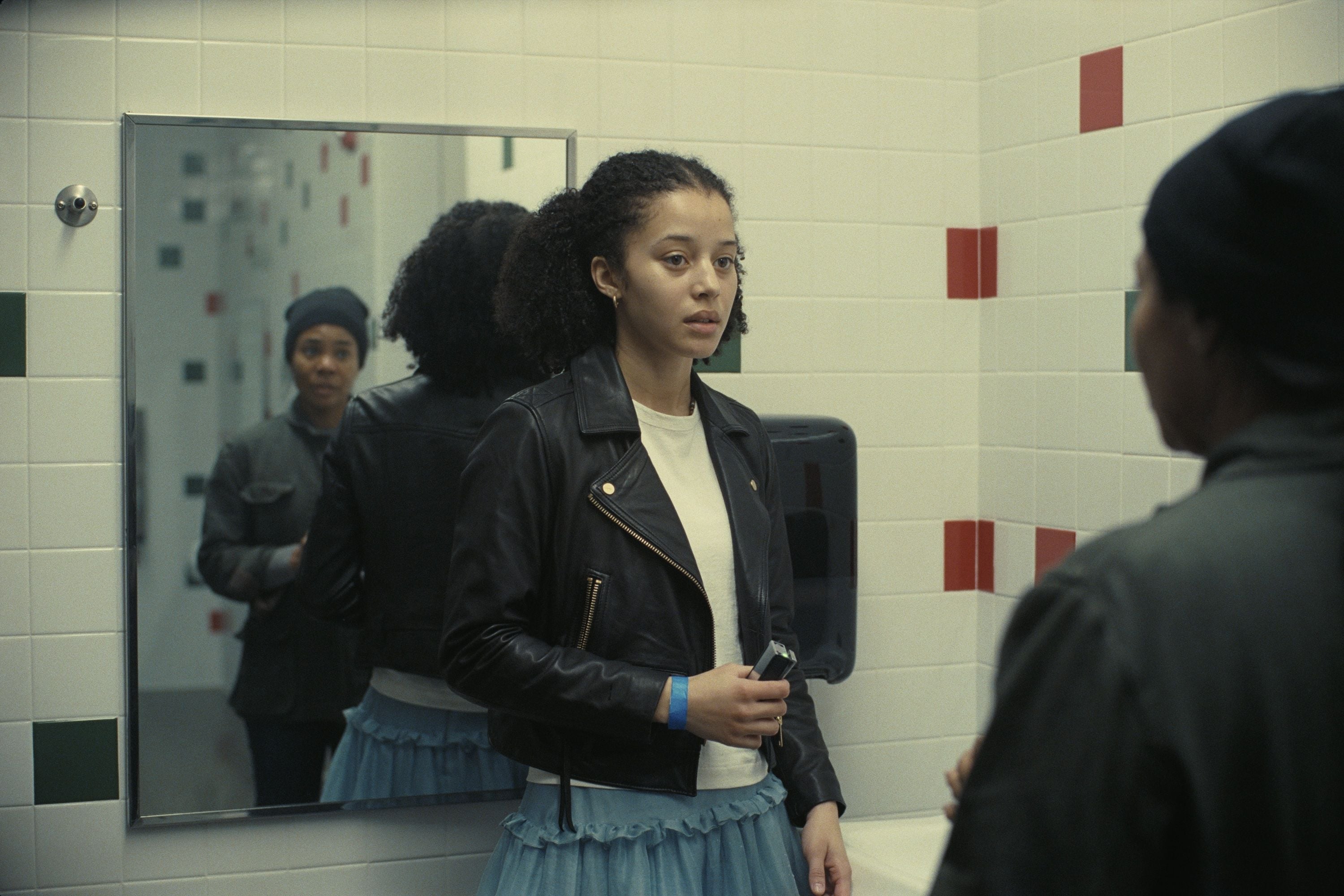

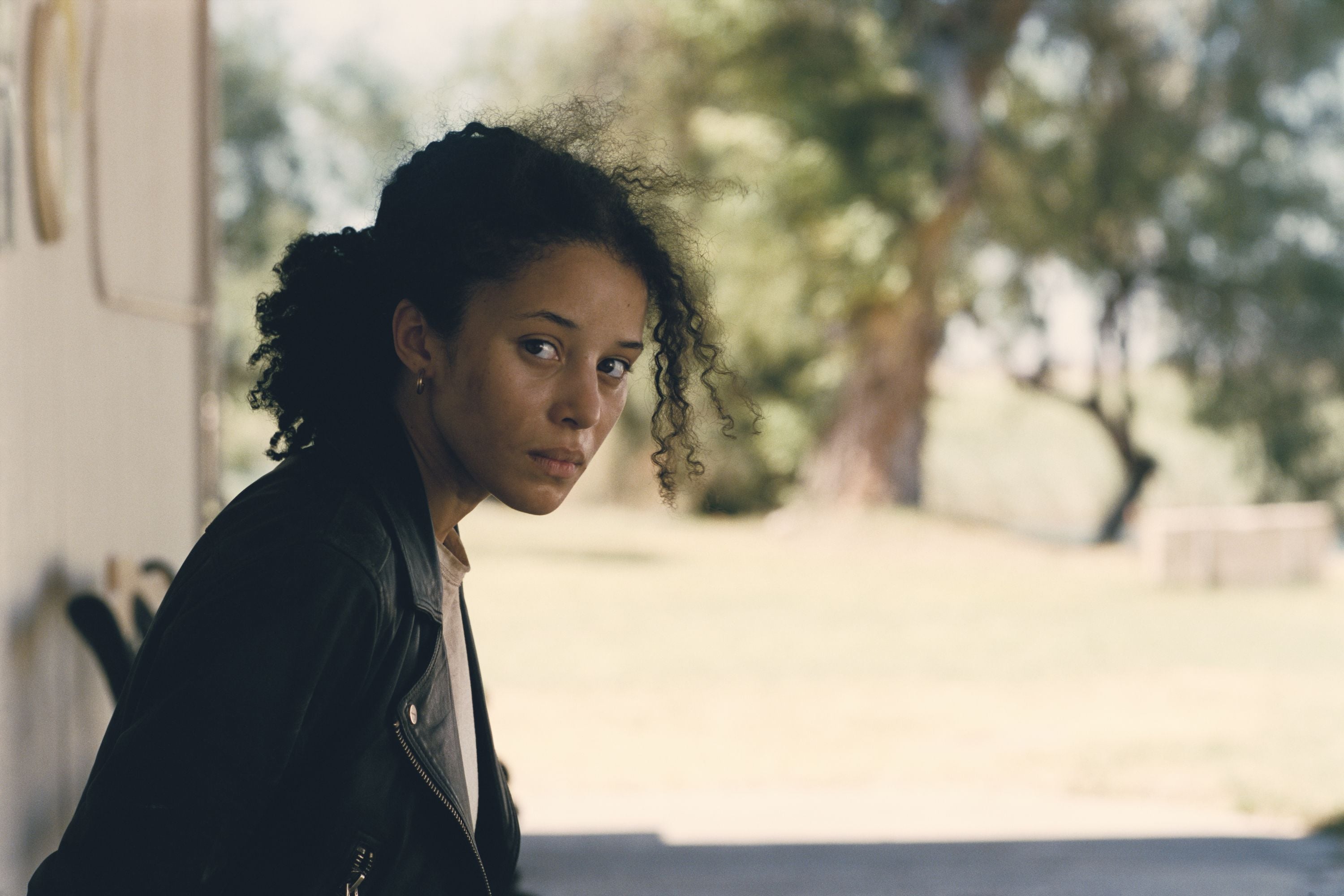
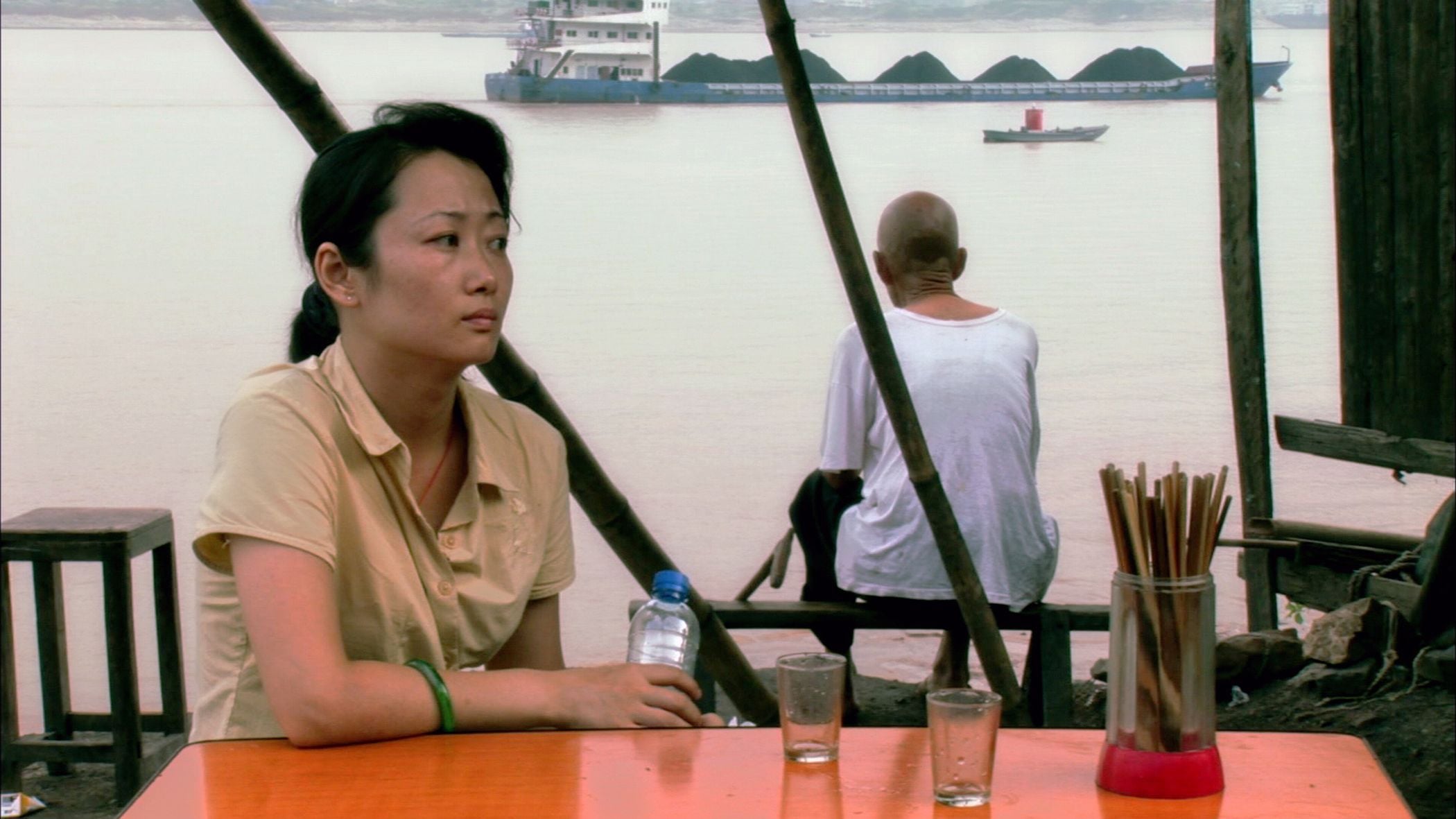
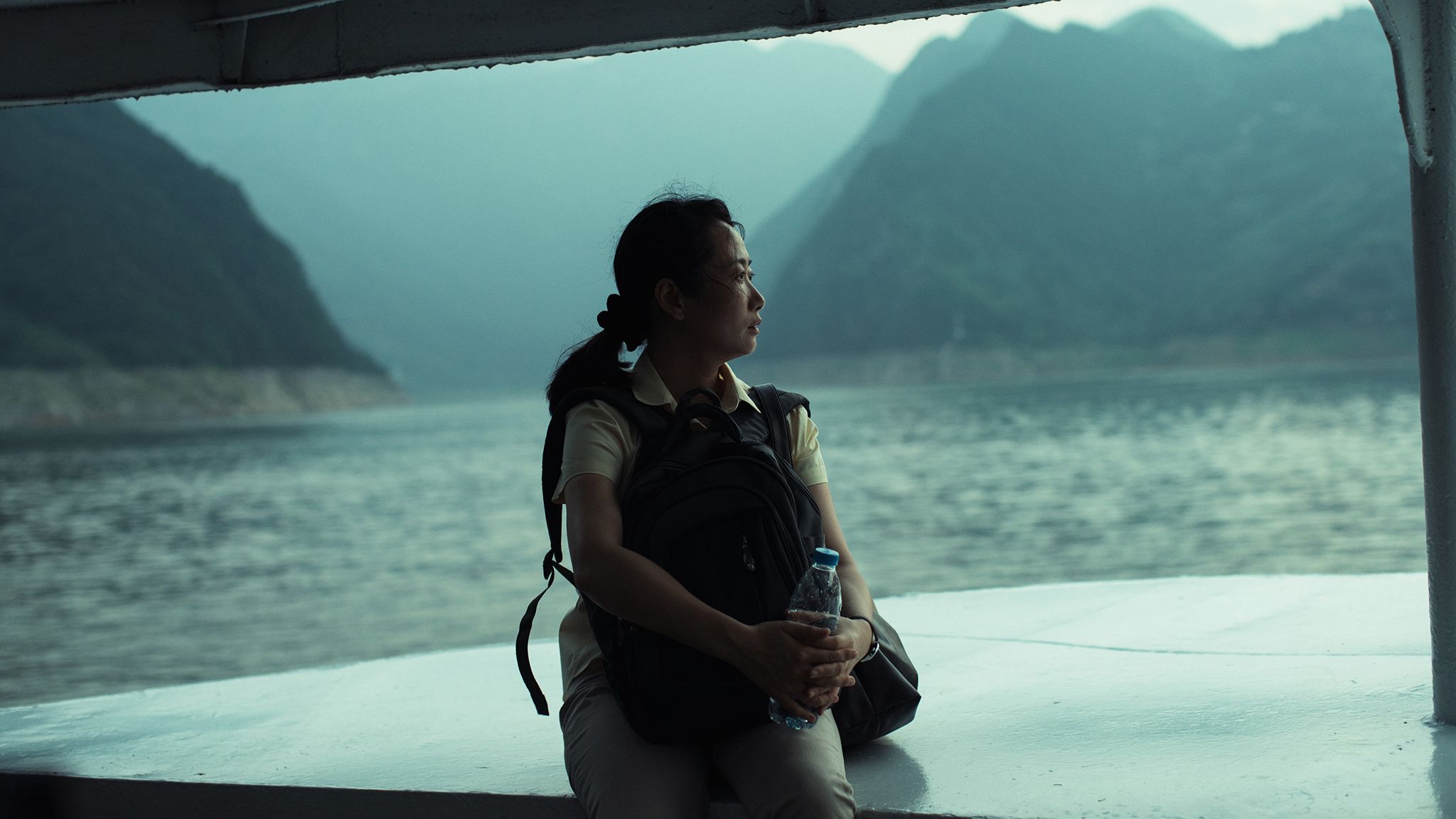
While Pynchon’s novel mobilised every 1980s Orientalist fantasy about ninjas and ‘ninjettes’, Jia Zhangke’s Caught by the Tides (released in the U.S. in May 2025) is also about the cinematic apprehension of time: in this case, two-and-a-half decades of changing lives and landscapes in a China that actually exists. To compose the film, Jia returns to footage he shot during the making of Still Life (2006), a film about two people looking for missing spouses in the chaotic world of Fengjie, a town about to be flooded by the rising waters of the Yangtze during the building of the Three Gorges Dam. In it, a very young Zhao Tao plays Shen Hong, a woman from Datong, a city in Shanxi province. She is looking for her missing husband, Bin, and eventually links up with Jia’s cousin (and staple of his films), Han Sanming, who is looking for his runaway ‘bought’ bride.
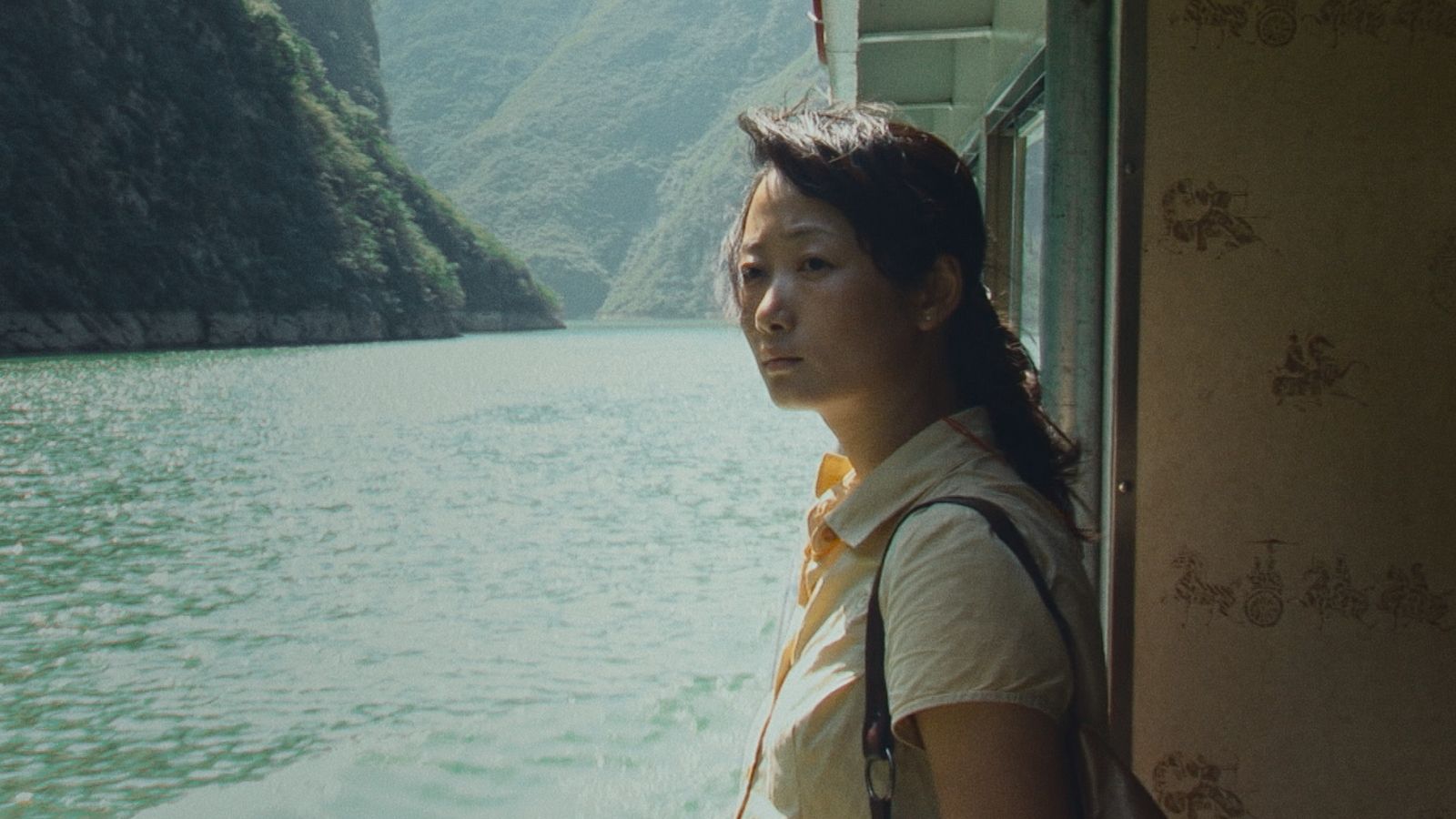
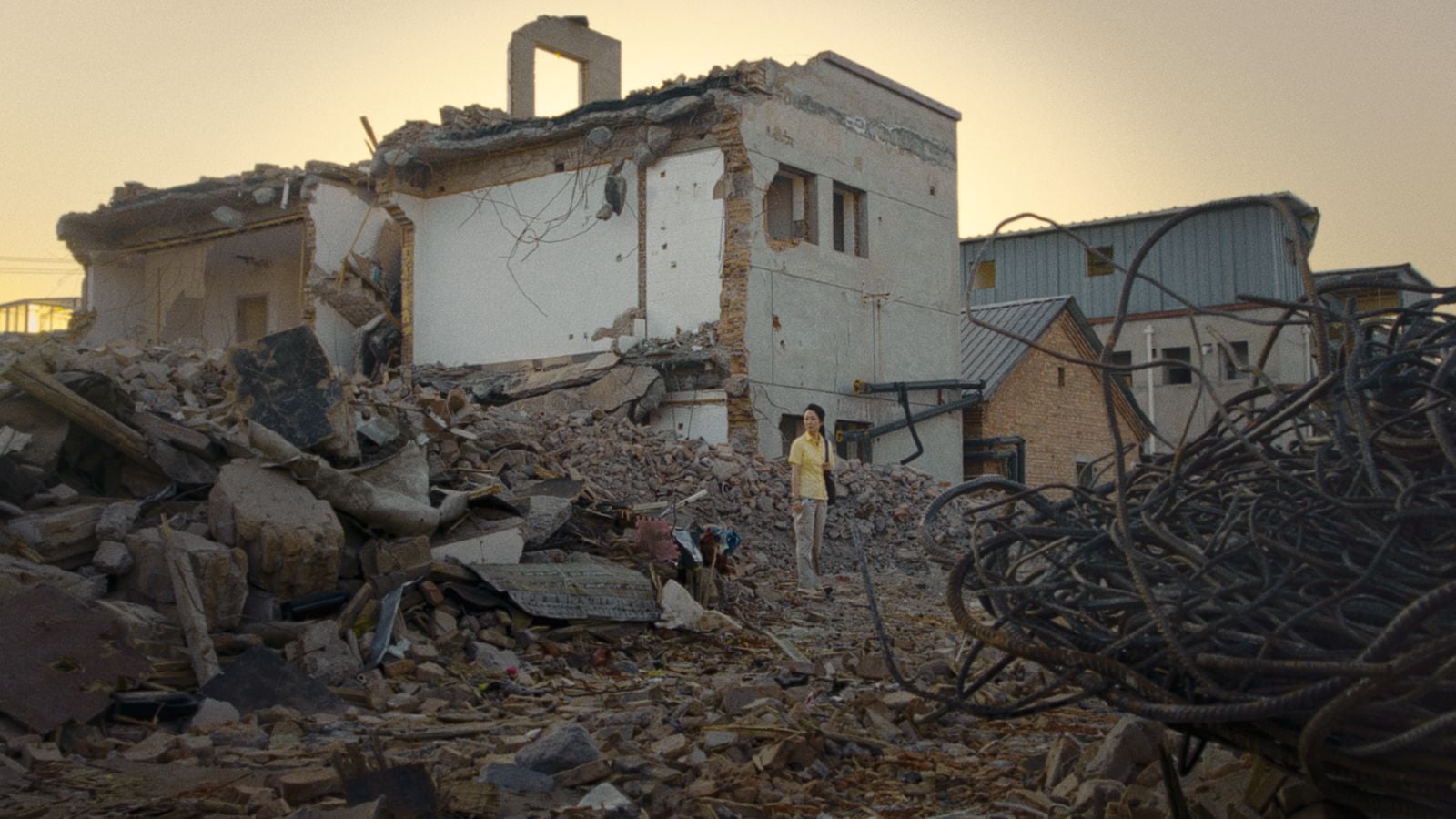

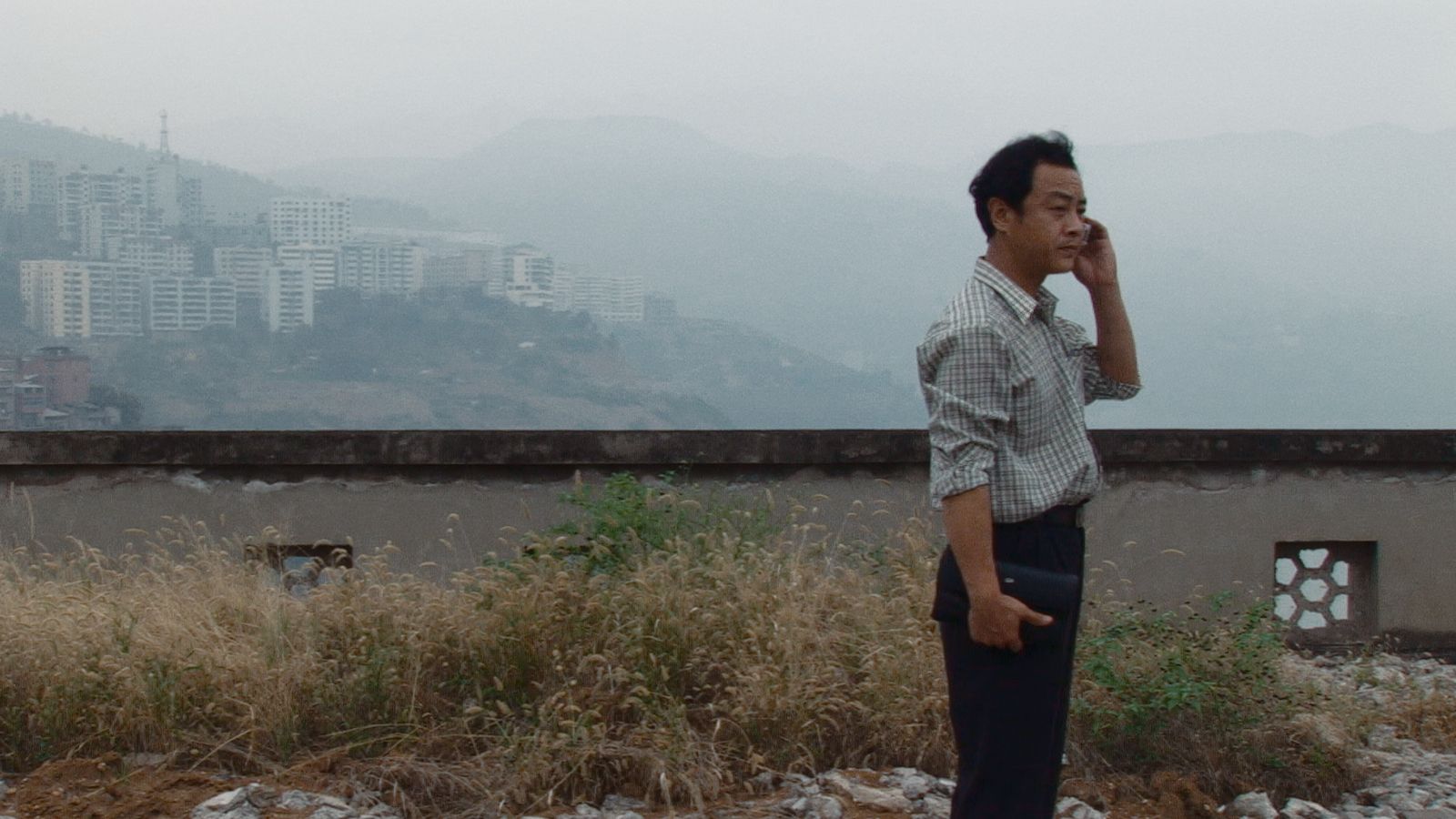
The Three Gorges Dam is a world-defying feat of engineering, able to produce around 95 billion kilowatt hours of electricity annually. Its building entailed the displacement of millions of people and the destruction of entire towns in the name of industrialisation and state-sanctioned modernisation. With an unflinching eye for the chaos and destruction (both physical and emotional) that economic development causes in the lives of ordinary, working-class people, Still Life was hailed as a critique of China’s ruthless central planning. In it, long pans of the Three Gorges area, shot from ferries and boats, give us devastating images of riverside homes being demolished by hand. Jia shoots sublime images of river scenery with Frederick Wiseman-like patience, and Zhao Tao’s expressive, naturalistic form of acting embodies, in the sparest of manners, emotional chaos and despair.
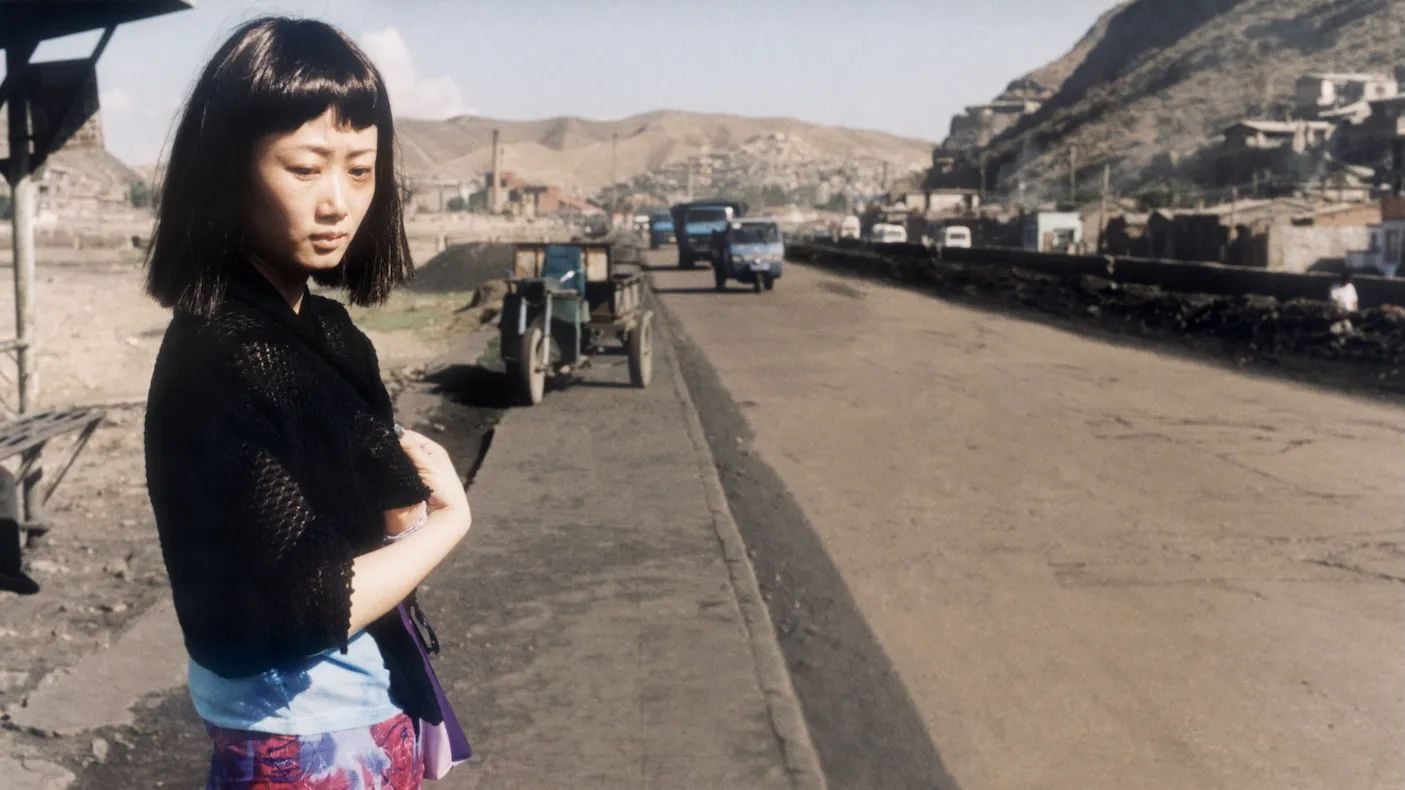


In Caught by the Tides, Qiao Qiao, also played by Zhao Tao, has no lines of dialogue. We don’t know if she is actually mute. By contrast, in Still Life, Zhao Tao’s Shen Hong is a voluble heartbroken everywoman. The later scenes of Caught by the Tides were shot by Jia just as China was emerging from its ‘Zero COVID’ restrictions. Bin, played by Lin Zhubin, is now much aged, and limping: the missing husband/boyfriend re-emerges. It is revealed that he had hooked up with his boss, a woman who embezzled government funds meant for the proper demolition of Fengjie. Bin helped his corrupt girlfriend escape with a load of cash from prosecution, but by the 2020s he has nothing to his own name and ends up back in Datong, after trying his luck at finding work in migrant camps in Guangdong. There is no work or business to be done, but an old associate is producing TikTok (or Douyin) shorts of a toothless, local working-class character dancing to that late-1970s German disco classic ‘Dschinghis Khan’.


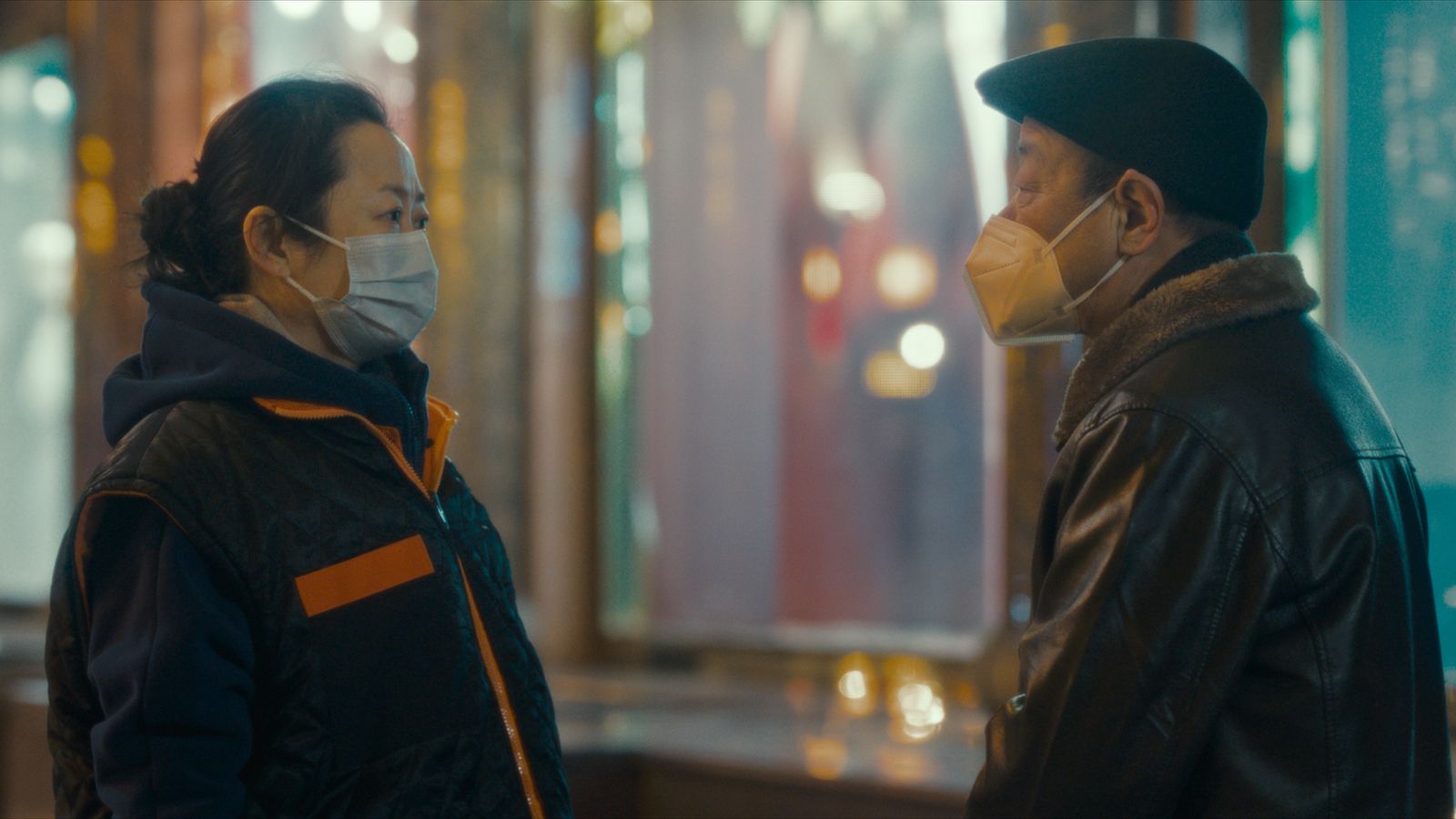
The film ends on an impossibly tender note, with Bin accidently running into Qiao Qiao working in a clean, modern supermarket in Datong, which is no longer the dusty construction zone of the early 2000s. Qiao Qiao and Bin are both masked, but their mutual recognition is deeply emotional. On a frigid winter night in Northwestern China, Qiao Qiao ties a physically impaired Bin’s shoe and leaves him alone on the snowy street to join a COVID-era, hundreds-strong running group. We finally hear her voice, joined to hundreds of others seeking company and exercise. It is a primal ‘Hunhhhh’ that resounds through time and space.
One Battle After Another and Caught by the Tides both explore the sound and vision of time, made material and communicable by film art and cinematic technique. One mythologises cinematic liberalism’s most precious ideas about itself through a spectacle of ‘political’ action and violence. The other humanises massive historical and infrastructural upheaval through the expansion of cinematic possibility, in documenting two people’s vastly different and epic quests for freedom, love and dignity. Pynchon, like Walter Benjamin, was concerned with the technical, mediatic conditions of human striving and human sin. In contrast, Anderson’s action film uses technical virtuosity to make invisible the conditions of the spectacle itself. ‘Tubal’ addiction and social media are entirely absent from One Battle After Another. In contrast, technologically enhanced spaces of leisure and escapism, in industrial and post-industrial landscapes, are Jia’s cinematic obsession. —[O]
Main image: Leonardo DiCaprio as Bob Ferguson in Paul Thomas Anderson’s One Battle After Another (2025) (film still). Courtesy Warner Bros. Pictures.







A respected voice in contemporary art discourse.
Focusing on ambitious storytelling and insightful art-world commentary. Ocula Magazine publishes in-depth interviews, critical essays and timely analysis on the artists, exhibitions and ideas driving the global art world.
Learn more about Ocula Magazine
Showcasing the best of the art world.
Ocula partners with galleries from around the world to highlight their artists, artworks and exhibitions. Gallery membership is by application and invitation, with each member vetted by an independent panel.
Learn more about Ocula Membership
Specialises in the sale of major artworks.
Led by a team with deep ties to the world’s leading auction houses, galleries and collectors. Ocula’s advisory team offers bespoke services to high-net-worth clients from around the world who are looking to acquire the best of contemporary and modern art.
Learn more about our team and services