





New York Is Not America: Thoughts on the City’s Art Market
Does the size of New York City’s art market act as its greatest asset, or its greatest vulnerability? Save to My Ocula
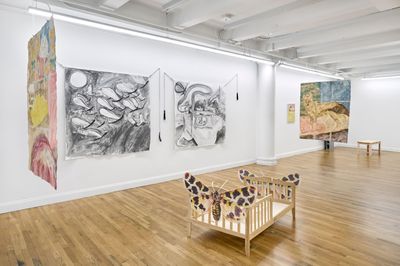
New York enters Armory and Independent fair week with its art market at once resilient and precarious.
The collector scene in many parts of the United States is struggling with economic uncertainty, while dwindling attendance and layoffs have been seen at institutions like SFMOMA and the Art Institute of Chicago. Then there’s the rising political hostility which has buffeted the museum sector with funding cuts and censorship pressures in states such as Florida and Texas.
But, through all of that, New York continues to be bolstered by a unique blend of global collectors, institutional heft and financial gravity. As a result, the city continues to behave like an outlier.
Ben Sutton, editor in chief for the Americas at The Art Newspaper, puts New York’s continued dominance in the global art market partly down to ‘sheer historic momentum and size’.
‘It is the most important city with the most heavily built-up art market infrastructure in the country. And that’s a country that makes up 43 percent of global sales by value.’
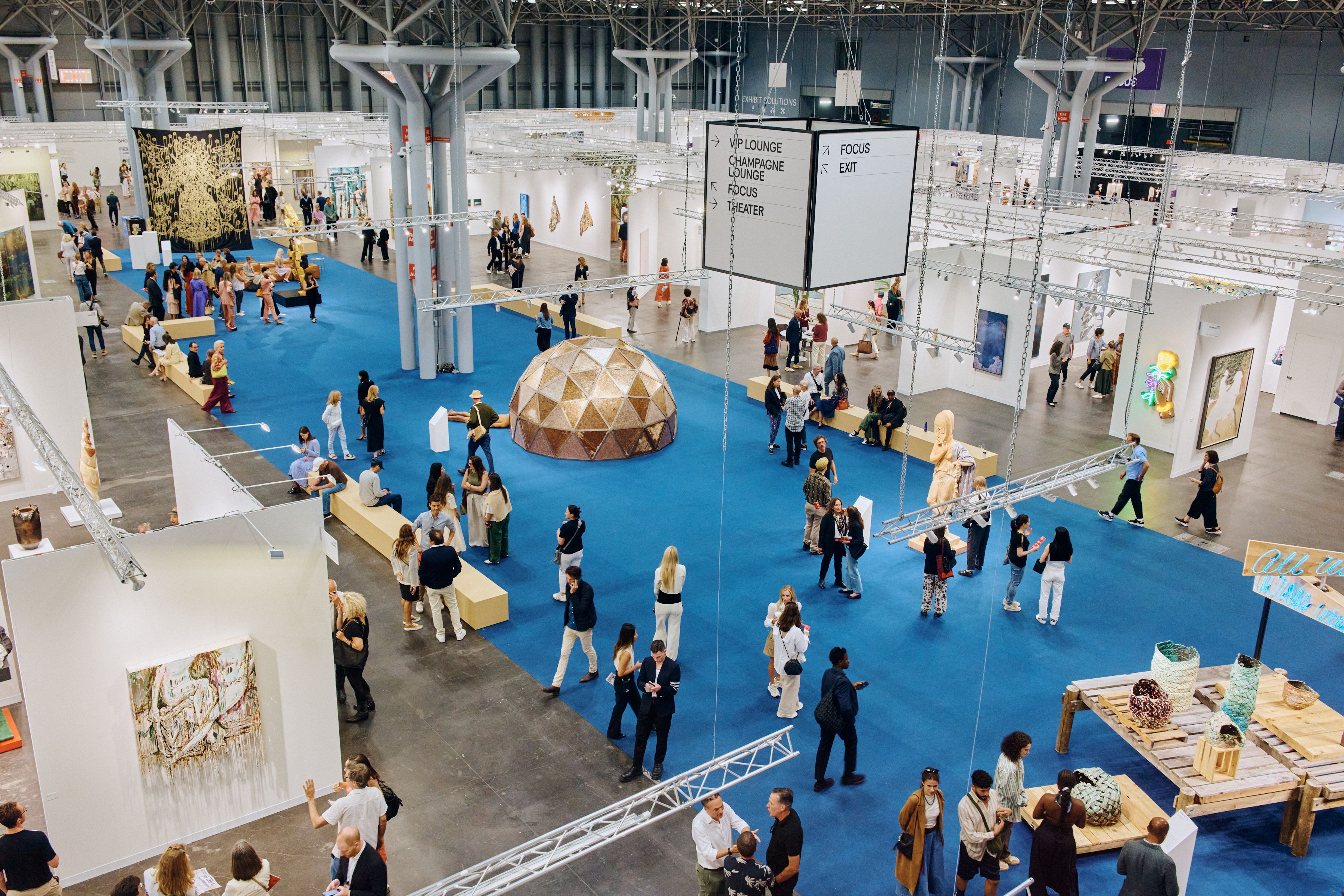
At the same time, New York is responsible for up to 90 percent of all U.S. art sales by value according to The New York Art Market Report, published by Independent. That dominance is especially clear at the top end: in 2019, New York accounted for nearly half of all U.S. auction lots sold over $1 million (all figures USD), and more than 60 percent of those above $10 million, figures that subsequent Art Basel & UBS Art Market Reports show have remained broadly consistent in the years since.
The consequences of that dominance are double-edged. ‘The size of the city’s art market means that, in a period of sustained decline, there are a lot more businesses at risk of closing,’ Sutton notes, pointing to recent gallery closures like the seemingly well-established Venus Over Manhattan, Clearing and Blum, as well as the Art Dealers Association of America cancelling its annual Upper East Side fair, as a ‘canary in the coalmine’.
Auction houses are also under strain. ‘They too are having to make sacrifices, slashing jobs and retooling their fee structures,’ Sutton says. ‘For Christie’s, Phillips, and Sotheby’s, success in the big November auctions will hinge on being able to land a handful of major estates, and the incentives will invariably eat into their profit margins.’
For Tom Finkelpearl—the former Commissioner of the New York City Department of Cultural Affairs, appointed in 2014 by mayor Bill de Blasio and serving through the end of 2019—the picture is one of resilience layered over fragility.
‘New York City has a very robust art world because it is so multifaceted.’ he says. ‘But a key detail is—the art budget keeps going up. If you look at City Hall’s finances this year, you’ll see that they have the highest arts budget adjusted for inflation ever this year.’
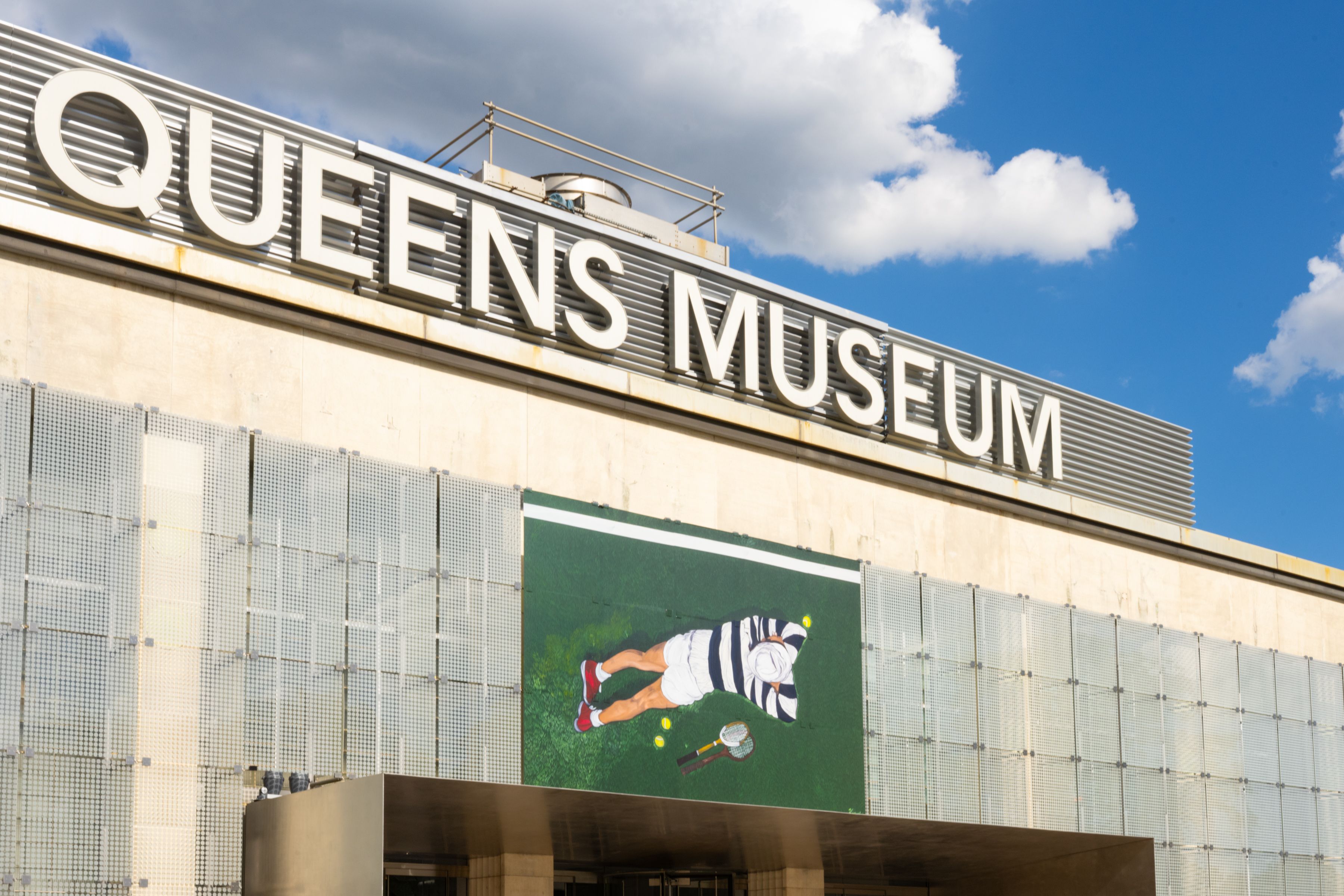
That level of public support, spread from the Metropolitan Museum of Art down to the smallest non-profits, marks New York as different from any other U.S. city, he says.
But it’s the affordability crisis that cuts deepest. This is the platform that has given Zohran Mamdani, a 33-year-old Democratic Socialist assembly member for Queens, a real chance of becoming mayor of the city after running a campaign based on cost of living policies.
‘This is exactly why Mamdani can and probably will easily beat somebody with ten times the money,’ says Finkelpearl. ‘New York is expensive, the most expensive city in America and perhaps the world, and it is expensive because of real estate.’
He cites artists like Christine Sun Kim, an artist currently exhibiting at the Whitney, who recently left New York to live in Berlin.
‘It feels like a real breaking point now,’ Finkelpearl says.
The politics of the city are beginning to reflect such fractures at pavement level. ‘All the young people and every artist I’ve talked to supports Mamdani,’ Finkelpearl notes. ‘But art collectors do not. So this is a cultural and generational split.’
Mamdani’s rise has led to a slew of headlines about the dangers of capital flight. But such concerns do not persuade Finkelpearl.
‘I know lots of rich collectors who don’t like Mamdani,’ he says. ‘But I have not yet heard any credible idea that persuades me that anybody’s going to leave. The tax rate may go up a couple of points. But why are they in New York in the first place? The lifestyle is great, the opportunity is great. And they’re also here because of the arts.’
The city’s biggest strength, he argues, is its vertical integration of social capital. ‘You can attend an art opening, and, on a regular basis, you will see the director of the Met, a major collector or trustee, but also a 27-year-old artist who’s just having their first show. They’re all in the same room. That’s exciting for the rich people, for the museum directors and for the artists.’
It’s an ecosystem that sustains New York as an art city—but if artists continue to leave, the foundation weakens.
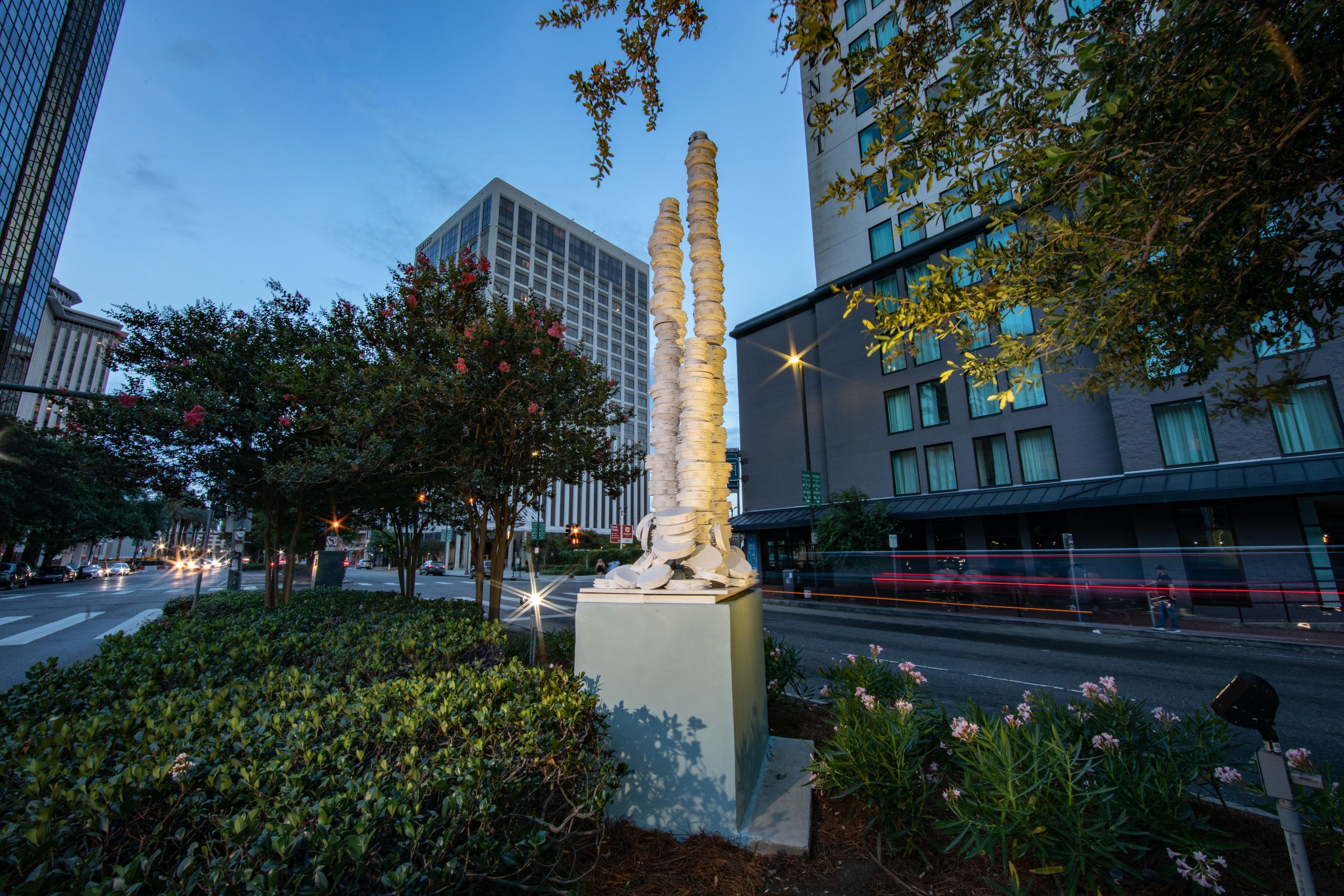
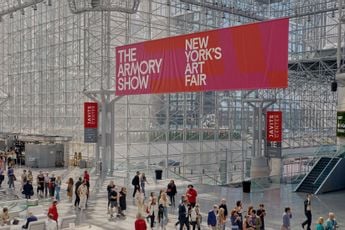
The oncoming Armory Show (5–7 September 2025) and Independent 20th Century (4–7 September 2025) could be a litmus test for the city’s economic fortunes.
Independent shines a light on overlooked figures, positioning itself as a corrective to market blind spots by reintroducing artists whose contributions have often been marginalised.
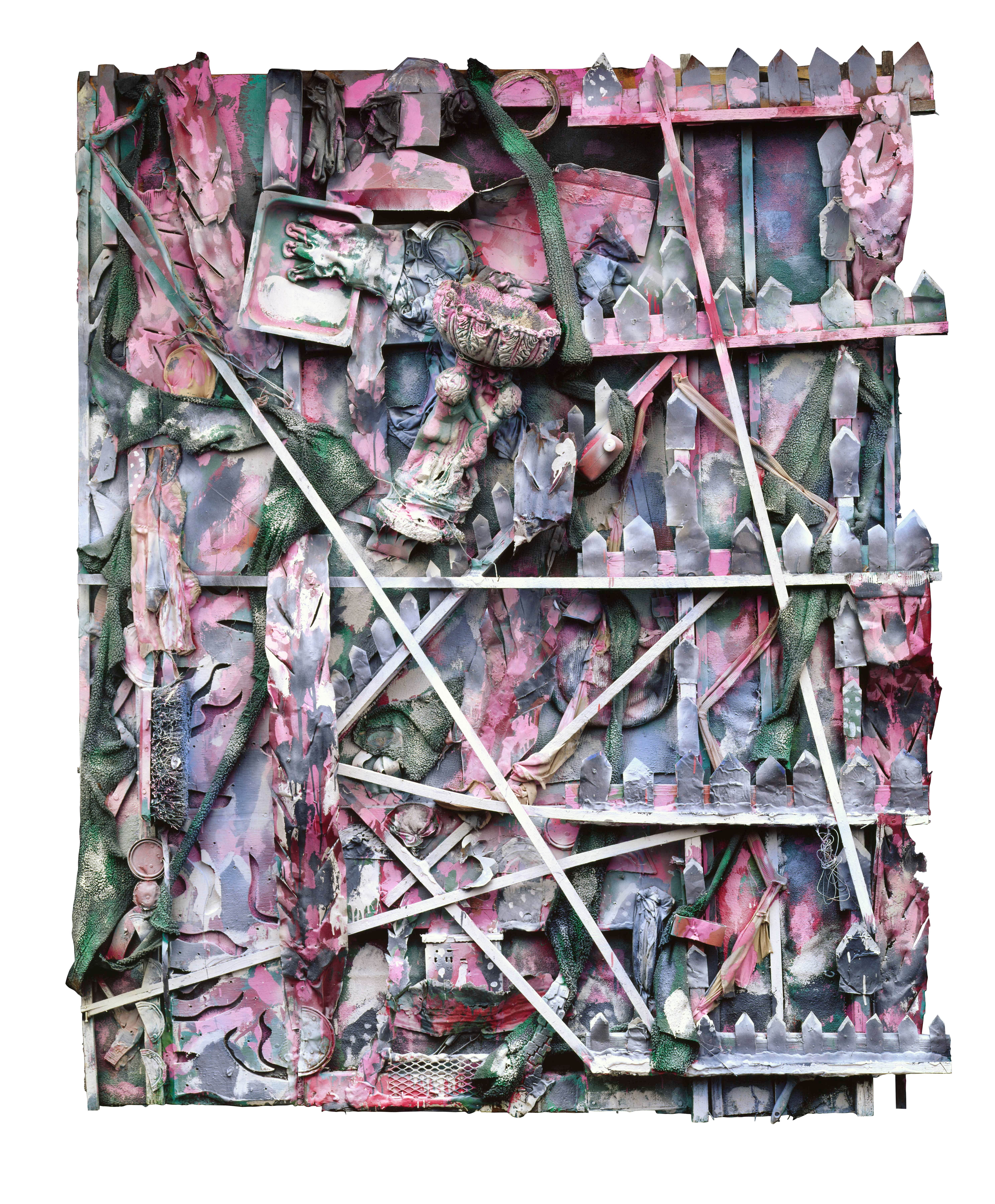
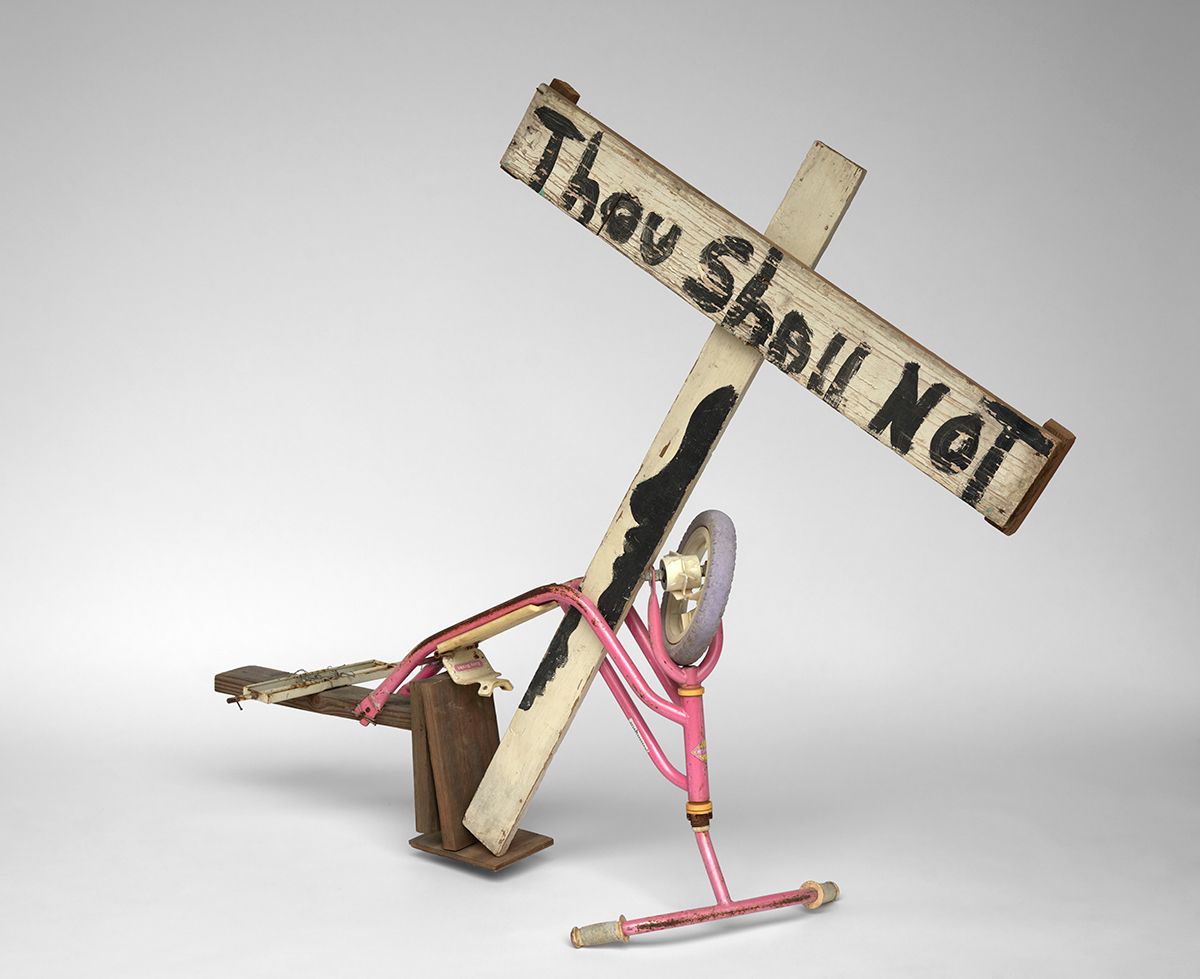
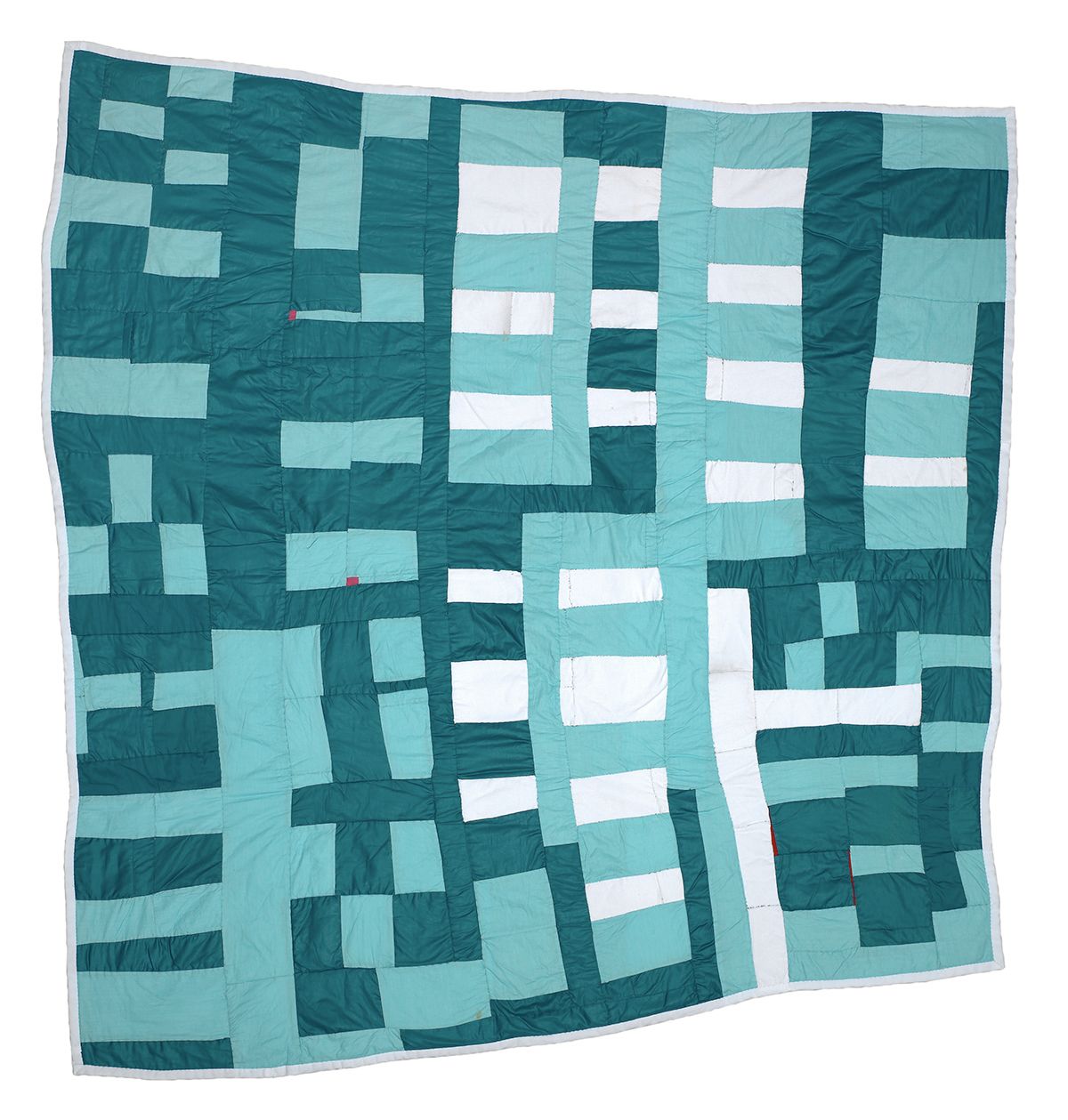
The Armory, meanwhile, is using its Platform section to foreground artists from the American South through a collaboration with the Atlanta-based Souls Grown Deep Foundation. That focus highlights the cultural and historical weight of African American art traditions in the region, with artists such as Thornton Dial, Lonnie Holley and members of the Gee’s Bend quilt-making community brought into sharper visibility.
Although neither fair has the international footprint of Art Basel or Frieze, both have carved out distinct roles within the U.S. market. Independent, founded in 2010, has built a reputation for presenting carefully curated booths that often highlight under-recognised artists from the Modernist period. The Armory, which relocated to the Javits Center in 2021, has used its larger stage to introduce curated sections that address broader cultural narratives.
Together, they have become significant reference points for how New York fairs differentiate themselves and set the tone of debate within the American market, even if they lack the long histories and global reach of their European counterparts.
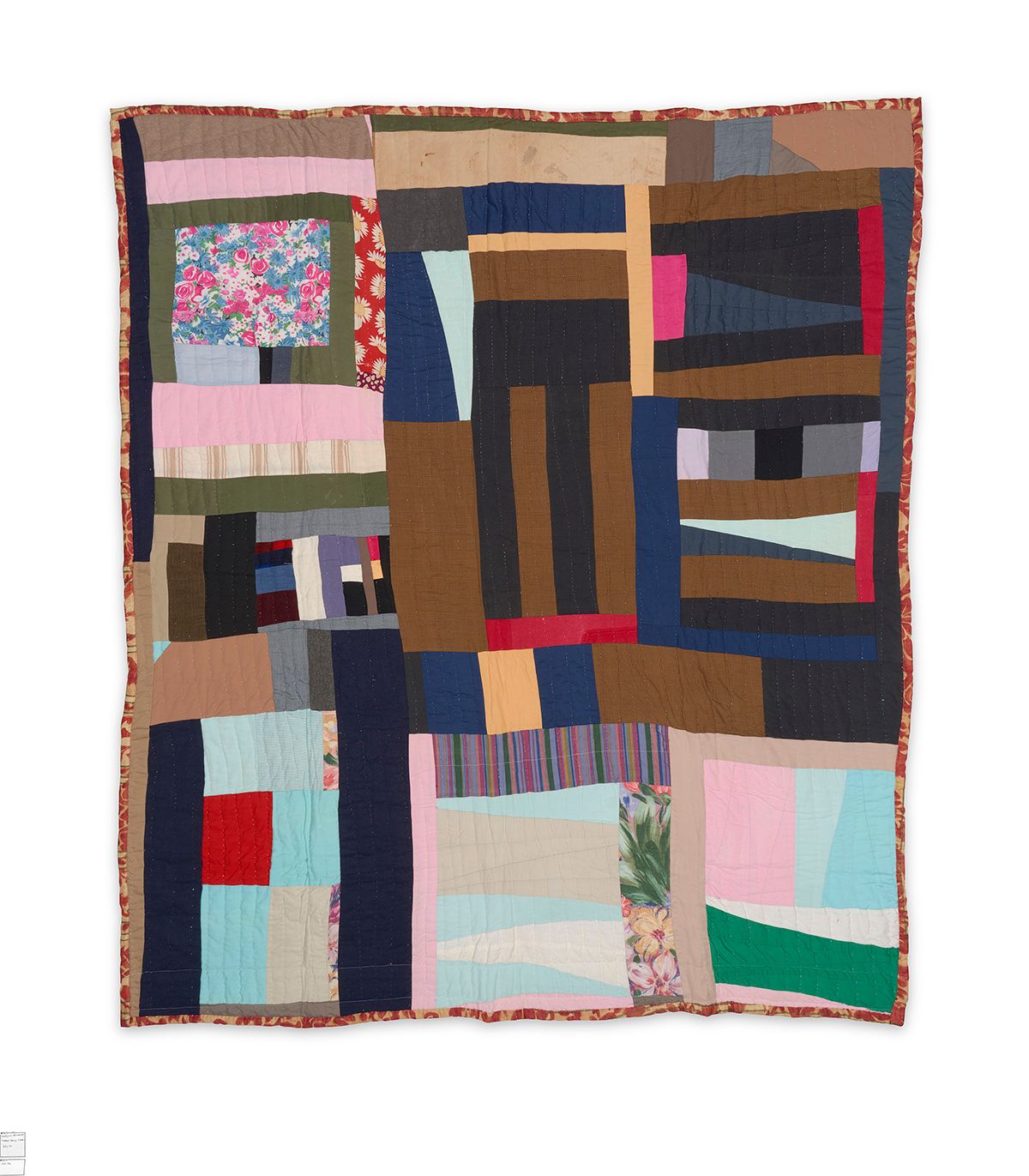
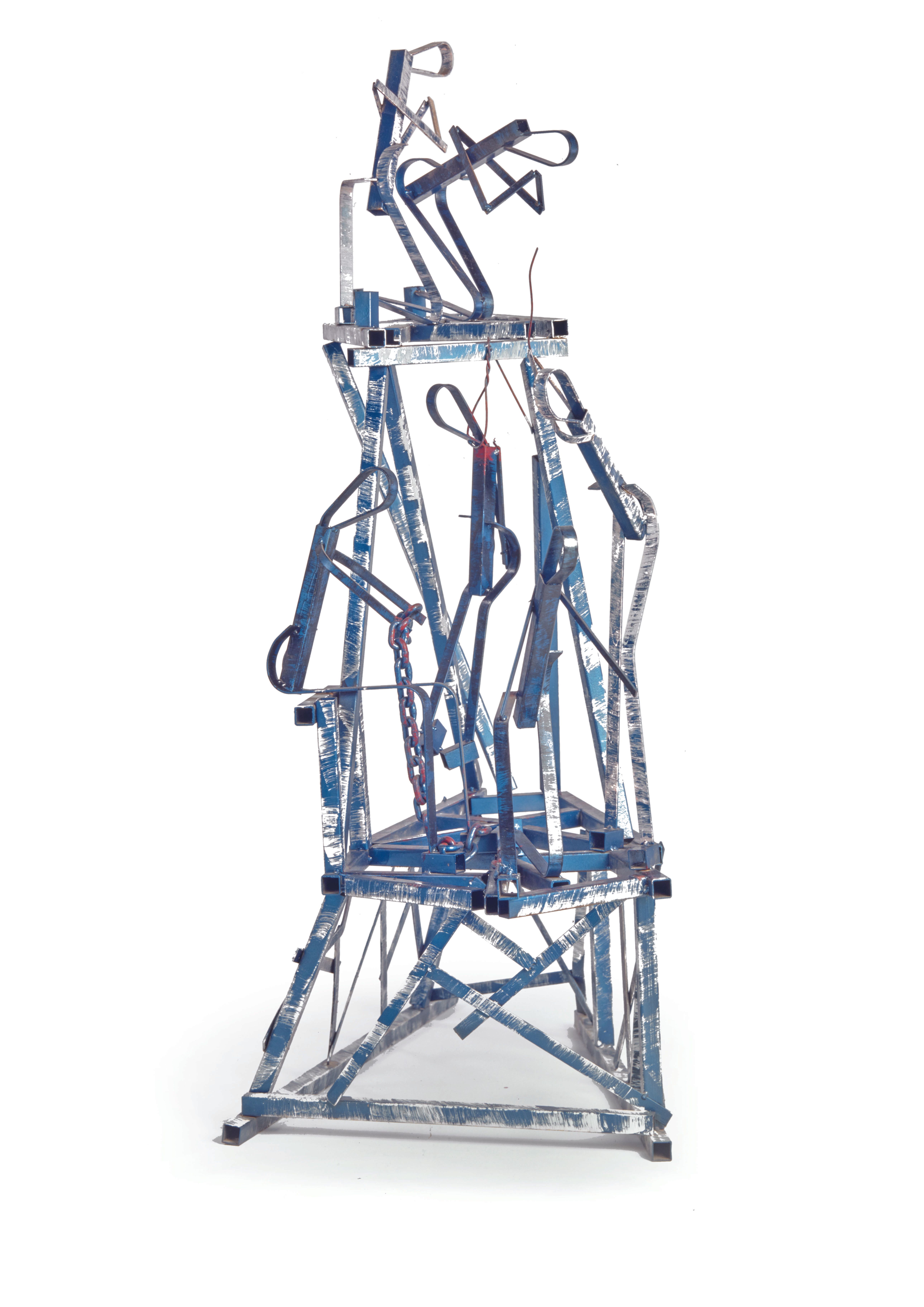
Elizabeth Dee, founder and director of Independent, situates this year’s edition within a longer evolution.
‘This is our fourth year evolution,’ she tells Ocula. ‘When we launched Independent 20th Century during COVID, we were thinking through the importance of the 20th century in American art—what was being represented in the market and in museums, and whether a new platform could play a useful role in expanding visibility for certain artists. New York did not have a modern fair. So to start a fair, when there is no competitor, was interesting to us.’
That positioning reflects broader market shifts. ‘Emerging art and artists who have not reached their third price potential—artwork under, say, $75,000—that’s still a very active market,’ Dee says. ‘That’s a market that we are expert in, and that has continued to stay energetic, even during this deflationary period.’
For Dee, New York is essential. ‘Our point of view is so specific that you really need the New York market to support it, because if 100 people don’t arrive and buy these works, there’s another 1,000 people a block away who are qualified to.’
While that unique collector base still holds firm in the Big Apple, with markets like London and Hong Kong as distant second and third place, momentum may be shifting to other global art capitals in the global race to attract the wealthy elite.
‘Brexit has altered the London–Paris balance; Beijing’s grip on Hong Kong has boosted Seoul and Tokyo. Yet each city appears to be comparatively on the rise,’ Sutton says.
‘The cost of doing business in New York, plus the uncertainty surrounding U.S. import and export duties, is prompting the art market to look elsewhere.’ Taken together—tariffs, real estate pressures, closures, political experiments, and a global recalibration—New York remains singular. Its infrastructure sustains dominance, but also amplifies risk. Its institutions are shielded, but its smaller organisations are increasingly exposed. Its fairs retain weight, but are reliant on continuing to lure in buyers.
These contradictions suggest not stability but volatility: the city is still the undisputed centre of the American art market, yet whether its scale will prove to be a source of long-term strength or a liability in an era of uncertainty remains an open question.
As Sutton puts it, ‘the size of New York’s market is both its greatest asset and its greatest vulnerability’. —[O]
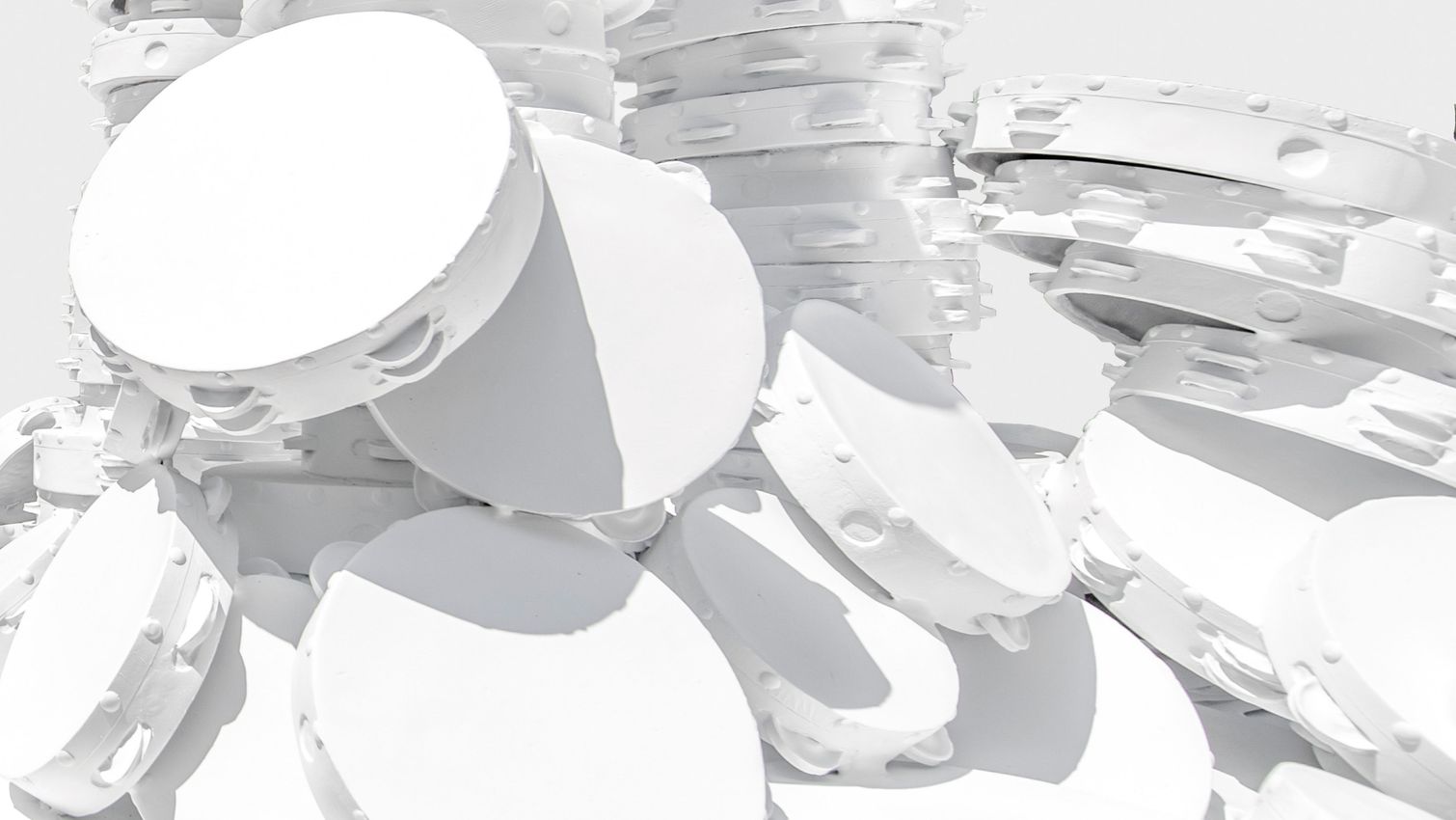
Main image: Allison Janae Hamilton, Love is like the sea.... (2023) (detail). Bronze. Courtesy Marianne Boesky Gallery. Photo: Crista Rock.






A respected voice in contemporary art discourse.
Focusing on ambitious storytelling and insightful art-world commentary. Ocula Magazine publishes in-depth interviews, critical essays and timely analysis on the artists, exhibitions and ideas driving the global art world.
Learn more about Ocula Magazine
Showcasing the best of the art world.
Ocula partners with galleries from around the world to highlight their artists, artworks and exhibitions. Gallery membership is by application and invitation, with each member vetted by an independent panel.
Learn more about Ocula Membership
Specialises in the sale of major artworks.
Led by a team with deep ties to the world’s leading auction houses, galleries and collectors. Ocula’s advisory team offers bespoke services to high-net-worth clients from around the world who are looking to acquire the best of contemporary and modern art.
Learn more about our team and services