





‘Beyond Geographies’: Dirimart Lands in London
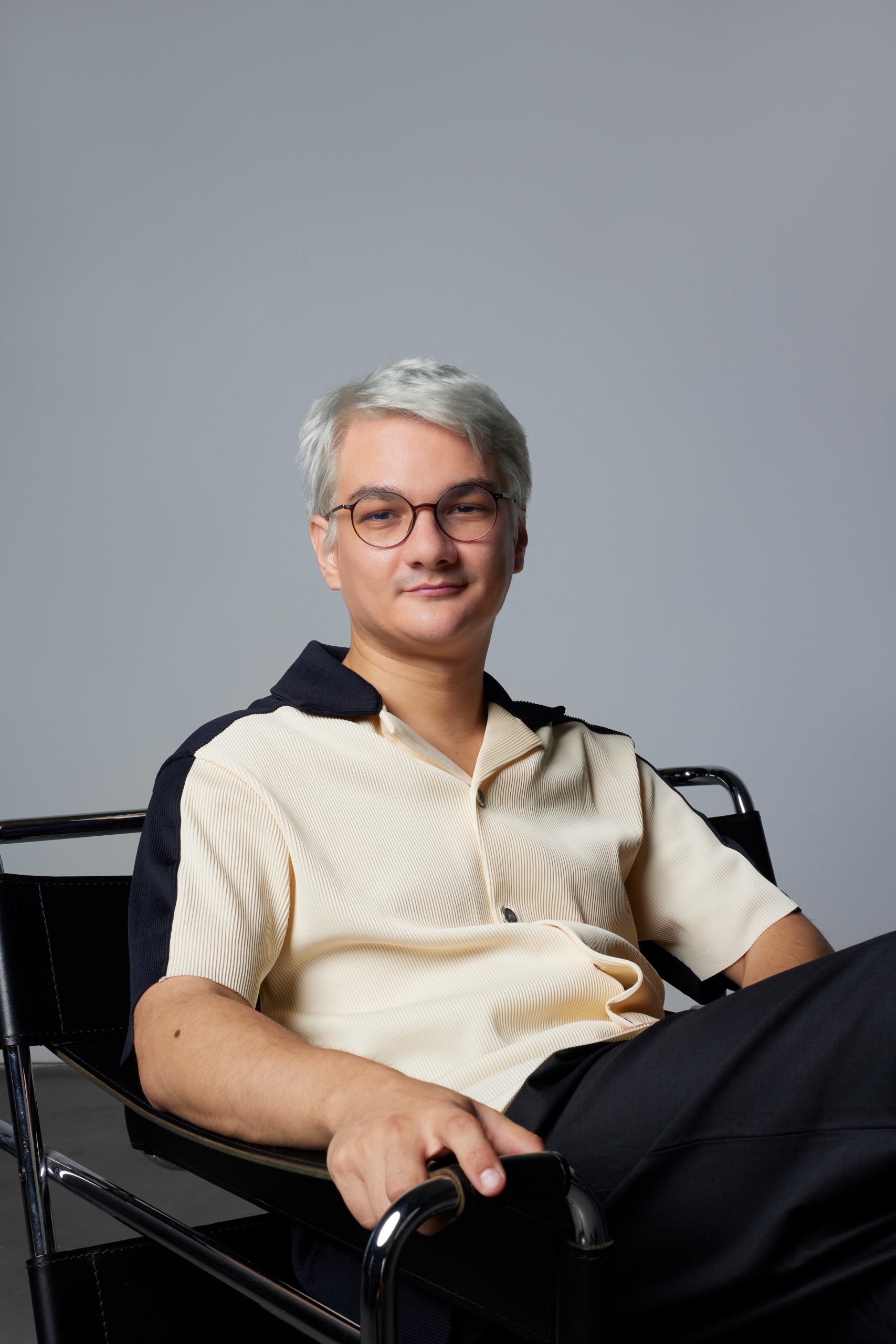
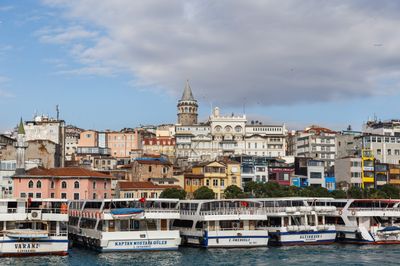
The team behind the Istanbul gallery reflect on the importance of cross‑cultural dialogue as they open their first international space. Save to My OculaOver the last two decades, the Istanbul-based gallery Dirimart has become a vital feature of the Turkish art scene. Opened by Hazer Özil in 2002, against a backdrop of economic uncertainty and a still-nascent art scene, Dirimart—which takes its name from the Turkish word dirim, meaning ‘life’—has always seen itself as a revitalising force in the city, championing critical dialogue between local, regional, and international artists. Alongside its space in the city’s vibrant Pera district, in 2016 Dirimart opened a large warehouse-like gallery in Dolapdere, a formerly industrial area of Istanbul that is gradually becoming home to art spaces.
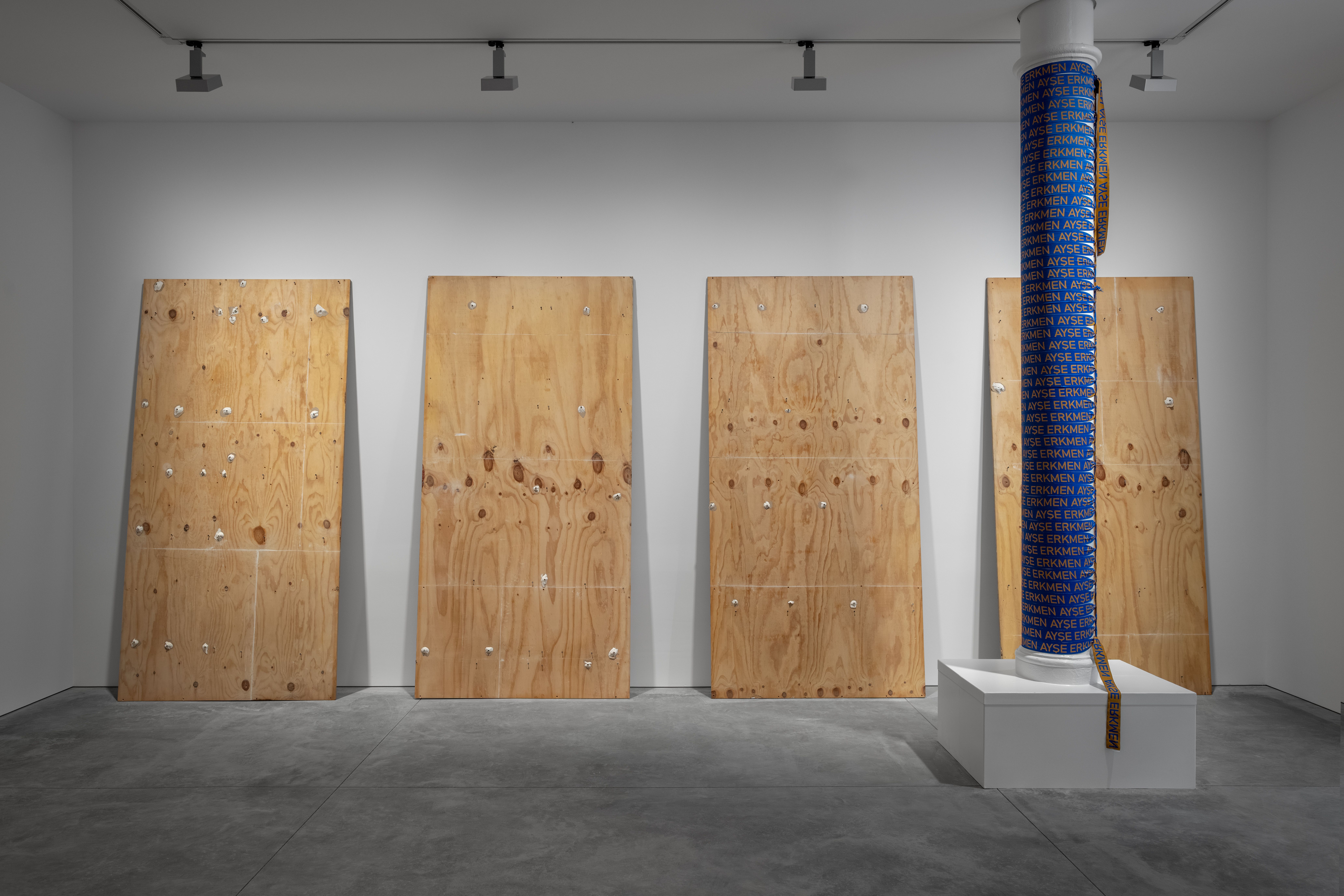
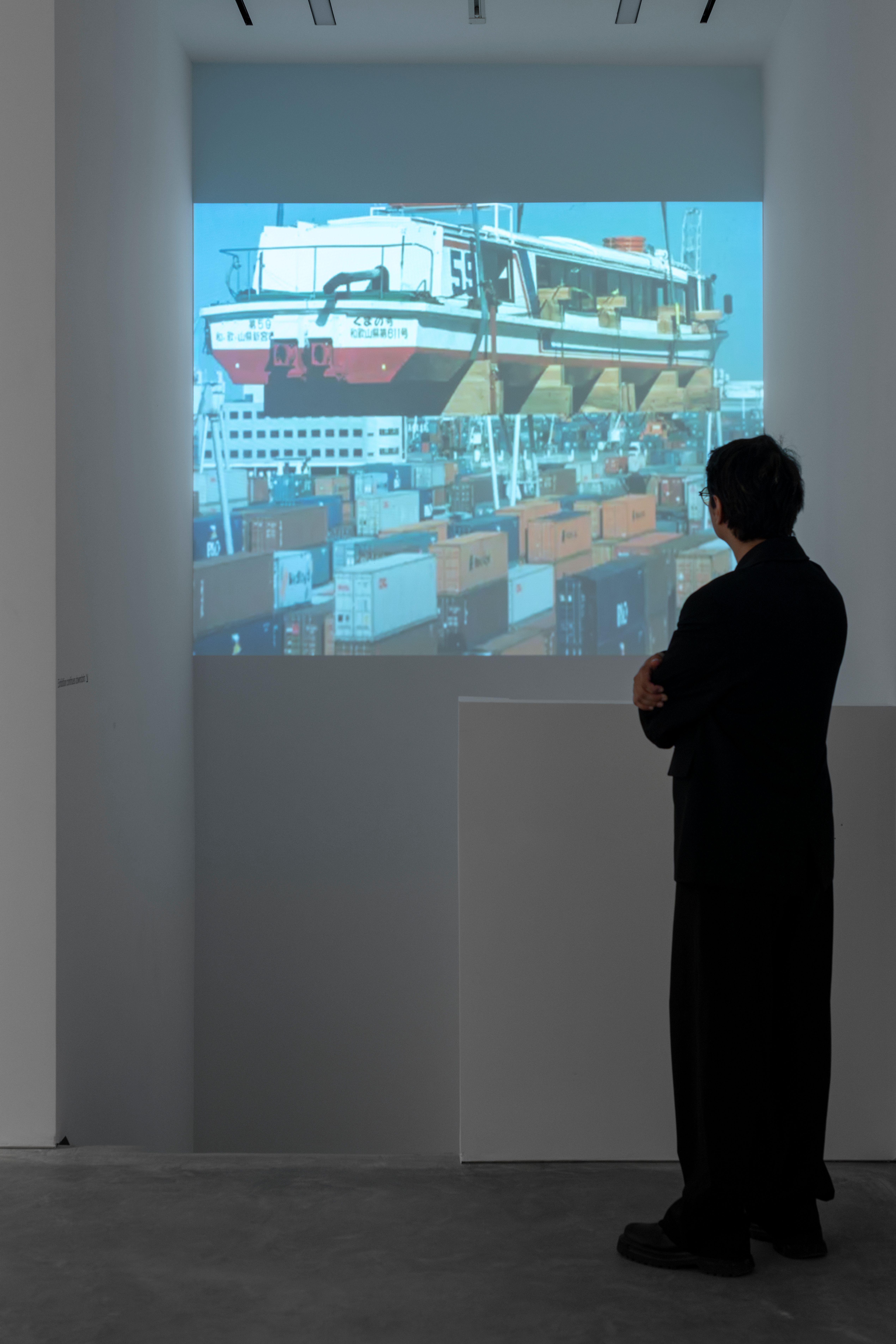
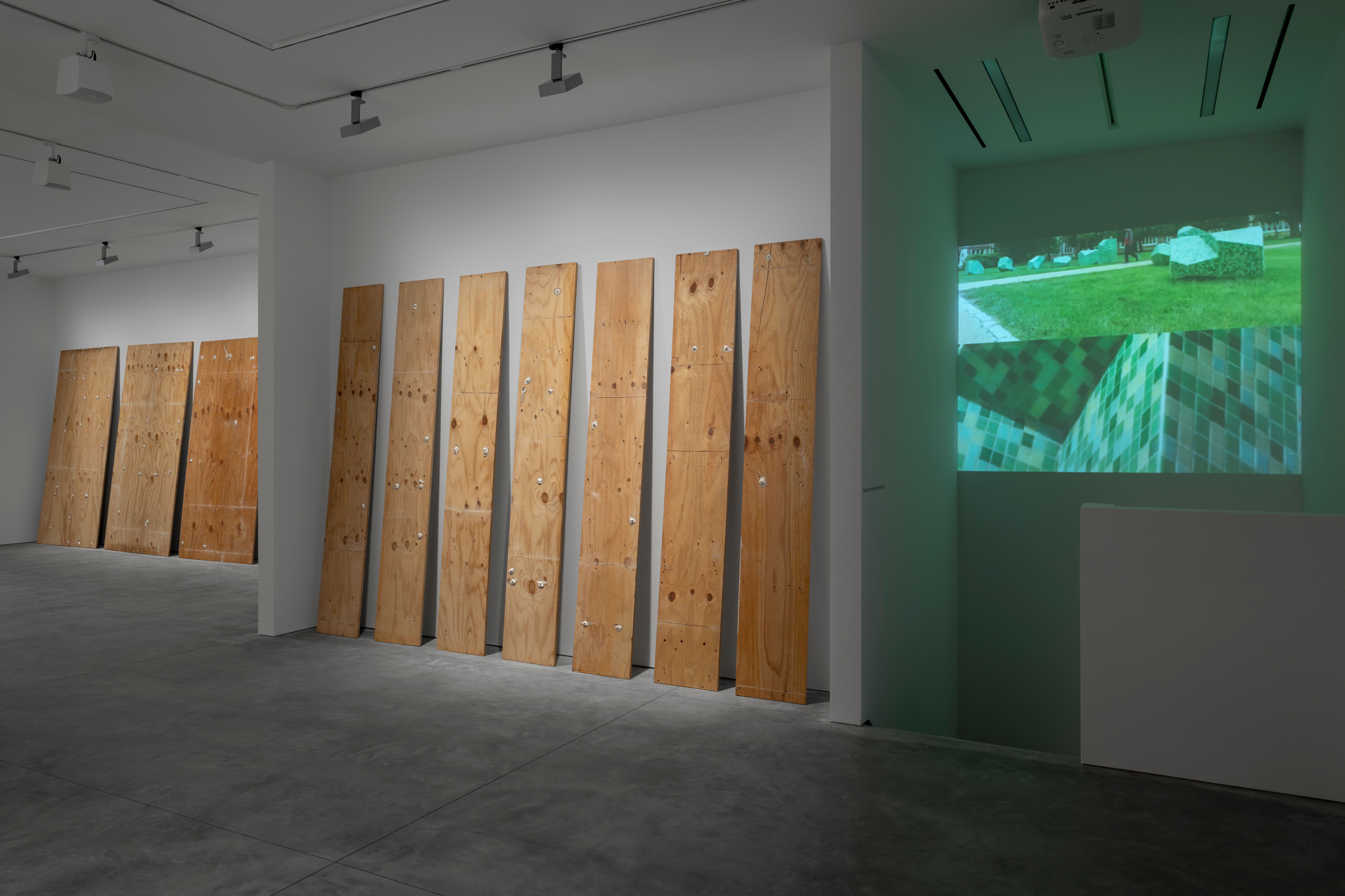
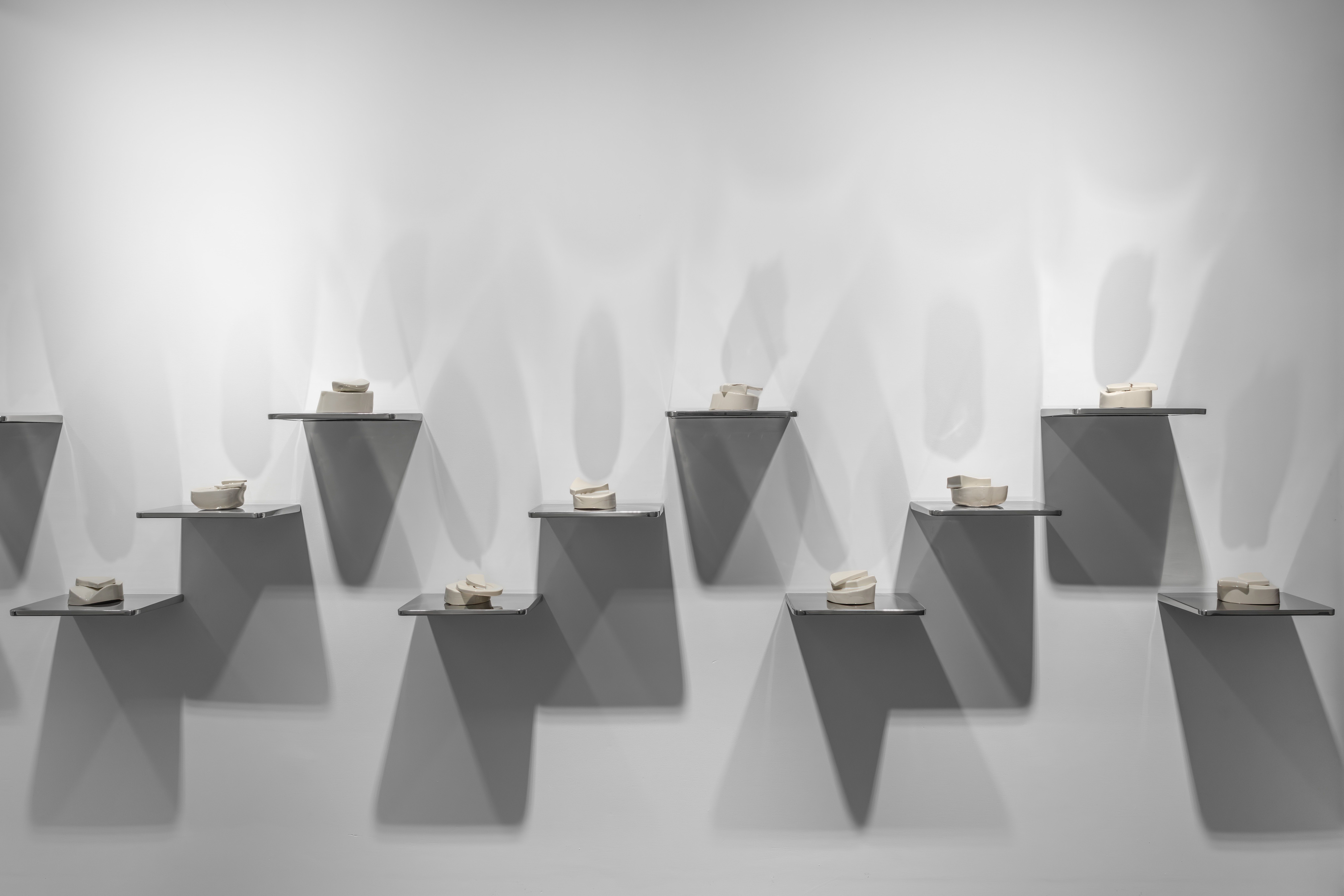
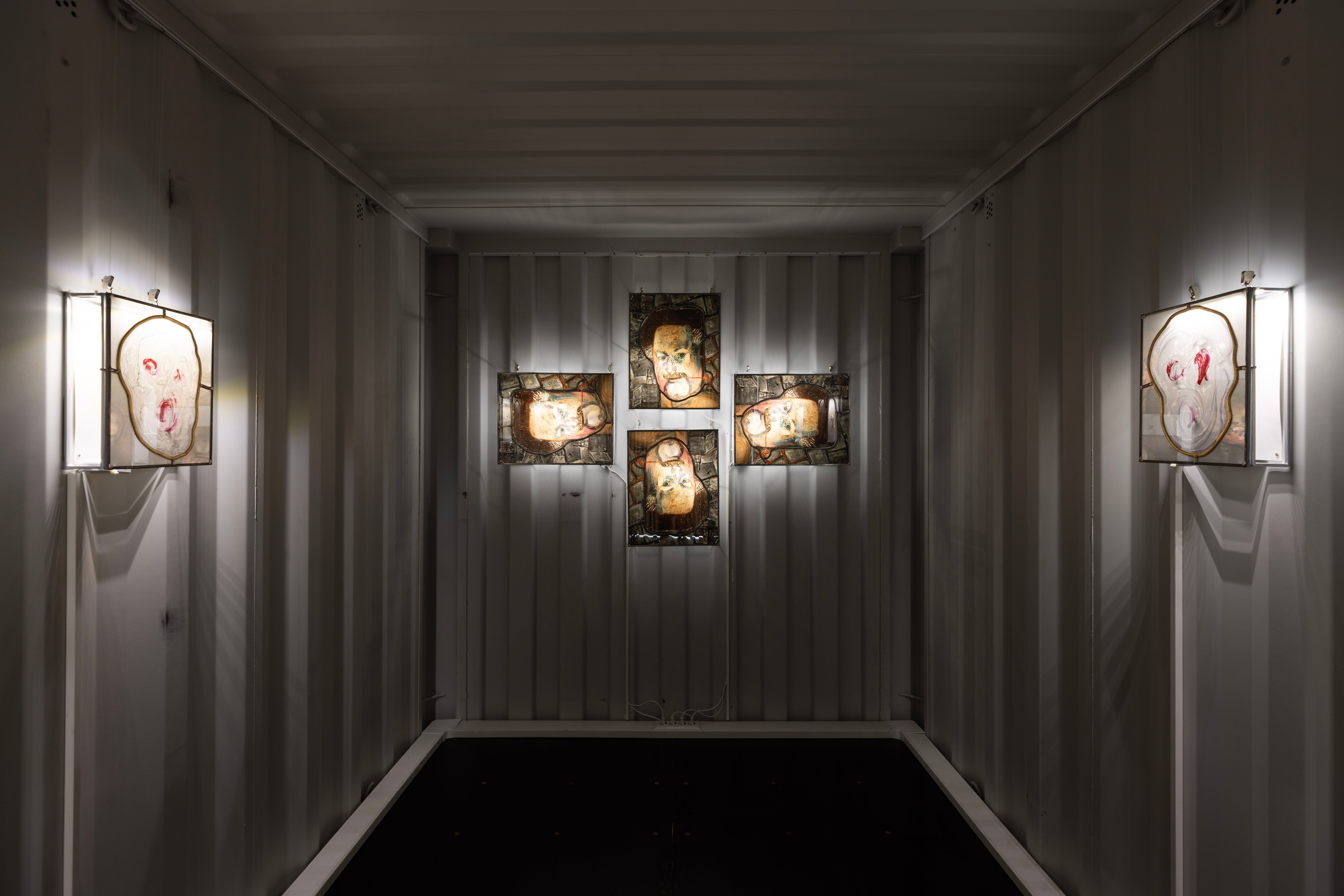
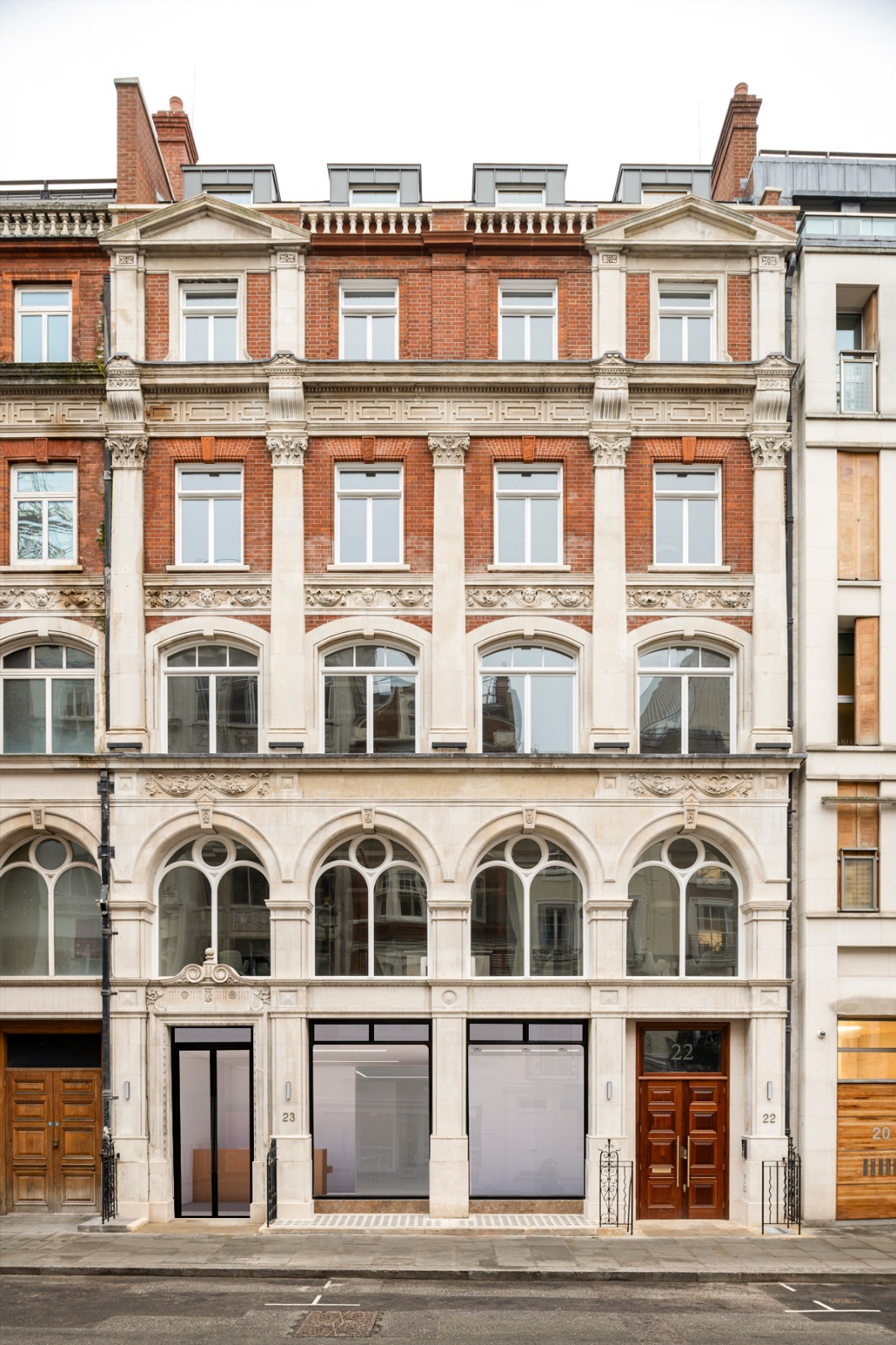
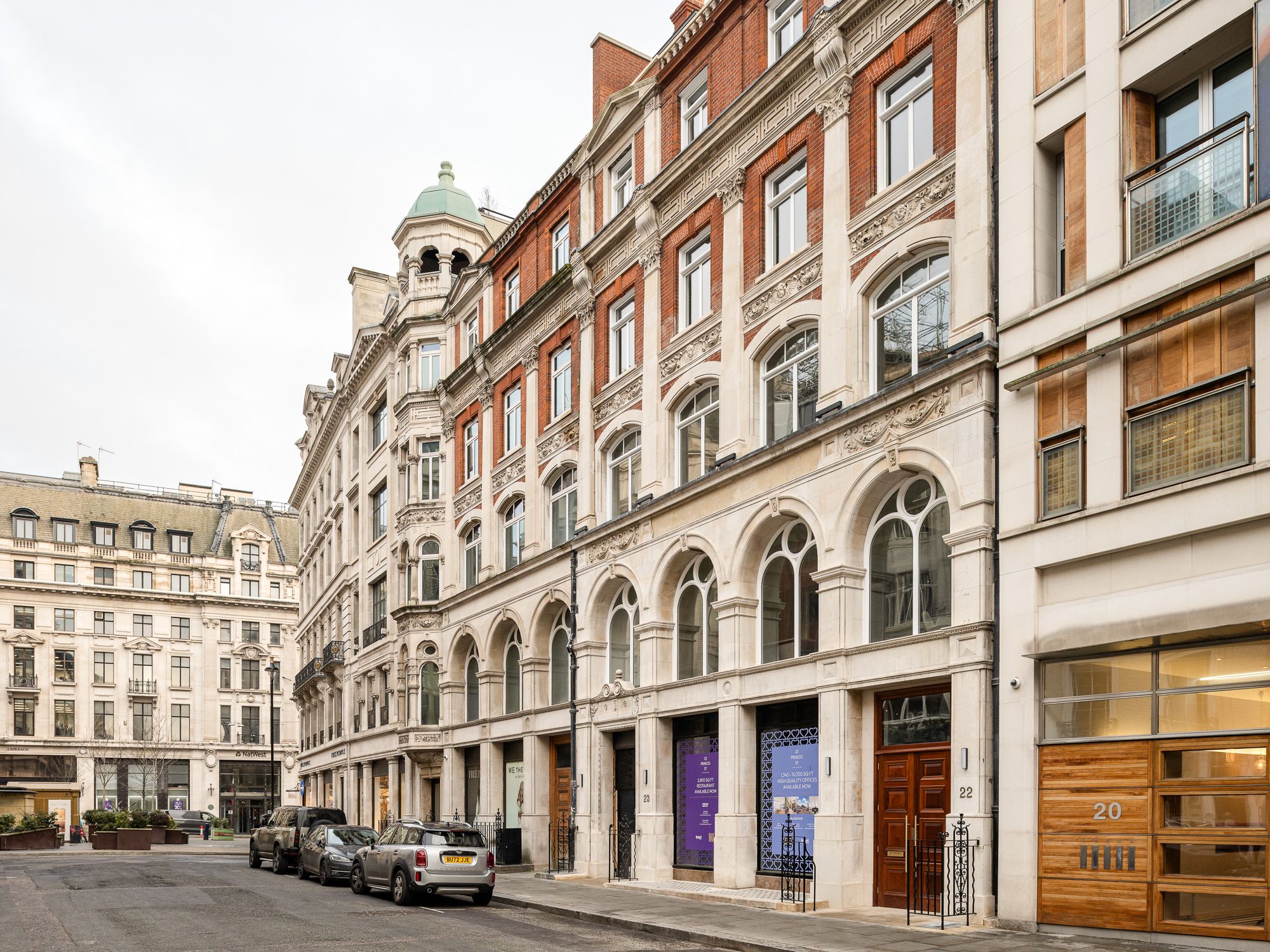
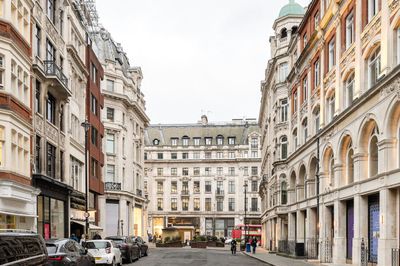
This summer, Dirimart opened its first space outside of Turkey, in London’s Mayfair. It’s a move that feels entirely in keeping with the gallery’s commitment to cosmopolitanism and cultural cross-pollination, an ethos underlined by its opening show of work by Ayșe Erkmen, I still insist. Erkmen is an Istanbul-based artist with a longstanding interest in questions of place, locality, and geography. Presented anew in London, Erkmen’s video work Dolapdere records the buildings and changing urban landscape of that gallery’s environs. The centrepiece of her London show comprised 21 pieces of wood, marked with lumps of plaster, scratches, and nails, that Erkmen brought to Mayfair from the Dolapdere space—the residues of previous exhibitions.
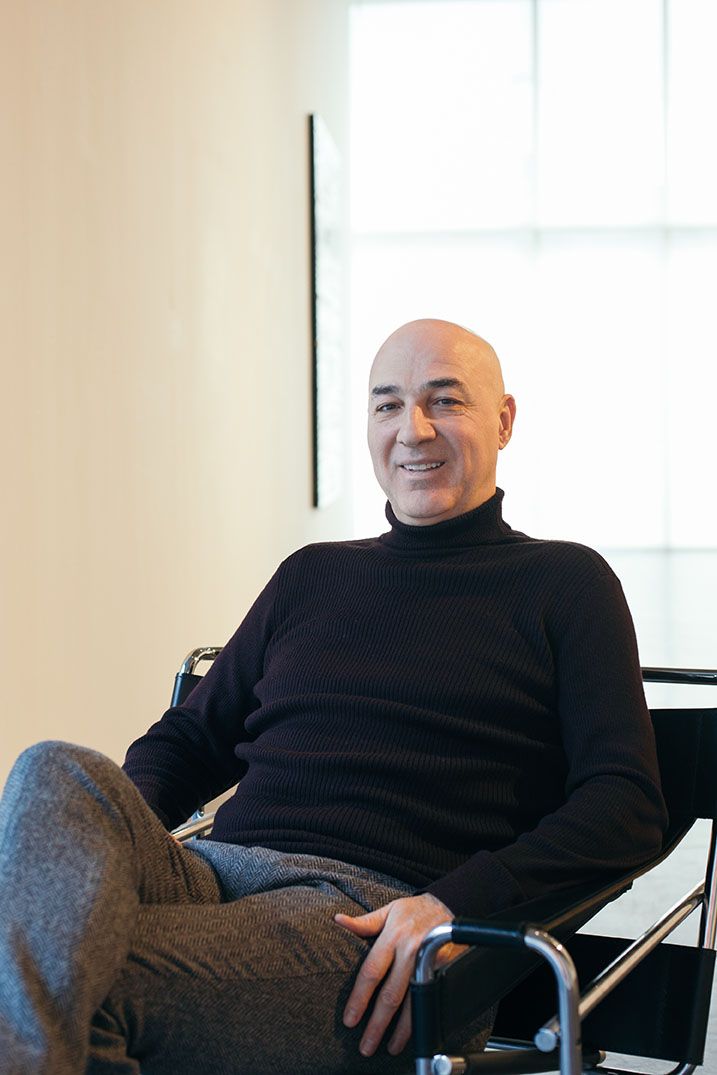
Erkmen’s work asks fundamental questions that the gallery will seek to grapple with over the coming years of programming, and thus presents a curious and self-reflective debut for Dirimart in its new context. Ocula spoke to Hazer Özil and senior director Levent Özmen about the history of the gallery, its place in Istanbul, and their plans for the future.
TR: You opened Dirimart in 2002. What was the context in which you opened the gallery?
HÖ+LÖ: In 2001, Turkey had experienced one of its most serious economic crises. It was particularly impactful on the art world because much of the demand for Turkish artists in the market came from private bank collections, which were deeply shaken by the crisis. At that time there was also a limited number of collectors, so there was a need for galleries with a different approach to making exhibitions.
Dirimart wanted to inject a thrill into the art scene, and also enlarge the number of collectors. Dirim means ‘life’ in Turkish, so fundamentally the idea was to create a gallery that brings life and art into a closer relationship.
TR: Over the years since then, the scene has changed drastically, with the emergence of a major art fair and the continued growth in impact of the Istanbul Biennial. What has that been like for your gallery? How has it shaped the way in which you think about your work as a gallery?
HÖ+LÖ: The Istanbul Biennial has always contributed greatly to the art scene in the city, in terms of providing a scene for international artists as well as educating future art professionals in Turkey. Its impact for Turkey and for the region is undeniable. It continues to be a reference point in the art world despite all the recent turbulence [the Biennial returned this year following a three-year hiatus].
With regard to the art scene in Istanbul more broadly, galleries are extremely fast-paced, which keeps the attention of art enthusiasts lively. Since its foundation, Dirimart has tried to keep the art it shows connected to the ever-changing issues of Istanbul. To do so, we have been steadily increasing the number of artists we collaborate with.
TR: How have the priorities and interests of local collectors and artists changed over that time, which has been politically and culturally turbulent in Turkey?
HÖ+LÖ: In Turkey, political turbulence is normal. Most galleries have a degree of resilience when it comes to adjusting their programmes regarding the interest of collectors. As collectors travel increasingly widely to see international fairs and exhibitions, they expect their collections to go beyond their immediate geographies. At the same time, art centres have become larger and globally more interconnected. This can make visibility challenging for artists. For that reason, Dirimart wanted to have a London space for both collectors and artists, to give them a closer connection to the global scene.
TR: Why did you choose London for your first international gallery? What makes it a better fit or a more fertile context than, say, Paris or Berlin?
HÖ+LÖ: We looked at our artist roster and realised that more than 70 percent of the artists we represent have no representation in London. This attracted us to the possibility that our programme could inject new content into the London art scene. We believed this would provide a good stage both for our artists and London’s art world.
TR: The Turkish art world is perhaps more international than ever, with many artists and curators who have left Istanbul for other major European cities. How does this shape or influence the way in which you think about opening an international gallery?
HÖ+LÖ: Despite the city being considered an international art scene, compared to other metropoles, the number of art institutions in Istanbul sadly has not been increasing. Many artists and curators have had no choice but to displace/re-place themselves to be more visible and/or to have more stability. Opening an international gallery for us is a parallel to being part of this effort to bring the artist’s content and publications to a city where there are many more art institutions and curators.
TR: You opened the gallery with a show by Ayşe Erkmen, whose work is preoccupied with ideas of geographies and the specific environments in which the works find themselves. Was this something of a mission statement for the gallery?
HÖ+LÖ: We have worked with Ayşe Erkmen since 2016 and the two shows we did already in Istanbul were always about the Dirimart space itself. Since London is Dirimart’s first international gallery space and a big step for us, we had an intuition that Erkmen would also make a show about Dirimart’s journey. Erkmen also famously says, ‘I feel happy when people are confused whether it is art or not when they see what I create.’
In parallel with Dirimart’s intention to create an element of surprise and a feeling of confusion by opening a space in London, collaborating with Erkmen was almost a natural choice for our inaugural show. Thus, I still insist, starting with its title, was a great statement for us.
TR: What does your forthcoming programme look like and what do you hope to communicate with it?
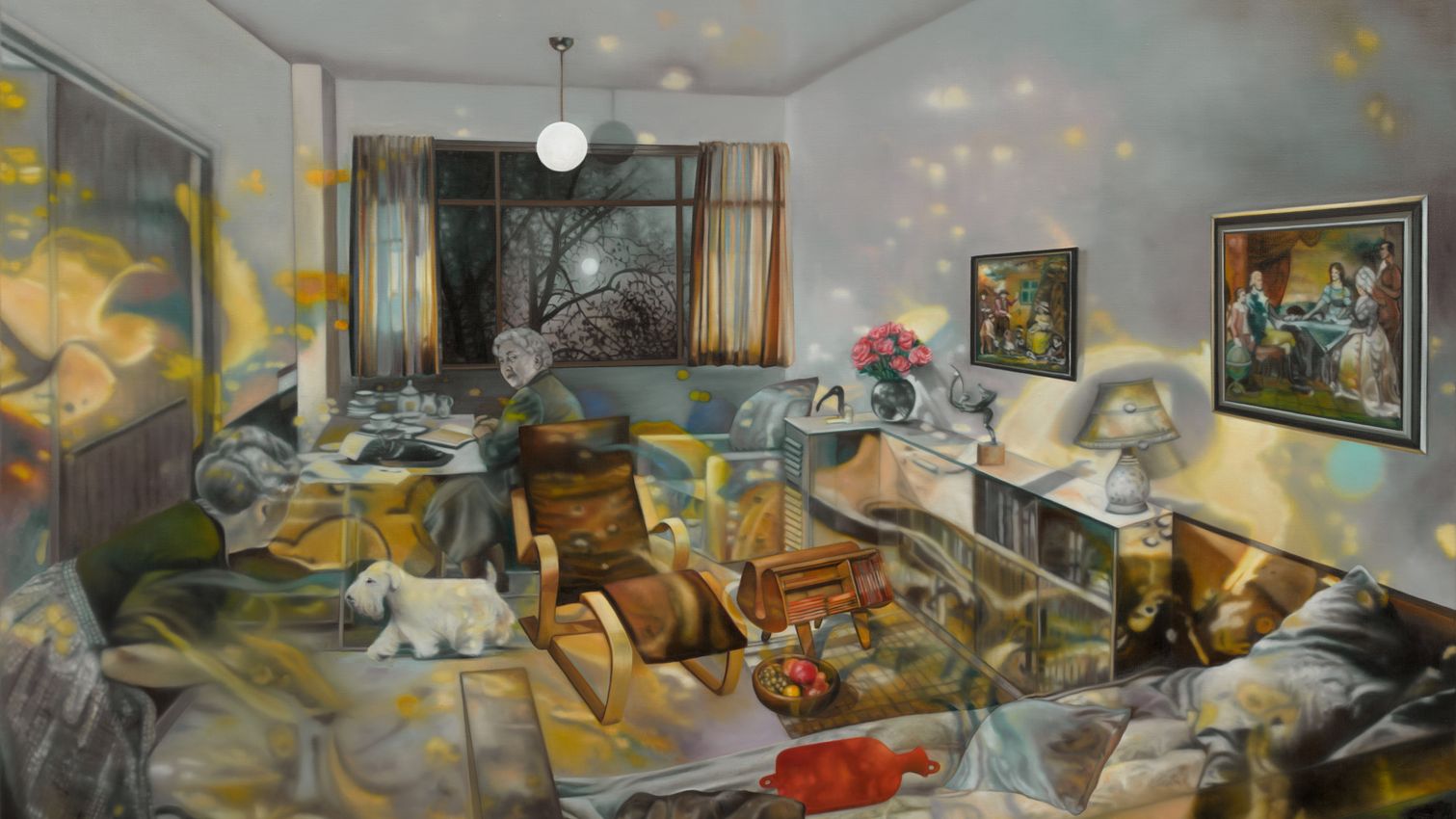
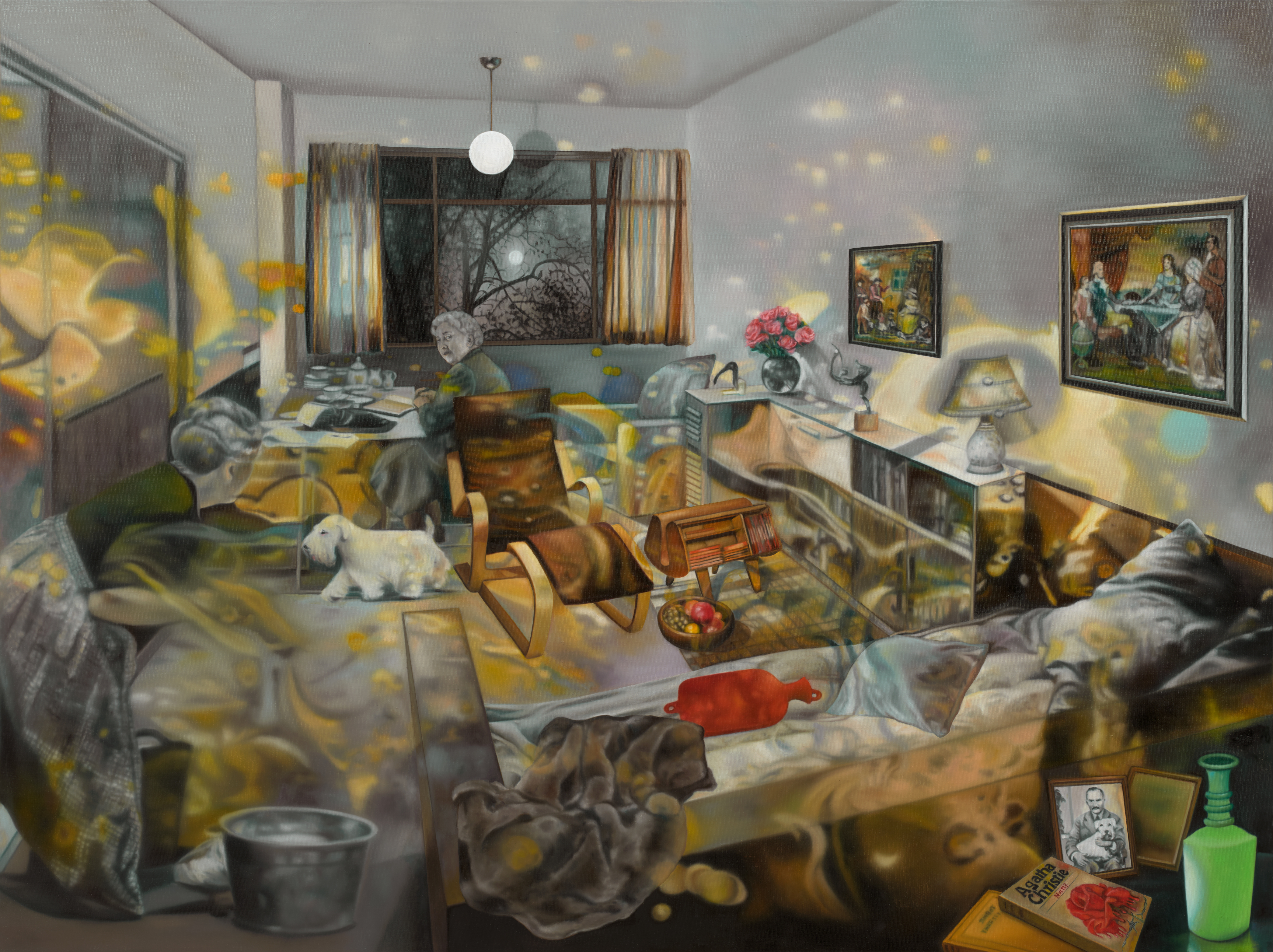
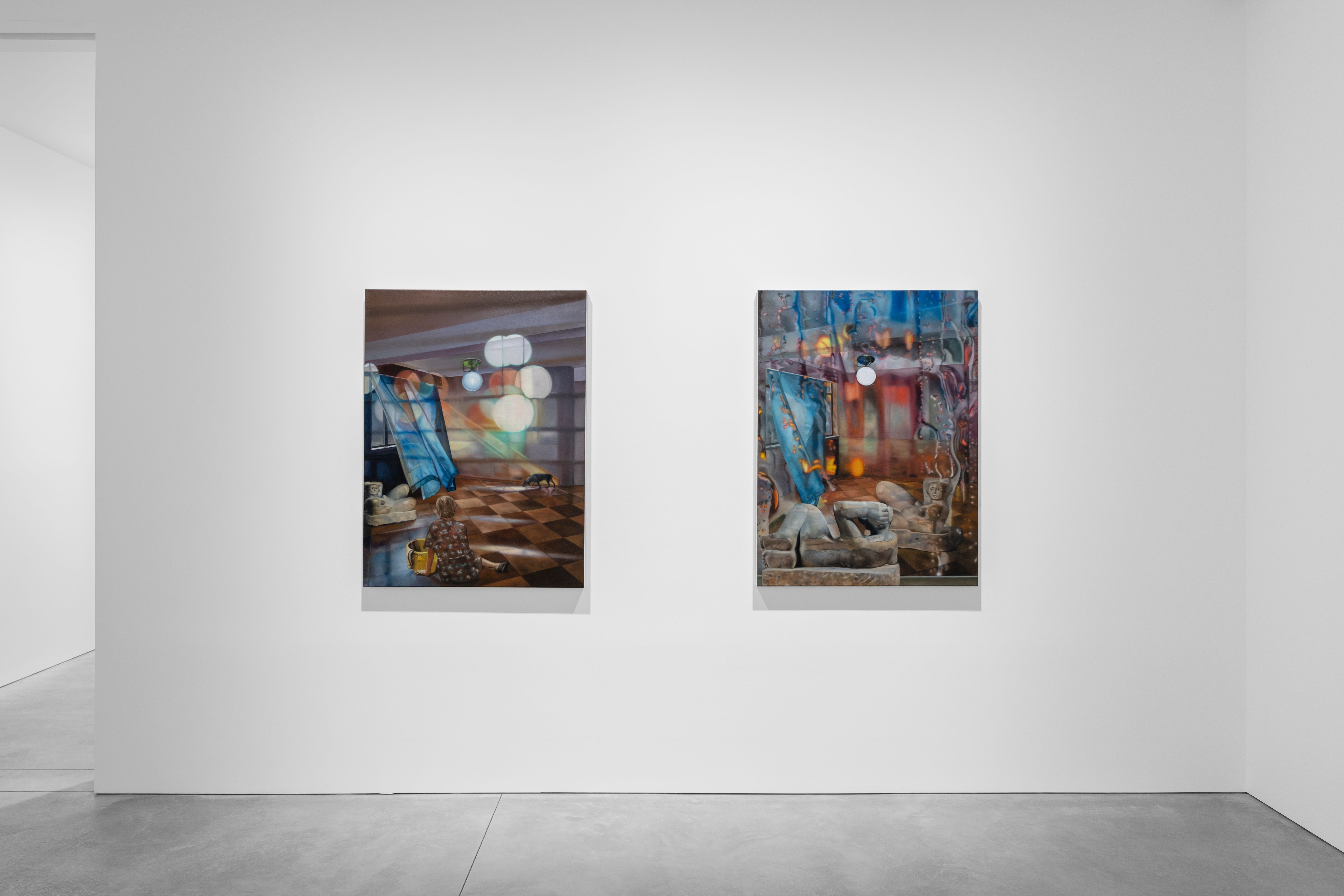
HÖ+LÖ: The London space will be as international as the Istanbul space. The Turkish artists we work with are not, predominantly, based in Istanbul anyway. So our London programme will have a balance of Turkish and non-Turkish artists. We aim to engage with the local scene, to have our artists’ shows respond to London’s history, its stories, and its urban life. Thus, our second show is by Karin Kneffel, whose exhibition is centred on the Isokon Flats—a cultural landmark and one of the pioneering examples of Bauhaus architecture in Britain.
Meanwhile, the third show, by the Turkish Armenian artist Sarkis, will be a display of the artist’s universe through his most recent works, responding to global issues with his lexicon. We hope that our programming will begin to create cross-cultural dialogue, and that we will be perceived as a gallery that is enriching the local discourse in London and beyond. —[O]
Karin Kneffel: A House in Hampstead is on view at Dirimart in London until 15 November 2025.
Çağla Ulusoy: Gardenscapes is on view at Dirimart Dolapdere in Istanbul from 22 October to 23 November 2025.




A respected voice in contemporary art discourse.
Focusing on ambitious storytelling and insightful art-world commentary. Ocula Magazine publishes in-depth interviews, critical essays and timely analysis on the artists, exhibitions and ideas driving the global art world.
Learn more about Ocula Magazine
Showcasing the best of the art world.
Ocula partners with galleries from around the world to highlight their artists, artworks and exhibitions. Gallery membership is by application and invitation, with each member vetted by an independent panel.
Learn more about Ocula Membership
Specialises in the sale of major artworks.
Led by a team with deep ties to the world’s leading auction houses, galleries and collectors. Ocula’s advisory team offers bespoke services to high-net-worth clients from around the world who are looking to acquire the best of contemporary and modern art.
Learn more about our team and services