






10 Artists Exploring Sexuality and Identity at the Venice Biennale
Save to My OculaIdentity and sexuality are ever-evolving, and frequently examined by artists across the world. Ocula’s editors round up the Venice Biennale exhibitions considering bodies, souls and personal politics.
Gabrielle Goliath, Elegy, at Chiesa di Sant’Antonin in Castello
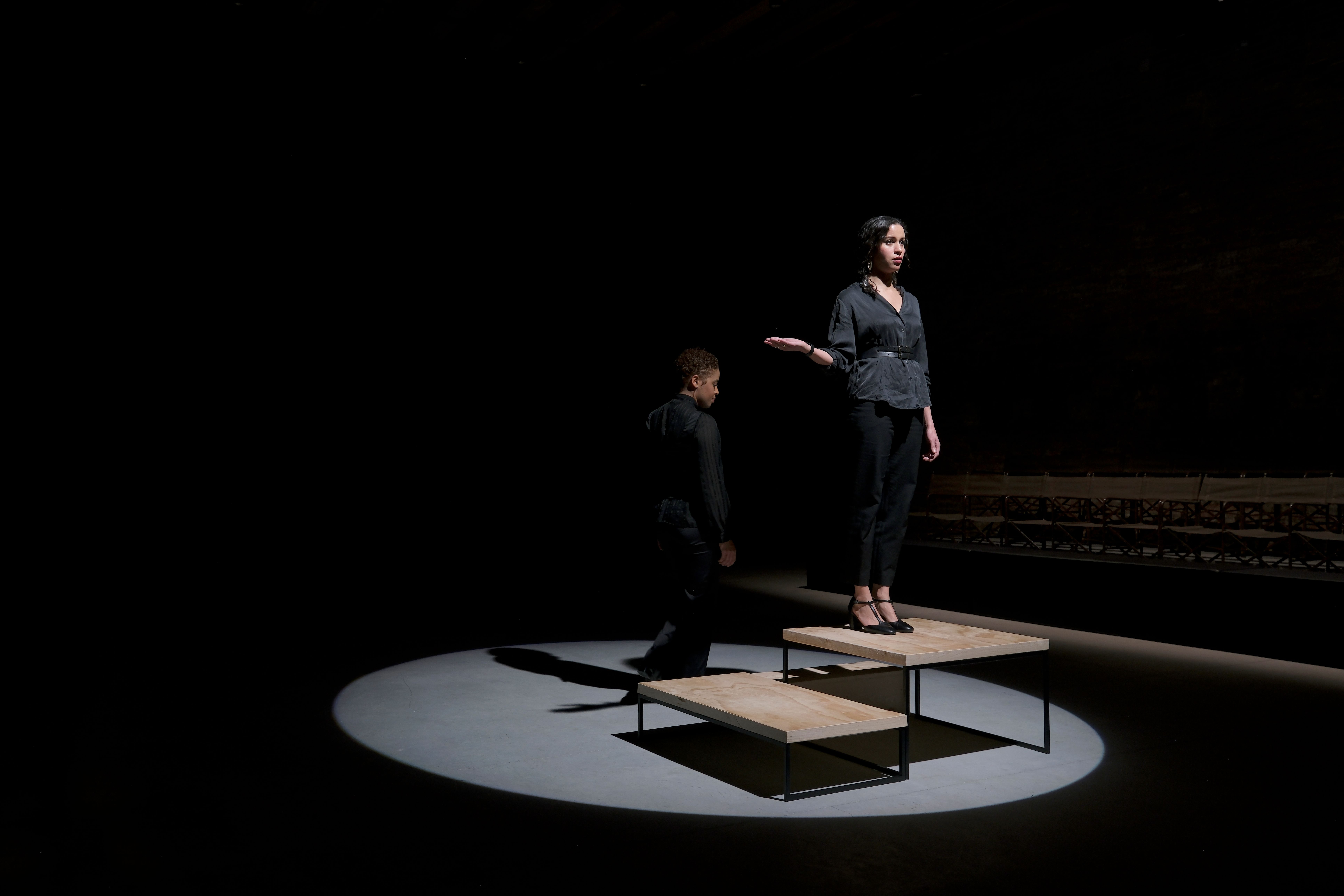
Briefly, Gabrielle Goliath was South Africa’s chosen artist for the 61st edition for the Venice Biennale. Then, suddenly, she was not. Her haunting performance, Elegy, was branded “divisive” by South Africa’s arts and culture minister, and her invitation to represent the country was revoked. Yet, in a radical response befitting of this powerful artist, she ensured that her lament for victims of femicide, displacement and conflict will still show in Venice this spring. The hour-long performance, throughout which opera singers sustain a single, moving note, will be presented as a multi-channel video installation, calling on women, LGBTQIA+ communities and allies to rally against rape culture in South Africa, and in defence of Palestinians. Reaffirming the ways in which Black, brown, femme and queer practices reflect the world, Goliath will deliver intertwined narratives of violence, mourning and care—and, in doing so, will create a further act of defiance. —Philippa Kelly
Florentina Holzinger, Seaworld Venice, in the Austrian pavilion
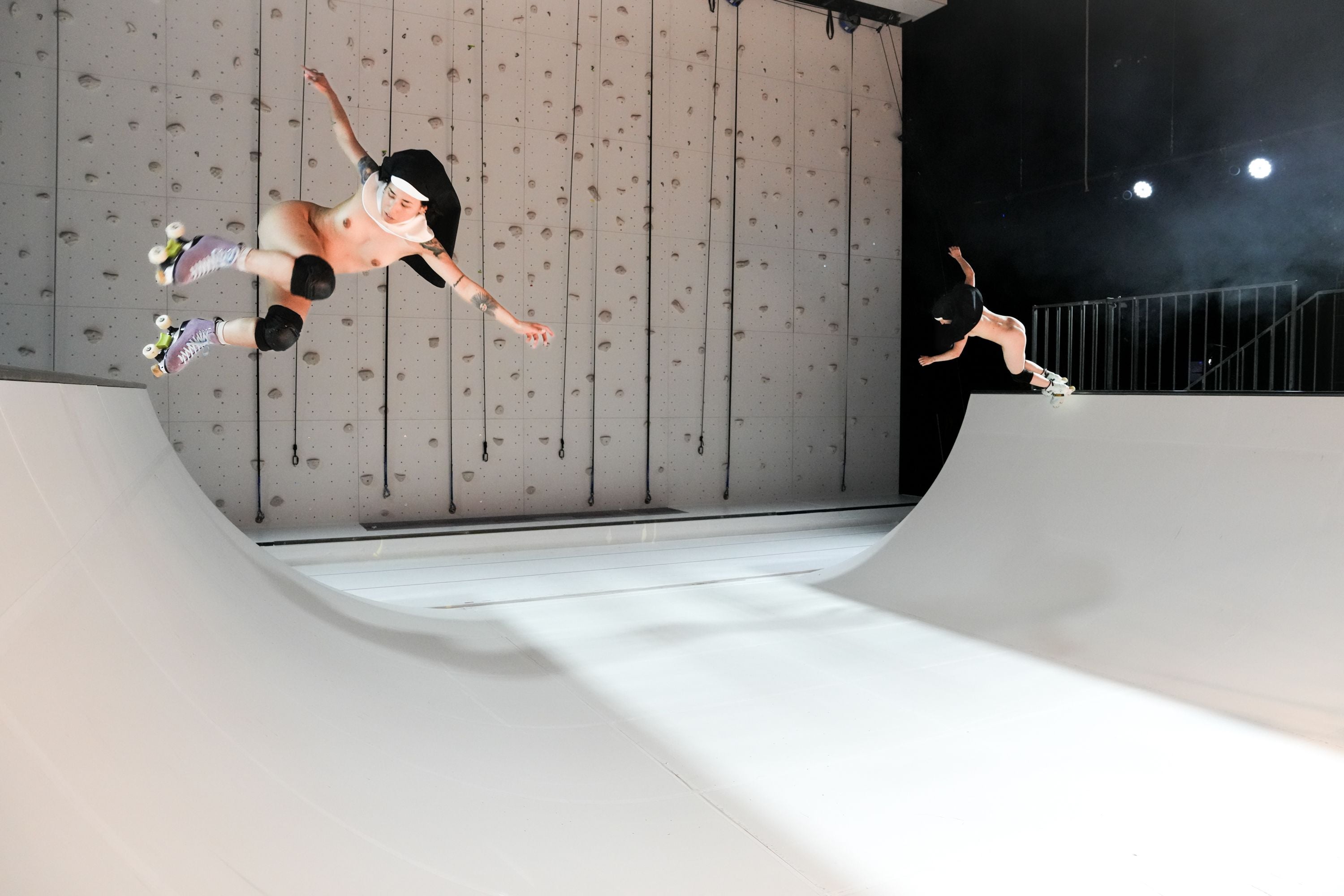
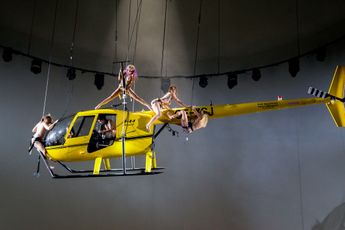
The universe of Austrian artist Florentina Holzinger is one of excess, filth, and extremity: nude bodies sounding church bells, performers suspended and propelled through space on motorbikes, flesh merging with prosthesis in unstable hybrids. Trained in choreography but moving freely between theatre, opera and performance, Holzinger treats the female body as material in constant transformation: at once object, vessel, ritual instrument, and site of disruption. Holzinger’s Seaworld Venice is an imagined underwater theme park referencing the Floating City’s own precarity. The fixation on bodily fluids and permeability finds a charged echo in a destination facing rising sea levels and gradual submersion. The pavilion becomes a stage where water, spectacle and collapse converge—part amusement park, part dystopian ritual—folding ecological anxiety into Holzinger’s ongoing inquiry into control, exposure, and the limits of the body. —Shanyu Zhong
Dries Verhoeven, The Fortress, at the Dutch pavilion
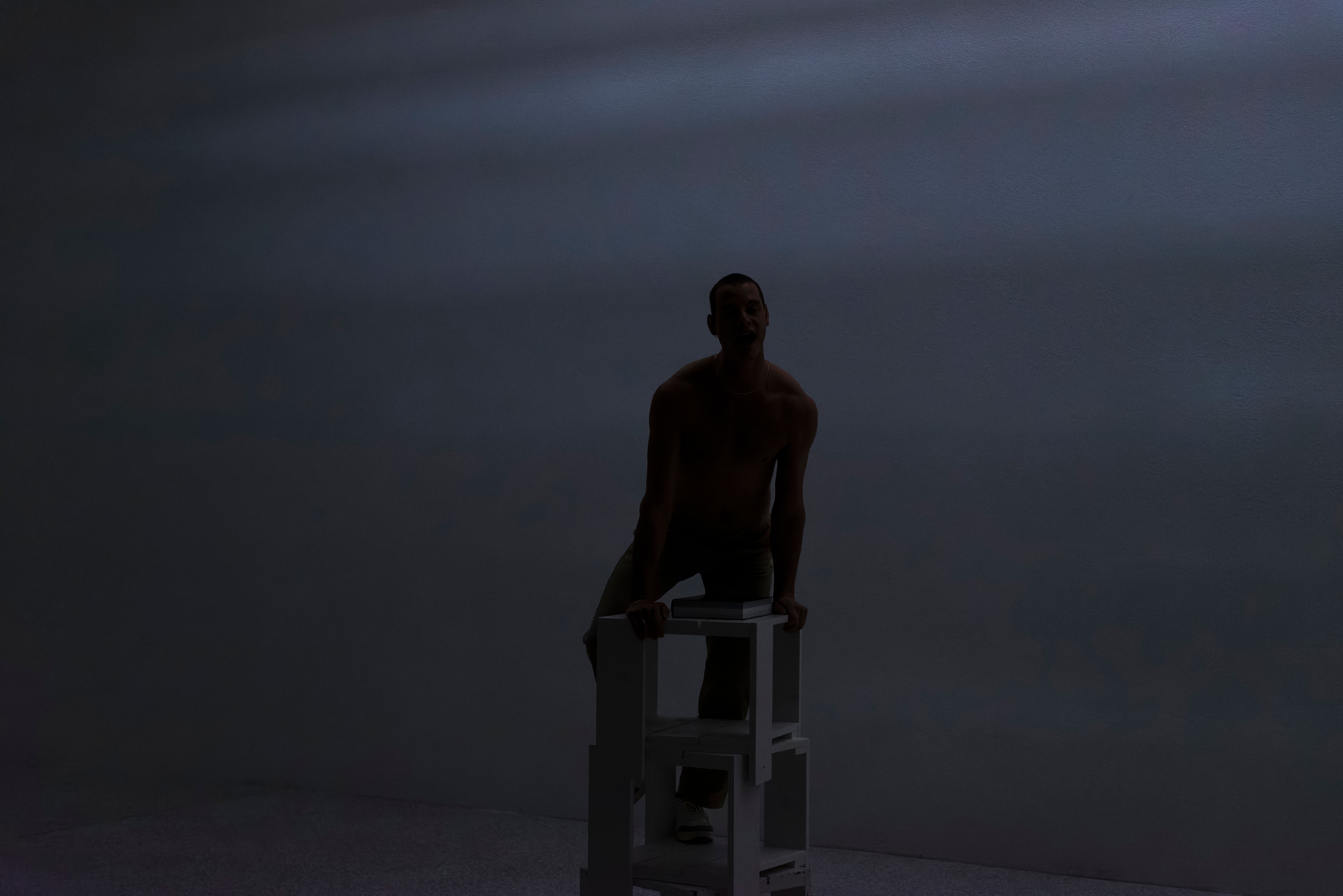
The uneven power structure inherent in spectatorship is key to Dries Verhoeven’s live, sculptural and film installations, a theme he takes forward with The Fortress. At fixed intervals each day, steel shutters gradually cover the glass façade of the pavilion, isolating it from the Giardini outside. It is an outward refusal to participate in the anachronistic charade of nations coming together for the biennale. In the darkened interior, performers move further from the audience, creating a strange twilight zone that recalls the insular escapism of the nightclub rather than the public presentation of an artwork on a global stage. It represents the queering of the spectacle of the Venice Biennale and builds upon prior works including The NarcoSexuals (2022), in which audiences peered through the windows of a family home to glimpse the abstracted presentation of a chemsex party. In both works, the audience is at once enveloped in the performance and yet alienated, a participant and an observer. —Louise Benson
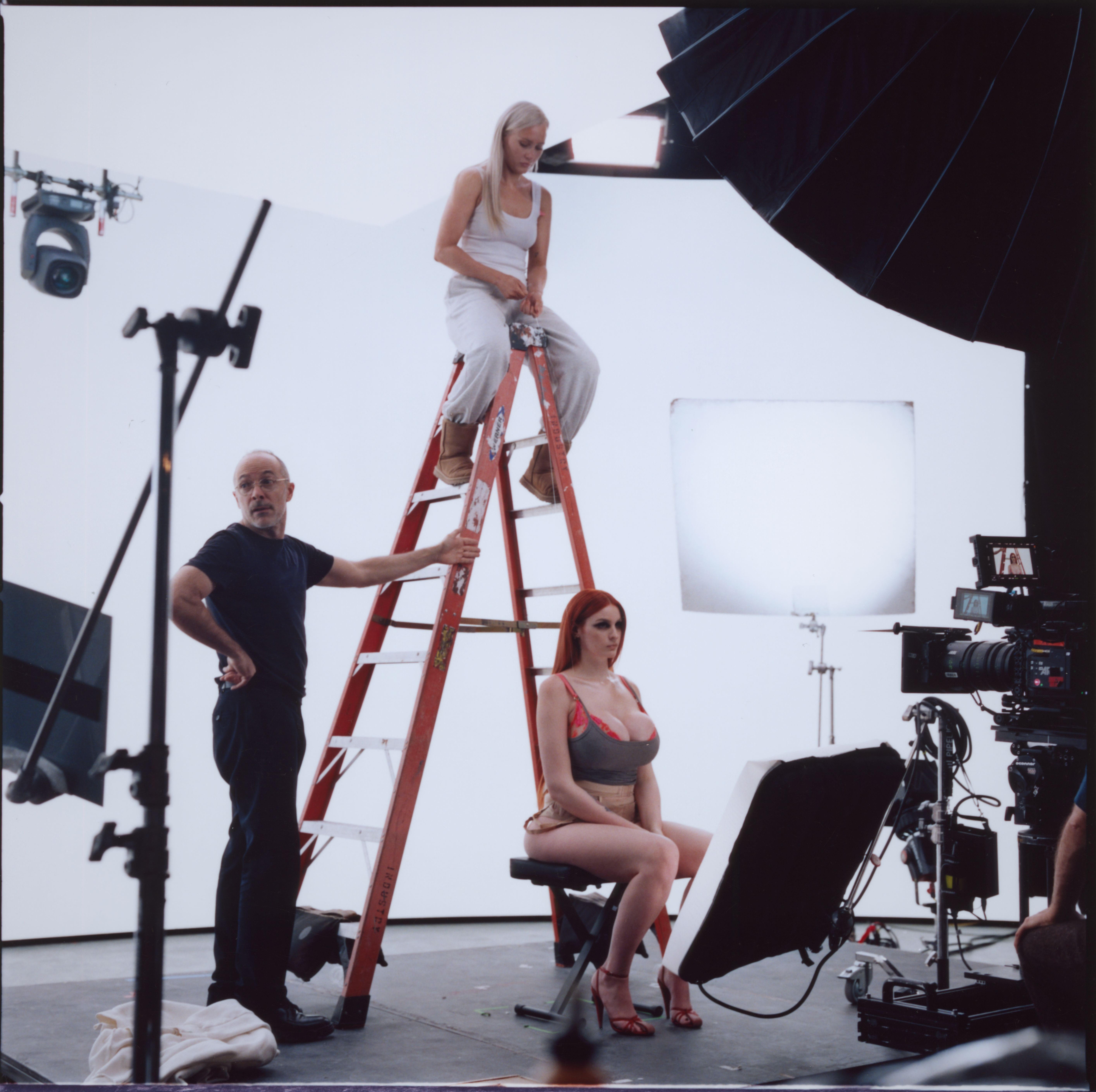
Maja Malou Lyse, Things to Come, in the Danish pavilion
In 2021, sperm donor clinic Cryos International introduced VR headsets as an optional add-on to the “donor experience”. According to Endocrine News, the clinic was unaware that this initiative would play a role in higher sperm quality, apparently enhancing fertility by as much as 50 percent. Maja Malou Lyse’s Things to Come is a film that analyses our contemporary world of dwindling sperm counts and “endlessly reproducible pornography, where reproductive science and genetic engineering increasingly detach sex from reproduction”. The title of the film comes from a 1936 science-fiction movie based on HG Wells’ The Shape of Things to Come, wherein a zombie-like illness eliminates half of humanity and all of the functioning government. Lyse’s film is designed to push against such a deadening, operating “as a manifesto for a contemporary naturalism”. The artist said in a statement: “I am ready to give the biennale some sex appeal.” Hallelujah. —Aimee Walleston
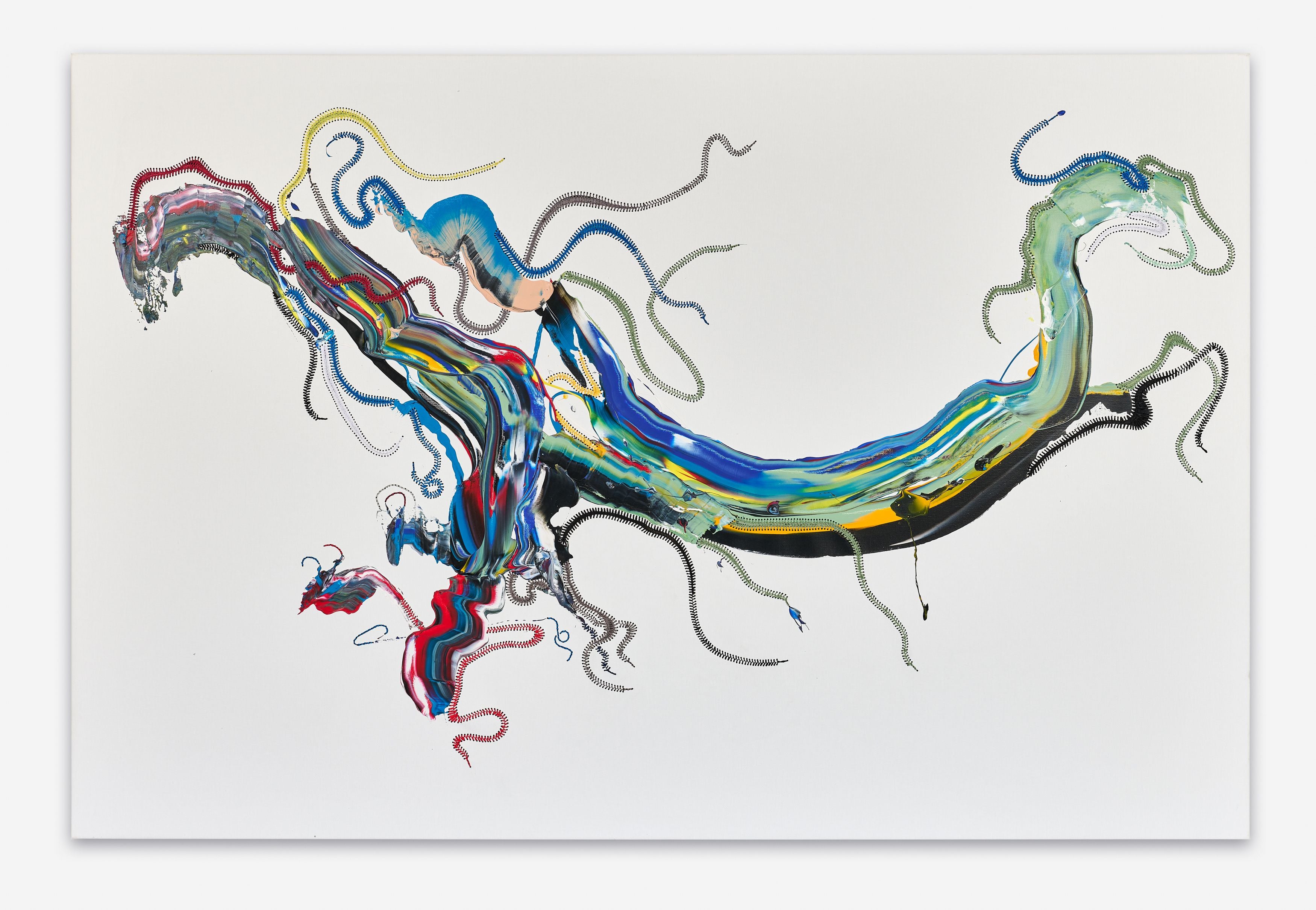
Nicholas Hlobo, In Minor Keys, in the Arsenale
In 2011, the South African artist Nicholas Hlobo suspended a stitched, winged creature made of rubber inner tubes and red ribbon between the brick pillars of Venice’s Arsenale, the site of the main Biennale exhibition. Fifteen years later, Hlobo returns to the same venue with the same set of materials, this time to show a series of mixed-media canvases. Hlobo’s sculpture, performance and installation is driven by a tension between materials—most notably rubber, with its associations of industrial production, kink and condoms—and the slow, meticulous labour of stitching with satin ribbon. This act of binding, both repair and transformation, becomes a way of moving between his South African Xhosa heritage and queer identity. By threading and weaving into forms that echo structures like the traditional kraal livestock enclosures, Hlobo unsettles the architecture of patriarchal authority, softening its boundaries while exposing its fragility. —Shanyu Zhong
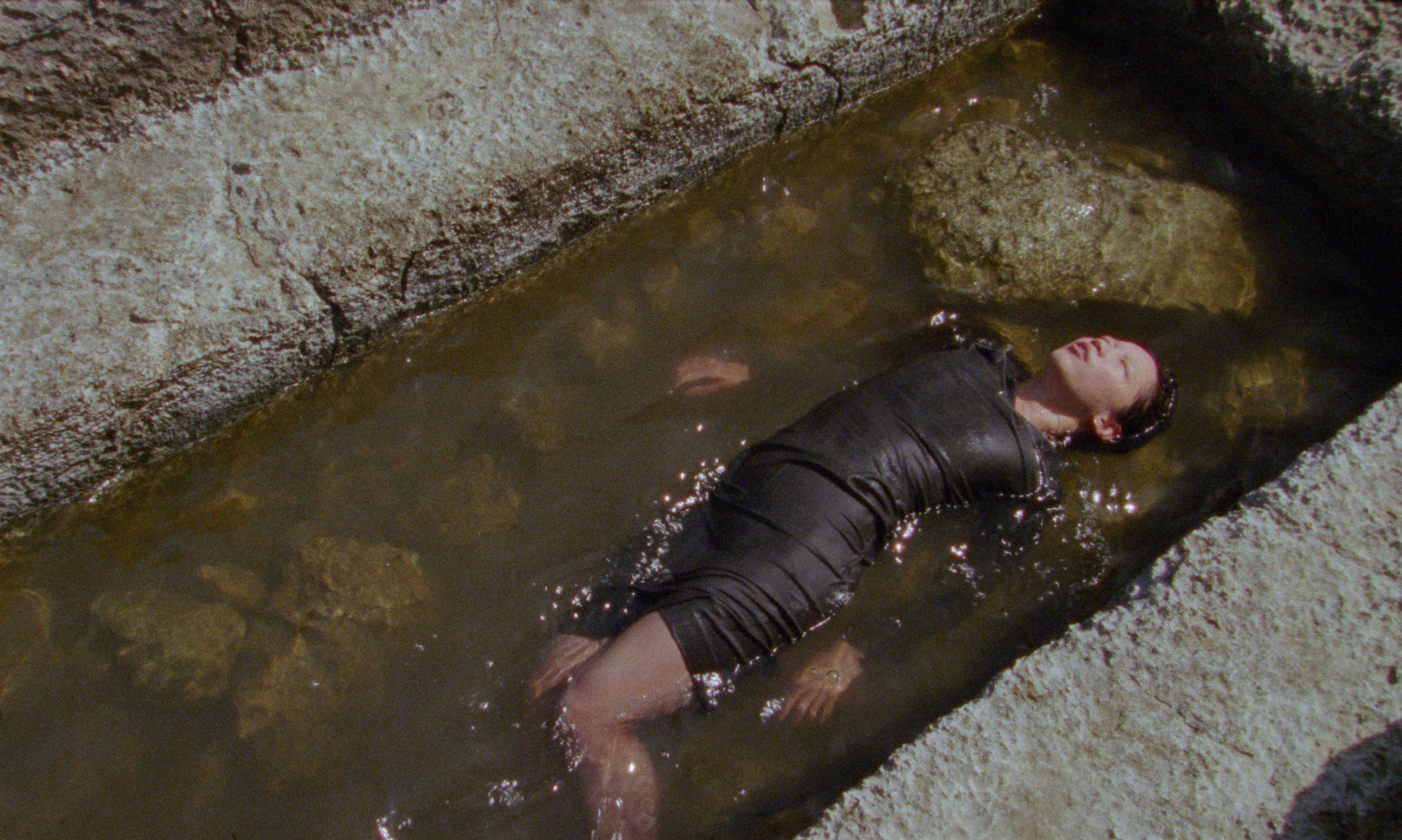
Eglė Budvytytė, Animism Sings Anarchy, in the Lithuanian pavilion
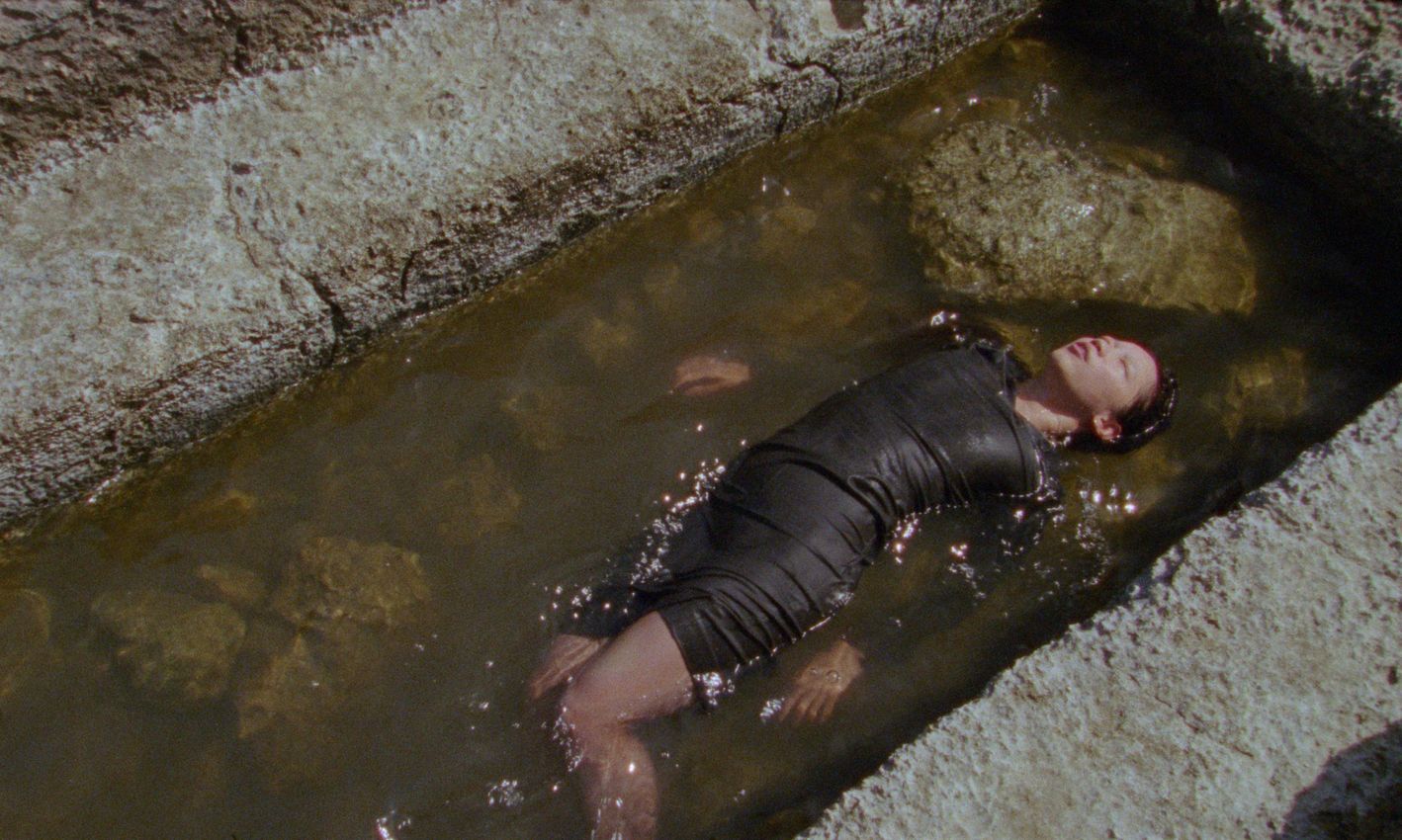
Imagine that Europe was once shaped by egalitarian, goddess-centred social relations, who were later displaced by patriarchal warmongers. This was the speculative feminist theory put forward by Lithuanian archaeologist and anthropologist Marija Gimbutas, and is a point of departure for the Lithuanian artist Eglė Budvytytė for her Venice pavilion. In Animism Sings Anarchy, a three-channel film installation, Budvytytė’s signatures are visible: song as script, choreography developed on site, bodies moving in unison. Her performers are captured at the Museo delle Civiltà in Rome and the Grotta Scaloria caves near Apulia, both excavation sites where Gimbutas developed her “Old Europe” thesis. We see museum vitrines and coastline, caves and seepage, while 3D-printed models and fragile photocopies of deities star as Gimbutas’s goddesses. —Zian Chen
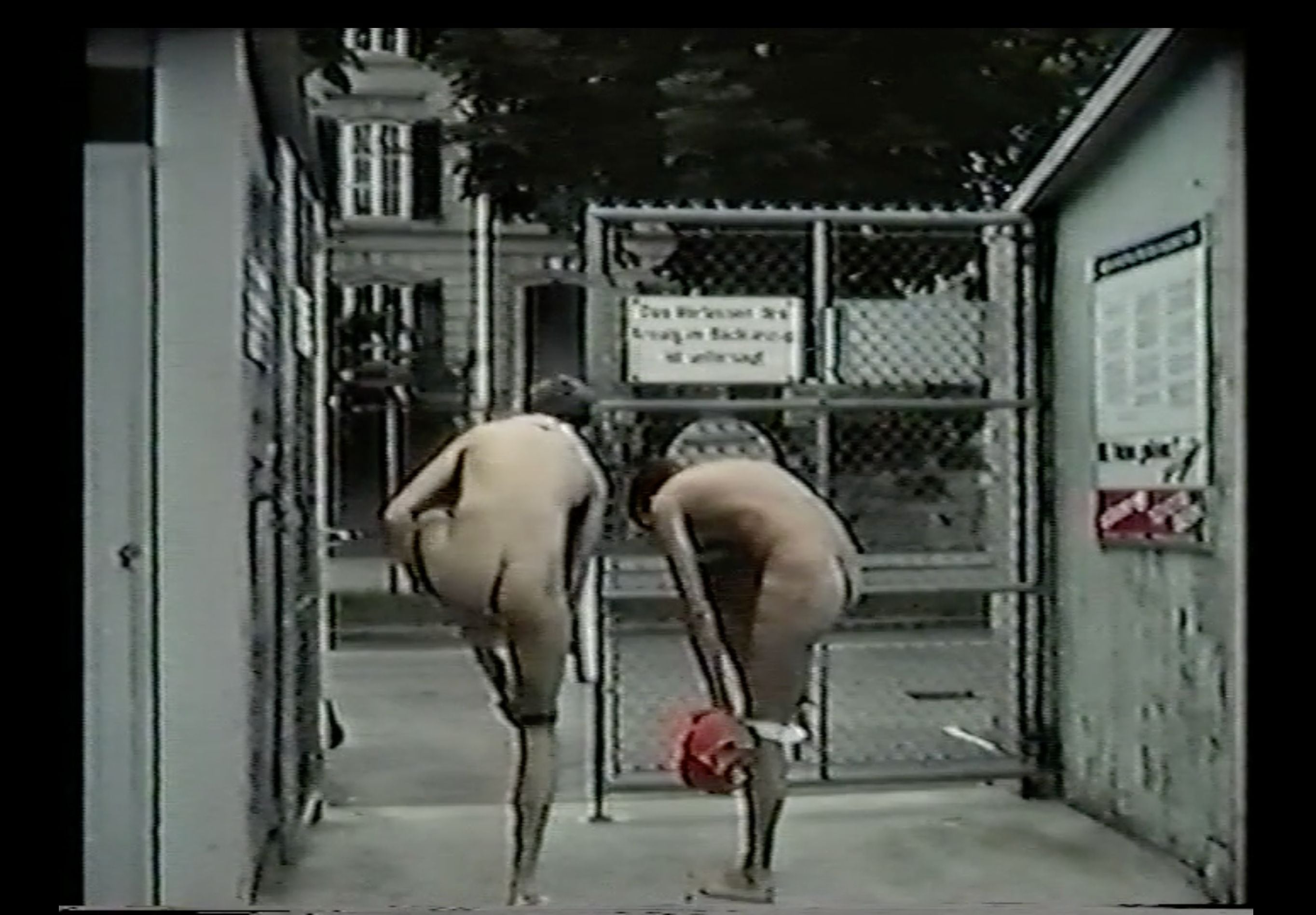
Gianmaria Andreetta, Luca Beeler, Nina Wakeford, Miriam Laura Leonardi, Lithic Alliance and Yul Tomatala, The Unfinished Business of Living Together, in the Swiss Pavilion
In 1978, a live debate on the “problem of homosexuality” was broadcast live on Swiss public television, marking one of the first public appearances of openly queer people in mainstream Swiss culture and marking a turning point on who was allowed to speak on the subject of sexuality. The voices in this conversation are the first thing that visitors to the Swiss pavilion at this year’s Venice Biennale will hear. The installation, titled The Unfinished Business of Living Together, a collaboration between curators Gianmaria Andreetta and Luca Beeler and artist Nina Wakeford, centres on a video merging archive footage with new images and sound, including free vocal improvisation inspired by lesbian jazz pianist Irene Schweizer. It seeks to re-enact, explore and challenge the atmosphere of the talk show, and to raise the question of how an archive can be re-activated in contemporary culture. —Baya Simons
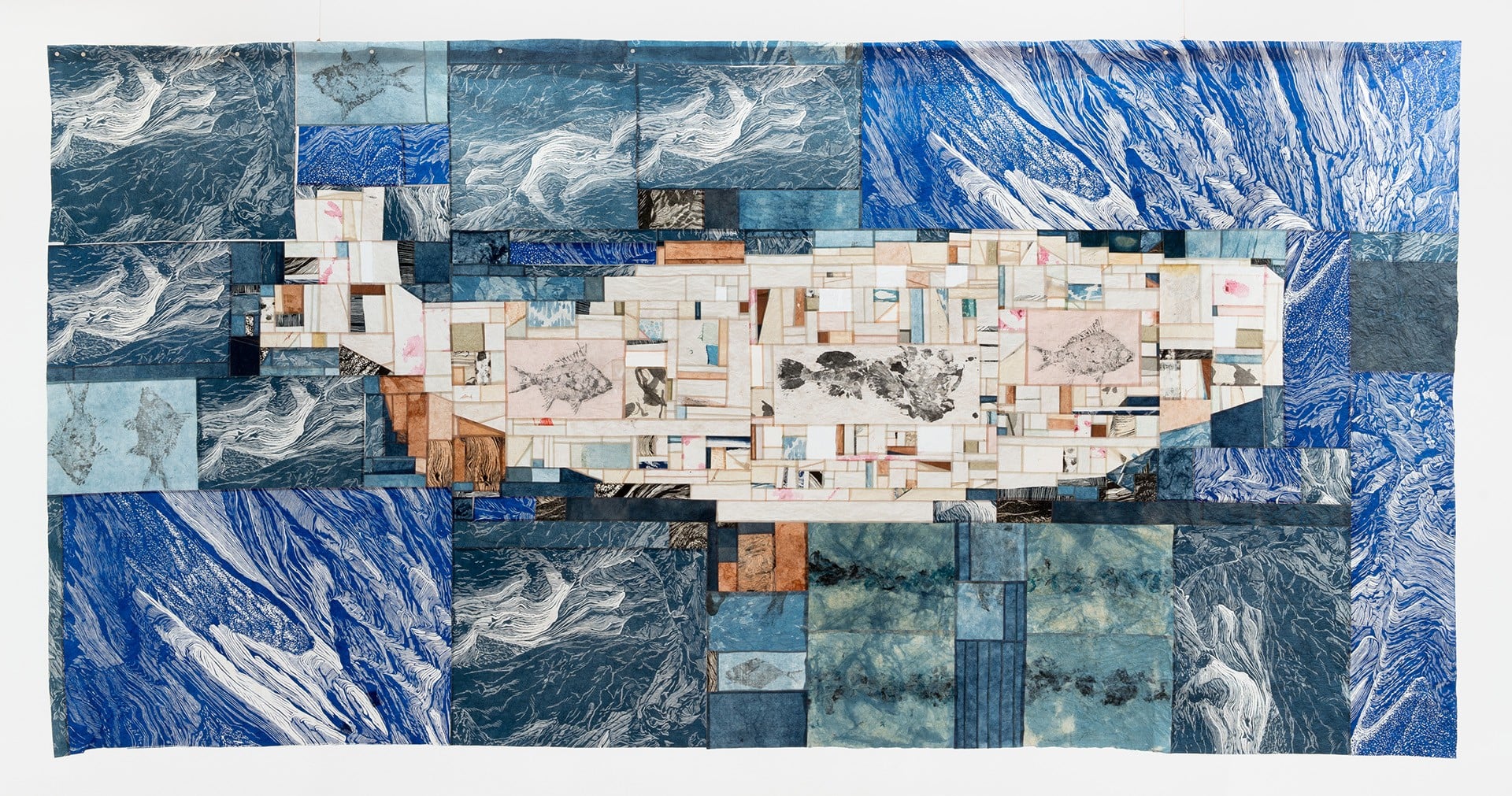
Alexa Kumiko Hatanaka, In Minor Keys, in the Giardini
Japanese-Canadian artist Alexa Kumiko Hatanaka interweaves the heritage of washi—the Japanese tradition of paper-making—with her own family history of migration. Wearable paper garments and patchworked banners are imbued with a keen sense of the base elements that comprise each sheet of handmade paper, with a particular reference to the sea in an age of climate crisis. She employs gyotaku (the Japanese method of applying non-toxic ink to fish and printing their scales and form directly on to paper) to introduce a literal impression both of a fishing industry that has increasingly threatened the natural balance of global ecosystems beneath the water, and of the sea as a place of nourishment for generations of humans. In the hands of Kumiko Hatanaka, the ocean becomes a site both of turmoil and protection, which she has described as an apt reflection of her own experience as a queer individual living with bipolar disorder. —Louise Benson
![Bugarin + Castle, Mr. Mimic [Submit to Sound] (2026). Photo (detail).](https://files.ocula.com/rf/2d/2dbb3311-dc25-4084-8f88-9ab002c0cd33/bugarin-castle-mr.jpg)
Bugarin + Castle, Shame Parade, in the Scottish pavilion
One of the buzziest and most anticipated stagings at the biennale this year is from Bugarin + Castle, the artist duo representing Scotland with their multimedia work Shame Parade. Davide Bugarin and Angel Cohn Castle reverse-engineer social transgression by creating a time-bending queer and transgender reimagining of pre-modern-European rituals that acted as a form of social control and vigilante justice through the staging of discordant public processions designed to shame individuals who violated community norms (such as adulterers, unequal marriages, or abusers). For Shame Parade, the duo transform these customs into “a contemporary language, bringing together 14th-century court transcripts, satirical 18th-century engravings, karaoke ballads, medieval armour and Filipino vehicle art”. Beyond their art practices, the duo also perform in drag as Hairy Teddy Bear (Bugarin) and Pollyfilla (Castle), through Pollyanna, a Scottish queer arts company founded by Castle more than 10 years ago. —Aimee Walleston
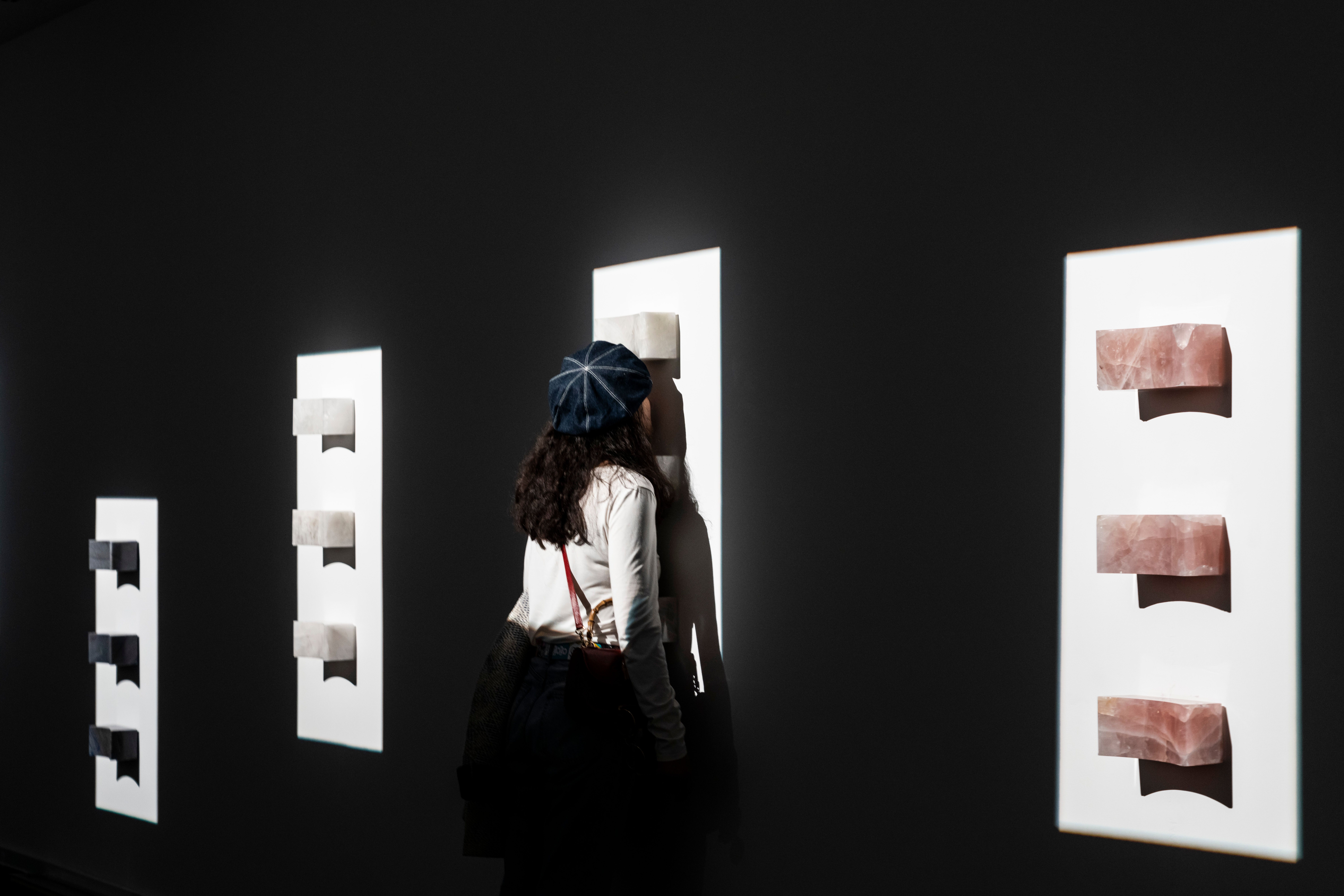
Marina Abramović, Transforming Energy, at the Gallerie dell’Accademia
Marina Abramović becomes the first living woman to exhibit at the Gallerie dell’Accademia, showing more than five decades’ work that has probed, questioned and exposed how we think about the body, intimacy, touch and relationships. The show includes her breakthrough piece of performance art, Rhythm 0 (1974), which saw her stand in a gallery for six hours and inviting the audience to use any of 72 different objects on her “as desired”, ranging from items associated with sensuality (a rose, perfume, grapes, honey) to violence (a gun, a knife). Elsewhere, you can see Imponderabilia (1977), her performance with then-partner Ulay in which visitors squeezed between their naked bodies positioned on either side of a doorway. Elsewhere, her work is placed in conversation with star pieces from the Gallerie’s collection: Abramović’s Pieta (1983), a photograph of Abramović in a red dress holding Ulay, in dialogue with Titian’s Pietà (1575). —Baya Simons
Main image: Eglė Budvytytė, Animism Sings Anarchy (2026). Three-channel film installation. © Eglė Budvytytė, 2026




A respected voice in contemporary art discourse.
Focusing on ambitious storytelling and insightful art-world commentary. Ocula Magazine publishes in-depth interviews, critical essays and timely analysis on the artists, exhibitions and ideas driving the global art world.
Learn more about Ocula Magazine
Showcasing the best of the art world.
Ocula partners with galleries from around the world to highlight their artists, artworks and exhibitions. Gallery membership is by application and invitation, with each member vetted by an independent panel.
Learn more about Ocula Membership
Specialises in the sale of major artworks.
Led by a team with deep ties to the world’s leading auction houses, galleries and collectors. Ocula’s advisory team offers bespoke services to high-net-worth clients from around the world who are looking to acquire the best of contemporary and modern art.
Learn more about our team and services