





Matthew Wong's Solitude and Longing in New York
Matthew Wong described his paintings as portrayals of personal and universal nostalgia. Save to My Ocula

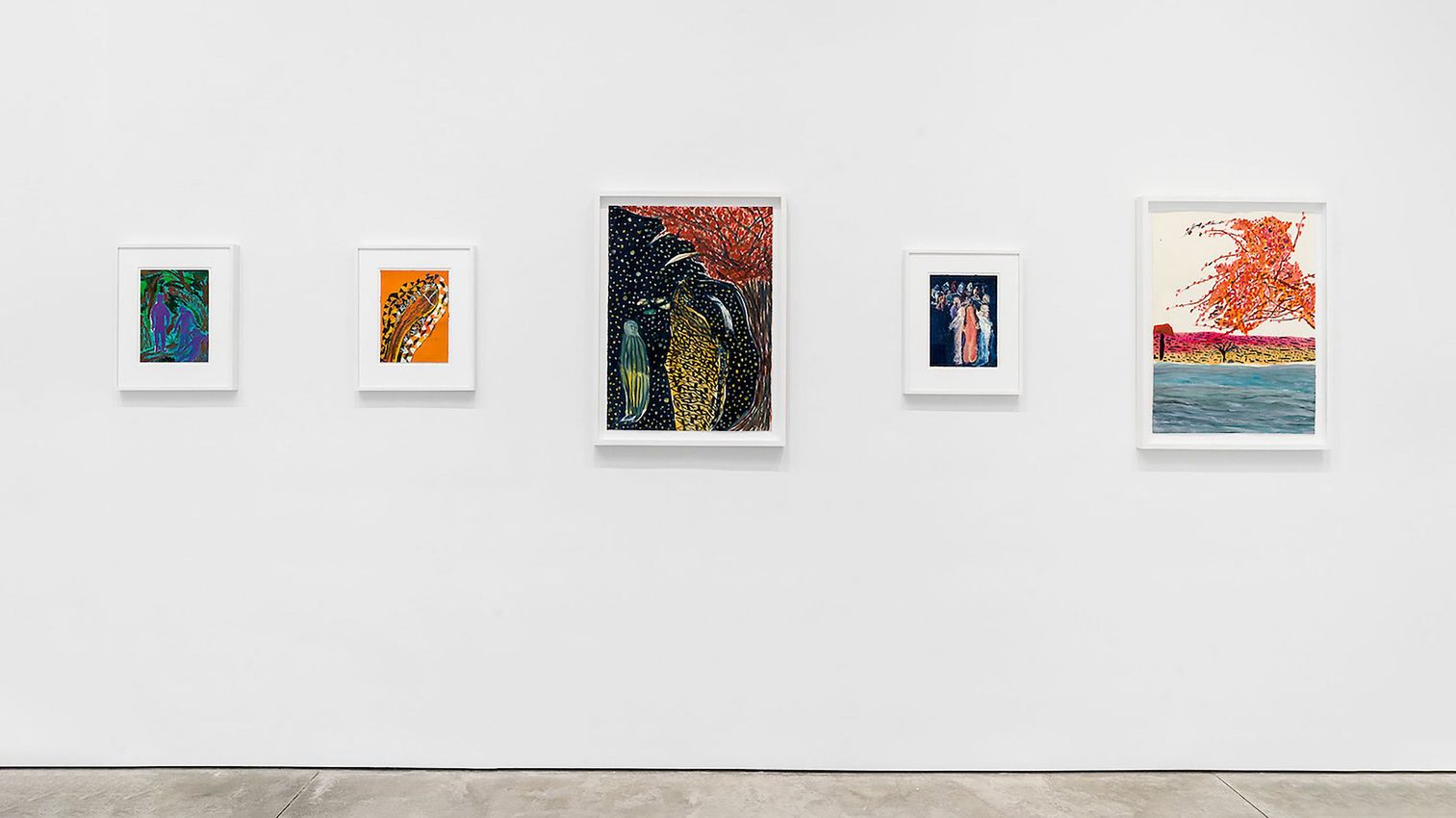
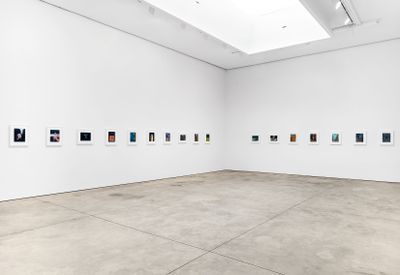
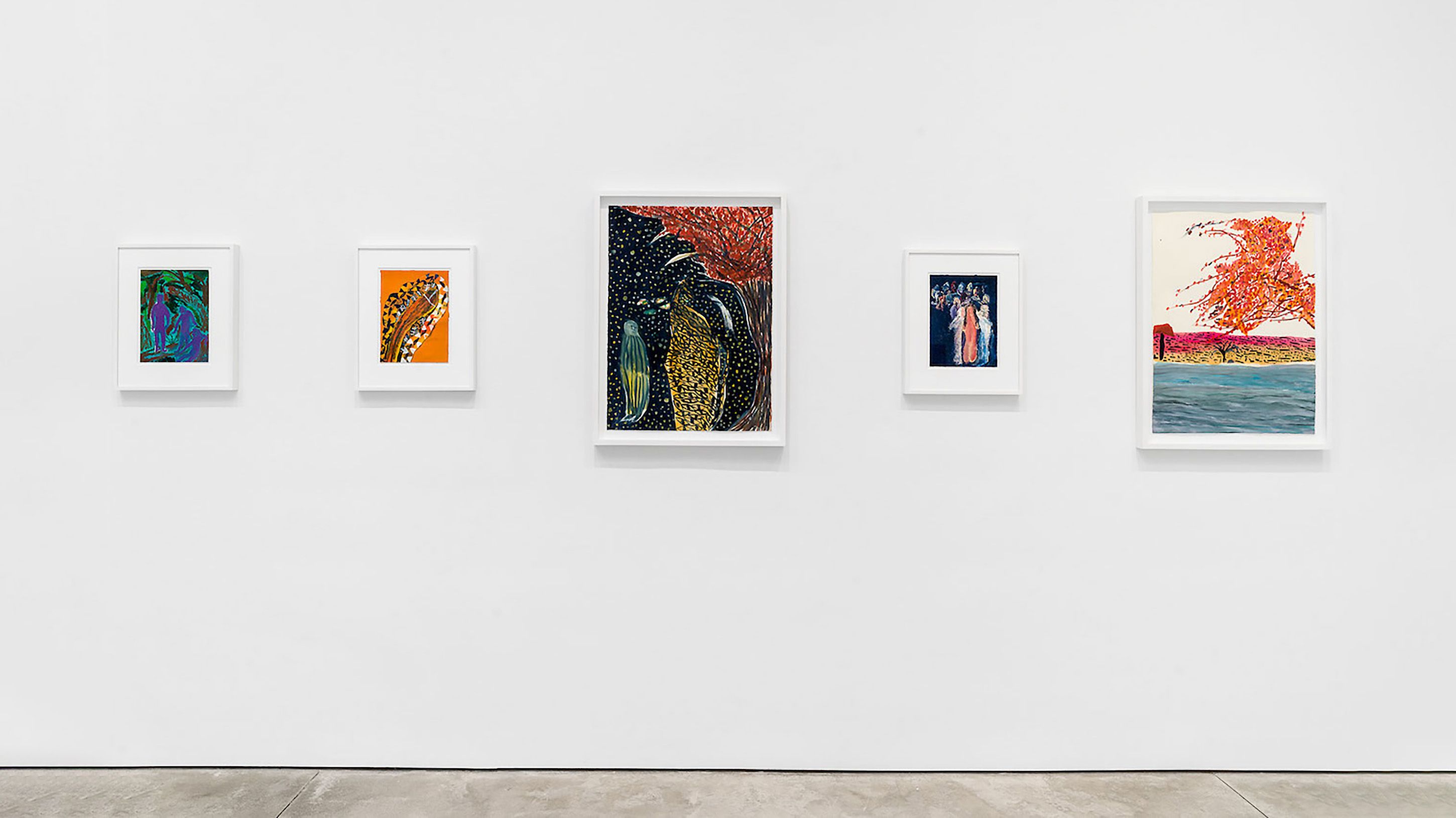
At Cheim & Read in New York, a suite of acrylic paintings line the gallery’s perimeter for The New World, Paintings from Los Angeles 2016 (4 May–10 September 2022), an exhibition featuring a body of works Wong produced over a three-month stay in Los Angeles.
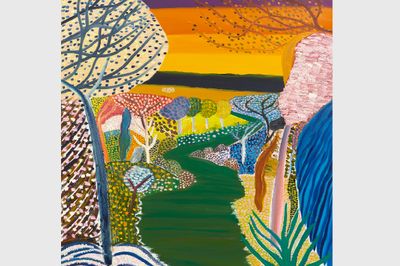
Mostly created on small sheets of approximately 12-by-9-inch paper, these depictions differ from others from the artist’s oeuvre—replacing emblematic hues of blue with a vibrant chromatic range that encapsulates California’s deserts, beaches, and mountains. The paintings place Wong’s distinct style on prominent display, with dense brushstrokes culminating in poignant portrayals of solitude and longing.
Human characters inhabit many of these paintings, as with many from the artist’s previous works, only here anonymised or eclipsed by the magnitude of their surroundings. In Midnight (2016), a barely discernible figure stands at the base of a mountain range in a scene dimly illuminated by a crescent moon.
Wong etches the contours of the nocturnal setting with fervent strokes of thick acrylic paint, rendered with such potency that they appear almost like incisions into the canvas. There is an existentialist undertone to these works, where individuals grapple with the meaning of their bodily relationships to the world.
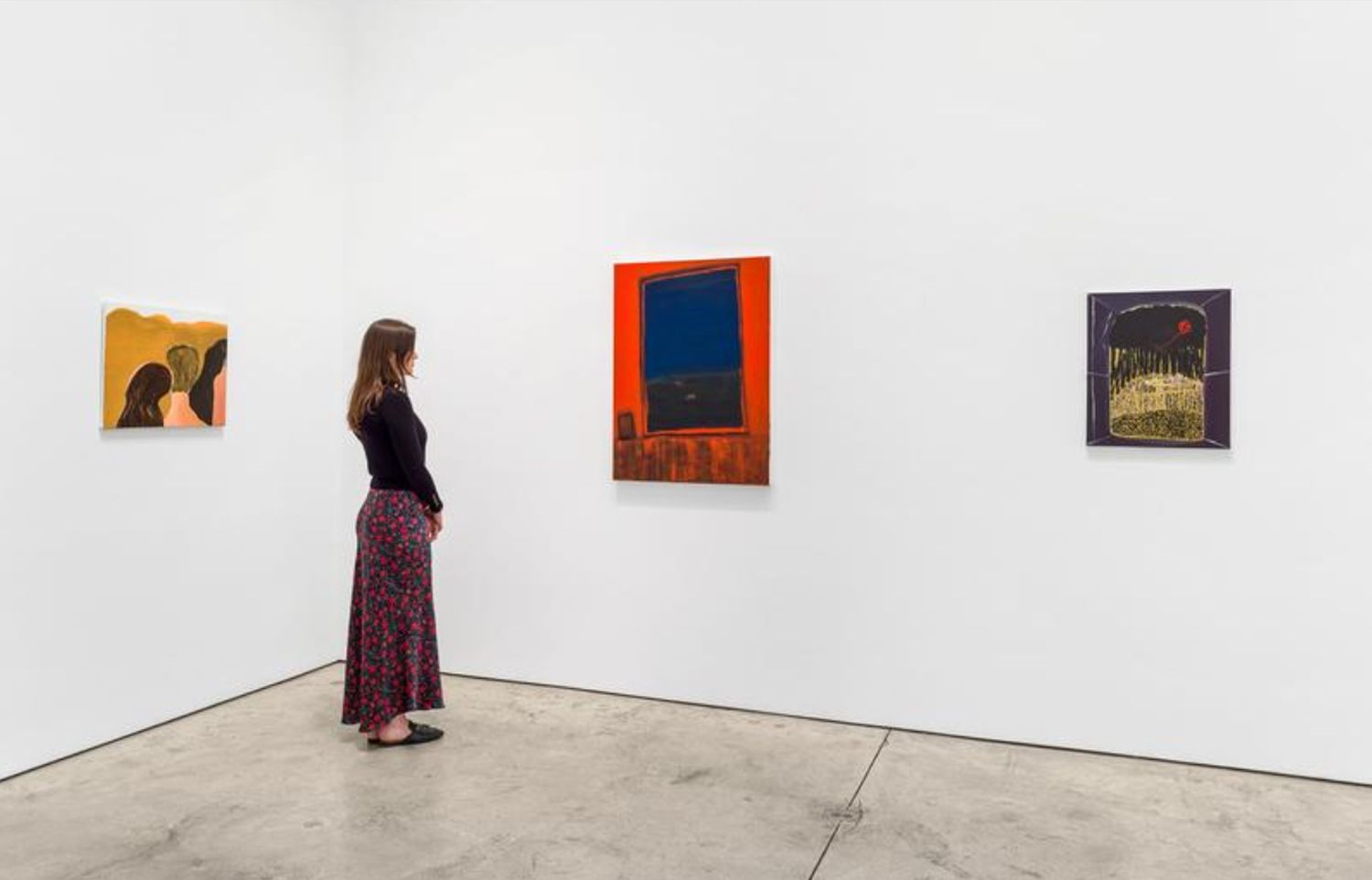
Ambiguous, faceless figures also reside in dark interior spaces, looking and reaching outwards. Wong’s influences have been known to range from David Hockney to Vincent van Gogh, to whom he is frequently likened, both stylistically and biographically. These scenes are particularly evocative of Edward Hopper’s famous depictions of lone figures seated beside windows.
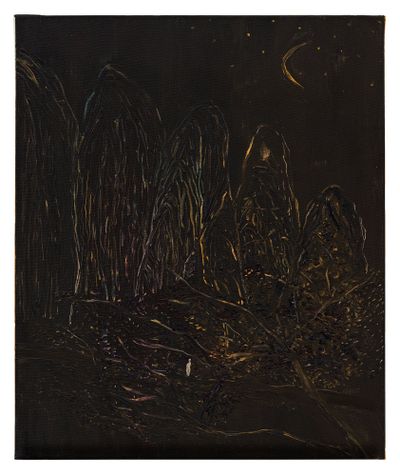
However, Wong reverses the 20th-century realist’s vantage point, positioning viewers from the perspective of the portrayed as opposed to that of the observer. Though it is unknown whether the enigmatic figures are intended to be the artist himself, it is possible to infer as much.
“Wong reverses the 20th-century realist’s vantage point, positioning viewers from the perspective of the portrayed as opposed to that of the observer.”
There is, furthermore, a sense of the prelapsarian in the way nude or scantily clad characters congregate in resplendent settings. These scenes are paired with several abstract compositions, such as Virgin Light and Divine Order (both 2016), wherein graphic forms take on vaginal and womb-like shapes.
Wong has described his artworks as portrayals of personal and universal nostalgia. It seems the artist was harkening back to an Eden-like time—that of birth, innocence, and unbridled freedom. This is reinforced by Boyhood (2016)—a close-up and cropped view of a child-like torso. Though his body protrudes beyond the compositional frame, the boy’s arms stretch upwards towards the bright blue sky above as though to joyfully bask in an open, untampered world.
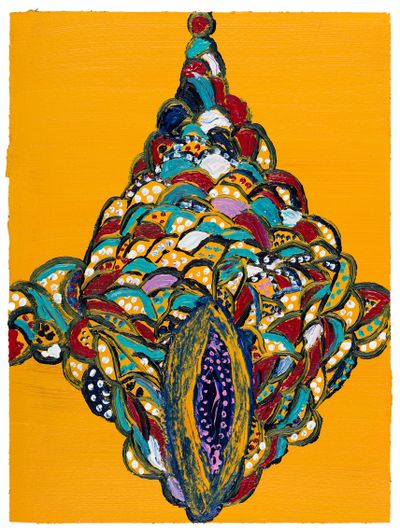
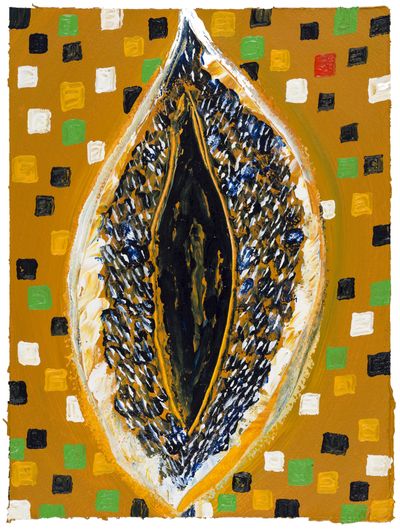
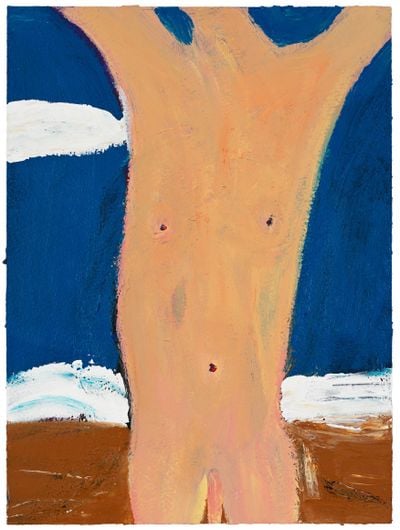
Disparate as these scenes may be, they are united by a complex sense of yearning that is so palpable as to be nearly heartbreaking. Particularly in the aftermath of his death, so much has been said about Wong’s struggles with mental illness that such commentary feels reductive and perhaps even trite.
Though it is admittedly difficult to separate the artist’s biography from any meaningful interpretations of his work, hopefully more exhibitions like The New World—and, certainly, the forthcoming retrospective opening later this fall at the Dallas Museum of Art (The Realm of Appearances, 16 October 2022–5 February 2023)—will contribute towards a more comprehensive understanding of a spectacular practice that ended abruptly. —[O]
Main image: Exhibition view: Matthew Wong, The New World, Paintings from Los Angeles 2016, Cheim & Read, New York (4 May–10 September 2022). Courtesy Cheim & Read, New York. Photo: Alex Yudzon.



A respected voice in contemporary art discourse.
Focusing on ambitious storytelling and insightful art-world commentary. Ocula Magazine publishes in-depth interviews, critical essays and timely analysis on the artists, exhibitions and ideas driving the global art world.
Learn more about Ocula Magazine
Showcasing the best of the art world.
Ocula partners with galleries from around the world to highlight their artists, artworks and exhibitions. Gallery membership is by application and invitation, with each member vetted by an independent panel.
Learn more about Ocula Membership
Specialises in the sale of major artworks.
Led by a team with deep ties to the world’s leading auction houses, galleries and collectors. Ocula’s advisory team offers bespoke services to high-net-worth clients from around the world who are looking to acquire the best of contemporary and modern art.
Learn more about our team and services