






The Top 8 Exhibitions to See During Condo London
Save to My OculaOur editors select the shows not to miss during London’s annual collaborative, citywide exhibition of international galleries, from unexpectedly-sized telephone directories to live classical music.
James Iveson, presented by CASTLE Los Angeles (17 January–14 February 2026) at Carlos/Ishikawa, Whitechapel
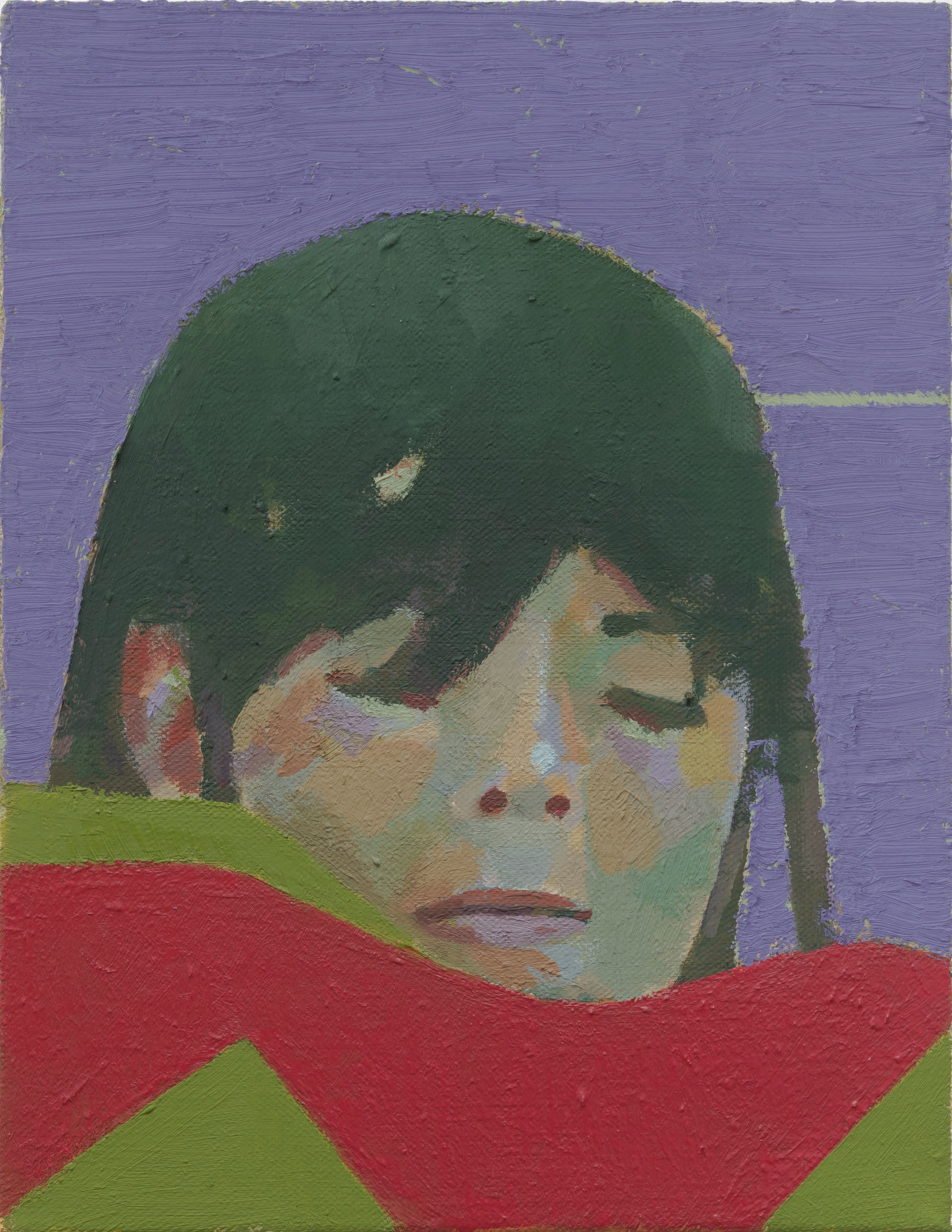
There is a refreshing lack of seriousness to the self-described ‘Castle-based art programme’ of Los Angeles-based CASTLE, a gallery started in 2022 in the apartment of Harley Wertheimer, who previously worked in A&R at Columbia Records. The programme has since outgrown Wertheimer’s living room, migrating to the guard house of a vacant art deco building in the city, while this year marks their first time at the annual Condo London project, in which 50 galleries from around the world present exhibitions across 23 host galleries around London. At Carlos Ishikawa in east London, they are presenting a series of tender paintings by British-born, L.A.-based artist James Iveson. Faces are often obscured in Iveson’s work, in which his lone subjects turn away, look down or close their eyes as if in private reverie. An intensity is leant to these images by the visible mark-making of the brushstrokes themselves, as if the artist were resisting his own quiet disappearance from the interior frame of the canvas. We are left instead with the sensation of a kind of insistent scrutiny by Iveson that borders on the fetishistic, imbuing these paintings with a voyeuristic quality that lands somewhere between the smiling gaze of a lover and the snatched glance of a Peeping Tom. – Louise Benson
Elizabeth Wright, presented by Teatro Grottesco (15–25 January 2026) at Cell Project Space, Bethnal Green
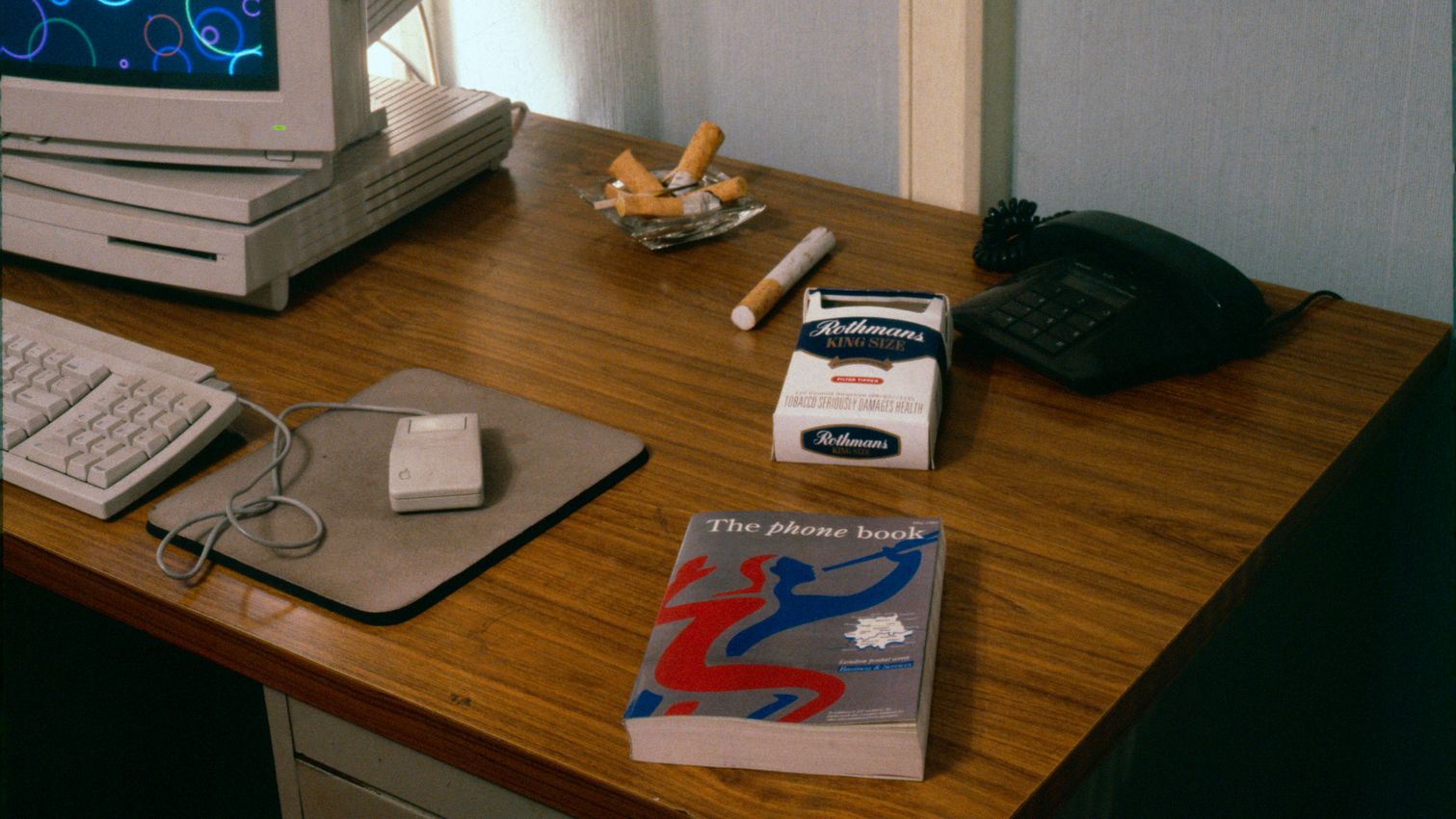
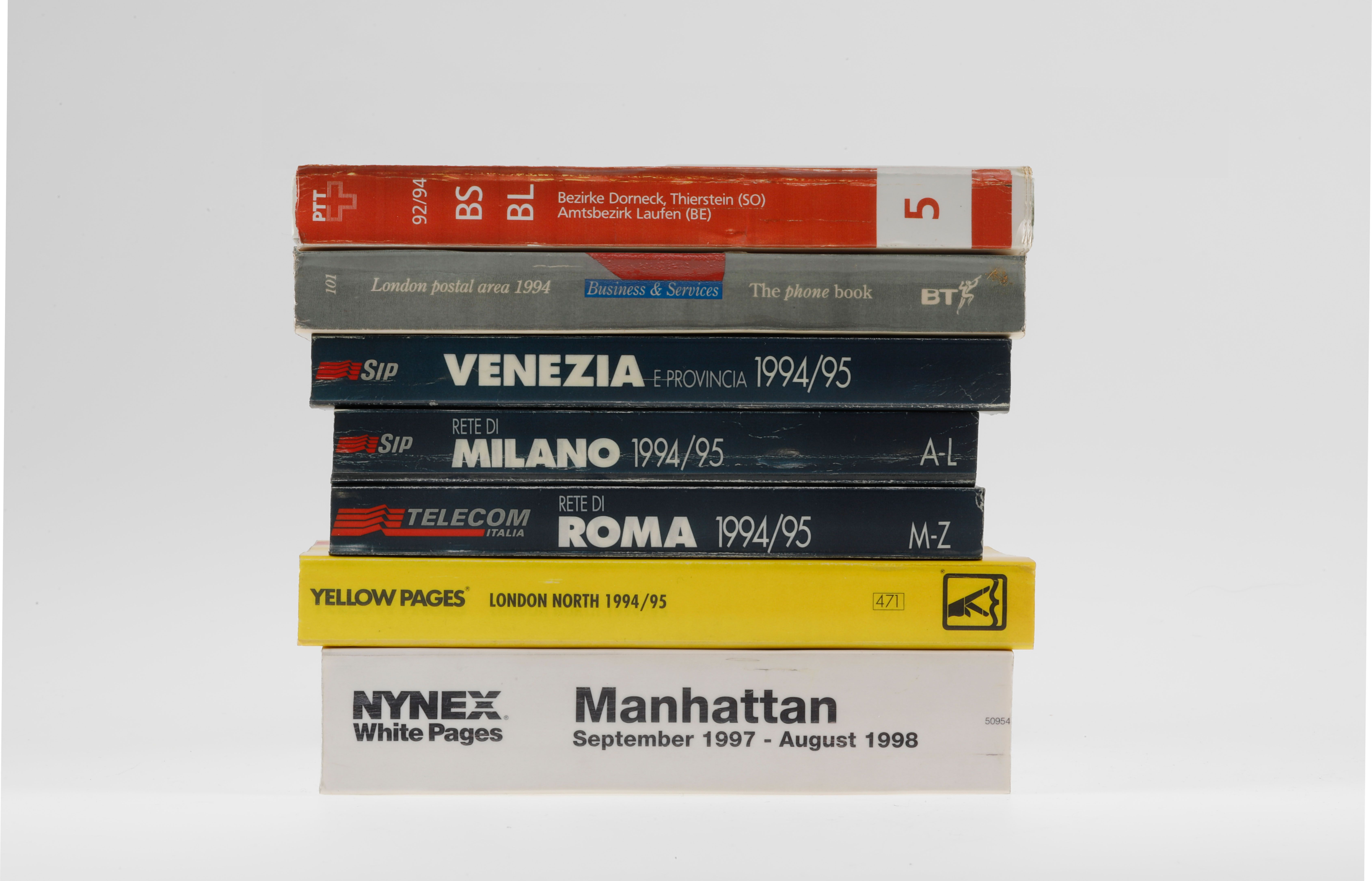
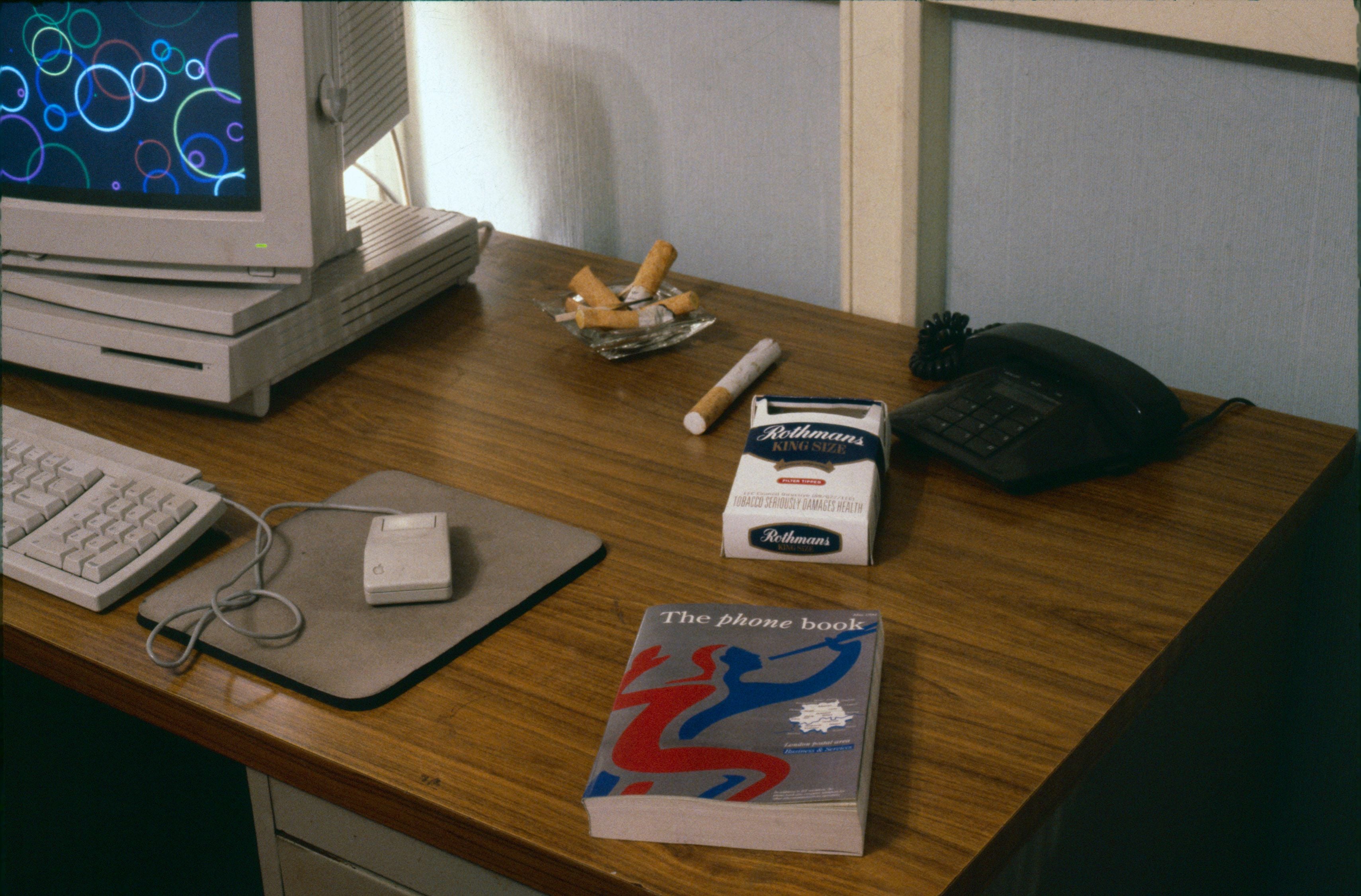
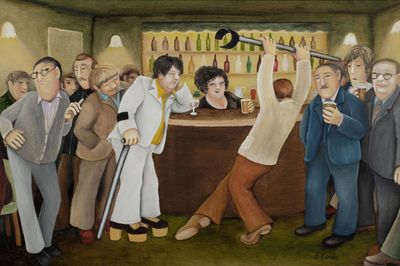
Presented in Cell Project Space’s reading room, adjoining office and entryway is an exhibition by nomadic gallery Teatro Grottesco, founded in Turin in 2024 and based in Paris since 2025. The work of British artist Elizabeth Wright, known for her situational Dadaism, is well suited to presentation in the incidental, everyday spaces of the gallery. There is an absurdity to the notion of going to view an exhibition limited to the entrance of a gallery—not unlike going to, say, the unveiling of a bookshelf, or the private view of a vinyl sticker in a public toilet. Wright’s earlier work, Tour of Britain Racer Enlarged to 135% (1996–1997) is continued in a new series in which the now-obsolete Yellow Pages phone books are reprinted slightly smaller and shown alongside new aluminium sculptures of cans. This follows on from a 1995 show at Karsten Schubert gallery in London in which she created familiar objects in unexpected sizes. Artforum canonised the show at the time as ‘bringing grunge to the art world’. Let us hope for another, even greater, more acerbic punk-art-object stunt this time around. – Lydia Eliza Trail
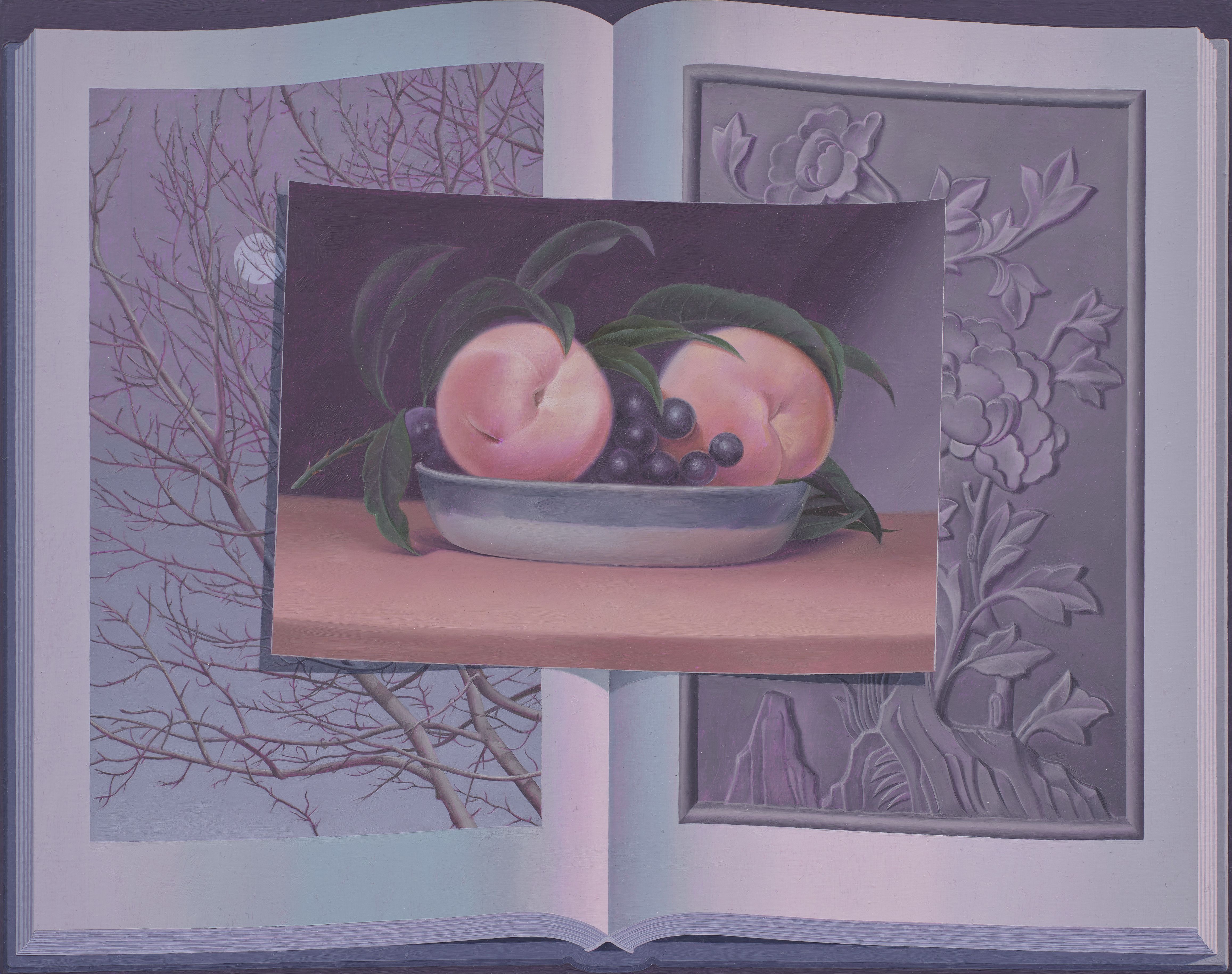
Leroy Johnson and Olivia Jia, presented by Margot Samel (17 January–21 February 2026) at The Approach
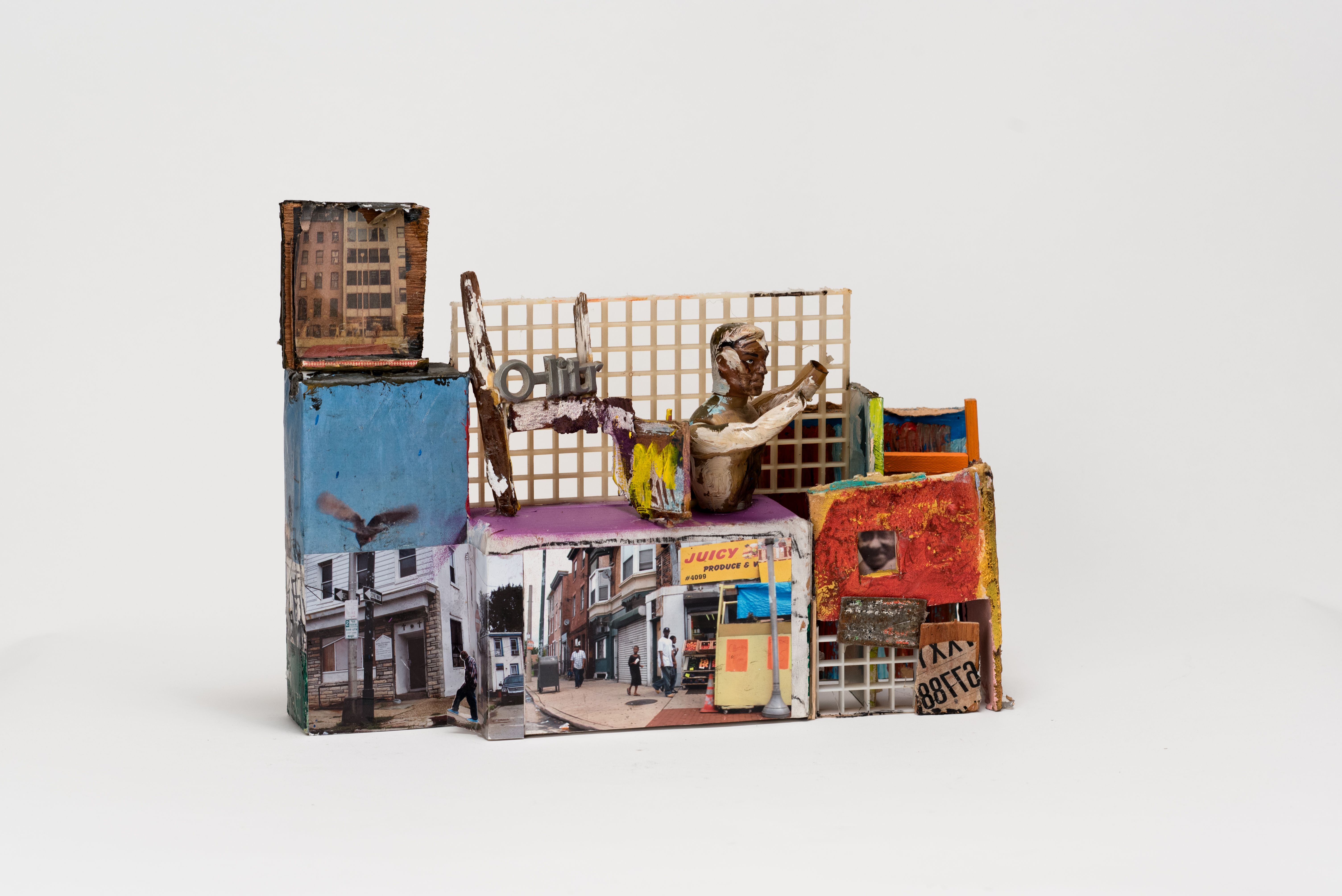
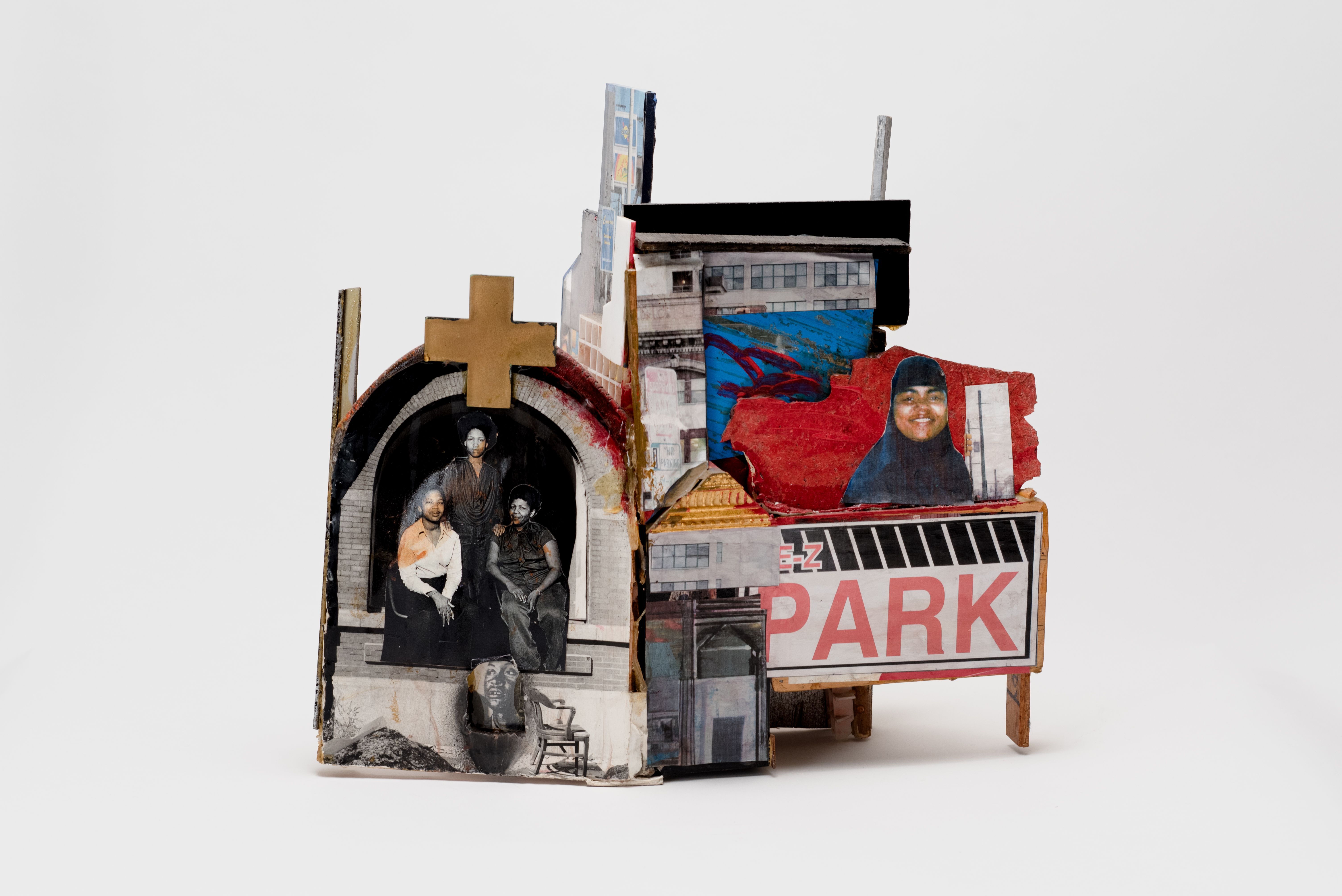
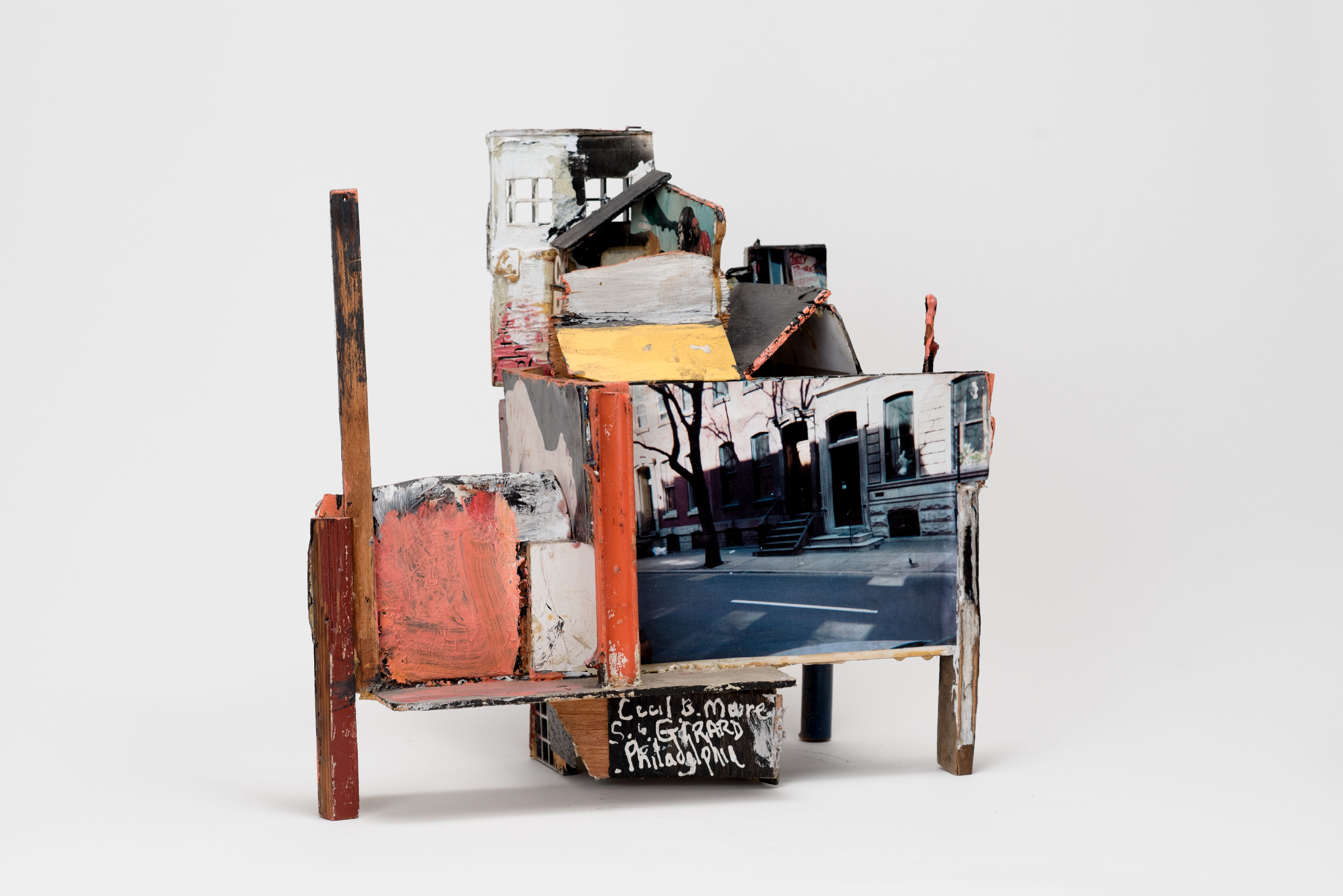
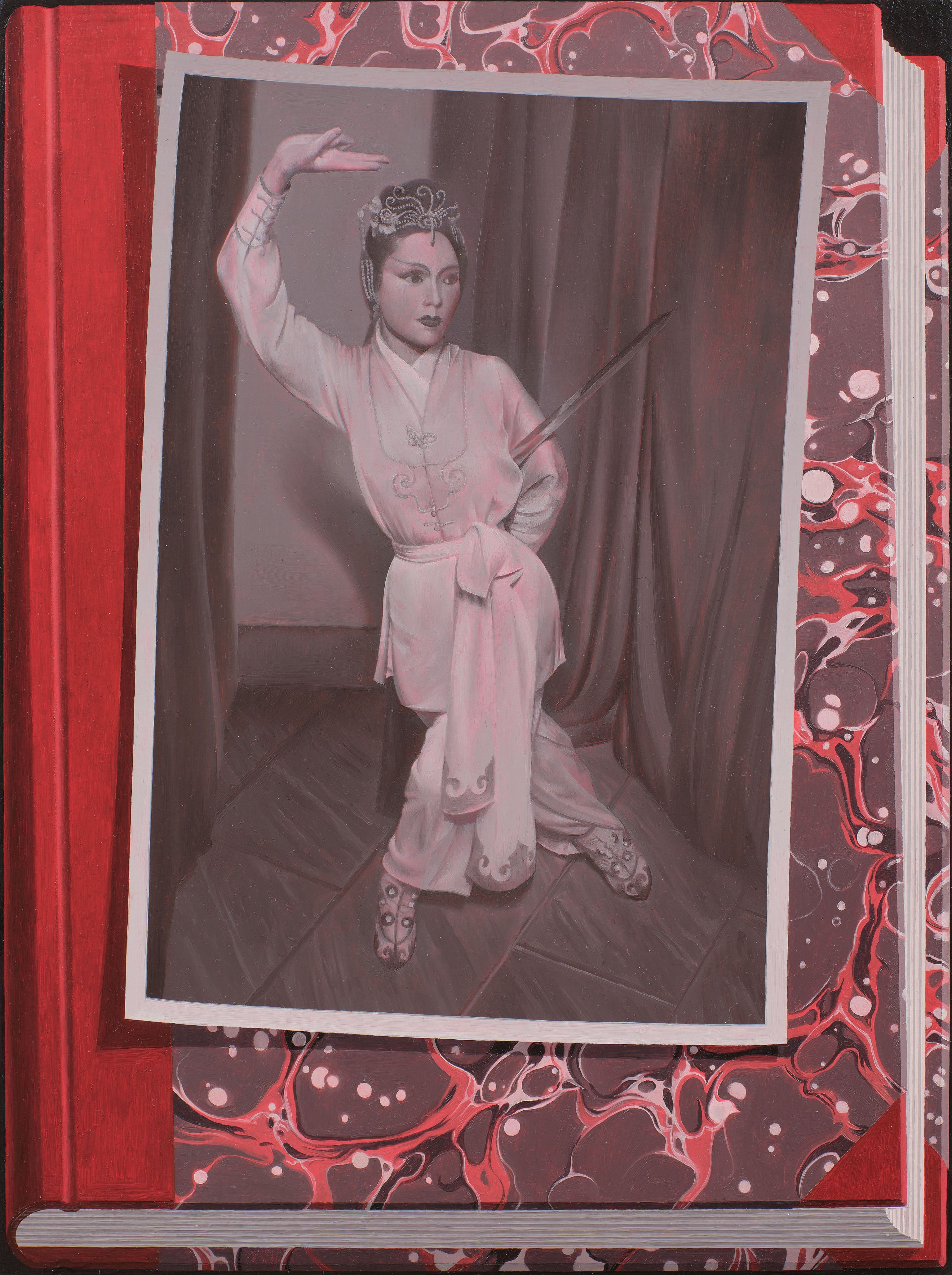
There is an intimacy to the house sculptures of the late Leroy Johnson (1937–2022), whose cut-out and collaged photographs and texts from magazines, local flyers and other printed matter offer a mediated slice of Philadelphian life. Their three-dimensional construction, viewed through the typology of the house or apartment block, lends them the air of a scrapbook made manifest—one might cocoon oneself within the layered images and live among them for a little while. Johnson’s sculptures are presented by Margot Samel for the first time in London as part of Condo, paired with fellow Philadelphia-based artist Olivia Jia, who was born almost six decades after Johnson. In Jia’s largely unpeopled paintings, books fall open on reproductions of photographs and other paintings within the frame, as if an unseen student were looking intently down at these tomes upon their desk under a single lamplight. As a Chinese American artist, nods to Jia’s own identity are woven in through the inclusion of material collected by her own family as well as from Chinese art history. Both Johnson and Jia, who shared a friendship, know the power of printed matter—both in the construction of histories that are often exclusionary, as well as in the ability of a book or even single image to tell a story. Yet by the same token, the two artists revel in the potential for these narratives to be not just rewritten but ripped up and reordered—cut and pasted into a scrapbook of their own making. – Louise Benson
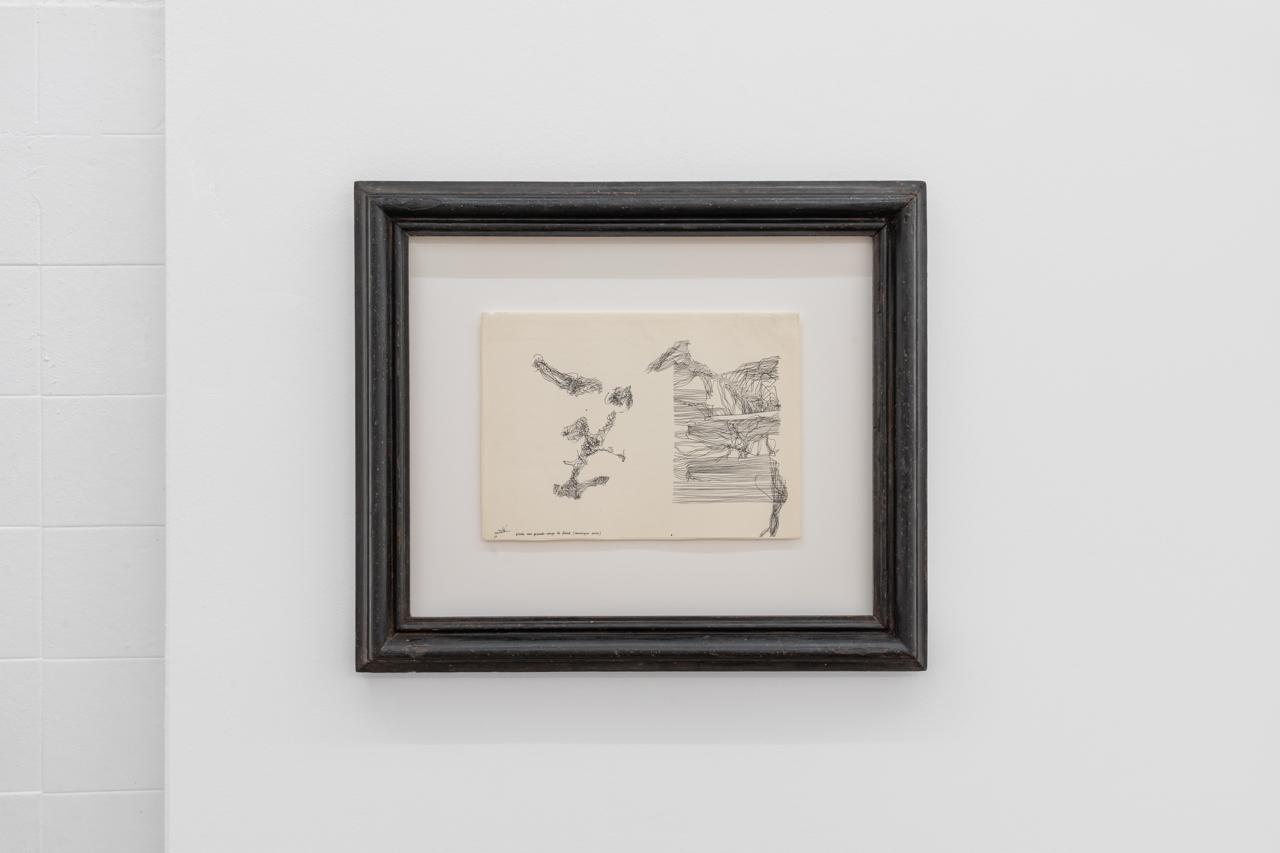
Sylvano Bussotti, presented by zaza’ (17 January–14 February 2026) at Rose Easton, Bethnal Green
I first saw the late Italian composer and costume designer Sylvano Bussotti’s artwork presented by zaza’ last year at Paris Internationale. A striking collection of homoerotic nude sketches, his linework was reminiscent of the zealously attenuated figures of Egon Schiele. In previous press releases, zaza’ has stressed that these nude works are not just addendums to Bussotti’s legacy as an operatic creator, but an example of his polymathic abilities. During Condo London, zaza’ presents a separate strand from Bussotti’s oeuvre: a deconstructed score sketched on paper, where drawing and musical notation collide. A single work: étude aux grands coups de fouet (musique pure) (1966), will be accompanied by a live musical performance of La Passion selon Sade (1965). One of Bussotti’s scores appears as an illustration within Gilles Deleuze and Félix Guattari’s text A Thousand Plateaus (1980), signalling his crucial position in the European intellectual avant-garde of the 1960s and 1970s. This makes his pairing with contemporary multidisciplinary Mexican artist Arlette, represented by Rose Easton, equal parts random and generative: much like Condo itself. – Lydia Eliza Trail
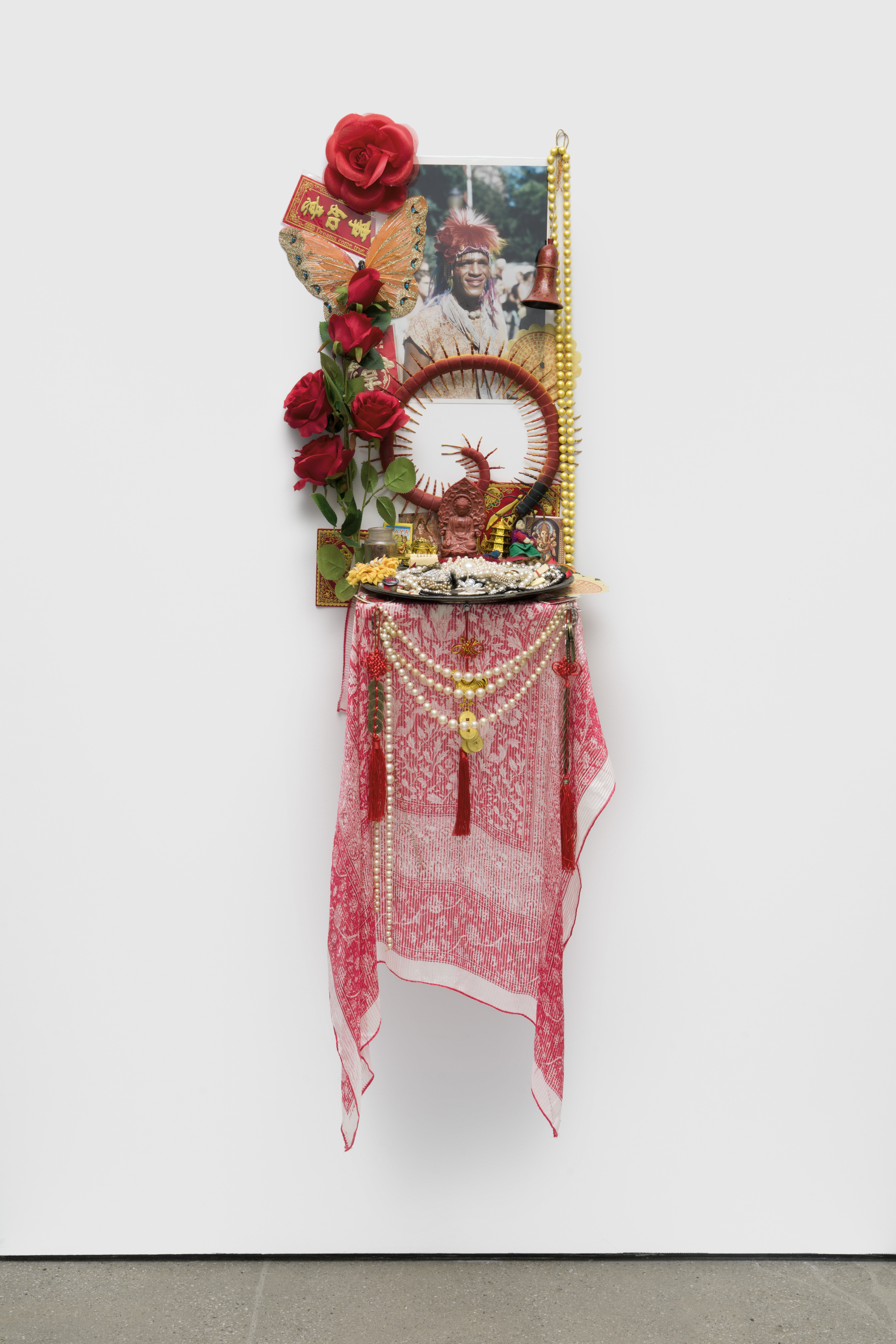
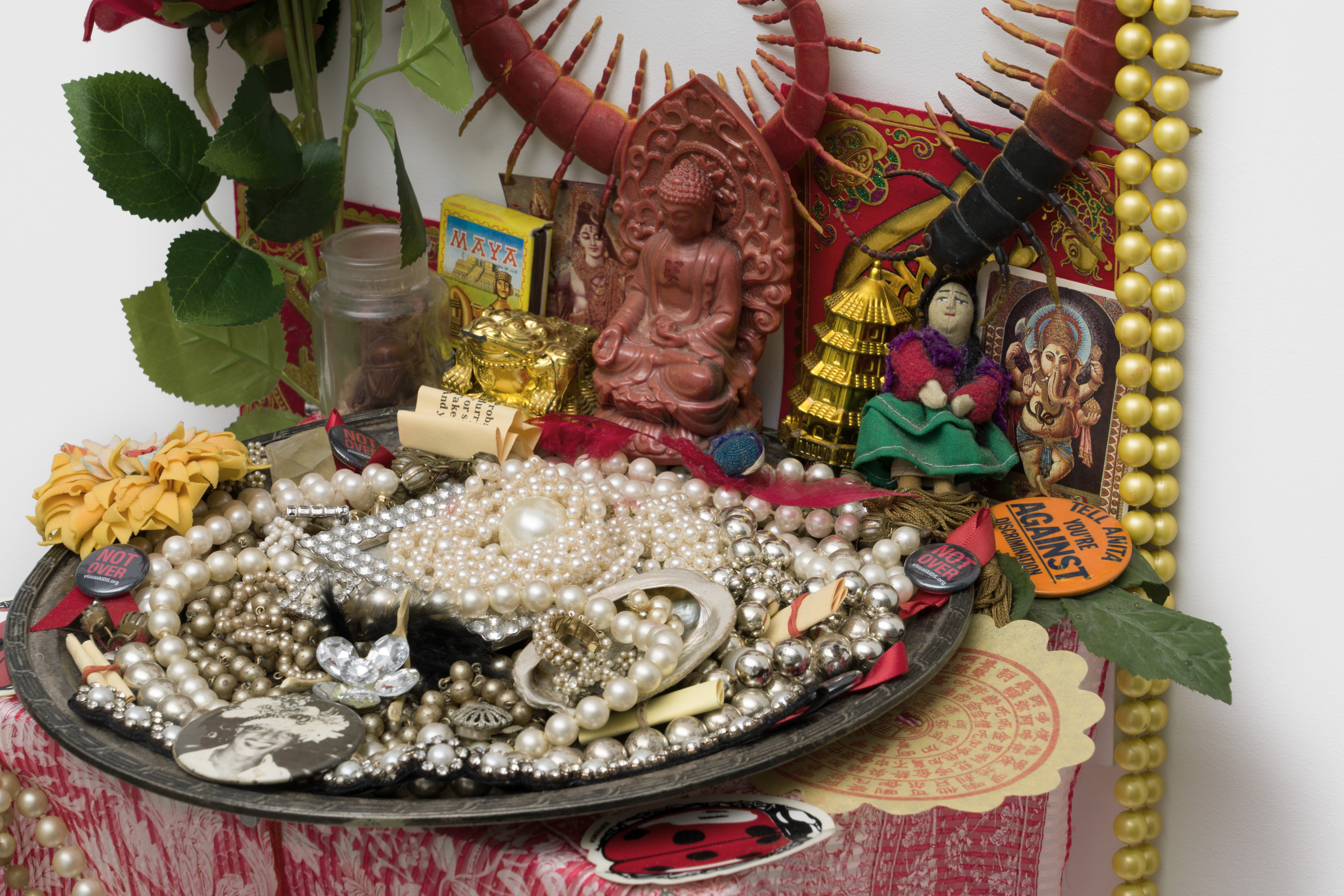
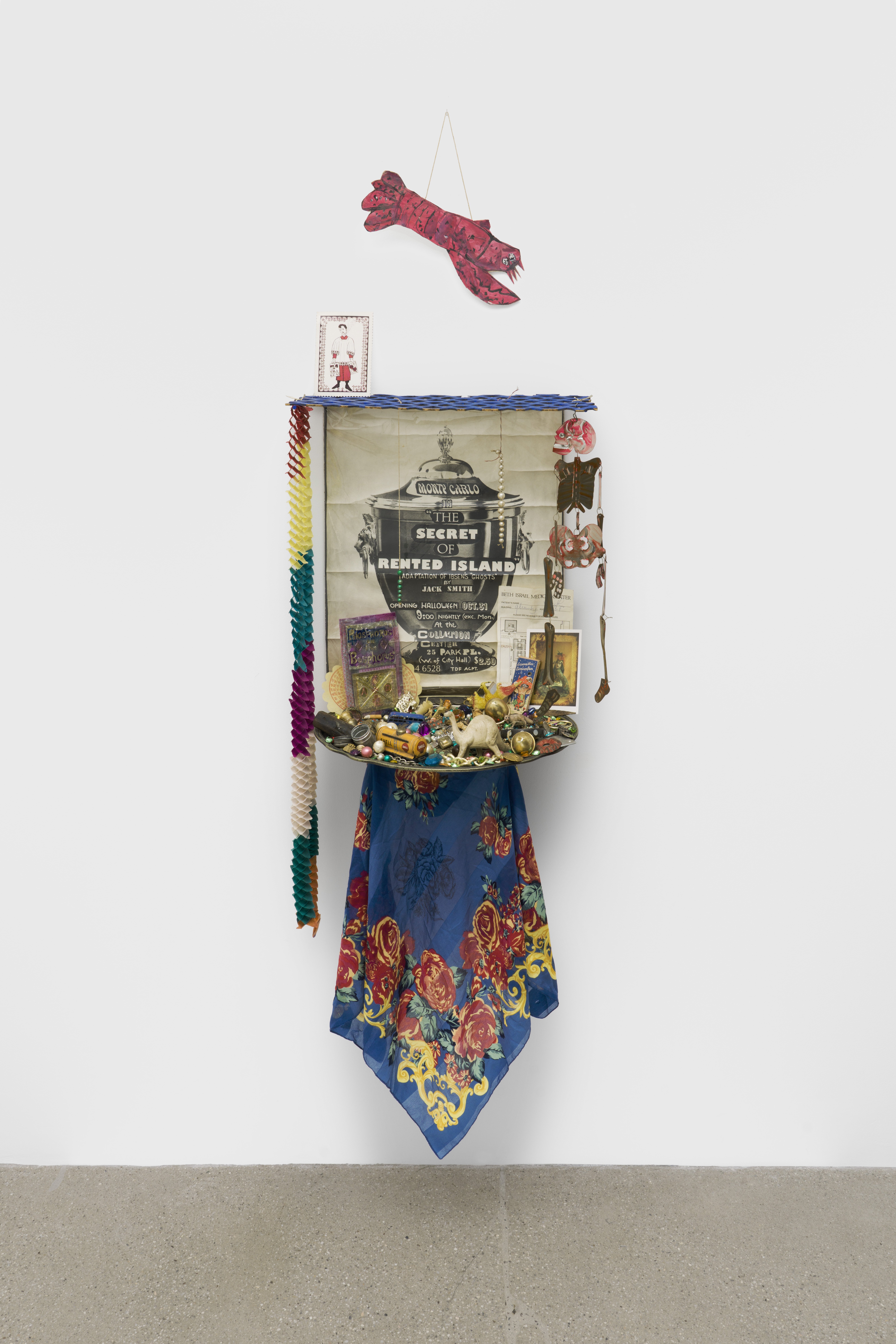
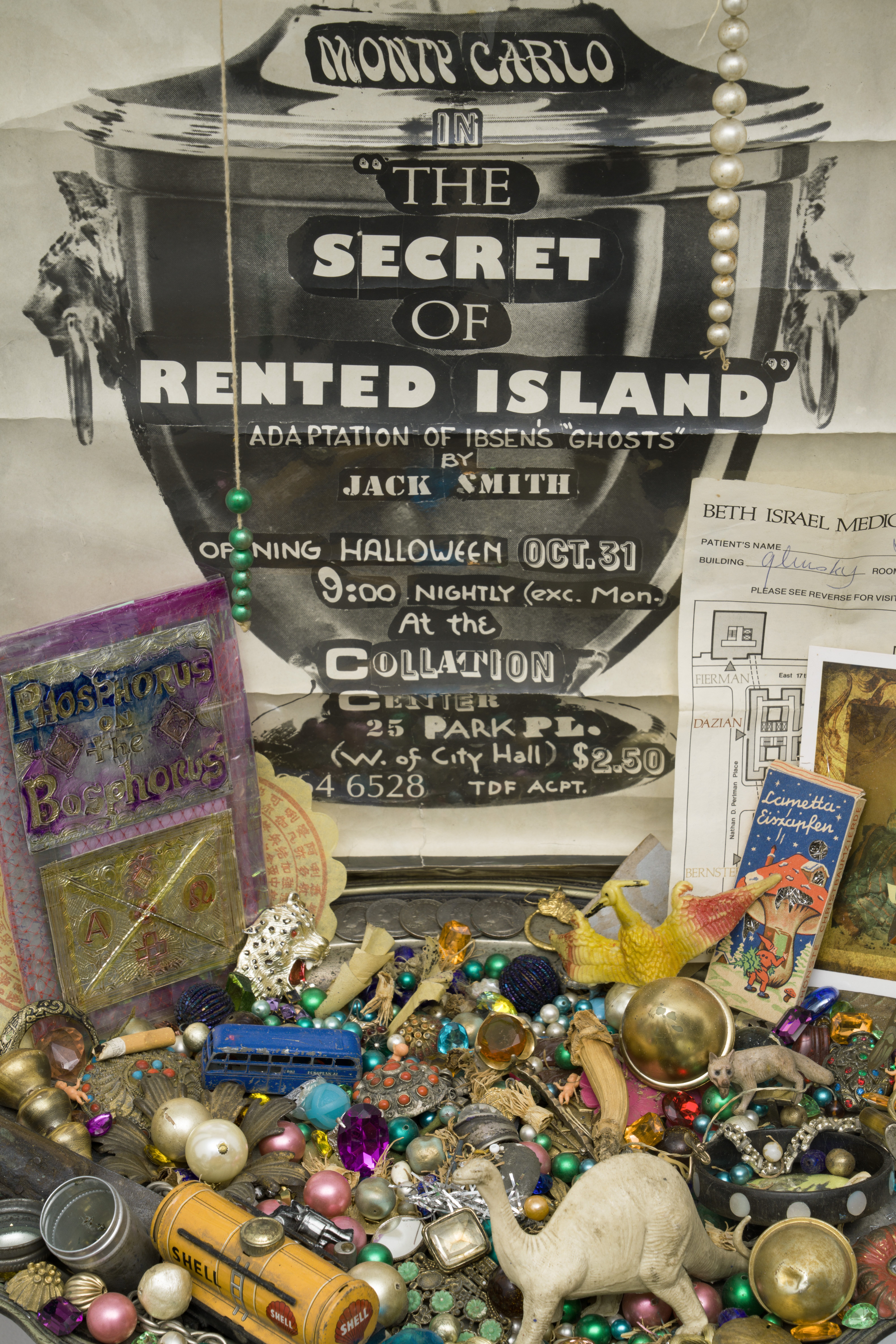
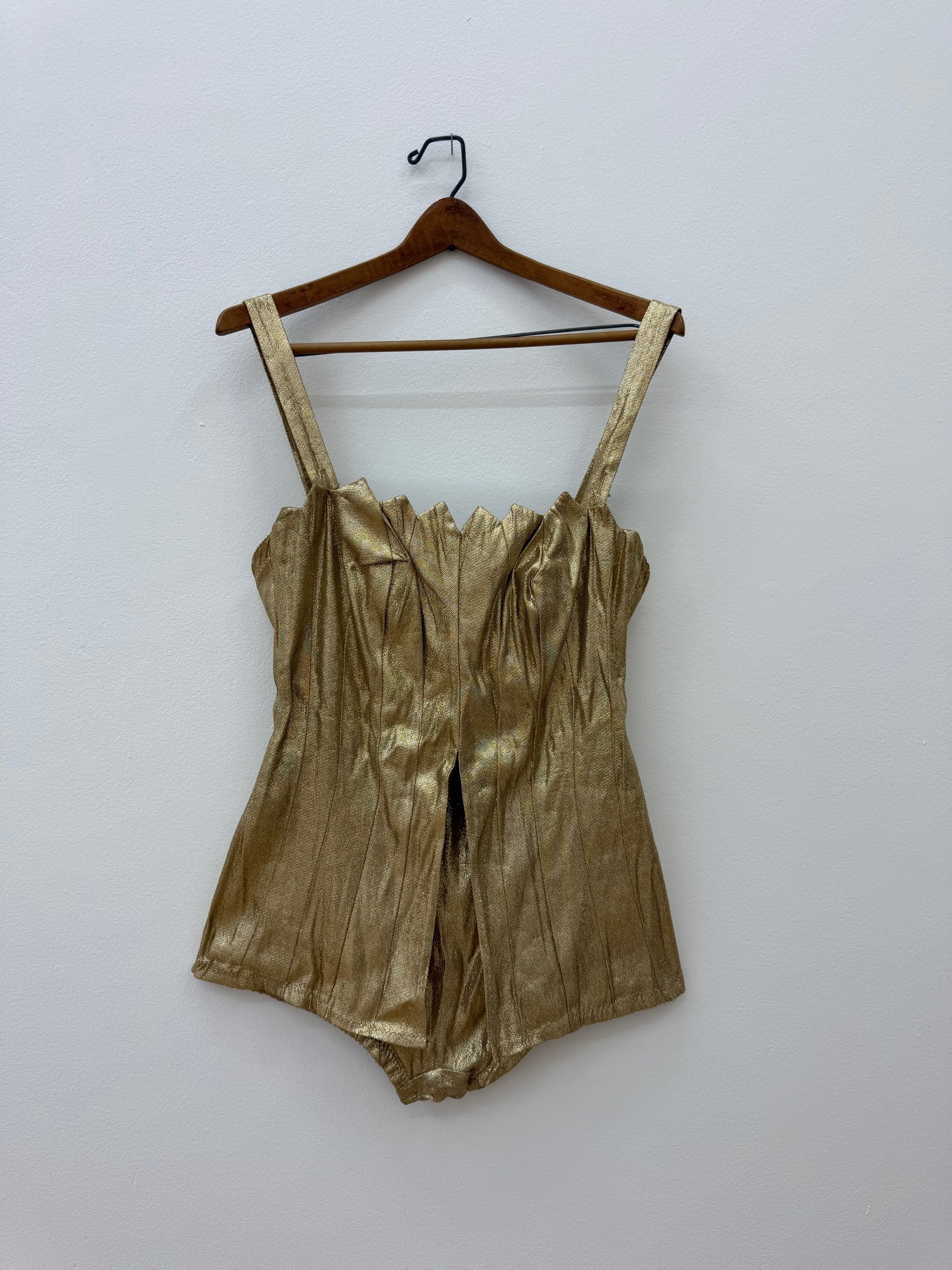
Agosto Machado, presented by Gordon Robichaux (17 January –21 March 2026) at Maureen Paley: Studio M
‘What kind of an artist am I? I’m really a hoarder… [but] use the academic term: archivist.’ So says Chinese-Spanish-Filipino-American artist Agosto Machado, whose work embodies the sculptural history of his singular life as a queer artist in New York City. As a participant in the 1969 Stonewall Rebellion and a frequent visitor to Andy Warhol’s Factory, Machado has taken part in his fair share of history-defining moments—with many more on the horizon. The artist is set to show work at the Whitney Biennial in New York in March, and will also be exhibiting in London for the first time ever, beginning this weekend. For his London debut, Machado is offering up his signature shrines and altars, which celebrate and commemorate the lives of NYC artists and cultural provocateurs. Alongside these pieces will be related works and ephemera by the likes of Peter Hujar and Jack Smith, both of whom were friends and collaborators. ‘I think my gift is sharing and acknowledging the people of our time,’ says Machado. ‘[Their] lives were cut short, but the energy is bursting and still living.’ – Aimee Walleston
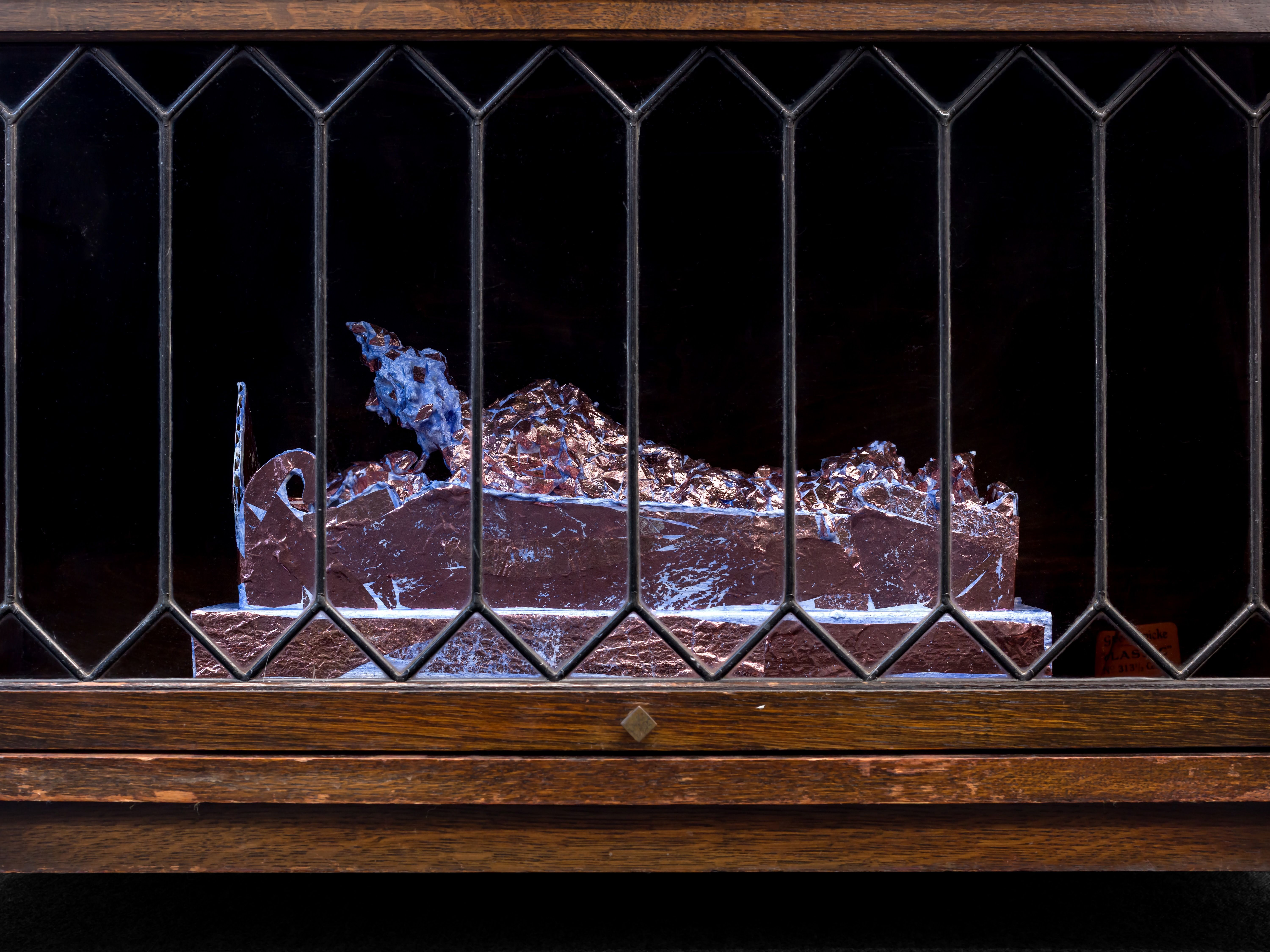

Elizabeth Englander, The Elizabethan Lumber Room (17th January–7 March 2026) at a.Squire, Bloomsbury
The pocket-sized a.Squire gallery, which is basically just a room, is a fitting setting for the domesticity of The Elizabethan Lumber Room, an installation of 1890s Globe-Wernicke barrister bookcases and mixed-media sculptures from New-York based sculptor Elizabeth Englander. An exhibition poster sees the artist made up, Grimes-style, at college during the early 2010s, wearing a union flag dress emblazoned with the image of Betty Boop. Boop appears traditionally—a flapper-secretary-adventurer with hoop earrings. In sculptural form, Englander imitates the pop-cultural icon with the stoic iconography of Henry Moore’s bronze sculptures, using (as she writes in an accompanying text) the theoretical impetus of German art historian Aby Warburg’s belief in image afterlife to re-consider Boop as the universal feminine figure. An eclectic mix of early 20th-century art history, recent pop-cultural history and the artist’s Buddhist belief in ‘interbeing’, The Elizabethan Lumber Room shouldn’t disappoint. – Lydia Eliza Trail
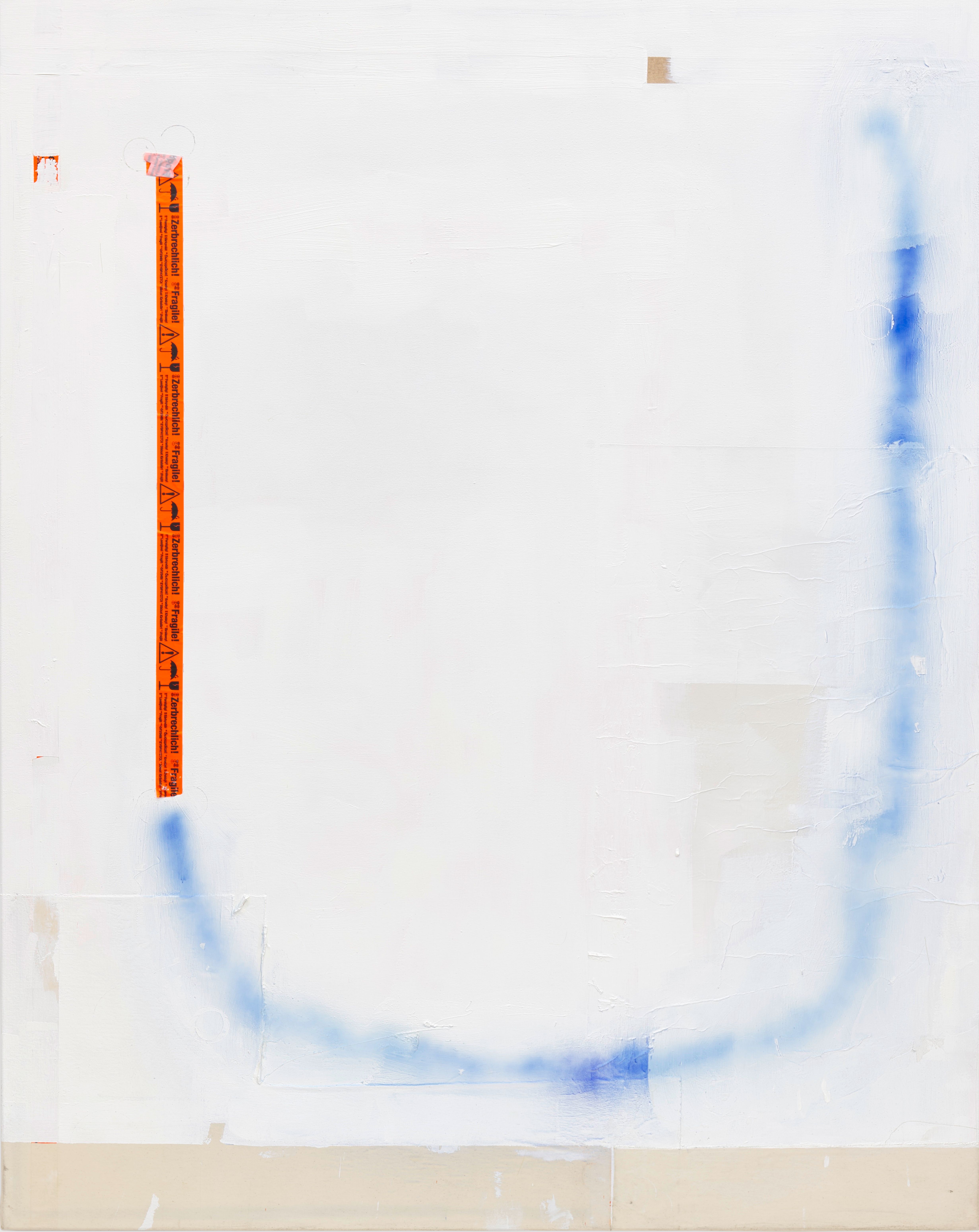
David Ostrowski, Test (17 January–26 March 2026) at The Perimeter, Farringdon
What do you call a painter who doesn’t paint? No, this is not the beginning of a bad joke but an (ever so slightly) absurd description of German artist David Ostrowski, in whose hands the knotty semantics of what might be called ‘painting’ are continuously untangled. There is a weightiness to painting (heavy with history) that Ostrowski has a knack of casually shrugging off. He is unafraid of incorporating elements of pastiche into his canvases, in which one is as likely to encounter a single spray-painted line of colour as they are a strip of packing tape, stencilled letters or a cartoon owl. In Test, his latest exhibition at The Perimeter, works from disparate series throughout Ostrowski’s career are brought together, including his ongoing ‘F’ series of paintings (‘F’ standing for ‘failure’), in which the letter becomes an apologetic stand-in for all the elements seemingly lacking in the empty space of the artist’s abstract works. This is abstraction with its tongue firmly in cheek as Ostrowski forces us to ask what we expect not just from a painting, but from the fixedness of form. – Louise Benson
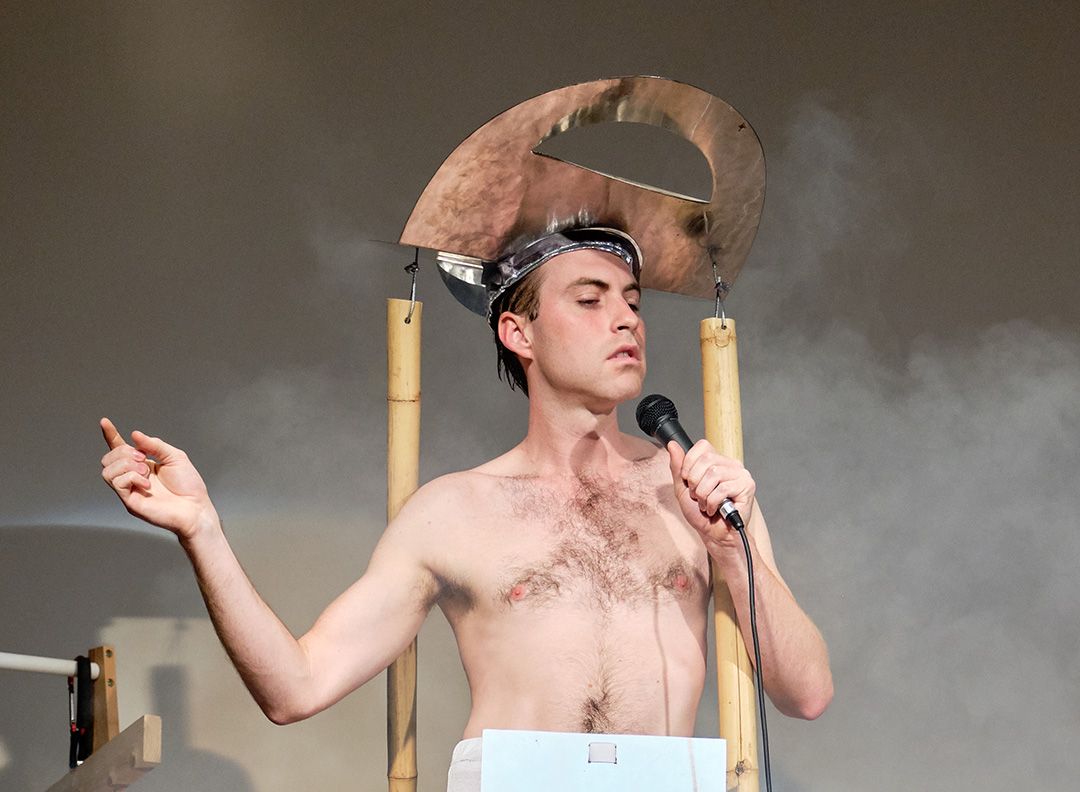
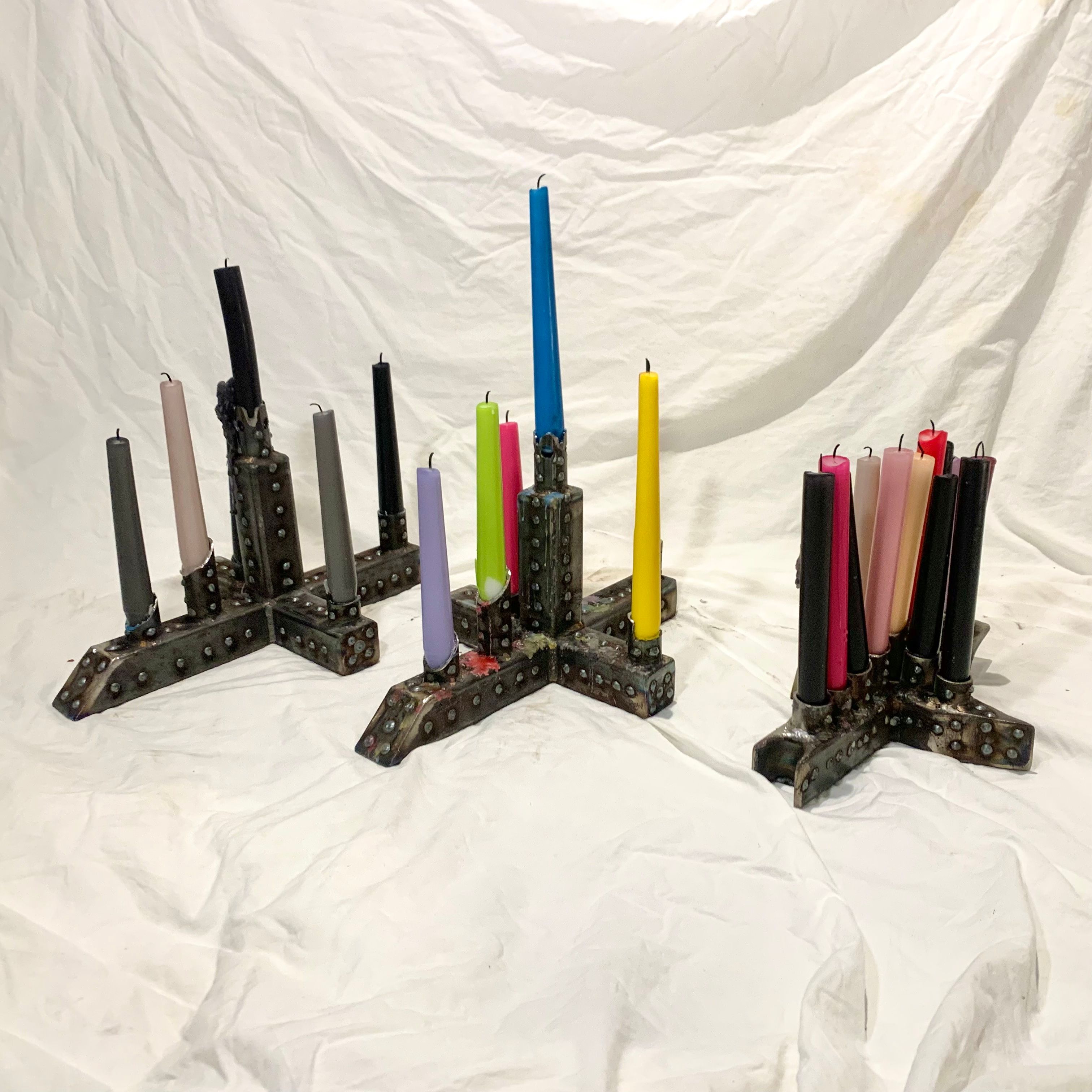
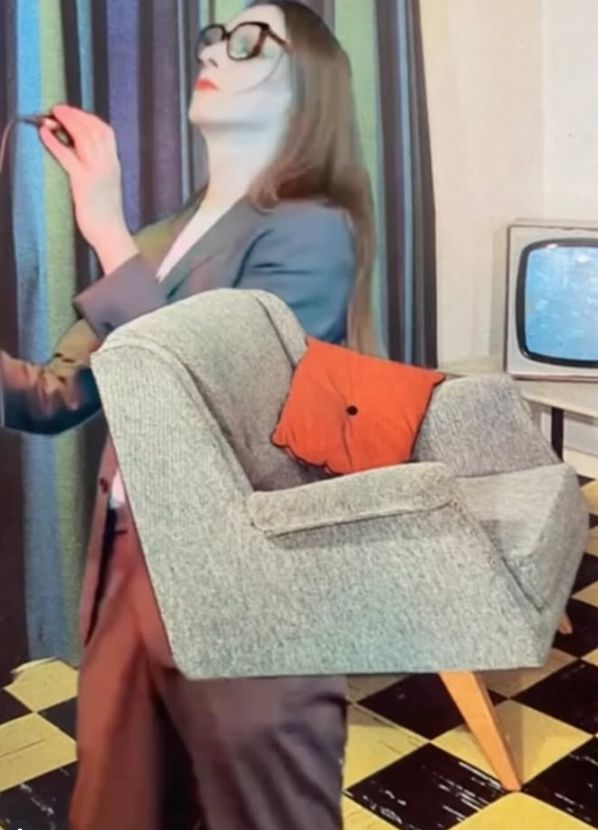
The Sandwich Book launch, with performances by Stuart McKenzie, Katie Shannon and William Joys, presented by Shoot The Lobster (4pm–9pm, 17 January) at Bolding Gallery, Mayfair
Events at Bolding Gallery, an artist-run, itinerant gallery known for its sponsorship of up-and-coming live performance acts (a rare thing to behold in Mayfair) and its present advantageous location at The Music Room (which daylights as a host space for luxury fashion retail sample sales) are not to be missed. While Bolding’s second location in Marylebone occupies a window vitrine within the labyrinthine Alfie’s Antique Market, where the gallery exhibits plastic, saleable works, its latest presentation in Mayfair is oriented around the launch of The Sandwich Book, co-authored by New York-based gallery Shoot the Lobster and independent magazine Superstars Only. Performances will be staged by William Joys, Stuart McKenzie and Katie Shannon, while artworks by Sophie Howe, Maya King-Dabbs and Enzo Randolfi will be placed atop picnic tables, ready to consume, as one would their lunchtime sandwich. The space offers a less-than-cushioned environment—strip lighting and office-standard suspended ceilings—that adds a sense of contrast to each live performance. In London, this kind of cross-contamination between urban Gothicism and ephemeral art pieces is more than welcome. – Lydia Eliza Trail —[O]
CONDO London runs from 17 January to 14 February 2026.
Main image: Elizabeth Wright, Directory (1994). Courtesy the artist.





A respected voice in contemporary art discourse.
Focusing on ambitious storytelling and insightful art-world commentary. Ocula Magazine publishes in-depth interviews, critical essays and timely analysis on the artists, exhibitions and ideas driving the global art world.
Learn more about Ocula Magazine
Showcasing the best of the art world.
Ocula partners with galleries from around the world to highlight their artists, artworks and exhibitions. Gallery membership is by application and invitation, with each member vetted by an independent panel.
Learn more about Ocula Membership
Specialises in the sale of major artworks.
Led by a team with deep ties to the world’s leading auction houses, galleries and collectors. Ocula’s advisory team offers bespoke services to high-net-worth clients from around the world who are looking to acquire the best of contemporary and modern art.
Learn more about our team and services