





The Top 10 Exhibitions to See Around the World This January
Save to My OculaOur editors select the shows not to miss this month, including Finnish realist Helene Schjerfbeck at The Met, conceptual Brazilian artist Ilê Sartuzi in São Paulo, and the elusive Christina Mackie at Goldsmiths CCA.
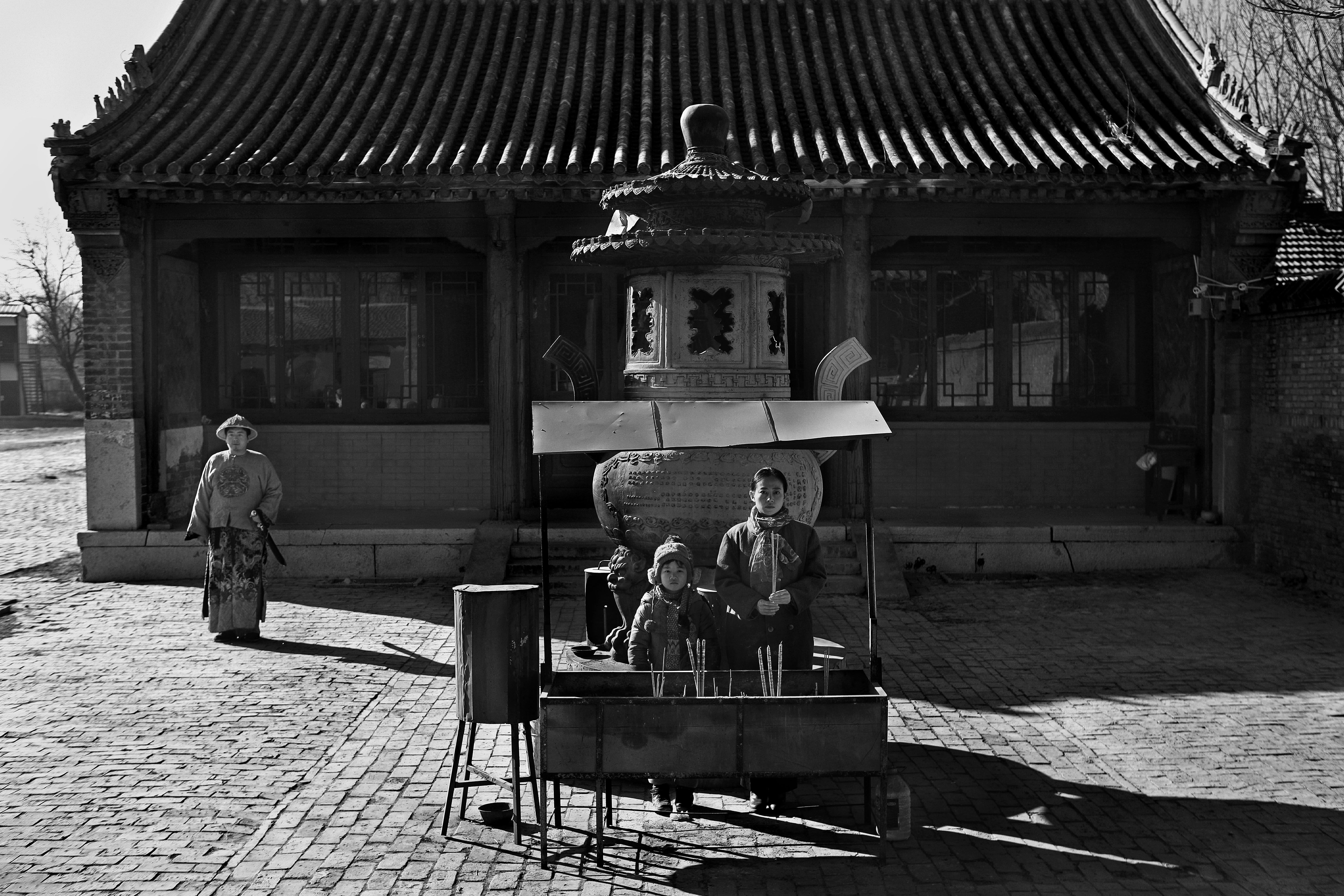
Yang Fudong, Fragrant River (22 November 2025–5 May 2026) at UCCA, Beijing
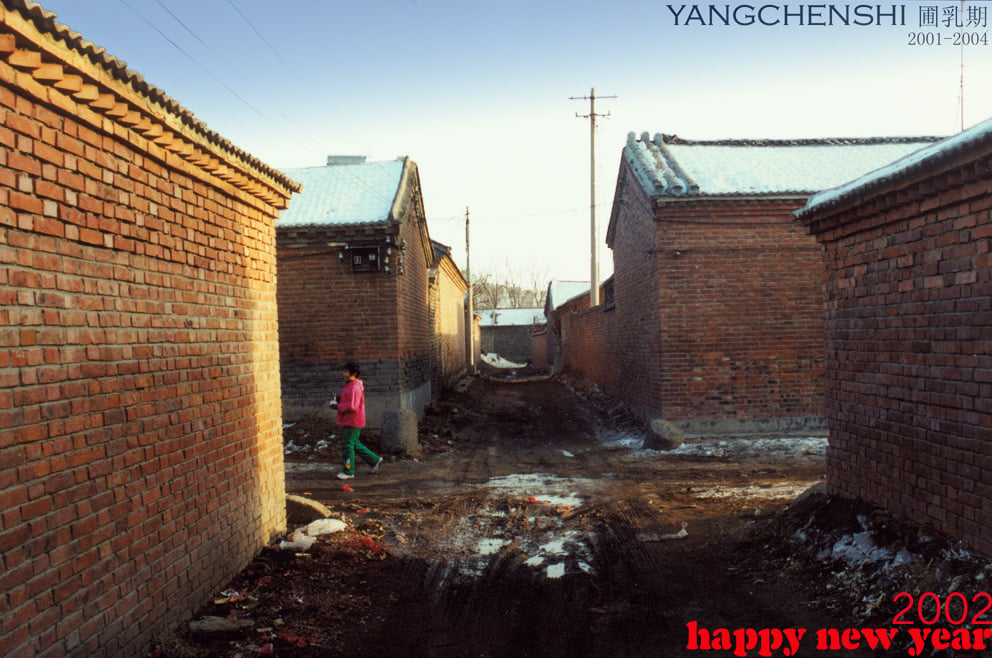
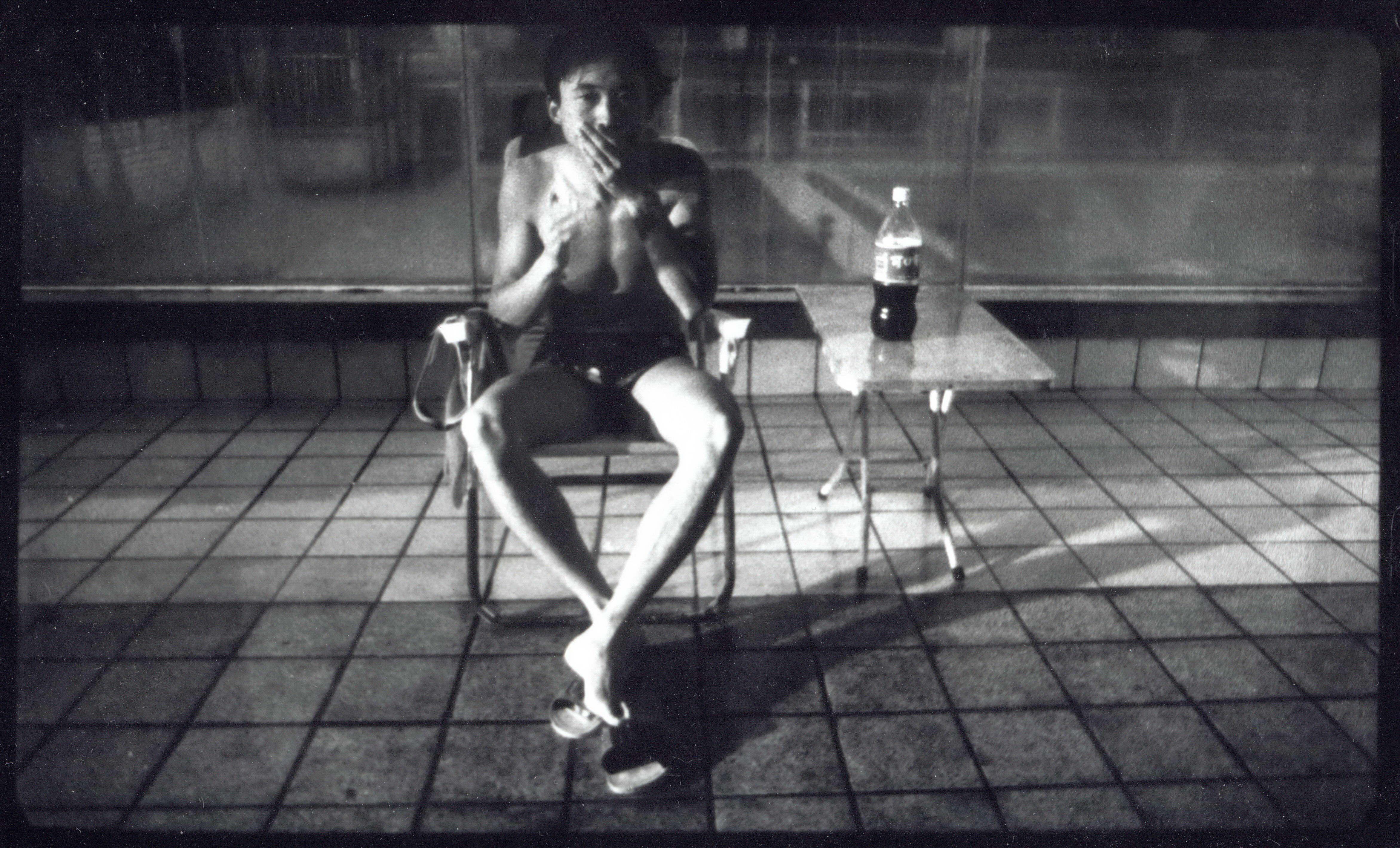
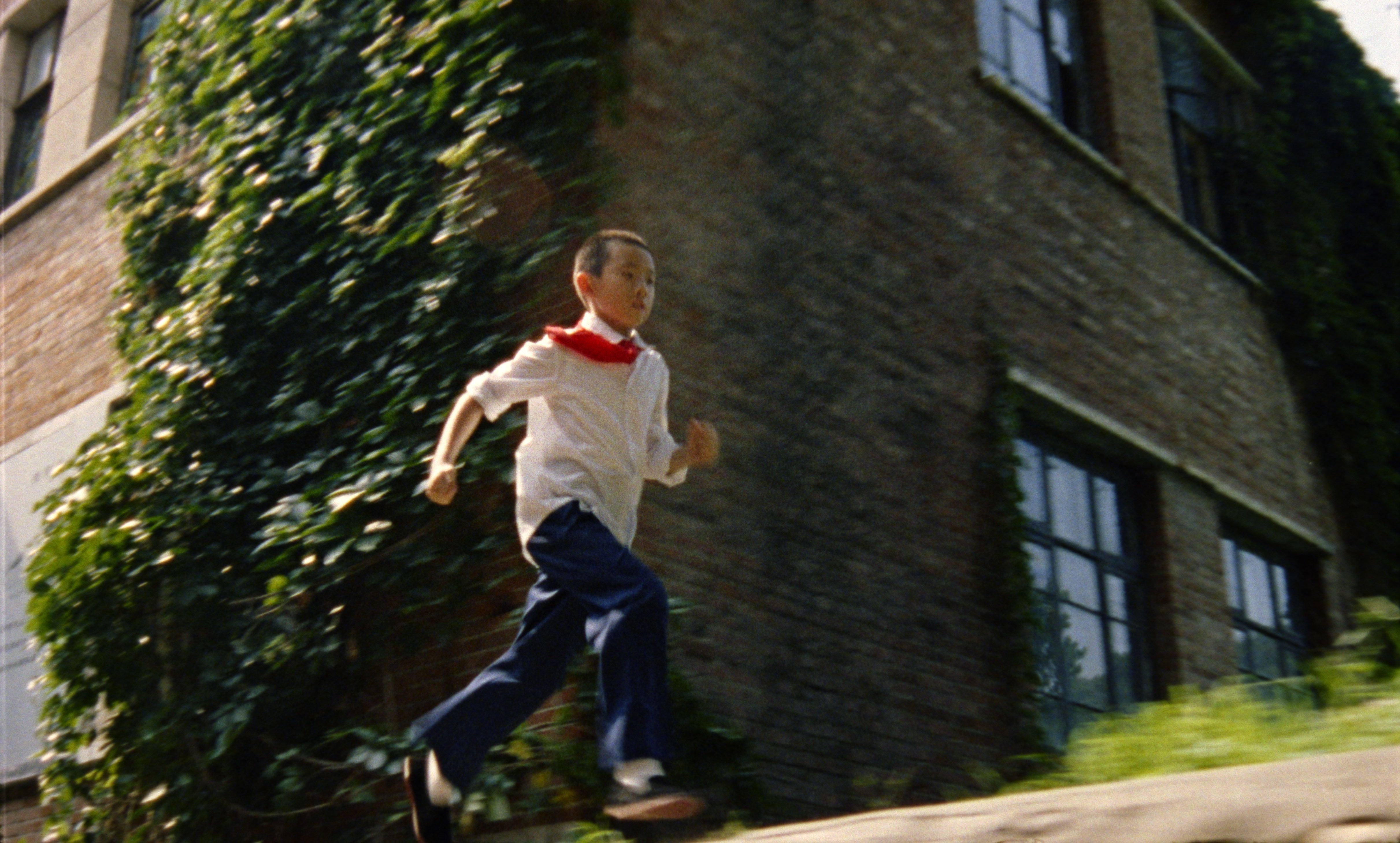
‘Did you check out Yang Fudong’s show?’ I’ve been hearing this line again and again lately. Many—myself included—have anticipated this, Yang’s largest exhibition to date for years. The fact that his last solo show was five years ago is reason enough to make the trip to Beijing. This pioneer of contemporary Chinese moving image is best known for his black-and-white photographs and films marked by staged performances and classical aesthetics, conjuring nostalgic scenes set in a kind of non-place. Fragrant River is a literal translation of Xianghe, Yang’s hometown, which in the exhibition flows less as a fixed location than as an undercurrent. The viewer follows an autobiographical journey from a five-channel 16mm installation of children playing, running and idling to an ethereal passage at Beijing’s Summer Palace that feels extracted from fading memory, and finally into Xianghe itself. Filmed in 2016, but only completed this year, the ambitious title work unfolds as a labyrinth of 15 black-and-white videos across nine rooms. Walking—and getting lost—inside it becomes a quiet homecoming in itself. – Shanyu Zhong
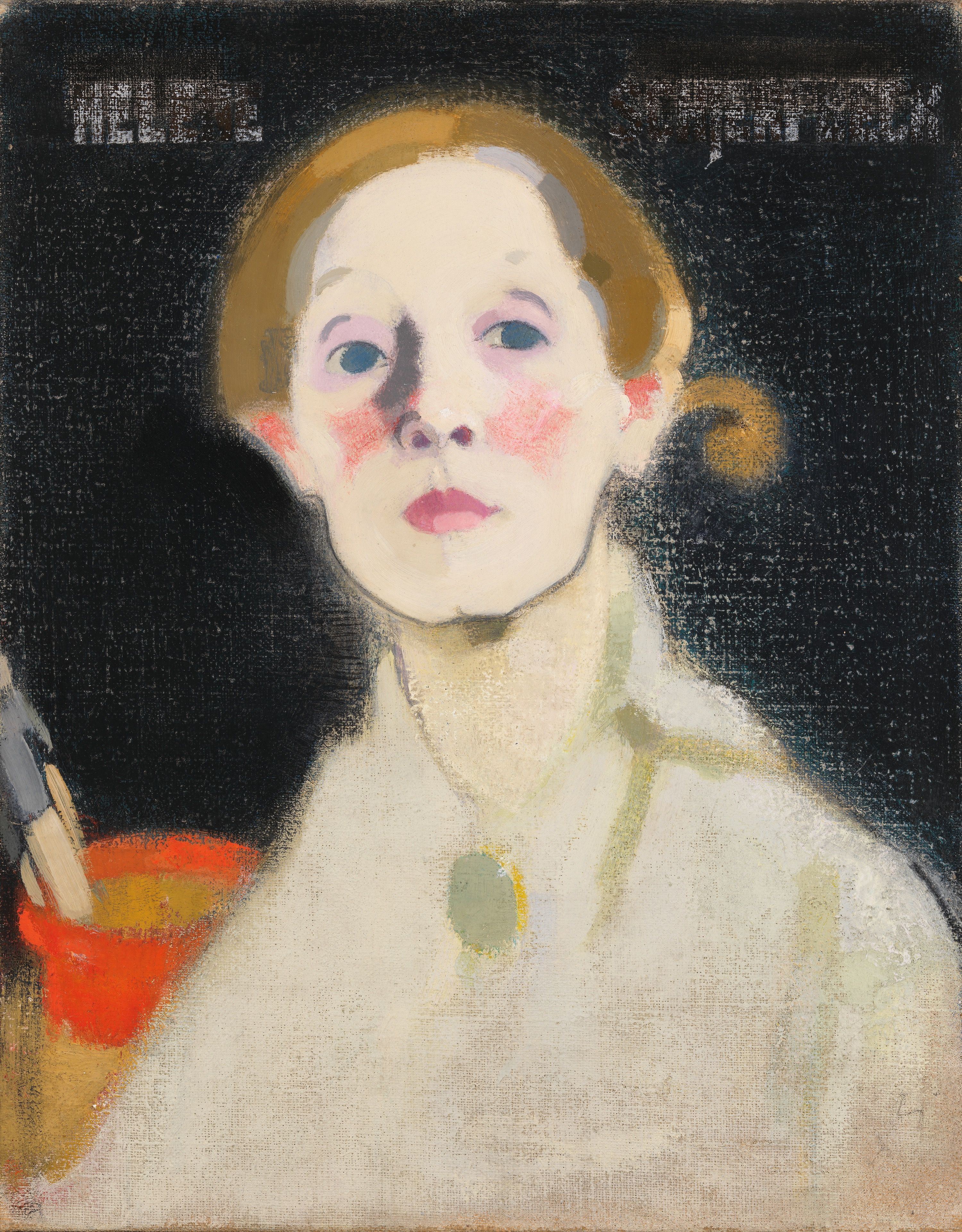
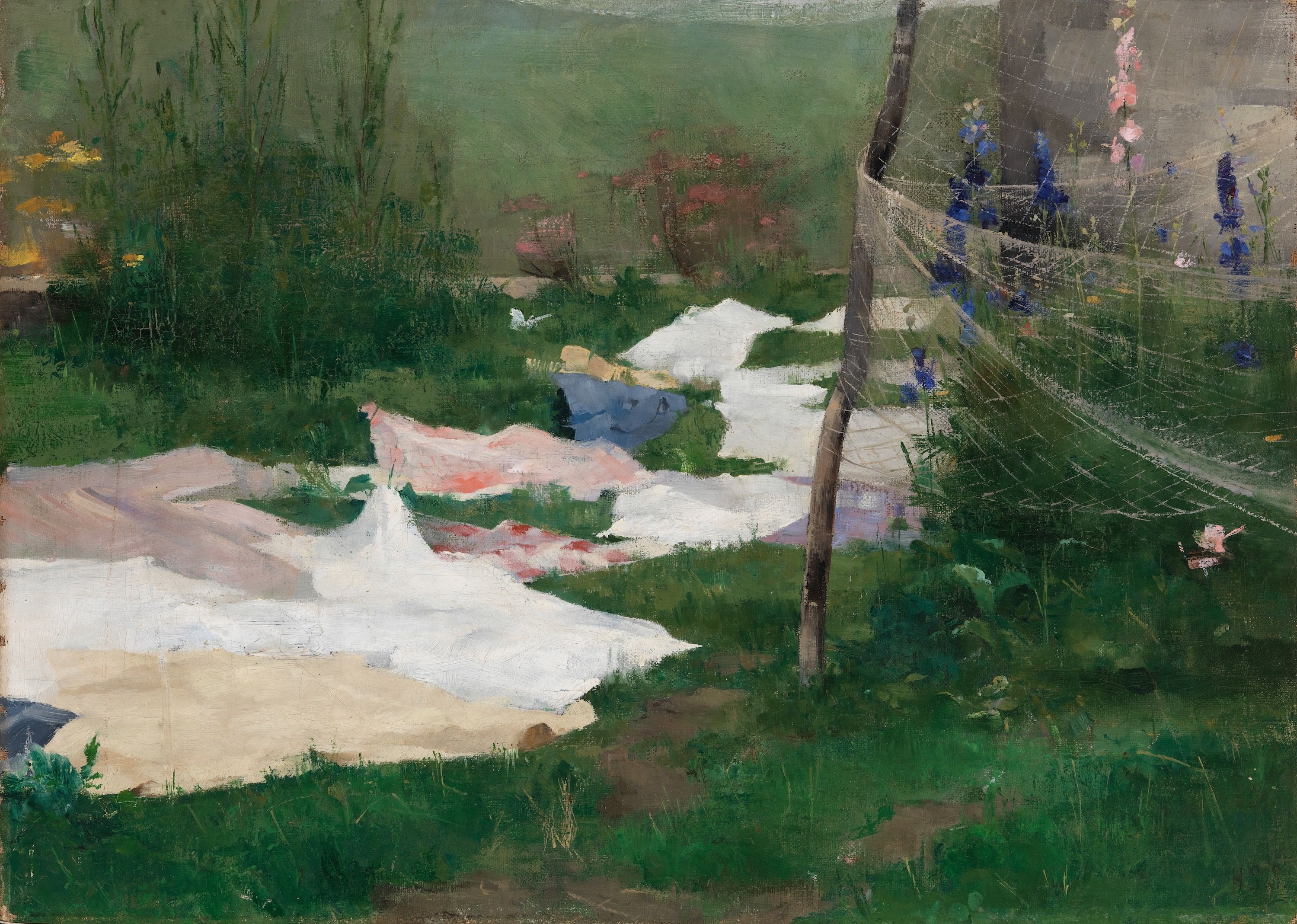
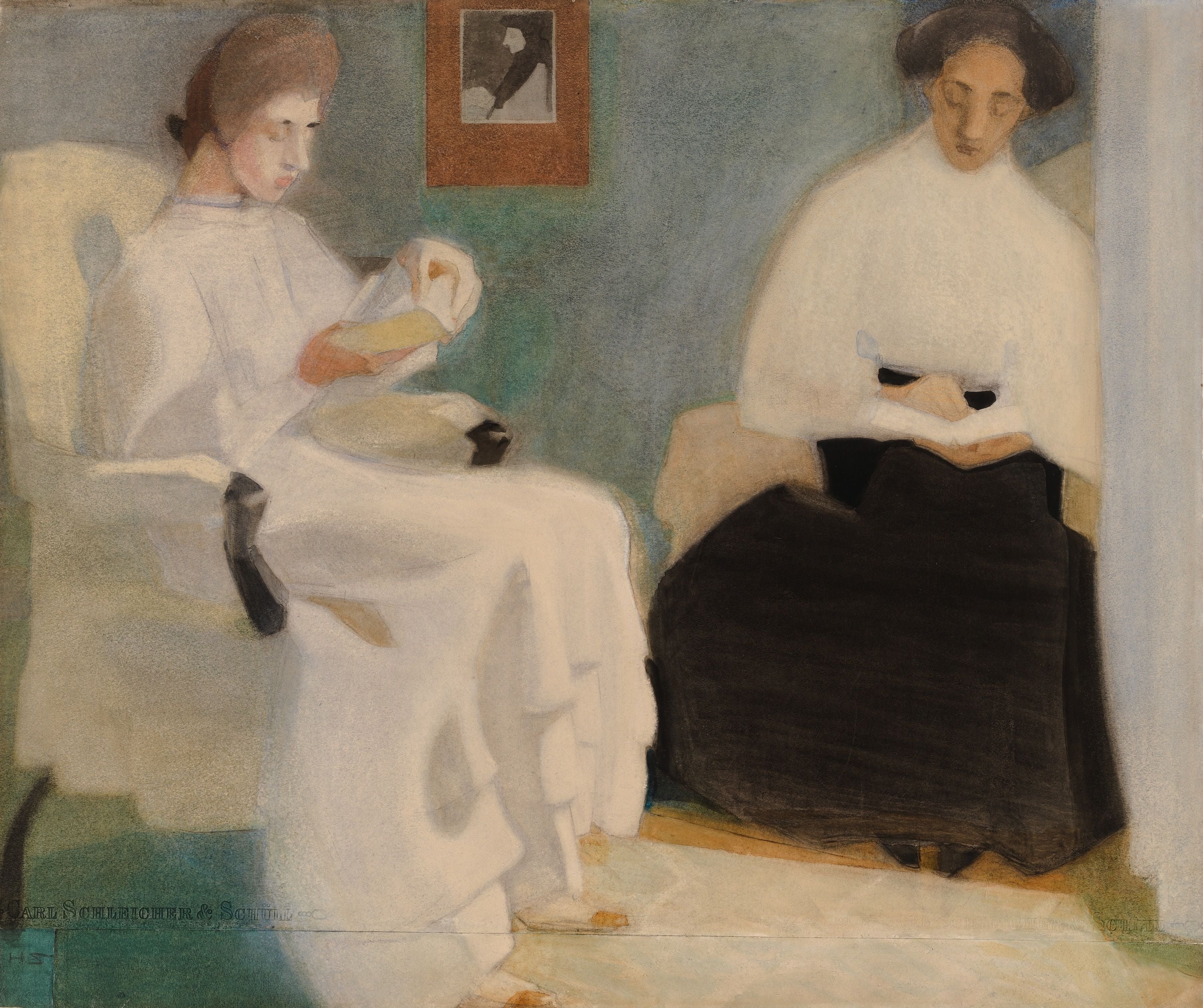
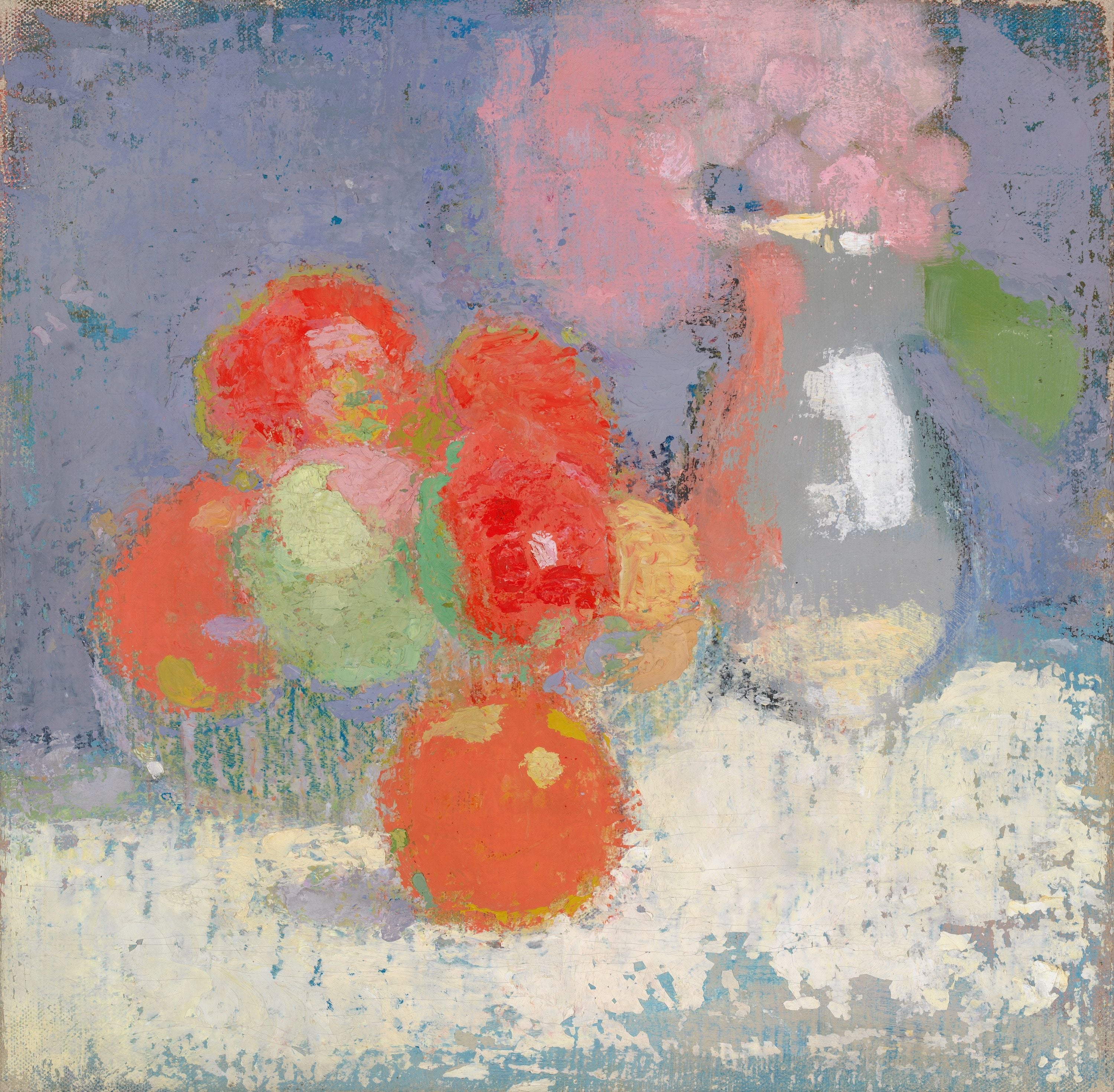
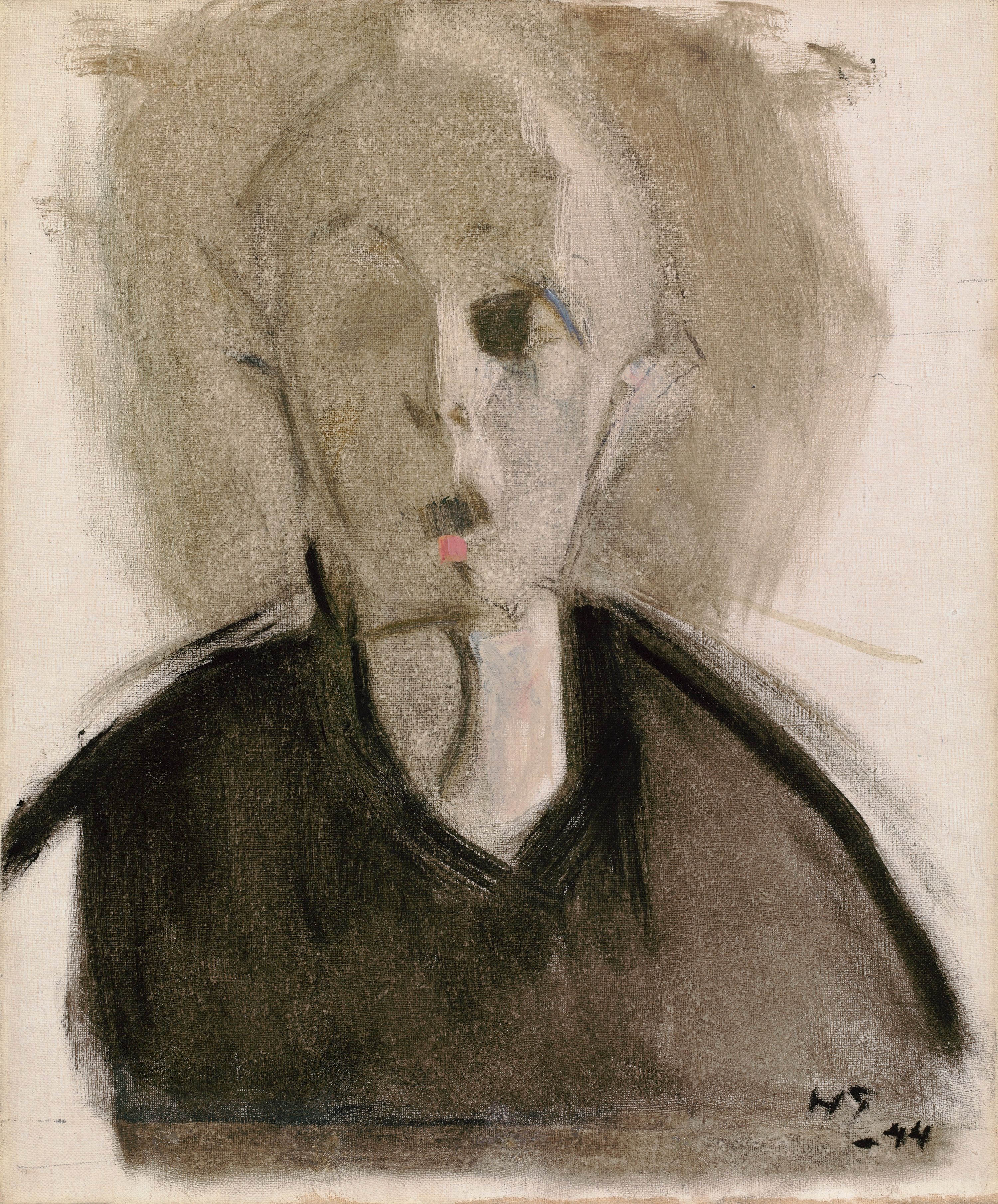
Seeing Silence: The Paintings of Helene Schjerfbeck (5 December 2025–5 April 2026) at The Metropolitan Museum of Art, New York
If Edvard Munch is Norway’s enduring national treasure, Finland’s is Helene Schjerfbeck—she is so beloved by her homeland that her birthday, 10 July, is Finland’s National Day for the Painted Arts. Now on view at Metropolitan Museum of Art is a collection of nearly 60 works that demonstrate the artist’s style progression from, as critic Roberta Smith wrote in 1992, ‘a dazzlingly skilled, somewhat melancholic version of late-19th-century academic realism...’ to ‘nearly abstract images in which pure paint and cryptic description are held in perfect balance’. Born in 1862, Schjerfback studied in Paris on a grant as a teenager and went on to produce paintings in a naturalistic plein-air style, becoming known for ‘conventionally realist full-scale work’ including the depiction of a sick child, The Convalescent (1888), which won the bronze medal at the 1889 Paris World Fair. It was only after moving back to Finland to care for her sick mother that her style began to shift: skilled realism is replaced by ghostly, pared-back self-portraits wherein, as Smith noted, ‘the mask is stripped off to reveal a dignified yet timid face [that]…the artist reduces to little more than a skull’. – Aimee Walleston
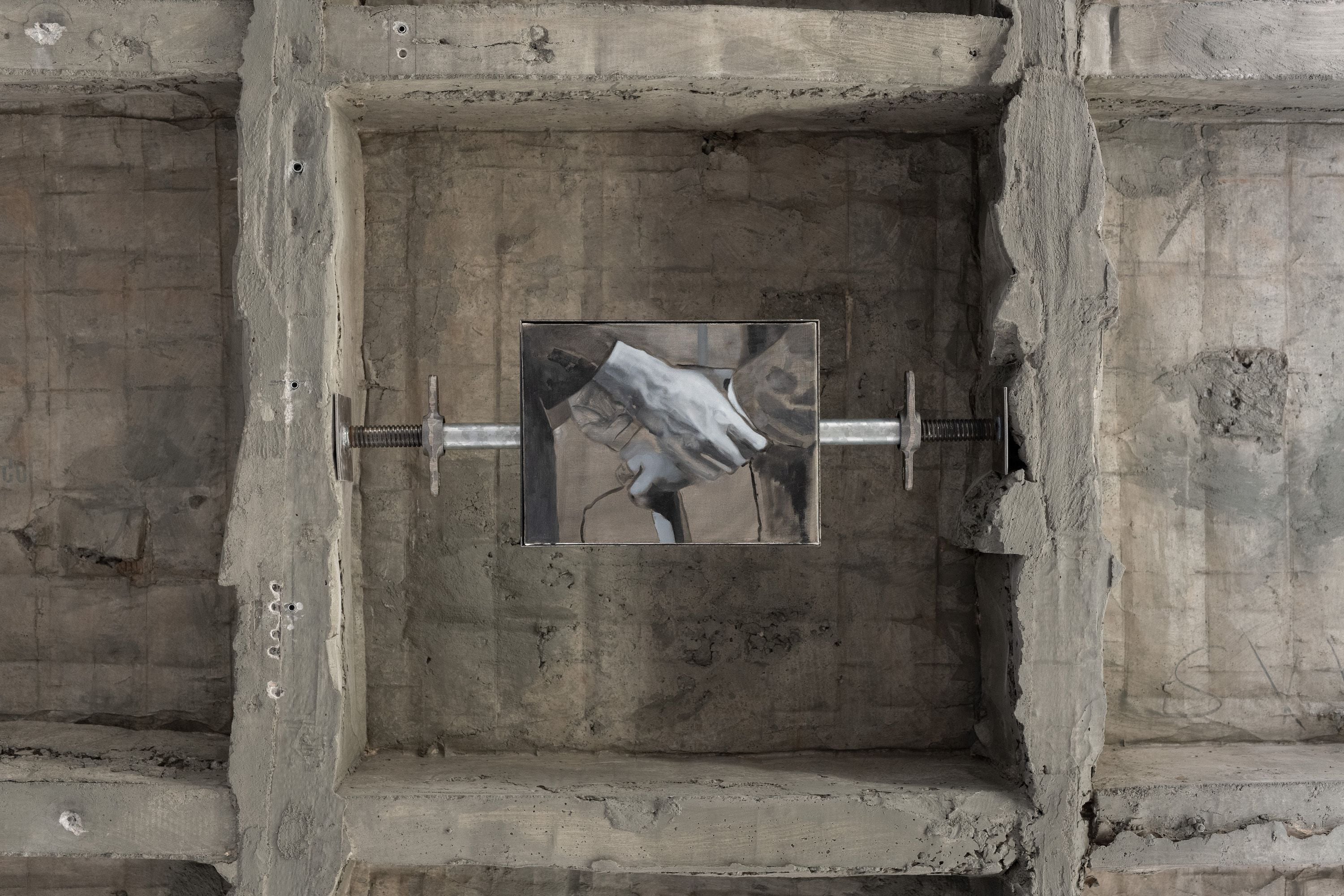
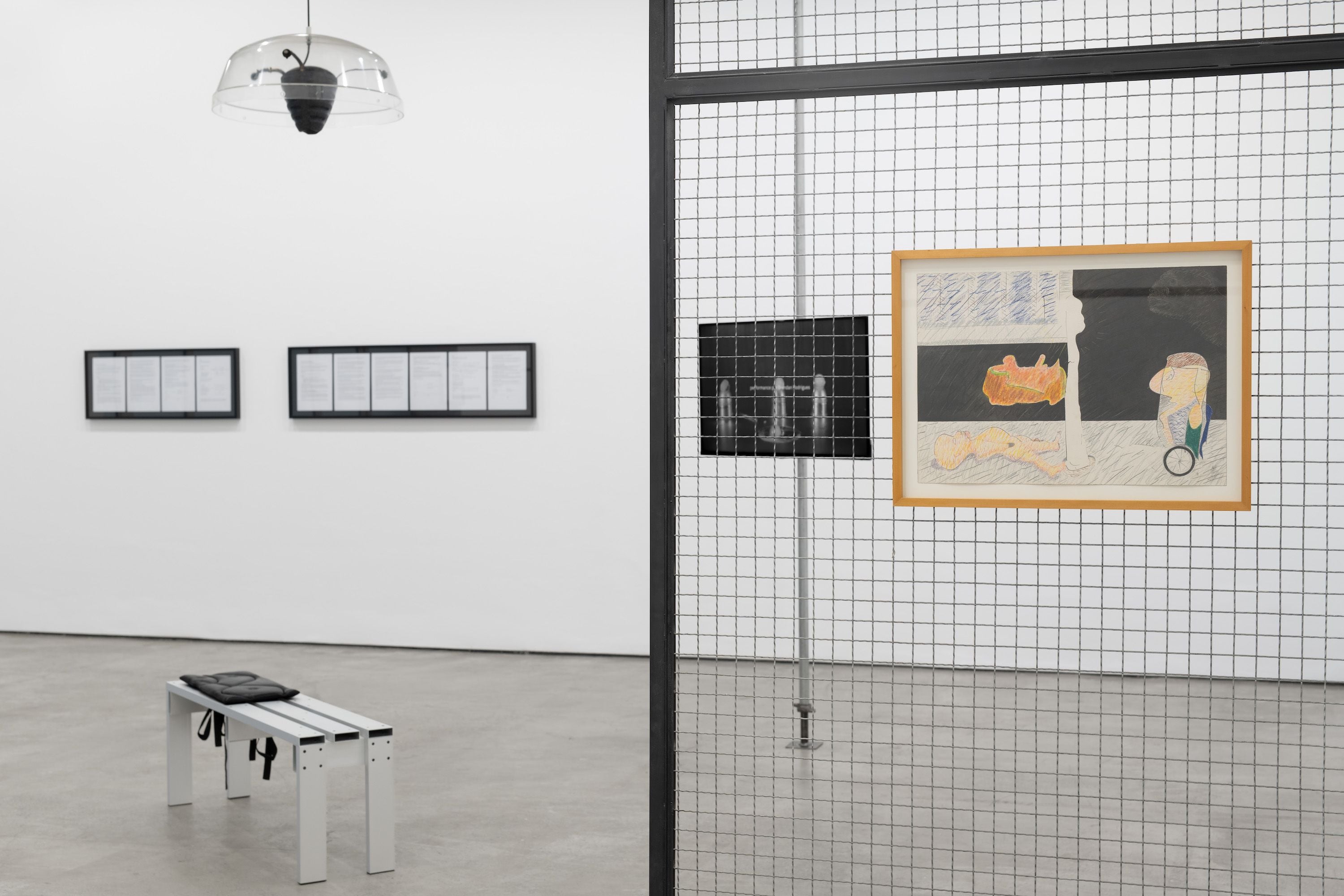
Ilê Sartuzi, Contrato (4 November 2025–13 February 2026) at Luisa Strina, São Paulo
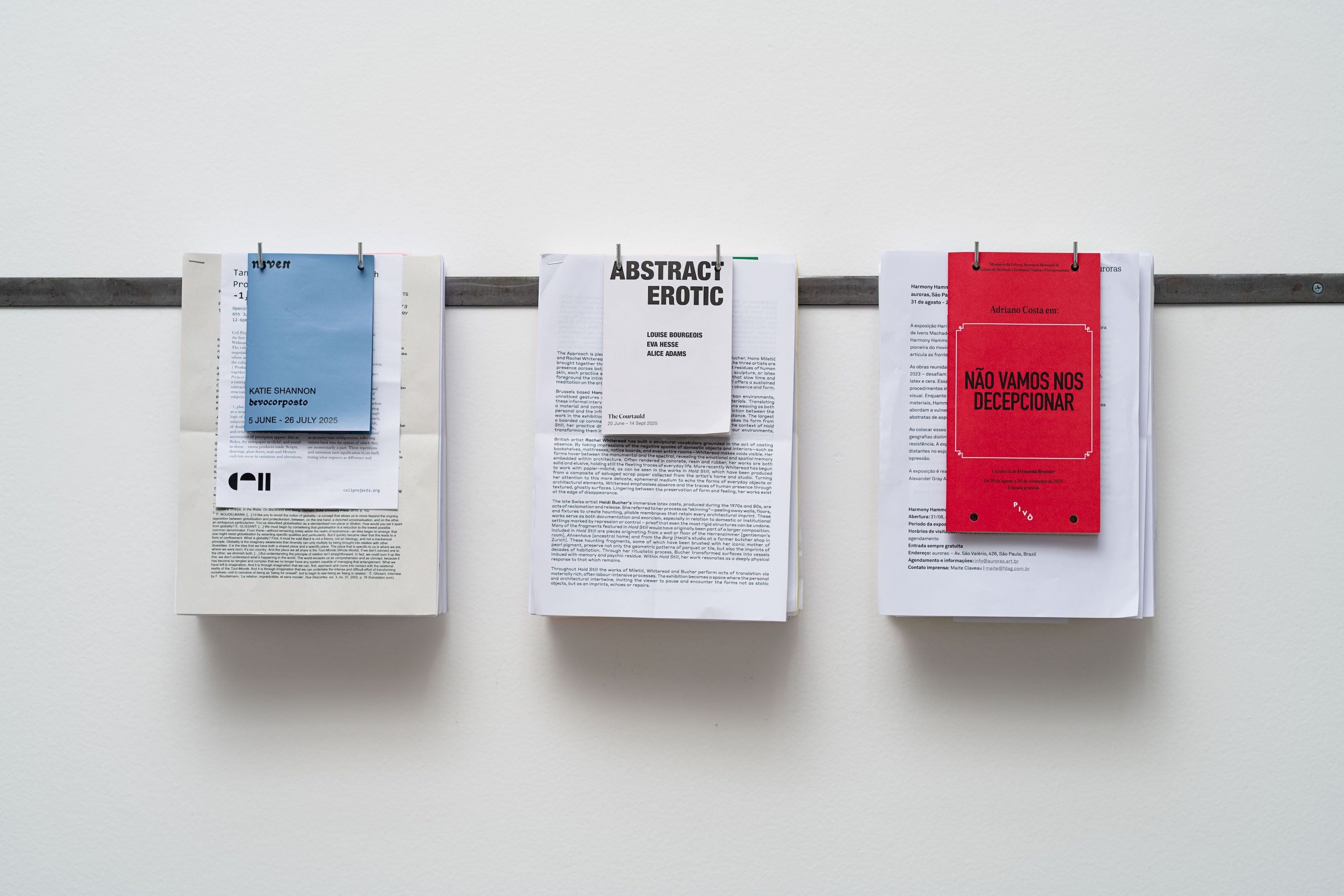
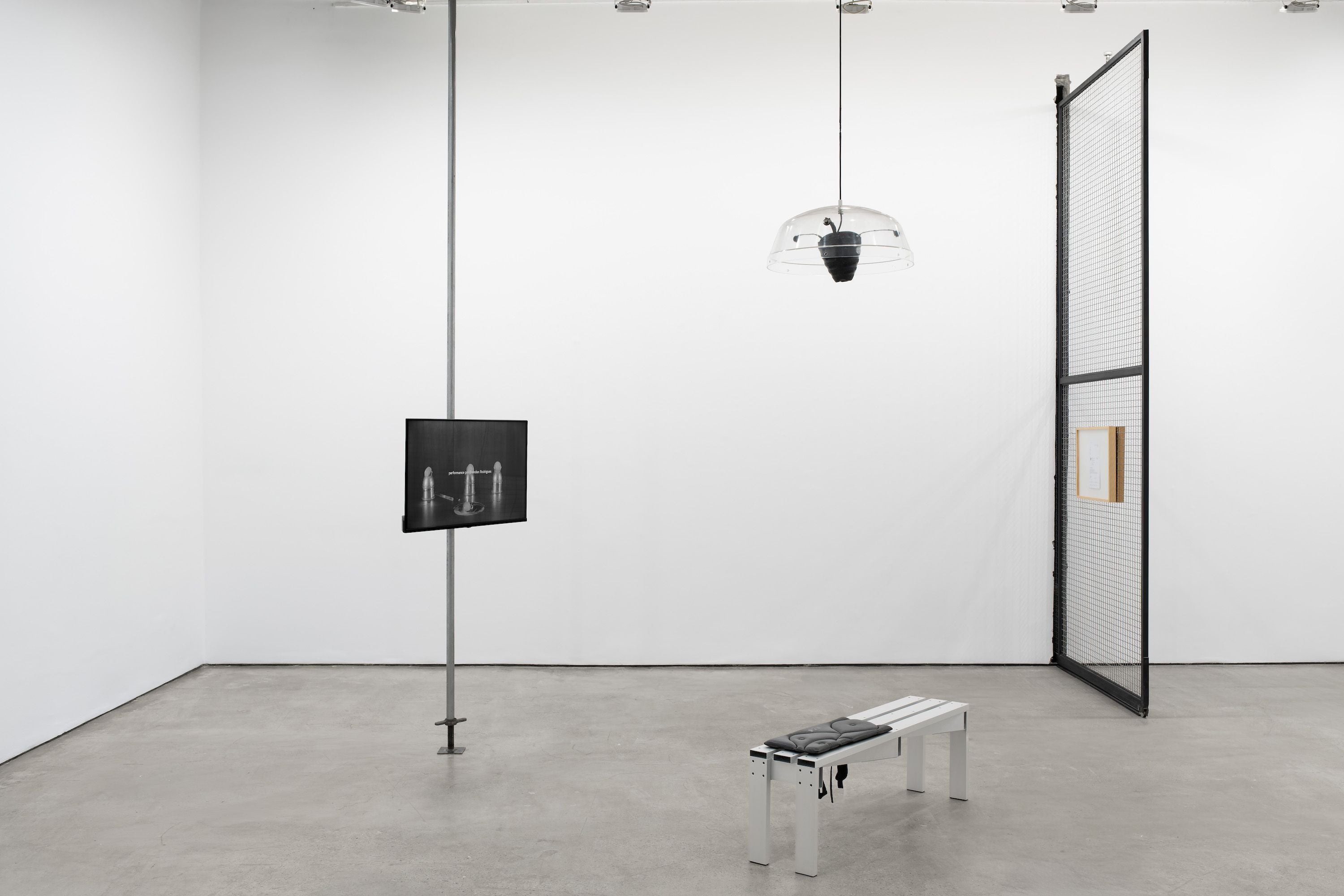
The Brazilian conceptual artist Ilê Sartuzi stole a 17th-century English silver coin on display at the British Museum in 2024 as part of his MFA project, covertly substituting it with a counterfeit and dropping the original into a donation box on his exit. ‘The problem is that these institutions are the basis of imperialist cultures that looted a lot of these objects from the Global South and world,’ he said. That transgressive tenor carries through to Sartuzi’s show in São Paulo, which, as the title translates, unpacks the social contracts of the arts economy. Across new works spanning video, painting, installation, and intangible gestures that draw from legal and financial concepts, Sartuzi uncovers the political and bureaucratic underpinnings of the art world—whether consigning a 1991 work by pioneering Brazilian artist Cildo Meireles through architectural intervention, or banning the gallery founder from the exhibition space. ‘Every contract is, in a sense, a spell: a set of words and symbolic gestures that establish a new reality,’ Pedro Zylbersztajn writes in the exhibition text. Sartuzi asks, it would seem, who are the real bad actors of the art world? – Misong Kim
Colomboscope Contemporary Art Festival, Colombo (21–31 January 2026)
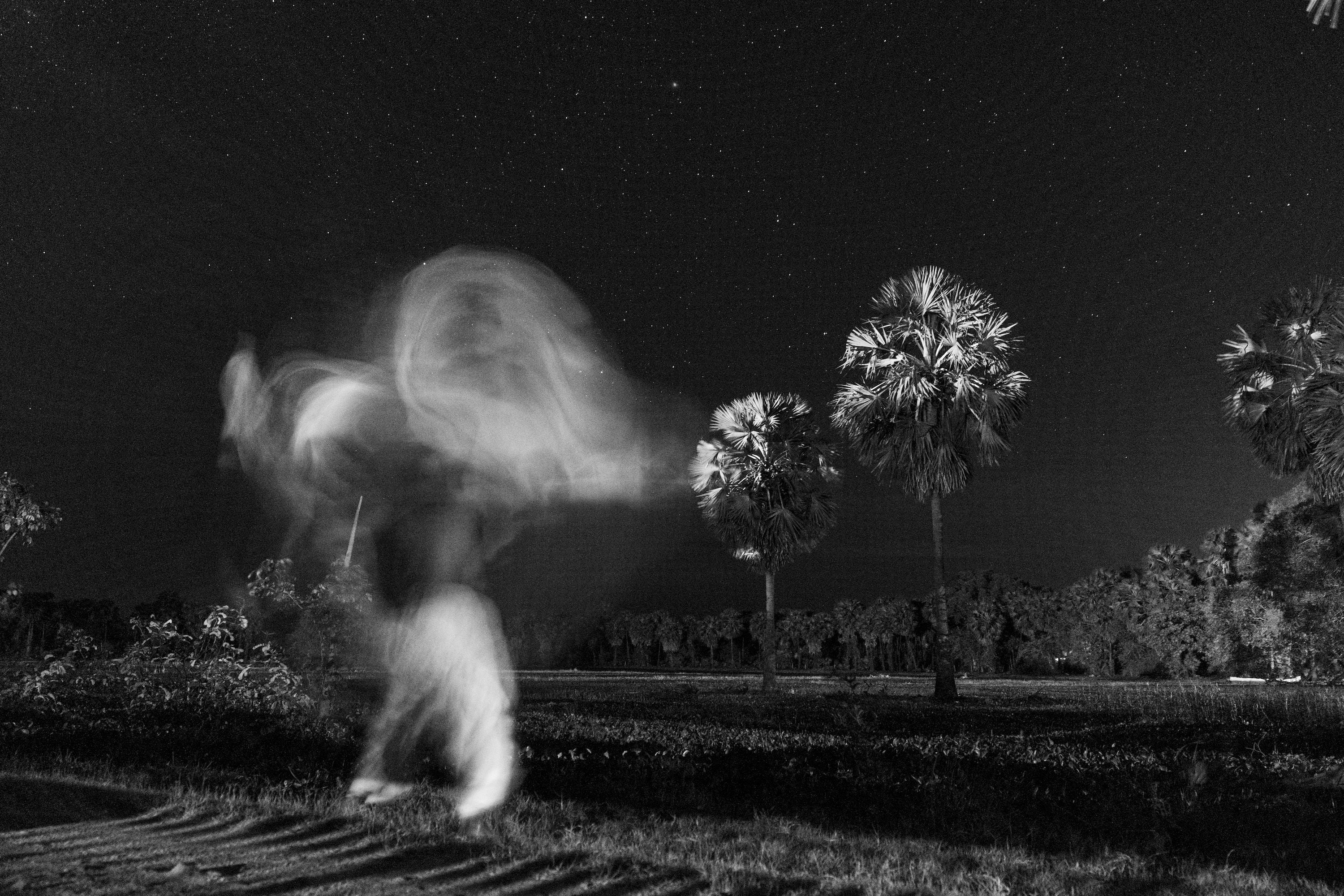
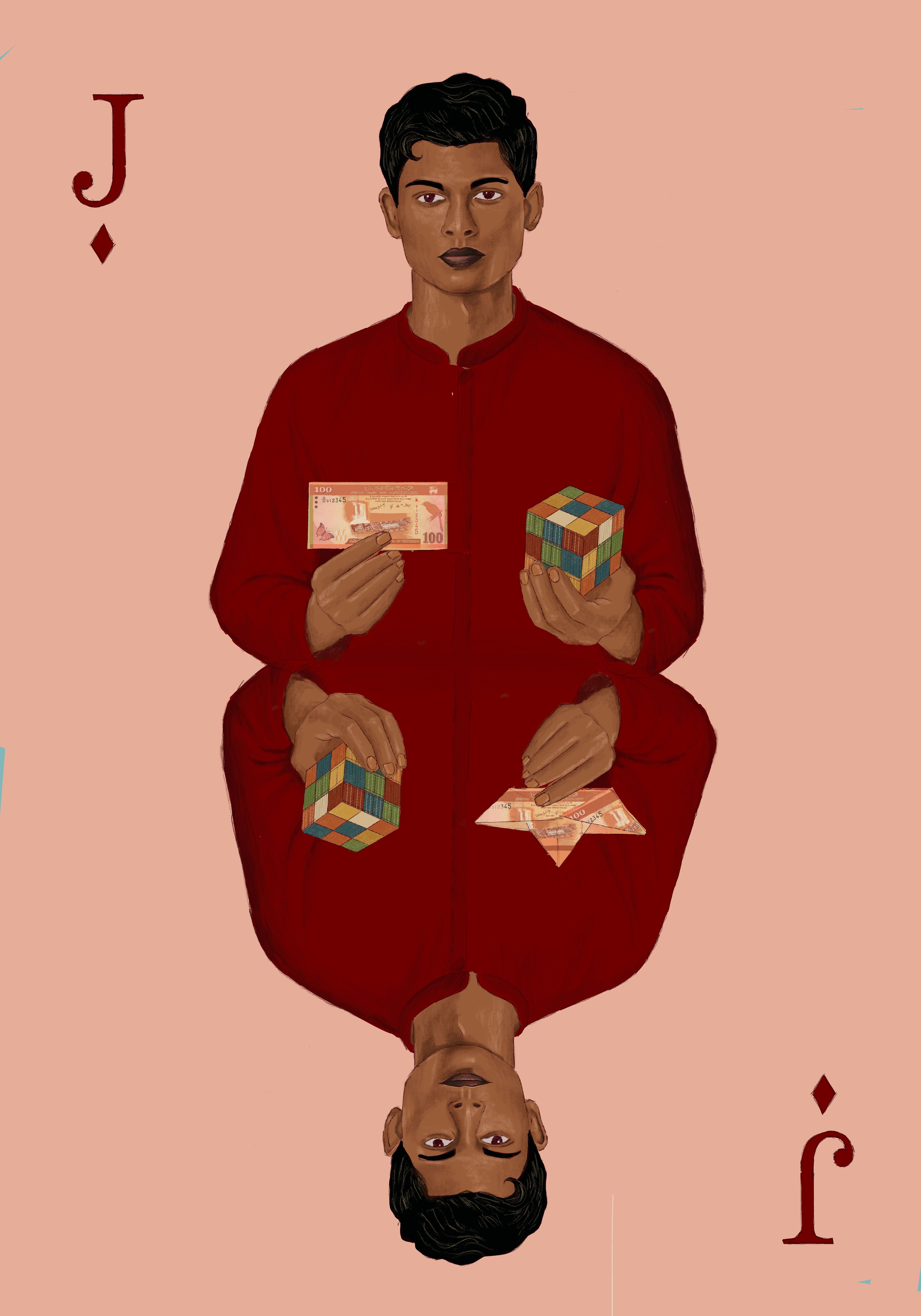
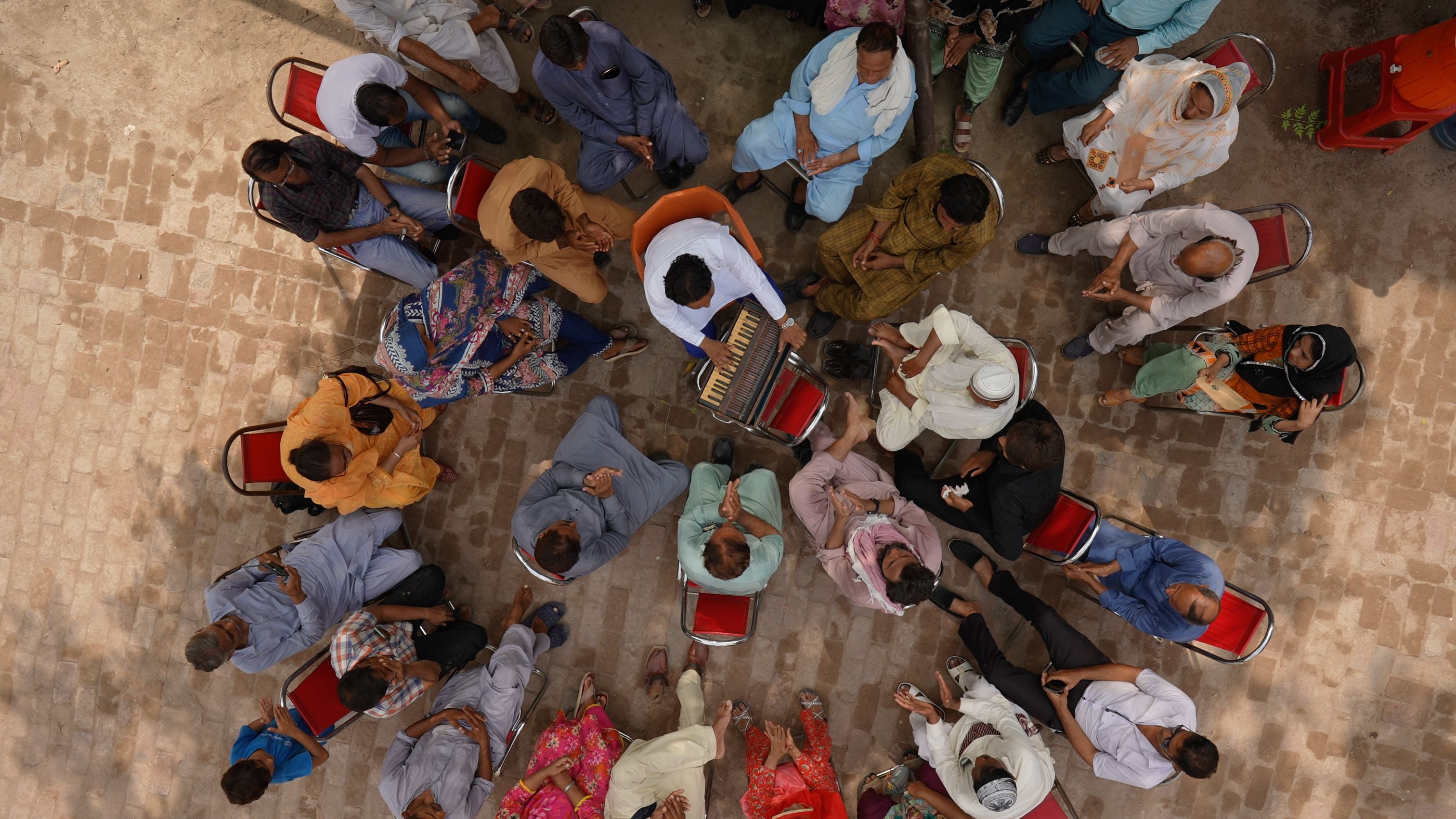
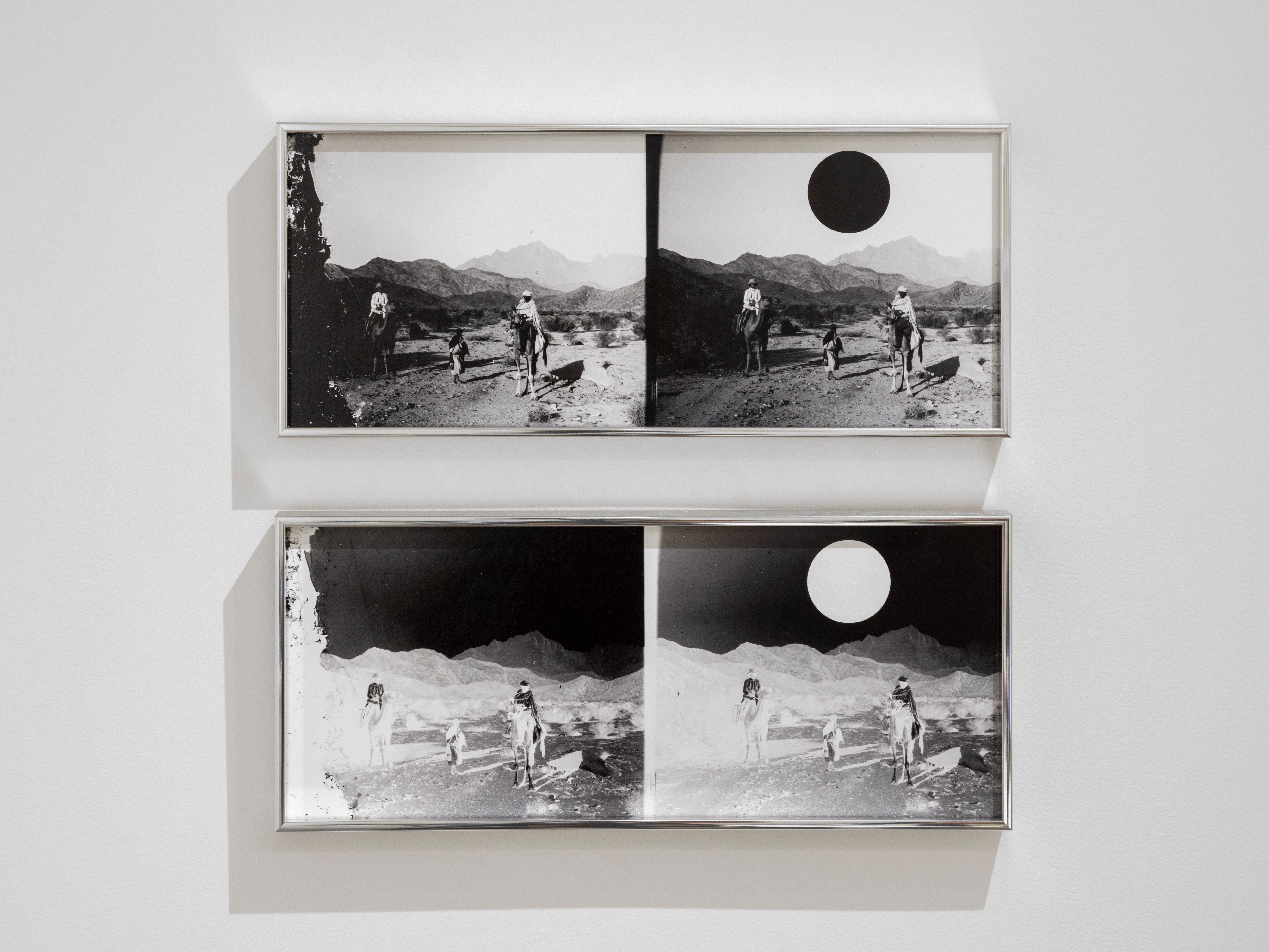
The 2026 Colomboscope, the annual multidisciplinary arts festival held in venues across the Sri Lankan capital, centres on rhythm. The drum is a recurring motif across the festival, curated by Natasha Ginwala and Hajra Haider Karrar. The 2026 edition encompasses more than 50 artists and collectives, including French artist and writer Josefa Ntjam and Palestinian filmmaker Basma al Sharif. Since its founding in 2013, Colomboscope has been deliberate in avoiding the biennial format as a flattening Western export, turning instead to a quieter alternative rooted in local community, the nation’s colonial history and the lasting traumas and impact of Sri Lanka’s civil war. This approach is evident in the tender photographic works of Tharmapalan Tilaxan. His series ‘Echoes of Stillness’ (2025), a new commission for the festival, sees him capture the languid motion of an anonymous figure in long-exposure nighttime shots set against the shimmering night sky, while in others the brutal defacement of war-ruined homes is documented beneath this same open sky. It is a reminder that history continues to march relentlessly on, like a hand poised above a drum, waiting to strike the next beat. – Louise Benson
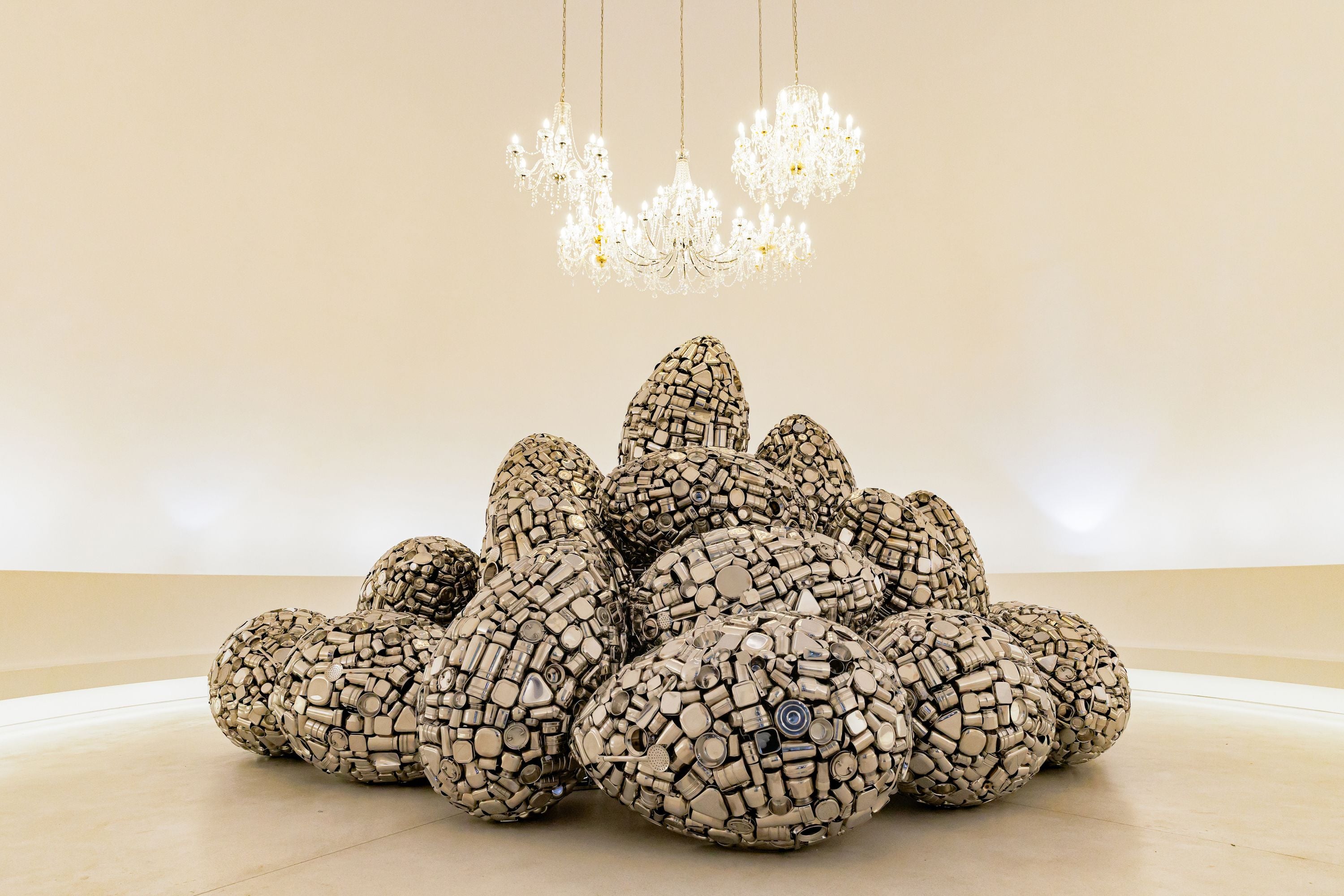
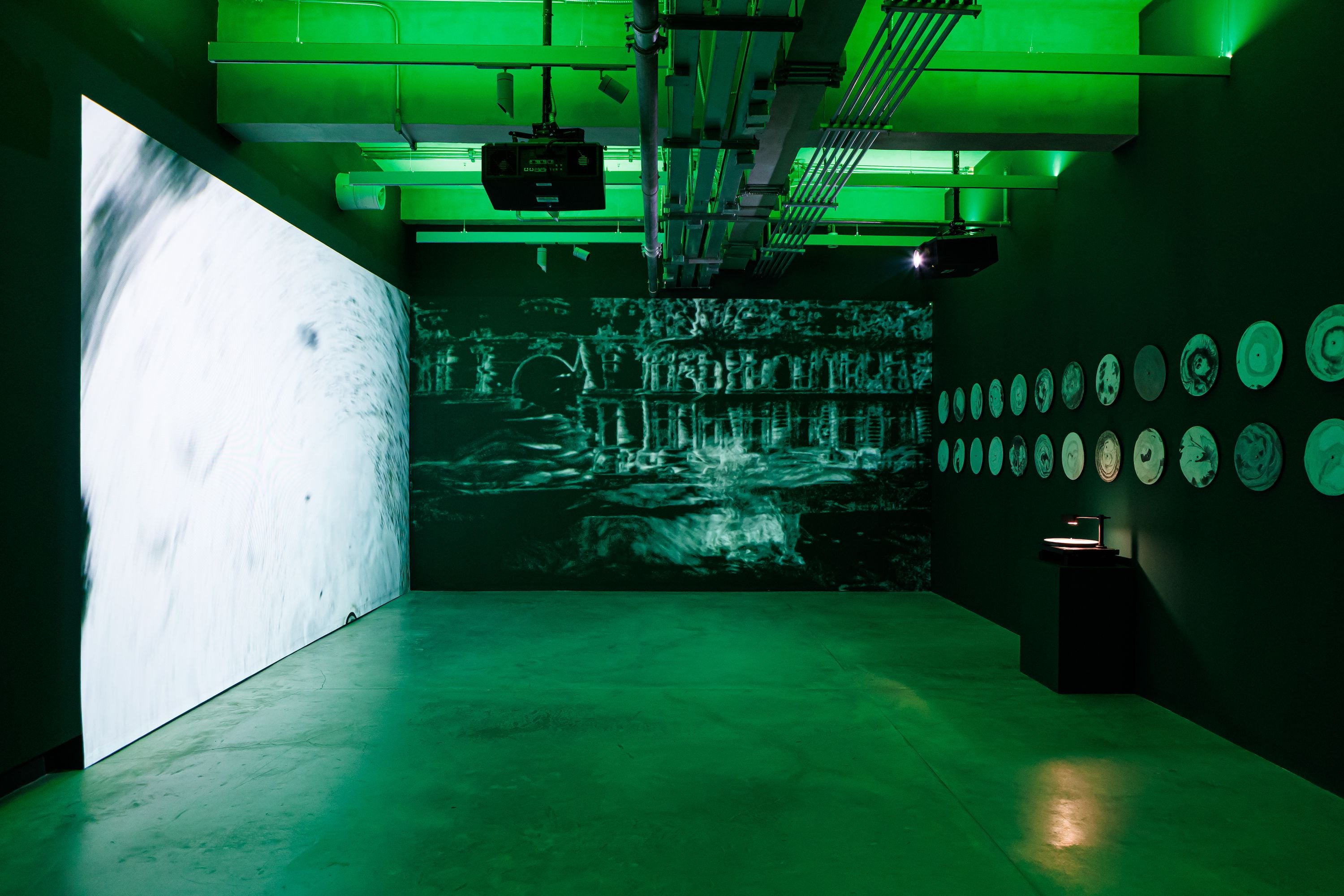
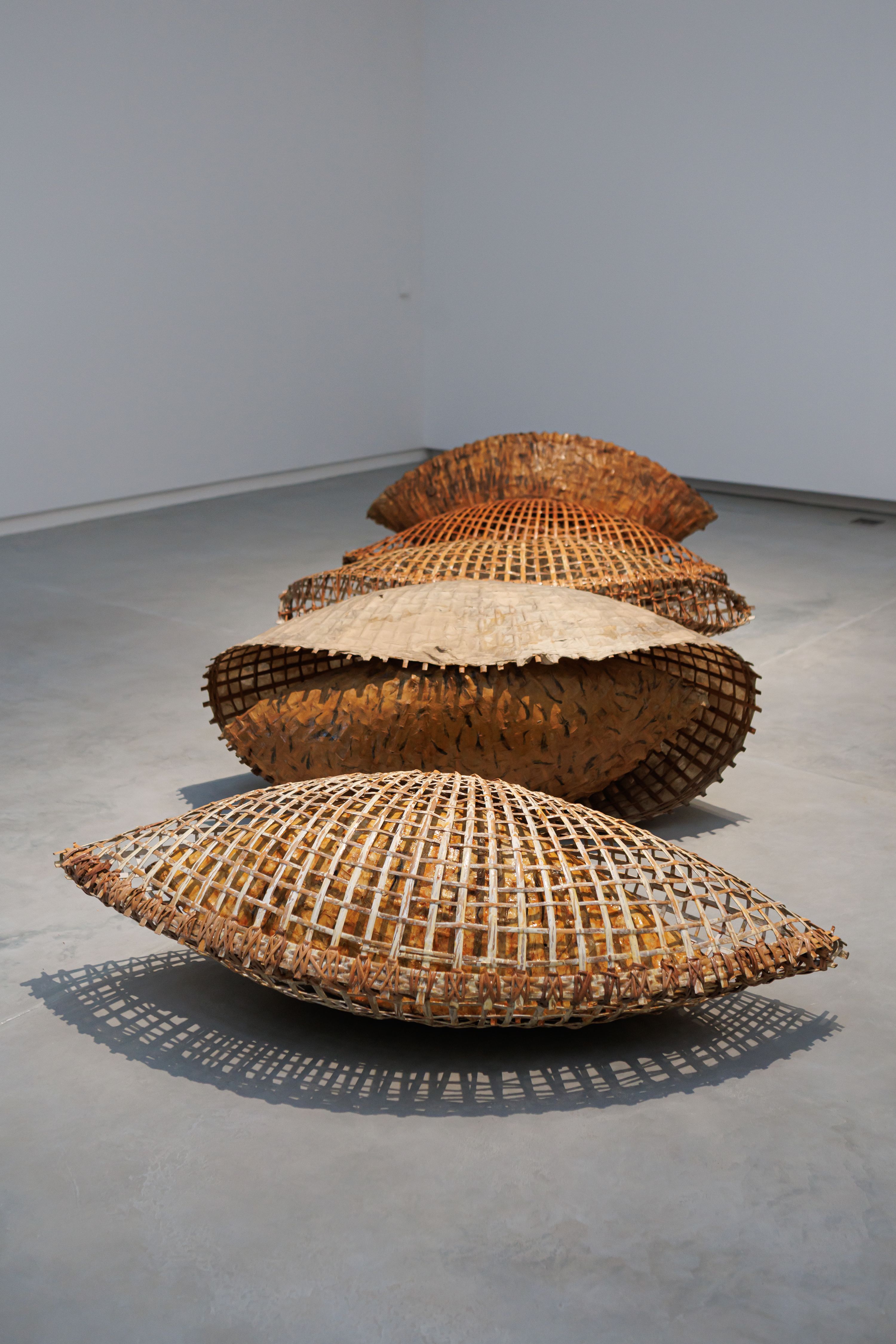
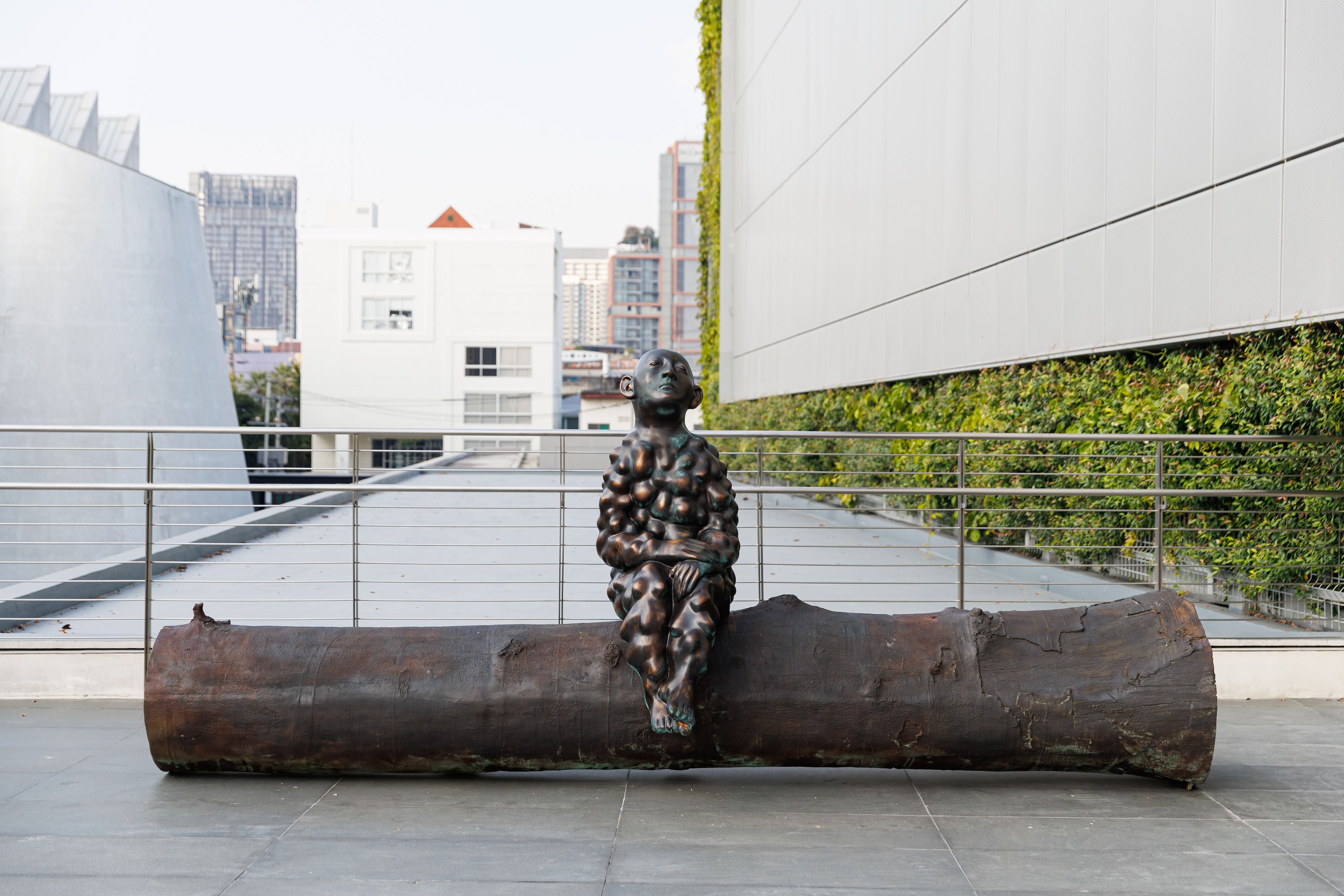
(In)visible Presence (21 December 2025–3 August 2026) at Dib Bangkok
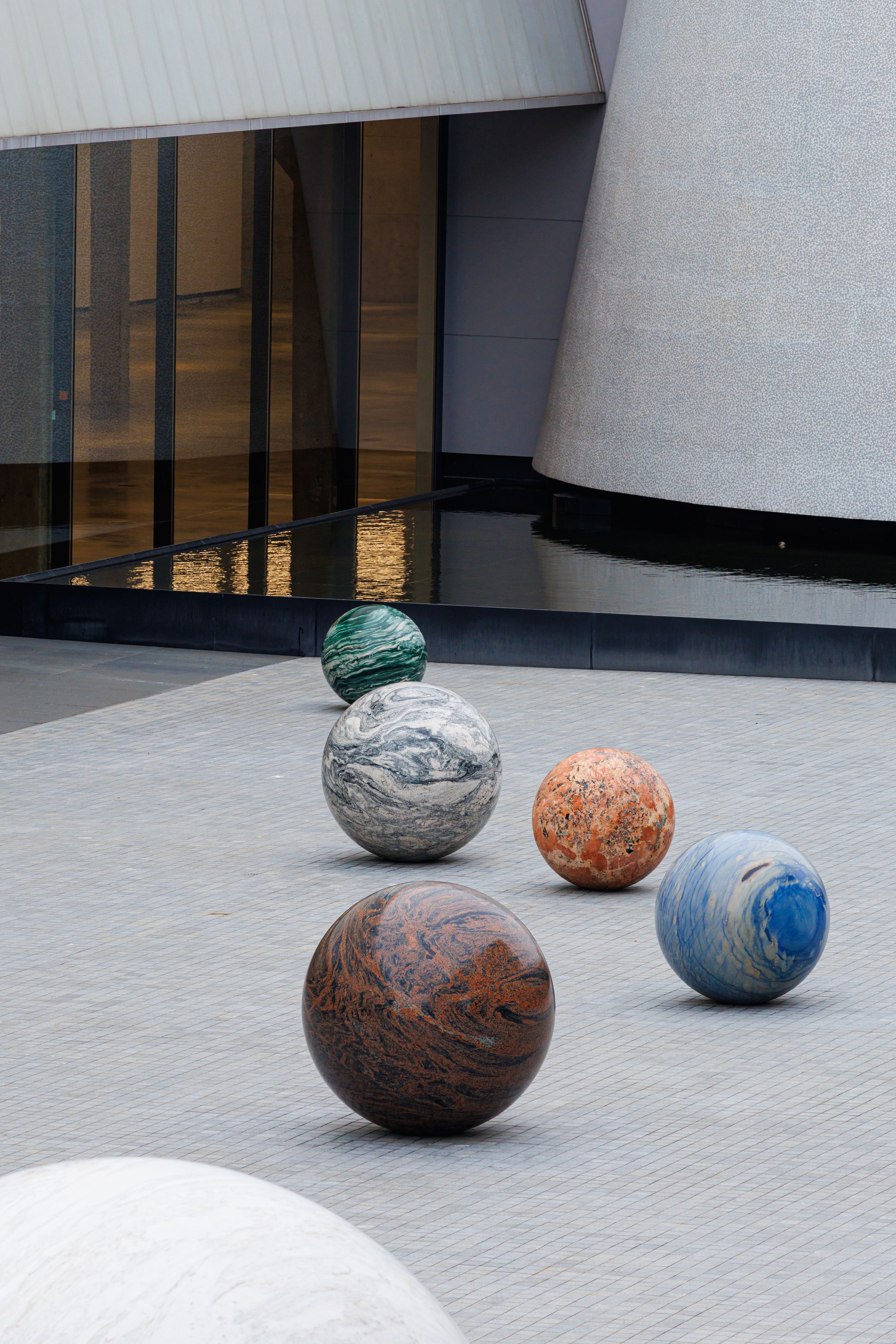
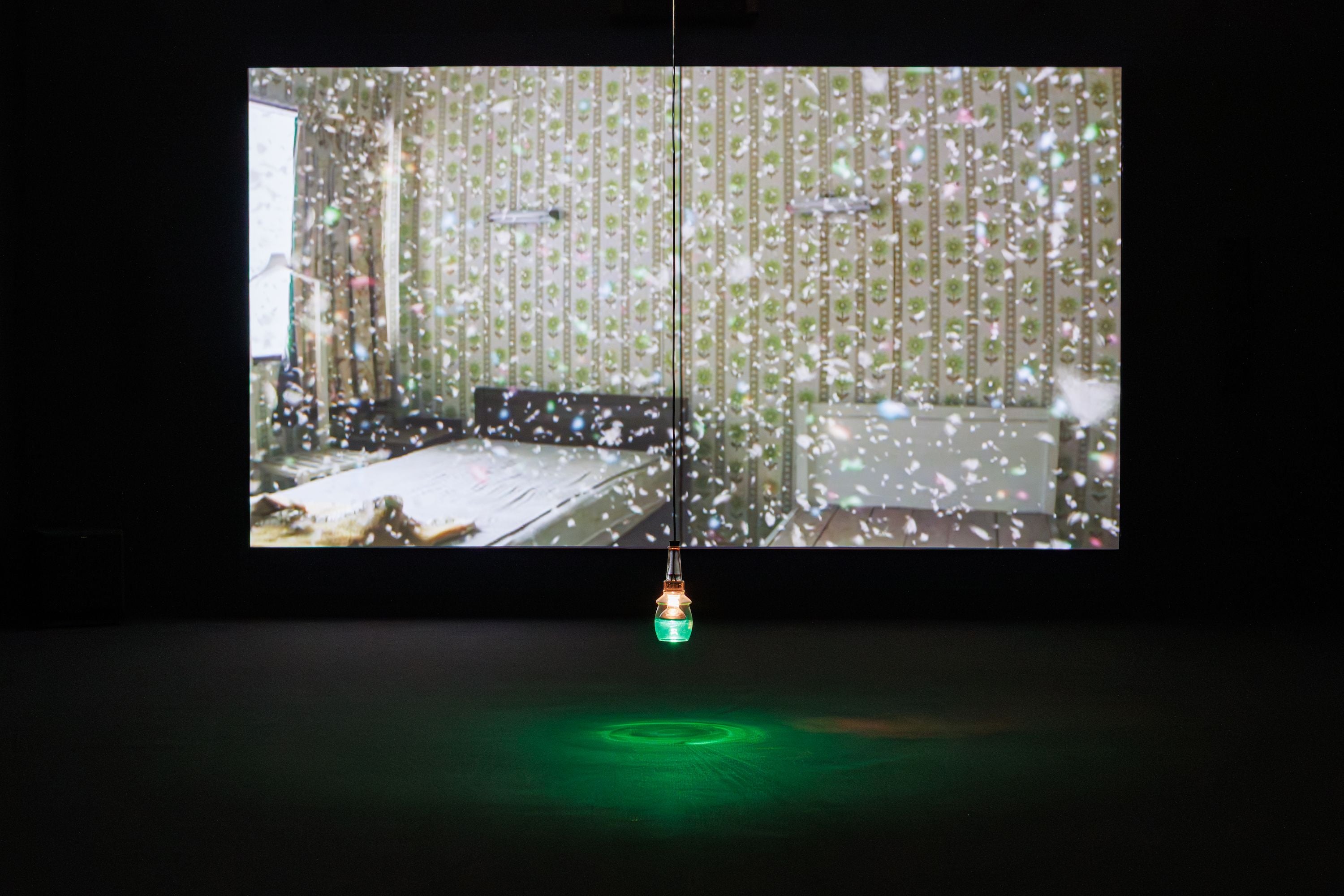
Bangkok’s long-awaited international contemporary art museum opens with the quiet authority of a private collection decades in the making. The timing matters. Dib’s satellite space Dib26 recently contributed a site to Ghost:2568, while the Thailand Biennale has just opened in Phuket, drawing international visitors through the capital city. Together, these overlapping events signal a moment in which high-calibre exhibition-making is increasingly expected, raising the bar for Bangkok’s art infrastructure. Against this backdrop, Dib enters not as an isolated debut but perhaps as part of a broader regional acceleration. The inaugural exhibition brings together a cross-generational grouping of Thai and international artists working across media. Figures associated with material and spiritual enquiry—Montien Boonma, Somboon Hormtientong, Lee Bul, Anselm Kiefer and Alicja Kwade—appear alongside painters such as Alex Katz, Yuree Kensaku and Jessie Homer French. Several artists, including Sho Shibuya, Finnegan Shannon and Hugh Hayden, are presented in Thailand for the first time. Rather than advancing a singular thesis, the exhibition allows affinities of memory, embodiment and scale to emerge through material choices, spatial rhythm and sensory attention. – Zian Chen
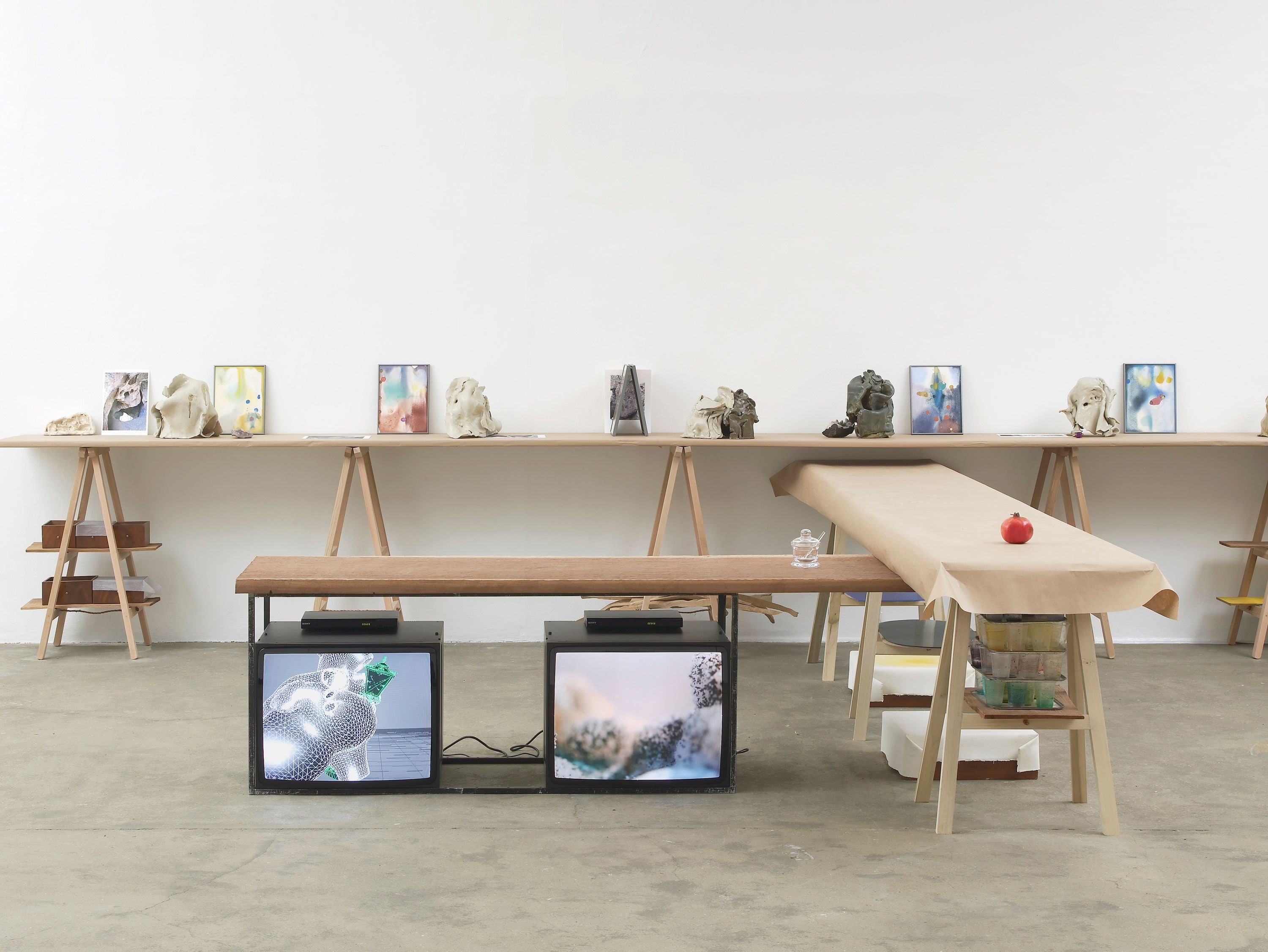
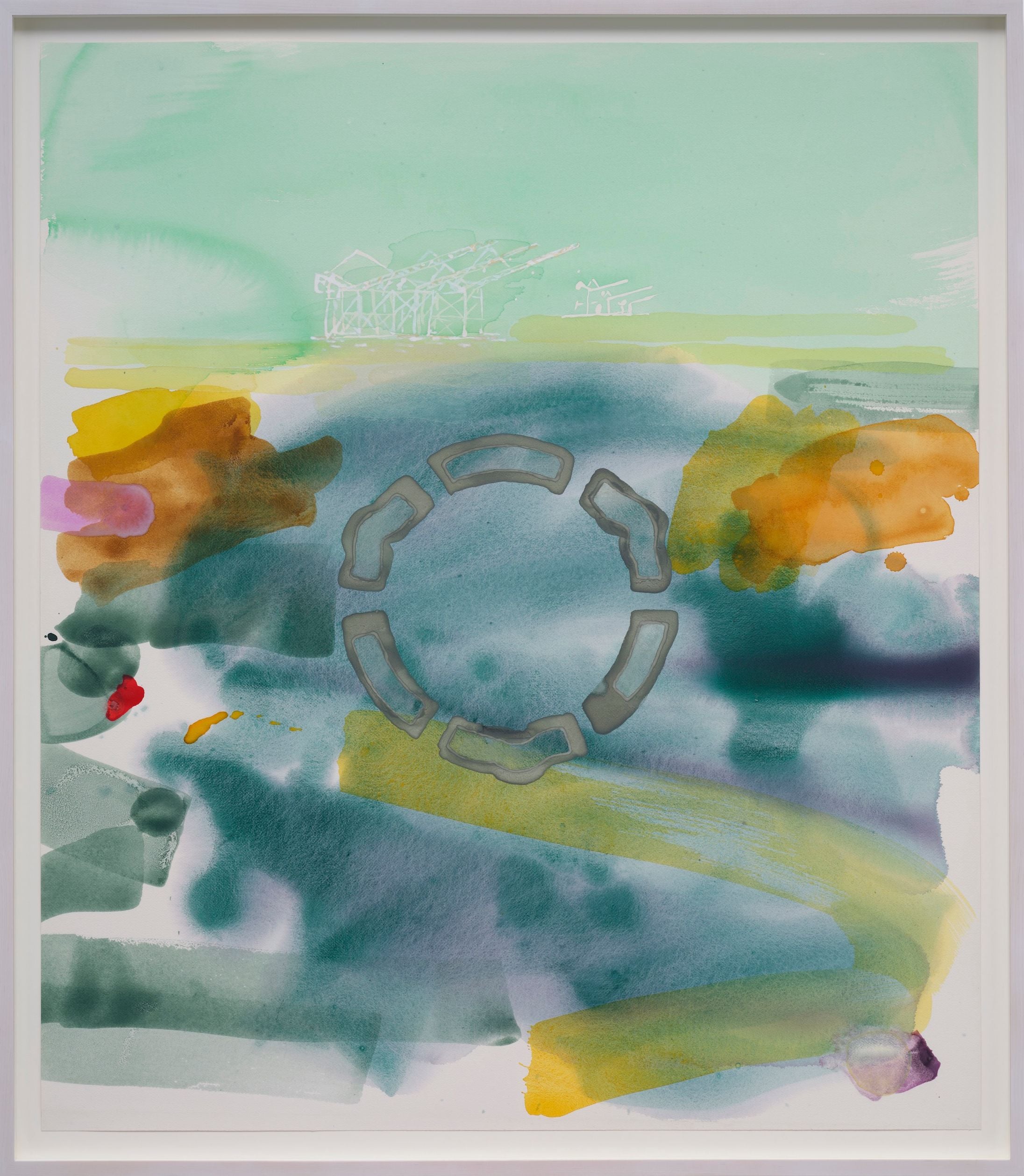
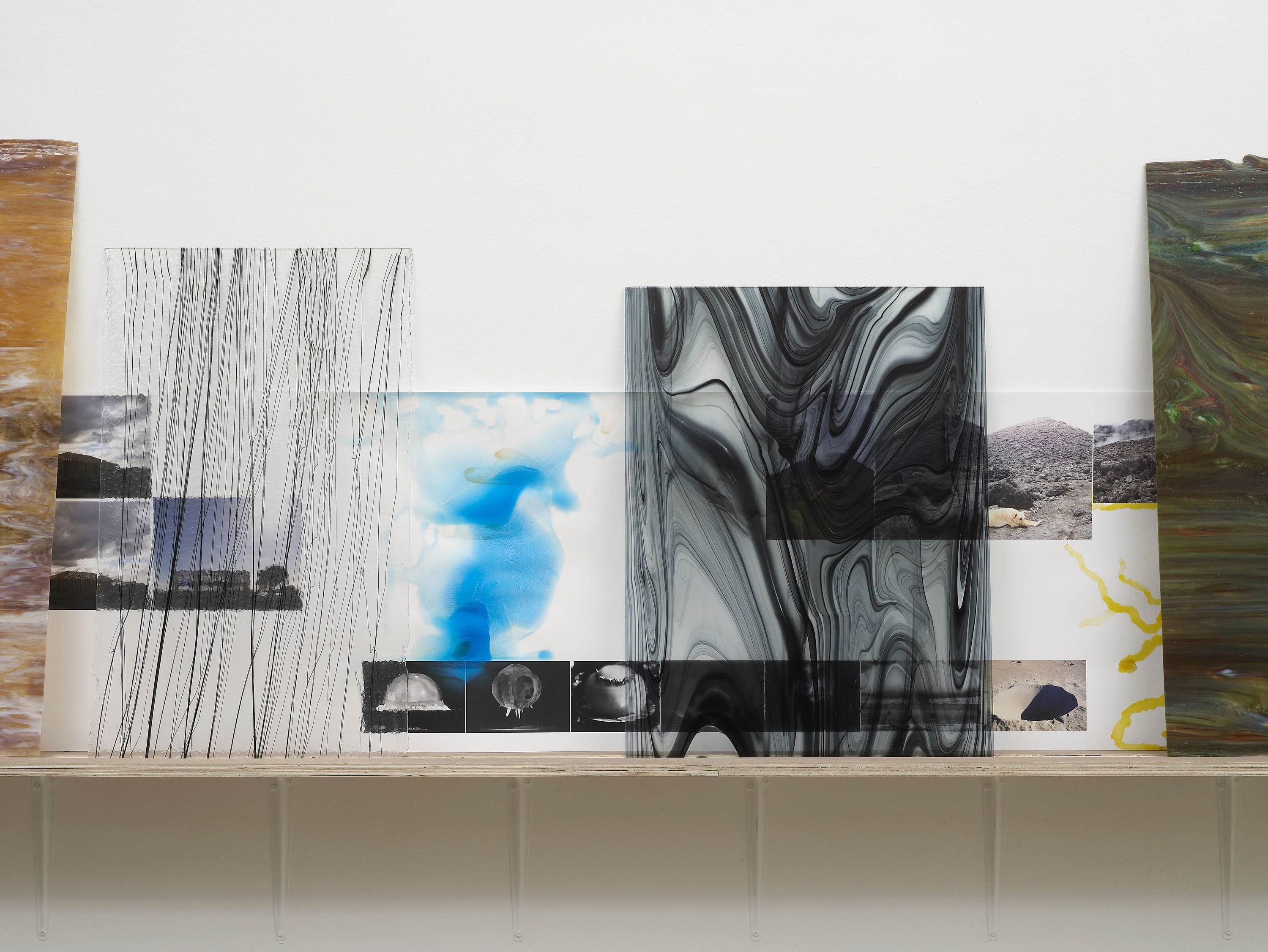
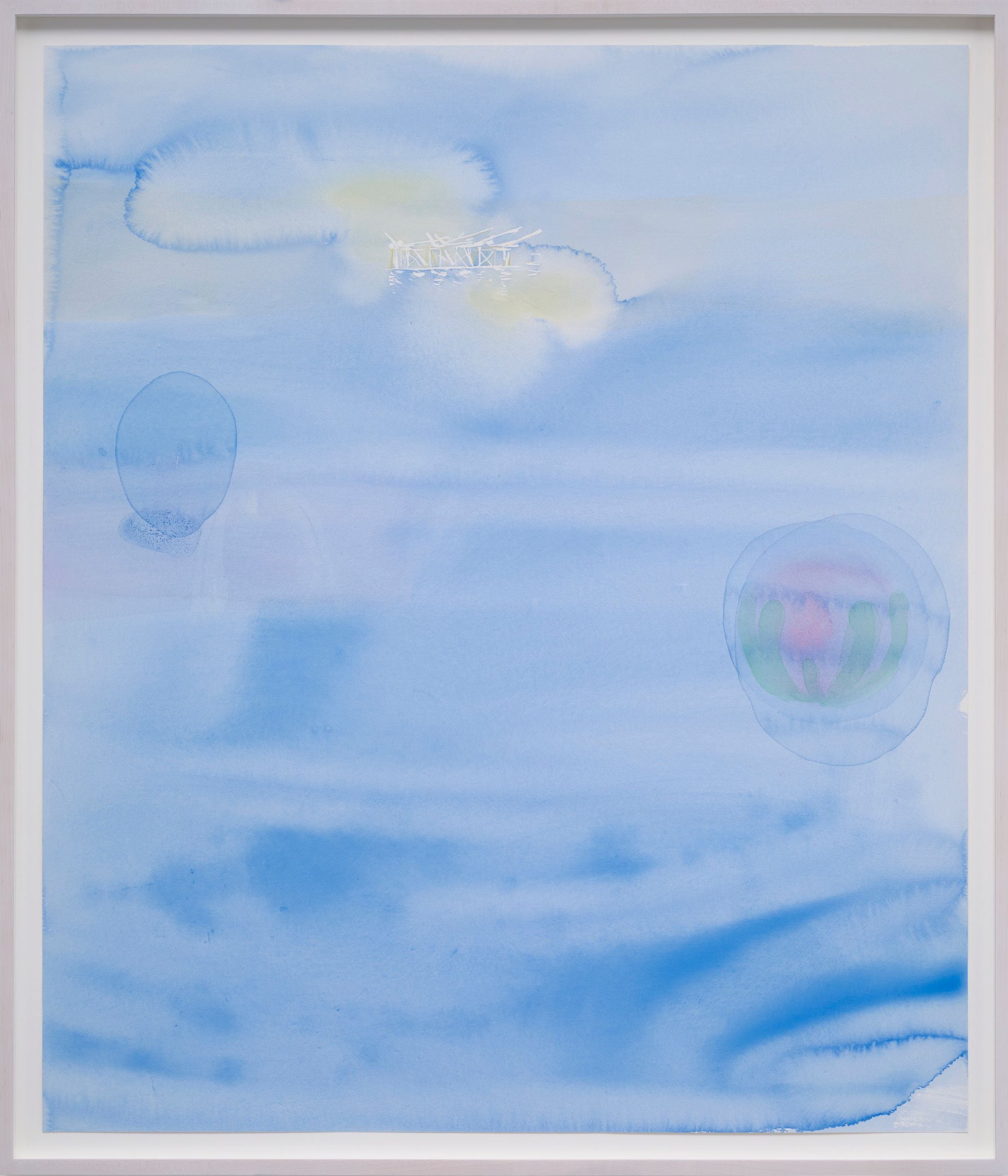
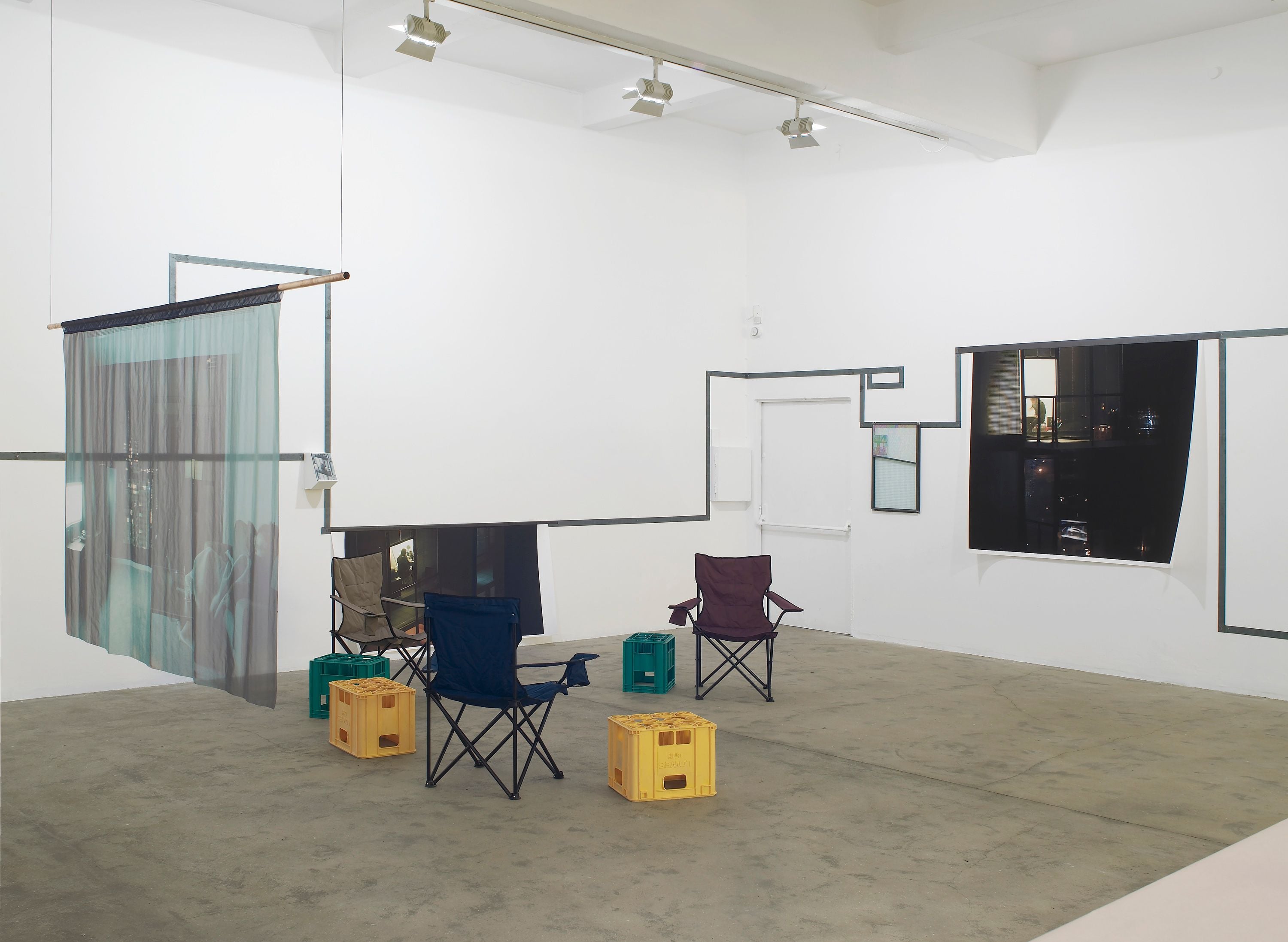
Christina Mackie, Material Reality (30 January–19 April 2026) at Goldsmiths CCA, London
Christina Mackie is an artist who chooses to stay out of the limelight, letting her work be read through the associative logic that underpins it. In her newest show at Goldsmiths CCA—Mackie’s first solo at a U.K. institution for more than a decade—expect to see new works as well as significant pieces from the past 15 years. The Judges II (2011), for instance, considers geological timescales and material lifespans, comprising a series of trestle tables presenting with forensic precision various ceramics, minerals and pigments, paintings and monitors, made after the artist visited an extinct volcano. A diaristic text written by Mackie in lieu of an interview and published in Artforum more than a decade ago retraces, with astute sensitivity to the natural world around her, seven days of drinking in new environments on her travels, of thinking about historic scientific illustrations of jellyfish, the pigments used in Byzantine paintings, or the flow pattern of lava. ‘It is possible to see a face in anything,’ Mackie writes. ‘Test this by making “anything”: Without ego, throw the material together, controlling just the force used. Put it in the fire.’ – Misong Kim
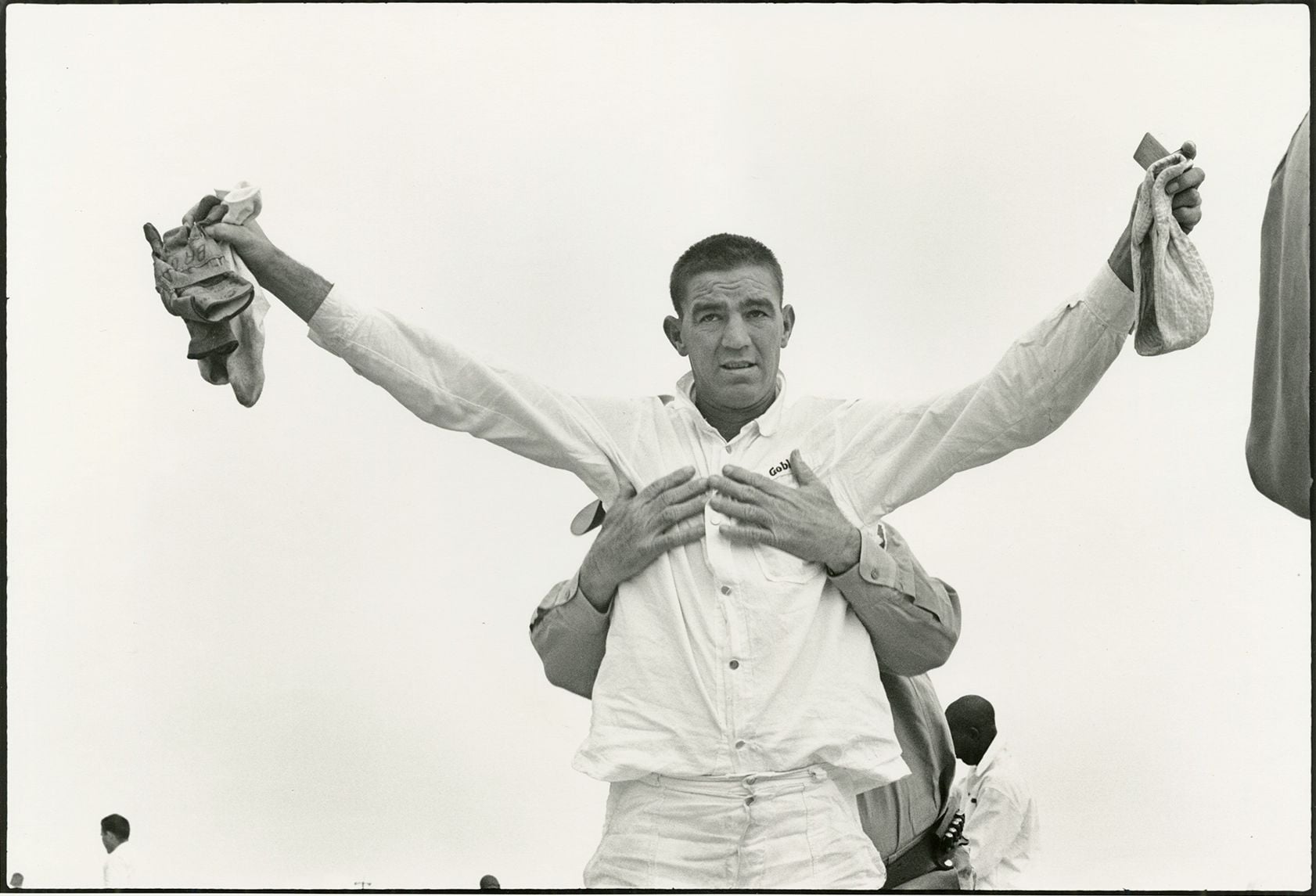
Danny Lyon, The Texas Prison Photographs (5 December 2025–31 January 2026) at Howard Greenberg Gallery, New York
Inspired by the documentary photobook of the same title, the 2023 film The Bikeriders, starring Tom Hardy and Austin Butler, semi-fictionalises the work and persona of American photographer Danny Lyon. The movie depicts Lyon—a photographer best known for his work documenting the Civil Rights movement in the United States—as a student of photography during the 1960s, travelling with an outlaw motorcycle gang and photographing their lives on the barbed-wire margins of society. Around the same time, Lyon gained unprecedented access to seven Texas penitentiaries for 14 months. In these facilities, he was ‘free to enter the prisons at any time of the day or night, and photographed men in their cells, in the fields and factories where they worked [and] in isolation and during shakedowns’. Now on view, The Texas Prison Photographs features photos, films, drawings and ephemera first published in a book titled Conversations with the Dead (1971), which is ‘among the first photobooks to incorporate ephemera, setting a new standard in journalism and photography and influencing generations’. – Aimee Walleston
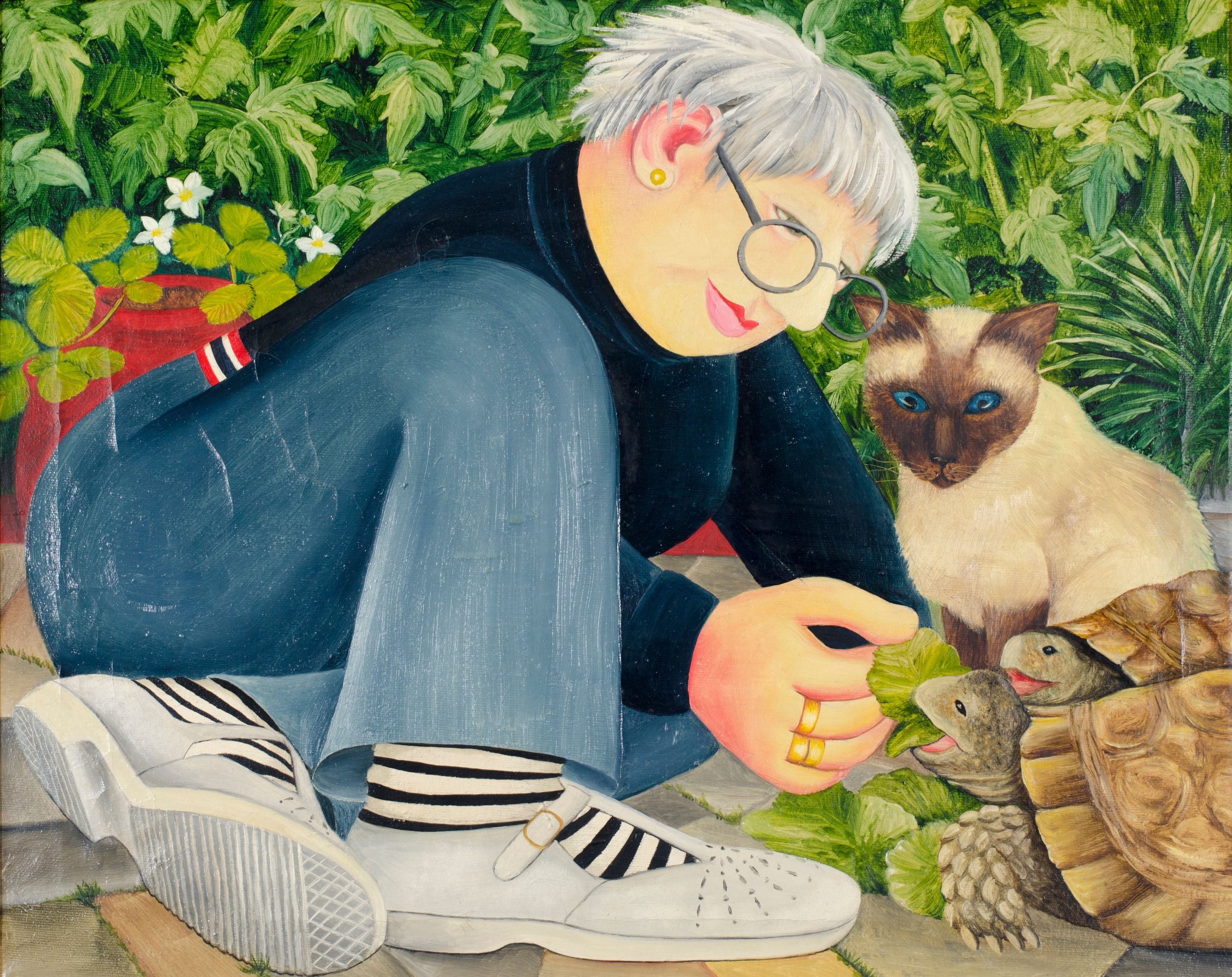
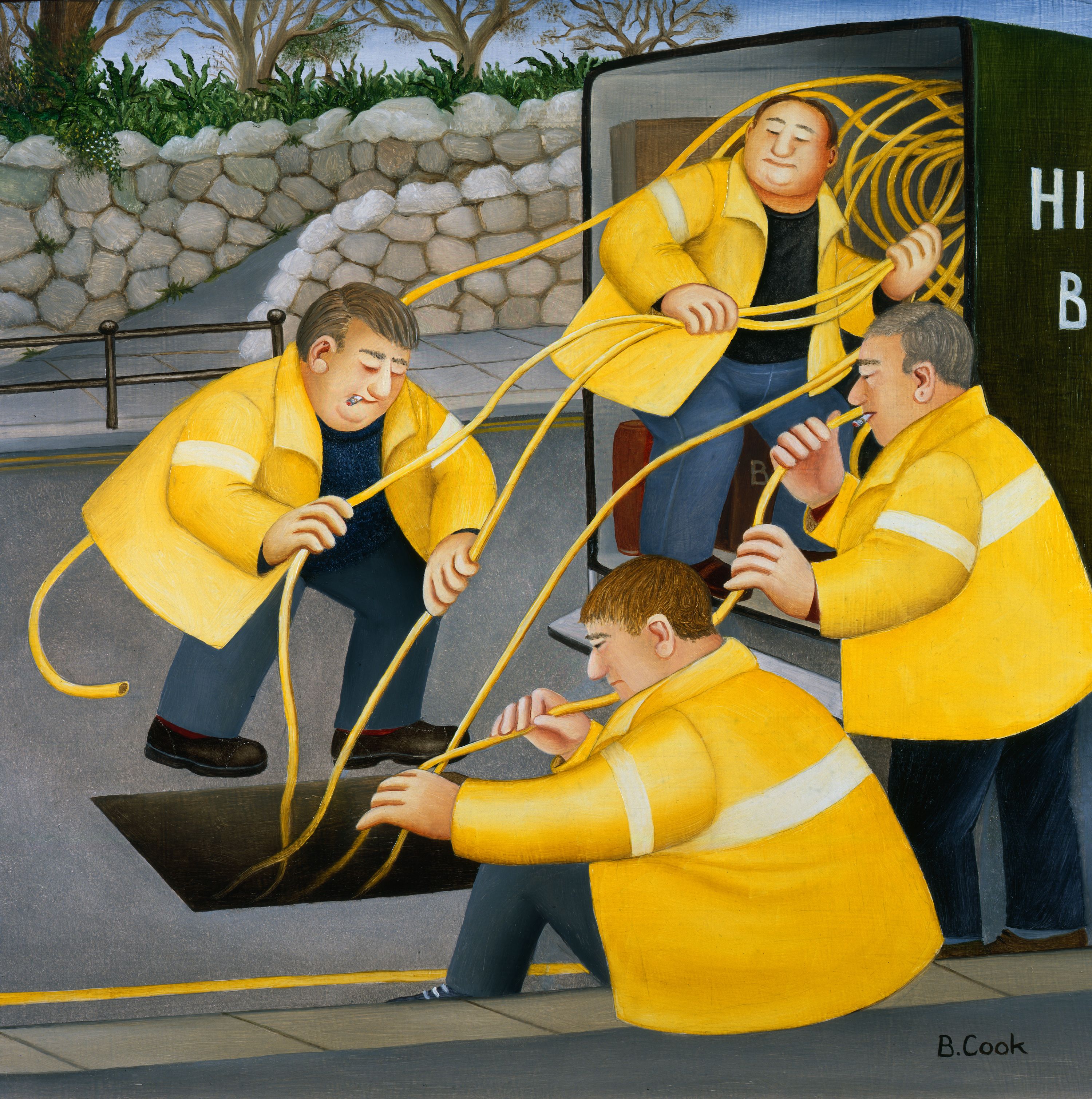
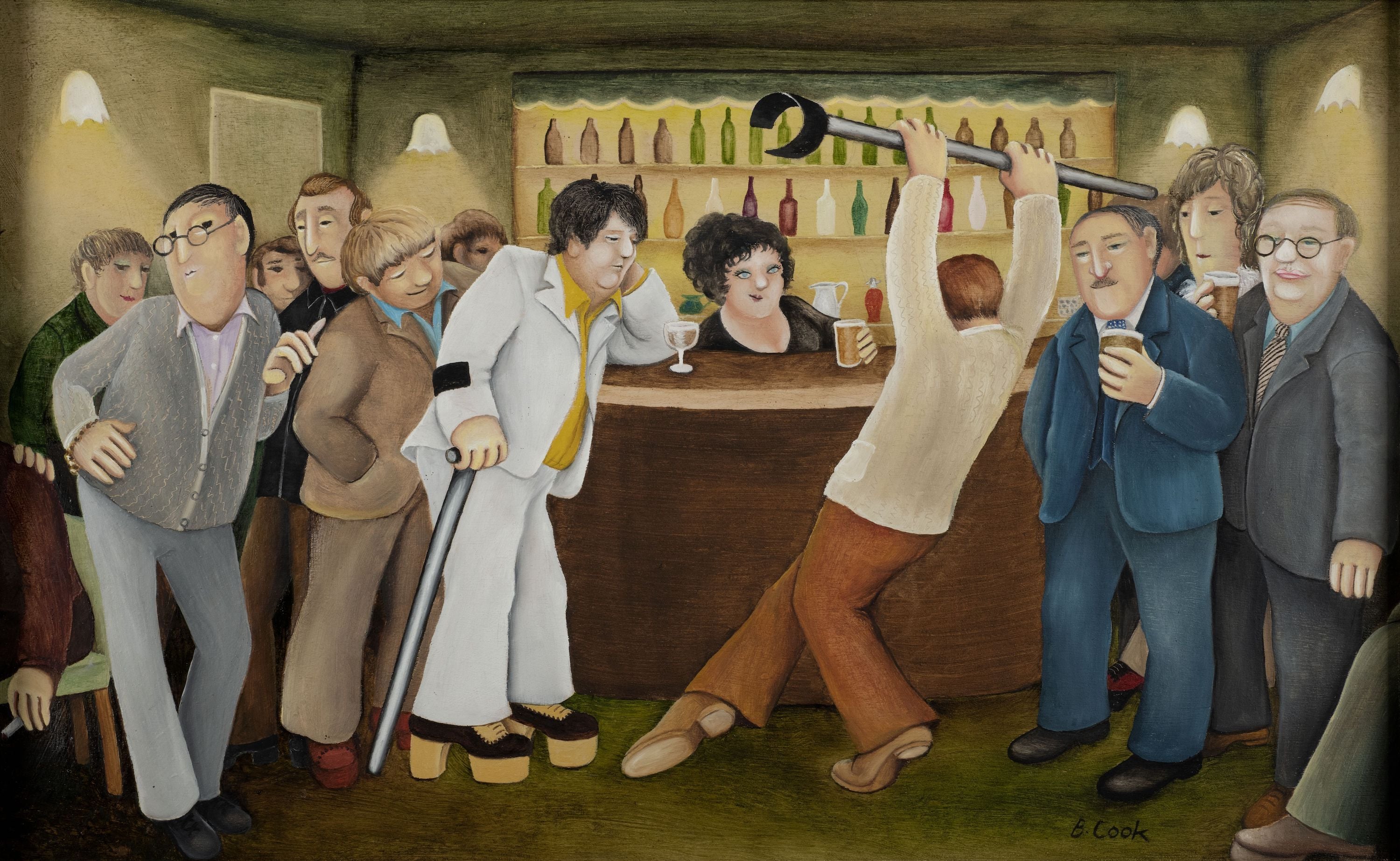
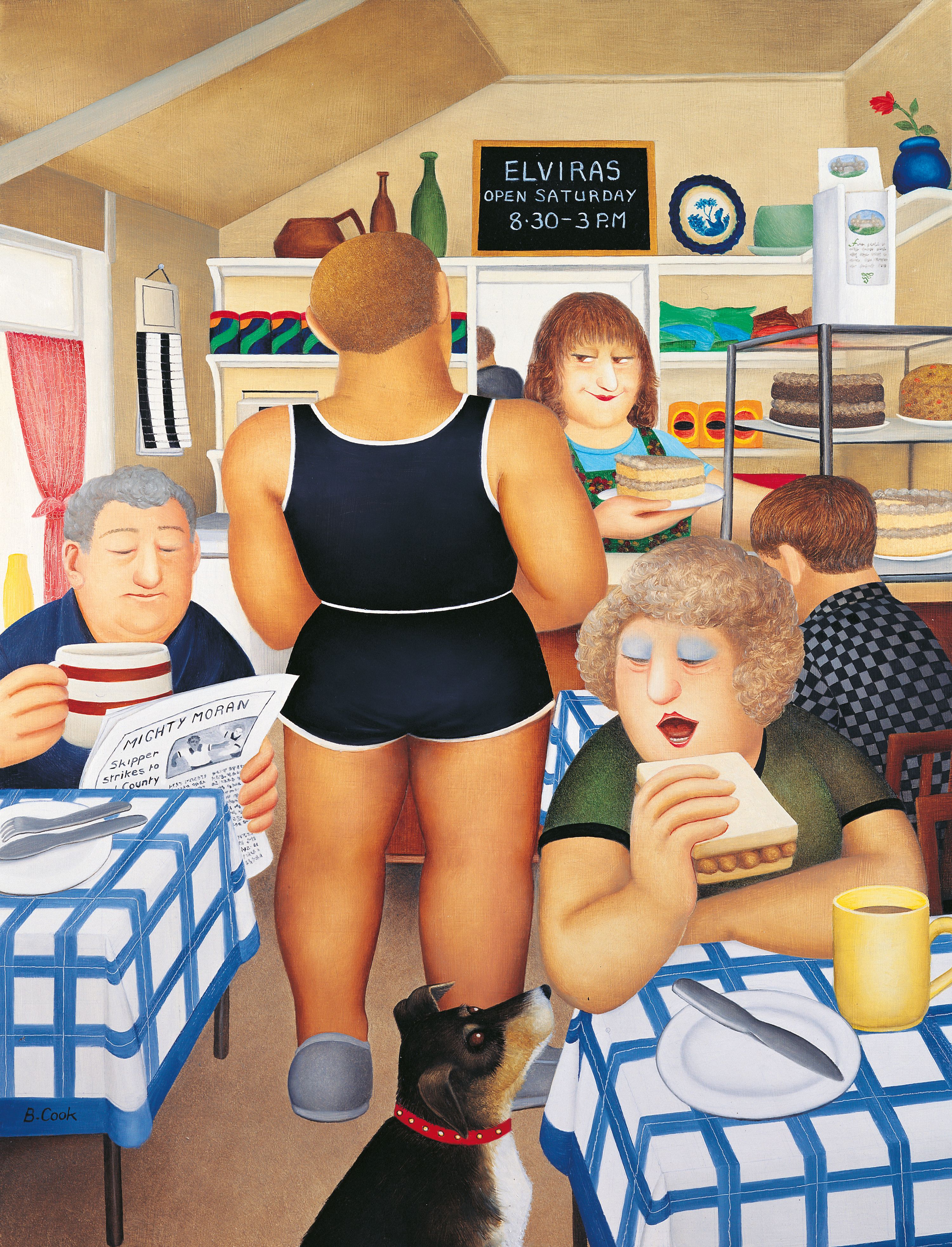
Beryl Cook, Pride and Joy (24 January–31 May 2026) at The Box, Plymouth
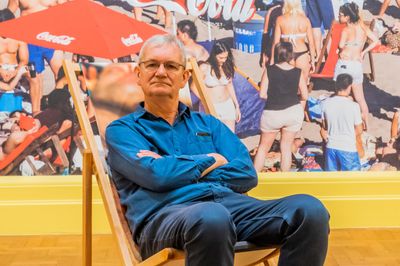
Following the 2024 show at London’s Studio Voltaire where Beryl Cook’s works were paired with pieces from Tom of Finland, Pride and Joy marks a new chapter in Cook’s continued posthumous reappraisal. Cook, a self-taught painter born in 1926 (d 2008) and known for her exuberant portrayals of female sensuality, LGTBQ+ nightlife and the voluptuous bodies of plus-sized women, was one of Britain’s best-loved artists. Her skill, however, has only recently been recognised by the fine art world. Once dubbed an ‘erotic hobbyist’, Cook found her protagonists in the female clubbers of her beloved hometown, Plymouth, often depicting tableaux vivants of a well-known gay bar, The Lockyer Tavern. In works such as Ivor Dickie (1981), where a male stripper performs to a crowd of adoring women, gender norms are reversed. Commissioned by a female patron, the work is indicative of the sexually liberated community within which Cook found herself working. Rather than satirising her working-class subjects’ enjoyment—an accusation that has been levelled at the late photographer Martin Parr—Cook aesthetically elevates their pleasure, as she would her own. – Lydia Eliza Trail
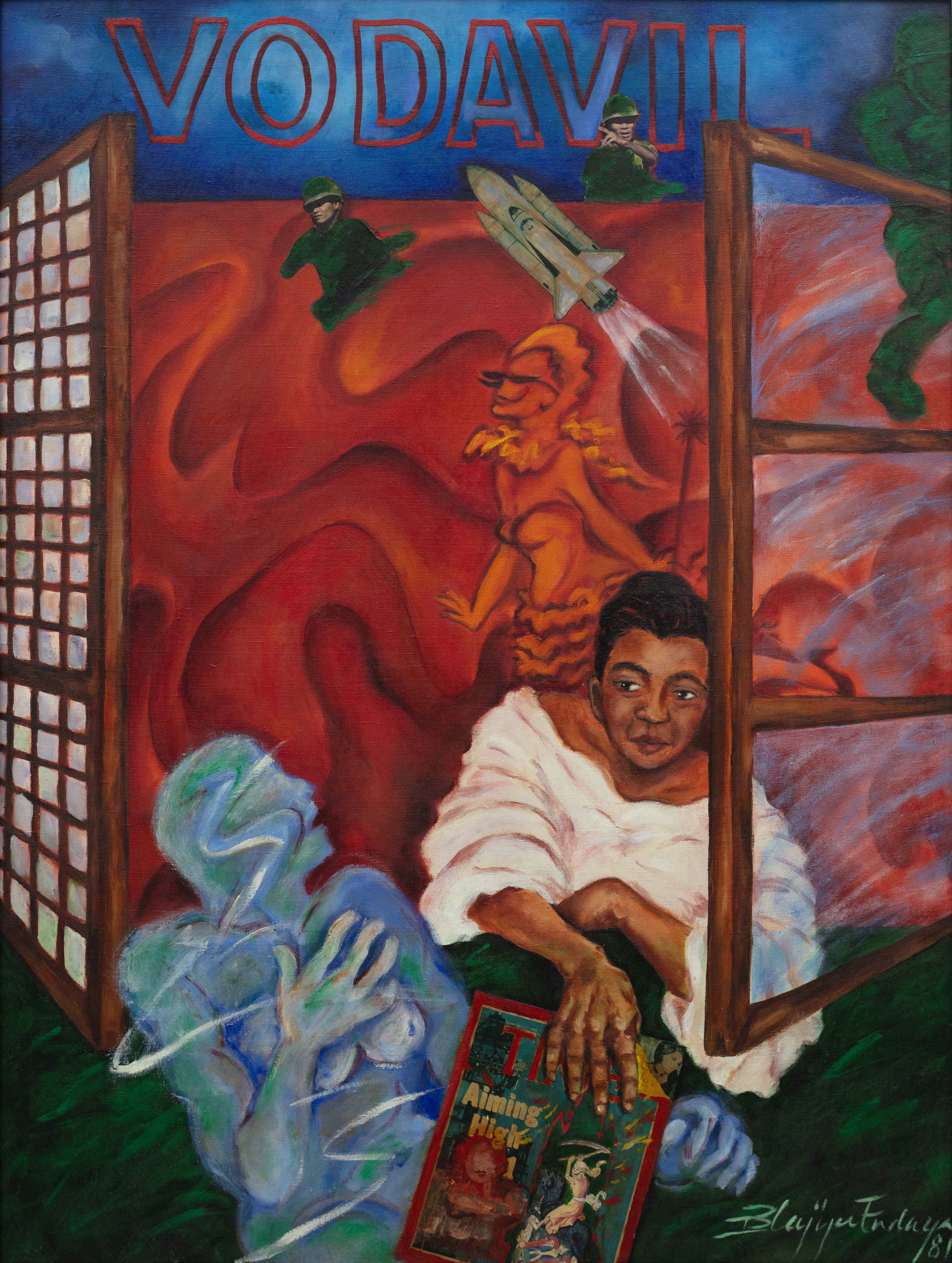
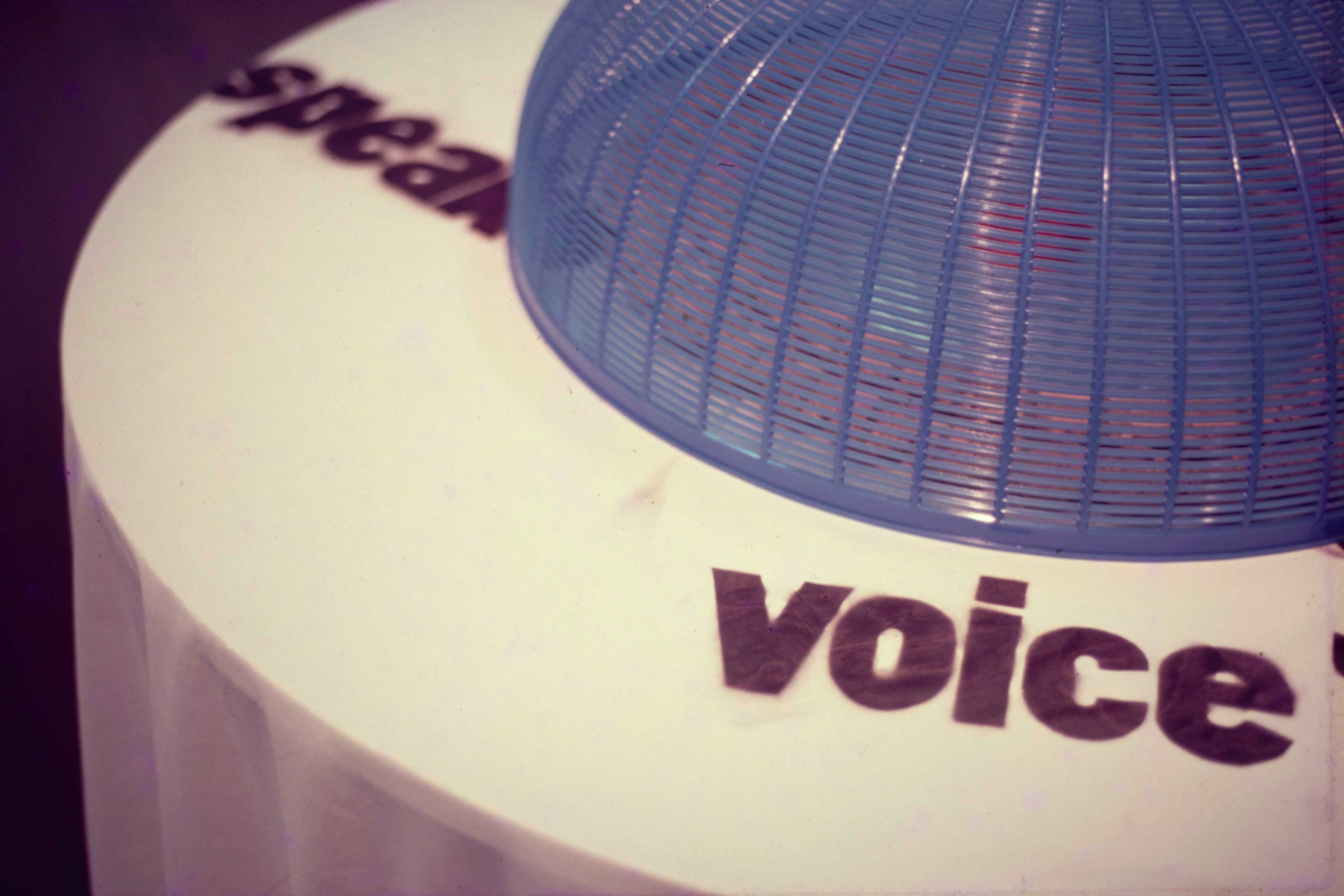
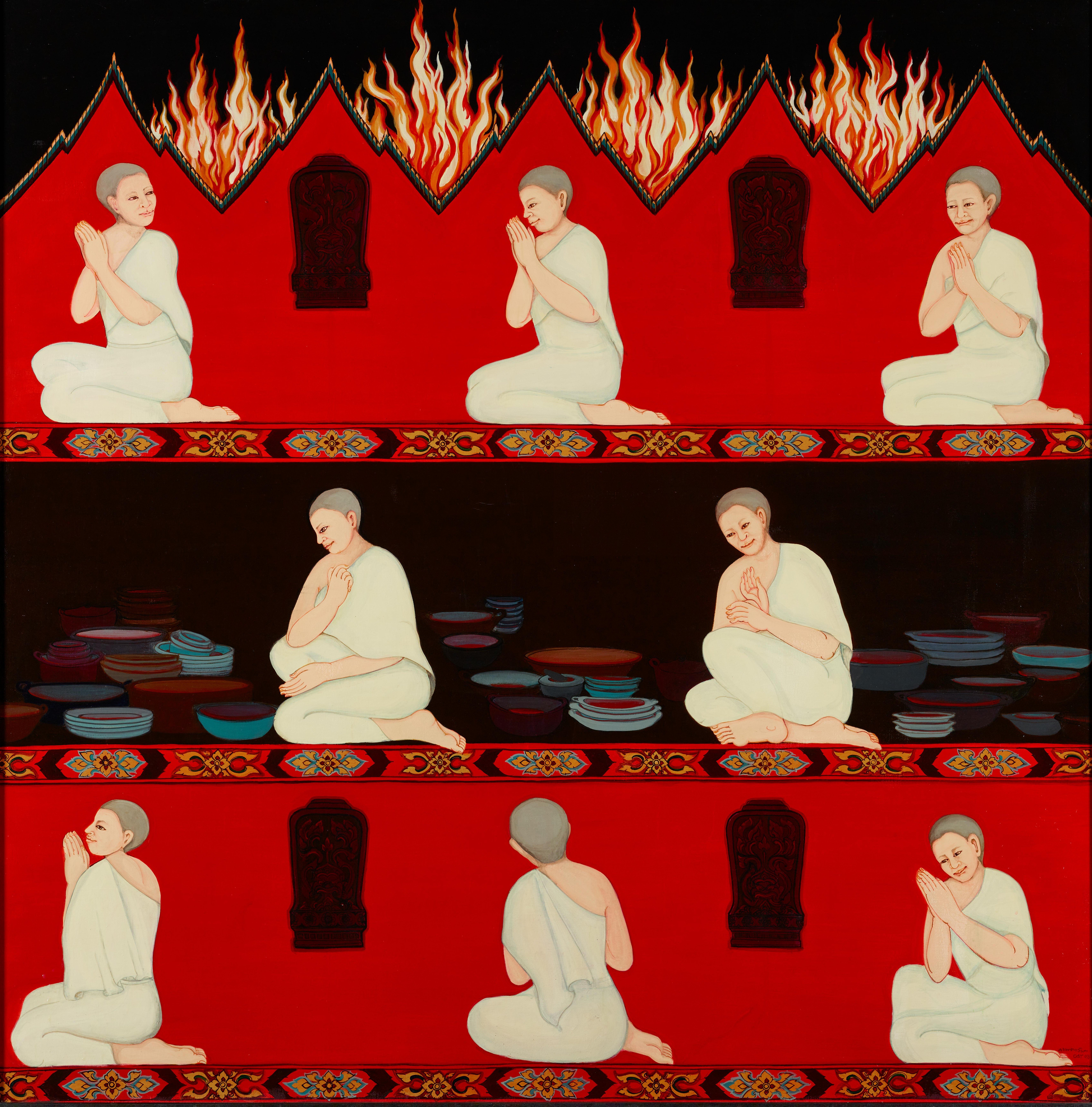
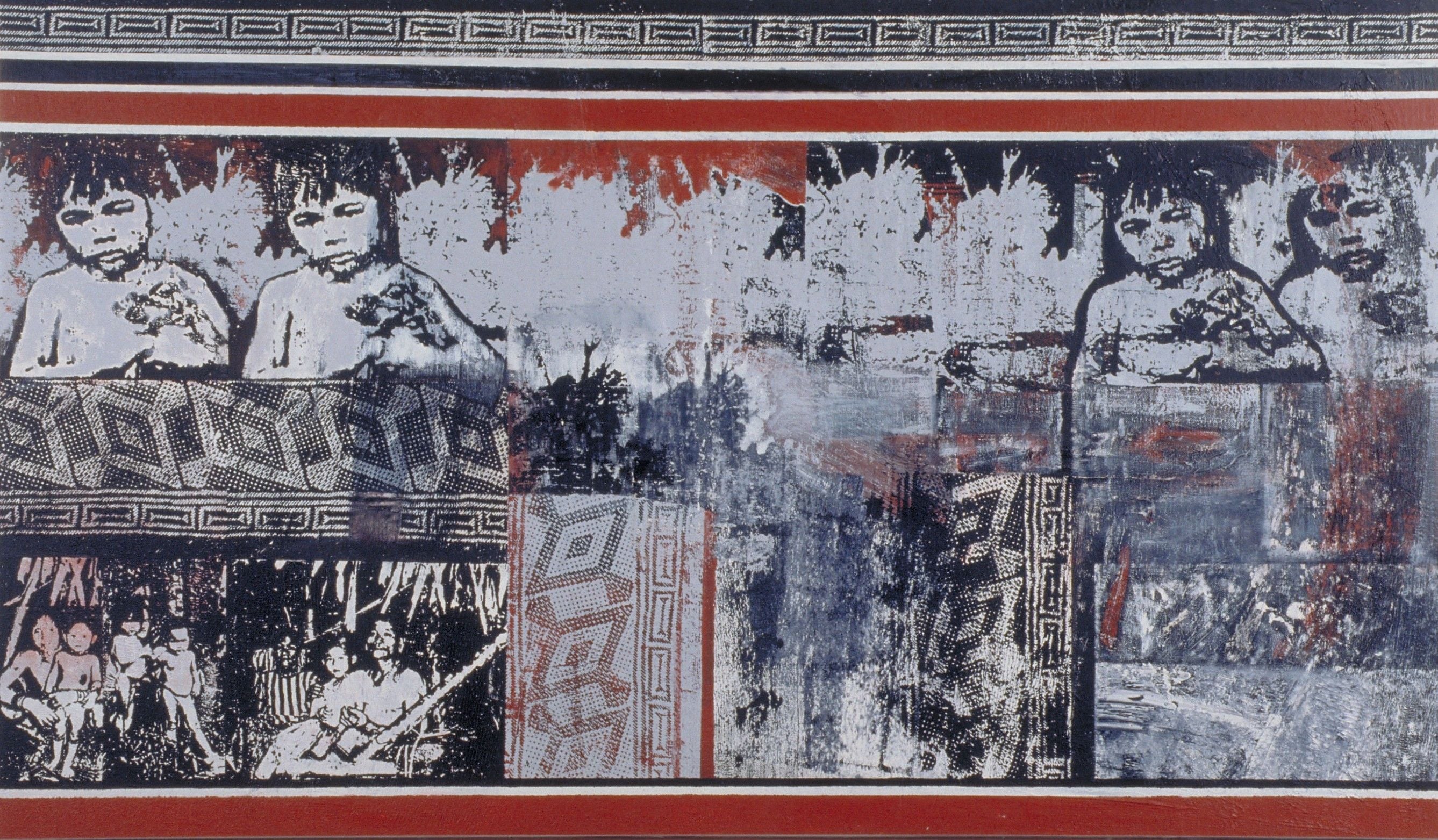
Fear No Power: Women Imagining Otherwise (9 January–15 November 2026) at the National Gallery of Singapore
Following Ocean in Us: Southern Visions of Women Artists—a major collaborative exhibition jointly organised by the Kaohsiung Museum of Fine Arts, National Gallery Singapore, and Singapore Art Museum, presented in Kaohsiung earlier this year—the National Gallery now turns inward with its own proposition. Fear No Power foregrounds five Southeast Asian women artists for whom art was never separate from life, kinship, or political commitment, spanning works from the 1960s to the 2010s. The late Malaysian artist-writer Nirmala Dutt stands out for her insistence that art should remain ethically entangled with the world, using photography, text, and print to confront war, environmental destruction and social injustice. ‘I am an artist first and foremost—not necessarily just a woman artist or feminist artist or political artist,’ she wrote. Imelda Cajipe Endaya’s practice is inseparable from feminist organising in the Philippines; Amanda Heng’s performances insist on collective presence and care; Dolorosa Sinaga’s sculpture merges form with human-rights advocacy; and Phaptawan Suwannakudt extends storytelling through community-driven, transnational practice. Rather than something labelled ‘feminism’, what emerges is a grounded, plural imagining of power. – Shanyu Zhong
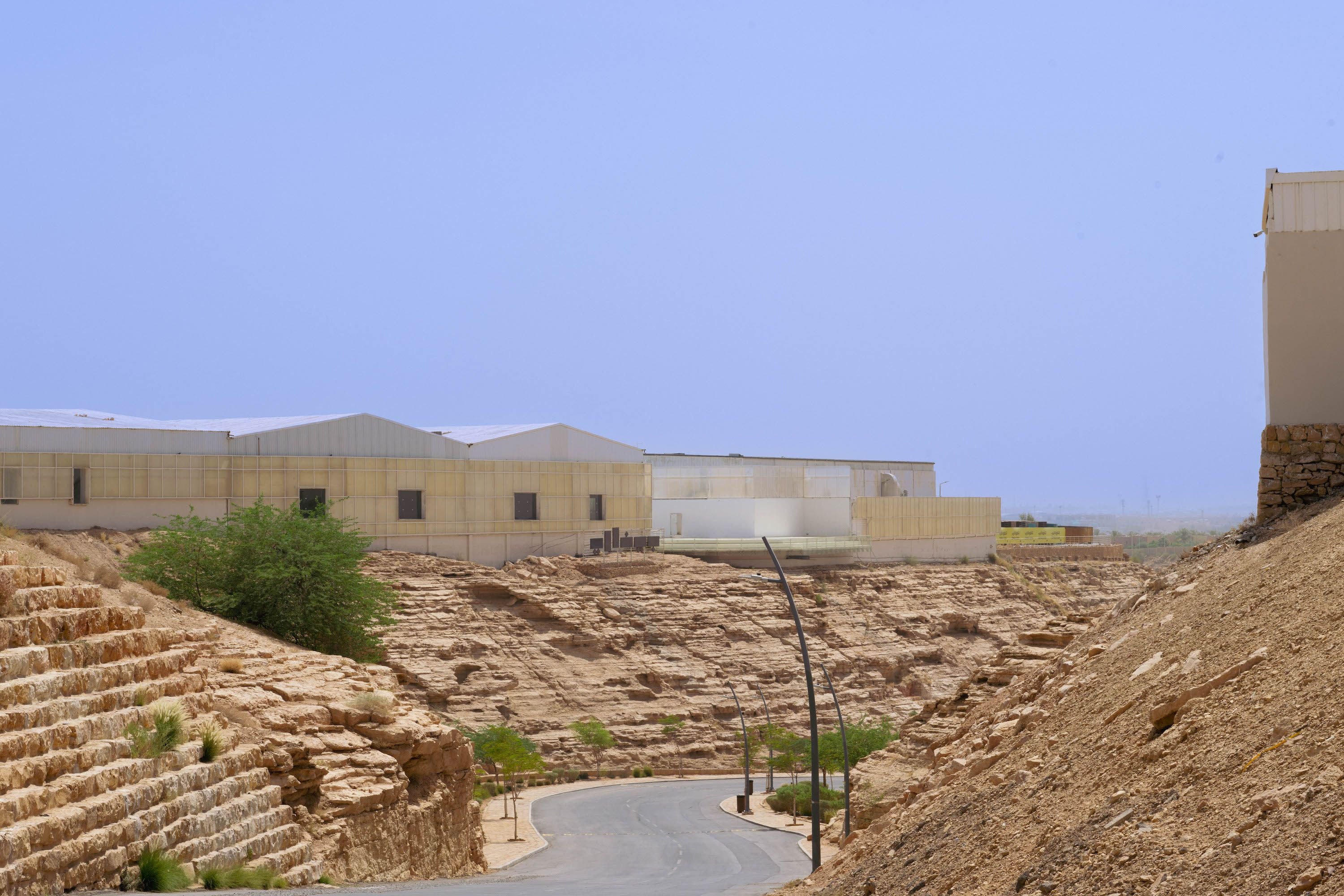
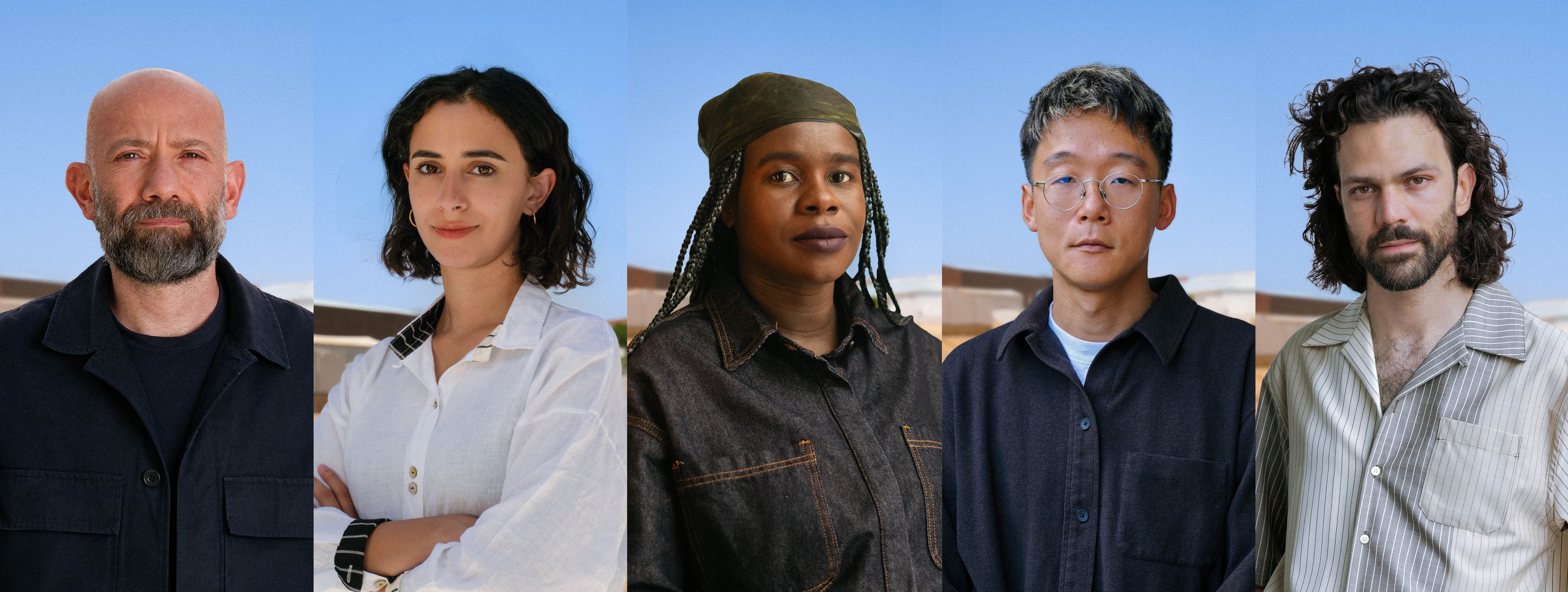
In Interludes and Transitions: Diriyah Contemporary Art Biennale (30 January–2 May 2026), JAX District, Diriyah
Positioning itself as part of Saudi Arabia’s recalibration toward the creative industries—and now among the region’s most closely watched biennials—this still-nascent edition seems poised to move beyond the large-scale scenographic spectacles of earlier iterations. Instead, it privileges sustained listening and careful intellectual calibration. Under the artistic direction of Nora Razian and Sabih Ahmed—following two previous editions led by curators from outside the region—the exhibition deepens their engagement with Global South transnationalism through a deliberately composed lineup. Raven Chacon foregrounds listening as a political act, while Ho Rui An, Mochu and Ahaad Alamoudi craft speculative imaginaries spanning multiple regions. Multidisciplinary figures such as Elyas Alavi and George Mahashe collaborate with established Saudi artists like Shadia Alem and emerging voices such as Afra Al Dhaheri, grounding transregional inquiry in local contexts. From music and poetry inspired by evolving Bedouin traditions to works exploring distinct temporalities of relation and resonance—the work of these artist-intellectuals extends across indoor and outdoor constellations that invite pause and conviviality. – Zian Chen —[O]
Main image: Yang Fudong, Young Man, Young Man (2025) (still). Five-channel 16 mm film video installation, colour, sound. Courtesy Yang Fudong Studio.






A respected voice in contemporary art discourse.
Focusing on ambitious storytelling and insightful art-world commentary. Ocula Magazine publishes in-depth interviews, critical essays and timely analysis on the artists, exhibitions and ideas driving the global art world.
Learn more about Ocula Magazine
Showcasing the best of the art world.
Ocula partners with galleries from around the world to highlight their artists, artworks and exhibitions. Gallery membership is by application and invitation, with each member vetted by an independent panel.
Learn more about Ocula Membership
Specialises in the sale of major artworks.
Led by a team with deep ties to the world’s leading auction houses, galleries and collectors. Ocula’s advisory team offers bespoke services to high-net-worth clients from around the world who are looking to acquire the best of contemporary and modern art.
Learn more about our team and services