Press Release

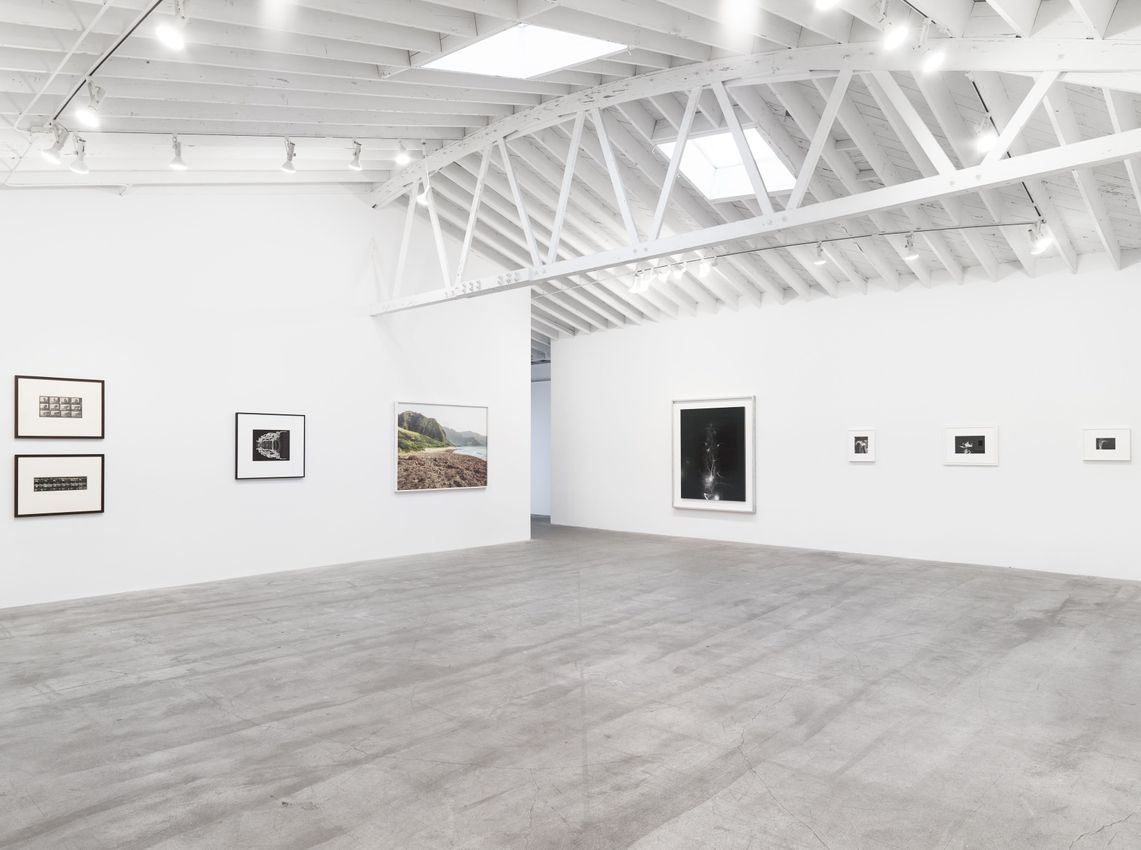
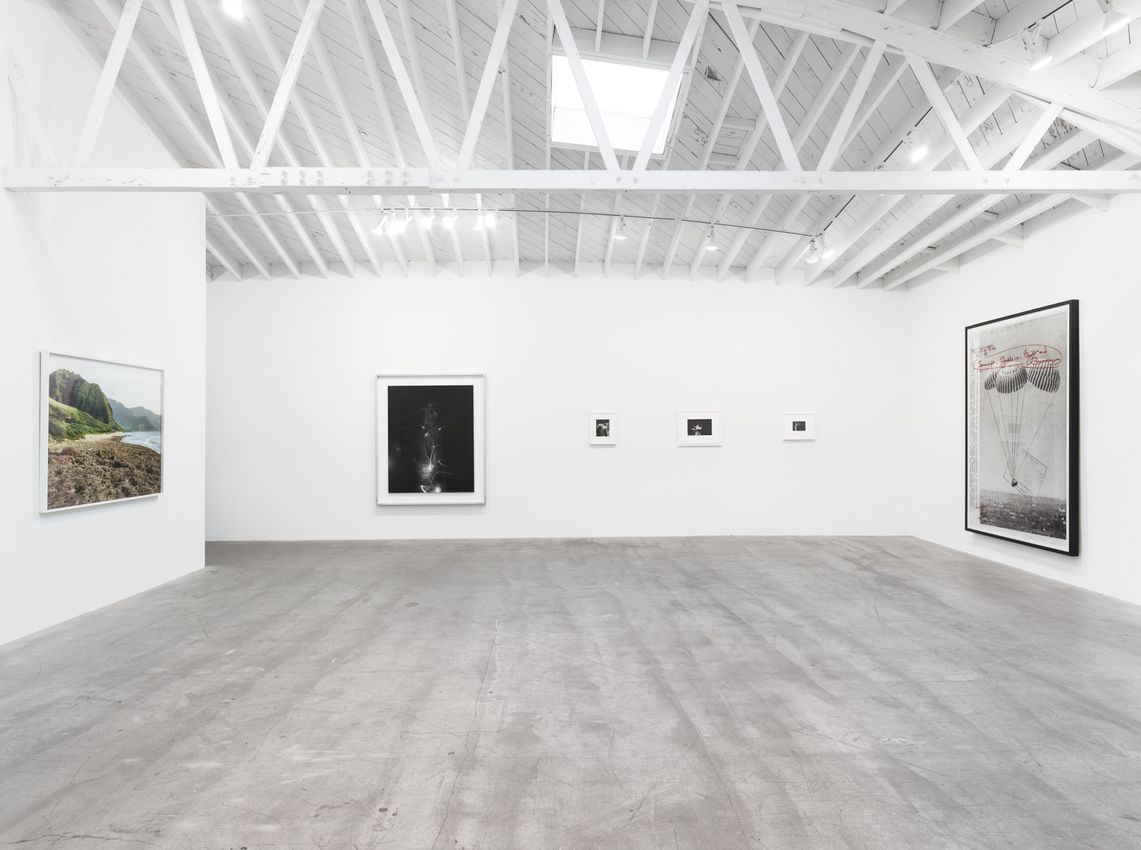
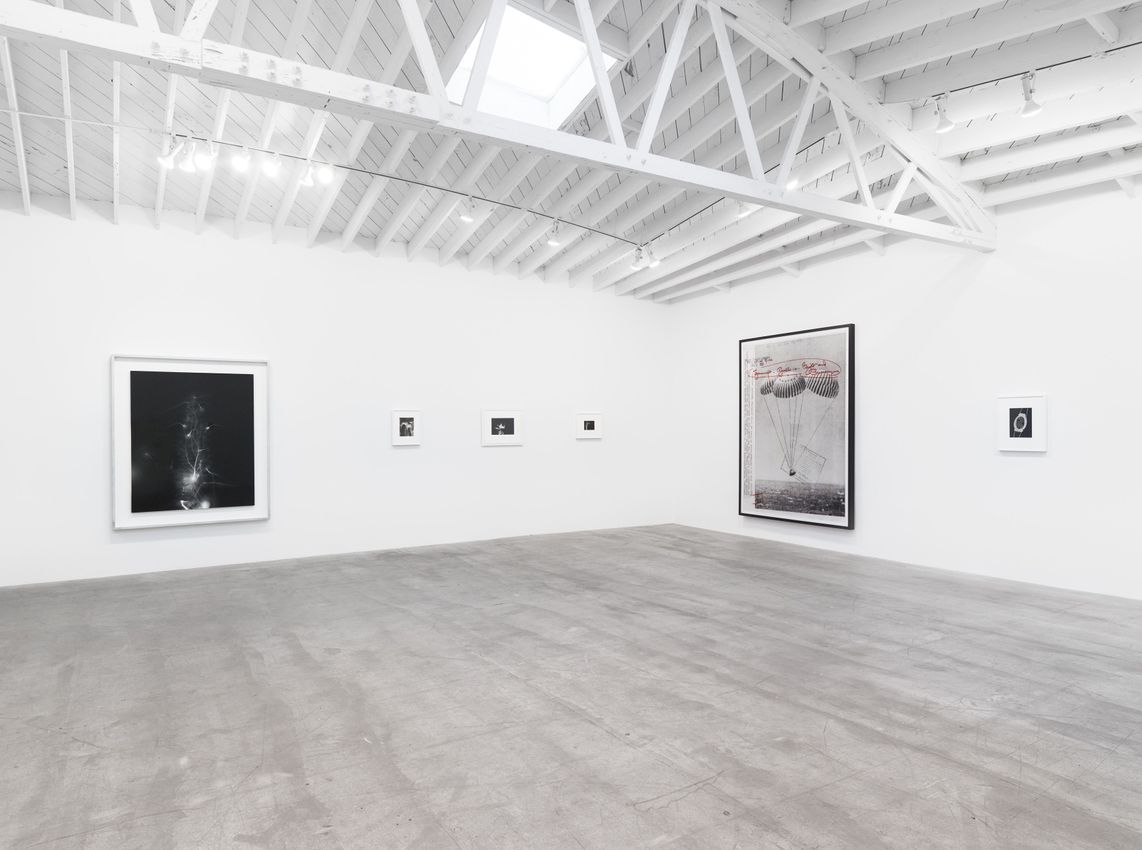
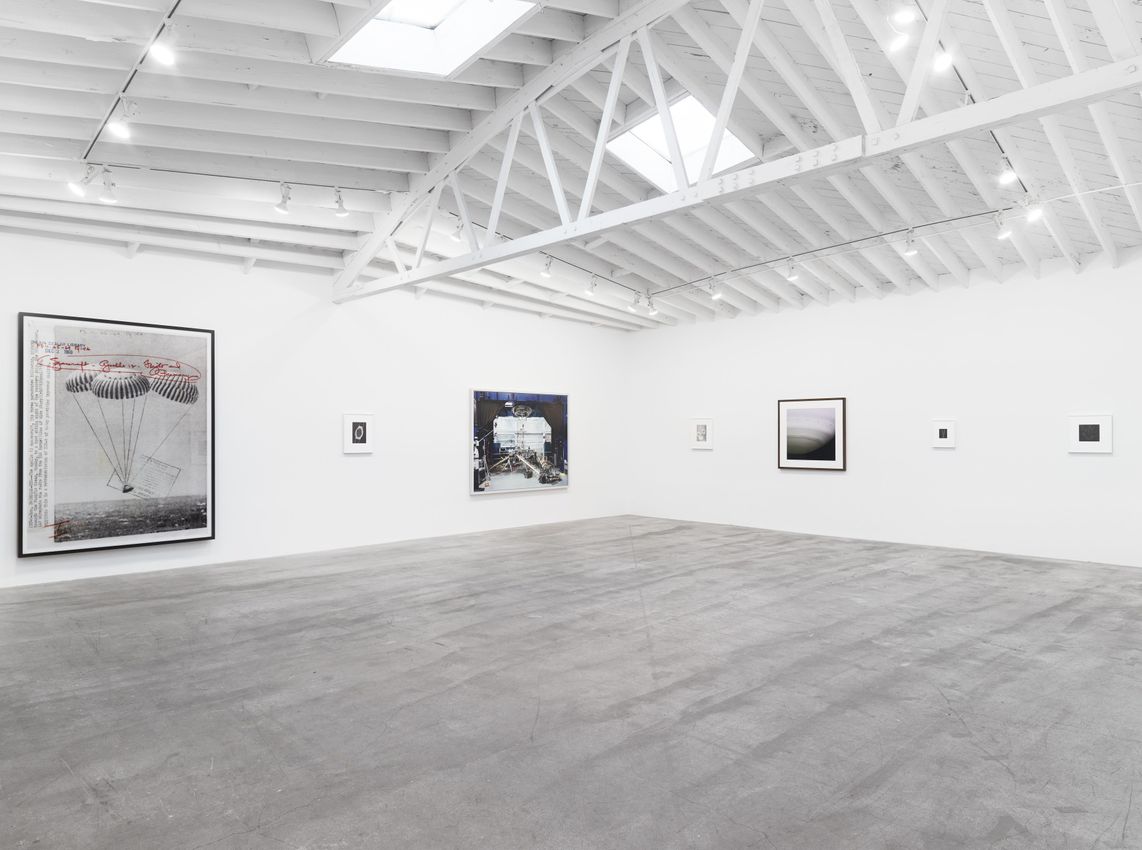
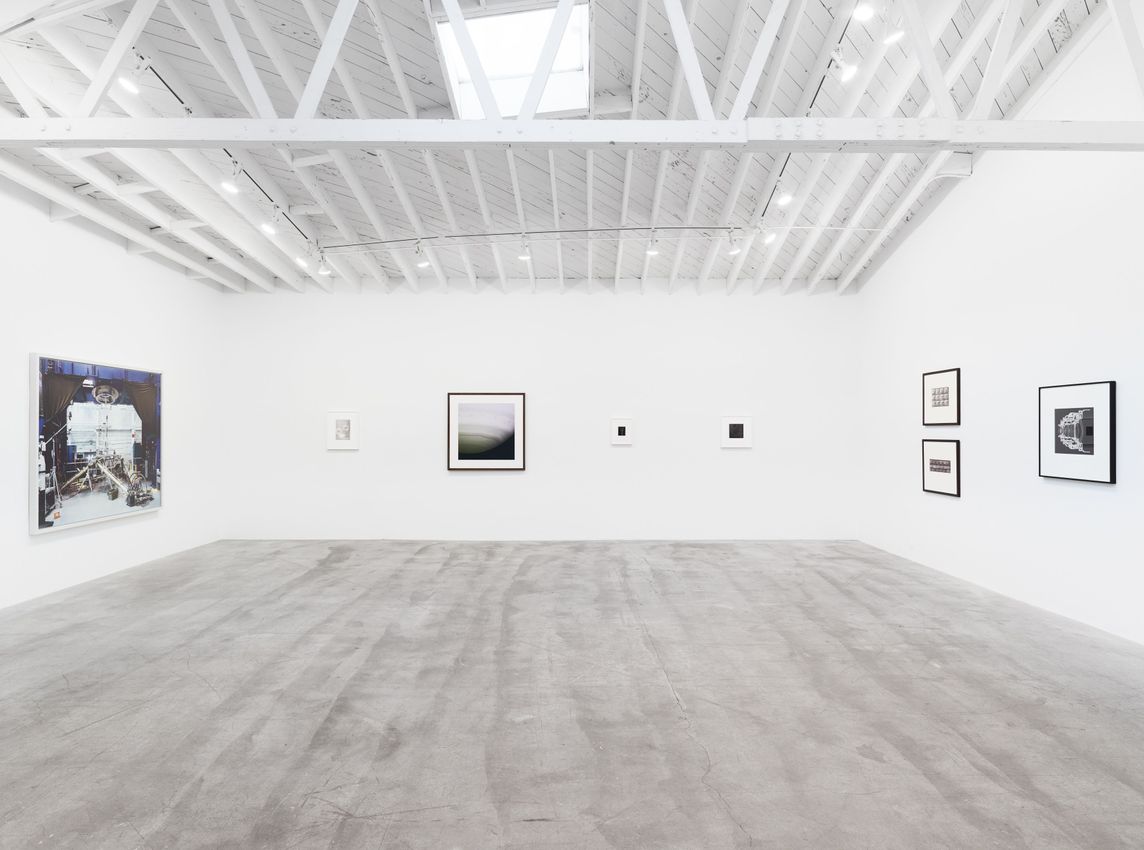
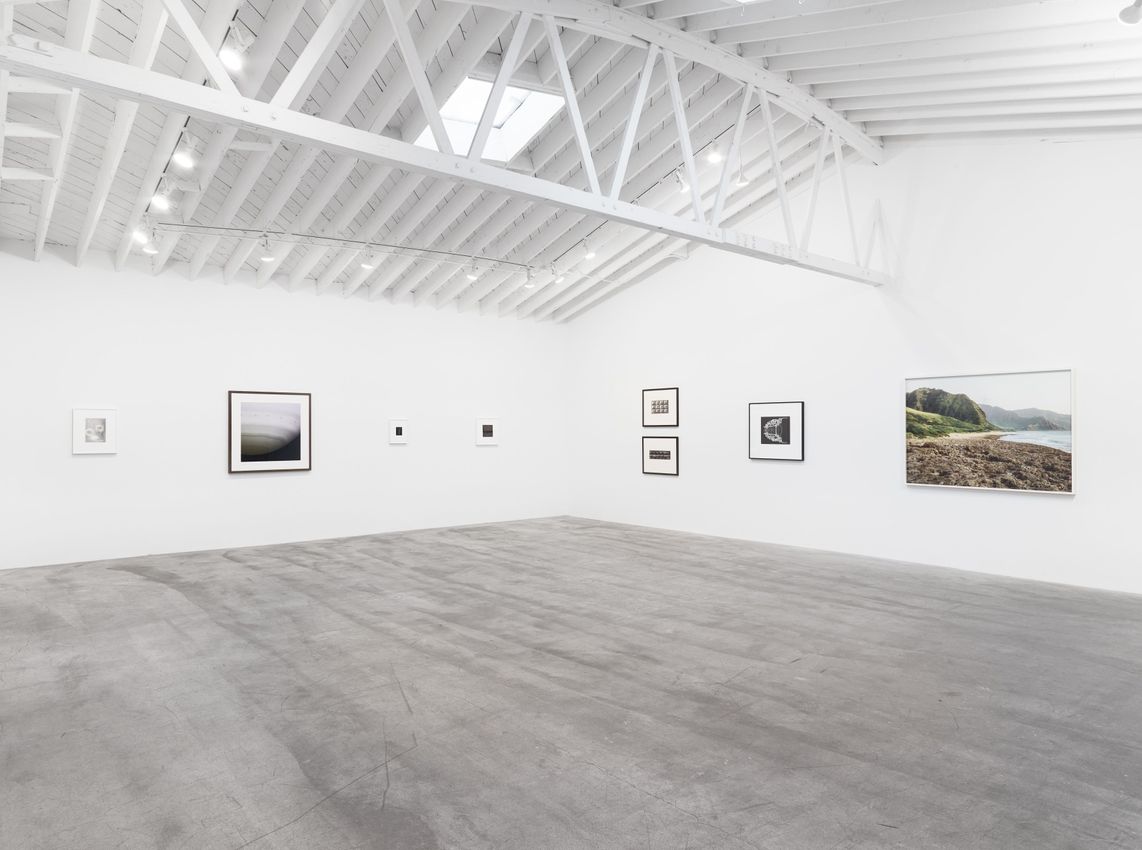
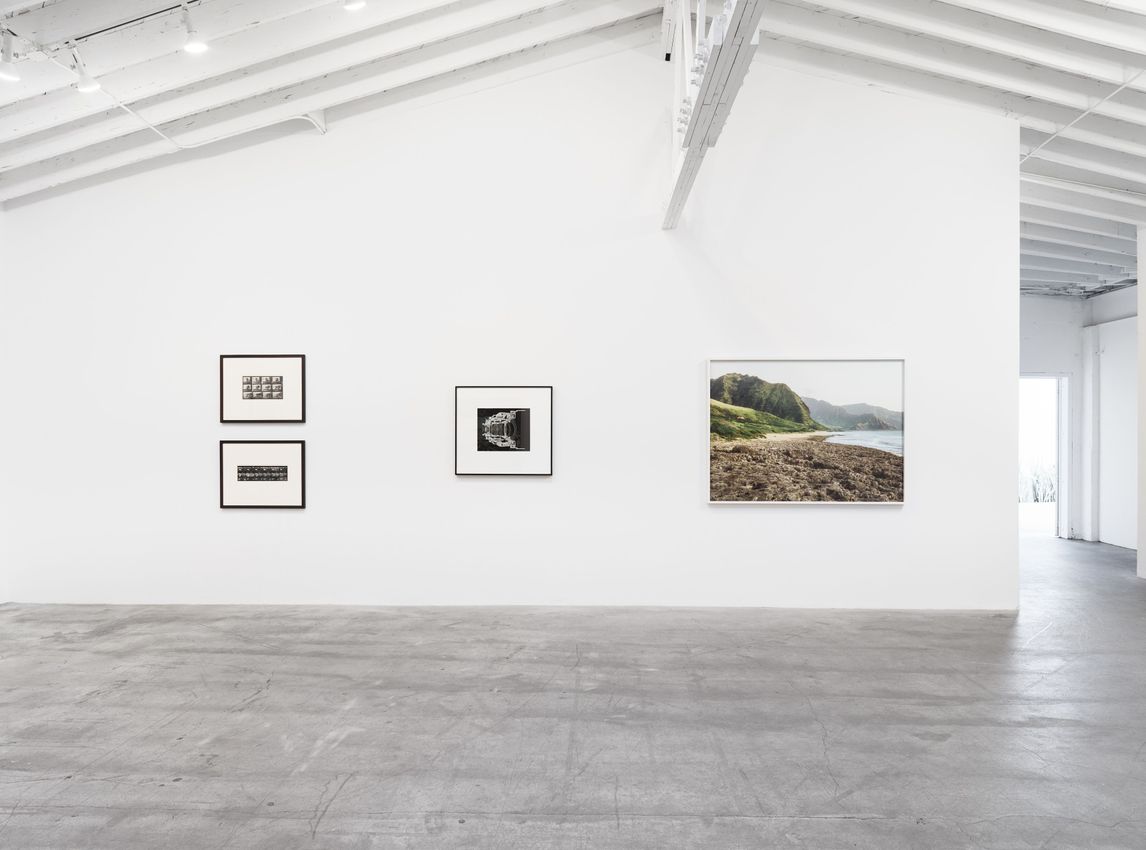
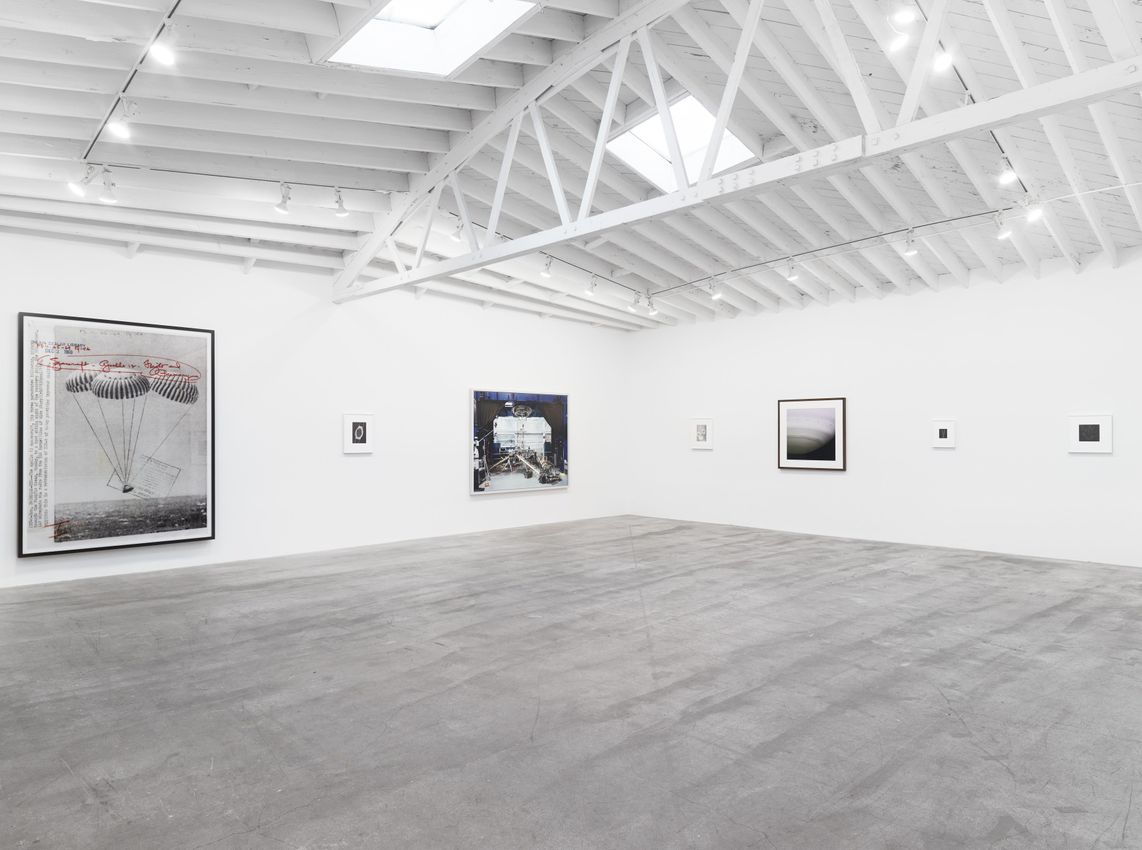
1301PE is pleased to announce Elegant Science, an exhibition curatedby Susan Sherrick that focuses on the artists who have mastered the artof photographing science, space and technology: Berenice Abbott, ManRay, Laszlo Moholy Nagy, Eadweard Muybridge, Trevor Paglen, Thomas Ruff,Thomas Struth, Hiroshi Sugimoto, Kerry Tribe and Christopher Williams.

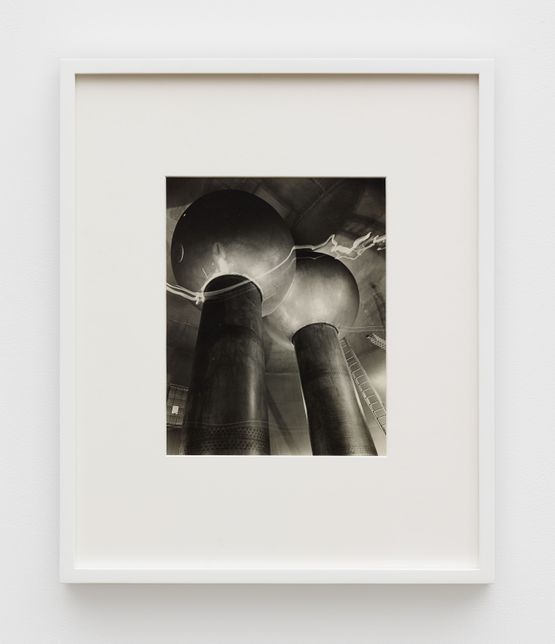
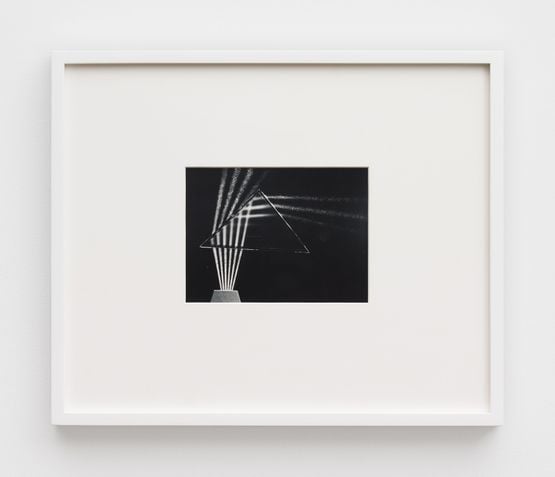
In1939 while Berenice Abbott was living and working in New York City shewrote on the subject of science and technology in photography. Howeverit wasn’t until the late 1950s while at MIT creating a new body of workthat she was able to achieve and put to words the backbone of thisexhibition: ” We live in a world made by science, but we, the millionsof laymen - do not understand or appreciate the knowledge which controlsdaily life. To obtain wide popular support for science, to that endthat we must explore this vast subject even further and bring as yetunexplored areas under control, there needs to be a friendly interpreterbetween science and the layman. I believe that photography can be thisspokesman, as no other form of expression can be; for photography, theart of our time, the mechanical, scientific medium which matches thepace and character of our era, is attuned to the function. There is anessential unity between photography, science’s child, and science, theparent.”

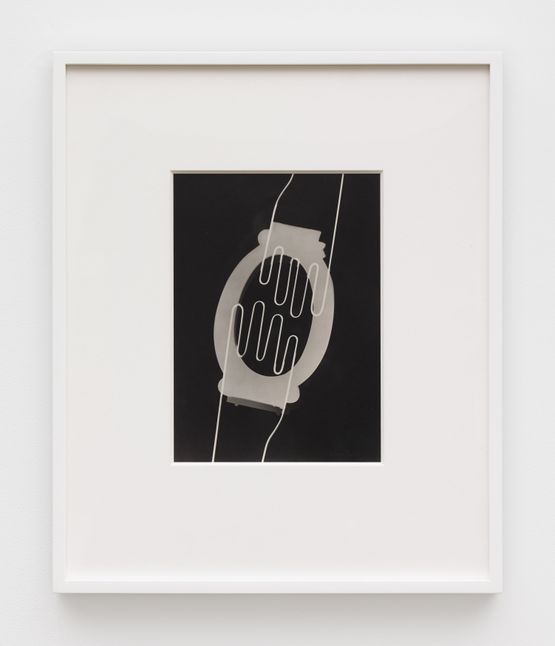
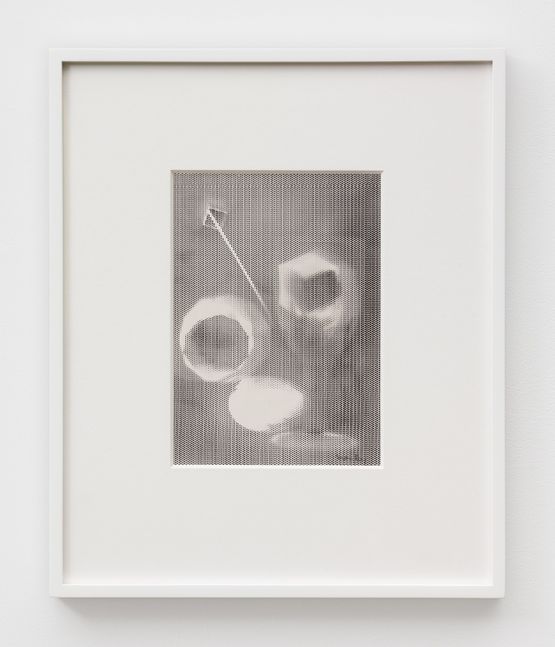
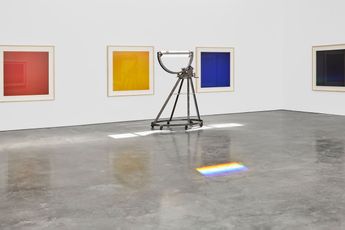
Man Ray made his “rayographs” without a camera by placingobjects directly on a sheet of photosensitized paper and exposing it tolight. He had photographed everyday objects before, but these unique,visionary images immediately put the photographer on par with theavant-garde painters of the day. Hovering between the abstract and therepresentational, the rayographs revealed a new way of seeing thatdelighted the Dadaist poets who championed his work, and that pointedthe way to the dreamlike visions of the Surrealist writers and painterswho followed.

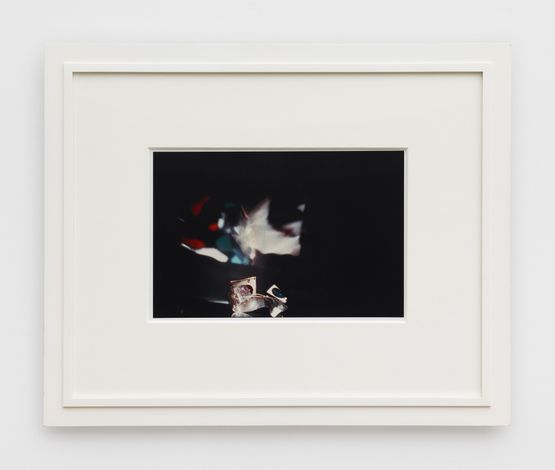
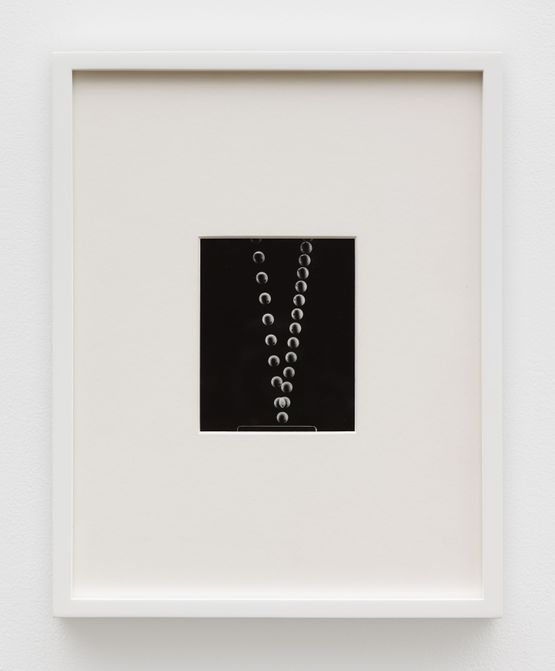
Laszló Moholy Nagy was highly influenced byconstructivism and a strong advocate of the integration of technologyand industry into the arts. His interest in qualities of space, time,and light endured throughout his career and transcended the verydifferent media he employed. Whether he was painting or creating”photograms” or crafting sculptures made of transparent Plexiglass, hewas ultimately interested in studying how all these basic elementsinteract. His preoccupation with the phenomenon of light was a defininginfluence on every period of his work, and one of his great strengthslay in his effortless skill in translating light and spatial dimensionsfrom one medium to another. By the time the first color photographicprocesses became widely available in the early 1930s, he had masteredblack-and-white, and he turned immediately to this next big thing. Colorproved to be one of his most important mediums, not only during hisearly years in Germany, but also as he reestablished himself at the NewBauhaus and the Institute of Design, both of which he initiated uponmoving to the United States and settling in Chicago. Until now, withonly a few exceptions, his work in color has been unknown.

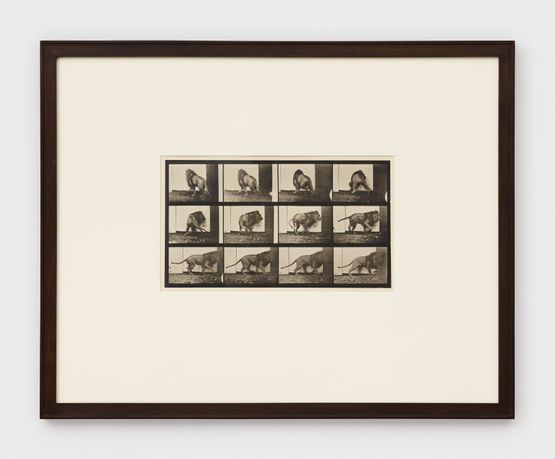
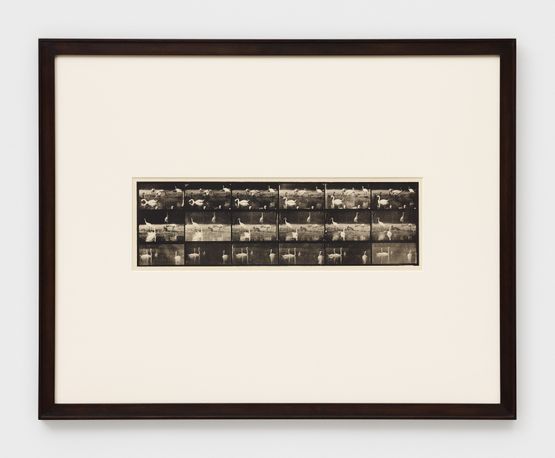
EadweardMuybridge is known for his pioneering work on animal locomotion inwhich he used multiple cameras to capture motion in stop-motionphotographs, and his zoopraxiscope, a device for projecting motionpictures that pre-dated the flexible perforated film strip used incinematography. In the 1880s, while making work at the University ofPennsylvania in Philadelphia, he produced over 100,000 images of animalsand humans in motion and was able to capture what the human eye couldnot distinguish as separate movements.

Trevor Paglen’s bucolic Fiber Optic Cable Landing Site, Keawaula, Hawaii isone image from his series of NSA-tapped telecommunications cable “chokepoints.” The seemingly benign looking seascapes depict some of theNSA’s most controversial surveillance activities. “Choke points areplaces where clusters of fiber optic cables connect the continents toeach other. These cables come on shore in several places connecting theUS with Europe. These points hold the interest of the NSA because theyare information gold mines.”

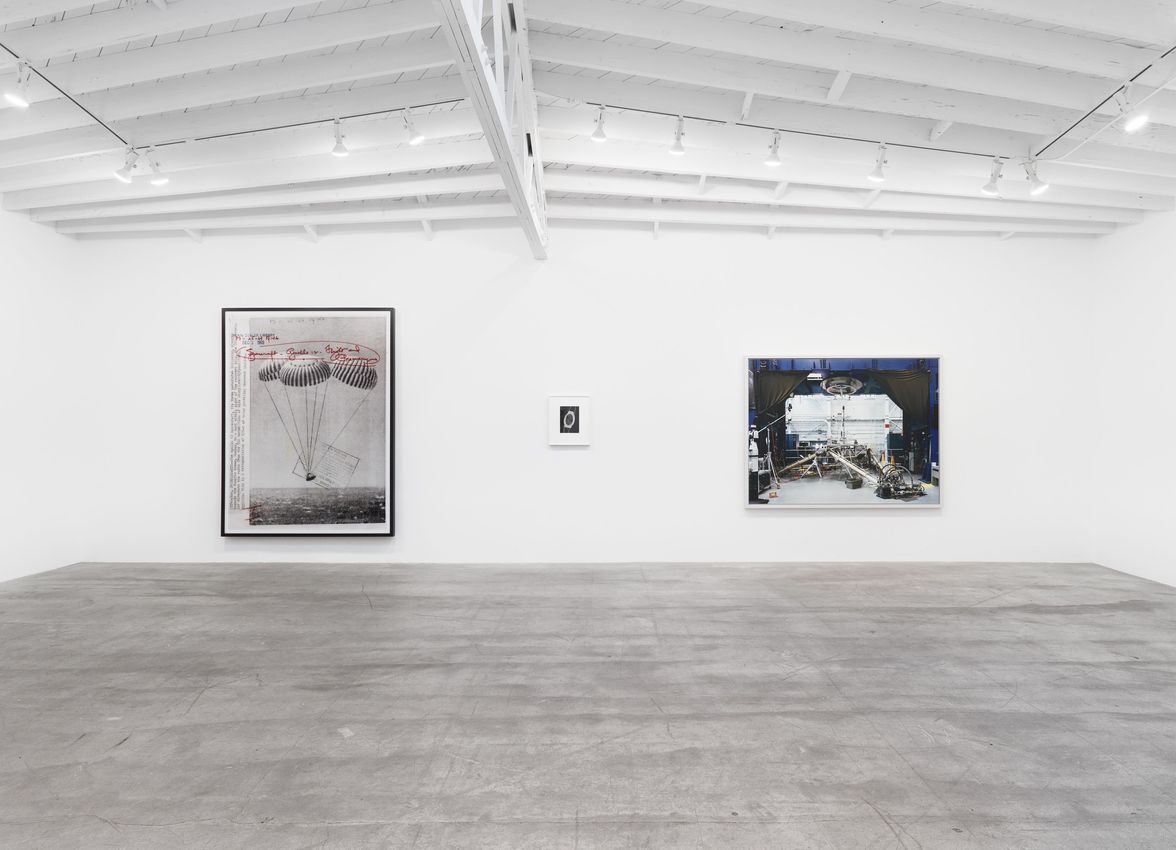
Thomas Ruff’s press++ featureslarge-scale photographs of archival media clippings from Americannewspapers that relate to the theme of space exploration. Ruff scannedthe front and back of the original documents, which he has beencollecting over several years, and combined the two sides in AdobePhotoshop. Interested equally in the subject matter (and any touch-ups)on the front of the paper and the words, stamps, signatures, and smudgeson the back, he thus created seamless montages of image and text, inthe process compromising the integrity of the former as well as addingrelevant context.

Cassini 23 is based on photographiccaptures of Saturn taken by NASA’s Cassini-Huygens Spacecraft, whichlaunched in 2004 and completed its initial four-year mission in June2008. Ruff acquired these black and white raw images from NASA’swebsite, where they were broadcast directly from the spacecraft and madeavailable for public download. Through computer manipulation, Ruffinfused each gray-scale image with saturated color.

Thomas Struth’s Six-Degree-of-Freedom Dynamic Test System, JSC, Houston isone of his many images that penetrates the key places of humanimagination in order to scrutinize the landscape of enterprise,invention and digital engineering as well as the complex hiddenstructures of advanced technology—the image records the structuralintricacy of remote techno-industrial and scientific research spaces. Itreveals a fascinating critical scrutiny of the high ambitions in whichthe promises of scientific advancement entangle us.

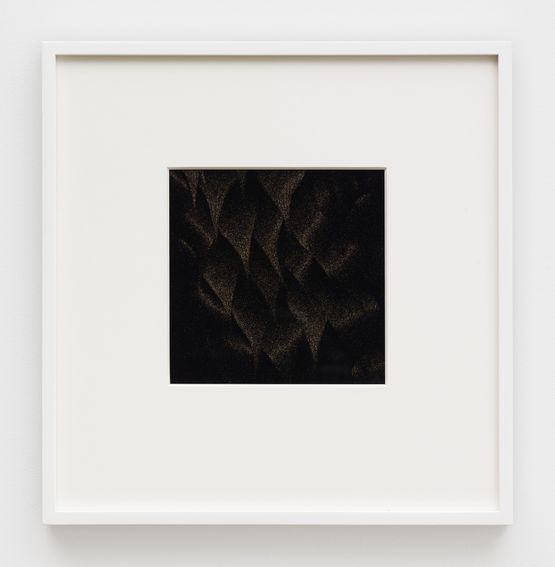
HiroshiSugimoto uses a Van De Graaff 400,000-volt generator to apply anelectrical charge directly onto film. The result in each case is aunique, instantaneous image of an electrical current, sometimesresembling a meteor shower, or a “treeing effect” on the film. WilliamHenry Fox Talbot, was the father of calotype. His momentous discovery ofthe photosensitive properties of silver alloys led to the developmentof positive-negative photographic imaging. The idea of observing theeffects of electrical discharges on photographic dry plates reflectsSugimoto’s desire to re-create the major discoveries of these scientificpioneers in the darkroom and verify them with his own eyes.

Kerry Tribe’s Parnassius mnemosyne isa butterfly wing as seen under a microscope. In Greek mythologyMnemosyne’ refers to the personification of memory. Author VladimirNabokov, also a renowned lepidopterist, included his drawing of Parnassius mnemosyne inhis autobiography, “Speak, Memory”. The memoir is known for having beenpublished in a string of ever-changing iterations, reflecting theinstability of subjectivity and recall.

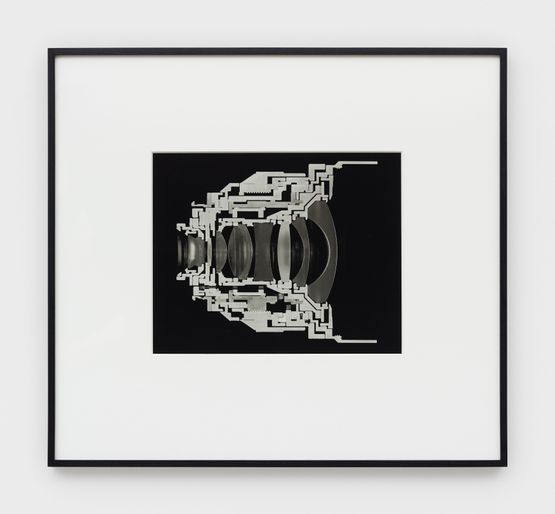
Christopher Williams’swork addresses the sociopolitical history of the medium within thecontext of image making. Considering our contemporary, consumer-drivensociety, Williams’ photographs evoke a subtle shift in our perception byquestioning the communication mechanisms and aesthetic conventions thatinfluence our understanding of reality.

Read More

Installation Views

Artists Exhibiting

About the Gallery

Founded by Brian Butler in 1992, 1301PE is a contemporary art gallery exhibiting significant Los Angeles based artists as well as internationally established and acclaimed artists. The gallery is known for its exhibition of significant work across mediums. Founded on the principle of promoting Los Angeles artists worldwide, the gallery has been located at its current location in Miracle Mile, Los Angeles since 1998.

View Gallery Profile
Address
6150 Wilshire Boulevard
Los Angeles
United States
Opening Hours
Tuesday – Saturday
11am – 6pm
(1)
Los Angeles 6150 Wilshire Boulevard
1301PE
6150 Wilshire Boulevard, Los Angeles, United States
+1 323 938 5822
http://www.1301PE.com

Opening hours
Tuesday – Saturday
11am – 6pm
The art world in focus