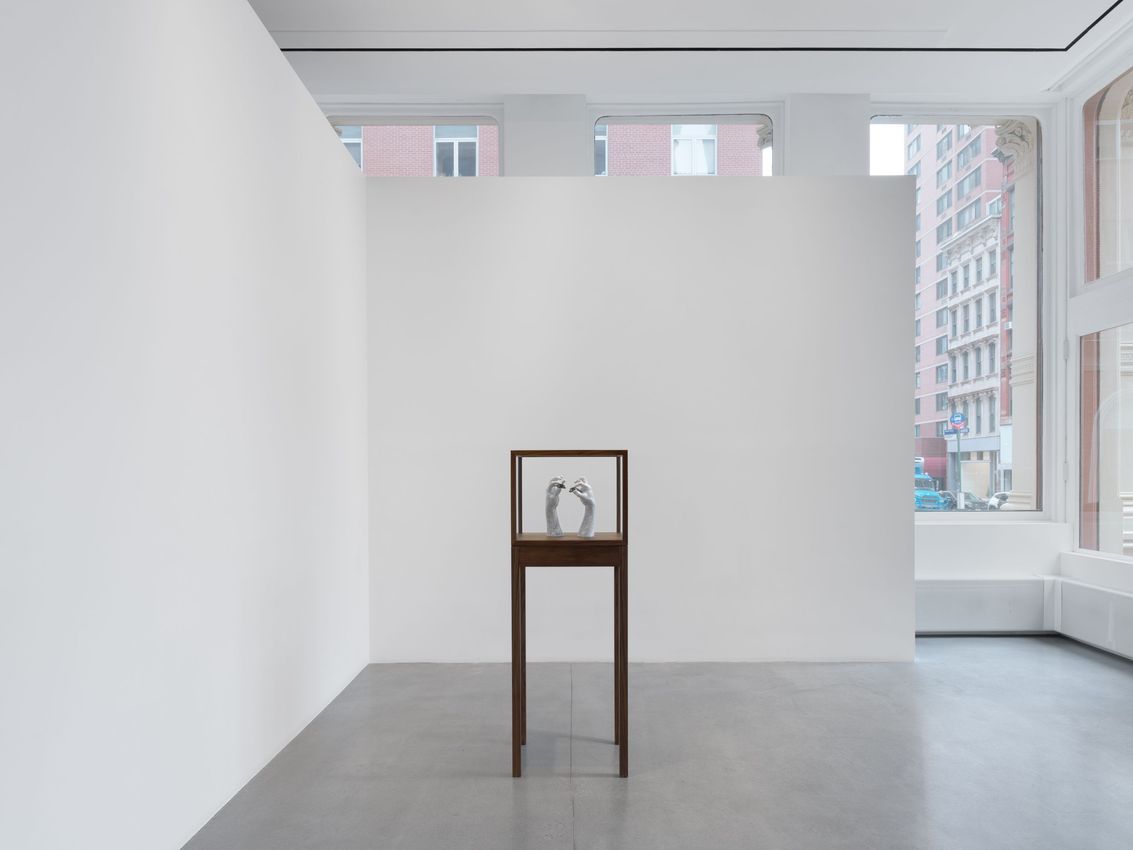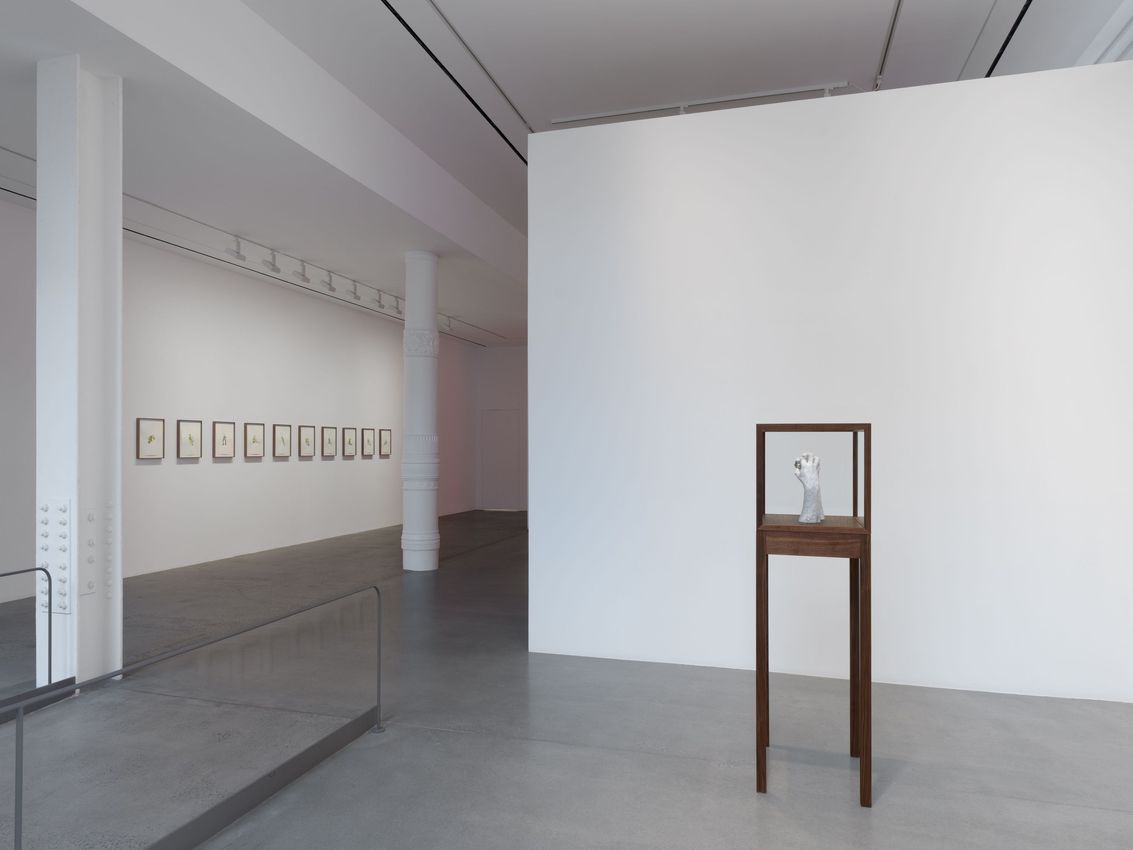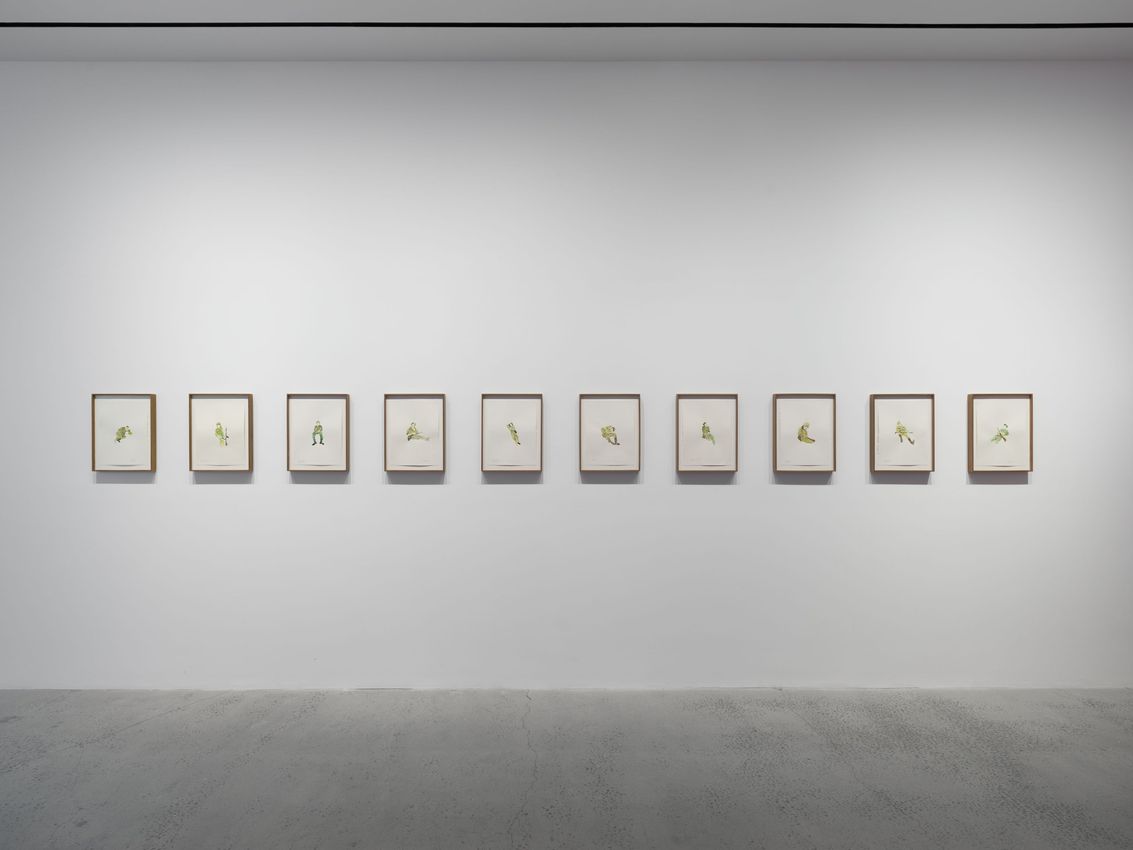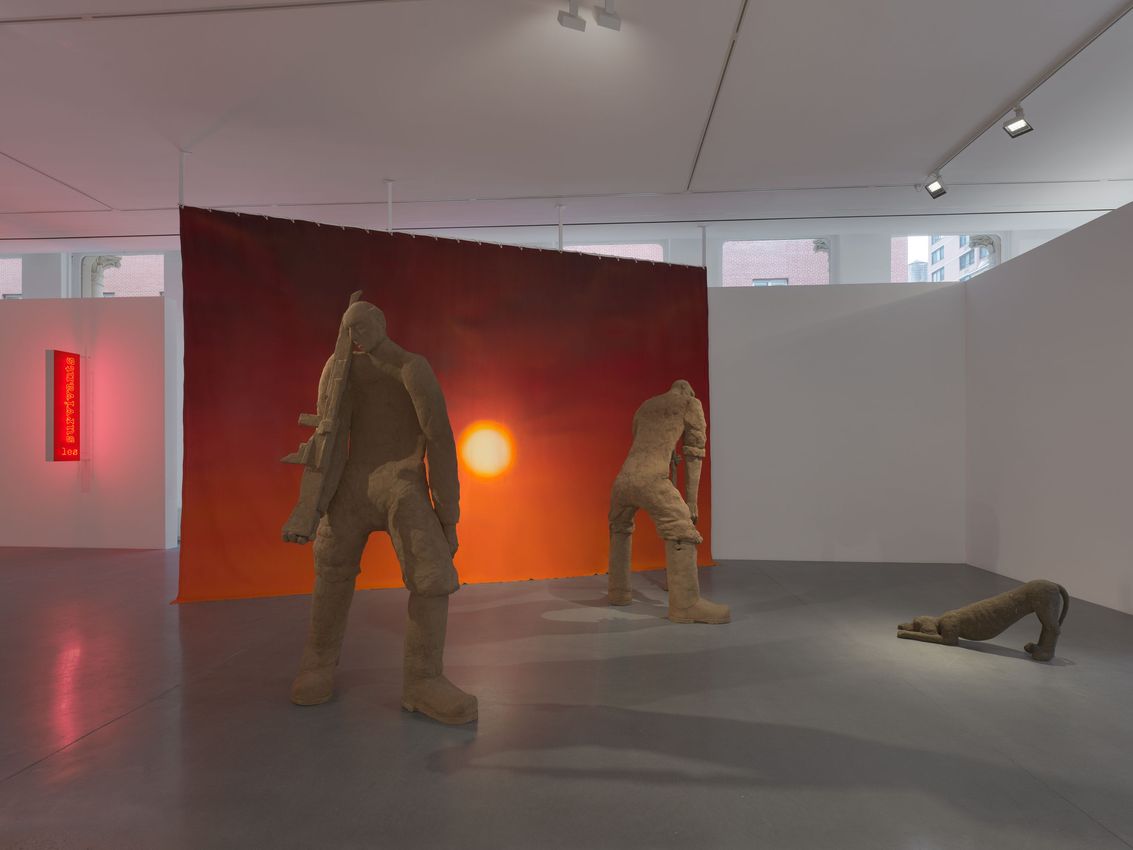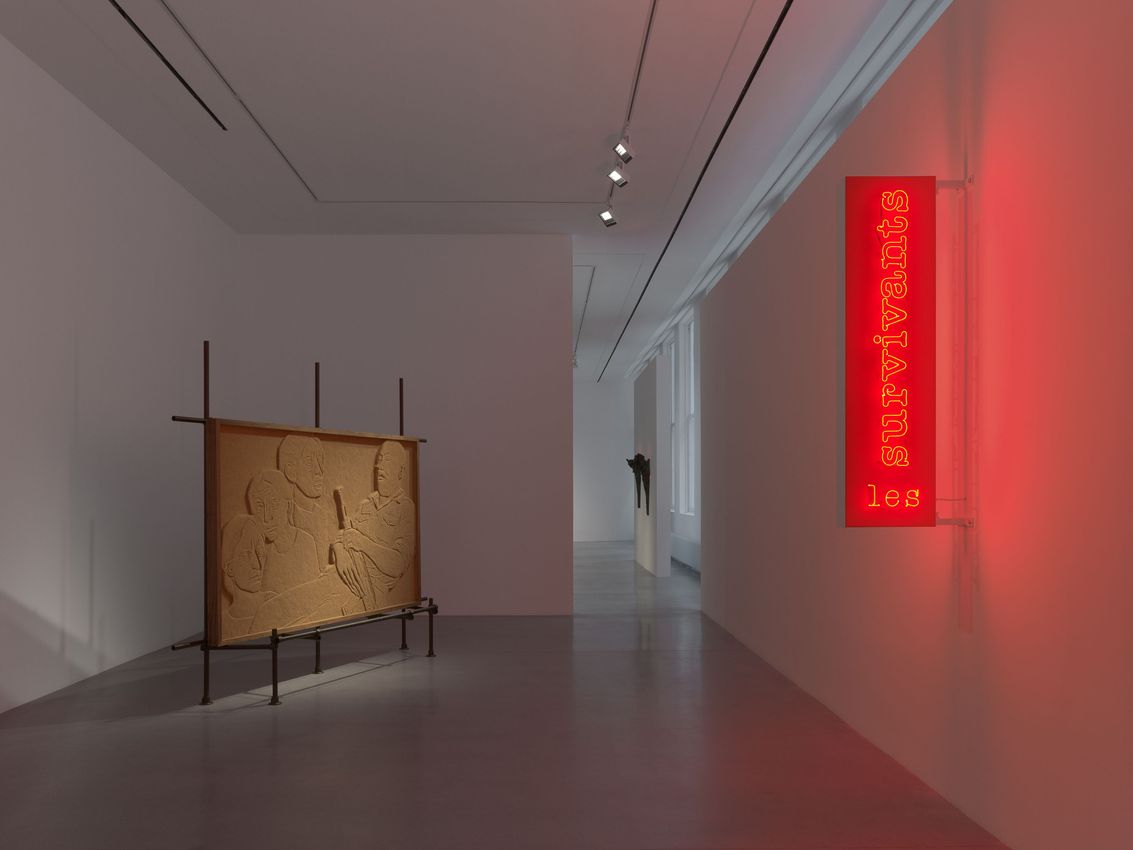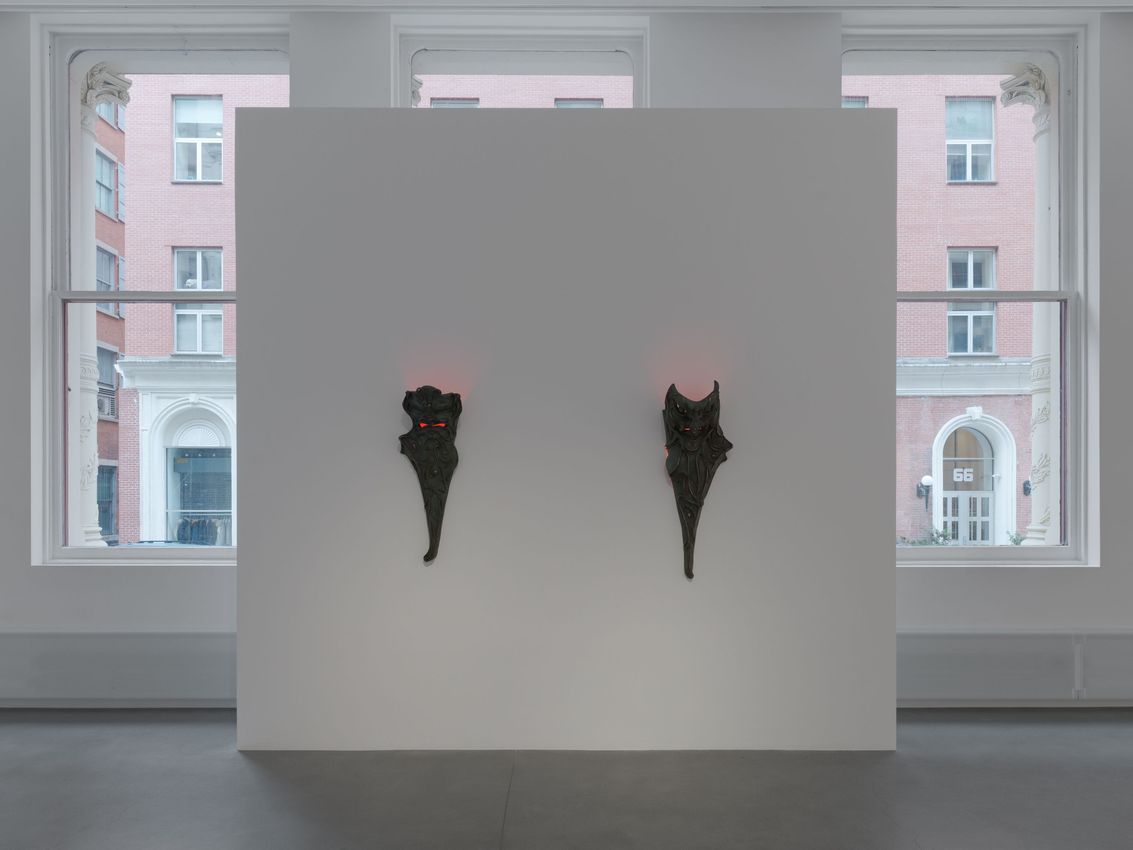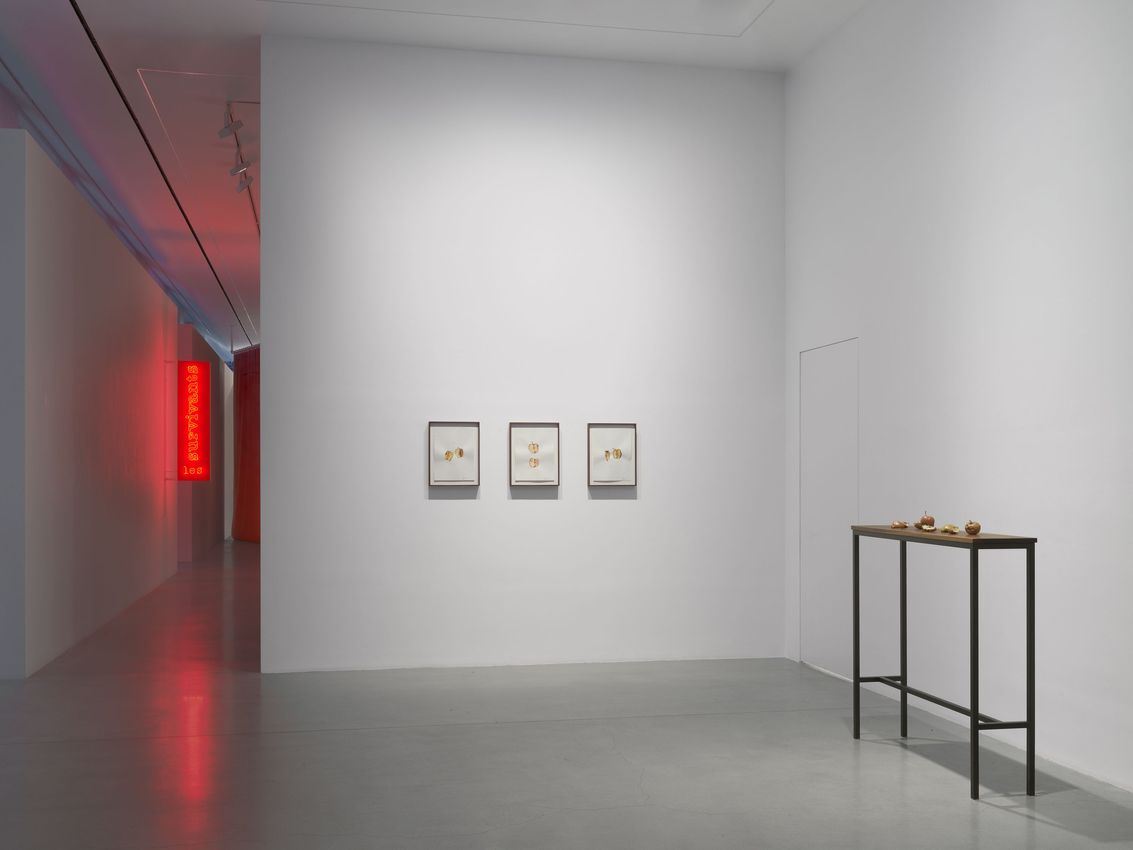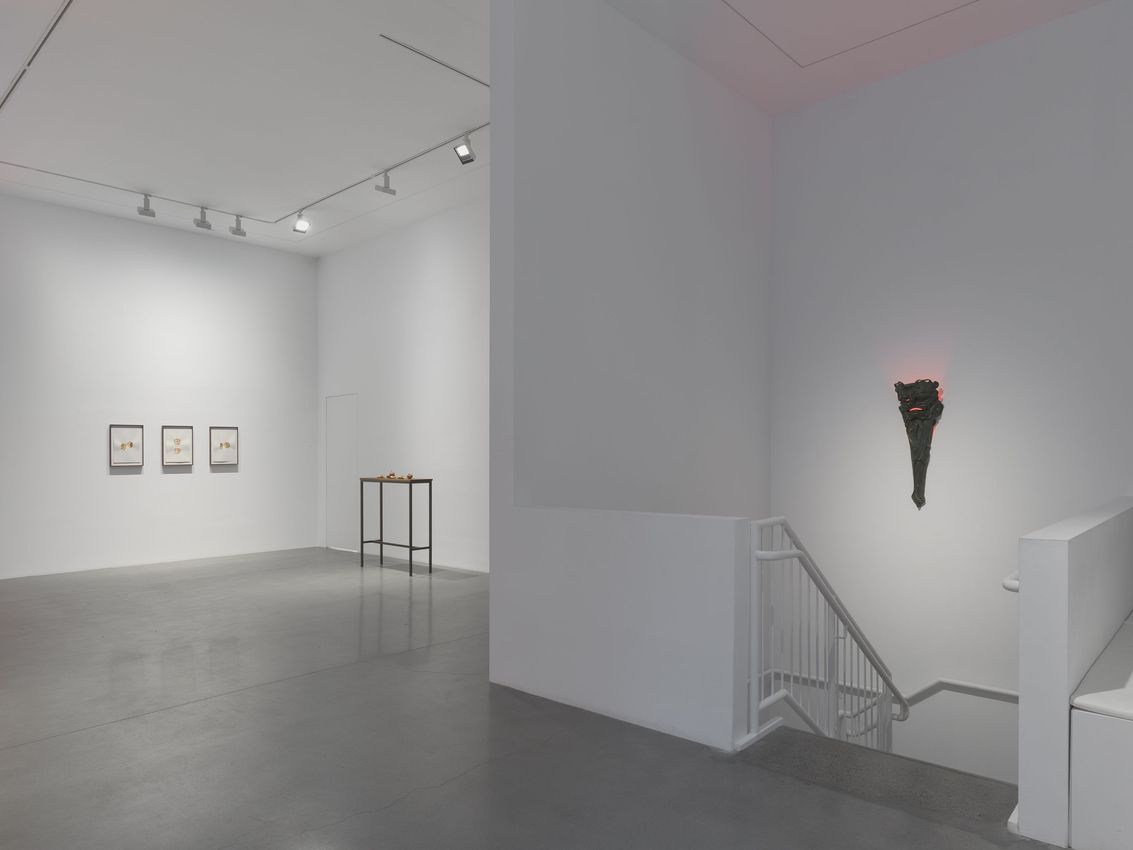




I am obsessed with Ali Cherri’s watercolors. More recently, the artist has described his practice as having “two main branches”: sculptural objects and moving-image works. Yet I would gently quibble and propose that—intentional or not—his intimate watercolors, which emerged during the COVID-19 lockdown, constitute a third and crucial branch. Whether understood as studies or private reflection, they serve as an essential entry point into the broader cosmology of Cherri’s concerns: death, violence, occupation, imperialism, and the objects and artifacts through which these histories are sedimented, mediated and retold.
Rendered with controlled yet fluid brushwork, Cherri’s watercolors exude a kind of effortless realism. They are startling in their quietude, seductive in their beauty and deeply in conversation with his broader practice. In the series “Dead Inside” (2021-ongoing), for instance, deceased fauna—foxes, fish, birds—alongside wrecked automobiles summon echoes of Andy Warhol’s “Death and Disaster” series (1962–67). In “We Grow Thorns So Flowers Would Bloom” (2023), depictions of prickly-pear cacti, rendered with a scientific precision reminiscent of Hilma af Klint’s botanical works, appear at once diagrammatic and radiant. Encountering them, I was gobsmacked by their disarming elegance and deceptive simplicity. Again, I am utterly obsessed.
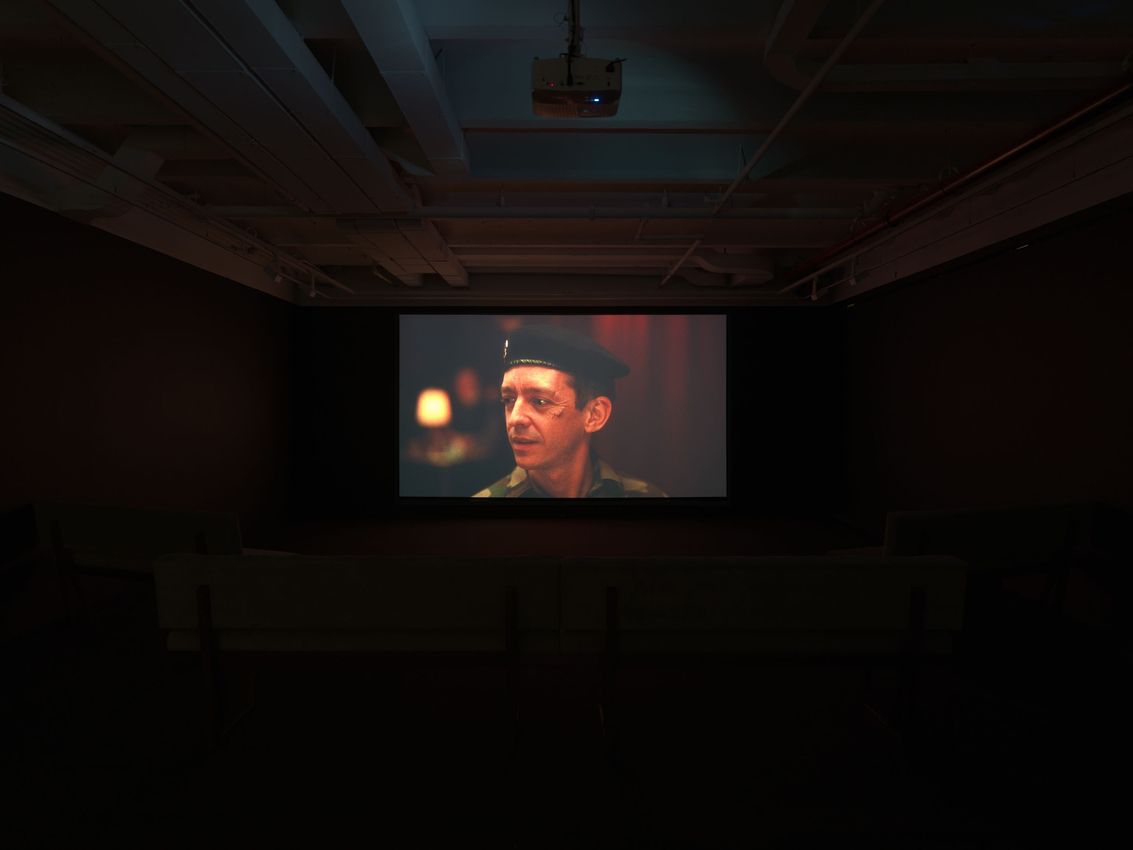
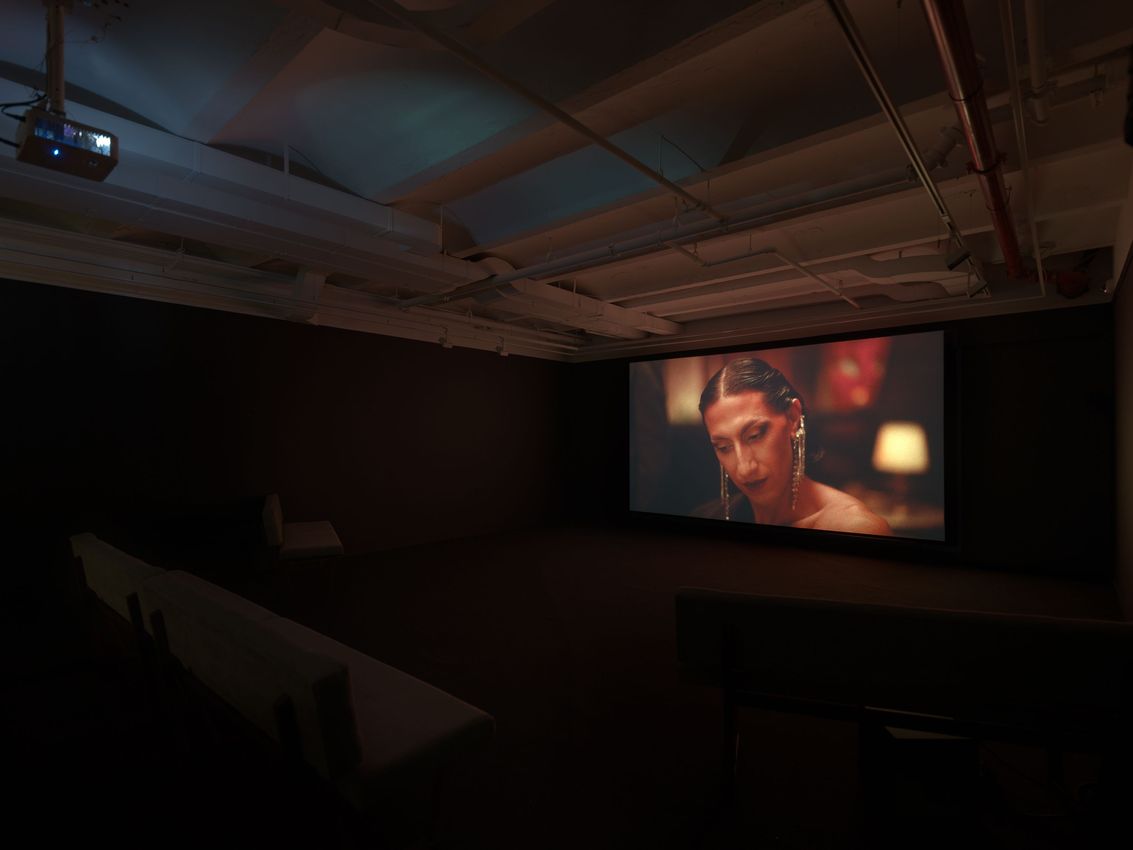
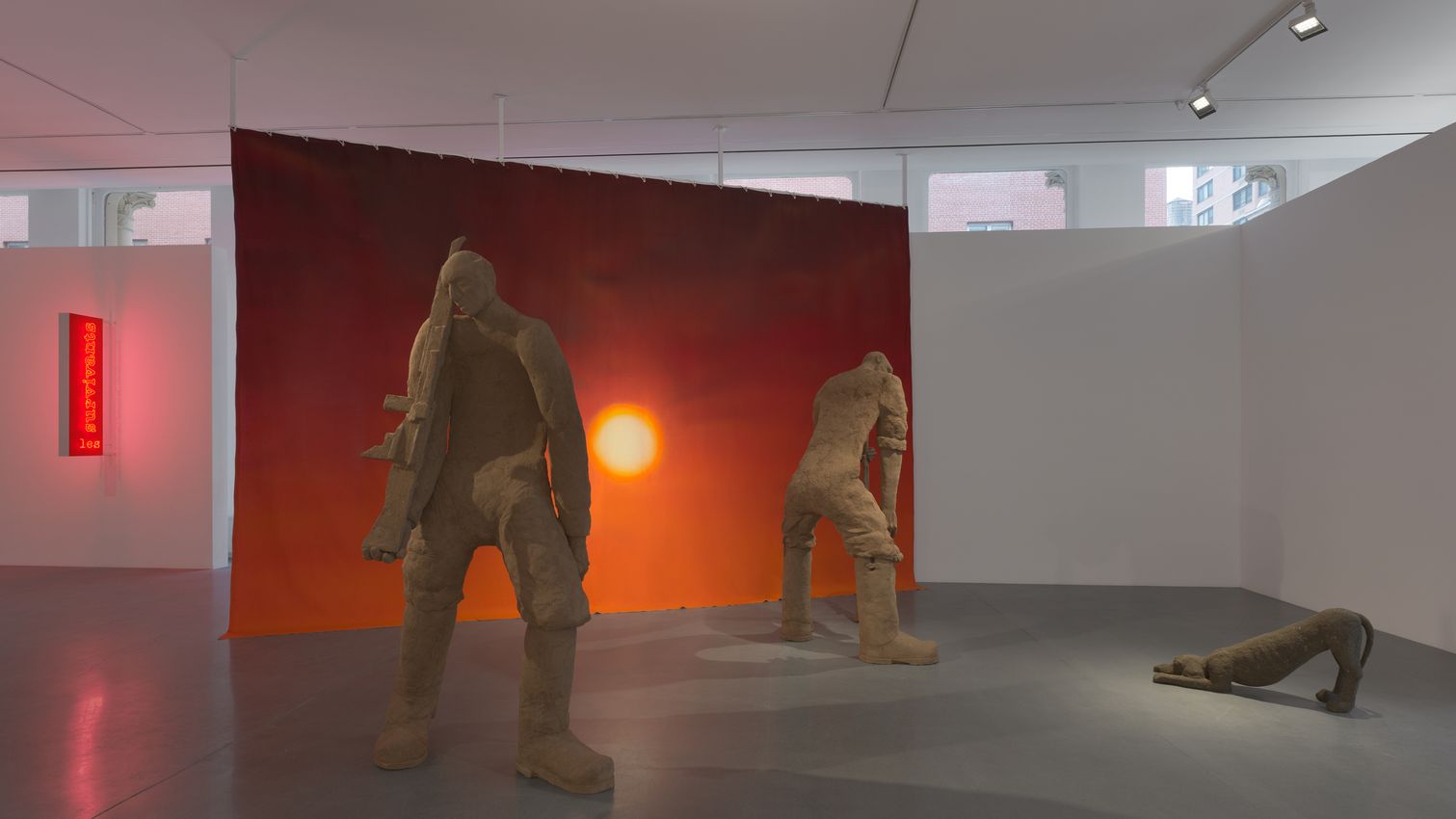
Motifs from these works resurface in The Watchman (2023), Cherri’s oneiric film following a Turkish-Cypriot soldier—Sergeant Bulut—stationed at the border of the unrecognized Turkish Republic of Northern Cyprus. In the film, the lanky, blue-eyed soldier ritualistically buries robins that repeatedly collide with the glass of his watchtower. Later, he passes a withering wall of prickly-pear cacti—plants historically used as border markers throughout the Mediterranean. The film concludes with Bulut spotting a troupe of larger-than-life, lost soldiers marching along the night horizon. When he asks whether he will return if he marches with them, silence follows. The brigade turns back, and the film cuts to black.[...]
— Terence Trouillot, senior editor of Frieze


Exploring different geographies of violence in his native Lebanon but also in the broader region, Ali Cherri (b. 1976, Beirut) is a Paris-based artist with three decades of artistic practice spanning across film, performance, sculpture - in terra and bronze -, drawing, and installations, interrogating the ways in which political violence disseminates into people’s bodies and the physical and cultural landscape. Shaped by the vibrant artistic scene of postwar Beirut in the 1990s, Cherri began to investigate the sensorial coproduction of reality between images of conflict, the urban fabric and his own body.


A respected voice in contemporary art discourse.
Focusing on ambitious storytelling and insightful art-world commentary. Ocula Magazine publishes in-depth interviews, critical essays and timely analysis on the artists, exhibitions and ideas driving the global art world.
Learn more about Ocula Magazine
Showcasing the best of the art world.
Ocula partners with galleries from around the world to highlight their artists, artworks and exhibitions. Gallery membership is by application and invitation, with each member vetted by an independent panel.
Learn more about Ocula Membership

Specialises in the sale of major artworks.
Led by a team with deep ties to the world’s leading auction houses, galleries and collectors. Ocula’s advisory team offers bespoke services to high-net-worth clients from around the world who are looking to acquire the best of contemporary and modern art.
Learn more about our team and services