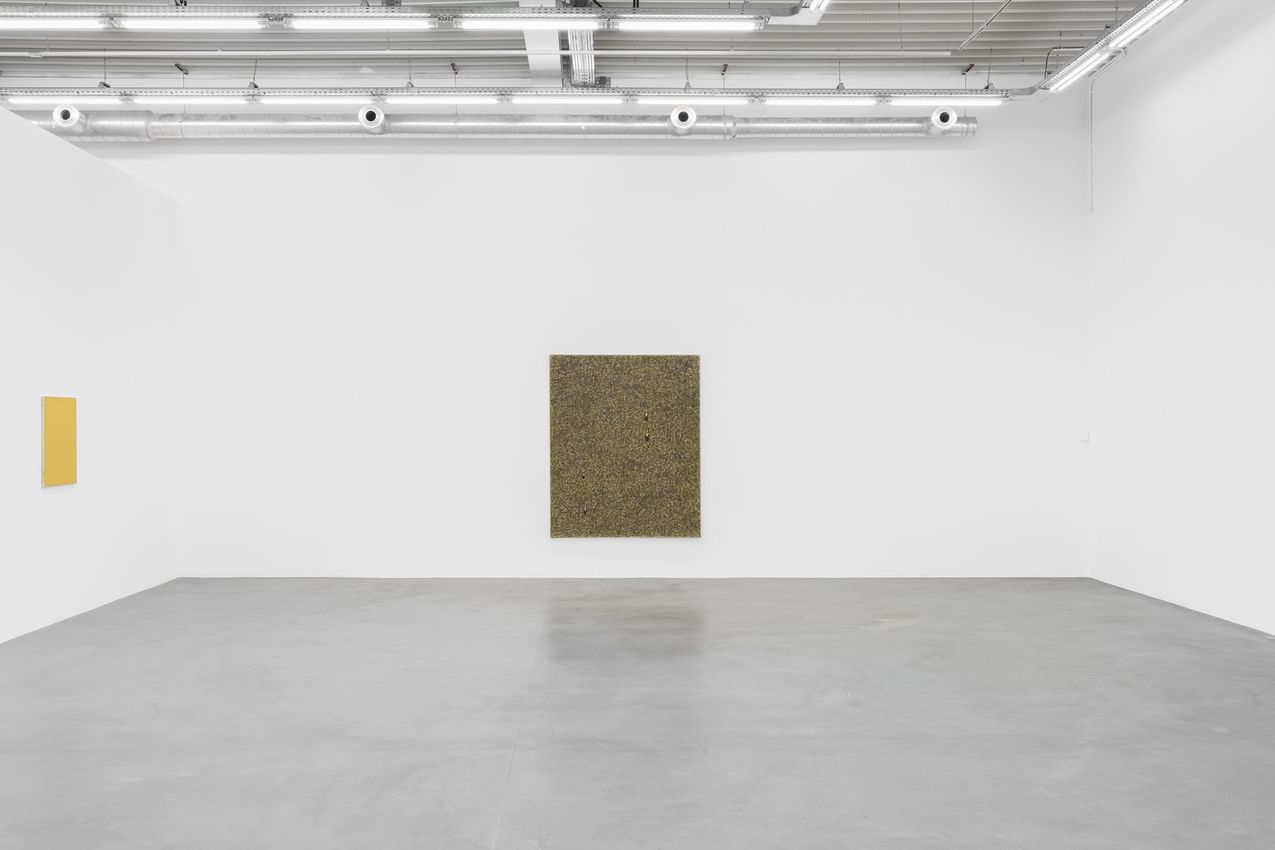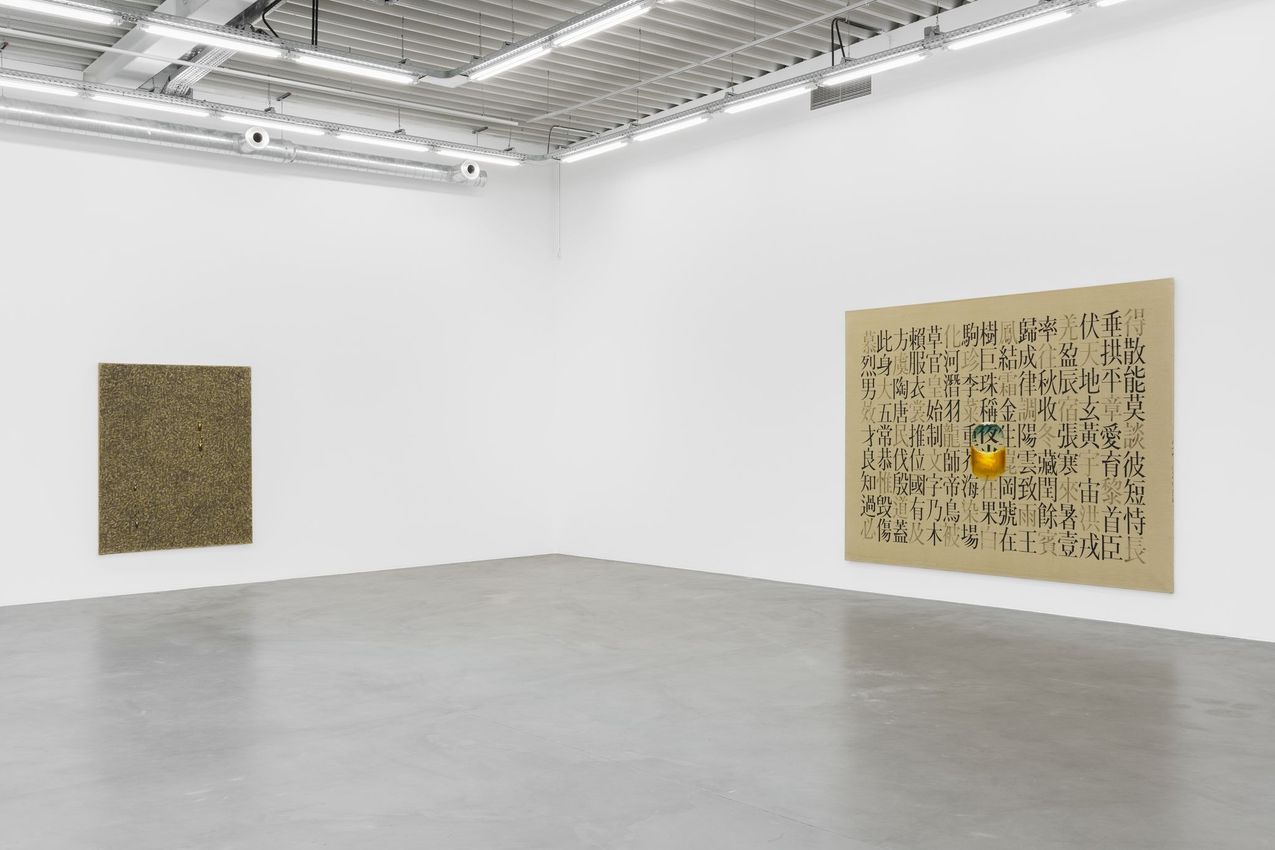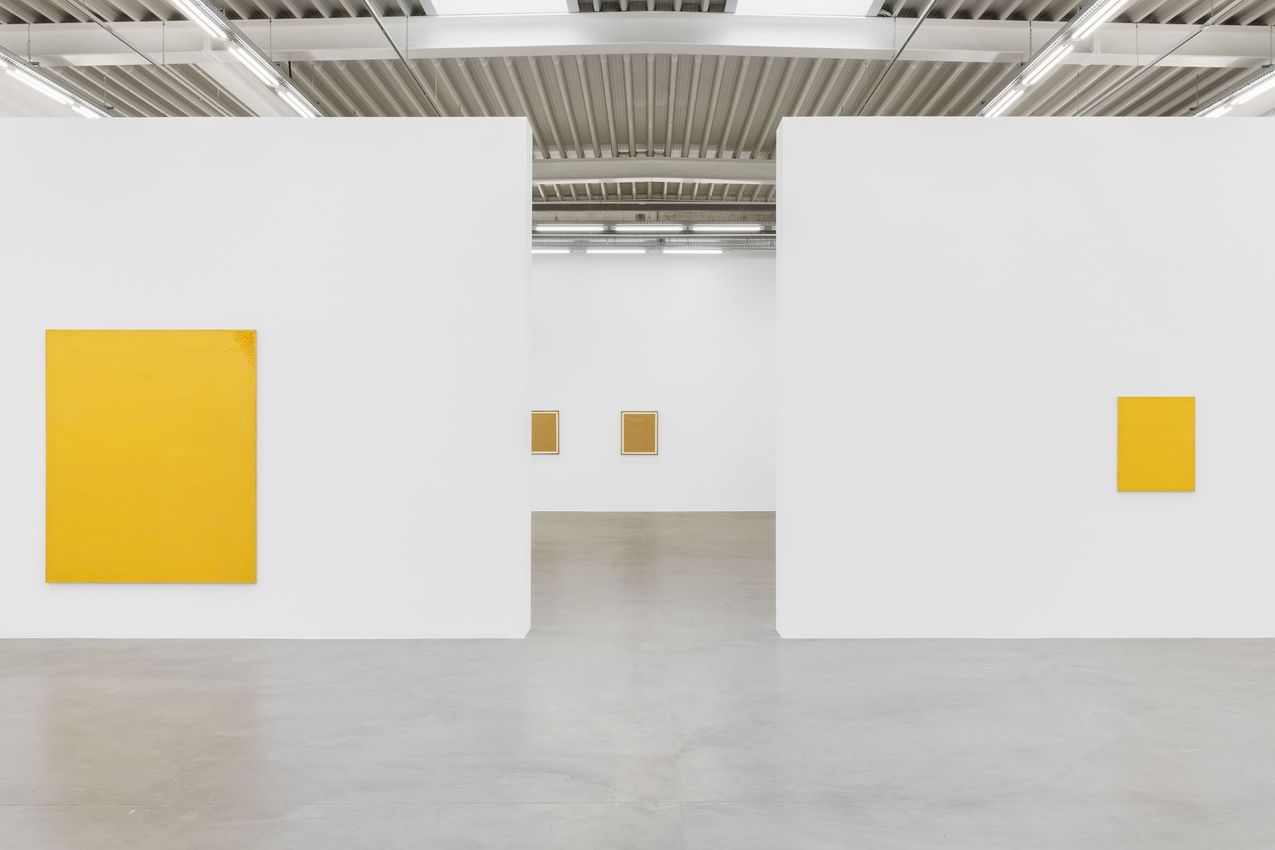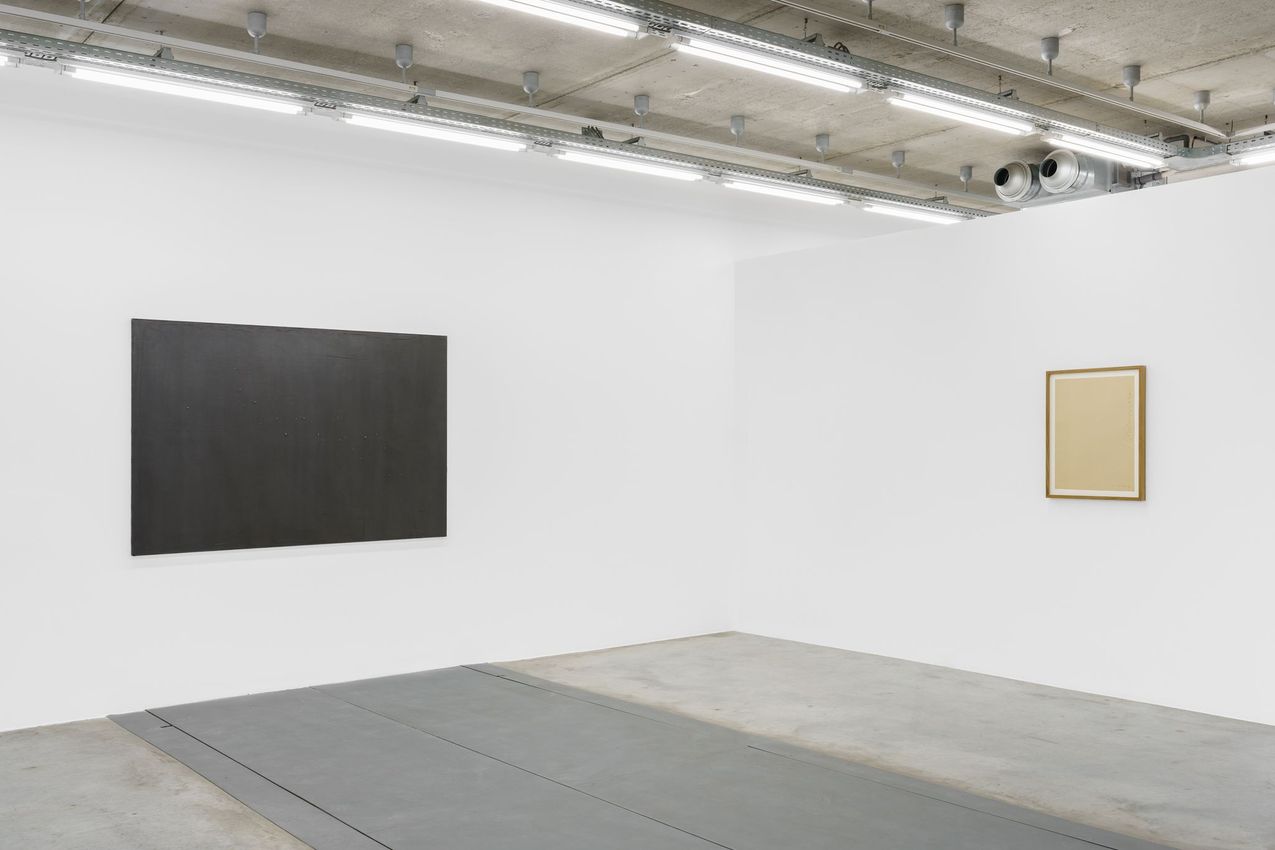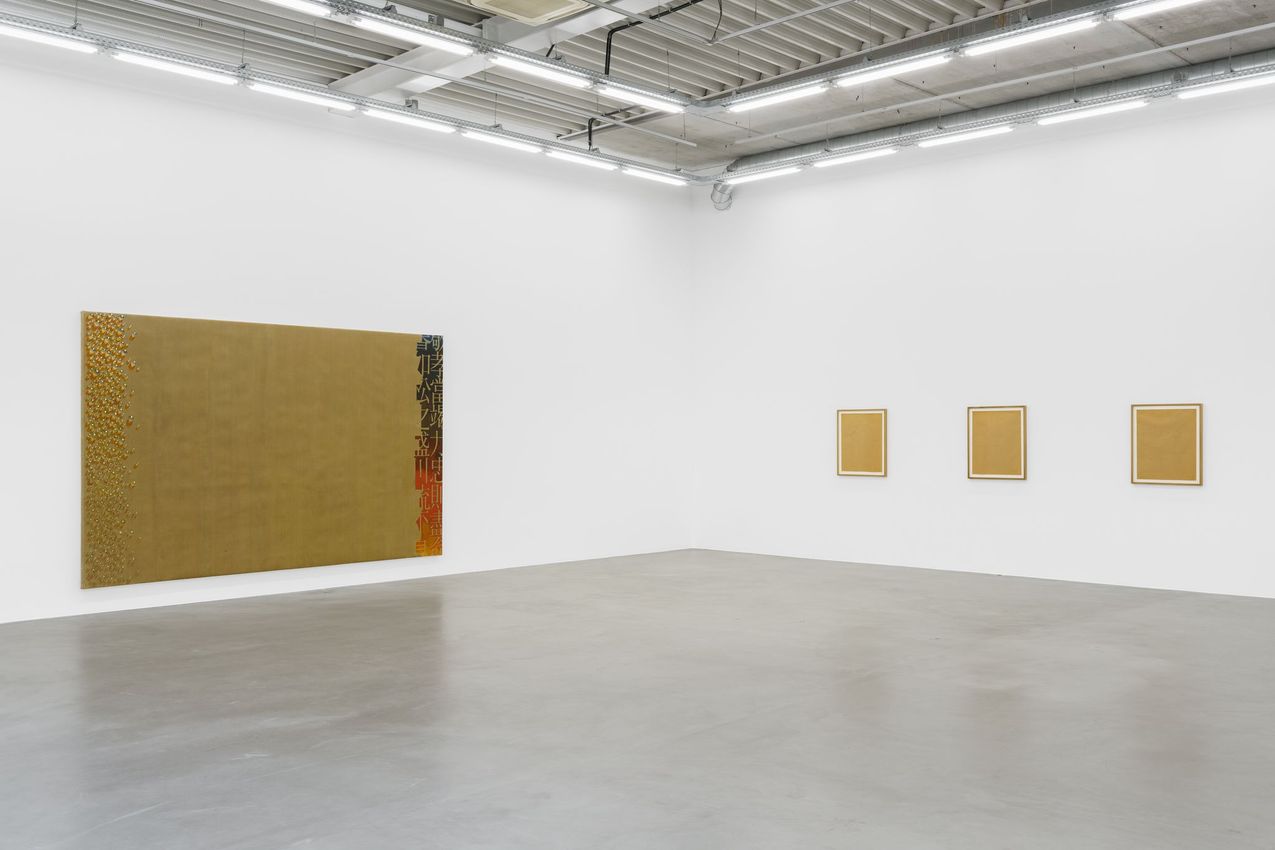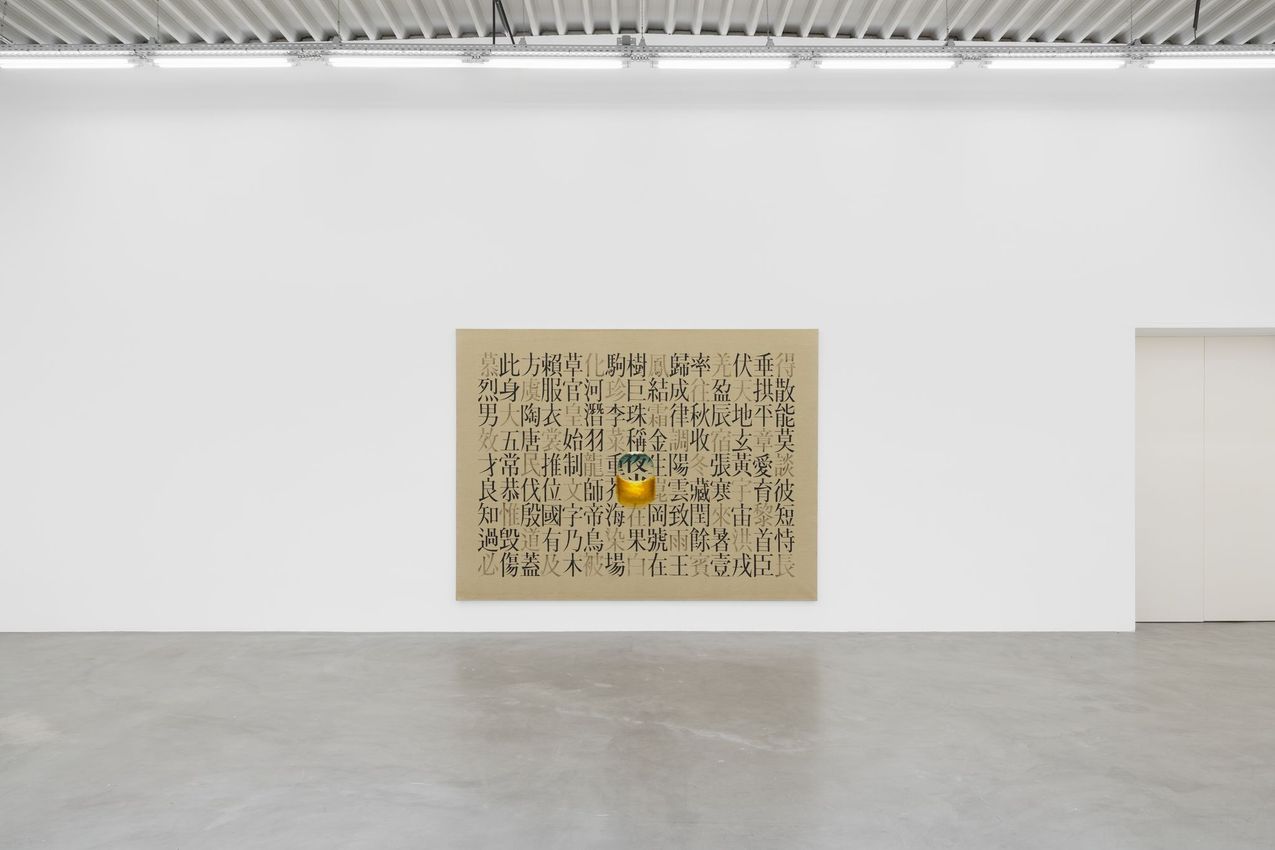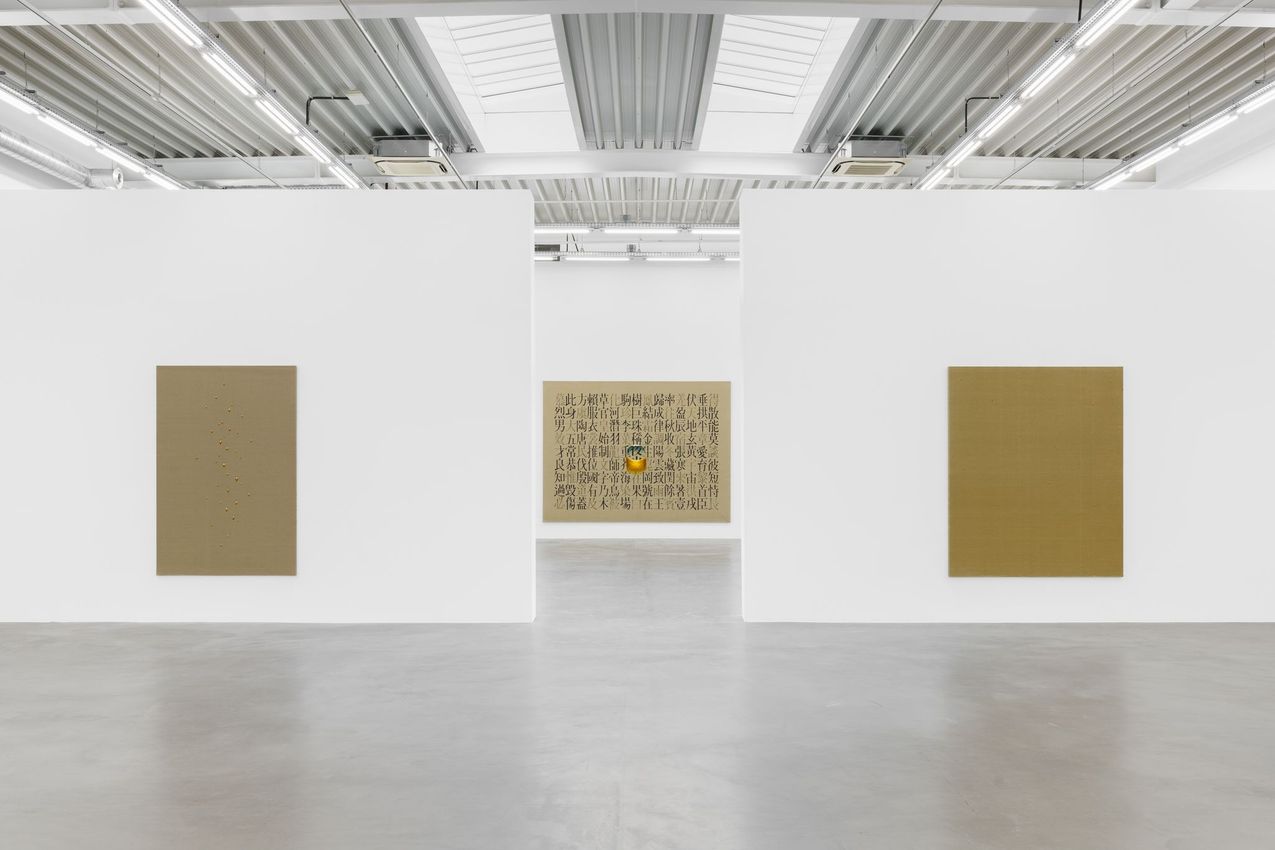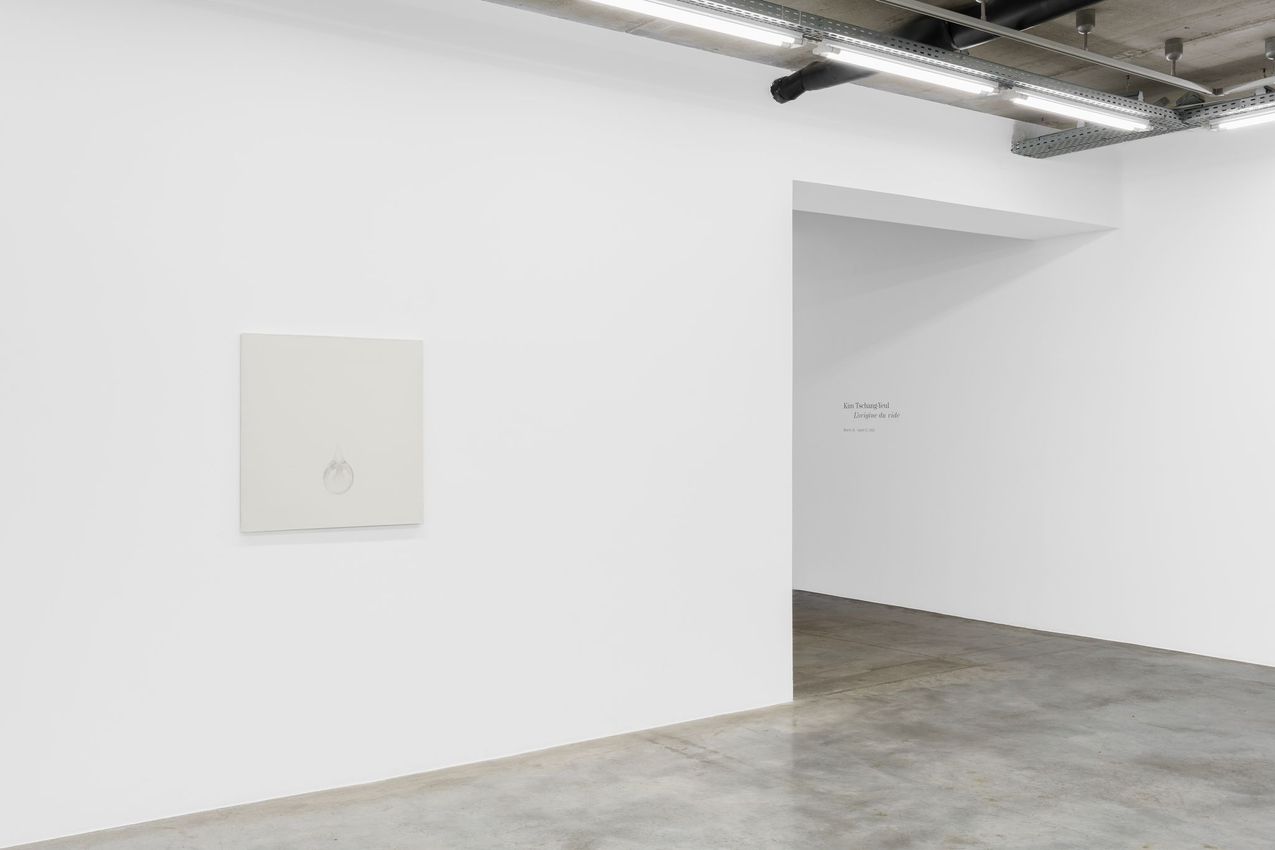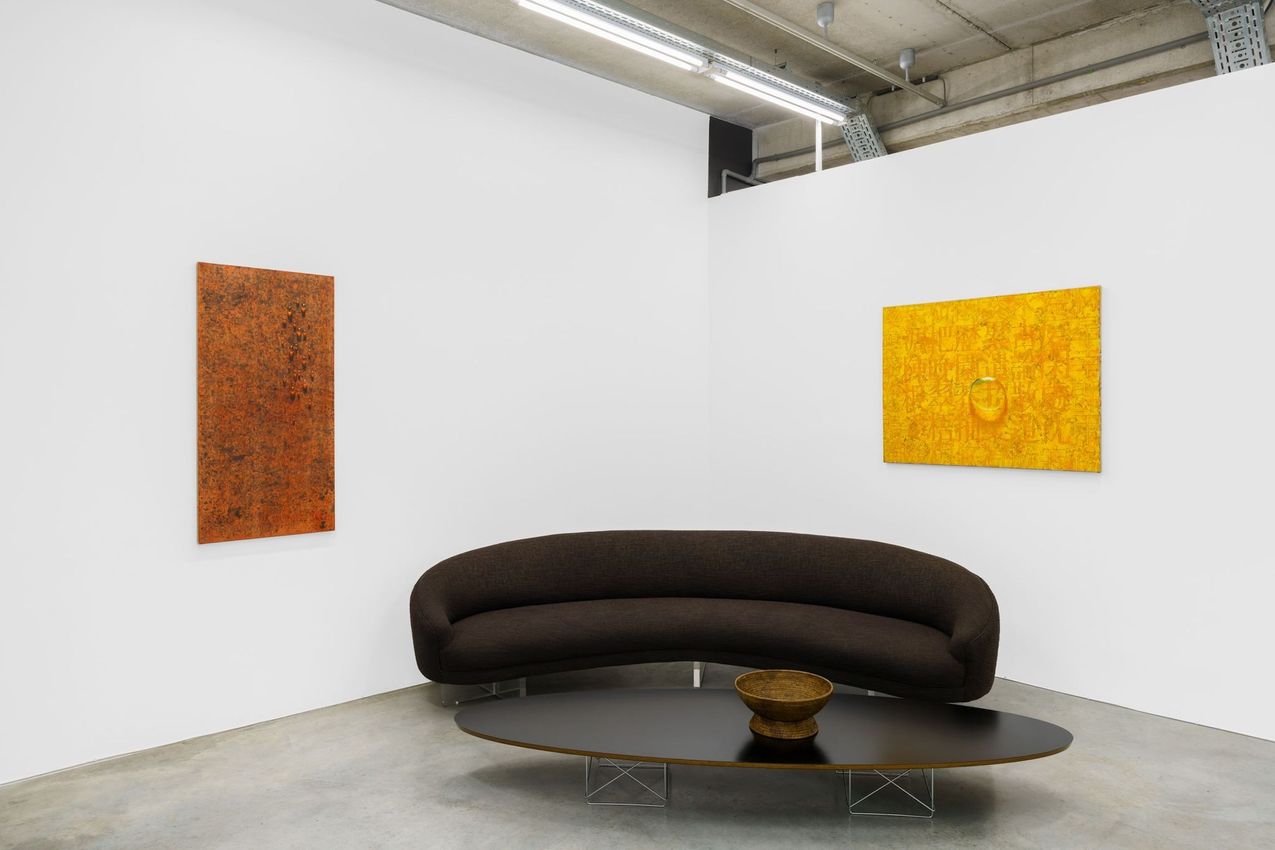
Almine Rech Brussels is pleased to present ‘L’origine du vide,’ Kim Tschang-Yeul’s third solo exhibition with the gallery, on view from March 14 to April 12, 2025.
Kim Tschang-Yeul has a history rife with struggle and exile. When he was only 15, he escaped his village in North Korea by night. He never saw his family again, including his beloved grandfather, who founded the village school and inspired him to be an artist and whose fate he never learned. Forced to serve in the army against the communists, the artist saw his friends perish and almost died at the front himself. Civil war and exile left deep wounds.
Influenced by postwar Korean art movements, for fifty years Kim Tschang-Yeul developed a remarkable oeuvre that is absolutely unique and focused on a single theme: water droplets. These droplets are not just the expression of an Asian sensibility connected to nature and the spirituality of Zen or Taoism. They also represent a process of purification, an effort to transform the trauma of war. The water droplet is not simply a void, but a still visible form of this original void, which will end up disappearing into the canvas, leaving behind a space of silence and light.
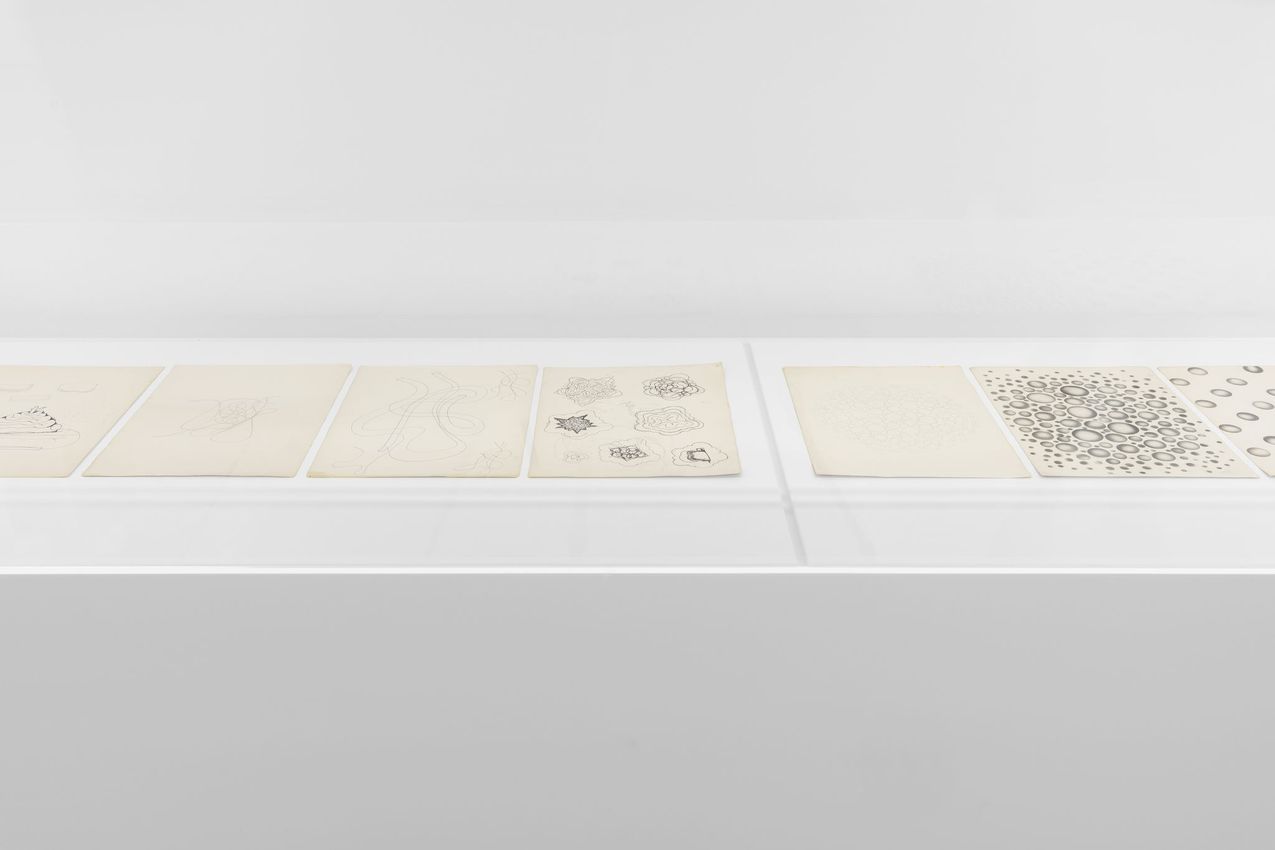
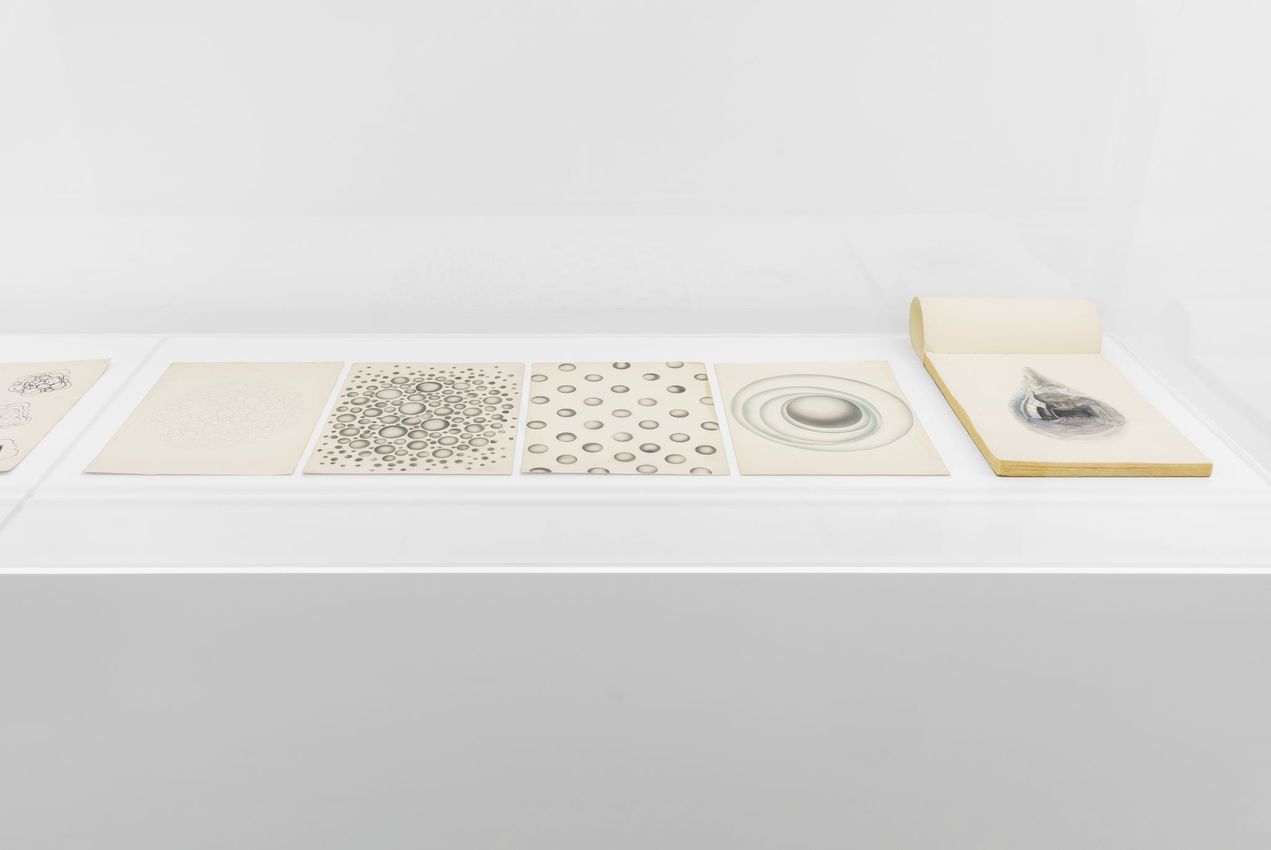
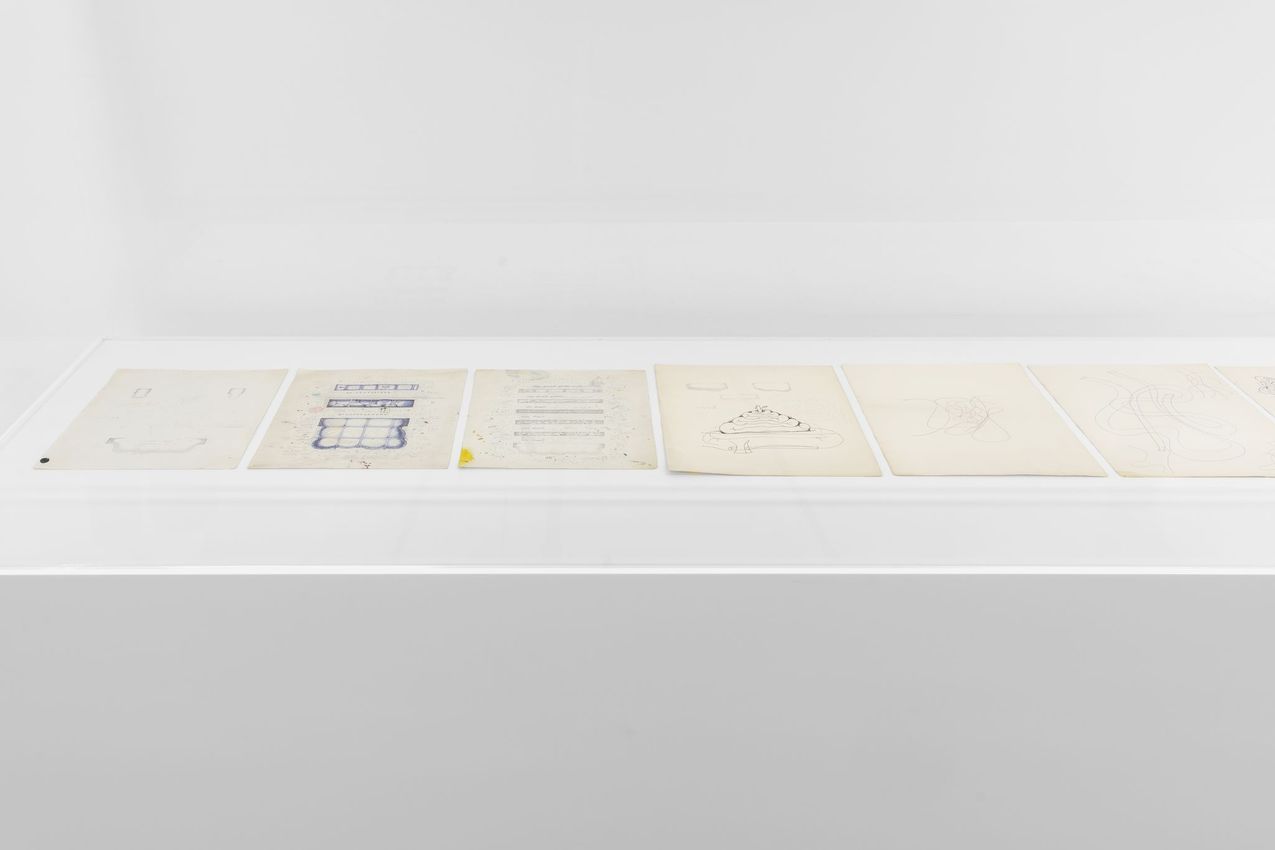
While Kim Tschang-Yeul’s work evokes tranquility, its apparent serenity is the result of a long process of transmutation. At the very beginning of his career, the artist’s Informal paintings expressed his obsession with bodily matter and fluids, themes that crystallized horror, violence, and war. Gradually, as seen in his sketchbooks as well as his most accomplished paintings, this visceral matter was transformed into a water droplet. Kim’s admiration for Francis Bacon, a virtuoso of representing flesh and wounds, emphasizes this duality: while Bacon exposed the violence of the world head-on, Kim Tschang-Yeul absorbed it and dissolved it in the theme of the water droplet. This contrast reveals all the ambiguity of his work.
— Louma Salamé, Director of the Boghossian Foundation


Kim Tschang-Yeul is one of the greatest living Korean painters. Born in 1929 in the North of the then unified Korea, he migrated to the South to escape the communist regime. He subsequently left for New York to pursue his artistic dreams before finally settling in Paris in 1969. There, he began to nurture, over a period of forty years, a unique motif: the drop of water. The waterdrop is the starting point for a singular and iconic body of work, which stands at the confluence of lyrical abstraction, Pop Art and Chinese calligraphy. This simple and limpid œuvre subtly fuses Taoist wisdom, modern conceptual irony and the tragedy of war.


A respected voice in contemporary art discourse.
Focusing on ambitious storytelling and insightful art-world commentary. Ocula Magazine publishes in-depth interviews, critical essays and timely analysis on the artists, exhibitions and ideas driving the global art world.
Learn more about Ocula Magazine
Showcasing the best of the art world.
Ocula partners with galleries from around the world to highlight their artists, artworks and exhibitions. Gallery membership is by application and invitation, with each member vetted by an independent panel.
Learn more about Ocula Membership

Specialises in the sale of major artworks.
Led by a team with deep ties to the world’s leading auction houses, galleries and collectors. Ocula’s advisory team offers bespoke services to high-net-worth clients from around the world who are looking to acquire the best of contemporary and modern art.
Learn more about our team and services