Almine Rech Monaco is pleased to announce _Nature’s Reflection, _on view from July 2 to August 24, 2024.
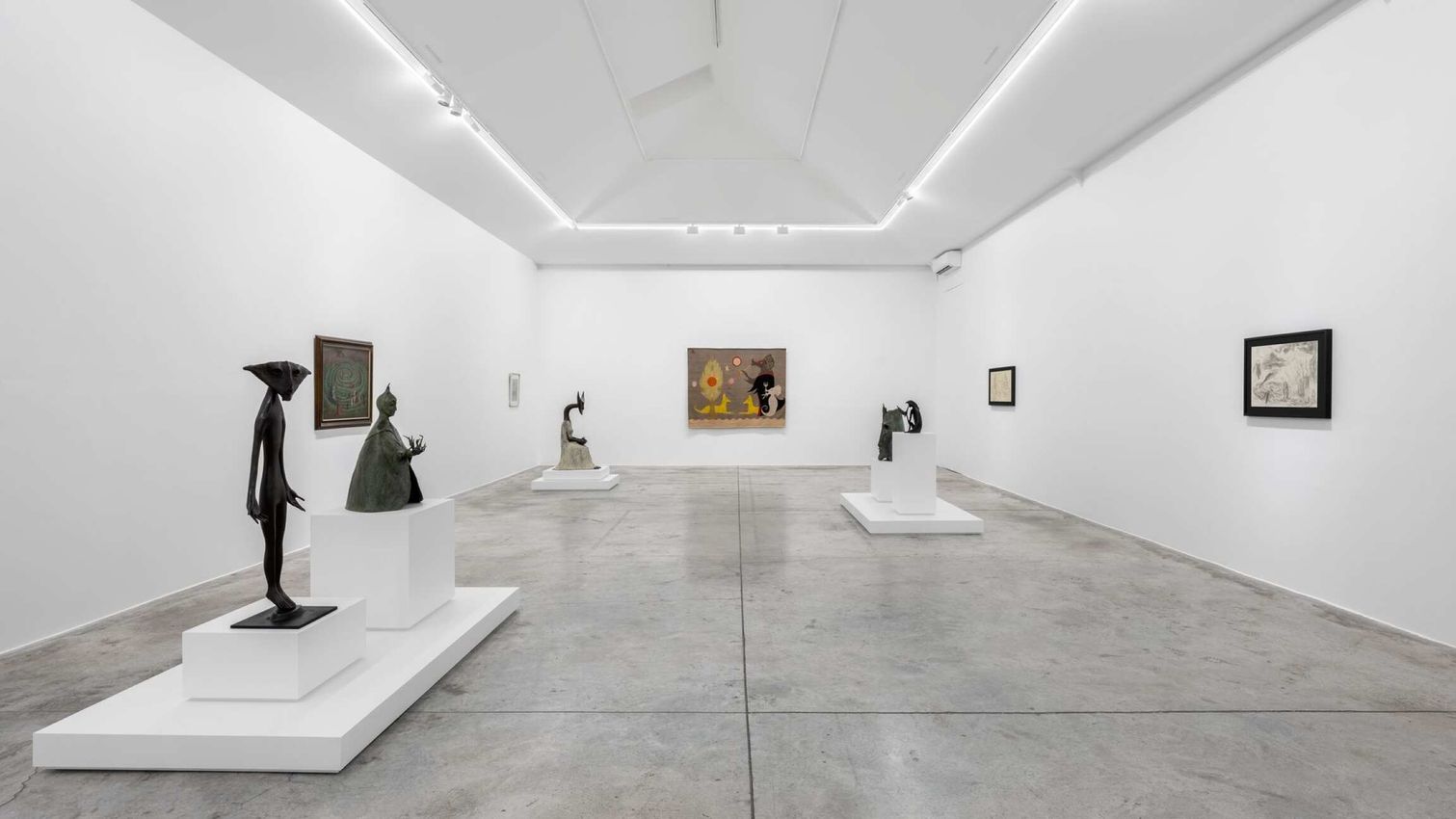
Constricted within a dual vision, the Western concept of nature has long been defined by two attitudes: Orphic and Promethean. While the former advocates that humans should rekindle their bond with nature – not as a denial of its evolution but more as an assertion of a renewed communion between species, the latter defends a positivist ideology of controlling it. Whether there is a yearning for immersion or nature is perceived as a resource to be exploited, there prevails a wish to lift the veil over it, following the belief that “nature loves to hide”, to quote Heraclitus.
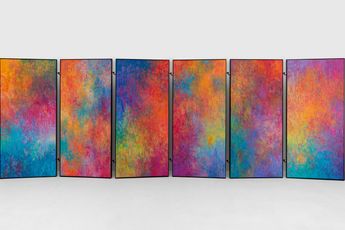
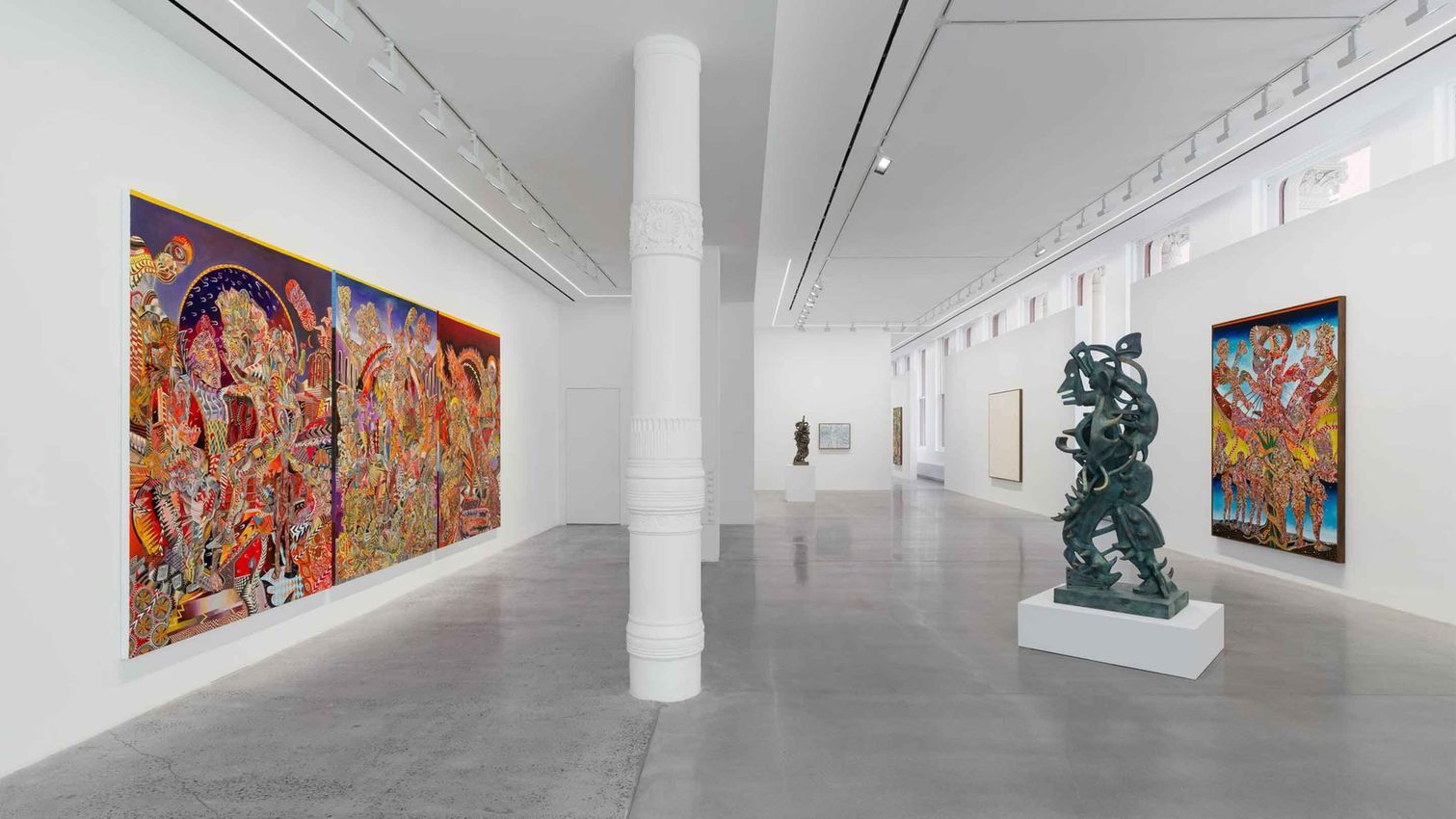
The artworks in the exhibition Nature’s Reflections, at Almine Rech Monaco, place these two stances back to back. The artists do not attempt to domesticate or elucidate nature’s mysterious secrets, but delve into the specifics of stories, places or even fictions that define our perceptions of the environment at a time when our ways of life are drastically affecting the planet’s balance. The works, such as Miquel Barceló’s paintings, with no horizon and infinite light variations, present an art form that plays with reflecting surfaces and a shifting gaze. Beyond the anthropocentricism and instrumental thoughts that alienate life on earth, these works draw on the language of matter, not with an aim to sacralise nature or set in a reassuring sublime landscape framework, but indeed to decentralise mankind from its dominating position.
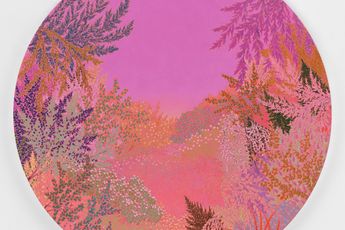
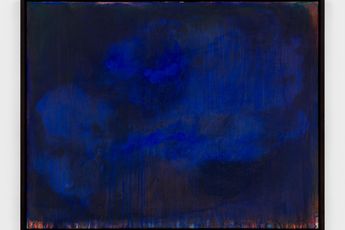
This is the case of Barceló’s ceramics, which explore the life of matter and of the elements, while trying to follow its swell, decay and altering effects, or of the Belgian sculptor Johan Creten’s fabulous bestiary, where everything is swarming, breathing and perspiring. Everywhere, movement frozen by fire forms a loop that revives age-old eras and imagines stories beyond the facts. For, by defining the world (mundus) as that which is “clean, pure and orderly”, the West has gradually rejected half of life matter like a repulsive heritage, waging war against many human and non-human life forms. Thu Van Tran’s drawing series Trail Dust addresses our relationship with historical, economic and political memory. Behind the poetic title evoking an atmosphere, there is actually destruction at play, reducing nature to ashes. Trail Dust was indeed the code name given by the US army to its deadly spraying of rainbow herbicides during the Vietnam War. In answer to this sugar-coated colonial language, Tia-Thuy Nguyen’s works display shimmering skies. As an air pilot’s daughter, the Hanoi-born artist paints broad horizons as seen from a cockpit in a dichotomy between serenity and waking nightmare for, behind the clouds, an enemy may be hiding. The Impressionism-inspired light and atmosphere variations echo the colourist painter Jean-Baptiste Bernadet’s sunset pink and purple hues, or John McAllister’s dreamed landscapes, which exacerbate the picturesque and artificial aspects of the vantage points.
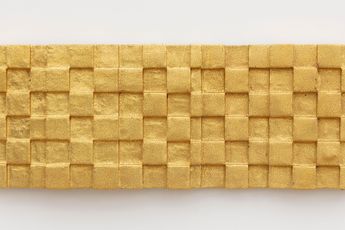
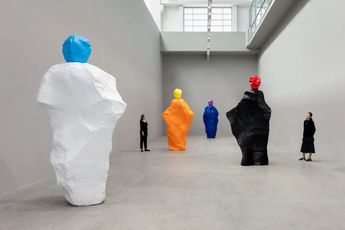
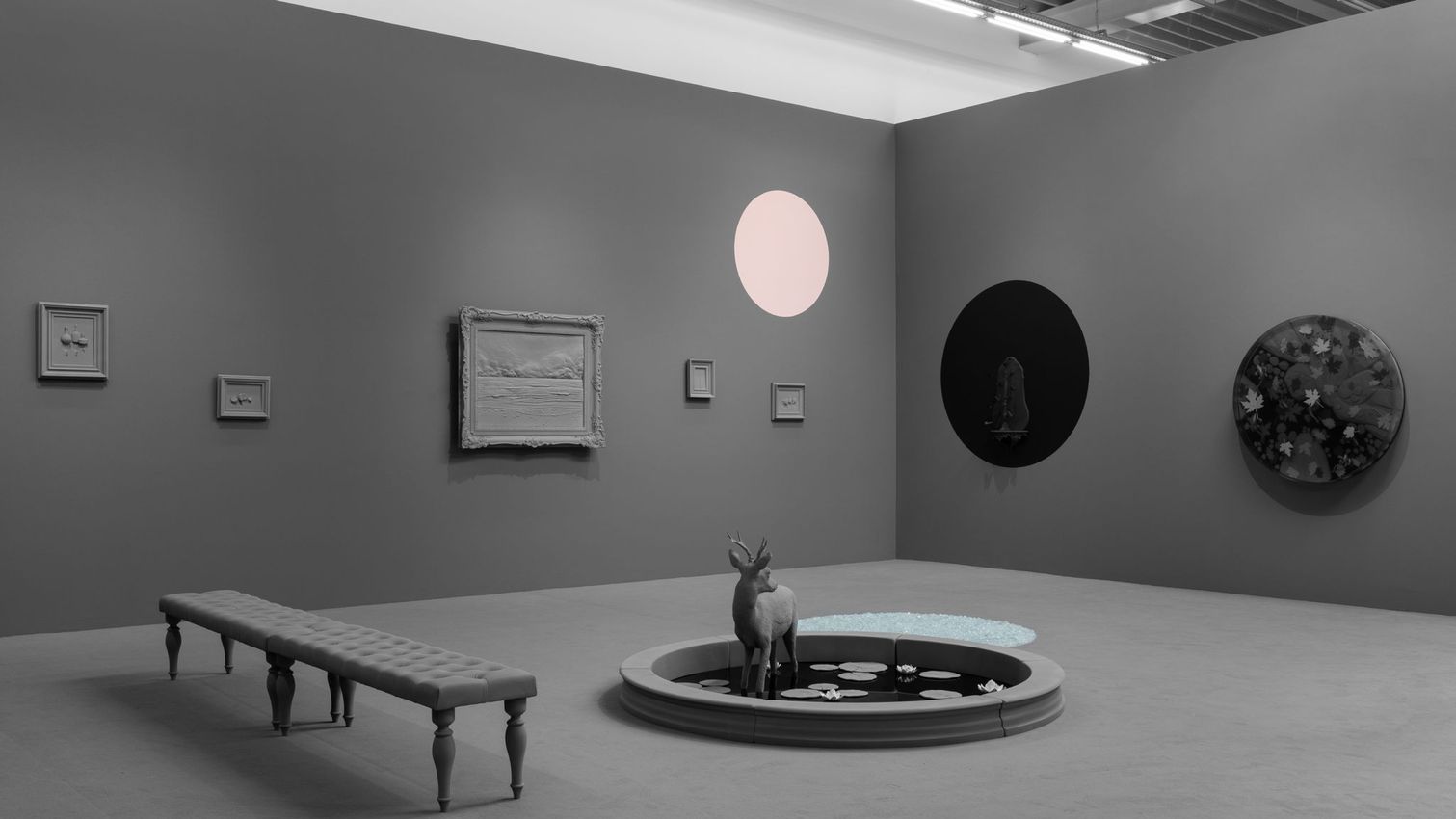
It is therefore not nature – a concept invented by humans to differentiate itself from the rest thanks to culture – that the exhibition artworks represent, but its reflection, our reflection, i.e. our gaze, upon it. In this way, Eric Croes’s mirrors bring us back to our very condition as moderns, locking the view into a loop. These same eyes, the livings’ ocular globes, are also found in Anthony Miler’s pared-down pictures. From still lifes to Romantic landscapes, the way art history has dealt with nature is telling of how we have considered our ecosystems: inert, hostile, sublime, ornamental, exploitable. Reintegrating the notion of cycle, Ugo Rondinone’s polyurethane mask MOONRISE aims to reverse the order of things and perspectives, while Gregor Hildebrandt furthers the recycling process with Flore, a mosaic made with cut vinyls and scattered with coins.
The artworks in the exhibition Nature’s Reflections are an invitation to reflect on the cultural conditioning of our own gaze, to pay attention to what usually escapes us or remains invisible.
- Marion Zilio, Art critic and exhibition curator


A respected voice in contemporary art discourse.
Focusing on ambitious storytelling and insightful art-world commentary. Ocula Magazine publishes in-depth interviews, critical essays and timely analysis on the artists, exhibitions and ideas driving the global art world.
Learn more about Ocula Magazine
Showcasing the best of the art world.
Ocula partners with galleries from around the world to highlight their artists, artworks and exhibitions. Gallery membership is by application and invitation, with each member vetted by an independent panel.
Learn more about Ocula Membership

Specialises in the sale of major artworks.
Led by a team with deep ties to the world’s leading auction houses, galleries and collectors. Ocula’s advisory team offers bespoke services to high-net-worth clients from around the world who are looking to acquire the best of contemporary and modern art.
Learn more about our team and services