The Art of Overcoming: The Unthinkable in the Thinkable
Traces of Memory between the Fragment and Totality
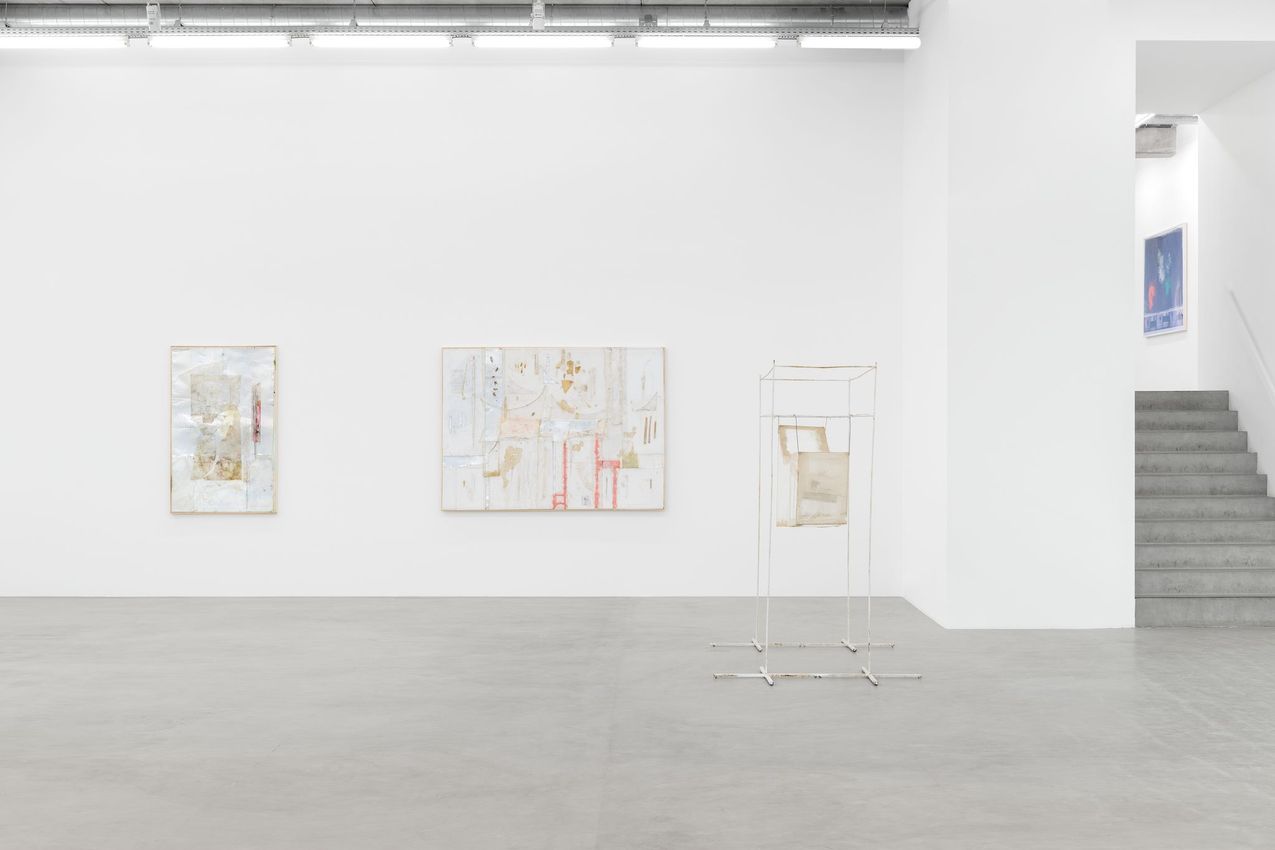
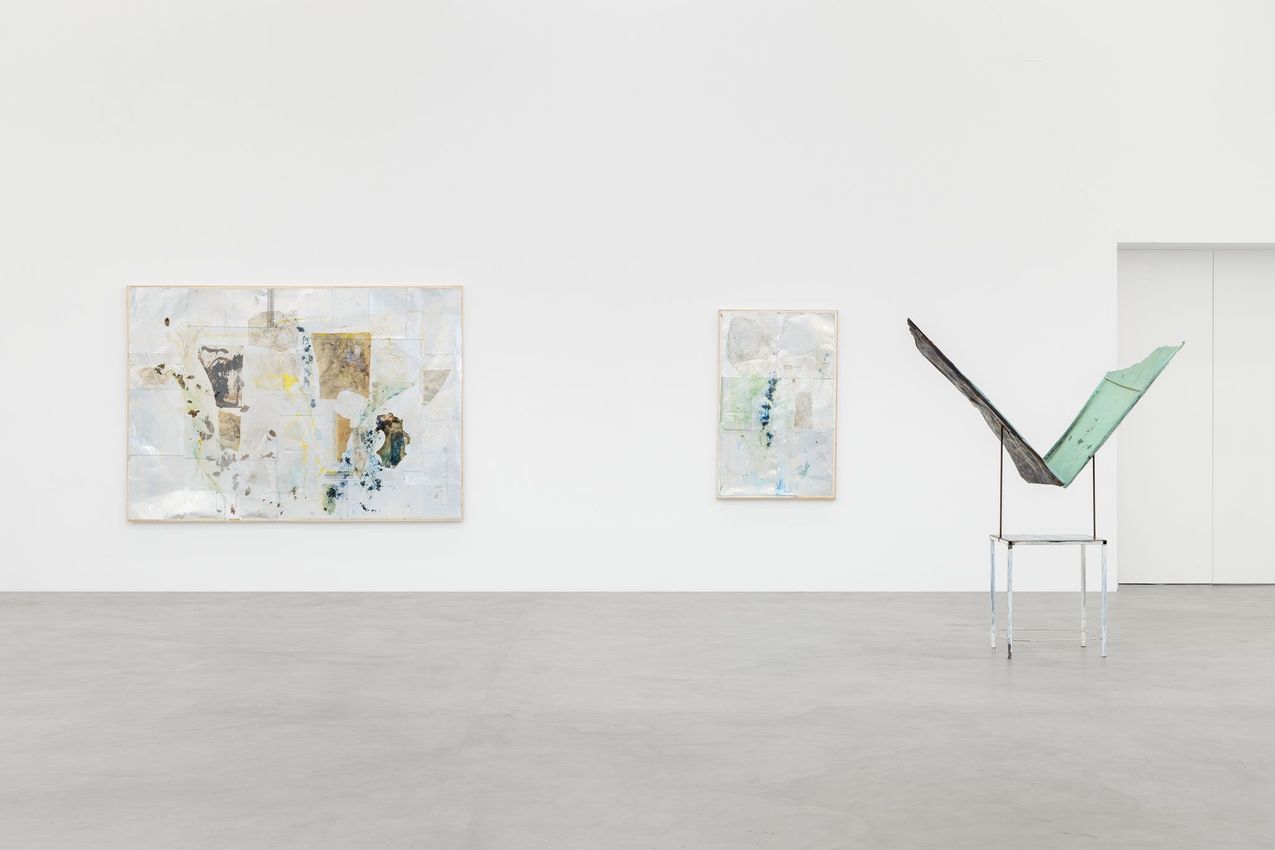
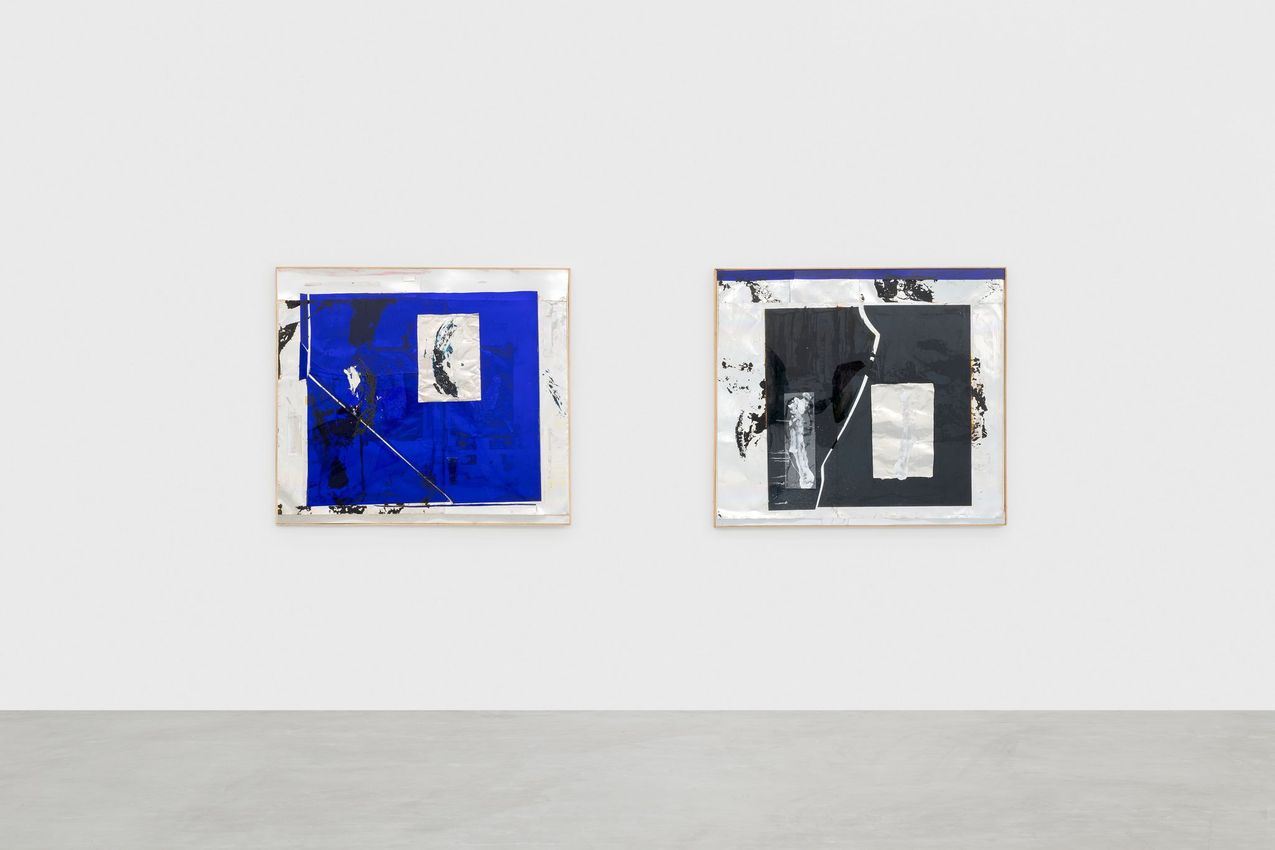
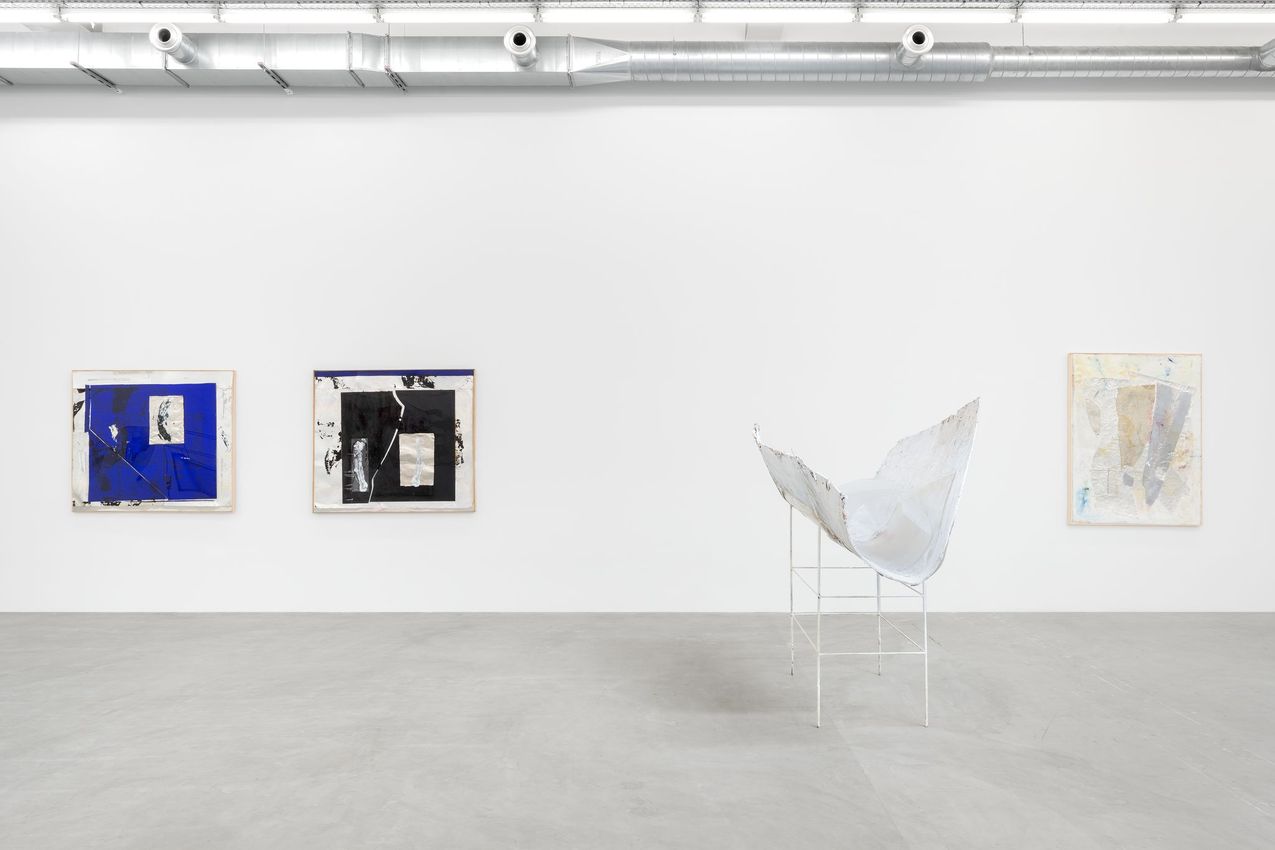
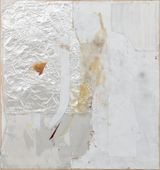
Polanszky sees his treatment of materials that in our economic system are usually seen as cheap, damaged goods from the hardware store as a refinement. His works thus seem like a parody of ‘refined’ materials, while at the same time the formerly utilitarian materials are now free of use. The artist literally frees them from their previously intended relations of constraint and use. Polanszky thus seeks a value-free resistance to the adaptive. The artist creates assemblages in both a pictorial and a sculptural format that always bear the traces of the past of the materials used. The traces of everyday life, use, and wear and tear always link Polanszky’s works to the history of the object-like materials used that he transforms into something new, a ‘pseudo-geometric arrangement,’1 and that reflects the aesthetics of use. In the process, he transforms traces of histories into a new field of association and a new construction of meaning for these apparently artistically worthless materials. The creation of nature remains in the form of its traces, for example the leaves or other natural materials that are seemingly integrated by chance, lending the works a rather coincidental character. They also represent a contrast to the synthetic materials like Plexiglas, Styrofoam, foils, or foam rubber that form the main ingredients of Polanszky’s art.[...]
In Polanszky’s works, the past always survives in the now as a trace of memory. Both in his assemblages, that attest to the lasting quality of endurance with the maintenance of weathered surfaces and broken materials and maintain the memory of how things once were, as well as in his sculptures and spaces in which the traces of the past are never deleted, but always preserved. Duration is preserved by Polanszky to continue memory and individual consciousness and to preserve it in a present with freed material. He considers the accidentally found, apparently worthless material and its form and texture as the material that culminates in his and our memory. The artist then brings together freed materials ‘that do not go together at all.’2 In his artistic practice, he combines these “quasi random elements,” but he emphasises, ‘There is no design aspect involved to make it a little better.’3 In other words, he not only frees the material from its corset of use, but also liberates art from its traditional constraints.
-Dieter Buchhart
1 A conversation with Rudolf Polanszky. February 11, 2015.
2 ‘Late Bloomer: A Discussion between Rudolf Polanszky and Hans Ulrich Obrist,”‘in: Art Basel Miami Magazine (December 2018), 184-185.
3 Ibid., 186.


A respected voice in contemporary art discourse.
Focusing on ambitious storytelling and insightful art-world commentary. Ocula Magazine publishes in-depth interviews, critical essays and timely analysis on the artists, exhibitions and ideas driving the global art world.
Learn more about Ocula Magazine
Showcasing the best of the art world.
Ocula partners with galleries from around the world to highlight their artists, artworks and exhibitions. Gallery membership is by application and invitation, with each member vetted by an independent panel.
Learn more about Ocula Membership

Specialises in the sale of major artworks.
Led by a team with deep ties to the world’s leading auction houses, galleries and collectors. Ocula’s advisory team offers bespoke services to high-net-worth clients from around the world who are looking to acquire the best of contemporary and modern art.
Learn more about our team and services