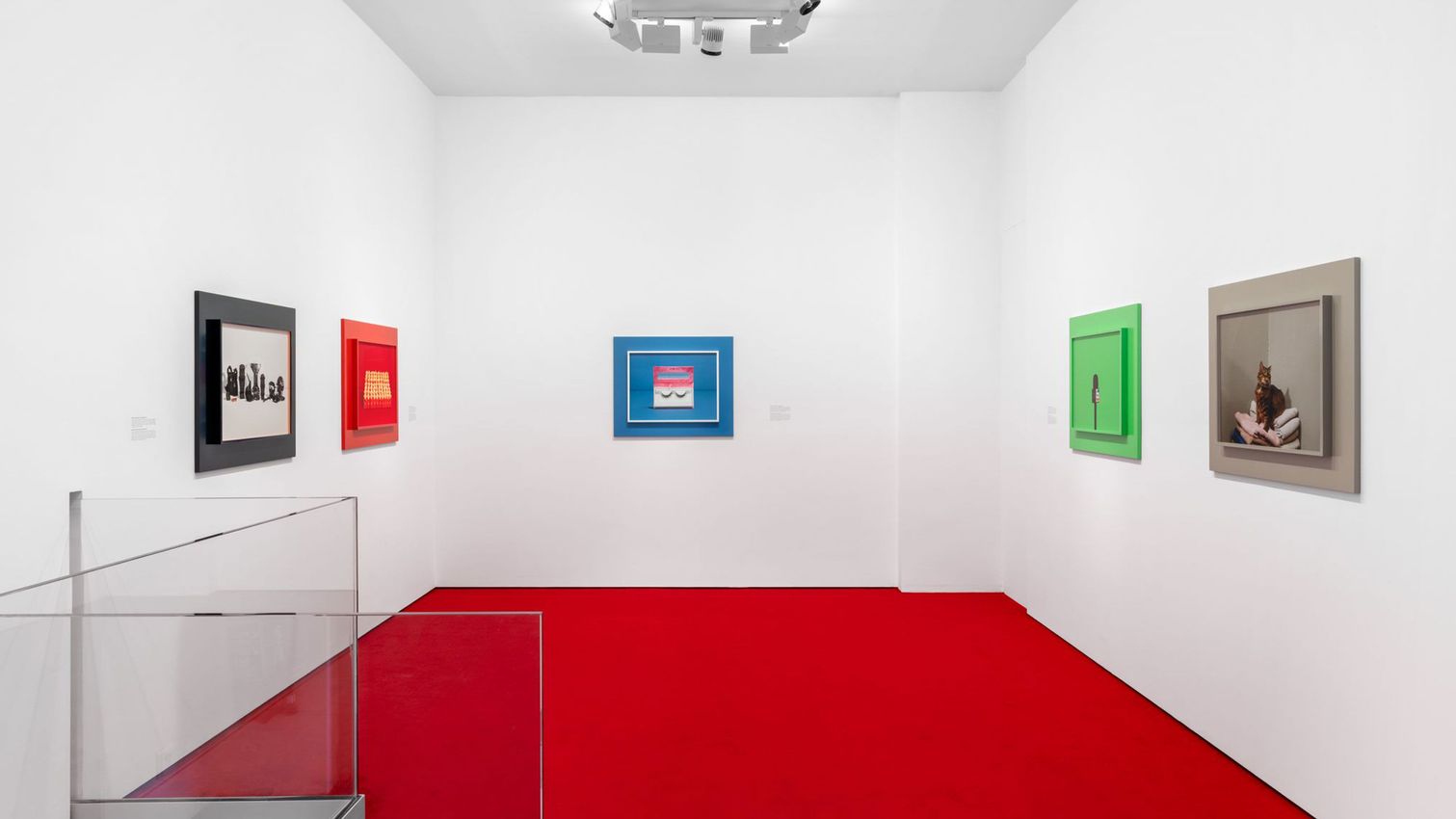
Almine Rech Paris, Matignon is pleased to present ‘Taryn Simon: The Game,’ the artist’s seventh solo exhibition with the gallery, on view from June 14 to July 26, 2025.
What lies behind appearances? Who determines the way we see the world? For nearly twenty-five years, Taryn Simon has been investigating the backstage of power, uncovering the invisible structures that shape our perception. Through a rigorous approach and a meticulously constructed aesthetic, the American artist (born in 1975) examines institutions, censorship, and systems that influence our knowledge—and ultimately, our understanding. Simon’s work resists cursory viewing. It reveals, in layers, the historical and cultural forces relegated to the shadows, while exposing invisible circuits of information: how it’s collected, controlled, and manipulated.
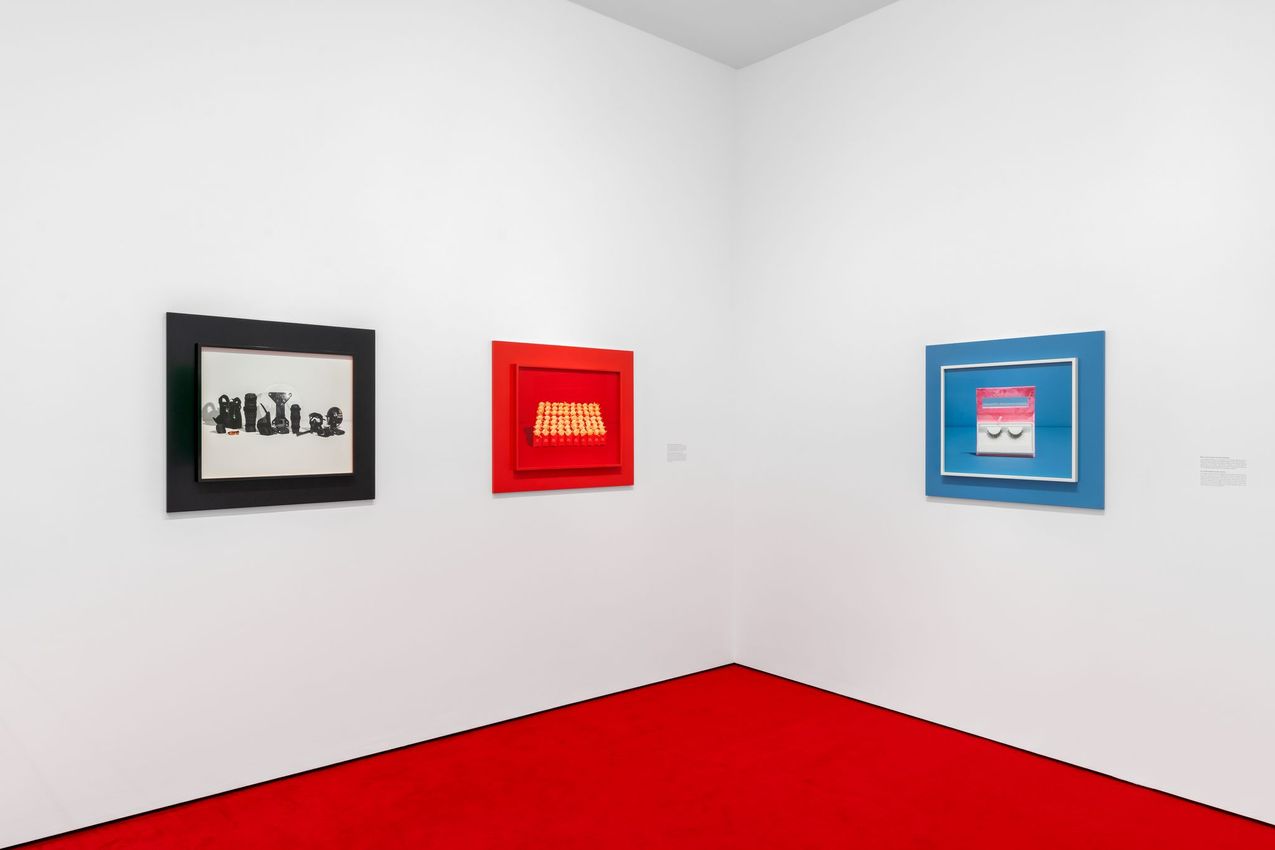
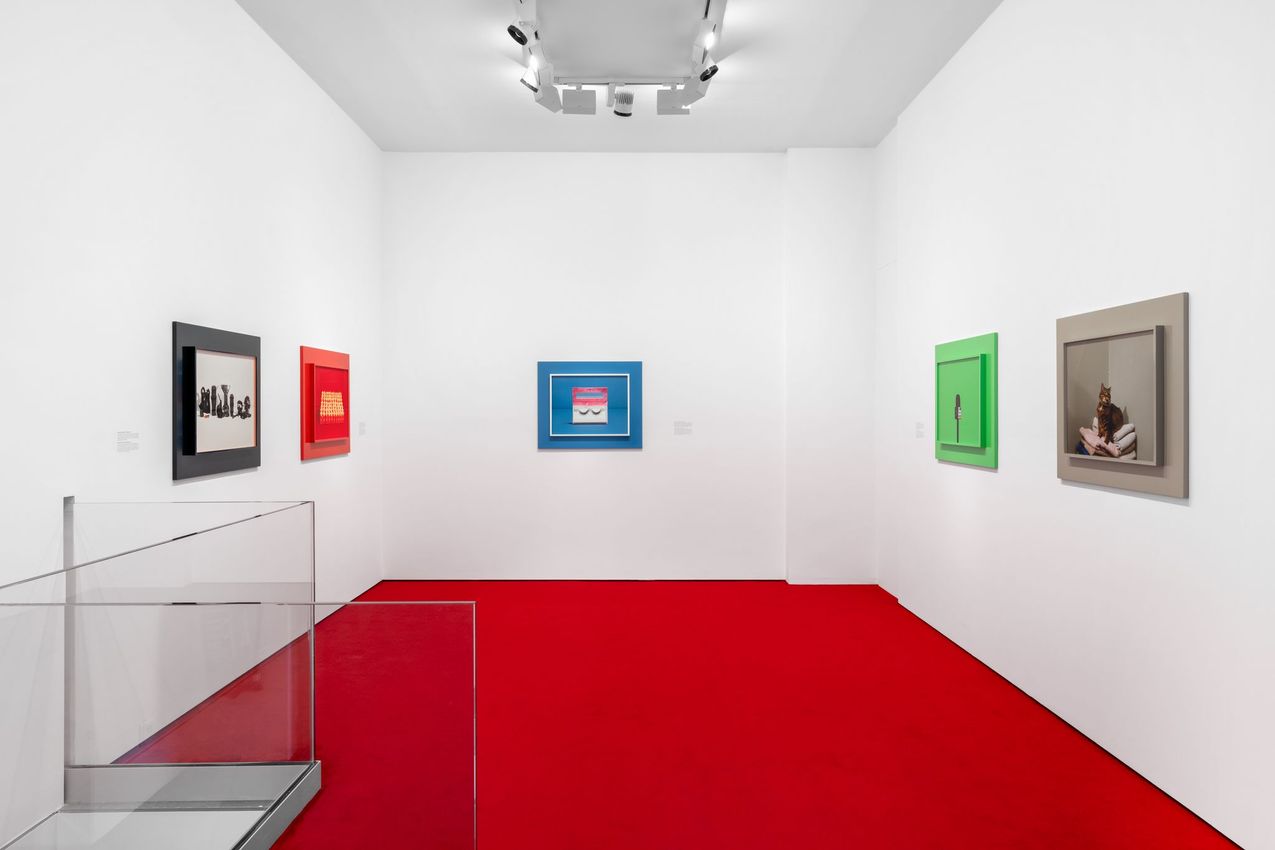
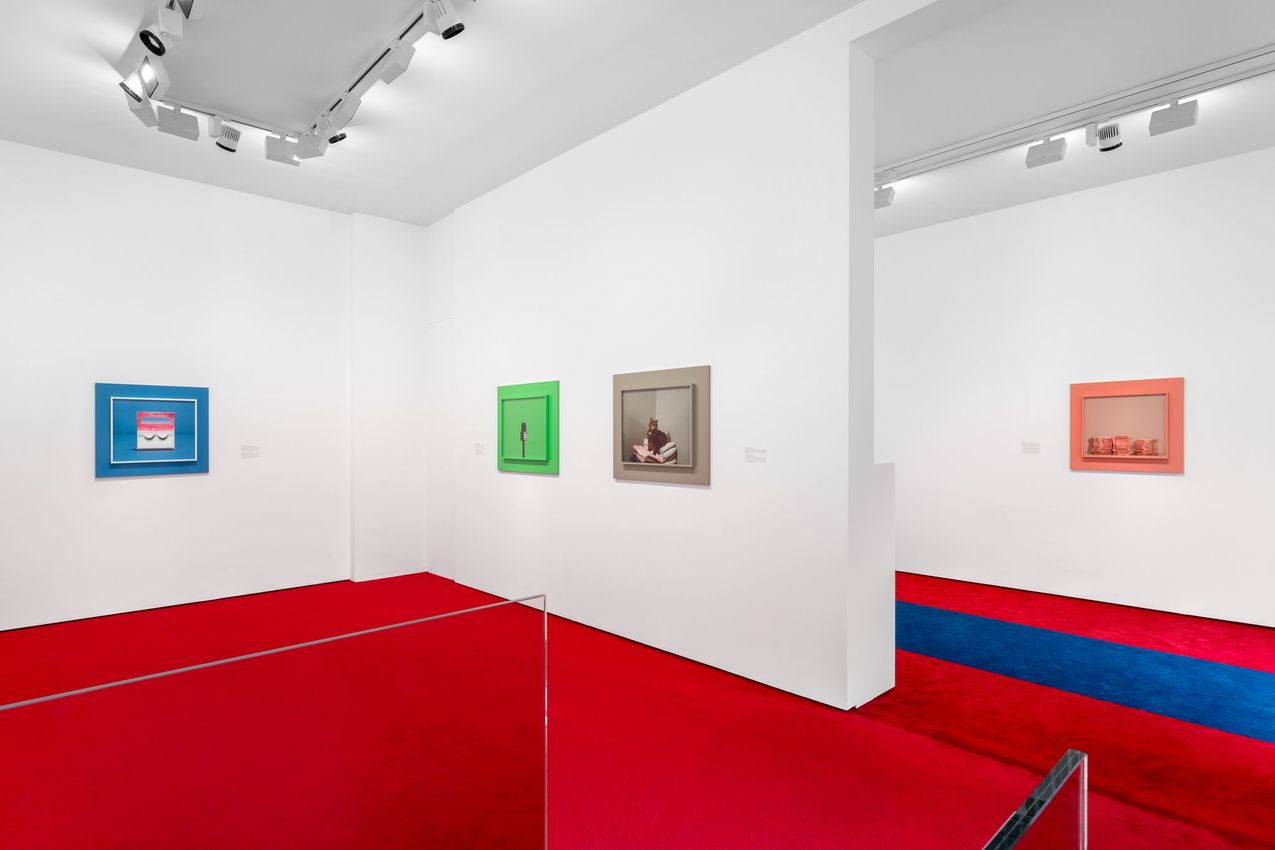
The theatricality of the political stage, as well as its gamification, lie at the heart of her recent works. Her new photographic series focuses on the figures, places, and objects that captured attention during the 2024 American electoral cycle. Simon has collected traces and relics—a Fox News microphone, stacks of practice ballots, Capitol Police riot gear, McDonald’s french fries—which she isolates and elevates, emblem-like, as if they were artifacts of an ancient civilization.
Their expressive restraint and apparent simplicity feigns neutrality but reveals a deeper disquiet: Simon dissects the staging of power without interrupting its spectacle. For what the artist invites us to see are the elements of a vast game—the workings of a democratic system turned performative, where power is measured in scores and consumed as symbols. Conceived as devices as much as images, these works set in motion a discreet dynamic, in which both the subjects and the spectators become participants, silent players, bound in a visual grammar with implicit rules. One of her photographs captures a cluster of red, white, and blue balloons, all gleaming, suspended in anticipation of the ceremonial climax of an electoral event. Just a detail—yet everything is there: the patriotic colors of unity, the aesthetics of victory, the superficiality of a ritual that seeks to ordain.
This same sense of play is transposed into the gallery space. The green carpet stretched across the floor evokes, perhaps, the surface of a billiard table. In this visually codified universe, where color seems to dynamically activate perception, the exhibition takes on the scale of a life-size game.
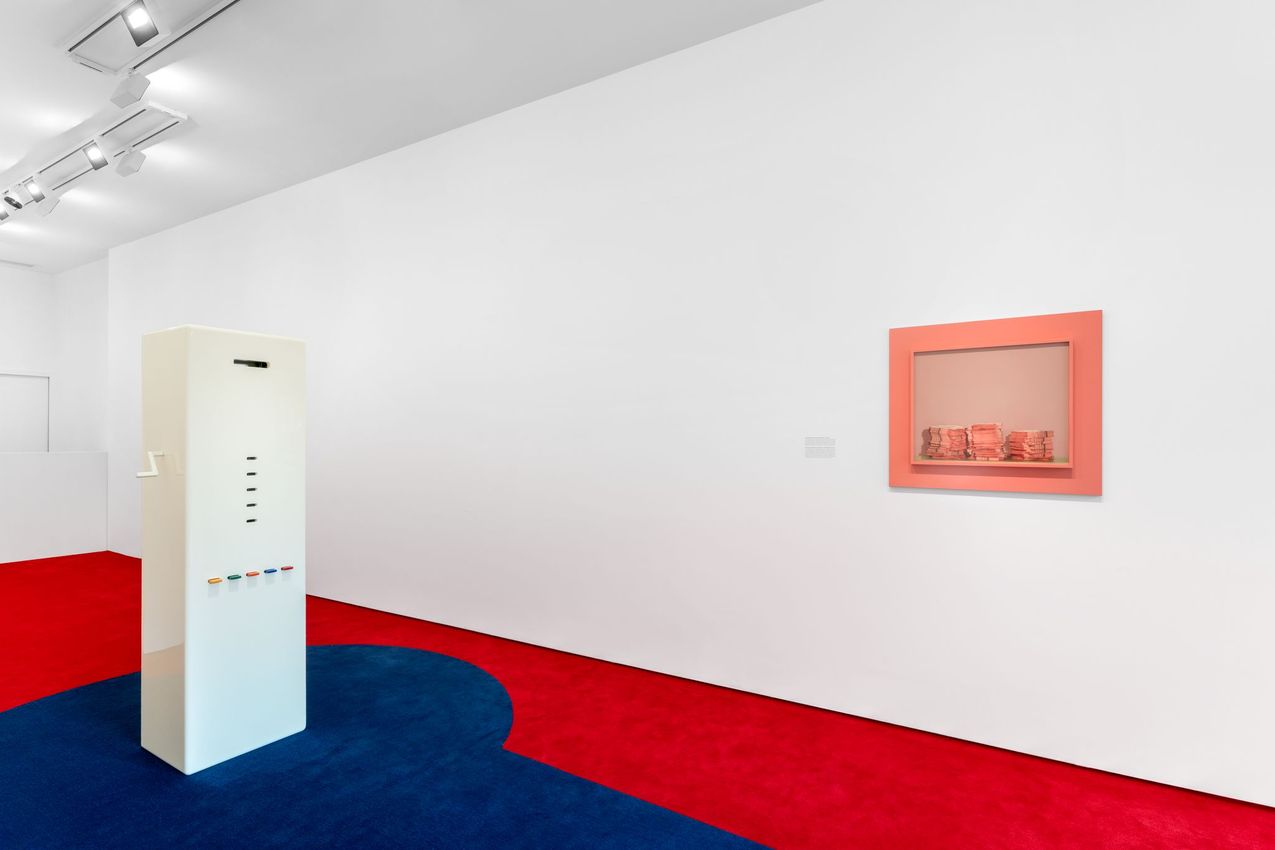
At the core of this chromatic and symbolic tension stands Kleroterion, a large monolithic sculpture inspired by the ancient Athenian apparatus used to ensure fairness and prevent corruption in a democracy. In the time of Pericles, this instrument operated through a randomized lottery system to select citizens for the highest offices. Millennia later, Simon reactivates this principle in the form of an interactive device for five candidates (the average family size). The participants each insert a colored token into the structure; the “winner” is the one whose token is not rejected. The Kleroterion thus embraces uncertainty, contingency, randomness—and what must be called luck.
In this shift between chance and power may lie the critical core of Simon’s work: the random as a counter-model to politics. For behind questions that seem trivial—Who decides what’s for dinner?—or radical—Who decides to go to war?—the mechanisms of power continually reassert themselves. What if the issue were not so much who governs, but how we decide upon our collective choices and how power is determined?
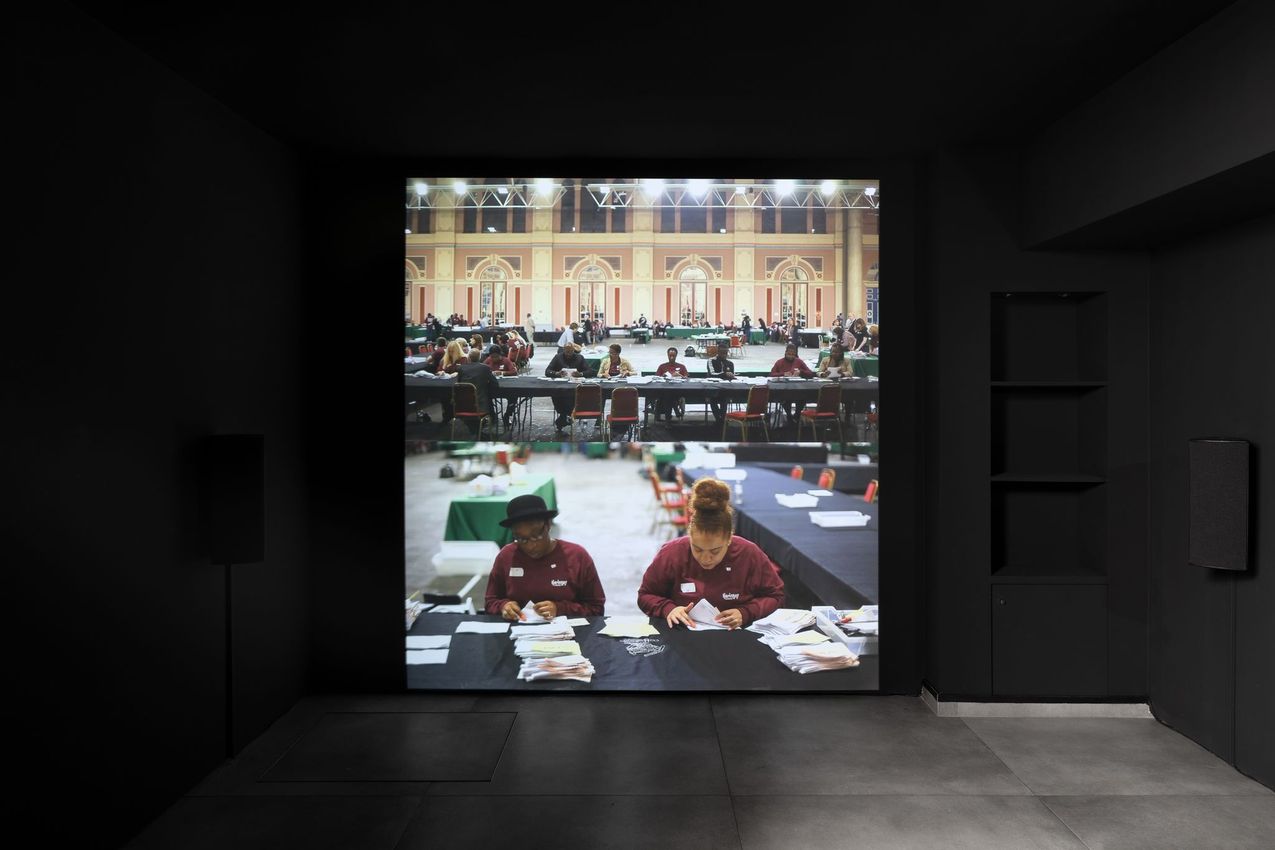
In a constellation with the Kleroterion and photographic works, the artist’s new video Haringey Ballot Count, European Union membership referendum, The Great Hall, Alexandra Palace (“The People’s Palace”), London, United Kingdom, June 24, 2016, narrows in on a single mundane and repetitive gesture: never-before-seen footage of the counting of ballots in the Brexit referendum. Filmed in perfect frontal stillness, the scene unfolds with no narration, no effect, revealing the methodical slowness and near-mindless tedium of the process. Taryn Simon gently grazes the poetics of thresholds: that moment when history, reduced to the mechanics of a vote, is silently replayed as the logic of the score.
— Maud de la Forterie, art historian and researcher


Taryn Simon (b. 1975) is a multidisciplinary artist who has worked in photography, text, sculpture, film/video, and performance.


Almine Rech opened its doors on April 1st, 1997 in the 13th arrondissement in Paris. The gallery was founded on an axis of California Minimal, Perceptual art and Conceptual art, representing artists such as James Turrell, John McCracken and Joseph Kosuth.

A respected voice in contemporary art discourse.
Focusing on ambitious storytelling and insightful art-world commentary. Ocula Magazine publishes in-depth interviews, critical essays and timely analysis on the artists, exhibitions and ideas driving the global art world.
Learn more about Ocula Magazine
Showcasing the best of the art world.
Ocula partners with galleries from around the world to highlight their artists, artworks and exhibitions. Gallery membership is by application and invitation, with each member vetted by an independent panel.
Learn more about Ocula Membership

Specialises in the sale of major artworks.
Led by a team with deep ties to the world’s leading auction houses, galleries and collectors. Ocula’s advisory team offers bespoke services to high-net-worth clients from around the world who are looking to acquire the best of contemporary and modern art.
Learn more about our team and services