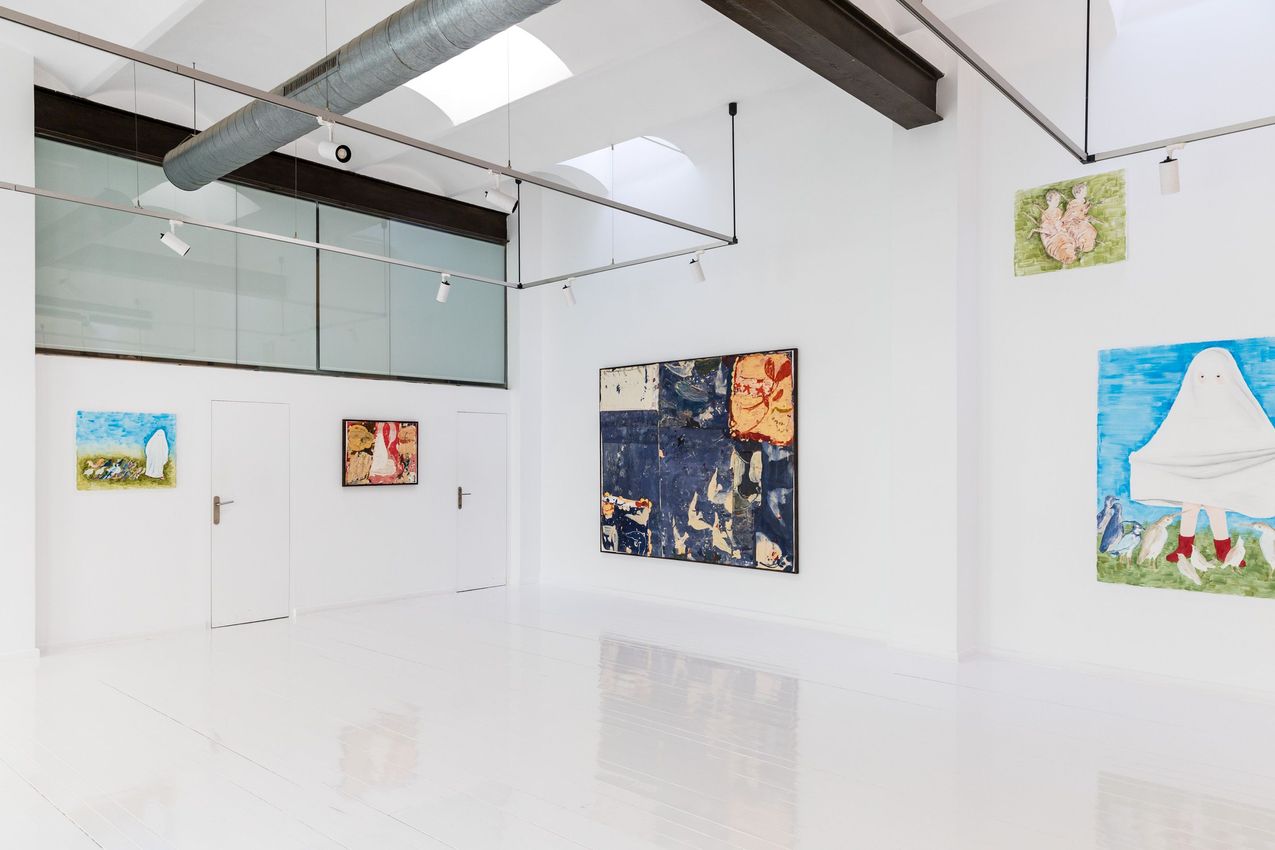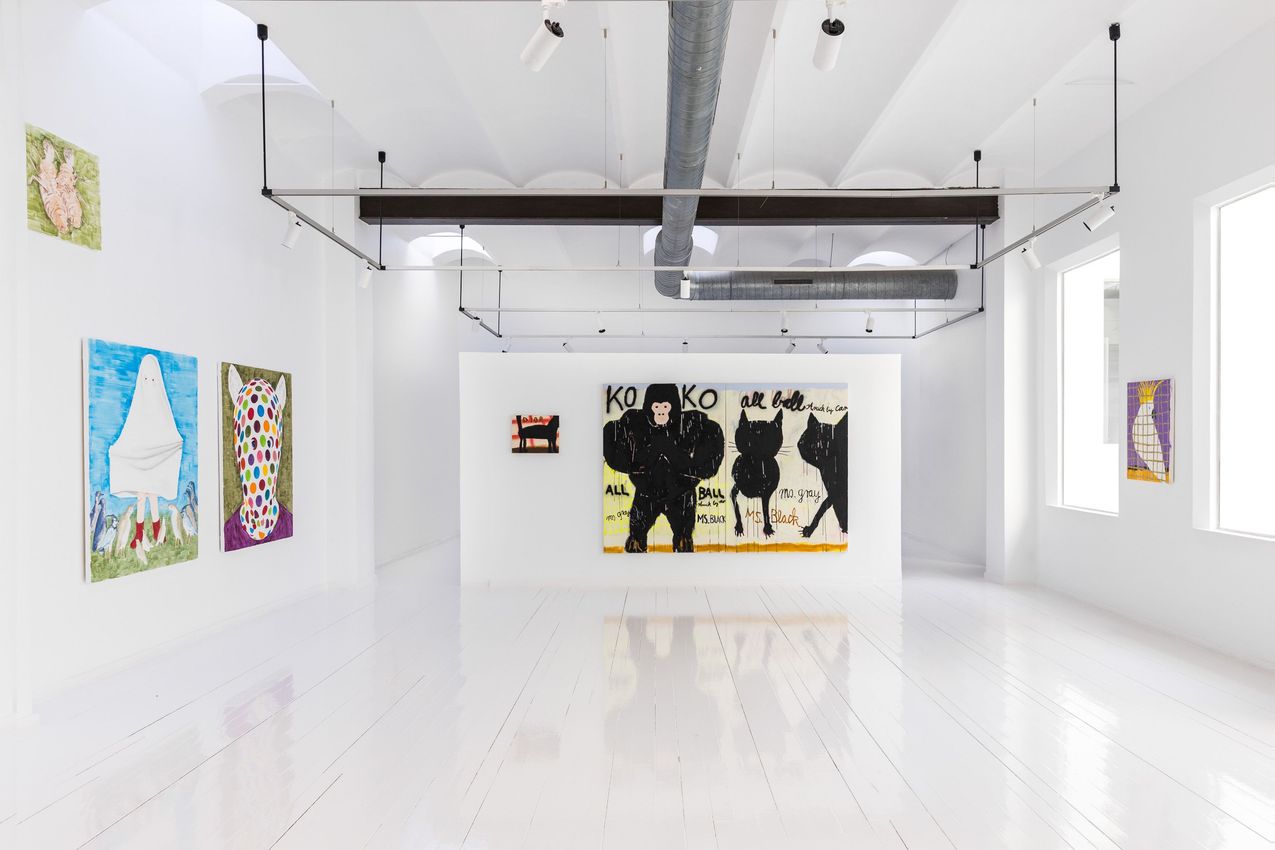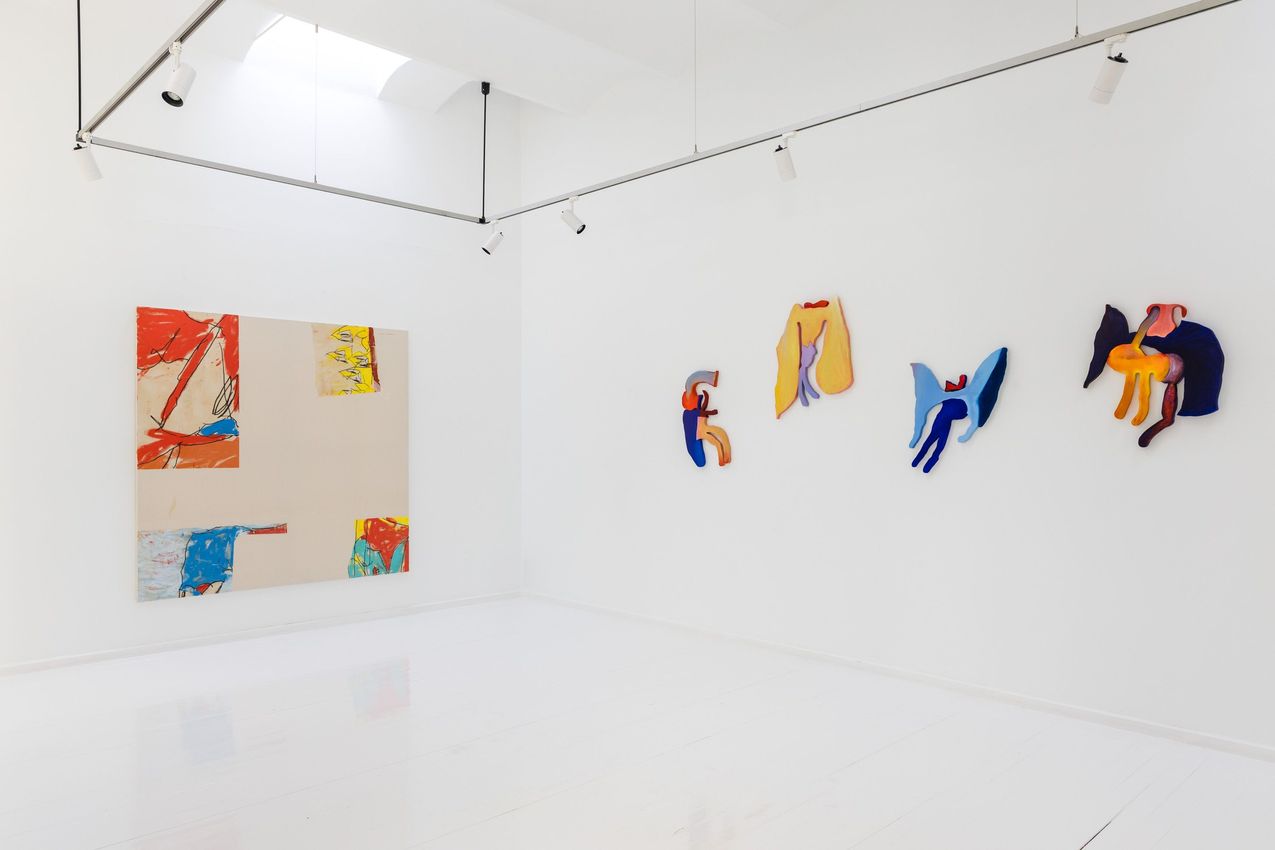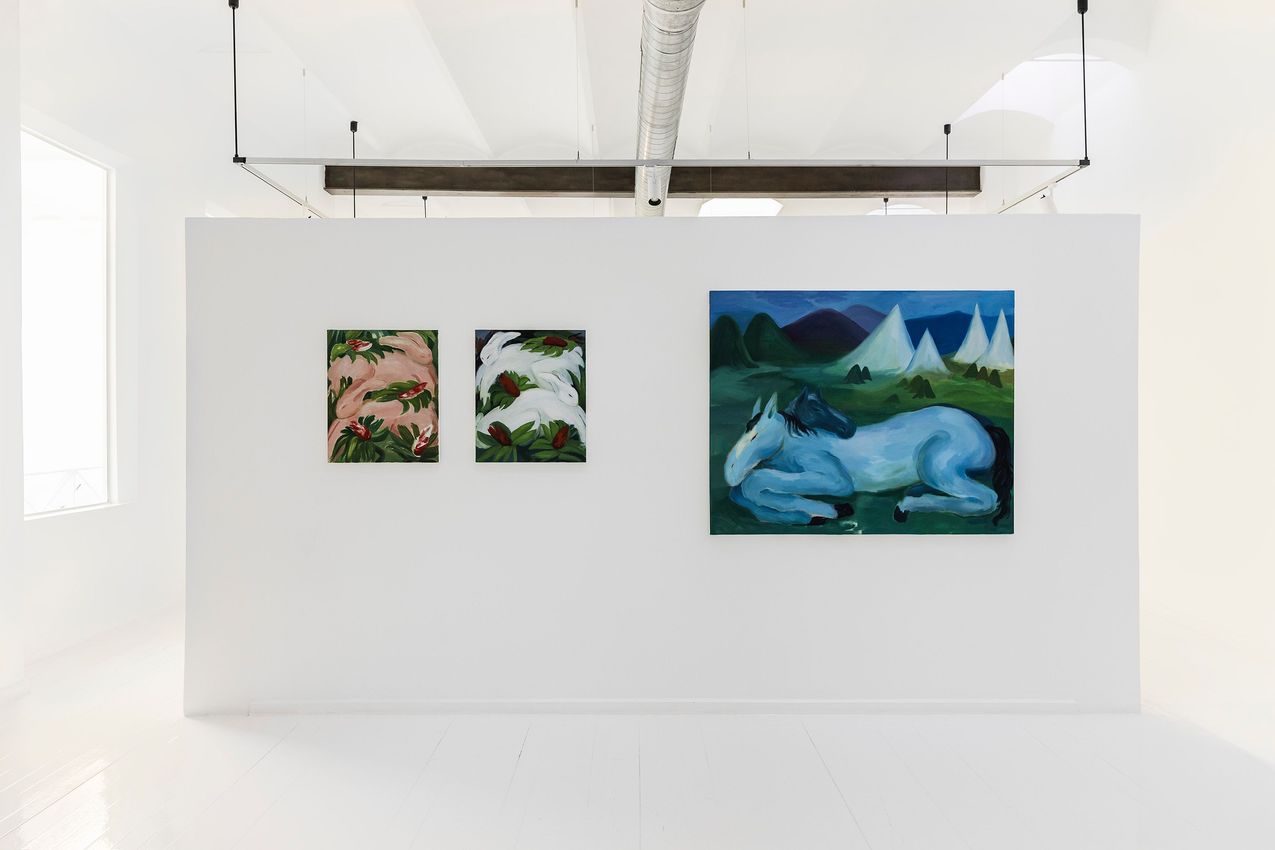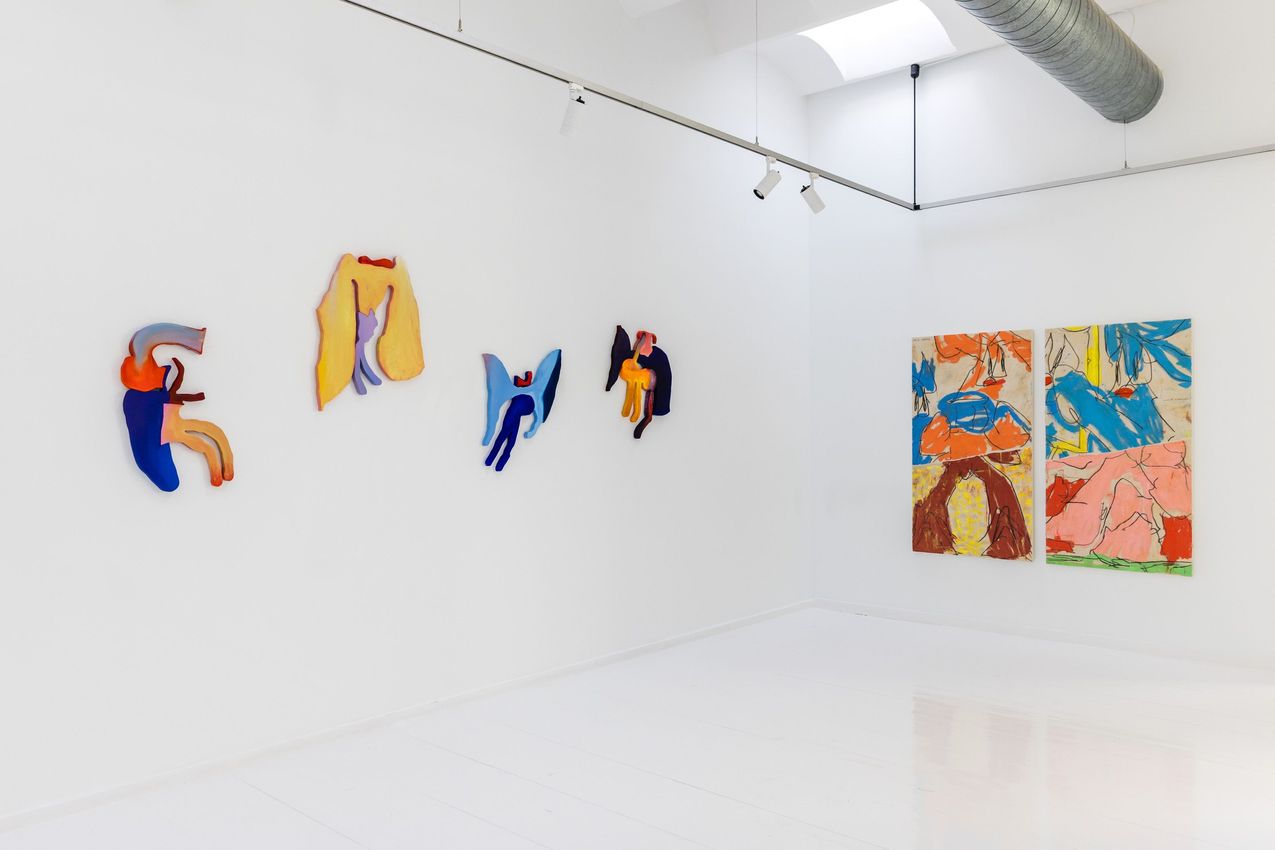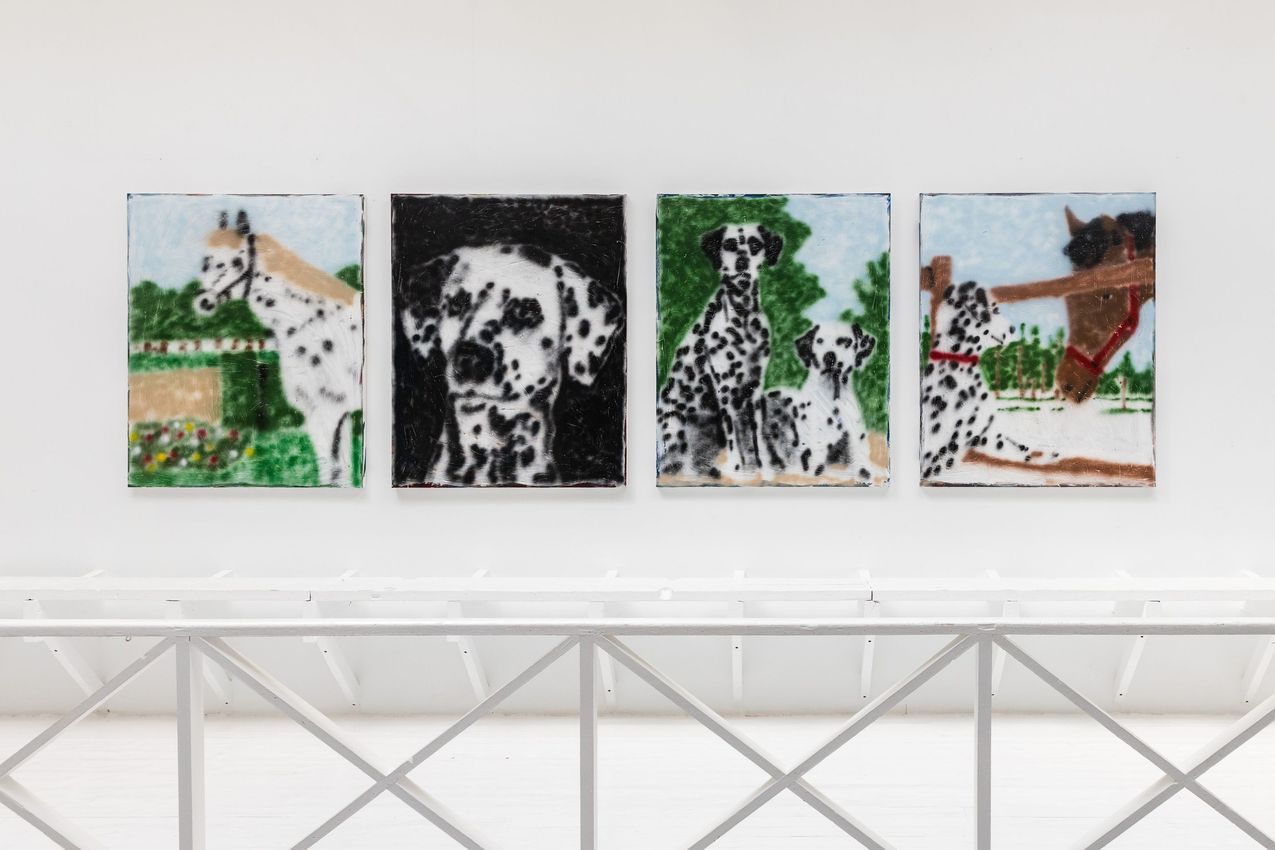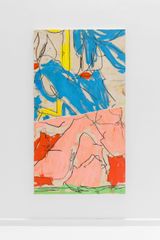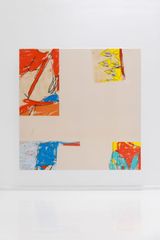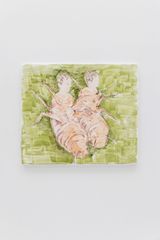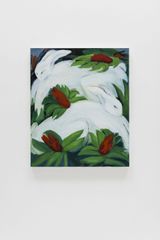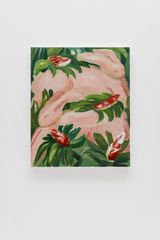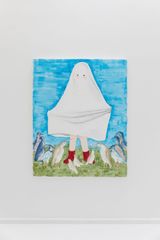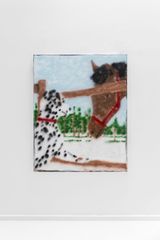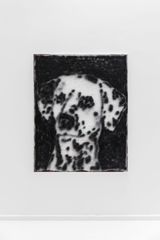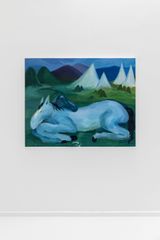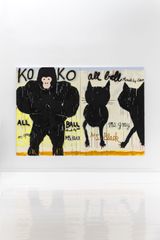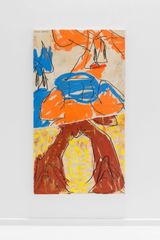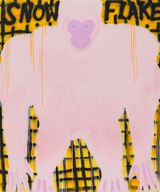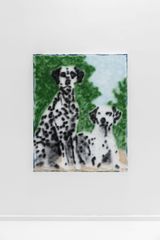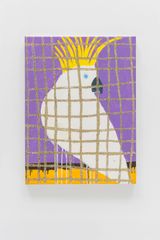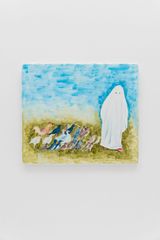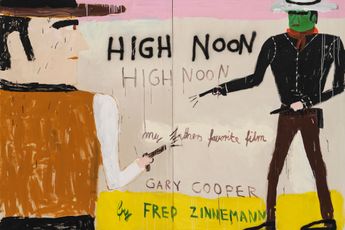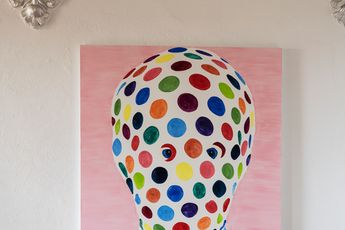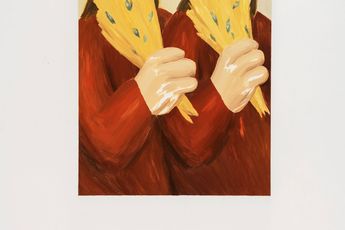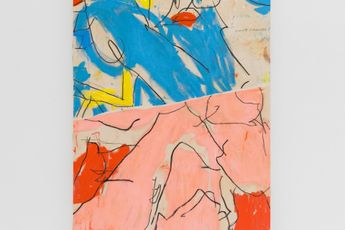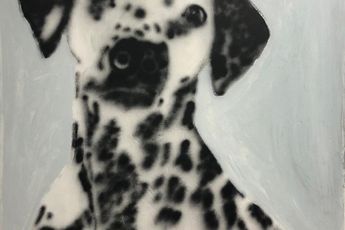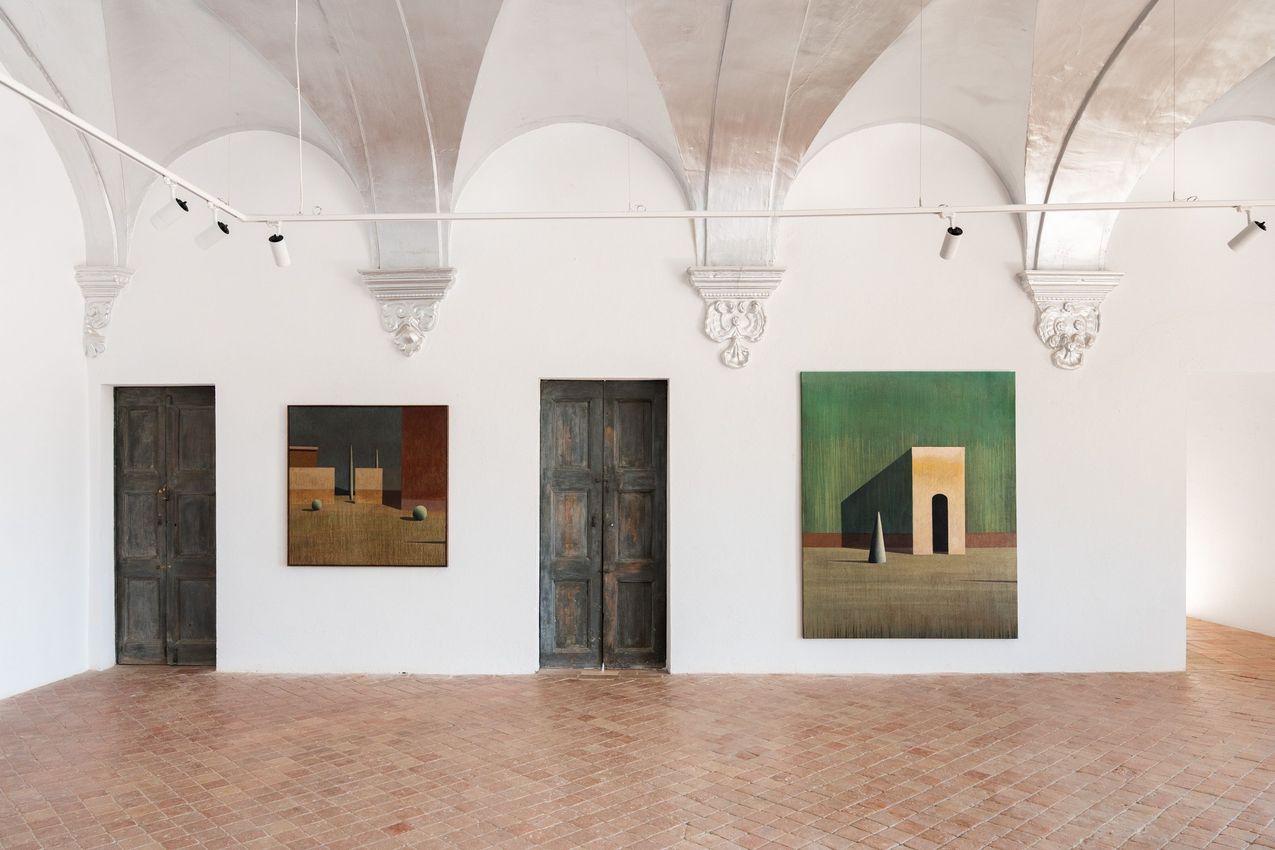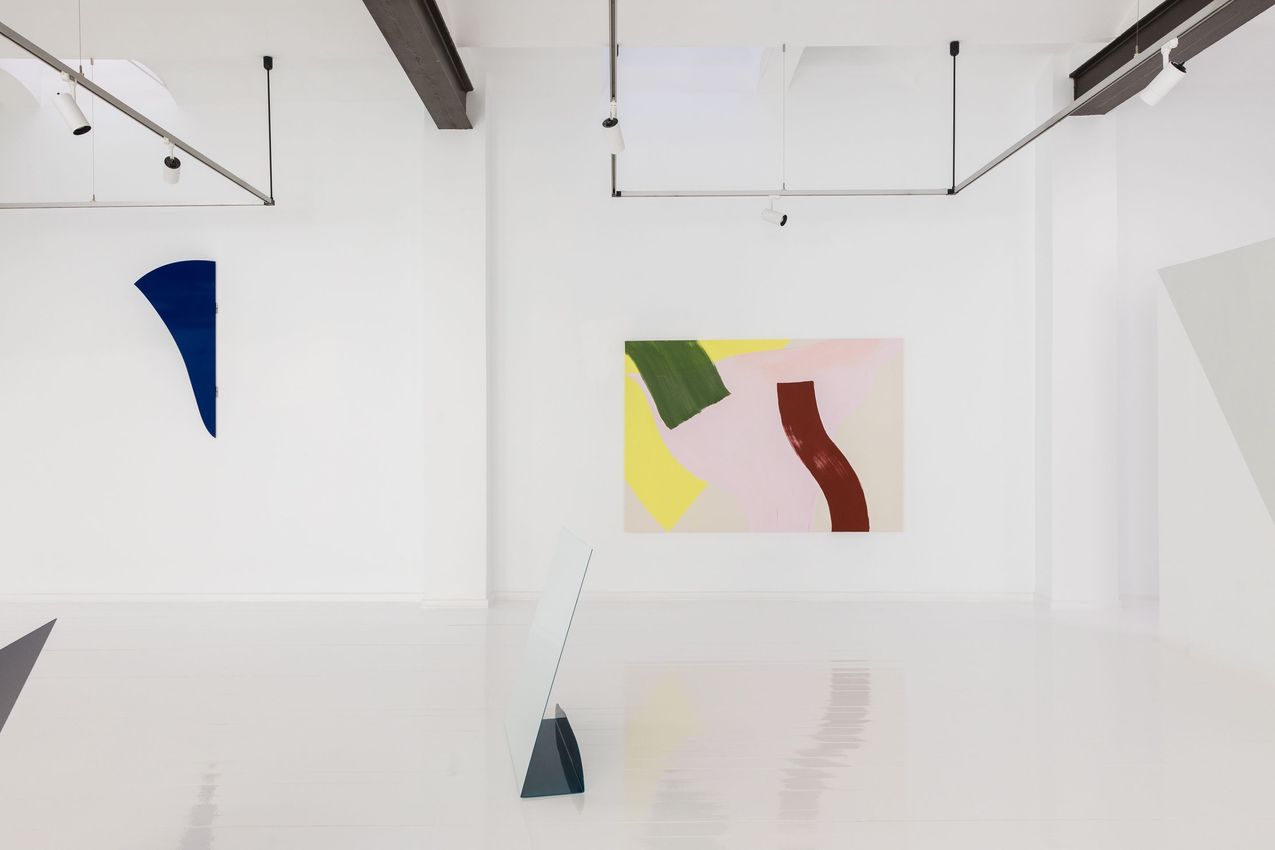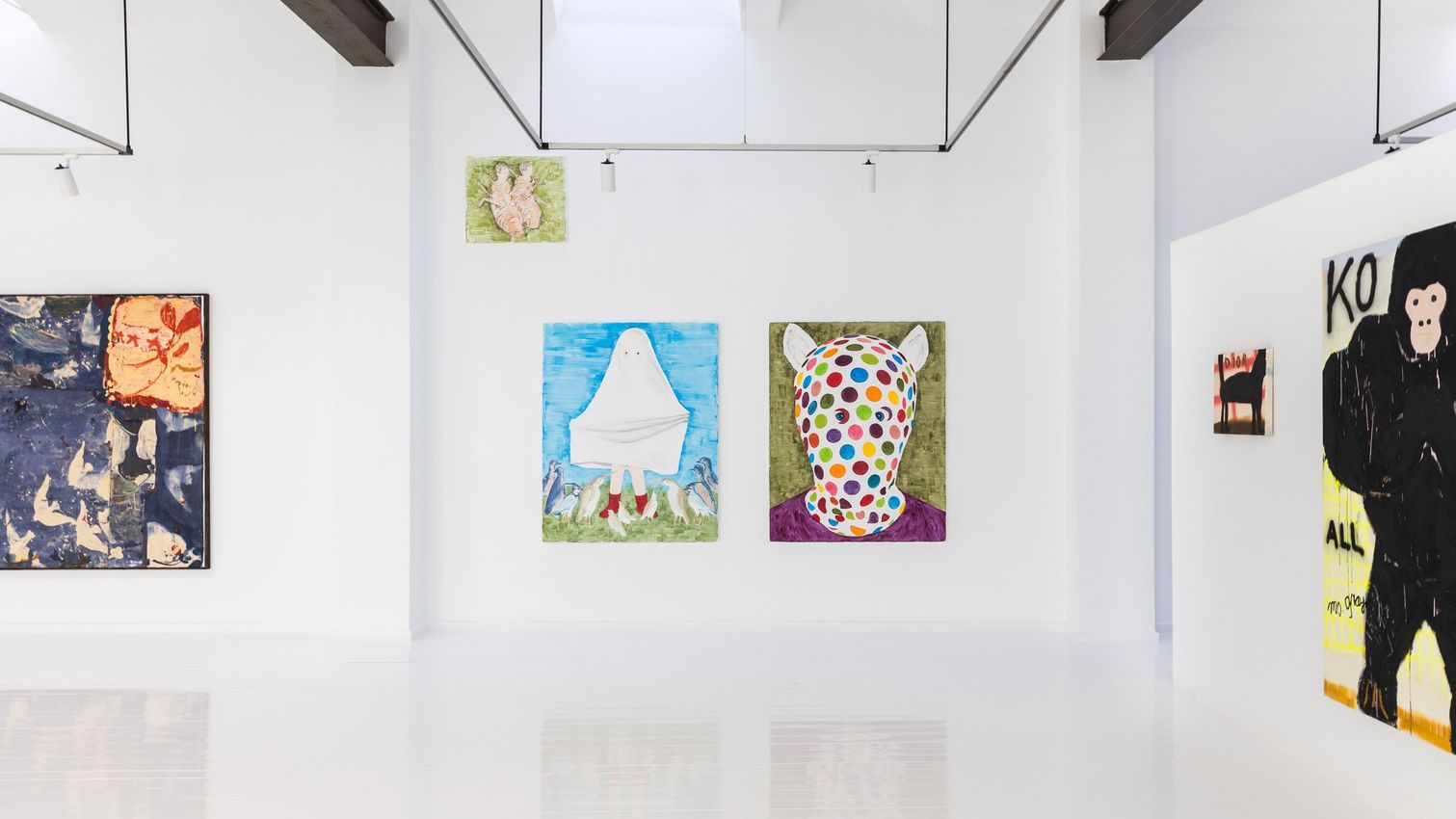
Alzueta Gallery presents its new group exhibition, ‘Bestiari’, opening on February 12th at Barcelona Sèneca. The exhibition is part of a series followed by ‘New Landscapes’ in 2023, on the landscape genre, and ‘New Portraits’ in 2024, revisiting the concept of portraiture.
When we read the word bestiary, the first thing that comes to mind are images of fantastic beings; impossible hybrids with human faces and animal bodies that belong to medieval literature. Dragons, monsters, and other more mundane animals have survived over time to become part of the collective imagination.
In reality, the function of the bestiary went beyond that of a simple animal catalog; it was more of a manual for human life. It was not descriptive, but allegorical, serving to depict ideas, instruct in moral values, and transmit beliefs. In short, the bestiary put man in the foreground and used animals as metaphors to help us understand our presence in the universe.
Similarly, without entering into religious or ethical grounds, the works in this exhibit present beings that invite us to introspection, bringing us to the deepest corners of our personality. Each of the artists share their particular bestiary, where affinities and divergences converge. Ultimately, it is not a question of developing a contemporary bestiary by adding new entries, but rather of materializing ideas and concepts inherent in their visual language which, at the same time, end up defining their artistic identity.
In this sense, Gommaar Gilliams (Hasselt, 1982) recovers an iconographic corpus that appeals to memory and nostalgia for the past, recovering symbols and motifs that have endured over time. His imagery unfolds through forms and figures laden with meaning, drawn from mythical legends that demonstrate the timelessness of human experience. Focusing on the narration of an intimate story, Gema Quiles (Vila-real, 1994) presents her compositions as fragments of an epic fable. With this transposition, where the human figure remains in the background, Quiles highlights the duality of man and animal, without dispensing with the intimate and human character of her scenes.
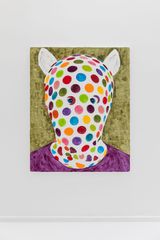
Serban Ionescu (Ploiesti, 1984) projects somber, eclectic silhouettes with no intention of being defined. Sculptural forms emerge from drawing and color, fluctuating between abstraction and figuration. They evoke enigmatic beings that appeal to our curiosity to explore what we perceive as unknown. There is no referential intent for Ionescu, but rather a desire to construct a visual code through which to communicate with the viewer. The practice of the duo Maite and Manuel (Uruguay, 1996 and 1991) also lies in the ambiguity between the figurative and the abstract, as a constant struggle between two disparate imaginaries. On the canvas, the tension of the impulsive gesture contrasts with the accident, and the aggressiveness of the stroke coexists with the candor that emanates from the figures that emerge from it. They create caricatured characters, close to cartoons, that connect with our most naive and spontaneous side.These gentle protagonists contrast with the portraits of James Rielly (London, 1963), where innocence becomes apparent and a hidden message lies behind a gentle palette of pastel tones. At first glance, the British painter’s work may seem somewhat childish, but with his masked characters and other Kafkaesque beings, he reflects on themes surrounding identity and self-knowledge. Specifically, in Bestiari, he depicts internal metamorphoses and animal spirits, or illustrates ancient poems in which animals are allegories of human virtues, addressing more spiritual and introspective themes.
Likewise, albeit in a more irreverent manner, Gabrielle Graessle (Zurich, 1963) unfolds her singular universe, filled with references born from pop culture. Graessle speaks to us about the influence that mass media has on our collective imagination, and about the ability of both these media and ourselves to recreate icons through a contemporary lens. Contemporary visual popular culture, together with advertising, also informs the practice of Ricardo Passaporte (Lisbon, 1987). This practice revolves around the exploration of these found visual references and the influence of mass reproduction. The artist reuses pre-existing images to reinforce and perpetuate their symbolism and to suggest new interpretations.


With over twenty-five years of experience, Alzueta Gallery, founded by Miquel Alzueta in Barcelona, has become a leading name in contemporary art. The gallery has solidified its presence both locally and internationally, with five locations across Barcelona, Madrid, Casavells and Paris. Its program includes exhibitions, art fairs, artist residencies and collaborative projects, involving both physical and digital platforms.
A respected voice in contemporary art discourse.
Focusing on ambitious storytelling and insightful art-world commentary. Ocula Magazine publishes in-depth interviews, critical essays and timely analysis on the artists, exhibitions and ideas driving the global art world.
Learn more about Ocula Magazine
Showcasing the best of the art world.
Ocula partners with galleries from around the world to highlight their artists, artworks and exhibitions. Gallery membership is by application and invitation, with each member vetted by an independent panel.
Learn more about Ocula Membership

Specialises in the sale of major artworks.
Led by a team with deep ties to the world’s leading auction houses, galleries and collectors. Ocula’s advisory team offers bespoke services to high-net-worth clients from around the world who are looking to acquire the best of contemporary and modern art.
Learn more about our team and services