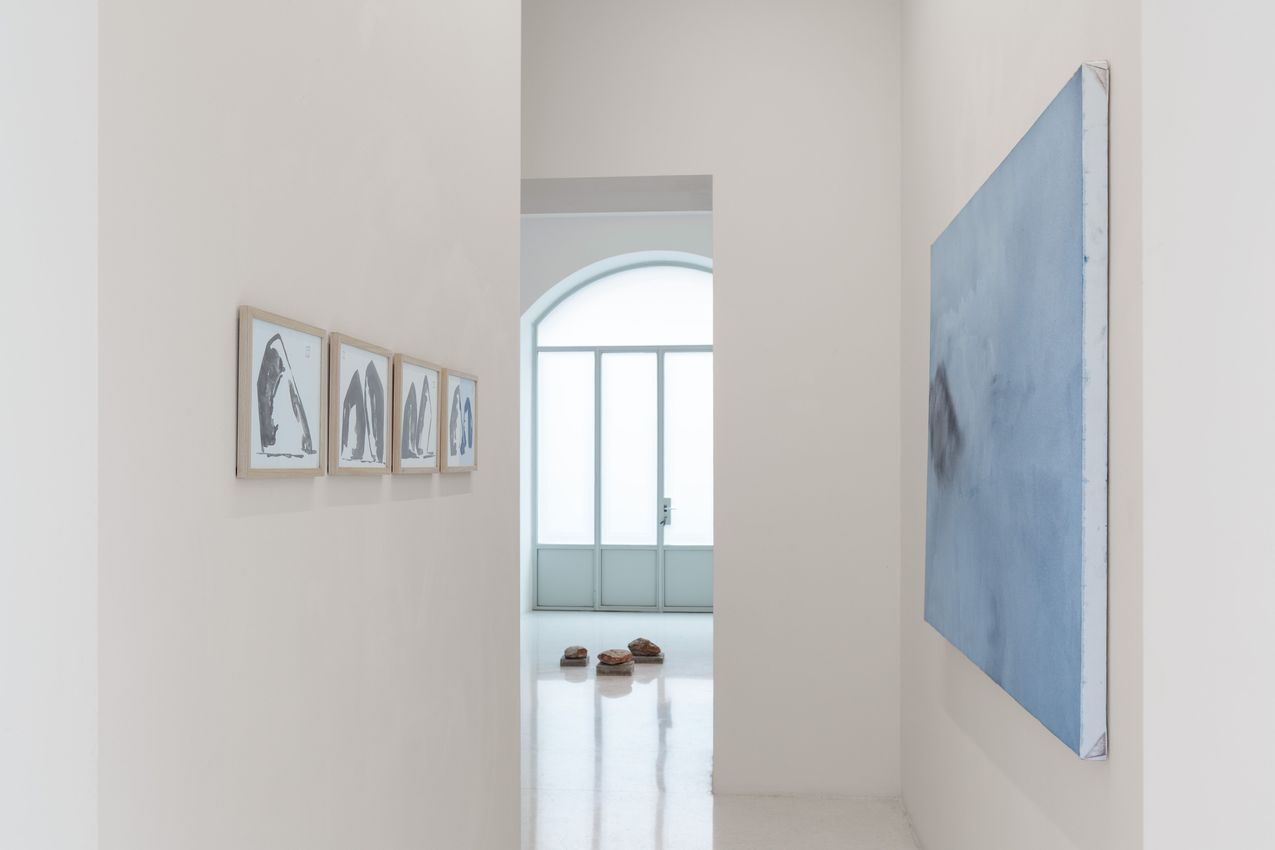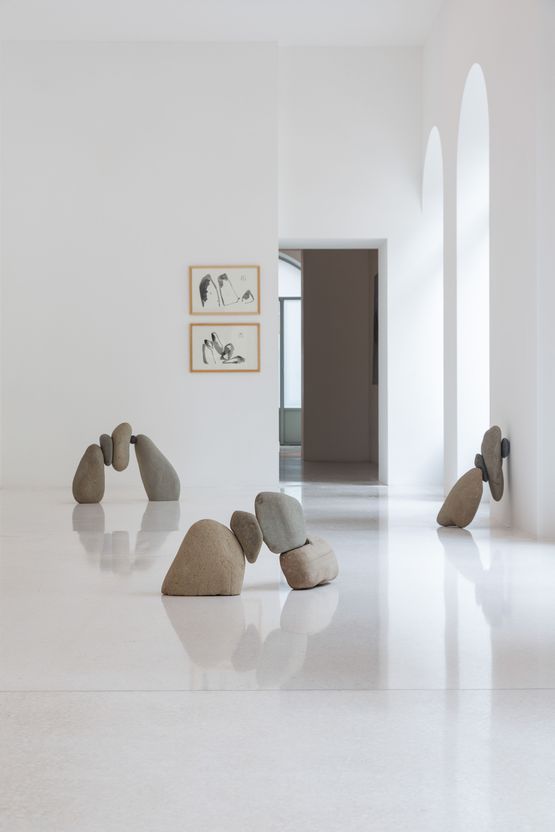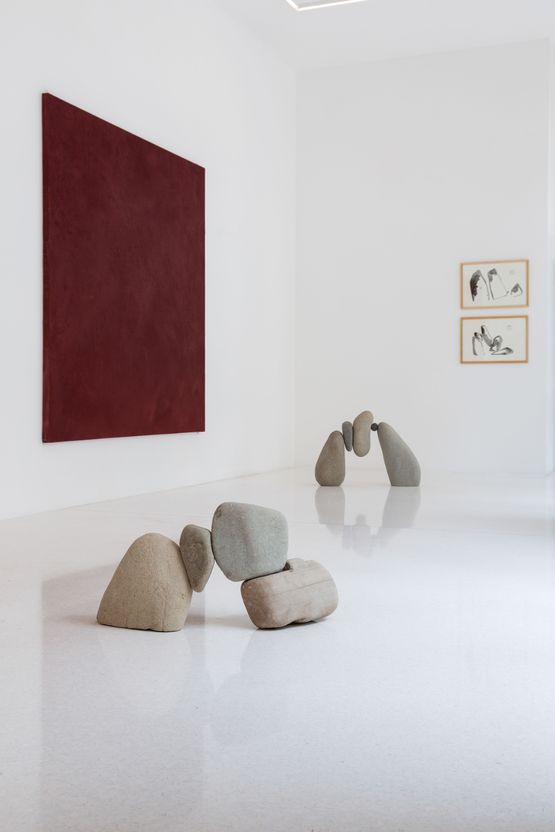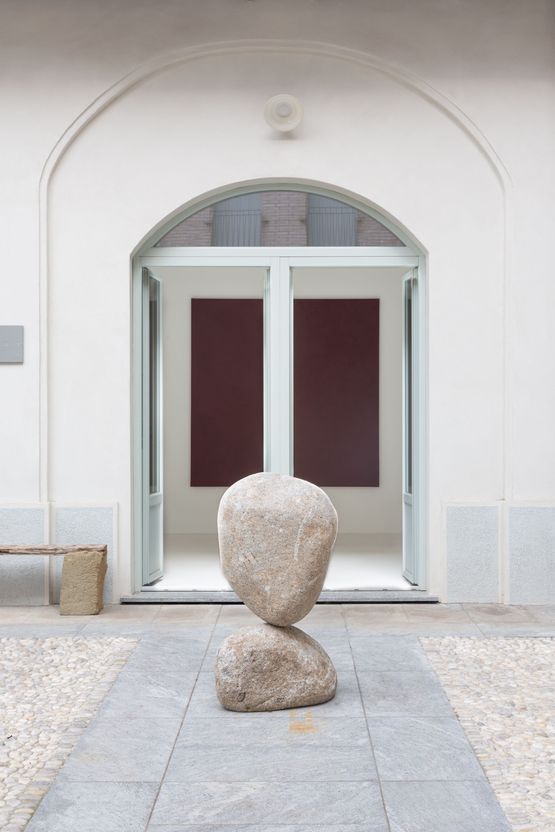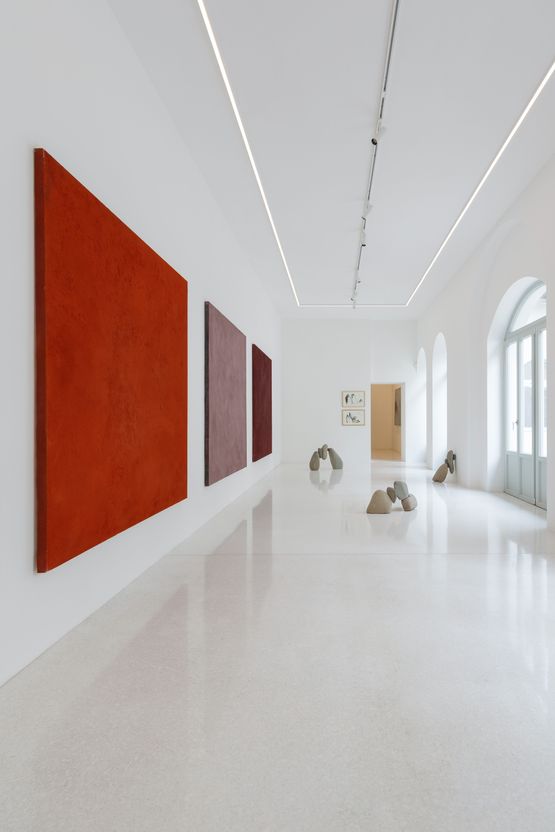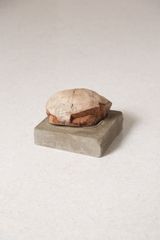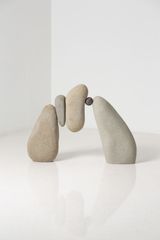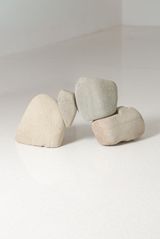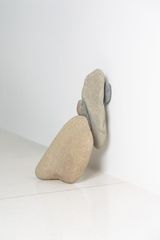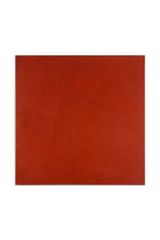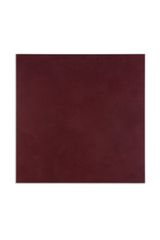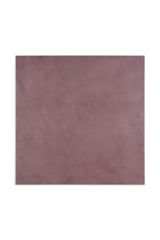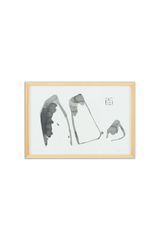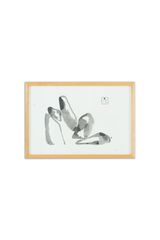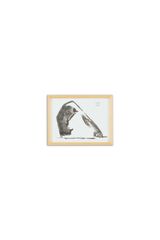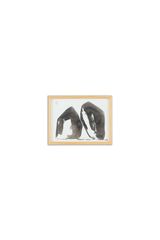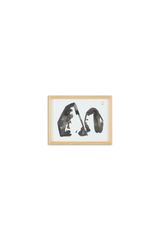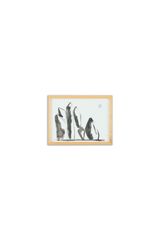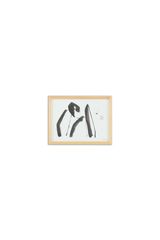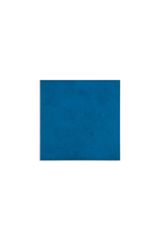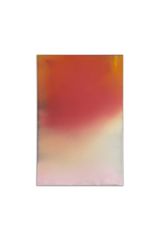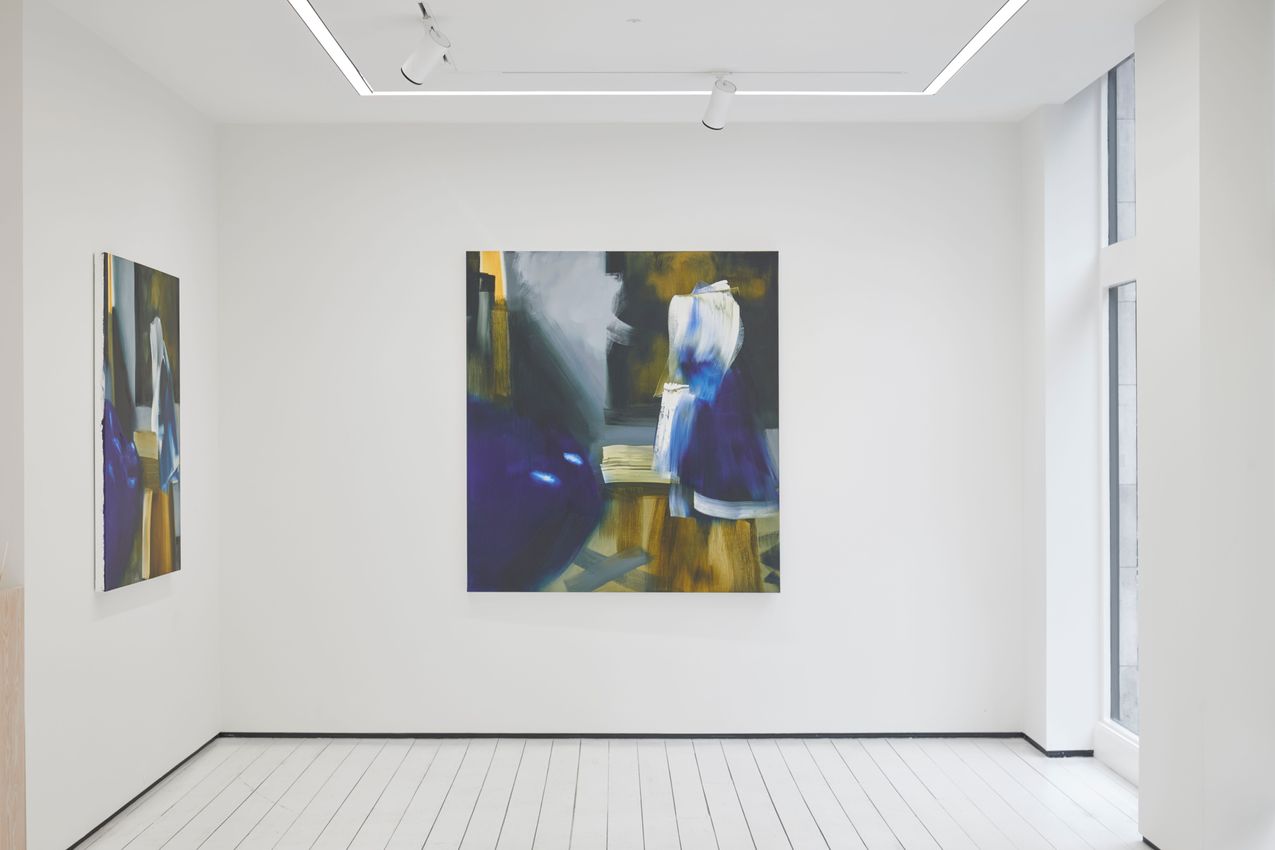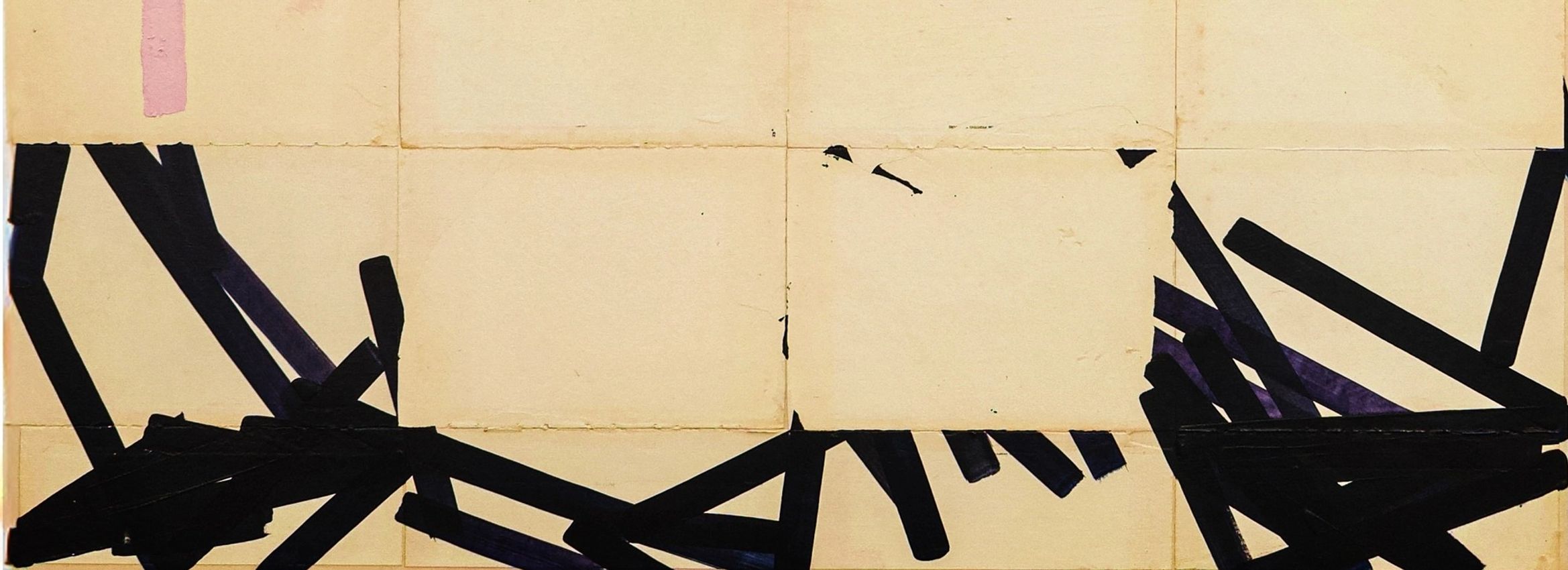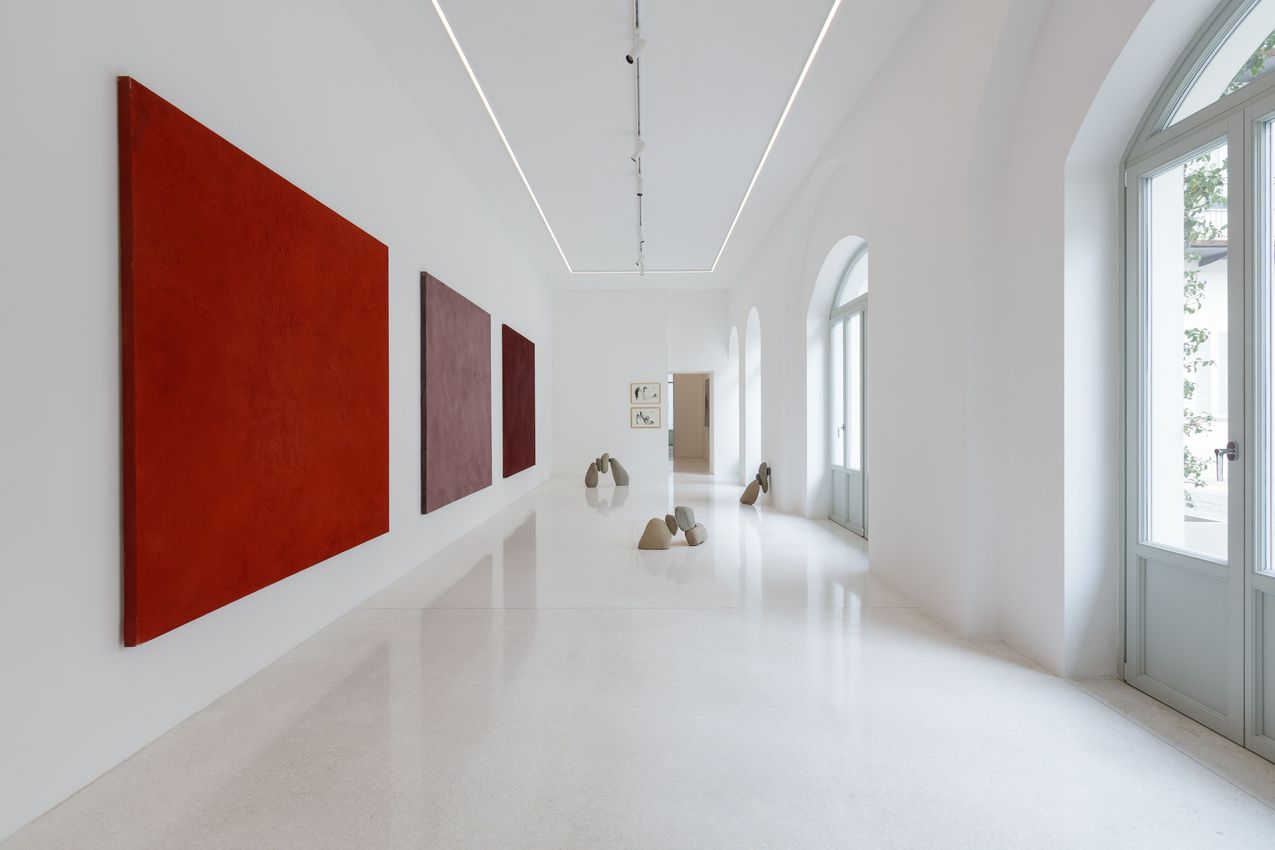
Can an emotion be made tangible? Can energy take form, become sound, image, or action? This question echoes through the work of Lorenzo Brinati, who, like many artists before him, seeks not just to represent what is seen, but to reveal what is felt: the unseen forces that shape the visible world.
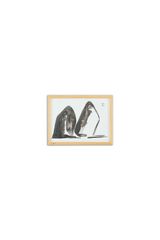
Nearly a century ago, Paul Klee imagined an art capable of reproducing the invisible, an art that reaches beyond surface appearance to uncover the inner workings of life. Philosopher Gilles Deleuze later elaborated: “In art, in painting as in music, it is not a question of reproducing or inventing forms, but of capturing forces.” These are the same forces Brinati attempts to materialize, not through illustration, but through resonance.
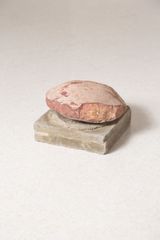
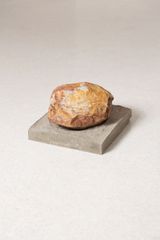
His works are held together, conceptually and physically, by this tension: the interplay between what is visible and what is not. Newton’s third law of motion - every action met by an equal and opposite reaction - becomes a metaphor for Brinati’s practice. For every form there is a counter-form, for every material, an immaterial counterpart. What binds the elements in his installations or compositions is not merely structure or technique, but something more elusive: a presence, an energy, a memory.
In Brinati’s work, it is often the intangible that generates the tangible. Thought becomes action. Action becomes matter. And matter becomes a vessel for meaning. His art gives form to these invisible catalysts - those internal currents that shape our external realities.
This belief aligns not only with contemporary physics, where quantum forces govern the material world beyond our perception, but also with ancient wisdoms that recognized the vital power of unseen energies. Across time, certain truths persist: that we are shaped by what we cannot always name or hold. Visitors are invited to enter this space with openness - not to decipher a singular message, but to sense the silent exchanges between elements, the quiet weight of presence, and the unseen threads that connect all things.
Growing up between council houses and the workshops of Oltrarno, Lorenzo Brinati was able to experience the last remnants of Renaissance Florence. In this environment of rich history and culture, Brinati first sculpted copies of Mogdigliani’s heads from stones taken from the street at the age of fourteen. Now working in both Florence and the Tuscan countryside, Brinati combines this education with more than two decades working as a conservator and restorer in the traditional workshops he grew up around. His paintings transform the skills of traditional Renaissance craftsmanship into a modern and yet timeless language, combining ancient techniques with new materials.


Cadogan is an independent contemporary art gallery with spaces in London, Hampshire and Milan. For over forty years our mission has been to represent, support and curate the work of a diverse roster of emerging and established artists. We care deeply about longevity, developing the careers of our artists and the journey of our collectors.

A respected voice in contemporary art discourse.
Focusing on ambitious storytelling and insightful art-world commentary. Ocula Magazine publishes in-depth interviews, critical essays and timely analysis on the artists, exhibitions and ideas driving the global art world.
Learn more about Ocula Magazine
Showcasing the best of the art world.
Ocula partners with galleries from around the world to highlight their artists, artworks and exhibitions. Gallery membership is by application and invitation, with each member vetted by an independent panel.
Learn more about Ocula Membership

Specialises in the sale of major artworks.
Led by a team with deep ties to the world’s leading auction houses, galleries and collectors. Ocula’s advisory team offers bespoke services to high-net-worth clients from around the world who are looking to acquire the best of contemporary and modern art.
Learn more about our team and services