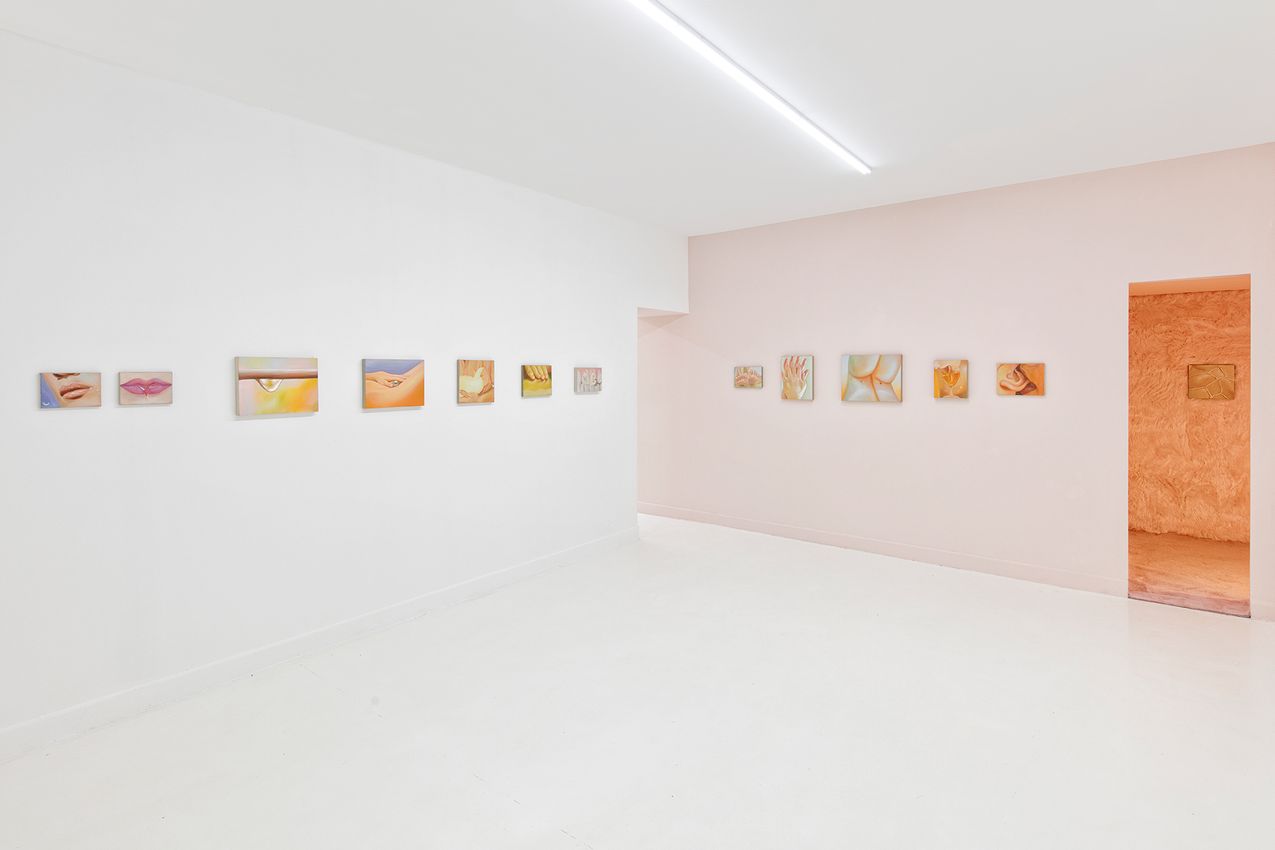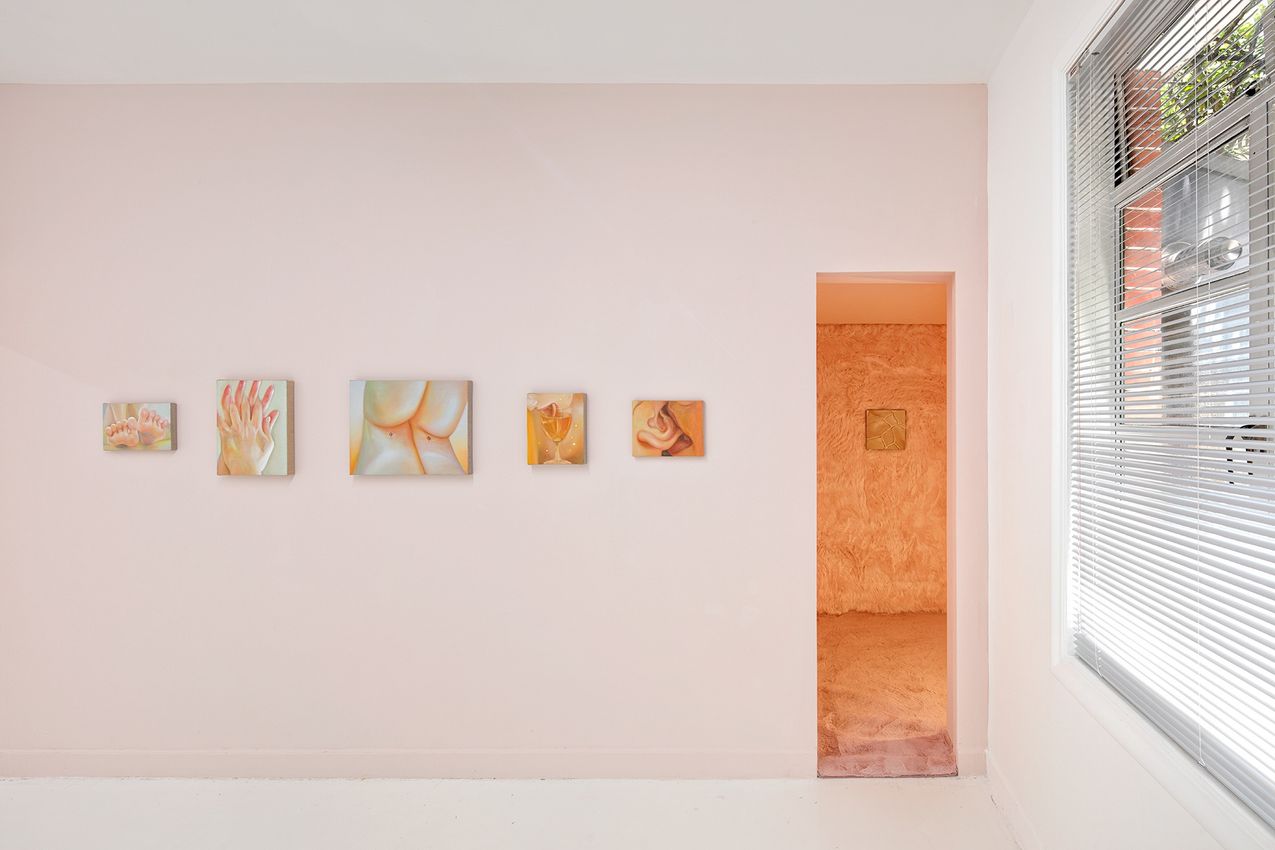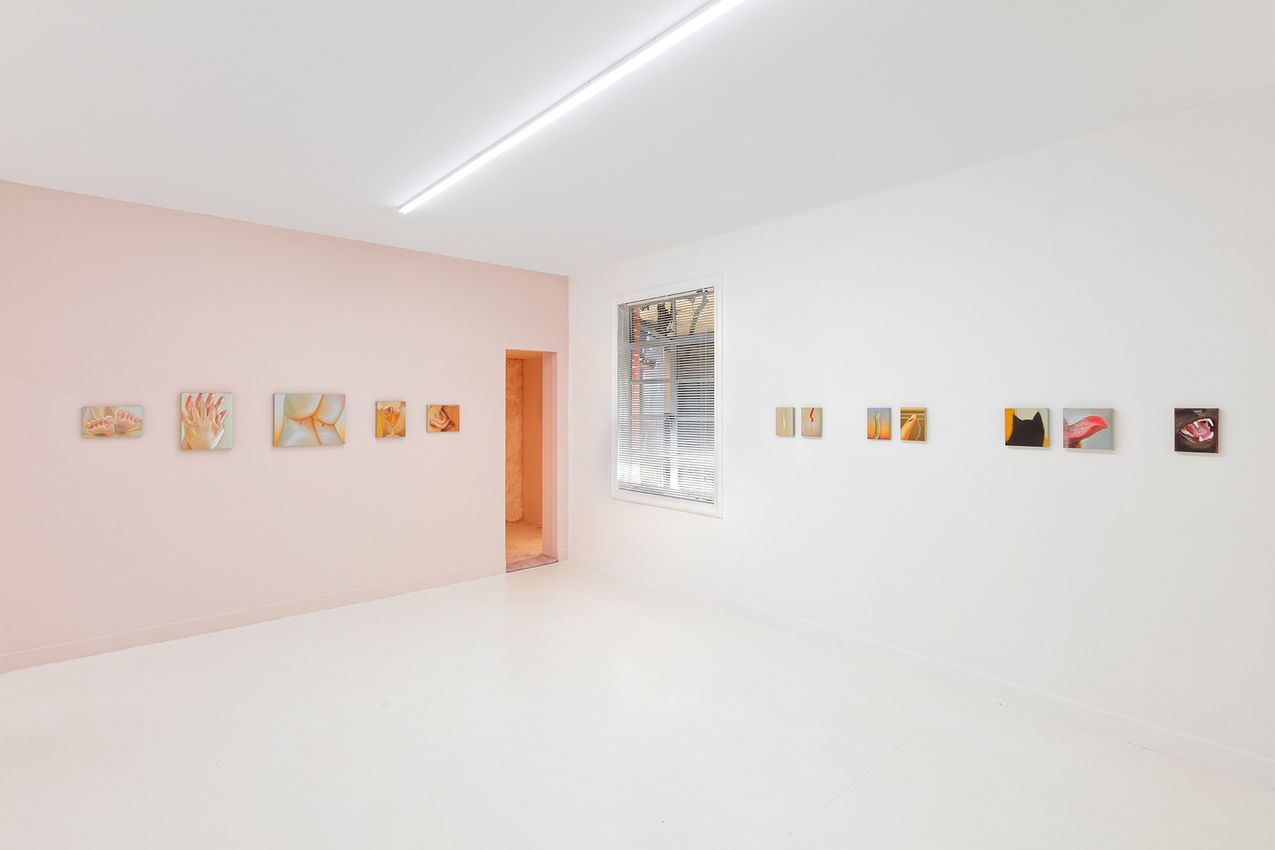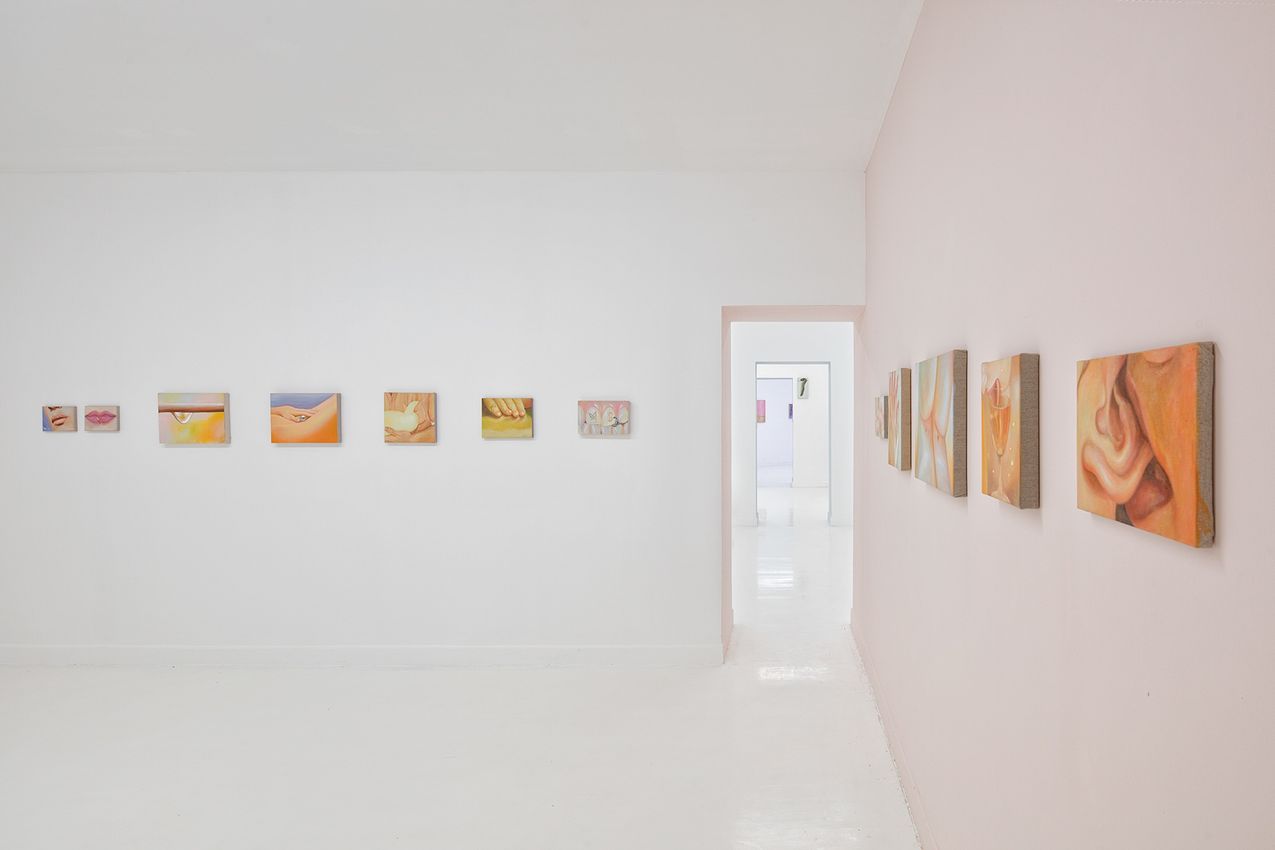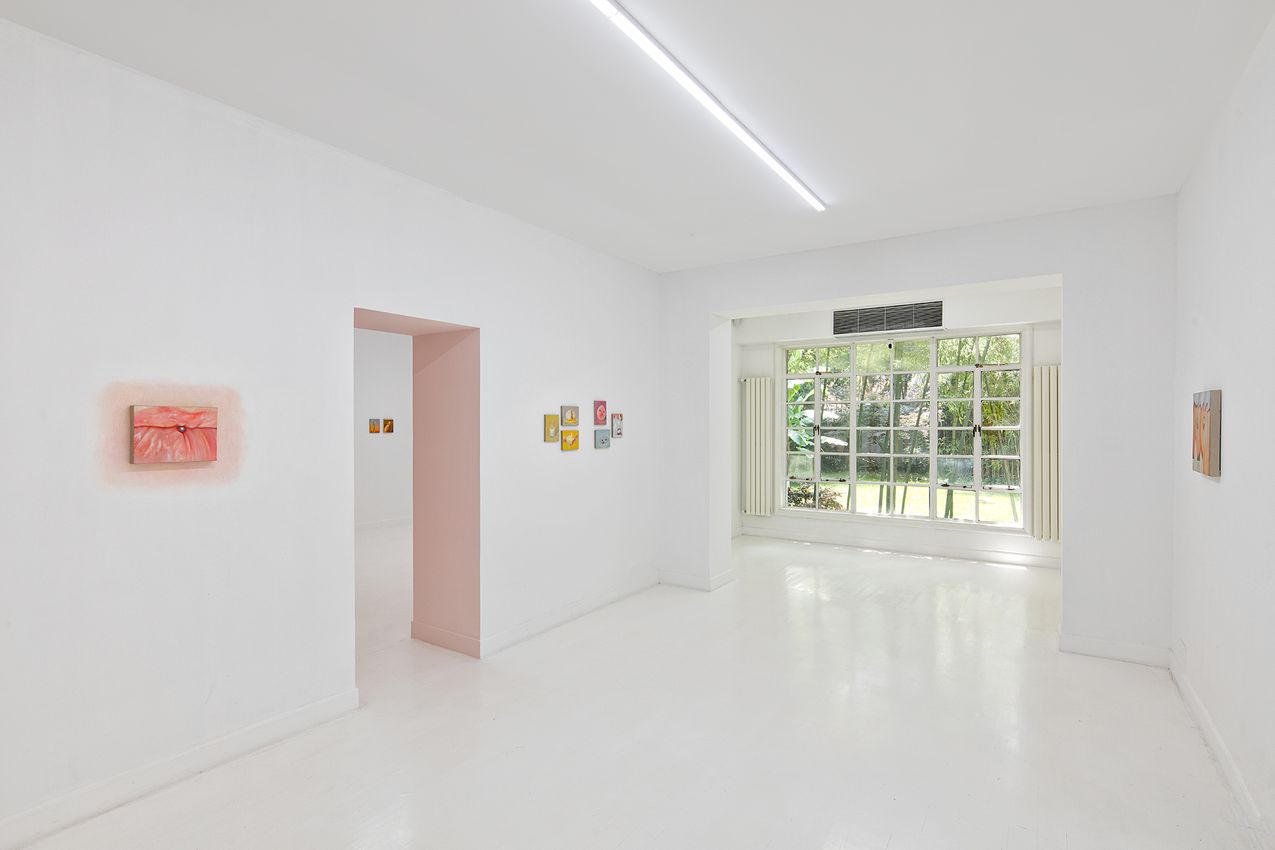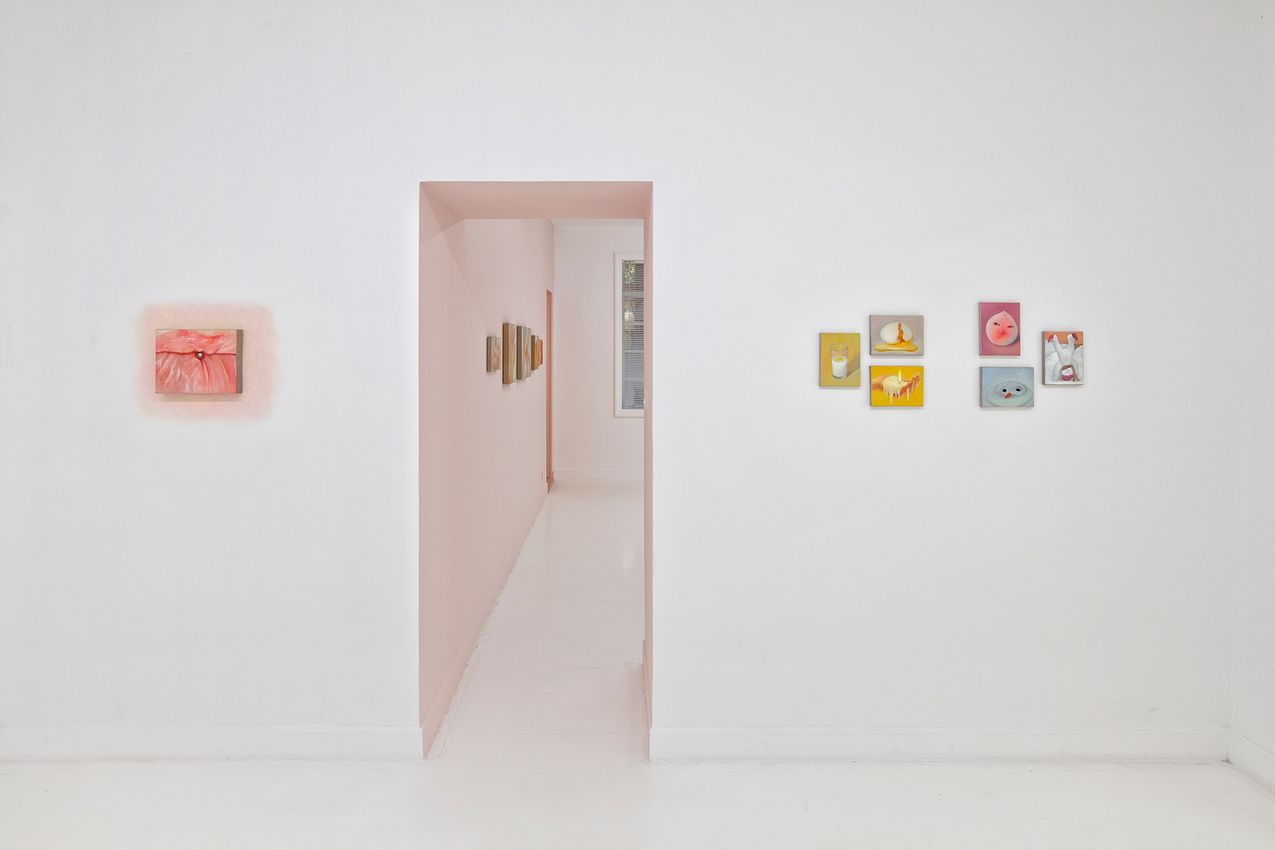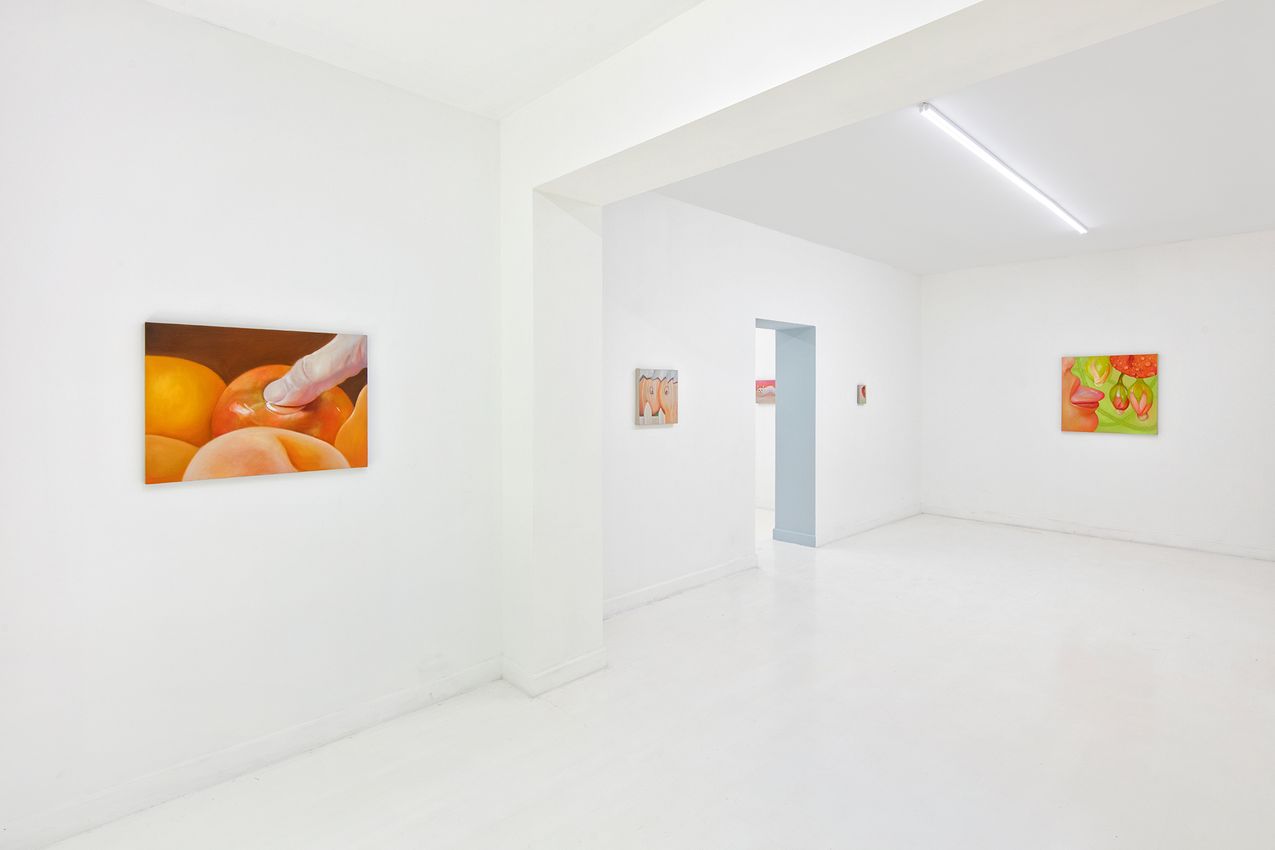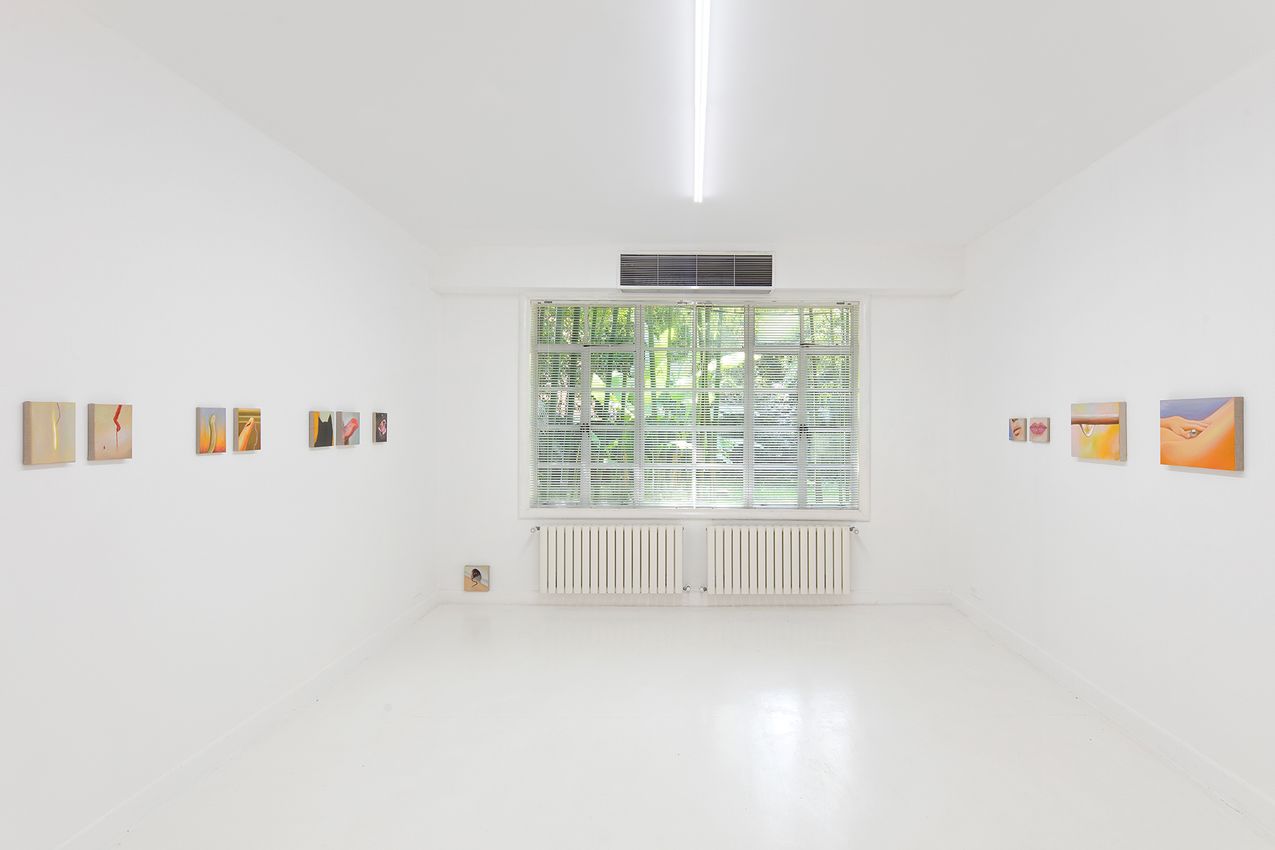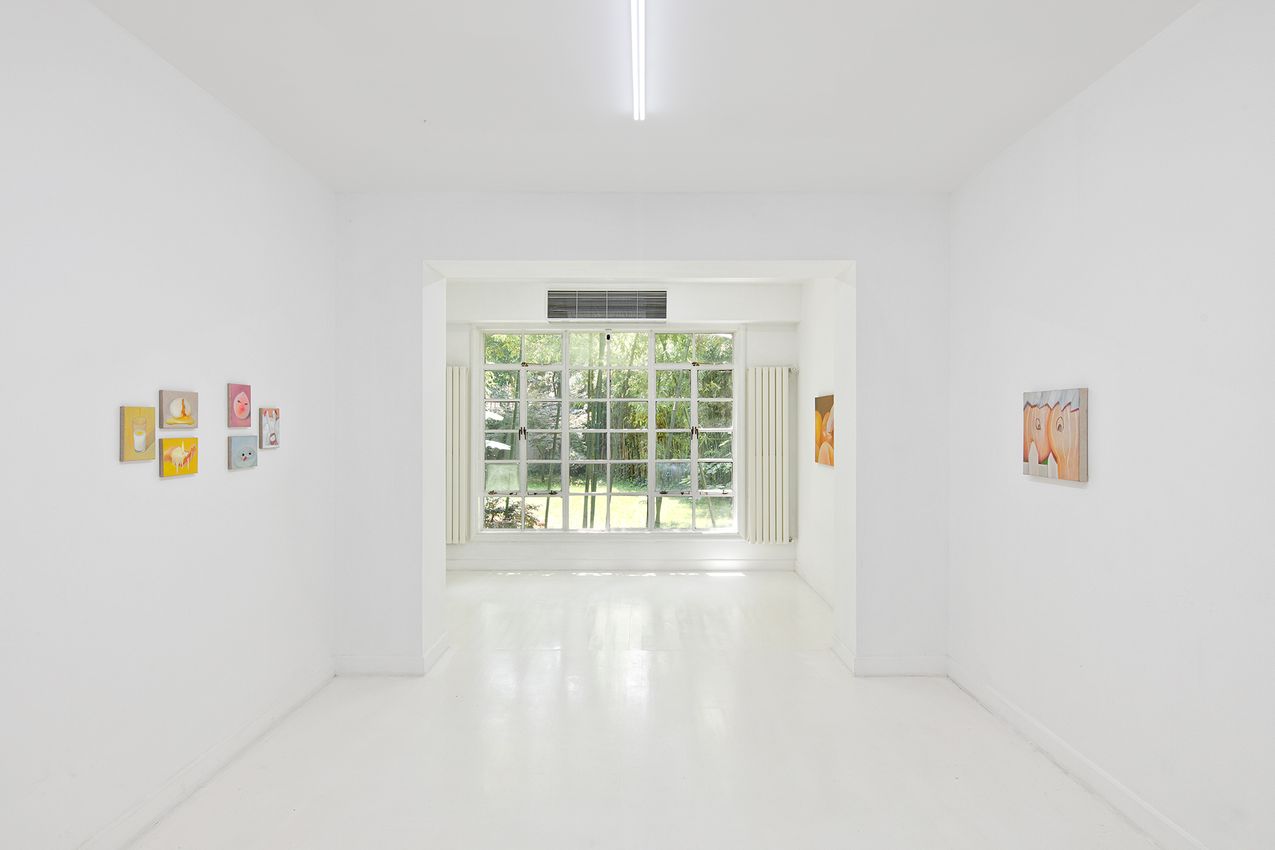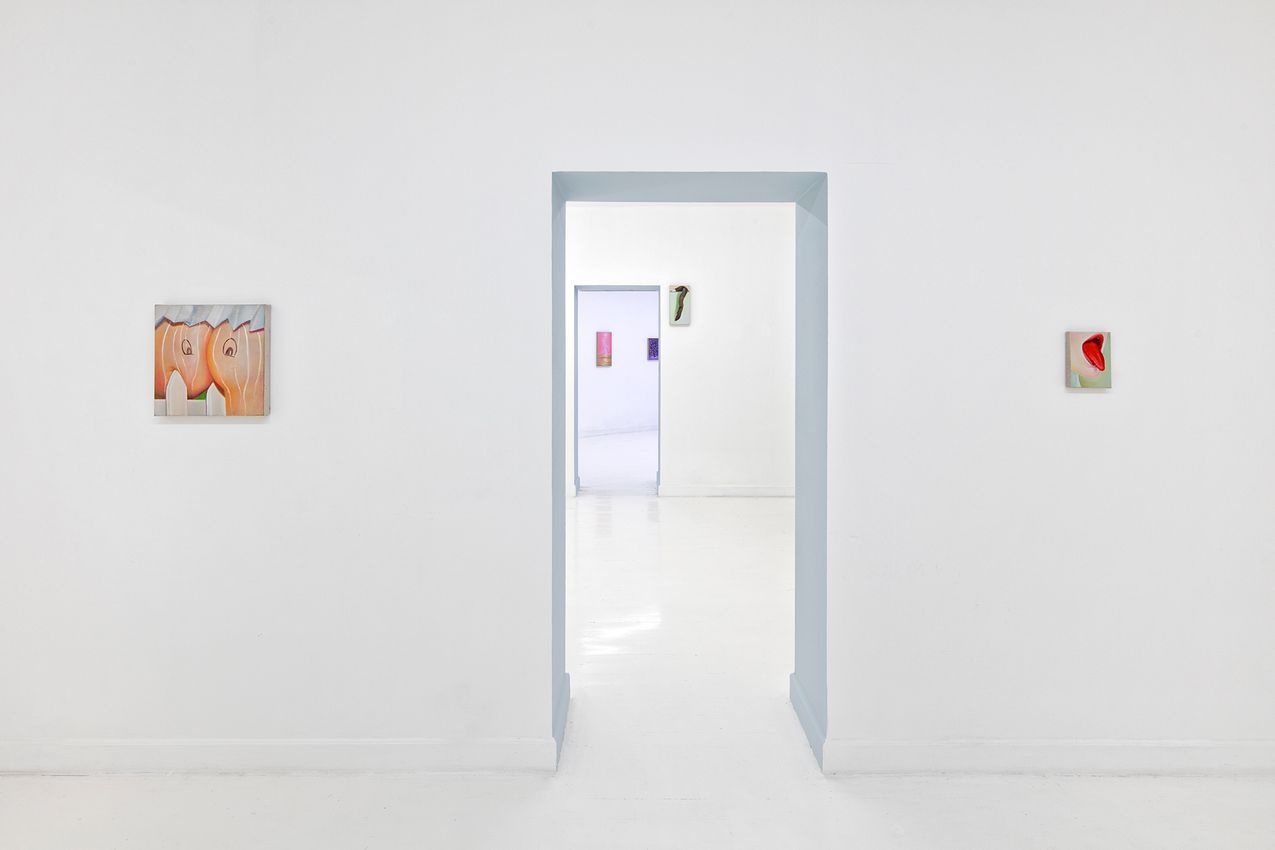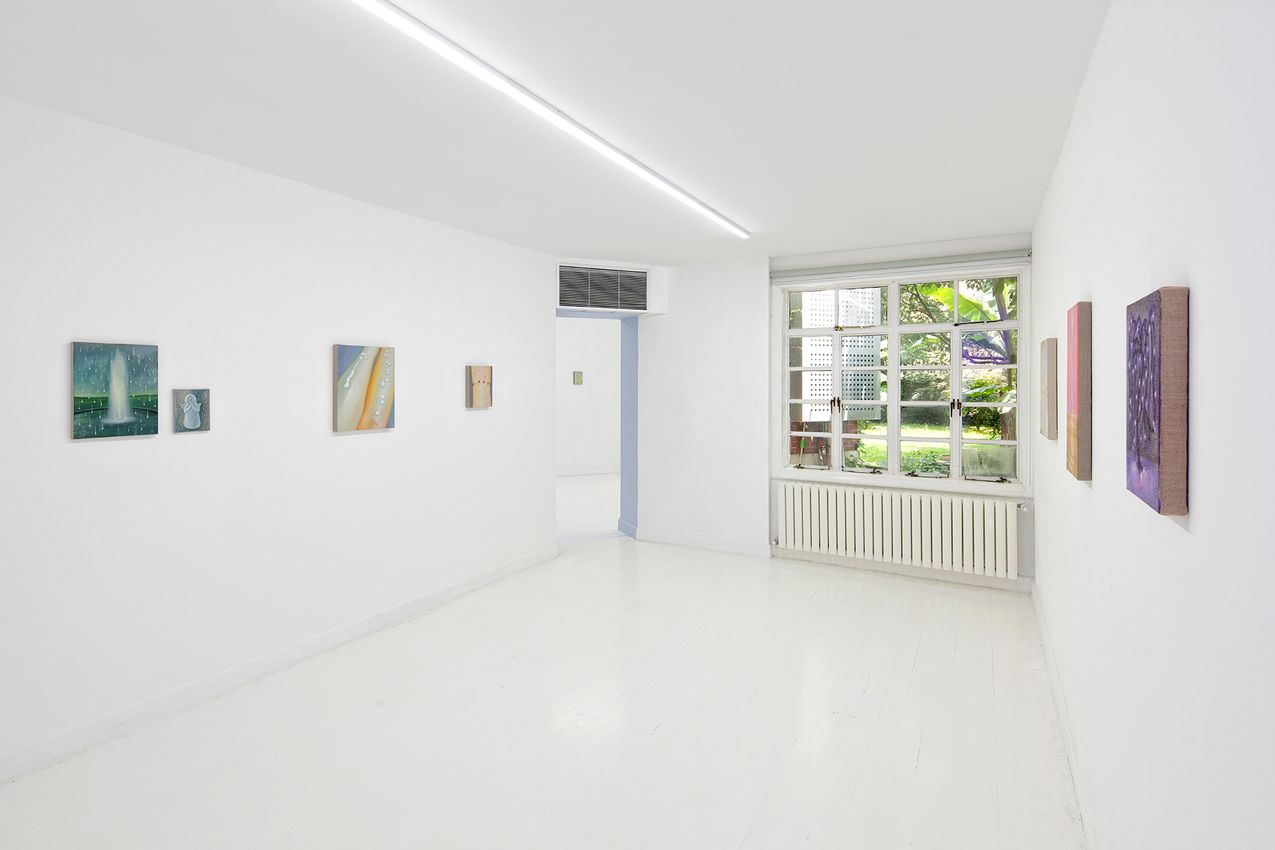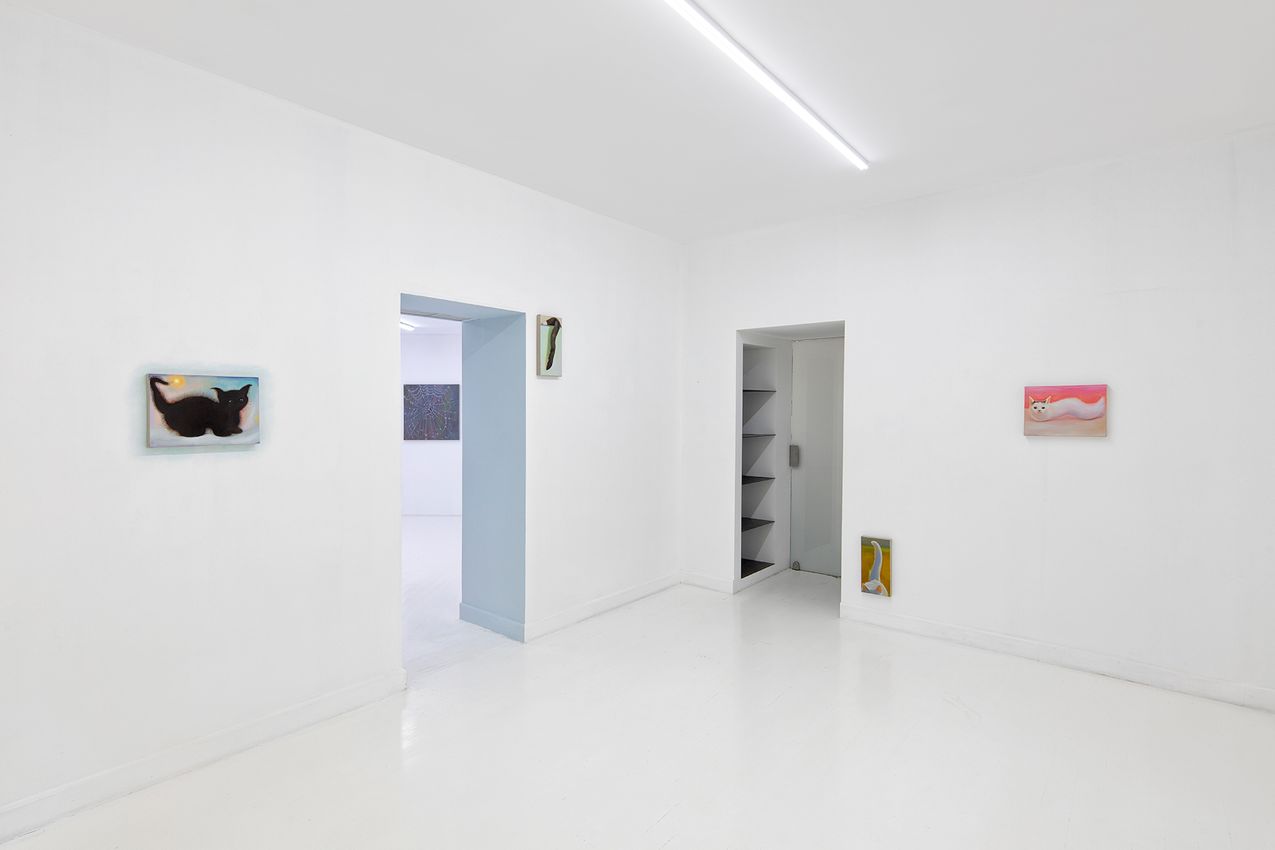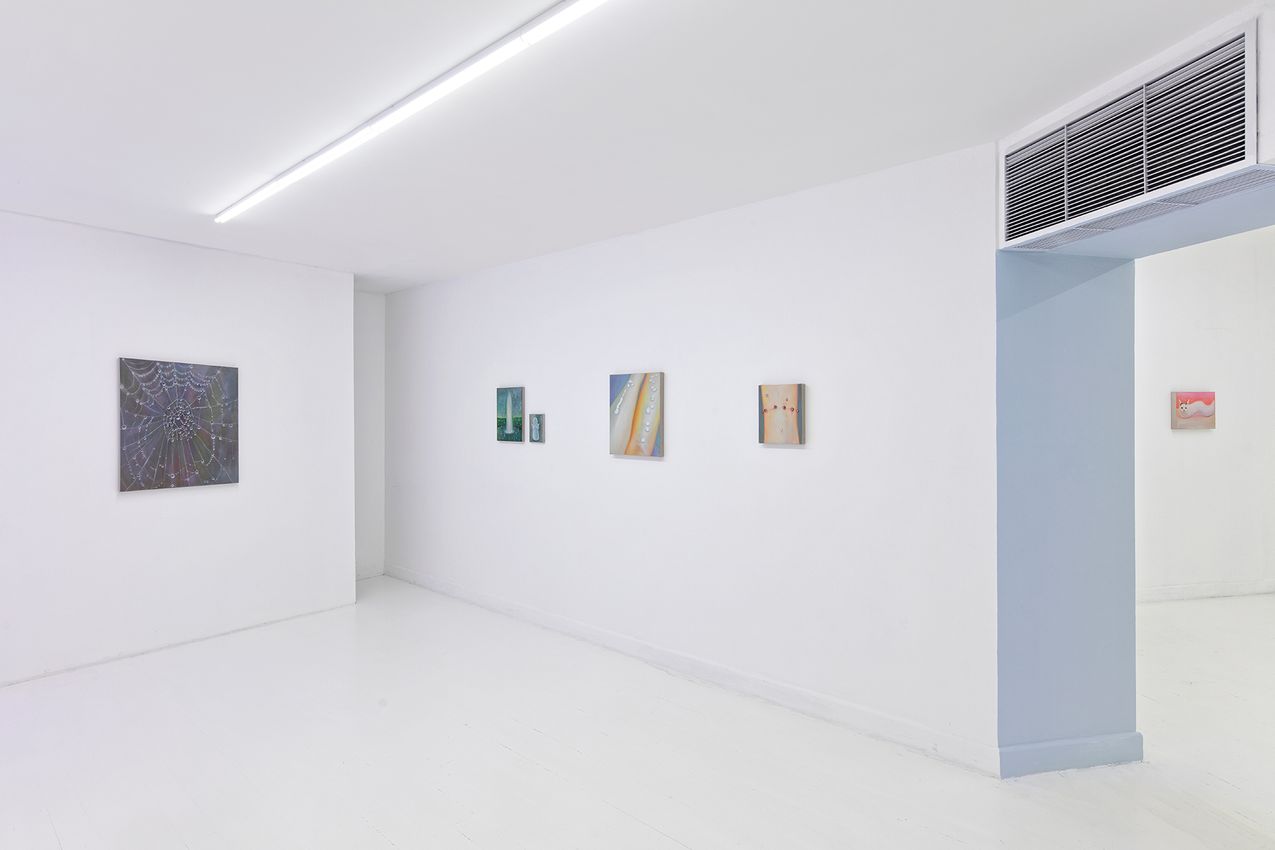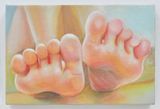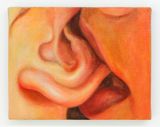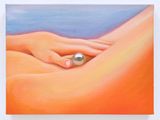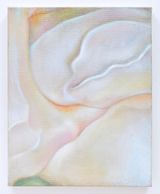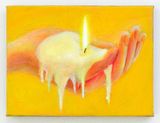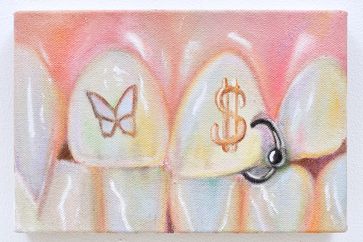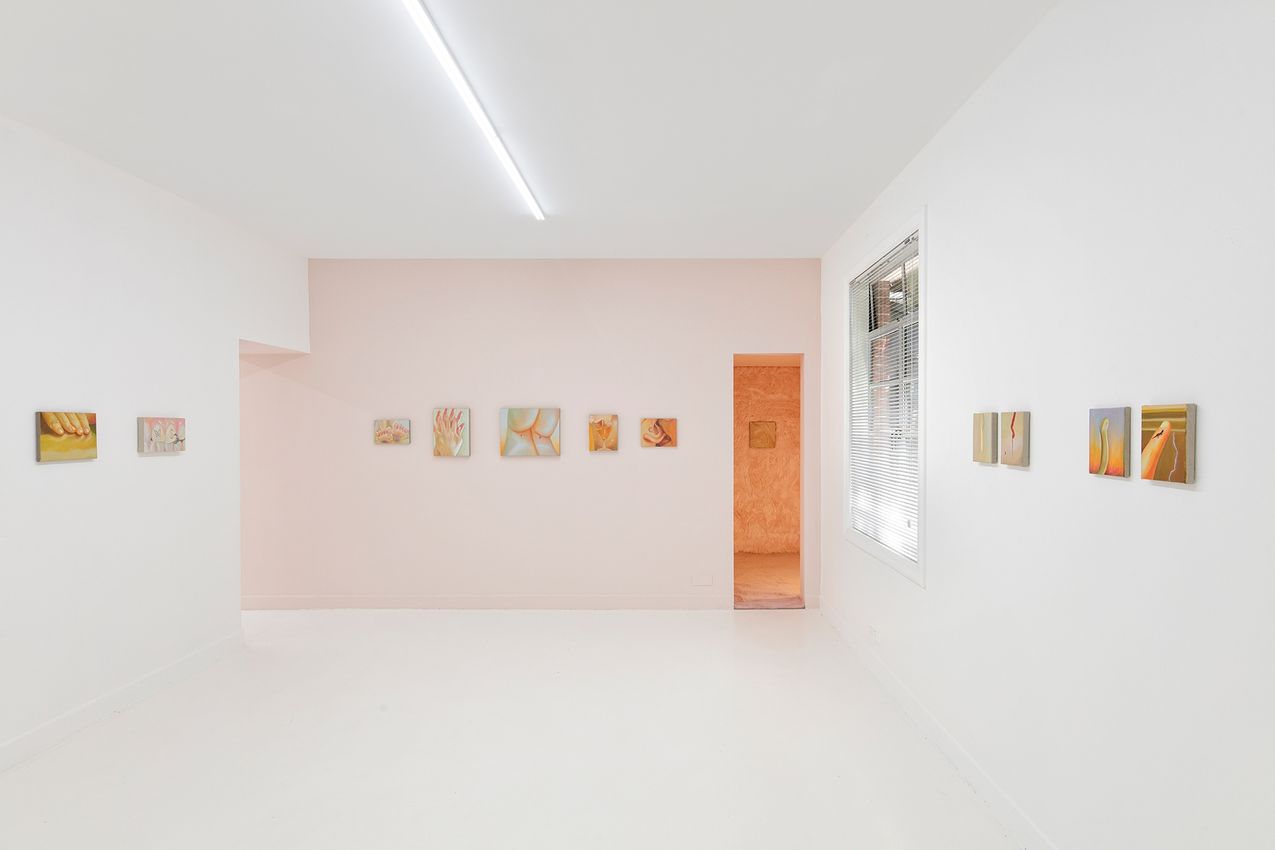
Capsule Shanghai is delighted to present Tender Thorns, artist Tao Siqi’s first solo exhibition at the gallery, comprised of Tao’s most recent works on canvas. The show will run from 22 May–3 July 2021.
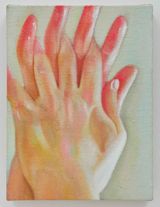
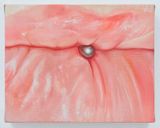
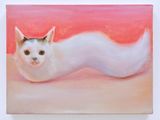
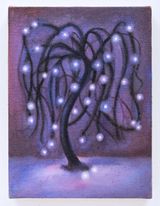
Capturing transient feelings and emotions through imageries imbued with metaphors, Tao Siqi’s artworks embody what Spinoza defined as the three basic human emotions that drive passion, namely, pain, pleasure, and desire. Be it for the photographs from her student years or her most recent oil paintings in large or small dimensions, Tao adopts various visual resources ranging from film scenes and found digital images to convey the complexity of human eros. Her works on view in this exhibition can be roughly divided into two types: those depicting the transcendental signifiers charged with erotic desires, such as a pistol, a sweet and gentle animal, a snowman, the hazy landscape; those zooming in on the body’s receptive channels in a passionate situation, such as the tongue, hands, skin, and lips in contact with other objects and body parts. Once the pictorial language triggers a bodily response, one’s mind would subconsciously make such an association. It is a human instinct to desire. The complexity of the human heart and mind is none other than countless hybrids of reasons and impulses, which transform according to the changing circumstances.
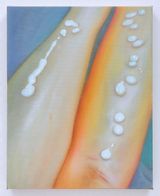
The title, Tender Thorns describes the visual tension of Tao Siqi’s paintings. Every piece is an amalgamation of rosy colours, soft tones, and delicate depictions counterbalanced with the physical sensations of danger, excitement, and pain, complicating the nature of eroticism in an age of innocence. It is not difficult to imagine that Tao Siqi’s works were published as book covers of a series of Chinese translations of Junichi Watanabe’s famous novels. Unlike how many of Watanabe’s plots develop, where the protagonists often sought death to preserve their undying love for each other, Tao Siqi’s scenes encapsulate a sense of intimacy, innocence, and ambiguity that dissolve any suggestions of ethical values. At the same time, the artist articulates the nature of fleeting intimacies and longings, balancing the three basic emotions mentioned above while introducing external factors from the outside world to enrich those feelings and emotions. Many of her images, such as Wipe (2021), Bite the Ear (2020), and The Art of Rope (2020) present a state of imminence akin to Fritz Lang’s films that magnifies the sensory experiences to allow for imagination of violence without the actual act. In Tao Siqi’s case, her works aim for a state of suspense that teases a psychological response, inflating the id with impulses that would trigger the mind to imagine one’s own passionate and erotic endeavors.
With more than a few dozen paintings on view, these works of art are like scenes of a film or chapters of a novel, deflecting into evocative narratives, in a linear or non-linear fashion, through the prism of human perception. As Roland Barthes suggests in The Lover’s Discourse, the perceptions and insights of love stories are fundamentally fragmented and incoherent. Lovers are often completely thoughtful and disorganised, and the ideas are often fleeting. Tao Siqi pours her emotional experiences and journeys into her works, blending impulse with reason, putting her viewers into a dream-like situation such as Zhuangzi’s dream of the butterfly.
Despite a growing tendency to define gender specificity and sexuality in recent years, many societies continue to silence the voices on gender issues. Informed with the current conditions we live in, Tao Siqi’s works transcend the discourse of sexual politics; instead, she focuses on exploring the pictorial potentials that would allow viewers to discover, reflect and express their own pain, pleasure, and desire.
Text by Fiona He. Press release courtesy Capsule Shanghai.
Tao Siqi’s practice of painting originates from her seeking of metaphors hidden under the surface of an object. The positive and negative grounds of an object intrigue her to explore its emotional undercurrent on the canvas.


Established in late 2016 by Italian gallerist and long-time influential figure of the Shanghai art scene Enrico Polato, Capsule Shanghai is a self-described ‘gallery and art laboratory’ based in Shanghai’s central Xuhui District. Situated on the first floor of a picturesque 1930s garden house in the idyllic greenery of the former French Concession, the gallery works primarily with emerging Chinese and international artists who push the boundaries of contemporary art. Its special focus has been on artists who have personally and professionally migrated between regions, creating unique trans-national and trans-regional links.
A respected voice in contemporary art discourse.
Focusing on ambitious storytelling and insightful art-world commentary. Ocula Magazine publishes in-depth interviews, critical essays and timely analysis on the artists, exhibitions and ideas driving the global art world.
Learn more about Ocula Magazine
Showcasing the best of the art world.
Ocula partners with galleries from around the world to highlight their artists, artworks and exhibitions. Gallery membership is by application and invitation, with each member vetted by an independent panel.
Learn more about Ocula Membership

Specialises in the sale of major artworks.
Led by a team with deep ties to the world’s leading auction houses, galleries and collectors. Ocula’s advisory team offers bespoke services to high-net-worth clients from around the world who are looking to acquire the best of contemporary and modern art.
Learn more about our team and services