Press Release

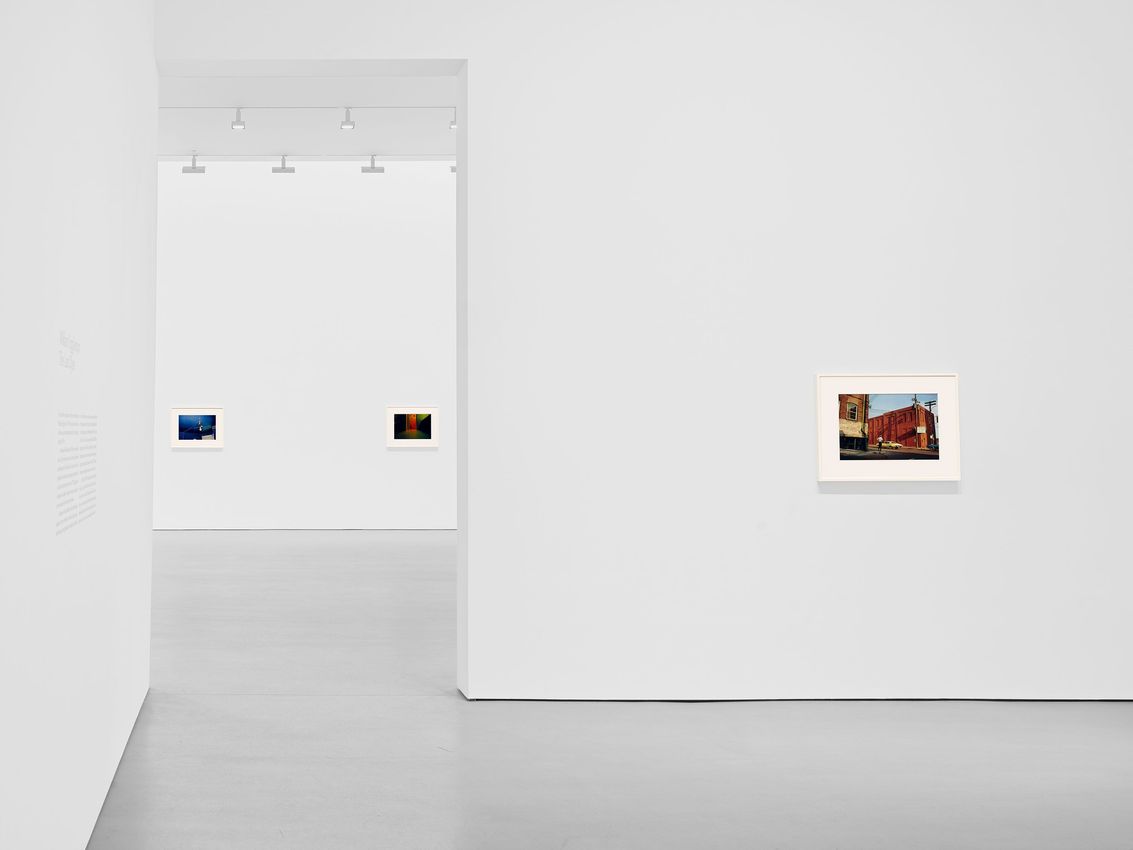
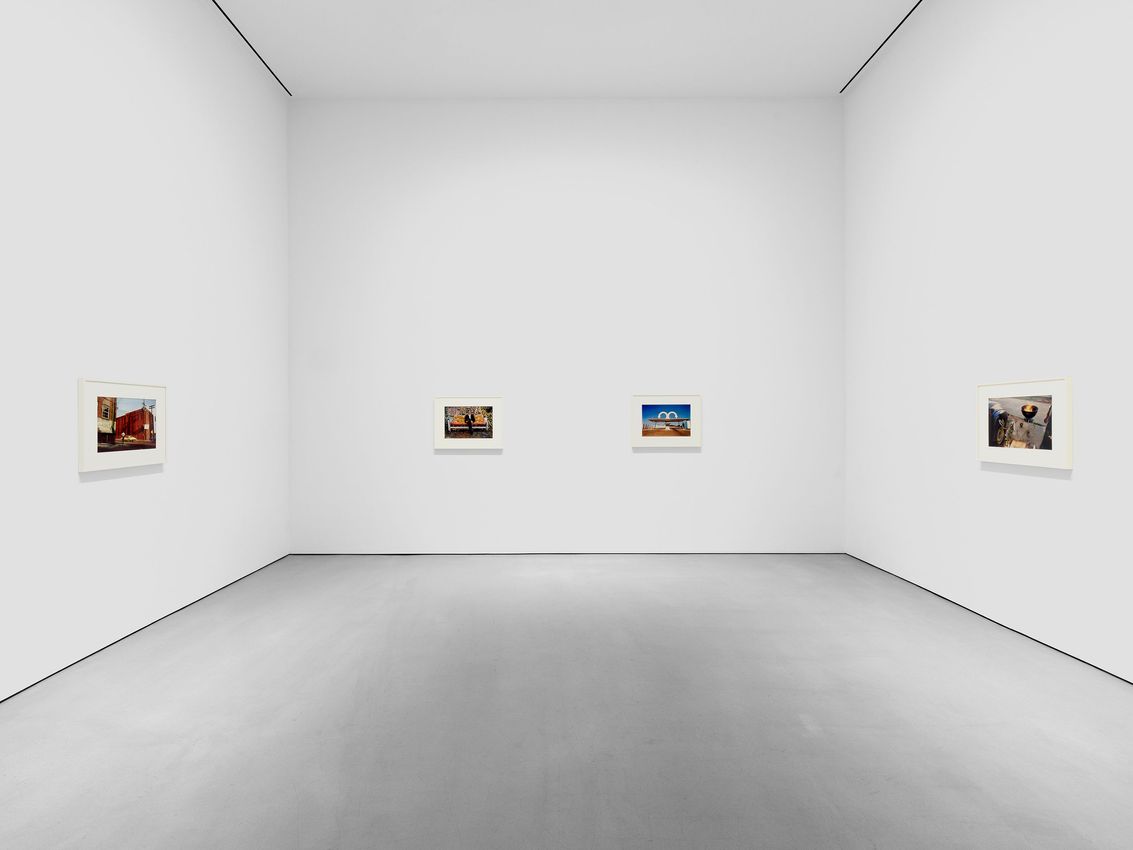
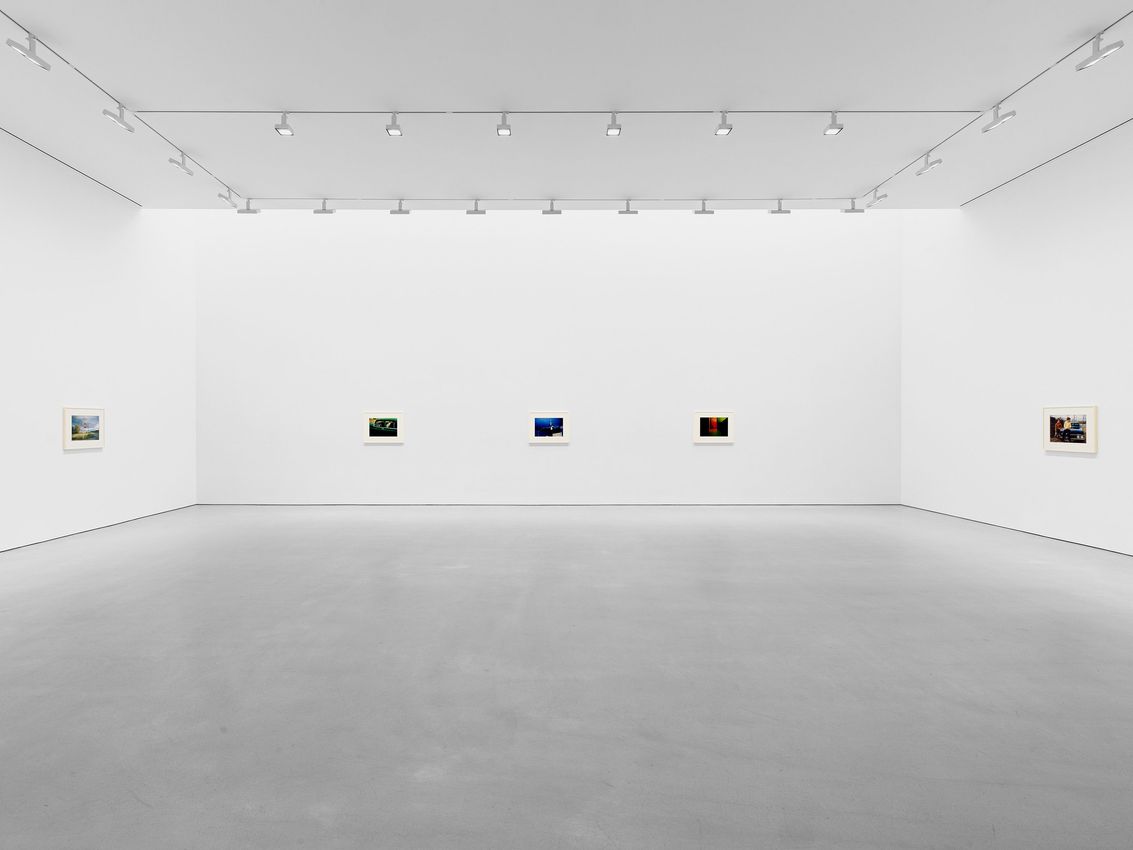
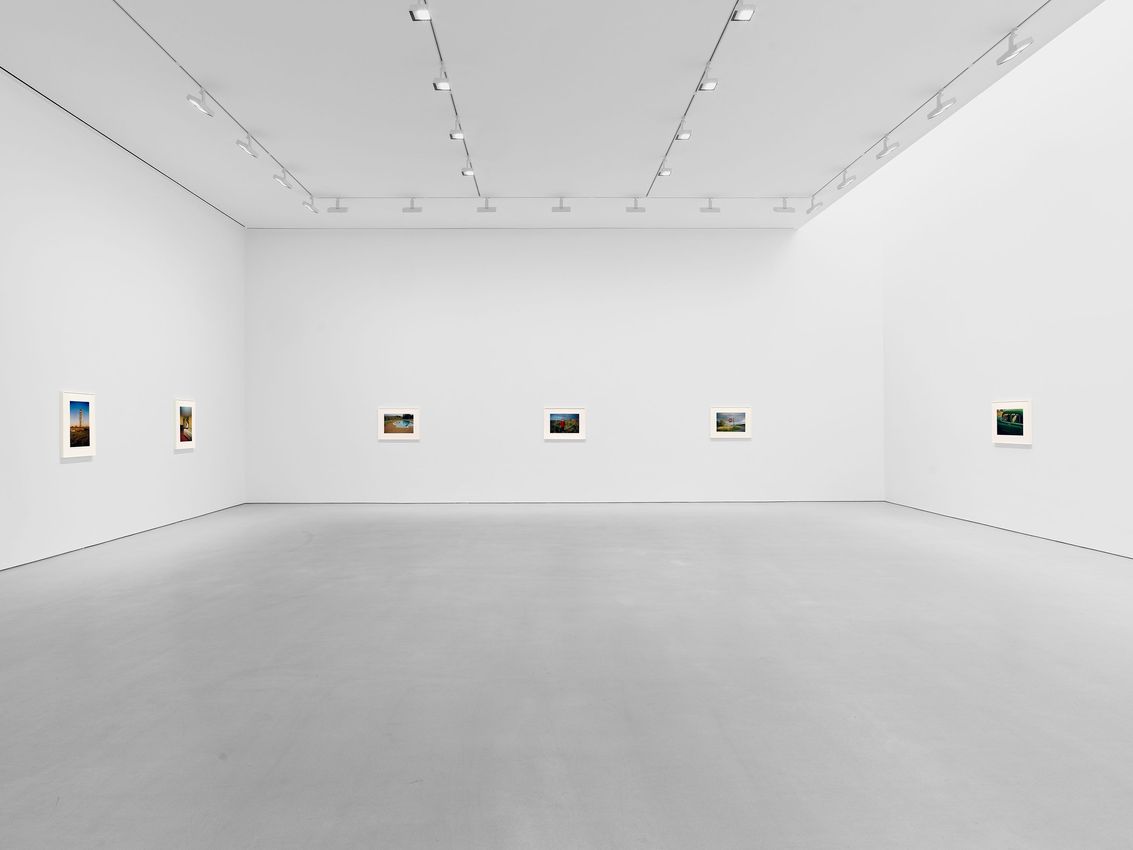
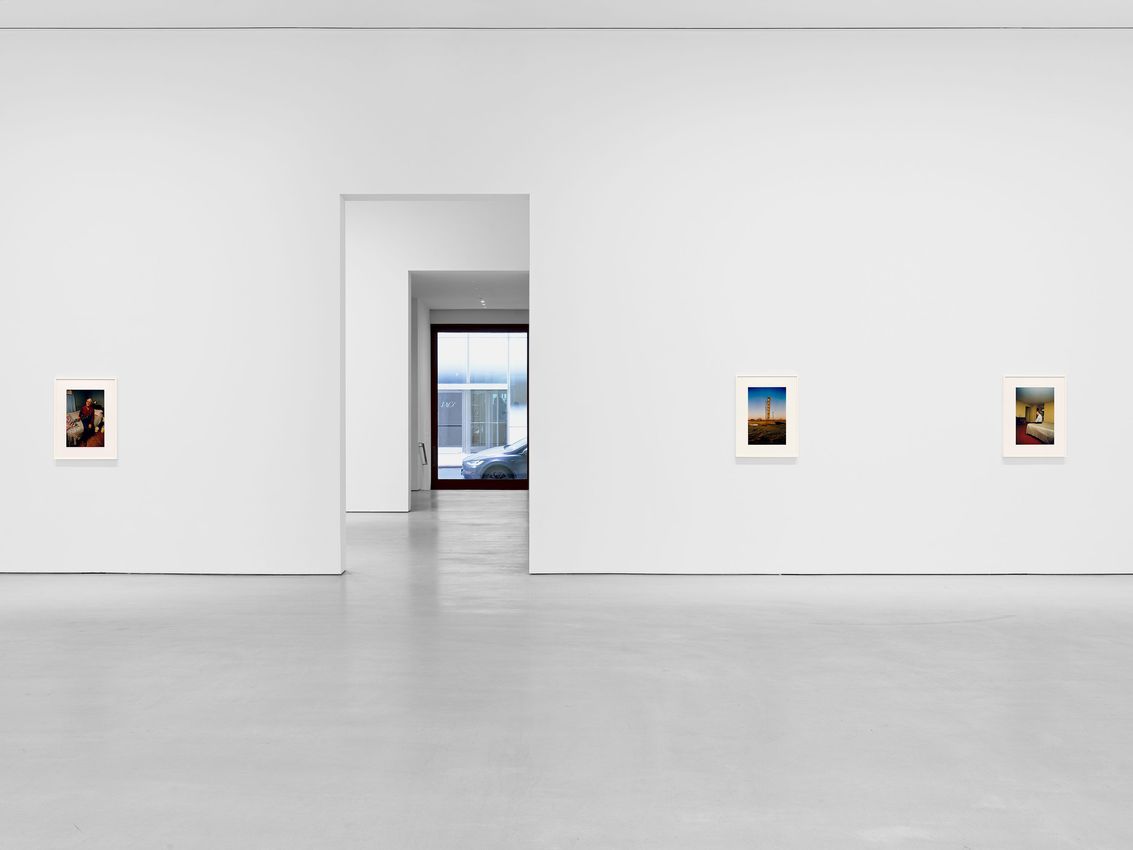
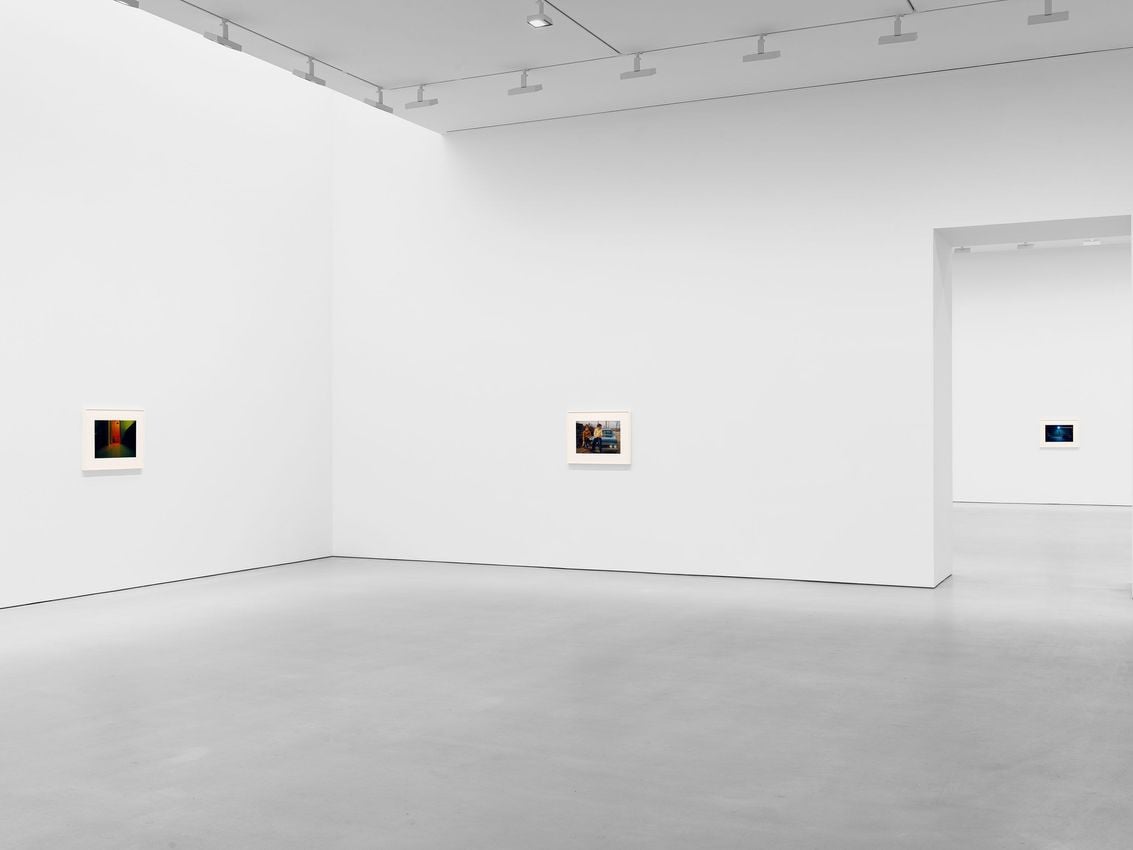
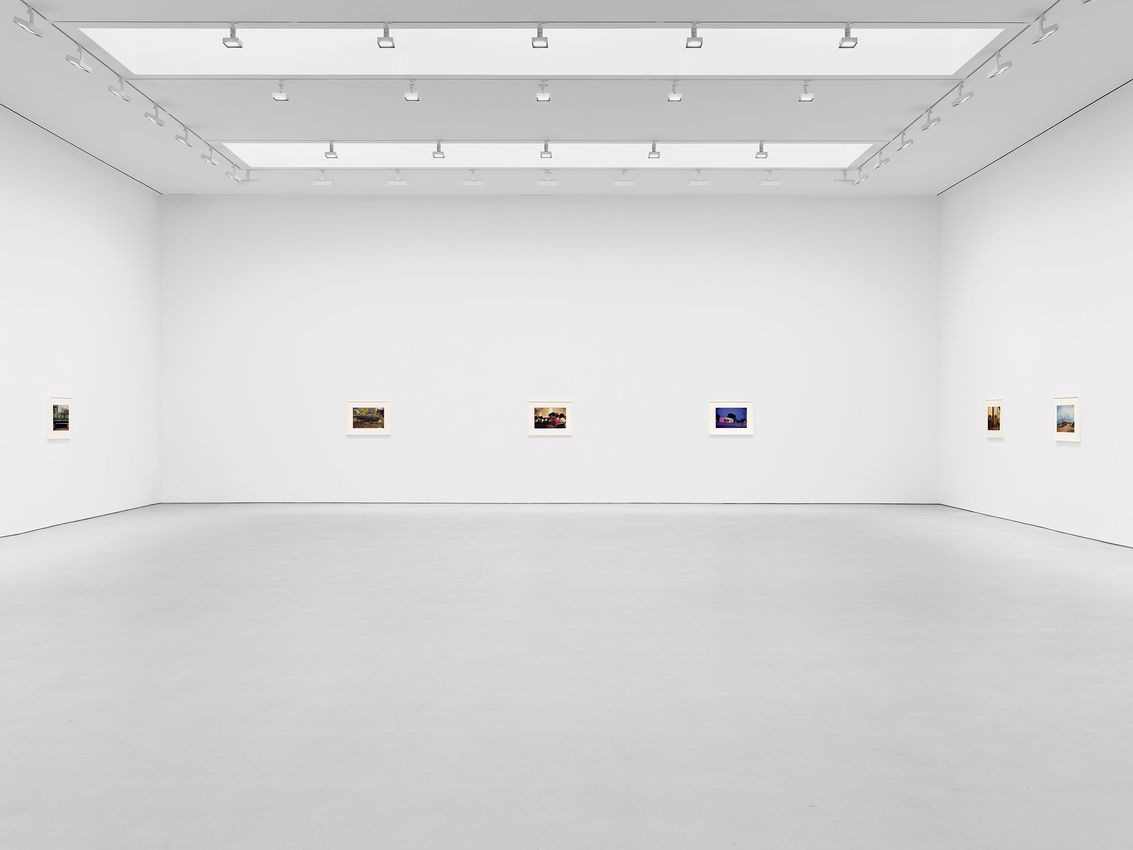
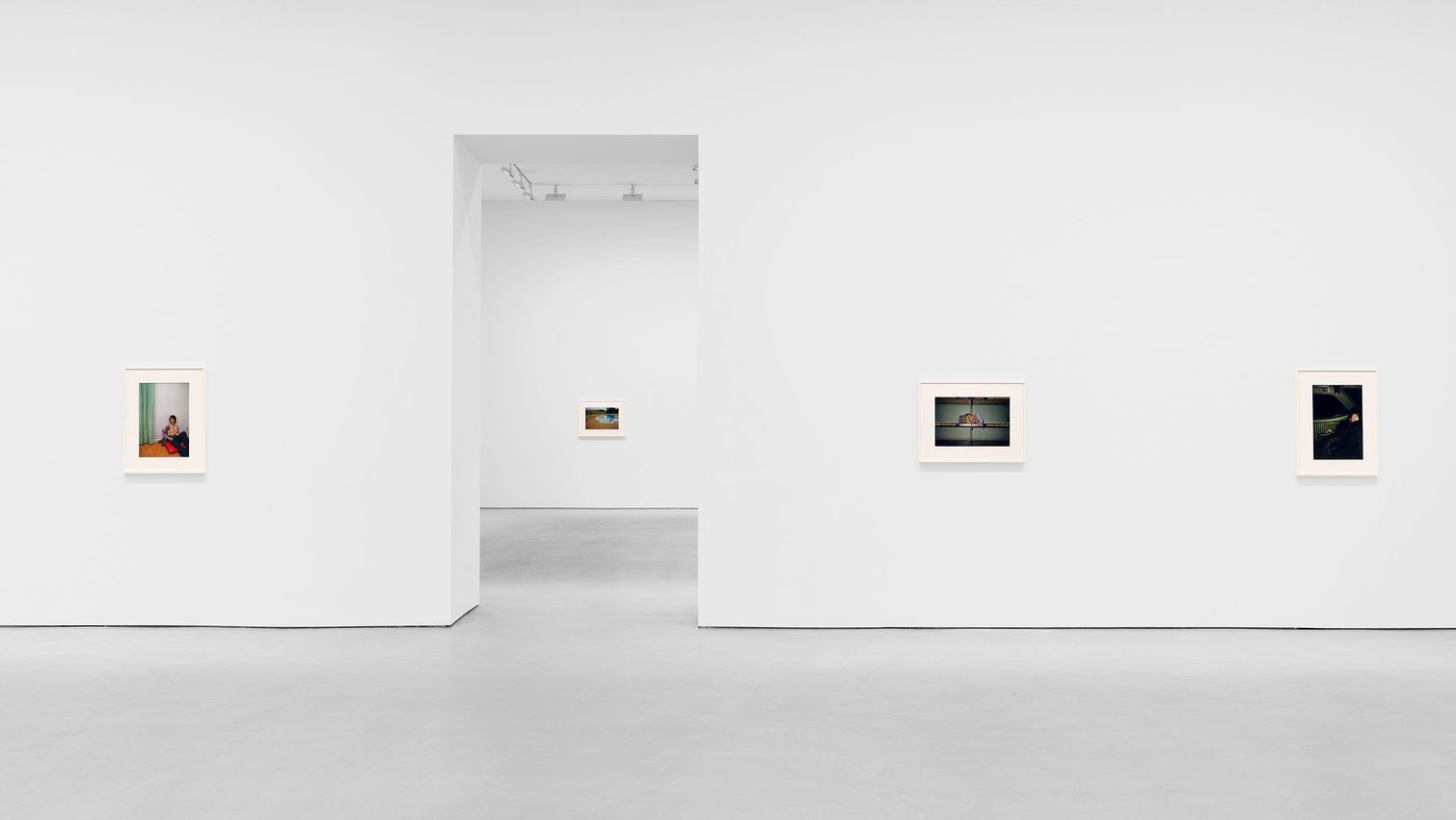
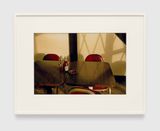
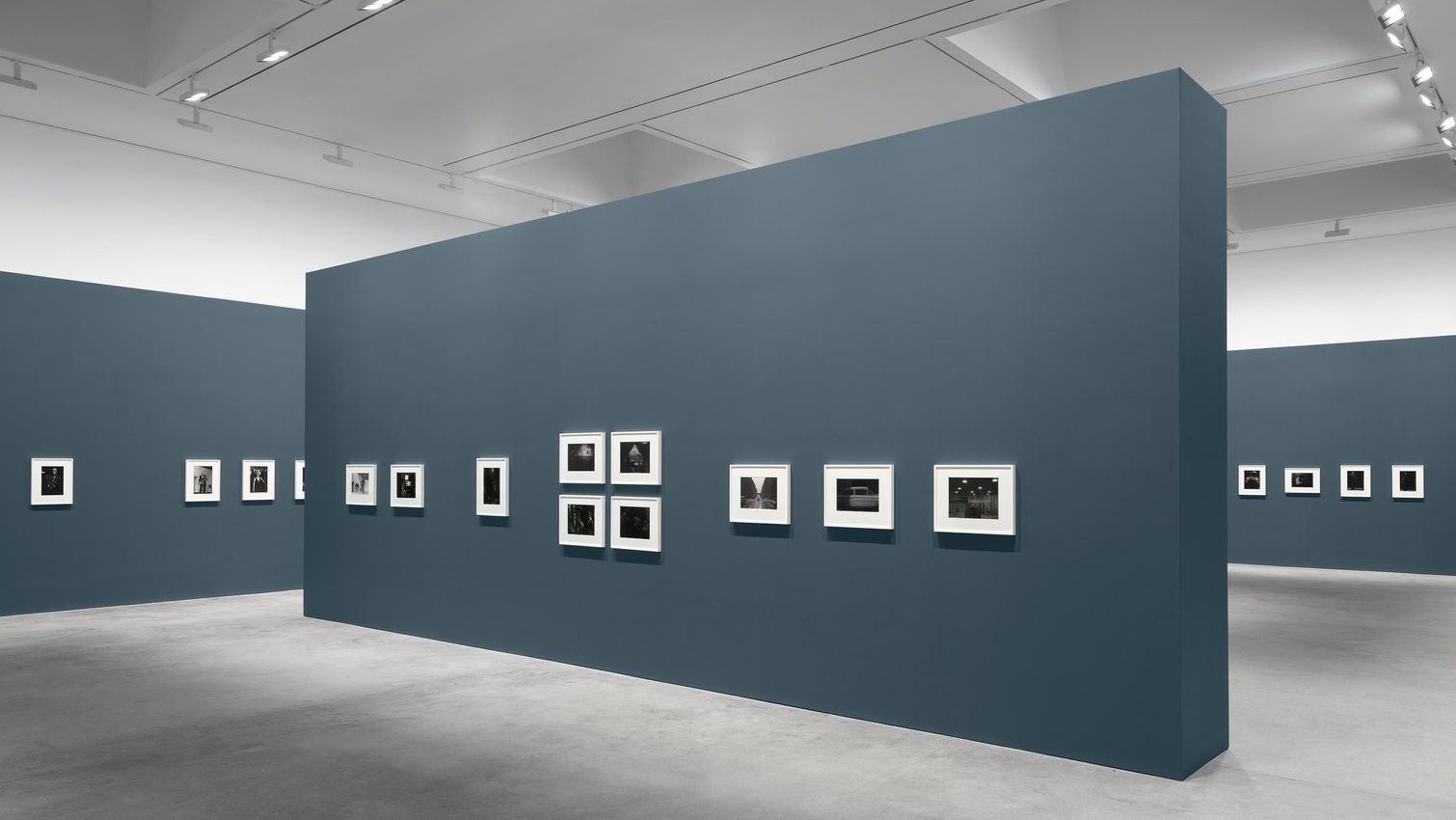
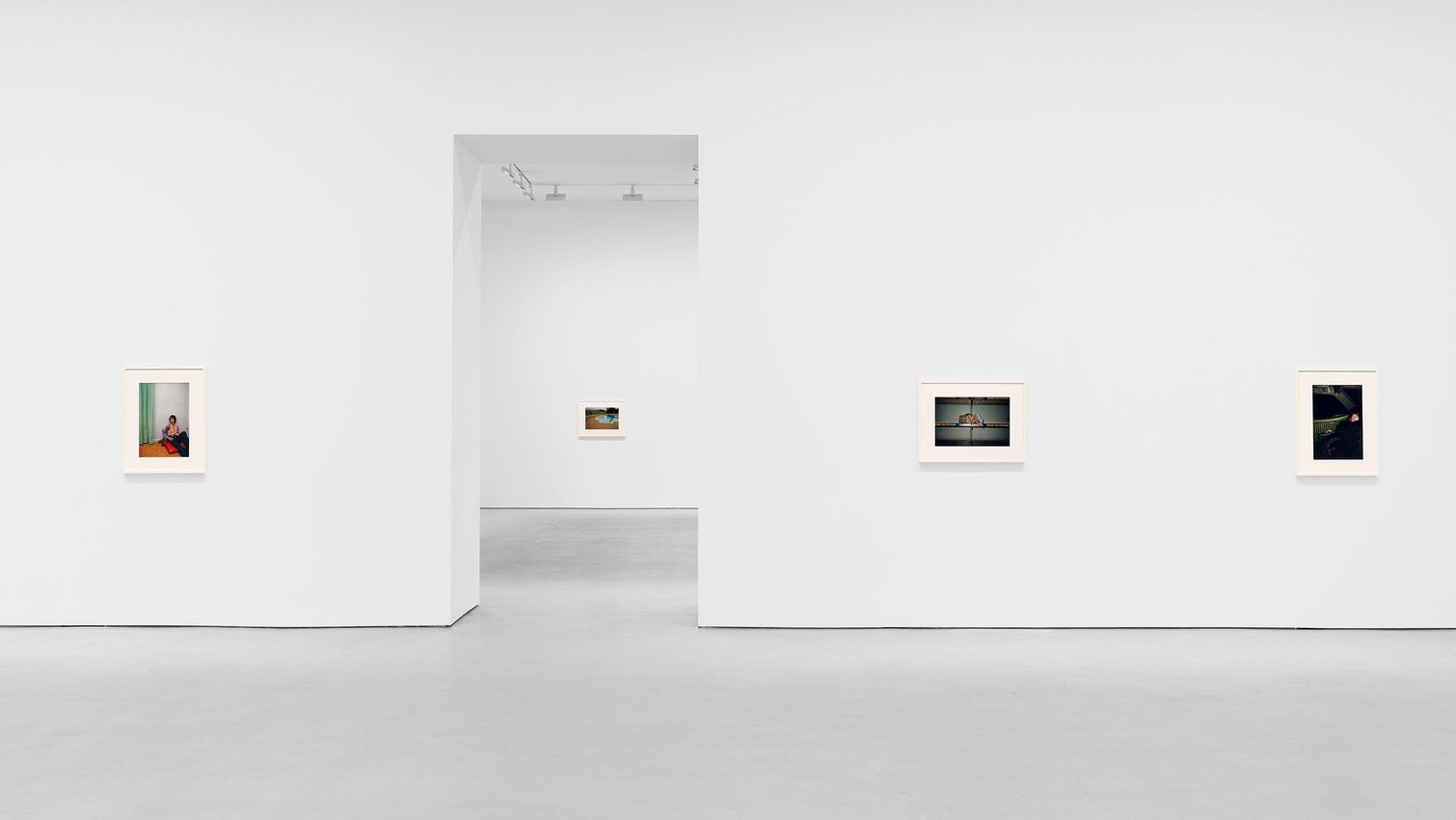
David Zwirner is pleased to announce , an exhibition of new dye-transfer prints by William Eggleston opening at the gallery’s 533 West 19th Street location in New York. Eggleston pioneered the use of dye-transfer printing for art photography in the 1970s, and—as the title suggests—these photographs are the final prints ever made of Eggleston’s images using this analog process. The presentation itself constitutes the last major group of photographs ever to be produced using this printing method, making it a unique opportunity to see a number of works by Eggleston in the format in which he originally presented them.
The works on view are from Eggleston’s celebrated Outlands and Chromes series, as well as several images that were first shown in the artist’s groundbreaking exhibition of color photography at The Museum of Modern Art, New York, in 1976, and the concurrent publication William Eggleston’s Guide. Eggleston, in consultation with his sons William and Winston, chose this group of images for his final dyes as a representative selection of the immense photographic project he undertook between 1969 and 1974 during his travels through the American South. In 1972, Eggleston discovered the dye-transferprocess that allowed him to achieve the richness of tonal depth and colour saturation that he had been searching for.

The dye-transfer process and materials were developed by Kodak in the 1940s, primarily for fashion photography and commercial use. More akin to offset printing, the dye-transfer process is a technically advanced undertaking done by hand in which the original image (Eggleston primarily used Kodachrome slide film) is split into three separation negatives which are then enlarged onto three film matrices—a transparent cell coated with a light-sensitive emulsion—as positive images. Each of the three film matrices is immersed in a dye bath of cyan, magenta, and yellow, respectively, with the gelatin on the matrices holding the dye. One at a time, the individual matrices are pressed and rolled onto a special fiber paper that is highly receptive to the dyes, resulting in the final colour photograph.

In the early 1990s, Kodak stopped producing the dyes, paper, and the matrix film used in the process. At that time, Eggleston and the renowned dye-transfer specialists Guy Stricherz and Irene Malli—who have printed Eggleston’s works for the last twenty-five years—began acquiring the remaining available dye-transfer materials, using the last significant quantities of them to produce these final photographs.

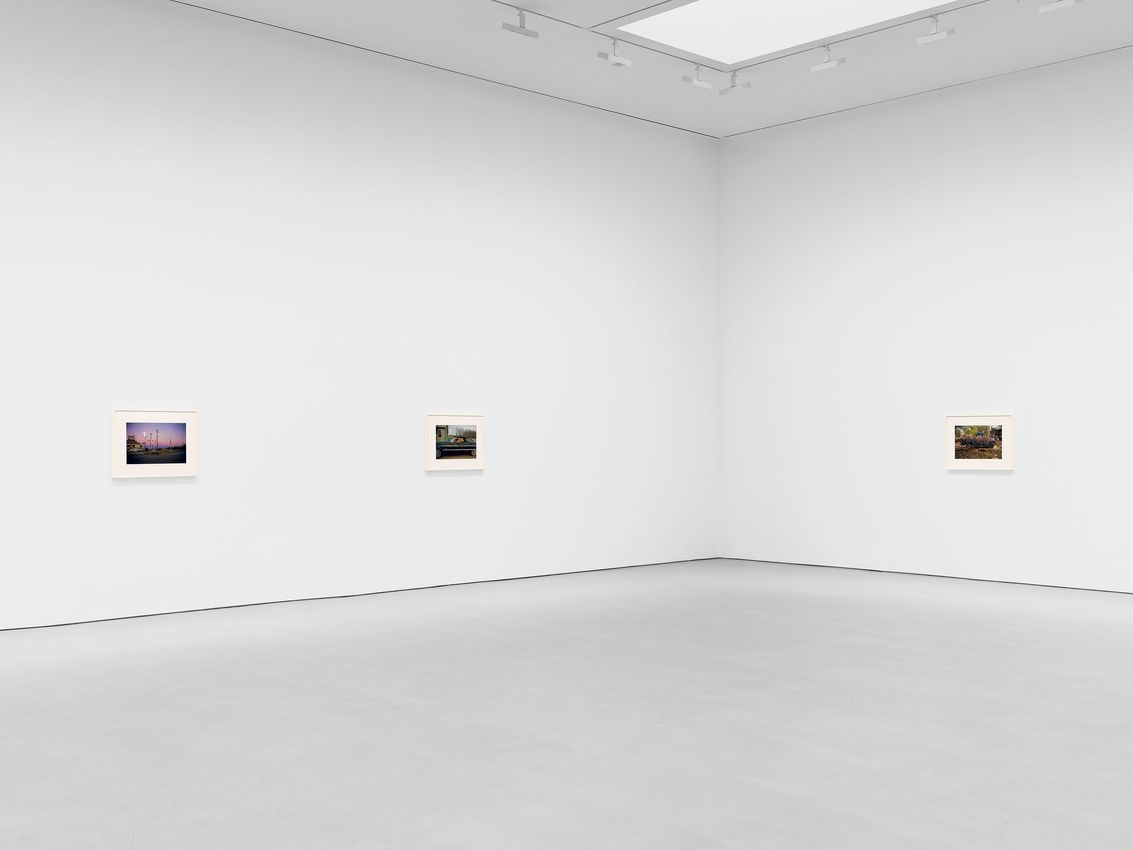
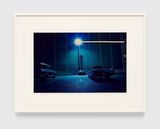
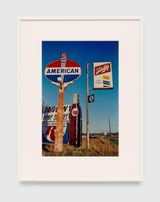
The images that were selected for The Last Dyes testify to this special pairing of artist and medium, and serve as a showcase for Eggleston’s ability to visually grasp and subsequently isolate and capture the unique qualities of colour and light. In many of the landscapes and exteriors, Eggleston manifests the vastness of the Southern sky within the confines of the rectangular image field, bringing together verdant green expanses and run-down built structures underneath streaking cirrus and cumulus clouds. Signs and cars stand like blocks of colour against the tonal gradations of skies shot at various times of day. People, too, become vehicles for color—visual components within the compositions—and serve as emblems of the time and place in which Eggleston encountered them.

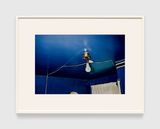
The Last Dyes also includes interiors in which the contrast between the highlights and darkest shadows have a baroque-like tenebrism—palpable blacks with more brightly lit figures or objects situated within them. One such work, a self-portrait, sees Eggleston lying down in a darkened room with his head on a bright white pillow whose folds appear like supple carved marble. Resting close to the camera’s lens, the artist’s staring face and oversized hand are similarly sculptural in appearance. The scene evokes the sacral light of a baroque church interior and exudes a sense of calm familiarity that befits the surroundings—perhaps a motel—in which Eggleston took the photograph.

Balancing formal, chromatic, and compositional sophistication with poignant portrayals of these real lived worlds and the people who inhabit them, these dye-transfer prints appear as vibrant and alive today as the scenes themselves were when Eggleston photographed them some fifty years ago.

William Eggleston (b. 1939) was born in Memphis, Tennessee, where he still lives today. Since the 1970s, Eggleston’s work has been the subject of solo exhibitions at prominent institutions worldwide, such as the Corcoran Gallery of Art, Washington, DC (1990); the Barbican Gallery, London (1992; traveled to Louisiana Museum of Modern Art, Humlebæk, Denmark; Museum Folkwang, Essen, Germany; and Fotomuseum Winterthur, Switzerland); documenta IX, Kassel, Germany (2002); and Museum Ludwig, Cologne (2003; traveled to Museu Serralves, Porto; Nasjonalmuseet – Museet for samtidskunst, Oslo; Louisiana Museum of Modern Art, Humlebæk, Denmark; San Francisco Museum of Modern Art; Albertina, Vienna; and Dallas Museum of Art). In 2008, a major career-spanning survey, William Eggleston: Democratic Camera, Photographs and Videos 1961–2008, was organised by the Whitney Museum of American Art in New York and Haus der Kunst in Munich; it subsequently travelled to the Corcoran Gallery of Art, Washington, DC; the Art Institute of Chicago; and the Los Angeles County Museum of Art, among other institutions.

In 2023, a major survey of Eggleston’s work debuted at C/O Berlin before traveling to Fundación MAPFRE, Barcelona. Other recent solo exhibitions have included those held at Fondation Cartier pour l’art contemporain, Paris (2009; traveled to Hara Museum of Contemporary Art, Tokyo, and Hasselblad Foundation, Gothenburg, Sweden); The Metropolitan Museum of Art, New York (2013 and 2018); and Foam Fotografiemuseum, Amsterdam (2017).

Eggleston received a National Endowment for the Arts Fellowship in 1975 and has been the recipient of numerous notable awards, including the International Center of Photography Infinity Award for Lifetime Achievement (2004) and the Chevalier de l’Ordre des Arts et des Lettres, Ministère de la Culture et de la Communication, République Française (Order of Arts and Letters of the French Republic; 2016), among others. The Aperture Foundation honoured Eggleston in 2016. Work by the artist is held in major museum collections worldwide.

Read More

Installation Views

About the Artist

Over the course of nearly six decades, American artist William Eggleston has established a singular pictorial style that deftly combines vernacular subject matter with an innate and sophisticated understanding of color, form, and composition. Eggleston’s vividly saturated photographs transform the ordinary into distinctive, poetic images that eschew fixed meaning. His 1976 solo exhibition Color Photographs by William Eggleston, curated by John Szarkowski at The Museum of Modern Art, New York—the first presentation of color photography at the museum—heralded an important moment in the medium’s acceptance within the art-historical canon and solidified Eggleston’s position as one of its foremost practitioners, and throughout his prolific career, he has consistently developed his own uniquely recognizable and influential aesthetic.

View Artist Profile

Also Exhibiting at David Zwirner

About the Gallery
David Zwirner is a contemporary art gallery with locations in New York, Los Angeles, London, Paris, and Hong Kong, and currently represents more than eighty artists and estates. The gallery has been home to innovative, singular, and pioneering exhibitions across a variety of media and genres. Active in both the primary and secondary markets, David Zwirner has helped foster the careers of some of the most influential artists working today and has maintained long-term representation of a wide-ranging, international group of artists.
View Gallery Profile
Address
519, 525 & 533 West 19th Street
New York
United States
Opening Hours
Tuesday – Saturday
10am – 6pm
(1)
New York 519, 525 & 533 West 19th Street
David Zwirner
519, 525 & 533 West 19th Street, New York, United States
+1 212 727 2070
http://www.davidzwirner.com

Opening hours
Tuesday – Saturday
10am – 6pm
The art world in focus