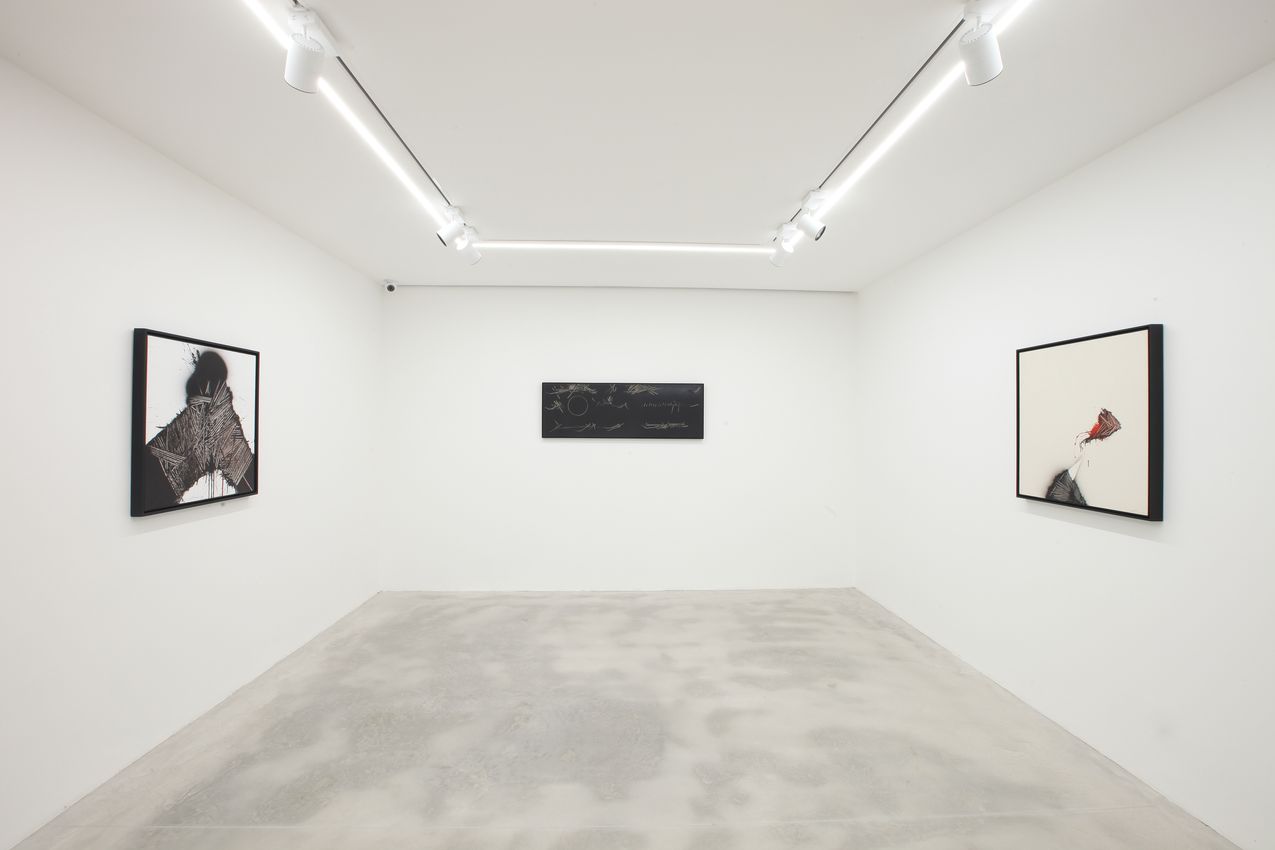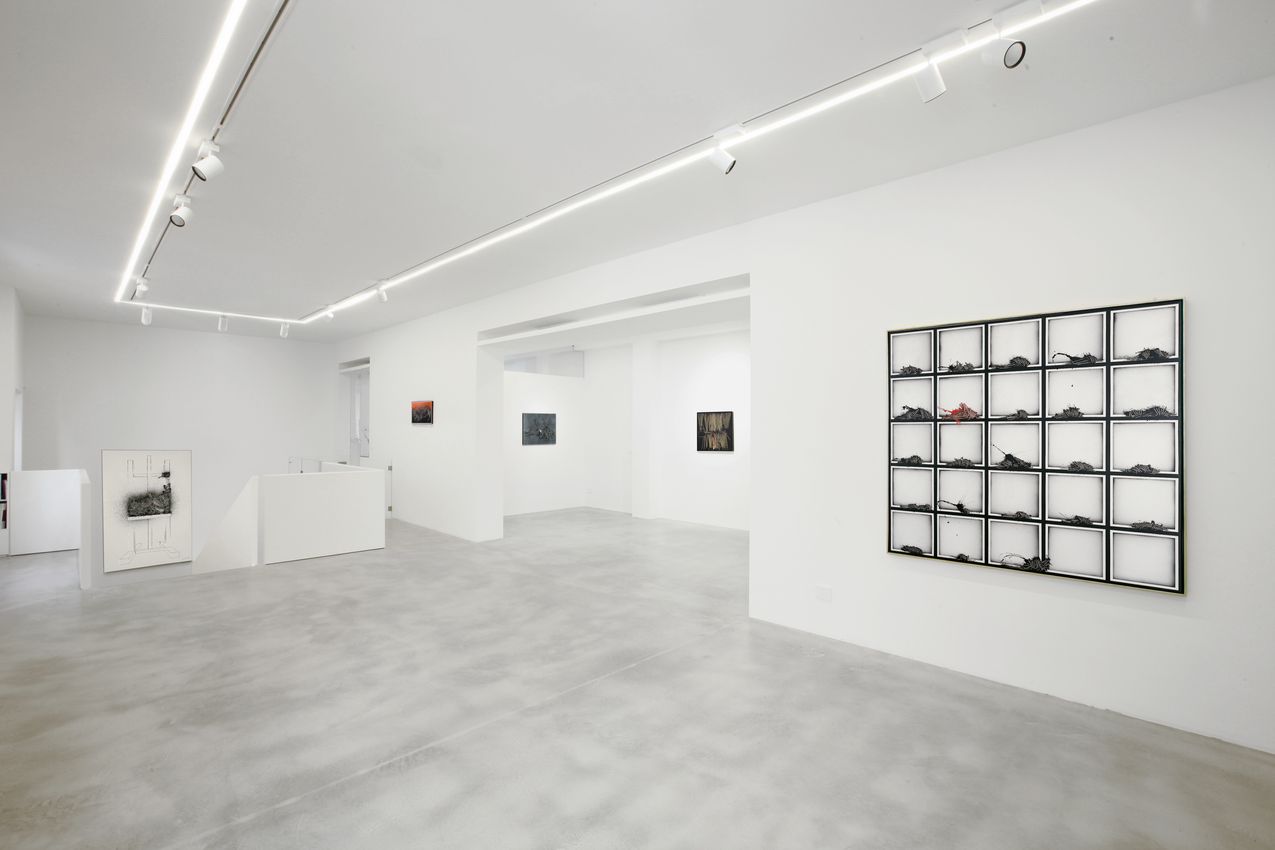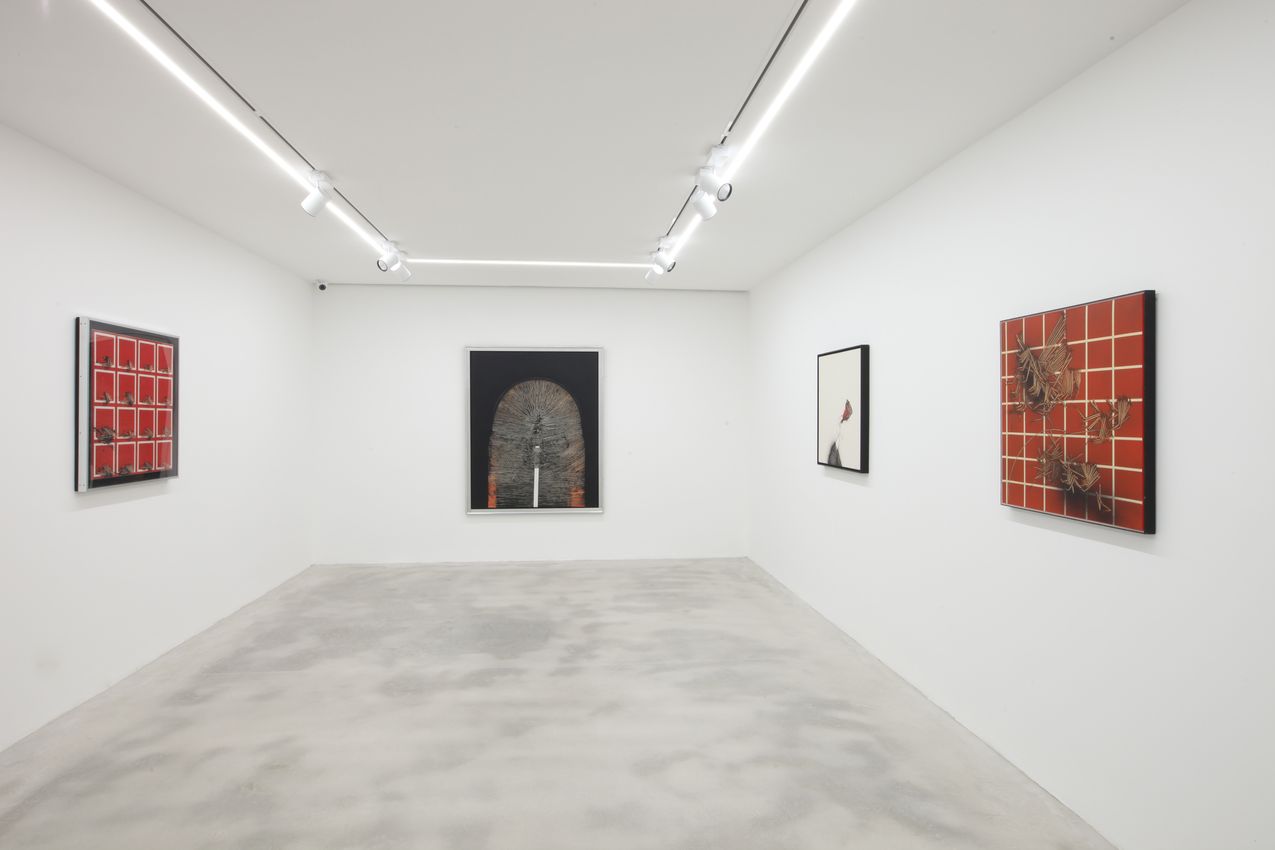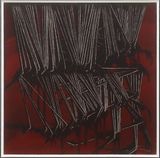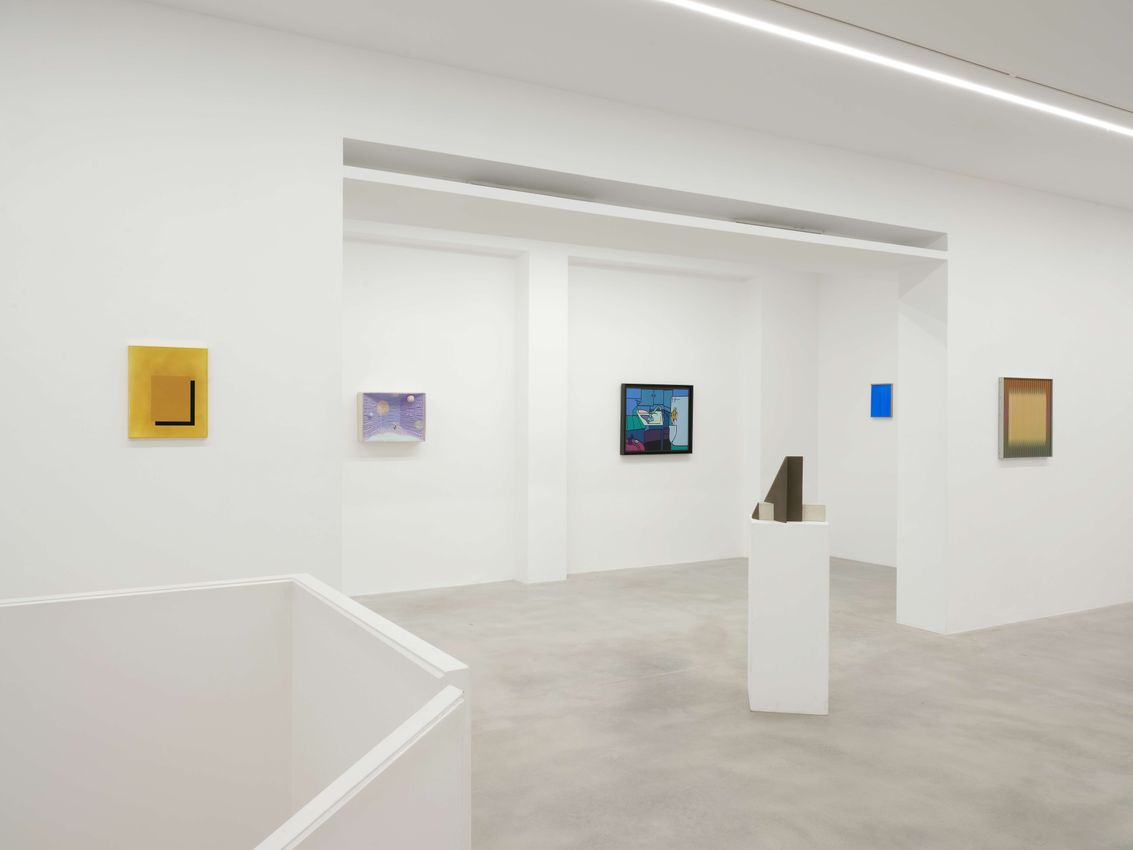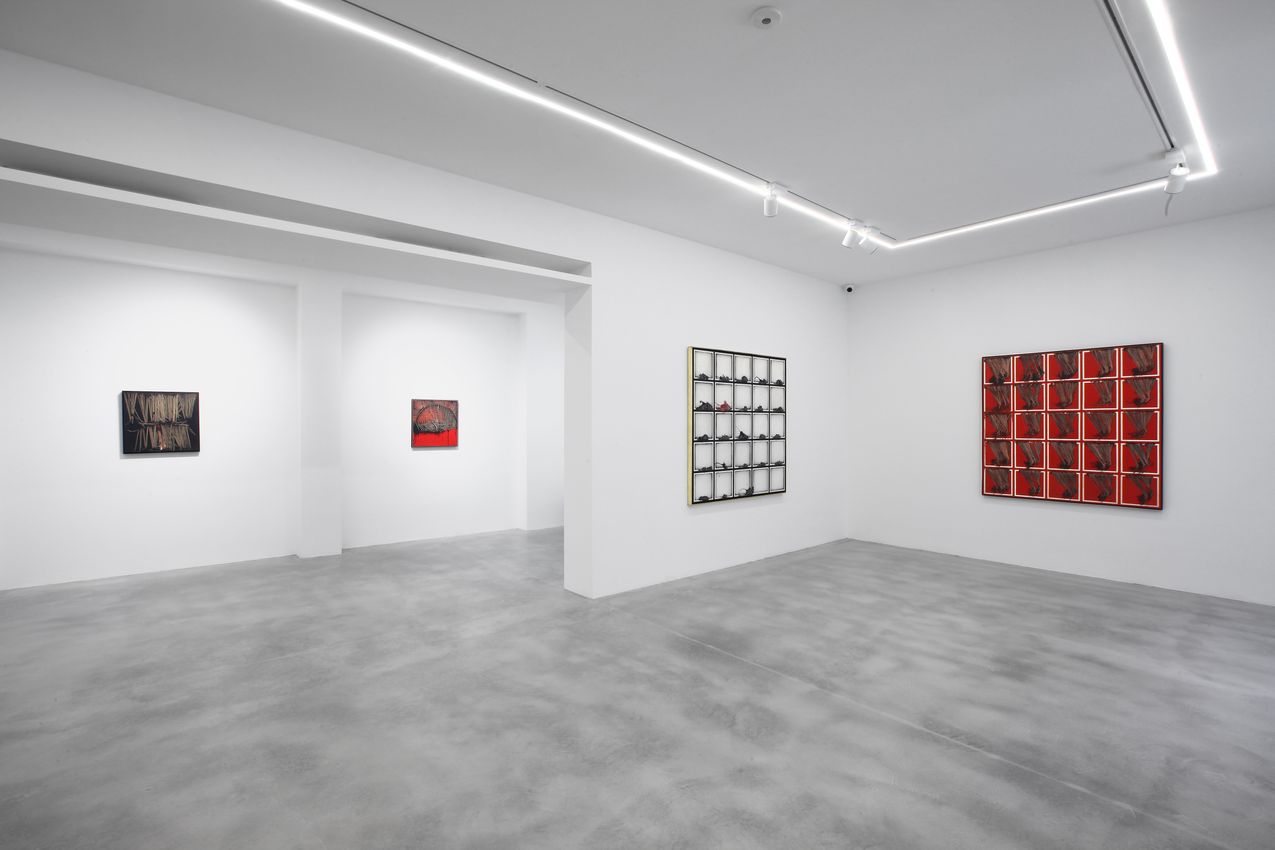
The solo show, including a critical text by Claudio Cerritelli, is organised in collaboration with Scanavino Archive and will last until 1st June, showing around 25 works dating from between 1968 and 1986, amongst which Nascosto 1.
This uncommon canvas from 1968 is now presented to the public after having been hidden for decades and it is a perfect example of Scanavino’s production from his most experimental years. In that period an important aspect of his production, linked to the nature of space, was particularly clear, which suggests a new interpretation of the artist’s work. Vacuum is understood as an infinite field determined and exalted by the presence of a geometry, a structure suspended in the purity of monochromy, in which the expression of language nestles.
The opening of the show is held in conjunction with Miart, the international Fair of modern art and contemporary art in Milan and it is included in the ‘events in town’ schedule promoted by the Fair.
The exhibition thus offers a focus on the work of this Genoese artist (Genoa, 1922–Milan, 1986), presenting different works from the late 1960s onwards–such as Eccesso (1969) and the beautiful Alfabeti senza fine (1974 and 1977), to conclude the pathway with some important works from the eighties, amongst which Come l’edera.
The restlessness and the great sensitivity of Scanavino–arising from his inability to ‘keep within myself the things I have to say,’ as he said himself–define an emotional approach that never degenerates into a nihilistic pessimism, but leaves pace to the hope of a possible peace.
Emilio Scanavino (Genoa, 28 February 1922) became a protagonist in the Italian art scene back in the Fifties. The traits of his paintings, and especially his highly personal style, both provide a link to and distinguish themselves from the informal style, of which he was an internationally renowned exponent. Repeatedly present at the Venice Biennale (1950-1954-1958), he was invited with a personal room in 1960 and won the Pinin Farina Award in 1966. He exhibited in all of the leading Italian galleries and held personal shows abroad in London, Paris, Brussels, Copenhagen, Hamburg, Malmo, Philadelphia, etc. Between 1973 and 1974 three important anthologies were prepared for him at the Darmstadt Kunsthalle, Palazzo Grassi in Venice, and Palazzo Reale in Milan.
Opening in Milan in 2006 with Mario Nigro’s solo exhibition Opere di Mario Nigro, Dep Art Gallery presents compelling artworks by modern and contemporary Italian and international artists. The gallery moved into its current location in Via Comelico, a former school with substantial exhibition spaces, in 2015. Dedicated to presenting contemporary Italian art, Dep Art Gallery has also been the Turi Simeti archive centre—archiving the artist’s legacy and producing a catalogue raisonne of artworks on canvas—since 2013.

A respected voice in contemporary art discourse.
Focusing on ambitious storytelling and insightful art-world commentary. Ocula Magazine publishes in-depth interviews, critical essays and timely analysis on the artists, exhibitions and ideas driving the global art world.
Learn more about Ocula Magazine
Showcasing the best of the art world.
Ocula partners with galleries from around the world to highlight their artists, artworks and exhibitions. Gallery membership is by application and invitation, with each member vetted by an independent panel.
Learn more about Ocula Membership

Specialises in the sale of major artworks.
Led by a team with deep ties to the world’s leading auction houses, galleries and collectors. Ocula’s advisory team offers bespoke services to high-net-worth clients from around the world who are looking to acquire the best of contemporary and modern art.
Learn more about our team and services