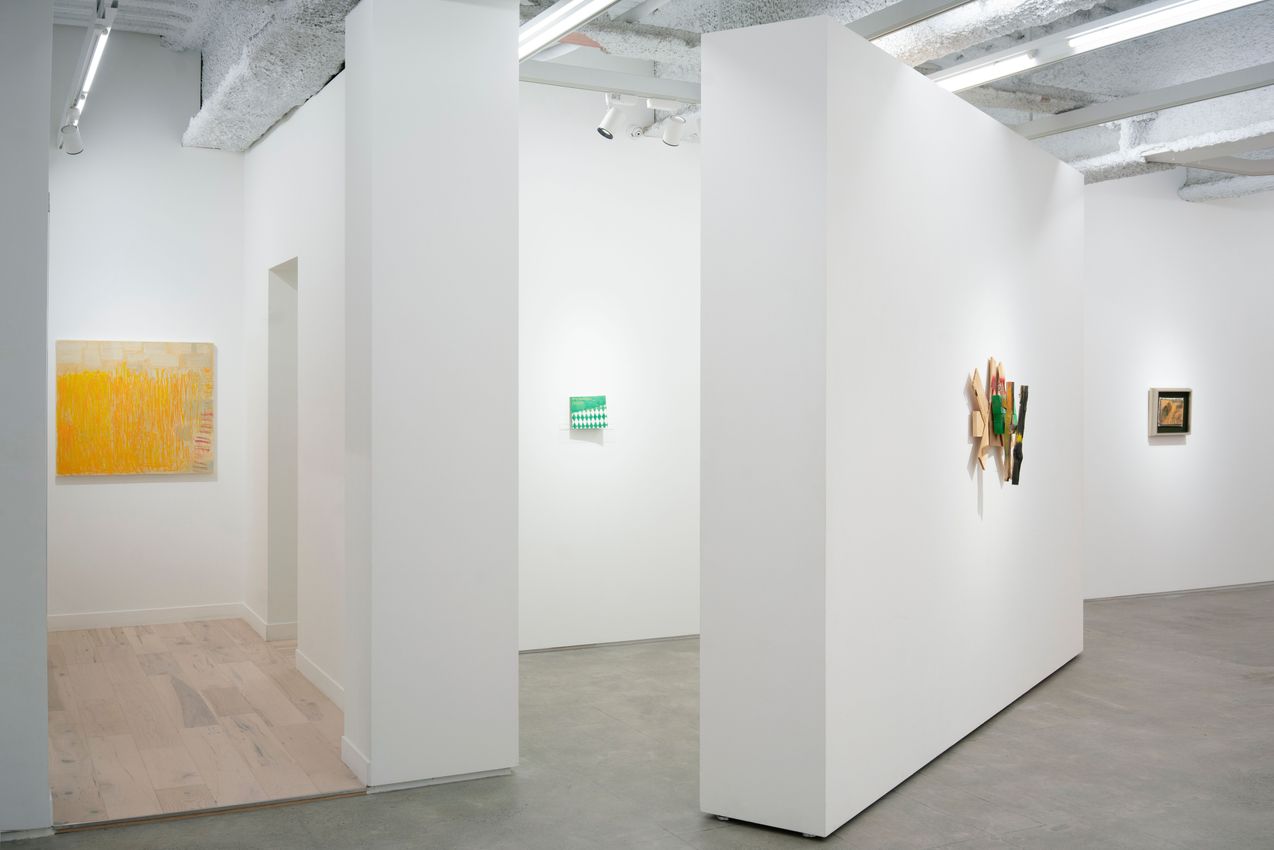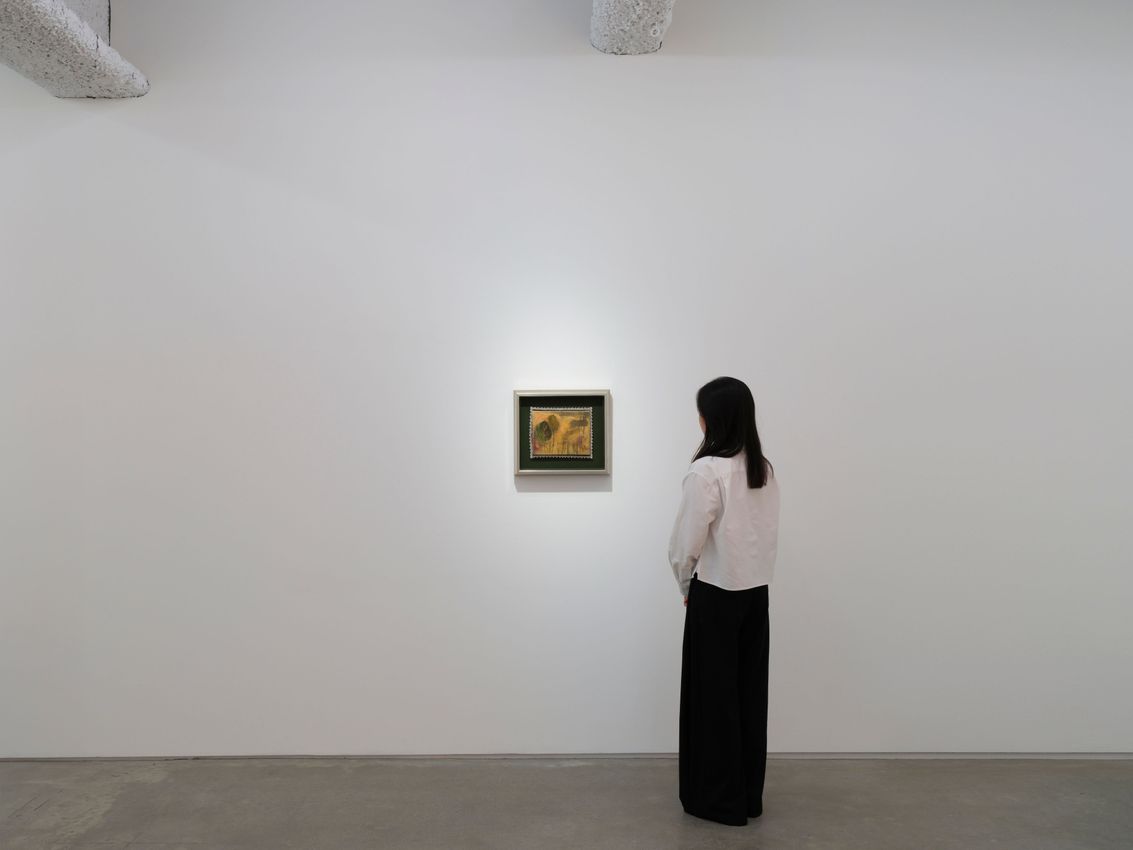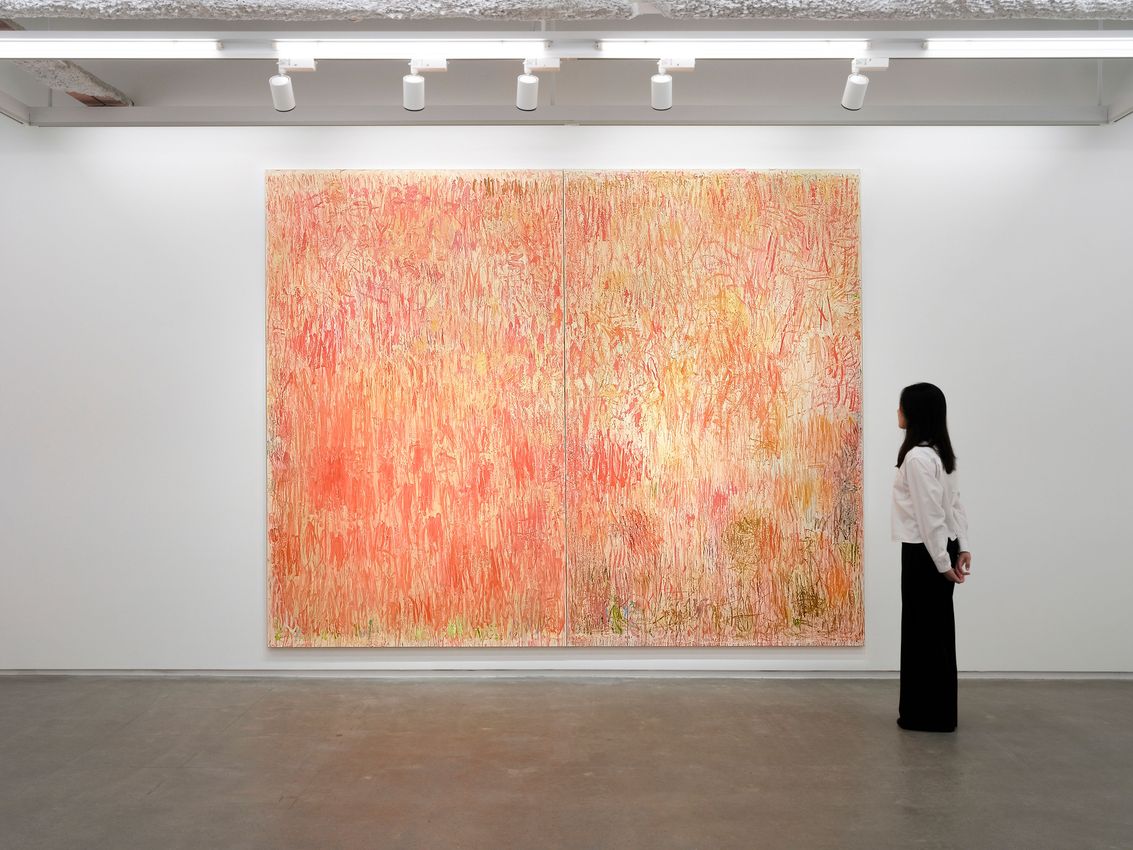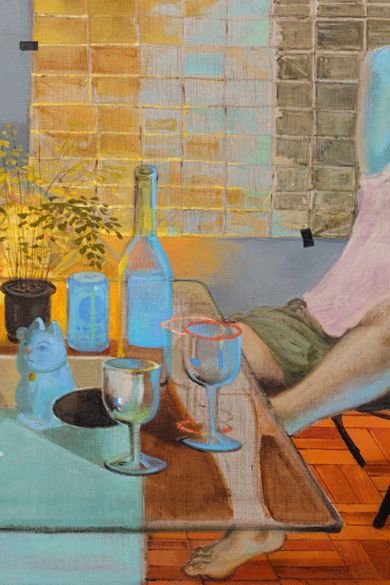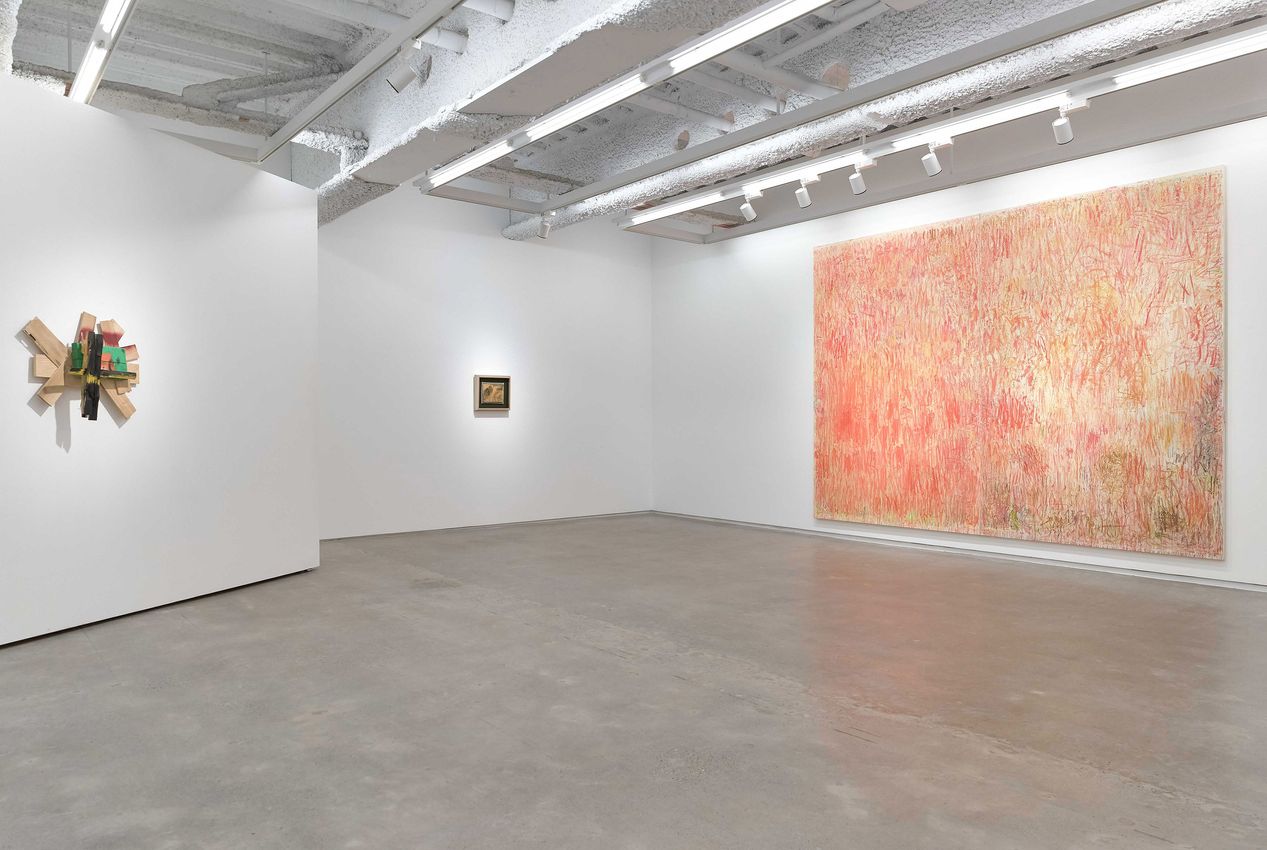
Each Modern is honored to present Artist Couples: Mutual Reflections in October. At a time when the tempo of globalization has abruptly slowed and personal interactions are increasingly reorganized through the dislocations of digital networks, these intimate dialogues acquire renewed urgency. Artist couples are not simply a theme; they represent a mode of relation, an ongoing practice of creation and perception. What emerges is neither a depiction of love nor an imitation of artistic style, but a manifestation of “the traces of co-presence”: temporal textures in which each artist reflects, shapes, and quietly influences the other. In the mirror, the reflection is not a projection, but a co-construction.Their open engagement with culture and the world allows their practices to refract both Eastern and Western aesthetics, offering a view of “companionship” as an essential creative force in its own right.
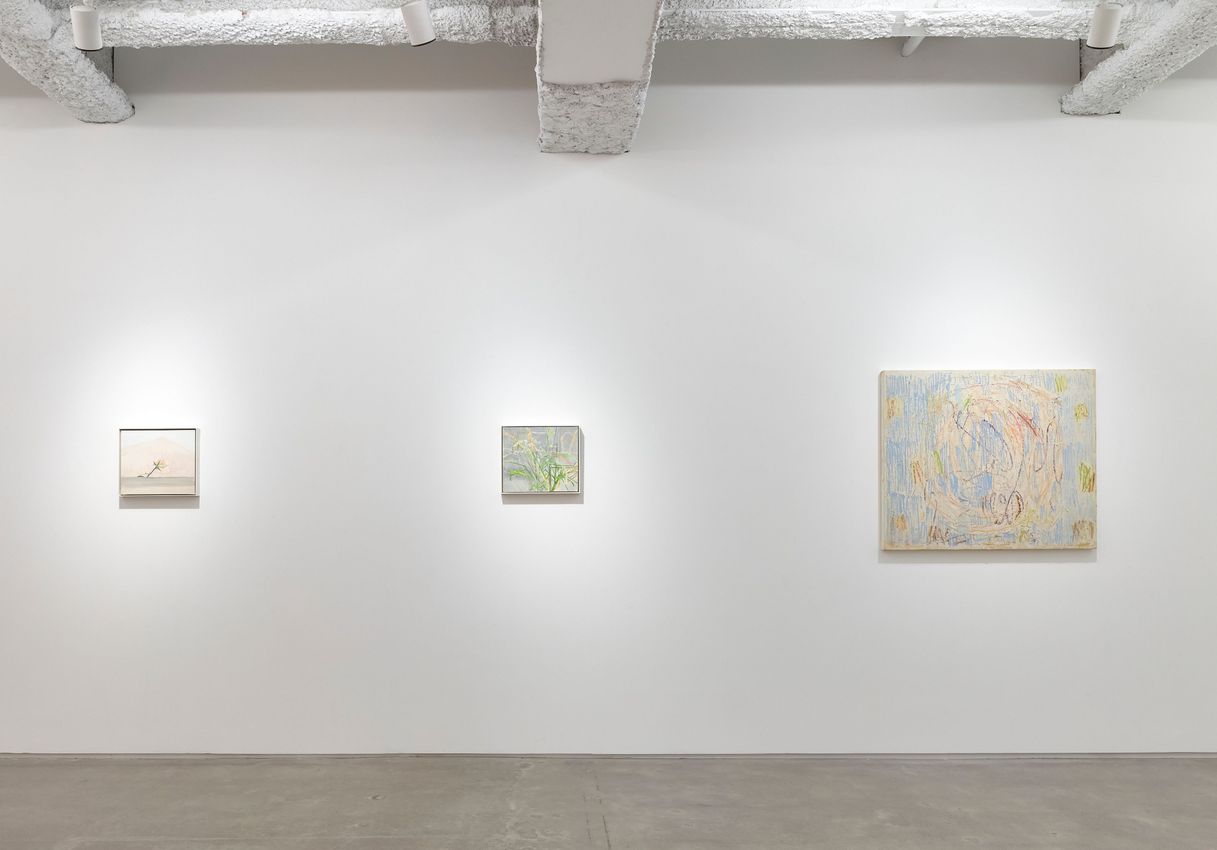
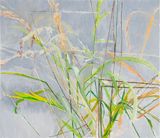
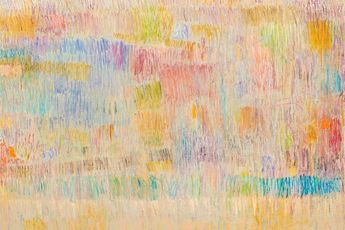
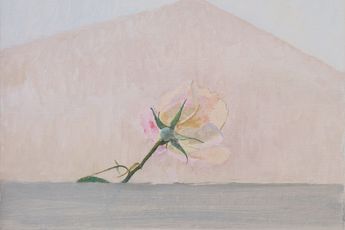
The exhibition is grounded in abstraction. Throughout art history, abstraction has never been merely a formal choice; it has served as a language that carries cultural resonance, emotional depth, spiritual significance, and experimental potential. Christopher Le Brun infuses his canvases with a poetic sensibility. Visual observation, bodily experience, and the flux of nature and time are transposed into painterly rhythms akin to poetry or music. His works often weave multi-layered cadences through the interplay of distance and proximity, material and space, light and surface—transforming pictorial surface into a temporally charged sensory field. This elegance and emotional resonance stands in gentle counterpoint to the practice of his wife, Charlotte Verity. Verity employs pure, lucid brushwork to capture the transparency and flux of natural light, evoking atmospheres that hover between presence and disappearance. Suggesting both the passage of time and an ethereal distance, her paintings embody qualities of “yi jing” found in East Asian aesthetics. They remind us that only through repeated viewing, from shifting vantage points, can subjective perception and sensibility be fully articulated. Such attentiveness to the spirit of things, largely abandoned in post-1960s contemporary painting, finds renewed continuity in her work. Together, Le Brun and Verity transcend the bounds of time and space, fusing tangible motif with spiritual resonance.
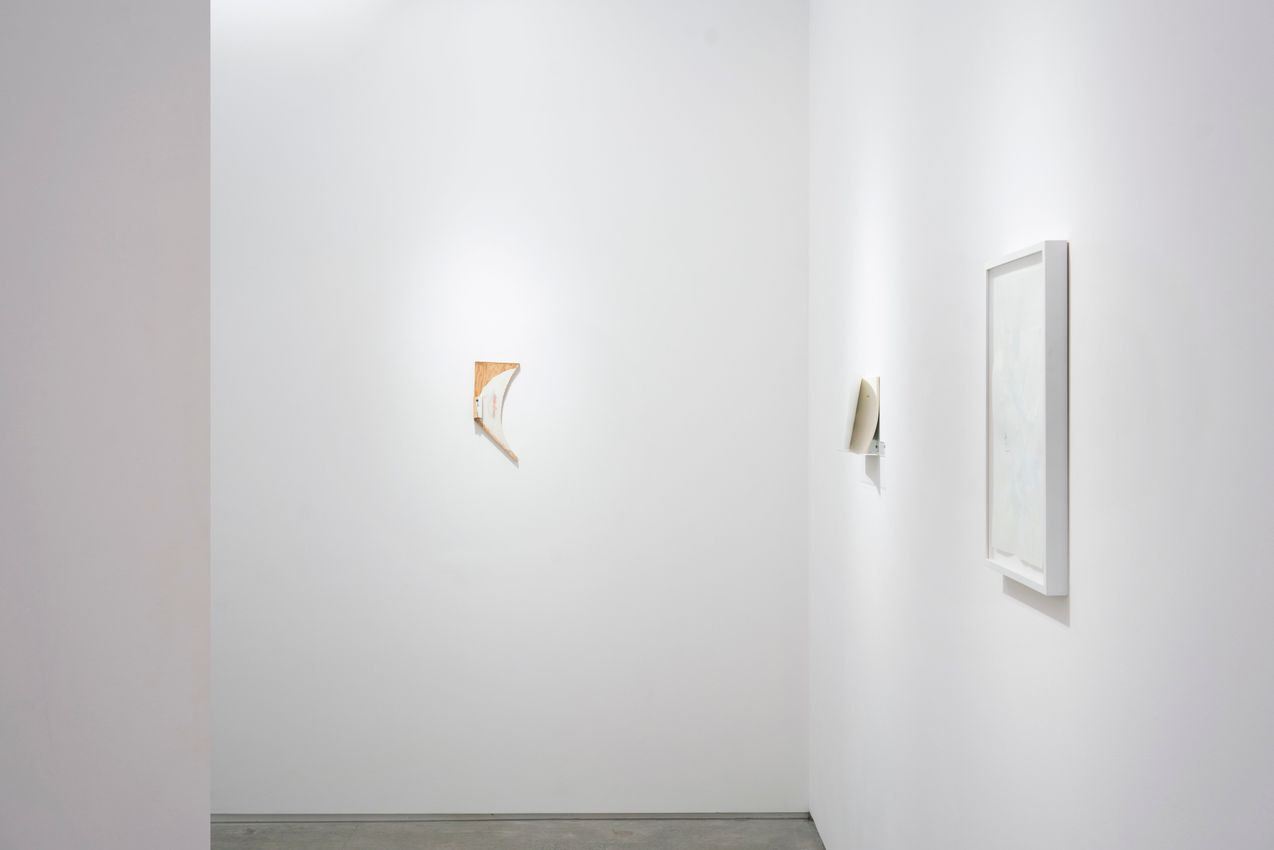
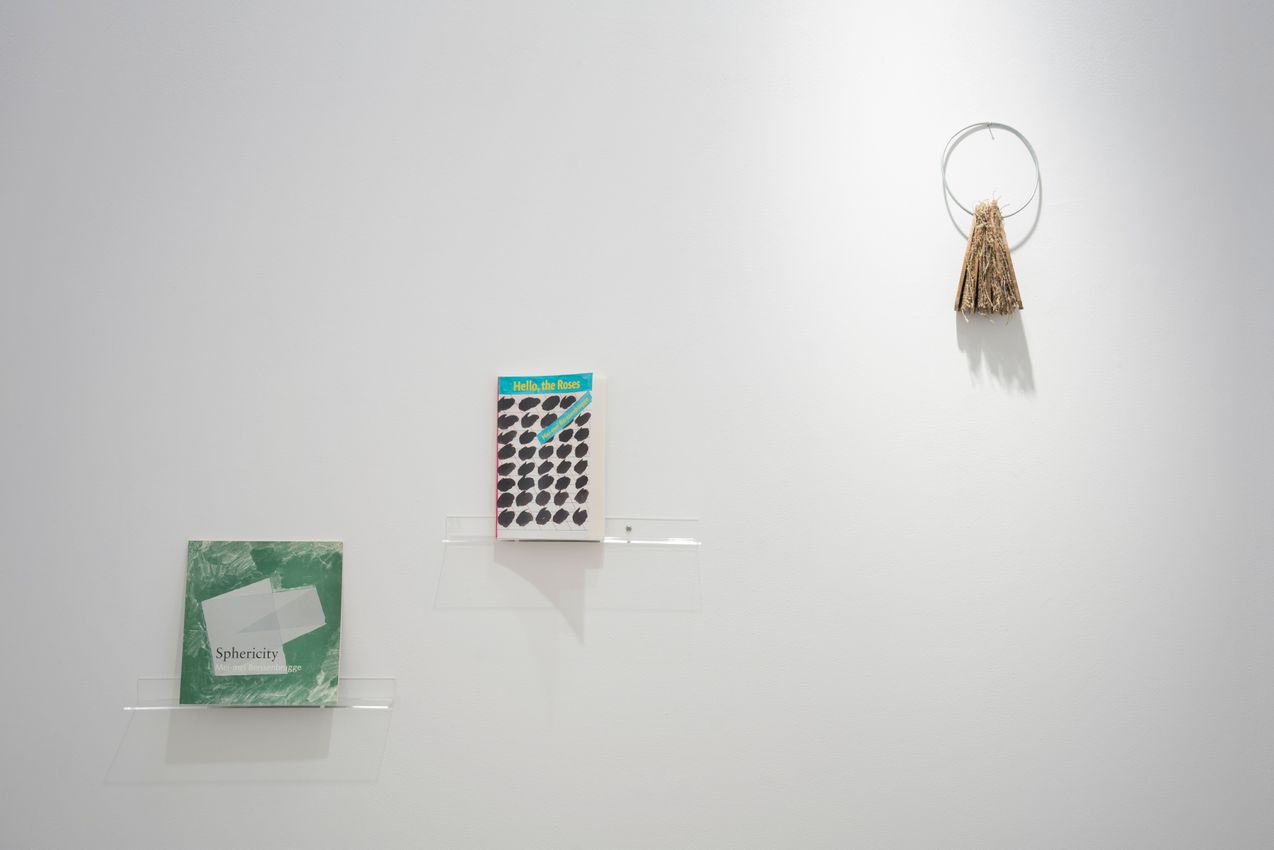
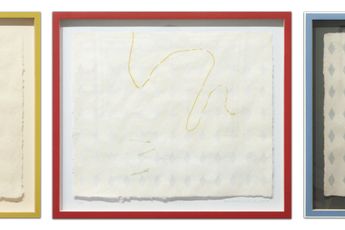
Richard Tuttle and Mei-mei Berssenbrugge have embodied a spirit of experimentation across various disciplines for six decades. As a Chinese American poet, Berssenbrugge roots her writing in multicultural poetics and has been closely associated with Asian American artistic communities since the 1960s. Her texts often draw on classical Chinese poetry imagery, reinterpreted within broad philosophical contexts where self and verse are intertwined. This approach aligns with Tuttle’s artistic premise: a commitment to autonomy and self-sufficiency in art. Their collaboration began with Tuttle’s 1973 solo exhibition in Munich, named after Berssenbrugge’s poem Hello, Rose. In this project, poetry served not just as a supplement but as a structural key: Tuttle’s installation was designed as a spatial response to Berssenbrugge’s reading of poems. Since then, they have produced numerous artist books, now held in major collections such as the Whitney Museum of American Art and The Metropolitan Museum of Art.. In the broader context of American art, Tuttle has long been recognized as a key figure bridging Minimalism and Post-Minimalism, while also connecting to East Asian traditions. His practice incorporates principles like attentiveness to emptiness and void, as well as a calligraphic appreciation of line. In doing so, he challenges established Western dualisms, transforming simple, provisional materials into vehicles for a universal aesthetic experience—works that exist in the world much like poems exist in language.
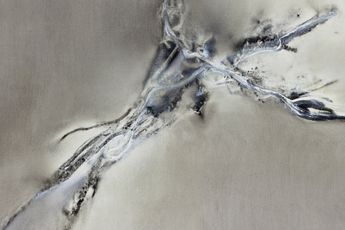
Zao Wou-Ki and Lalan illuminates the profound crosscurrents between Eastern and Western abstraction. Zao’s early absorption of Paul Klee’s pictorial symbols and musicality resonated with Eastern thought, which he later fused with the ethereality of Chinese landscape traditions to forge a new abstract language. His canvases function as self-regulating systems: the flow of pigment, the velocity of brushstroke, the trace of signs—all constitute the work’s true vocabulary rather than metaphors of nature. Like musical motifs, these elements recur, transpose, and transform across periods and media. Lalan, Zao’s first wife, departed from him in 1957, yet her practice offers a striking parallel dialogue. Her art was catalyzed by music, which moved into dance and then into painting; her lines and colors embody bodily rhythm and temporal cadence, infusing abstraction with temporality and imagery. Though their styles diverged, the two artists reflect one another at a deeper level of spatial rhythm and cultural resonance.
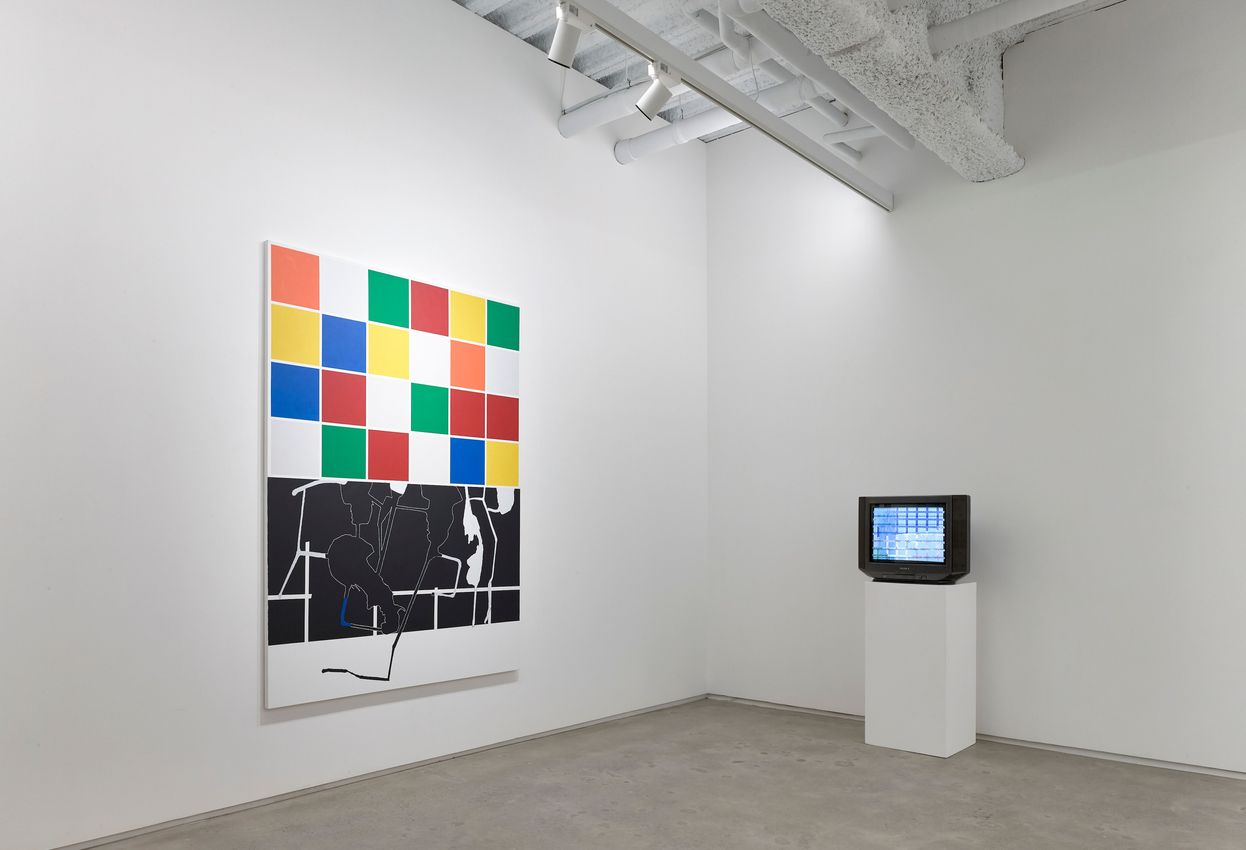
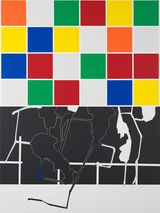
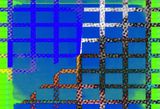
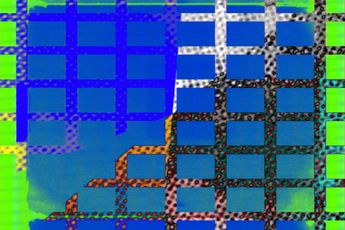
In the contemporary sphere, the practices of Liz Wendelbo and Egan Frantz extend abstraction into newly expanded territories. As a member of the electronic music duo Xeno & Oaklander, Wendelbo has long explored the interstices of sound, image, and perception. Her work Mathesis overlays vivid chromatic grids onto grainy black-and-white footage shot in the medieval French town of Grillon, accompanied by a score produced on the ARP 2600 synthesizer. Through the granular texture of image and sound, she seeks to reveal the vitality of the human spirit and its kinship with the natural world. Frantz, in contrast, mobilizes conceptual strategies and material experimentations to challenge the very limits of abstraction. He confronts abstraction’s boundaries through both idea and material form. His work reminds us that while modern visual art has long unfolded within the binary confines of the painted surface, abstraction today opens onto a triadic structure: the temporality of music, the expansiveness of virtual space, and the planar discipline of painting intersecting in dynamic exchange.
All the couples pursue to aspire to articulate realities beyond the quotidian—ordered yet transcendent, complex yet contemplative. Their works seek to reimagine states of inner being and meditative stillness within the layered complexity of a new era. They demonstrate how abstraction, far from being a completed historical movement, continues to renew itself as a fluid, ever-evolving language—one that opens infinite perception within the most finite of forms.
*To concide with Taipei Beinnial, the gallery will host a Poetry Reading event by renowned Taiwanese poet couple Chen Po-Yu and Ma Yi-Hang to share selected poems by Mei-mei Berssenbrugge on 1st November, from 4.30 p.m. Following the reading, a Panel Dialogue moderated by RoceanWang, Executive Director of MoNTUE, will further expand on the mirroring and resonance between poetry and art within the context of couple relationships. The event will conclude with a reception, offering an opportunity for the audience and speakers to engage in deeper exchange.



WE BELIEVE THAT ART GENERATES VALUE AND CONTINUES TO SHAPE THE FUTURE.

A respected voice in contemporary art discourse.
Focusing on ambitious storytelling and insightful art-world commentary. Ocula Magazine publishes in-depth interviews, critical essays and timely analysis on the artists, exhibitions and ideas driving the global art world.
Learn more about Ocula Magazine
Showcasing the best of the art world.
Ocula partners with galleries from around the world to highlight their artists, artworks and exhibitions. Gallery membership is by application and invitation, with each member vetted by an independent panel.
Learn more about Ocula Membership

Specialises in the sale of major artworks.
Led by a team with deep ties to the world’s leading auction houses, galleries and collectors. Ocula’s advisory team offers bespoke services to high-net-worth clients from around the world who are looking to acquire the best of contemporary and modern art.
Learn more about our team and services