





The Top 8 Exhibitions to See During the 14th Taipei Biennial
Come for Whispers on the Horizon, the 14th edition of the Taipei Biennial. Stay for artist presentations around town, many of which confront the unique political tensions of the island. Save to My OculaThis year’s edition of the Taipei Biennial, which runs from 1 November 2025 to 29 March 2026 at Taipei Fine Arts Museum and features 72 artists from 37 cities around the world, takes its cue from the museum’s own holdings, foregrounding realist photography that anticipated Taiwan’s New Wave cinema and left-wing reportage in the 1980s. Within this setting, Álvaro Urbano and Jacopo Benassi make parallel moves: Urbano propels the museum’s bronze sculptures into a futuristic tableau, while Benassi binds the library’s memory into new visual syntax.
The show’s transparent installation breathes with rare clarity, invoking comparative reading, a hinge between the exhibition’s quieter reflections and its monumental, Venice Arsenale–calibre works of Yeesookyung, Ivana Bašić and Korakrit Arunanondchai. With new interventions referencing the Palace Museum and its contested post-colonial legacy by Musquiqui Chihying and Eva Jospin, the Biennial foregrounds the politically charged question of China—an issue left largely untouched since its 2012 edition.
Beyond the biennial, here are eight exhibitions taking place around Taipei to make time for.
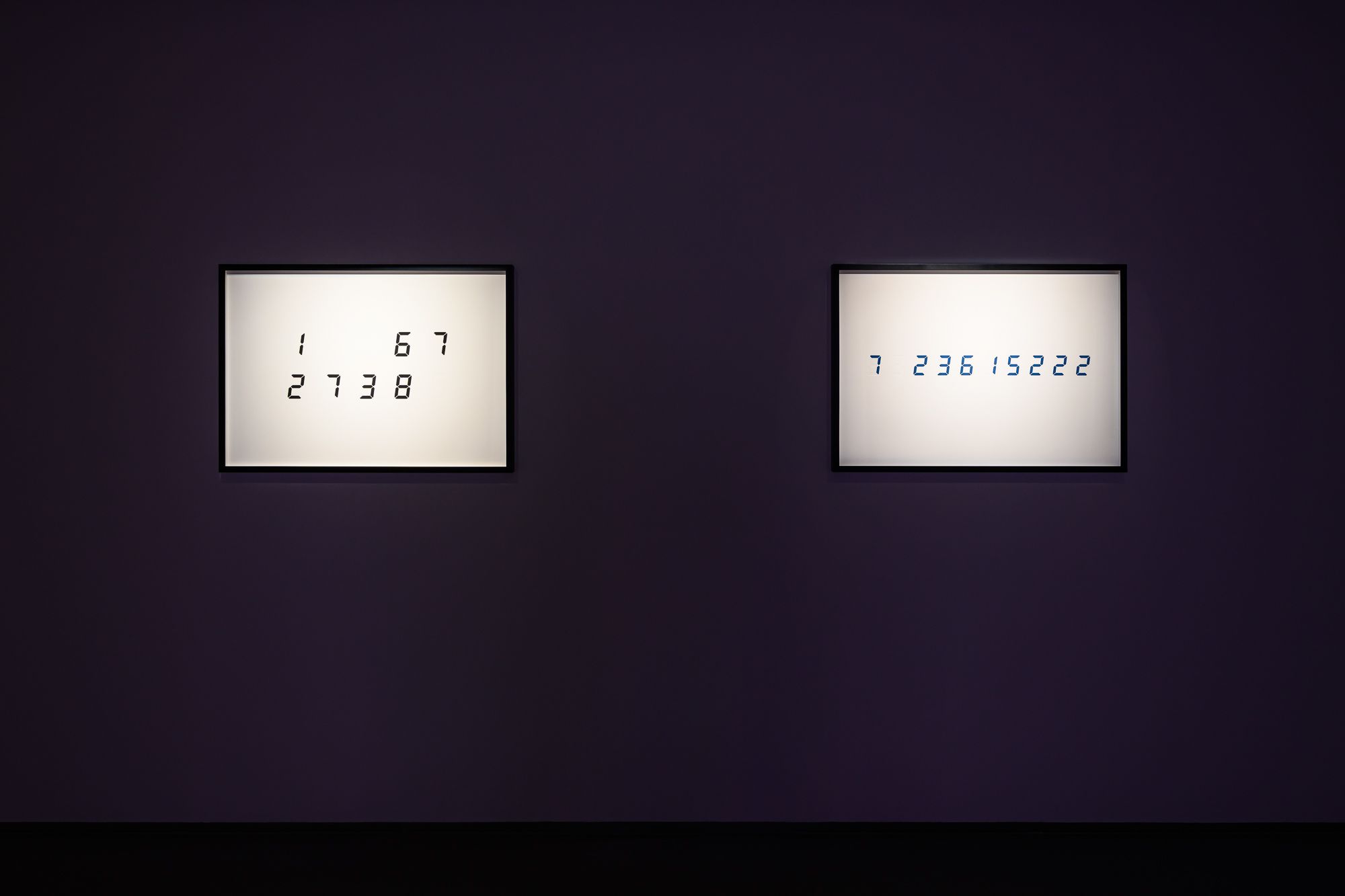
Tatsuo Miyajima, Endless Life Cycles (22 October 2025–7 February 2026) at Tao Art Space
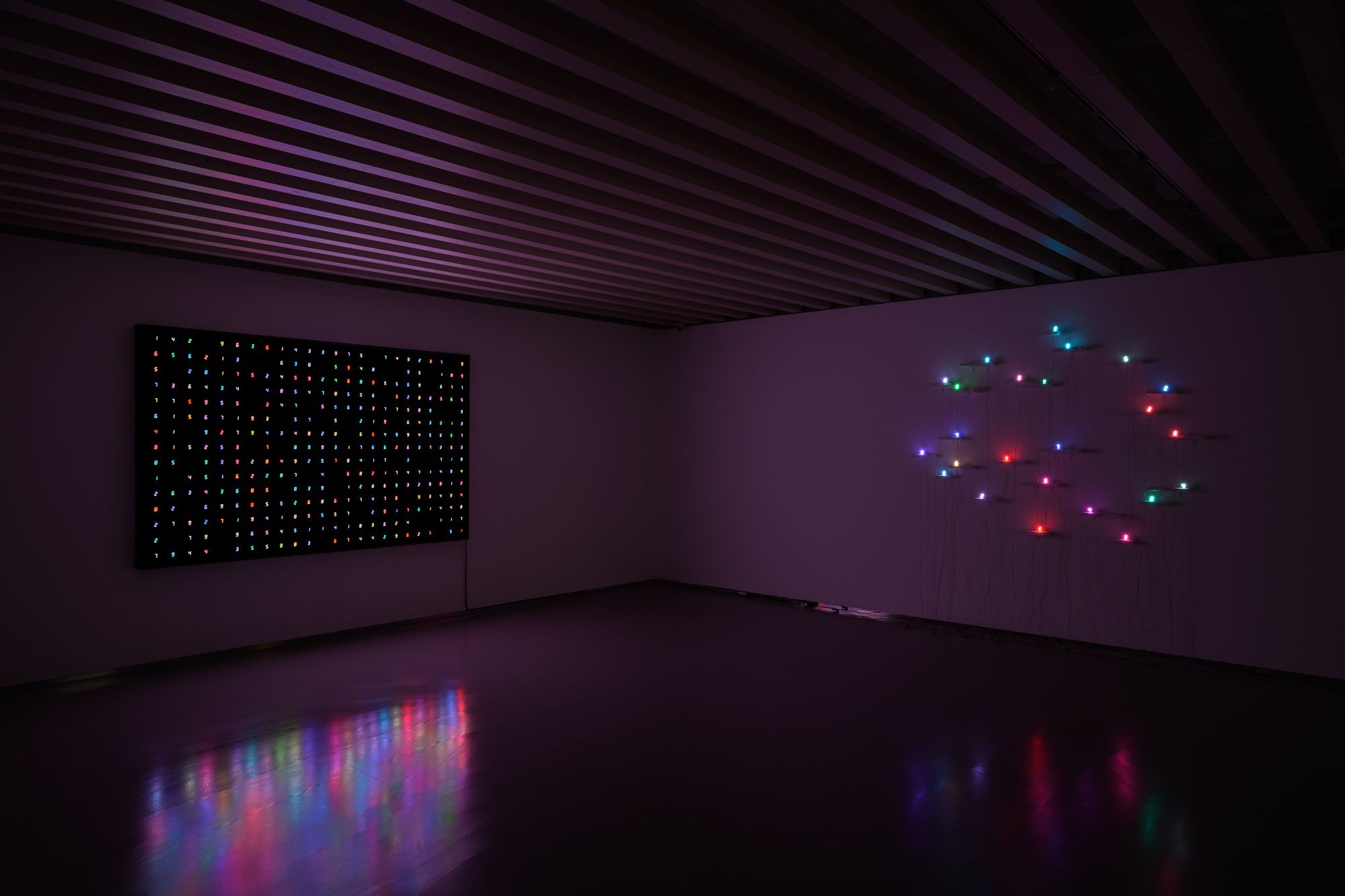
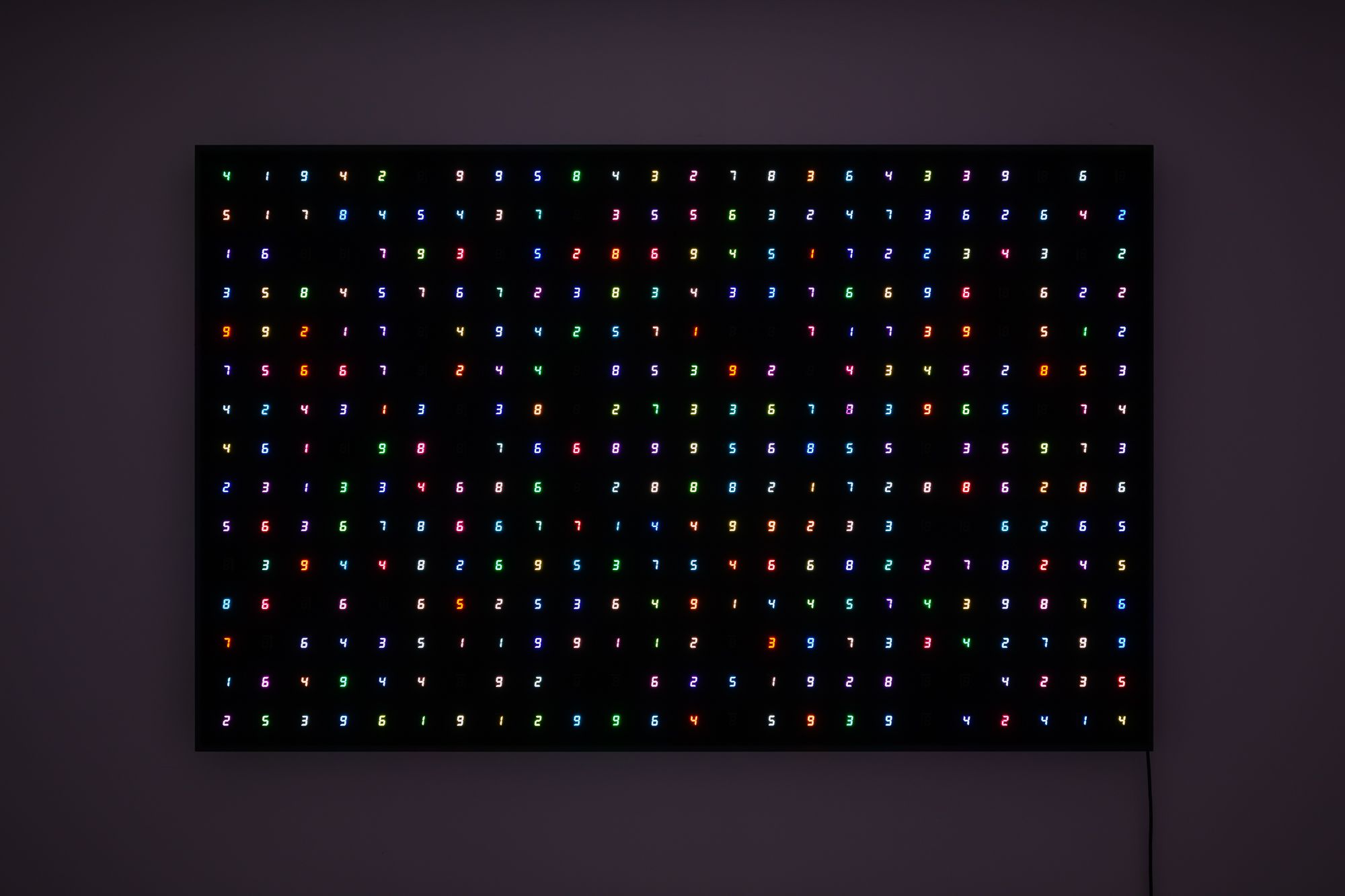
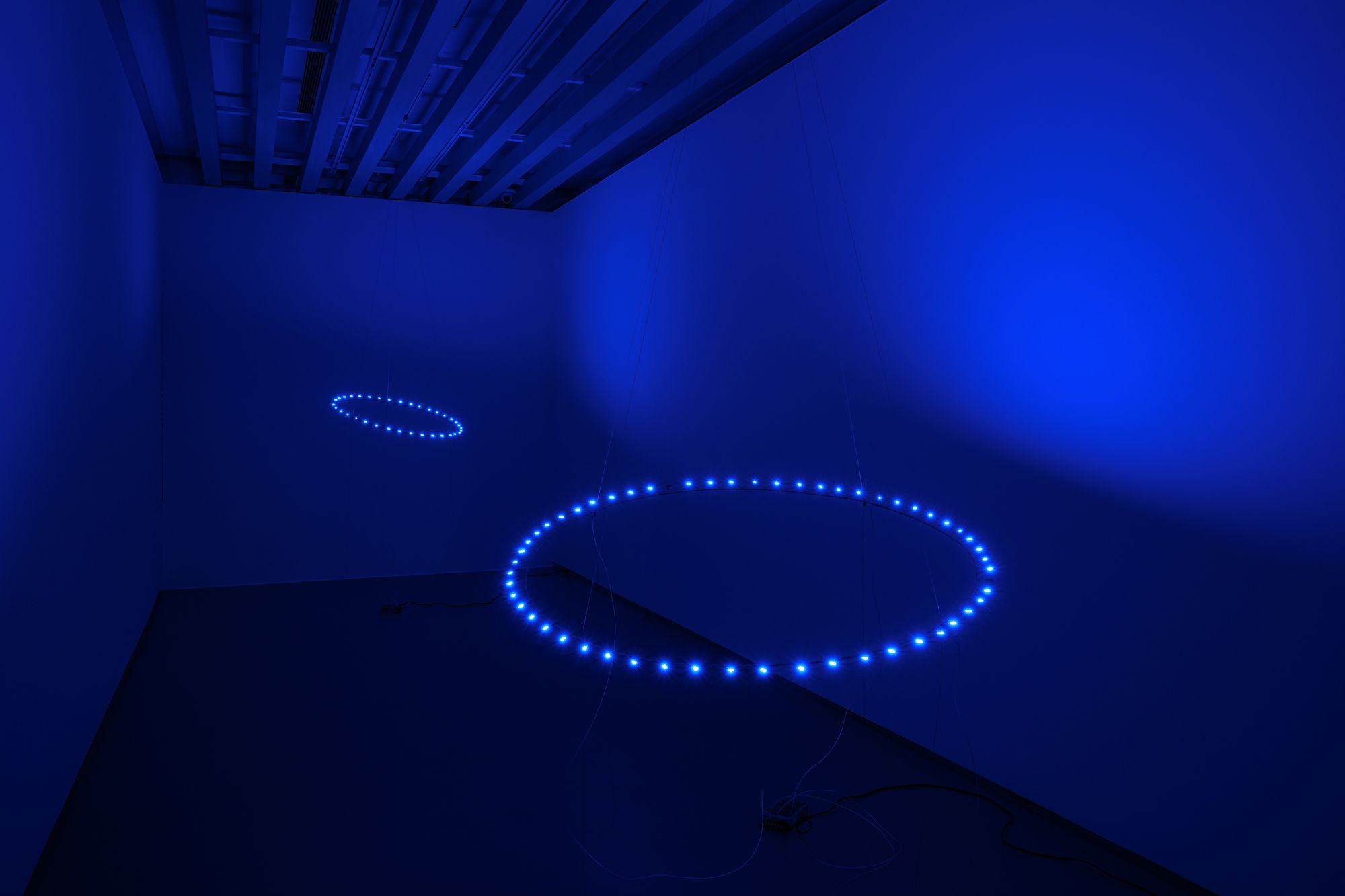
Launched in 2010 by collector Vicky Chen, Tao Art has supported artists from Greater China (among them John Yuyi, He Xiangyu, and MAK2) while also introducing internationally acclaimed figures to Taiwan for the first time. In collaboration with Tokyo’s SCAI The Bathhouse, the exhibition brings together 12 works that trace Japanese conceptual artist Miyajima’s ongoing meditation on time, existence, and the cycles of life and death. At the heart of the show are two new site-specific commissions. In the gallery’s teahouse, Counter Window at Tao Art (Counter Window – No.3 + Counter Window – No.5) (2025) places LCD numbers counting in reverse on translucent glass panes that overlook Taipei’s streets. As interior and city dissolve into each other, viewers glimpse their own reflections amid the shifting digits, caught between presence and disappearance. Nearby, 360 Lives (2025) unfolds as a constellation of flickering counters in varied colours and rhythms, in a poetic evocation of the world’s interwoven lives.
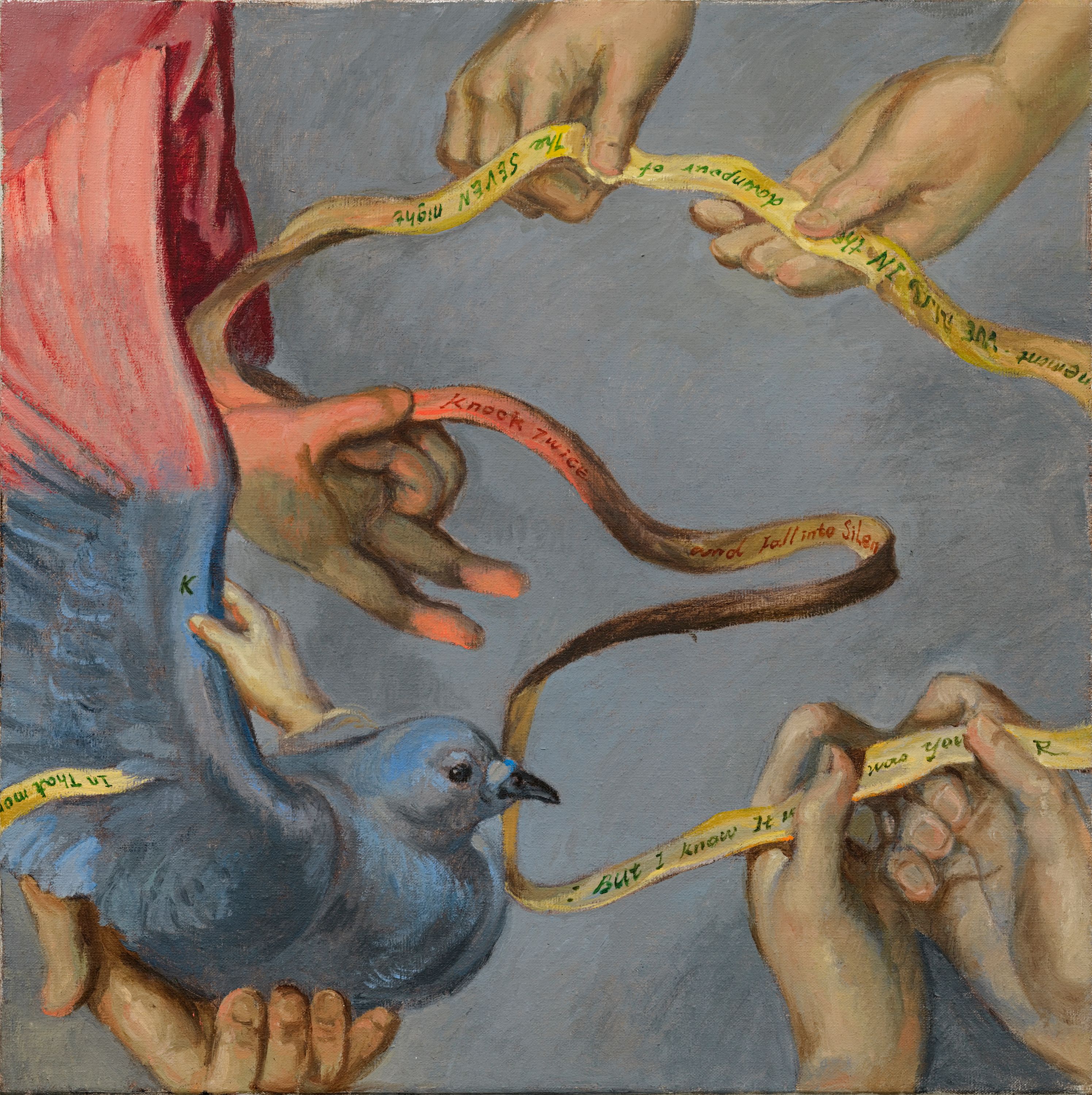
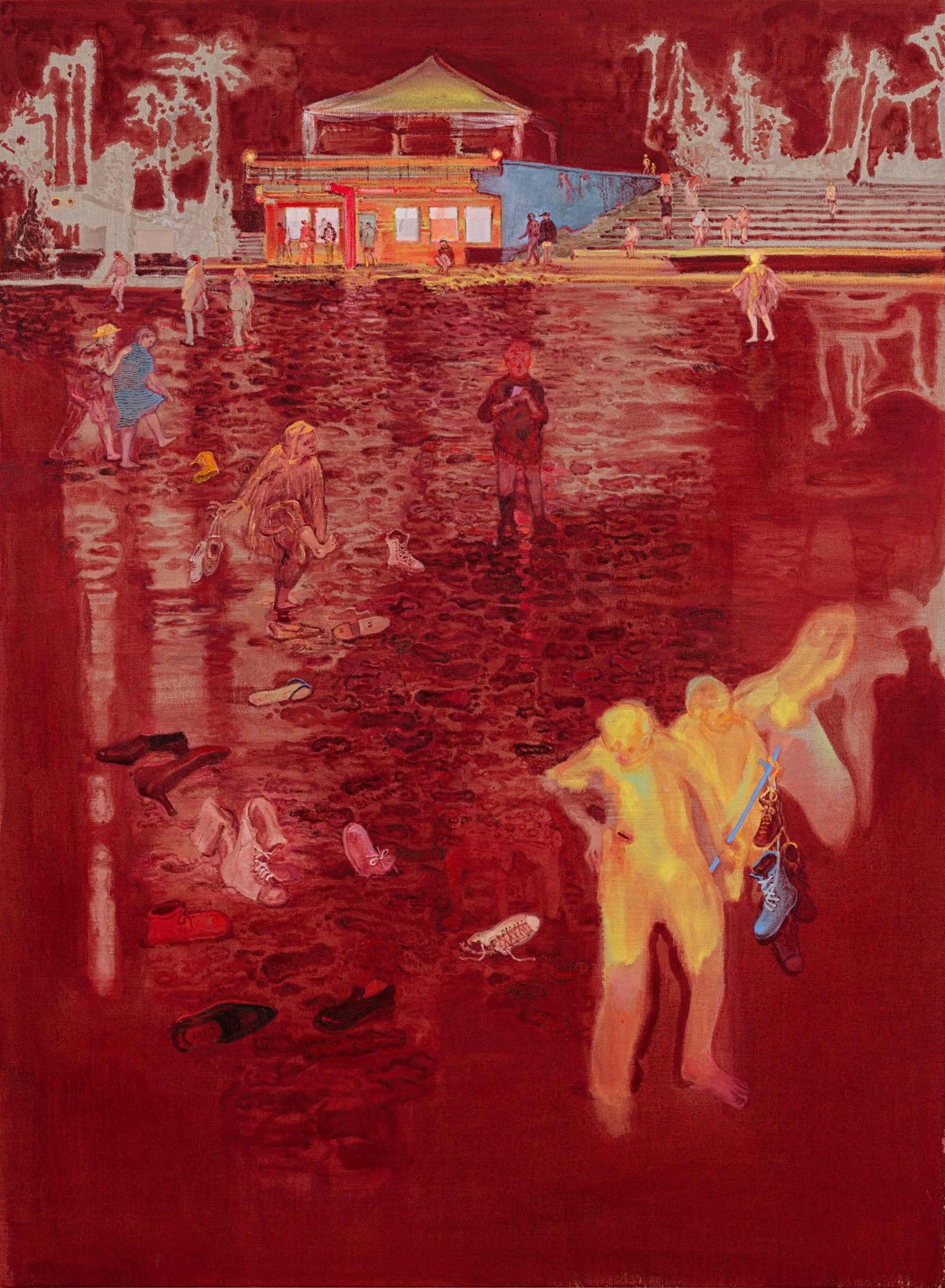
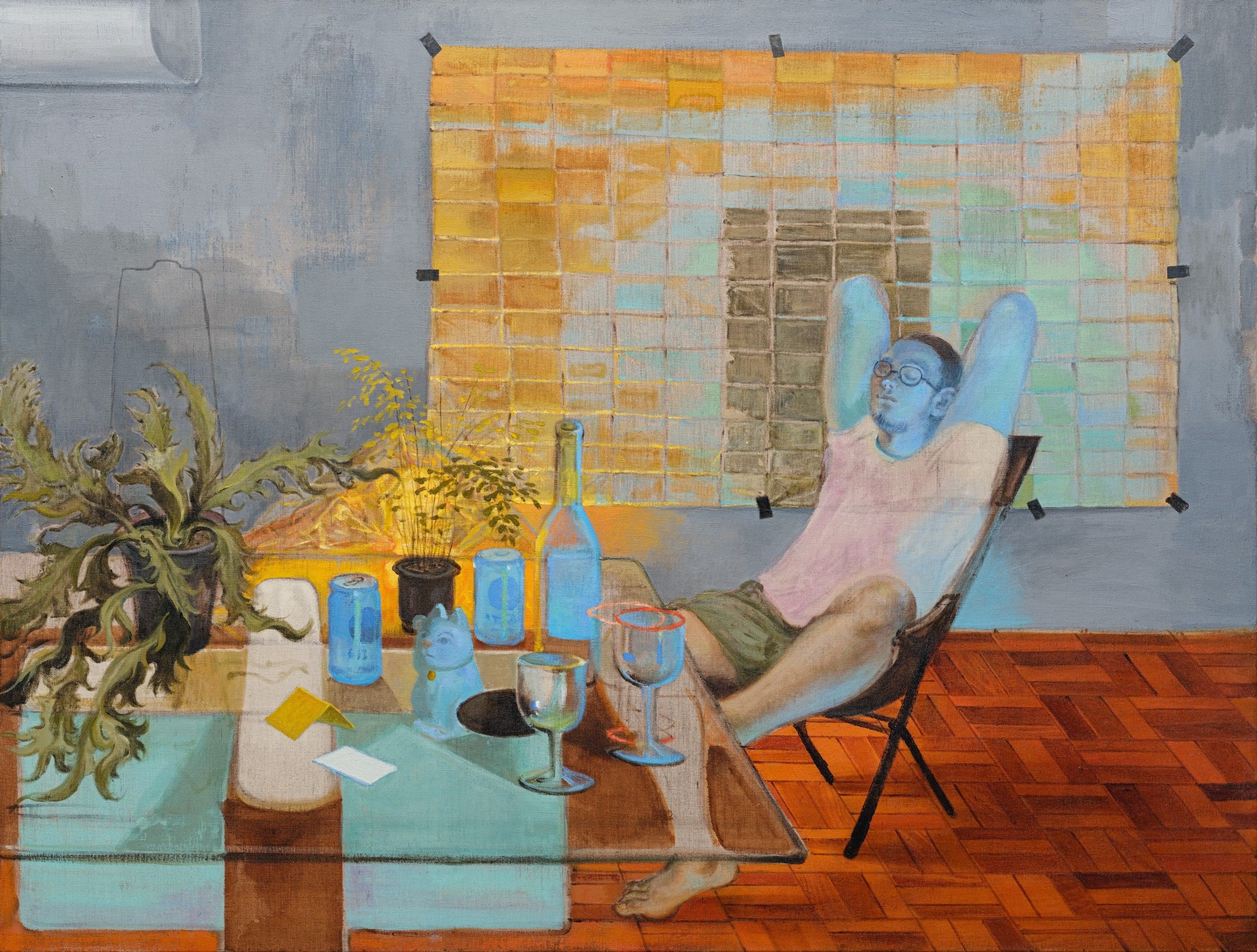
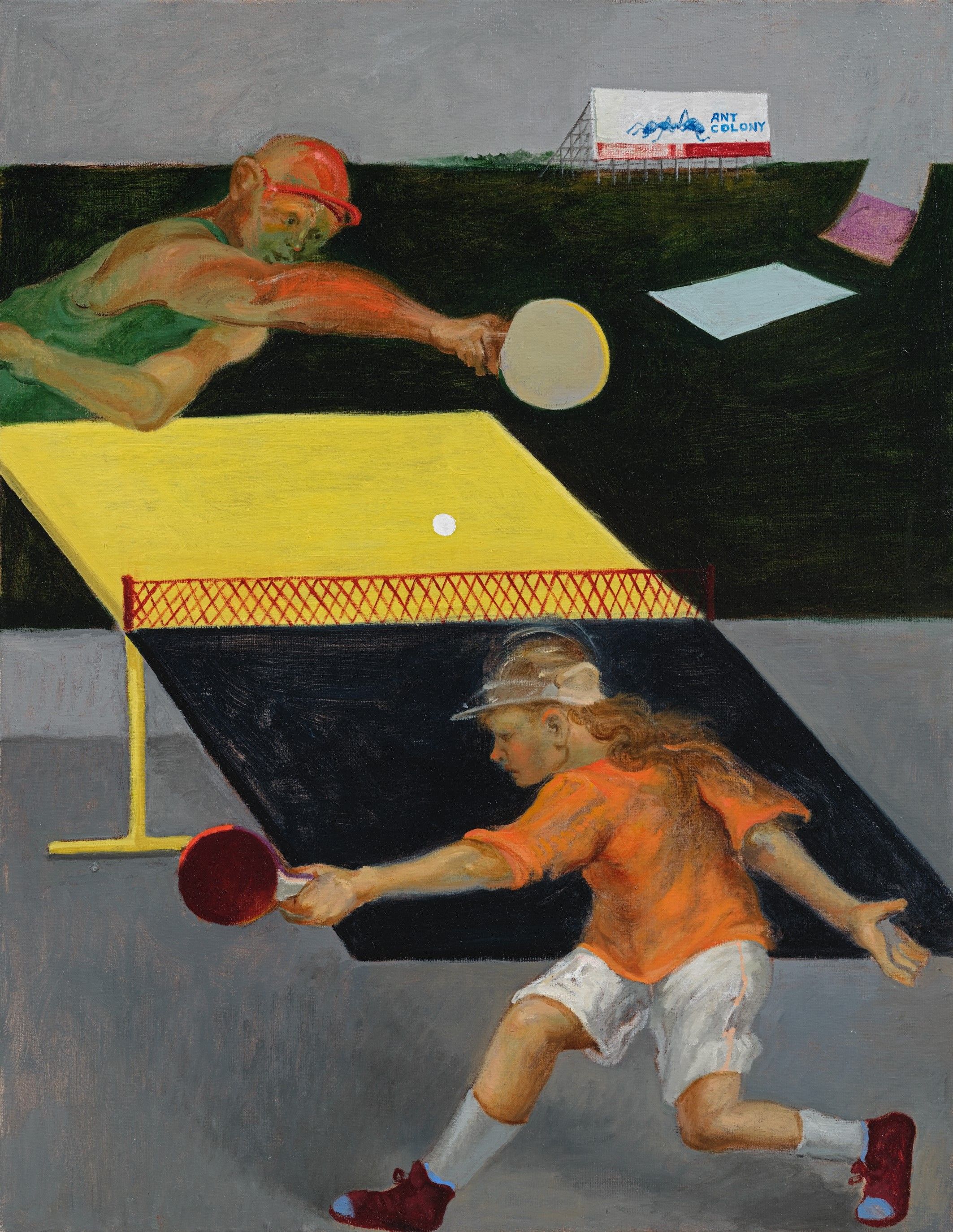
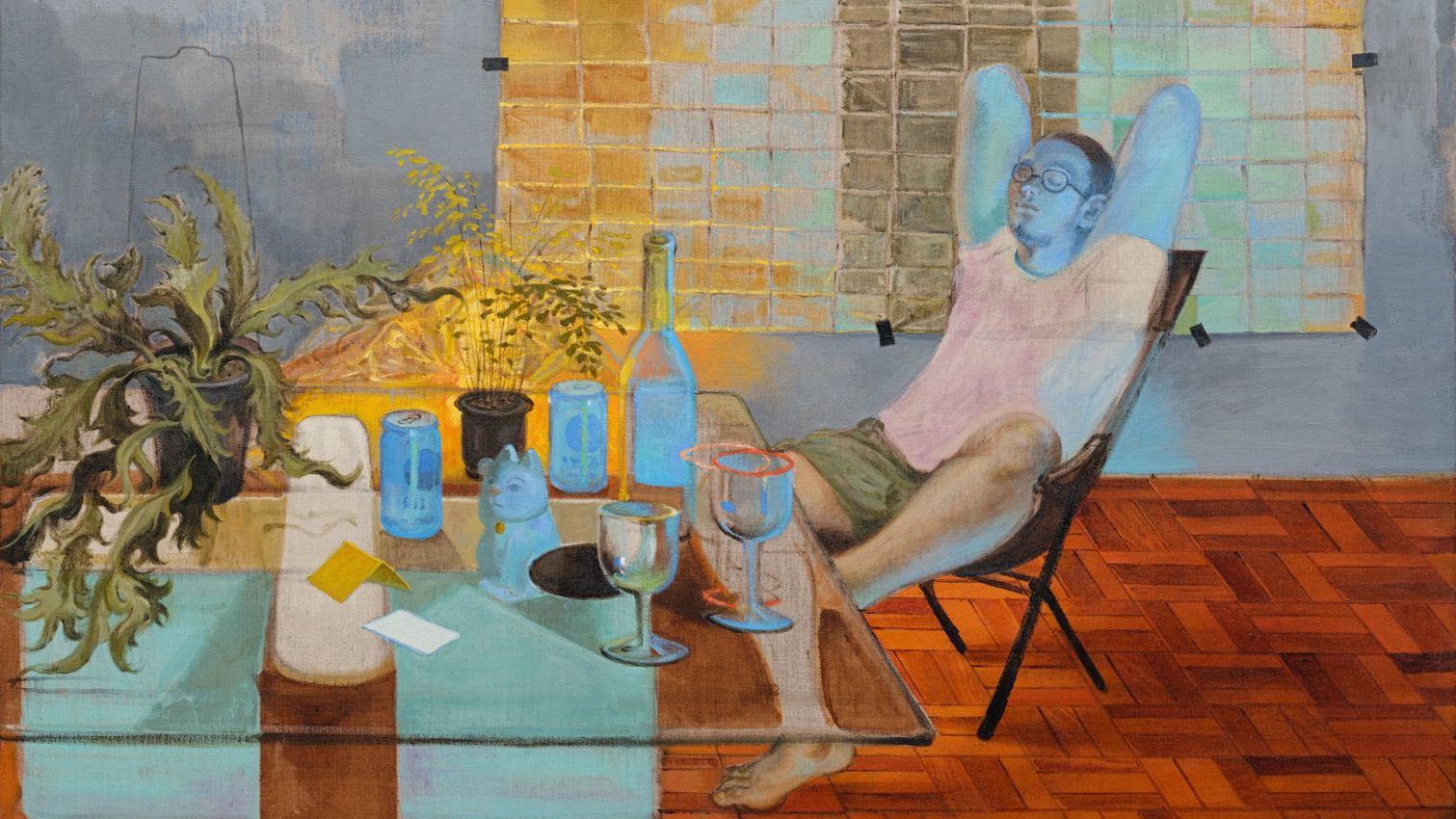
Chen Ching-Yuan, Drawing Fold (30 October 2025–31 January 2026) at TKG+
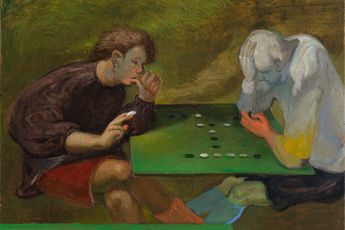
Educated within a conceptualist tradition sceptical of narrative, Chen finds a way to compress ideas into figuration, where every gesture replaces the need for plot. This new body of work—the artist’s first solo exhibition at TKG+ in three years—unfolds across two dominant image-worlds: one as historical tableaux, attentive to multiple protagonists; the other drifting into a dreamlike register, set against plain backgrounds devoid of social context. In a reimagining of Hokusai’s Mount Fuji series (1830–1832), the iconic bent tree becomes a scene of collective salvation, as figures wielding shovels perhaps recall Taiwan’s recent flood-relief ‘shovel heroes’, yet remain enigmatically attired. Elsewhere, street protests dissolve into mist, a ping-pong rally stalls mid-motion, and a shoreline rescue freezes into painterly reverie. Much as Lee Kit’s tender domestic gestures have come to signify a subdued yet persistent form of dissent, Chen’s political sympathies—shaped by late-2000s pro-democracy movements—reverberate through the quiet unease of his disjointed imagery.
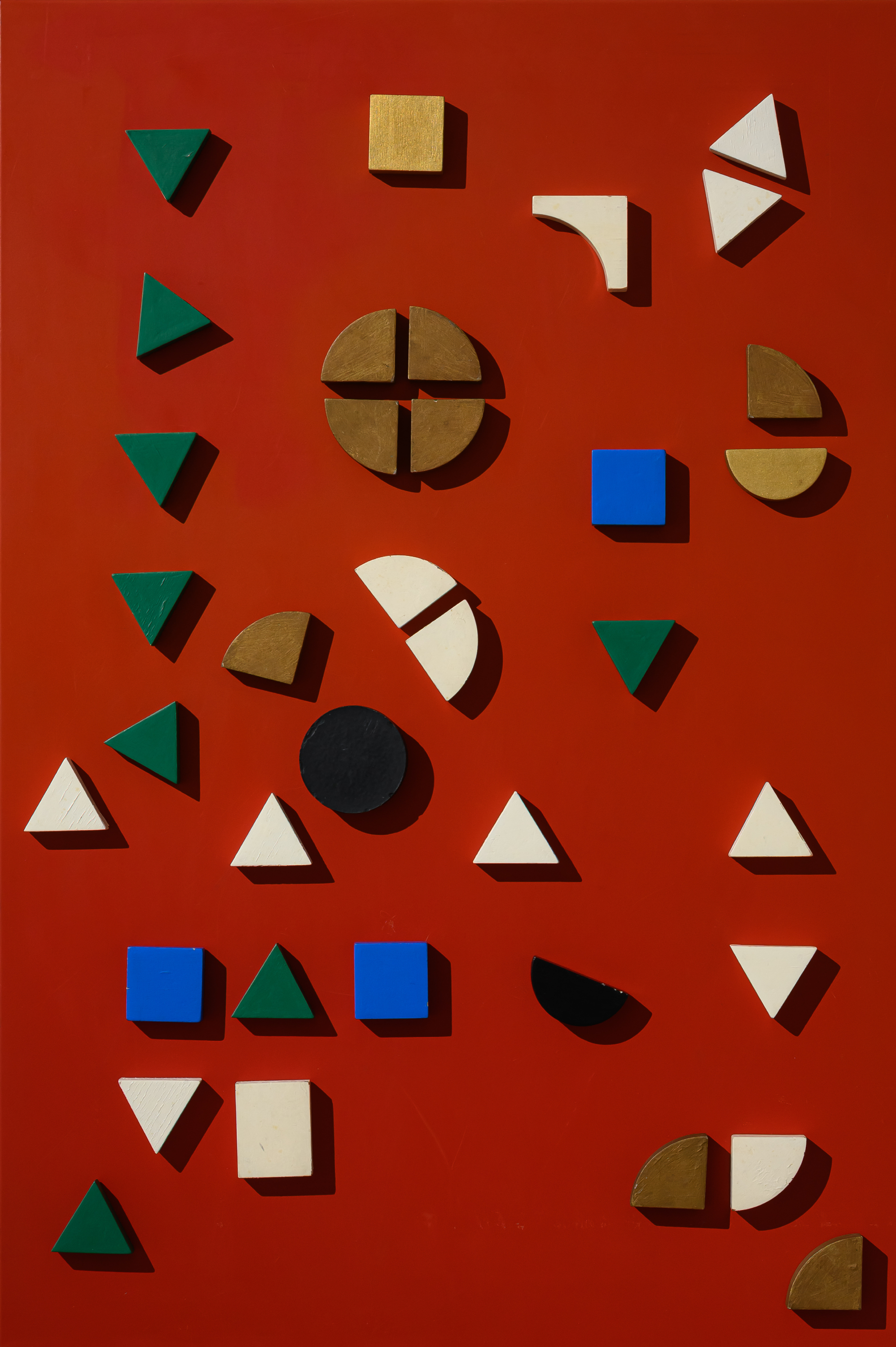
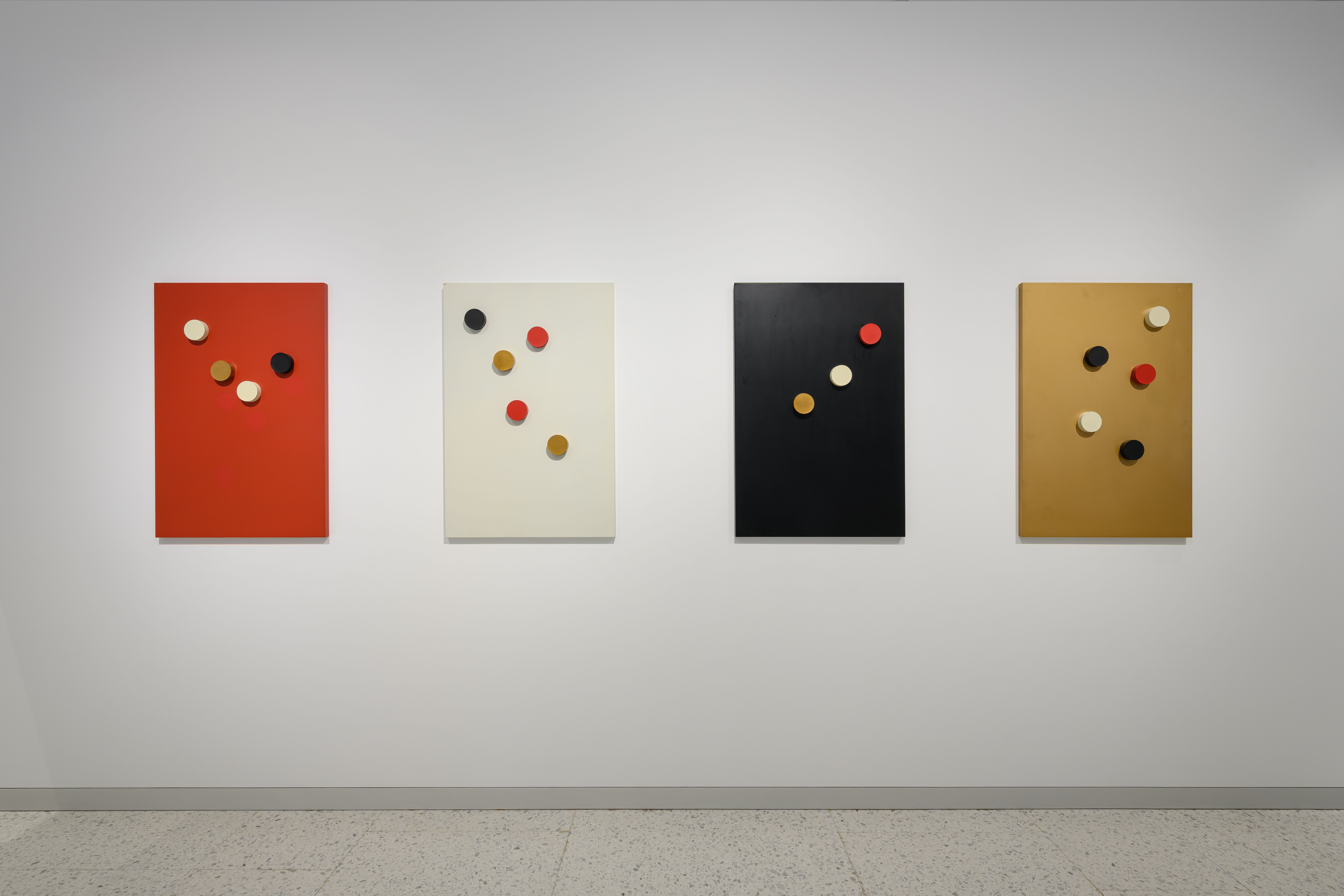
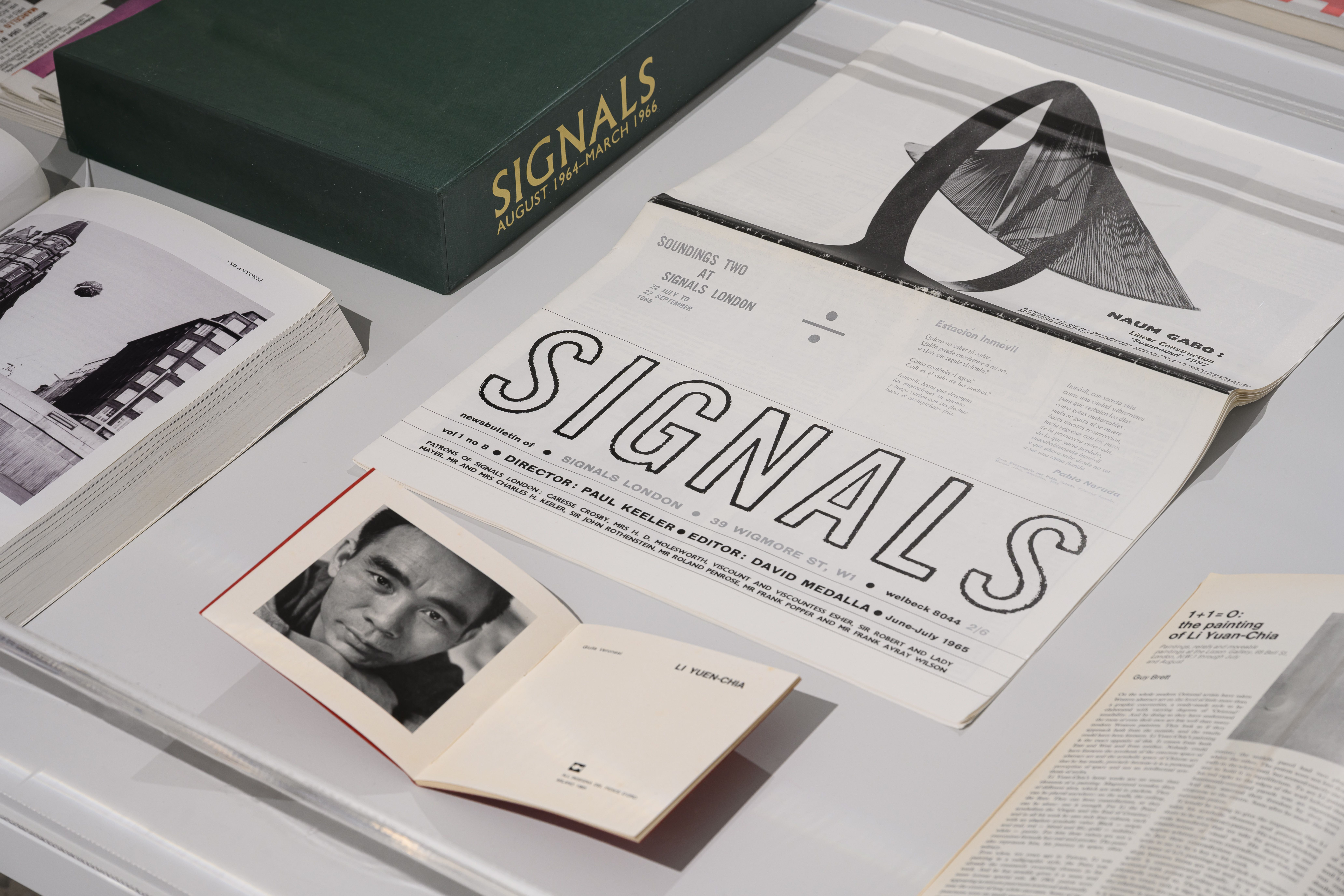
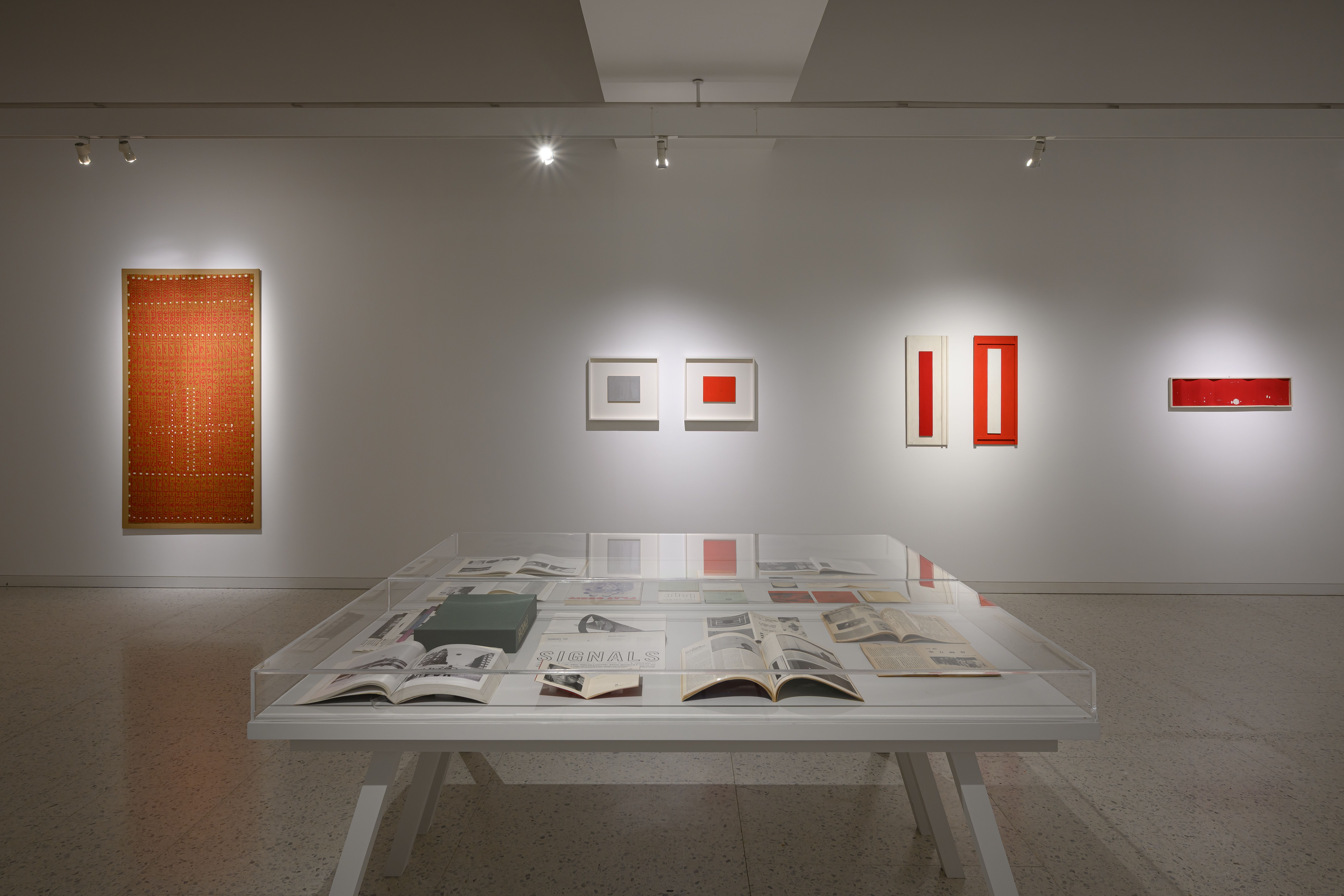
Li Yuan-Chia (13 September 2025–18 January 2026) at The Win Sing Art Place
This boutique retrospective of the Taiwanese-British artist Li Yuan-Chia is a salutary reminder that Minimalism was never only a Western domain. A contemporary of Karachi-born Rasheed Araeen, with whom his path frequently intersected, Li introduced alternative origins and cosmologies of alterity into abstraction—melding Western formalism with modern Chinese literature, ink, and traditional cosmology. Curated by Yu Wei, whose prior research in the U.K. informed Li’s posthumous museum projects, the exhibition (largely drawn from Winsing’s private collection) spans four decades of the artist’s practice, including archival leaflets and videos. The exhibition’s timeline unfolds from the earliest 1957 untitled ink work—one that might, to some Western eyes, echo Paul Klee’s Angelus Novus (1920). Yet where Klee’s angel flaps helplessly in the storm of progress, Li’s modernity (which incorporates elements of Oracle Bone Script) reroutes history: ruins transform from mere decay into fertile compost, sprouting new forms imbued with a firmly post-colonial vision.
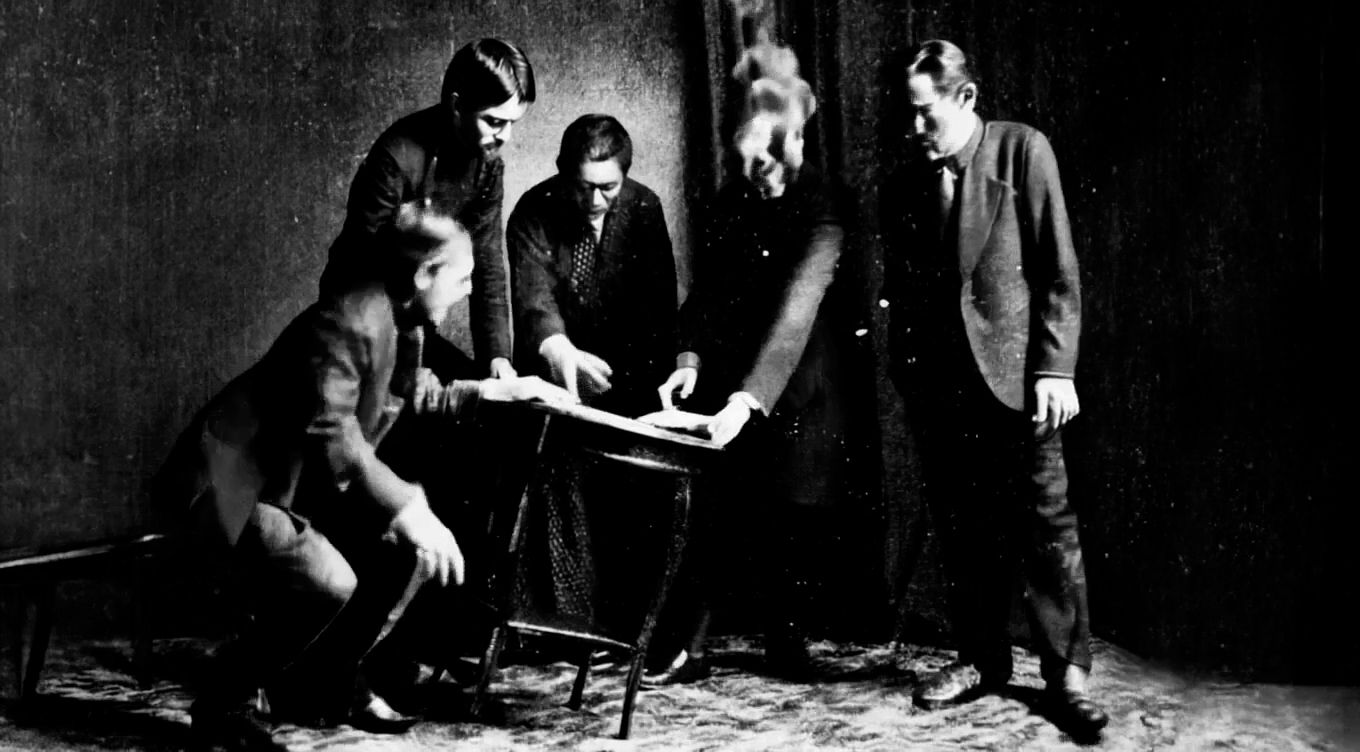
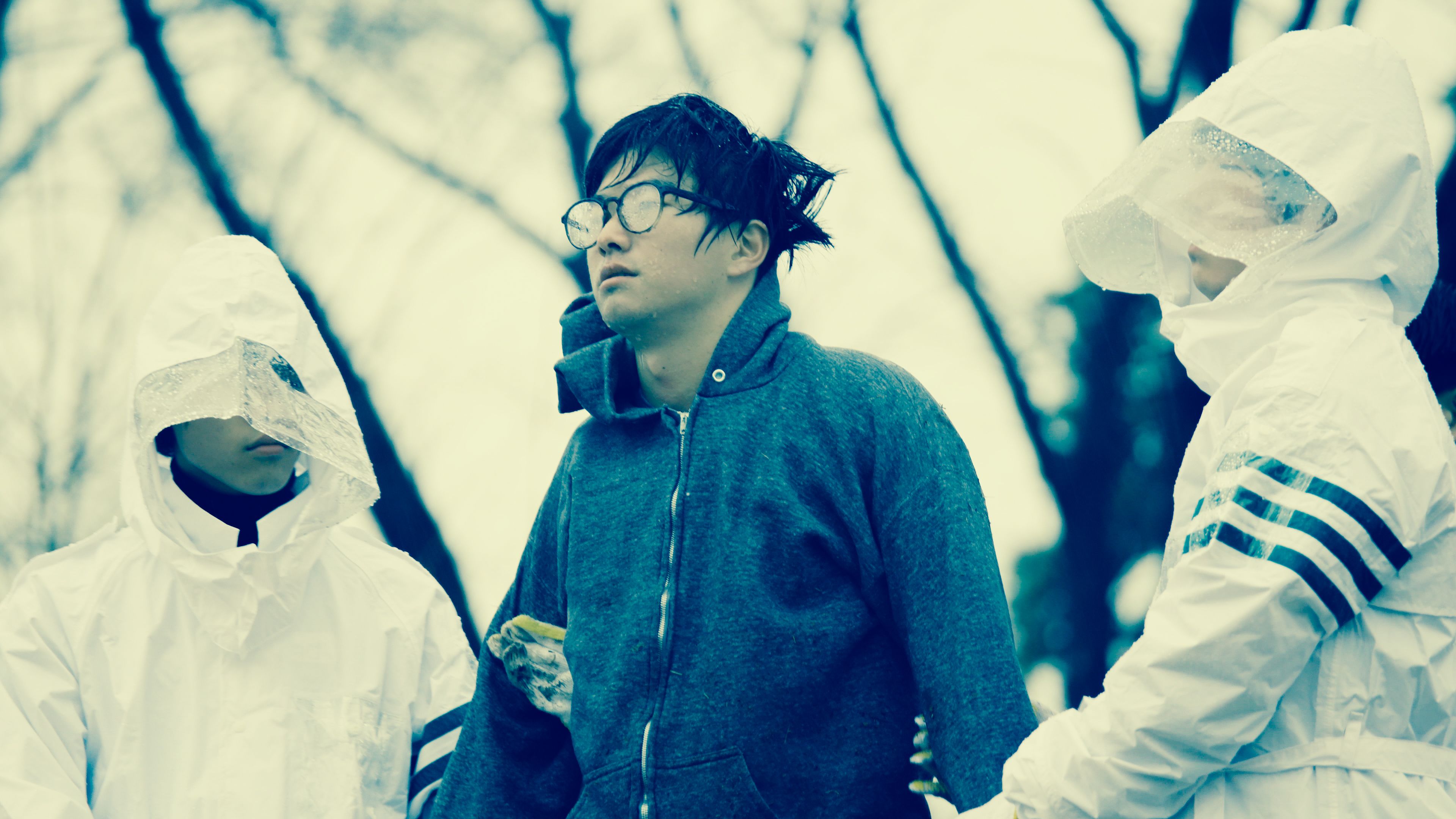
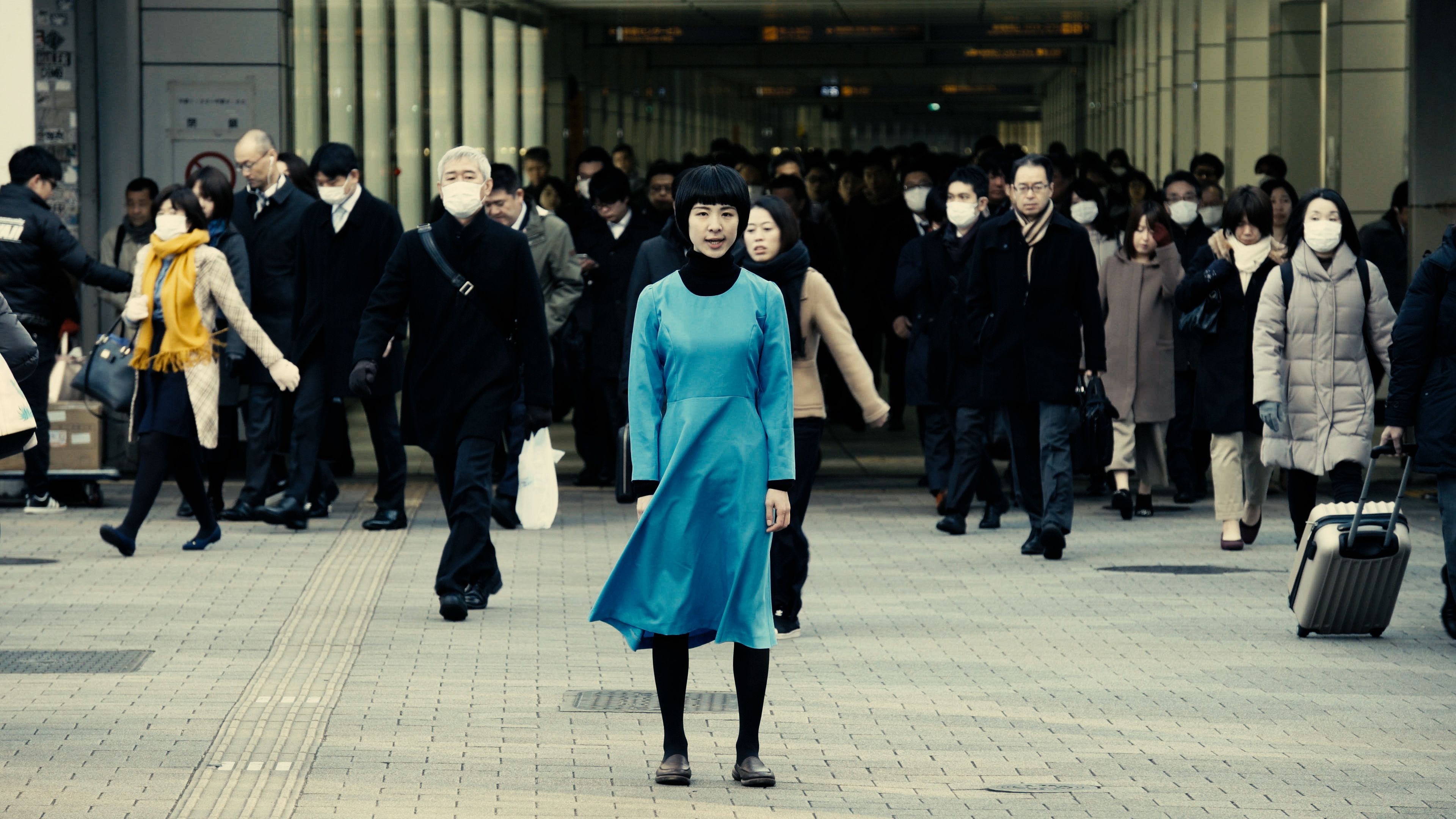
Meiro Koizumi, Ruins of a Sleep (14 November 2025–15 February 2026) at Kuandu Museum
While Japanese artist Meiro Koizumi is known for examining forms of violence, his first institutional solo in Taiwan turns that focus inward, exploring the contradictions that haunt our perception of self and society. Soluble Meat (2025) takes this inquiry to the frontier of AI: using Luma Dream Machine and Google Gemini, Koizumi trained algorithms on archival hypnosis photos, prompting them to produce an evolving, illogical dream of people ‘losing their free will’. The film feels like a séance between human and machine—an echo of Surrealist automatic writing recalibrated for the algorithmic age, suggesting that AI-generated artefacts can mirror ideologies prone to conflict. The exhibition also revisits We Mourn the Dead of the Future (2019) and The Angels of Testimony (2019), which confront Japan’s military history, self-sacrifice, and the contemporary relevance of the Japan Self-Defense Forces—a tension that resonates in Taiwan, an island proud of its semiconductor prowess yet anxious about populism and war.
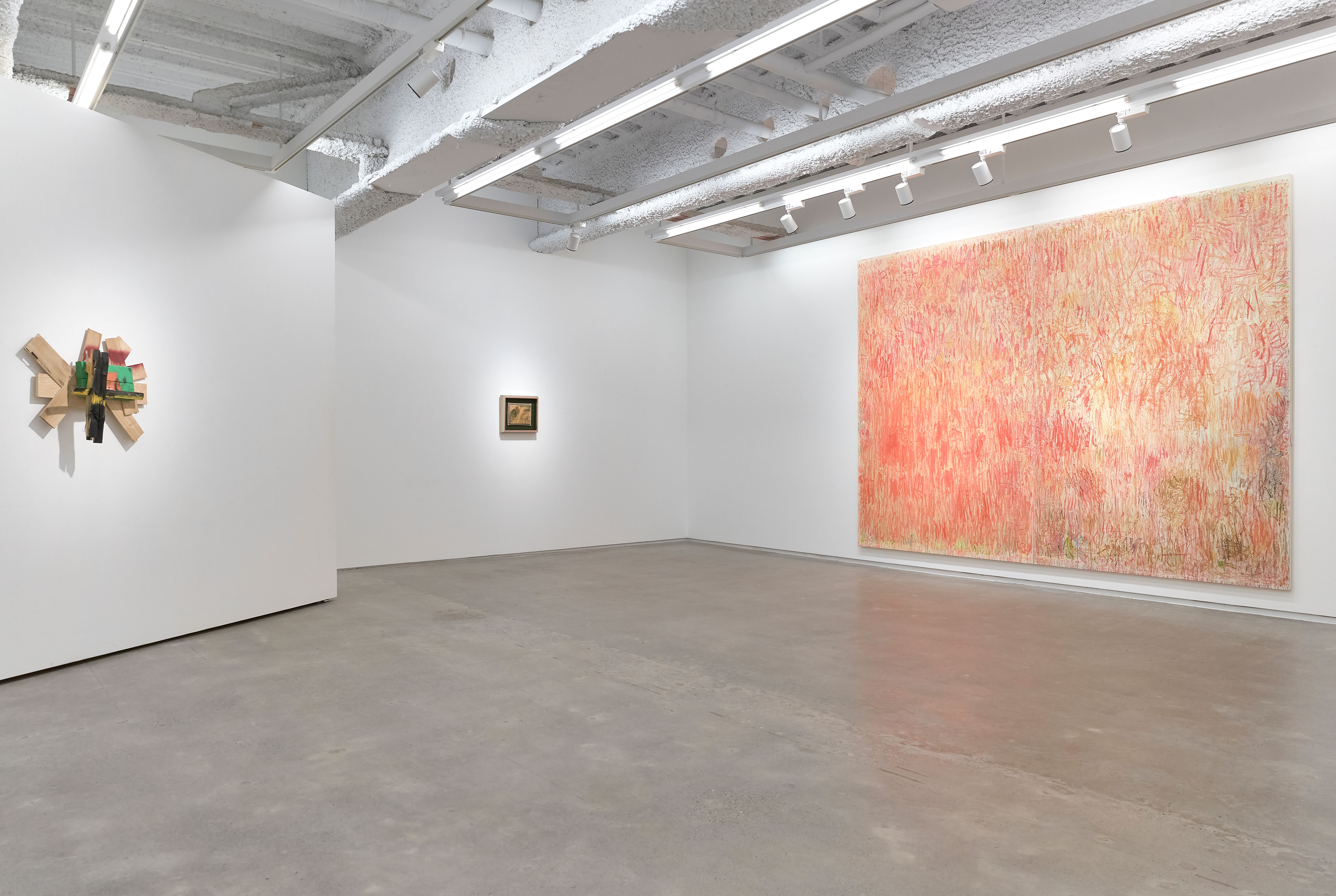
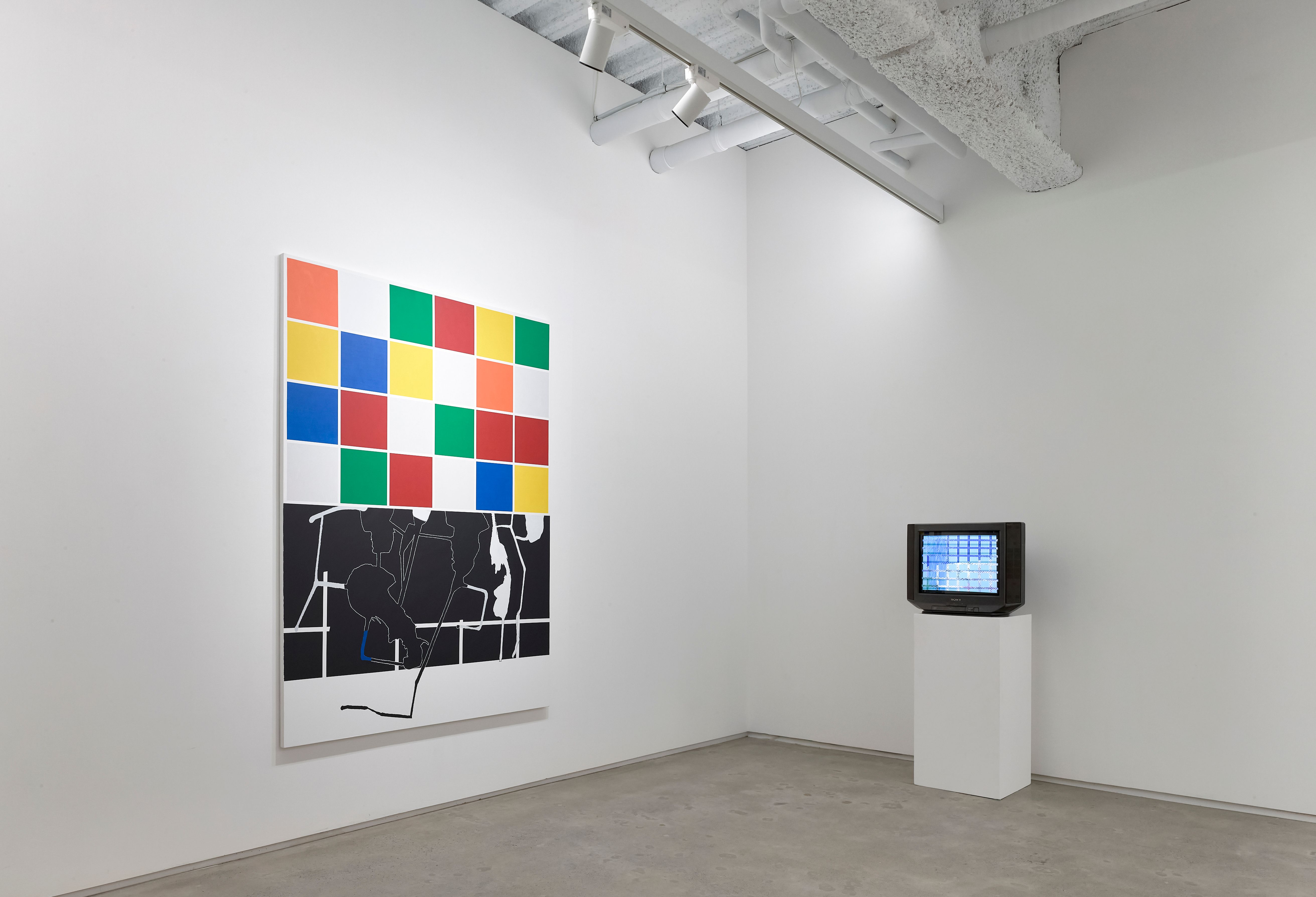
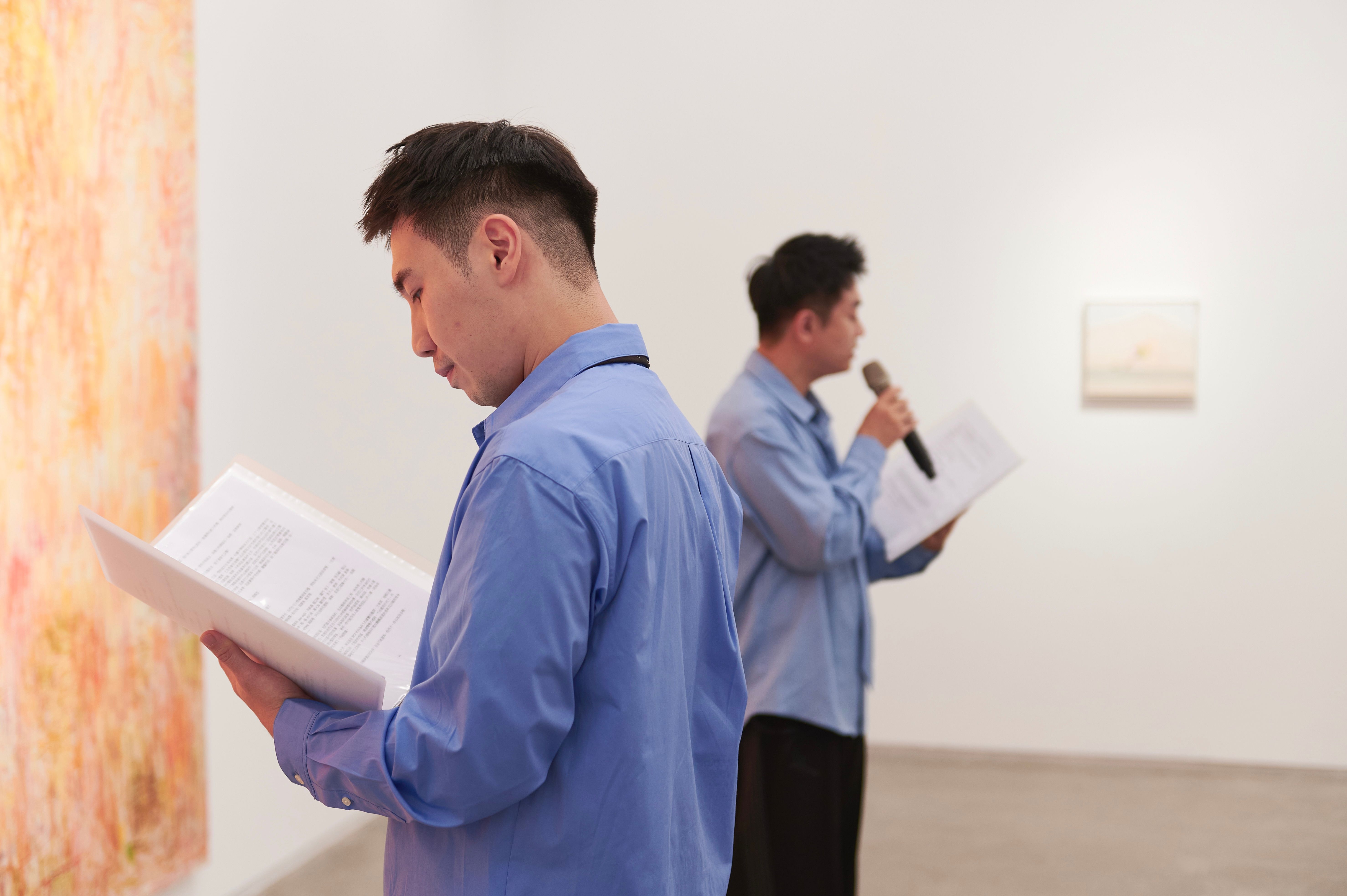
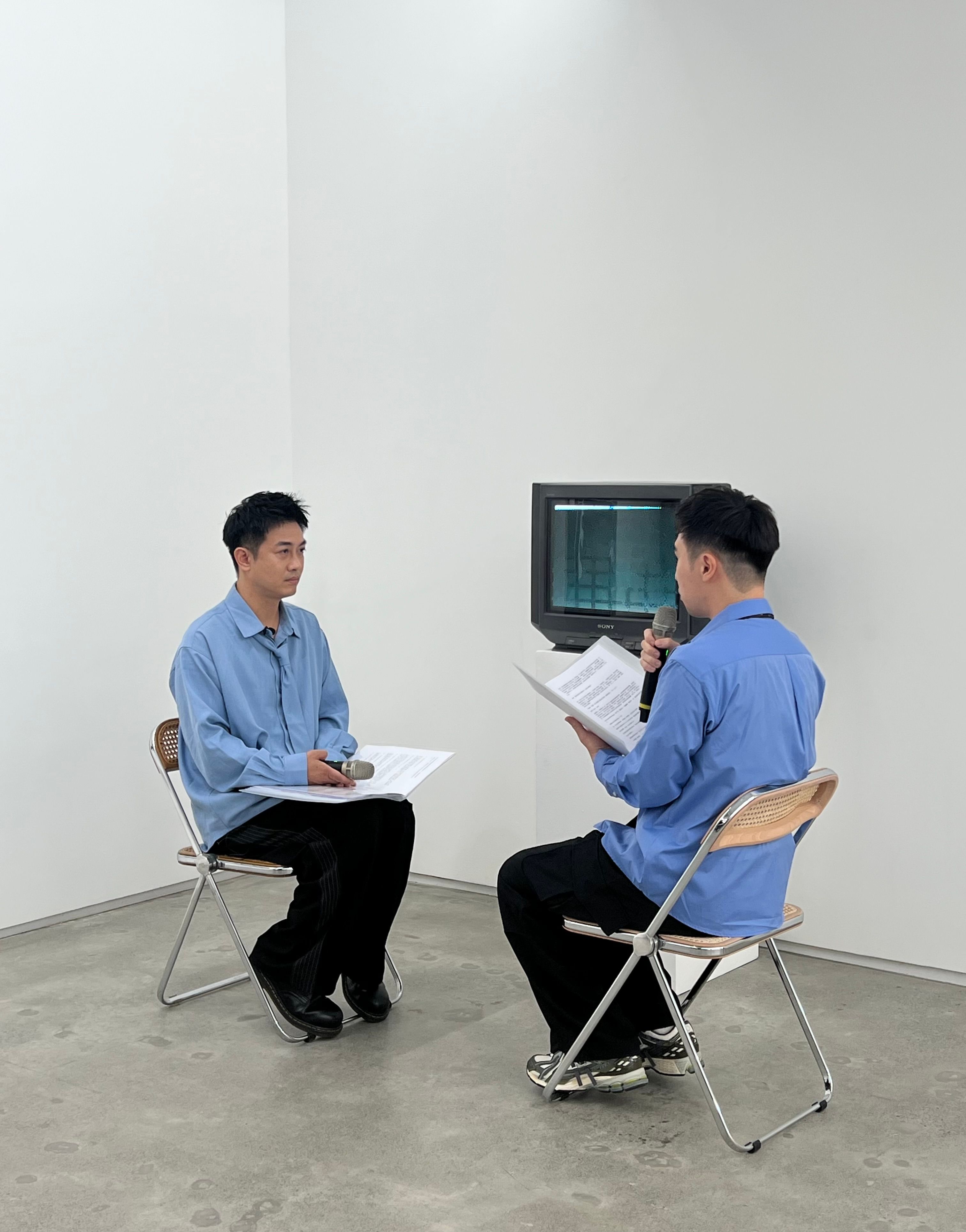
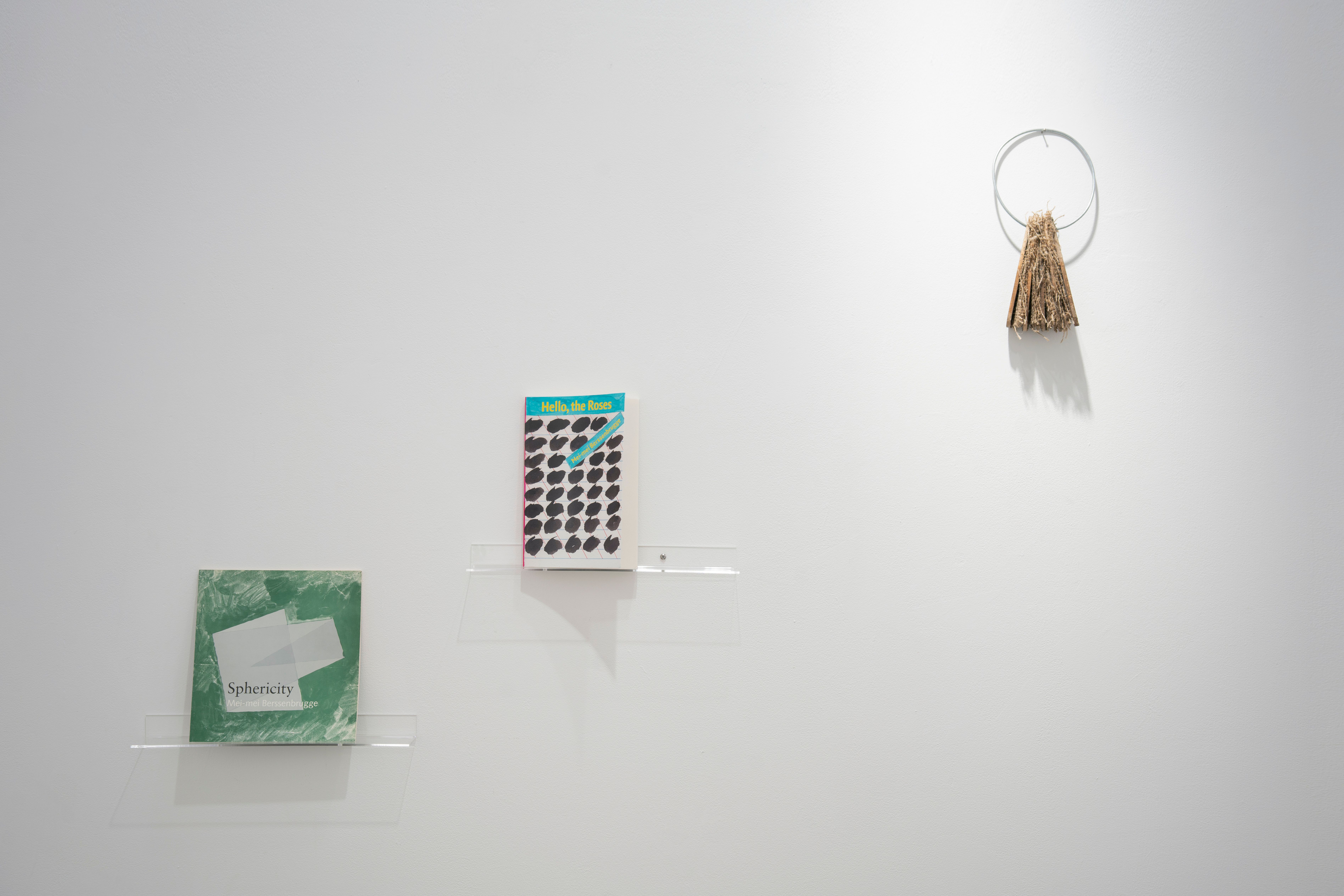
Artist Couples: Mutual Reflections (18 October–22 November 2025) at Each Modern
A small-scale but beautifully curated show at Each Modern offers an intimate pause amid Taipei’s bustle. Artist Couples: Mutual Reflections juxtaposes painting, poetry, film and music, The artists are couples: Mei-Mei Berssenbrugge and Richard Tuttle, Zao Wou-Ki and Lalan, Charlotte Verity and Christopher Le Brun, and Liz Wendelbo and Egan Frantz offer each other not only companionship but context. Their works reveal ‘traces of co-presence’: a quiet shaping of thought, gesture and perception that moves between intimacy and creation. Transforming modest materials into meditations on form, Tuttle’s practice is deeply attuned to the embrace of ‘emptiness’ in East Asian art—an affinity that resonates with the cultural heritage of Berssenbrugge, who was born in China. Zao and Lalan’s abstractions extend this dialogue into motion, with his ethereal landscapes counterpointed by her musical, bodily lines. The exhibition suggests that reflection is less about mirroring than about shared perception, where aesthetics, language and emotion refract through proximity.
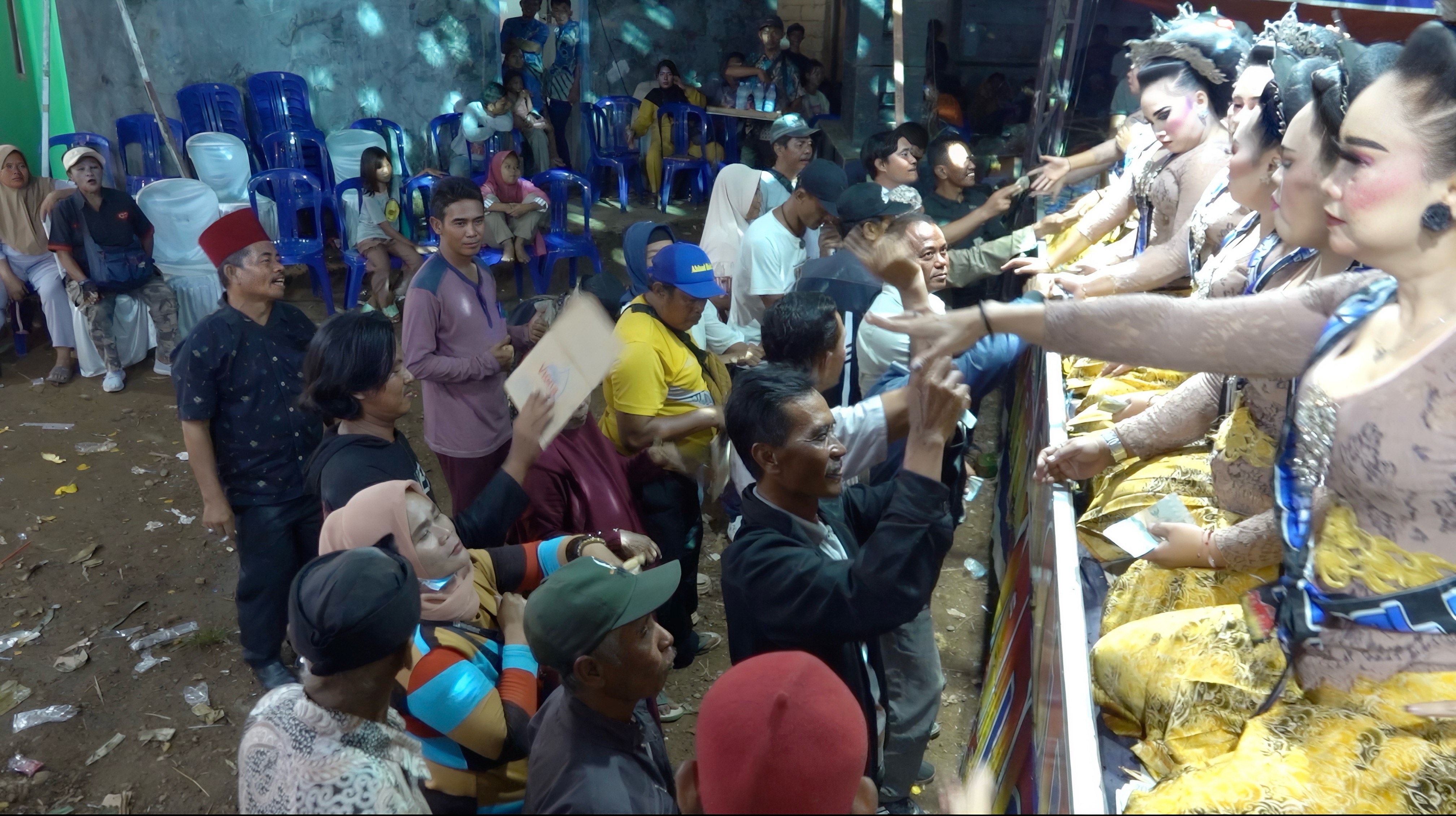
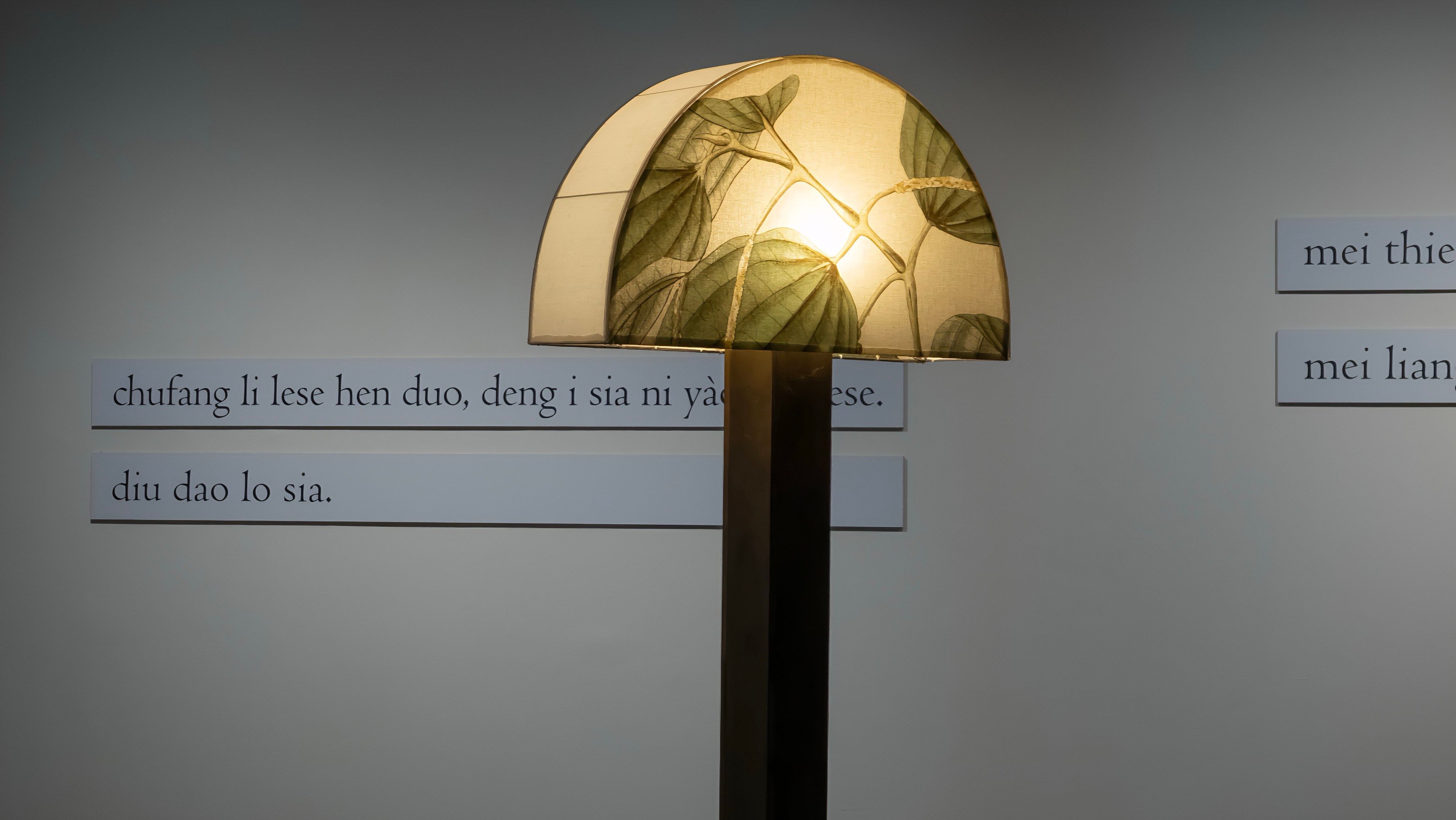
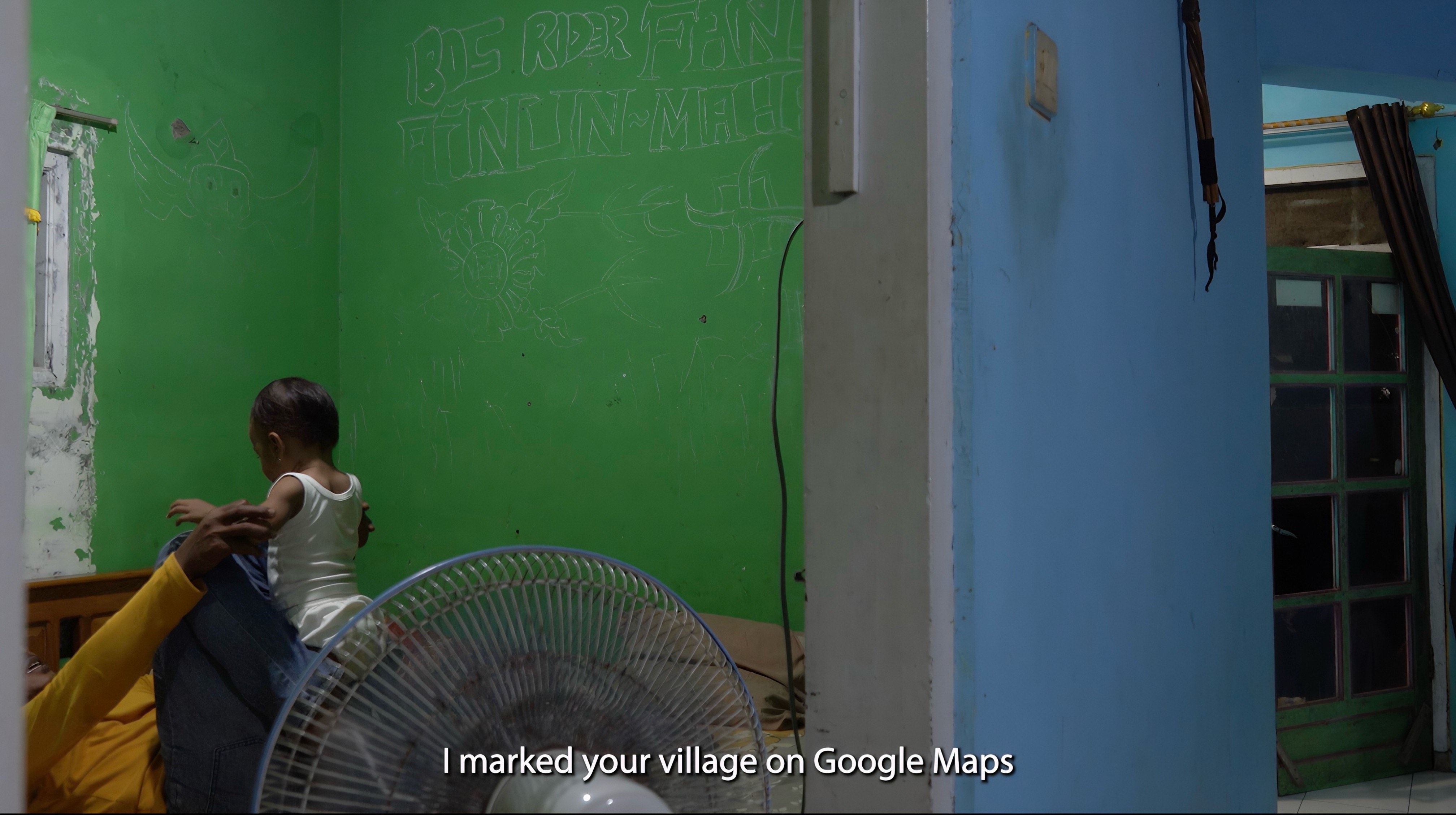
Kuo Yu Ping, What Grows in the Breach of Care (30 September–13 December 2025) at the Centre for Humanities and Arts at National Central University
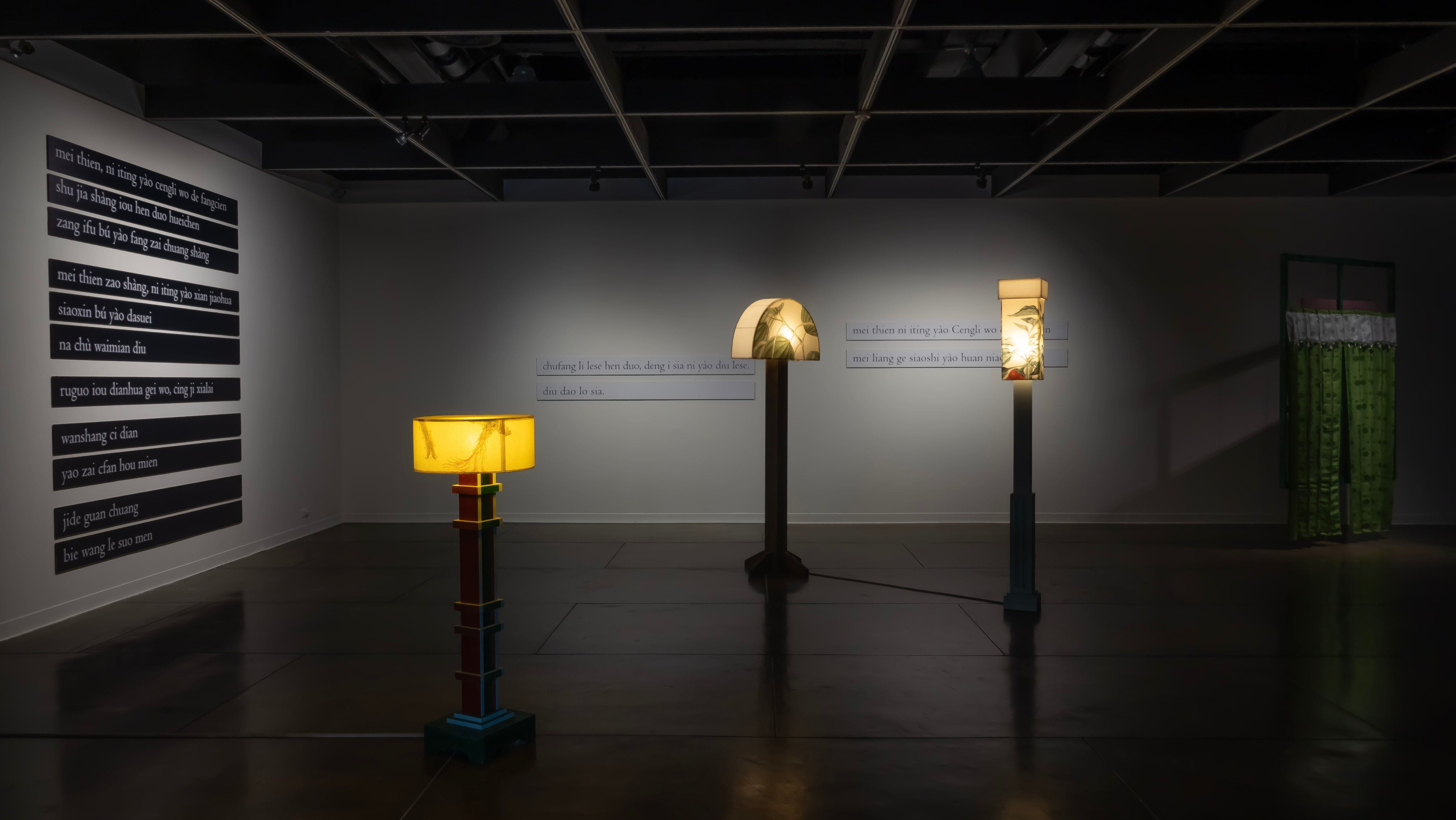
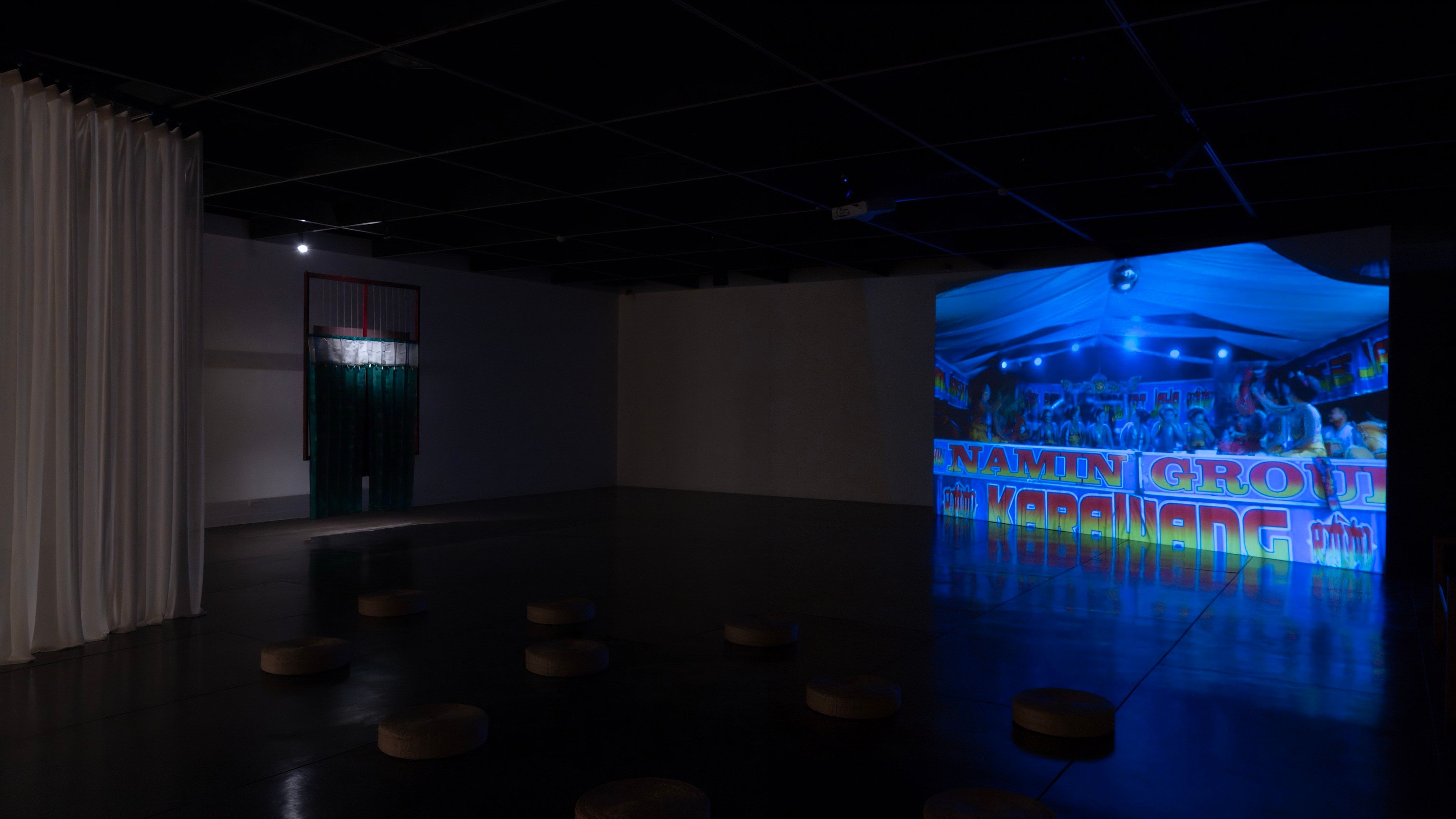
Just as capital cities draw resources from their peripheries, Taiwan’s capital funnels most arrivals through Taoyuan International Airport. From there, a 30-minute taxi ride leads to Chungli, a train-connected logistics hub known for its dense industrial zones and Southeast Asian migrant labour populations—an engine that sustains Taipei’s financial and cultural dominance. Here, Taiwanese Kuo Yu Ping offers what feels like an inverted version of French artist Sophie Calle’s voyeurism: not the pursuit of a stranger through Paris, but a return journey—following the Indonesian caregiver who once tended to her late grandfather back to her home in Java. The resulting 50-minute film and installations turn the gaze around: a return of care, a quiet apology, and a meditation on the asymmetries that shape the global care economy. Through expansive spatial compositions, Kuo channels her signature sensitivity into transforming the everyday into the monumental.
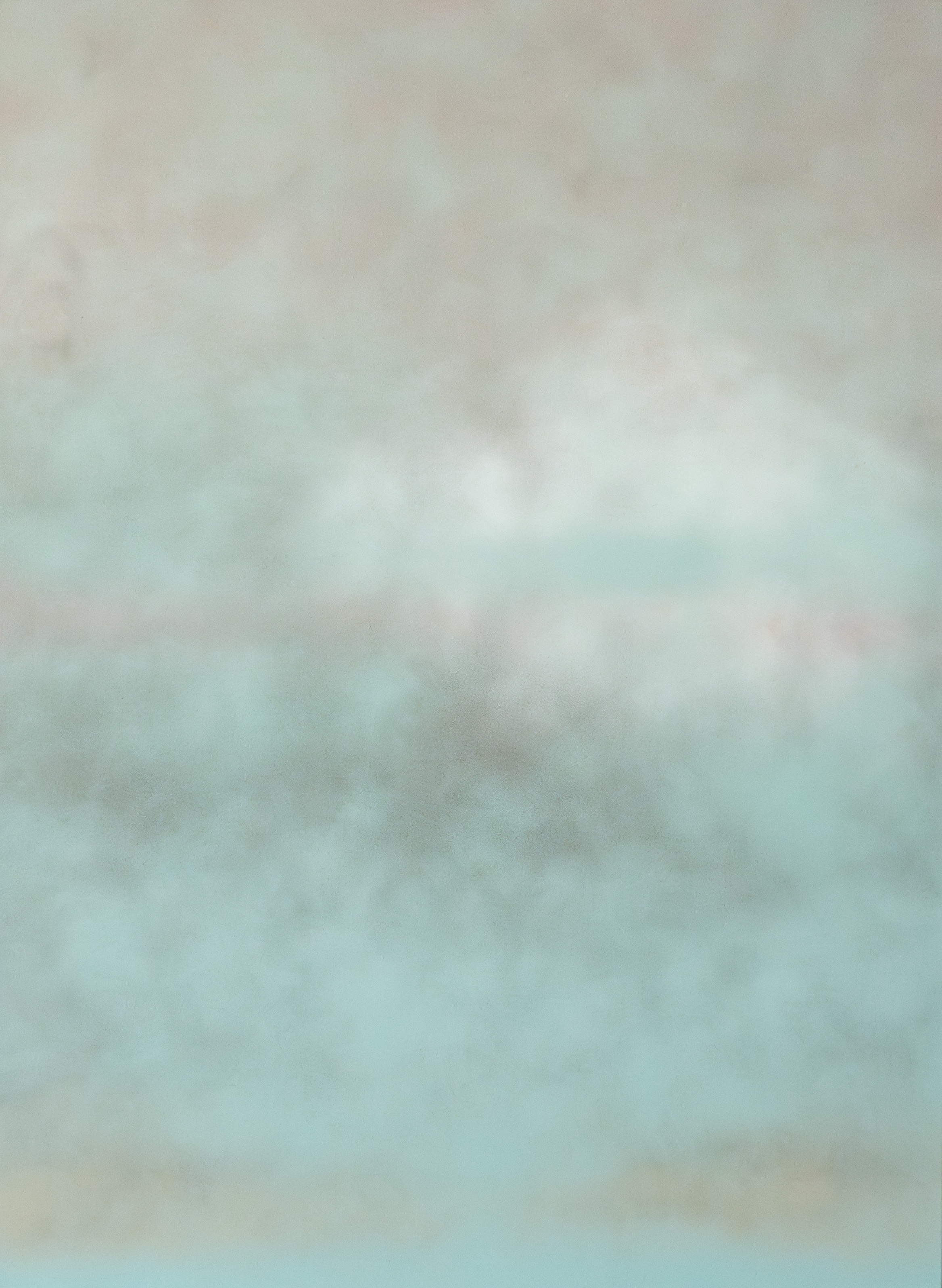
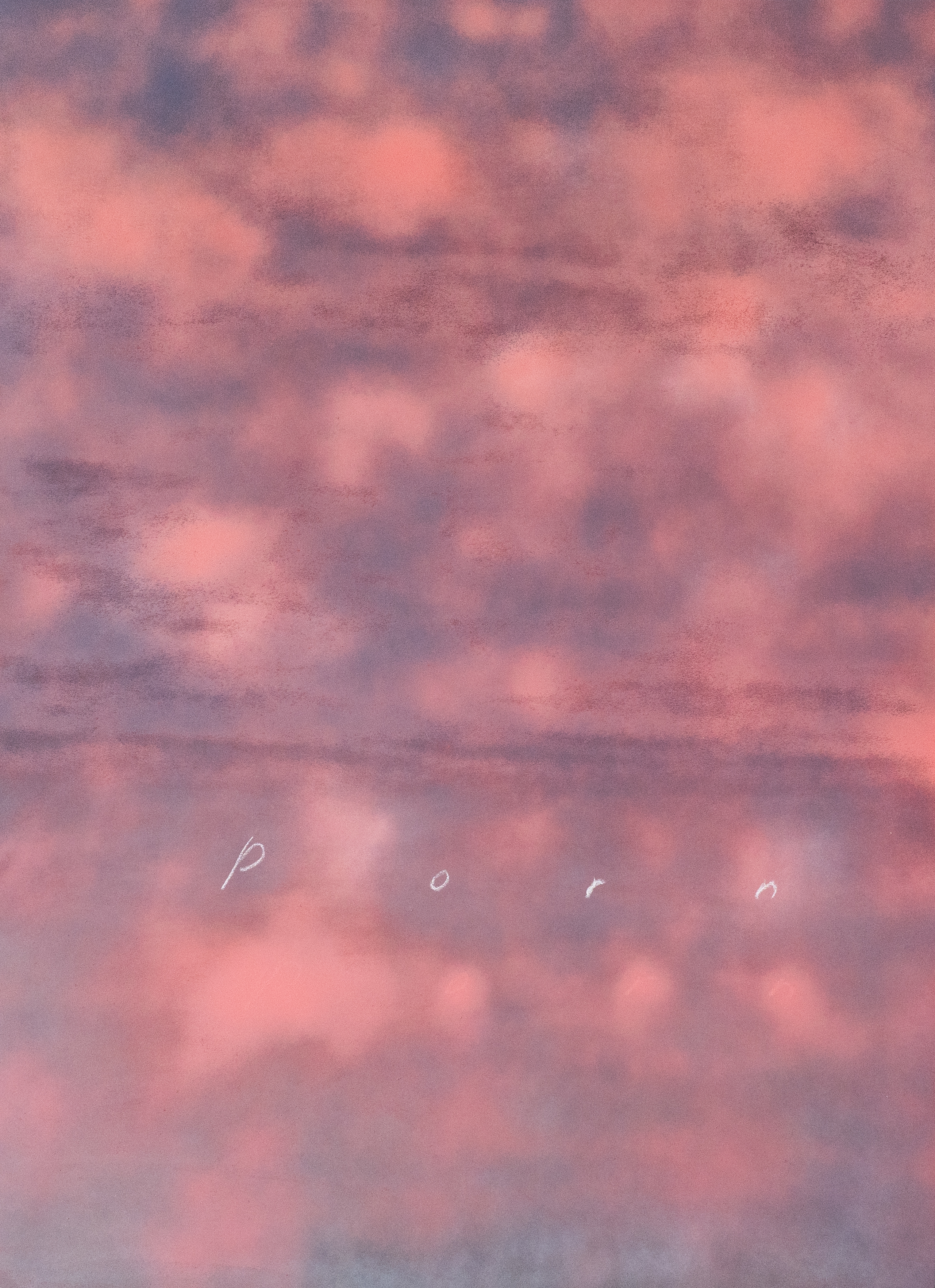
Lee Kit, Panorama (1 November–27 December 2025) at Project Fulfill Art Space
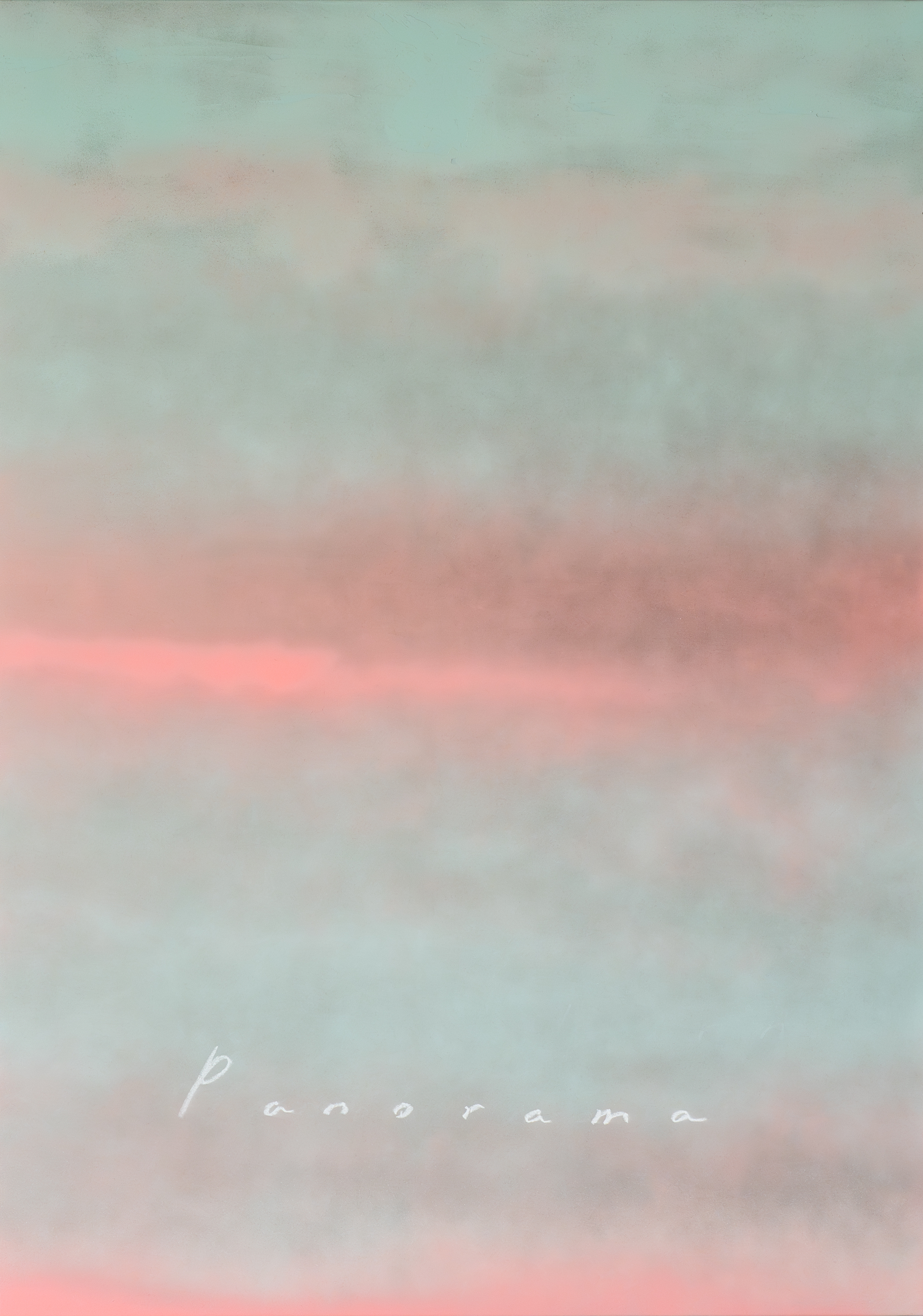
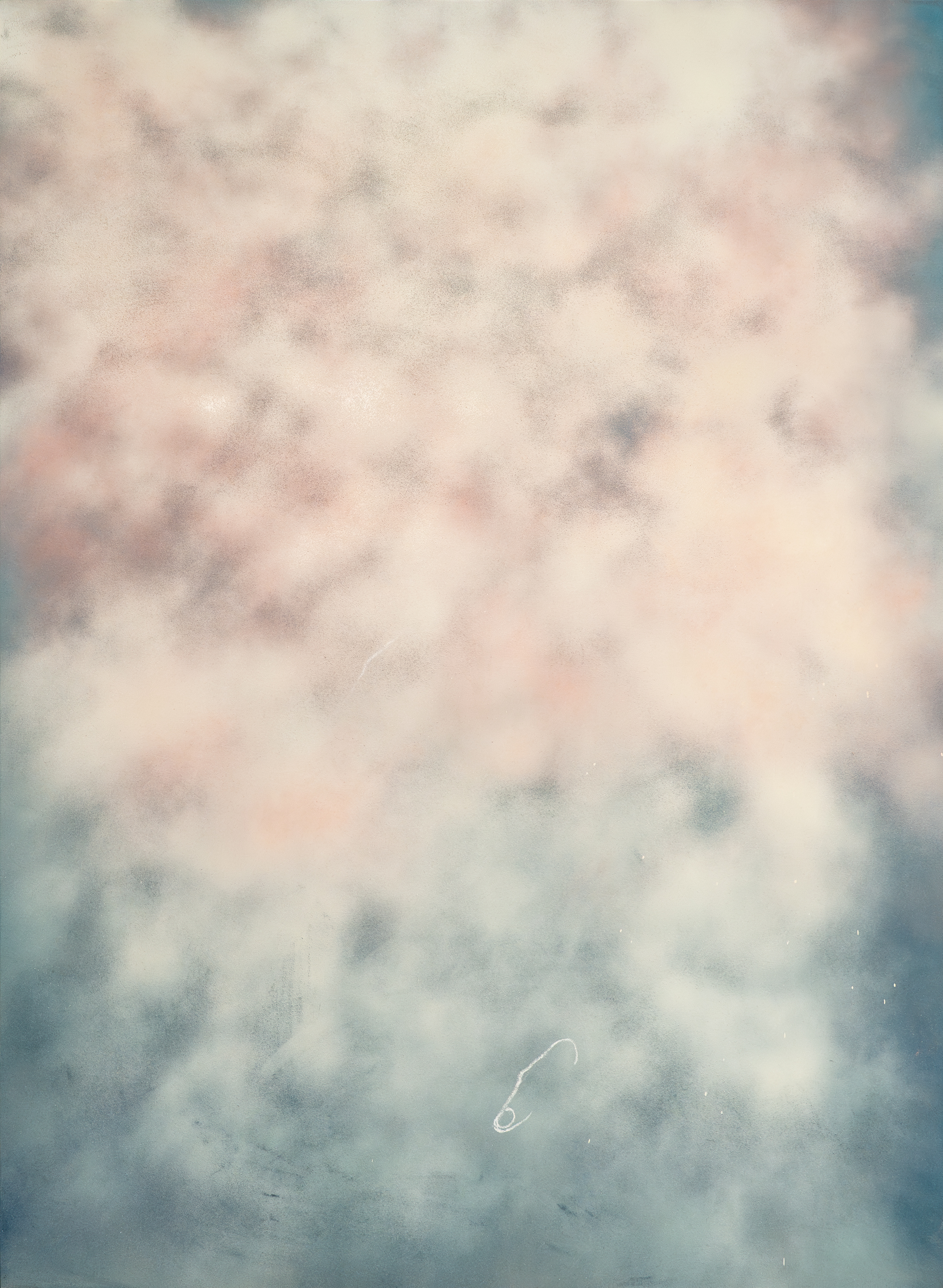
Following his major solo at the Fridericianum in Kassel earlier this year, the Hong Kong-born, Taipei-based artist turns his attention to the act of seeing itself. A painting of a clouded view, seemingly from a domestic window, anchors the exhibition. While Lee often treats titles as poetic extensions of his work, here his latest exhibition instead points to the illusion behind seeing: the supposed fullness of vision that is, in truth, only a gathering of fragments. Known for his painterly cloth works and subtle projections, Lee plays with reversals of light and surface: the projection as a painting’s illumination, or the painting as its projected double. Newly introduced metal wall-mounted pieces add yet another layer, extending this play of reflection and refraction.
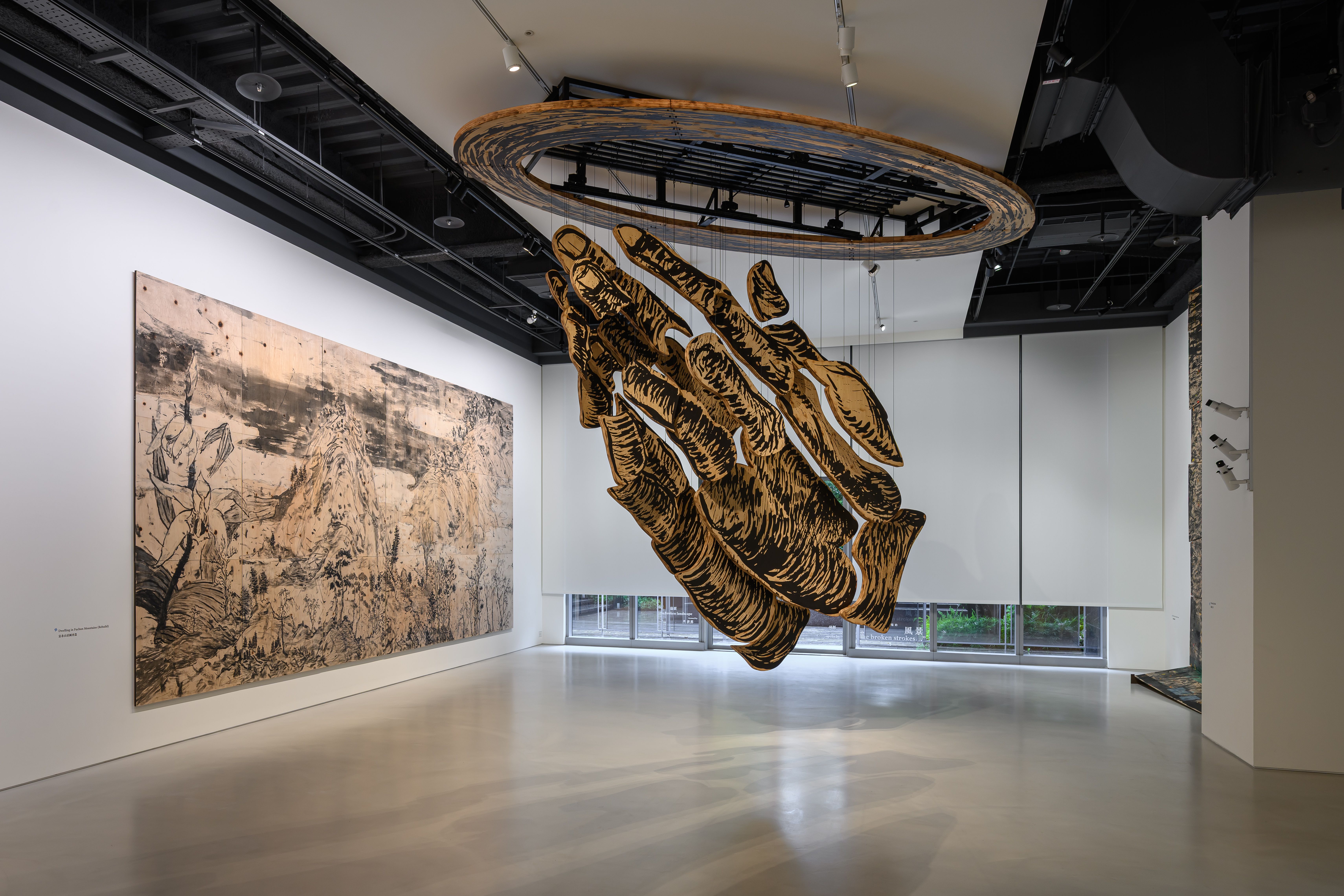
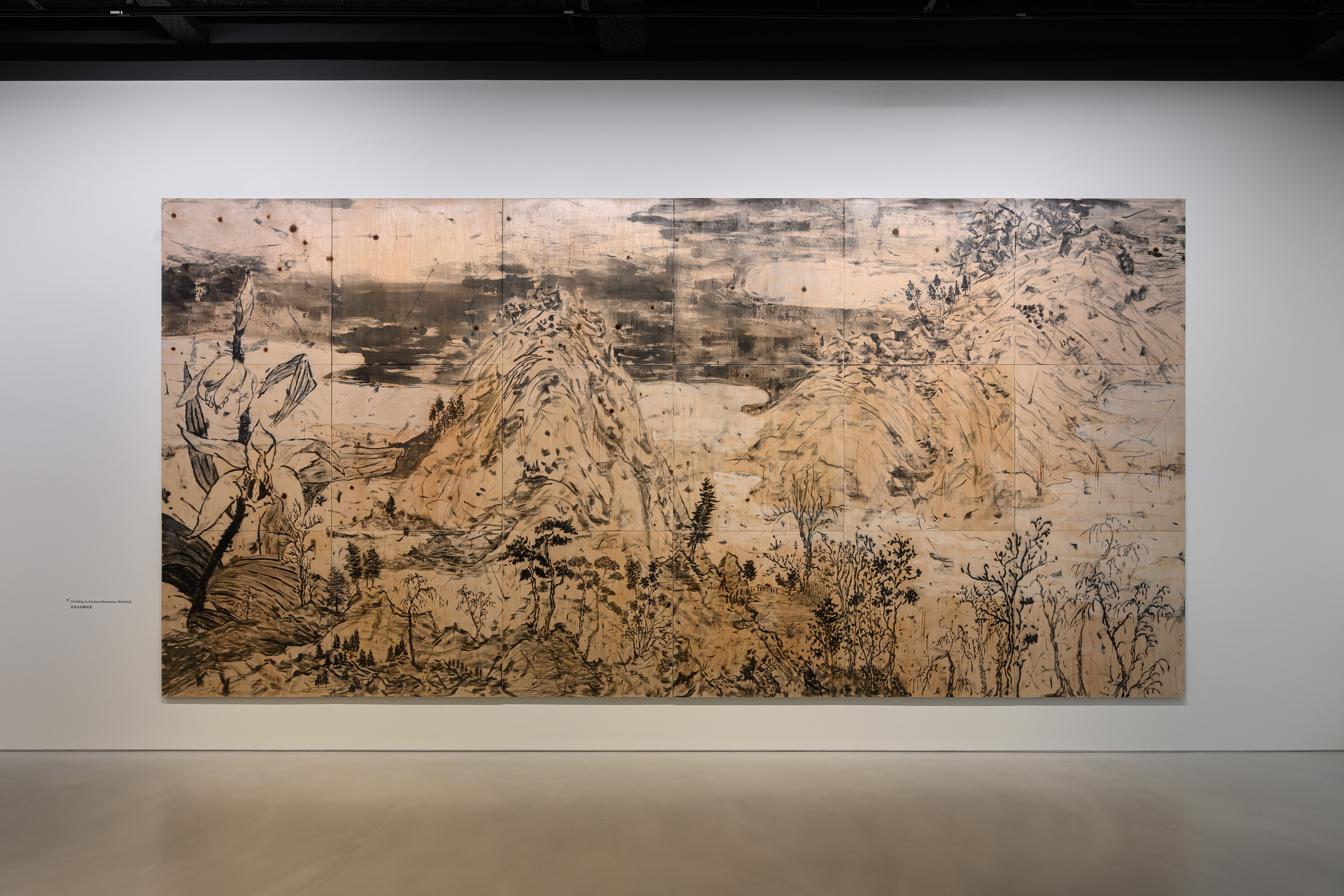
Lam Tung Pang, Everyone’s journey toward faith is different (23 October 2025–10 January 2026) at gdm Taipei
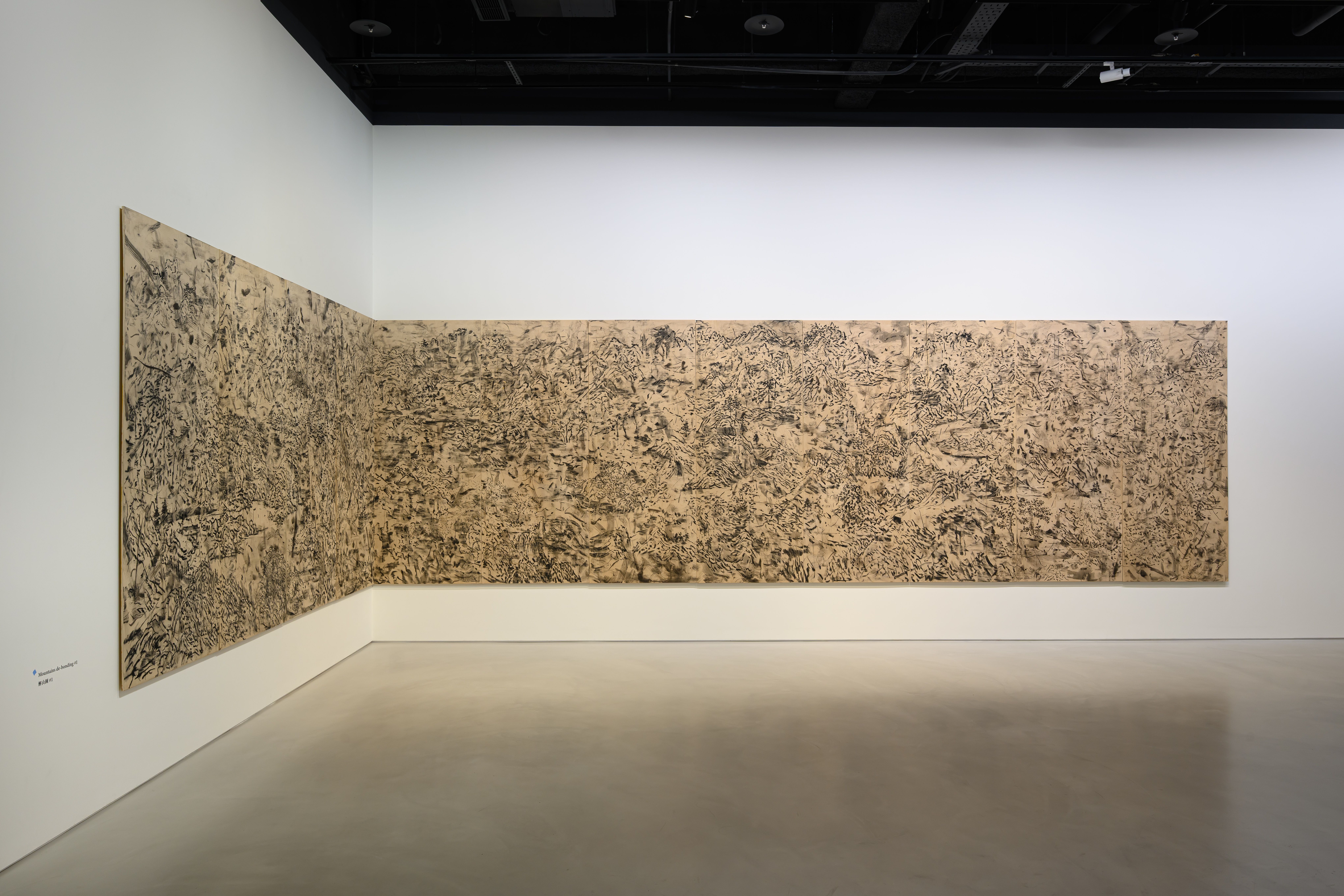
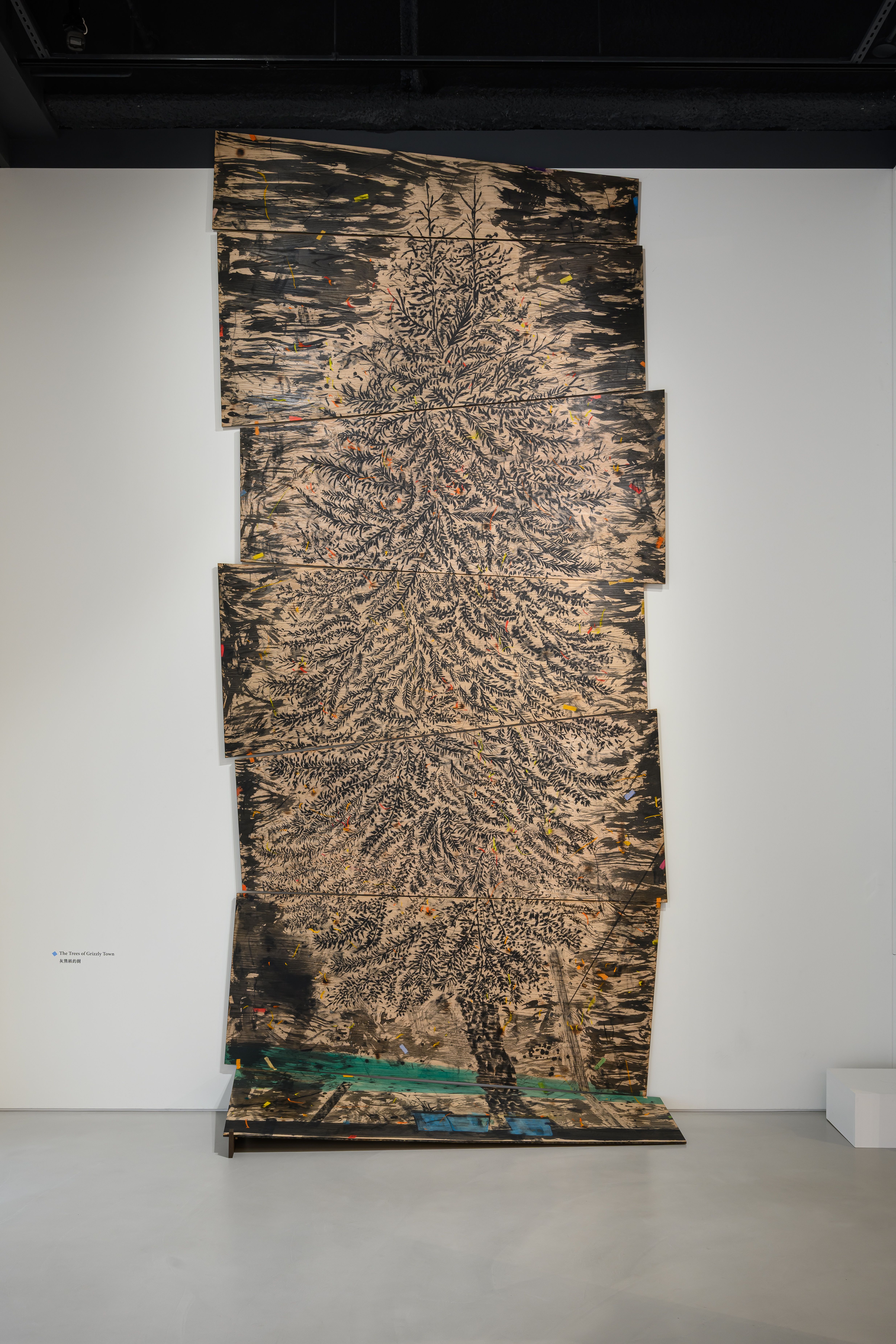
What do Hong Kong artists talk about when they talk about diaspora? They might talk about the radical changes to the city when China took over sovereignty from the British crown, and again after the 2019 protests reshaped the city’s social landscape. Lam Tung Pang is one of these artists—or at least, he used to be. In 2020, just days before the controversial National Security Law took effect, he covered the windows of the Hong Kong Museum of Art with marker strokes resembling a torrential downpour. The action, reconfigured in gdm’s new Taipei space across screens laid flat on a table, becomes both documentation and gesture. For Lam, now self-exiled to North America, these emotionally saturated marks embody a ‘pessimistic optimism’. They echo through the large-scale plywood landscapes installed throughout the gallery, where, by nodding to Chinese artist and poet Huang Gongwang’s Dwelling in the Fuchun Mountains (1348–50), Lam seeks to locate an emotional home amid shifting geopolitics. —[O]
Main image: Chen Ching-Yuan, Folding Dawn (2025) (detail). Oil on canvas. 111 x 146 cm. Courtesy the artist and TKG+.




A respected voice in contemporary art discourse.
Focusing on ambitious storytelling and insightful art-world commentary. Ocula Magazine publishes in-depth interviews, critical essays and timely analysis on the artists, exhibitions and ideas driving the global art world.
Learn more about Ocula Magazine
Showcasing the best of the art world.
Ocula partners with galleries from around the world to highlight their artists, artworks and exhibitions. Gallery membership is by application and invitation, with each member vetted by an independent panel.
Learn more about Ocula Membership
Specialises in the sale of major artworks.
Led by a team with deep ties to the world’s leading auction houses, galleries and collectors. Ocula’s advisory team offers bespoke services to high-net-worth clients from around the world who are looking to acquire the best of contemporary and modern art.
Learn more about our team and services