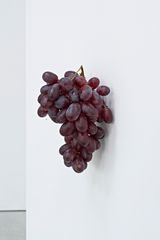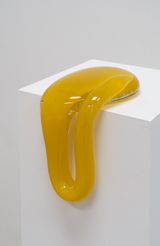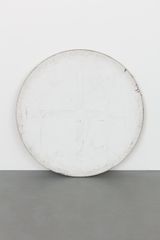
Esther Schipper is pleased to present “What you see is not what you get” (22 Exhibitions), the fourth solo exhibition of Karin Sander with the gallery.
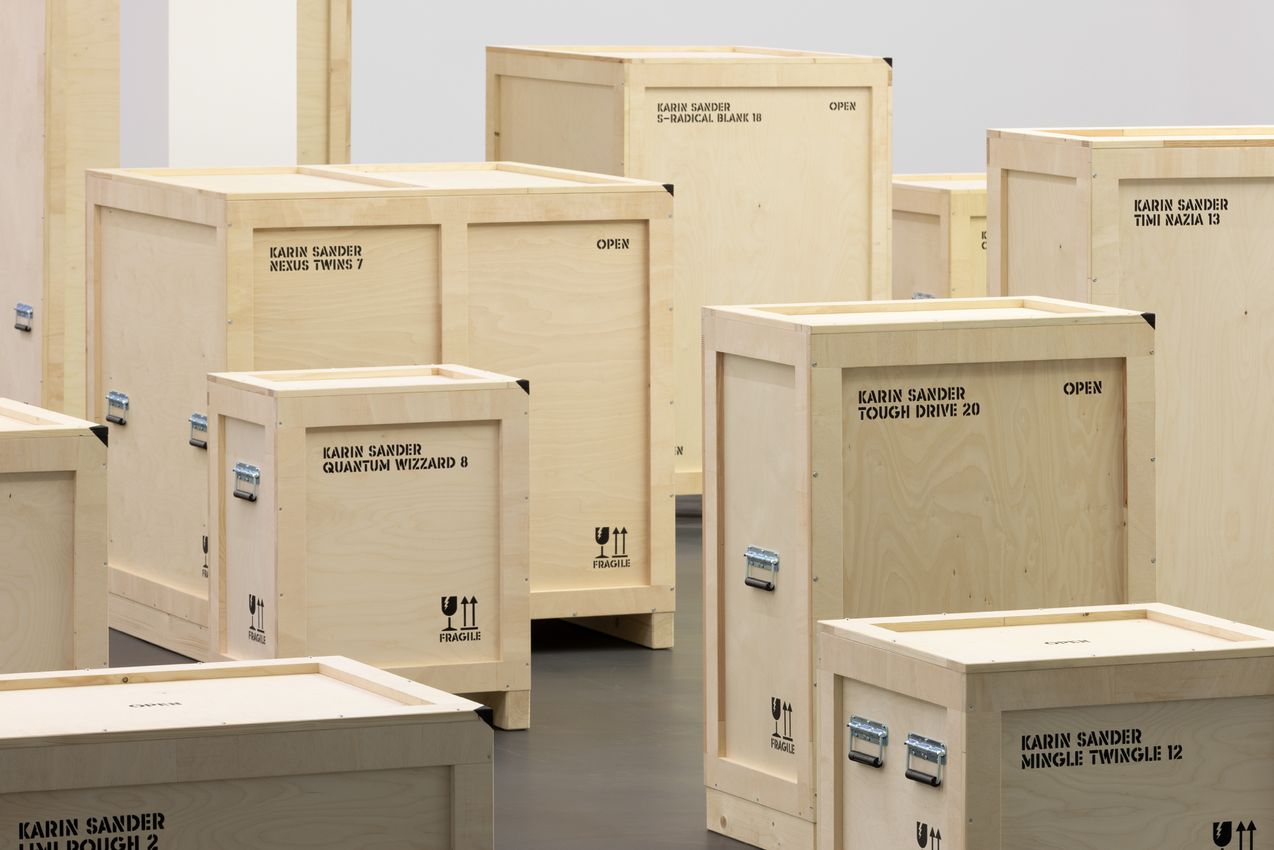
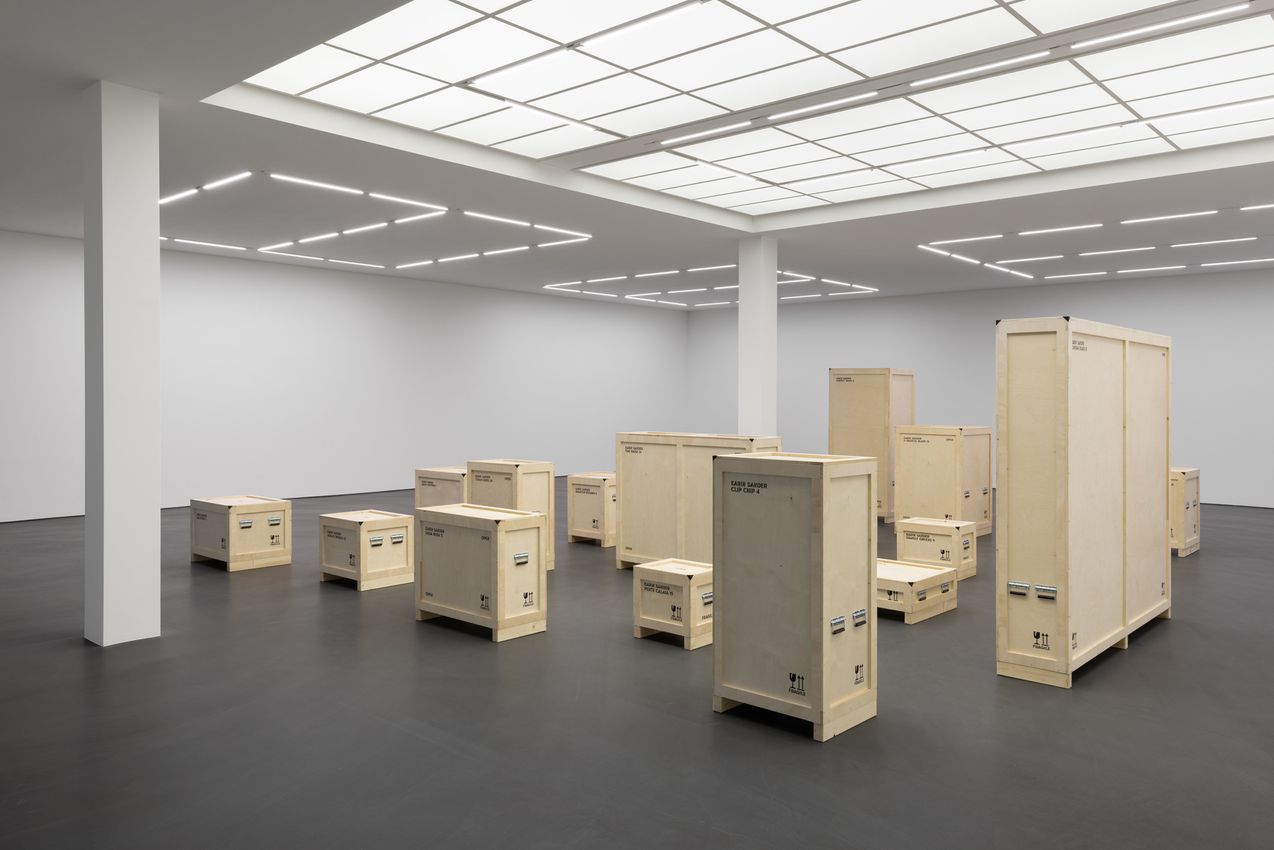
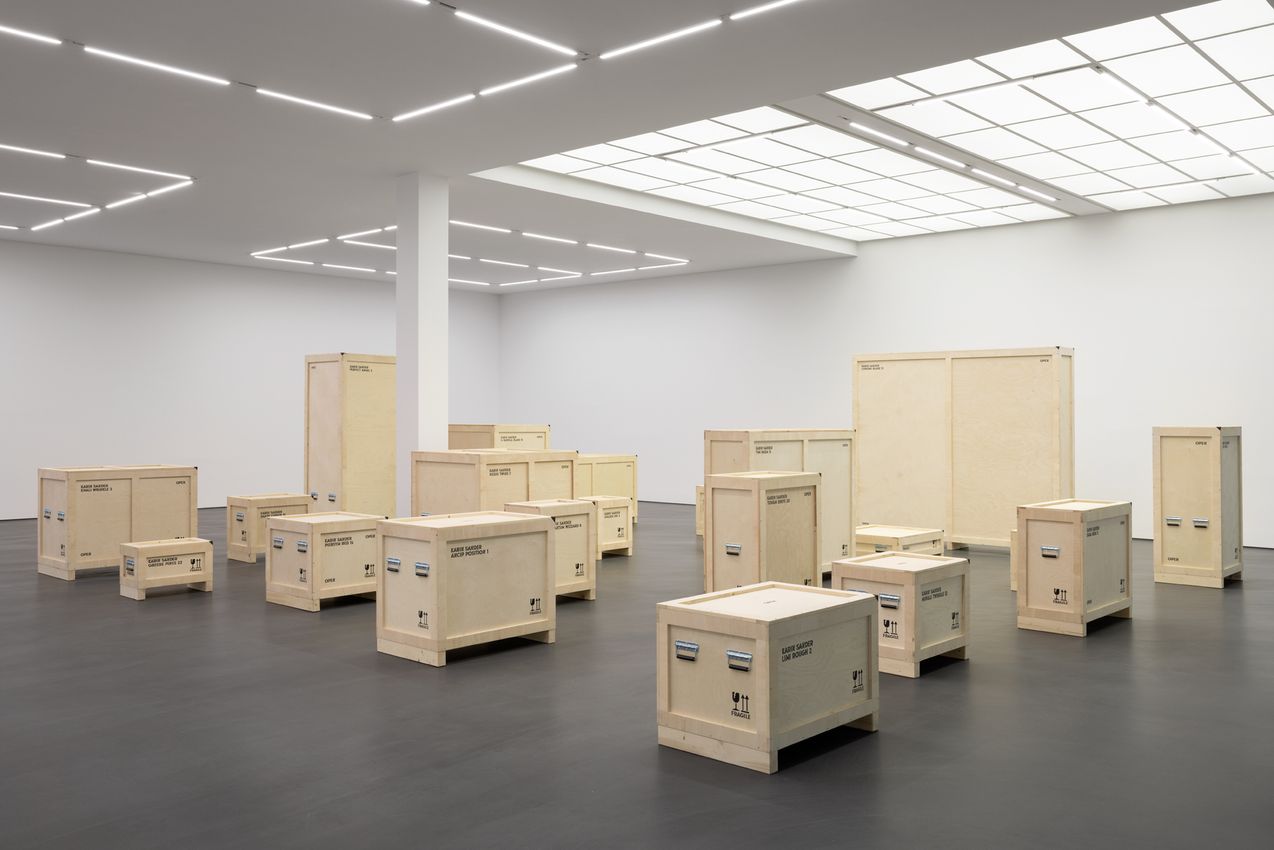
For this solo exhibition entitled What you see is not what you get, Karin Sander has gathered different works from her oeuvre and from these she has curated 22 exhibitions. Karin Sander has carefully packed these particular, individual selections into transport crates and then closed them; the crates offer protection and sometimes contain instructions regarding the various, small- and large-format art works they hold. The exhibits are well kept in their transport crates, present in the gallery space but eluding visibility. Each transport box has its own size, bears its unique title, lists the materials used in the works, and contains what goes with the installation of the works and the respective exhibition.
The tension between visibility and presence is also a motif of the new augmented reality exhibition conceived by Karin Sander. Visitors can use VR glasses to visit other exhibitions in the gallery virtually. For this piece, she had works 3D scanned and virtually installed on the walls. This visible, albeit in AR, presentation provides a counterpoint to the 22 physically present exhibitions – it lets visitors see works that are not physically present, while the works in the shipping crates are present but not visible. Thus, visual information meets augmented reality, the narrative of physical and conceptual content superimposed on the presence of augmented reality: ‘What you see is not what you get’.
Karin Sander was born in 1957 in Bensberg, Germany. She studied at the Staatliche Akademie der Bildenden Künste in Stuttgart and at the Independent Study Program of the Whitney Museum in New York. From 1999 to 2007, Sander was professor at the Kunsthochschule Berlin-Weißensee. Since 2007, she holds a professorship of Art and Architecture at ETH Zurich Swiss Federal Institute of Technology. For 2023 she is selected to represent Switzerland at the Architecture Biennale in Venice together with the art and architecture historian Philip Ursprung.
Karin Sander has received numerous prizes, including the Rome-Prize of the German Academy in Rome, Villa Massimo, Rome (2014), Hans-Thoma-Preis, Großer Landespreis für Bildende Kunst Baden-Württemberg (2011), Cité Internationale des Arts, Paris (1996), Stipendium der Akademie Schloss Solitude, Stuttgart (1993–1995), Rubens-Förderpreis der Stadt Siegen (1994) and the Villa-Romana-Prize, Florence (1993).
Sander’s work has been exhibited extensively. Notable solo exhibitions include: Karin Sander Office Works, Kunsthalle Tübingen, Tübingen (2021); Karin Sander – Skulptur / Sculpture / Scultura, Museion, Bolzano (2020); 43°45’51.8′′N 11°15’46.8′′E, Base / Progetti per l’arte, Florence (2020); Karin Sander. A - Z, Haus am Waldsee, Berlin (2019); Karin Sander, Kunst Museum Winterthur, Winterthur (2018); Transzendenzaufzug, permanent installation, Kunstuniversität Linz, Linz (2017); Zeigen. An Audio Tour through the collection of the GfZK, Galerie für Zeitgenössische Kunst (GfZK), Leipzig (2017); Karin Sander – Identities on Display, Kunstmuseum Villa Zanders, Bergisch Gladbach (2017); Karin Sander, Kunsthalle Marcel Duchamp, Cully (2016); Karin Sander, Tongewölbe T25, Ingolstadt (2015); Identities on Display, Humboldt Lab Dahlem, Berlin (2013); Museumsbesucher 1:8, Lehmbruckmuseum, Duisburg (2013); Karin Sander, Neuer Berliner Kunstverein, Berlin (2011); Gebrauchsbilder und Andere, Kunstmuseum St. Gallen (2010); Labor, K20 Kunstsammlung Nordrhein-Westfalen, Düsseldorf (2010), and Zeigen. An Audio Tour through Berlin, Temporäre Kunsthalle, Berlin (2009).
The artist’s work is included in many public collections, including: The Museum of Modern Art, New York; The Metropolitan Museum, New York; SFMOMA, San Francisco; MUSEION – Museo d’arte contemporanea di Bolzano, Bolzano; Kunstmuseum, Bonn; Staatsgalerie Stuttgart; Kunstmuseum Stuttgart; Kunst Museum Winterthur; National Museum, Osaka; Sprengel Museum, Hannover; Muzeum Artystów, Łódź; Kunstmuseum St. Gallen; and Hirshhorn Museum, Washington, D.C.
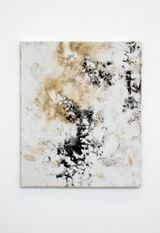
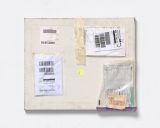
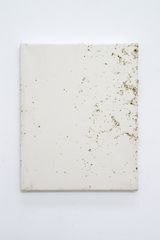
Karin Sander works with situations, their social and historical contexts, involving interventions in existing structures and institutions. The medium the work is realised in is painting, sculpture, electronic media, science, architecture; in brief: each medium is available for working out its specific potential. The intersection of work, recipient and institution, of what is found and what is added, of presence and absence, is emphasised and exhibited. Her Mailed Paintings (begun in 2004), for example, standard-sized and primed canvases of various shapes, are sent to exhibitions without any kind of protection; while being on display constantly, they collect and display traces and marks of their journey. At n.b.k. – Neuer Berliner Kunstverein (2011), one work consisted of piles of crumpled-up waste paper, post-it notes, tossed-out magazines etc. accumulating on the floor, the material originating from the offices of the institution, located directly above the exhibition space. Karin Sander had 30-centimeter wide holes drilled through the ceiling of the exhibition space, the floor of the n.b.k. offices above, in places where originally waste paper baskets were located and instructed the staff of n.b.k to use these holes in the floor just as they would normally use the bins.
Esther Schipper founded the gallery in 1989 in Cologne. In 1997 the gallery relocated to Berlin. Through more than three decades of continuous exhibition practice, the gallery has established itself as a major force not only in Germany but in an international context, with offices in Paris and Seoul and representatives in France, Spain, the United States, Latin America, South Korea, Taiwan and China. The gallery holds up to ten gallery exhibitions as well as multiple off-site projects each year and participates in leading art fairs across the globe.

A respected voice in contemporary art discourse.
Focusing on ambitious storytelling and insightful art-world commentary. Ocula Magazine publishes in-depth interviews, critical essays and timely analysis on the artists, exhibitions and ideas driving the global art world.
Learn more about Ocula Magazine
Showcasing the best of the art world.
Ocula partners with galleries from around the world to highlight their artists, artworks and exhibitions. Gallery membership is by application and invitation, with each member vetted by an independent panel.
Learn more about Ocula Membership

Specialises in the sale of major artworks.
Led by a team with deep ties to the world’s leading auction houses, galleries and collectors. Ocula’s advisory team offers bespoke services to high-net-worth clients from around the world who are looking to acquire the best of contemporary and modern art.
Learn more about our team and services