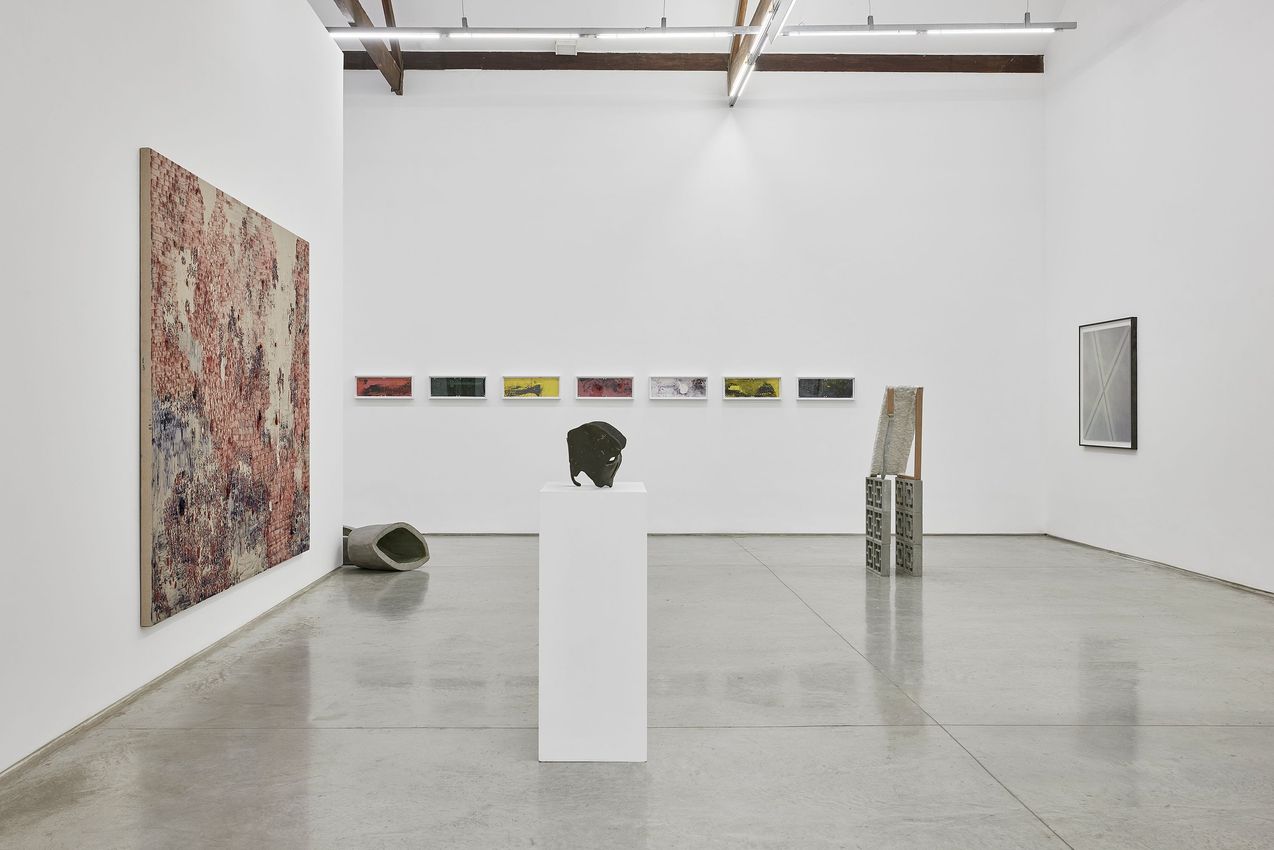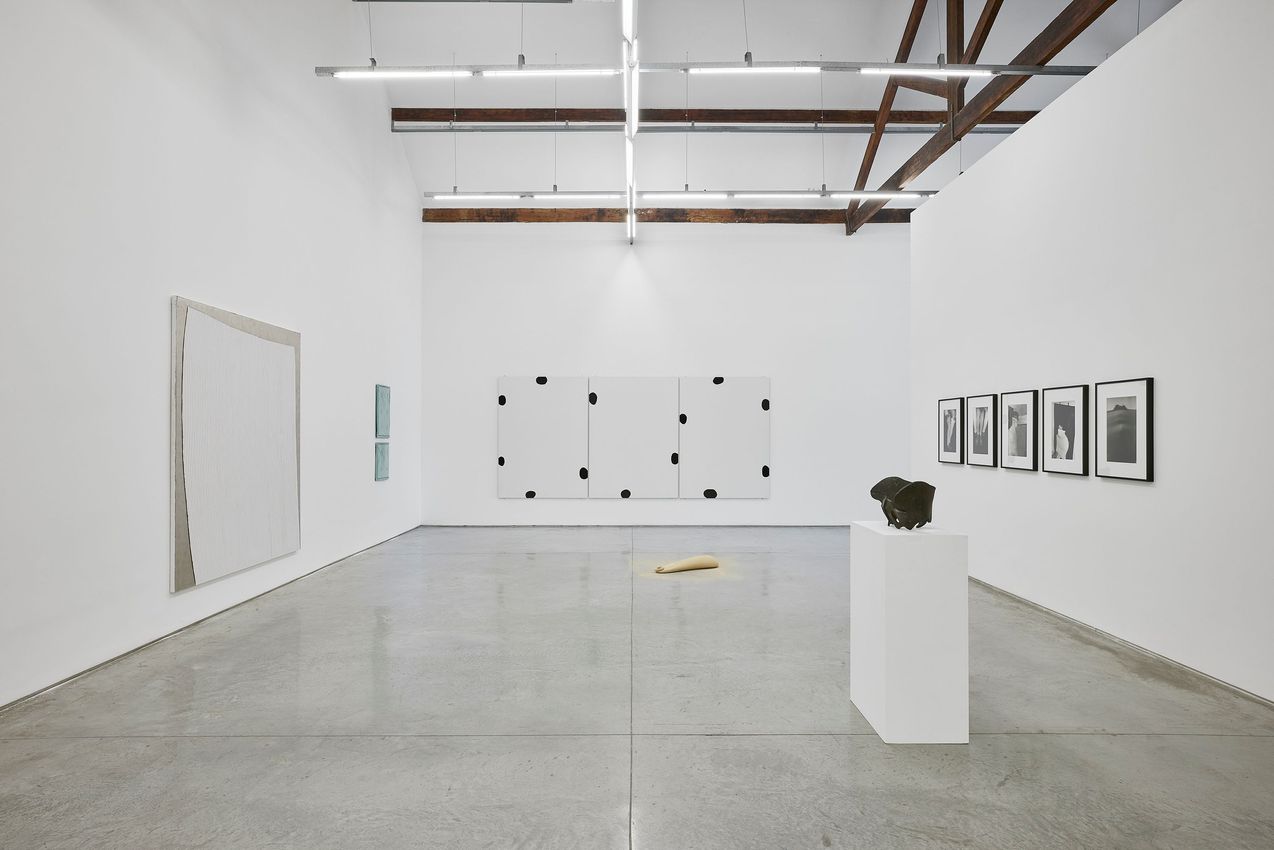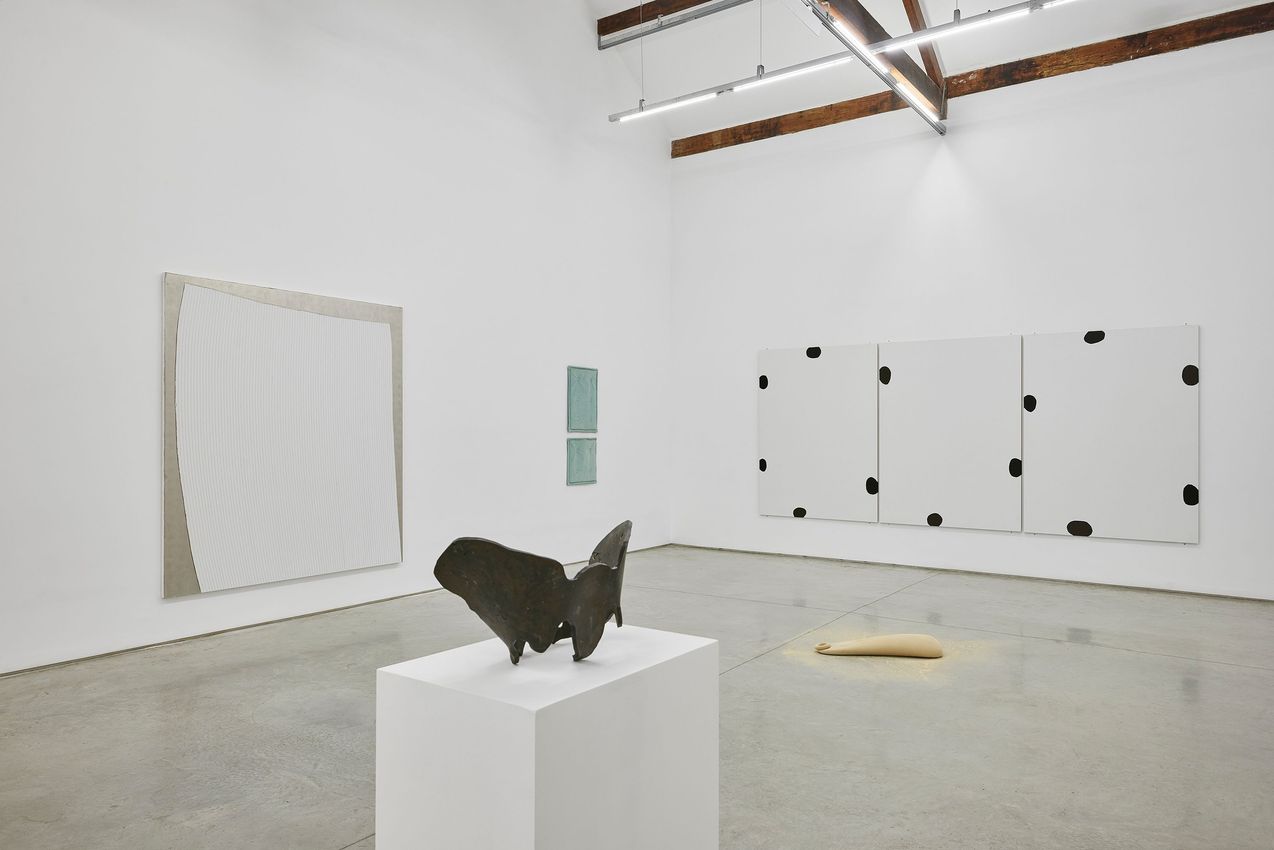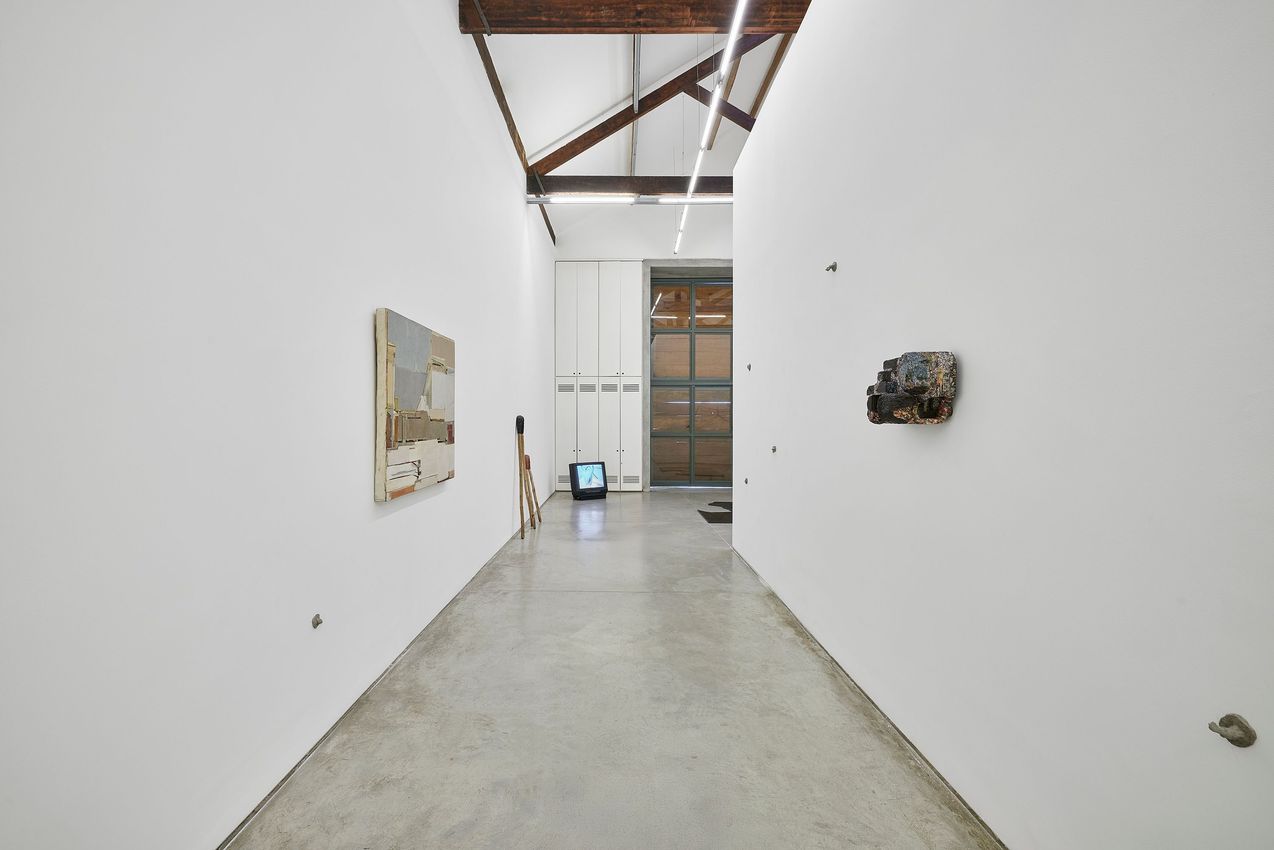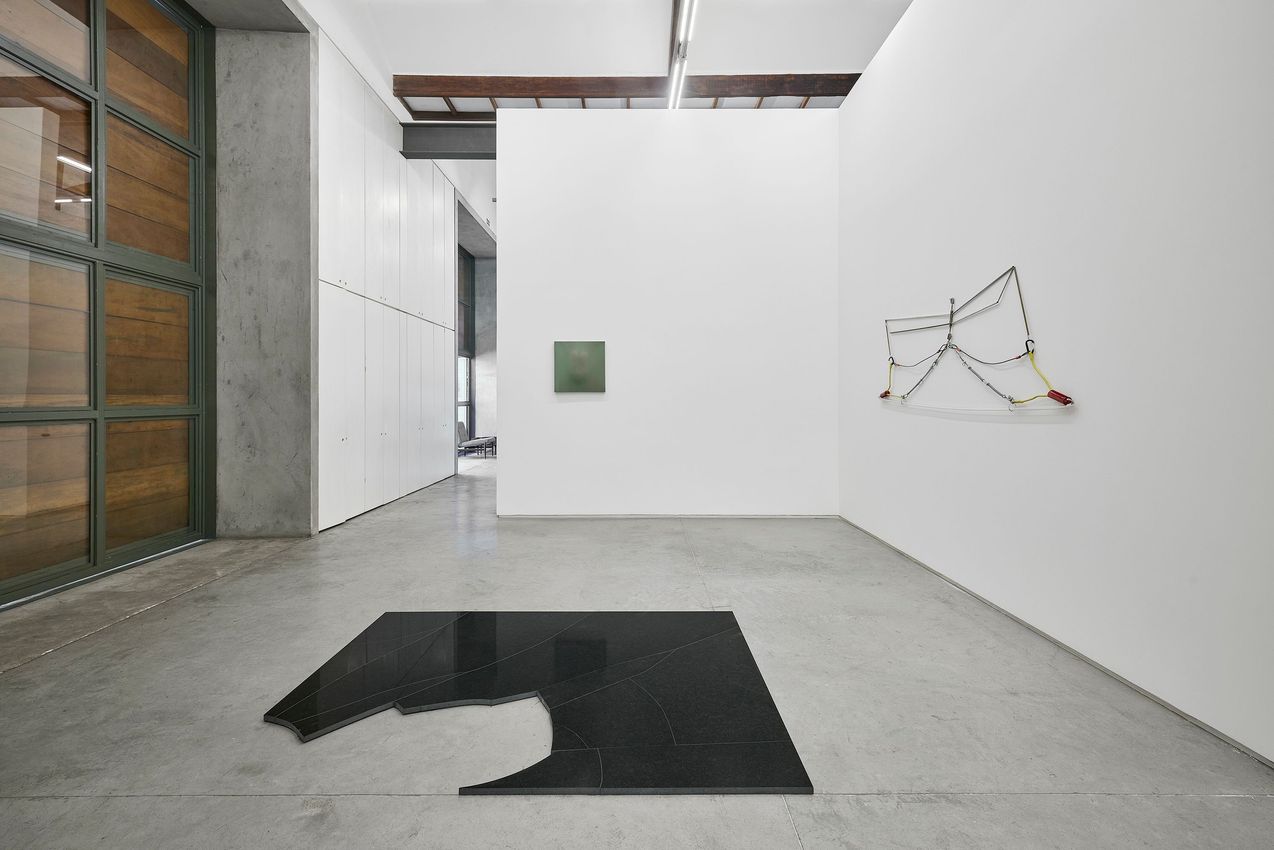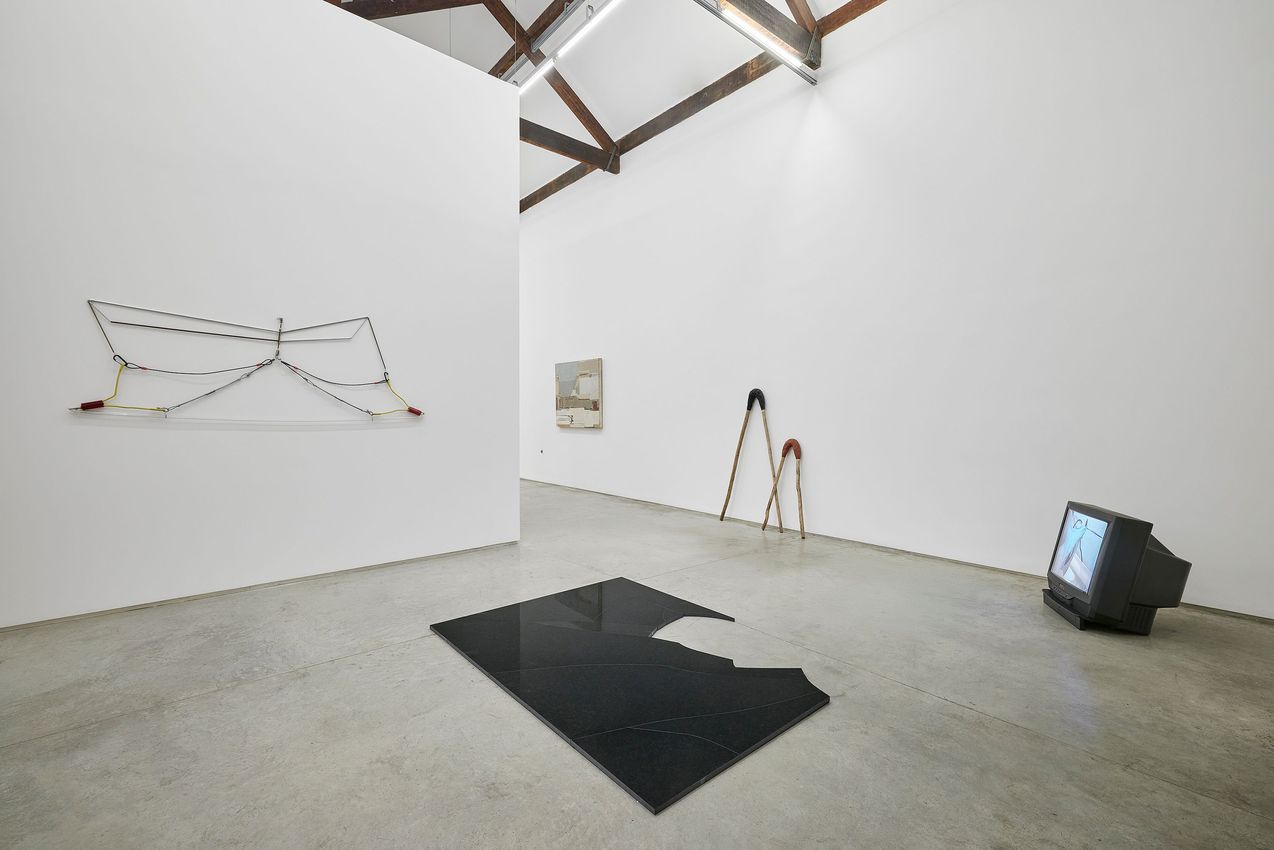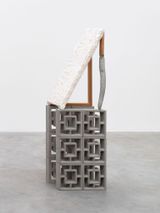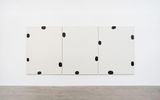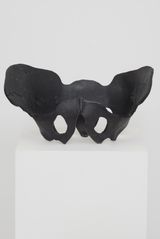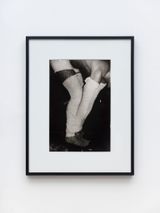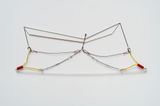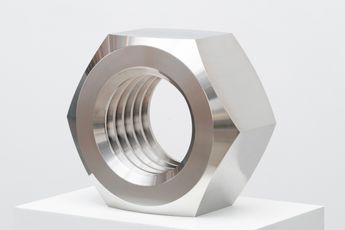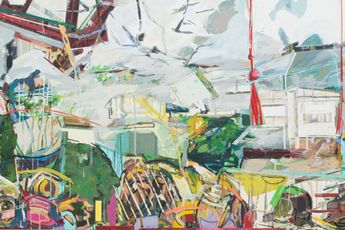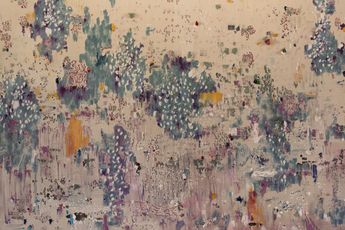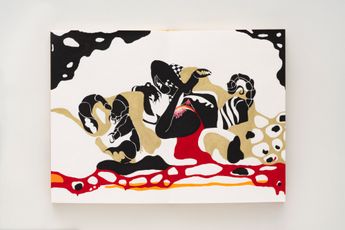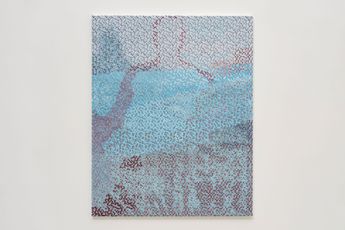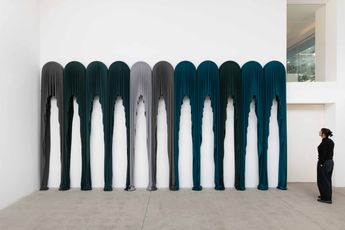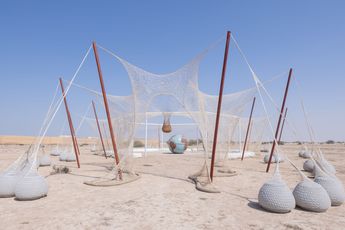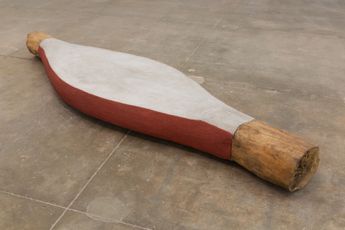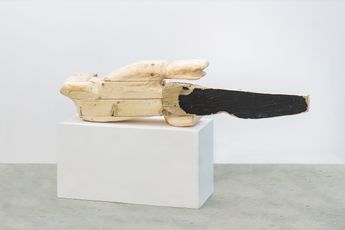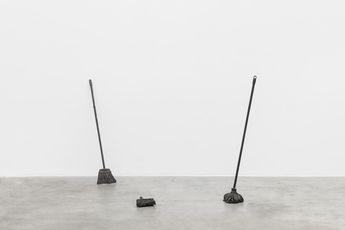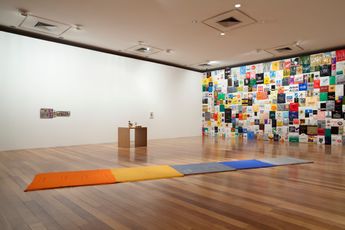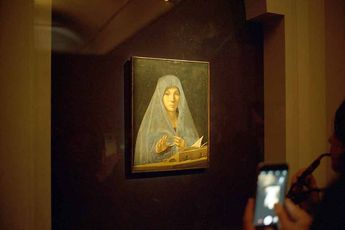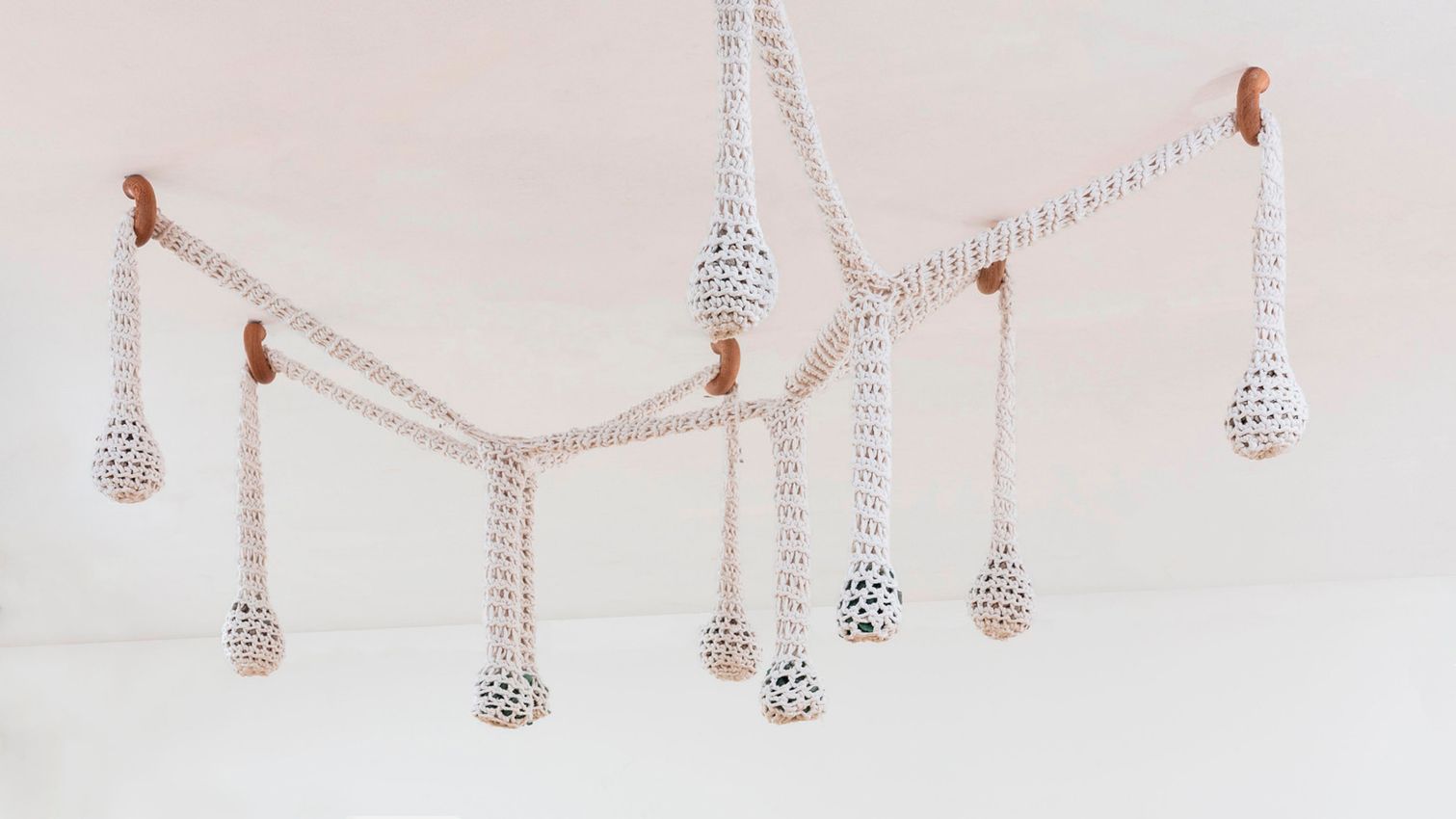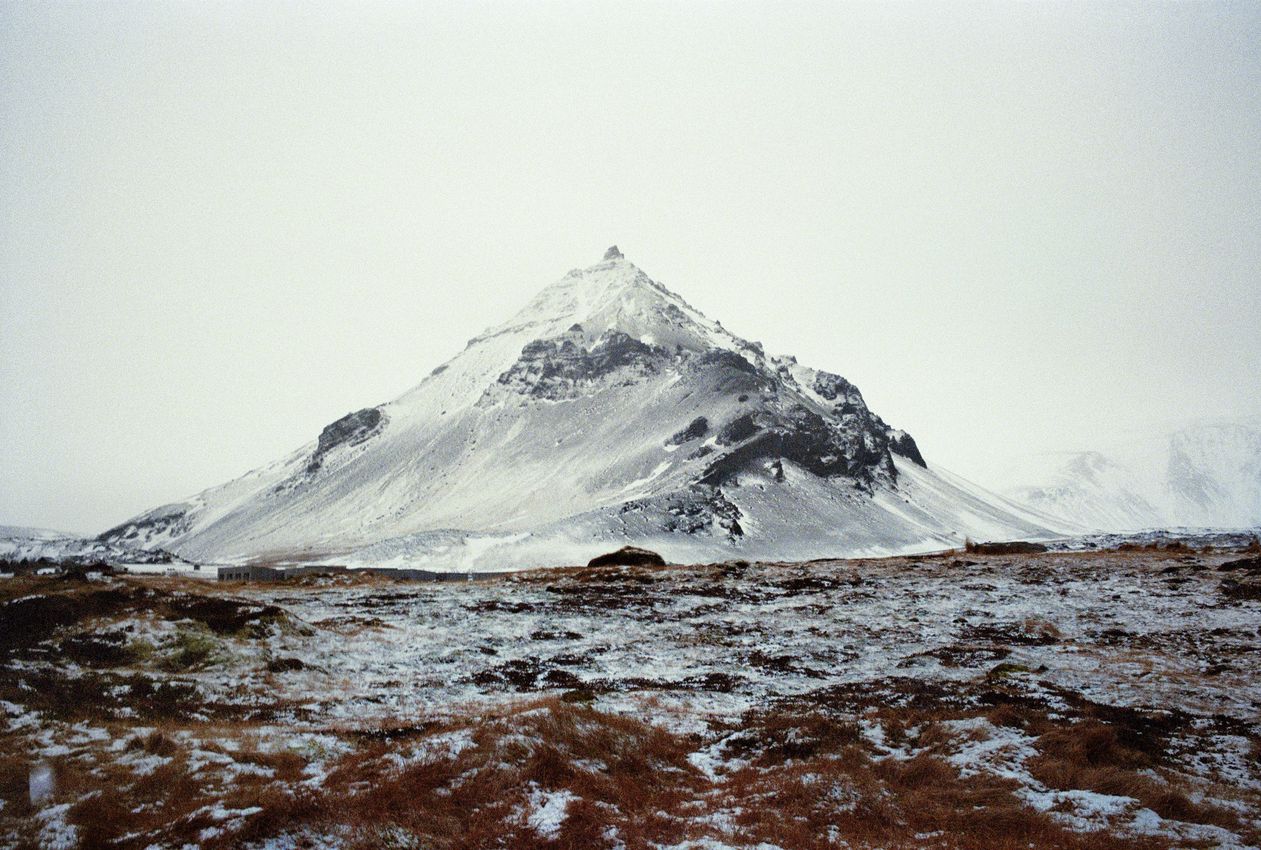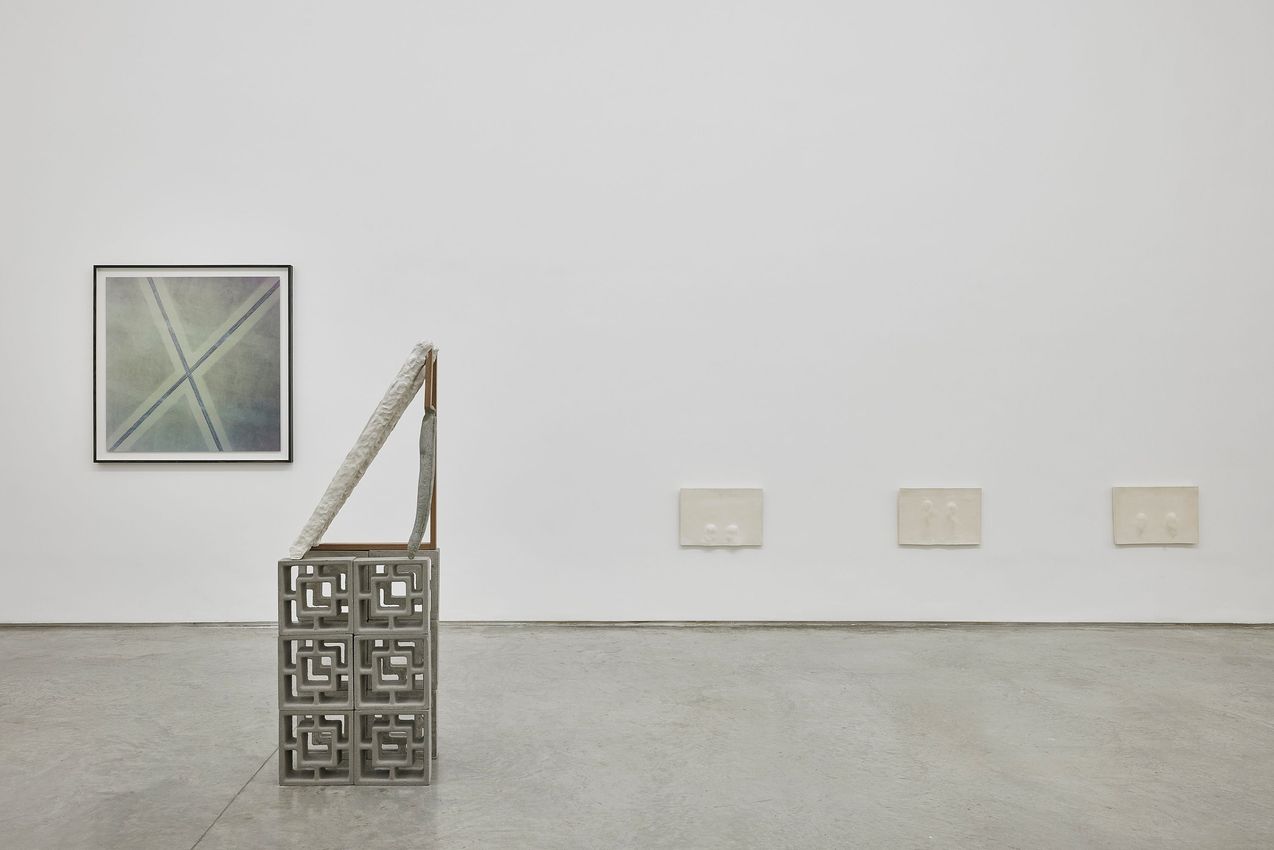
Quebracorpo devises a set of operations inscribed in broken bodies or embodied breakages. These operations, taken together, create a system of oppositions: slackening-stretching, calcifying-softening, lowering-lifting, thickening-diluting, stimulating-numbing.
The pairs listed above are material, visual and tactile. The works’ nudity is their eloquence, the sharpening of the semantic charge coursing between them. Breakage defines their common regions of meaning, the body is the consistency these meanings acquire in a given situation.
Breakages in shape or the limits of the surface – inward or outward, toward the looker; of the regimes of symmetry or organisation that give certain artworks their finish; of expectations of cohesion and wholeness that accompany painting or sculpture; of the scenographic as a mode of presenting action; of the human bodily figure as measure and bond to the spectator. Fissures that open up to connections outside of the volume or canvas.
In this vocabulary, the body is not a carnal container but an amorphous zone that receives and returns forces and pressures, – each work is embodied in its own way, reacting to efforts and taking up space. An appeal to their ergonomic, tactile or postural condition bounces back against whoever looks on, whether they are made of porcelain, light, bronze, plaster or oil.
Quebracorpo also means casting off repressions that clothe the skeleton under some form of clothing: a certain nudity or frankness in these works is of interest. Under the skin are bones but without the body. Matter is not contained in form, nor is form draped in matter. The works are here and little or nothing keeps them from view.
Breakages are symptoms of a number of operations: shattering (Lucia Laguna, Iran do Espírito Santo), dissolution (Marina Rheingantz, Rivane Neuenschwander), suturing (Sergej Jensen), fraying (Rodrigo Cass), swelling (Alexandre da Cunha, Ernesto Neto), stiffening (Erika Verzutti, Ivens Machado); accumulation (Anderson Borba, Nuno Ramos), pressure (Valeska Soares, Edgard de Souza), tensioning (Jac Leirner, Mauro Restiffe), splitting (Alexandre Canonico, Sara Ramo) and fossilization (Eliane Duarte, João Maria Gusmão & Pedro Paiva).
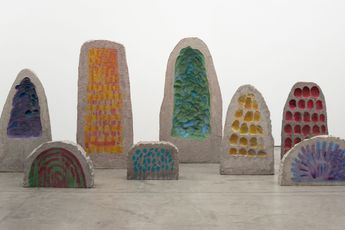
Not all these breakage operations result in fragmentation or subtraction; many lead to an impression of growth and centrifugal force. In these cases, it is not the object or surface that breaks, but rather the environing space, air’s hidden resistance to forms or perceptive currents radiating out of a restless focus. Breaking is then a sort of welding onto the work’s outside, negotiating its autonomy in favour of a network of relations established with all others.
That the fracture may be a form of composition, of revealing what keeps bodies whole, less nouns, more verbs. It is as if the point at which bodies break made visible the limit where body and world meet. We discover then that it is not really a point but a field, with a texture attached and enmeshed with the envelopes of things. In an analogy, when discourse breaks, the unconscious appears.


A respected voice in contemporary art discourse.
Focusing on ambitious storytelling and insightful art-world commentary. Ocula Magazine publishes in-depth interviews, critical essays and timely analysis on the artists, exhibitions and ideas driving the global art world.
Learn more about Ocula Magazine
Showcasing the best of the art world.
Ocula partners with galleries from around the world to highlight their artists, artworks and exhibitions. Gallery membership is by application and invitation, with each member vetted by an independent panel.
Learn more about Ocula Membership

Specialises in the sale of major artworks.
Led by a team with deep ties to the world’s leading auction houses, galleries and collectors. Ocula’s advisory team offers bespoke services to high-net-worth clients from around the world who are looking to acquire the best of contemporary and modern art.
Learn more about our team and services