Press Release

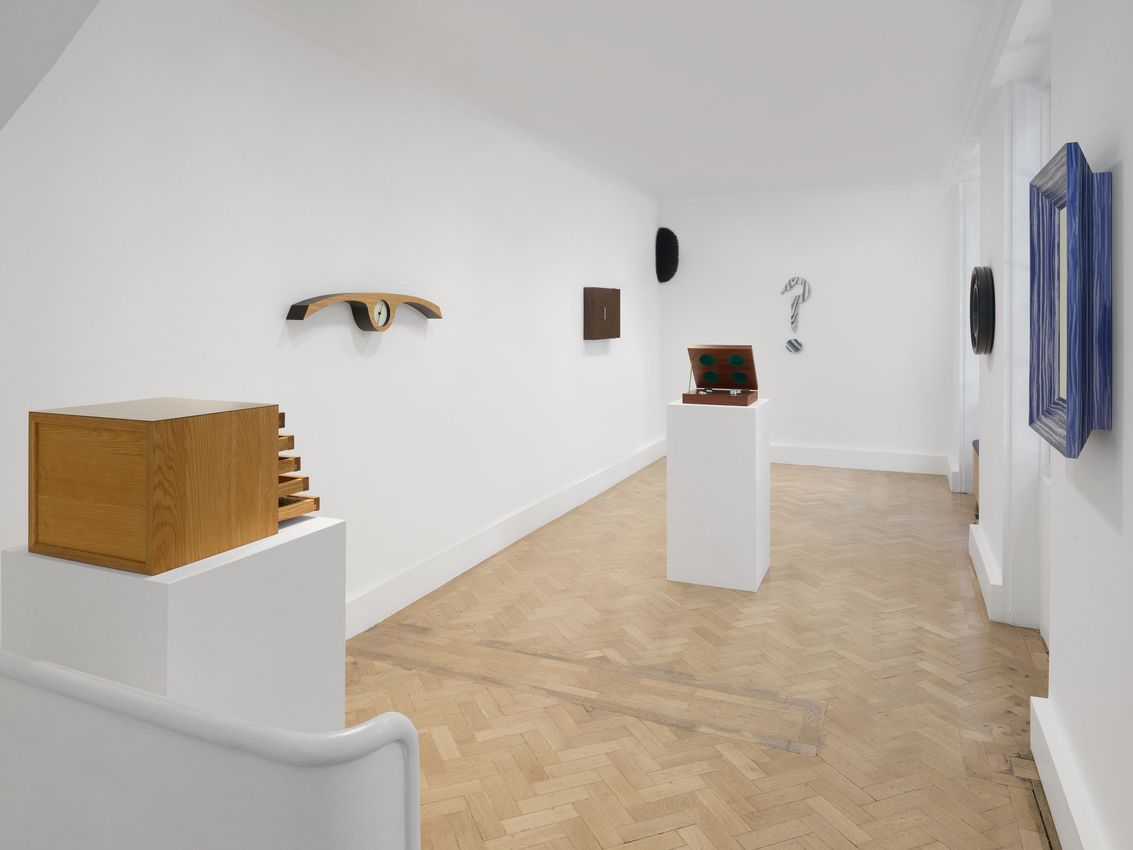
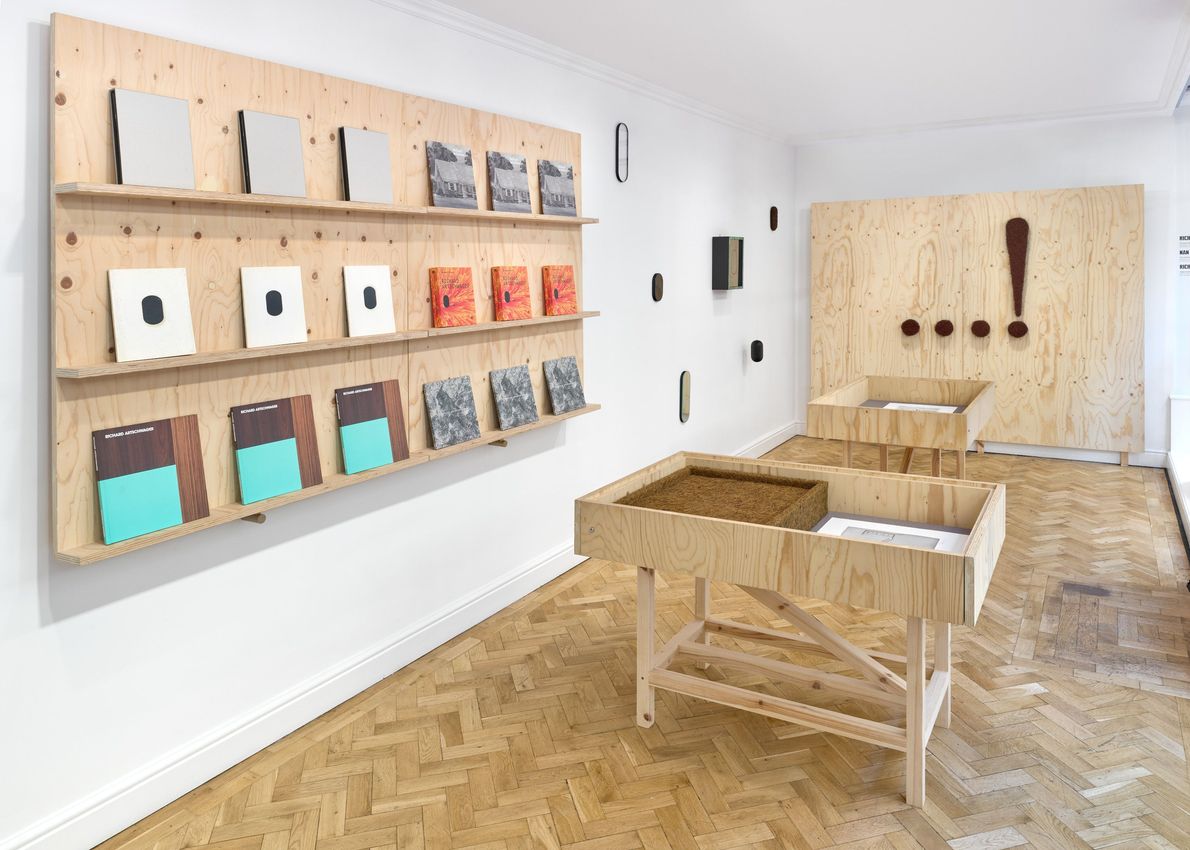
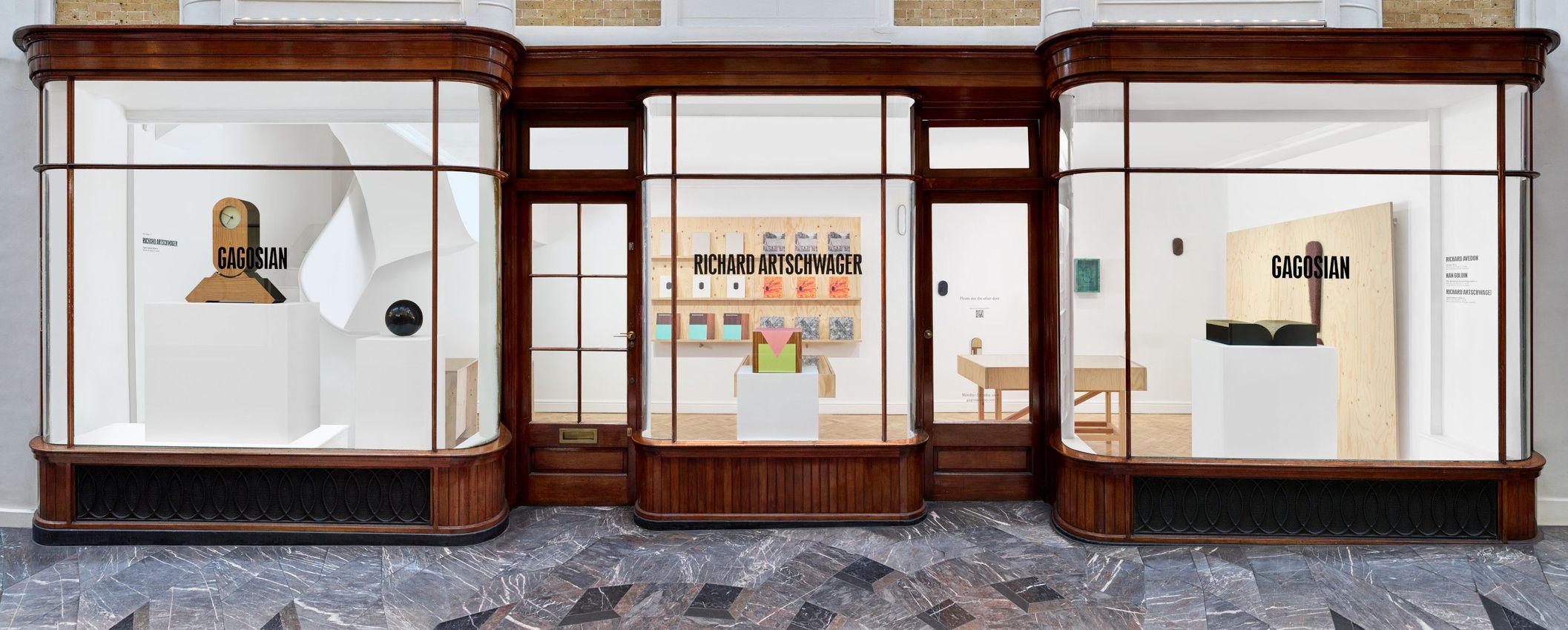
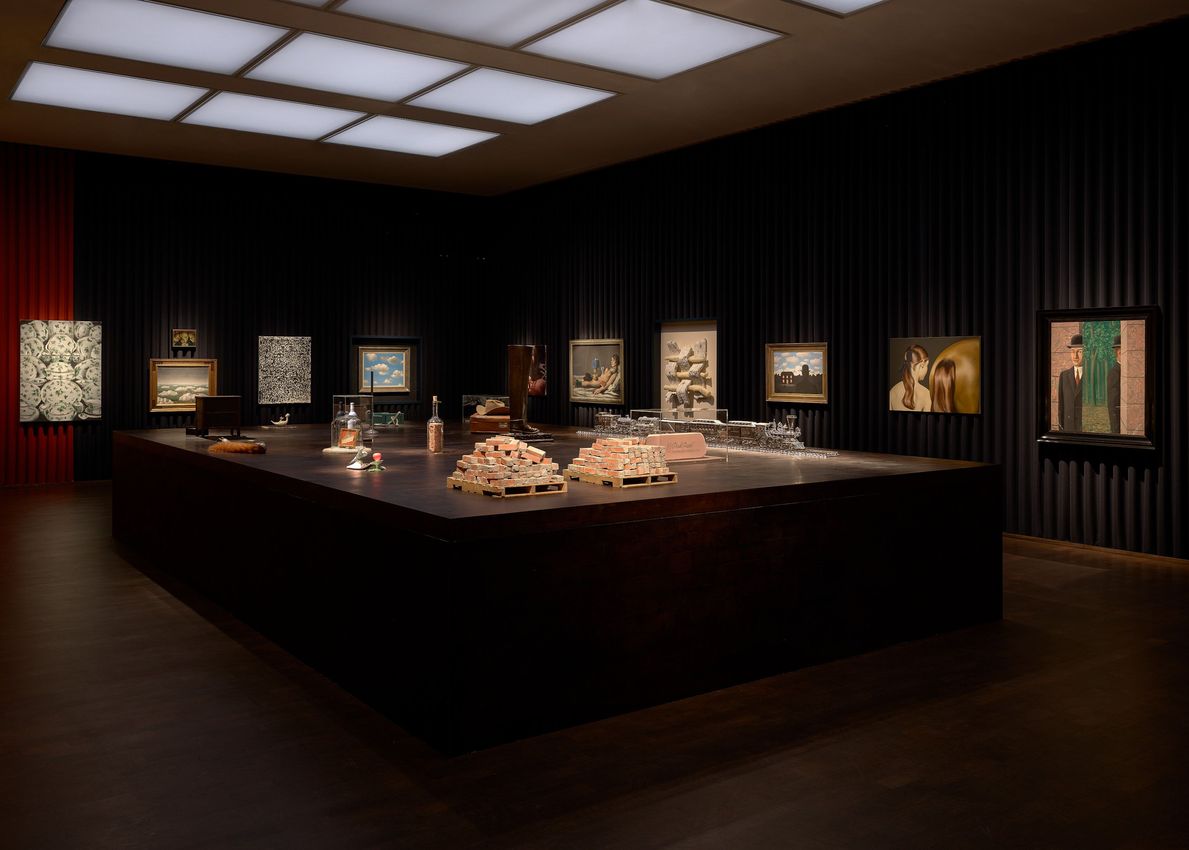
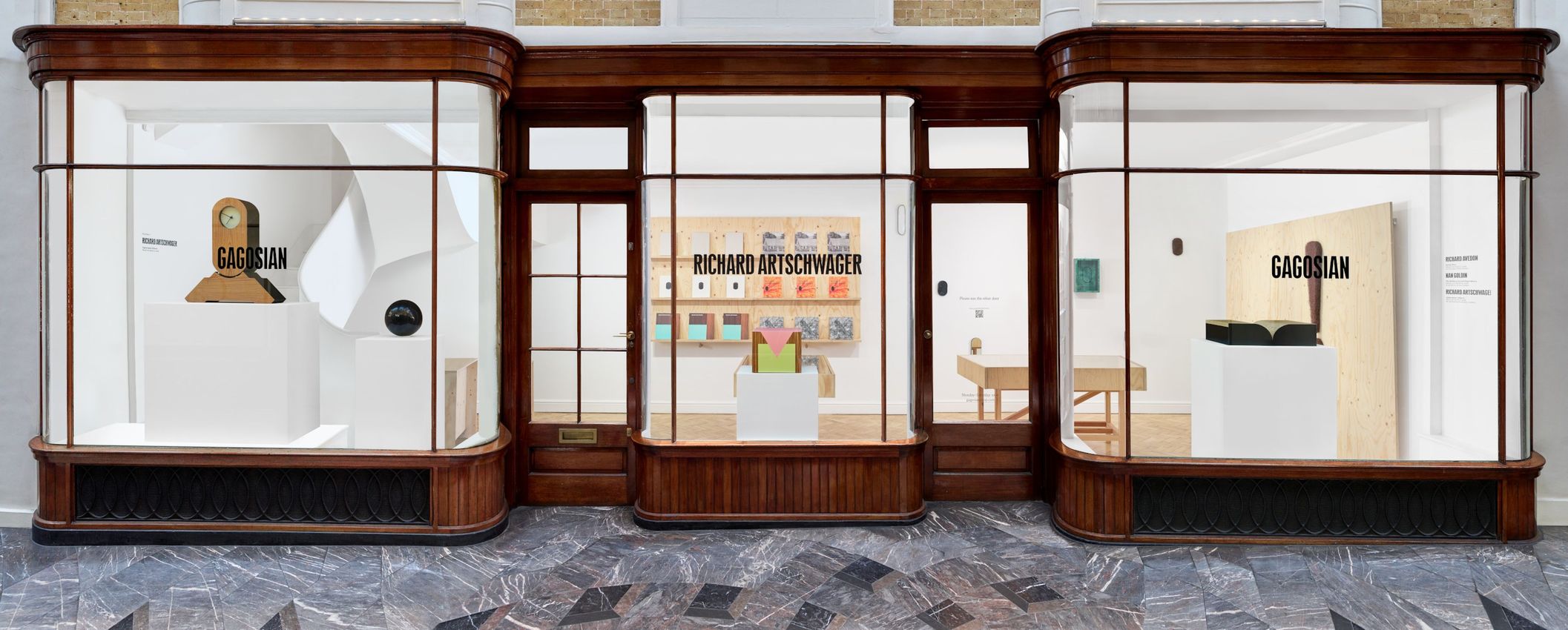
Gagosian is pleased to announce Approximate Objects, an exhibition of sculptural multiples by Richard Artschwager (1923–2013). On view from March 18 to April 17, the presentation surveys sixteen editioned works created between 1969 and 2012. Installed on the ground and upper floors of the gallery’s space at Burlington Arcade, Approximate Objects is accompanied by a selection of the artist’s publications and prints in the lower-level reading room.

With accessibility of his work in mind, Artschwager produced editioned multiples throughout his career, complementing his unique paintings and sculptures. Most of these editioned works were produced in the artist’s studio and released by various publishers, including Brooke Alexander, Carolina Nitsch, Multiples Inc., and Castelli Graphics. The works on view include several artist’s proofs and prototypes.

Following service in military intelligence during World War II, Artschwager studied with Parisian modernist Amédée Ozenfant in New York, but subsequently turned to furniture making to support his family. A fire that devastated his workshop in 1958 prompted him to return to fine art with paintings and sculptures that refer to the forms and materials of furniture and other quotidian objects. In terms of functionality, such works may be described as “almost furniture,” as art historian and curator Germano Celant put it, or as approximate objects.

Subverting perceived boundaries between art and object, Artschwager’s works are often associated with the major movements pioneered by his contemporaries: Pop art, for their reference to everyday items and use of industrial mediums; Minimalism, for their precisely fabricated geometric forms; and Conceptual art, for their cerebral engagement with ideas. Playing off these currents while adhering to none of them, the highly individualistic artist once declared: “-isms usually signal that something is already dead.”

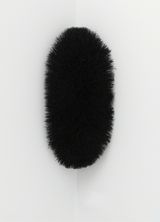
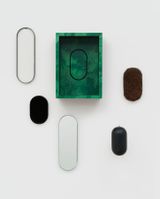
Locations (1969) features five oblong forms that Artschwager called blps (pronounced “blips”), other examples of which he placed as focal points on gallery walls and in unexpected public sites. Produced in his favored mediums—wood, glass, Plexiglas, Formica, mirror, rubberized horsehair—the blp elements that comprise Locations, envisioned as a do-it-yourself blp kit, are to be installed in configurations not decreed by the artist. Other blps can be scouted in public spaces throughout Mayfair during the run of the exhibition.

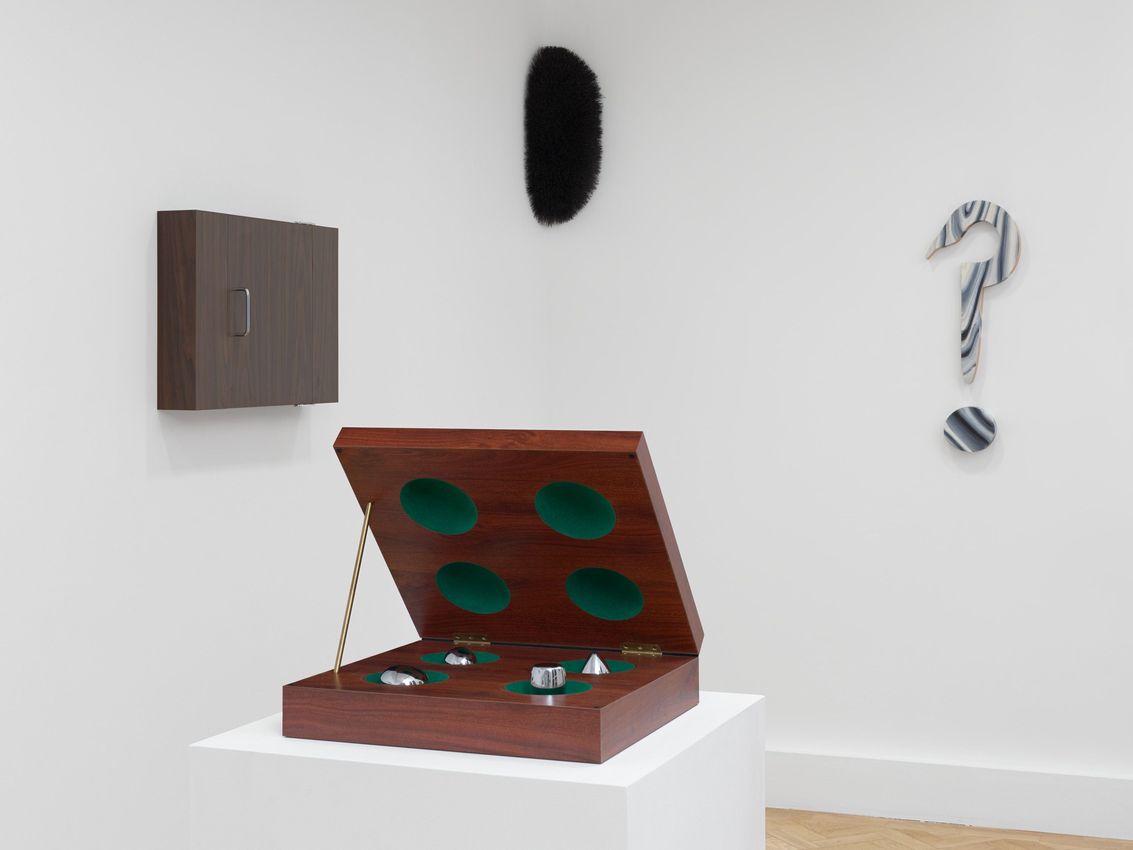
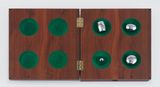
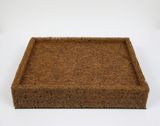
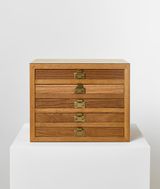
Each drawer in Untitled (1971) holds a different material, though one is bottomless.Four Approximate Objects (1970–91), from which the exhibition’s title is derived, is a mahogany and Formica case that holds four metal objects designed primarily to be touched rather than observed. “The attempt here is to make things as seen by the hand,” Artschwager explained.

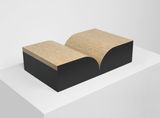
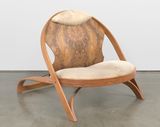
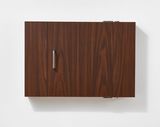
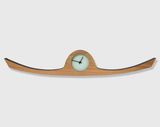
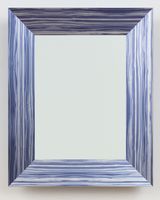
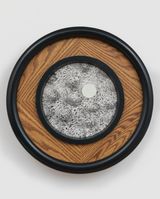
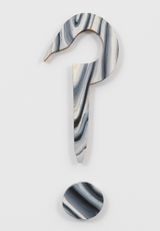
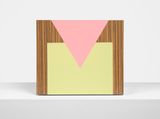
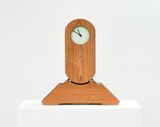
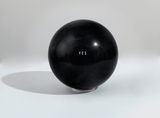
Other works at Burlington Arcade include_Yes/No_ (1968–74), a plastic bowling ball engraved with words that imply a playful indeterminacy. Pregunta II (1983) and Untitled (Dat, Dat, Dat, Dah) (2007) punctuate space, the symbolism of their shapes augmenting their material presence. Book (1987), Door (1987), Table (Wannabe) (2009), and Mirror/Mirror (2012) are elegant sculptural representations of familiar objects that paradoxically deny their essential functions. Time Piece and Klock (both 1989) are working clocks that respectively embody a loosely anthropomorphic form and the concept that “time flies.” Chair/Chair (1990), made as an edition of 100, actually functions as a chair—one marked by Artschwager’s intriguing philosophy of art, materials, and design.

Read More

Installation Views

Selected Works

Loading...
About the Artist

Richard Artschwager forged a unique path in art from the early 1950s through the early twenty-first century, making the visual comprehension of space and the everyday objects that occupy it strangely unfamiliar. His work has been variously described as Pop art, because of its derivation from utilitarian objects and incorporation of commercial and industrial materials; as Minimal art, because of its geometric forms and solid presence; and as conceptual art, because of its cool and cerebral detachment. But none of these classifications adequately define the aims of an artist who specialised in categorical confusion and worked to reveal the levels of deception involved in pictorial illusionism. In his work, an anonymous sheet of walnut-pattern Formica is both itself and a depiction of a wooden plane; a table or chair is furniture, sculpture, and image all at once; and a painting or sculpture can be a ‘multi-picture’ or ‘three-dimensional still life.’ Artschwager foregrounded the structures of perception, striving to conflate the world of images—which can be apprehended but not physically grasped—and the world of objects, the same space that we ourselves occupy. His last body of work marked a departure from his previous series, in that the images he composed from sources in popular culture communicated overt, if deadpan, allusions to contemporary political issues.

View Artist Profile

Also Exhibiting at Gagosian

About the Gallery


View Gallery Profile
Address
28–29 Burlington Arcade
London
United Kingdom
(1)
London 28–29 Burlington Arcade
Gagosian
28–29 Burlington Arcade, London, United Kingdom
+44 20 7841 9962
The art world in focus