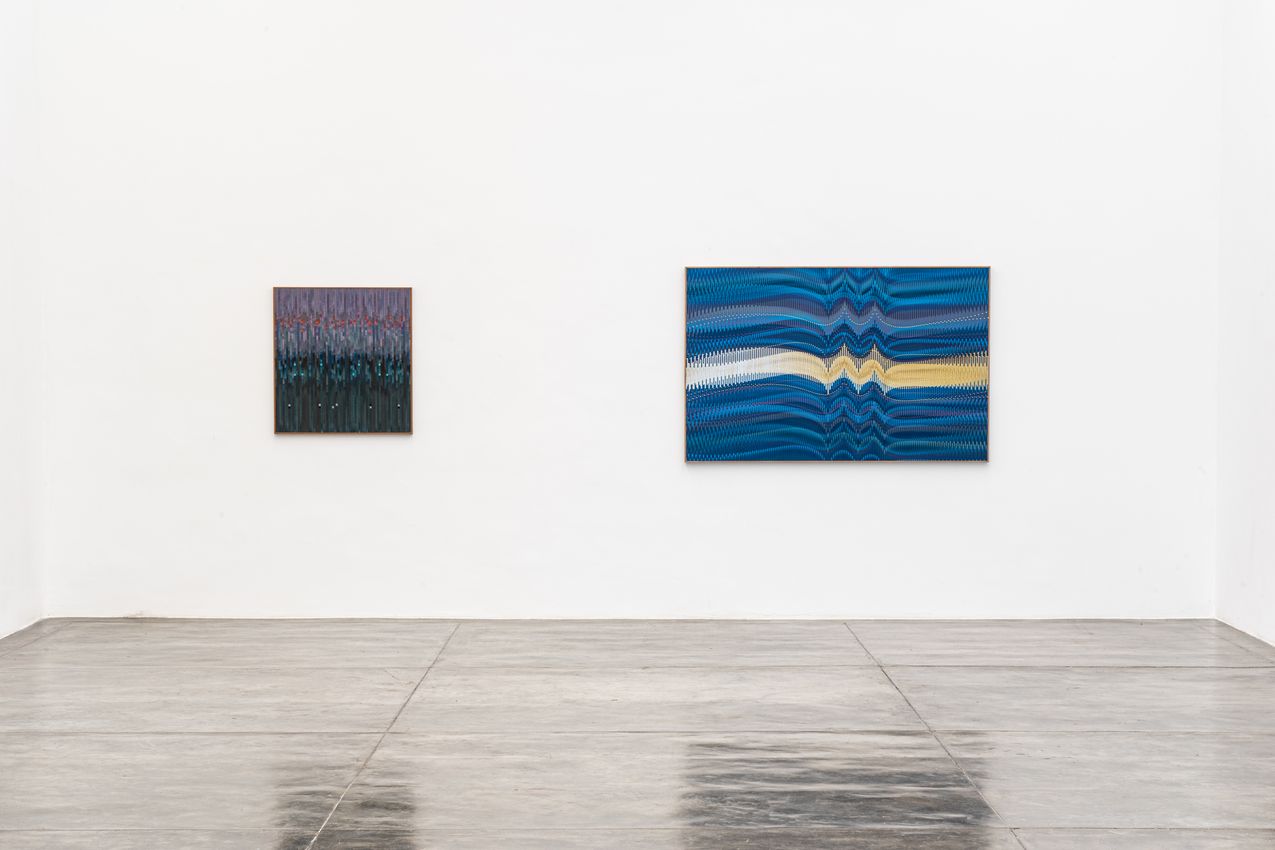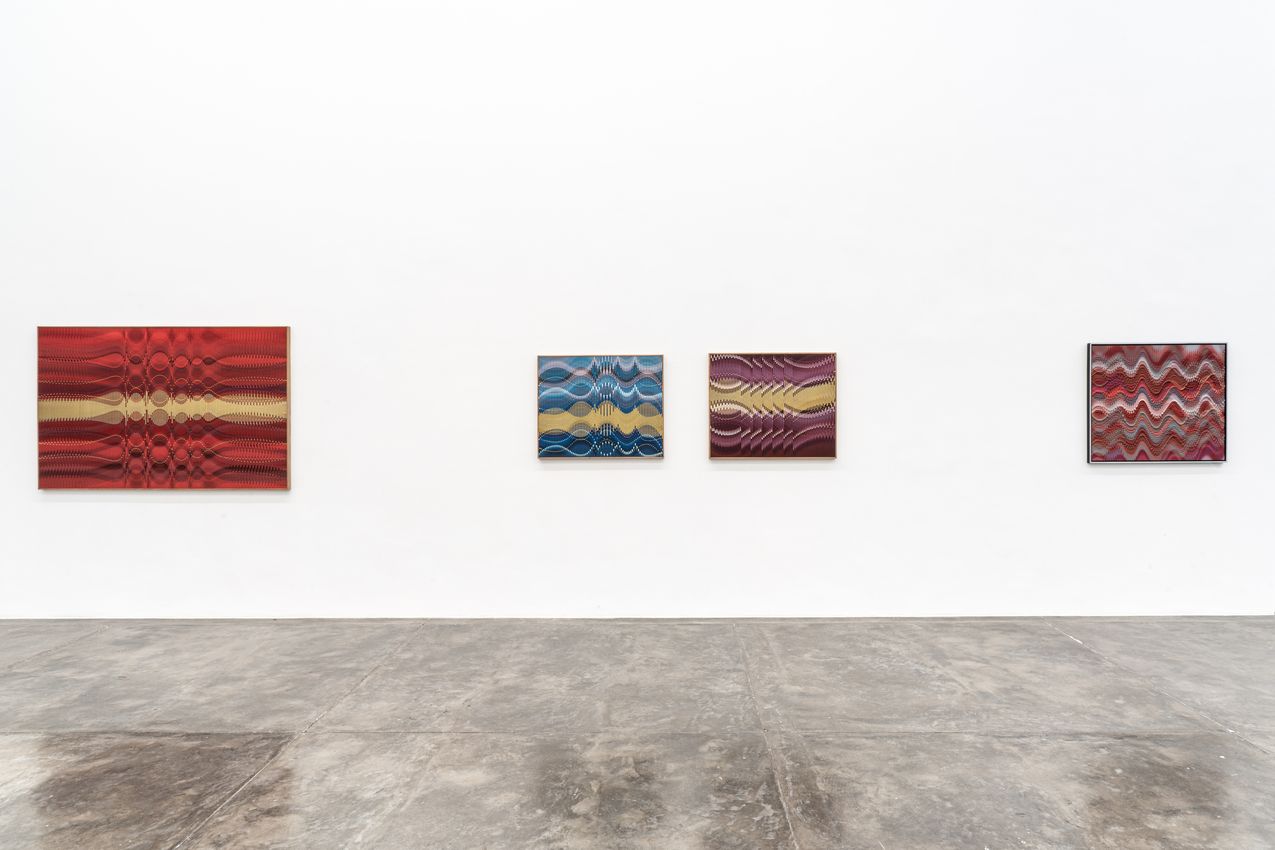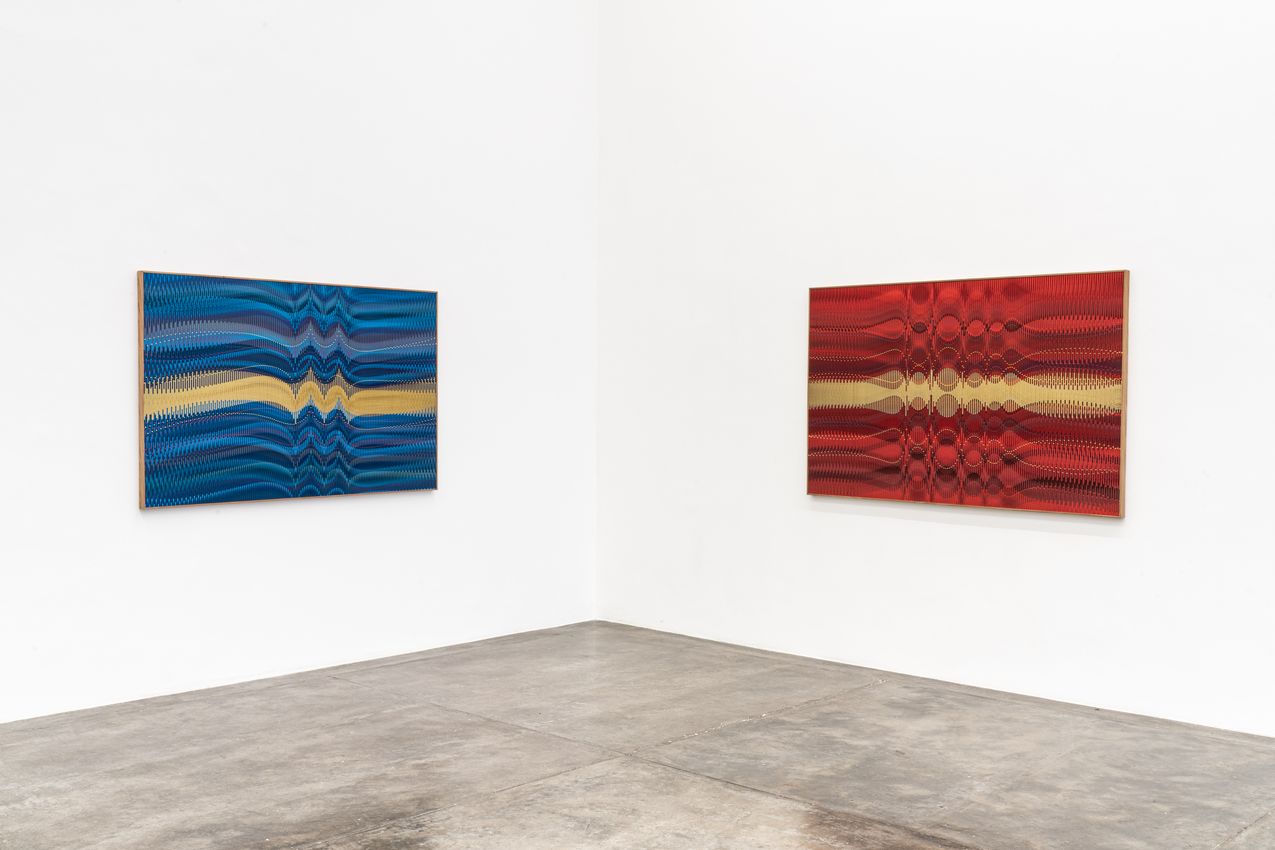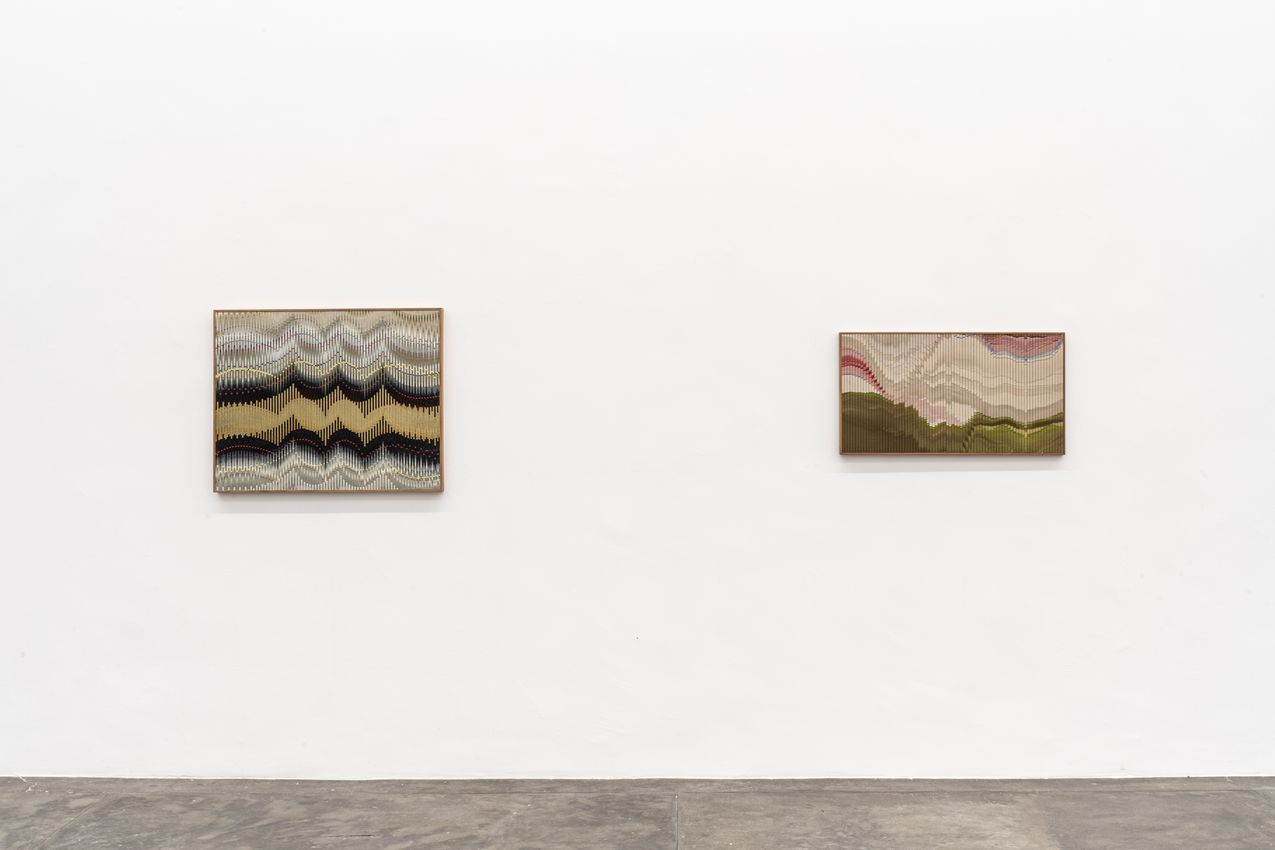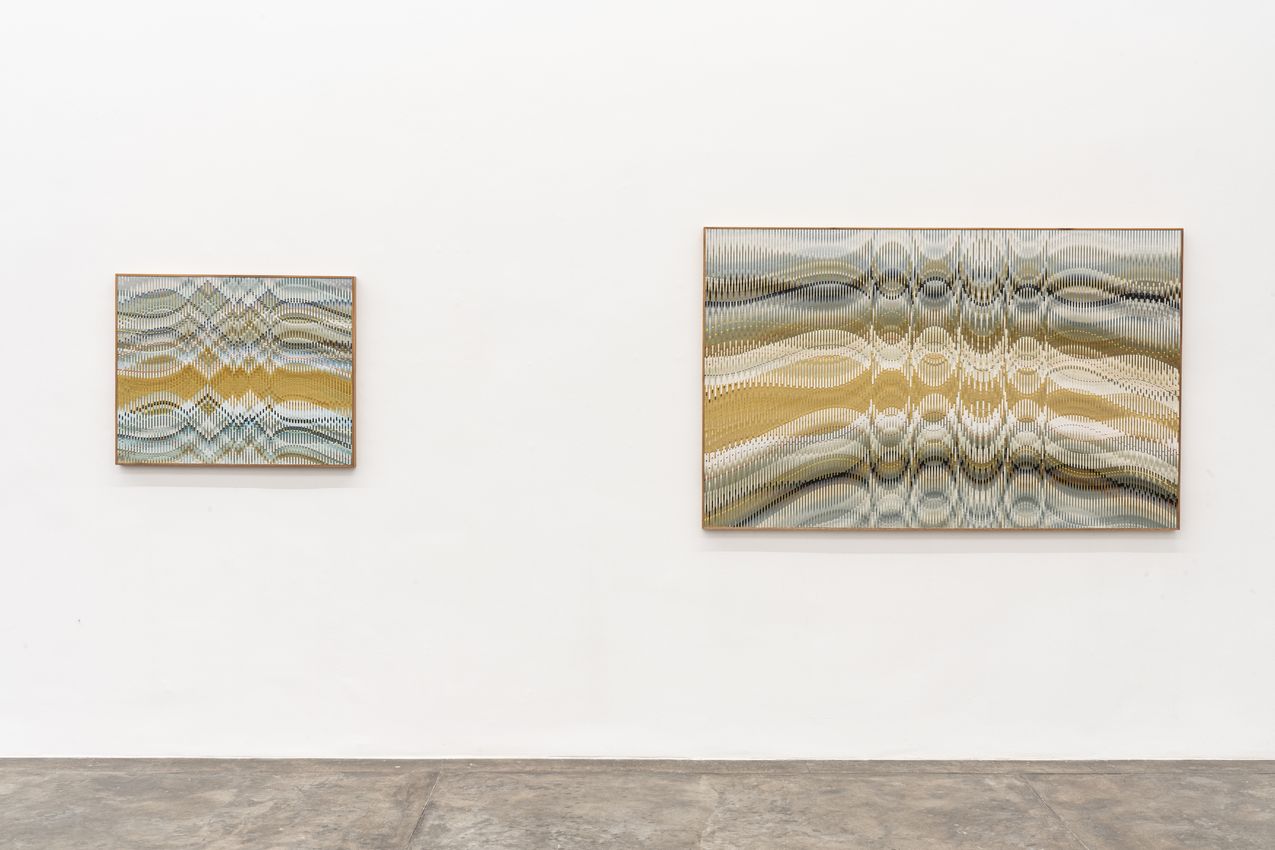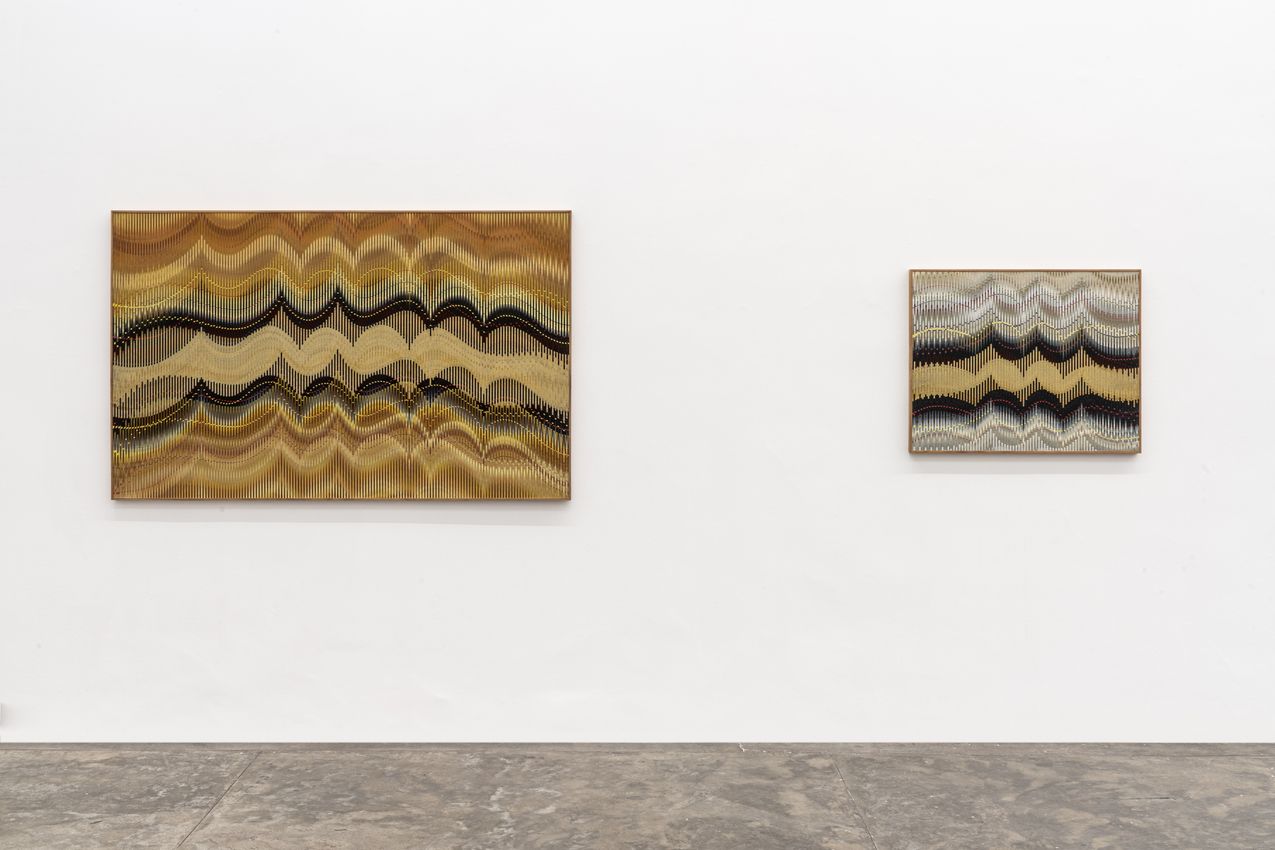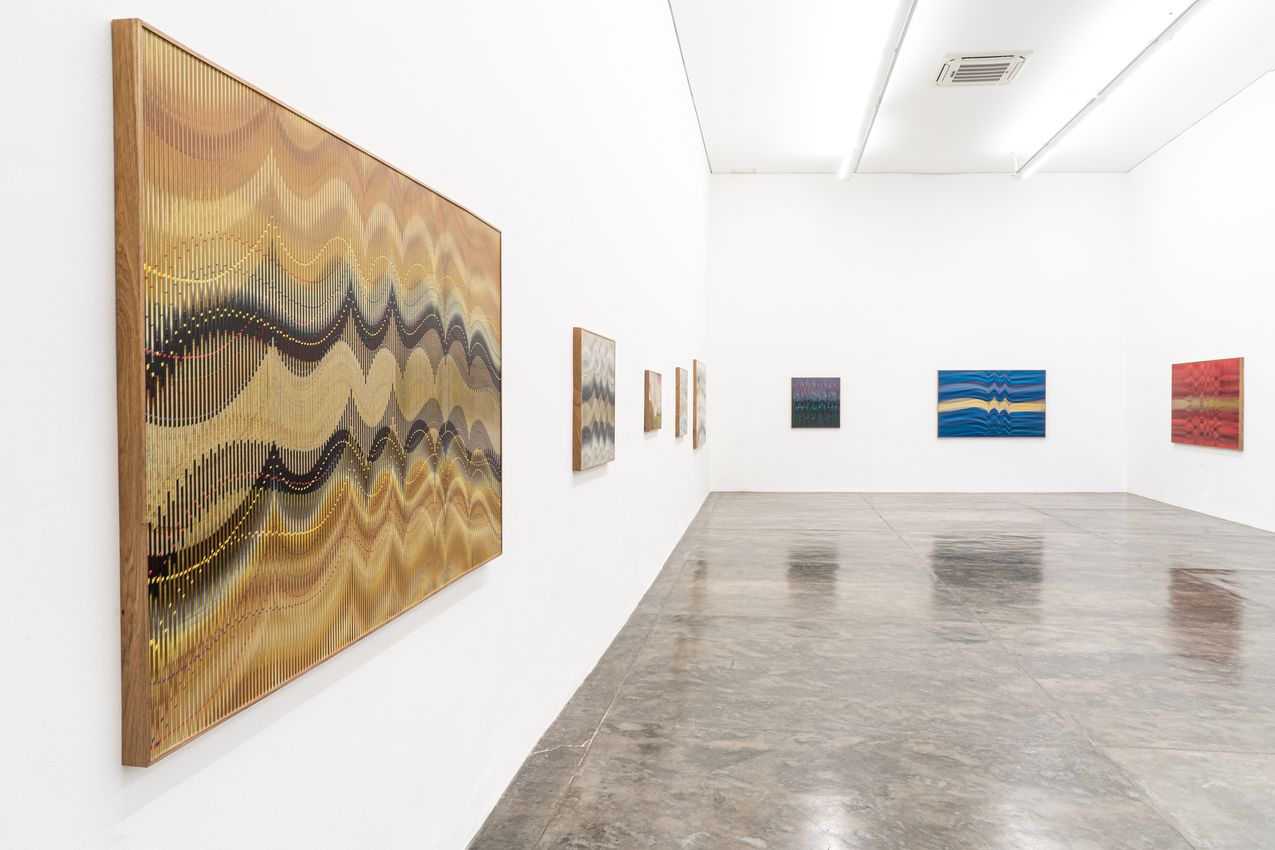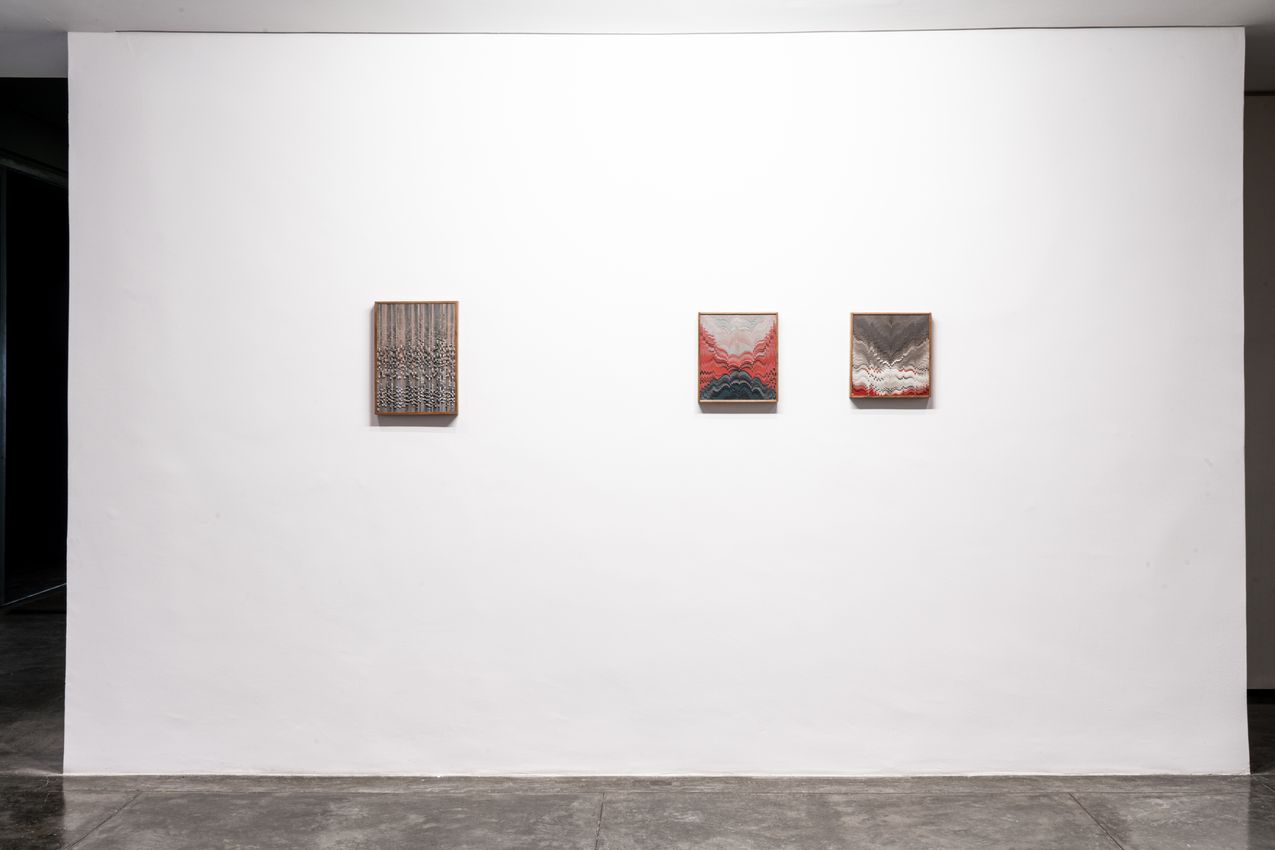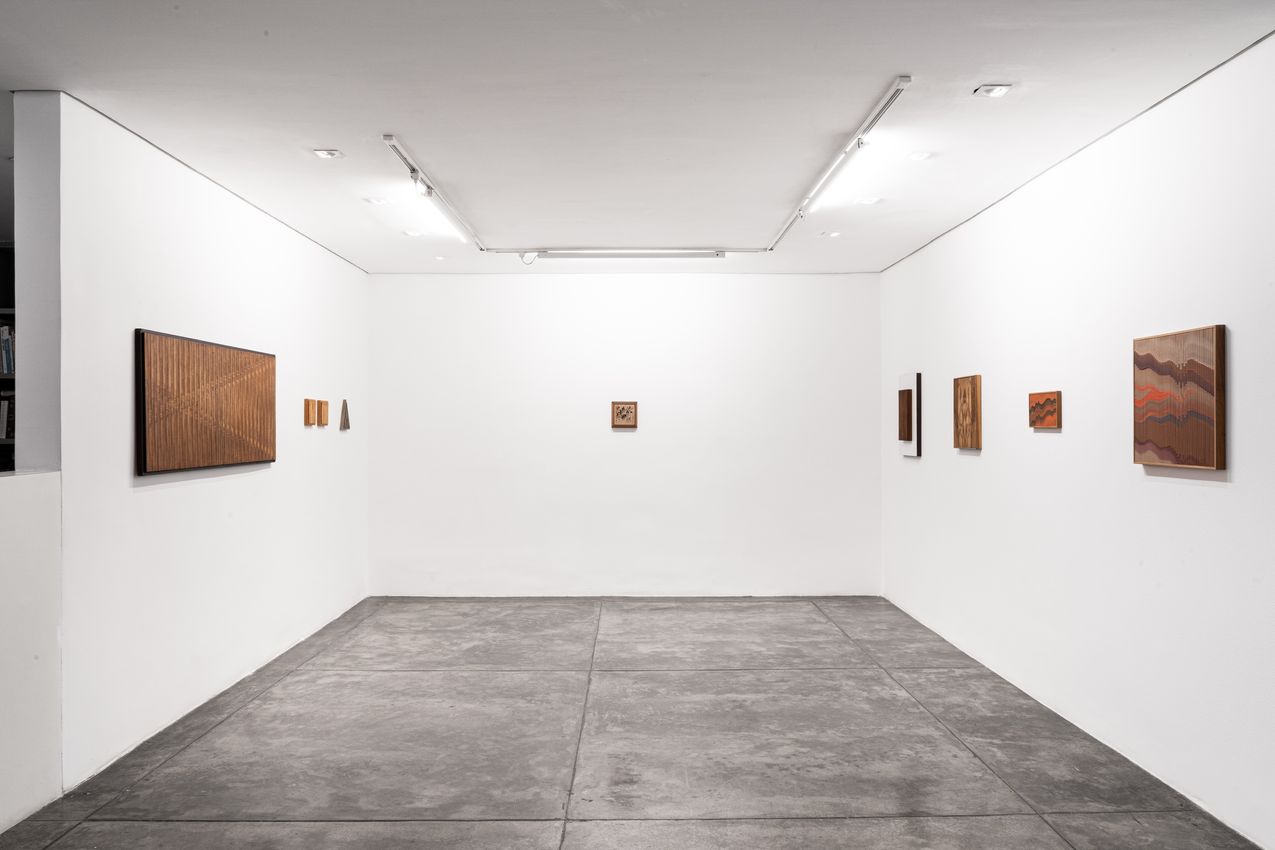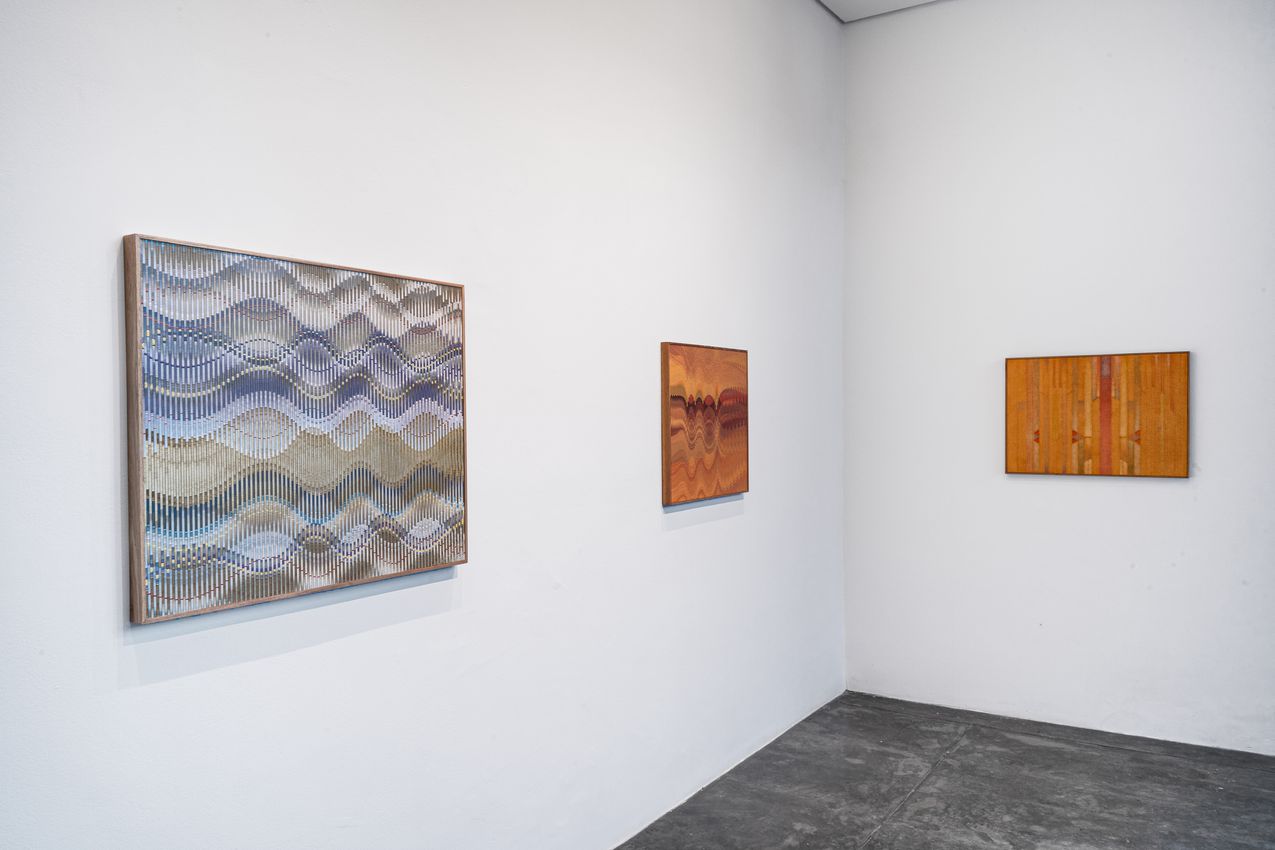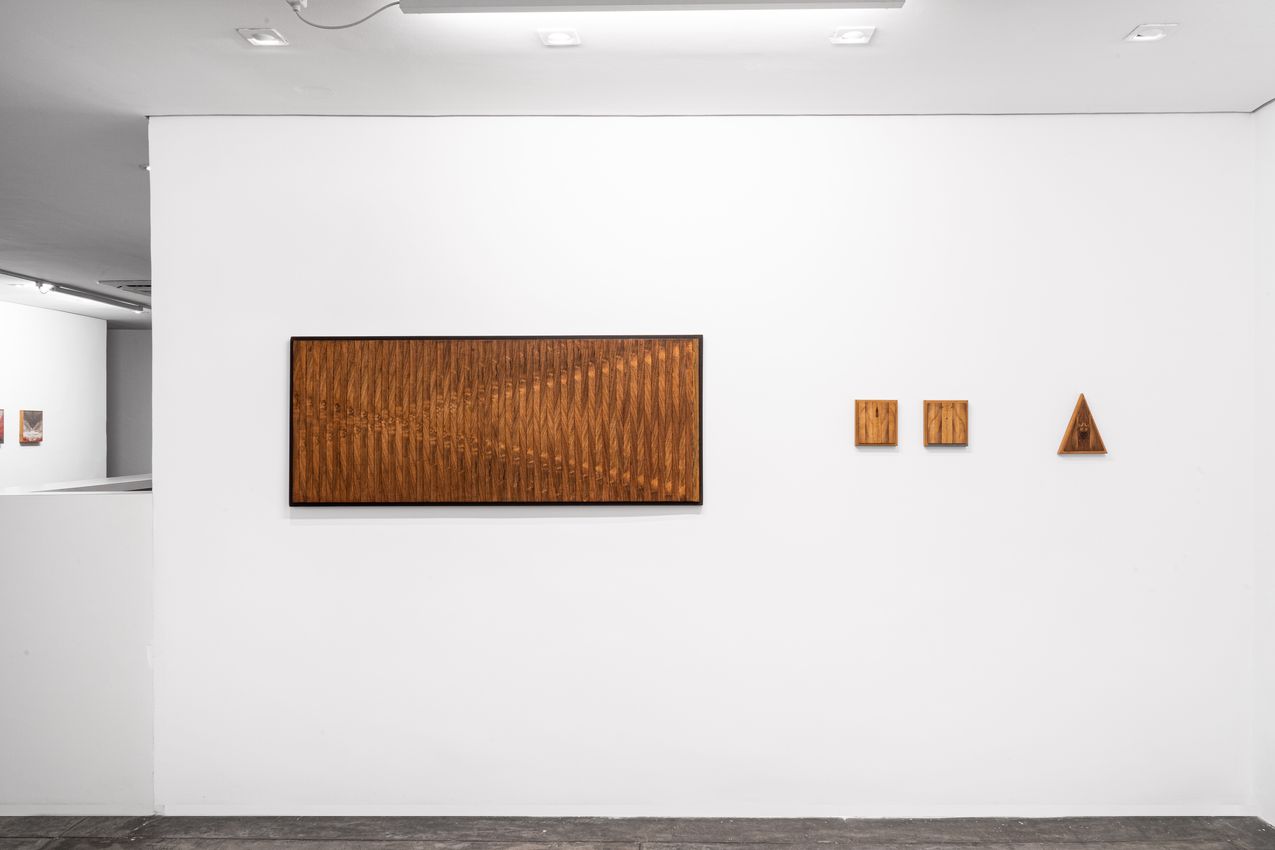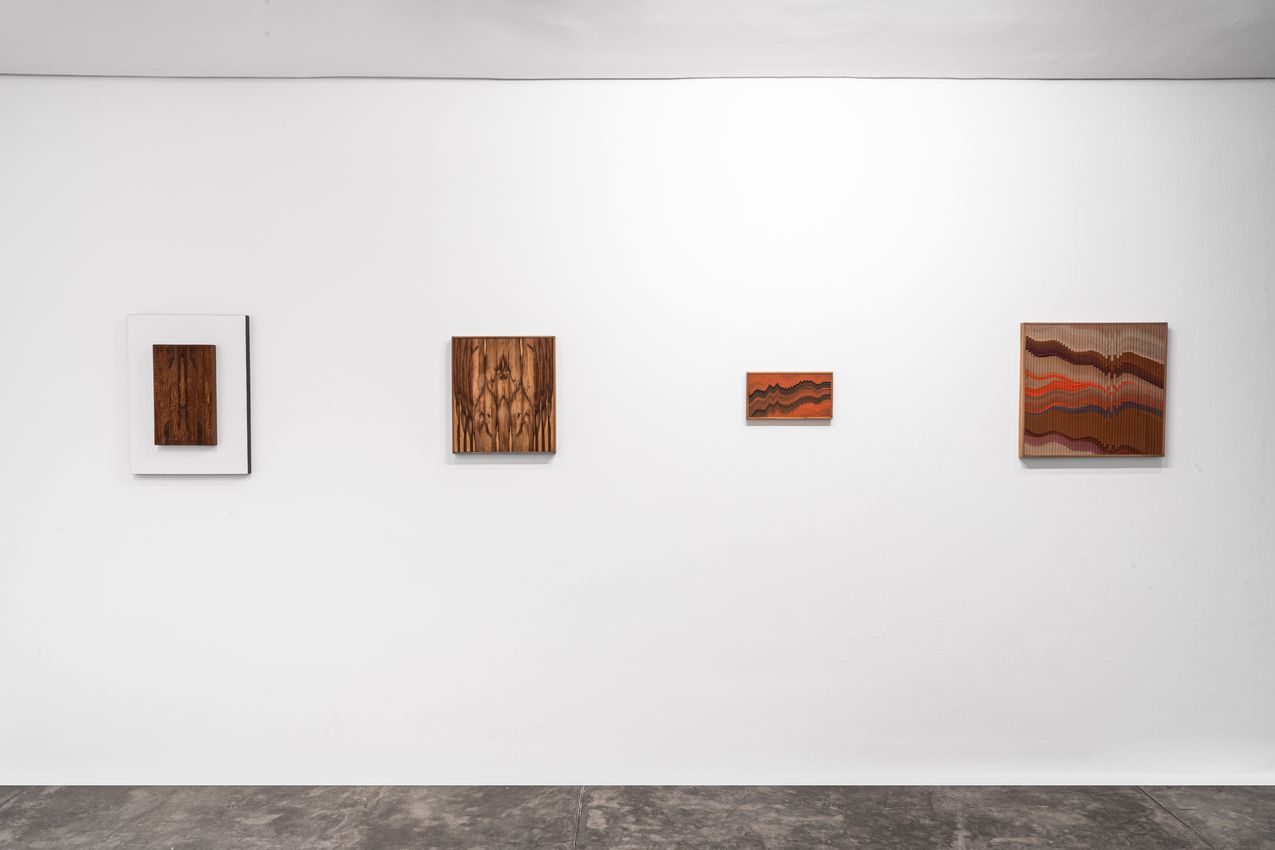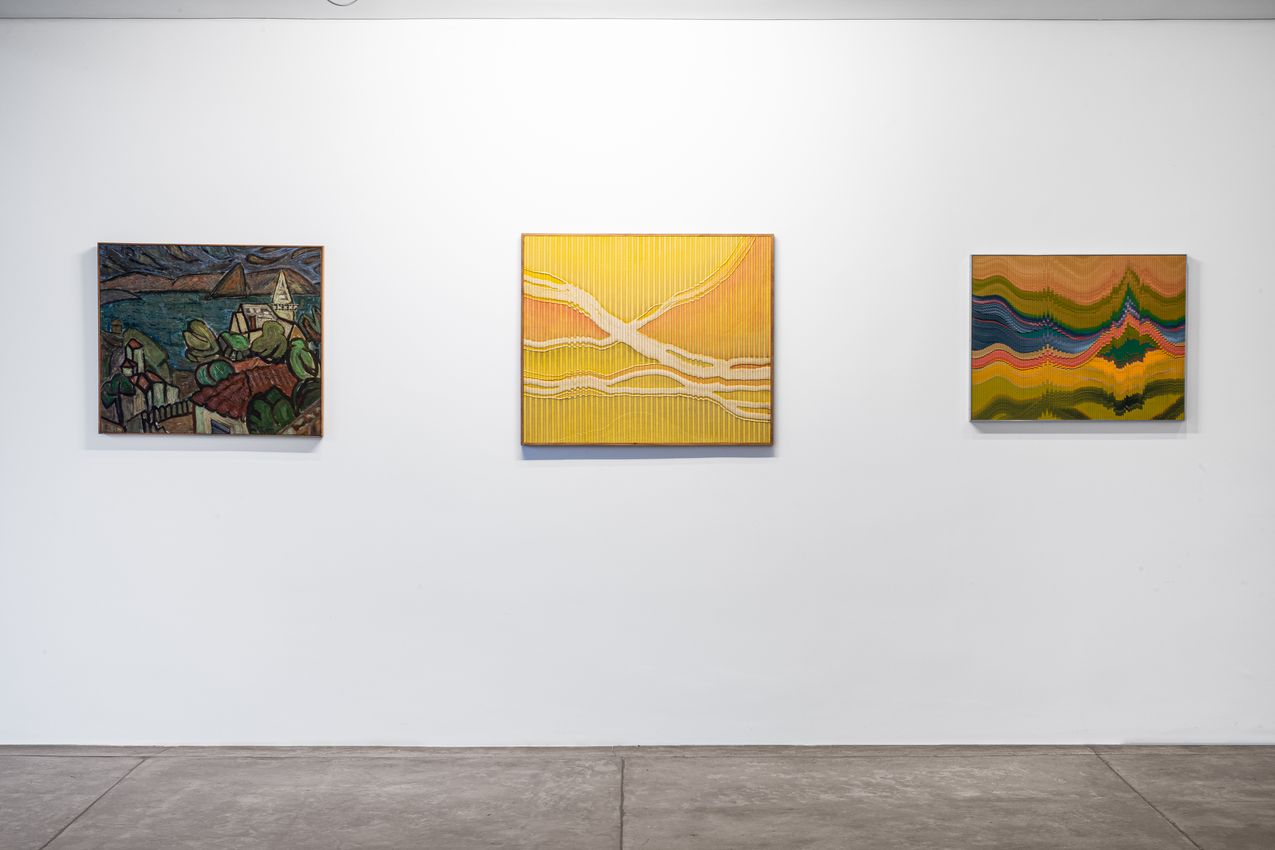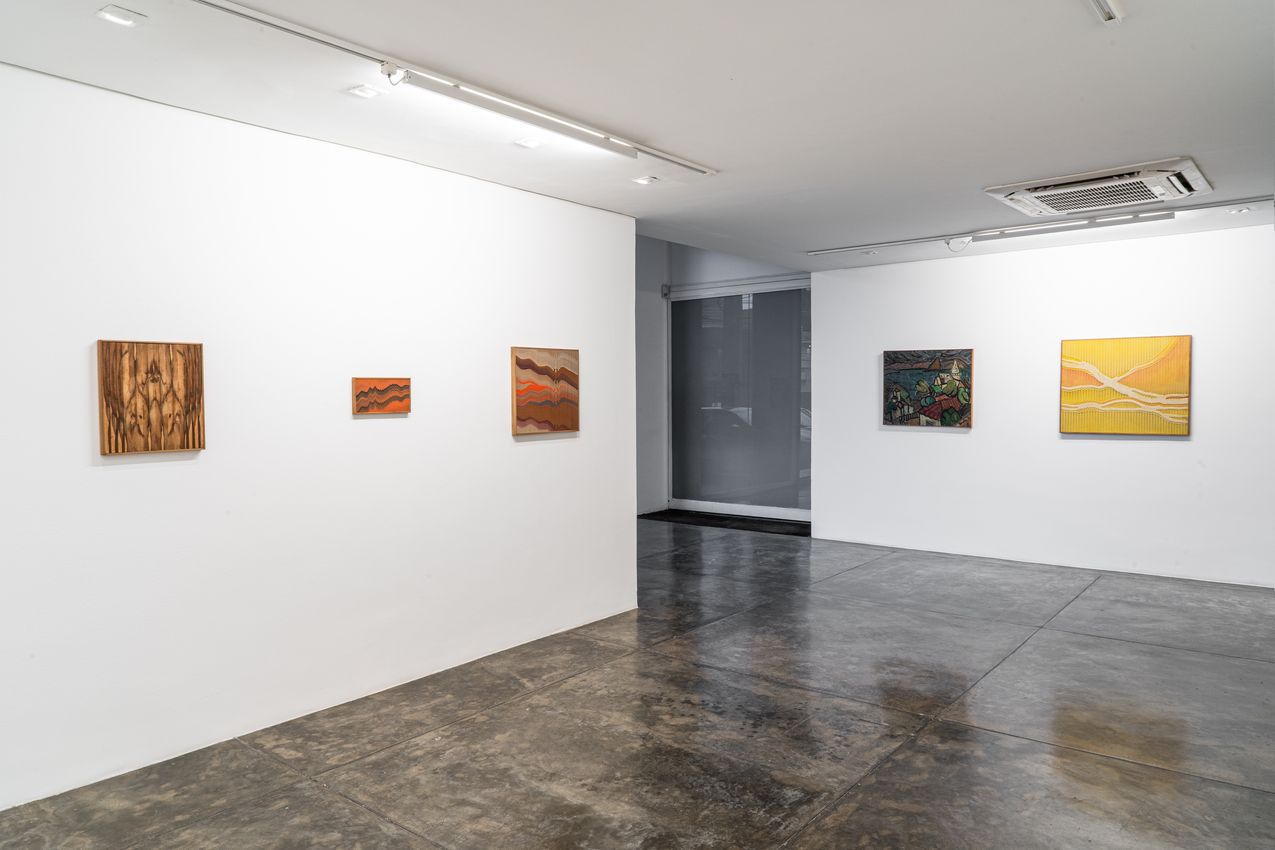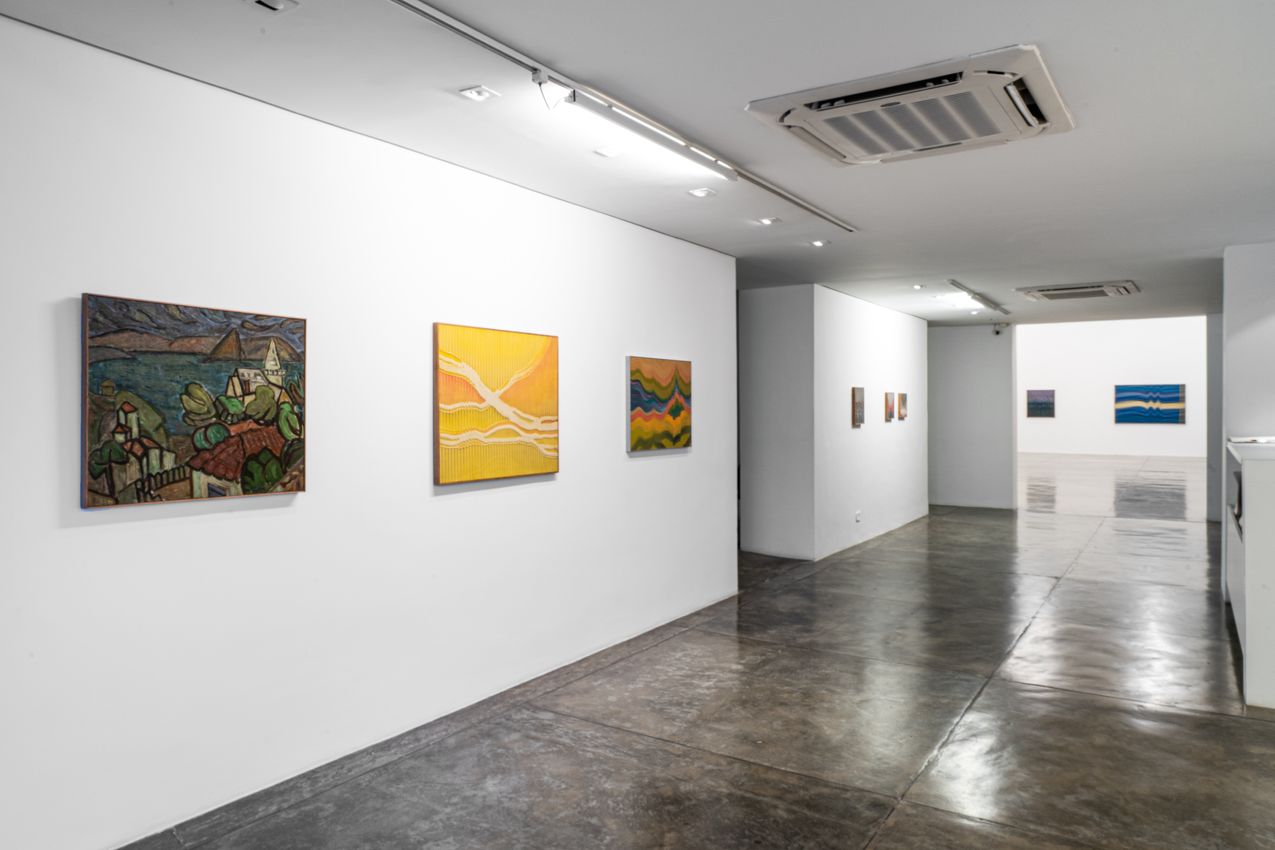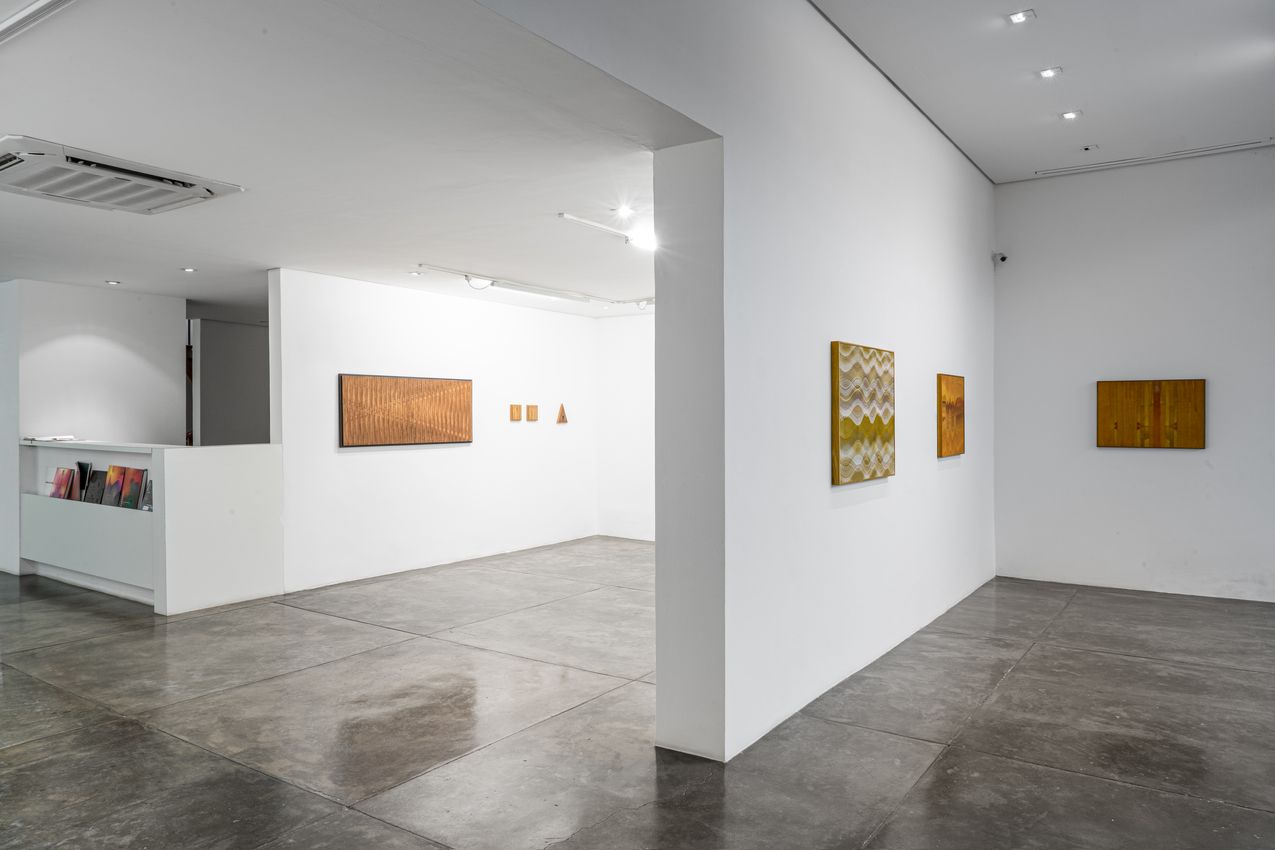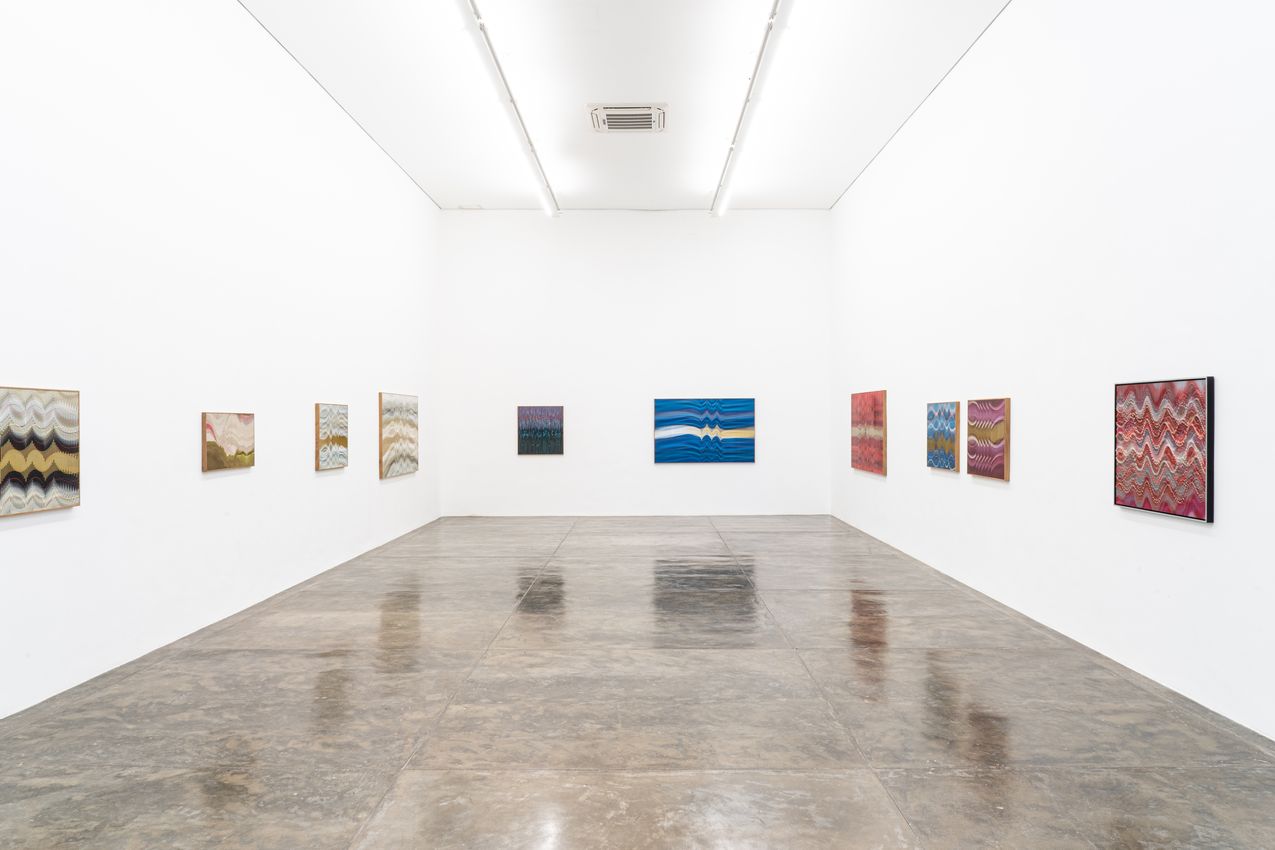
Galeria Nara Roesler | São Paulo has the pleasure of inaugurating its’ 2020 exhibitions programme with a solo show by Abraham Palatnik, a pioneer and leading figure of kinetic art in Brazil. Over his seventy years-long artistic career, Palatnik has been acclaimed for his innovative approaches to investigating light, colour and movement, which famously include engineering intricately motorised artworks. Since 2004, the artist has dedicated his attention to the series ‘W’, which marked the first inclusion of non-manual processes such as laser-cutting within an otherwise labour intensive compositional process. Galeria Nara Roesler was the first to exhibit this body of work back in its’ time of inception in 2004, and will now, fifteen years later, be showcasing it again along with a selection of other historical pieces. The exhibition will present works from the artist’s initial experimentation, notably including a landscape painting dating back to 1943, to his most recent investigations with dynamic abstraction in the ‘W’ series. In showing Palatnik’s different phases and techniques, the exhibition hopes to offer an ample and integrated presentation of his career that will enable the public to not only discover his most recent works, but to also understand the questions, progressions and interrelations that unite his oeuvre.
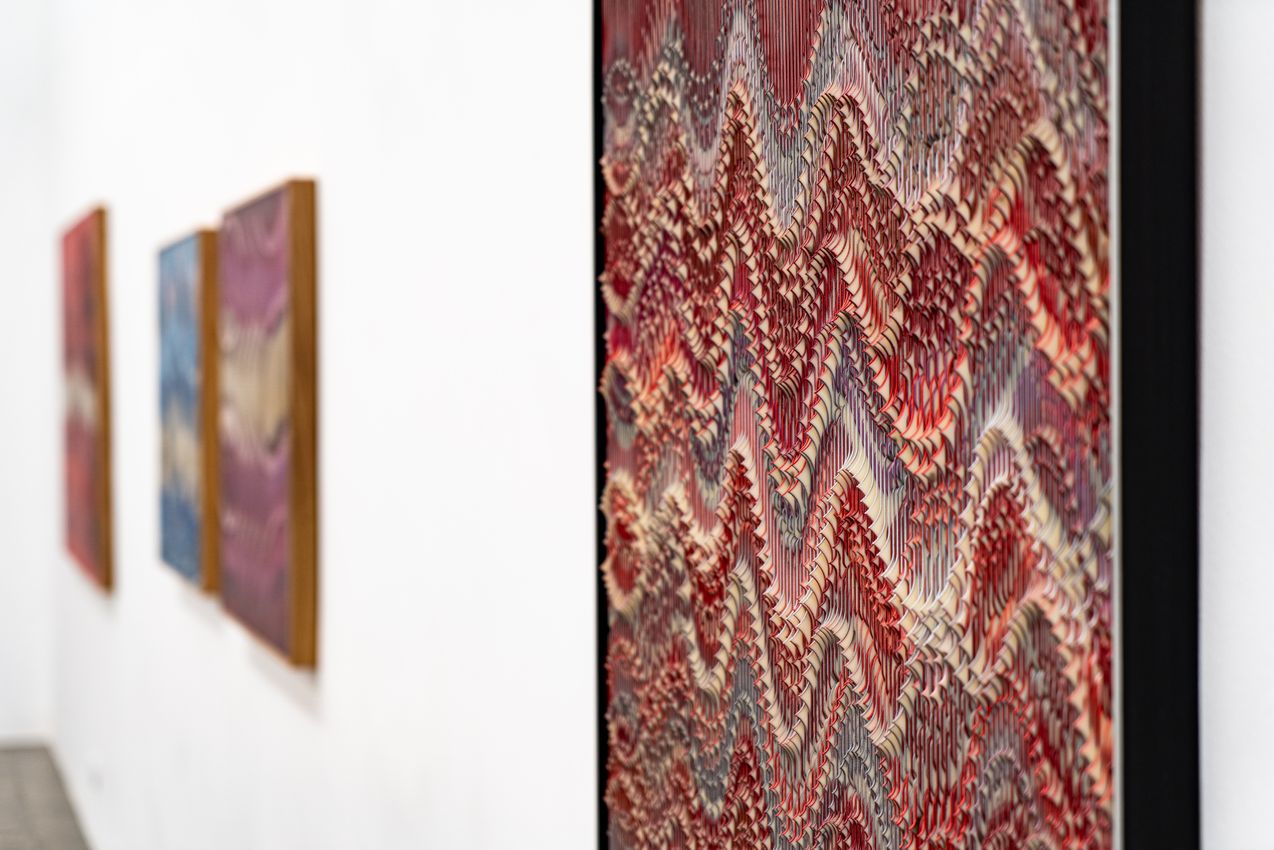
Palatnik’s ‘W’ series developed from his ‘Progressive Reliefs’ series, which he had been working on since the sixties to explore the material potential of his compositions. The process begins with the artist making a pair of non-figurative paintings on wooden plates, which are cut into long, thin, equally wide strips with laser. He then assembles them back together, intercepting strips from both paintings, as if to re-build another, yet vertically displacing the strips. These shifts give a sense of motion—the colours seem to undulate through the canvas—re-invigorating the composition with stunning optical potency. The perceived motion captures the viewer’s body, the lines seem to come closer and then to distance themselves again, continuously involving spectators and allowing for the pieces to seemingly take on new forms.
Abraham Palatnik’s works have been shown in many important exhibitions in Brazil and internationally, including a presentation at the 32a Bienal de Veneza, (1964) and at eight editions of the Bienal de São Paulo between 1951 and 1969. The exhibition at Galeria Nara Roesler | São Paulo will testify to the artist’s ability to reinvent his practice, continuously experimenting with the balance between the specificity of mechanics and the spontaneity of creativity. The show will also coincide with the twentieth anniversary of the first solo-exhibition of Abraham Palatnik at Galeria Nara Roesler.
About the artist
Abraham Palatnik is an iconic figure in the optical and kinetic art movements of Brazil—a pioneer in his long-standing interest for exploring the creative possibilities embedded in crossings of art and technology. Having studied engineering, the artist became interested in investigating mechanic uses of light and movement. In 1949, he rose to prominence with the creation of his first Aparelho Cinecromático [Kinechromatic Device] effectively reinventing the idea of a painting by using different voltage bulbs moving at different speeds and directions to create kaleidoscopic images. The piece was shown at the 1st Bienal de São Paulo (1951) and received an Honorable Mention from the International Jury for its’ originality.
Abraham Palatnik subsequently initiated his work with reliefs, coined ‘Progressive reliefs’, which he made out of various materials (such as wood, duplex cardboard and acrylic), manually cut and intercalated to create a sense of rhythmic undulation. Apart from the series ‘W’, which has come to incorporate the use of laser-cutting, Palatnik continues to construct and paint every piece by hand, making each work a token of his craftmanship.
Abraham Palatnik (b. 1928, Natal, Brazil - d. 2020, Rio de Janeiro, Brazil) is an iconic figure in the optical and kinetic art movements of Brazil—a pioneer in his long-standing interest for exploring the creative possibilities embedded in crossings of art and technology. Having studied engineering, the artist became interested in investigating mechanical uses of light and movement. In 1949, he rose to prominence with the creation of his first Aparelho Cinecromático [Kinechromatic Device] effectively reinventing the idea of a painting by using different voltage bulbs moving at different speeds and directions to create kaleidoscopic images. The piece was shown at the 1st Bienal de São Paulo (1951) and received an Honorable Mention from the International Jury for its originality.

Founded in São Paulo in 1989, Galeria Nara Roesler is a leading Brazilian gallery dedicated to showing the work of contemporary Brazilian and international artists. The gallery established another branch in Rio de Janeiro in 2014, followed by its first international outpost in New York City in 2015.

A respected voice in contemporary art discourse.
Focusing on ambitious storytelling and insightful art-world commentary. Ocula Magazine publishes in-depth interviews, critical essays and timely analysis on the artists, exhibitions and ideas driving the global art world.
Learn more about Ocula Magazine
Showcasing the best of the art world.
Ocula partners with galleries from around the world to highlight their artists, artworks and exhibitions. Gallery membership is by application and invitation, with each member vetted by an independent panel.
Learn more about Ocula Membership

Specialises in the sale of major artworks.
Led by a team with deep ties to the world’s leading auction houses, galleries and collectors. Ocula’s advisory team offers bespoke services to high-net-worth clients from around the world who are looking to acquire the best of contemporary and modern art.
Learn more about our team and services