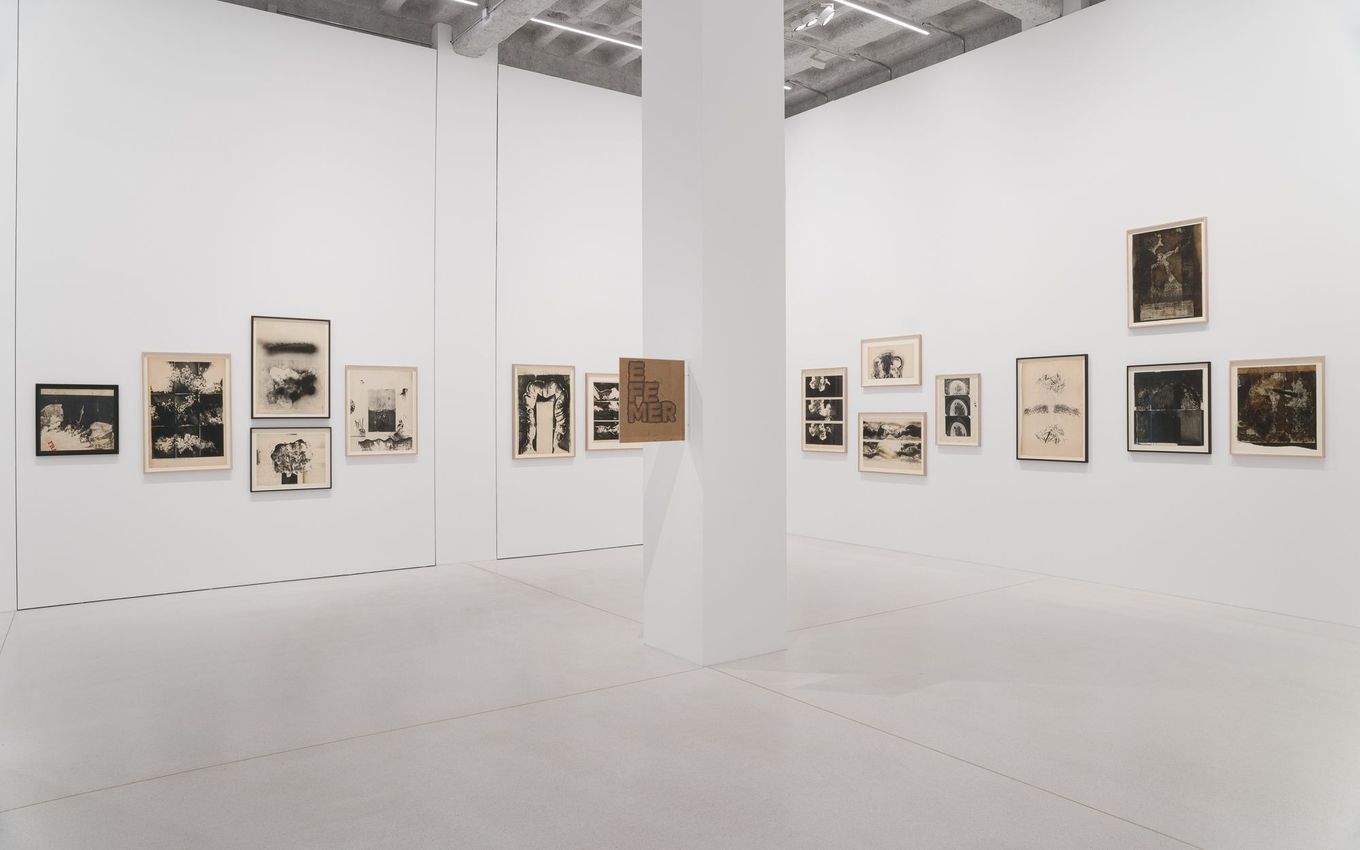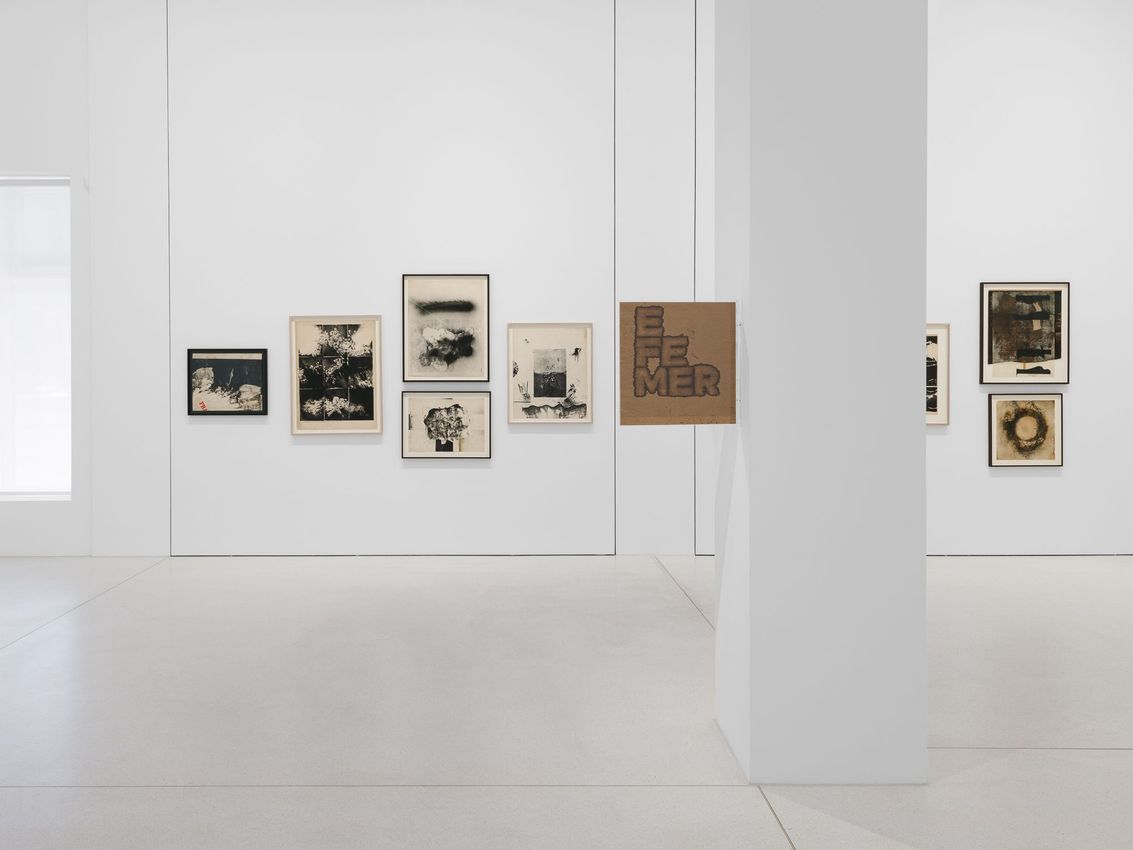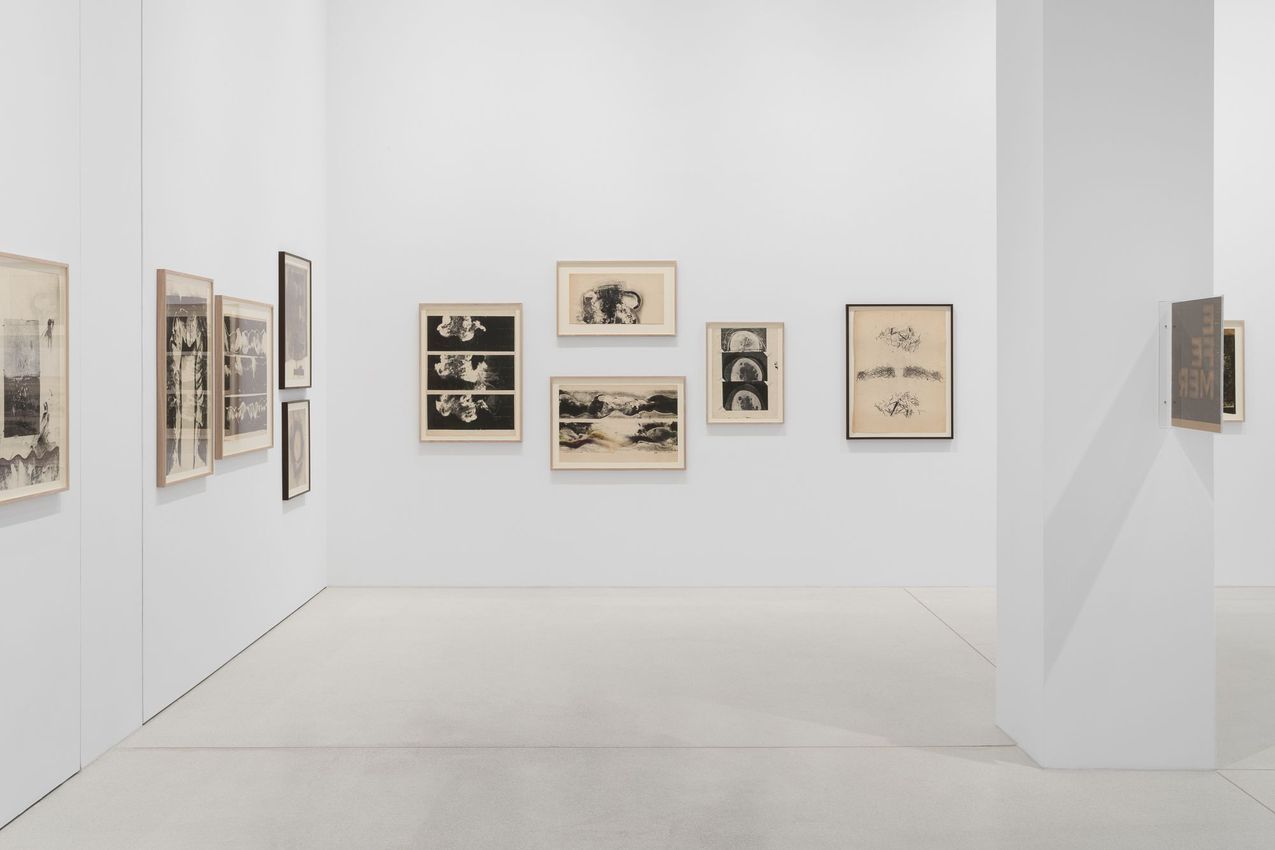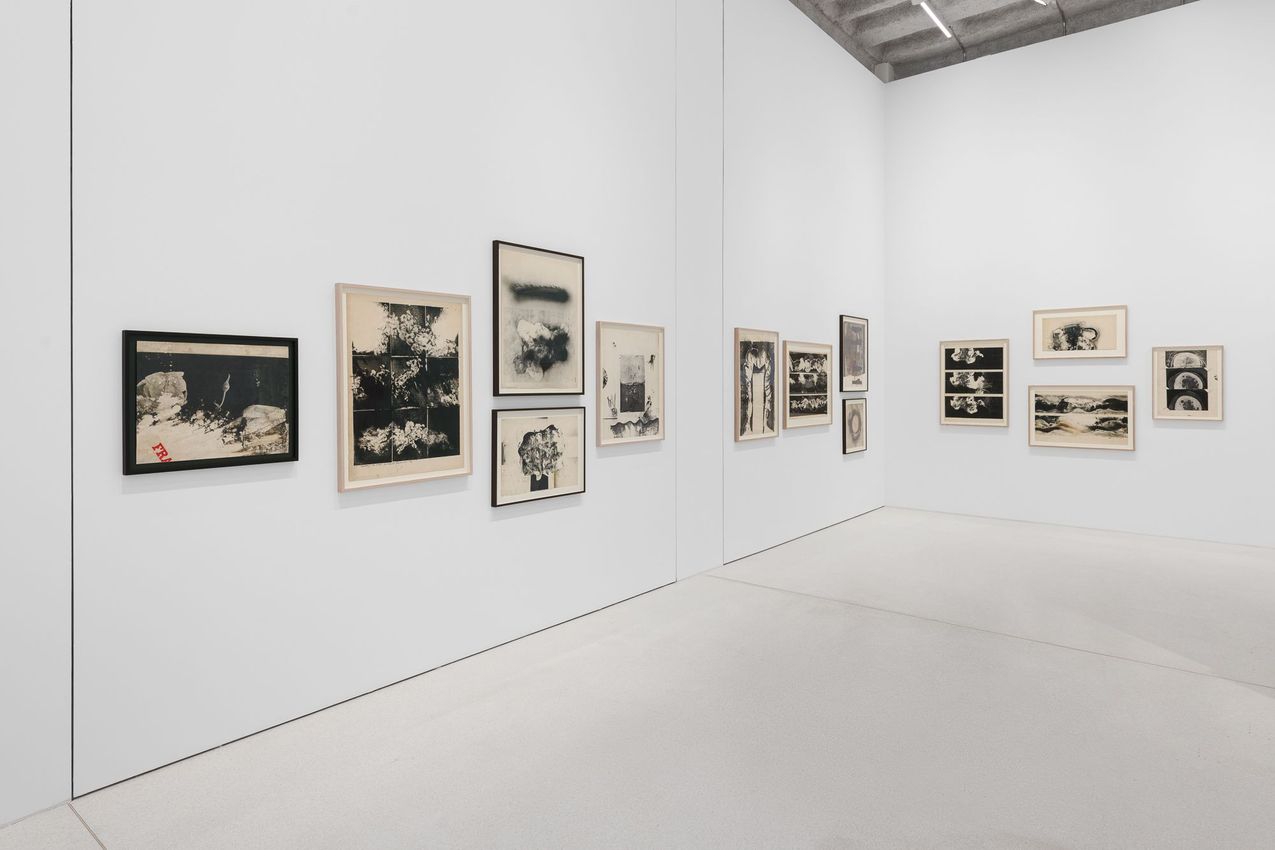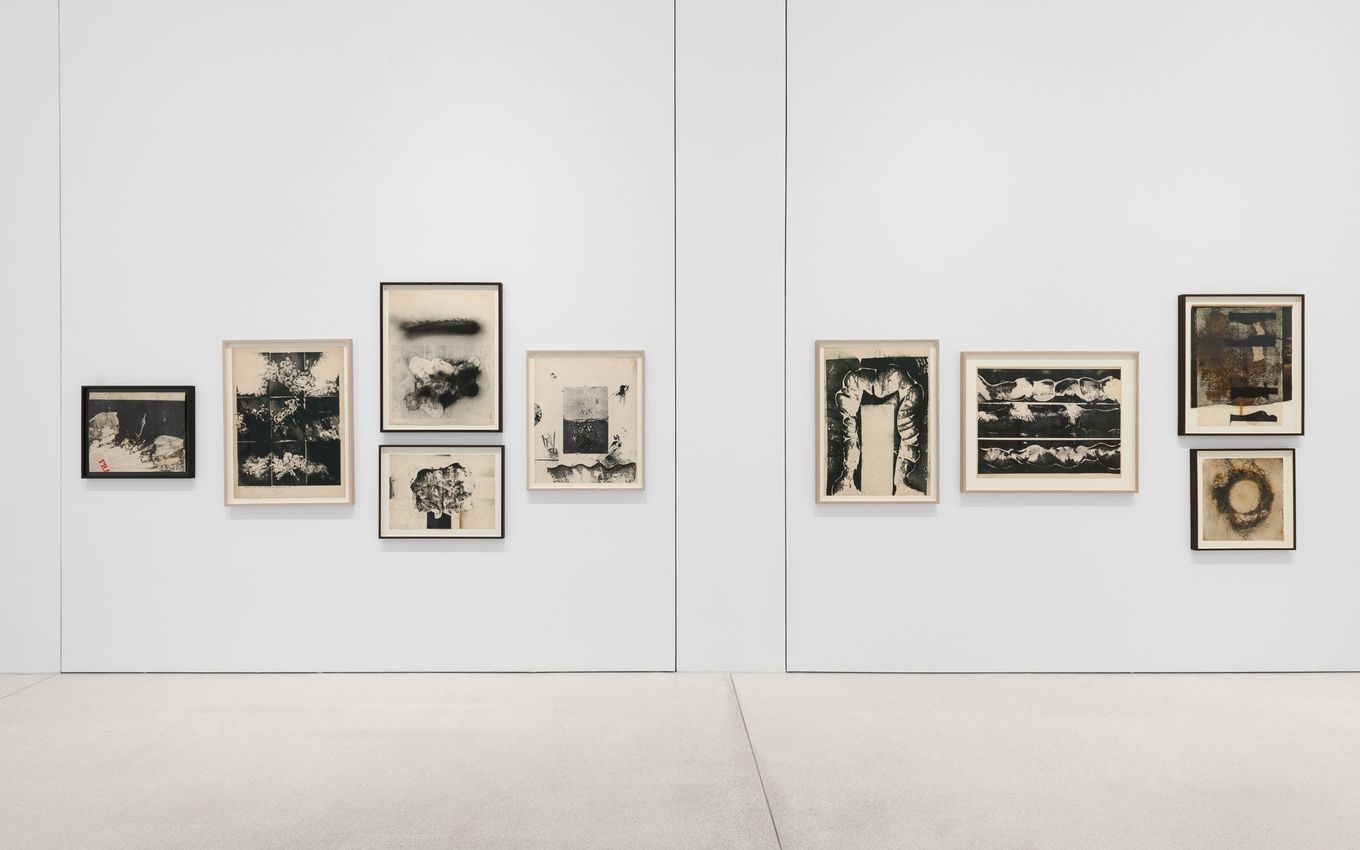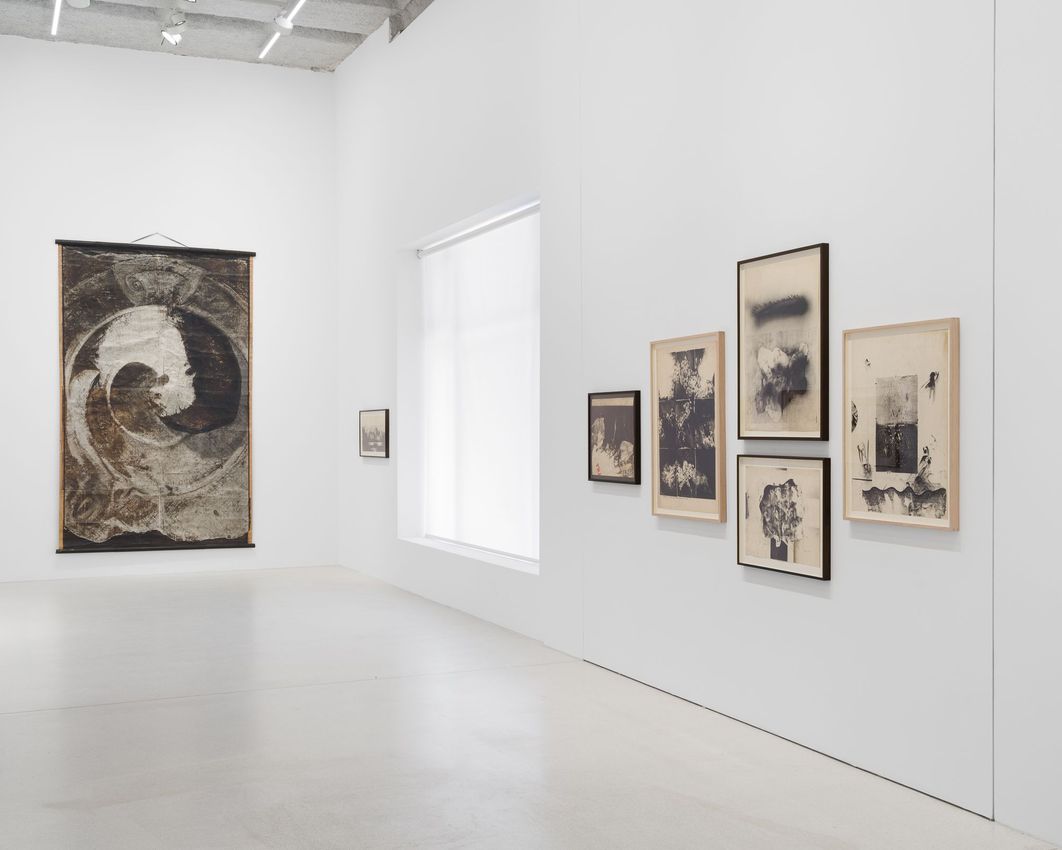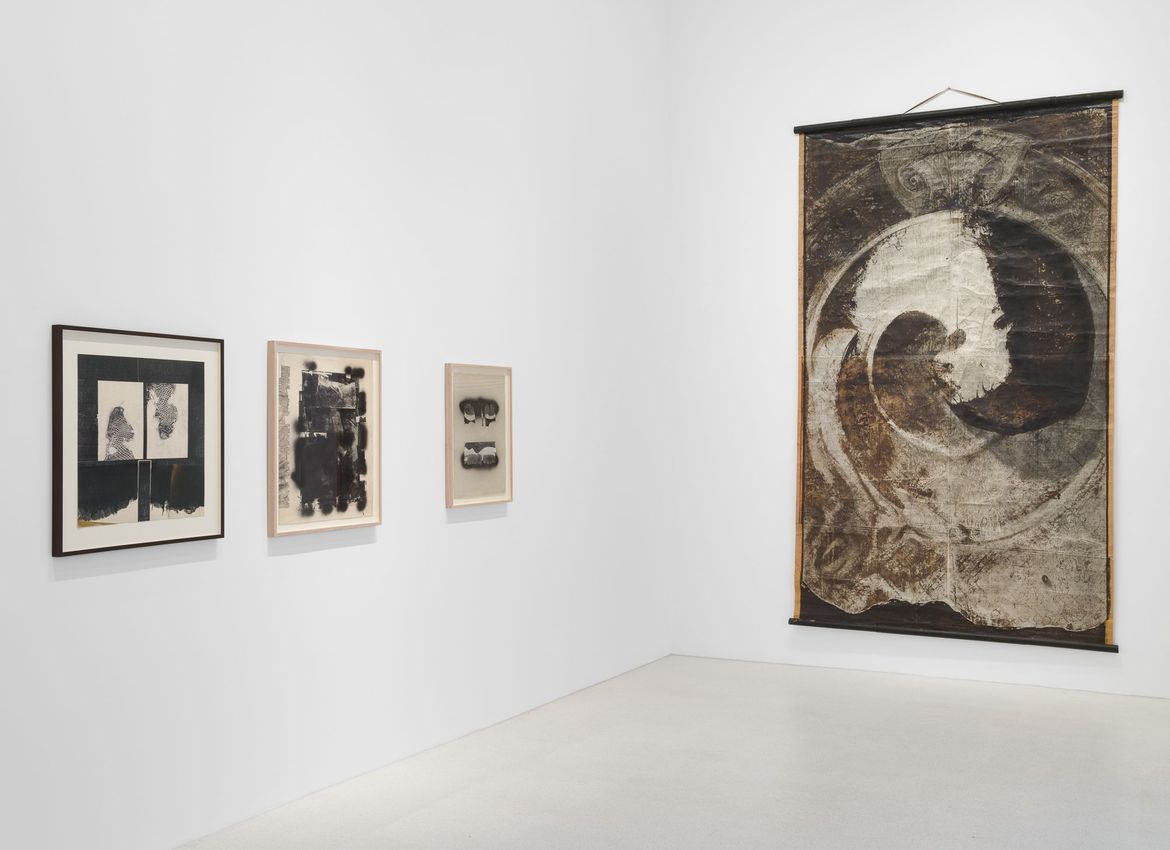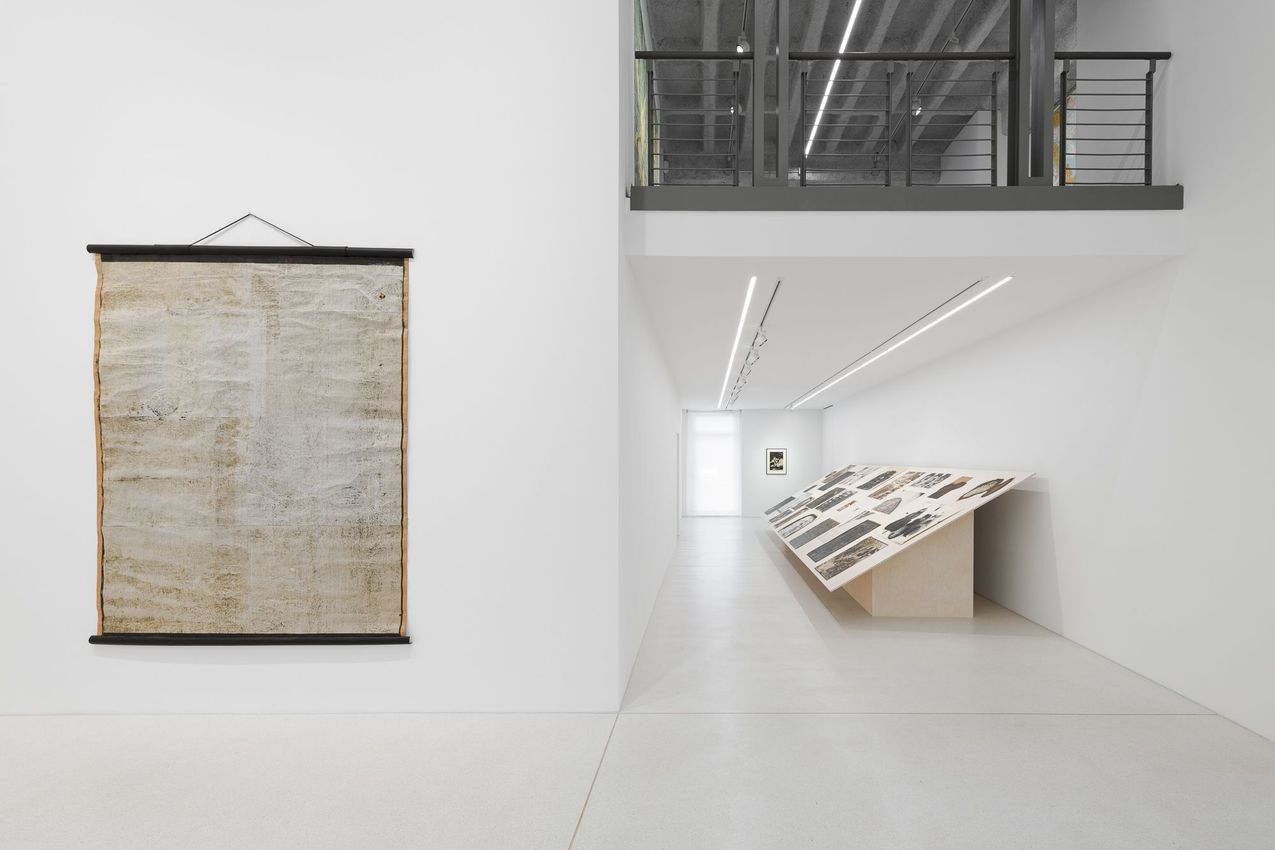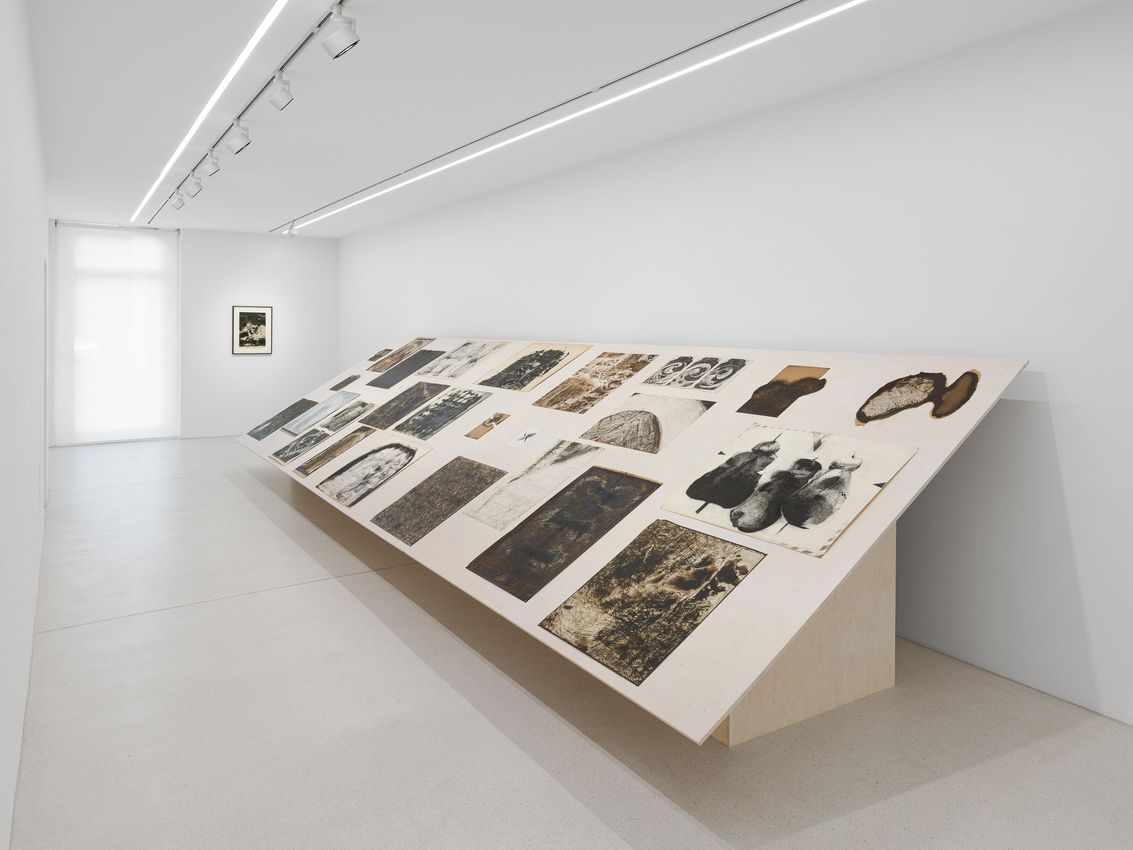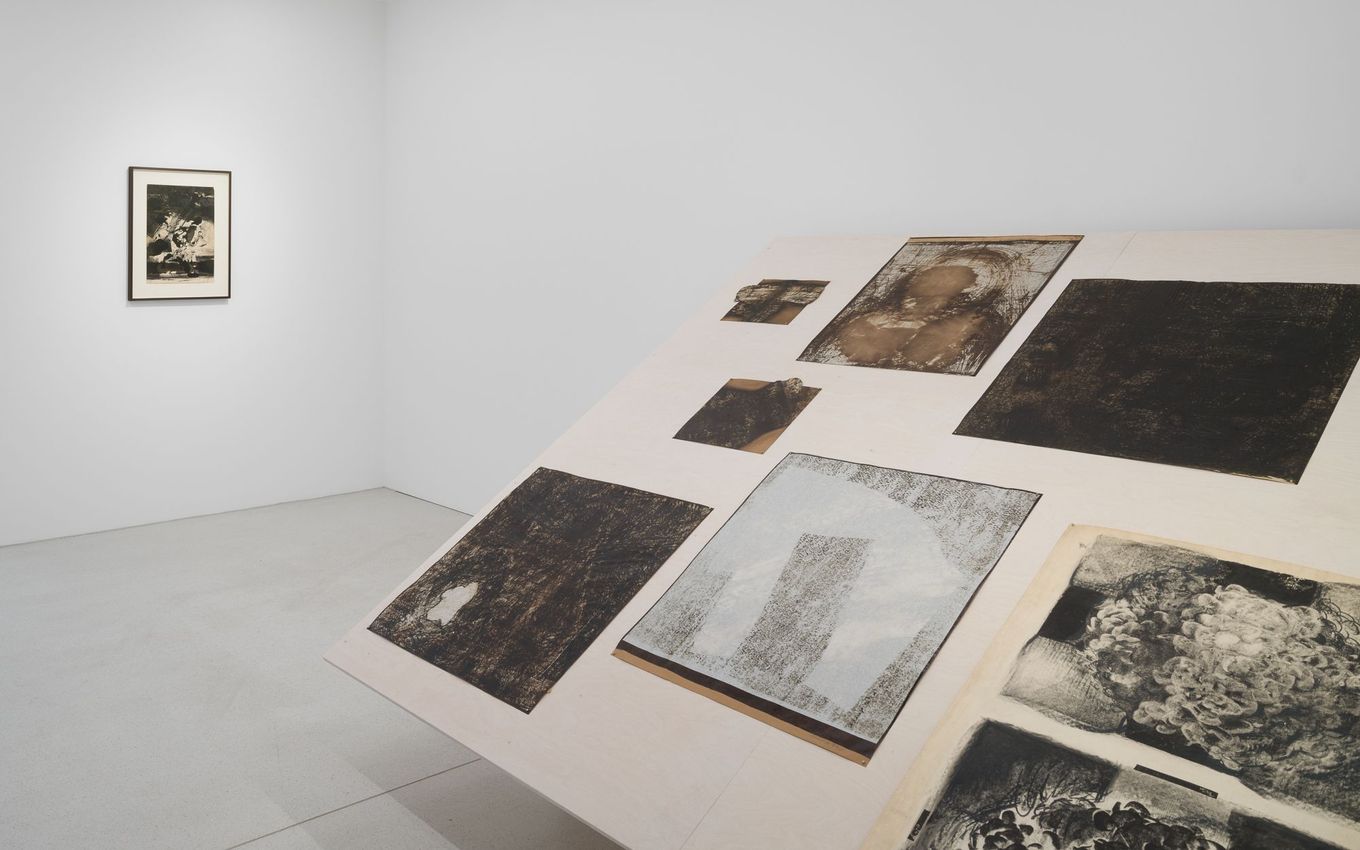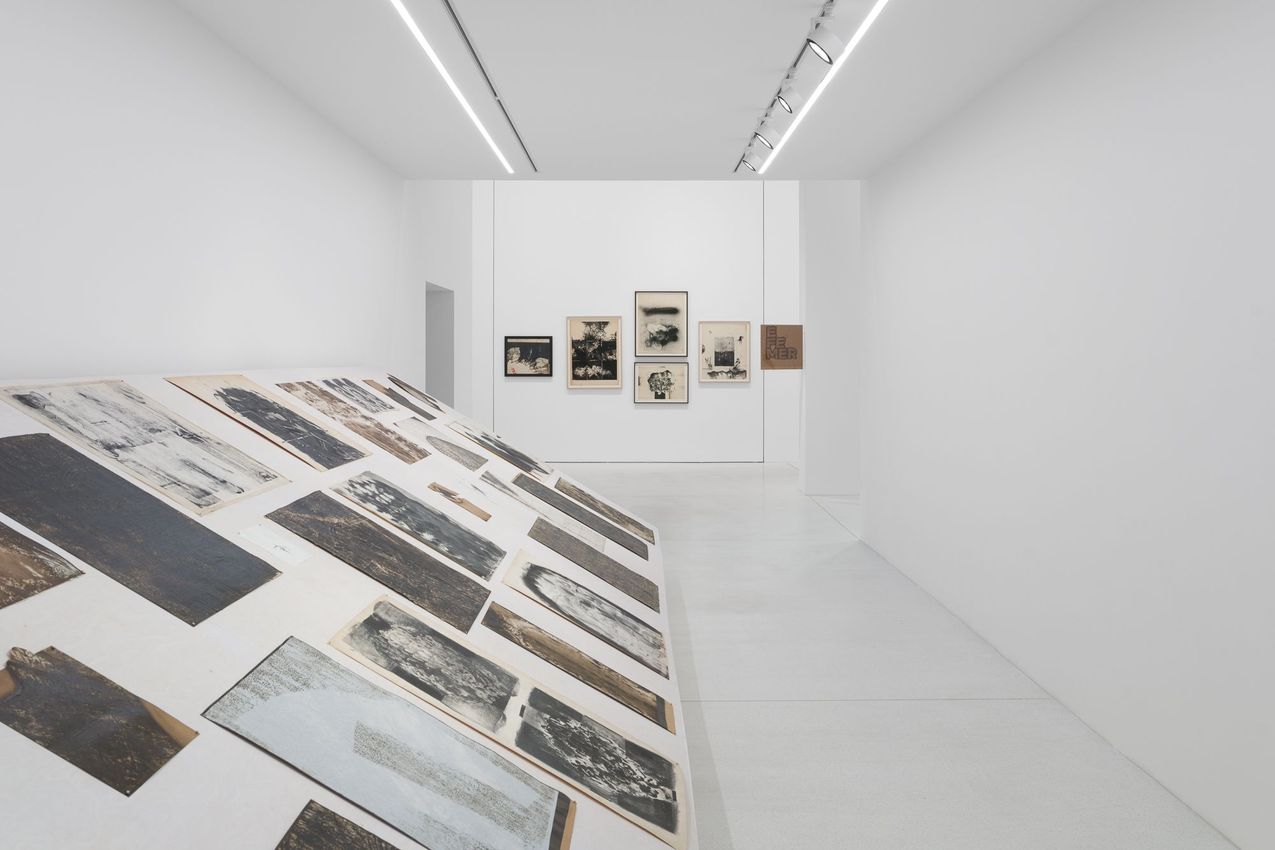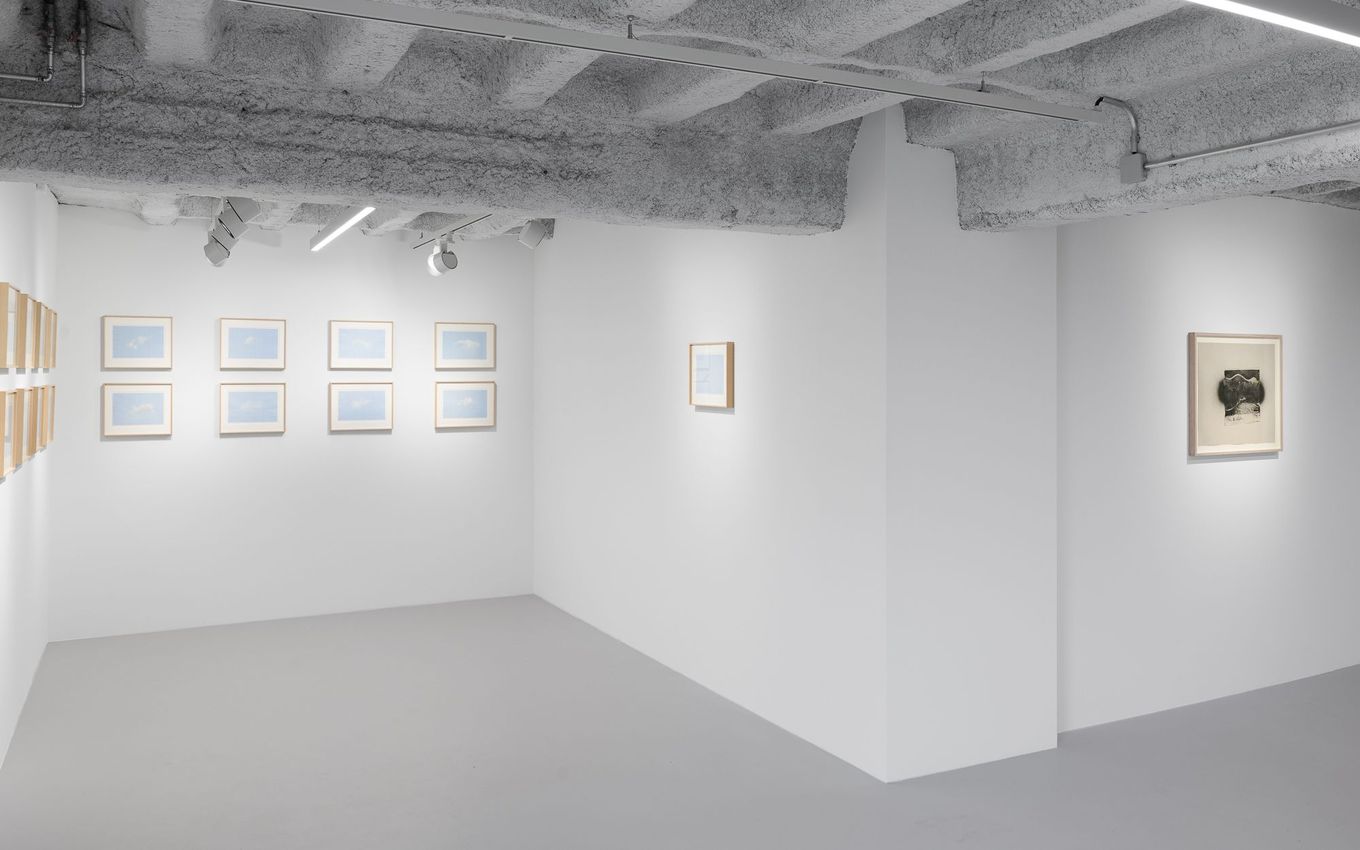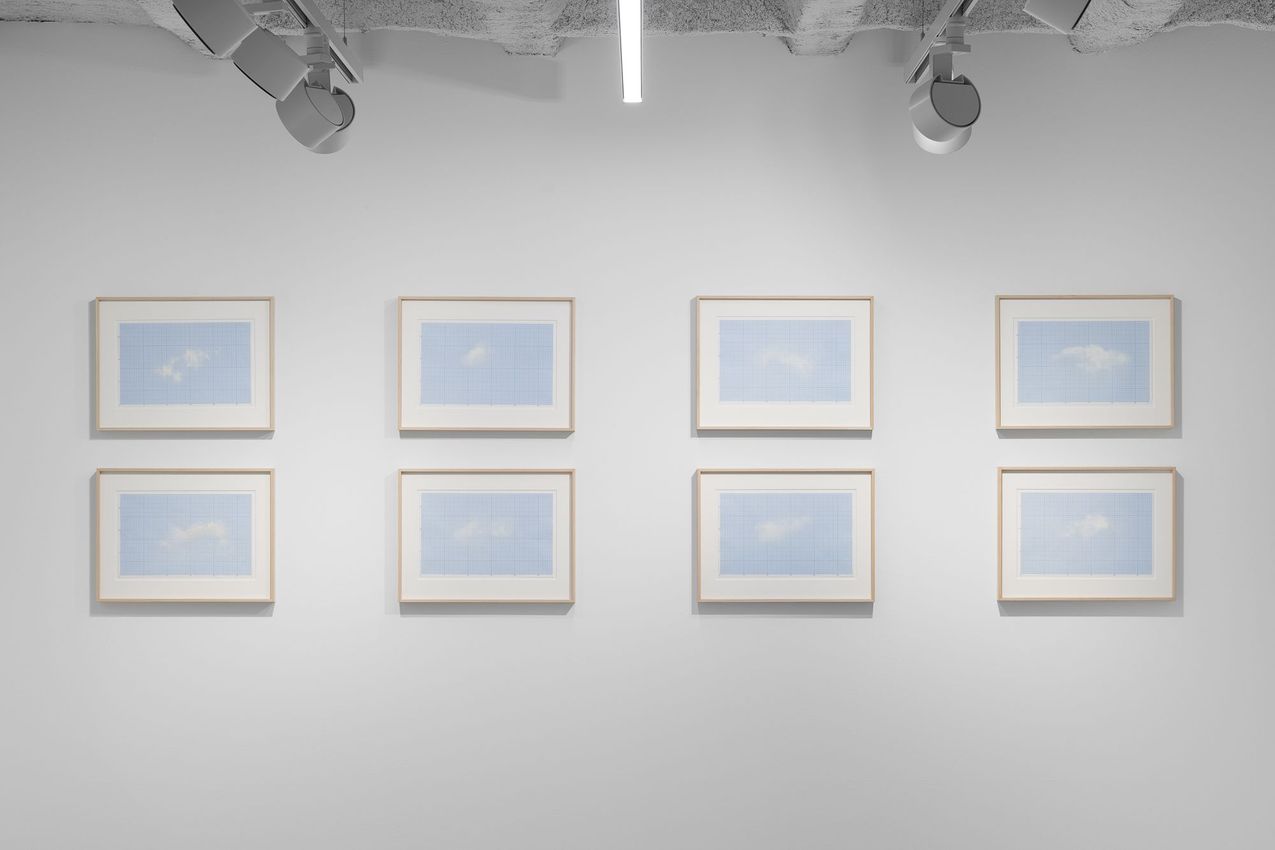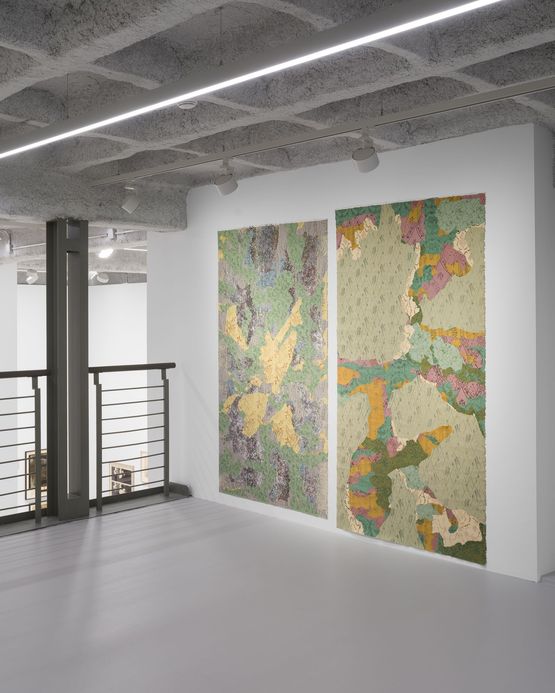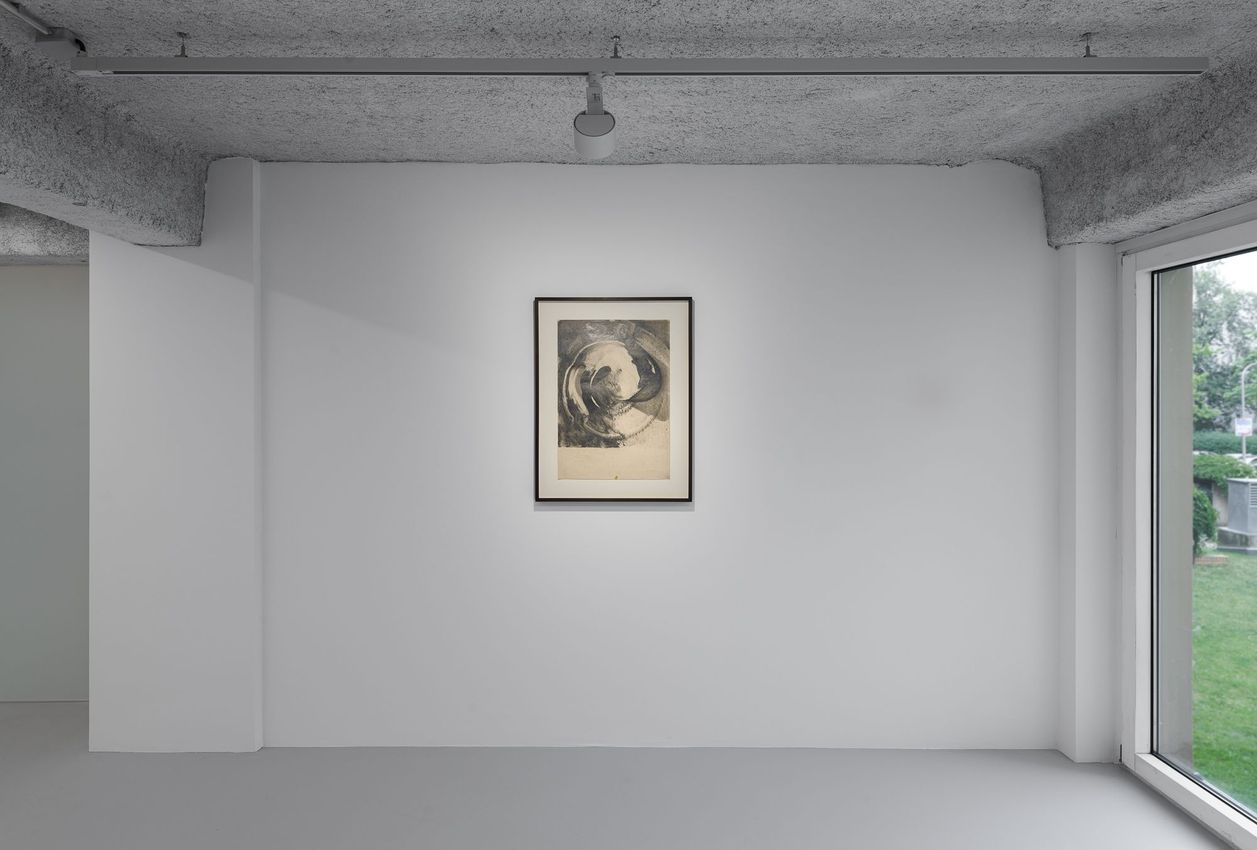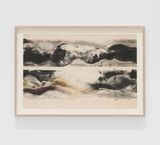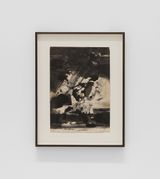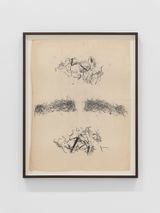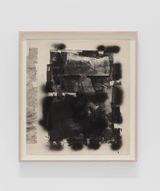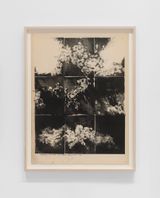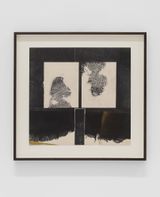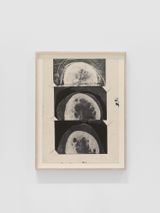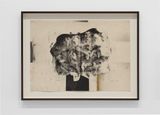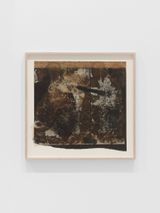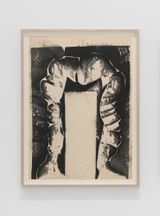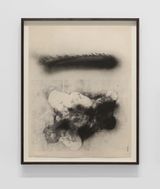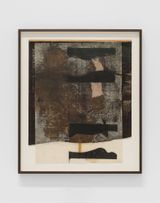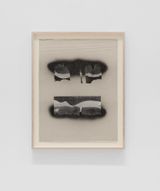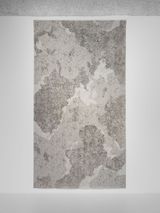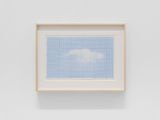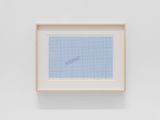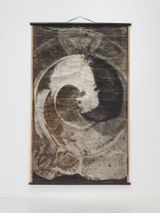




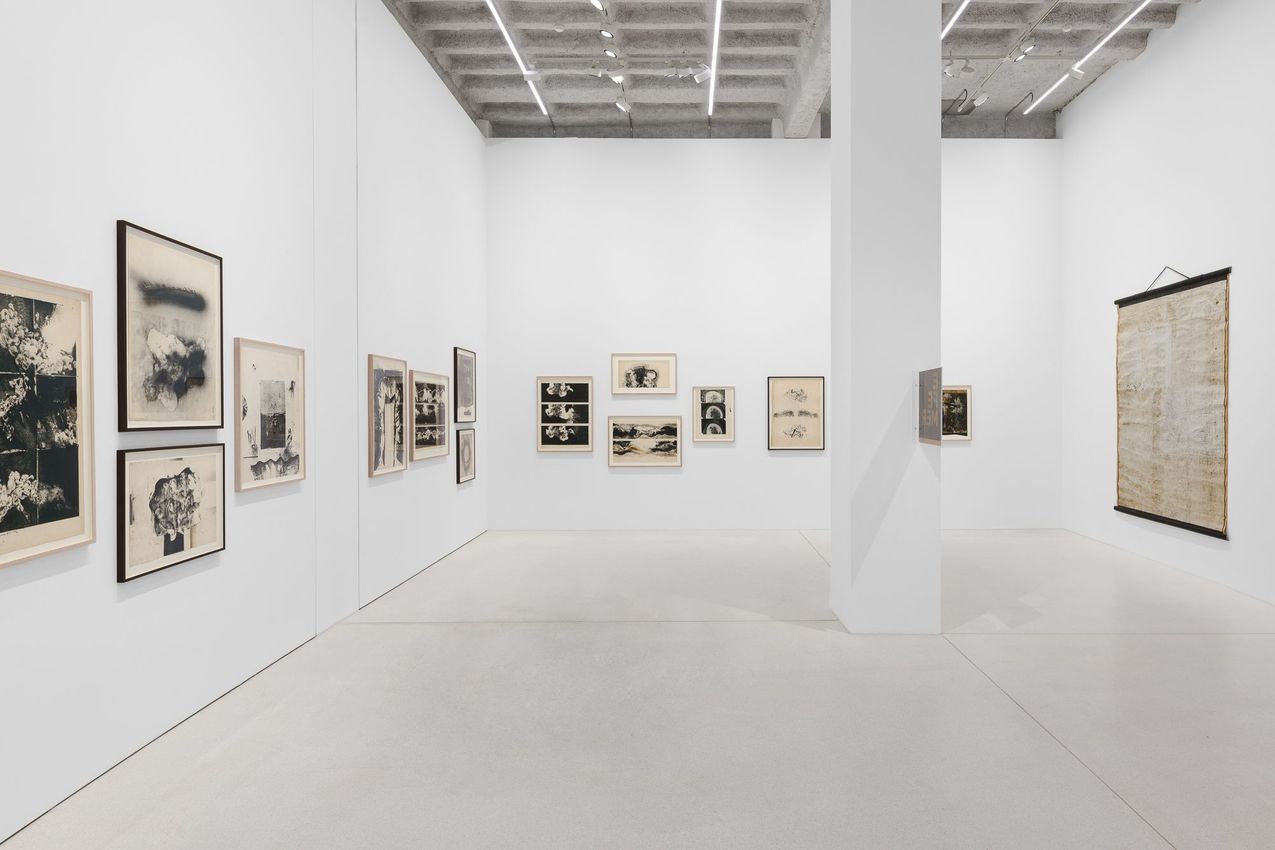
Pseudo-’ is both ‘quasi-’ and ‘anti-’, failure and contestation, insufficiency or surplus. Using the dynamic deviation the word produces as a kind of prefix to both denote and de-nature his graphical output from the 1980s, Miklós Onucsán is perhaps thinking of the theoretically subaltern status of drawing in the hierarchy of artistic modalities, of what is ‘proper’ to the preparatory sketch, of the point at which drawing might become something else, all these thresholds being first materialized or visualised, and then transgressed in the works. Drawing is staged here as paradoxical object like those imagined by Zeno of Elea, placed in a class of logical problems where, for instance, distances cannot be crossed by athletes in pursuit of slower competitors or by arrows flying towards their targets, but rather become incompressible as they break into infinite segments and half-segments, implode into an endless diminishment of ever-smaller separations. An aesthetics of calculation – and perhaps a sensuousness of perplexity – grow from the logical netherworld to which such paradoxes expose the mind. Drawing here is never really achieved and always overcome: pre-figured and then flooded with ‘improper’ material that perturbs its spatial or temporal armature and muddles its boundaries to other mediums. It is saturated with inklings and slippages, with marks of past and future events. The ‘pseudo-’ is then an under- and over-performance, the excess of a deficit in the application of the various norms that define what constitutes a drawing. (Mihnea Mircan)
The working method of Miklós Onucsán questions the nature of the world, whether he is directly playing – turning things upside down – or he is creating a complex system of analysis, with clear steps leading to the same result. Reality is always different, and the artistic intelligence of Miklós Onucsán always manages to find its shifting point (pivot). Reality as overarching theme and work material is constantly being adjusted by the artist; the artist records the disorder, even the surrounding chaos, which he triggers, then questions and, in some cases, re-orders.
Plan B was founded in 2005 in Cluj, Romania, on the initiative of Mihai Pop and Adrian Ghenie as a production and exhibition space for contemporary art. The gallery program focuses on researching Romanian art from the past 50 years, highlighting the work of remarkable artists who have had little to no international exposure.

A respected voice in contemporary art discourse.
Focusing on ambitious storytelling and insightful art-world commentary. Ocula Magazine publishes in-depth interviews, critical essays and timely analysis on the artists, exhibitions and ideas driving the global art world.
Learn more about Ocula Magazine
Showcasing the best of the art world.
Ocula partners with galleries from around the world to highlight their artists, artworks and exhibitions. Gallery membership is by application and invitation, with each member vetted by an independent panel.
Learn more about Ocula Membership

Specialises in the sale of major artworks.
Led by a team with deep ties to the world’s leading auction houses, galleries and collectors. Ocula’s advisory team offers bespoke services to high-net-worth clients from around the world who are looking to acquire the best of contemporary and modern art.
Learn more about our team and services