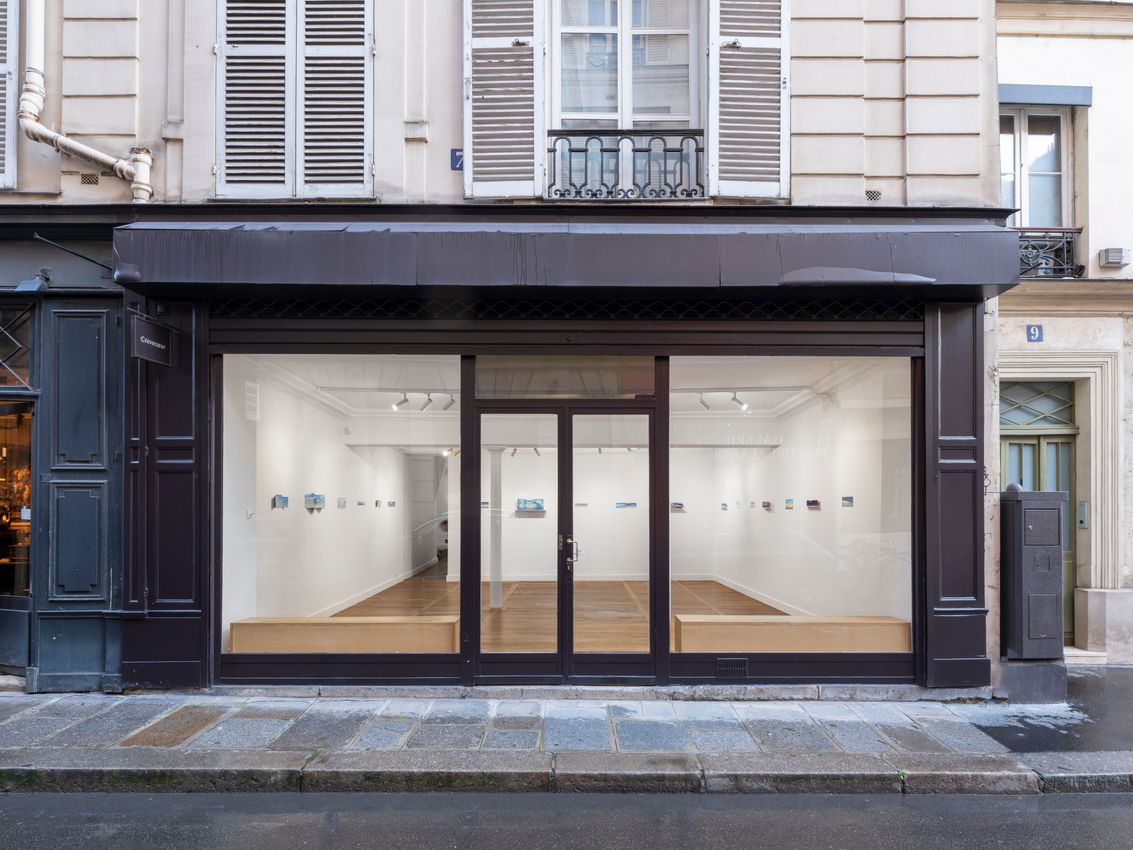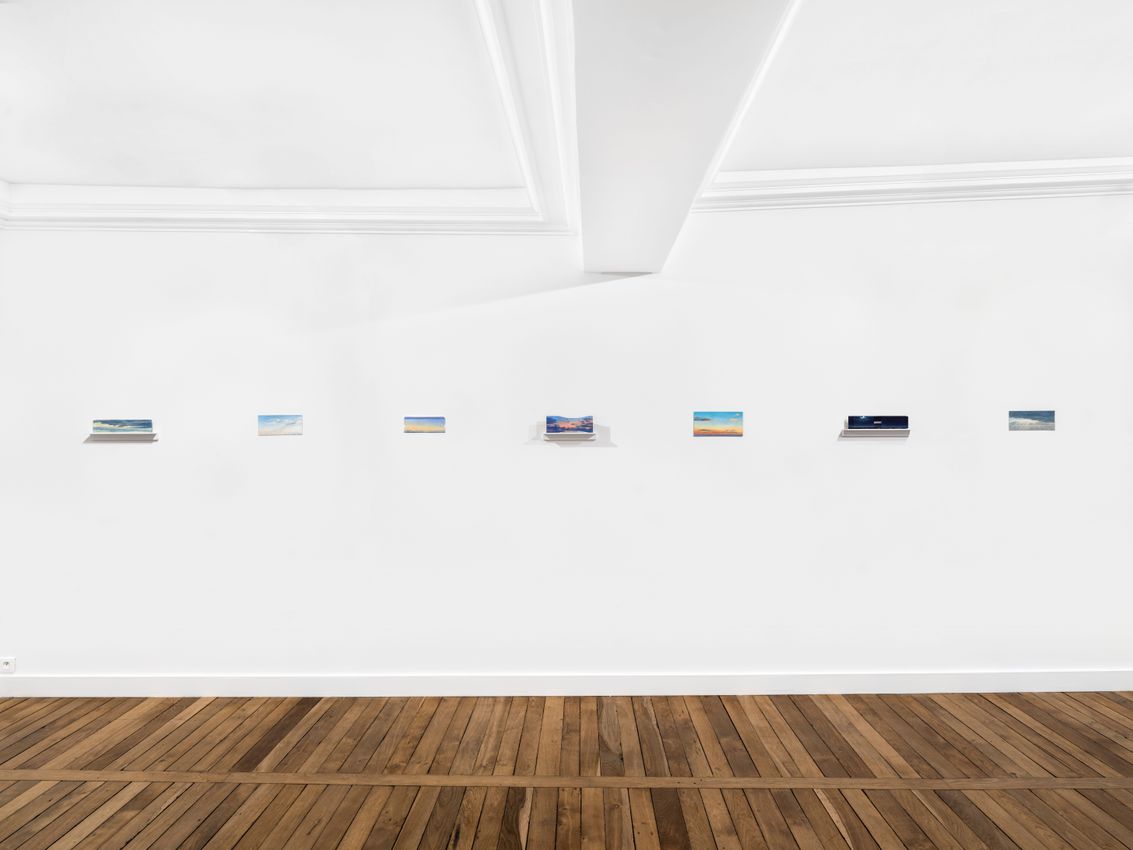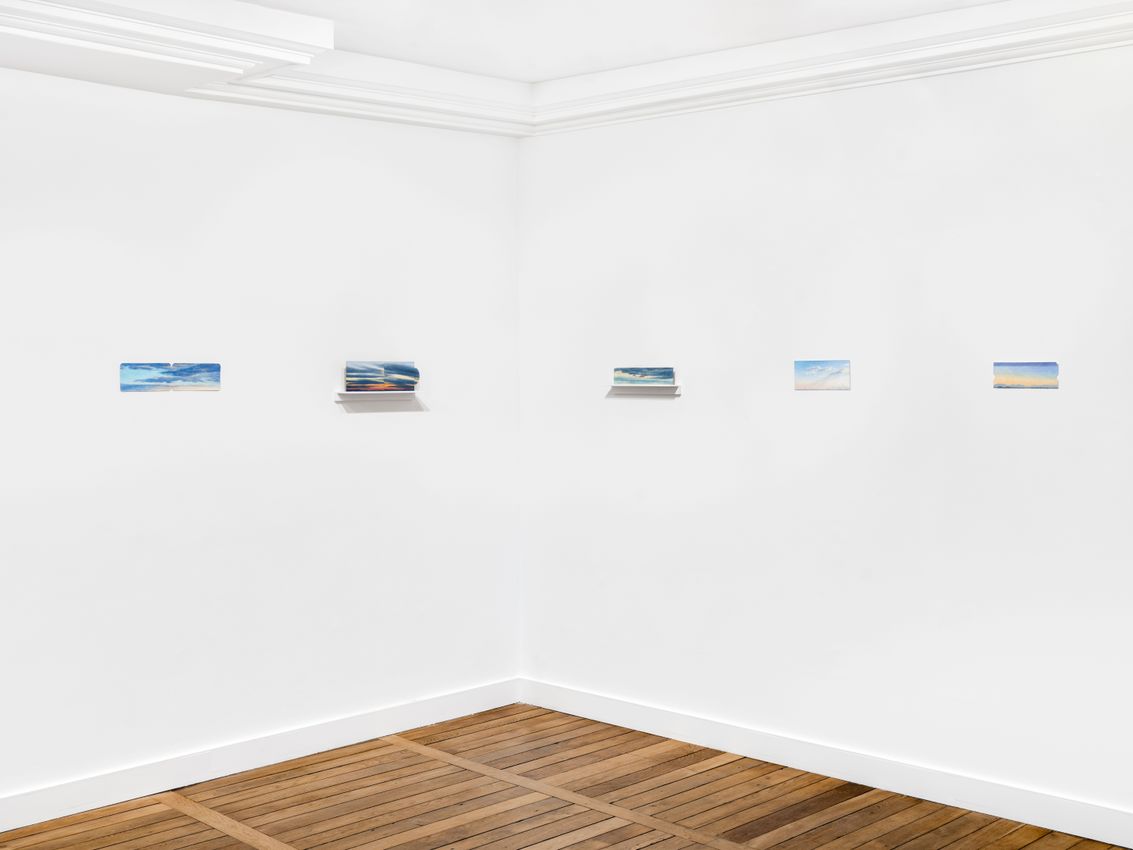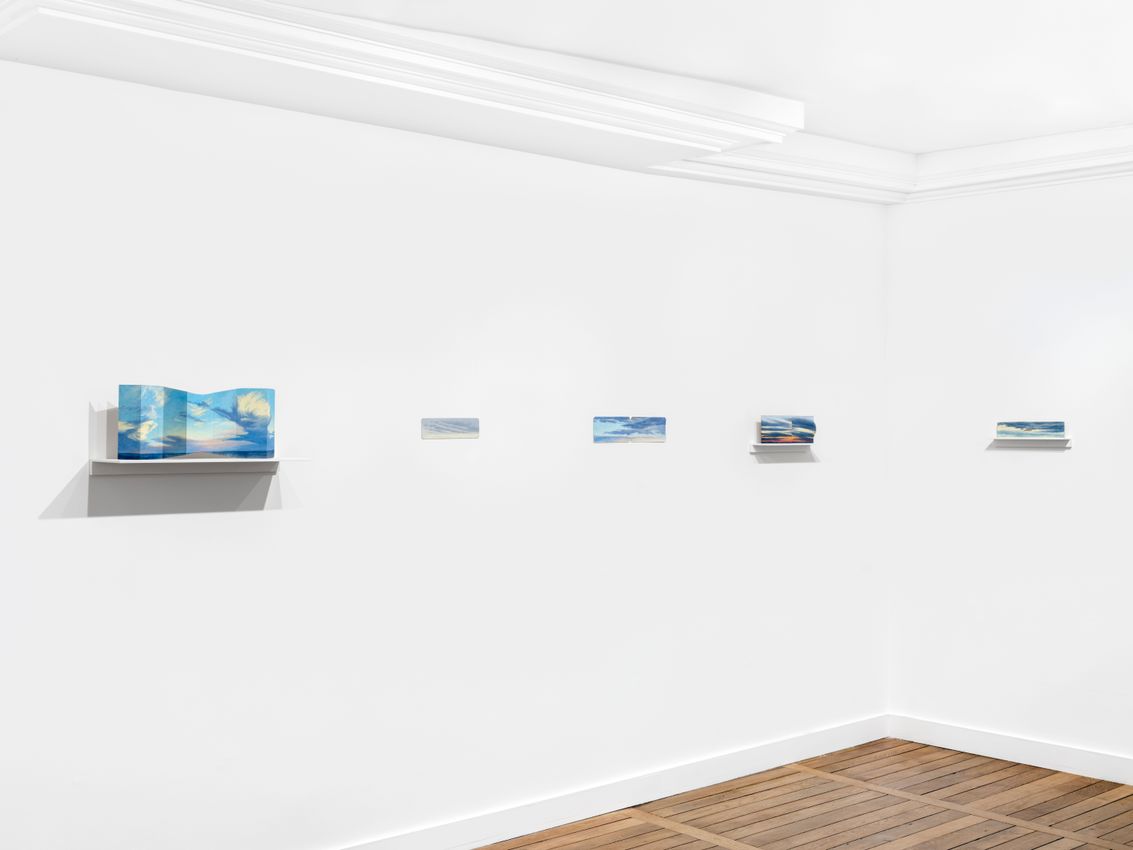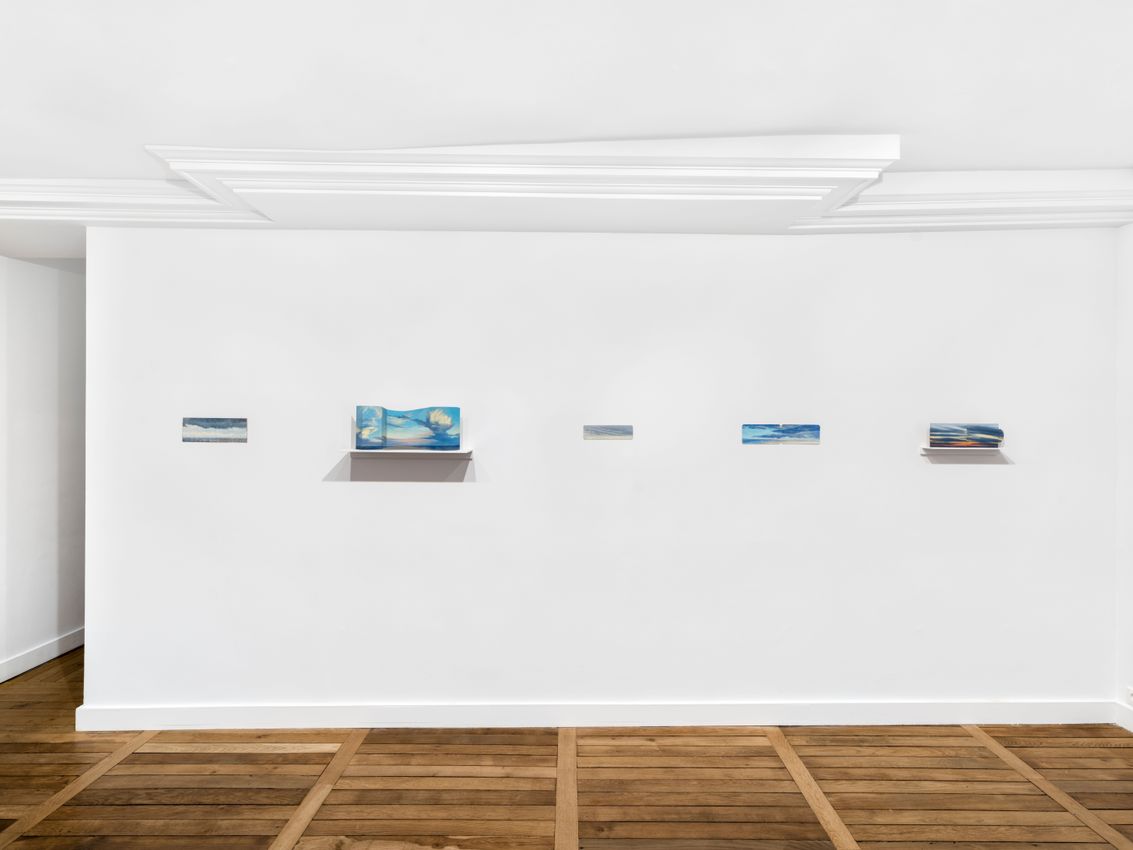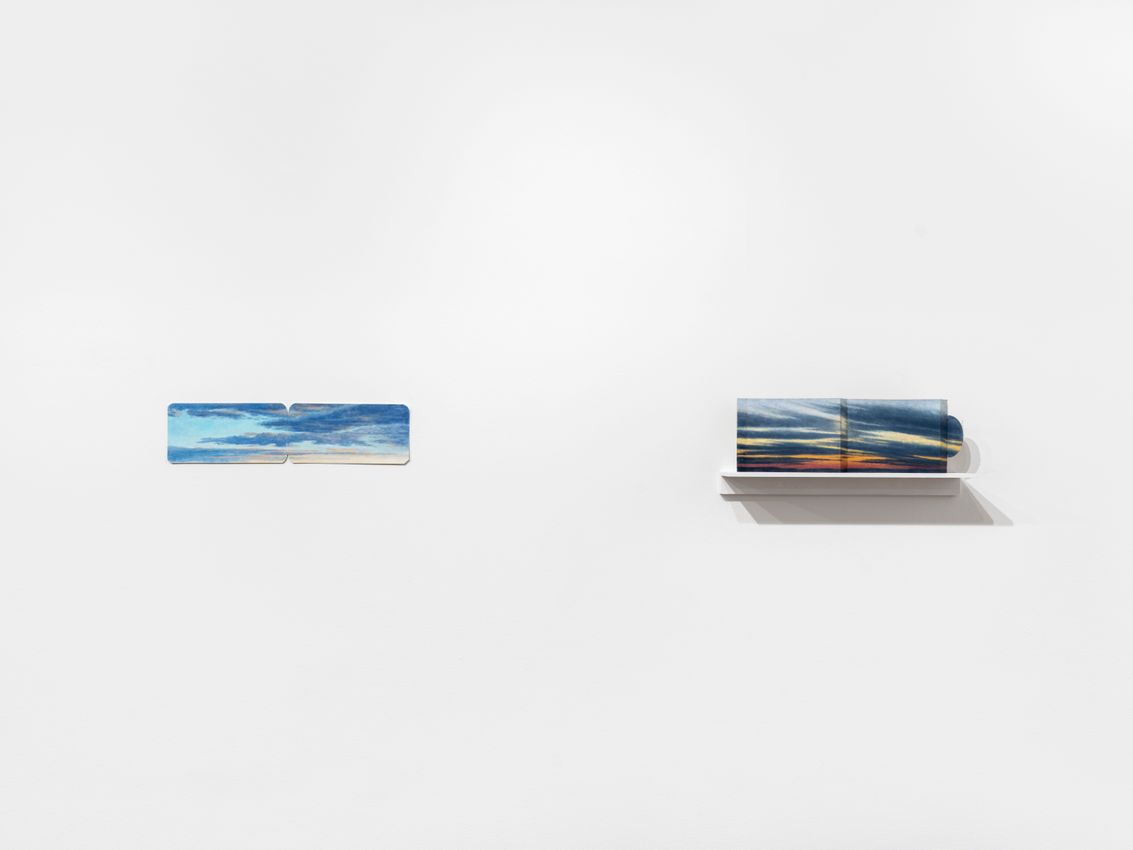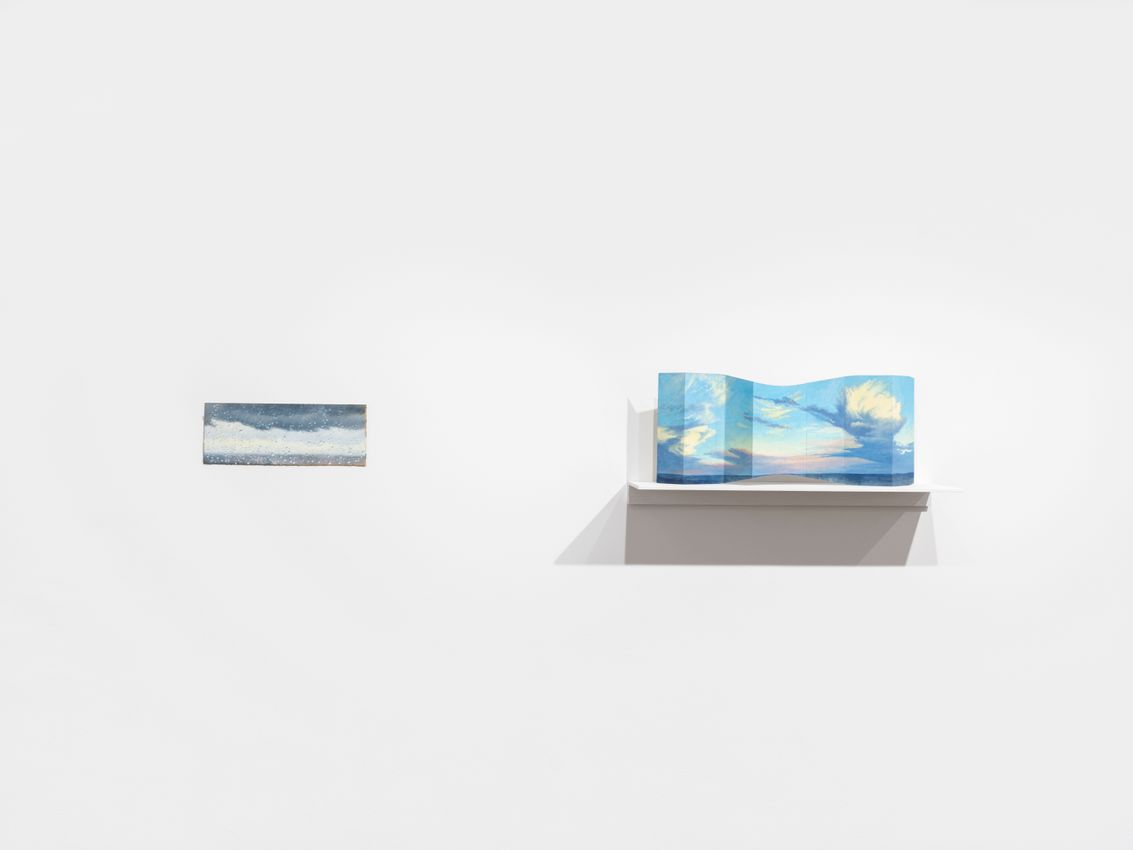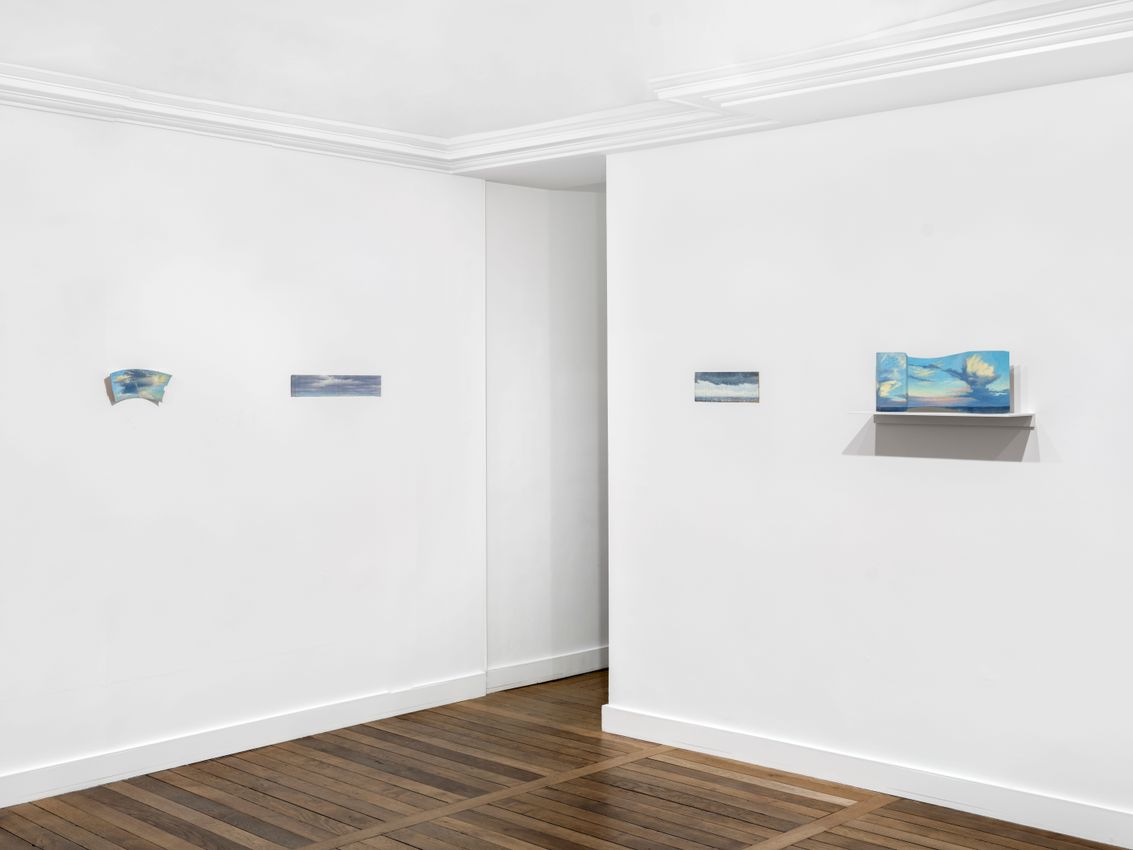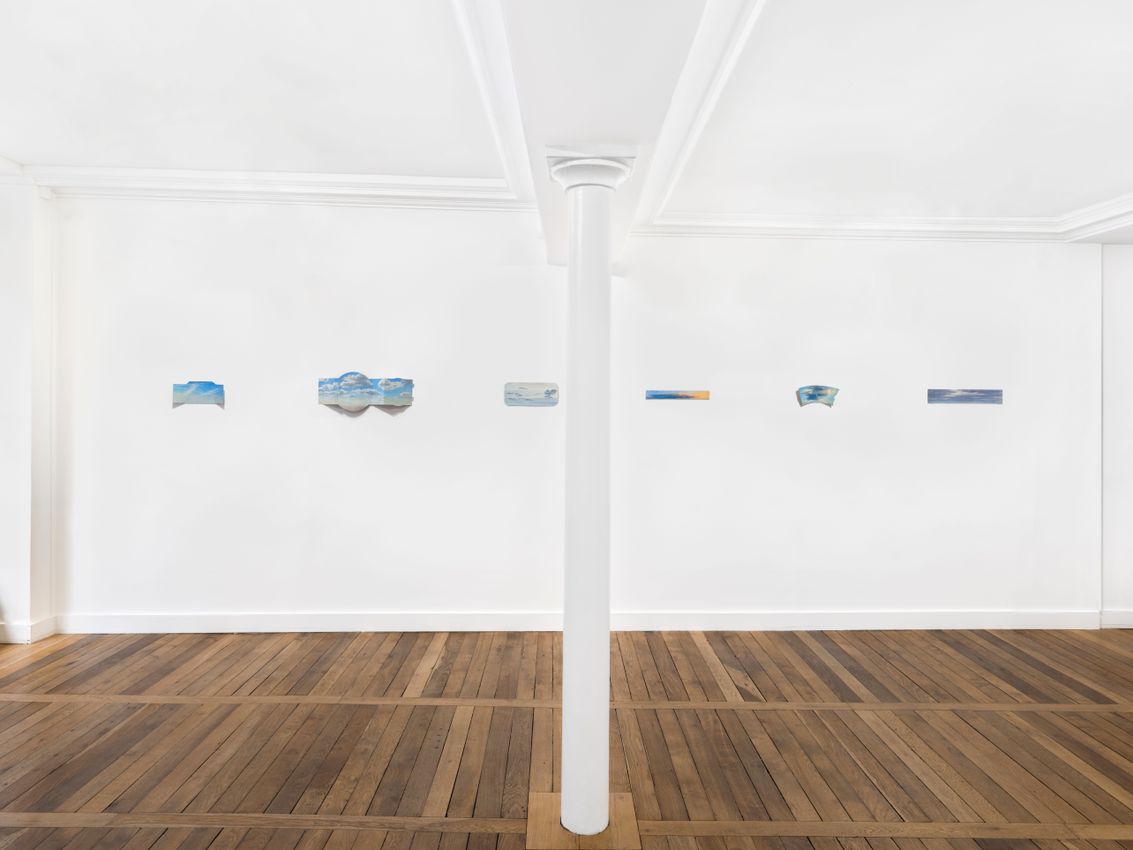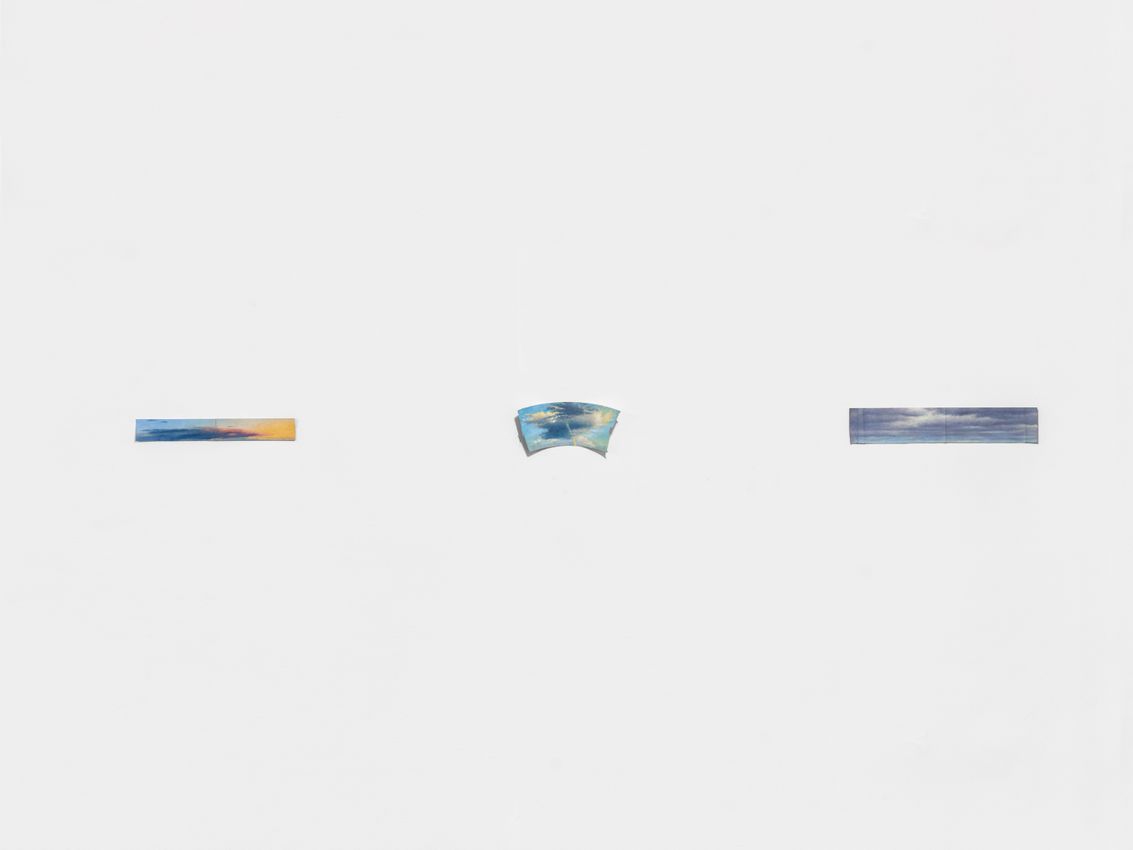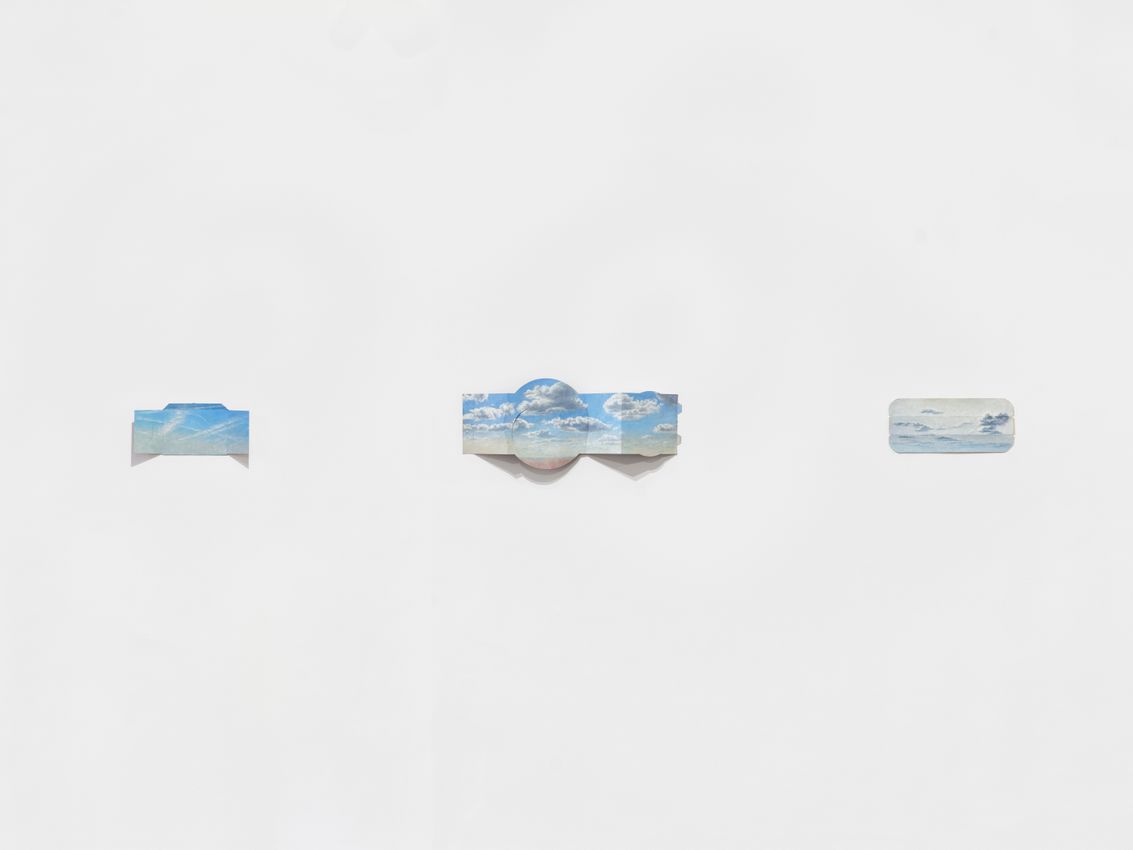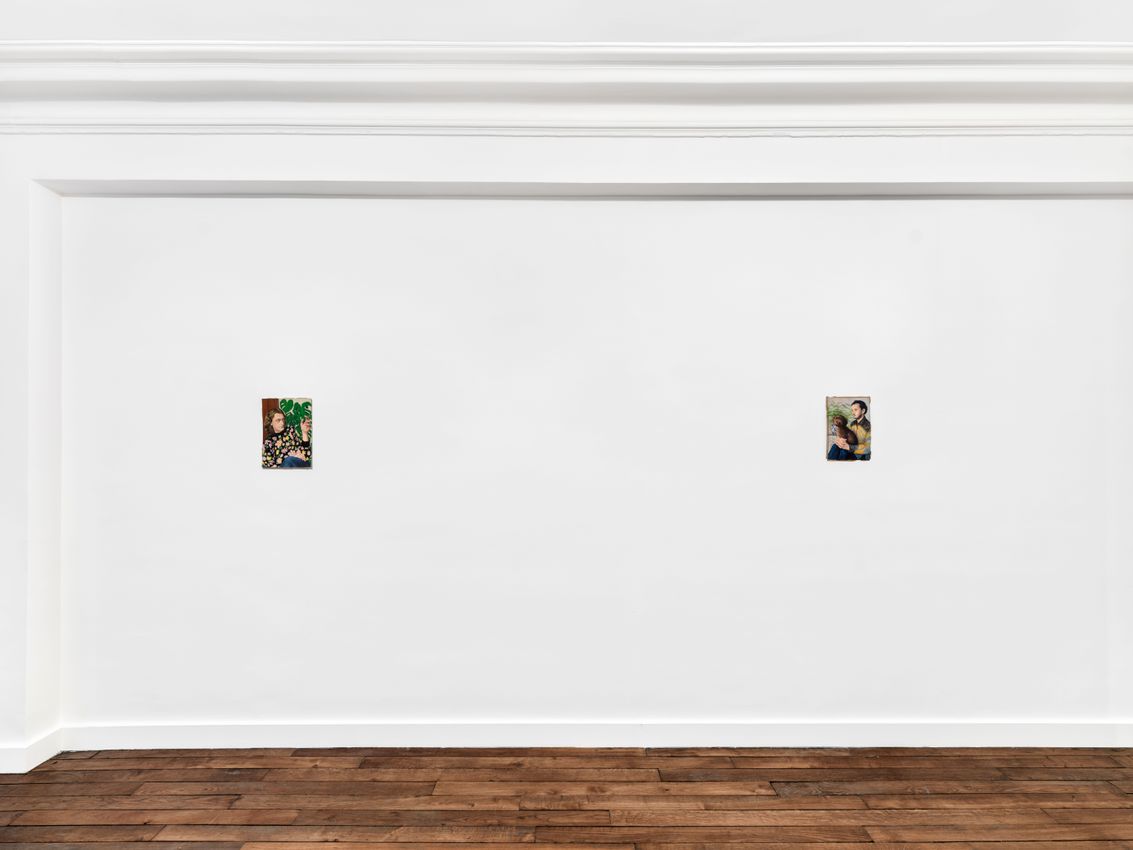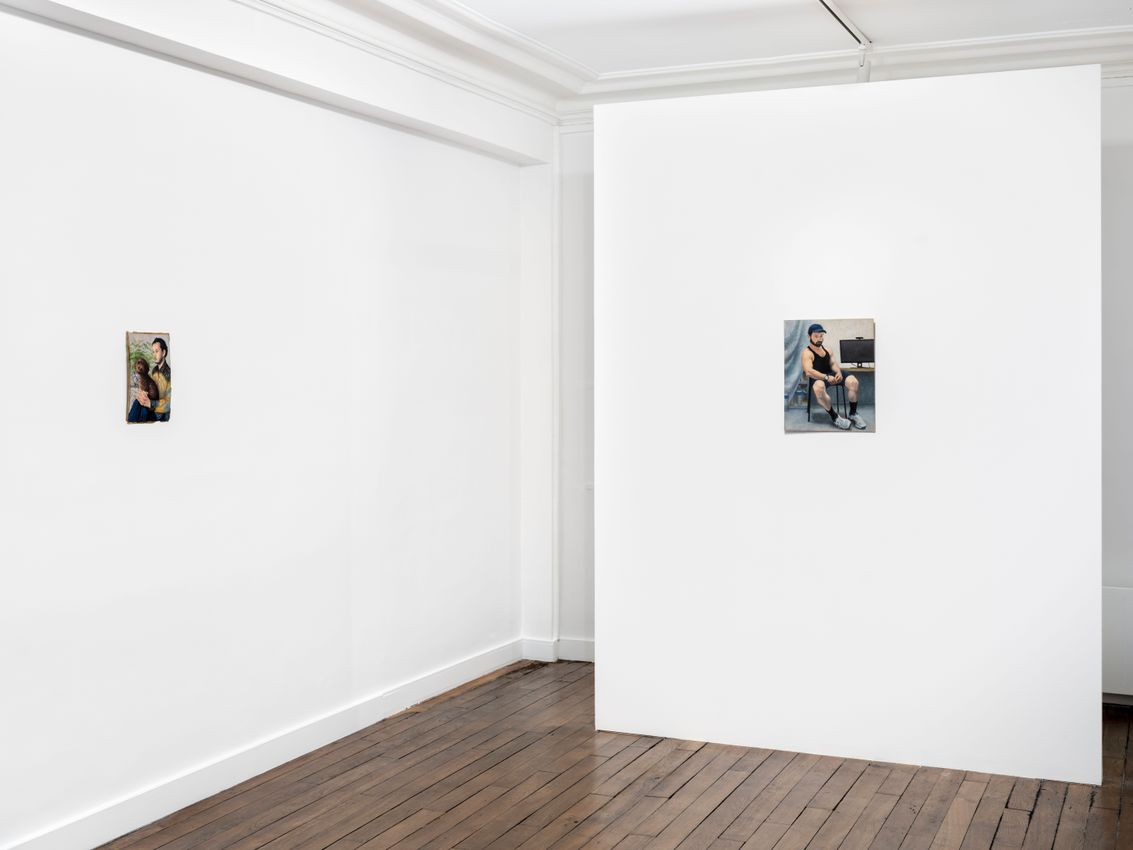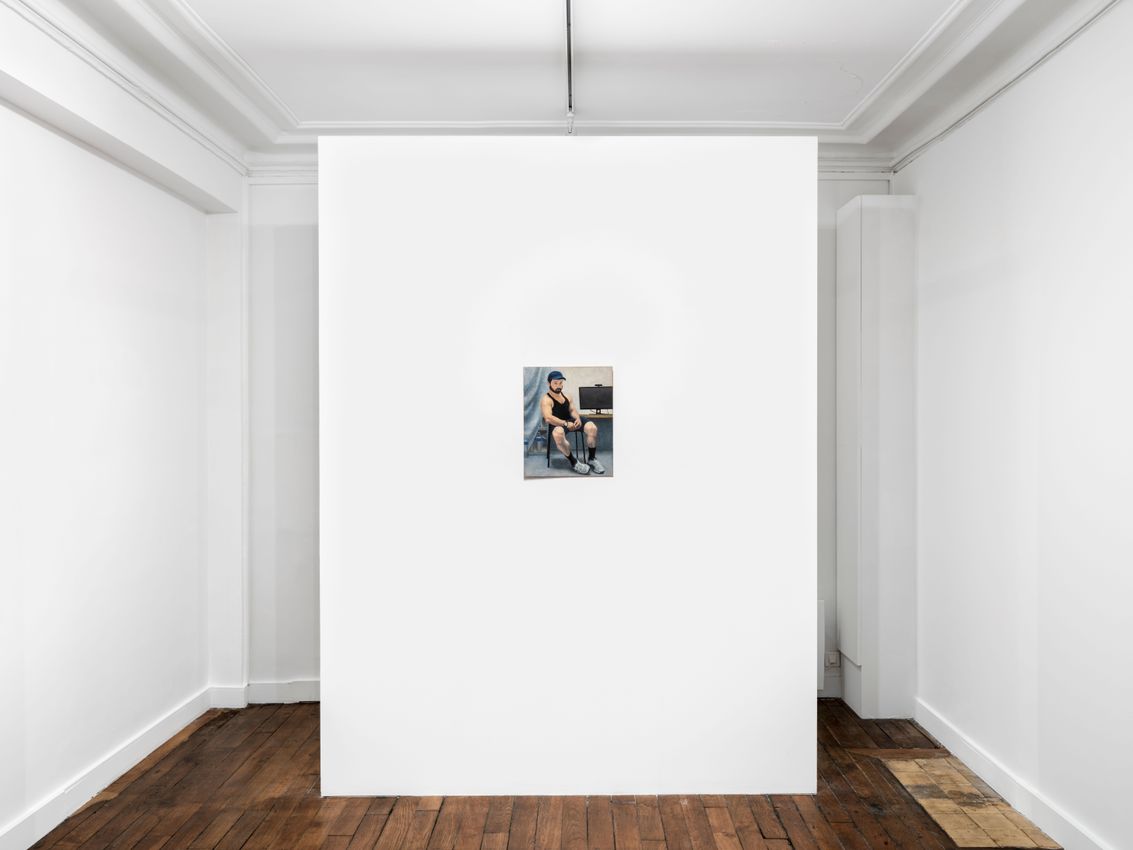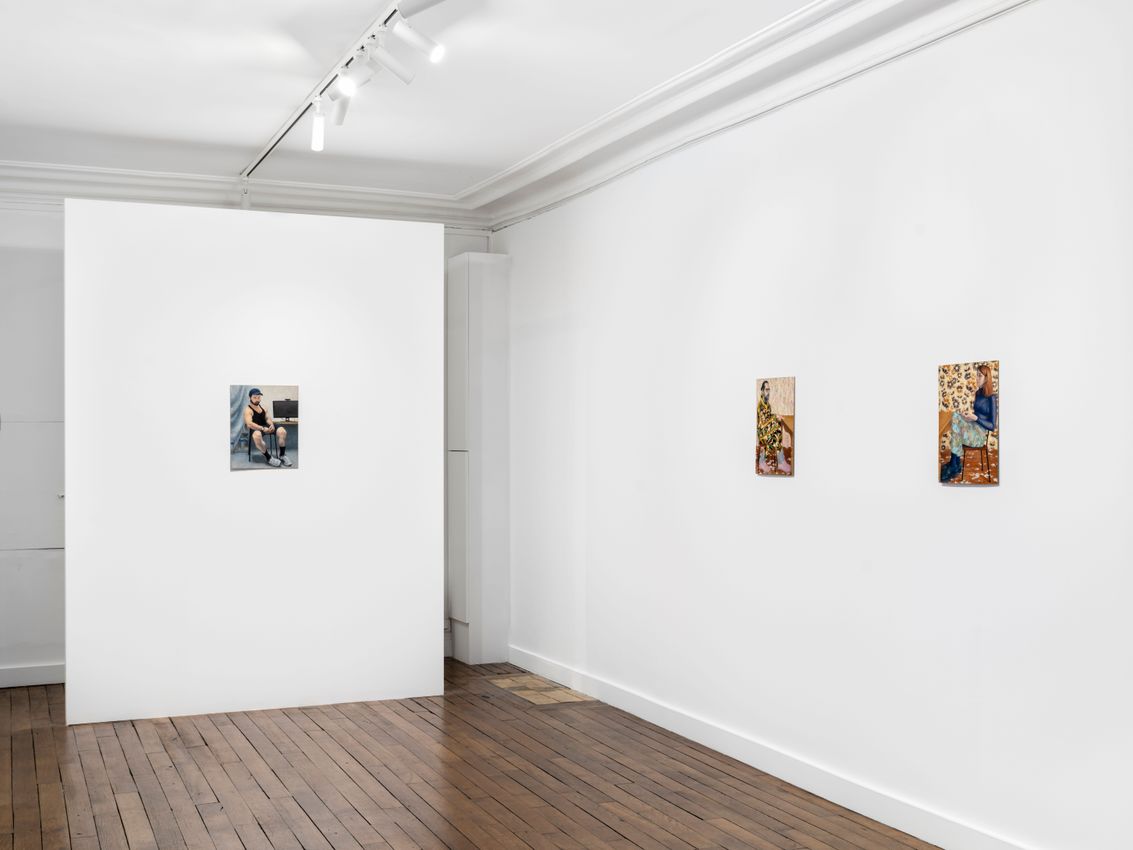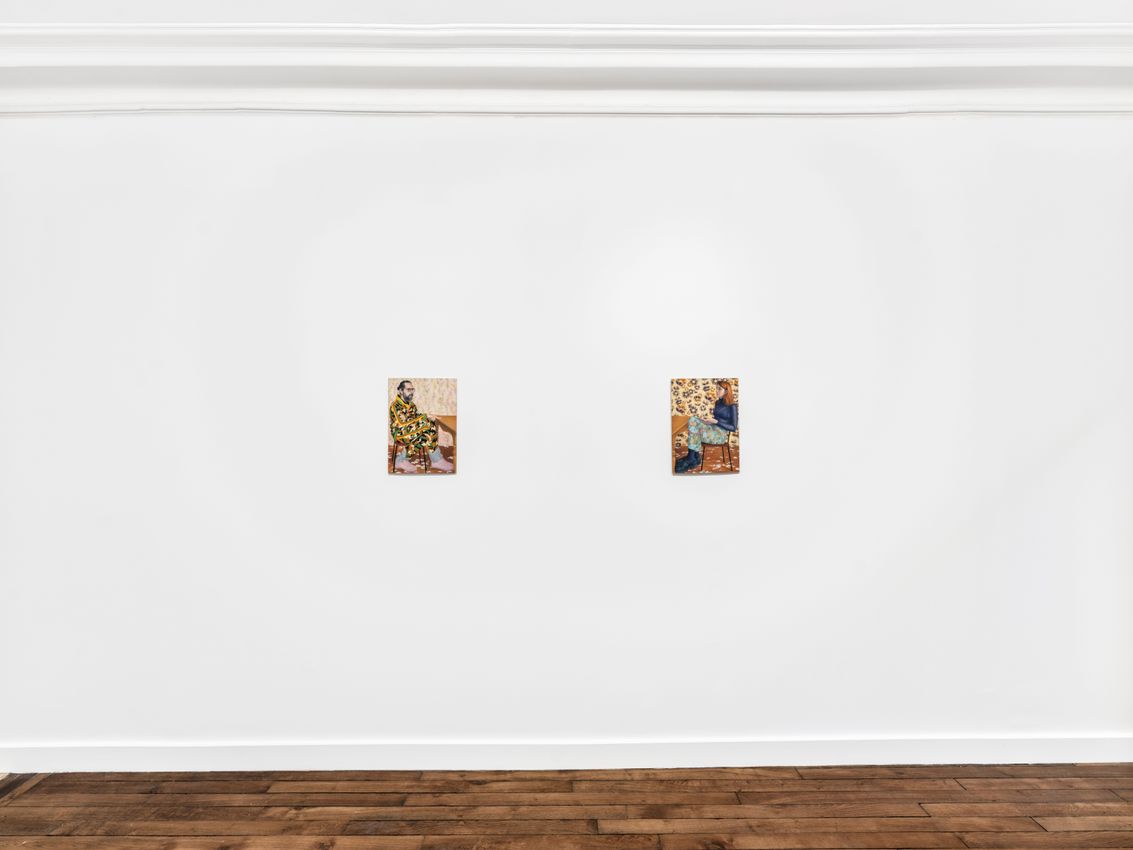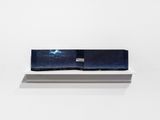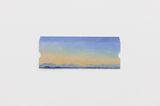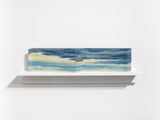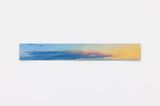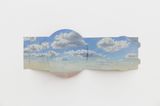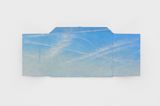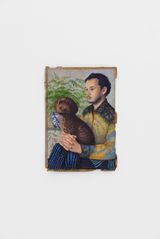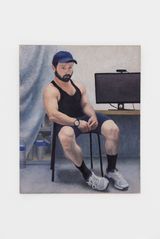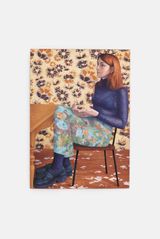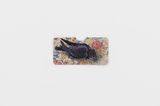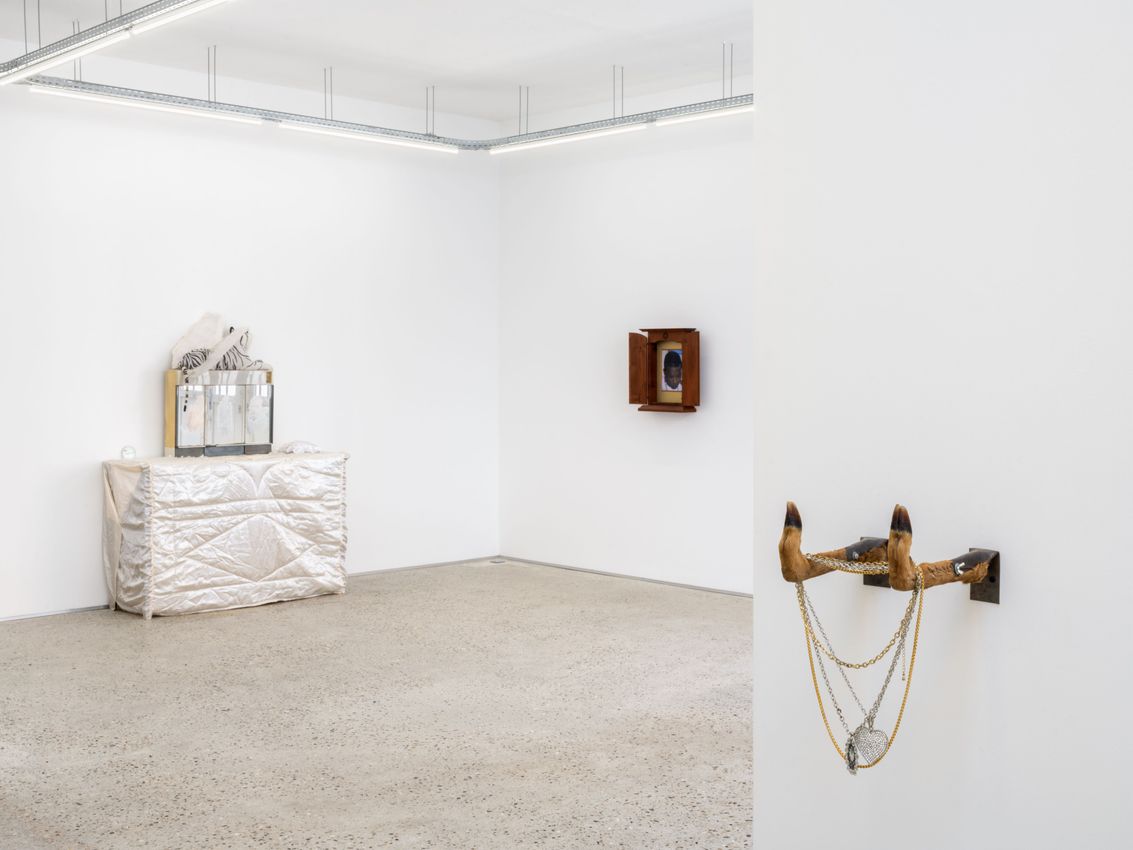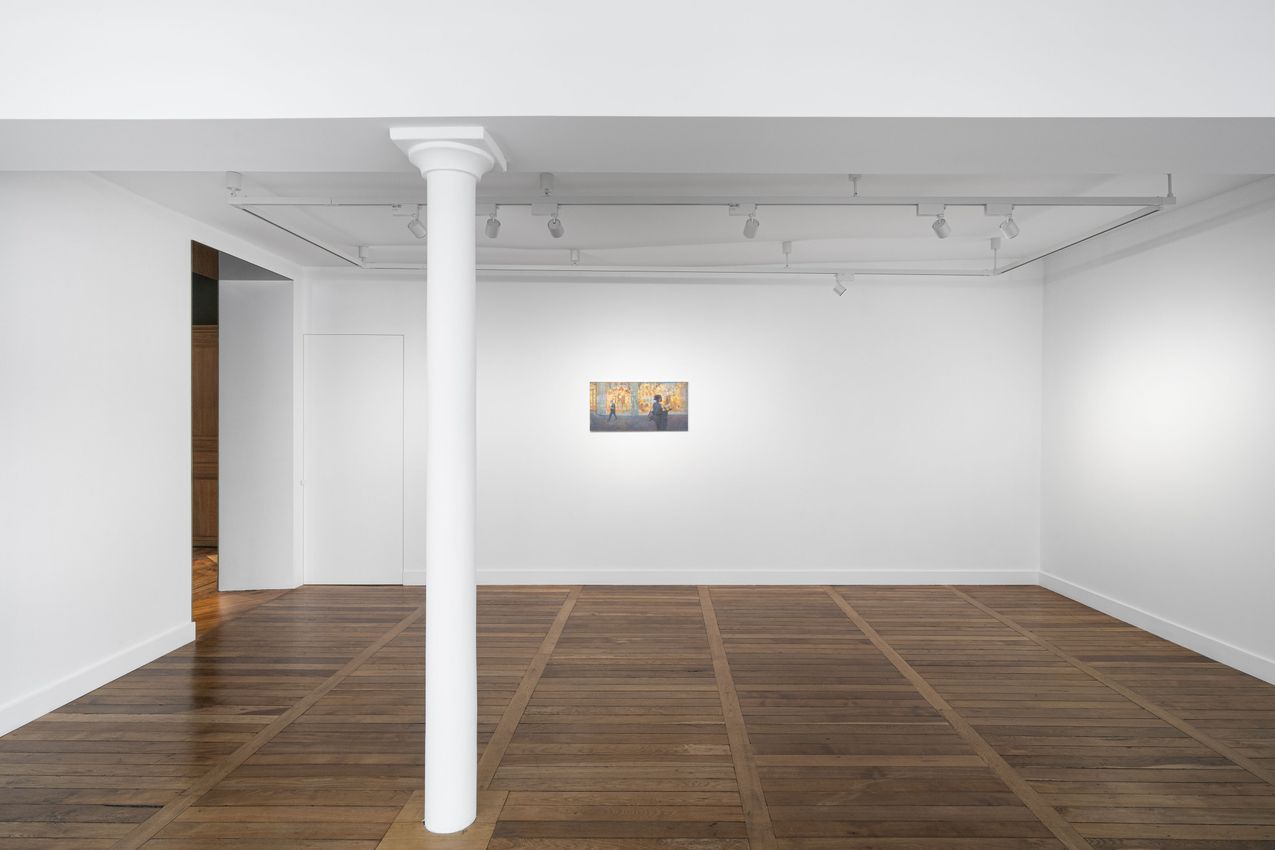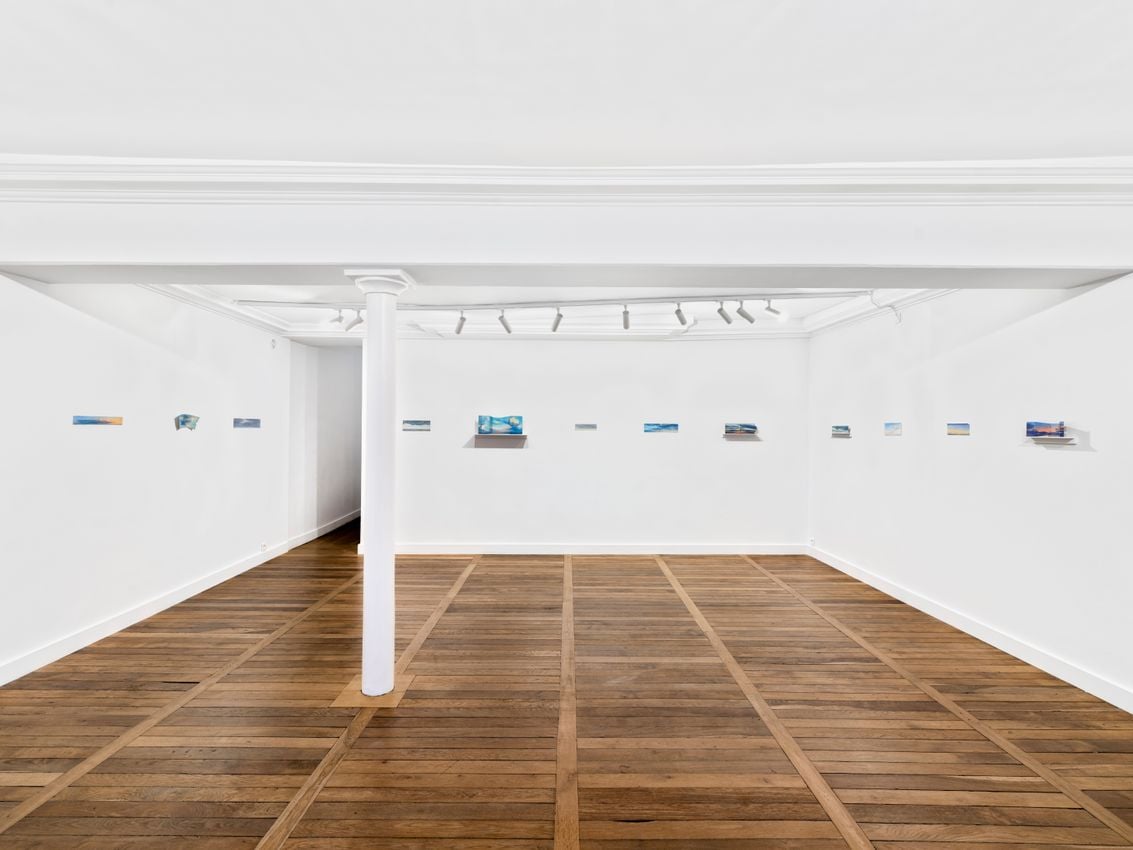
Louise Sartor, who paints on lengthened, squared, holed formats which, restricted in this way, impose strict conditions on her compositions; presents her third show at the gallery.
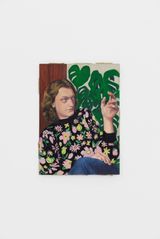
Since her first paintings on torn paper, she has made this attraction to damaged material into a strength, or compositional procedure. The exercise is thus complexified and restricted differently than by the traditional laws of the genre. Her paintings with their classic techniques used on the versos, backs or interiors of massmarket packaging, accentuates our physical relation with the work. At a time when the Instagrammable has overtaken the reproductible, she thus brings to mind the reduced, standardised format of images on smartphones and tablets. These tools, regularly used to draw from life, have allowed her to improve her grasp of composition. In her paintings, they have also influenced the treatment of colours, which she now saturates with neither artifice nor any tenderness towards nature.
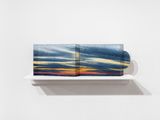
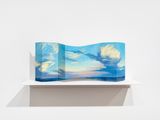
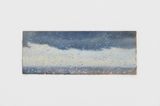
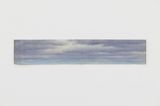
The exhibition combines a series of never-before-seen portraits with views that obstinately depict the same motif: the sky as seen from her studio. At a time when the generalised formatting of digital images seems patiently to be orchestrating the world’s vacuity, through the sharpness of her stare and the diversity of her artifices, Louise Sartor attests to the enduring power of images.


Louise Sartor’s paintings with their classic techniques, like oil, gouache or silverpoint are made on found mass-market packagings which emphasise sculptural aspect of the work as the shape of the found support determines the composition. At a time when the ‘Instagrammable’ has overtaken the reproductible, Louise Sartor brings to mind the reduced, standardised format of images on smartphones and tablets. In her paintings, they have also influenced the treatment of colours, which she now saturates with neither artifice nor any tenderness towards nature or portraits. Louise Sartor finds splendour and new paths in the decadent, as her wilting subjects — still-lives with fading flowers, landscapes with interchanging atmoshepric effects, portraits of friends — capture the wearing of time.

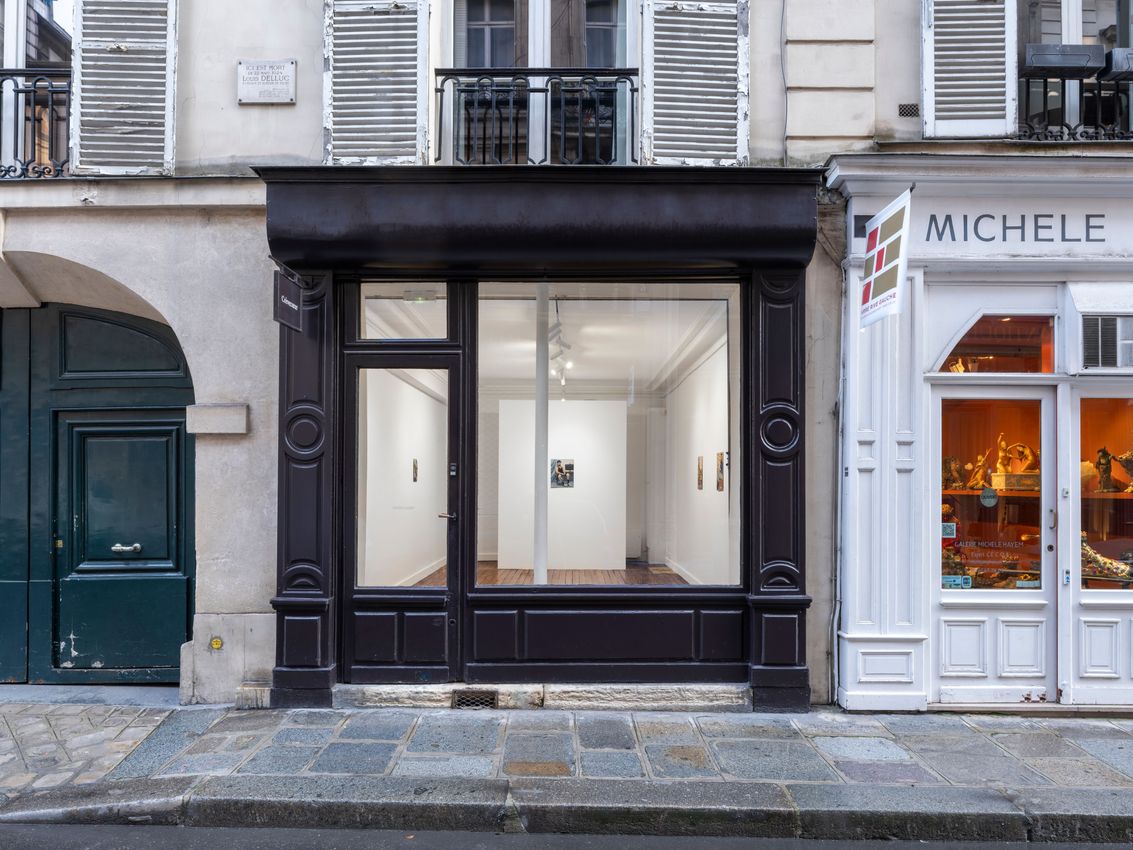
Crèvecœur was founded in 2009 by Axel Dibie and Alix Dionot-Morani in Paris. Since its creation, the gallery has been supporting French and international artists whose different practices and visual language explore the most forefront topics and relate to the world’s social and political context.
A respected voice in contemporary art discourse.
Focusing on ambitious storytelling and insightful art-world commentary. Ocula Magazine publishes in-depth interviews, critical essays and timely analysis on the artists, exhibitions and ideas driving the global art world.
Learn more about Ocula Magazine
Showcasing the best of the art world.
Ocula partners with galleries from around the world to highlight their artists, artworks and exhibitions. Gallery membership is by application and invitation, with each member vetted by an independent panel.
Learn more about Ocula Membership

Specialises in the sale of major artworks.
Led by a team with deep ties to the world’s leading auction houses, galleries and collectors. Ocula’s advisory team offers bespoke services to high-net-worth clients from around the world who are looking to acquire the best of contemporary and modern art.
Learn more about our team and services