Press Release

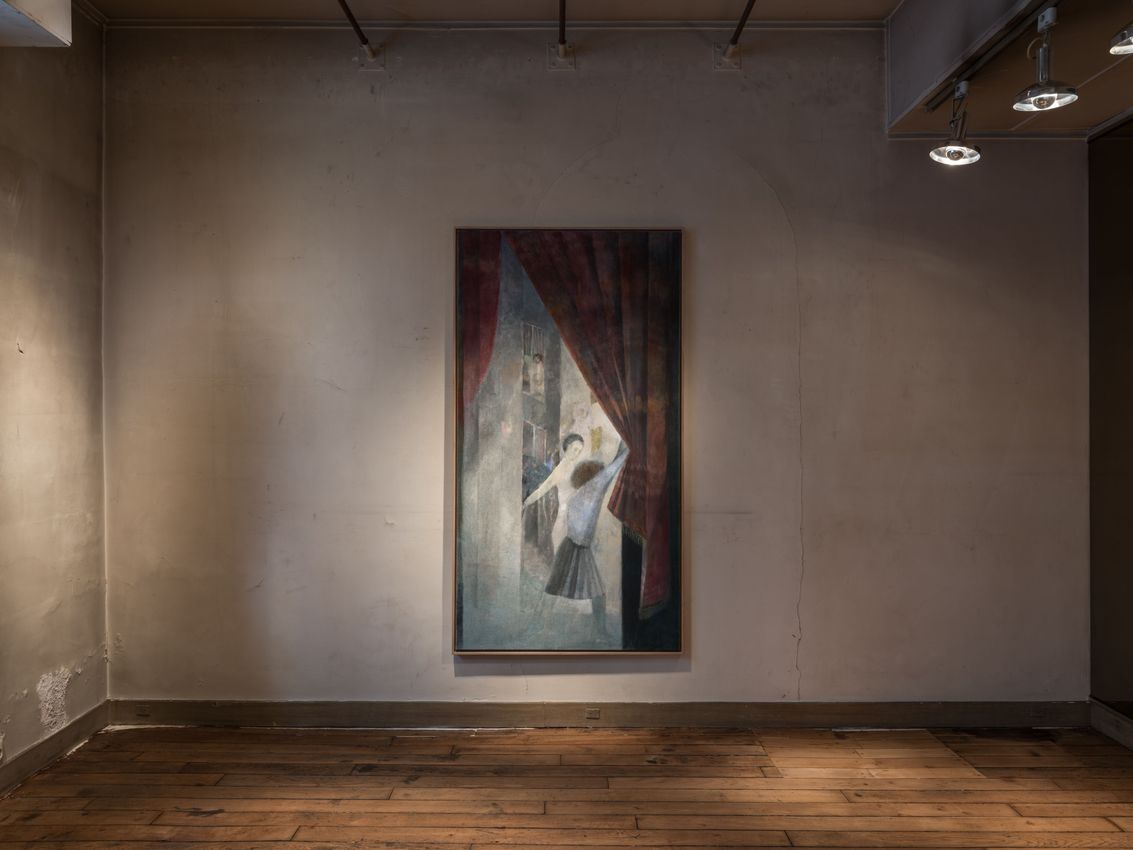
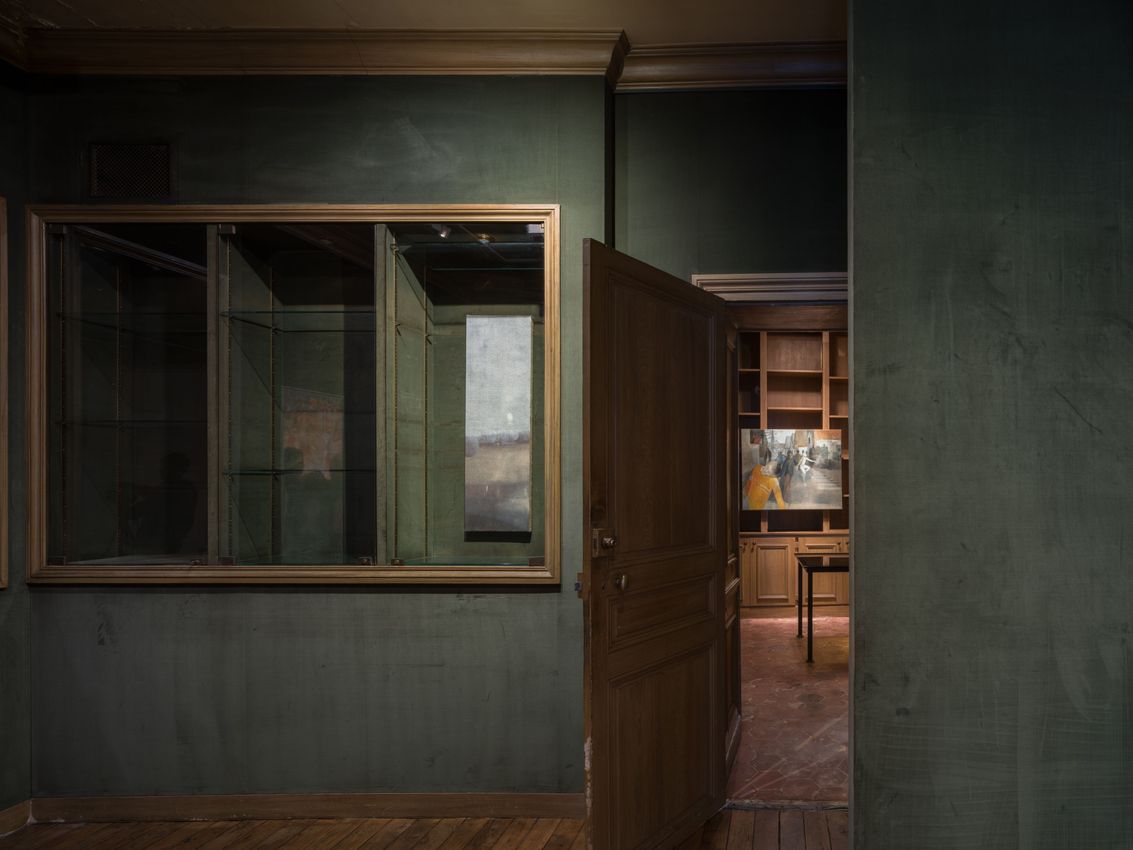
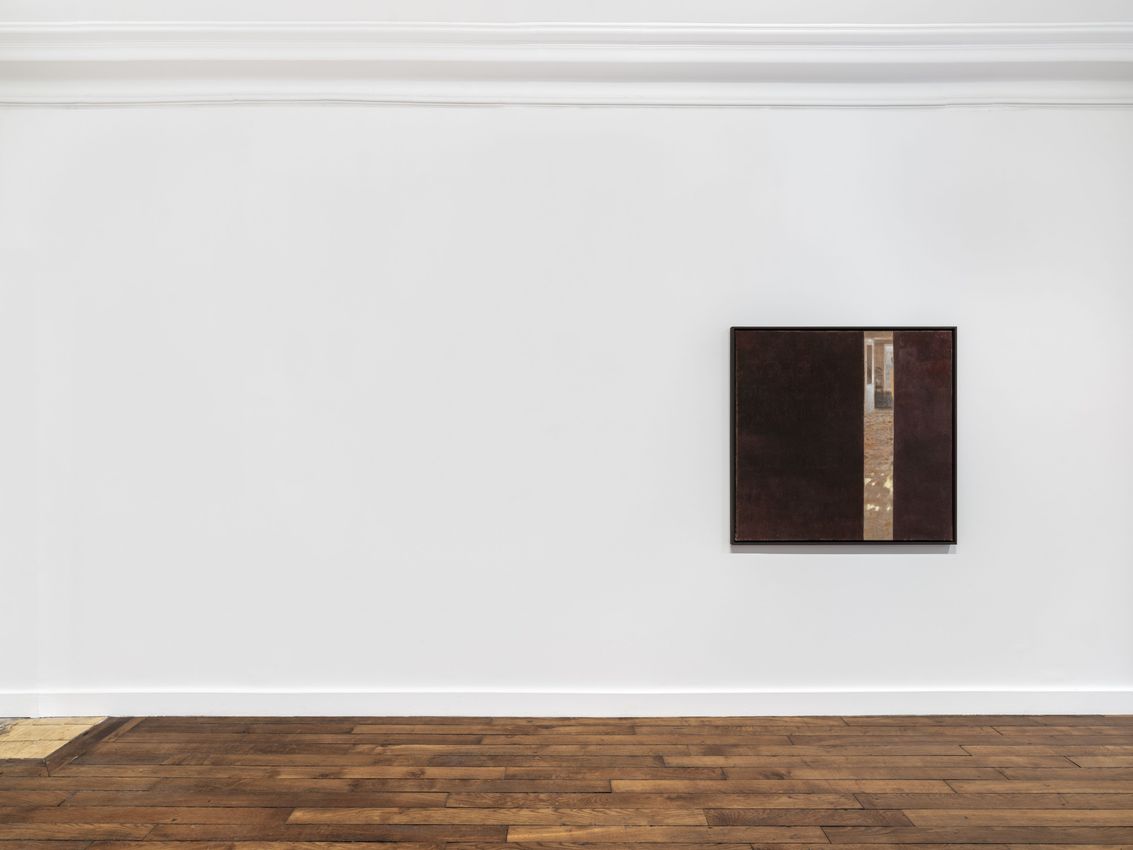
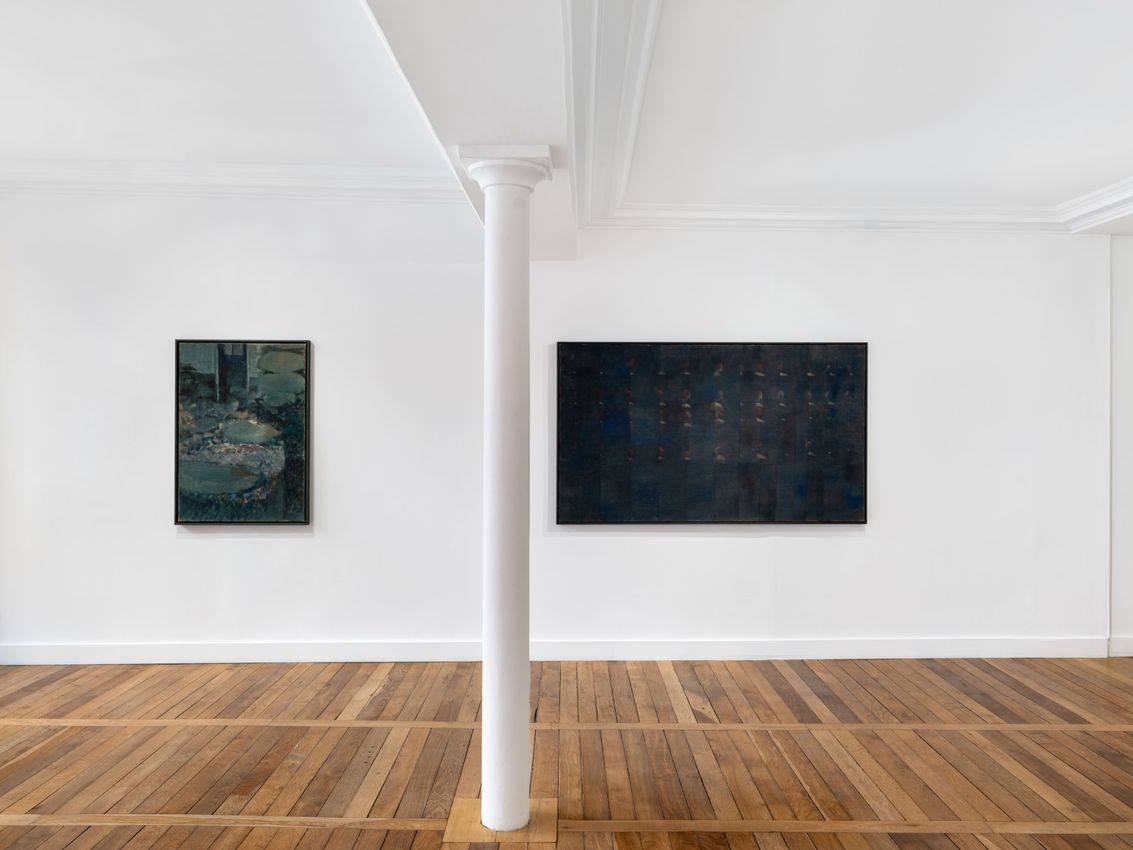
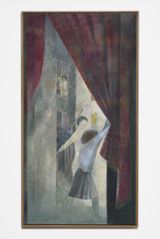
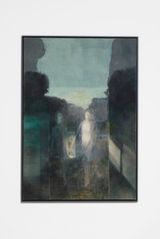
A slit in an otherwise purely dark canvas opens to the interior with a door and a chair. If one insists on seeing a painting as a window, then one is confronted with a puzzle. The window shows a dark space with light coming through the open door. The person peering through that painting would probably be interested in the immediately adjoining space, not the view towards the more distant rooms. Yet that sight is not available. The viewer is confronted with something incidental.

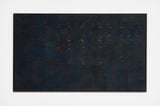
There is another interpretation of this painting that arises from the assumption that it is a continuation of the investigation into an attempt at depiction of sequences of movements. The return to the classic motive of futurist painting was not driven by the same concerns. The ambition here was to distil the anecdotal into a bare suggestion of action. The flow crystallised into a cage defined by successive stages of movement. And that meant that time became space - the ultimate goal of an attempt at making a picture. But what happens when all the stages of movement are identical? A film that shows stillness. The painting in question might be showing that suspended moment while the dark surrounding is suggesting the other, identical, and unnecessary views. This is paradoxical, because we are left with stillness which conceals and shows at the same time the arrival and passing of other indistinguishable moments.

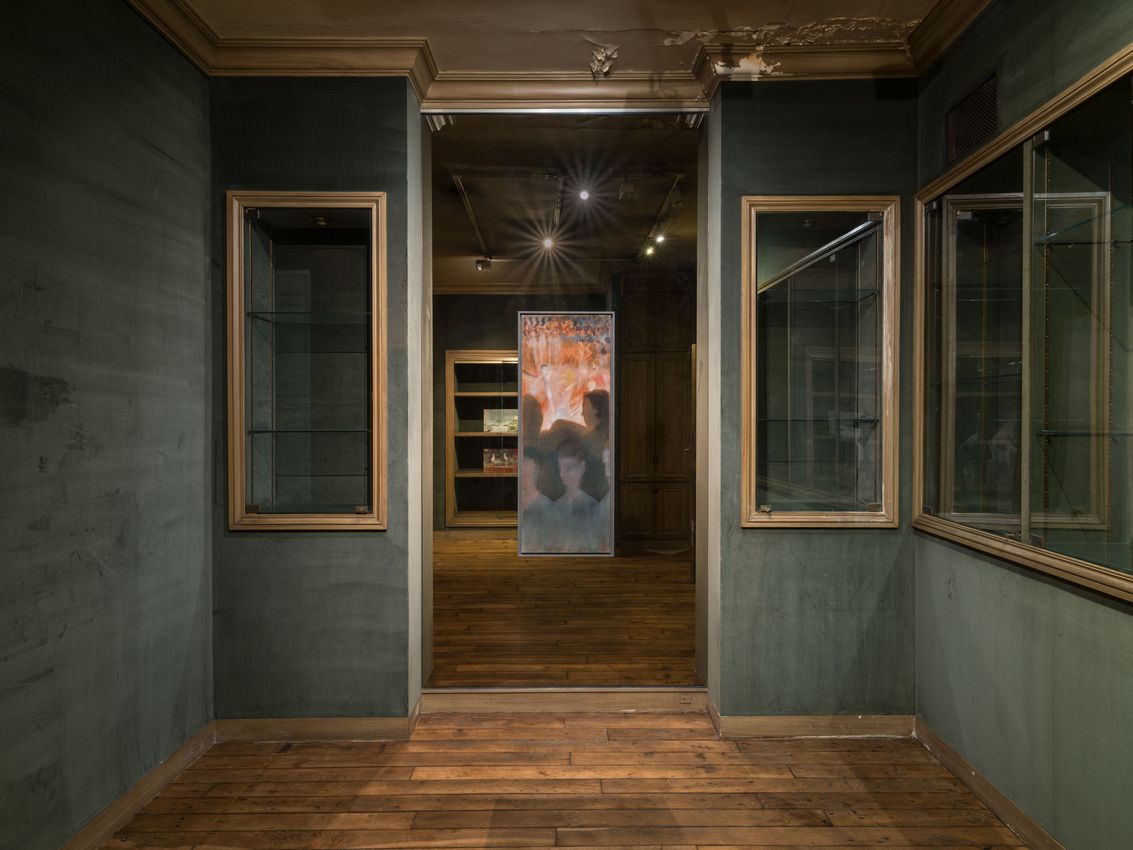
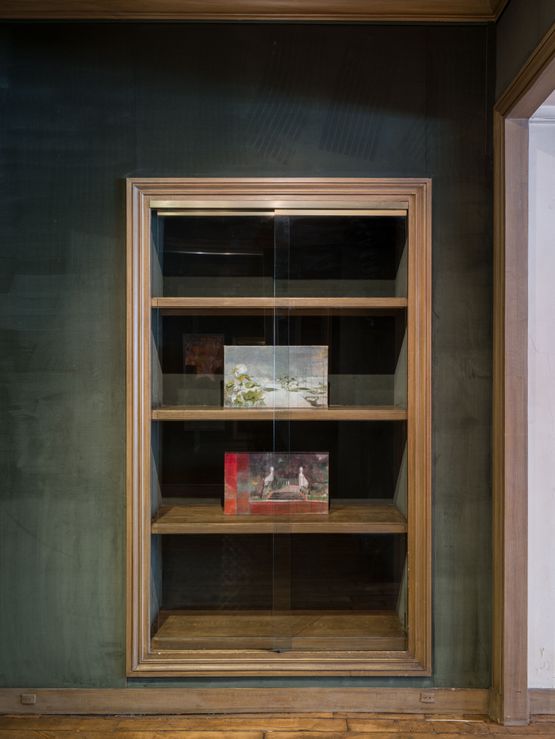
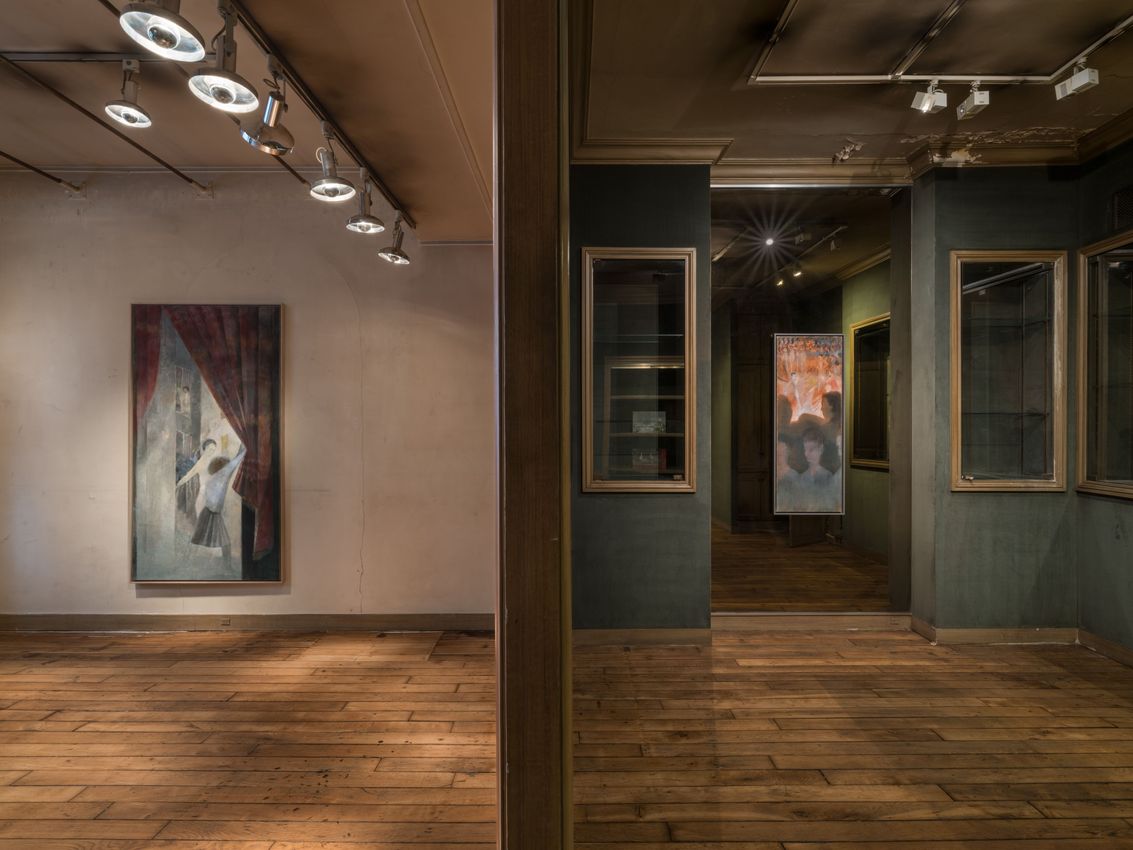
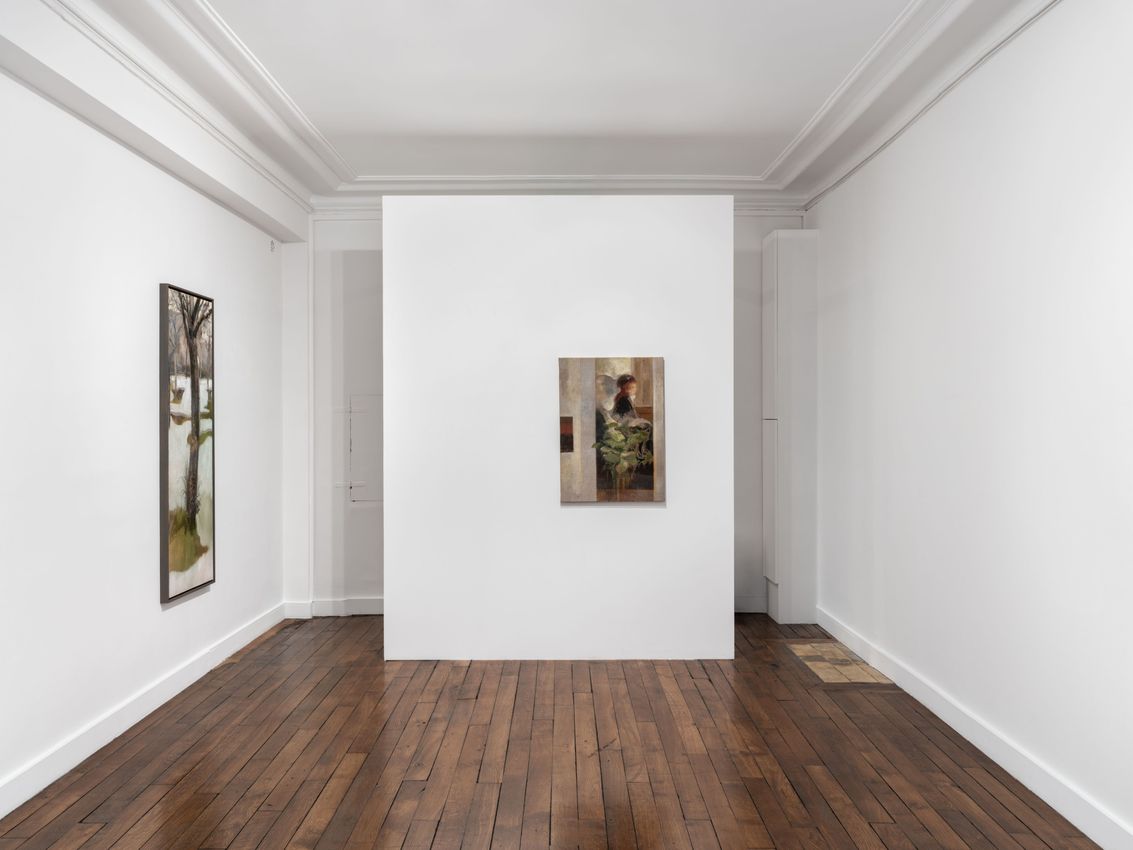
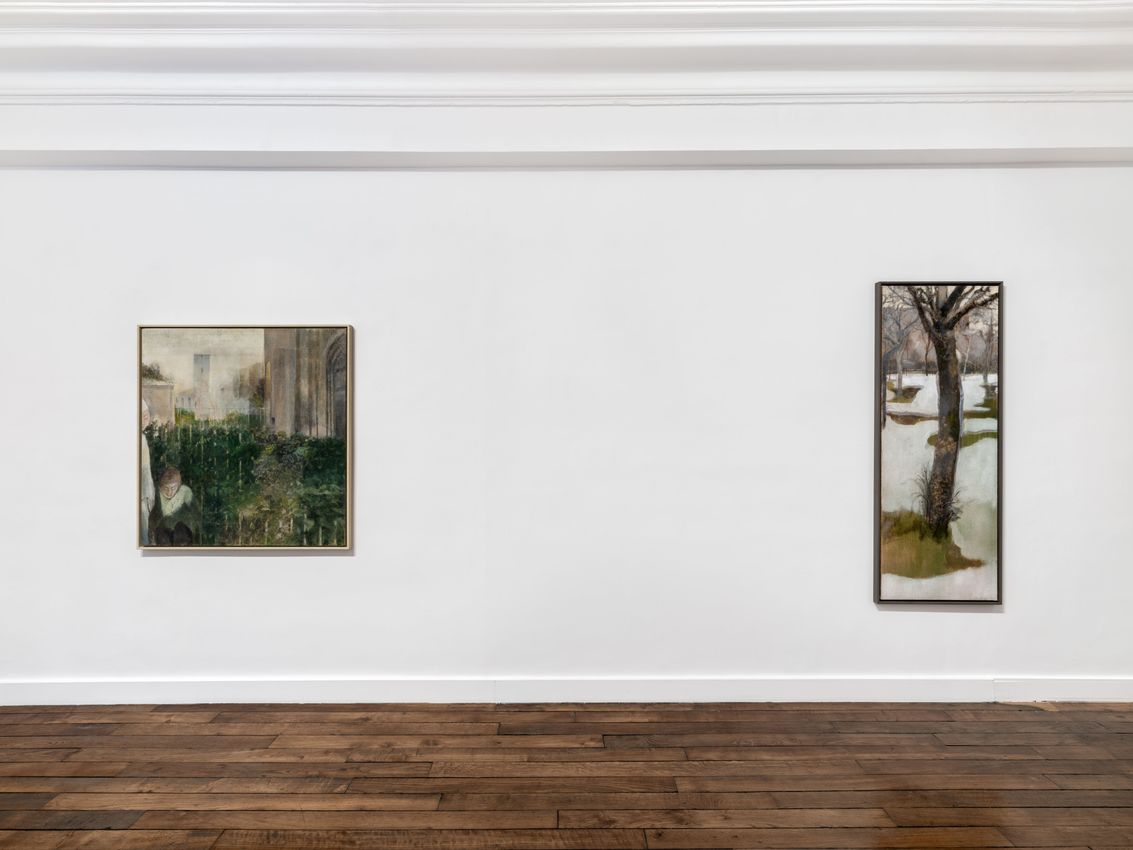
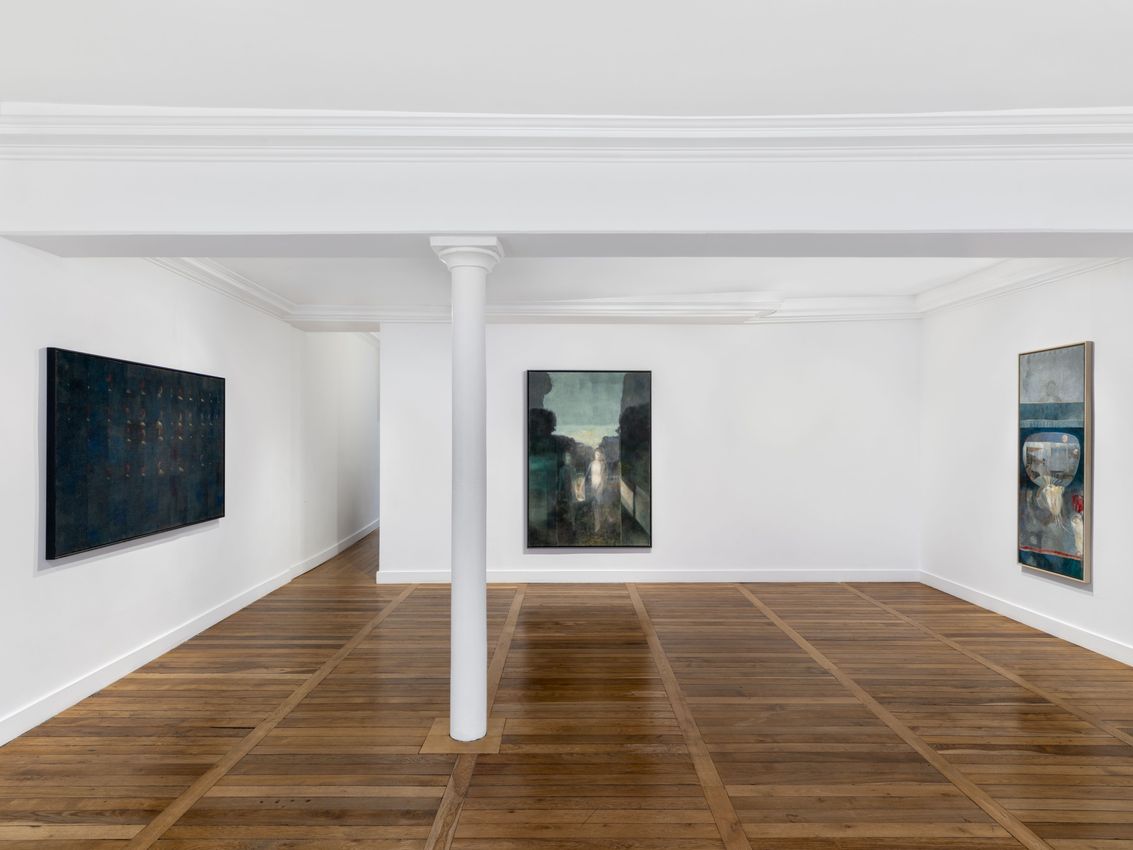
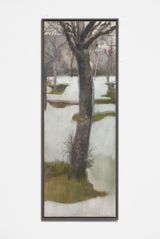
The format of the slit then abandons the surrounding darkness and passes through other views - a solitary tree or a gloomy marina. The reduction of anecdote is most radical, yet the format keeps alive the suggestion. These paintings behave like strata revealed at an excavation site — isolated traces that hint at a broader narrative without ever reconstructing it. What remains is a residue, a suspended moment extracted from the flow of time. The horizontal stillness of the landscape is crammed into the dynamic verticality of a portrait format. A more traditional format reappears unexpectedly within a puzzling vertical painting which is composed of three lying rectangulars. The middle one probably depicts a mirror, in which a decomposed landscape seems to emerge and materialise. The impossible position of the viewer makes the reading of the image even more compelling.

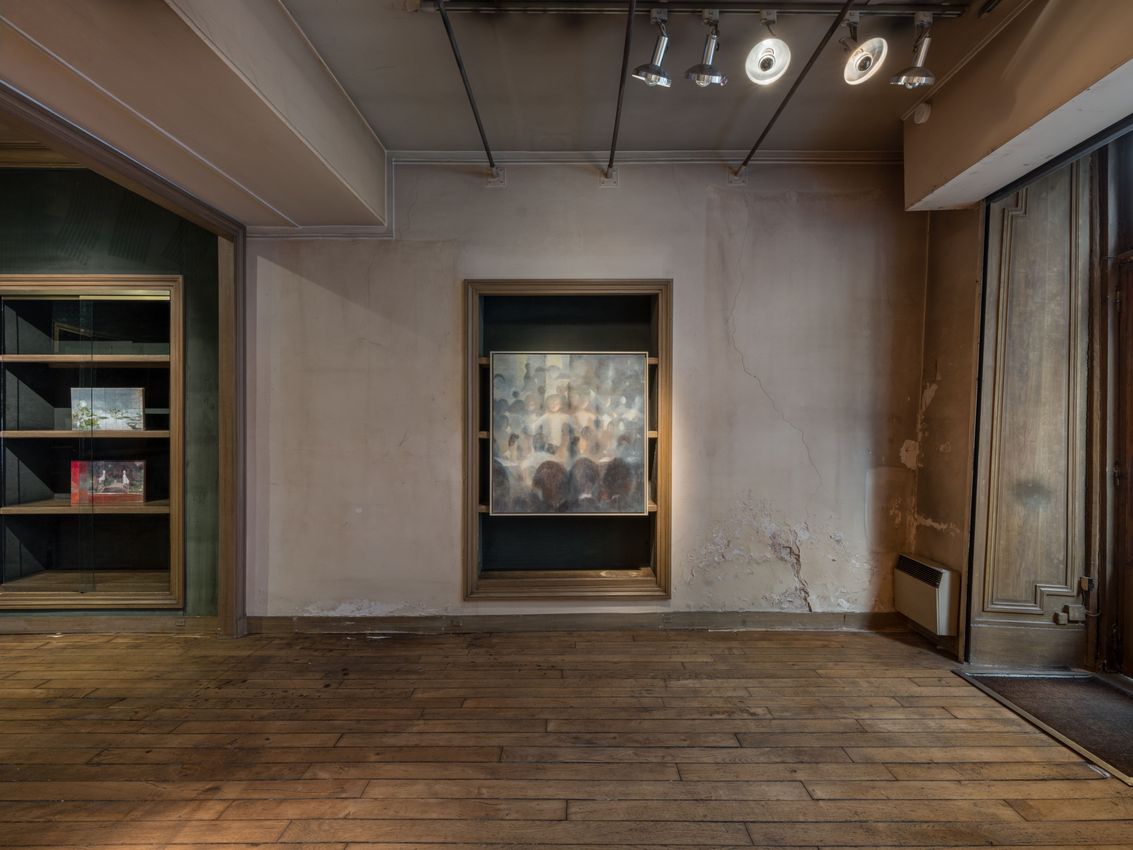
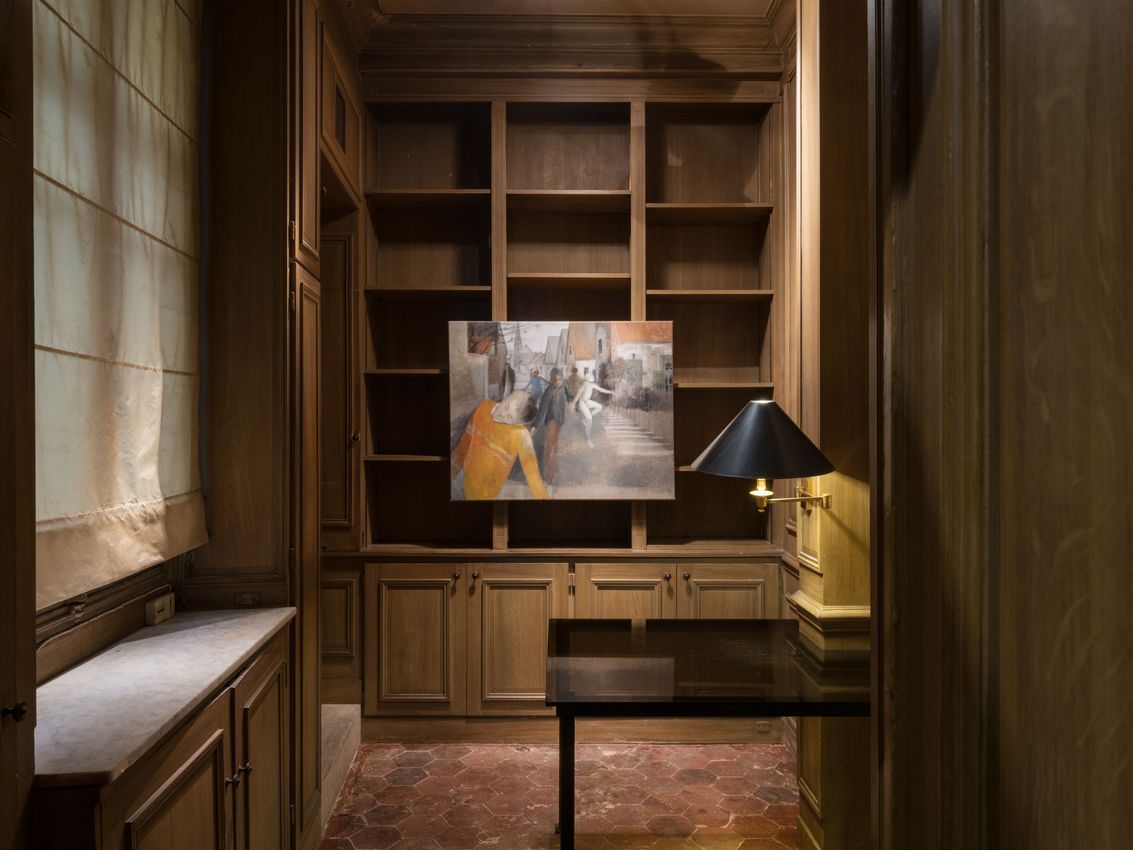
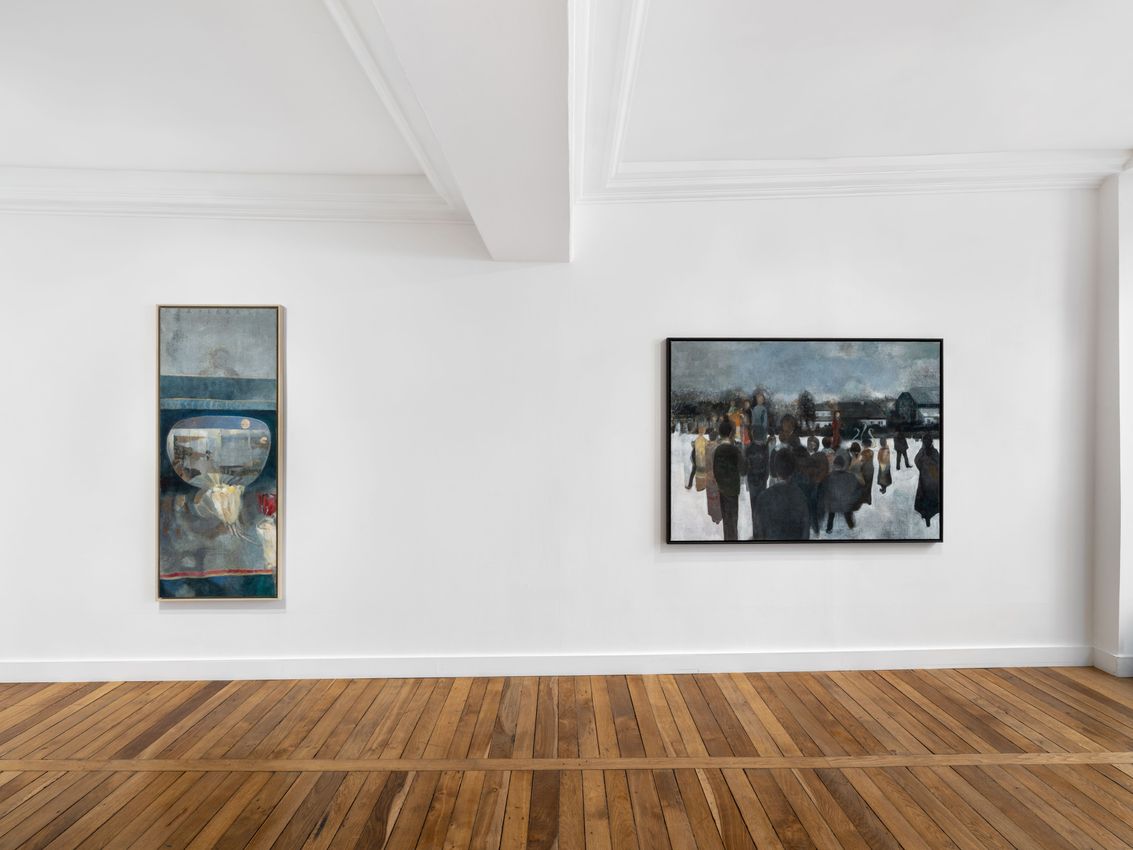
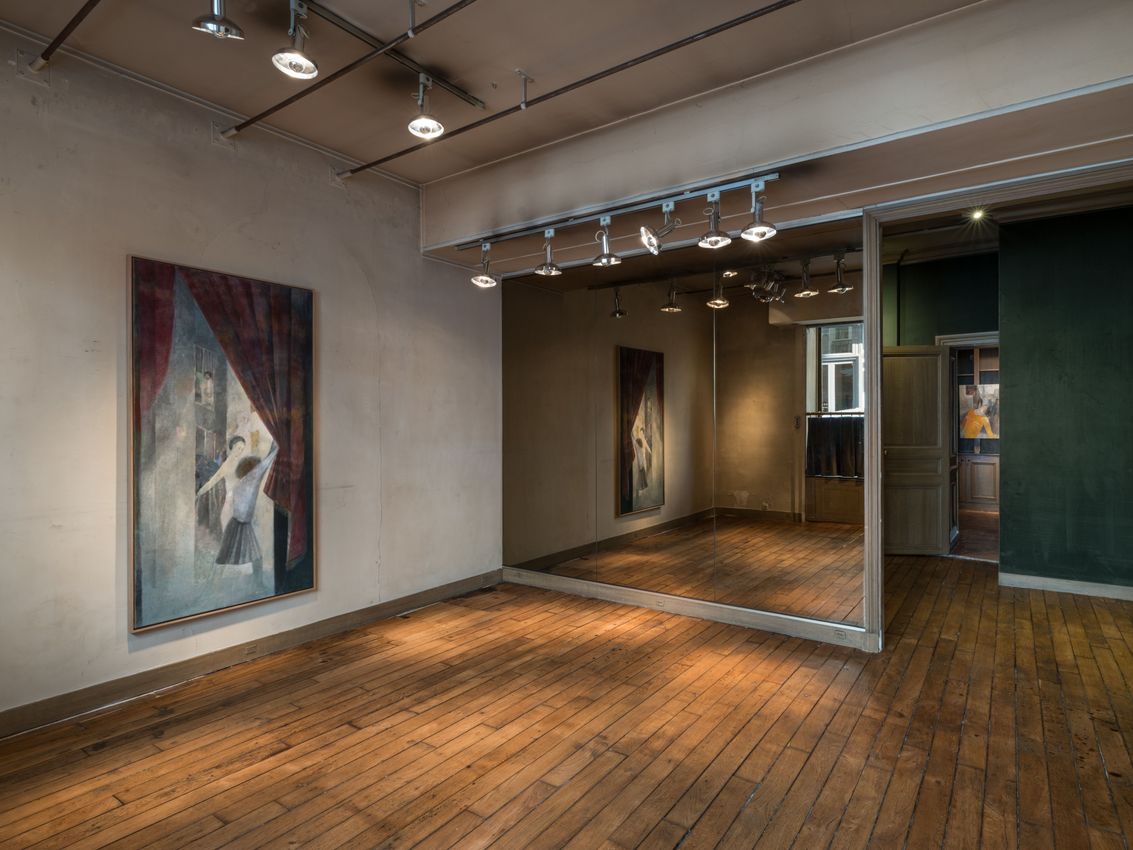
The narrative is not entirely abandoned. Some paintings include gatherings of people engaged in communal activities. The surrounding causes these figures to appear as if they are not so different from the landscapes. The anecdote here is reduced to a rudimentary level and the constellation of people tends to resemble natural phenomena. They materialise as colours visible because they pass through crystals suspended in the air. They allow seeing to be seen, as observed by Julian Przyboś in a brief note:

She appeared elsewhere — not as a continuation of the line along which she had been moving when I lost sight of her, but closer, on a diagonal to that earlier vision — returning as both the result and the fading of my gaze! She revealed herself so unexpectedly, as if the air itself had taken over my seeing, thickened, and become visible on its own. Just like something that emerges out of nothingness.

__This emergence is sudden, fragmentary, and partial. The view does not reconstruct a vanished whole, but makes visible the traces, pauses, and suspensions through which time itself becomes space.

(1) Zjawiła się gdzie indziej, nie w przedłużeniu tej linii, którą szła - gdy straciłem jej widok z oczu - lecz bliżej, ukośnie do tamtego widzenia - wraca jak wynik i zanik mojego patrzenia! Objawiła się tak nieoczekiwanie, jakby powietrze przejęło moje widzenie, zgęstniało i samo się uwidoczniło. Właśnie tak jak coś co powstaje z nicości.

Daniel Muzyczuk

Read More

Installation Views

About the Artist

Tomasz Kowalski was born in Szczebrzeszyn, Poland in 1984. He lives and works between Warsaw and Antwerp.

View Artist Profile

Also Exhibiting at Crèvecoeur

About the Gallery

Crèvecœur was founded in 2009 by Axel Dibie and Alix Dionot-Morani in Paris. Since its creation, the gallery has been supporting French and international artists whose different practices and visual language explore the most forefront topics and relate to the world’s social and political context.

View Gallery Profile
Address
5 & 7 rue de Beaune
Paris
France
Opening Hours
Tuesday – Friday
10am – 6pm
Saturday
11am – 7pm
And by appointment
(1)
Paris 5 & 7 rue de Beaune
Crèvecoeur
5 & 7 rue de Beaune, Paris, France
+33 (0)9 62 64 38 84

Opening hours
Tuesday – Friday
10am – 6pm
Saturday
11am – 7pm
And by appointment
The art world in focus