



Press Release

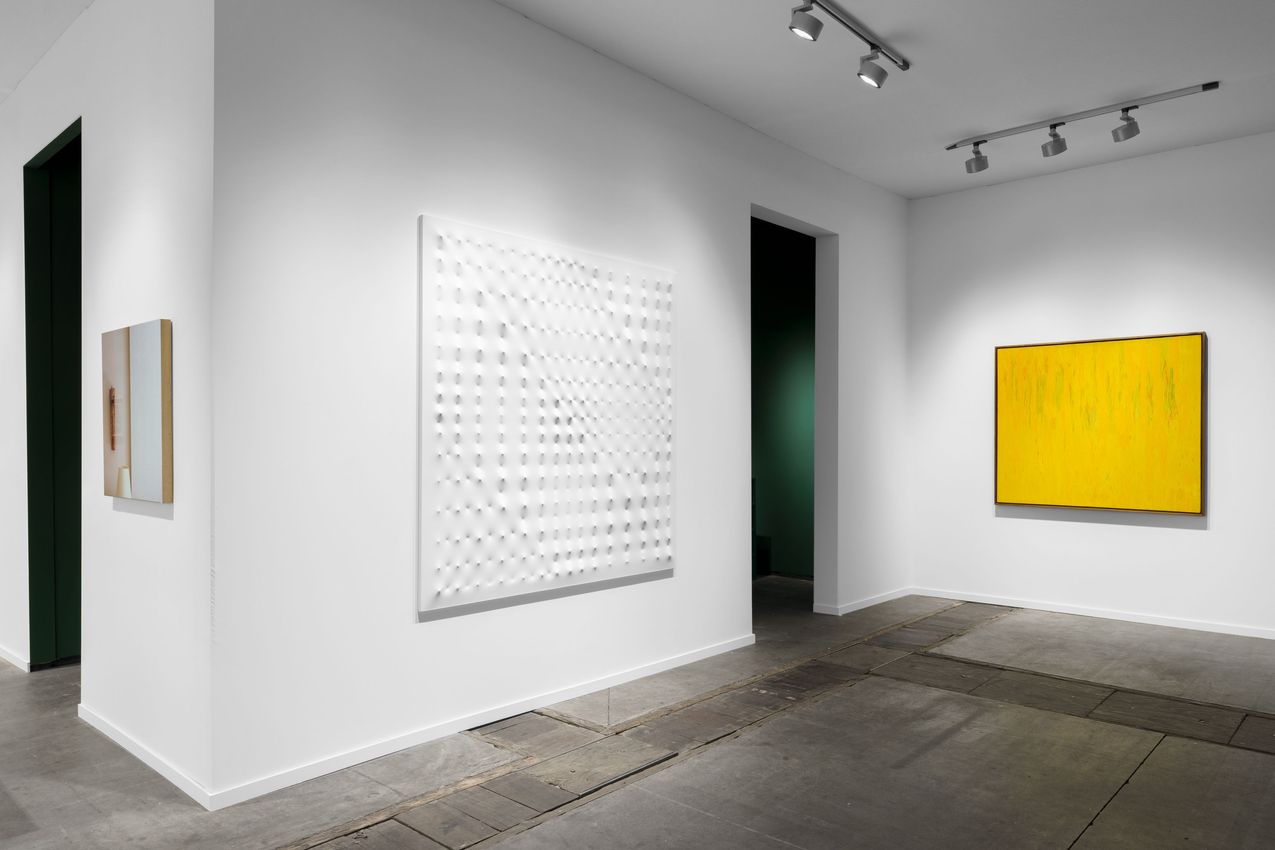
For its first participation in BRAFA, Galerie Greta Meert presents a carefully curated selection that reflects the core of its artistic vision. For more than thirty-five years, the gallery has profiled itself as a space where the historical and the contemporary engage in dialogue, not from a position of opposition but from a shared sensitivity to ideas, formal issues and continuity within art history. The stand at BRAFA is therefore not merely a collection of representative works of art, but a concentrated exploration of the way in which generations, media and artistic approaches question and enrich each other.

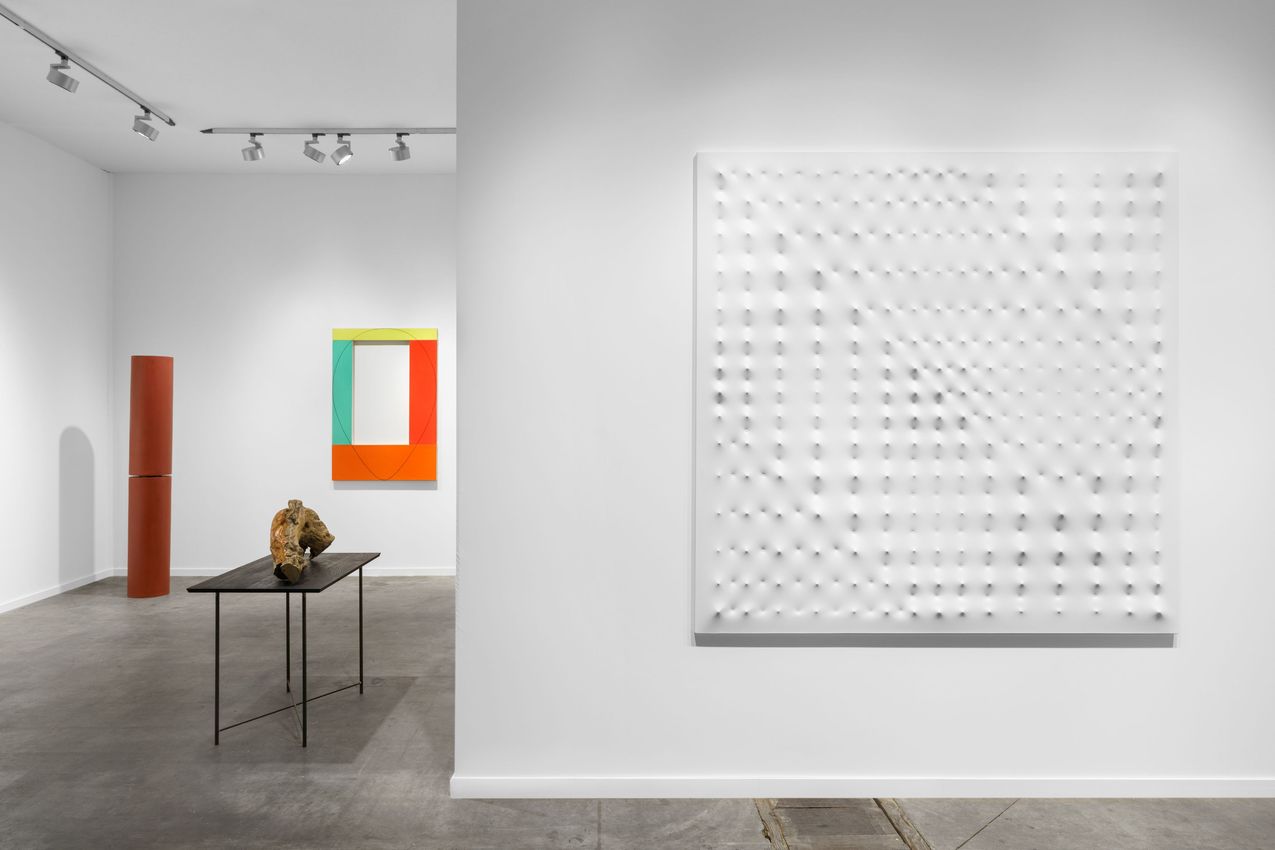
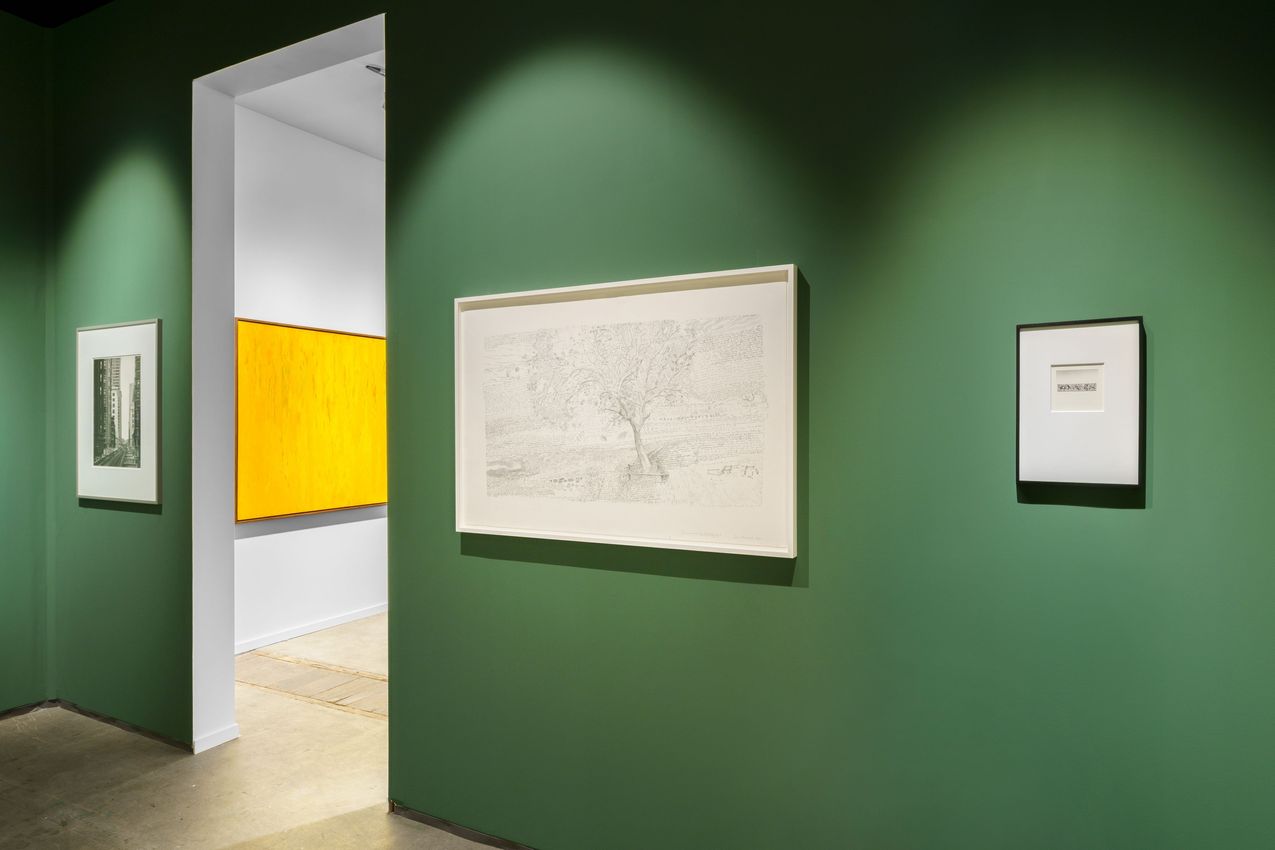
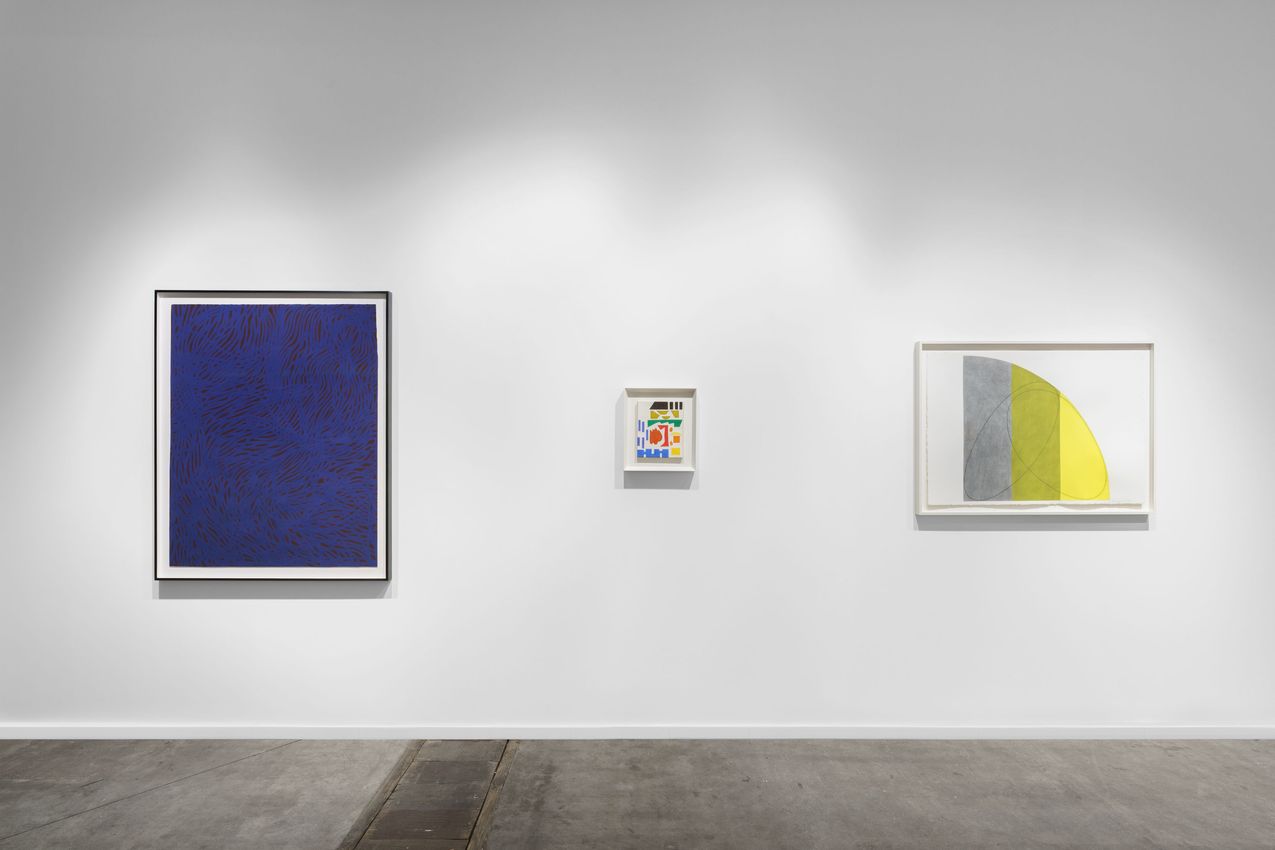
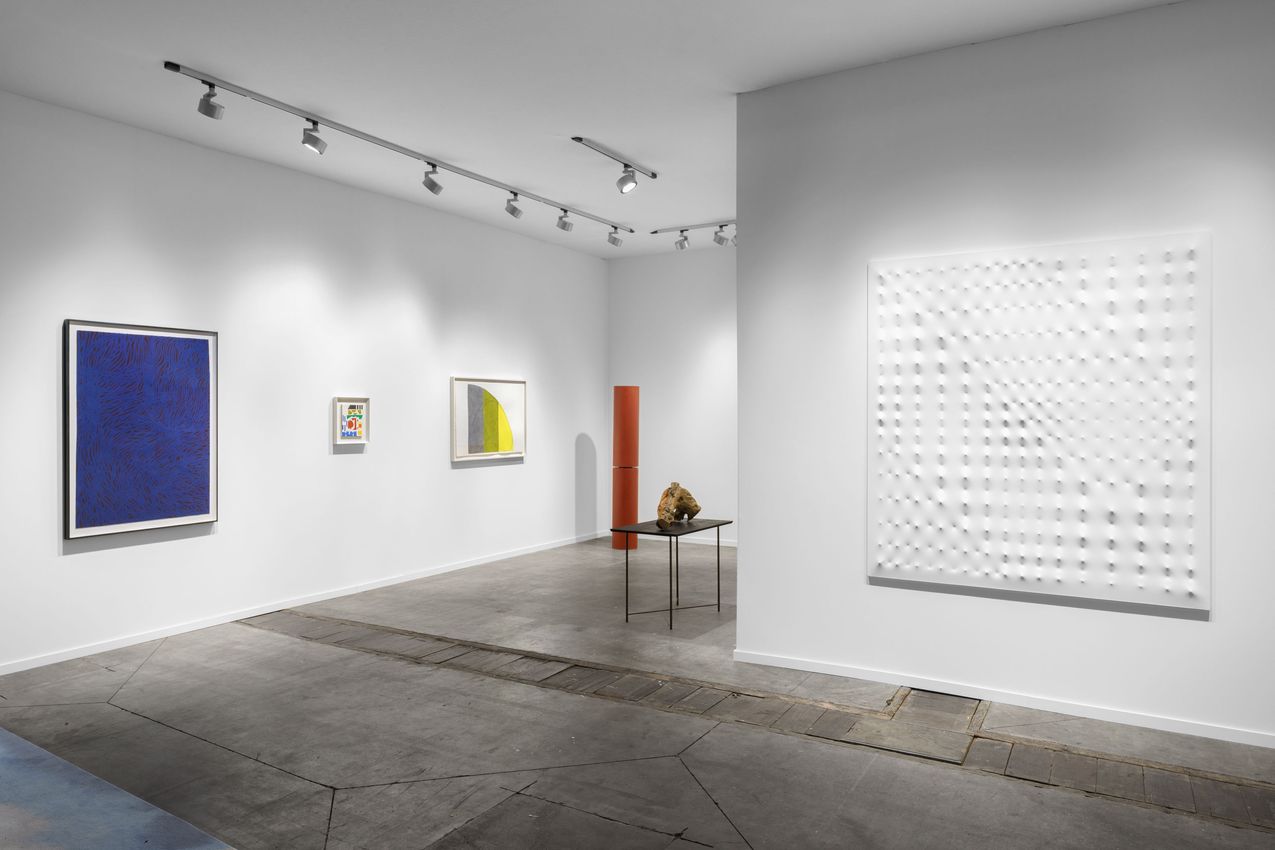
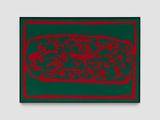
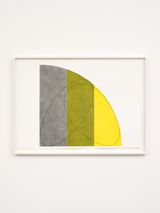
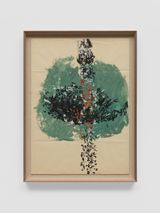
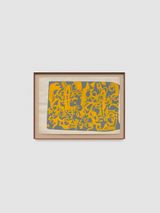
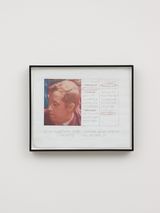
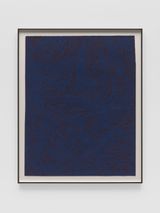
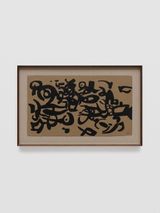
The presentation is based on a strong historical foundation, with works by artists who played a significant role in shaping the second half of the twentieth century. The focus is on both crucial pieces from defining periods in their oeuvre and more intimate works that are less well known but all the more insightful. Carla Accardi’s selection, with works from the 1960s, 1970s and 1980s, shows the evolution of her characteristic writings and her exploration of the boundaries of the pictorial plane. John Baldessari is represented with exceptionally rare studies that reveal the often overlooked steps in his conceptual process. Enrico Castellani is represented with a monumental Superficie Bianca, in which the tension between light and relief unfolds on a larger scale. The presentation also includes unique works on paper by Sol LeWitt (Tangled Bands series), an exceptional Frame Painting by Robert Mangold, alongside contributions by Shirley Jaffe, Lee Mullican and Antonio Sanfilippo, all artists who explored the vocabulary of modern abstraction in their own way.

Parallel to this historical chapter, the gallery presents a contemporary selection that reveals the continuity of artistic questions. Although the artists vary greatly in terms of geography, generation and form, they share a sensitivity to materiality, temporality, image construction and the positioning of the artwork in space. Edith Dekyndt explores subtle phenomena and fragile material conditions, while Noam Rappaport questions the language of form and architectural logic. David Claerbout introduces a temporal dimension that challenges the very idea of the image itself. James White focuses on the intensity of still life, Magali Reus on the sculptural potential of objects, and Didier Vermeiren on the reflection of sculpture on its own carriers and supports. Finally, Louise Lawler places the institutional context at the centre, showing how artworks function within broader systems of presentation, value and interpretation. This diversity underlines how contemporary practices, despite their diverse forms, continue to resonate with the structural questions that also preoccupied older generations.

A third essential pillar of the presentation is formed by Donald Judd’s furniture. The choice to display a desk set and a metal bookcase, objects distributed by the gallery out of a passion for this artist’s entire oeuvre, is not a mere addition but a conscious continuation of the discourse that underpins the stand. Judd’s furniture embodies his pursuit of radically pure design, in which functionality and sculptural clarity coincide. In the context of the broader presentation, these pieces reinforce the idea that art and design are not separate domains, but that they both start from questions about space, material, proportion and use: questions that transcend generations of artists.

A pertinent and important element in Galerie Greta Meert’s decision to participate in BRAFA is the way in which it focuses on dialogue. Not as an abstract concept, but based on a concrete visual and substantive principle. Bringing together historical icons, subtle studies, contemporary pieces and objects shows that artistic ideas are rarely tied to a single moment in time. On the contrary: they move, shift, echo and find new expression in unexpected combinations. In this sense, the stand does not form a linear overview, but a network of relationships that invites the visitor to see connections between generations, between media and between ways of looking. This interaction embodies precisely what has defined the gallery’s DNA since its inception: the belief that art, in all its shifting forms, carries a fundamentally universal dimension.

Read More

Installation Views

Selected Works

Loading...
The art world in focus