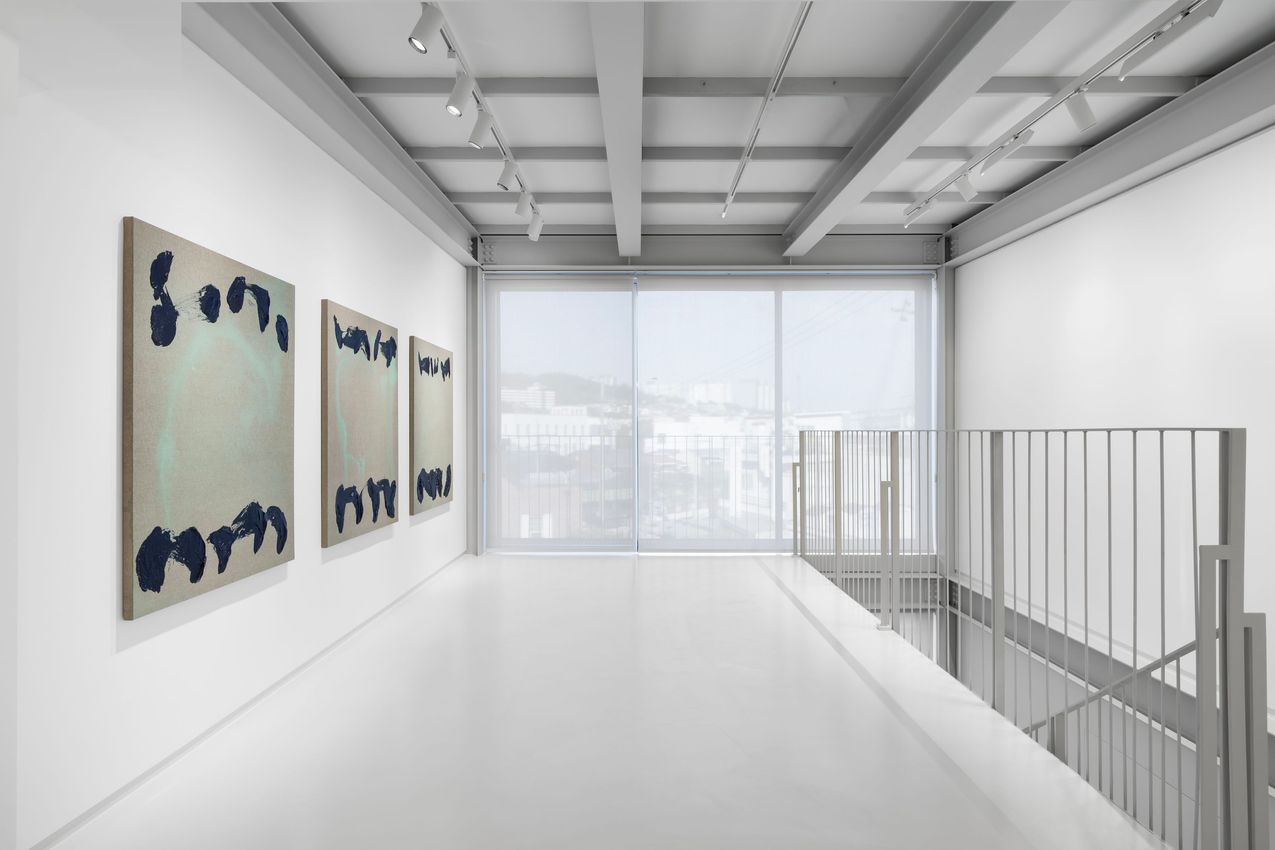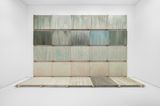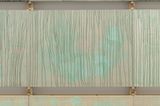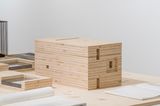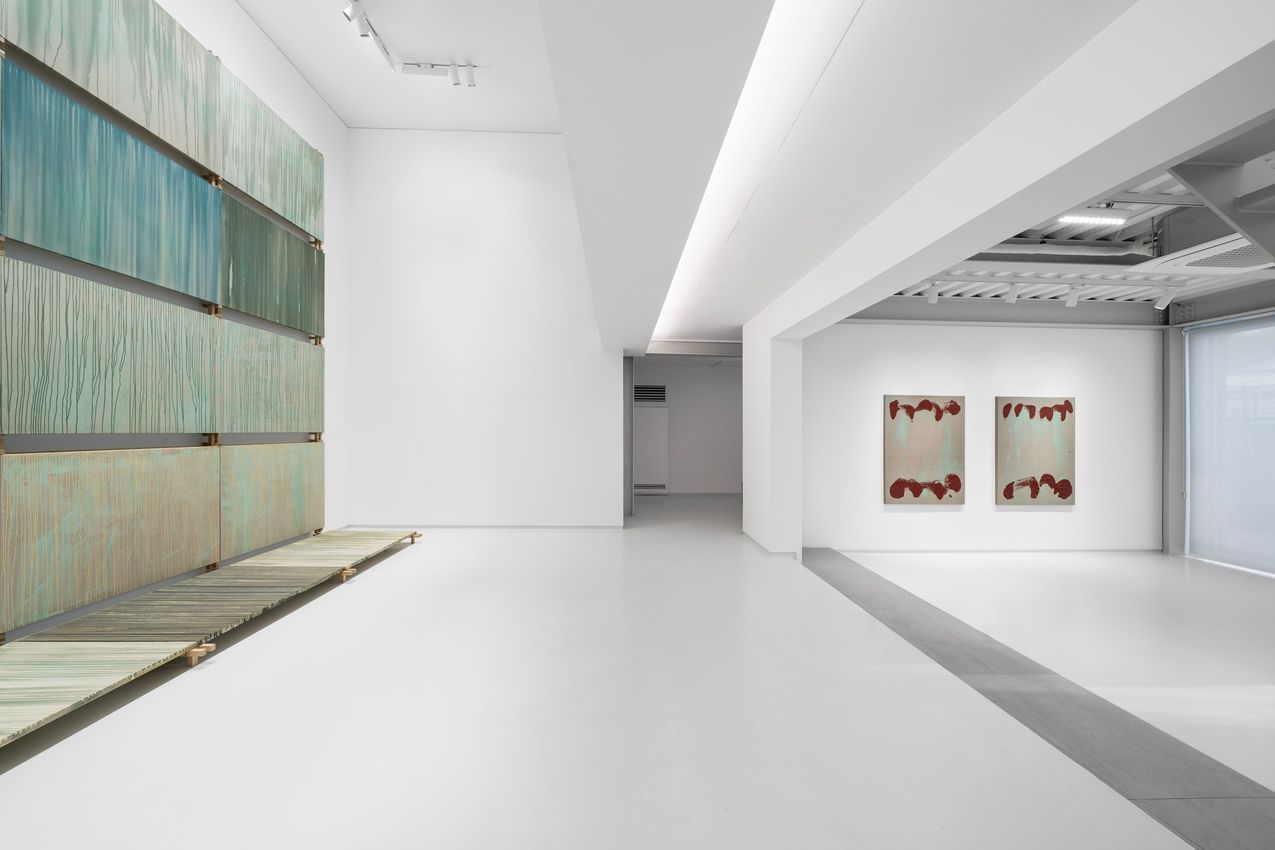
BB&M is pleased to present When Space Becomes Painting, a solo exhibition of the leading Korean architect Byoung Cho, whose practice is distinguished by a refined sensitivity to elements of nature, land, wind, and sky. Organized in partnership with Jiyoon Lee of SUUM Project, renowned for curating high-profile international exhibitions in Seoul, the show traces Cho’s decades-long engagement with the concept of “space” across the mediums of painting, installation, maquettes and drawing. The exhibition title, When Space Becomes Painting, finds its aesthetic lineage in Harald Szeemann’s legendary 1969 exhibition Live In Your Head: When Attitudes Become Form. If Szeemann proposed the artist’s “attitude” itself as a completed “form,” Cho’s gesture of painting can be understood as both the premise of architecture and an ongoing form of thinking that continues beyond it.
For Cho, painting is not a genre separate from architecture. Over the past 30 years, he has worked simultaneously in design and painting, integrating the process of conceiving space with the accumulation of thought on the canvas into a single continuum. Painting thus becomes a performative inquiry into existence—a direct record of the question, “How does being reveal itself?” This exhibition does not present a shift from architect to artist, but rather reveals how attitude toward space is condensed and expanded on the canvas.
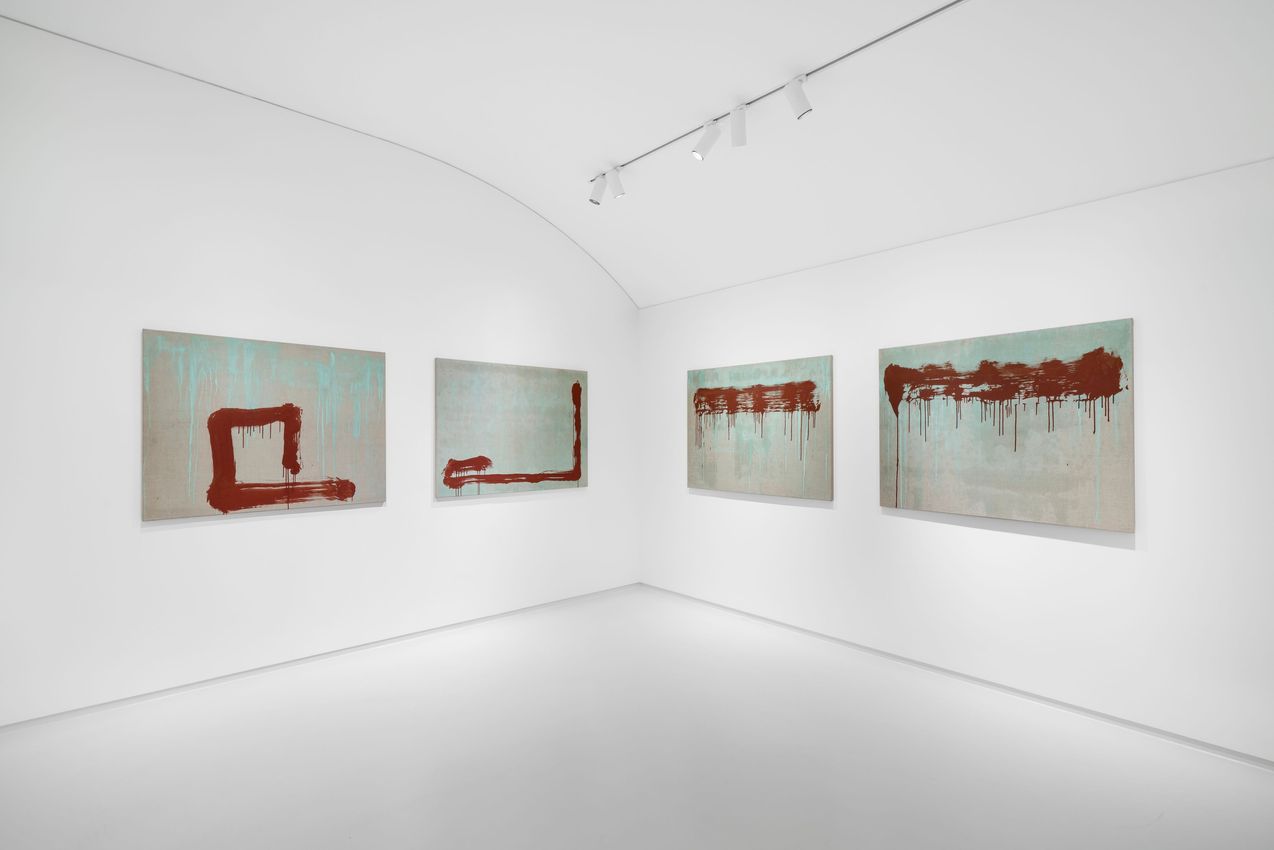
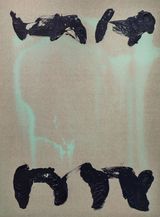
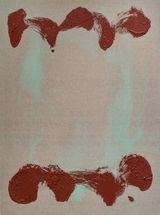
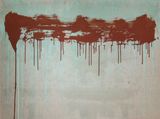
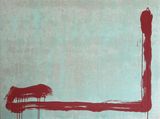
As he has returned to his artistic roots in recent years, Cho has devoted greater focus to his studio practice. Inspired by the Korean traditional ceramic maksabal, he has developed the concept of “mahk,” embracing spontaneity, humility, and imperfection as a guiding philosophy across both painting and architecture. Through fluid brushwork and organic forms, his paintings capture movement and energy, closely reflecting his architectural approach, which values openness and the ephemeral nature of experience.
From Image to Event
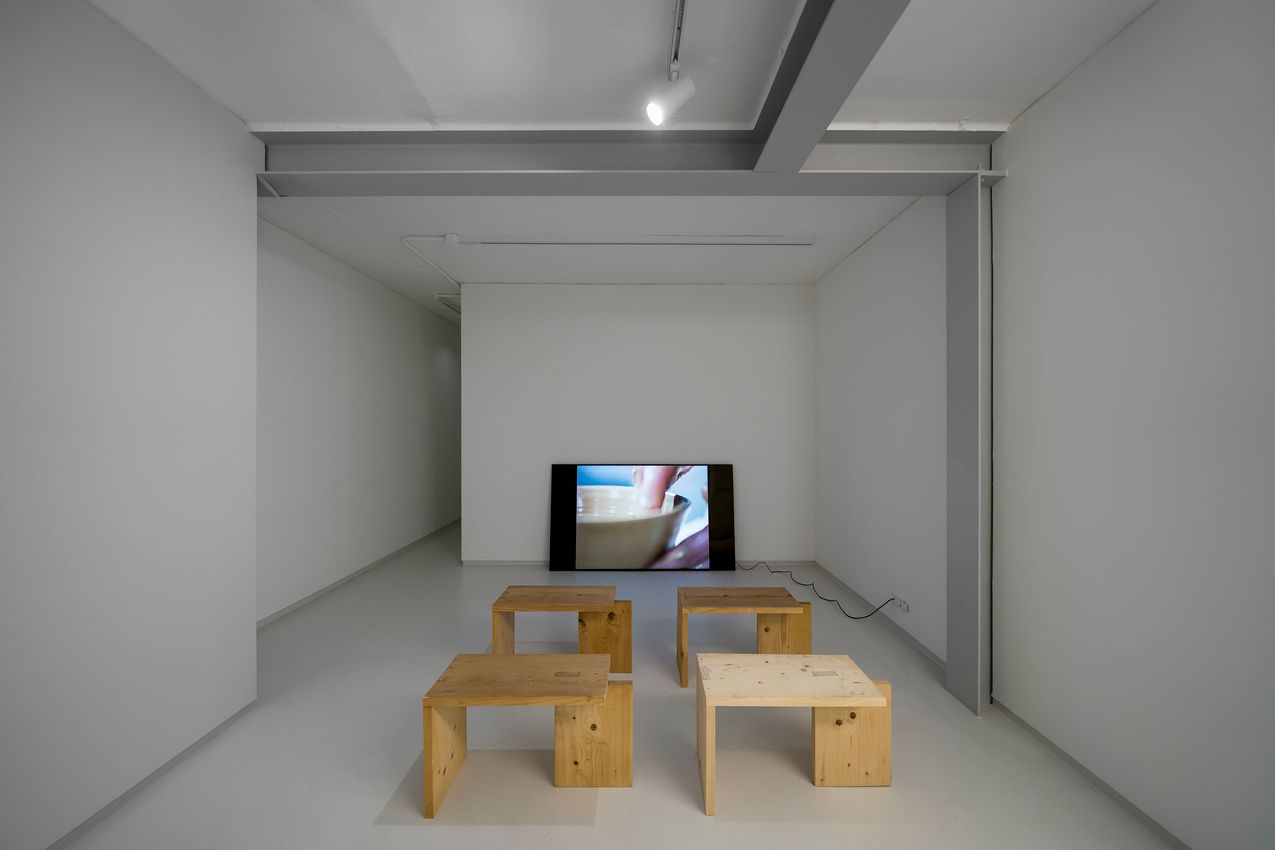
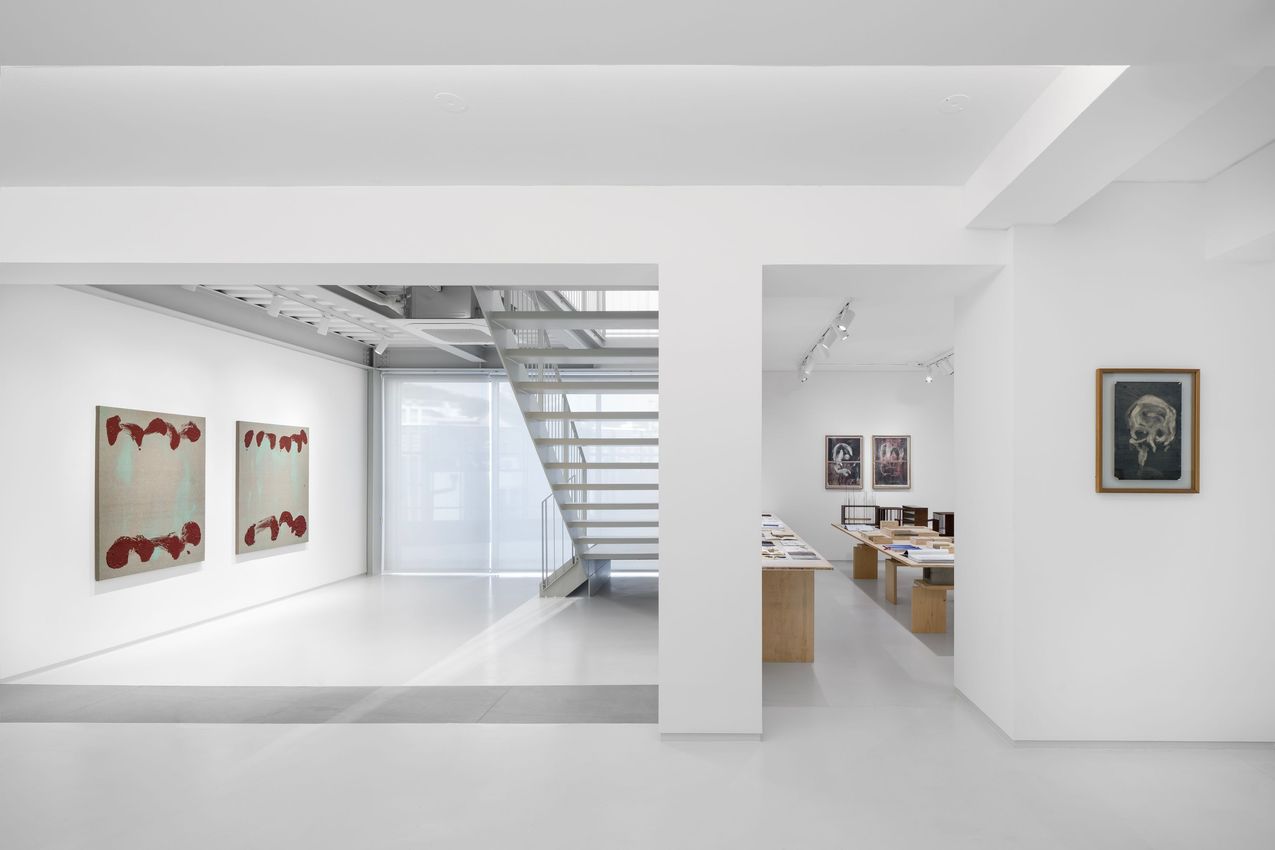
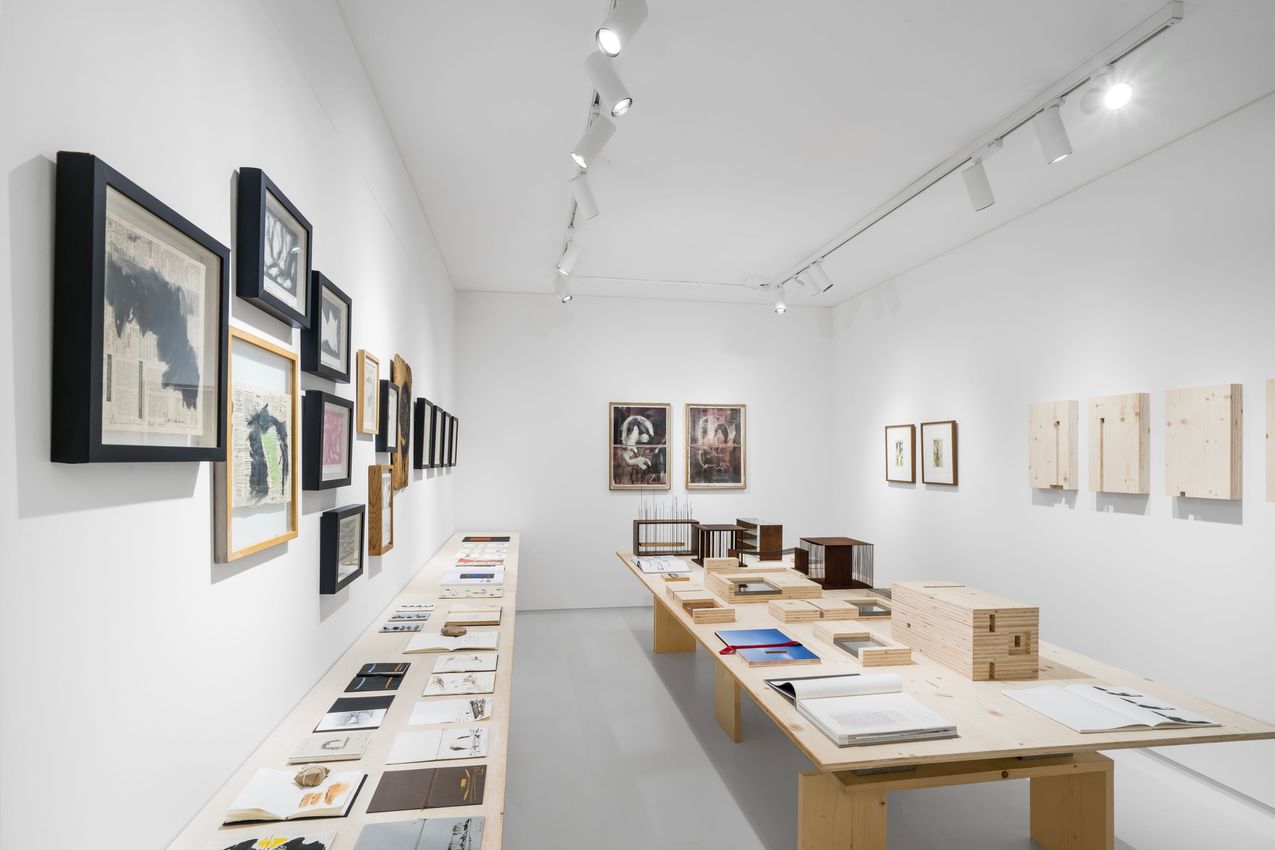
This exhibition attempts a shift from “viewing” artworks to “experiencing” them. The opening section presents drawings and archival materials that unfold the formation of the artist’s thinking. In the main section that follows, works situated at the boundary between painting and installation demonstrate how painting extends beyond a static image into a living event. Rather than objectifying the works as something to be observed, viewers are invited to dwell within them. If architecture is a vessel that contains human life, Cho’s paintings become a site where perception and cognition reveal themselves. The canvas is not a finished result but a trace of process, and as viewers follow these traces, they are drawn into the artist’s decades-long inquiry into existence.
Mahk – A Space Filled Through Emptiness
At the core of Byoung Cho’s artistic world lies the concept of mahk. A Korean word commonly translated as “roughly” or “carelessly,” the term is redefined in his practice as an aesthetic language of restraint and naturalness. For Cho, mahk does not signify effortlessness; rather, it refers to a state of “intentional emptiness” in which one lets go of artificial desire, allowing materials and circumstances to speak for themselves.
This attitude becomes even more evident in his paintings. Cho’s canvases are not governed by meticulously calculated compositions, but are filled with traces produced through the interplay of bodily rhythm and spontaneous energy. The brushstroke is not a display of manual skill, but the trace of the body in motion—resonating with the performative ethos of Korean Dansaekhwa painting of the 1970s. Behind what may appear as rough surfaces lies a process of relentless repetition and self-discipline. It is a layered accumulation of time, carrying a spatial depth that continues to expand despite its flatness. This is the manifestation of Cho’s identity as an architect within the medium of painting. The materiality of his canvases evokes the texture of the earth, while the empty spaces breathe like a courtyard open to the wind.
This exhibition reveals how Byoung Cho’s worldview is integrated through the dual axes of architecture and painting. For Cho, painting is not an experiment that follows architecture, but the very foundation that makes architecture possible. Beyond presenting the paintings of an architect, the exhibition proposes a point of intersection between contemporary art and architecture, posing questions about the “attitude” and “form” that art can assume today. Viewers are invited to experience how painting can become space—and how that space, in turn, permeates the human interior.


Since its inception in 2009 as an art consultancy in Seoul, BB&M has been instrumental in the rise of some of the most acclaimed contemporary Korean artists on the international stage. BB&M’s current iteration as an independent gallery is a collaboration between James B. Lee (Founding Principal) and Si Young Hur (Principal), who brings extensive experience as director and partner in Seoul’s leading galleries, where she was responsible for exhibitions of such artists as Thomas Struth, Olafur Eliasson, Liam Gillick, and Yun Hyong-keun, a key figure in Dansaekhwa.

A respected voice in contemporary art discourse.
Focusing on ambitious storytelling and insightful art-world commentary. Ocula Magazine publishes in-depth interviews, critical essays and timely analysis on the artists, exhibitions and ideas driving the global art world.
Learn more about Ocula Magazine
Showcasing the best of the art world.
Ocula partners with galleries from around the world to highlight their artists, artworks and exhibitions. Gallery membership is by application and invitation, with each member vetted by an independent panel.
Learn more about Ocula Membership

Specialises in the sale of major artworks.
Led by a team with deep ties to the world’s leading auction houses, galleries and collectors. Ocula’s advisory team offers bespoke services to high-net-worth clients from around the world who are looking to acquire the best of contemporary and modern art.
Learn more about our team and services