



“I work at the edges where art and psychoanalysis meet.” — Jane McAdam Freud
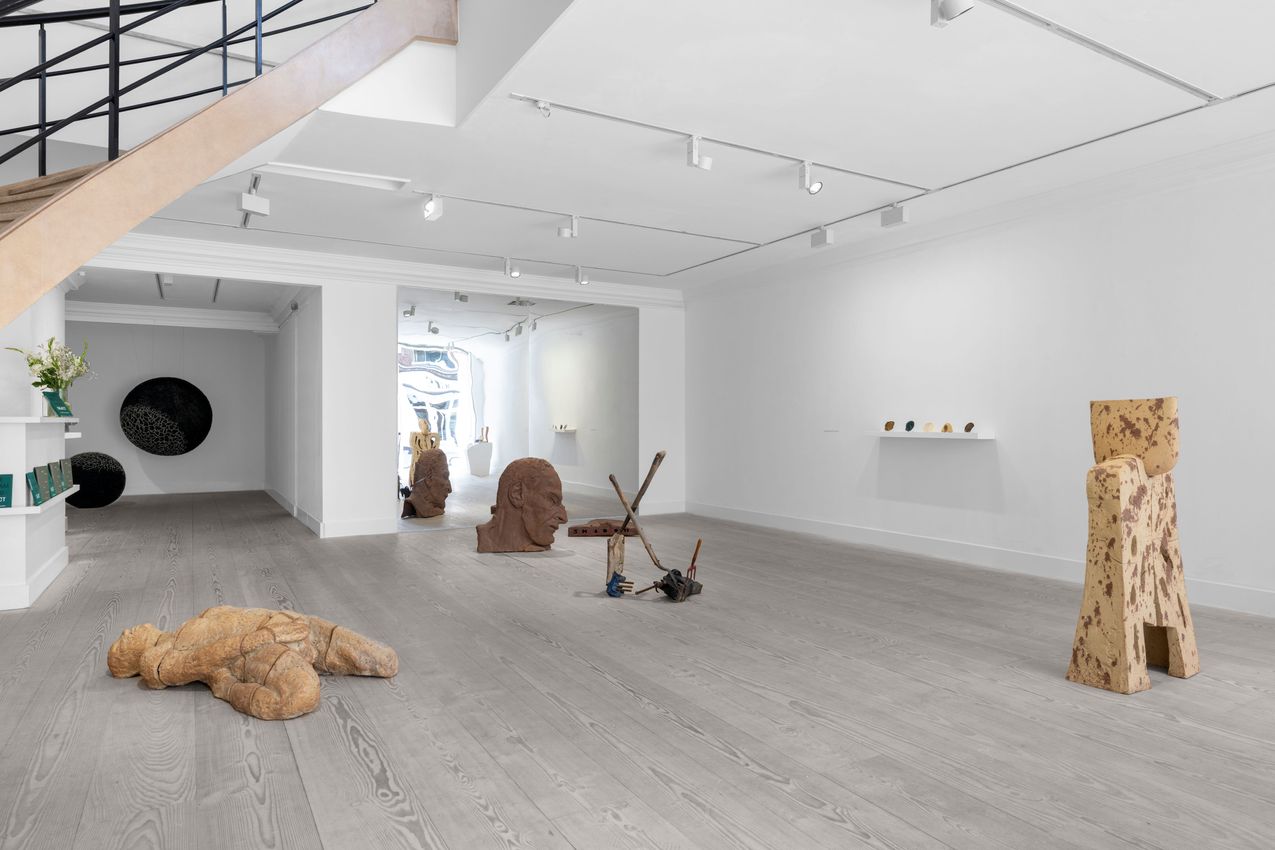
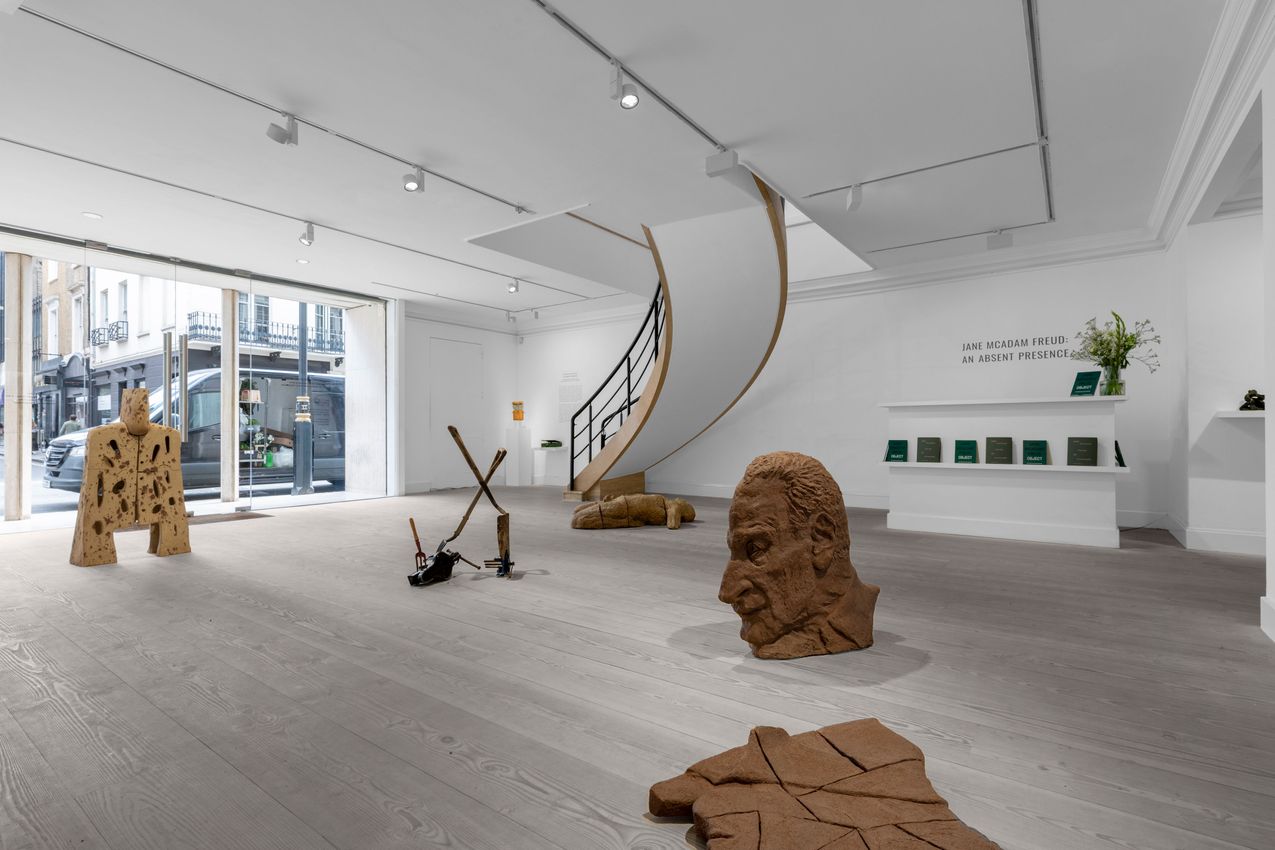
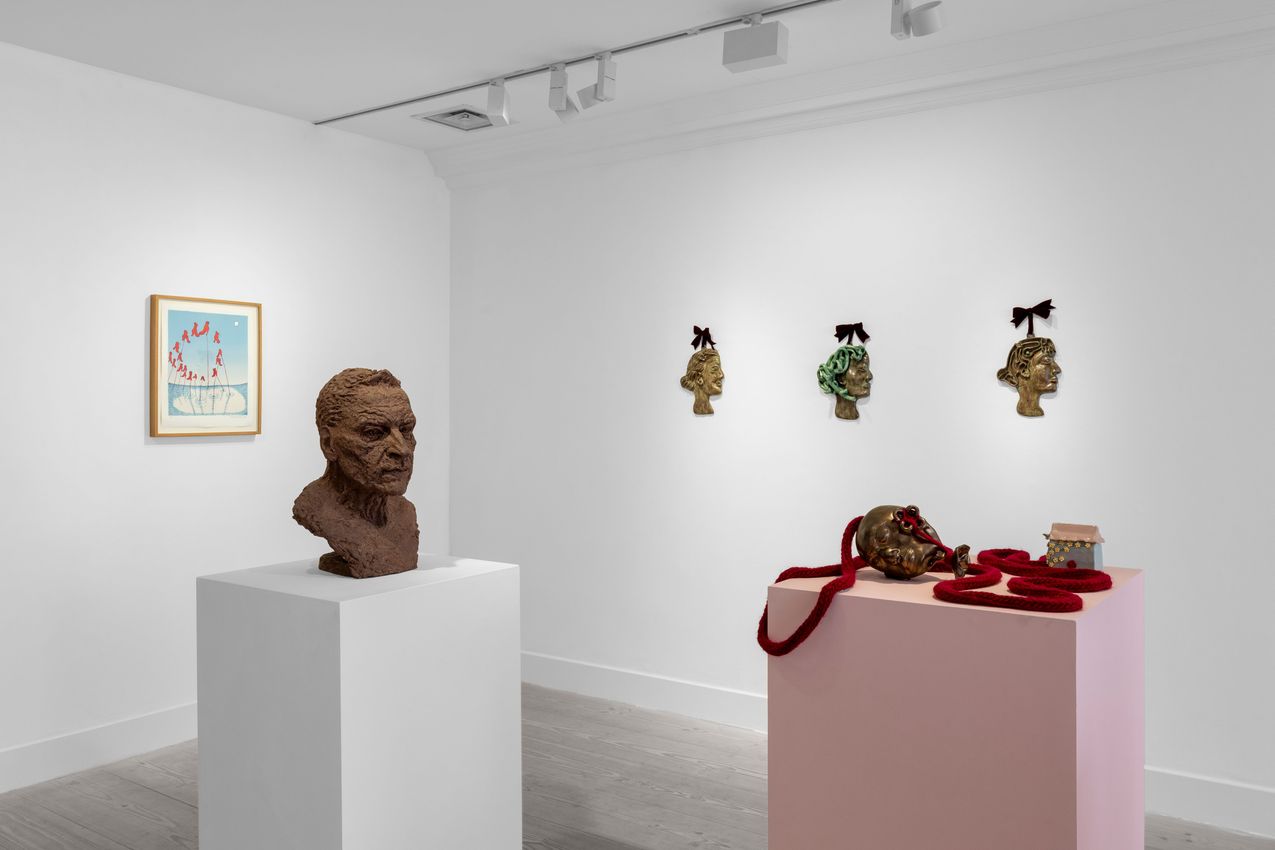
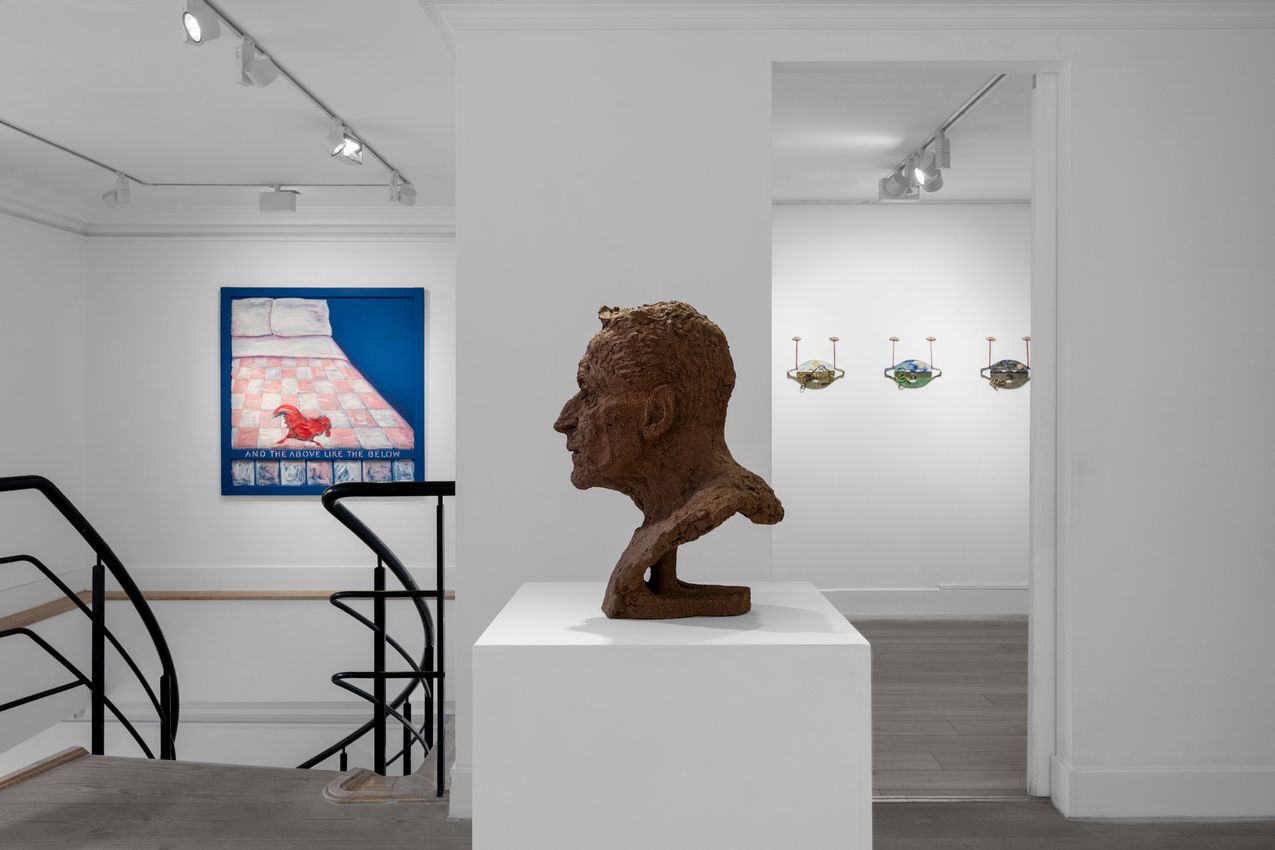
Jane McAdam Freud (1958–2022) dedicated her creative output to the exploration of life, death and the libido. This exhibition, the first of her work since her untimely passing in 2022, presents key pieces from across her career. It seeks to unlock the poignancy and power of the art object, and showcases how Jane, in a rich variety of media and with idiosyncratic humour, used the physical to express the immaterial. As the great- granddaughter of Sigmund Freud and daughter of Lucian Freud, an unflinching analysis of the self remained a constant across her art.
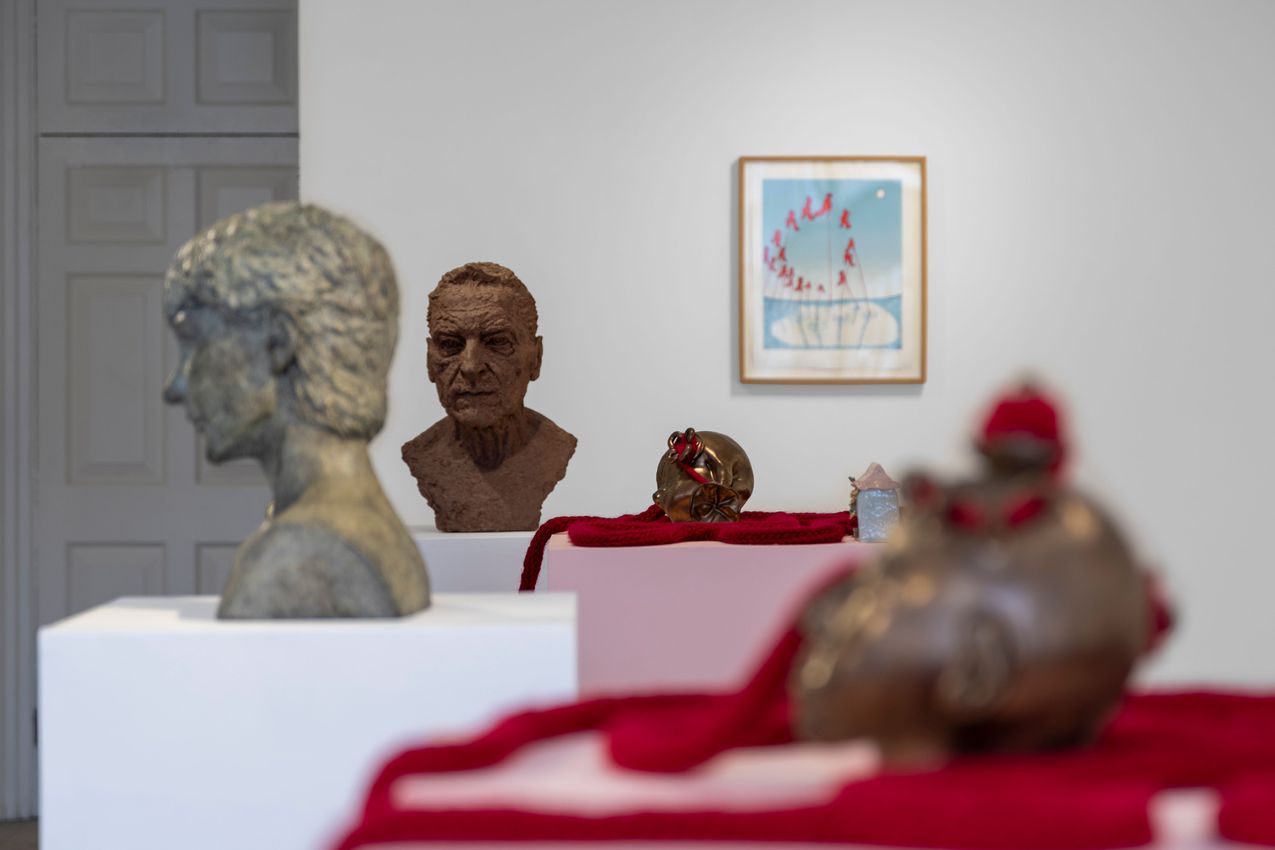
In a spirit of dialogue across time and between pioneering female artists, An Absent Presence features works by contemporary artist Holly Stevenson (b. 1975), who for a number of years has engaged with psychoanalytic ideas primarily through ceramics, and Louise Bourgeois (1911–2010), whose influence was deeply felt by both Jane and Stevenson. The exhibition An Absent Presence at Gazelli Art House connects to a presentation of works by Holly Stevenson and Jane McAdam Freud at Freud Museum, London 14 May–29 June 2025.
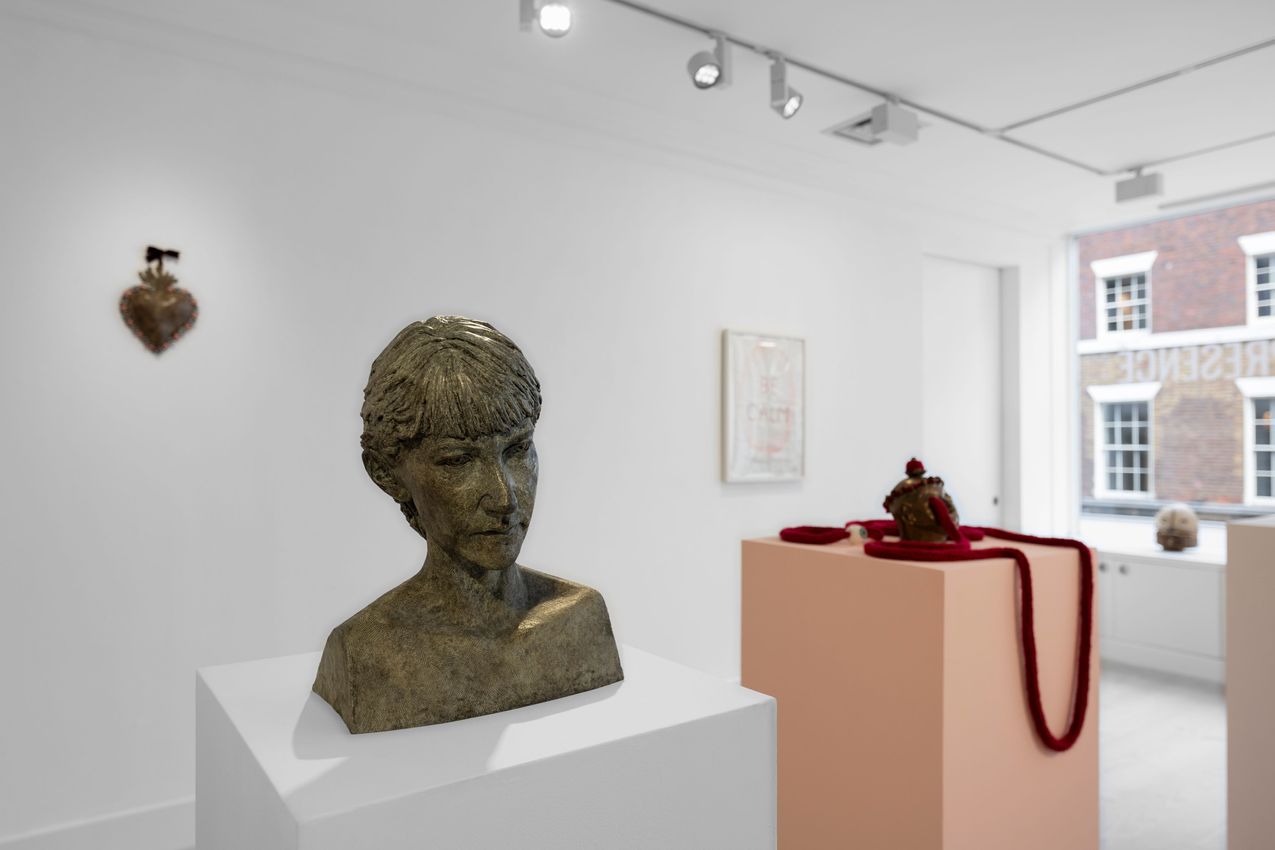
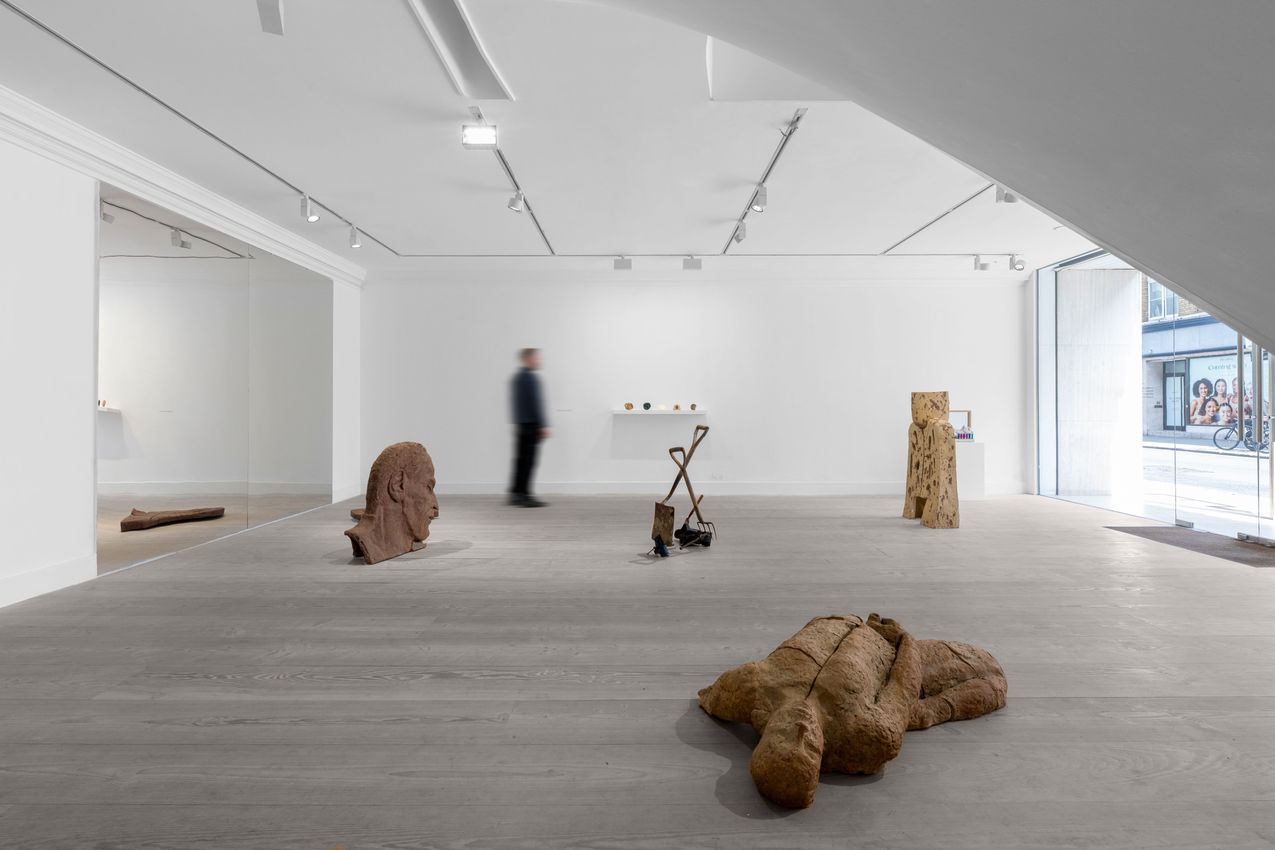
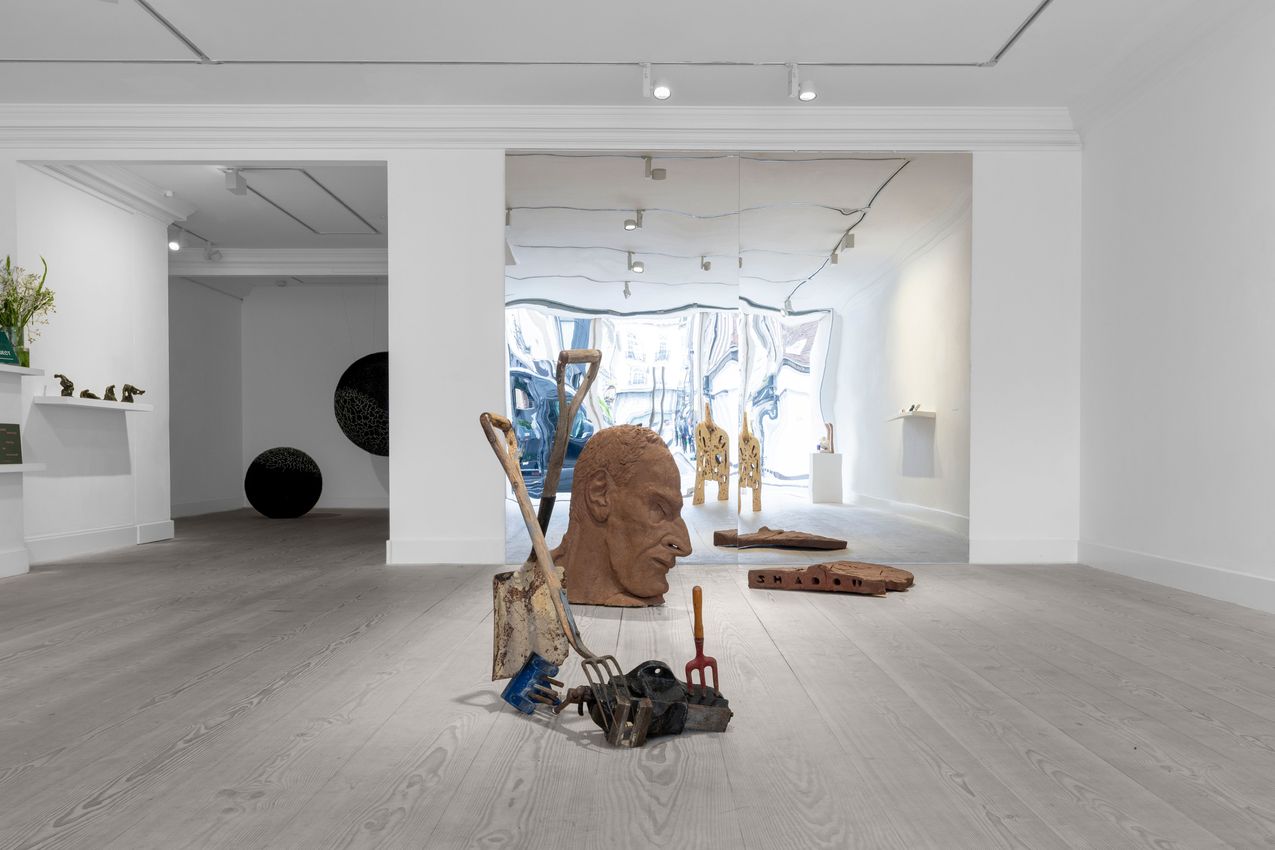
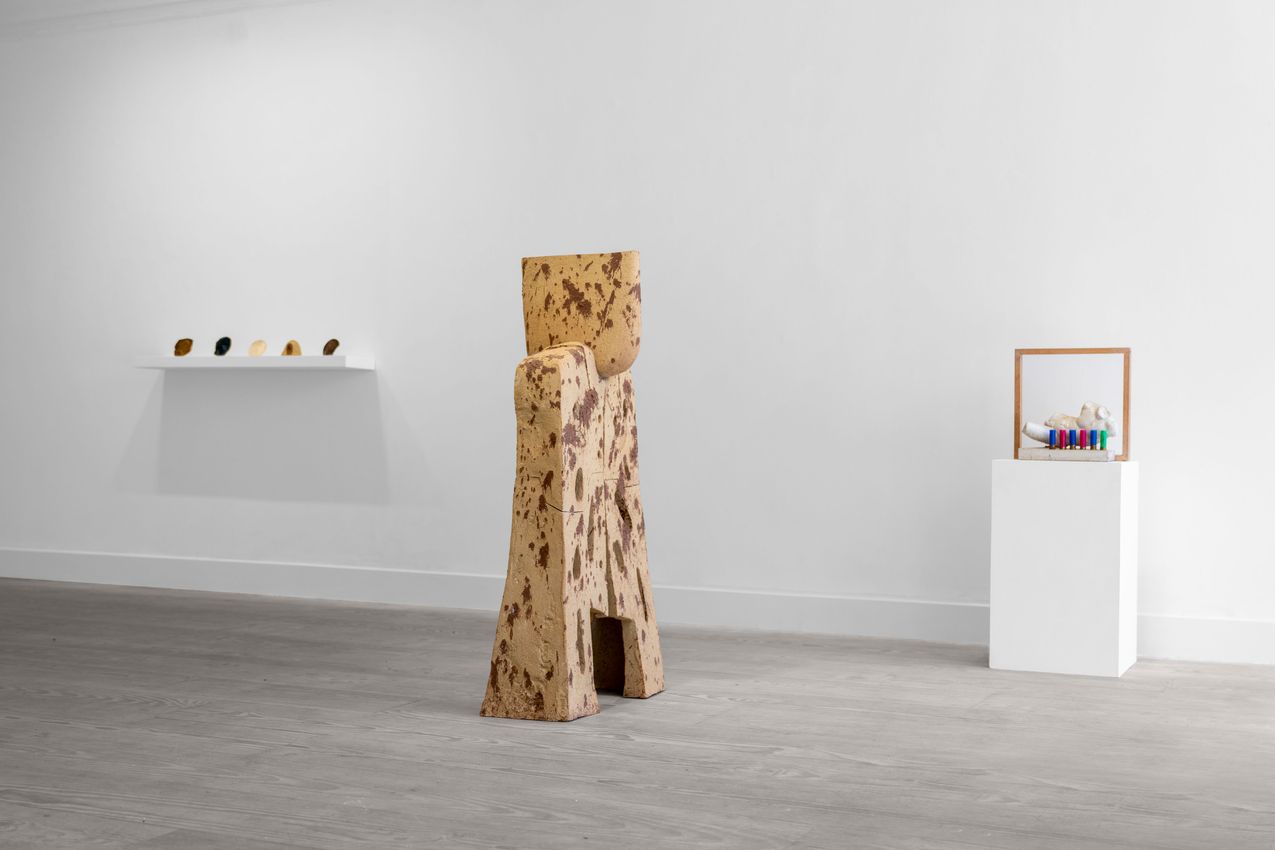
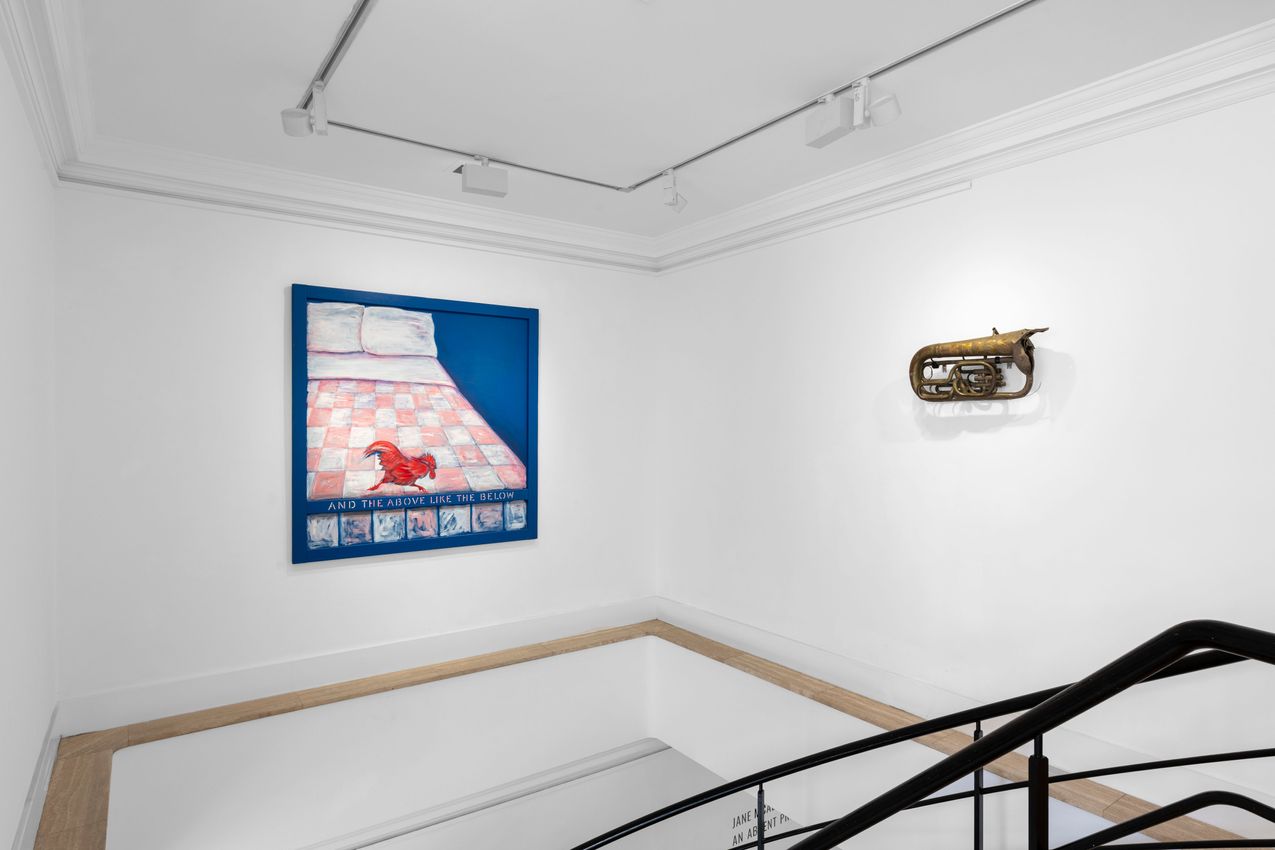
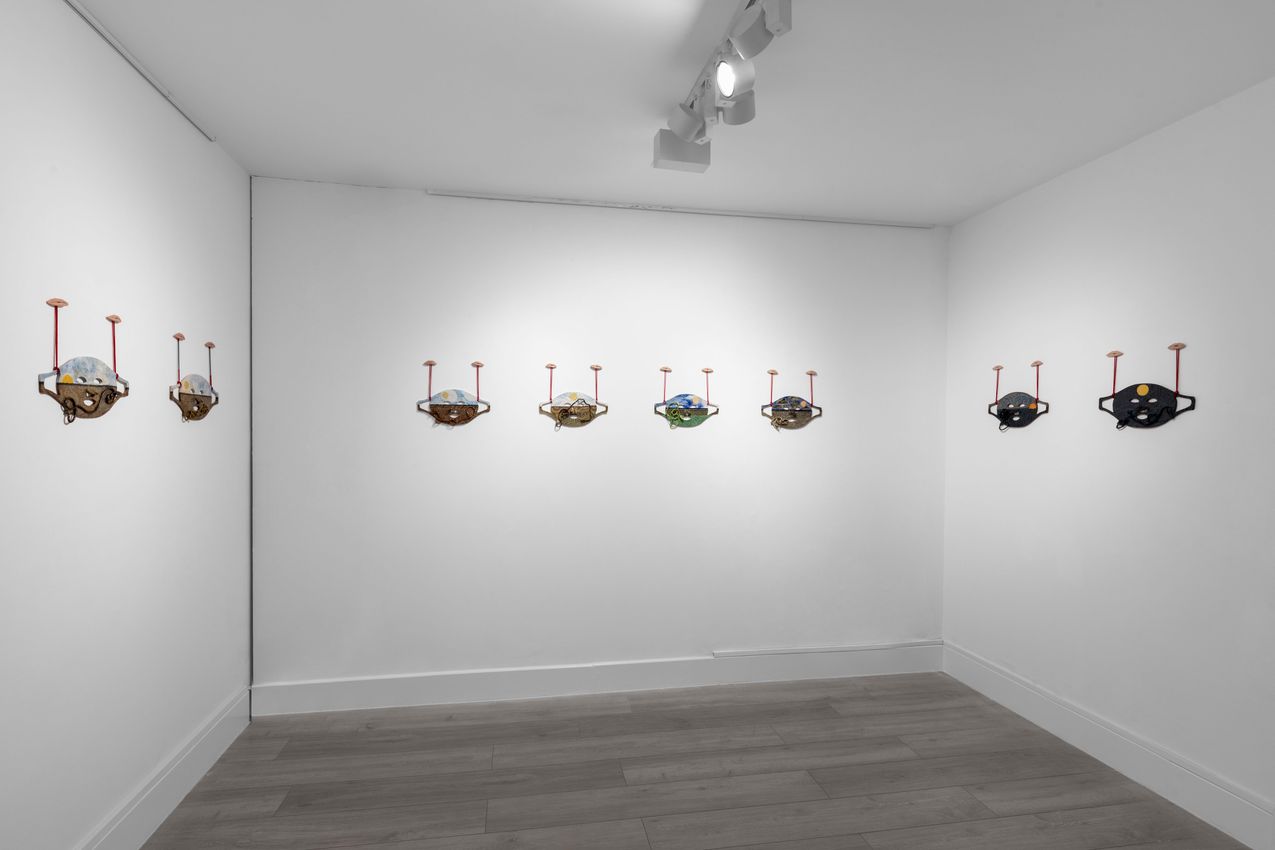
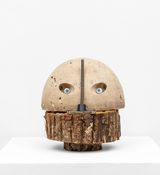
An Absent Presence examines Jane’s astute philosophical and psychological approach to art making. It reveals the breadth and technical ability of her practice, expressed through a multitude of medium and scale, from intimate hand-held sculptures to larger-than-life installations. The exhibition seeks to raise questions about the ability of objects to contain and transmit the presence of their maker or owner.
Jane explained that her works existed in the ether before she gave them form. She described her authorship as being “an absent presence”, stating “it came before me and goes on after me, it doesn’t live and die as flesh does.” The idea that artworks encapsulate and harness a timeless energy was shared with Louise Bourgeois who when speaking about her process said: “Drawings are thought feathers, they are ideas that I seize in mid-flight and put down on paper.”
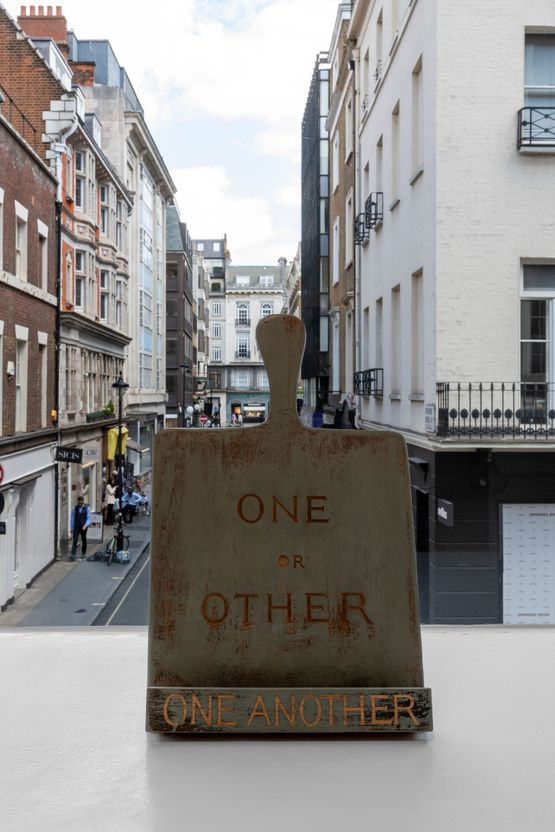
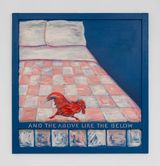
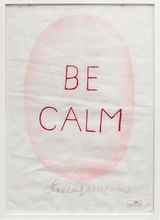
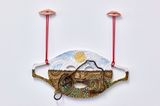
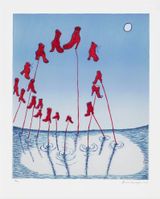
Bourgeois took the notions of the unconscious and the uncanny from Freudian theory and provocatively channelled them through her highly personal and embodied experiences. An Absent Presence contains works by Bourgeois, such as I Have Been To Hell and Back (2007), that are in dialogue with McAdam Freud and Stevenson through the motifs of clothing and domestic space, the use of word play and a wry reflection on mortality.
Often referring to the cathartic nature of making art as a way to process one’s emotion, Jane differentiated it from therapy. For her, therapy is about “talking it all out”, while art is about “feeling it all out.” Through her bold and varied sculptural practice Jane processed her ancestry, trauma and life experiences through the act of making – her art gave life to her emotions and experiences.
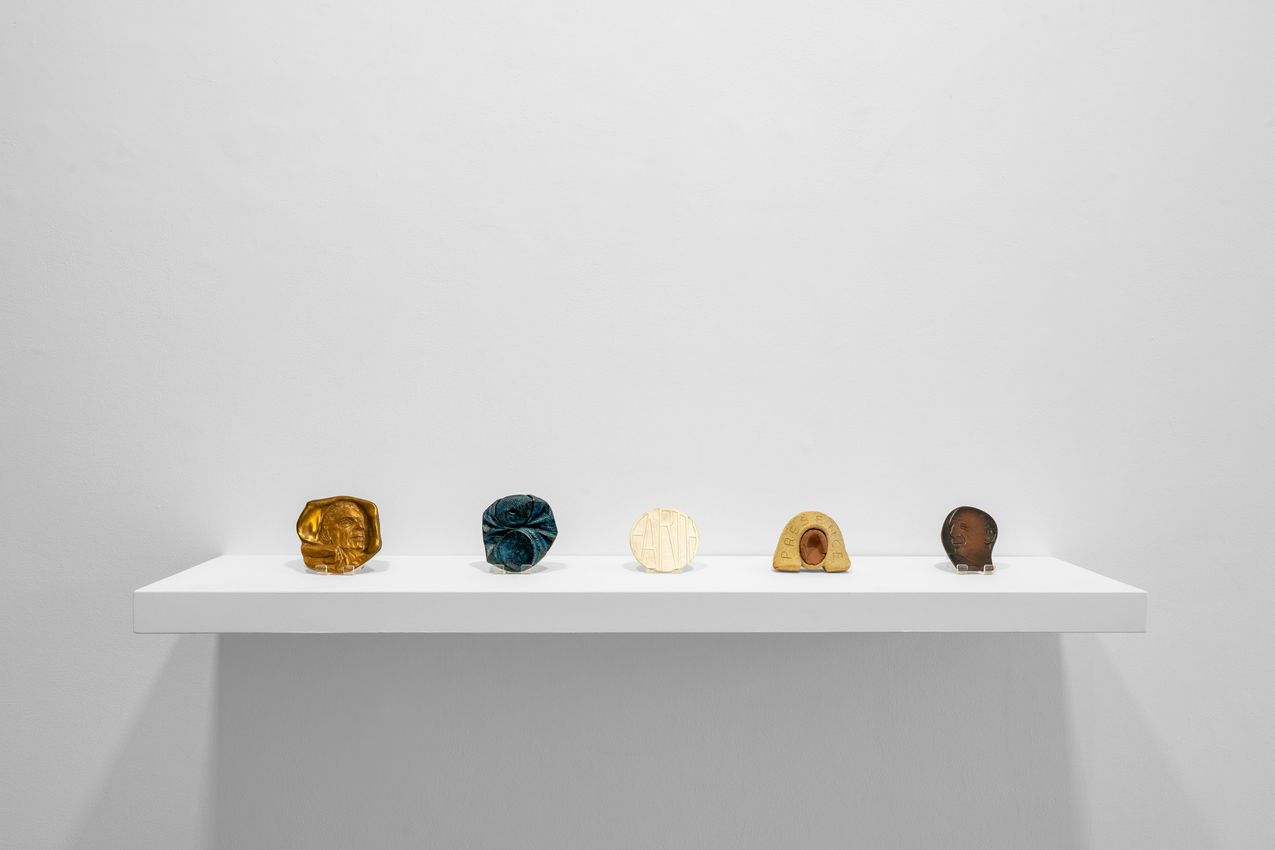
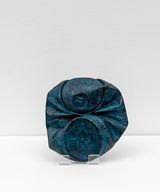
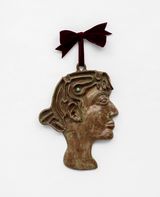
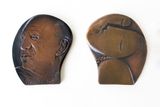
Medal-making was the main artistic pursuit for Jane at the start of her career, and in 1986 she won the British Art Medal Scholarship in Rome where she studied sculpture at the Accademia di Belle Arti di Roma. She adapted this form and pushed its formal properties of double-sidedness, hand-held intimacy, and memorial and ceremonial associations. One such piece, Earth Medal (2011–12) in silver plays on the fact that the word EARTH has ART at its centre.
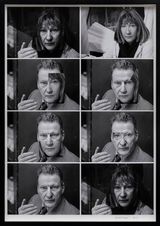
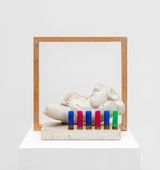
For Jane, art had always been at the centre of her world, a sensibility inherited from both her artist parents, Katherine McAdam and Lucian Freud. The reverse side of the medal depicts Lucian, made from Jane’s drawings observed at his bedside in the last days of his life. These extremely personal and vulnerable drawings, made with her father’s permission, also form the basis of a much larger sculptural installation Earthstone Triptych (2011), which uses devices of a mirror and a shadow to explore doubling, absence and presence.
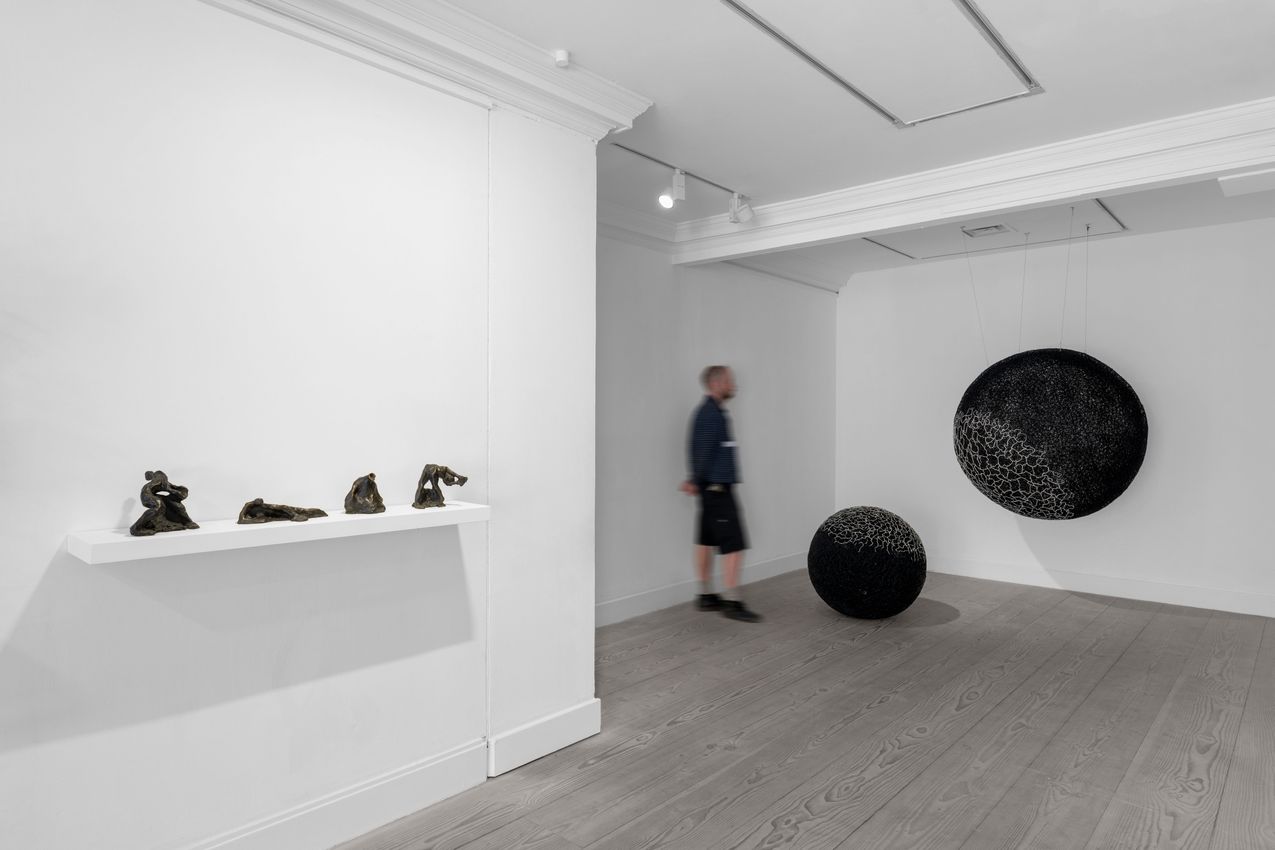
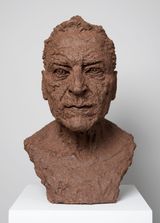
In 1990, Jane and Lucian made collaborative sculptures together out of wax, depicting small figures in activities where it is more natural to be nude, such as sun-bathing, dancing and masturbating. These are preserved in Jane’s studio to this day in a refrigerator as the piece Wax Works/Preserved Matter (1990). These experiments with small figurative pieces led to the After Bacon series of bronzes (1992–93) and to the provocative lifesize reclining male figure in clay, 1+1 (One Plus One) (2006), first shown at the Freud Museum in the same year.
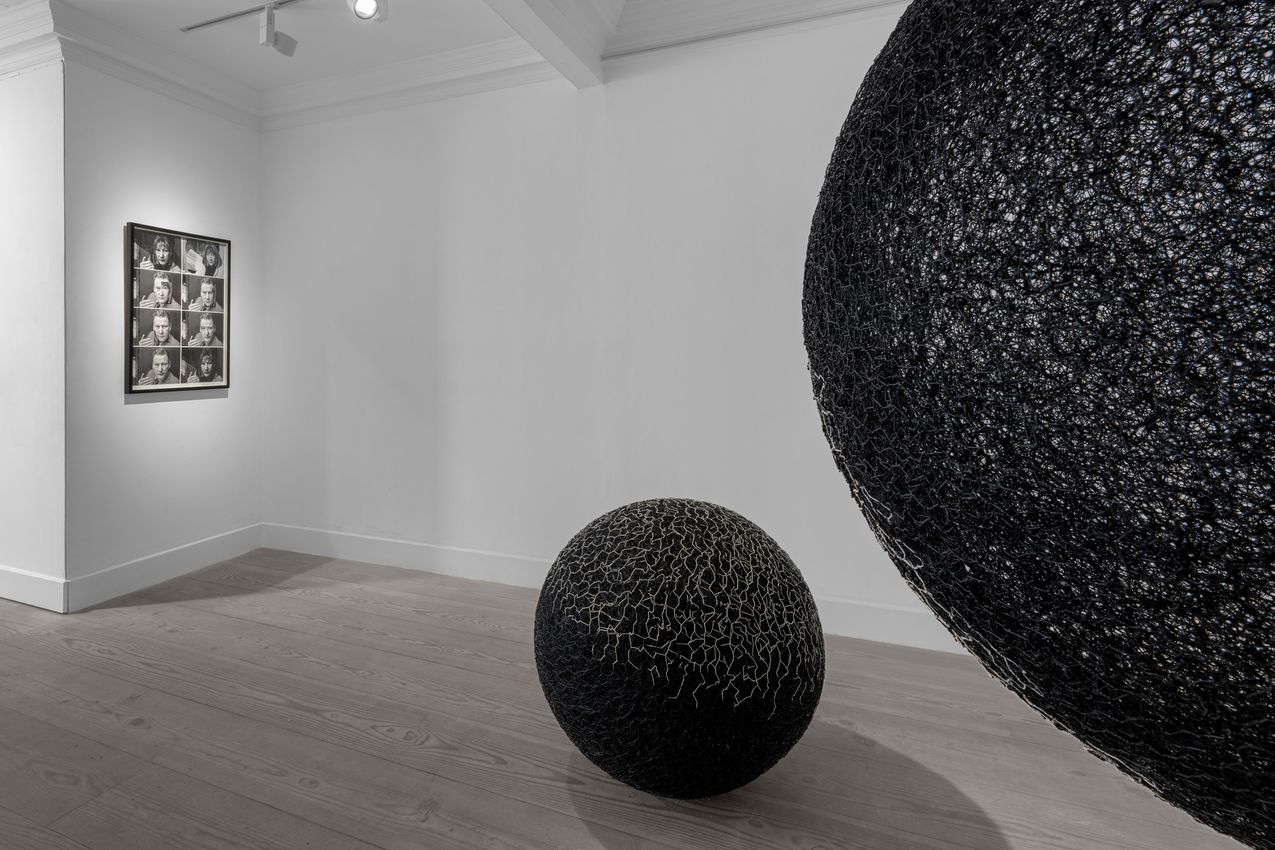
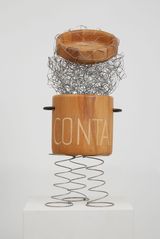
A further key material for Jane was metal chicken wire, notably employed in the 2015 solo exhibition Mother Mould at Gazelli Art House. The sculpture Poetic Encounter (2014–15) demonstrates Jane’s approach of placing two objects in dialogue with one another, here abstracted spherical forms reminiscent of a mother and child. Simultaneously fragile and tenacious, the steel mesh alludes to the complexities of the mind, with the shapes reminiscent of a mother’s breast, the earth, and the cyclical nature of life and death.
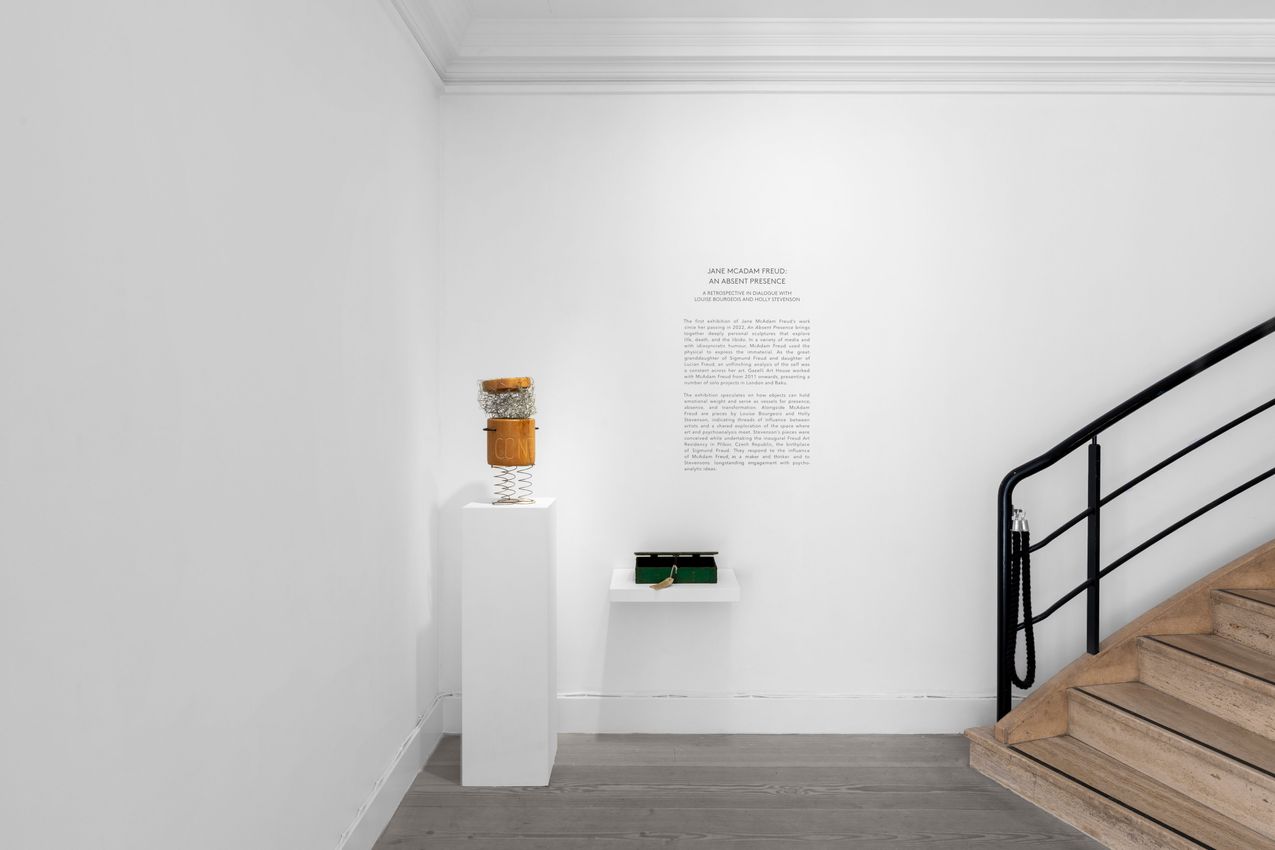
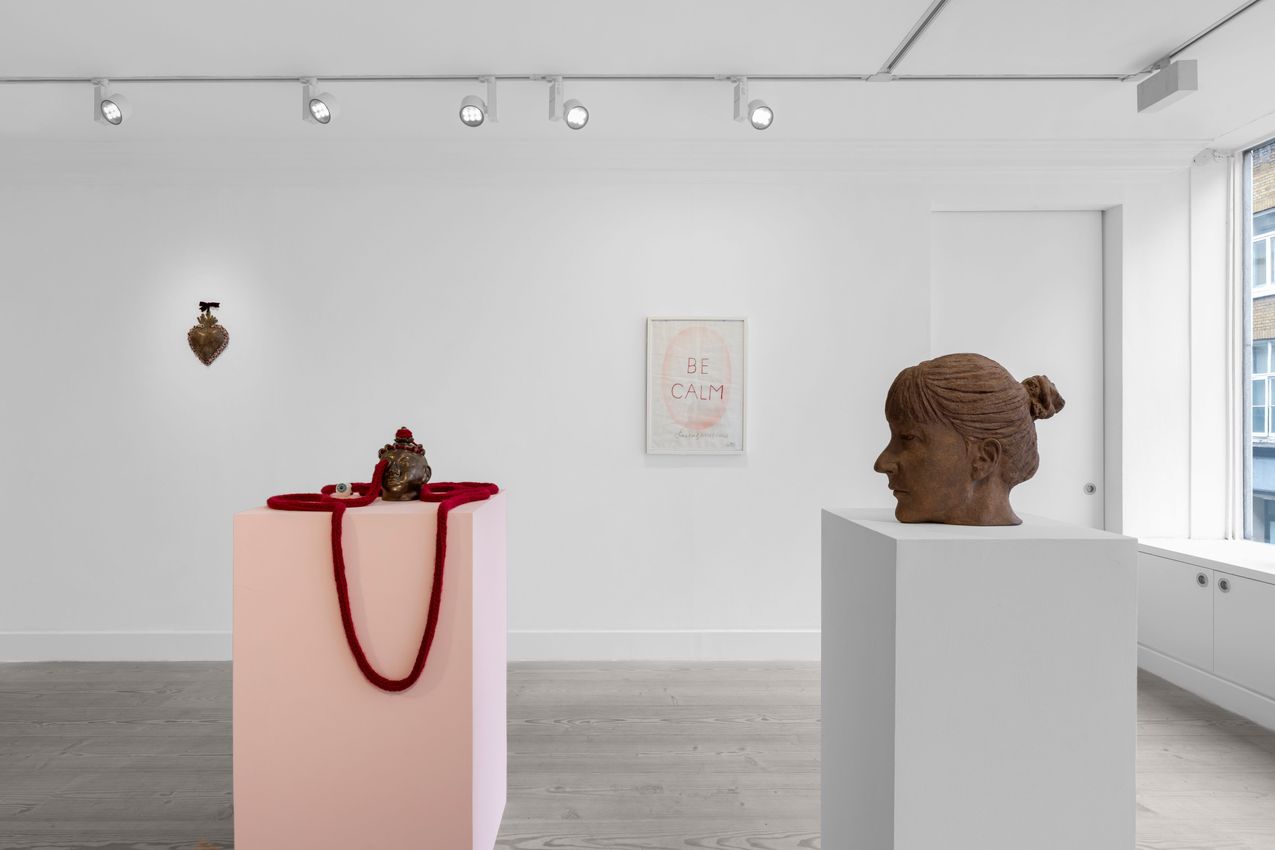
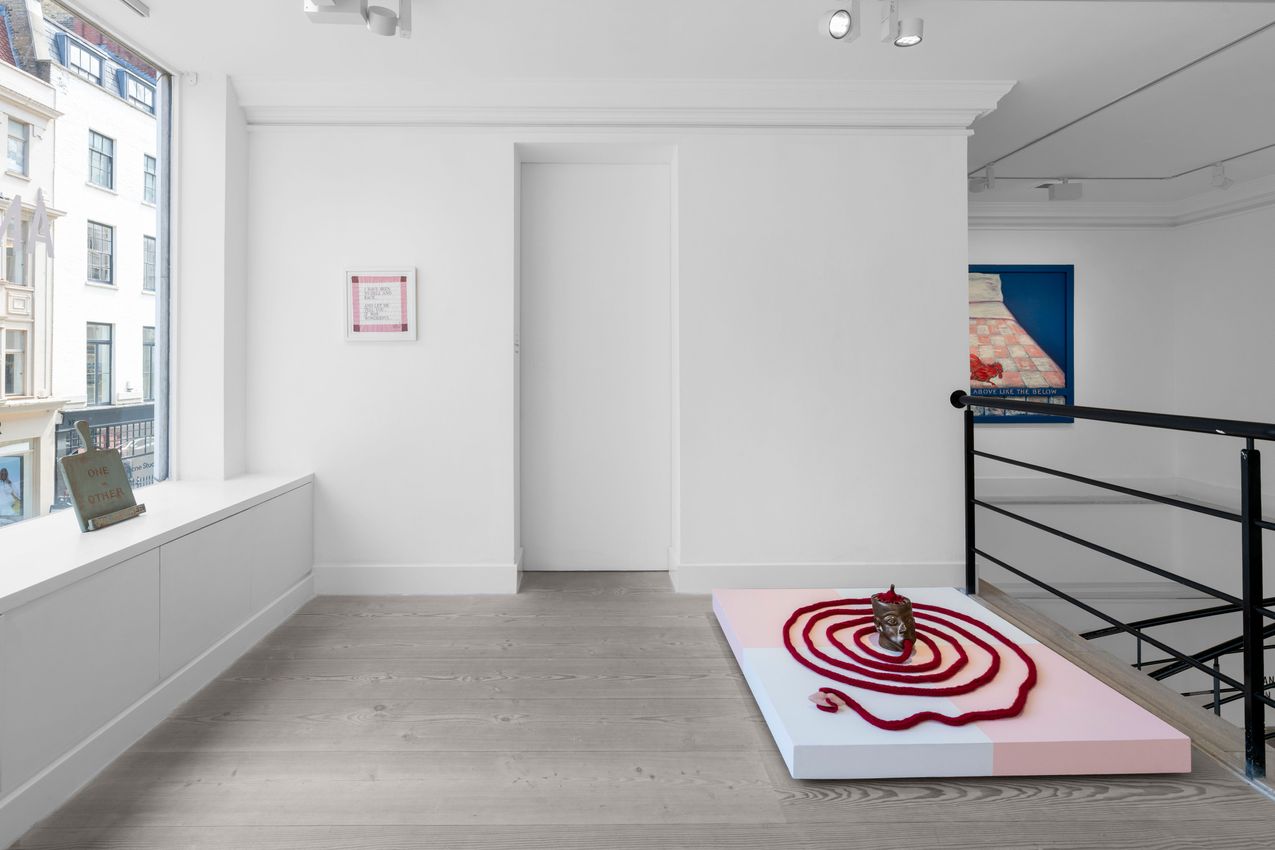
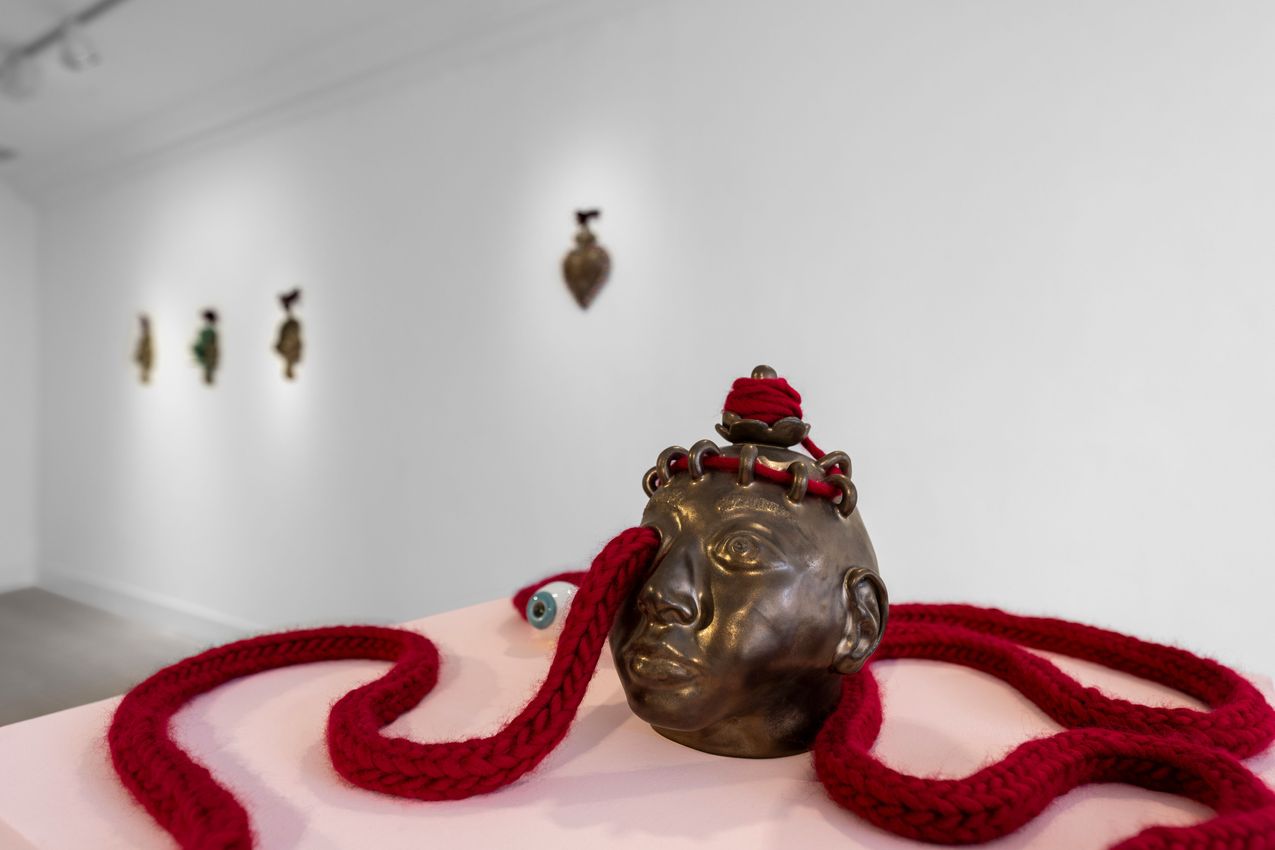
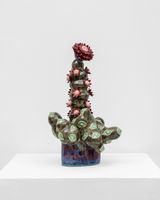
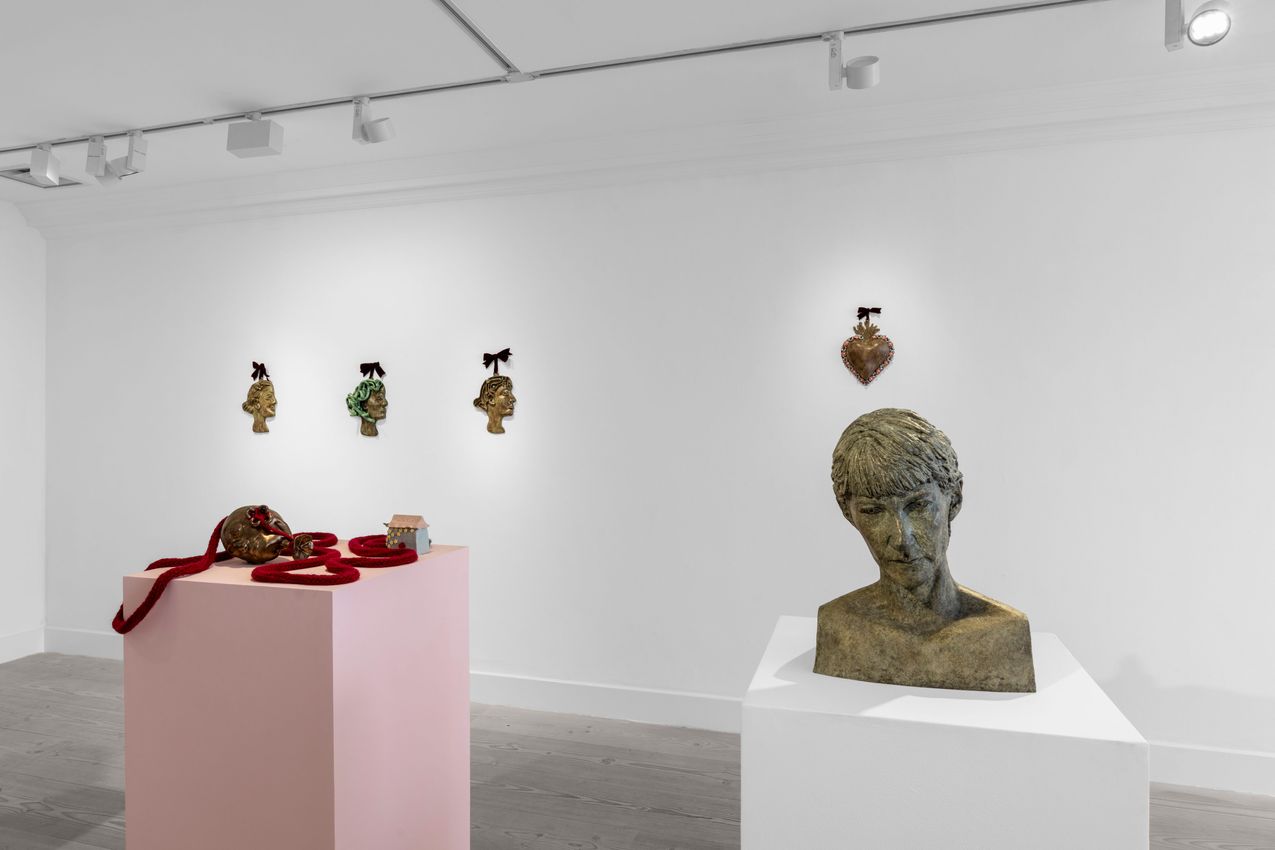
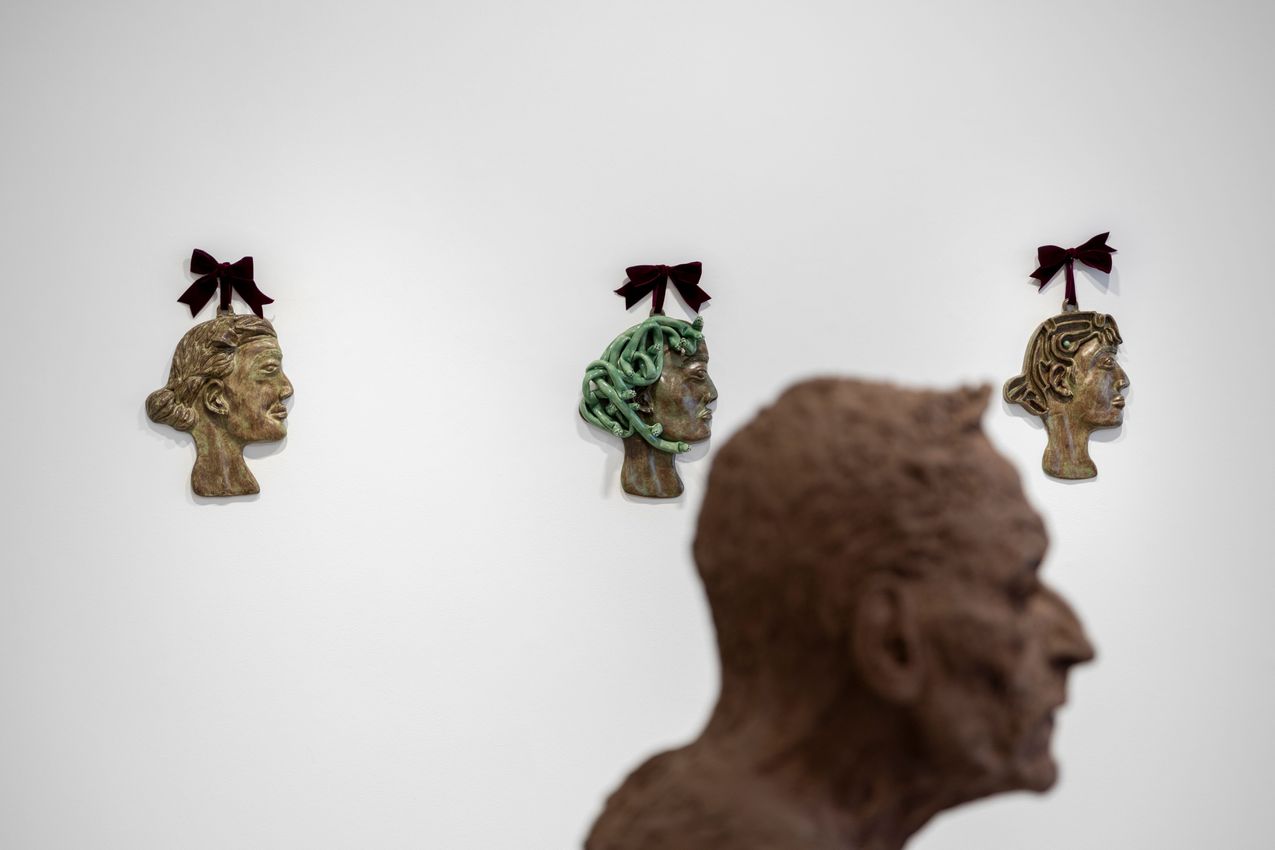
Completing the exhibition are pieces in ceramic and wool by Holly Stevenson, made in 2024 in response to Jane’s life and work and the enduring legacy of psychoanalytic theories. The works were first presented as part of the inaugural Freud Artist Residency (F.A.R.) in Příbor, Czech Republic, the birth-place of Sigmund Freud and second home to Jane McAdam Freud. The exhibition was titled Tracing The Irretraceable with Stevenson installing her works alongside Jane’s and reflecting on the act of tracing as both a psychoanalytical and artistic method.
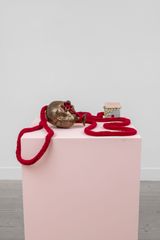
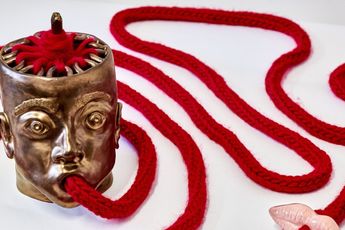
Stevenson was especially influenced by Jane’s self-portraits and depictions of family, which prompted her to make a body of work more explicitly figurative and personal than before. These include _Hector Speaks Volume_s (2024) which depicts her son in a golden glazed ceramic, with red knitted wool spooling from his mouth. Stevenson, in the footsteps of Jane, questions how artefacts become significant beyond their individual intrinsic beauty or craftsmanship; they hold the remains of the past actions of their makers and owners.
—
About Jane McAdam Freud
Jane McAdam Freud (1958–2022) was a celebrated multi-disciplinary artist and thinker, the daughter of Lucian Freud, and Great-granddaughter of Sigmund Freud. Her contribution to contemporary art, sculpture and conceptual thinking has been recognised internationally and her work is included in notable private and public collections, including the Victoria and Albert Museum, National Gallery archives, the Ashmolean, the Fitzwilliam and Brooklyn Museum. The British Museum acquired an example of her work in 1979, whilst Jane was still a student at Central School of Art and Design. In 1986, Jane was awarded the British Art Medal Scholarship in Rome, studying sculpture at the Accademia di Belle Arti di Roma and at the Scuola d’Arte della Medaglia. Jane passed on her skills and innovative ideas as a visiting lecturer at Central St. Martins (UAL) and Morley College.
—
About Jane McAdam Freud Estate
The purpose of the Jane McAdam Freud Estate and its Museum and Gallery is to uphold and reinforce the legacy of artist Jane McAdam Freud, and to promote the work of contemporary creatives and thinkers that connect with Jane’s work whilst creating conversation between art and psychoanalysis.
In 2008, multidisciplinary artist Jane McAdam Freud embarked upon setting up an incredible art hub in Příbor, Czechia, in order to solidify the connection to her great-grandfather Sigmund Freud who had been born there. The results are a museum and gallery space which will provide an artistic resource to Příbor, the local region, the country as a whole and to the international community.
The purpose of the space is to be an artistic centre, an exhibition venue, a residency space, and a celebration of the career of Jane McAdam Freud. International creatives, thinkers, writers and psychoanalysts will be invited to the space, engaging a varied audience in the project. They will be encouraged to be inspired by its history and leave a trace behind, so that the story continues.
—
About Holly Stevenson
Ceramic and psychoanalytic processes are enmeshed in Holly Stevenson’s (b. 1975) practice and her idiosyncratic forms play with associations trapped between mind and bodily matters. She graduated from Chelsea College of Art and Design, fine art MA in 2011 and was awarded the MFI Flat Time House Graduate Award, supported by the John Latham Foundation. In 2021 she received her first public sculpture commission for Another Mother from theCOLAB for The Artist’s Garden and her focus on ceramics in the expanded field led her to take part in Frieze Sculpture 2023 where she showed The Debate, an installation that reinterpreted the symbolic egg. Psychoanalysis is understood to be both a practical and informative part of art making and her ongoing studio project, Sigmund Freud’s Ashtray, explores the eponymously labelled artefact in clay as a fluid bodily metaphor: Her vessels diligently embody the ashtray and cigar as though they were two gendered male and female forms, the yonic ovular dish and the cylindrical phallic cigar, as she reconfigures them into a material language of her own. Stevenson will hold solo exhibitions at the Jane McAdam Freud Museum and Gallery in the Czech Republic and the Freud Museum, London in 2024/25.
—
About Louise Bourgeois
Louise Bourgeois (1911–2010) was a pioneering French-American artist whose psychologically charged work explored memory, sexuality, and the unconscious. Working across sculpture, installation, drawing and textiles, she developed a highly personal symbolic language—often featuring spiders, beds, cages and fragmented bodies—to give form to emotional states and early trauma. Bourgeois’s major retrospective at MoMA in 1982 marked a turning point in the recognition of women in postwar art history. She went on to represent the United States at the 1993 Venice Biennale and was the first artist to exhibit in Tate Modern’s Turbine Hall in 2000. Her work is held in leading museum collections worldwide, including the Centre Pompidou, Tate, MoMA, Guggenheim, and the Whitney Museum. A touchstone for generations of artists, her legacy continues to shape conversations around identity, the body, and the subconscious.
A respected voice in contemporary art discourse.
Focusing on ambitious storytelling and insightful art-world commentary. Ocula Magazine publishes in-depth interviews, critical essays and timely analysis on the artists, exhibitions and ideas driving the global art world.
Learn more about Ocula Magazine
Showcasing the best of the art world.
Ocula partners with galleries from around the world to highlight their artists, artworks and exhibitions. Gallery membership is by application and invitation, with each member vetted by an independent panel.
Learn more about Ocula Membership

Specialises in the sale of major artworks.
Led by a team with deep ties to the world’s leading auction houses, galleries and collectors. Ocula’s advisory team offers bespoke services to high-net-worth clients from around the world who are looking to acquire the best of contemporary and modern art.
Learn more about our team and services