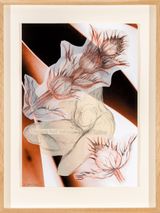
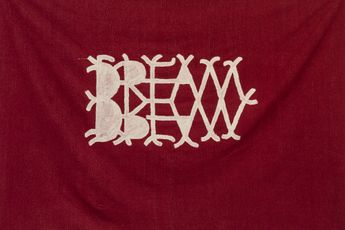
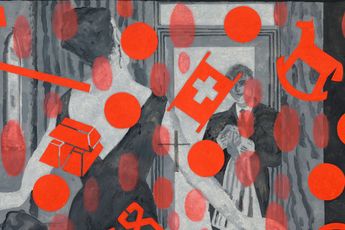
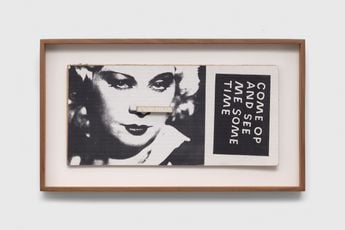
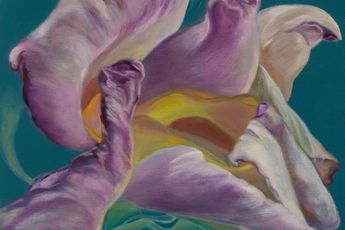
Gazelli Art House presents Let’s Talk about Text, a group exhibition of artists united by their use of text. Spanning decades and regions, seemingly disparate artists who use text humorously, in protest, as a vehicle for self-exploration or as code, the exhibition pulls together a variety of ways of looking at text as art. The group exhibition includes the artworks of; He An, Babi Badalov, Derek Boshier, Jane McAdam Freud, Ray Johnson, Kalliopi Lemos, Markus Martinovich, Alexander Reben and Bob and Roberta Smith.
Mila Askarova, founder and CEO of Gazelli Art House, says, ‘The exhibition highlights the importance of text as a communication vehicle to artistic expression, the artists displayed in Let’s Talk About Text utilise letters, numbers, and words as a key means to support their message.’
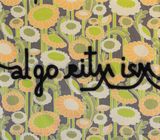
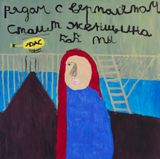
Azeri artist Babi Badolov self-titles his practice ‘visual language’, using the complexities of the Azeri language; which is constantly evolving, to create aesthetic texts and patterns. Badalov works across languages, including Azeri, Russian and English, fusing languages to create new words and meanings and subverting writing as a formal exercise to focus on the visualisation of language
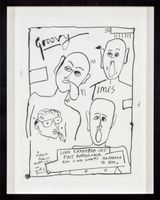
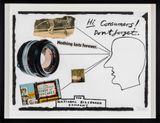
In the same vein, Ray Johnson subverted the traditionally formal act of letter writing to create comic letters. A selection of these letters sent by Johnson to artist and BOMB magazine journalist Saul Ostrow are includedin the exhibition, alongside a letter to Clive Barker that features an anatomically accurate cartoon elephantcharacter sketch. Named by The New York Times’ art critic, Grace Gluek, in 1965 as ‘New York’s most famousunknown artist”, Ray Johnson was a forerunner of mail art creating the “New York Correspondence School’.
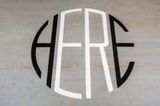
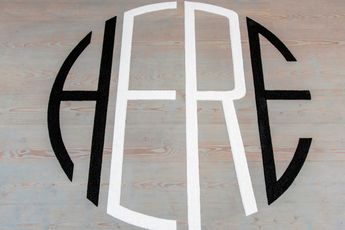
British contemporary artist Bob and Roberta Smith OBE RA unveils six new works from 2021, including a highly personal artwork inspired by his father, the landscape painter Frederick Brill. Green Phone (2021) depictsa large green telephone from Smith’s memory of his father’s Chelsea School of Art office phone, with thedifferent departments his father coordinated displayed in graphic text. Other works included support theartist’s political agenda to make art accessible to all. Smith is currently working on a Thamesmead estateproject with Tate and Peabody, interviewing residents as part of Peabody’s ambitious cultural strategy forThamesmead and Tate’s wider community partnership programme. Other everyday items are animated bytext in Jane McAdam Freud’s found-object artworks. McAdam Freud incorporates lettering to give life tothe inanimate. HerE (2016) is an installation created from gravel which raises feminist queries of He/ Her /Here, inspired by Freud’s formative years when her mother would discuss womens’ traditional roles. Theseconversations provoked a young Freud to say ‘er’ as seen in the artwork, this can also read as women are ‘here’. Other works, Breadbook and Distressed Green Box explore the digital world where a recipe book can bereplaced by an I-pad and latterly the 2015–2016 refugee crisis. Kalliopi Lemos’ mixed media collages included inthe exhibition also explore this fractious period of migration.
14 year old artist Markus Martinovich was diagnosed with autism as a young child and throughout his childhood he has used art as a way to express himself. The young Russian artist explores text in his large-scale paintingsto demonstrate his unique view of the world. A difficult aspect of Martinovich’s works is looking for meaningin the works when there simply is none. There’s text included in the works however there is no dialogue withviewers. In a similar manner an AI tapestry series by new media artist and MIT-trained roboticist, AlexanderReben, will be presented. Where text and meaning is hidden within the digitally created artwork. Reben’s AIfortune prints are woven by using the QR code scans from a printed receipt. During the show Reben will dropan NFT.
Finally Wuhan based artist He An will present a large-scale neon sign of unravelled Chinese charaters The night or with its day (2015). He An honed his craft of creating iconic signs by using stolen neon lettering from hishometown as a means to comment on the mafia-led streets at the time. The artist then traditionally reworksthe characters to create signs of the names of his friends and family.


A respected voice in contemporary art discourse.
Focusing on ambitious storytelling and insightful art-world commentary. Ocula Magazine publishes in-depth interviews, critical essays and timely analysis on the artists, exhibitions and ideas driving the global art world.
Learn more about Ocula Magazine
Showcasing the best of the art world.
Ocula partners with galleries from around the world to highlight their artists, artworks and exhibitions. Gallery membership is by application and invitation, with each member vetted by an independent panel.
Learn more about Ocula Membership

Specialises in the sale of major artworks.
Led by a team with deep ties to the world’s leading auction houses, galleries and collectors. Ocula’s advisory team offers bespoke services to high-net-worth clients from around the world who are looking to acquire the best of contemporary and modern art.
Learn more about our team and services