Press Release

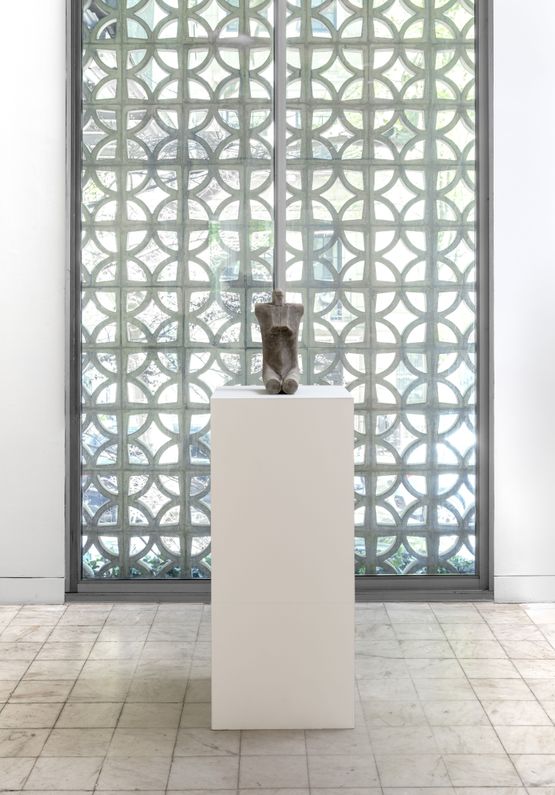
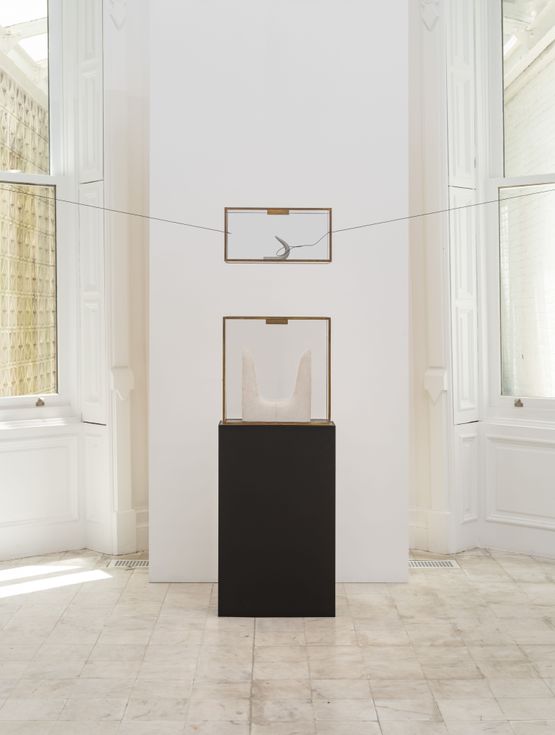
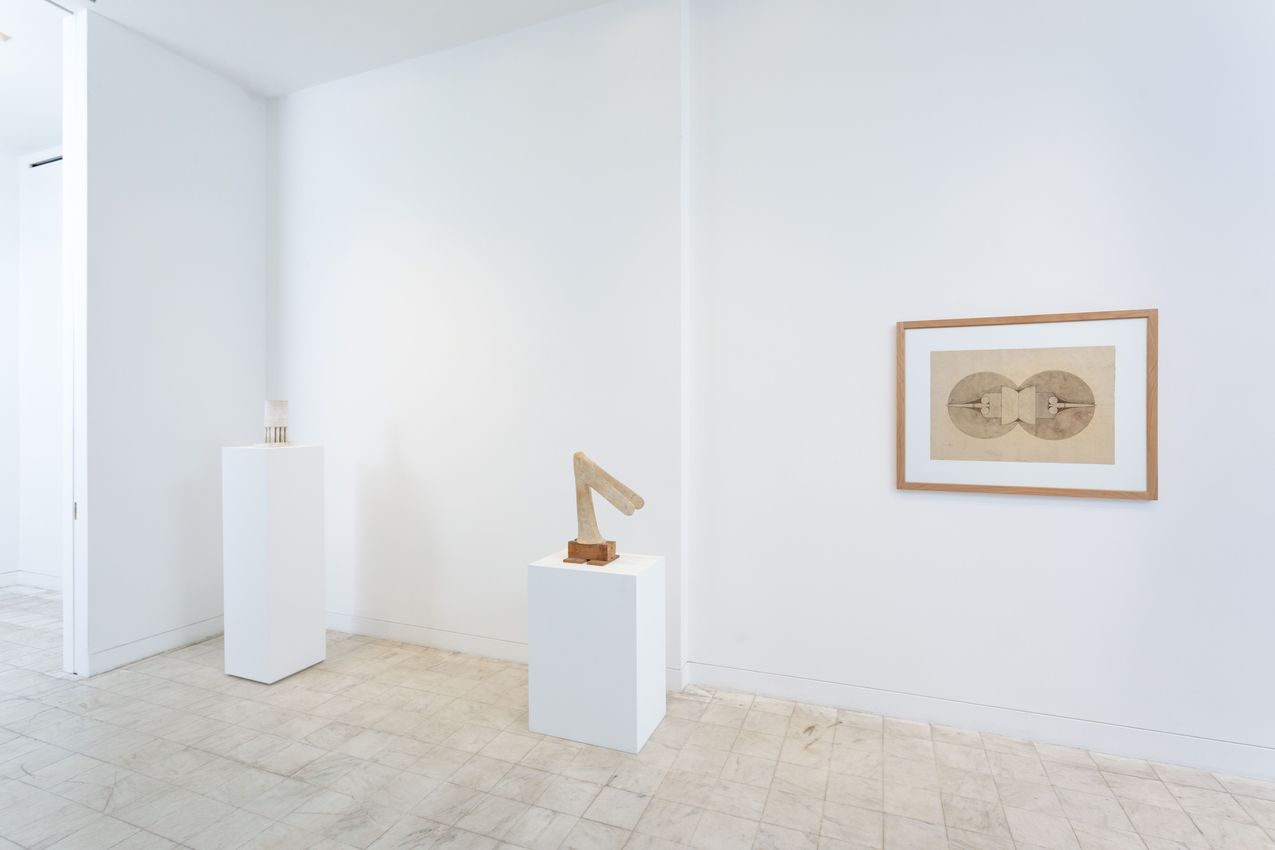
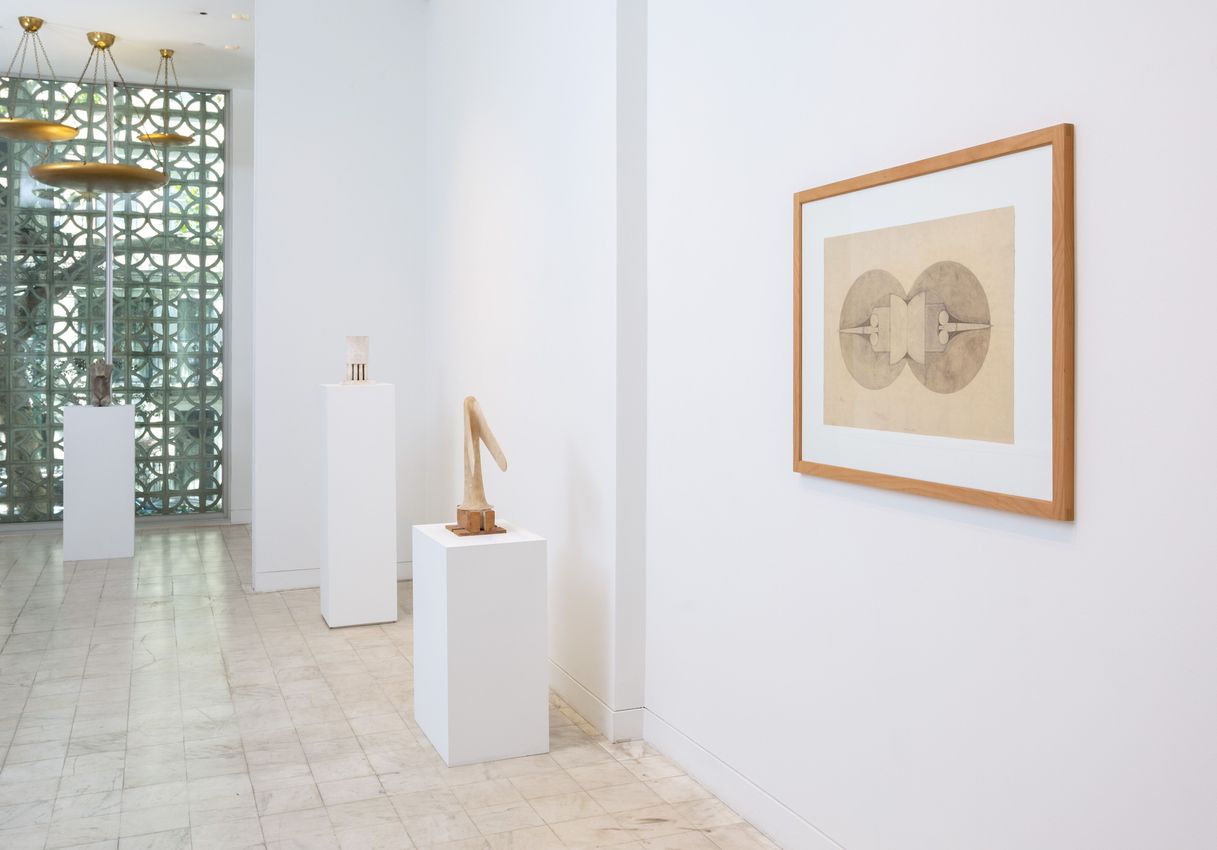
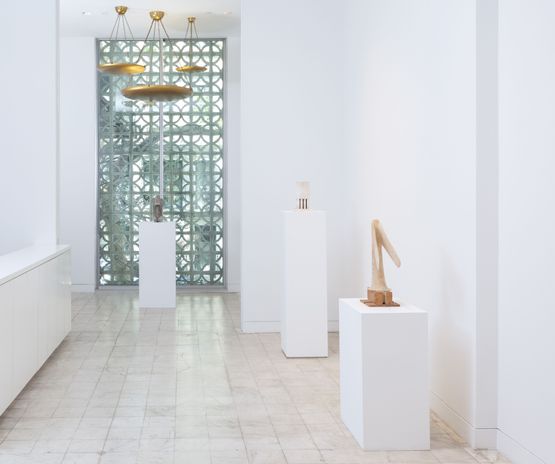
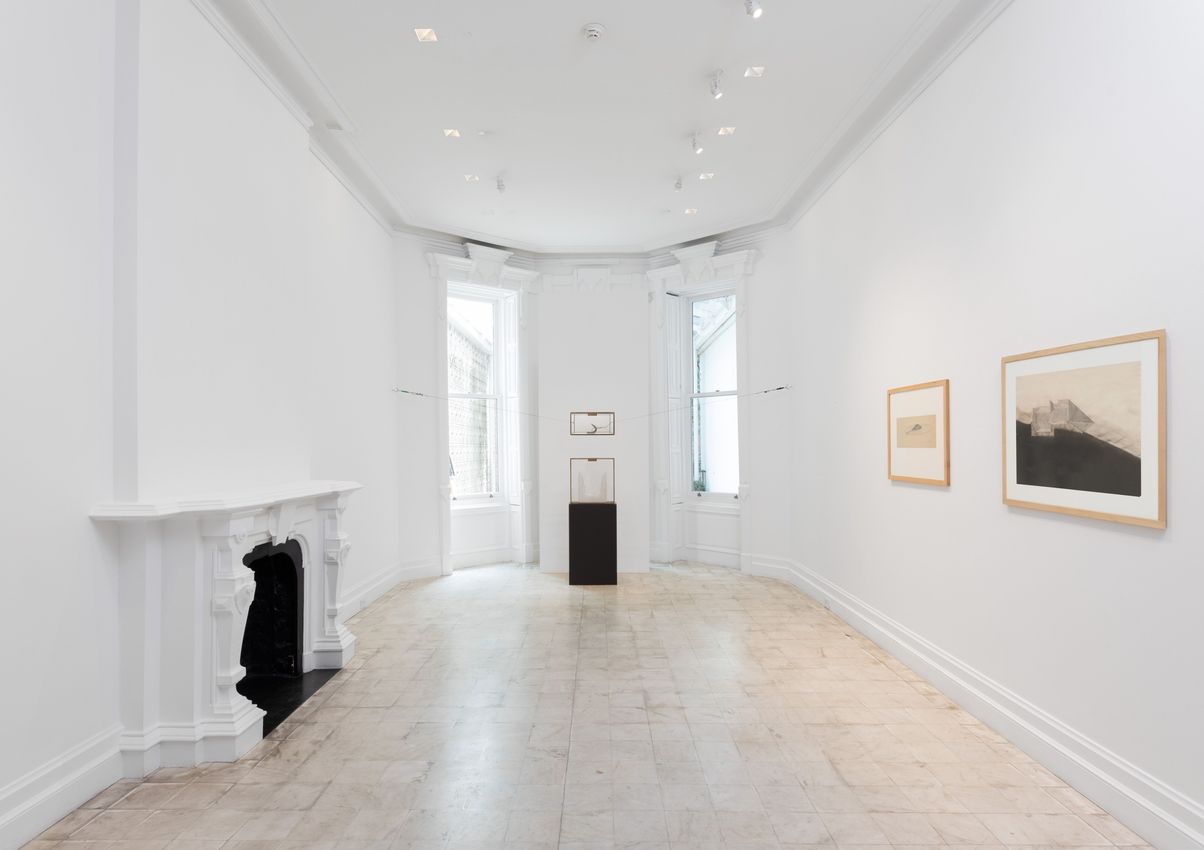
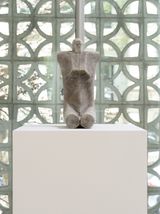
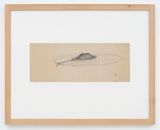
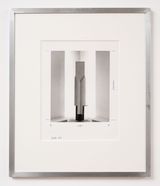
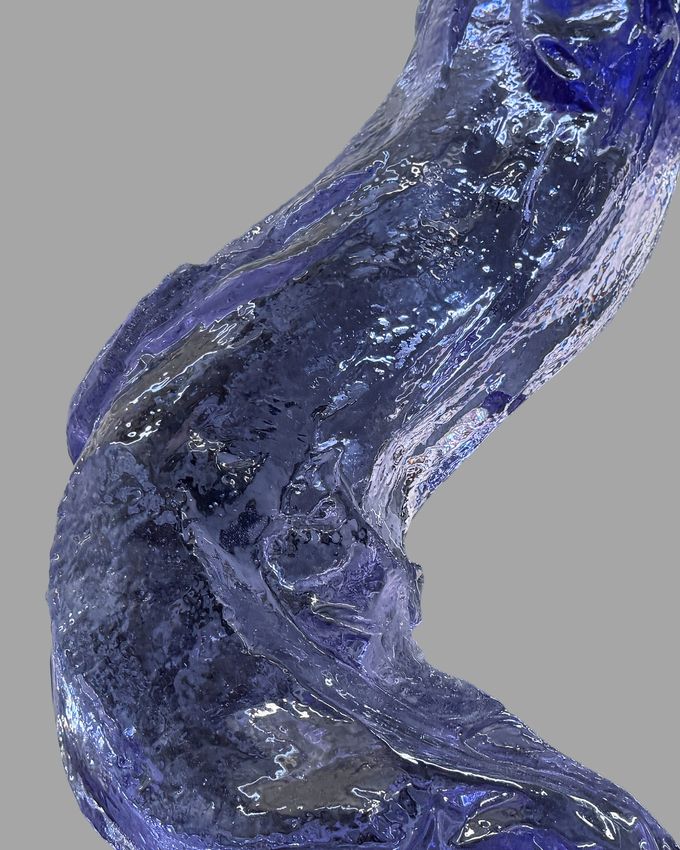
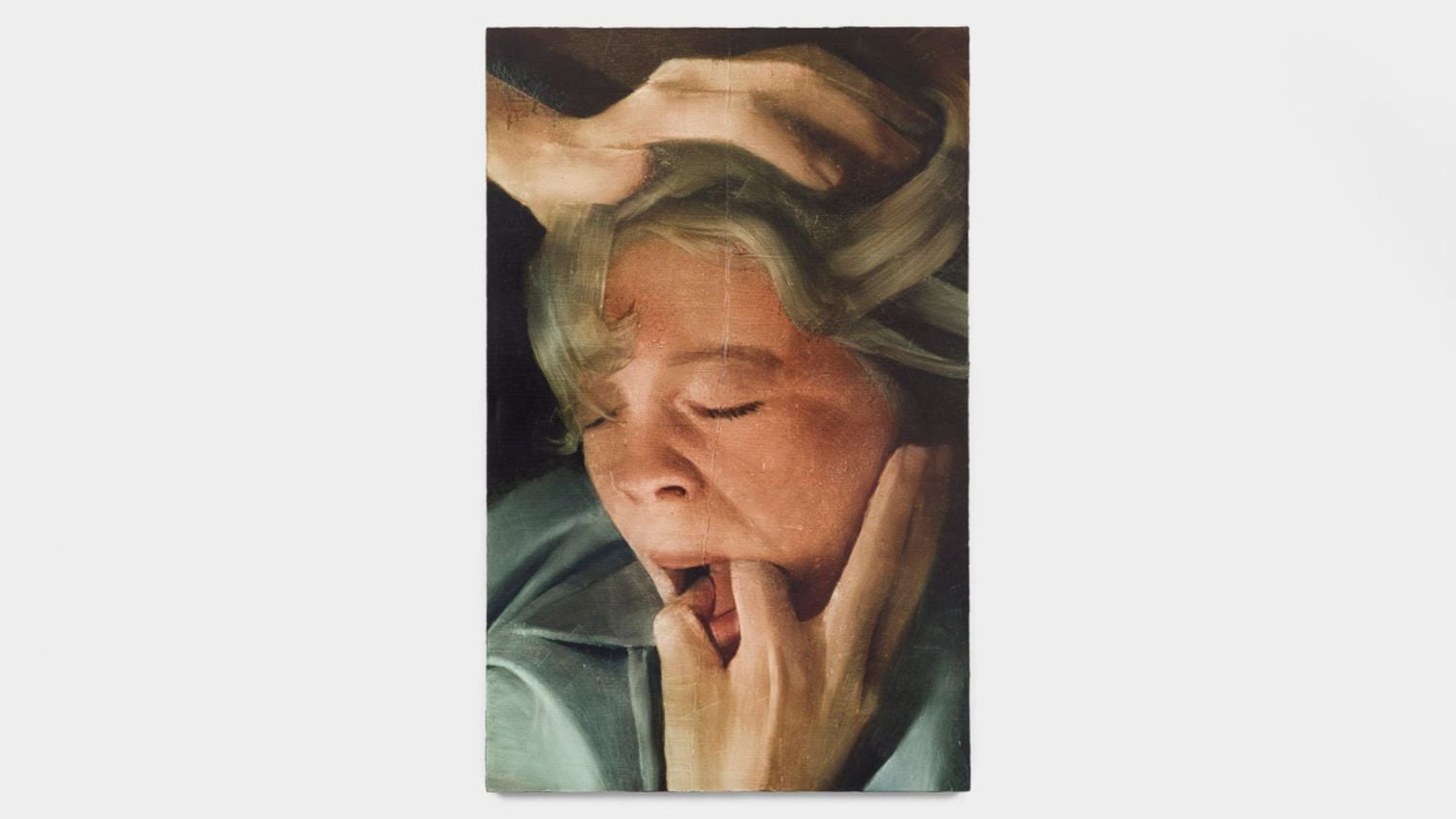
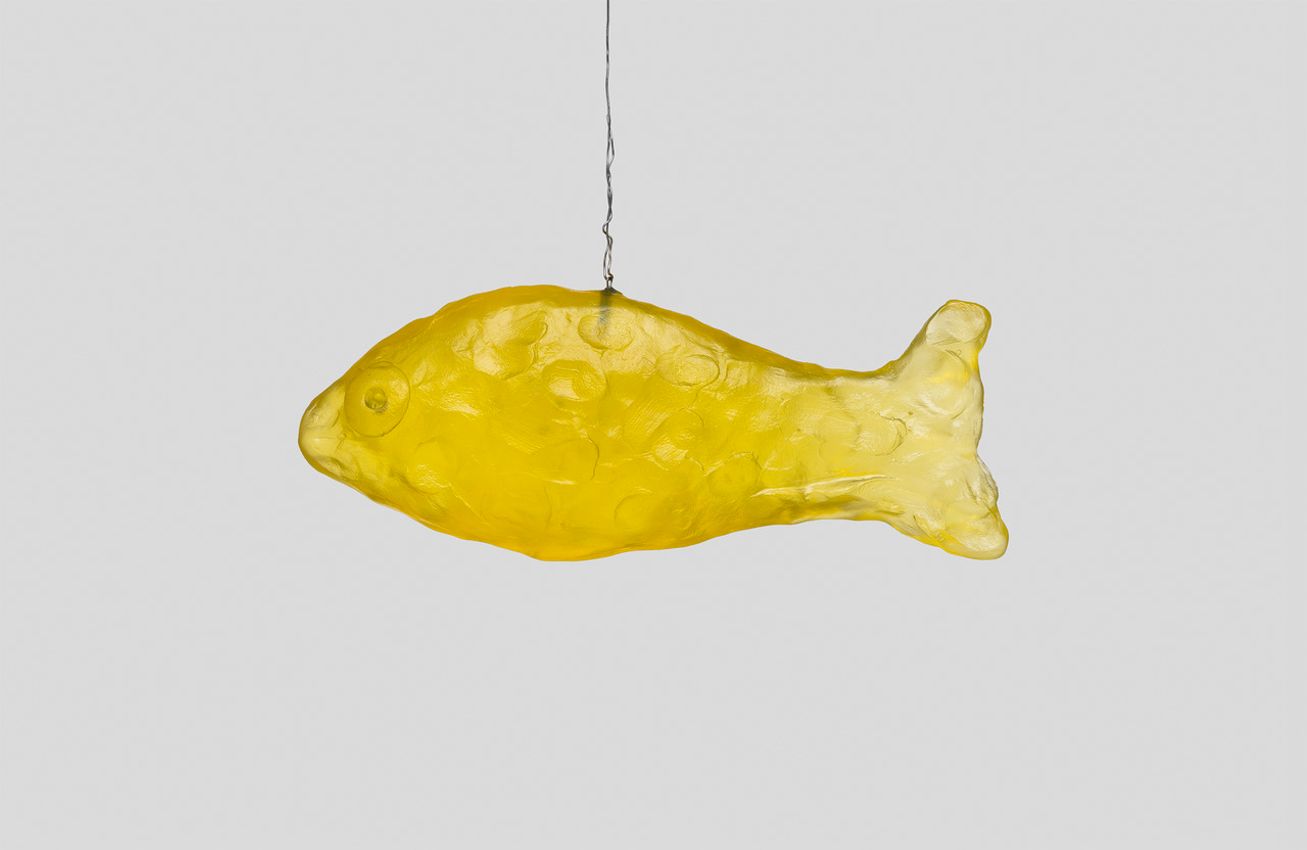
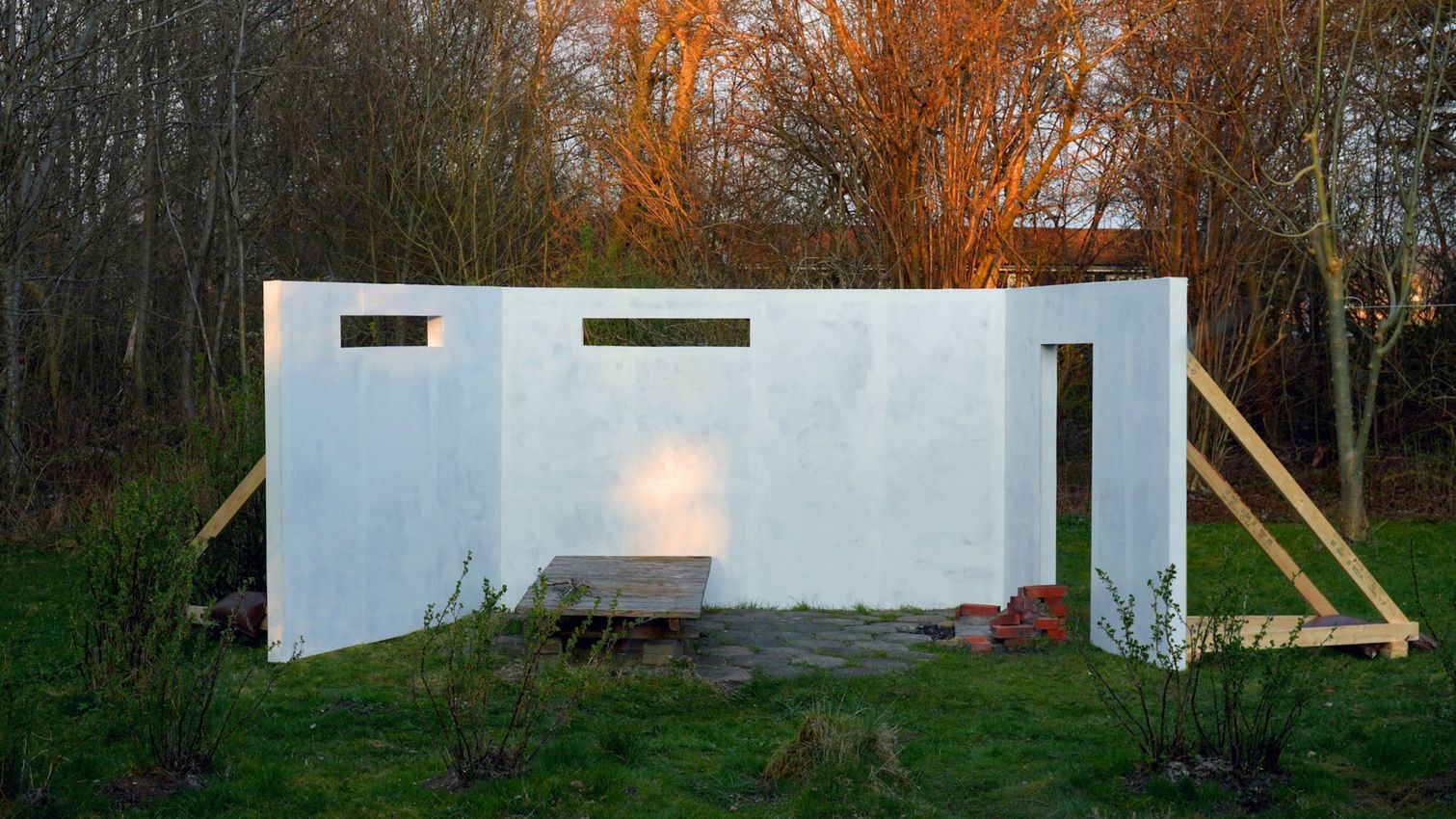
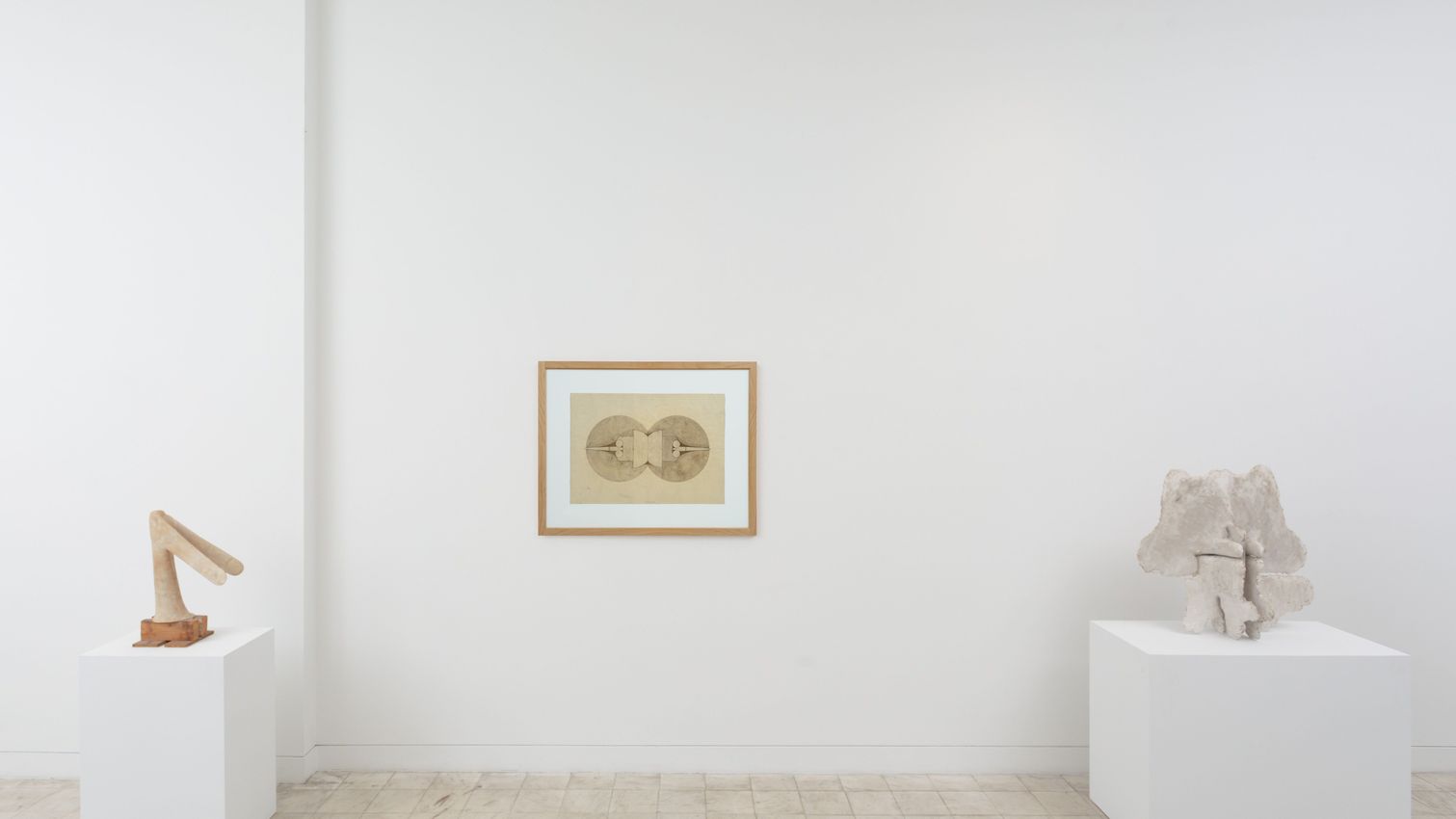
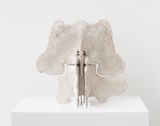
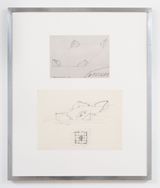
Gladstone presents Walter Pichler: Sculptures, Drawings, Models, marking the artist’s first exhibition with the gallery since 2001, curated by Olivia Shao. Comprising fourteen works from across Pichler’s rich career, the show highlights the wide range of mediums in which he practiced, including photography, sculpture, and drawing, as well as his exploration of architecture, history, and the relationship between the human body and technology. This exhibition marks a special tribute to late gallery founder Barbara Gladstone, as it was the last presentation she actively oversaw, in close dialogue with Shao and the Walter Pichler Estate.

Walter Pichler shunned the limelight of the artworld and the art market, adopting, instead, the quiet surroundings of his home in Saint Martin, a small village in southeastern Austria, where he lived from 1973 until his death. It was there that he built a series of buildings to house his sculptures. In all his work lies a profound synergy between space and form. This fluid exchange between the built environment and sculpture has at its source a small figurine, perhaps a Christ figure, that he found in a barn on his land when he first arrived. He was inspired to build an altar for it and converted the building into a specially- designed receptacle to house this enigmatic item.

Working slowly with no external pressure, he immersed himself in the process of melding sculpture, landscape, and architecture, utilizing formal systems reliant upon equilibrium and frontality. He drew upon traditional building materials such as lead, clay, iron, wood, and glass to construct both edifice and art, spaces for meditation and observation, as well as objects for contemplation. The resulting compound for his work recalls Donald Judd’s Chinati Foundation in Marfa, Texas or, even earlier, Kurt Schwitters’ Merzbau in Hannover, Germany from 1923-37. This constructed environment became a lifelong undertaking for the artist, and it is a rare opportunity to encounter his sculptures and drawings outside of it.

Pichler’s architectural credentials date to his early studies at the Kunstgewerbeschule in Innsbruck and the University for Applied Arts in Vienna, after which he frequently collaborated with famed Austrian architect Hans Hollein. Together they formulated a kind of visionary architecture, freed from the constraints of actual construction. His Prototypen (prototypes) series, dating from 1967, imagines a hybrid zone between designing, building, and sculpting. Many of his early drawings from this period envision fantastical non-spaces that coexist as site and as form, morphing into imaginary architectural spacecrafts. At the time, Pichler deployed unconventional materials borrowed from industrial production like automobile and space technology, such as plastics and aluminum. In 1968, he was included in Documenta 4 with TV-Helm (Tragbares Wohnzimmer) (TV Helmet [Portable Living Room]) and Radioweste (Radio Vest), both 1967. And a year later, for William Klein’s film Mr. Freedom, he created a cubicle out of PVC tubes and metal pipes. These works tied him to a Pop-art sensibility during the 1960s and 70s, but Pichler’s practice remains too nuanced and eccentric to ever be situated within one particular artistic movement.

Read More

Installation Views

Selected Works

Loading...

Also Exhibiting at Gladstone

About the Gallery
Gladstone is known for its commitment to artists whose prescient approaches and experimental practices have defined the contours of contemporary art. The gallery has long been an active partner in the cultivation of iconoclastic careers, fostering a roster of artists recognized for their ground-breaking contributions. Headquartered in New York and including outposts in both Brussels and Seoul, Gladstone’s impact extends globally, enabling both the presentation of new bodies of work, and an amplification of the international reach of its artists. Alongside its work with contemporary artists, the gallery is steward to the legacies of pivotal historical artists and serves as an advocate for the enduring power of art. Gladstone is led by a team of partners who spearhead its long-term vision and program, building on the values of its founder Barbara Gladstone.
View Gallery Profile
Address
130 East 64th Street
New York
United States
Opening Hours
Tuesday - Saturday
10am - 6pm
(1)
New York 130 East 64th Street
Gladstone
130 East 64th Street, New York, United States
+1 212 753 2200
http://gladstonegallery.com

Opening hours
Tuesday - Saturday
10am - 6pm
The art world in focus