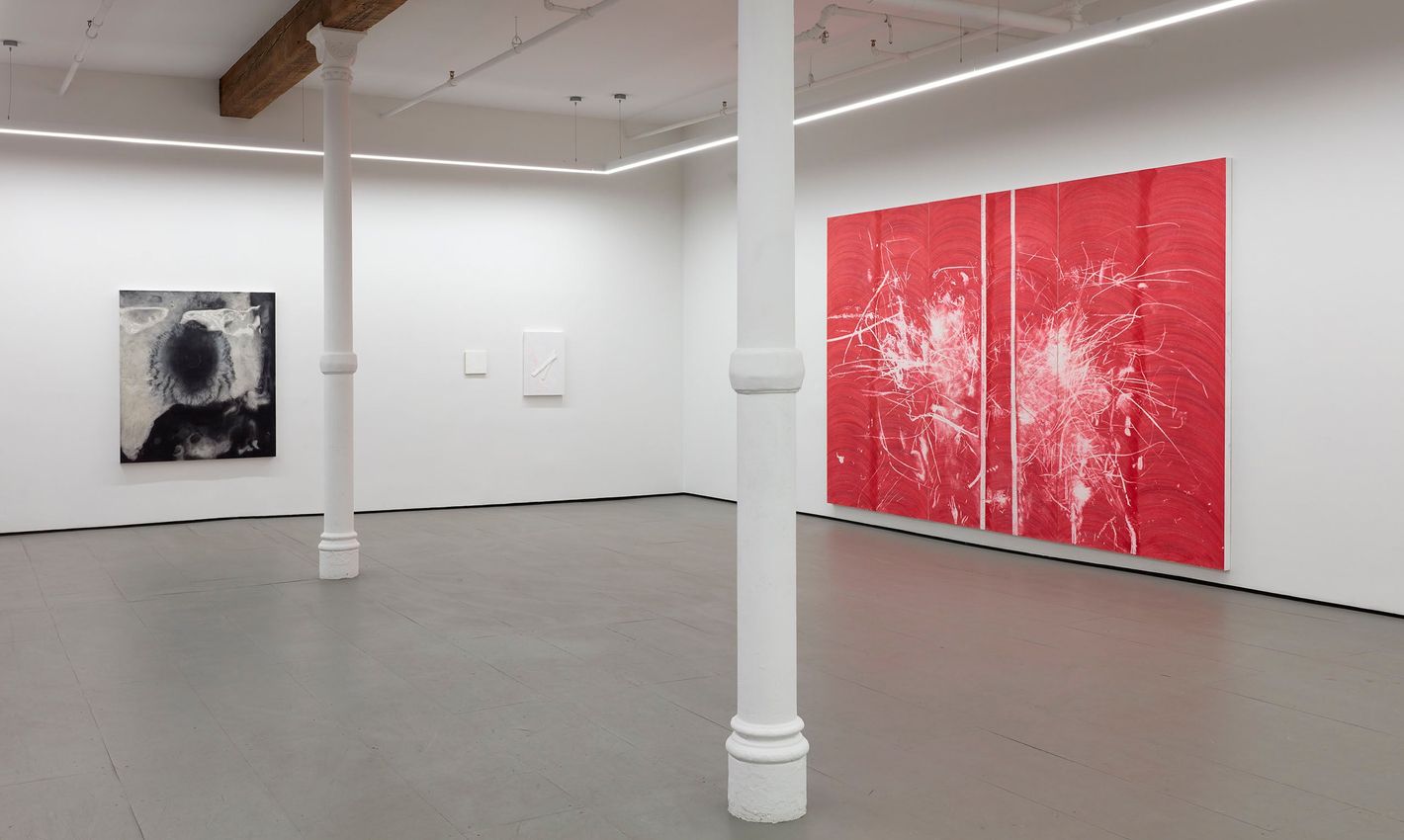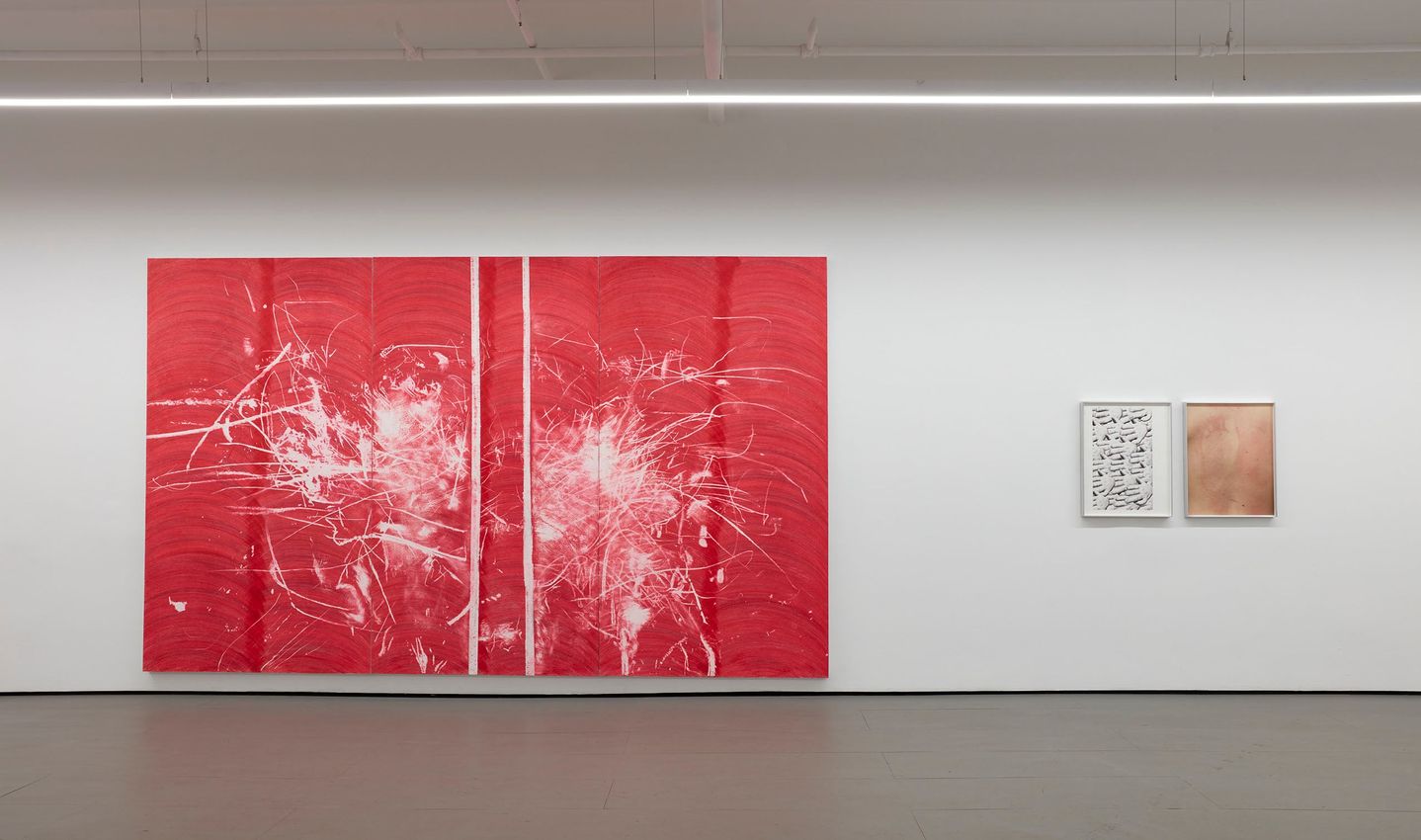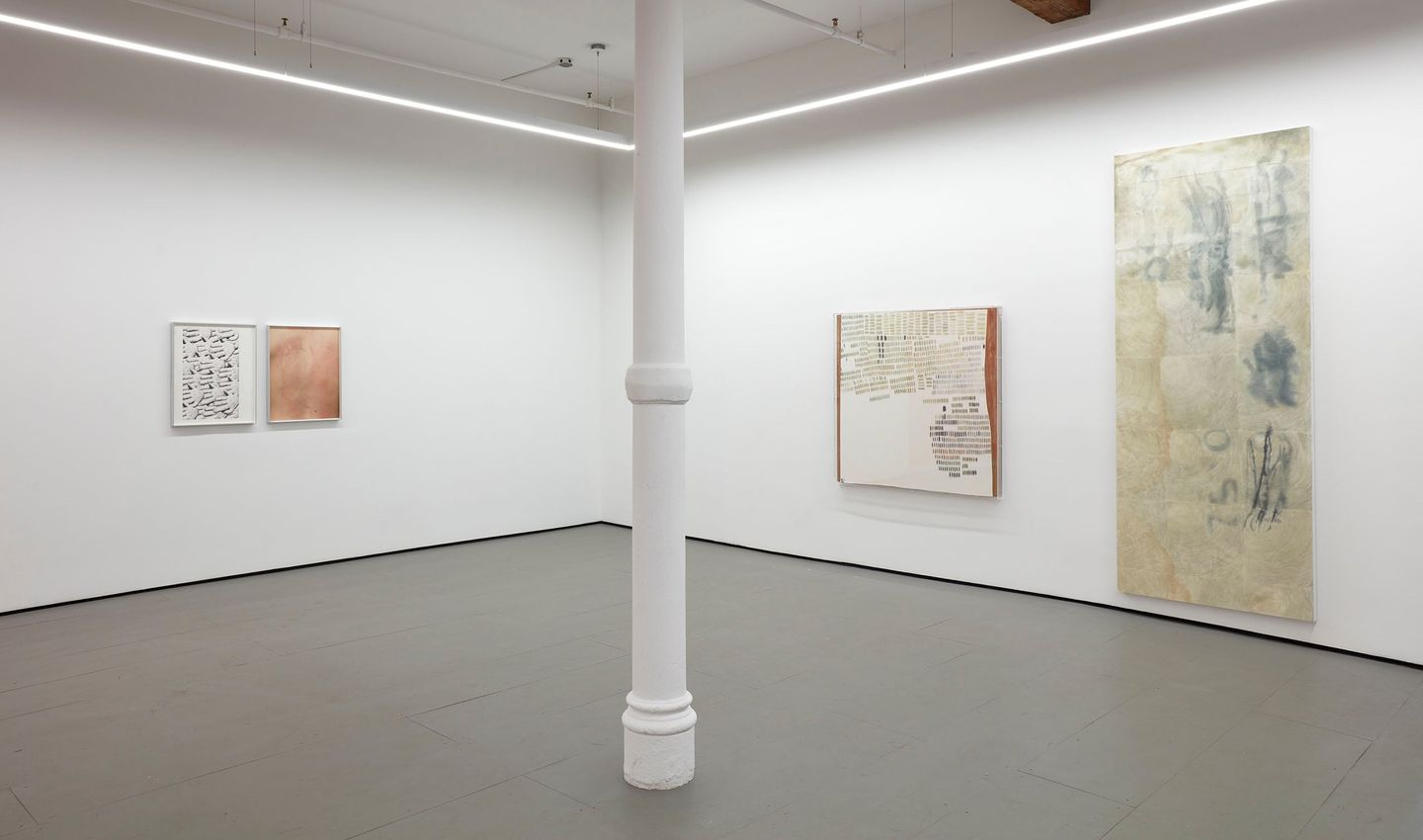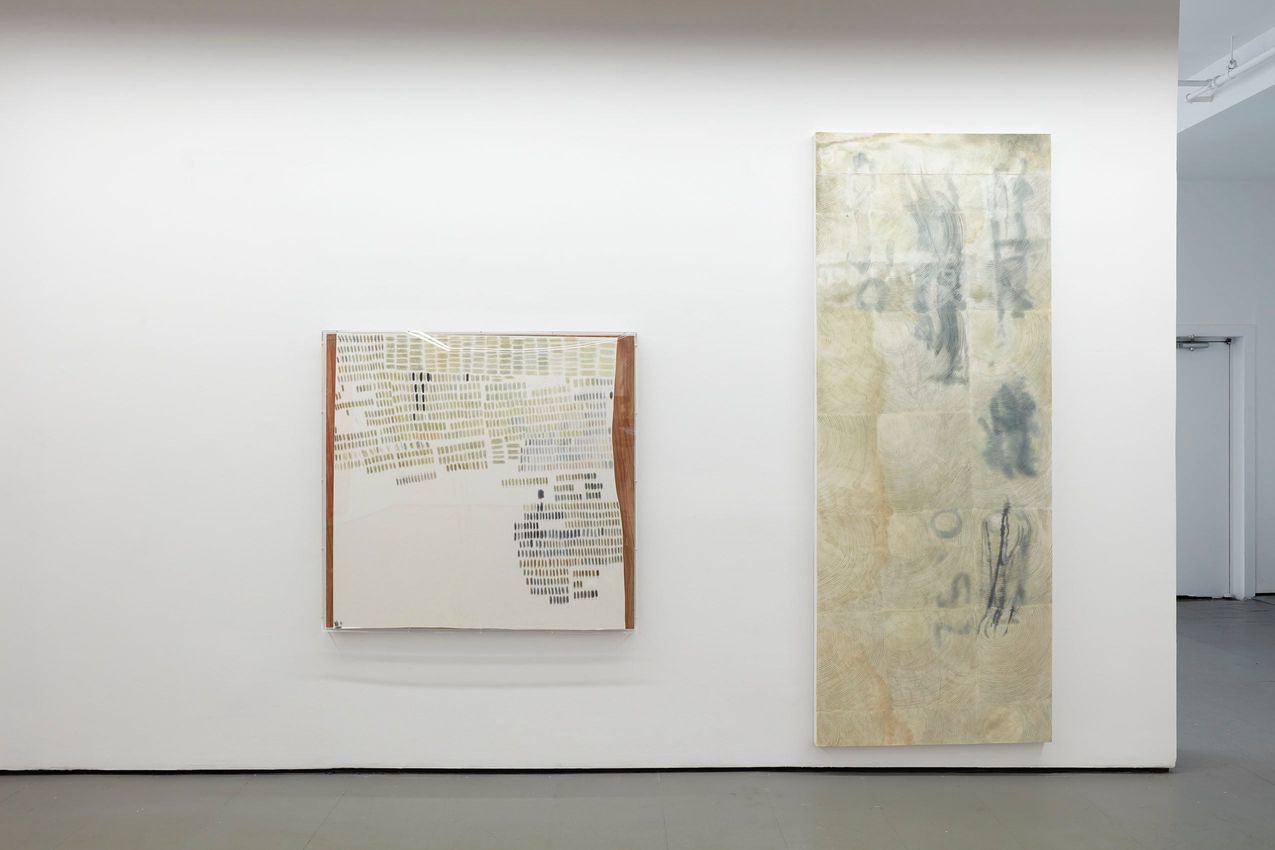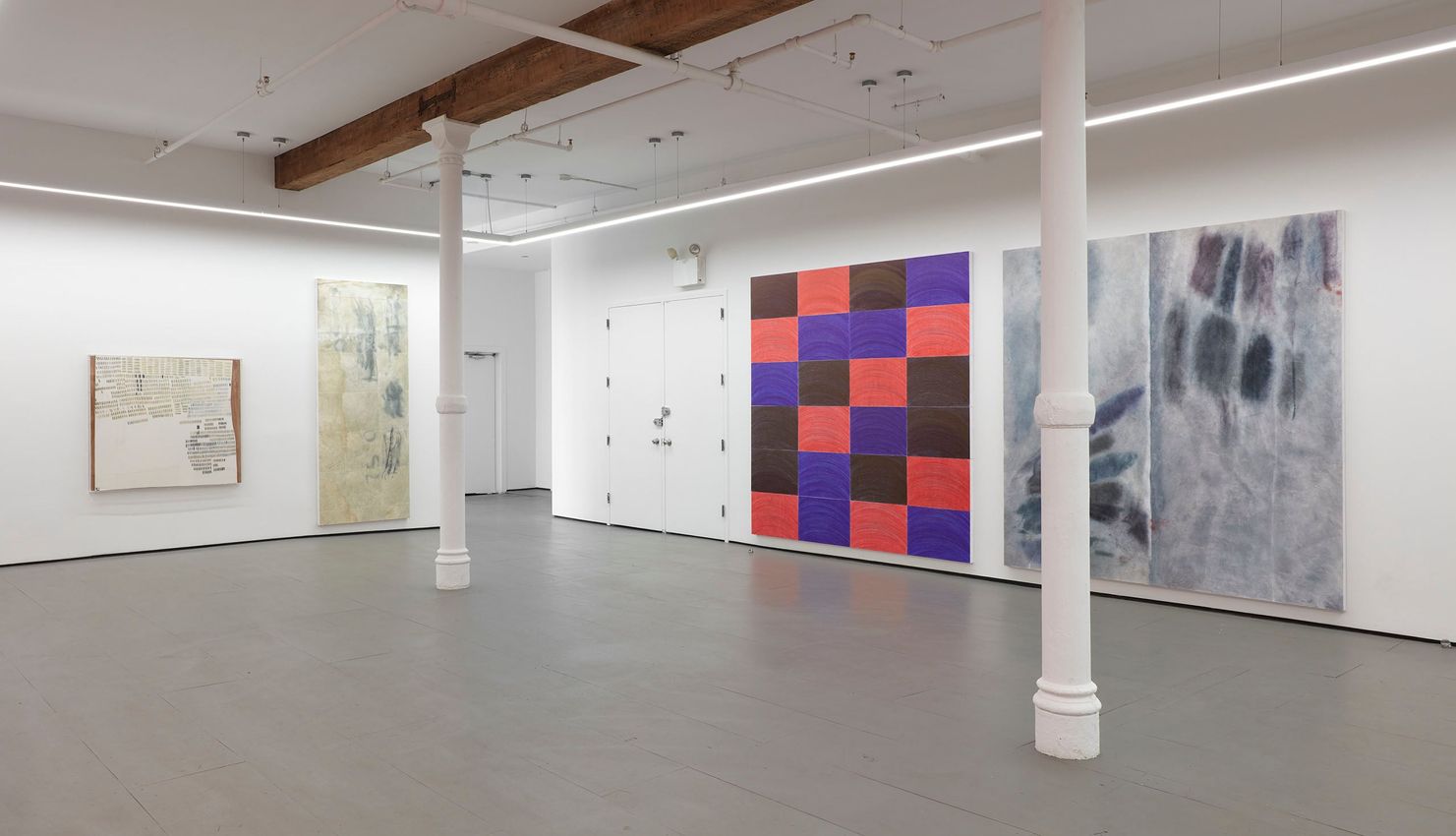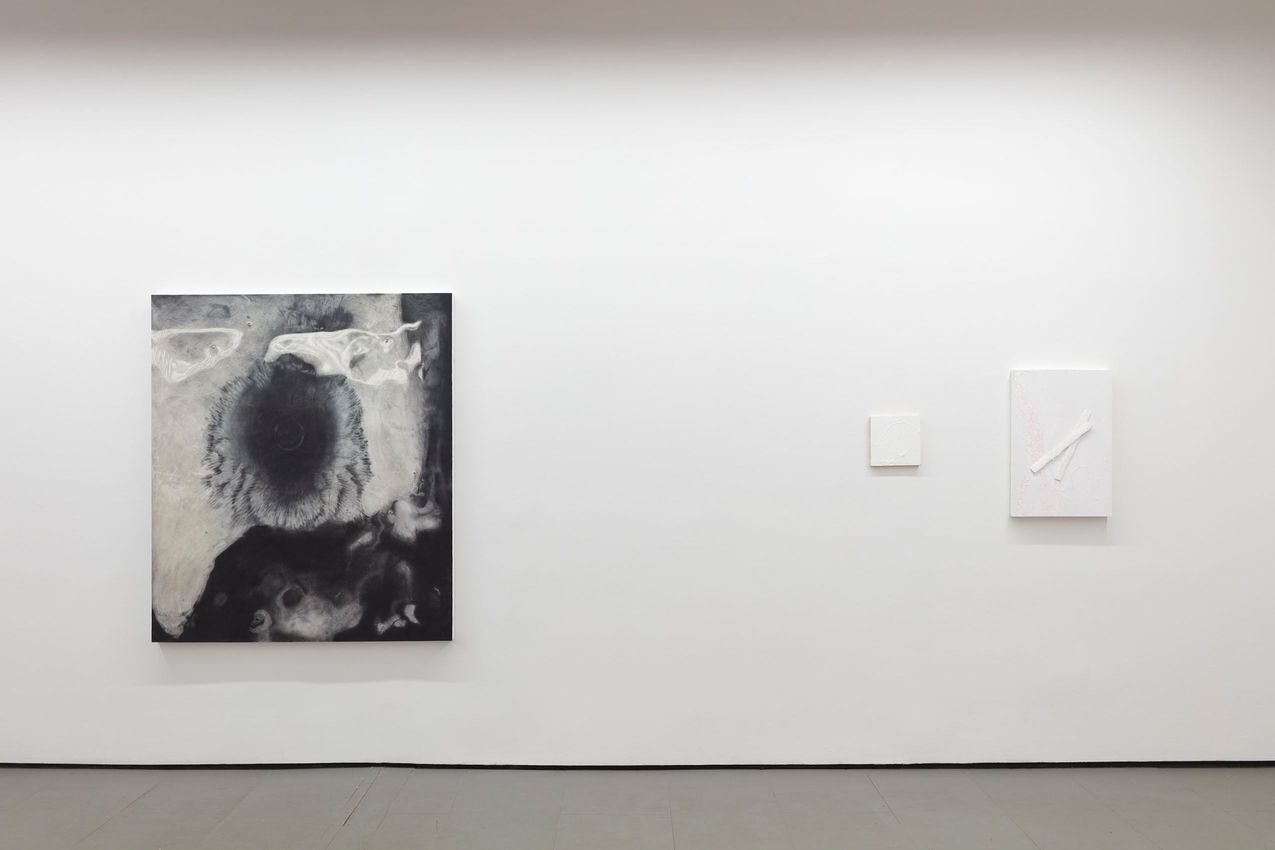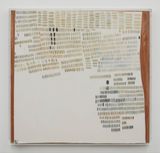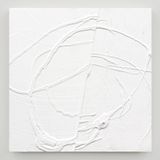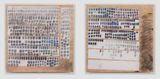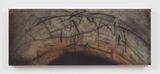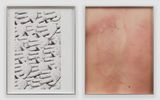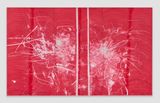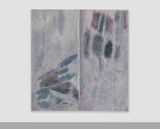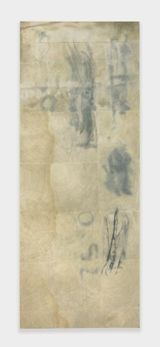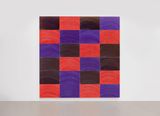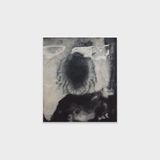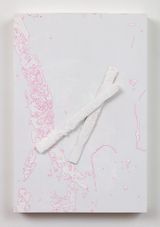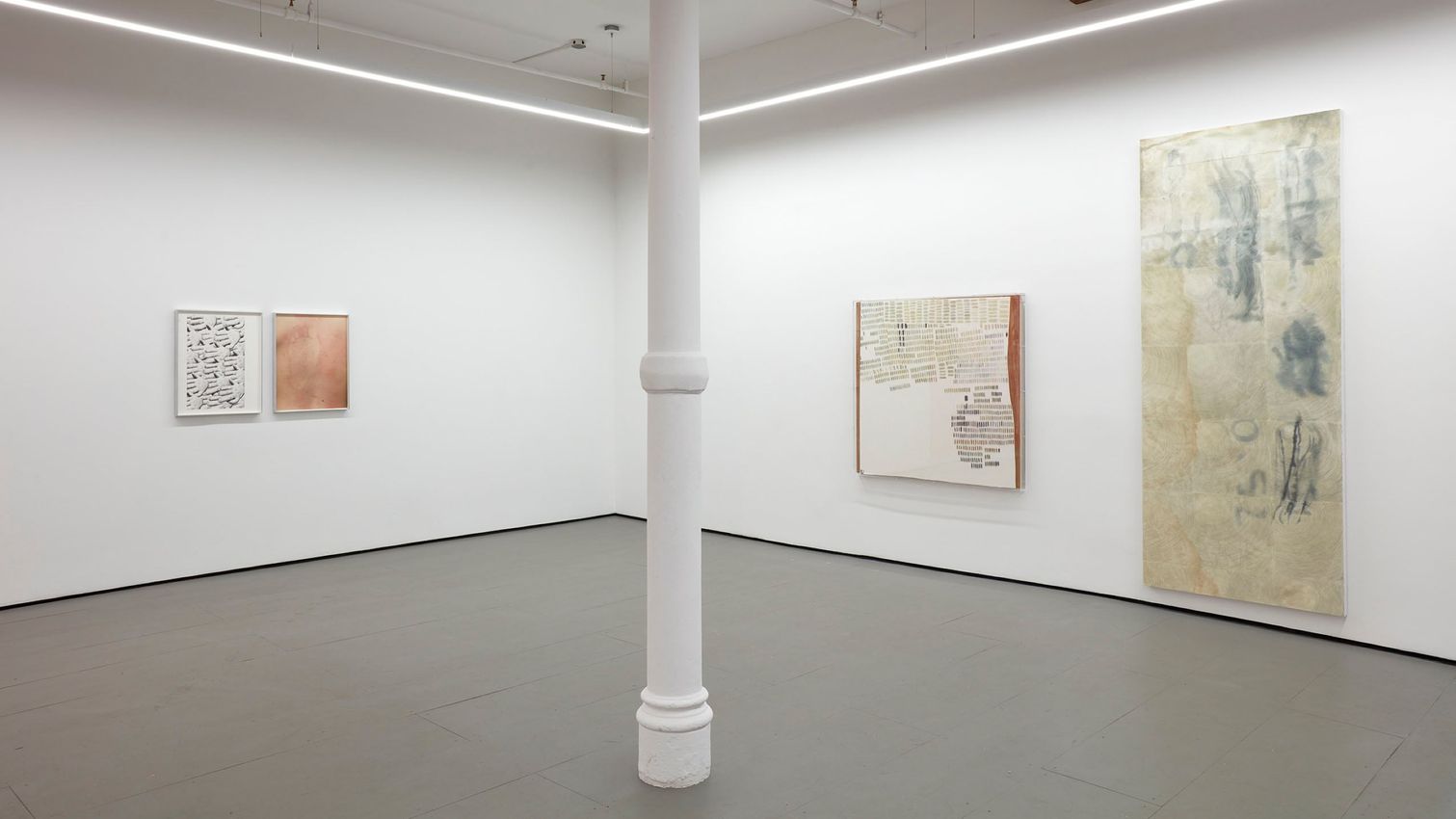
At first glance, my works seem to fulfill all the qualities expected of what is commonly called a “beautiful drawing,” a kind of technical virtuosity that mobilises a wide range of historical drawing practices. But that is not what this is. My gestures do not arise from knowledge shaped by art or by art history. They are an extension of everyday gestures, of the task to be carried out, the continuation of an ordinary human activity. My practice is grounded in chance and the everyday, not in ideas: doing, wandering, cooking, cleaning, discarding... It is from these ordinary acts of life that my work emerges. No exalted genius here—I invent nothing.
The traces I reproduce were produced without any intention. What I photograph are infra-lives, residues, traces of my own activity or that of others, human or nonhuman—minute fragments inhabiting the margins of major subjects, escaping ordinary vision. Everything that bears the mark of an activity and that, to me, has the potential to become an inscription. Because we cannot place words upon what we see that would grant it a credible meaning, I stake everything on a form of transmission that exists beyond constructed and ordered language.
When I begin the work of reproduction, I remain as close as possible to my image. I commit myself to treating each small fragment with the same degree of attention, without seeking to interpret the object of my fascination. The image organizes itself without hierarchy, in a space where each element can act without being assigned a dominant or subordinate position. To be with ‘the other’, is to work with and through the heterogeneity that differentiates ‘us’ from ‘them’. It means resisting the temptation to turn them into an object, to assign meaning, to interpret them. It means refusing domination and control, accepting the loss of power over the other. Paradoxically, to encounter ‘the other’, one must withdraw. It is in this place, where the fundamental withdrawal of our own desires truly allows an encounter with alterity.
Maintaining this posture of the copyist requires adherence to a precise protocol, an ethics of making to which I submit myself. It is within this submission to the protocol that my work unsettles certain powerful equivalences inherited from modernity, where precision is equated with mastery, mastery with knowledge, and knowledge with learning. I am not there. My operations are mechanical, perceptual, and motor. Every technical gesture is a response to a question posed by the material; it is never just about its execution.
If a relation of debt is established between the photograph and its reproduction (for which I am accountable — in the name of justice), it does not speak to what my work is about. Rather, the fidelity in my work is directed towards the reality that escapes me because it is caught in time, towards the conditions of the visible, rather than towards what I believe I know of it. From these images––now dead, almost divine––I come to restore their materiality by granting them the time they require. My works testify to the gap between living reality and its frozen image, where I surrender myself to my perceptual tools, to that sensitive and archaic instrument that is the body.
Time in my practice is neither a means of producing value nor of improving the image. Time is the very condition of the work’s appearance, and is intrinsic to its existence. To transcribe an image is to change its mode of existence. It is to render perceptible the experience of making, where time is no longer capital but becomes the sign of a lived duration, of a persistence that has taken place and continues to act within the image, allowing the image not to erase the gesture that produced it.
It is in this relationship to time and reproduction that a form of perception is replayed at the very bone of what we are. To track, to scent, to follow a footprint or flattened grass, belongs to a fundamental mode of attention in the formation of human gestures. The body anticipates, translates, and adapts; these operational chains, born from the demands of survival, persist in the way we enter into relation with the world. To reproduce a trace is to prolong this gesture, not by interpreting a sign, but by taking up a trajectory again, by inscribing one’s own body into the continuity of a previous movement, of what remains of it. And perhaps then, in turn, to make a sign—to become figuration itself.
Text by Elise Nguyen Quoc. Courtesy Gratin, New York.


A respected voice in contemporary art discourse.
Focusing on ambitious storytelling and insightful art-world commentary. Ocula Magazine publishes in-depth interviews, critical essays and timely analysis on the artists, exhibitions and ideas driving the global art world.
Learn more about Ocula Magazine
Showcasing the best of the art world.
Ocula partners with galleries from around the world to highlight their artists, artworks and exhibitions. Gallery membership is by application and invitation, with each member vetted by an independent panel.
Learn more about Ocula Membership

Specialises in the sale of major artworks.
Led by a team with deep ties to the world’s leading auction houses, galleries and collectors. Ocula’s advisory team offers bespoke services to high-net-worth clients from around the world who are looking to acquire the best of contemporary and modern art.
Learn more about our team and services