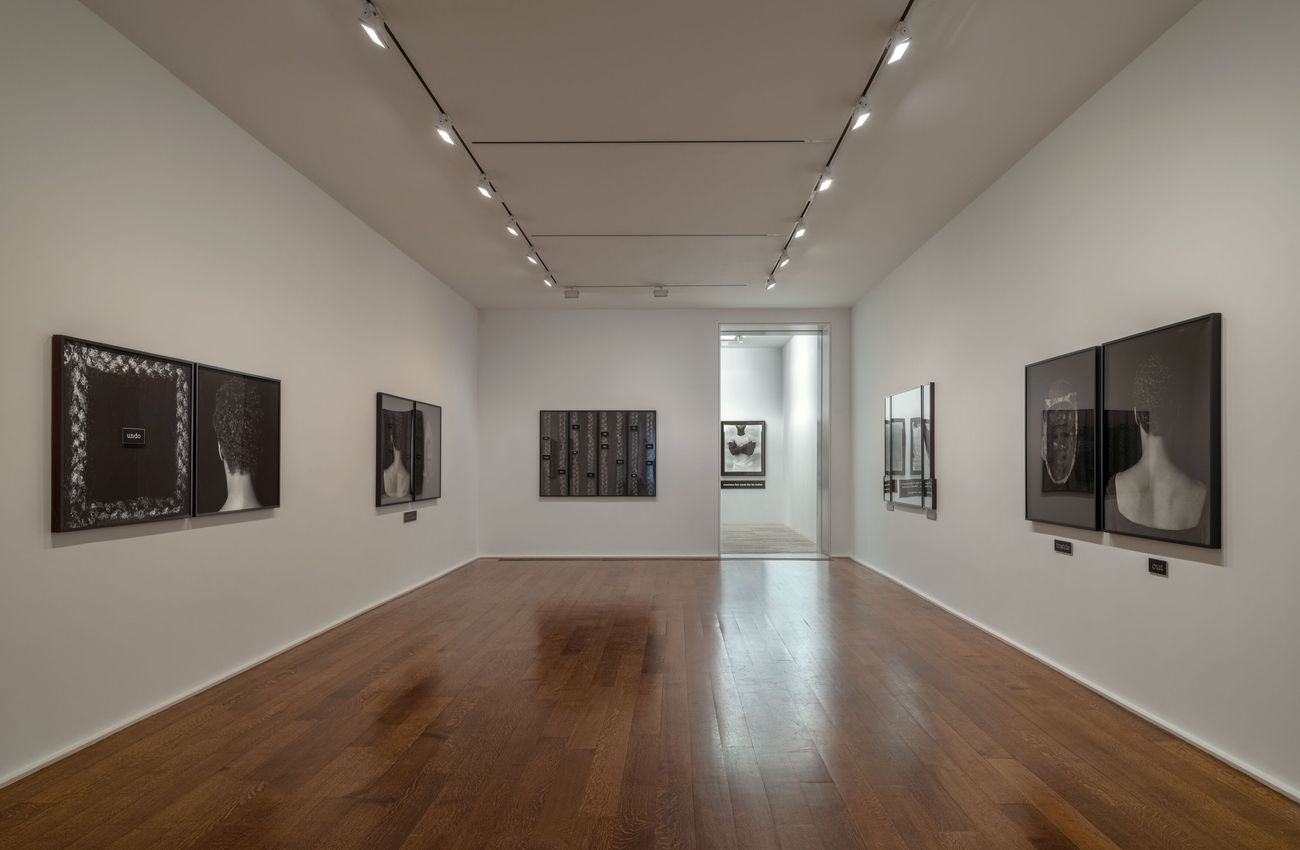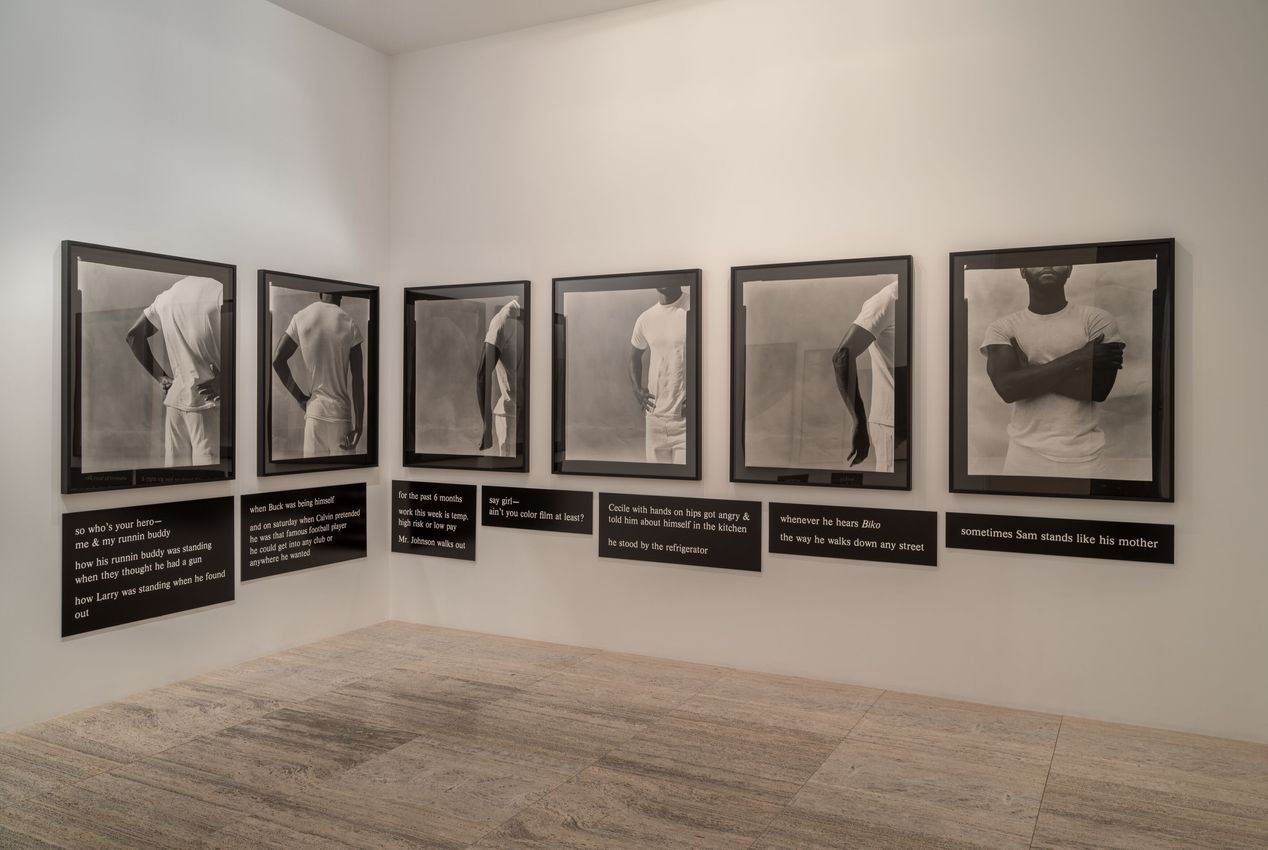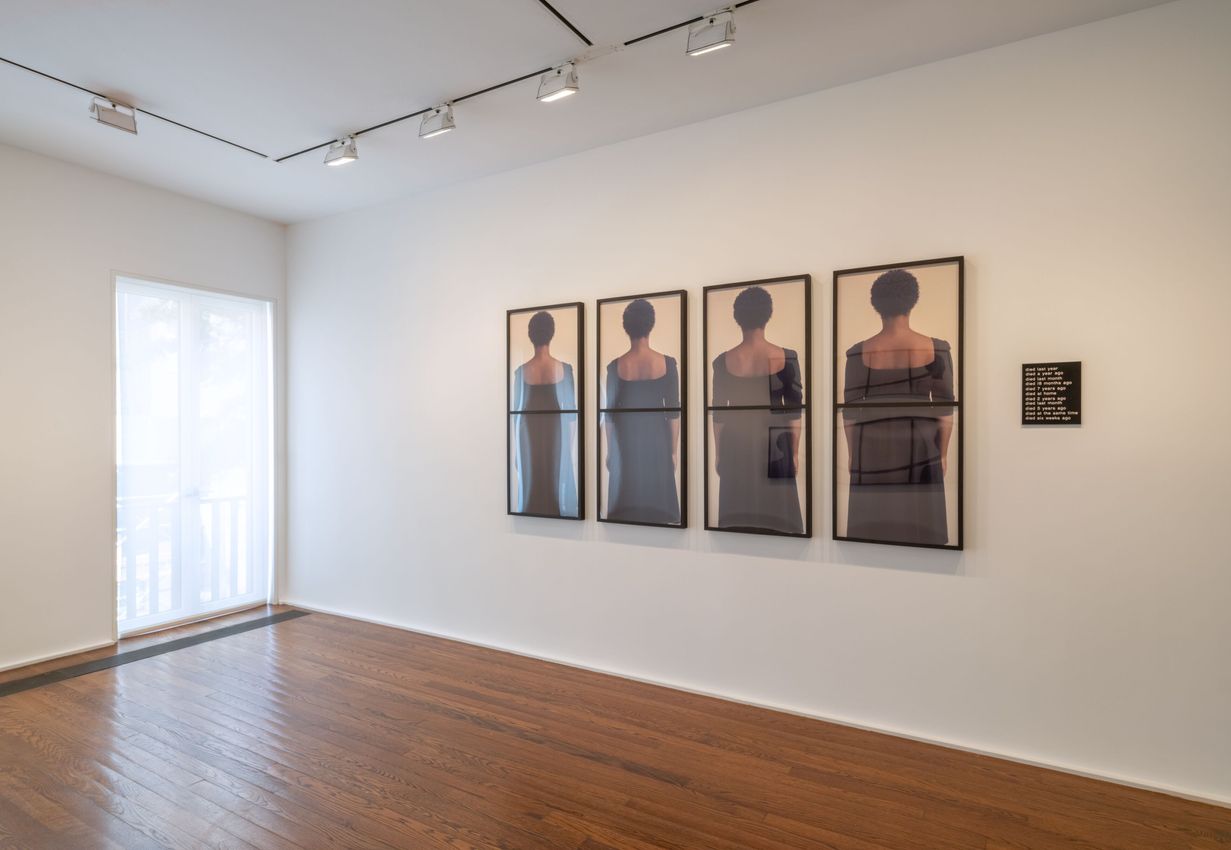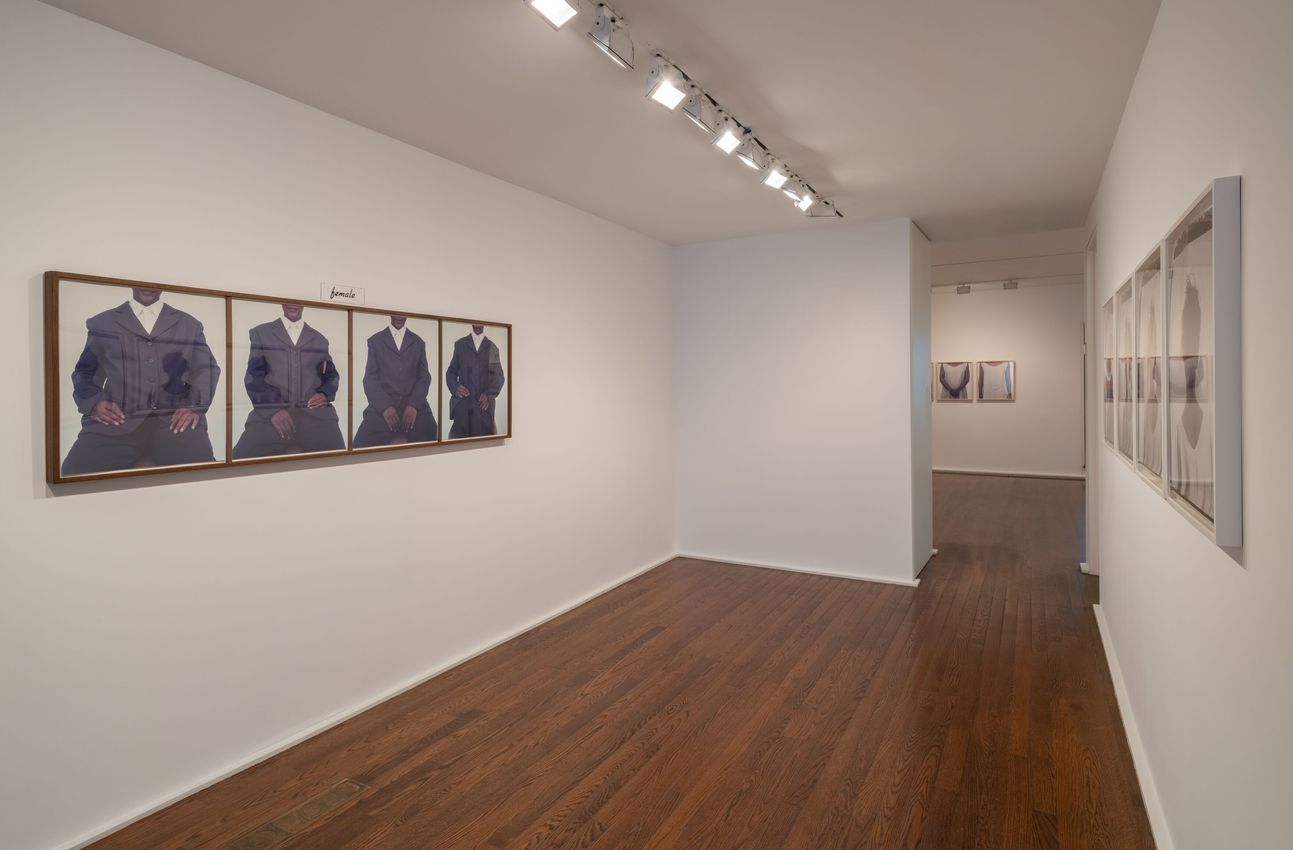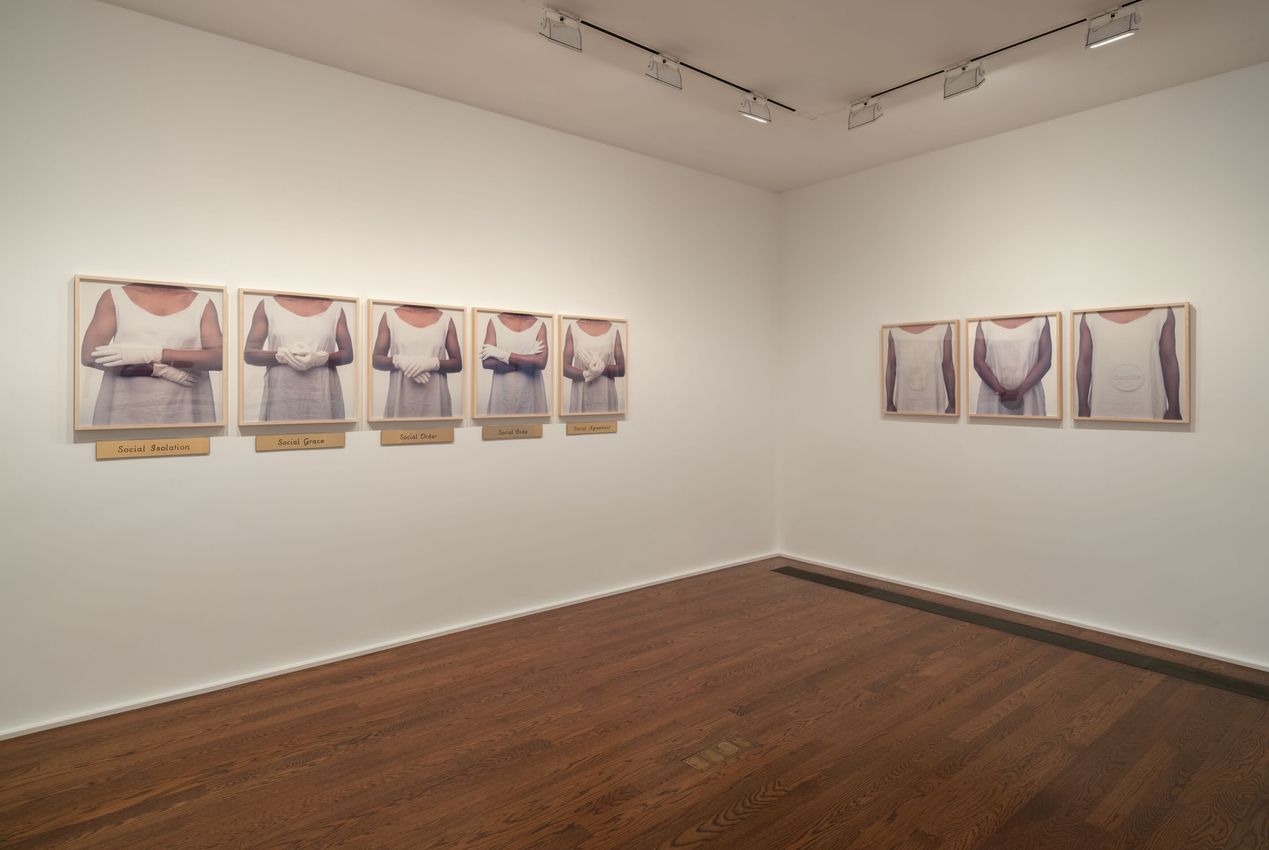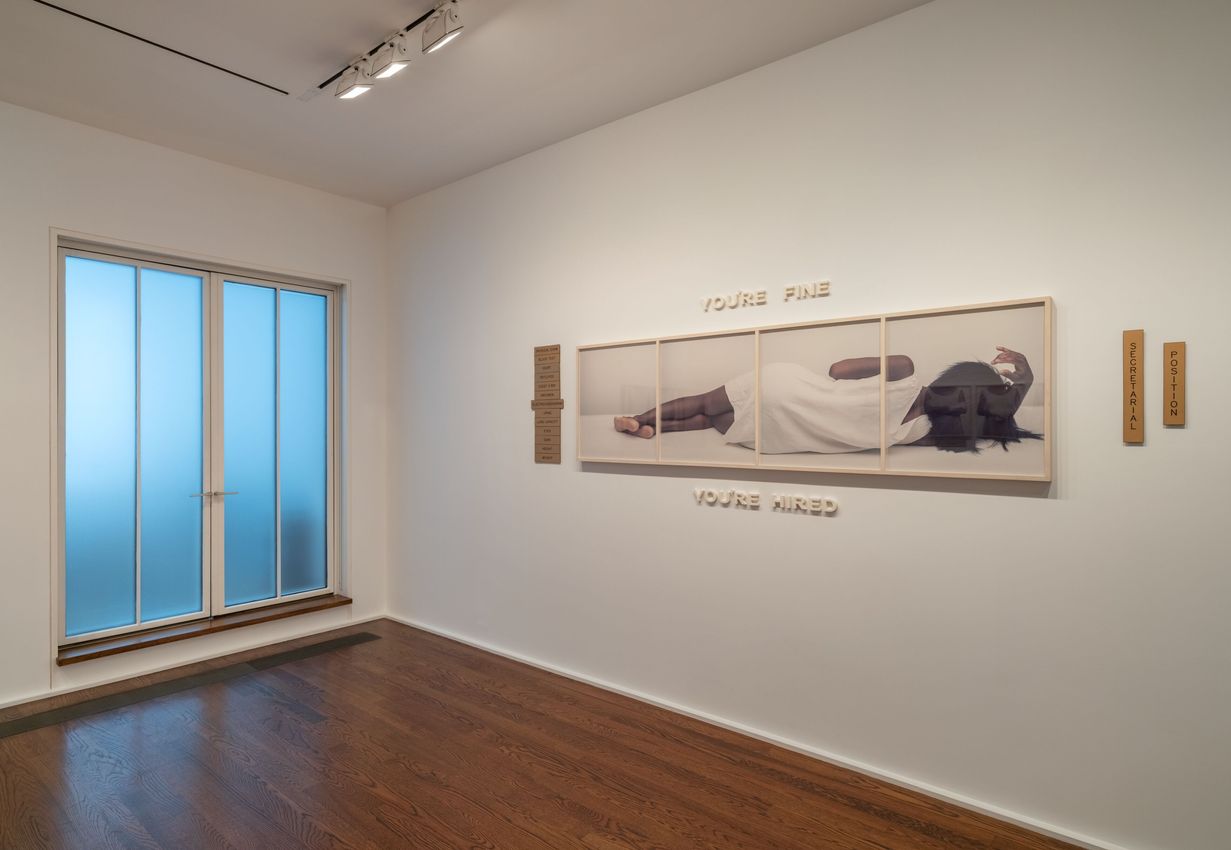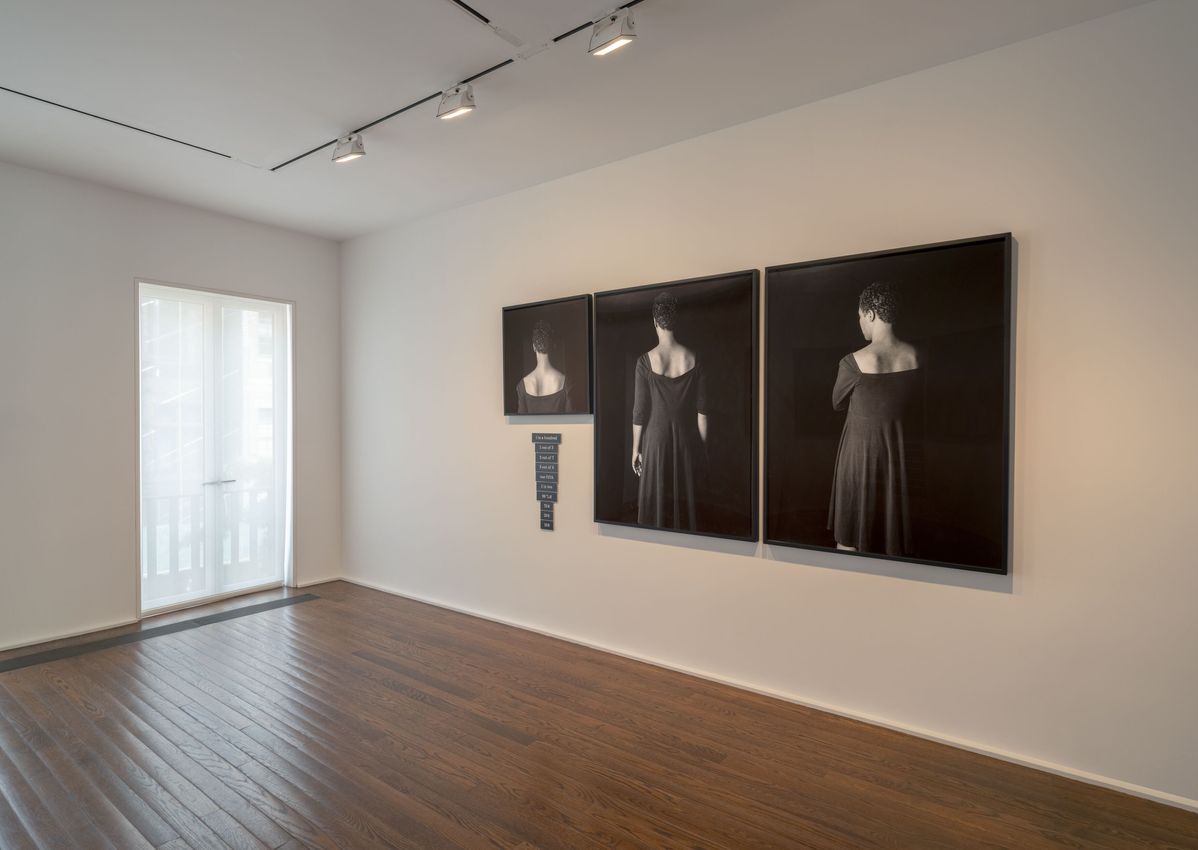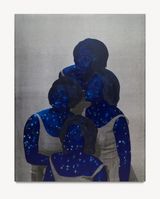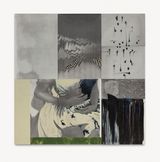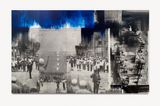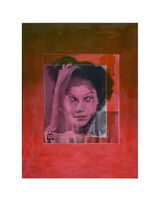
Hauser & Wirth New York will open its fall season on 7 September 2022 with a survey of foundational works by pioneering American artist Lorna Simpson. Occupying all three floors of the gallery’s 69th Street location, this exhibition traces the impact and enduring influence of Simpson’s early photography-based output from the1980s and 90s, with a selection of works on loan from major museums, private collections, and the artist’s studio, in the most comprehensive presentation of this period of the artist’s career since her first major survey, For theSake of the Viewer, organised by curator of contemporary art Beryl Wright at the Museum of Contemporary Artin Chicago in 1992.
Internationally admired for a pathbreaking multidisciplinary practice that has expanded over the past three decades into film, painting, collage, and sculpture, Simpson began her artistic career as a conceptual photographer, defying the conventions of the medium and addressing urgent and complex questions of representation that remain relevant now. Acquiring her MFA in the mid-1980s, Simpson is part of a generation of artists who used conceptual approaches to undermine the assumed credibility and apparent neutrality of established language and images. During this period, she started to develop a signature—and subversive—style that would come to underpin her multivalent oeuvre: a portrait-like format frequently juxtaposed with text, depicting models seen only from behind or in fragments within the controlled, neutral environment of her studio. In also isolating elements from documentary photography, Simpson created enigmatic large-scale works to encourage new and provocative readings into such specific yet universal issues as the nature of representation and memory, as well as traditional assumptions about identity, gender, race, and history.
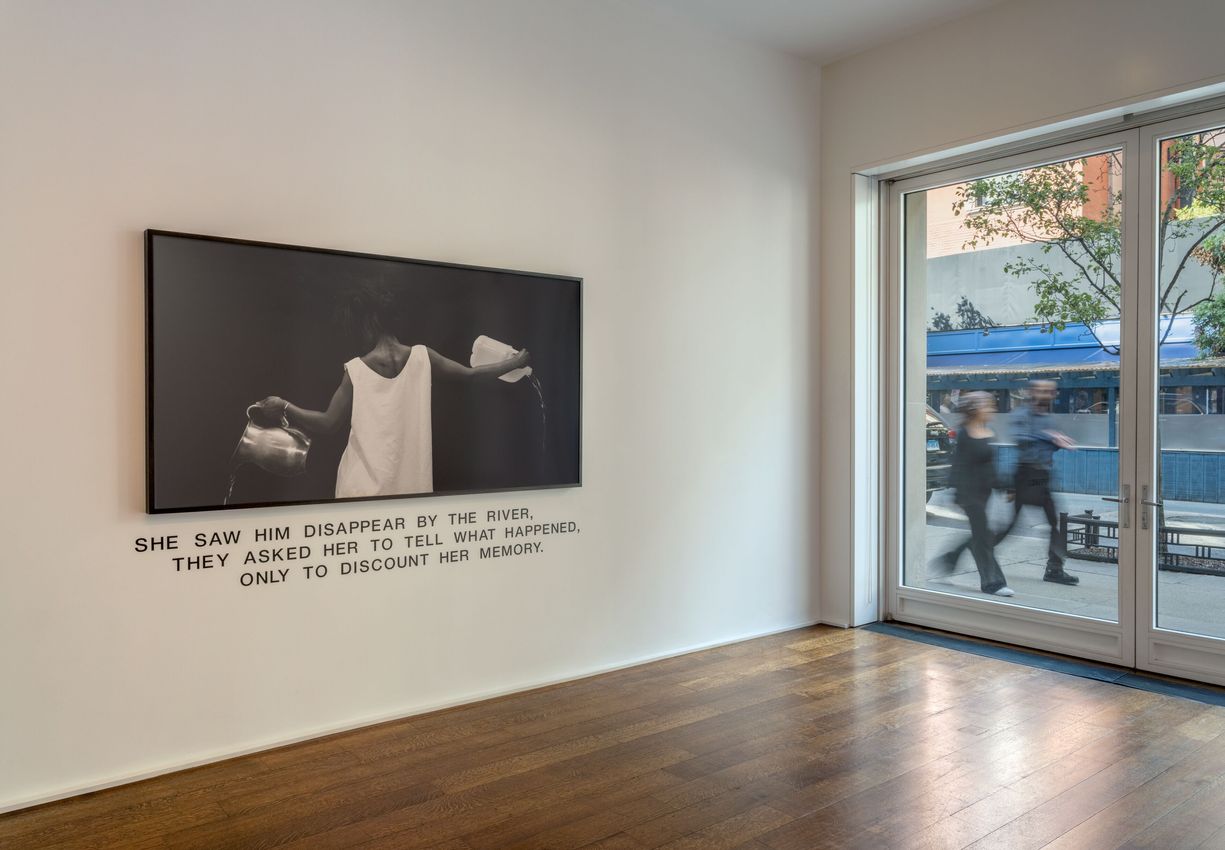
Some of the most well-known examples from this formative body of work are featured in the exhibition at Hauser & Wirth, reminding viewers of the potent originality of Simpson’s early explorations, particularly her interest in addressing the lived experience of Black women and women in general. For Waterbearer (1986), for instance,Simpson photographed a model from behind carrying two water vessels—a depiction encoded with cultural references, from Dutch domestic paintings to Greek caryatids—with text interlaced below the image. By obscuring the identity of her model, embedding art historical allusions, and appending seemingly straightforward text that could be read as violent or traumatic, Simpson encourages viewers to look beyond the immediacy of the image and implicates them in the development of its meaning.
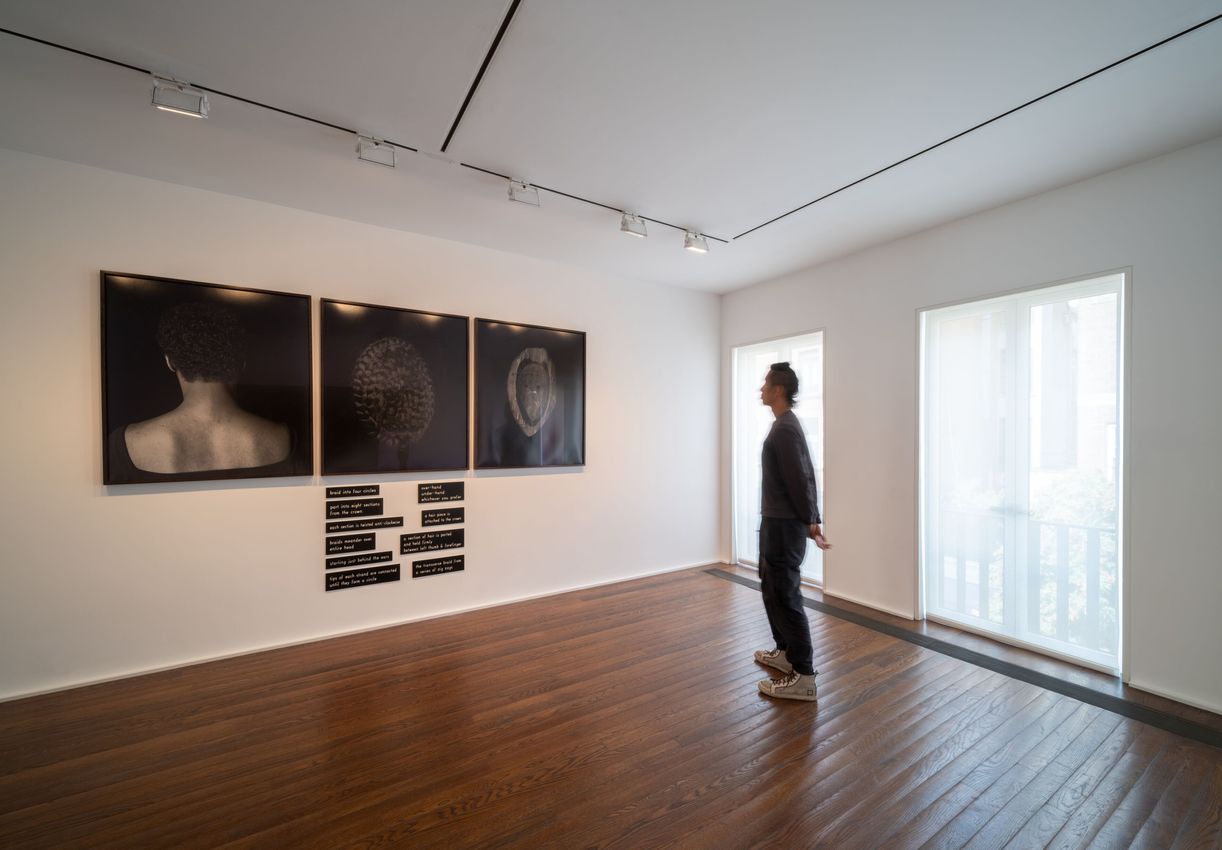
Interested in the assumptions surrounding the display of African masks in traditional exhibitions spaces, Simpson began incorporating them into her practice in 1991. As seen in the work titled Queensize (1991), on loan from Glenstone, the artist re-contextualises the mask by photographing the back of it, a vantage point usually only ever seen by the wearer. When asked about the decision, Simpson recalled ’...It occurred to me that the modern fascination with African masks involved the front of a mask and its formal, geometric qualities. But the idea of contemplating the mask from behind brings the viewer closer to the cultural involvement that the mask represents. It speaks of a participatory ritual or performance.’
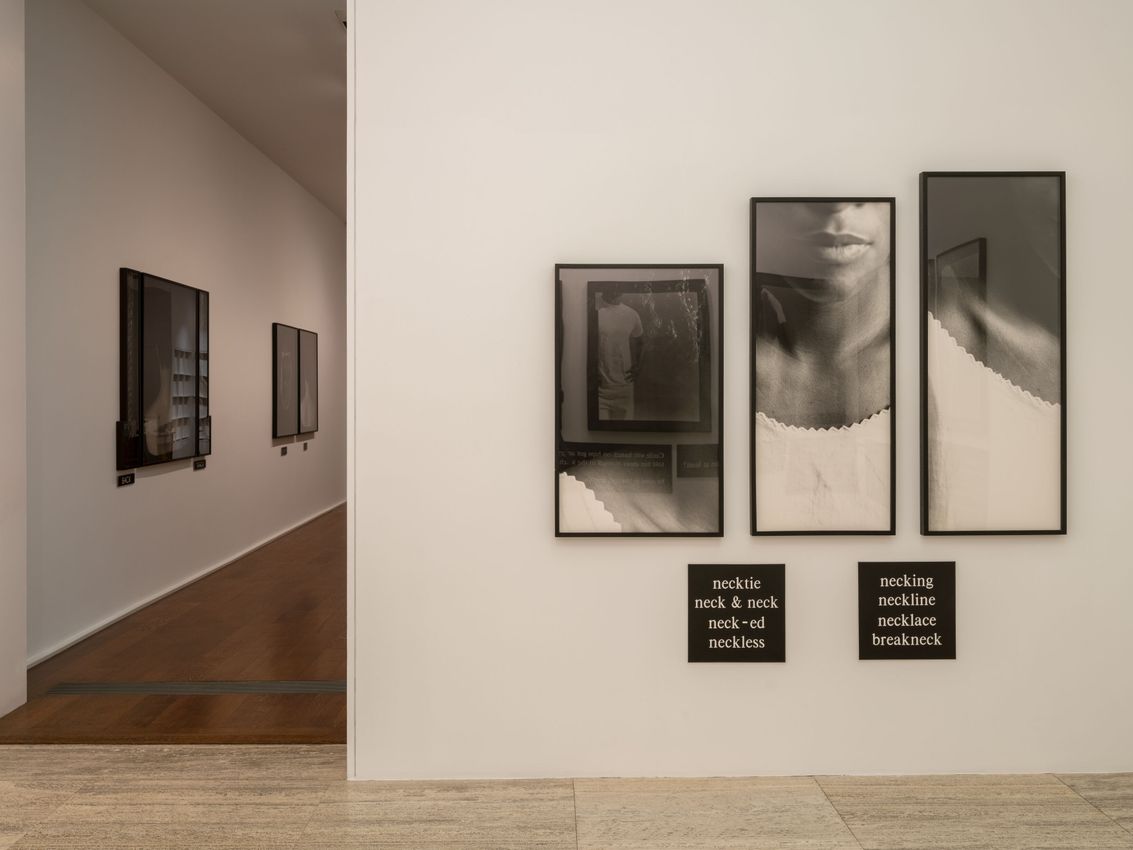
In Necklines (1989), on loan from The Studio Museum in Harlem, three fragmentary photographs of a woman are coupled with text that plays with the word ‘neck.’ The lack of fixed meaning within both image and text are central to this work’s reading, hinting at the historical role and unreliability of photography in documenting theBlack body. Meanwhile, Simpson’s 1978-1988 (1991) intersperses pictures of braided hair—itself suggestive of rope—with matter-of-fact language that calls attention to the passage of time and strands of history without offering any guide to interpretation. In its suppression of definitive explication and intentional implication of viewers as interpreters, this paradigmatic work epitomises Simpson’s early practice and speaks to the enduring impact of her earliest breakthroughs.
Born in Brooklyn, Lorna Simpson came to prominence in the 1980s with her pioneering approach to conceptual photography. Simpson’s early work–particularly her striking juxtapositions of text and staged images–raised questions about the nature of representation, identity, gender, race and history that continue to drive the artist’s expanding and multi-disciplinary practice today. She deftly explores the medium’s umbilical relation to memory and history, both central themes within her work.
Hauser & Wirth was founded in 1992 in Zurich by Iwan Wirth, Manuela Wirth and Ursula Hauser, who were joined in 2000 by Partner and Vice President Marc Payot. A family business with a global outlook, Hauser & Wirth has expanded over the past 26 years to include outposts in Hong Kong, London, New York, Los Angeles, Somerset and Gstaad. The gallery represents over 70 artists and estates who have been instrumental in shaping its identity over the past quarter century, and who are the inspiration for Hauser & Wirth’s diverse range of activities that engage with art, education, conservation and sustainability.

A respected voice in contemporary art discourse.
Focusing on ambitious storytelling and insightful art-world commentary. Ocula Magazine publishes in-depth interviews, critical essays and timely analysis on the artists, exhibitions and ideas driving the global art world.
Learn more about Ocula Magazine
Showcasing the best of the art world.
Ocula partners with galleries from around the world to highlight their artists, artworks and exhibitions. Gallery membership is by application and invitation, with each member vetted by an independent panel.
Learn more about Ocula Membership

Specialises in the sale of major artworks.
Led by a team with deep ties to the world’s leading auction houses, galleries and collectors. Ocula’s advisory team offers bespoke services to high-net-worth clients from around the world who are looking to acquire the best of contemporary and modern art.
Learn more about our team and services