



Press Release

Over the course of a six-decade career, Jack Whitten‘s work has bridged rhythms of gestural abstraction and process art, arriving at a nuanced language of painting that hovers between mechanical automation and intensely personal expression.

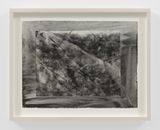
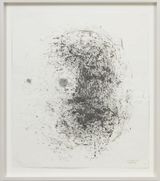
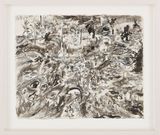
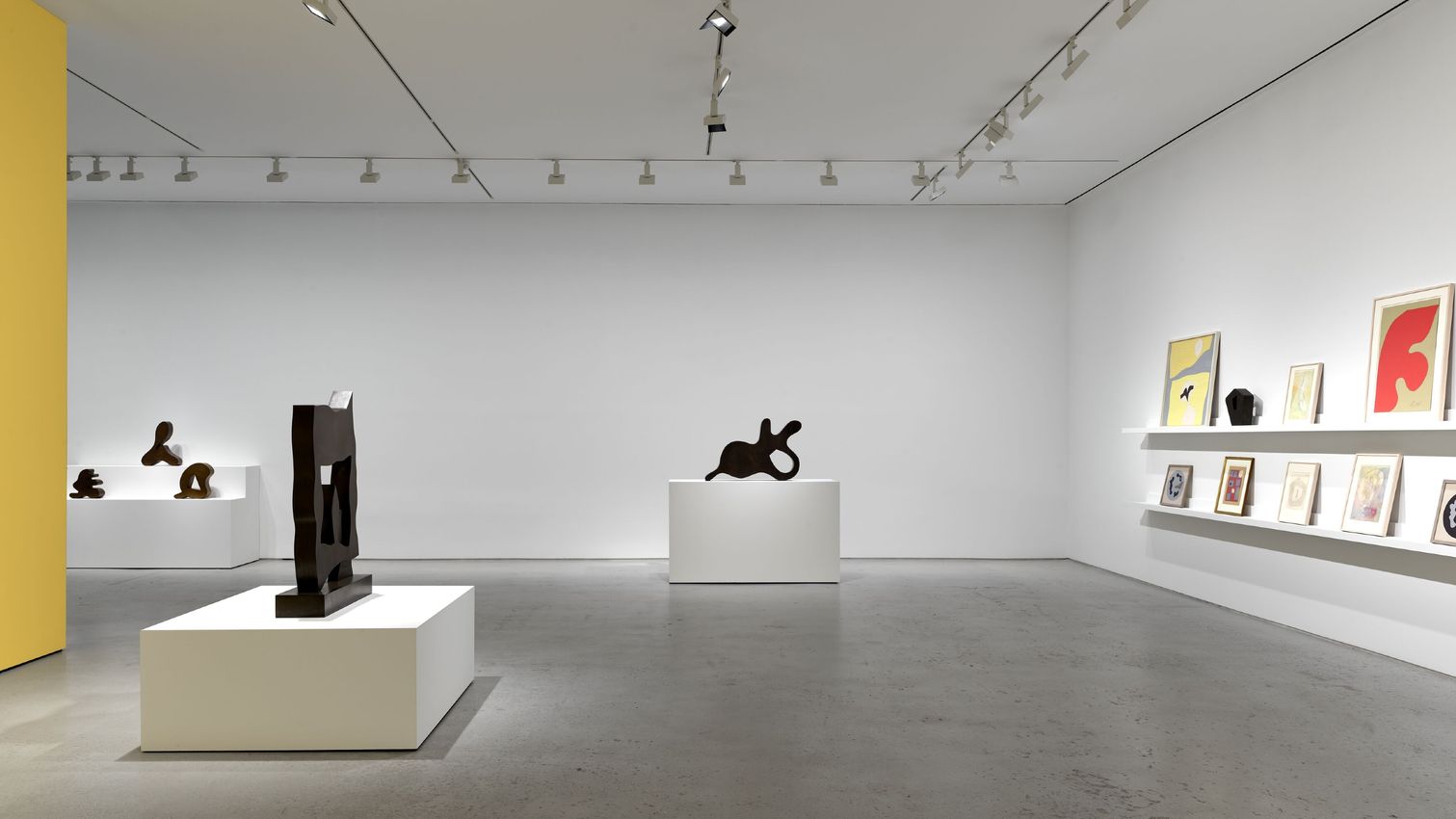
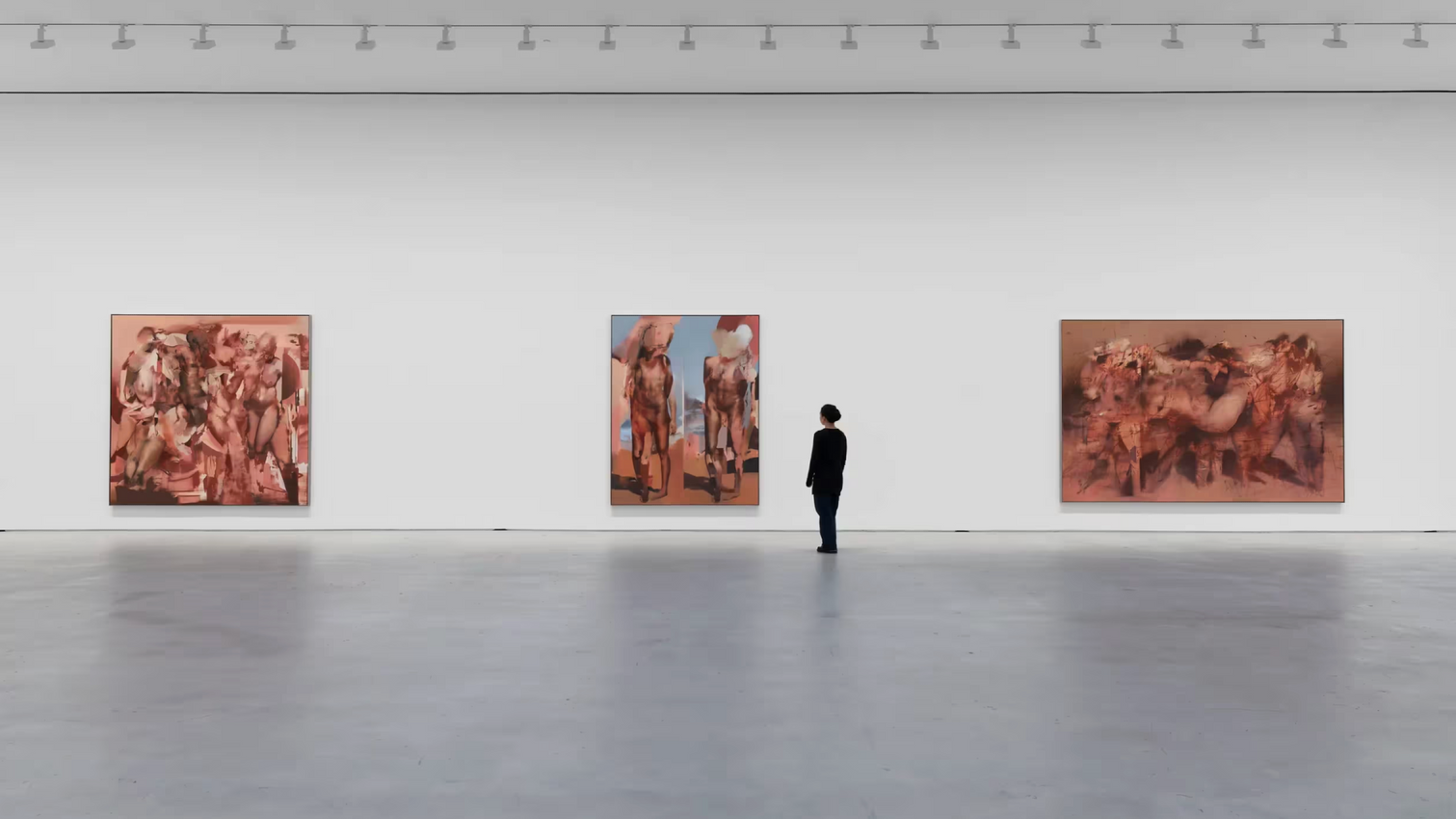
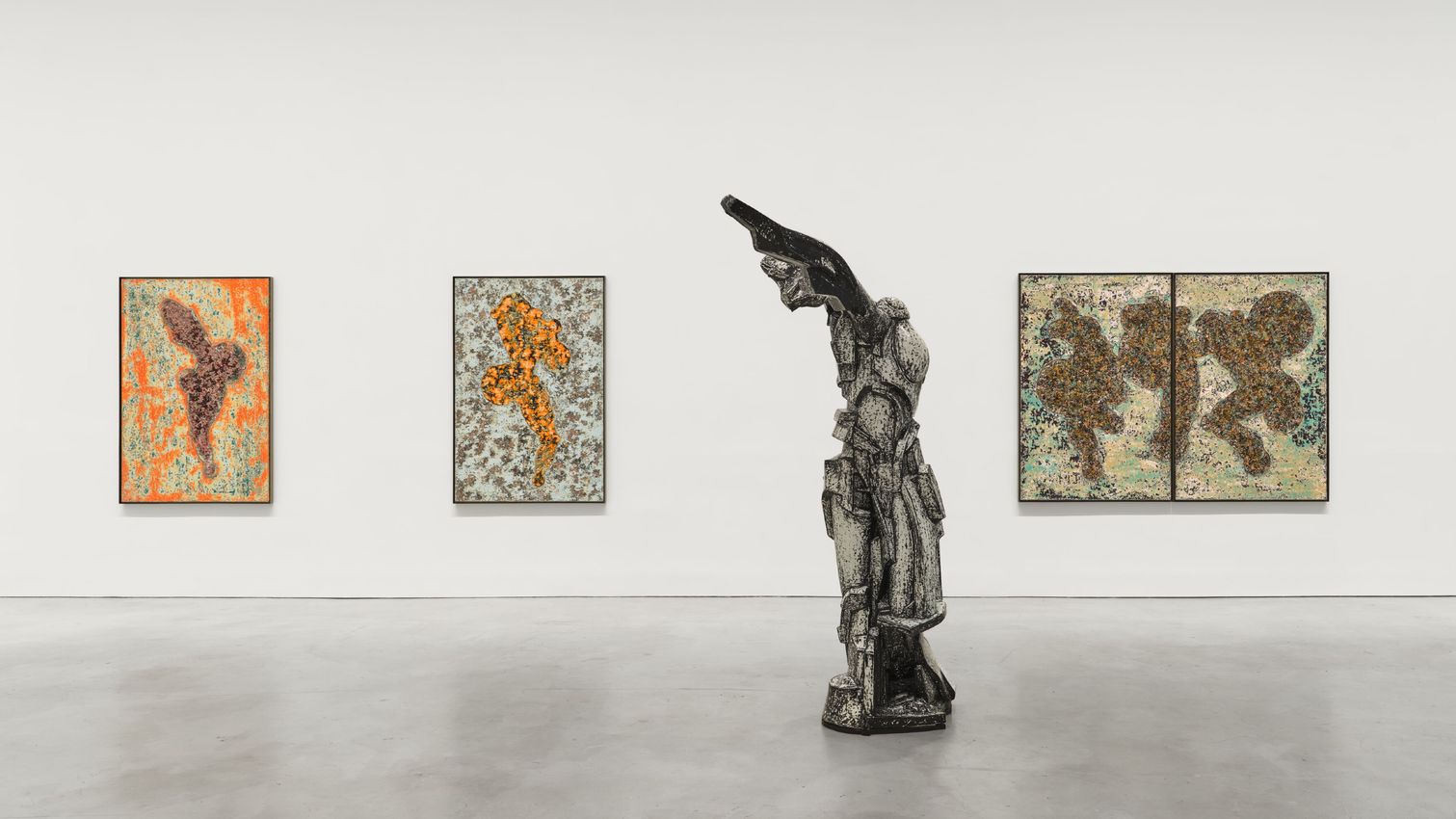
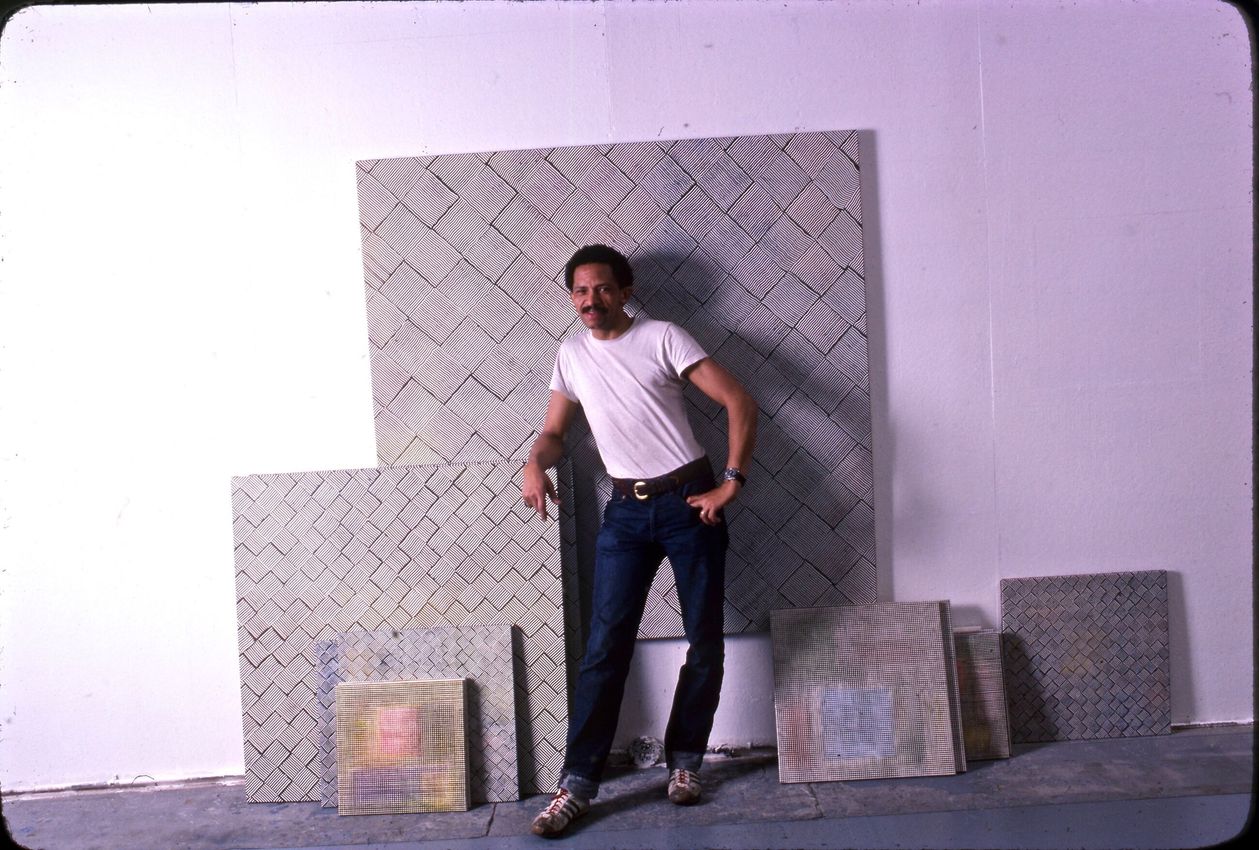
Focusing on Whitten’s paintings and works on paper from the 1970s, this exhibition showcases a juncture in the artist’s painting career, which saw him reject the gestural brushstrokes of abstract expressionism in favor of experimental processes and materials. This includes rare works from Whitten’s landmark Greek Alphabet series (1975 – 1978), which was the focus of a dedicated exhibition at Dia Beacon, New York NY (2022 – 2023), consisting of variations of abstract, monochrome compositions and investigations into mark-making with handmade tools and techniques, including the comb, imprinting and frottage.

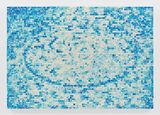
During the 1970s, Whitten’s experiments with the materiality of paint reached a climax; removing a thick slab of acrylic paint from its support, the artist realised that the medium could be coaxed into the form of an independent object. He used this mode of experimentation to challenge pre-existing notions of dimensionality in painting, repeatedly layering slices of acrylic ribbon on uneven fields of wet paint to mimic the application of mosaic tessarae onto wet masonry. He also relied heavily on the capacities of Xerox’s electrostatic printing technology, which allowed him to push traditional visual vocabulary and manipulate the idea of plane and space. Moreover, he removed the use of pens and brushes and began using unconventional tools for drawings and paintings such as a carpenter’s saw blade and an afro-comb. Whitten named these new tools ‘processors’ or ‘developers,’ reiterating the connections to photo-processing; these enabled him to create abstract constructions formed by one sweeping motion.

Read More
About the Artist

Born in Bessemer, Alabama in 1939, Jack Whitten is celebrated for his innovative processes of applying paint to the surface of his canvases and transfiguring their material terrains. Although Whitten initially aligned with the New York circle of abstract expressionists active in the 1960s, his work gradually distanced from the movement’s aesthetic philosophy and formal concerns, focusing more intensely on the experimental aspects of process and technique that came to define his practice.

View Artist Profile

Also Exhibiting at Hauser & Wirth

About the Gallery

Hauser & Wirth was founded in 1992 in Zurich by Iwan Wirth, Manuela Wirth and Ursula Hauser, who were joined in 2000 by Partner and Vice President Marc Payot. A family business with a global outlook, Hauser & Wirth has expanded over the past 26 years to include outposts in Hong Kong, London, New York, Los Angeles, Somerset and Gstaad. The gallery represents over 70 artists and estates who have been instrumental in shaping its identity over the past quarter century, and who are the inspiration for Hauser & Wirth’s diverse range of activities that engage with art, education, conservation and sustainability.

View Gallery Profile
Address
23 Savile Row
London
United Kingdom
Opening Hours
Tuesday – Saturday
10am – 6pm
(1)
London 23 Savile Row
Hauser & Wirth
23 Savile Row, London, United Kingdom
+44 207 287 2300
http://www.hauserwirth.com

Opening hours
Tuesday – Saturday
10am – 6pm
The art world in focus