‘I step in front of the canvas naked, as it were. I have no set purpose, plan, model or photography. I let things happen. But I do have a starting point, which has come from my realization that the only true reality are my feelings, played out within the confines of my body.’
— Maria Lassnig
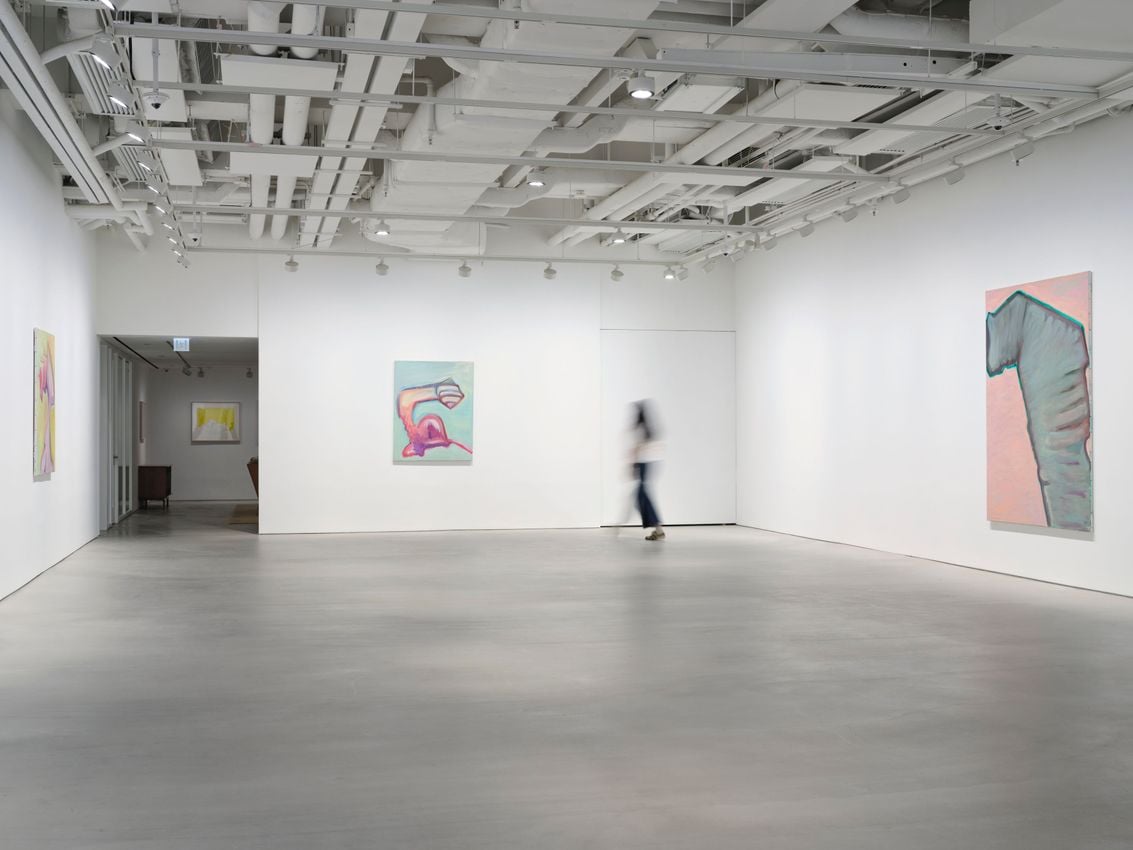
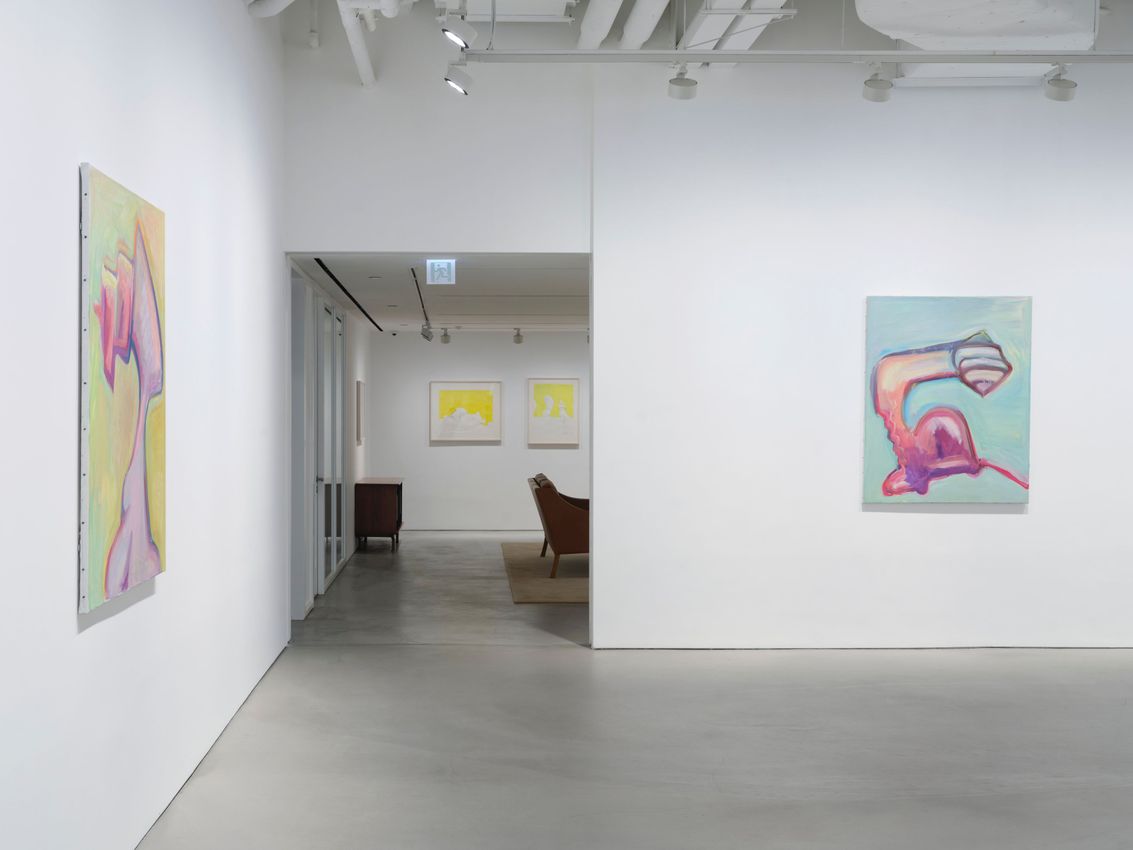
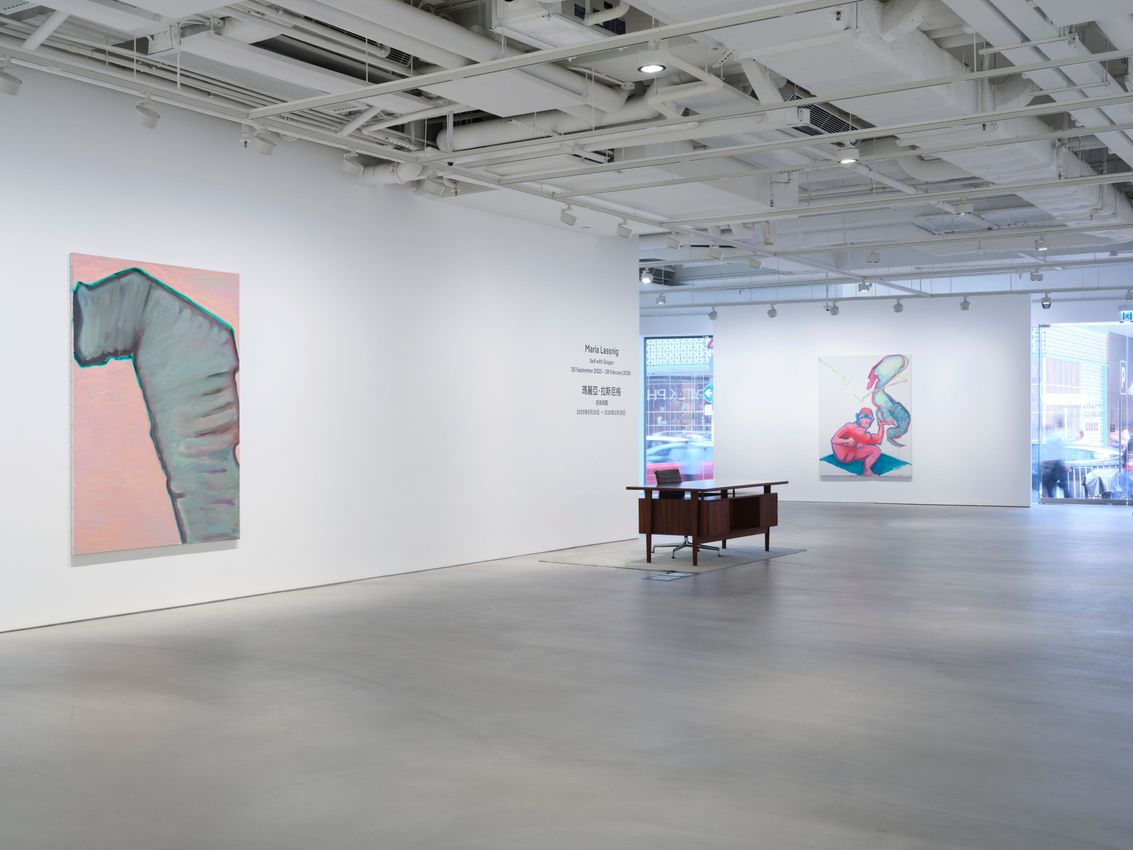
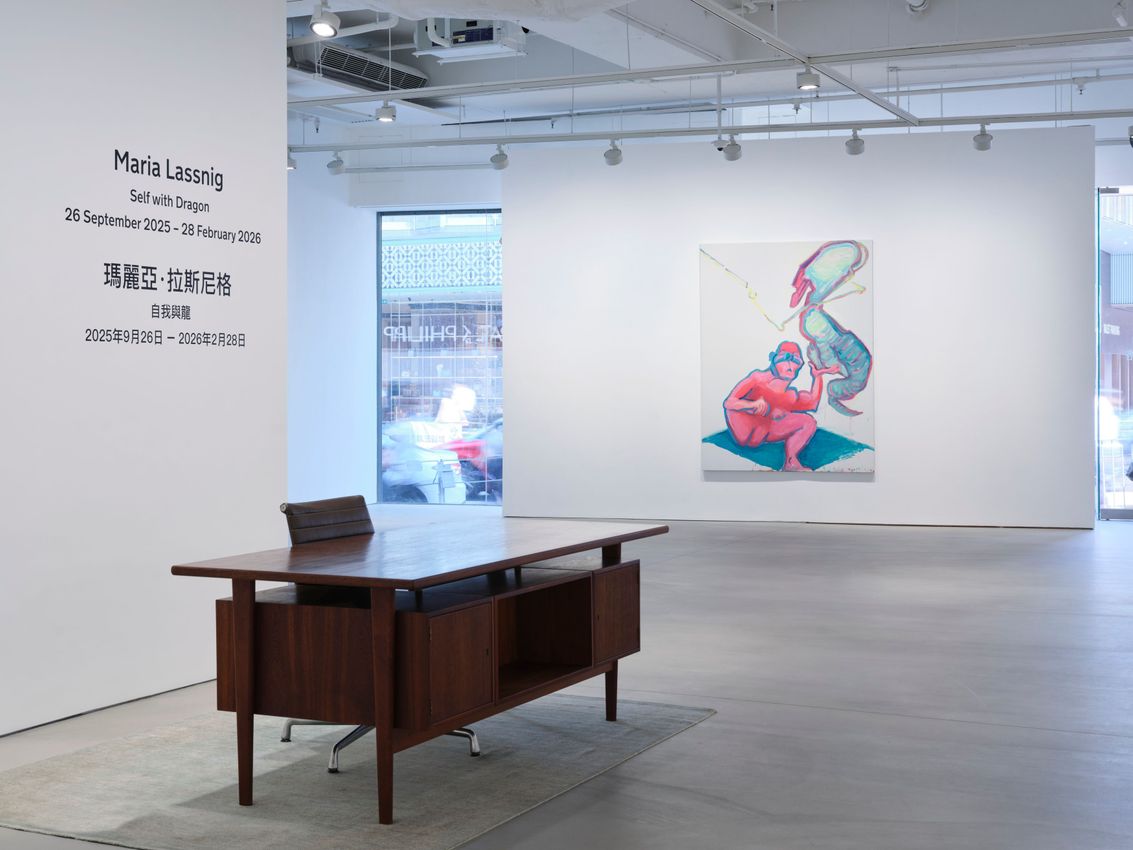
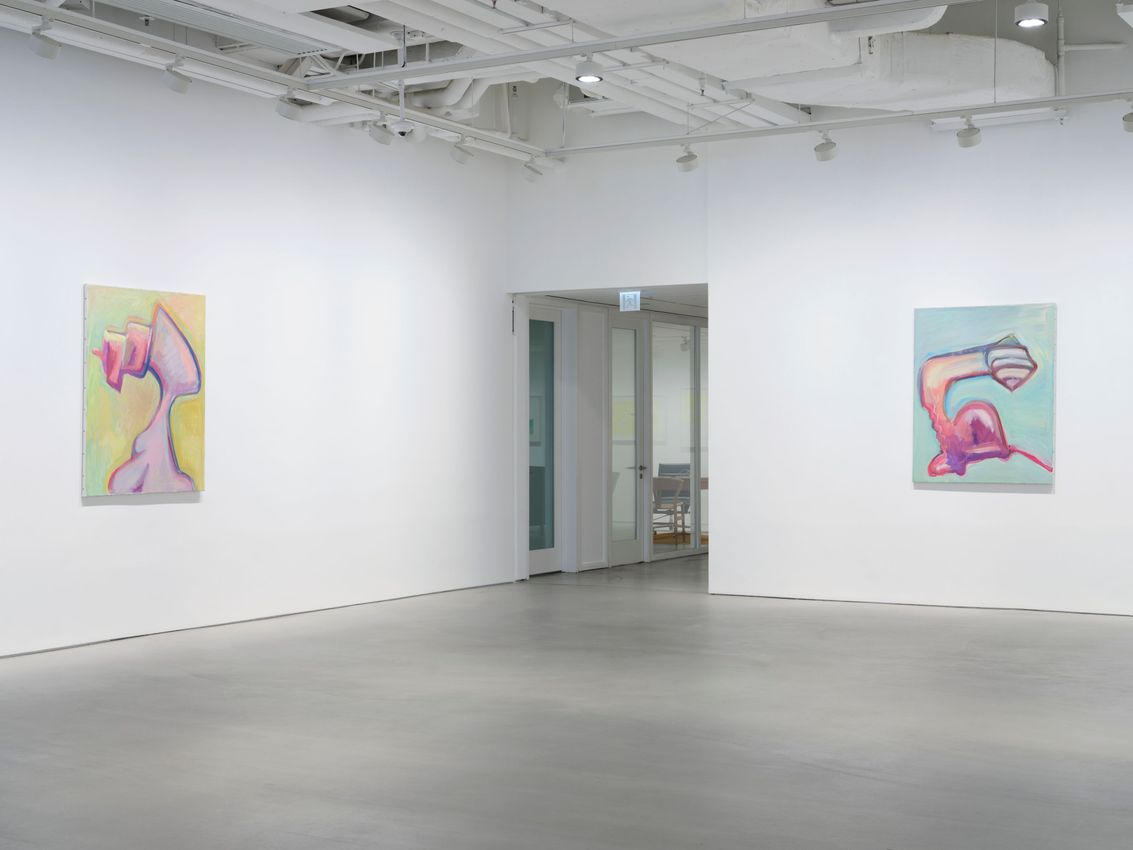
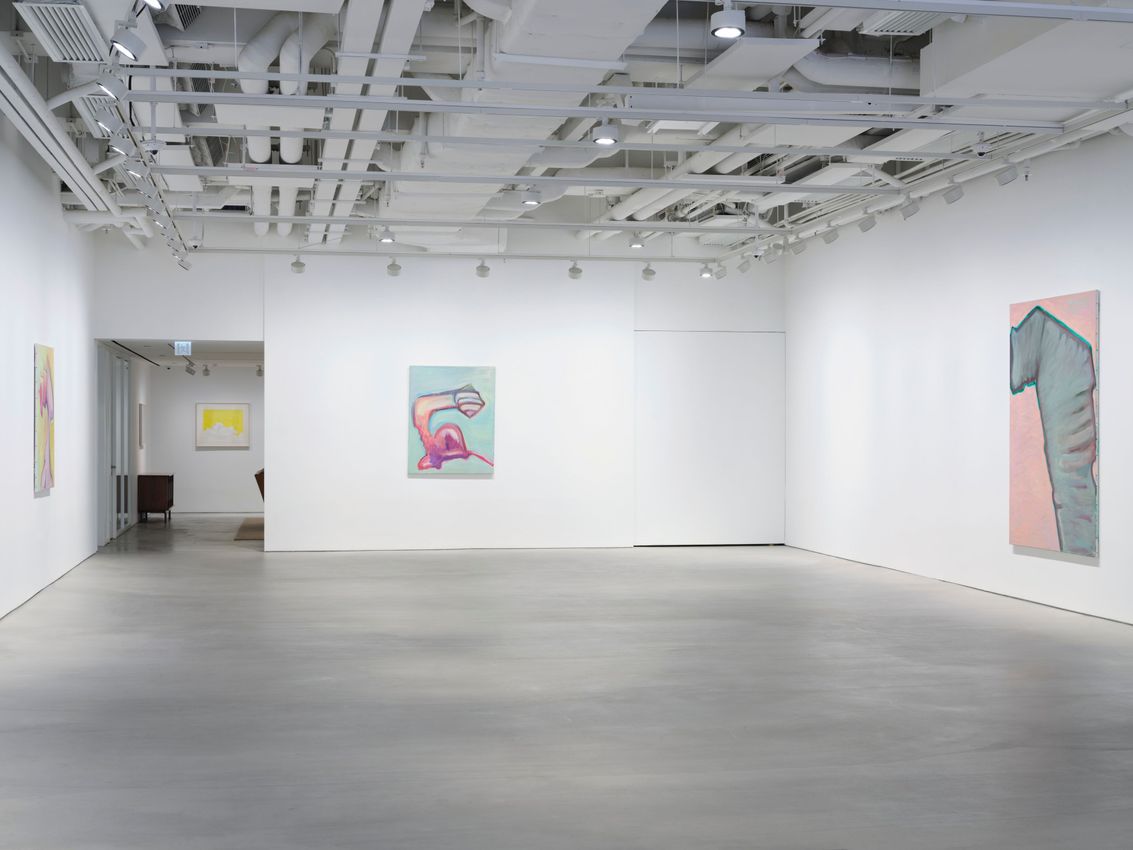
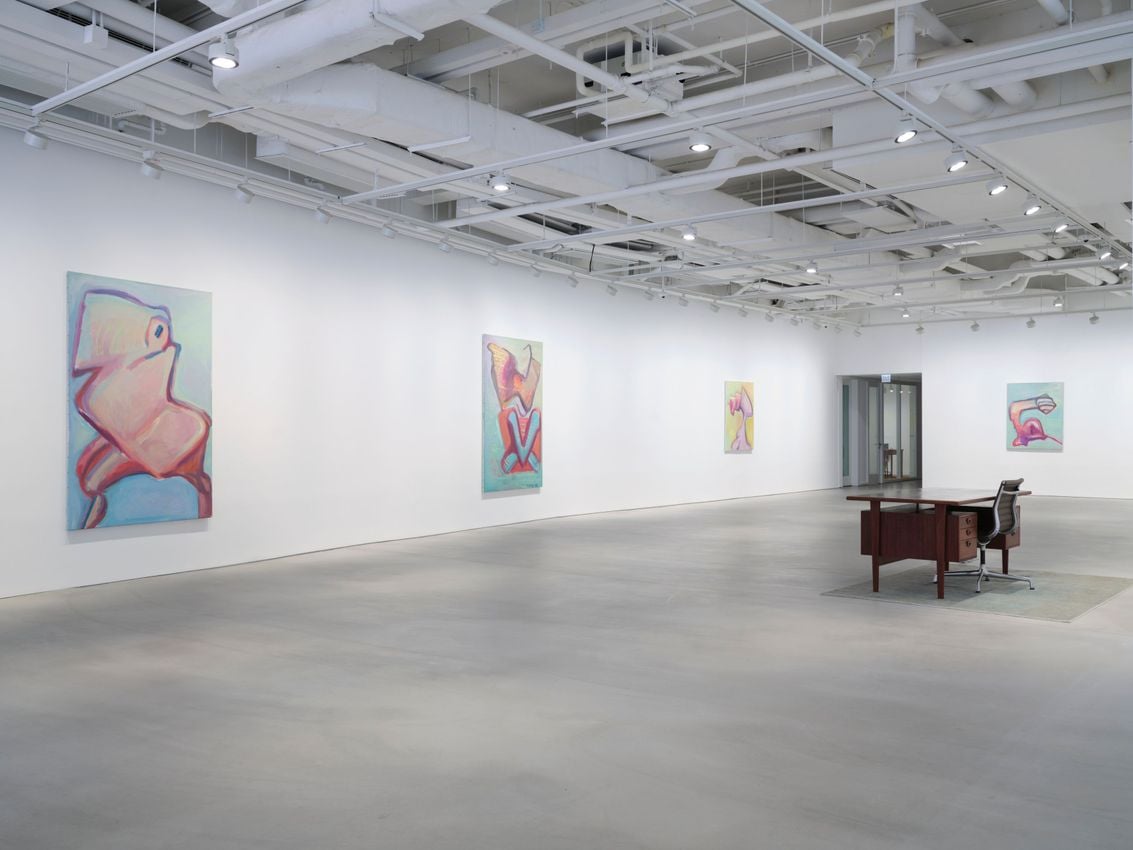
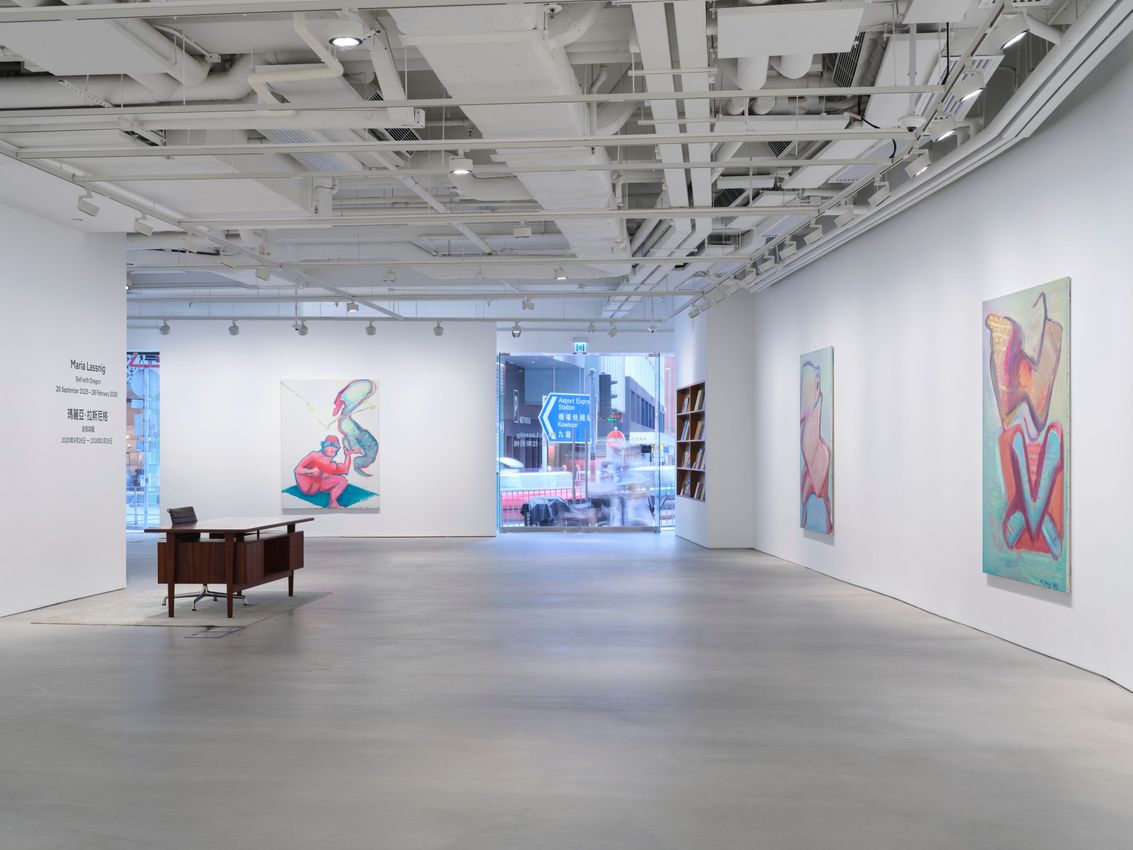
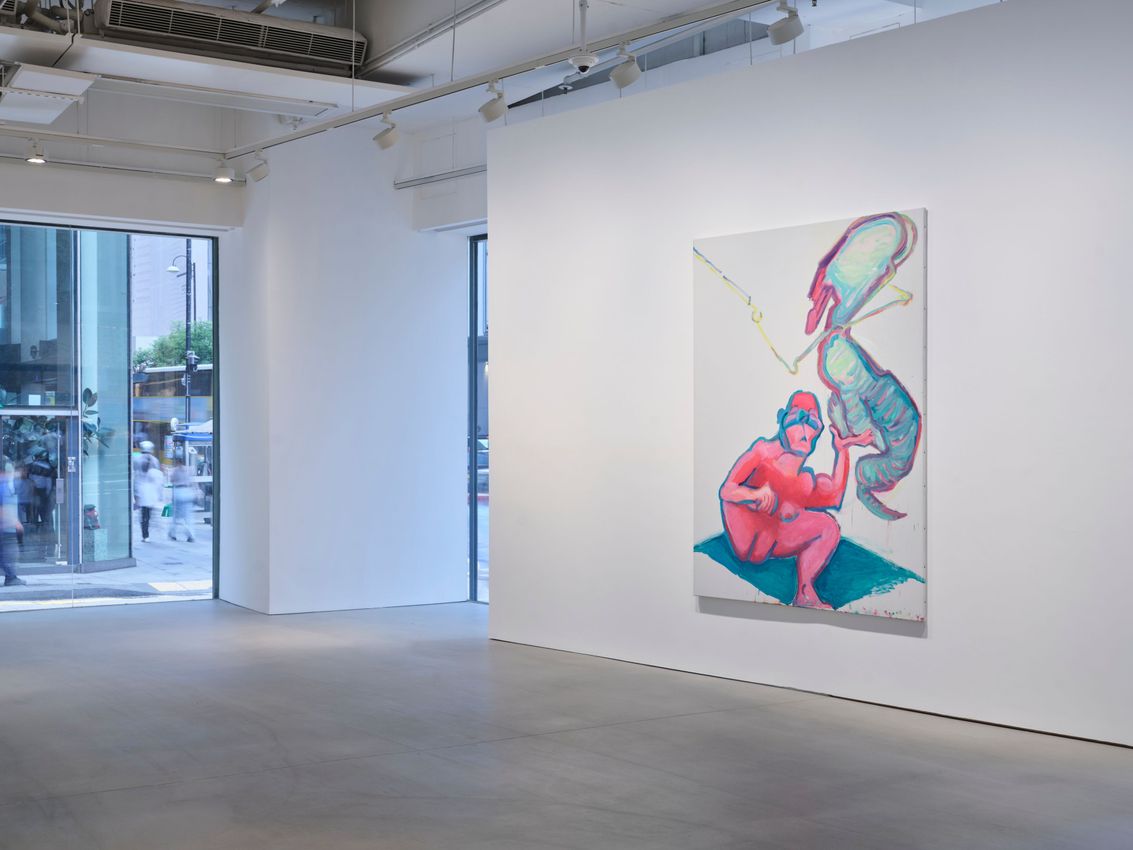
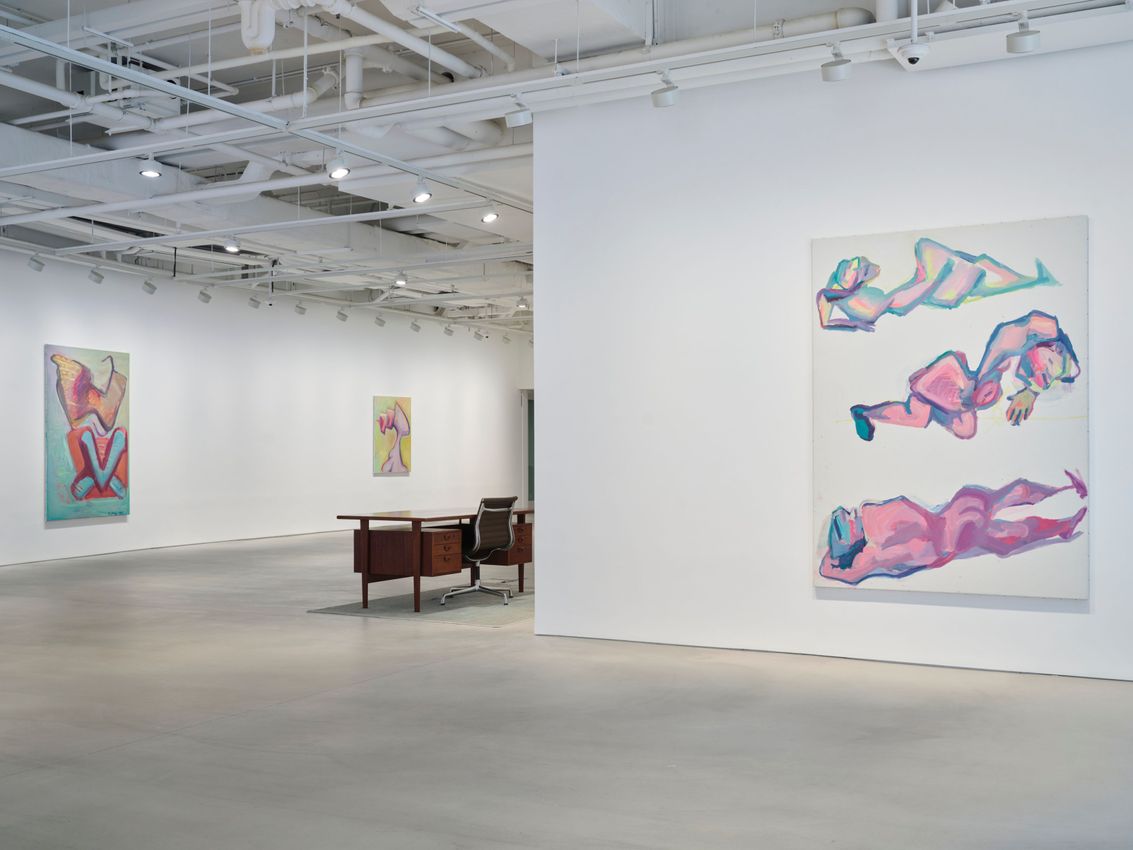
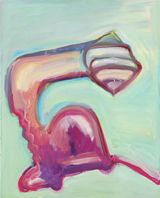
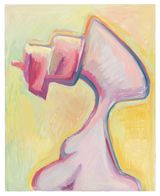
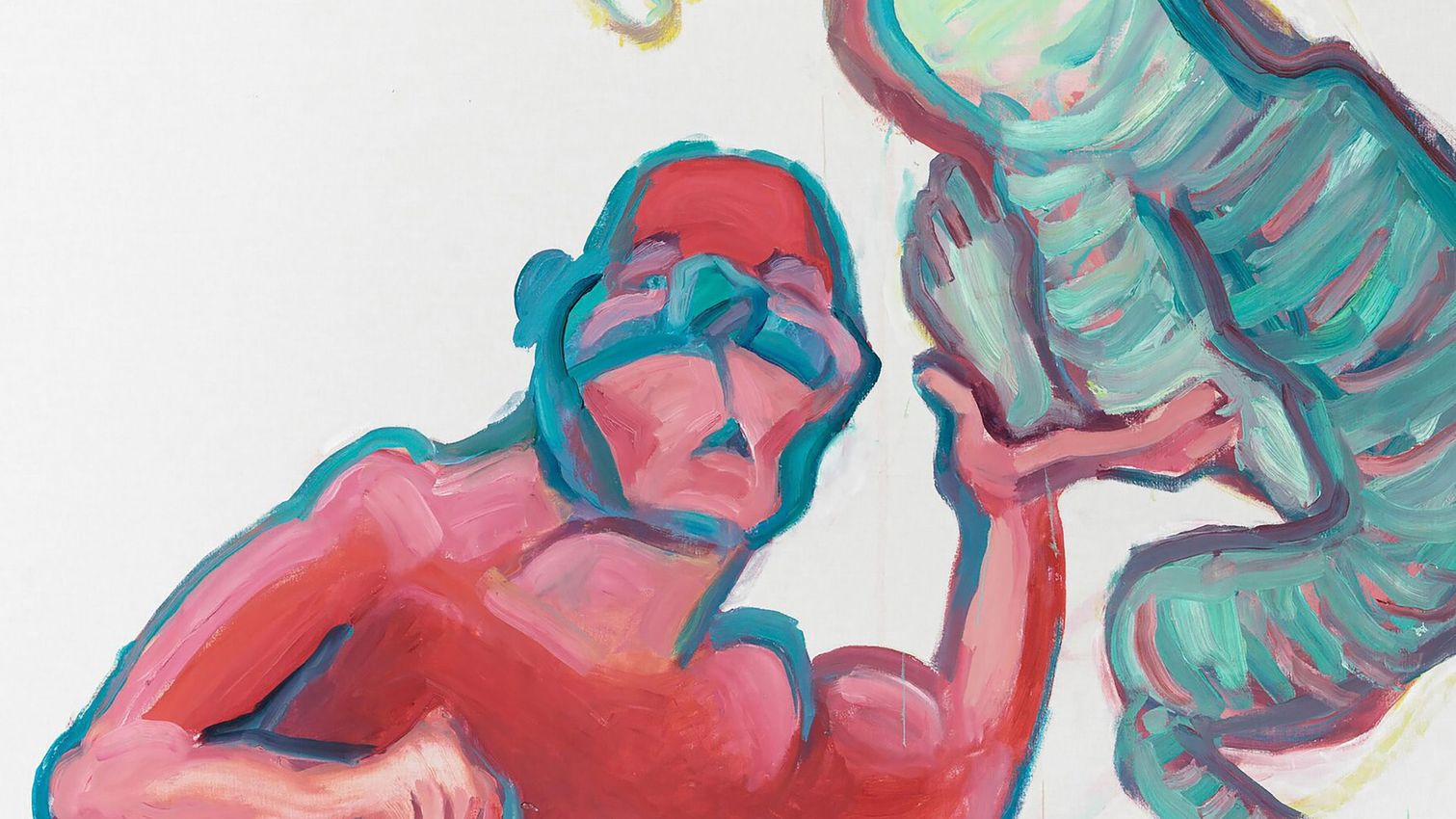
The oeuvre of the seminal painter Maria Lassnig (1919 – 2014) covers more than 70 years of intense work between the end of the Second World War and her death in 2014. At the center of her profound research into painting is a unique interest in the relation between awareness and the human body—particularly the artist’s body—which Lassnig termed ‘body awareness.’ Titled ‘Self with Dragon,’ this is Lassnig’s first solo exhibition in Hong Kong. Presenting a selection of paintings and works on paper from 1987 to 2008, the show provides an insight into Lassnig’s approach, how she questions perception beyond the visual, how our body senses as awhole and the ways in which language becomes part of such perceptions.
Lassnig first developed her theory of ‘body awareness’ in the 1940s; in the decades that followed, she rendered her physical and emotional states in arresting visual terms, often portraying herself as fragmented, hybrid or indirect dialogue with abstract shapes, machines and animals
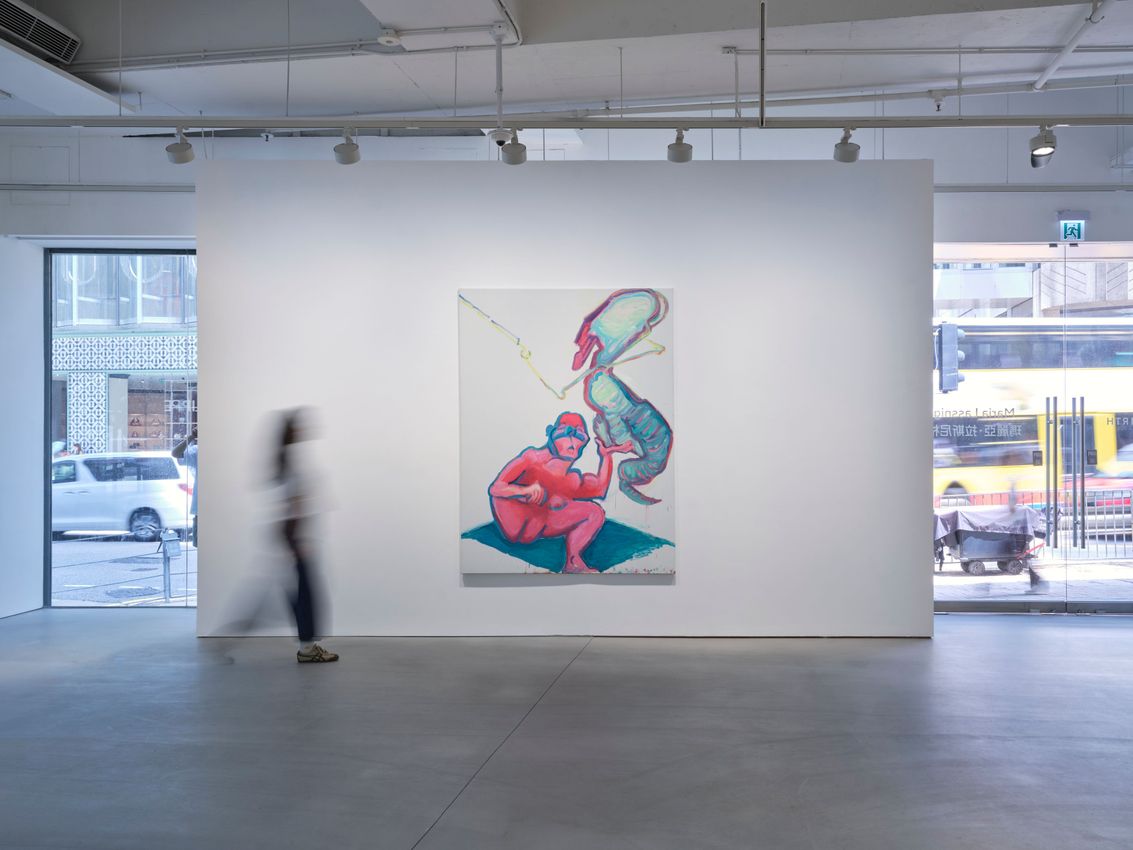
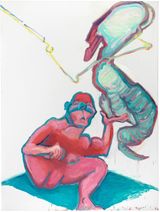
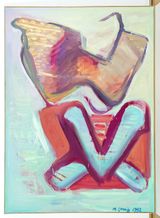
Anchoring the exhibition is ‘Selbst mit Drachen (Self with Dragon)’ (2005), which the exhibition takes its title from. Lassnig refers to the reptile‑like, usually winged hybrid creature of Western mythology—a dragon—which represents a threat to humankind and bears little resemblance to its East Asian counterpart. The battle against such a dangerous beast can refer not only to external forces but also to internal ones—traits perceived as negative, socially undesirable and repressed aspects of the personality. This is a confrontation that Lassnig has embraced in her art and particularly in this painting. ‘Viktory (Victory)’ (1992) was painted shortly after a motorcycle accident Lassnig had in 1992. The work is marked by the motif of a wide, angular ‘V’—a reference to both the artist’s posture and the gesture of triumph. Lassnig merges elements within this graphic work, producing a breathing head‑body that appears at once vulnerable and defiant, blurring the lines between machine, body and myth.
Several abstract self‑portraits in the exhibition move beyond the ‘retinal image’ of reality, seeking instead to embody a reality that is physically sensed and emotionally resonant. In ‘Selbst abstrakt I / Bienenkorb Selbst (SelfAbstract I / Beehive Self)’ (1993), Lassnig depicts her form as a permeable vessel, filled with pressure and energy,culminating in a head that resembles a traditional beehive, while ‘Selbst als Blüte (Self as a Flower)’ (1993) is aself‑ironic reflection on aging, drawing visual parallels between female anatomy and plant structures, rendered with irony and tenderness.
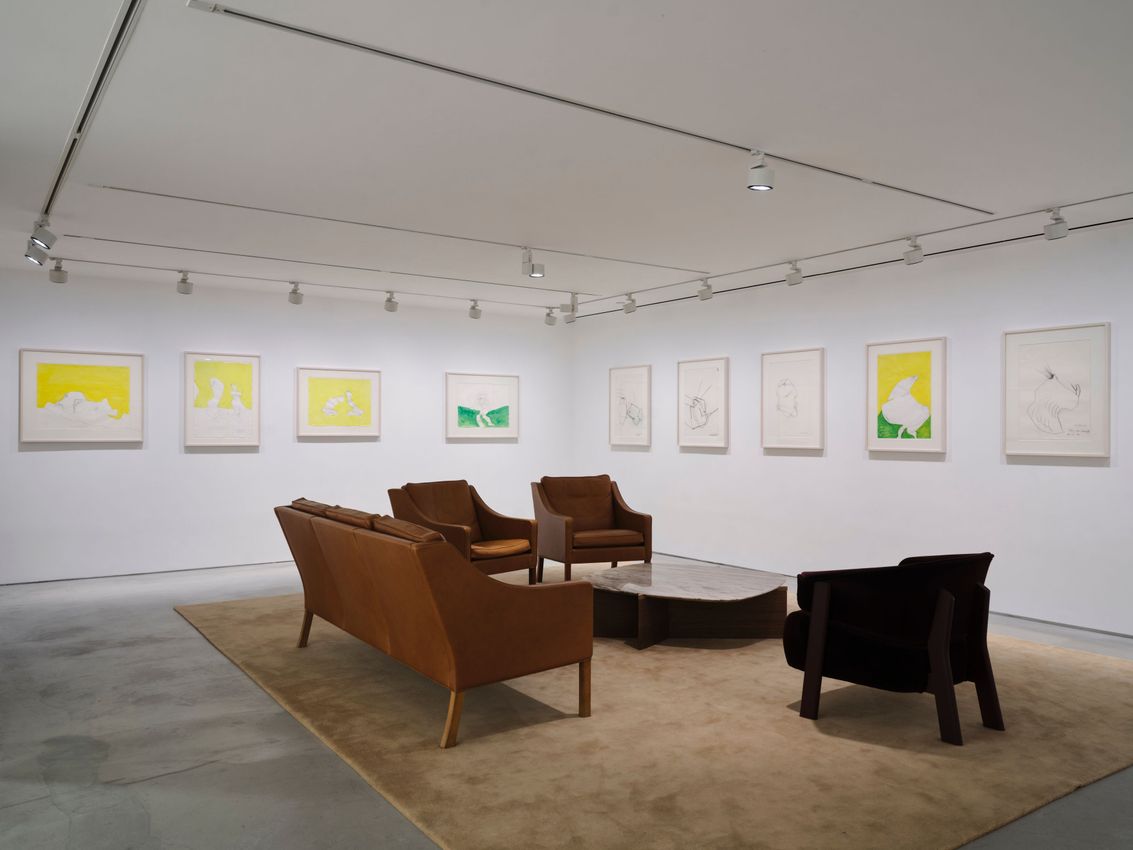
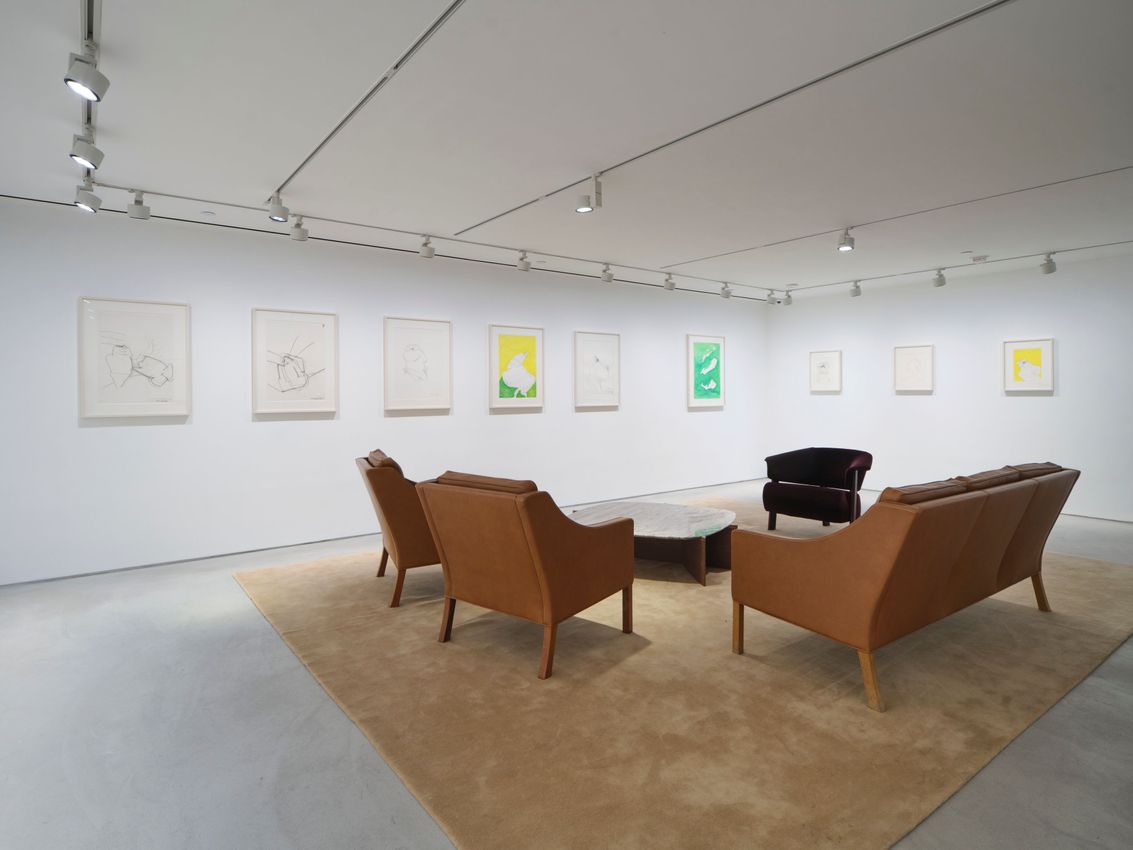
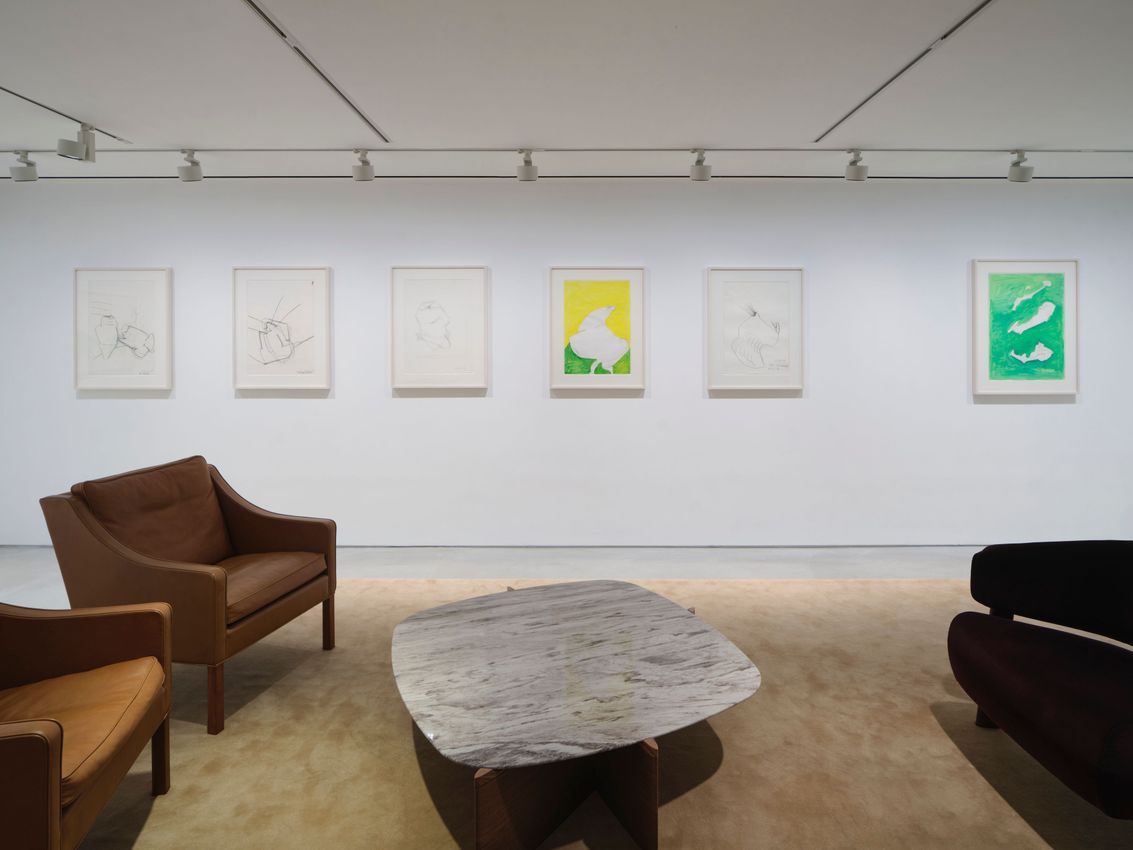
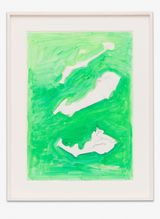
Despite being known for her large format oil on canvas works, Lassnig’s works on paper are intimately connected to her singular approach, translating interior bodily sensations to line and value on the page. She noted in 1992,‘The drawing is closest to the moment. Every moment has only one possibility.
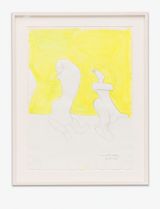
‘Liegende (Reclining Figures)’ (2000) and ‘Liebespaar (Lovers)’ (2003) represent two facets of Lassnig’s late paper works: the solitary, interior body and the ambiguous dynamics of relational proximity. Both employ minimal line and color to capture sensations that defy clear form; these bodies in flux invite the viewer to feel rather thandecode. This distilled approach continues in ‘Mr and Mrs Kliny’ (2004) where loosely rendered forms suggest dual figures locked in ambiguous relation.
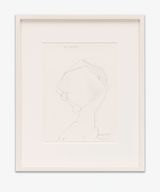
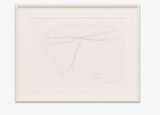
The exhibition also features a selection of works in pastel or pencil alone, such as ‘Ober und Unterkörper (Torsoand Lower Body)’ (1990) and ‘Die Vielfalt (Diversity)’ (2003). These monochrome compositions strip the body down to its barest contours yet remain deeply expressive. Commenting on the significance of her works on paper, Lassnig states, ‘Each drawing is a would‑be oil painting, for I never repeat any drawing as an oil painting, they are autonomous.


Born in Carinthia in Southern Austria in 1919, Maria Lassnig’s (1919 – 2014) work is based on the observation of the physical presence of the body and what she termed ‘body awareness’, or ‘Körpergefühl’ in German. She studied at the Academy of Fine Arts in Vienna in the midst of the Second World War. Then, in post-war Europe, she quickly moved away from the state-approved academic realism in which she was trained, looking to Austria’s own avant-garde past, such as the coloration of Oskar Kokoschka and Egon Schiele’s expressionist treatment of figuration.


Hauser & Wirth was founded in 1992 in Zurich by Iwan Wirth, Manuela Wirth and Ursula Hauser, who were joined in 2000 by Partner and Vice President Marc Payot. A family business with a global outlook, Hauser & Wirth has expanded over the past 26 years to include outposts in Hong Kong, London, New York, Los Angeles, Somerset and Gstaad. The gallery represents over 70 artists and estates who have been instrumental in shaping its identity over the past quarter century, and who are the inspiration for Hauser & Wirth’s diverse range of activities that engage with art, education, conservation and sustainability.
A respected voice in contemporary art discourse.
Focusing on ambitious storytelling and insightful art-world commentary. Ocula Magazine publishes in-depth interviews, critical essays and timely analysis on the artists, exhibitions and ideas driving the global art world.
Learn more about Ocula Magazine
Showcasing the best of the art world.
Ocula partners with galleries from around the world to highlight their artists, artworks and exhibitions. Gallery membership is by application and invitation, with each member vetted by an independent panel.
Learn more about Ocula Membership

Specialises in the sale of major artworks.
Led by a team with deep ties to the world’s leading auction houses, galleries and collectors. Ocula’s advisory team offers bespoke services to high-net-worth clients from around the world who are looking to acquire the best of contemporary and modern art.
Learn more about our team and services