




AUBREY LEVINTHAL
b. 1986, United StatesAubrey Levinthal is an American painter based in Philadelphia whose figurative canvases focus on the quiet drama of everyday life, from kitchen tables and commuter trains to beds, bathrooms, and city sidewalks.
Best known for intimate portraits and still lifes that capture domestic scenes and interior states, Levinthal works primarily in oil on panel, using a muted, atmospheric palette and layered surfaces. Her paintings often depict women who resemble the artist herself, moving through daily routines that feel at once ordinary and psychologically charged. Her work has been the subject of solo exhibitions at The FLAG Art Foundation in New York and Ingleby Gallery in Edinburgh and featured in group shows at the Institute of Contemporary Art, Boston, Museum MORE in the Netherlands, and the Xiao Museum in China, among others.
Early life and Career
Born in 1986 in Philadelphia, Levinthal studied Visual Arts and Sociology at Pennsylvania State University before completing an MFA at the Pennsylvania Academy of the Fine Arts (PAFA). This combination of studio training and social observation underpins her sustained interest in the emotional texture of ordinary life and the small social rituals of the home, street, and workplace.
Levinthal has remained largely rooted in Philadelphia, working in a shared studio building and keeping regular daylight hours that mirror the rhythms she paints. Early exhibitions with galleries such as Monya Rowe Gallery in New York and M+B in Los Angeles helped establish her as a distinctive voice in contemporary figurative painting, focused on the psychological weight of everyday scenes rather than overt spectacle.
Works, Series and Methods
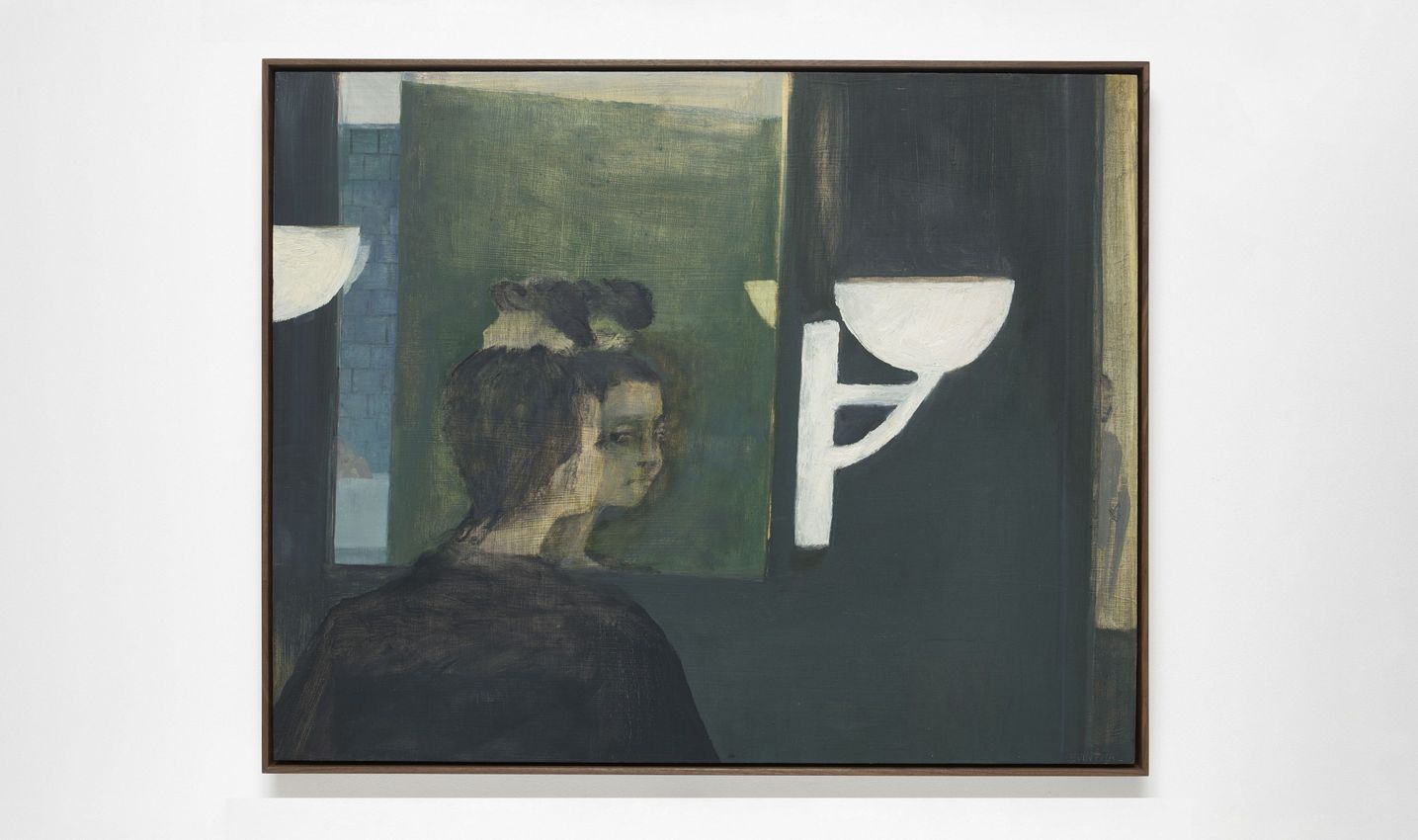
Levinthal’s paintings are recognisable for their soft, hazy surfaces, compressed spaces, and figures that seem to hover between presence and disappearance. She often layers thin washes of oil and then scrapes them back with a blade, creating translucent skin tones and worn interiors that suggest memory as much as direct observation. In many works, tabletops tilt steeply toward the viewer and backgrounds flatten into patterned planes, so that objects and bodies appear slightly off-balance, intensifying the sense of interior unease.
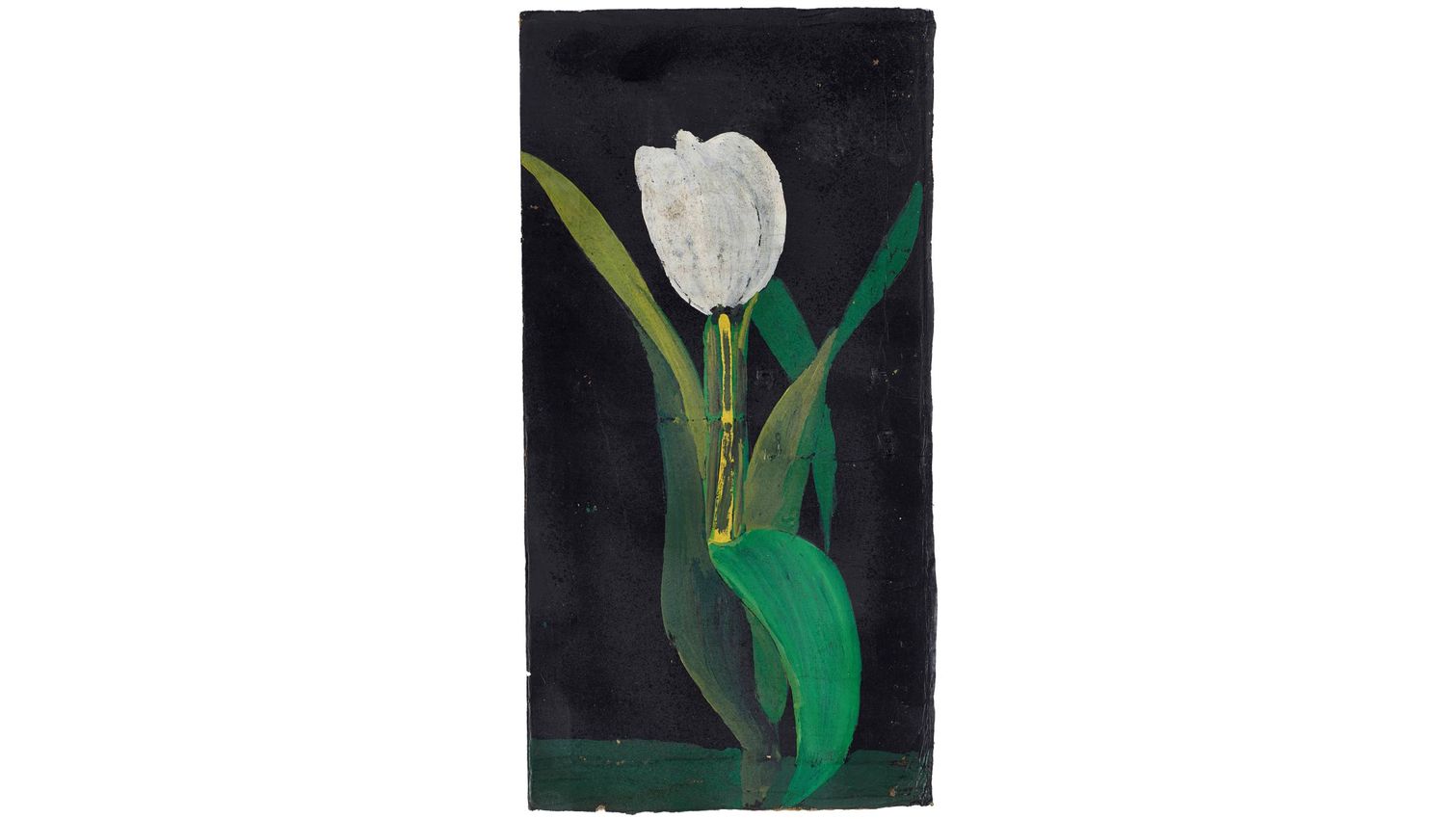
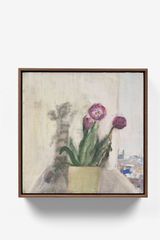
Domestic motifs recur across series: half-eaten meals, unmade beds, bathroom mirrors, and potted plants become anchors for feelings of fatigue, anxiety, and fleeting contentment. In still lifes, a single mug or bouquet may sit on a table alongside a phone or open laptop, aligning Levinthal’s work with a longer history of domestic painting while firmly situating it in the present. Her recurring female figures, often dark-haired and tied in a topknot, move between introspective solitude and scenes of care, such as tending children or sharing a meal, suggesting a shifting, divided self.
A work like Bed (April) (2020), painted during the Covid-19 pandemic and included in the ICA Boston exhibition A Place for Me: Figurative Painting Now (March–September 2022), exemplifies how Levinthal turns the bedroom into a site of both refuge and restlessness. The painting focuses on a rumpled bed and a figure caught between waking and sleeping, using close cropping and subdued colour to evoke the suspended time and psychological strain of lockdown. Across other recent exhibitions such as Tourist at M+B in Los Angeles (2023), Some Day at Ingleby in Edinburgh (2022), and Neighbors, Strangers, Gazers, Bathers at Monya Rowe in New York (2022), she has expanded this language into scenes of travel, public space, and observation, while retaining the same close attention to mood and gesture.
Themes and Context
Levinthal’s work is often described as chronicling the quotidian, but its real focus lies in the psychological undercurrents of contemporary life: exhaustion, distraction, care, and the pressure to stay composed. Her paintings address the modern human condition through small moments—waiting rooms, commutes, evenings at home—that reveal how private anxieties play out within shared spaces.
She engages closely with the history of figurative painting, drawing inspiration from artists such as Alice Neel, Romare Bearden, and David Hockney, while reworking their lessons into a language attuned to current social and emotional realities. Flattened perspectives and cropped compositions echo modernist strategies, yet her subdued palette and emphasis on repetition of daily routines give the paintings a distinctly contemporary atmosphere. In this way, Levinthal’s practice sits within a wider resurgence of figurative painting that explores interiority, mental health, and domestic life, especially from a female perspective.
Exhibitions and Recognition
Levinthal’s work has gained increasing international visibility through solo and group exhibitions in the United States, Europe, and beyond. Recent solo presentations include Spotlight: Aubrey Levinthal at The FLAG Art Foundation, New York (8 February–11 March 2023), and Some Day at Ingleby Gallery, Edinburgh (2023), alongside earlier exhibitions such as Tourist at M+B, Los Angeles (2021); Neighbors, Strangers, Gazers, Bathers at Monya Rowe Gallery, New York (2022); and House Weary at Haverkampf Leistenschneider, Berlin (16 February–26 March 2022).
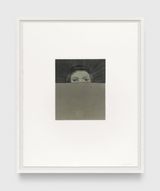
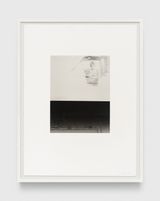
In 2026, Ingleby is presenting a series of monotypes by Aubrey Levinthal in collaboration with David Zwirner, published by Utopia Editions, underscoring the expanding reach of her work across gallery contexts and printmaking platforms. Her paintings have also been included in notable group exhibitions at the Institute of Contemporary Art, Boston; Museum MORE in Gorssel, the Netherlands; the Xiao Museum in Rizhao, China; and the Green Family Art Foundation in Dallas, among others. Coverage in publications such as Artforum, Hyperallergic, New York Magazine, Artnet, Maake Magazine, and Forbes has further cemented Levinthal’s position within contemporary figurative painting discourse.
Aubrey Levinthal FAQs
What is Aubrey Levinthal best known for?
Aubrey Levinthal is best known for her figurative paintings of domestic interiors and everyday routines, often depicting women who resemble herself in moments of quiet reflection or fatigue. Her work focuses on the psychological intensity of ordinary life, using muted colour, layered surfaces, and compressed spaces to convey states of anxiety, care, and introspection.
What themes does Aubrey Levinthal explore in her paintings?
Aubrey Levinthal’s paintings explore themes of daily labor, emotional exhaustion, domestic intimacy, and the subtle tensions between private interior life and public roles. She uses recurring motifs—beds, tables, mirrors, food, plants—to track how time, seasons, and social pressures register in the body and in familiar spaces.
Where can I see Aubrey Levinthal’s work?
Aubrey Levinthal’s work can be seen through galleries that represent or regularly exhibit her, including Marianne Boesky Gallery, M+B in Los Angeles, Ingleby in Edinburgh, and Haverkampf Leistenschneider in Berlin, among others. Levinthal’s paintings have also appeared in institutional exhibitions at the Institute of Contemporary Art, Boston; The FLAG Art Foundation, New York; Museum MORE in the Netherlands; and the Xiao Museum in China.
How does Aubrey Levinthal make her paintings?
Aubrey Levinthal typically works in oil, building up thin layers of paint and then scraping them back to create worn, translucent surfaces that suggest memory and repetition. She often works on several paintings at once, editing as she goes, so that compositions evolve slowly through small shifts in colour, shape, and the positioning of figures and objects.
How does Aubrey Levinthal relate to contemporary figurative painting?
Aubrey Levinthal is part of a broader resurgence of figurative painting that examines interior life, mental health, and domestic experience, particularly from a female vantage point. Drawing on modernist influences such as Alice Neel, Romare Bearden, and David Hockney, she adapts their formal innovations to depict the psychological realities of 21st-century everyday life.
Ocula | 2026












Explore and Follow Artists Shaping Contemporary Art
A respected voice in contemporary art discourse.
Focusing on ambitious storytelling and insightful art-world commentary. Ocula Magazine publishes in-depth interviews, critical essays and timely analysis on the artists, exhibitions and ideas driving the global art world.
Learn more about Ocula Magazine
Showcasing the best of the art world.
Ocula partners with galleries from around the world to highlight their artists, artworks and exhibitions. Gallery membership is by application and invitation, with each member vetted by an independent panel.
Learn more about Ocula Membership
Specialises in the sale of major artworks.
Led by a team with deep ties to the world’s leading auction houses, galleries and collectors. Ocula’s advisory team offers bespoke services to high-net-worth clients from around the world who are looking to acquire the best of contemporary and modern art.
Learn more about our team and services