Press Release

Artist Statement

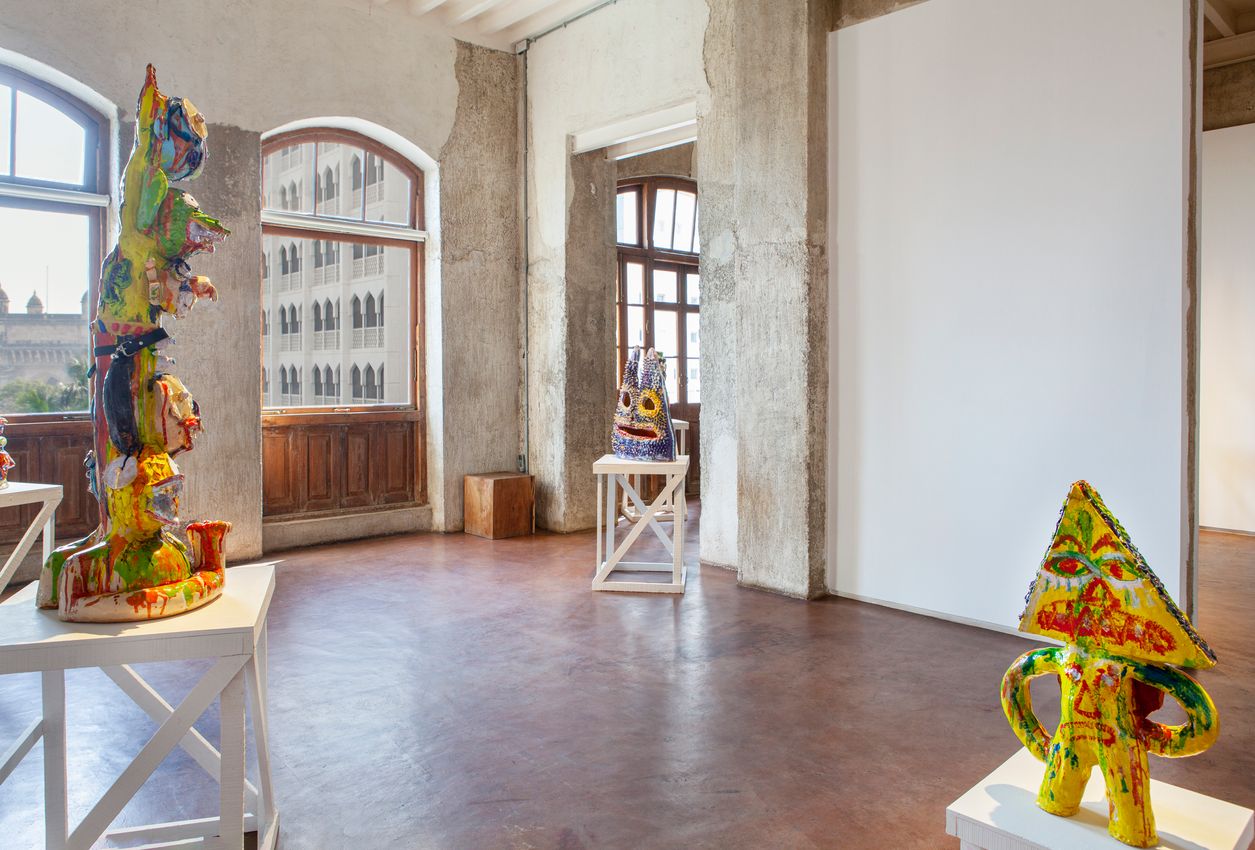
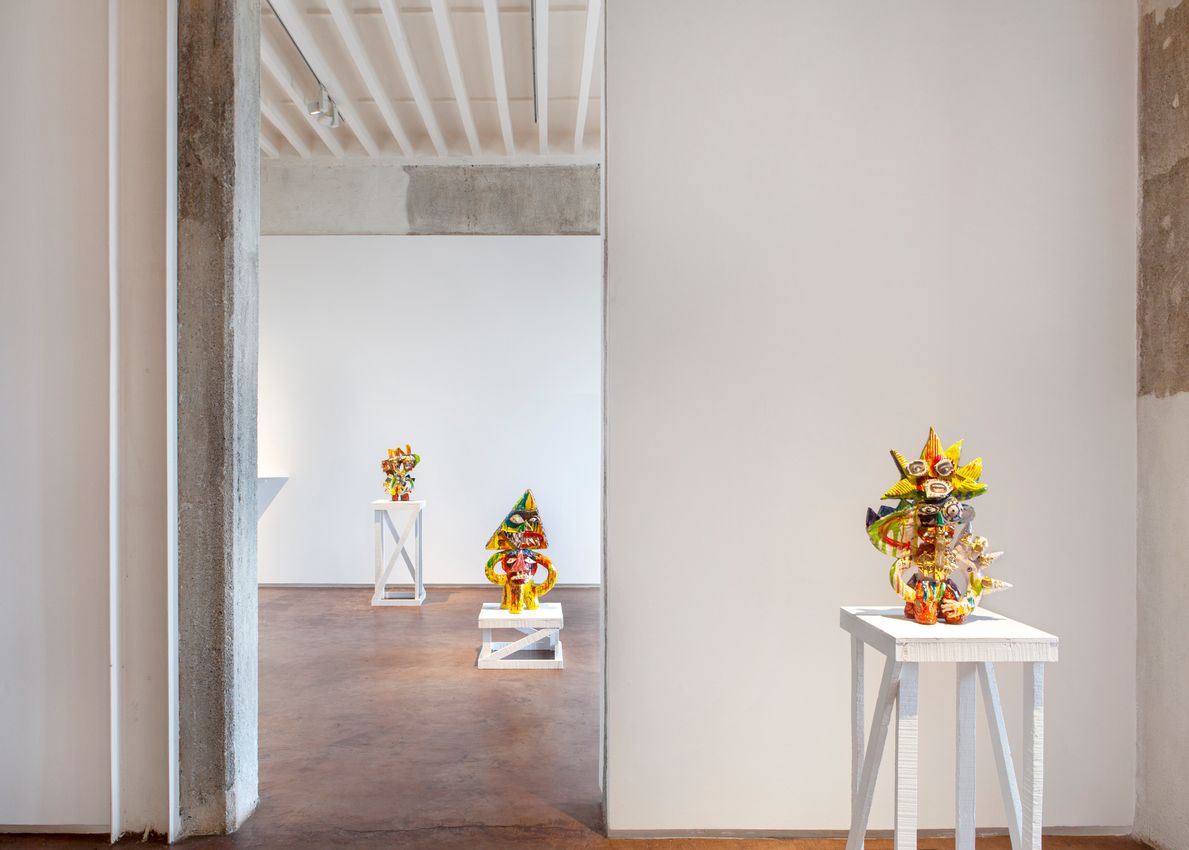
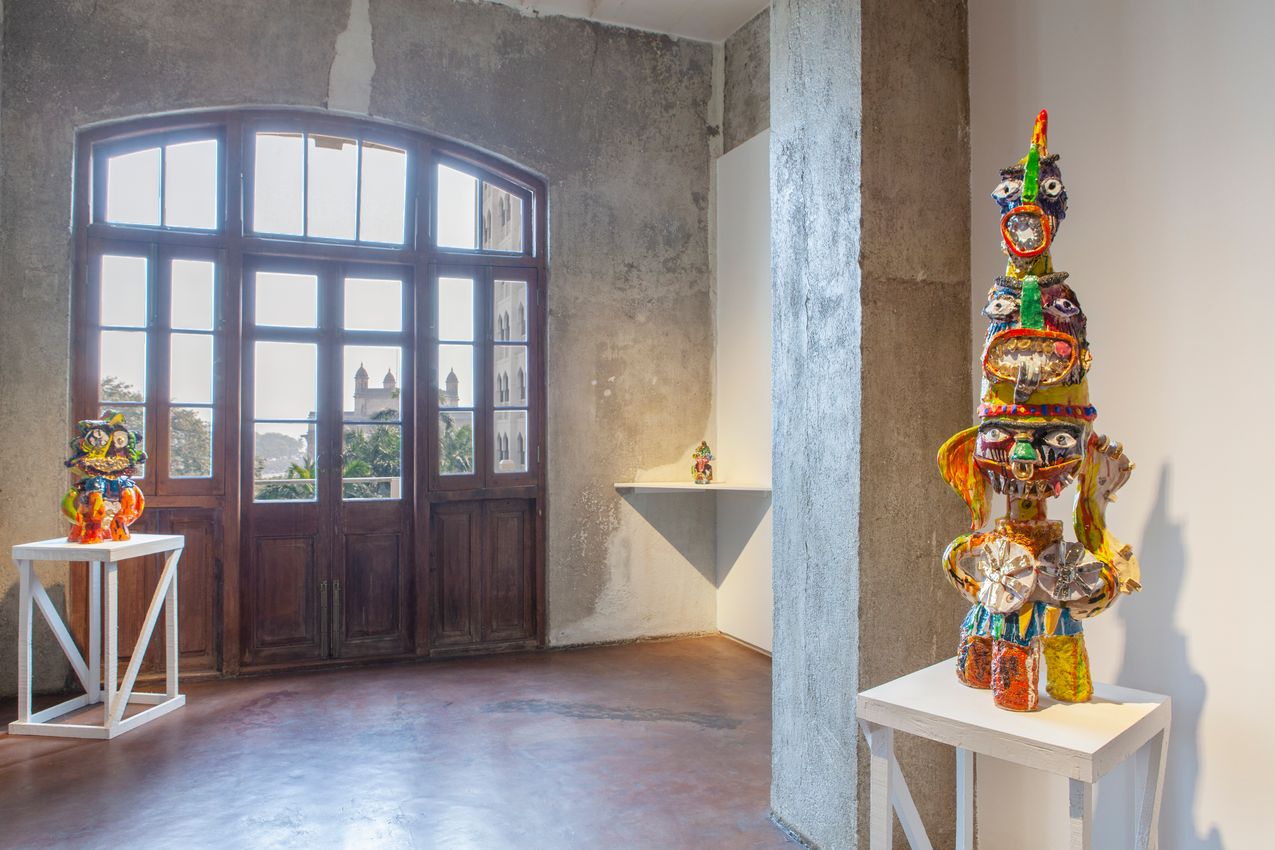
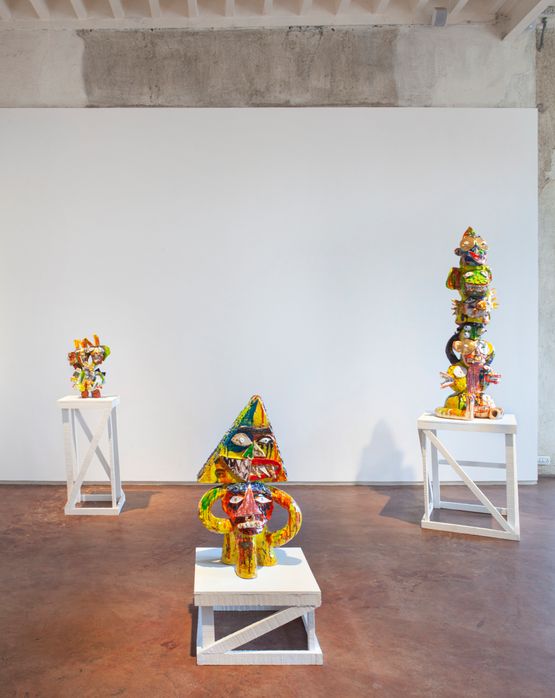
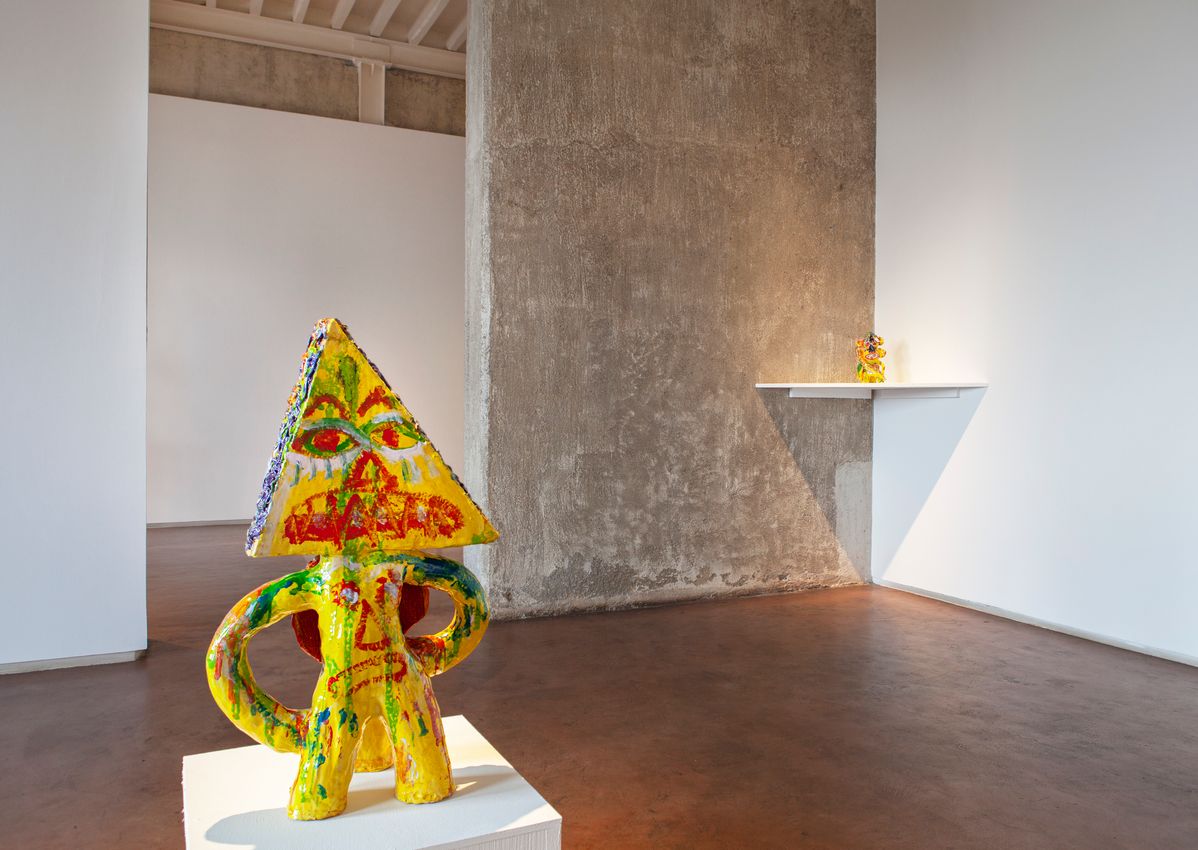
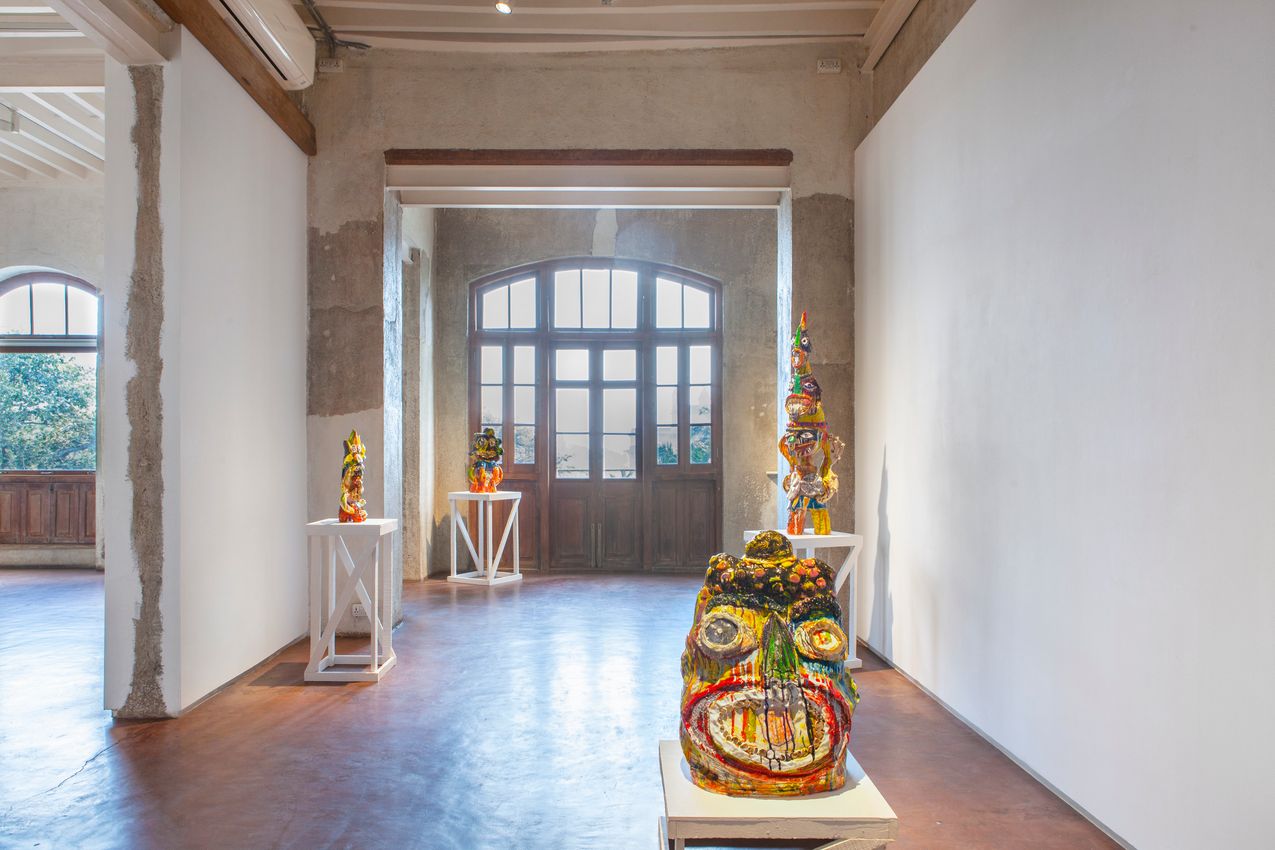
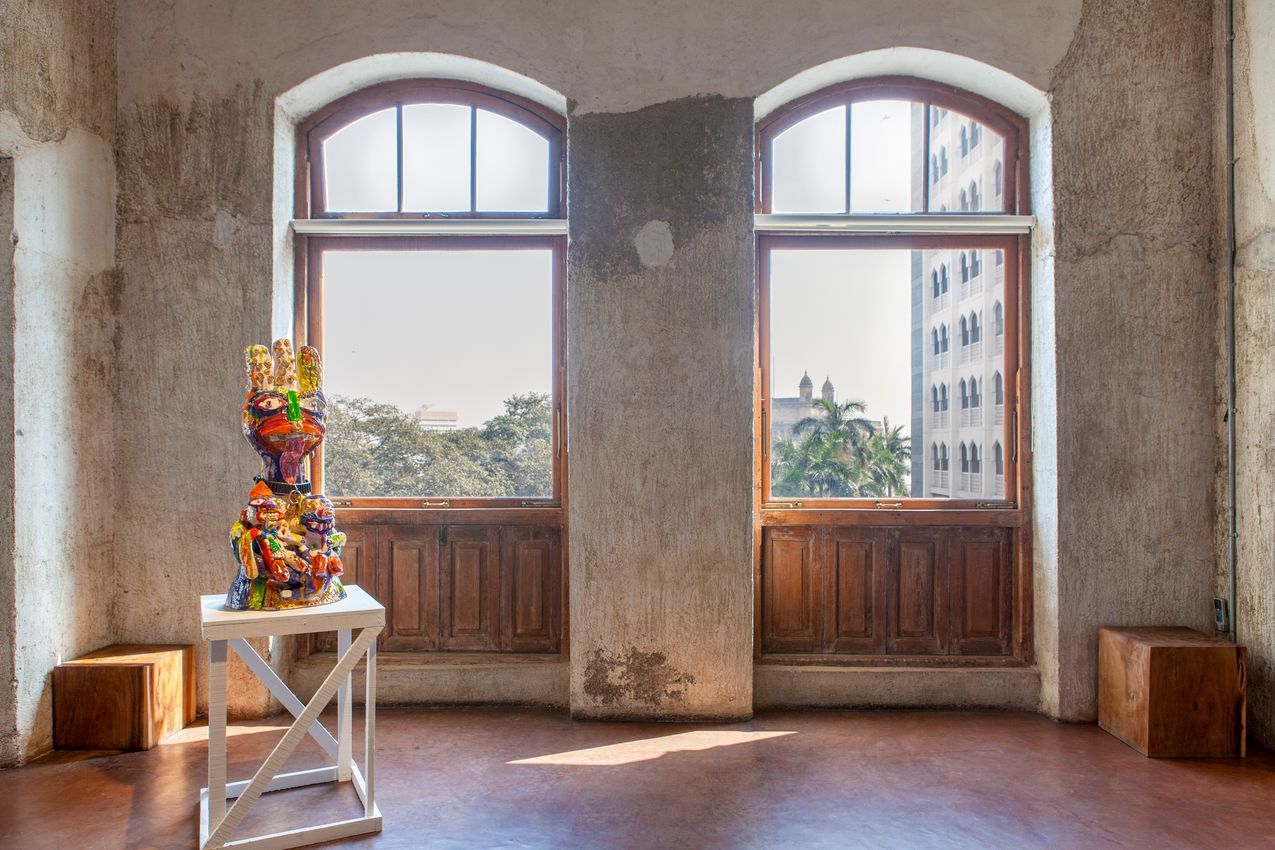
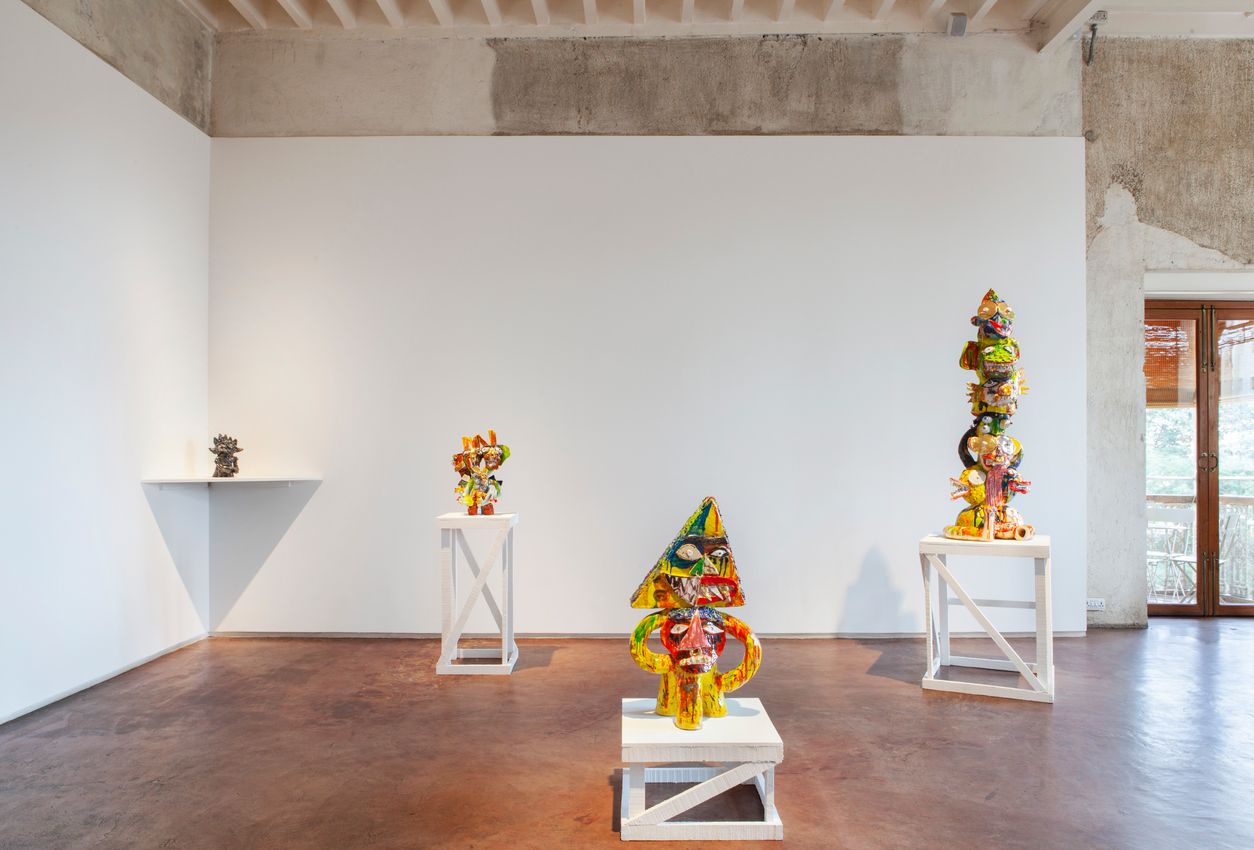
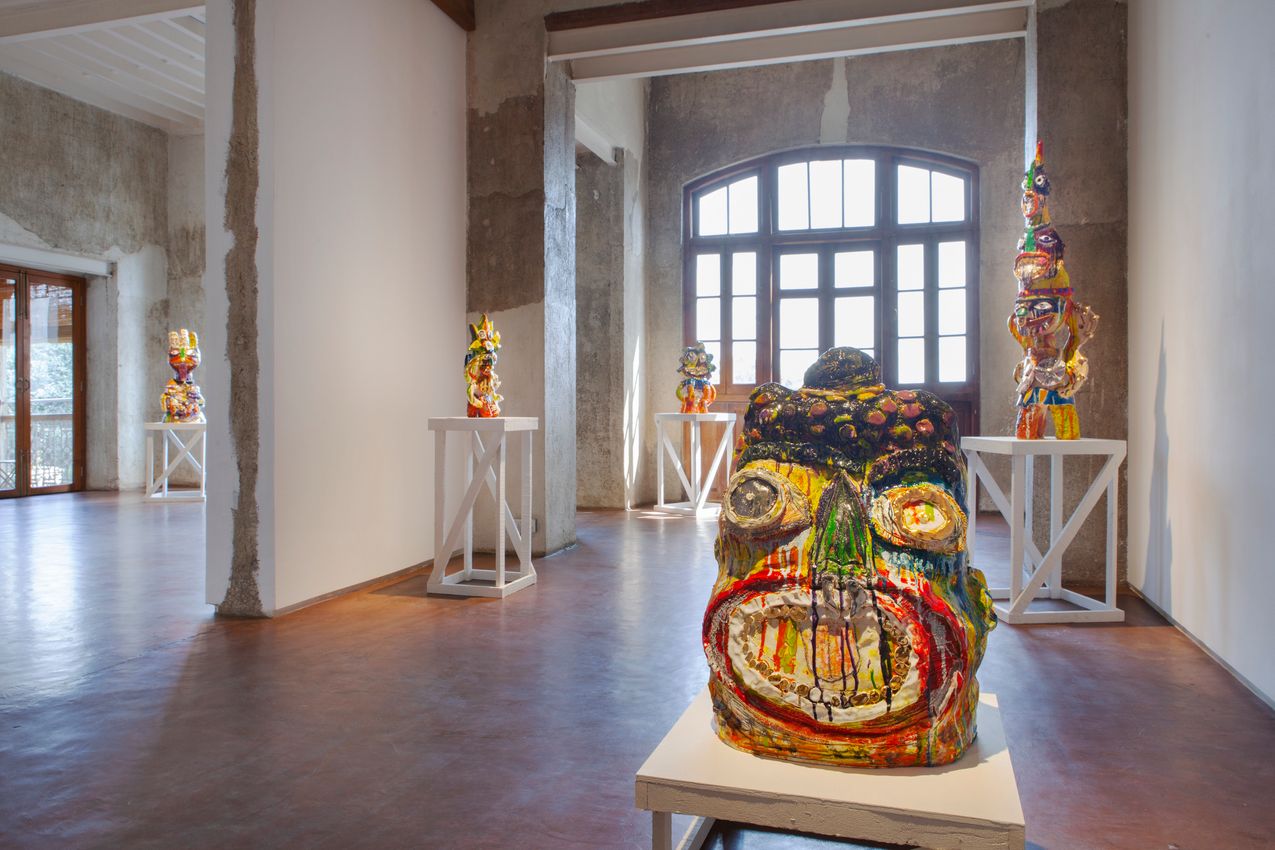
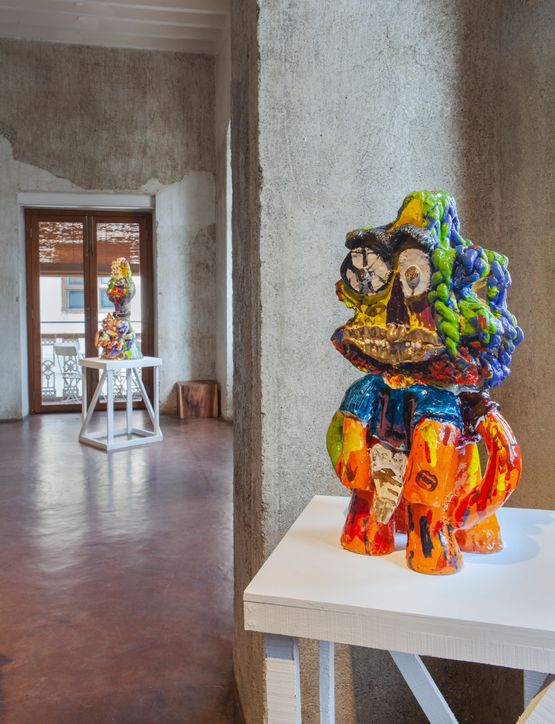
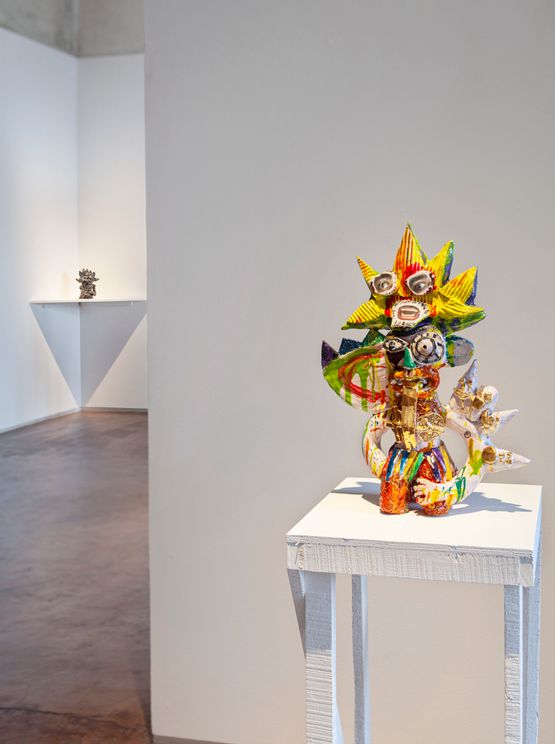
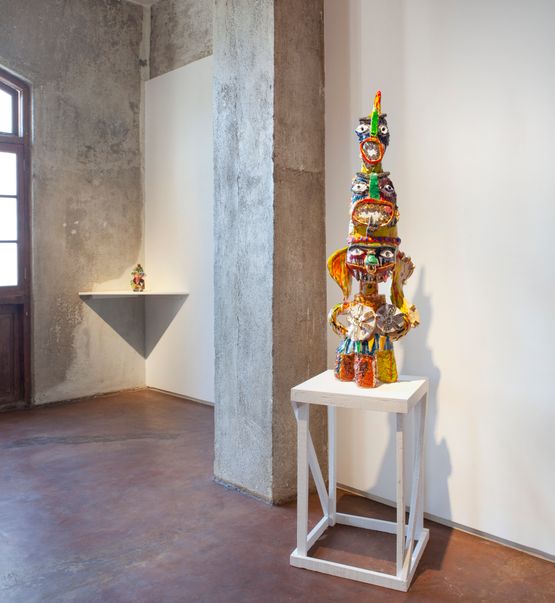
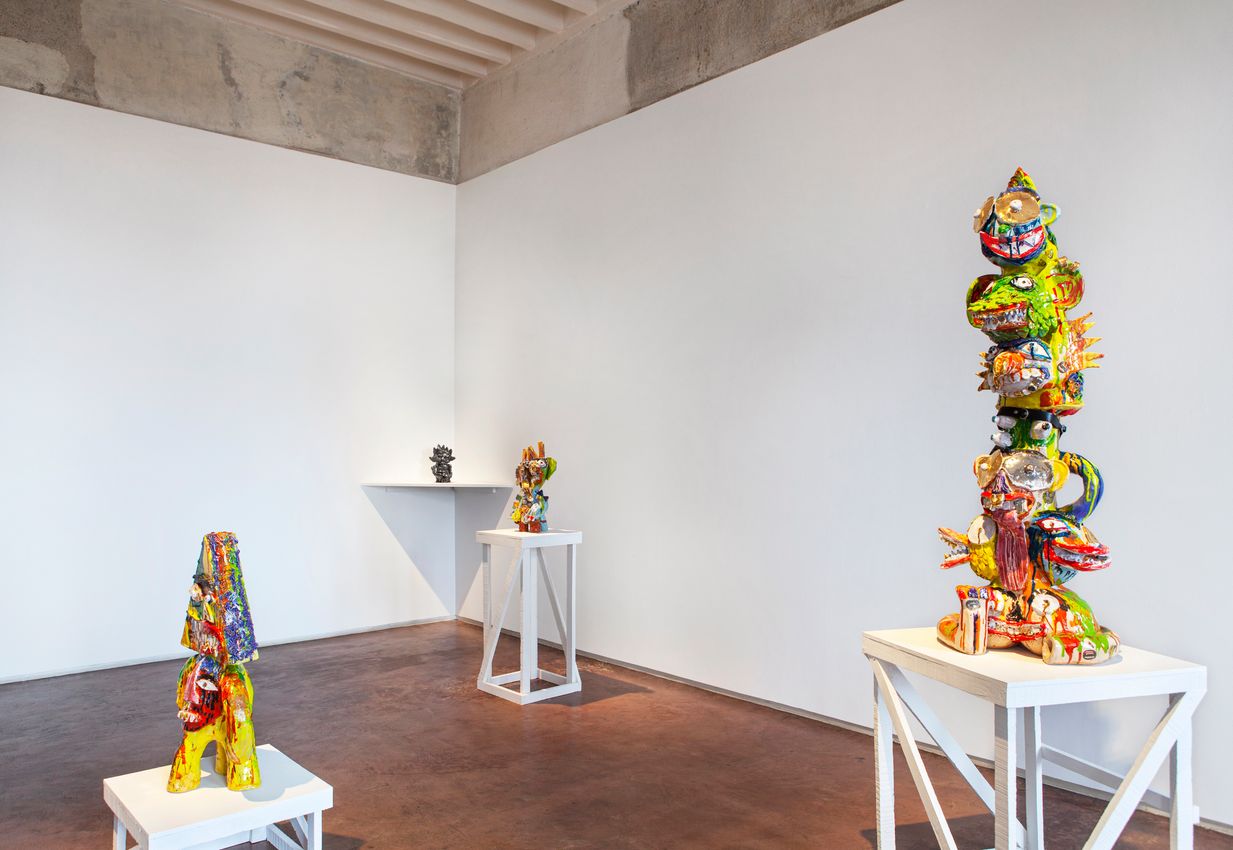
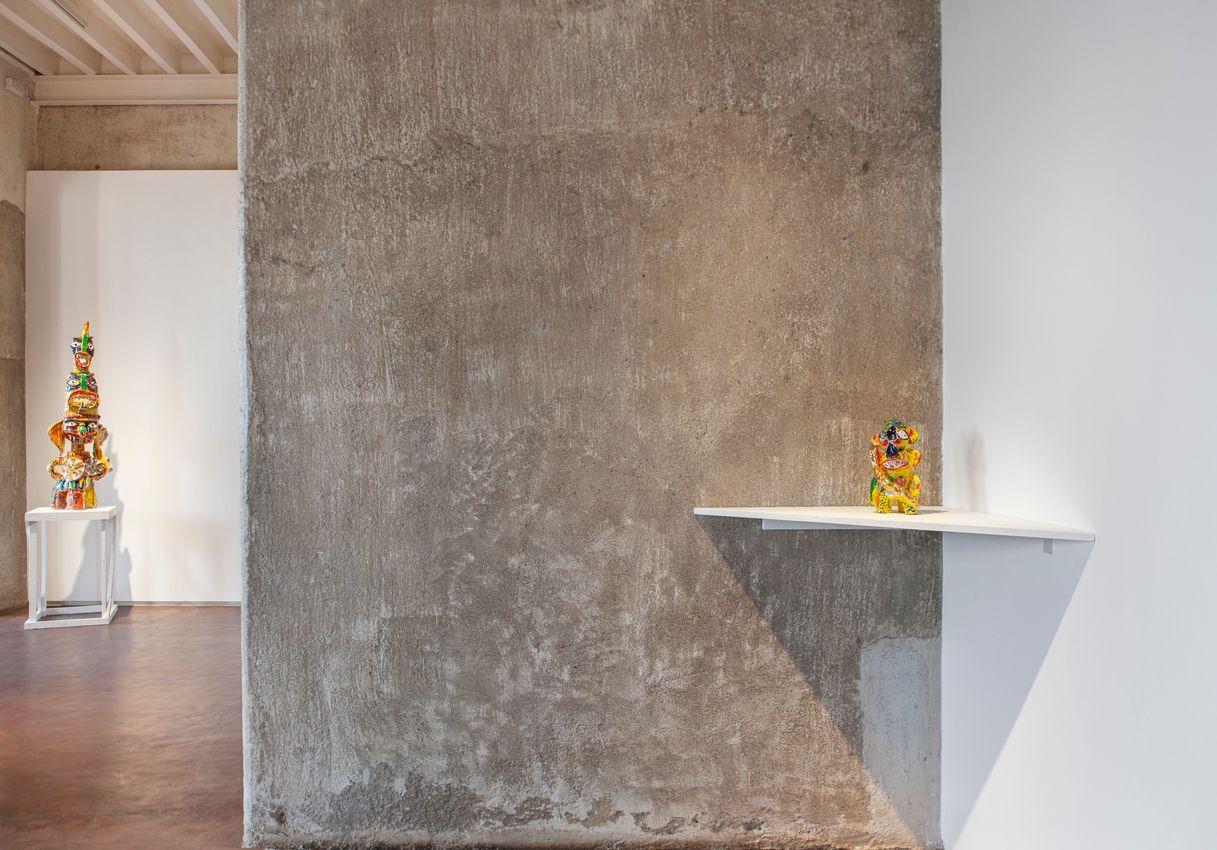
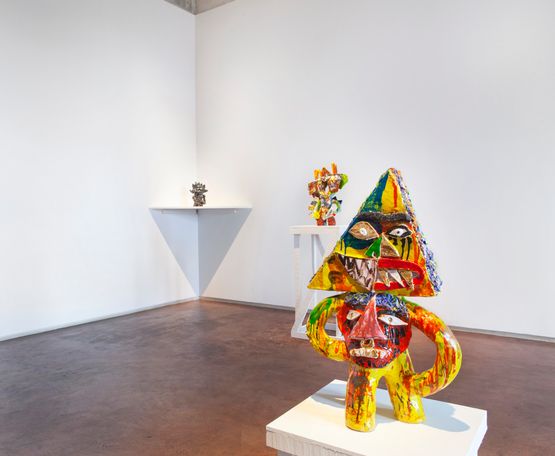
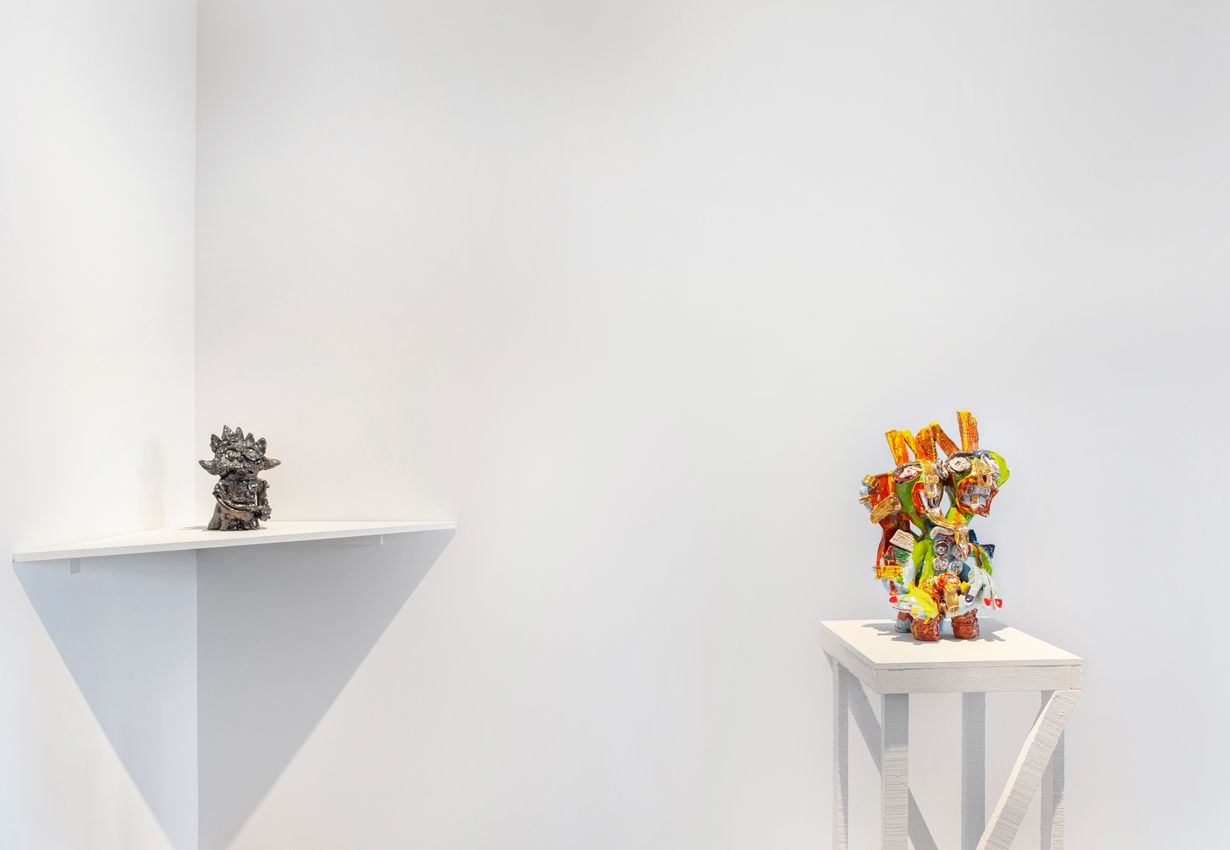
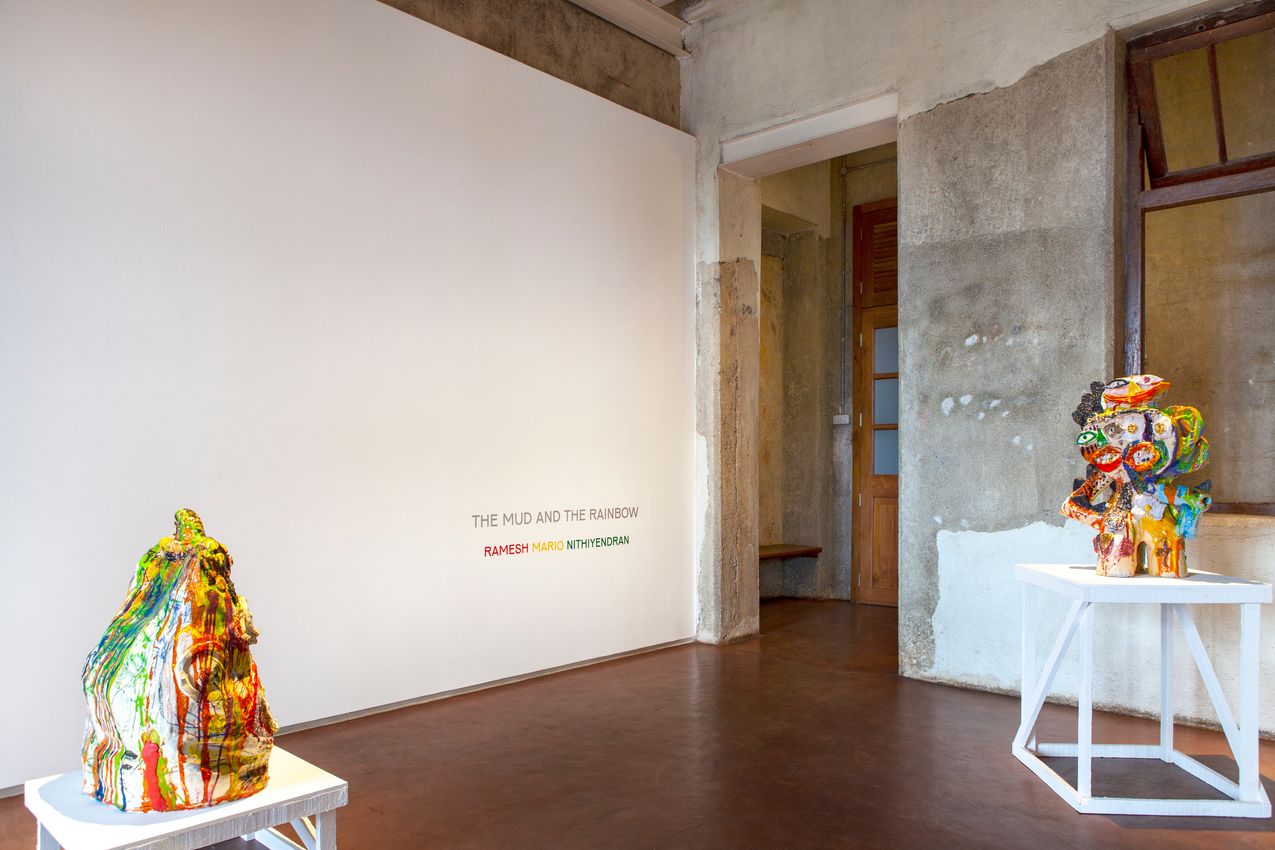
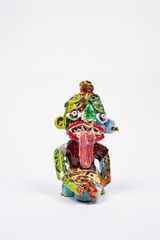
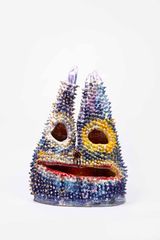
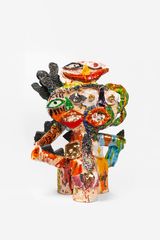
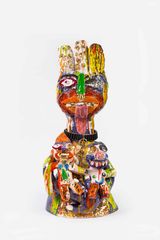
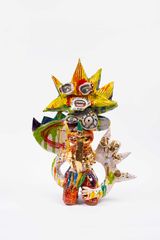
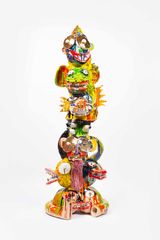
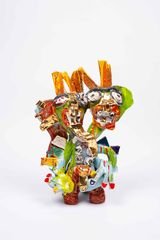
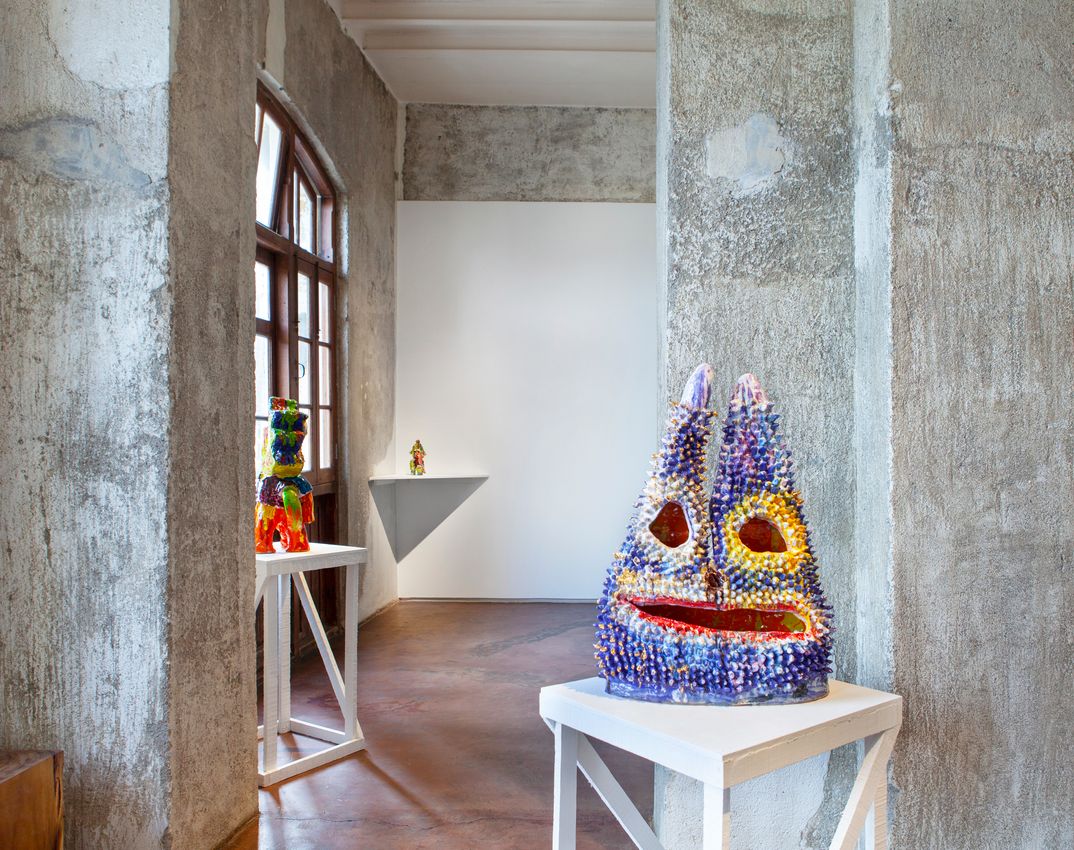
The Mud and the Rainbow is my first solo exhibition in South Asia. For this exhibition at Jhaveri Contemporary (Mumbai) I have created an installation of multi-limbed polychromatic fertility, guardian, protector and warrior figures. The title of this exhibition is taken from an essay on my work by Diana Campbell, friend and artistic director of the Samdani Art Foundation. She describes the figures as creators and inhabitants of ’‘rainbow-coloured worlds.’

While these ceramic figures are the product of elaborate modelling and glazing techniques, I’m also interested in the symbolic functions of physically moulding clay, mud or earth. While this gesture connects to broad histories, mythologies and regions, I am particularly inspired by the syncretic language of religious iconography and mythological narratives across South Asia. Yet my imaginings of various archetypal figures and ritualistic icons gesture to broad histories and experiences. Queer politics, zoology, idolatry, anthropomorphism, monumentality and popular culture feed into my conceptual and visual language.

The works also gesture to a range of global histories that reflect my ancestry. I was born in Sri Lanka to a wider family that practised Hinduism and Catholicism to varying degrees and have grown up in Australia. Hindu, Christian and Buddhist cultures have coexisted and been intertwined in Sri Lanka since the introduction of Christianity in the 1st century and Buddhism in the 3rd century. The work mines some of these reference points.

The Syllogisms of Ramesh Mario Nithiyendran

Encountering the sculptures of Ramesh Mario Nithiyendran is, at first, bewildering and unsettling, so multifarious and polymorphous are his references. Yet there is a logic to these works, a reasoning which draws the artist to his conclusions, such that we might use the term Syllogisms to understand his plastic experiments. Ramesh is quick to site the synthesis of Hindu, Buddhist and Christian iconographies, which are the inheritance of his Sri Lankan ancestry, to be found in his work, but one can just as quickly recognise affinities with animist African deities, Meso-American idols, and Polynesian effigies. Ramesh claims contradictory identities for his figures: guardians, warriors, goddesses, demons, jokers, and monsters. These multi-headed, multi-limbed, multi-orificed beings fuse elements culled from every possible living creature, both ambulatory and stationary, to perform the contradictory functions of welcoming in and frightening away simultaneously.

In addition to their formal extravagances, Ramesh’s works further accentuate their freedoms through an over-stimulated chromatic range and haphazard techniques of application. This chaotic surface decoration and hyper-adornment locates the works within realms as concrete as urban refuse and graffiti and as virtual as computer games and emoji sentimentalities. As archaic or ‘primitive’ as his figures may at first appear, they are indebted to a history of sophisticated appreciation of bastardised, low-brow, and criminal cultural forms by artists of the 20th Century including, but not limited to, Jean Dubuffet, the COBRA group of painters, the Viennese Actionists, Paul McCarthy, and Mike Kelley. With their bleeding, oozing, pustulous surfaces; snarking, grimacing, and wailing countenances; not to mention confusions of the oral and anal proclivities, expressions of disgust, horror, ecstasy, and illness; Ramesh’s menagerie is held together by a general sense of uncontrollable buffoonery and a psychotic battle between appearances and substances.

A syllogism is a type of reasoning which draws conclusions from given or assumed propositions.What type of logic could then possibly enable the artist to arrive at said madness? One clue is the available conditions of both the ‘given’ and the ‘assumed.’ Grist for Ramesh’s mill are all manner of references both real and imagined, no boundaries exist for his wellspring of influences. He measures the universal and the particular with equal weights and a relationship of mutual concomitance is the a priori given (that being the condition in which one thing is never allowed to exist without the presence of its oppositional other). Ridiculously hyper-plastic and over-wrought with cultural allusions, Ramesh’s figures are mosh-pits in which both signifiers and the signifieds are regurgitated into beings that feel alarmingly appropriate for our present age.

Repeatedly, the artist has referred to his figures as guardians, taking inspiration from the traditional sculptures often found at the entrances of Hindu and Buddhist temples. The raison d’etre of his figures is to occupy the threshold, to stand at the point between realms, usually thought of as that between the earthly and the spiritual but certainly just as appropriately between the bodily and the psychic, the rational and the oneiric. For this reason I can’t help but think that, on the one hand, these figures will not be comfortable within the hermetic container of the Fine Art space (be it gallery or museum) but likewise may be difficult to accommodate into a domestic ensemble. Hybridity does not sufficiently describe the complexity of Ramesh’s work; while they defy any constraints of cultural geographies they may most closely resemble the labyrinthine layerings of geological stratifications. It is unnecessary to point out how Ramesh’s aesthetics complement the dissolution of categories of gender, race, class, and creed so prevalent in today’s world.Where can such densely pre-determined beings feelat home? It seems they may fall into a category that I am increasingly drawn towards: Art for Outer Space.

Ramesh also frequently refers to his works as ‘Fertility Figures’. But rather than the reproduction of progeny, it seems he is referring to a general fertility of life, the world, and art. A visit to the artist’s Instagram account (@rams_deep69) informs us of his appearance and sartorial choices, which certainly appear to be governed by many of the same decisions he makes in his sculptures. Taking the leap to see Ramesh’s figures as self-portraits of the multiple facets of his identity comes easily, as the consistency of his approach communicates a sincerity. Fecundity is both compass and the treasure found.Without boundaries or classifications of any kind from the start, Ramesh practices a blasphemous piety, for when there are no laws there need be no transgressions. Today, these strange apparitions sit comfortably in the world as contemporary art but in the future they may easily slip into, and be useful to, the realms of theology, anthropology, robotics, psychiatry, or telepathic communications.

Courtesy Jhaveri Contemporary. Text: Peter Nagy.

Read More

Installation Views

About the Artist

Ramesh Mario Nithiyendran (b.1988 Colombo. Lives and works in Sydney) explores global histories and languages of figurative representation. He has specific interests in South Asian forms and imagery as well as politics relating to idolatry, the monument, gender, race and religiosity. While he is best known for his irreverent approach to ceramic media and audacious use of colour and ornamentation, his material vernacular is broad. He has worked imaginatively with sculptural materials including bronze, concrete, neon, LED and fibreglass, as well as conventional painting and printmaking materials and techniques.

View Artist Profile Ramesh Mario Nithiyendran contemporary artist
About the Gallery

Jhaveri Contemporary was formed in 2010 by sisters Amrita and Priya with an eye towards representing artists, across generations and nationalities, whose work is informed by South Asian connections and traditions. The gallery’s dedication to original scholarship, engendered through its carefully crafted shows, is one of the many ways it distinguishes itself. Entwined with this philosophy is another guiding principle: showcasing the heterogeneous practices of long-celebrated luminaries as well as emerging talents, often in generously interrogative conversations. With a focus on mining lesser-known art histories, Jhaveri Contemporary facilitates dialogue between artists, curators and historians to add to the wider field of art. Estates served by the gallery include Mrinalini Mukherjee and Anwar Jalal Shemza.

View Gallery Profile
Address
3rd Floor Devidas Mansion
4 Mereweather road
Apollo Bandar Colaba
Mumbai
India
Opening Hours
Tuesday – Saturday
11am – 6:30pm
(1)
Mumbai 3rd Floor Devidas Mansion, 4 Mereweather road
Jhaveri Contemporary
3rd Floor Devidas Mansion, 4 Mereweather road, Apollo Bandar Colaba, Mumbai, India

Opening hours
Tuesday – Saturday
11am – 6:30pm
The art world in focus