Press Release

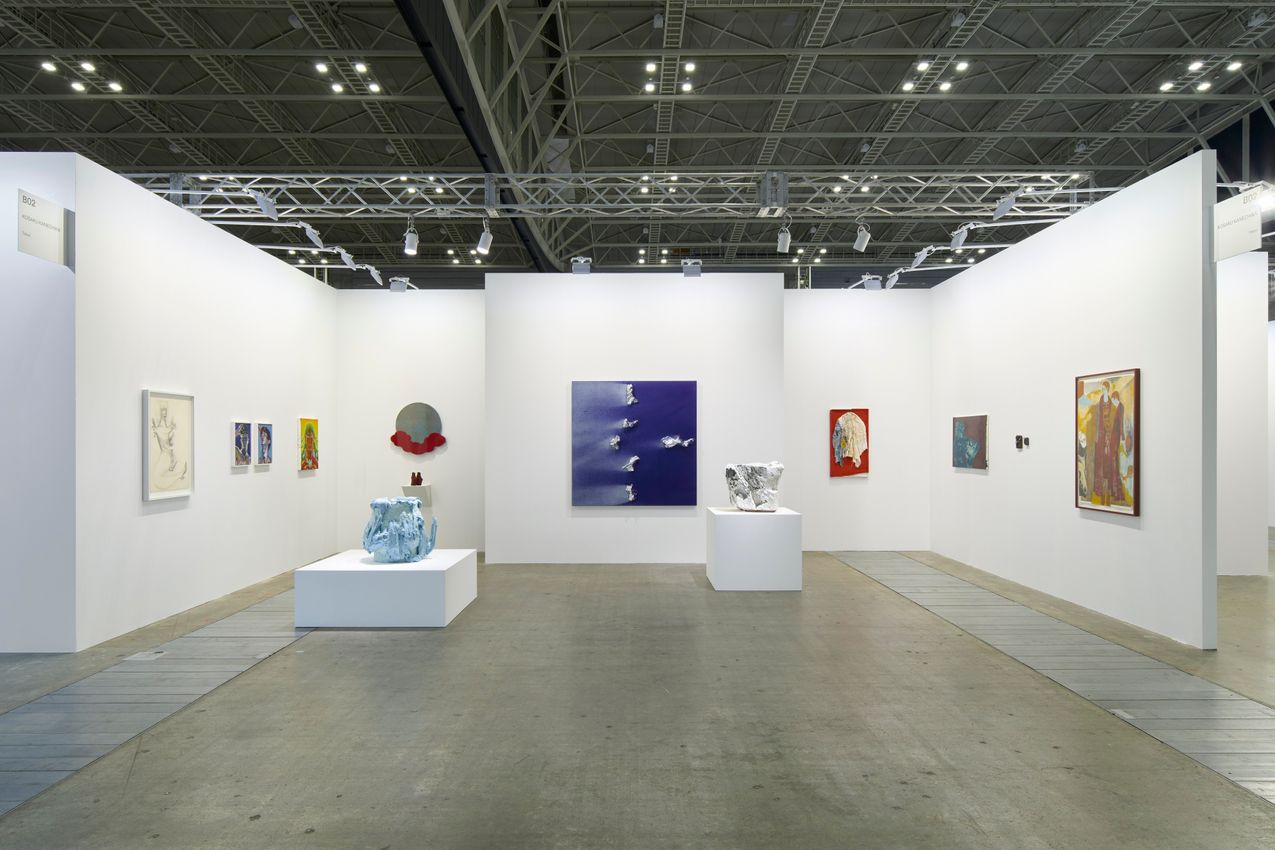
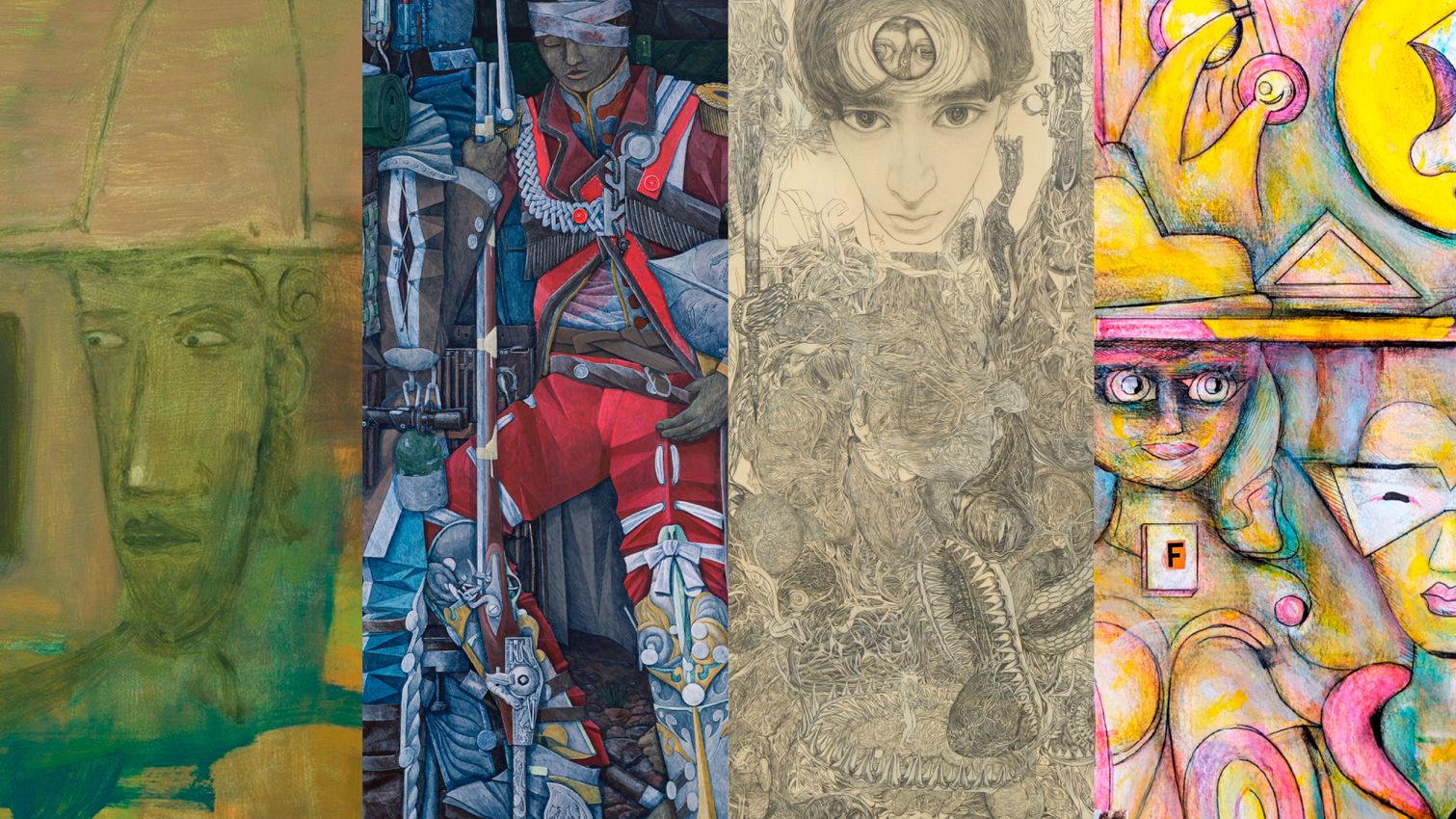
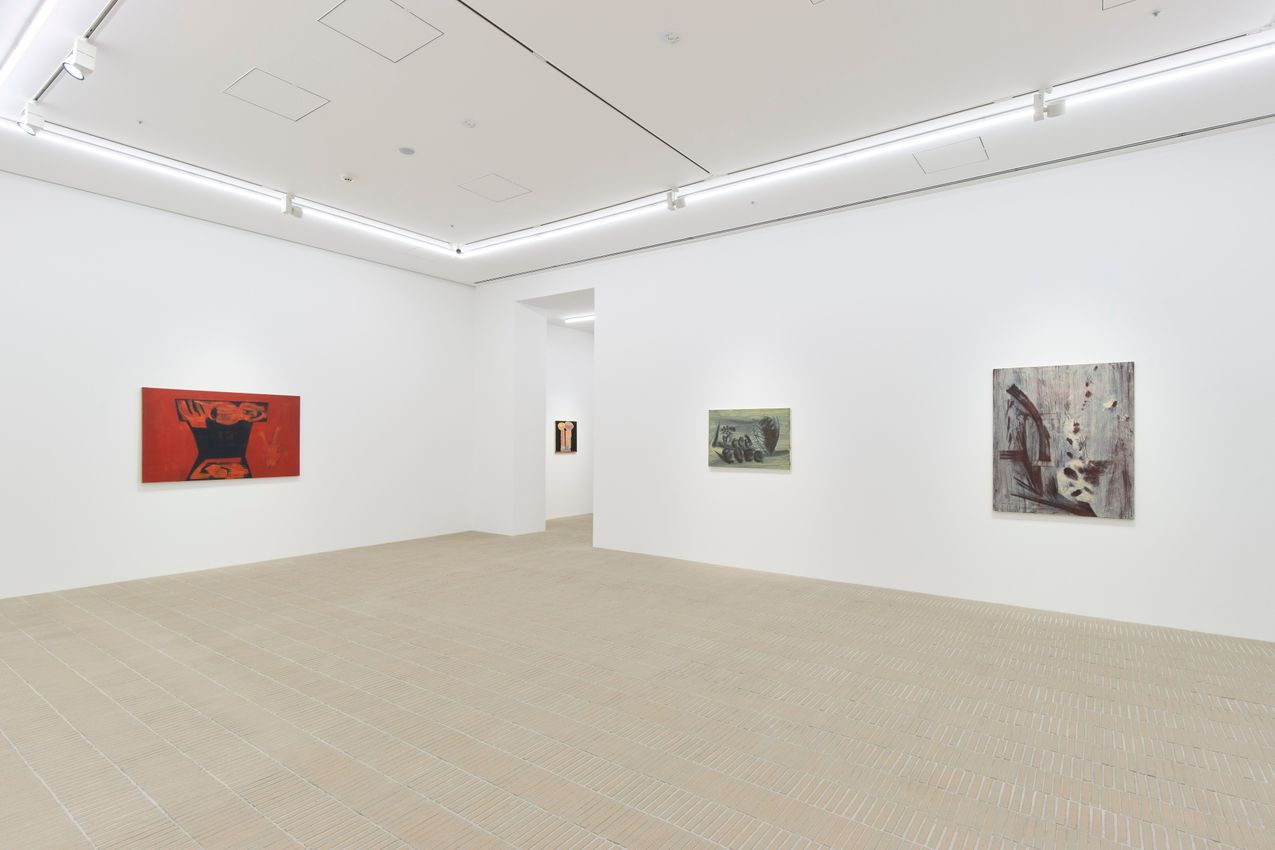
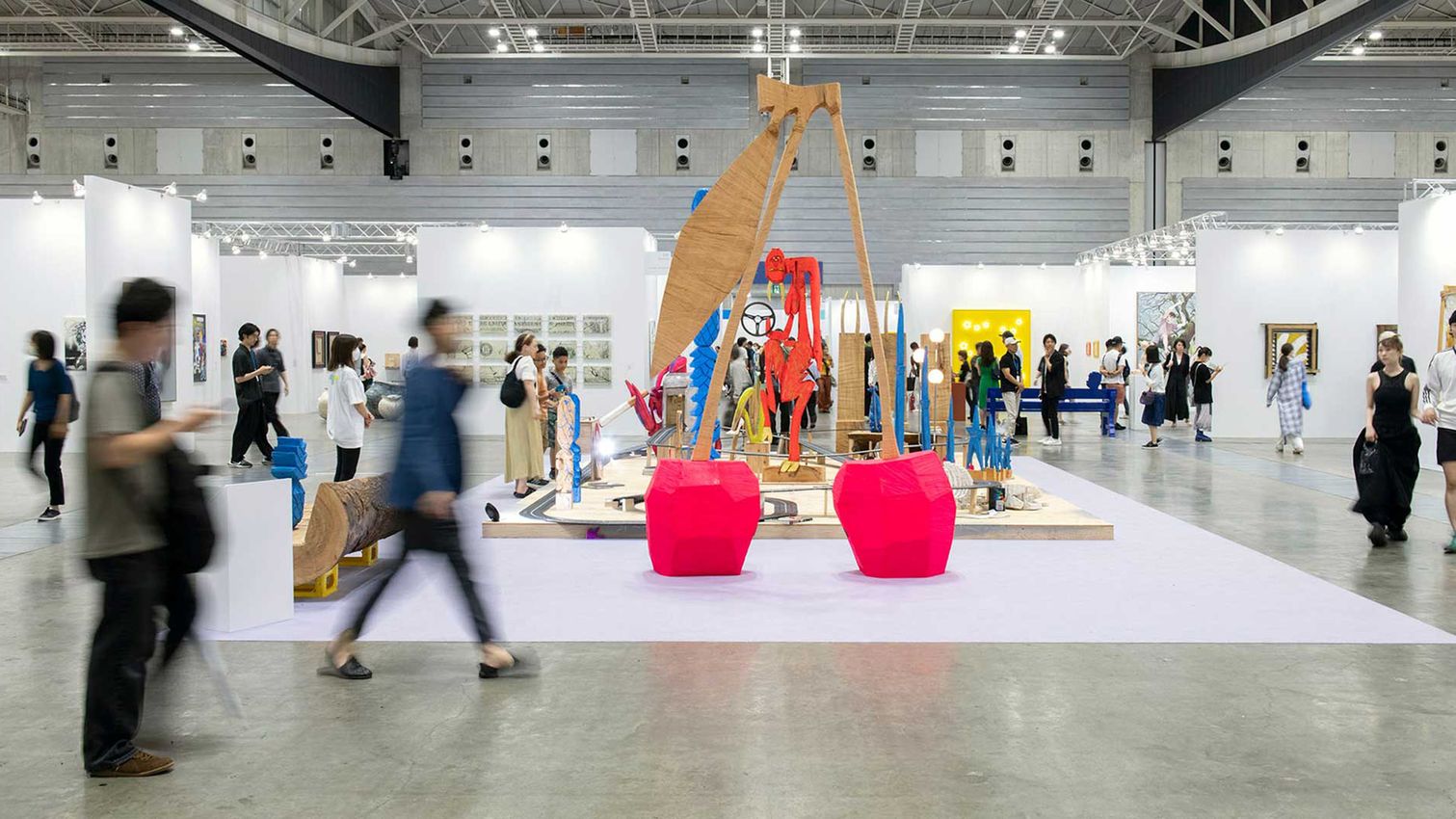
KOSAKU KANECHIKA is pleased to present works by nine artists – Yutaka Aoki, Takuro Kuwata, Ataru Sato, Ryu Takeda, Noritaka Tatehana, Tenki Hiramatsu, Miwa Kyusetsu XIII, Ana Benaroya, TARWUK – at Tokyo Gendai 2026 from September 11 to September 13, 2026.

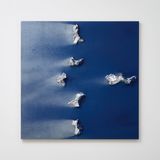
Yutaka Aoki expands the scope of painting through an examination of the relationship between painting and the surrounding world, and through the many new possibilities that are born from that exchange. This exploration results in works that migrate freely between two- and three-dimensionality, and in works that respond not only to the material and production process, but also to their relationship with the audience’s gaze. Aoki’s approach also seeks to capture the ever-changing countenance of paintings, articulated as single moments along the axis of time. By repeated experimentation and the application of newly discovered processes, Aoki is continually rediscovering painting itself.

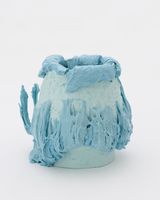
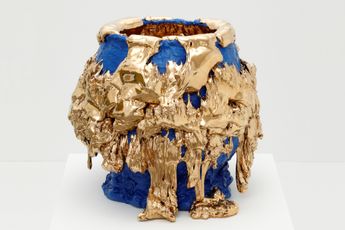
Takuro Kuwata has rapidly expanded the possibilities of ceramic art by creating works of an unparalleled nature that have been exhibited globally in Brussels, London, and New York. Kuwata’s contemporary visual language, which utilizes techniques of traditional Japanese pottery such as kairagi and ishihaze in a novel manner, has garnered international acclaim. Situated at the heart of Japanese ceramic artistry, Kuwata’s studio in the Mino region of Gifu retains history and techniques dating back to feudal Japan. Inheriting the traditional tea ceremony aesthetic of wabi-sabi, his works embrace imperfect beauty and natural forms that are celebrated in the preservation of a rustic, unrefined elegance. Through dialogue with the environment, history, nature, and time, Kuwata fuses together elements of tradition and modernity.

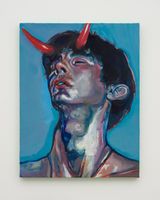
For Ataru Sato, drawing and painting are tools to chronicle and interpret the complexity of human life around him, exploring personal themes in strikingly honest and at times provocative imagery. He sees art as being created by people who are alive to express their lived experiences and has no aspiration to create art for art’s sake, art that is novel, or art that seeks to be meaningful. Sato refuses to shy away from fantasies, shame, loneliness, pain, or indulgences, matters that are typically considered indecent or immoral but are nonetheless integral aspects of the psyche. He opens a direct portal into a psychological investigation of his lived experience.

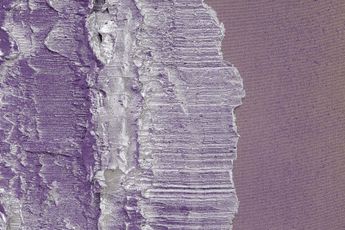
Ryu Takeda’s paintings evoke the imagery of accidental stains or scars. He remarks that the memories and characteristics of the rural forests from his childhood are expressed not only through his sight, but through sound, smell and touch. Takeda, who often compares the act of painting to an excavation, paints as if to unearth the unconscious realm that has been lost through verbalization and classification.

Noritaka Tatehana presents a never-before-seen perspective and worldview by combining elements of traditional Japanese culture with values of the contemporary world. His carefully honed artistry is elegantly expressed throughout his various mediums. Nurturing the sensitivities of a rich history, mythology, and innovation, Tatehana’s work brims with his potential and hopes for the future. The artist is renowned for his trademark works titled “Heel-less Shoes,” which are inspired by the elevated wooden clogs worn by traditional Japanese courtesans. These works have attracted global recognition since being worn by celebrities including Lady Gaga. To date, Tatehana’s work has been collected by institutions such as the Metropolitan Museum of Art in New York, and the Victoria & Albert Museum in London.

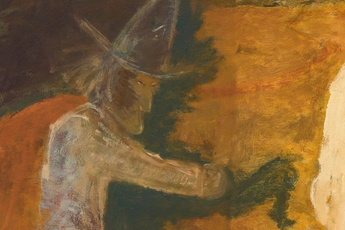
Tenki Hiramatsu’s paintings begin without specific motifs, and figures subsequently emerge from applying and reworking oil paint over weeks or months, rotating the work in 90° increments. Figures materialize from the depths of initially unrelated backgrounds and traces of brushstrokes, as abstract compositions and colors respond to one another. Hiramatsu describes his creative process as an exploration of existence without purpose.

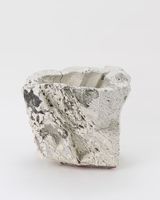
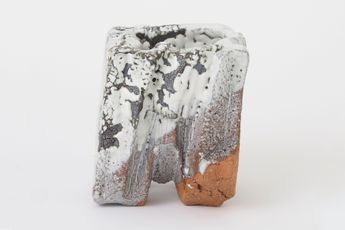
Miwa Kyusetsu XIII, who assumed the family title in 2019, is highly acclaimed throughout the world for his style that incorporates dynamic and innovative sculptural forms while carrying forward the legacy of Hagi ware ceramics by using the white Hagi glaze adopted by the Miwa family. His “El Capitan” series of tea bowls highlights the contrast between the unglazed surface of the pottery cut out using a Japanese sword and the Miwa family’s traditional white Hagi glaze (Kyusetsu white). This series owes its primary inspiration to Miwa’s astonishment at seeing the enormous granite edifice of the same name at Yosemite National Park while studying in the United States. This series constitutes the merger of that inspiration with Hagi clay and ceramic traditions. The works have an enchantingly powerful originality and convey the energy of nature and the long history of kogei crafts.

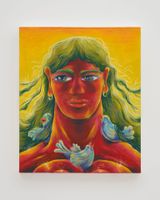
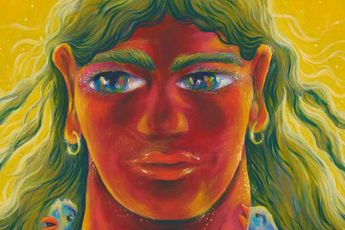
Depicting powerful women with muscular physiques, Ana Benaroya’s work subverts traditional representations of the female figure. She communicates female perspectives, desires, and queer sensibilities, drawn and painted with a vibrant, graphic style influenced by comics and cartoons. Distorted bodies and exaggerated muscles exude strength, idiosyncrasy, and a bold allure, which, together with glimpses of tenderness and coy playfulness, redefine femininity.

TARWUK, is an artist duo consisting of Bruno Pogačnik Tremow and Ivana Vukšić. Rather than positioning themselves as individuals, they conceive of themselves as a single entity, defining TARWUK as one unified subject—a “condition” in itself. Both were born in the former Yugoslavia, in Croatia, and grew up directly experiencing the instability brought about by the collapse of the socialist system, the transition to post-socialism, and the Croatian War of Independence in the 1990s. These experiences form the foundation of TARWUK’s persistent exploration of selfhood, as well as recurring themes of fragmentation, transformation, and layered temporality in their practice. Their drawings, which intuitively capture fantasies born out of despair and anxiety through spontaneous lines and forms, present an inner world shaped within conditions of social tension.

This presentation for Tokyo Gendai 2026 will consist of approximately 〇〇 works.

Read More

Installation Views

Artists Exhibiting

Also Exhibiting at KOSAKU KANECHIKA

The art world in focus