Press Release

Since its inception as a contemporary art magazine in 1991, Frieze has expanded its platform from Frieze London in 2003 to New York, Los Angeles, and Seoul. The fourth anniversary of Frieze Seoul will be celebrated by 121 galleries from 29 countries. Alongside Korea, more than half of the participating galleries are based in Asia, including Japan, China, Hong Kong, Taiwan, Indonesia, and Singapore, highlighting the ‘present’ of globally active diaspora artists as well as contemporary Asian art.

This year, Frieze Seoul showcases the full breadth and exceptional curatorial vision of the fair, from the Galleries section, which reflects the current trends in contemporary art, to Frieze Masters, which presents carefully curated works from antiquity through the 20th century, and Focus Asia, featuring 10 galleries based in Asia established since 2012. Across the city, Frieze LIVE, Frieze Seoul Artist Award, Frieze Film, Frieze Music, and a series of talks led by prominent cultural and artistic leaders will be presented, offering a comprehensive platform for arts and culture.

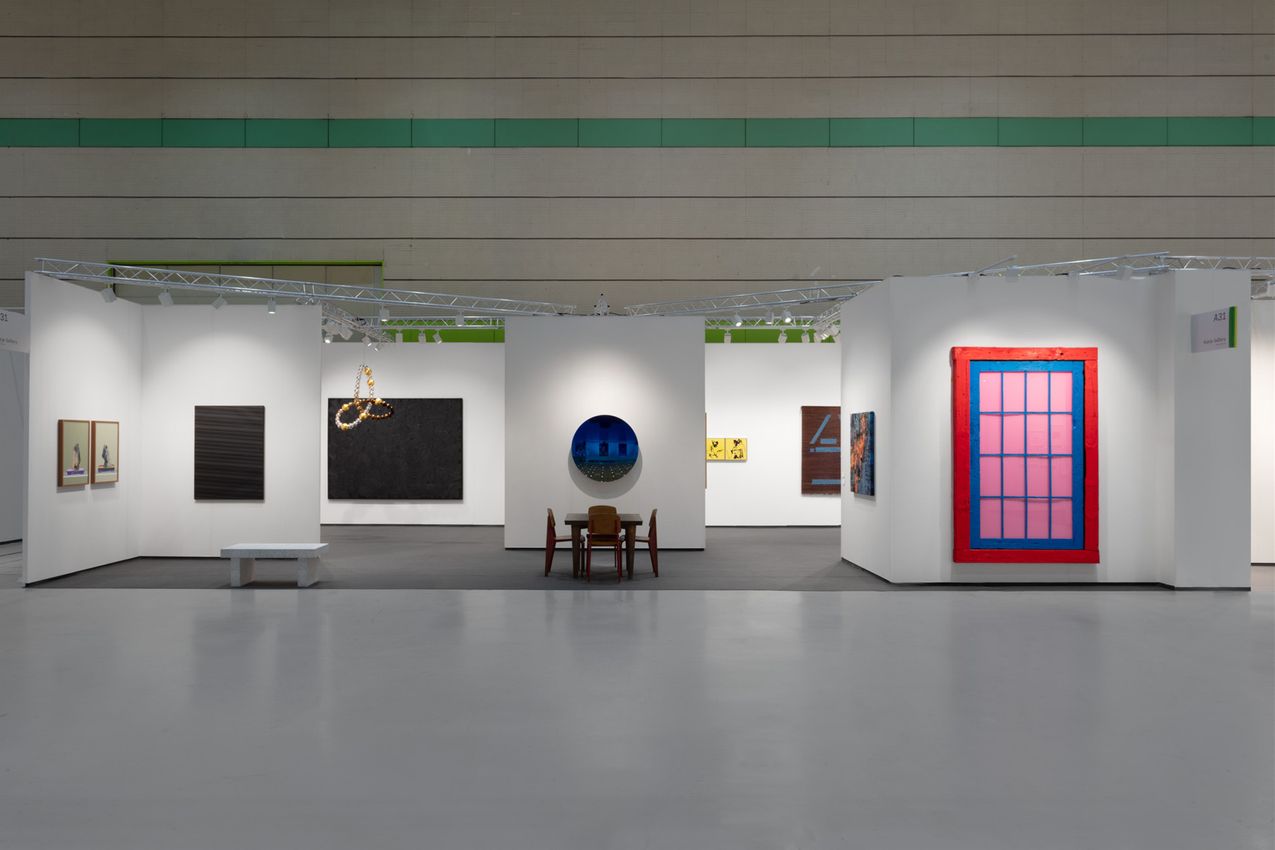
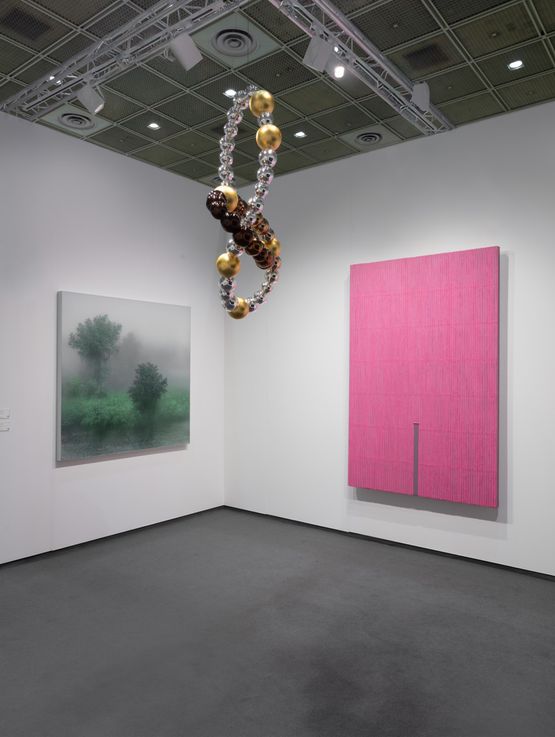
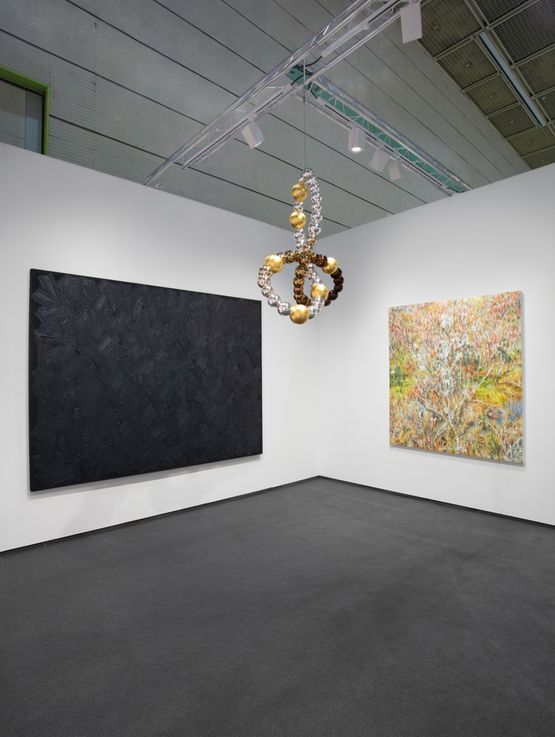
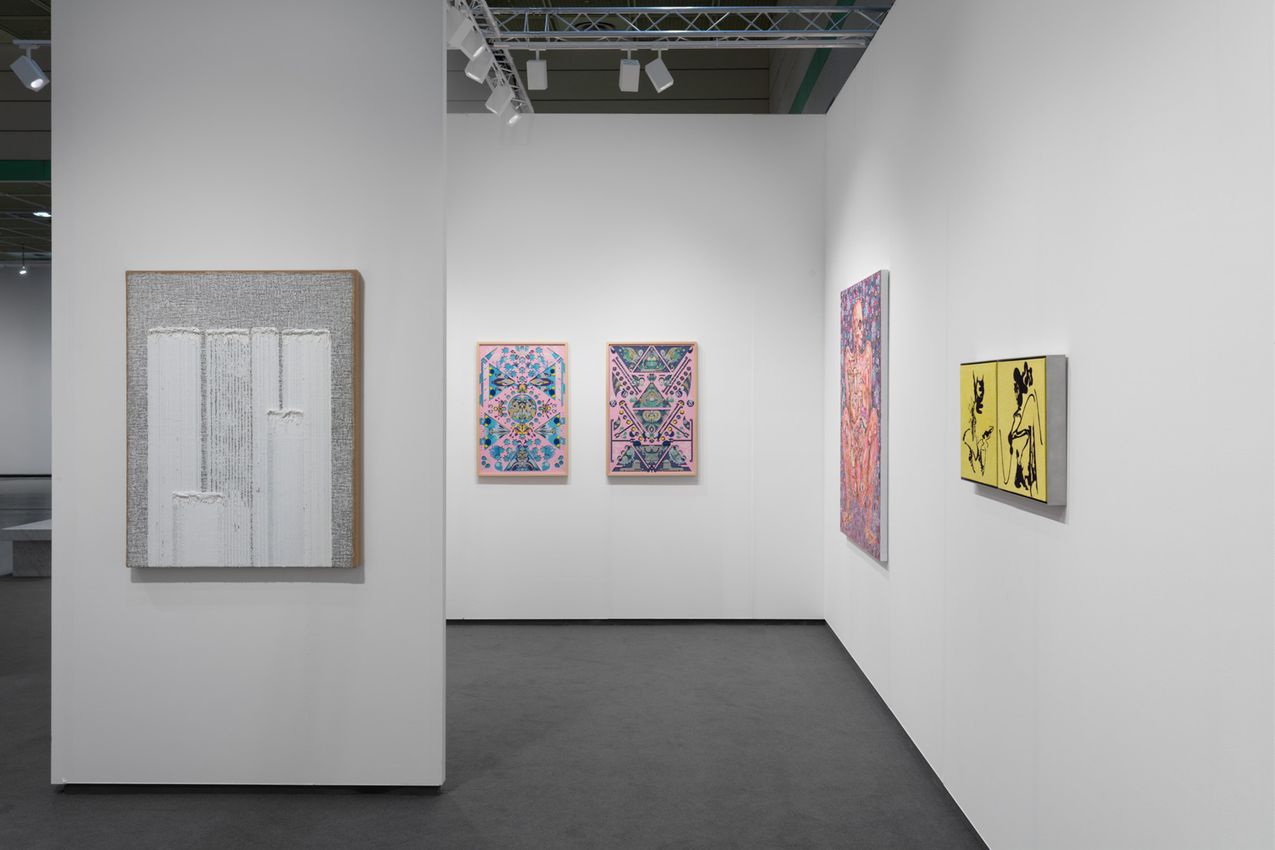
This year, Kukje Gallery presents a vibrant selection of Korean and Korean diaspora artists, spanning multiple generations across Korea’s modern and contemporary art history. Dansaekhwa master Park Seo-Bo’s Écriture No. 110211 (2011) displays a bold pink hue that encapsulates the qualities of his later nature-inspired works. Ha Chong-Hyun, a leading figure in Korean avant-garde art, presents Conjunction 22-28 (2022), created through his signature bae-ap-bub (背押法, ‘back pressure method’) technique, in which he applies thick red paint from the back to the front of coarse hemp canvas, exploring the materiality of the medium. In celebration of his lifelong legacy, Ha will open the Ha Chong-Hyun Art Center in Paju, Korea, on September 1, following the success of his solo exhibition Light into Color at Château La Coste in Aix-en-Provence, France, this past June. Kwon Young-Woo’s Untitled (c. 1970s), which investigates the materiality of hanji through cutting, tearing, and layering, highlights the delicate textures of the layers while giving the surface depth and rhythmic form. Lee Seung Jio, a pioneer of Korean geometric abstraction, presents Nucleus (1977), a work centered on his signature ‘pipe’ motif. Through repeated processes of undercoating, painting, and sanding that emphasize metallic qualities, Lee redefines the history of post-painterly abstraction.

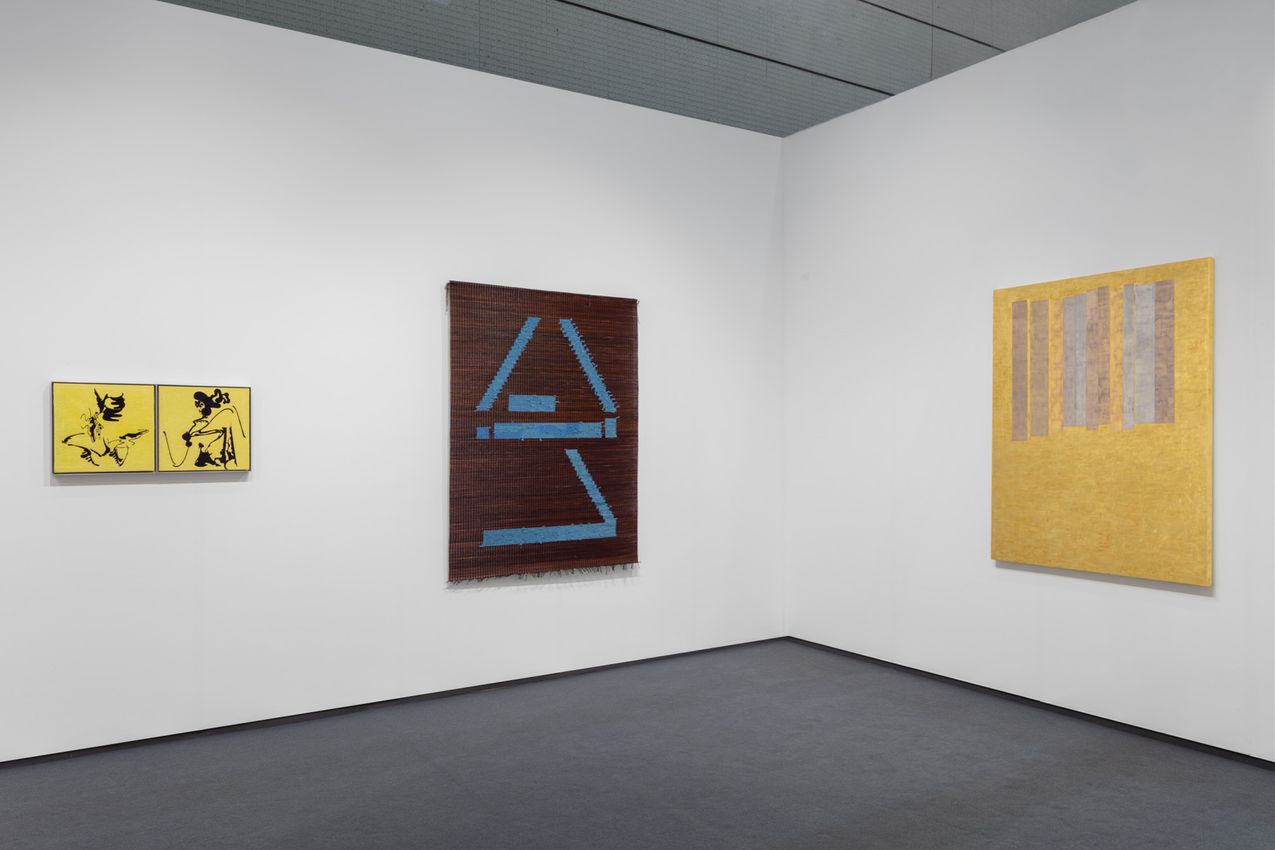
First-generation woman sculptor Kim Yun Shin’s Song of My Soul 2009-270 (2009) encapsulates her artistic philosophy in viewing nature not as an object of contemplation, but as a subject that ‘adds to one’ with the artist, expressing through vibrant colors, lines, and planes the eternity of life’s gifts and the primordial voracity of life. Meanwhile, conceptual artist Kim Yong-Ik, who has been challenging and creating rifts in modernist conventions, presents Exhausting Project 23-16: Conceptual Painting Disguised as a Retinal Painting (2023). The work embodies the Eastern philosophy concerning the composition and theories of the cosmos, particularly the dichotomies of yin and yang, heaven and earth, and high and low. Ahn Kyuchul, who uses writing as the starting point of his practice, is featured with Vision Test–Bird (2024). The dysfunctional vision test chart evokes an ironic tension between the signifier and the signified. Ahn is currently holding his solo exhibition, Twelve Questions, at Kukje Gallery Busan.

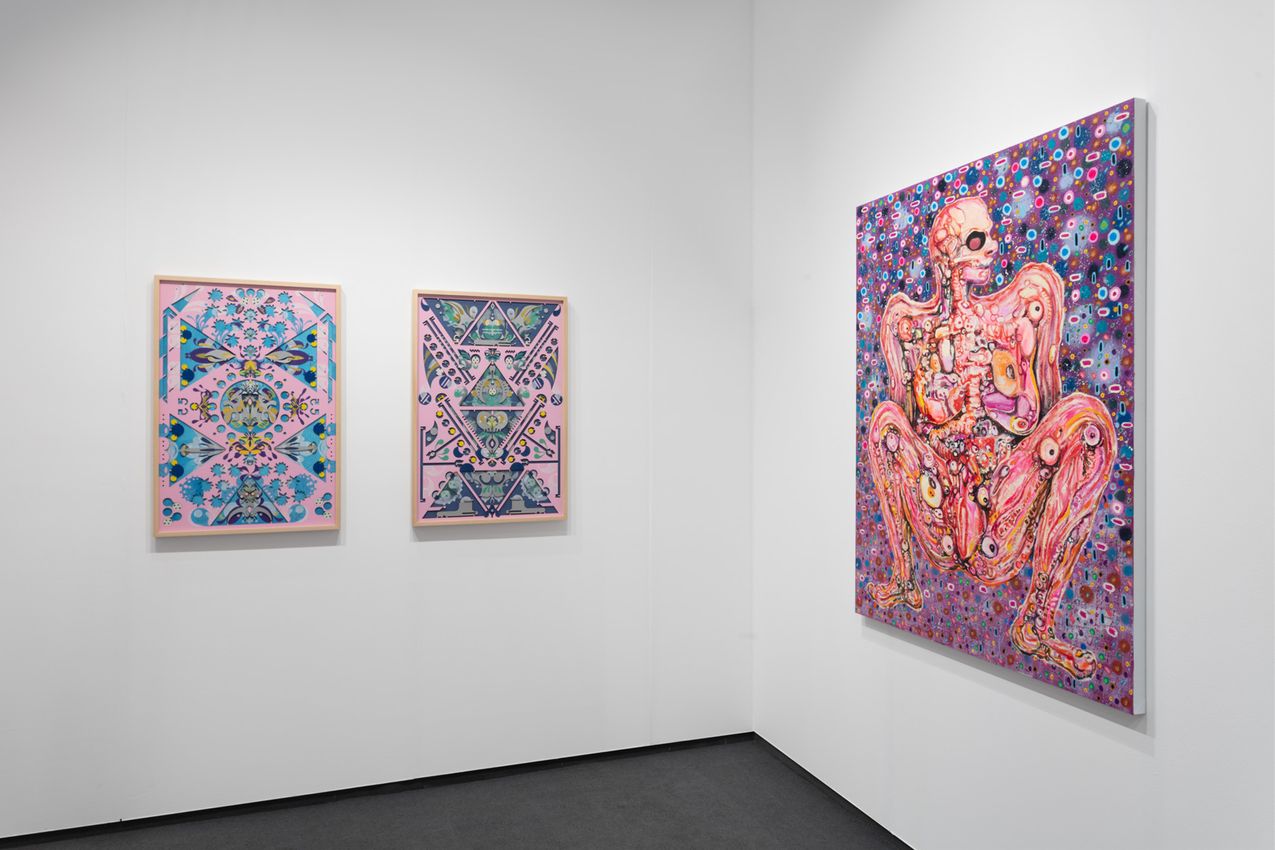
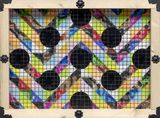
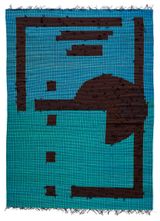
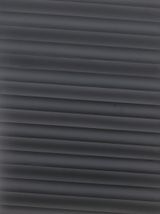
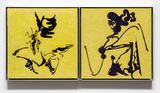
Park Chan-kyong’s Dear Pine Mountain, How Are You? (2025) transforms ‘pine mountain,’ commonly used as a name, pen name, or place name common in East Asia, into the visual imagery of a pine tree and a mountain. Through a simple composition that recalls traditional landscape painting while evoking contemporary imagery, Park captures the familiar-yet-unfamiliar quality in most traditional images. Kyungah Ham presents her new textile diptych, Phantom and a Map / The Lines Curved Along the Winding Valley and Returned to the Story. 03YBXS01V1, 05YBXS01V1 (2025). The work unfolds the uncertainty of awaiting North Korean embroidery—unpredictable in both process and outcome—by imagining the piece during moments of waiting and absence. Haegue Yang’s Pink Glacier Ichnography Soul Relief – Mesmerizing Mesh #289 (2025) is a new work in the ‘Mesmerizing Mesh’ series, which she has been developing since 2021. Drawing on traditional paper-cutting and ritual objects found across different cultures, Yang explores the symbolic properties of paper—healing, purification, and hope—the artist investigates the relationship between material and spiritual. She will present her solo exhibition, Haegue Yang: Quasi-Heartland, at the Contemporary Art Museum St. Louis, USA, starting September 5, and a touring exhibition, Haegue Yang: Leap Year, at Migros Museum für Gegenwartskunst in Zurich, Switzerland. Suki Seokyeong Kang’s Mat Black Mat 122 × 163 #21-71 (2020–2021) took inspiration from the hwamunseok, a woven mat that functioned as the performance space for Chunaeng-mu (春鶯舞), a solo court dance from the Joseon Dynasty. Through this work, Kang explores the boundaries and possibilities of an individual’s place within society. Jang Pa presents her new work, Gore Deco – Emily: I Still Can Sing (2025), which renders the poetry of 19th-century American poet Emily Dickinson onto the body like a tattoo, demonstrating a new language of identity. Through painting and text, the artist critiques fixed notions of ‘image’ and ‘beauty’ while visually exploring the feminine grotesque and historically othered sensibilities. Jang Pa will hold her first solo exhibition at Kukje Gallery this December.

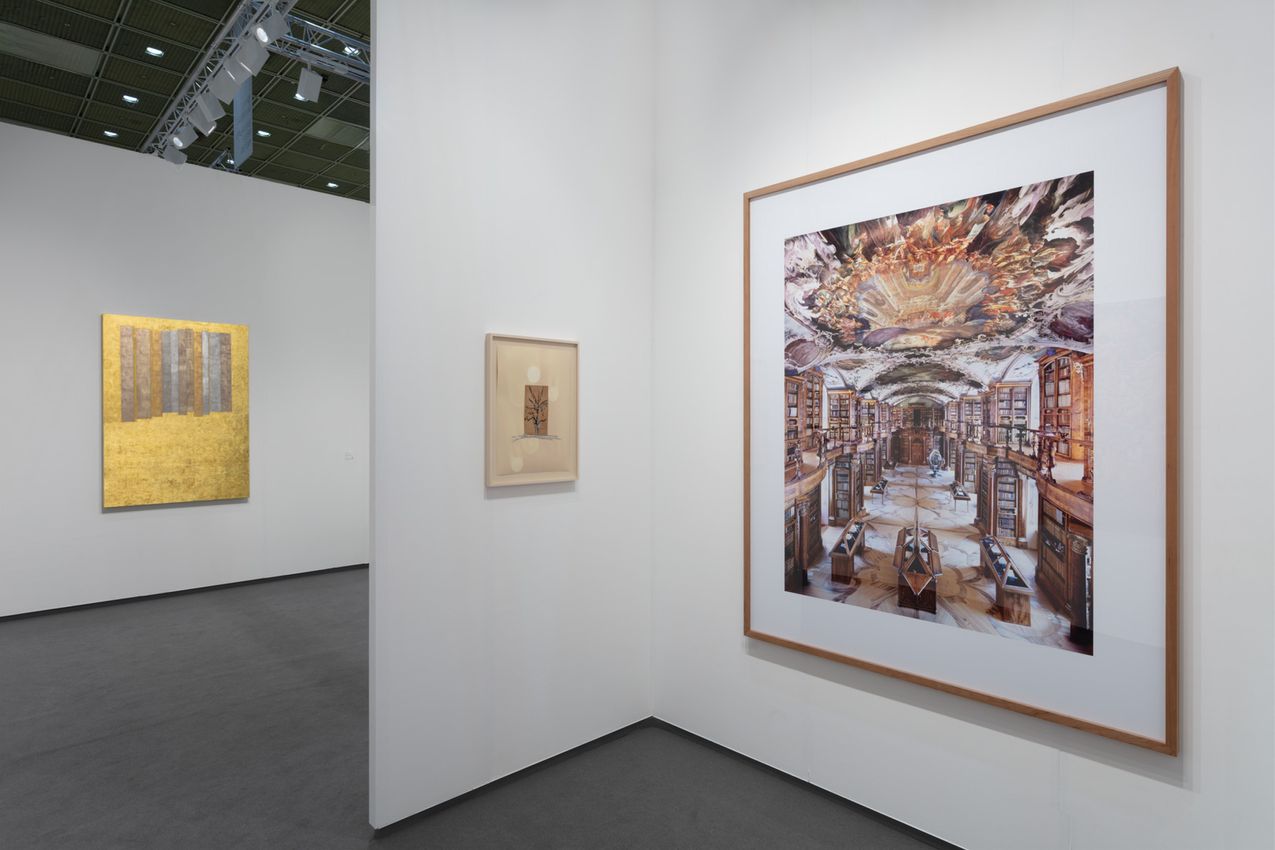
The booth will also introduce works of Korean diaspora artists who have developed their practice internationally. Byron Kim’s Blue Lift Sandalwood Fall (2016), part of his ‘Bruise’ series, depicts the bruise not as a literal mark on the body but purely through color, exploring the way we perceive the subject.

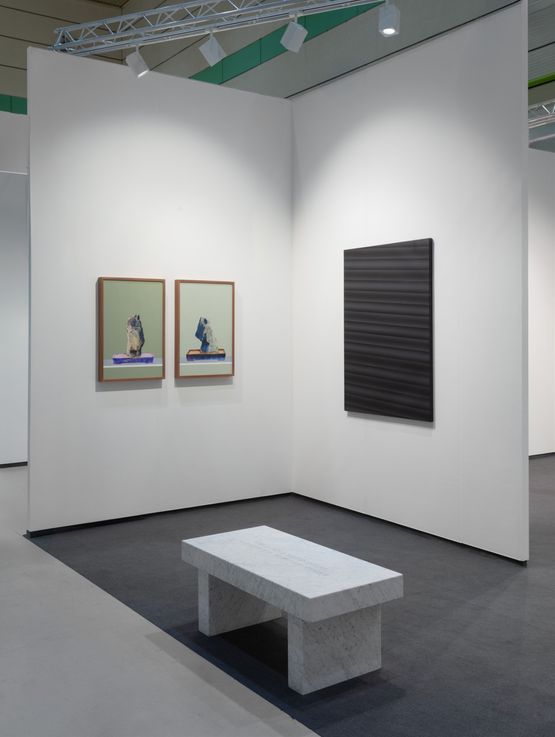
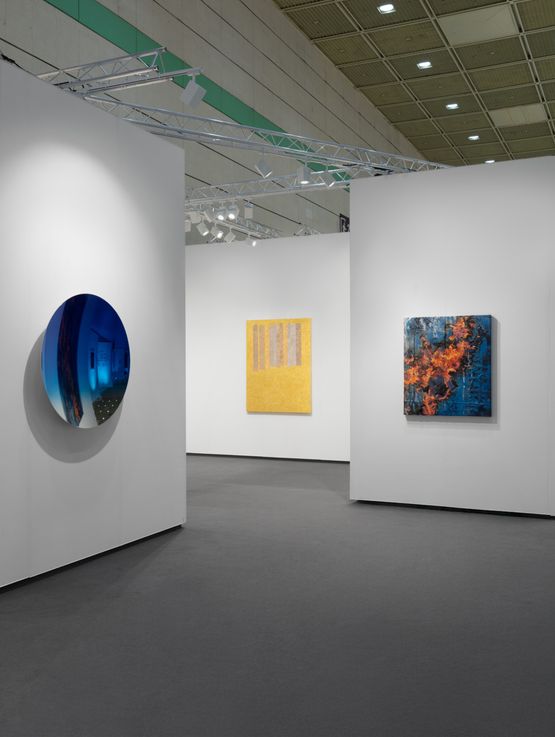
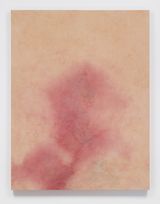
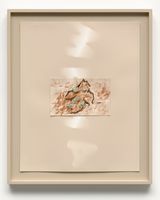
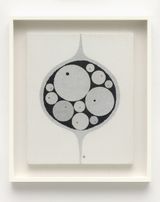
Michael Joo’s Cosms (Catalunya 1) (2016–2024) explores geology, minerals, place, and migration, connecting the present to the accumulated temporality of sedimentary layers in Catalonia, Spain, through silver and the reflective surfaces of dichroic glass. Gala Porras-Kim, anticipating her first solo exhibition at Kukje Gallery in September, presents her new ‘Suseok’ drawing series, visually exploring the rules humans impose on nature to understand and appreciate it. Finally, Lotus L. Kang’s Mesoderm (Empty Full III) (2025), created through collage, examines the mesoderm, the cell layer formed in the early stages of embryonic development, as another layer of skin and an internal pouch, investigating the permeability of the body.

Read More

Installation Views

Also Exhibiting at Kukje Gallery

The art world in focus